Andrew Clemente
Nemo5576 / Wikimedia Commons
aleks0649 / iStock via Getty Images
Public Domain / WIkimedia Commons
mohit_s / Flickr

Scott Olson / Getty Images News via Getty Images

Sean Gallup / Getty Images News via Getty Images

Public Domain / Wikimedia Commons

Ministerie van Defensie / Wikimedia Commons

Public Domain / Wikimedia Commons

Public Domain / Wikimedia Commons

simonov / Flickr

Fred Morley / Hulton Archive via Getty Images

Andrii Yalanskyi / iStock via Getty Images

Hassan Abbasi / Wikimedia Commons

Bukvoed / Wikimedia Commons
Public Domain / Wikimedia Commons

Public Domain/Wikimedia Commons

Public Domain / Wikimedia Commons

Public Domain / Wikimedia Commons

billmorrow / Flickr

dcwcreations / Shutterstock.com

Ivan Yulaev / Wikimedia Commons

Archives Branch, USMC History Division / Wikimedia Commons

Public Domain / Wikimedia Commons
Public Domain / Wikimedia Commons

grandriver / iStock via Getty Images
Rama / Wikimedia Commons

Topical Press Agency / Hulton Archive via Getty Images

Serhii Milekhin / Shutterstock.com
Iakov Zaiats / iStock via Getty Images











Guerrilla Warfare Weapons That Changed the Course of History
Guerrilla warfare has often depended on weapons that are simple, portable, and reliable enough to work in difficult conditions. In jungles, mountains, deserts, and dense cities, smaller fighting forces have used rifles, mines, explosives, rocket launchers, and other low-cost tools to challenge larger and better-equipped militaries. These weapons are not always the most advanced, but their impact comes from how easily they can be moved, hidden, repaired, and used in unpredictable attacks.
This list looks at some of the most effective weapons associated with guerrilla warfare throughout modern history. 24/7 Tempo reviewed historical and military sources to identify weapons that played major roles in insurgencies, resistance movements, civil wars, and asymmetric conflicts around the world. For each entry, we included details such as weapon type, country of origin, notable conflicts, and why it became so useful in unconventional warfare.
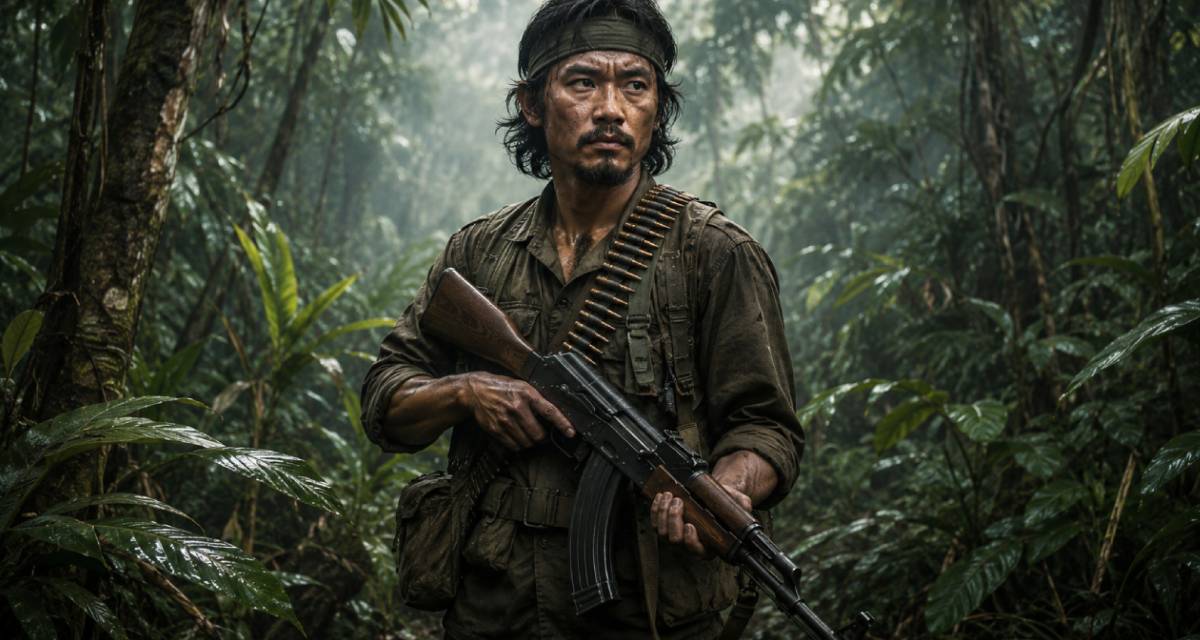
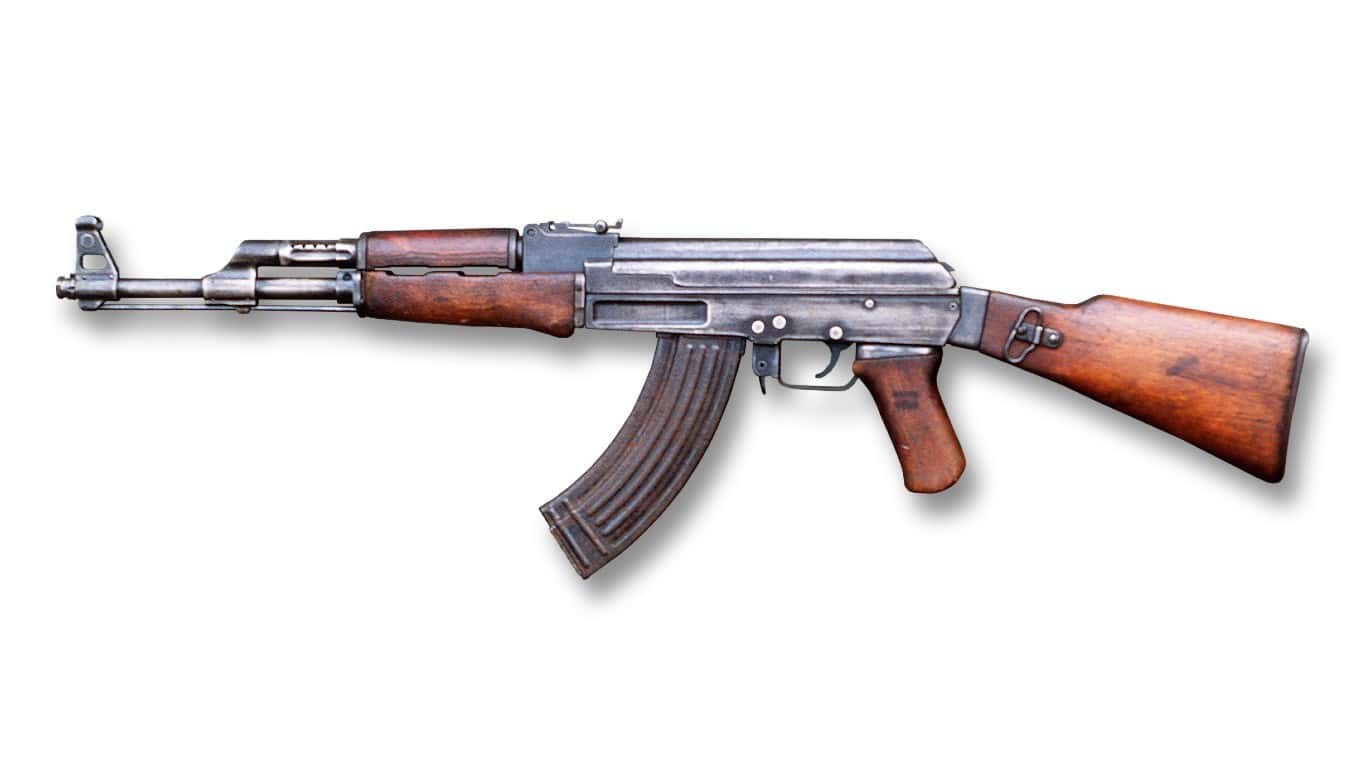
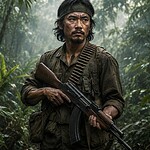
AK-47 Kalashnikov Assault Rifle
- Era or conflict this weapon was used in: Cold War–Present
- Type: Assault Rifle
- Country of origin: Soviet Union
- Users: Global insurgent groups
- Key advantage: Extreme reliability and ease of use
- Impact on warfare: Became the standard weapon of modern insurgency
- The AK‑47 offered unmatched reliability, low production cost, and simple maintenance, making it the ideal rifle for guerrilla movements. Its durability in harsh environments allowed irregular forces to fight on equal footing with state armies. This rifle reshaped conflicts across Africa, Asia, and the Middle East, becoming a global symbol of resistance.
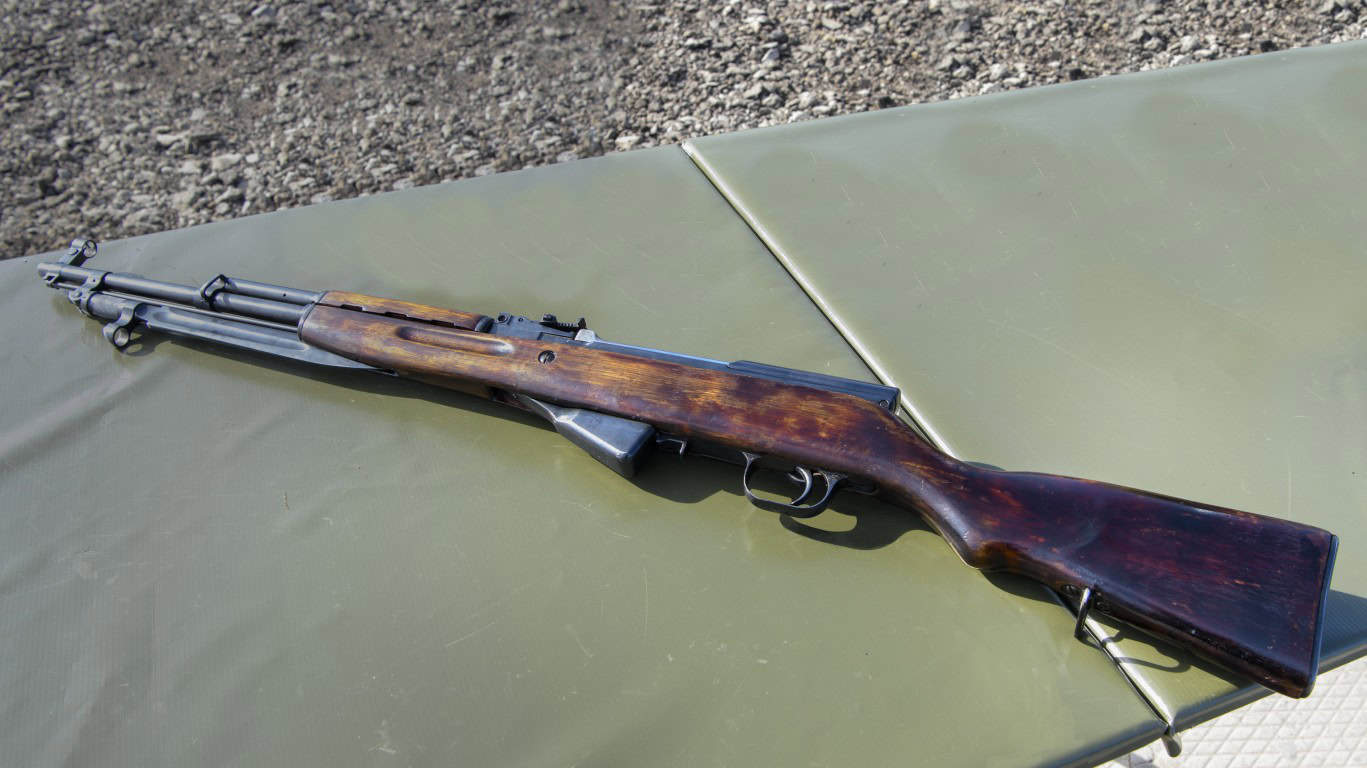
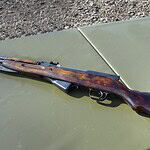
SKS Carbine
- Era or conflict this weapon was used in: Cold War
- Type: Semi-Auto Carbine
- Country of origin: Soviet Union
- Users: Viet Cong, Chinese-backed forces
- Key advantage: Accurate, durable, and cheap
- Impact on warfare: Widespread early guerrilla rifle before AK‑47 takeover
- The SKS gave early guerrilla fighters a rugged, semi-automatic rifle with good accuracy and manageable recoil. It served heavily in Vietnam and other proxy wars where irregular forces needed firepower but lacked access to fully automatic rifles. Its low cost and reliability kept it in service well past its era.
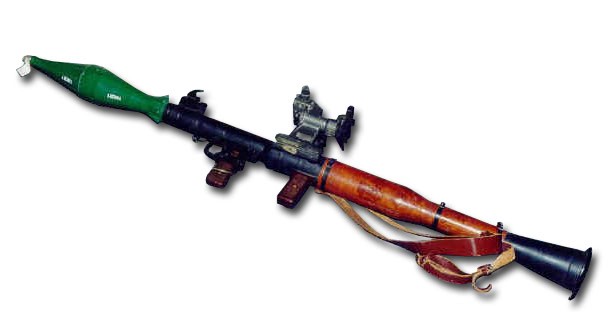
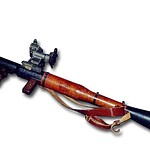
RPG-7
- Era or conflict this weapon was used in: 1960s–Present
- Type: Anti-Tank Rocket Launcher
- Country of origin: Soviet Union
- Users: Global insurgent forces
- Key advantage: Destroys armor and helicopters
- Impact on warfare: Most iconic guerrilla anti‑armor weapon
- The RPG‑7 became the backbone of guerrilla anti‑vehicle warfare. Cheap, durable, and simple to operate, it allowed small units to threaten tanks, trucks, and even low‑flying aircraft. Its reusable launcher and diverse warheads made it highly adaptable across decades of conflicts.
RPG-2
- Era or conflict this weapon was used in: 1950s–1970s
- Type: Anti-Tank Launcher
- Country of origin: Soviet Union
- Users: Viet Minh, Viet Cong
- Key advantage: Simple, effective against early armor
- Impact on warfare: Key anti‑armor weapon of early Cold War insurgencies
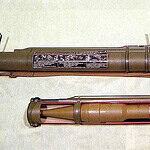
- The RPG‑2 set the foundation for modern guerrilla anti‑tank tactics. Its straightforward design allowed untrained fighters to damage armored vehicles and fortified positions. Widely supplied to communist insurgencies, it shaped early asymmetric warfare before being replaced by the RPG‑7.
Improvised Explosive Device (IED)
- Era or conflict this weapon was used in: 2000s–Present
- Type: Explosive Device
- Country of origin: Various
- Users: Iraq insurgents, Taliban, global groups
- Key advantage: Cheap and devastating
- Impact on warfare: Most lethal insurgent weapon of the 21st century
- IEDs became the signature weapon of modern guerrilla warfare. Made from household items or repurposed munitions, they inflicted heavy casualties on coalition forces in Iraq and Afghanistan. Their adaptability—roadside bombs, command-detonated charges, car bombs—made them nearly impossible to counter fully.
Pressure-Plate Landmine
- Era or conflict this weapon was used in: Vietnam–Present
- Type: Landmine
- Country of origin: Various
- Users: Viet Cong, Taliban, FARC
- Key advantage: Requires no operator
- Impact on warfare: Psychological and physical disruption of supply routes
- Pressure‑plate mines disrupted patrol routes, ambushes, and logistics by forcing enemy forces to slow or divert movement. Their simplicity and ability to be fabricated locally made them a staple for decades. These mines remain one of the most feared and unpredictable insurgent weapons.
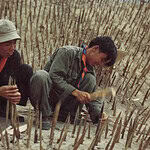
Punji Stakes
- Era or conflict this weapon was used in: Vietnam War
- Type: Trap
- Country of origin: Vietnam
- Users: Viet Cong
- Key advantage: Silent, cheap, highly demoralizing
- Impact on warfare: Created constant fear during patrols
- Punji stakes were a psychological and tactical weapon—camouflaged pits lined with sharpened bamboo, often poisoned or contaminated. Their purpose was not always to kill but to wound, forcing resource‑draining evacuations and disrupting morale. They became one of the most recognizable guerrilla traps of the Vietnam War.
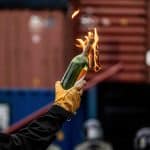
Molotov Cocktail
- Era or conflict this weapon was used in: 1930s–Present
- Type: Incendiary Weapon
- Country of origin: Finland
- Users: Finnish resistance, urban insurgents
- Key advantage: Simple anti‑vehicle incendiary
- Impact on warfare: Effective against vehicles and fortifications
- The Molotov cocktail has been used for nearly a century as a low‑cost incendiary tool. From Finland’s defense against Soviet armor to modern uprisings, it offers civilians and guerrillas an accessible anti‑vehicle option. Its simplicity makes it a universal symbol of resistance.
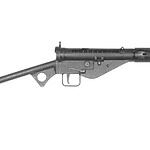
Sten Gun
- Era or conflict this weapon was used in: WWII
- Type: Submachine Gun
- Country of origin: United Kingdom
- Users: European resistance movements
- Key advantage: Ultra‑cheap mass production
- Impact on warfare: Armed resistance groups behind enemy lines
- The Sten gun gave WWII resistance groups a reliable, concealable automatic weapon that could be air‑dropped into occupied territories. Its crude but effective design empowered partisans to carry out sabotage, assassinations, and ambushes with far greater firepower than before.
M1 Carbine
- Era or conflict this weapon was used in: WWII
- Type: Light Carbine
- Country of origin: United States
- Users: French Resistance, Asian insurgents
- Key advantage: Lightweight and easy to hide
- Impact on warfare: Allowed rapid, mobile guerrilla operations
- The M1 Carbine provided partisans and irregular forces with a lightweight, fast‑firing weapon ideal for sabotage missions. Its small size allowed fighters to move quickly through urban and forest terrain while still carrying meaningful firepower. It became a favorite among guerrillas worldwide.
Mosin–Nagant Rifle
- Era or conflict this weapon was used in: Afghan–Soviet War
- Type: Bolt-Action Rifle
- Country of origin: Russia
- Users: Mujahideen
- Key advantage: Long‑range capability
- Impact on warfare: Enabled long‑range ambushes in mountain terrain
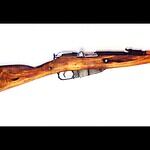
- The Mosin–Nagant, especially surplus 7.62×54mmR variants, offered Afghan guerrillas a powerful, long‑range rifle capable of penetrating Soviet armor plating at distance. Cheap and durable, it excelled in mountainous ambushes where range mattered more than rate of fire.
Lee-Enfield Rifle
- Era or conflict this weapon was used in: 1900s–1960s
- Type: Bolt-Action Rifle
- Country of origin: United Kingdom
- Users: Indian rebels, African insurgents
- Key advantage: Fast bolt cycling
- Impact on warfare: Favored in colonial-era rebellions
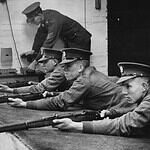
- The Lee‑Enfield’s rapid bolt operation and high magazine capacity made it a formidable guerrilla rifle. Irregular forces used it to challenge colonial armies in Africa and Asia, where its durability and long‑range accuracy made it ideal for ambush tactics.
Bicycle Bombs
- Era or conflict this weapon was used in: 1990s–Present
- Type: Mobile IED
- Country of origin: Various
- Users: IRA, Taliban, urban insurgents
- Key advantage: Highly mobile and inconspicuous
- Impact on warfare: Used to attack convoys and checkpoints
- Bicycle‑borne bombs allowed insurgents to transport explosives through urban areas with minimal suspicion. They blended into civilian traffic and could be parked next to targets before detonation. Their low cost made them ideal for asymmetric urban warfare.
Toyota Technical
- Era or conflict this weapon was used in: 1980s–Present
- Type: Gun Truck
- Country of origin: Japan
- Users: African and Middle Eastern insurgents
- Key advantage: High mobility and firepower
- Impact on warfare: Turned guerrillas into mobile strike forces
- Armed pickup trucks—especially Toyota Hilux and Land Cruiser models—revolutionized guerrilla mobility. Fitted with heavy machine guns or recoilless rifles, they became fast, flexible gun platforms dominating deserts from Chad to Syria. Their reliability made them a guerrilla favorite.
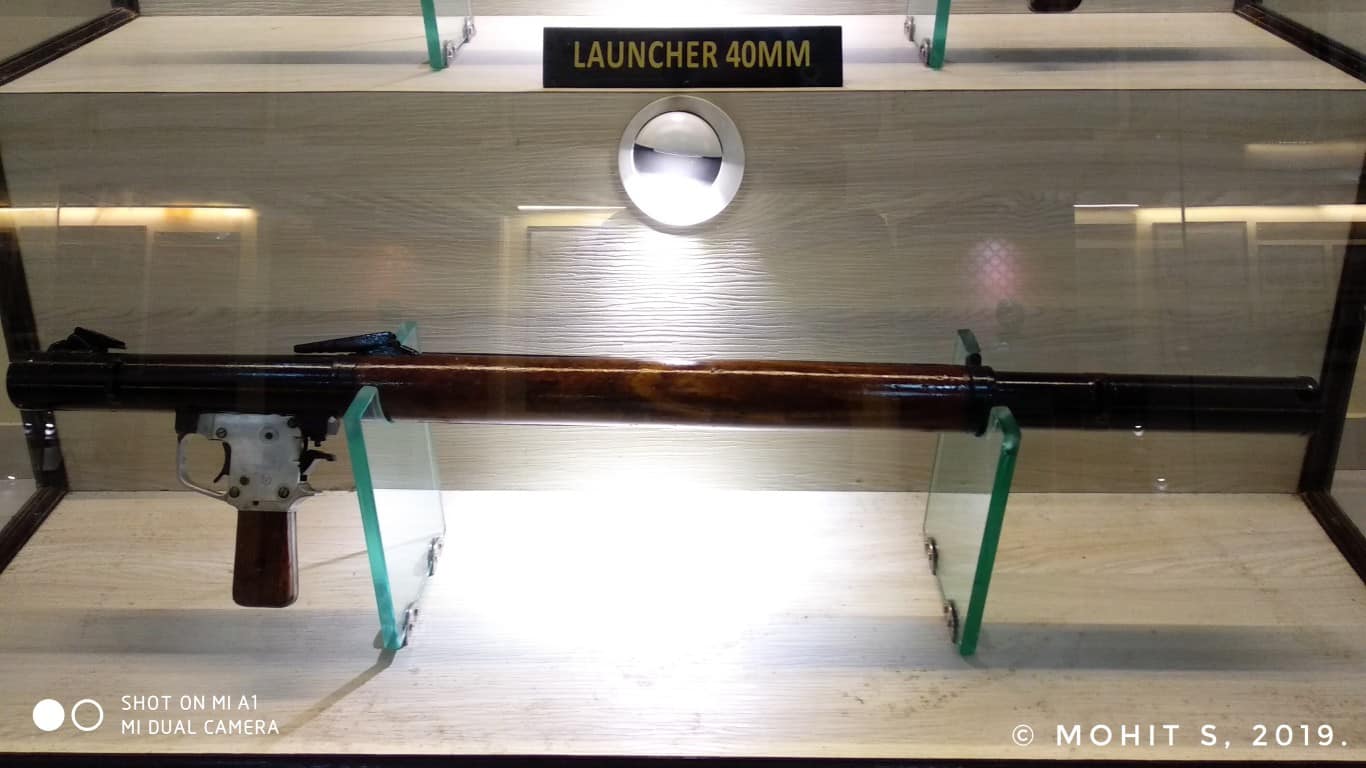
Recoilless Rifles (M40, SPG-9)
- Era or conflict this weapon was used in: 1960s–Present
- Type: Anti‑Armor Weapon
- Country of origin: Various
- Users: Taliban, African insurgents
- Key advantage: Portable heavy firepower
- Impact on warfare: Used to hit armor, vehicles, and fortifications
- Recoilless rifles gave guerrilla fighters a powerful, portable anti‑armor option. They allowed small teams to destroy tanks, trucks, and bunkers from long range. SPG‑9s and M40s remain widely used in Africa and the Middle East due to their durability and simplicity.
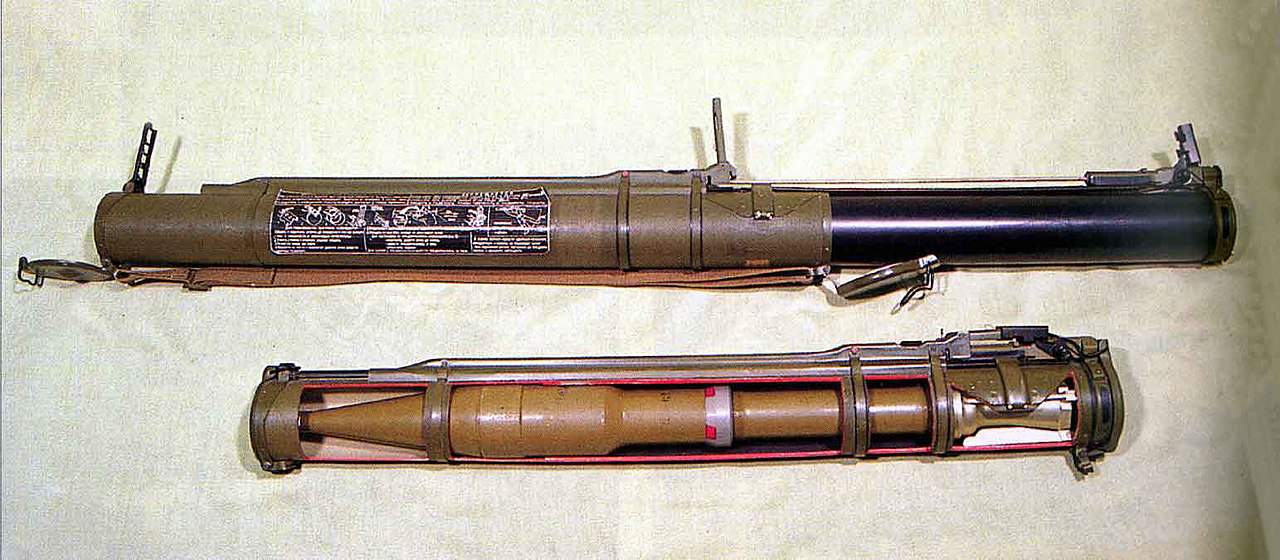
RPG‑18
- Era or conflict this weapon was used in: Cold War–Present
- Type: Disposable Launcher
- Country of origin: Soviet Union
- Users: Afghan Mujahideen, Chechen rebels
- Key advantage: One‑shot anti‑tank capability
- Impact on warfare: Allowed ambushes on armor with minimal training
- The RPG‑18 provided guerrillas with a lightweight, single‑use launcher ideal for ambushing armored vehicles. Its simplicity and portability allowed insurgents to carry multiple launchers at once, overwhelming targets before withdrawing.
Homemade Mortars
- Era or conflict this weapon was used in: 1960s–Present
- Type: Improvised Mortar
- Country of origin: Various
- Users: IRA, FARC, Middle East insurgents
- Key advantage: Indirect fire from safe distance
- Impact on warfare: Enabled attacks on bases from miles away
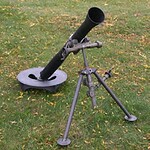
- Improvised mortars allowed guerrillas to strike fortified positions without exposing themselves to direct fire. The IRA perfected these designs, launching bombs over walls or into compounds. Their low cost and surprising range made them ideal for asymmetric warfare.
Improvised Shotguns (Zip Guns)
- Era or conflict this weapon was used in: 1950s–Present
- Type: Improvised Firearm
- Country of origin: Various
- Users: Urban insurgents, criminal militias
- Key advantage: Easy to build from scrap
- Impact on warfare: Gave fighters firearms where none were available
- Zip guns filled weapon gaps for insurgents who lacked access to conventional arms. Built from pipes, springs, and scrap metal, they provided basic firepower for intimidation, assassinations, or close‑range defense. Their simplicity ensured widespread use in conflicts with strict gun access limits.
Bouncing Betty‑Style Traps
- Era or conflict this weapon was used in: WWII–Present
- Type: Booby Trap
- Country of origin: Germany (original)
- Users: Partisans, Viet Cong
- Key advantage: Airburst wounding potential
- Impact on warfare: Forced enemies to move slowly and cautiously
- Improvised versions of the classic bounding mine were used by guerrilla groups to inflict maximum casualties on patrols. When triggered, the device jumped into the air before detonating, spreading lethal fragments. These traps created psychological pressure and disrupted movement.
Claymore Mine (Captured/Replicated)
- Era or conflict this weapon was used in: 1960s–Present
- Type: Directional Mine
- Country of origin: USA (original)
- Users: Viet Cong, Taliban
- Key advantage: Devastating at close range
- Impact on warfare: Used to ambush patrols and convoys
- The M18 Claymore, or homemade equivalents, allowed guerrillas to unleash precise, directional blasts against infantry units. Captured Claymores were reused often, while insurgent copies provided a low‑tech alternative with similar lethality.
Crossbows
- Era or conflict this weapon was used in: Modern Era
- Type: Silent Projectile Weapon
- Country of origin: Various
- Users: Urban rebels, Asian insurgents
- Key advantage: Nearly silent shot
- Impact on warfare: Ideal for stealth killings and sentry removal
- Crossbows have made unexpected appearances in modern insurgencies where silence is essential. Their lack of a gunshot signature makes them useful for assassination, sentry neutralization, and psychological operations, especially in urban environments under heavy surveillance.
Machetes
- Era or conflict this weapon was used in: 1900s–Present
- Type: Melee Weapon
- Country of origin: Various
- Users: African insurgencies
- Key advantage: Requires no ammunition
- Impact on warfare: Symbolic and practical for close combat
- Machetes have been used in countless uprisings due to their low cost and dual use as both tools and weapons. Their psychological impact and lethality in close quarters made them central in insurgent operations, especially in regions with limited firearms access.
Satchel Charges
- Era or conflict this weapon was used in: WWII–Vietnam
- Type: Explosive Charge
- Country of origin: Various
- Users: Partisans, Viet Cong
- Key advantage: Destroys bunkers and vehicles
- Impact on warfare: Used to disable tanks at point‑blank range
- Satchel charges provided guerrilla fighters with portable demolition power capable of wrecking bunkers, bridges, and armored vehicles. In Vietnam, sappers used them to breach fortified positions, often at extreme personal risk.
TNT Pipe Bombs
- Era or conflict this weapon was used in: 1900s–Present
- Type: Improvised Bomb
- Country of origin: Various
- Users: IRA, anarchist groups, militias
- Key advantage: Easy to build
- Impact on warfare: Primary weapon of early 20th‑century insurgency
- Pipe bombs served as the foundation of modern insurgent explosives. Easy to assemble from plumbing supplies and black powder or TNT, they enabled sabotage, assassinations, and urban terror campaigns long before electronic IEDs became common.
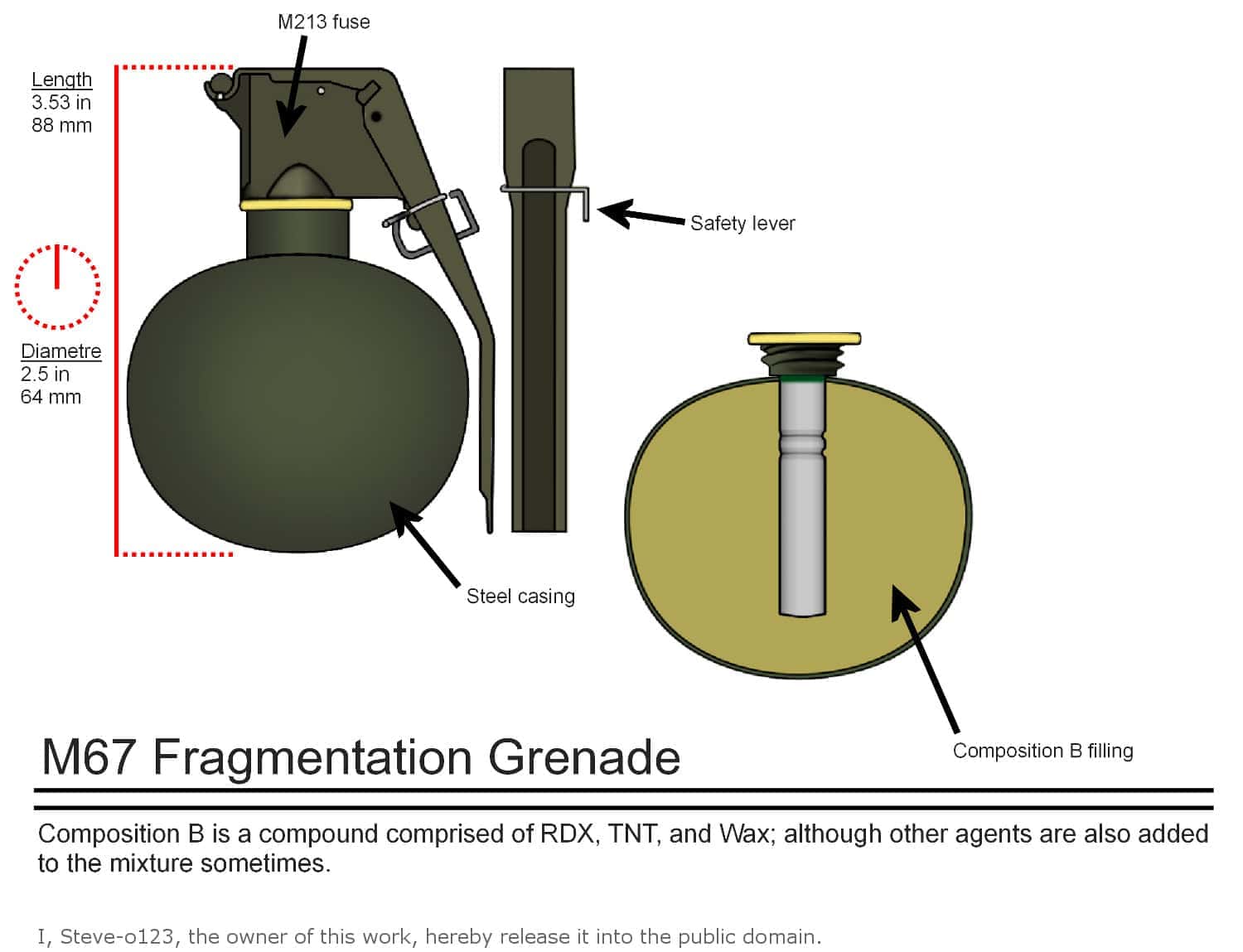
Fragmentation Grenades
- Era or conflict this weapon was used in: WWII–Present
- Type: Grenade
- Country of origin: Various
- Users: Global insurgent forces
- Key advantage: Portable blast fragmentation
- Impact on warfare: Ubiquitous guerrilla explosive
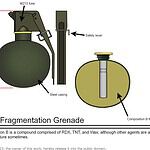
- Captured or smuggled grenades remain one of the most accessible weapons for irregular fighters. Their compact size, devastating radius, and ease of use make them ideal for ambushes, raids, and assaults on fortified positions.
Homemade Flamethrowers
- Era or conflict this weapon was used in: Urban conflicts
- Type: Incendiary Weapon
- Country of origin: Various
- Users: Rebels, militias
- Key advantage: Psychological terror and area denial
- Impact on warfare: Used to clear bunkers and vehicles
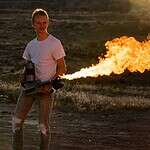
- Improvised flamethrowers have appeared in uprisings where conventional weapons were scarce. Despite their danger to the operator, they offer overwhelming psychological effect and the ability to burn out entrenched defenders.
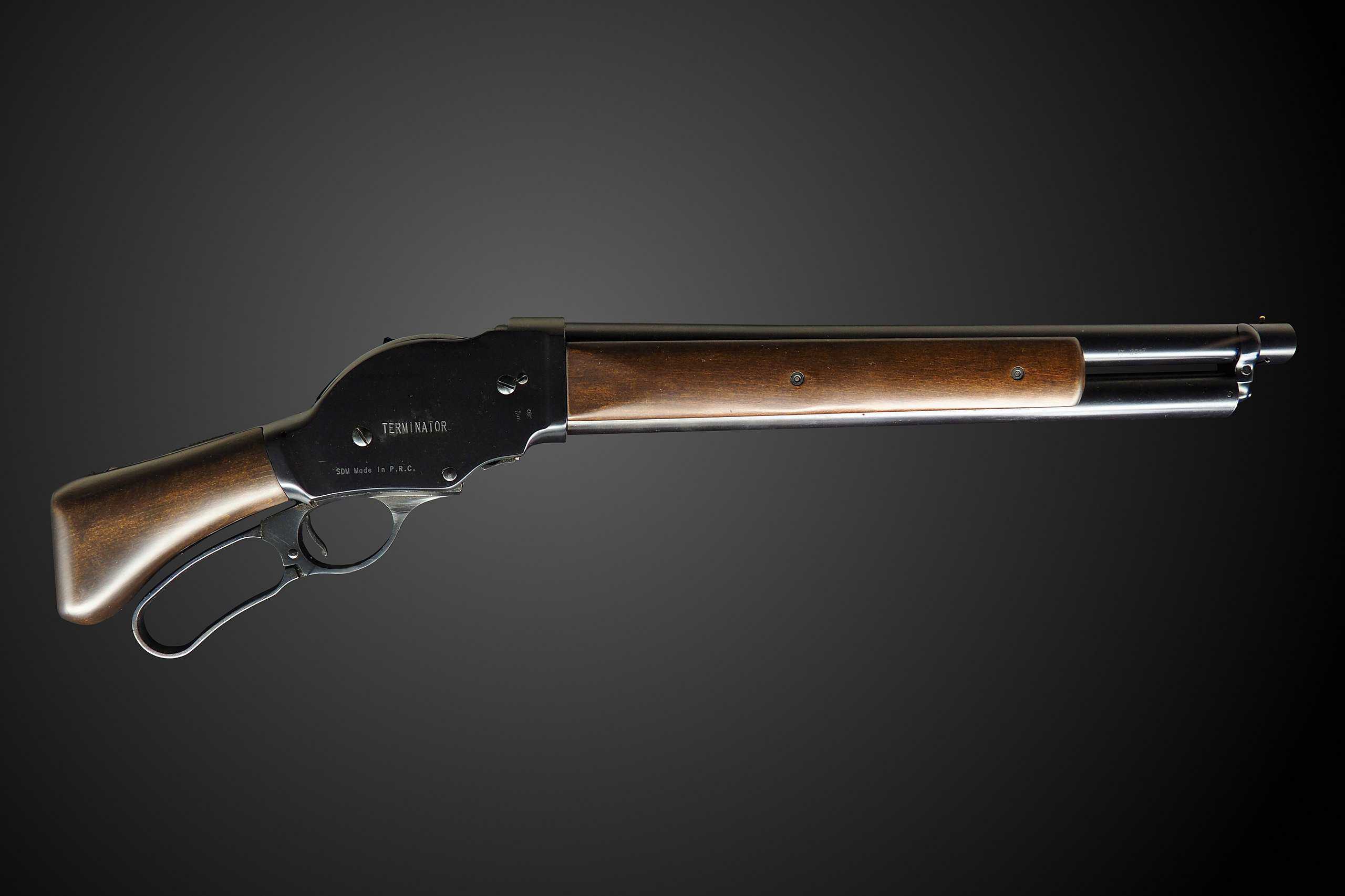
Sawn-Off Shotguns
- Era or conflict this weapon was used in: 20th Century–Present
- Type: Shotgun
- Country of origin: Various
- Users: Urban insurgents, militias
- Key advantage: Concealable heavy firepower
- Impact on warfare: Ideal for ambushes in confined areas
- Sawed‑off shotguns give guerrillas a powerful, concealable close‑quarters weapon. Their wide spread and intimidation factor made them a staple in urban uprisings and resistance movements where concealment and shock were essential.
Bicycle Infantry Mobility
- Era or conflict this weapon was used in: 1940s–1950s
- Type: Mobility Tool
- Country of origin: Vietnam
- Users: Viet Minh
- Key advantage: Silent logistical transport
- Impact on warfare: Enabled supply lines without vehicles
- The Viet Minh used reinforced bicycles to transport hundreds of pounds of cargo along jungle trails. This silent, fuel‑free logistics system allowed them to outmaneuver French forces and sustain prolonged campaigns without conventional vehicles.
Explosive Traps in Abandoned Vehicles
- Era or conflict this weapon was used in: 2000s–Present
- Type: Vehicle‑Based IED
- Country of origin: Various
- Users: Iraq insurgents, ISIS
- Key advantage: Lures troops into confined kill zones
- Impact on warfare: Used in urban and desert warfare
- Abandoned‑vehicle bombs exploited soldiers’ tendency to investigate seemingly harmless objects. Insurgents packed cars with explosives, turning them into deadly traps that could collapse buildings, destroy convoys, or ambush patrols.
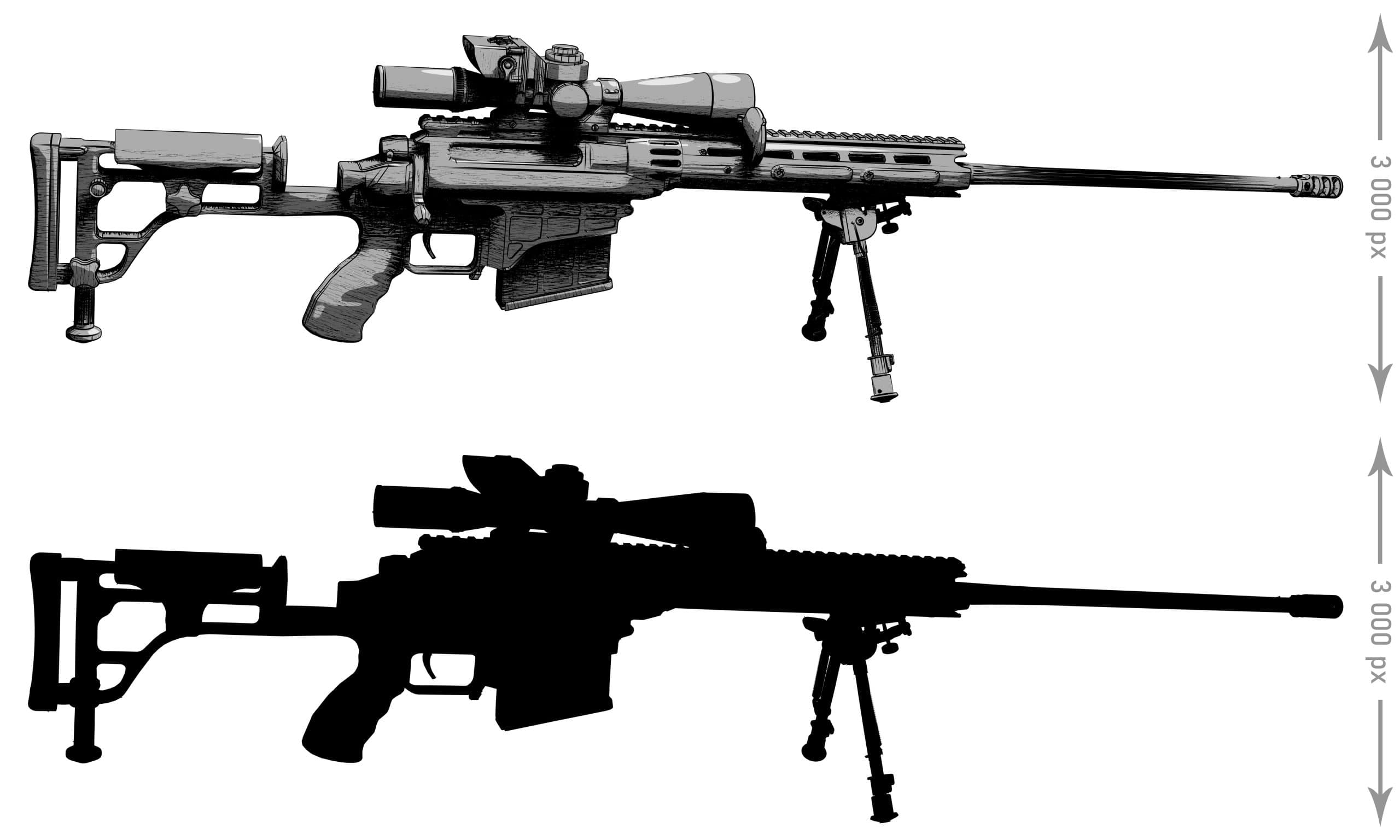
Captured or Improvised Anti‑Materiel Rifles
- Era or conflict this weapon was used in: Afghan–Soviet War–Present
- Type: Heavy Sniper Rifle
- Country of origin: Various
- Users: Mujahideen, African militias
- Key advantage: Penetrates armor at long range
- Impact on warfare: Used to disable vehicles and aircraft
- Guerrillas have long repurposed heavy 12.7mm rifles—whether captured DShKs or improvised designs—to hit supply trucks, generators, and even low‑flying aircraft. Their extreme range allowed irregular forces to challenge superior logistics and technology.