
In Green/Shutterstock.com
annalenaengel/Shutterstock.com
McCarthy's PhotoWorks/Shutterstock.com
Fernando Batista/Shutterstock.com

Boonyakiat Chaloemchavalid/iStock via Getty Images

Civil War Museum
siam.pukkato/Shutterstock.com
Pyty/Shutterstock.com
Everett Collection/Shutterstock.com
Everett Collection/Shutterstock.com
Rokas Tenys/Shutterstock.com



10 Mistakes and Accidents That Changed The Course of History
History tends to look tidy when we read about it years later. A battle ends, an empire falls, a scientific breakthrough changes medicine, and it all seems like part of some larger plan. The people living through those moments rarely had that luxury. Sometimes an unclear instruction, a bad calculation, or one overlooked warning was enough to change what happened next.
Other turning points began with plain luck. A contaminated laboratory dish helped lead to a life-saving drug. A faulty warning system almost turned a quiet night into an international crisis. And not every famous story is quite as simple as it sounds once you look past the legend.
These 10 episodes show how mistakes, mix-ups, accidents, and human judgment shaped history, often in ways nobody expected. Some are well documented; others come to us through ancient accounts or have acquired a few myths along the way.
A Misstatement Helps Open the Berlin Wall (1989)
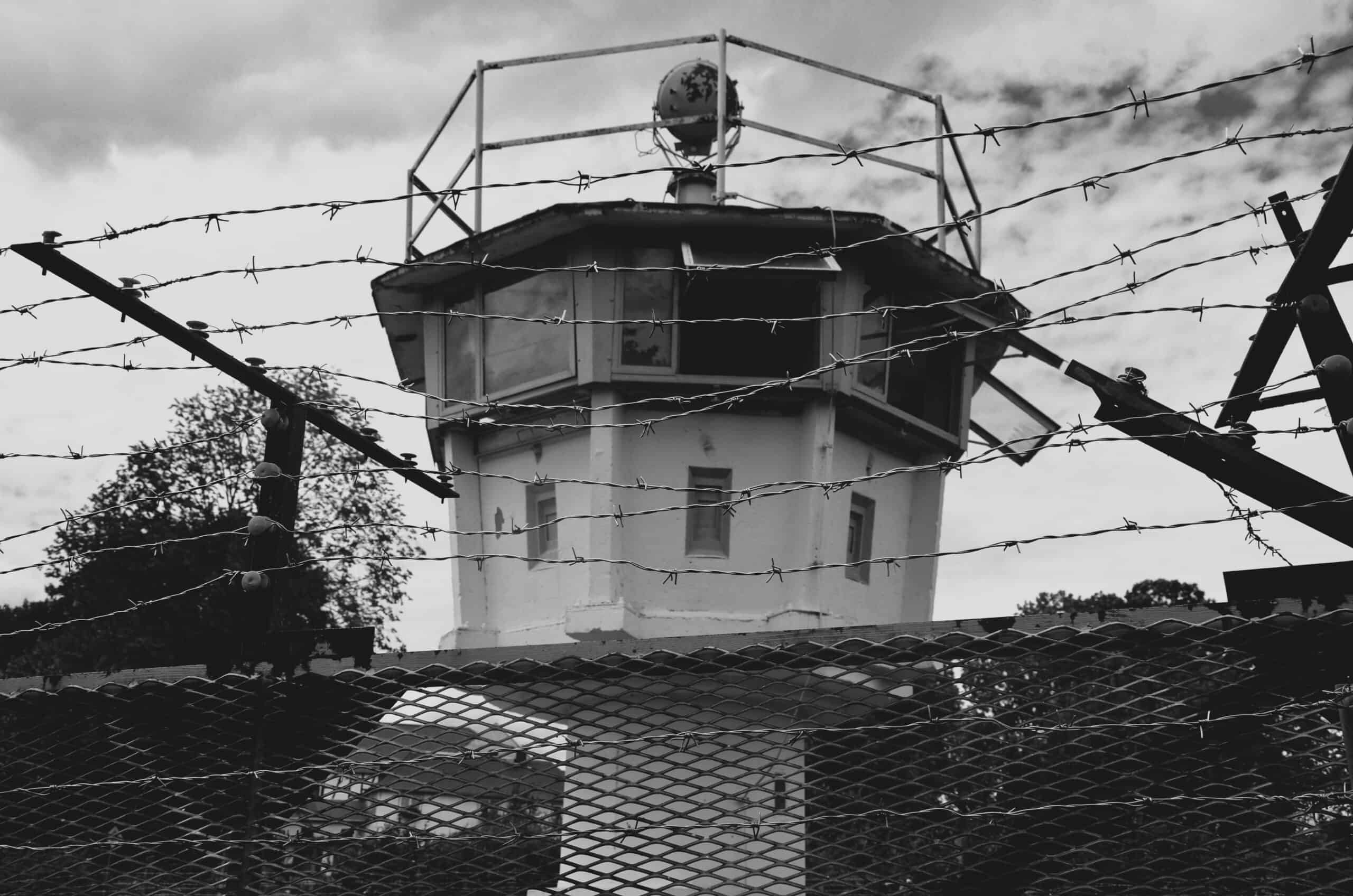
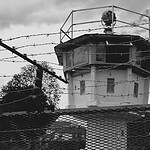
By late 1989, East Germans had spent weeks demanding greater freedom, and their government was struggling to keep up. Then came a press conference that made an already shaky situation impossible to control. On November 9, party official Günter Schabowski announced new travel rules intended to ease restrictions on leaving East Germany. Asked when they would take effect, he fumbled through his paperwork and said, in effect, immediately. The authorities had not prepared border guards for crowds expecting to cross that night. After the announcement spread on television, thousands headed for the checkpoints. Under mounting pressure, guards at the Bornholmer Strasse crossing opened the barrier around 11:30 p.m., and other crossings followed. Schabowski's answer didn't single-handedly bring down communism or create the movement for change. But it helped turn a carefully managed policy announcement into the night Berlin's divided population began crossing freely.
A Dropped Helmet Exposes a Fortress (c. 547–546 BCE)
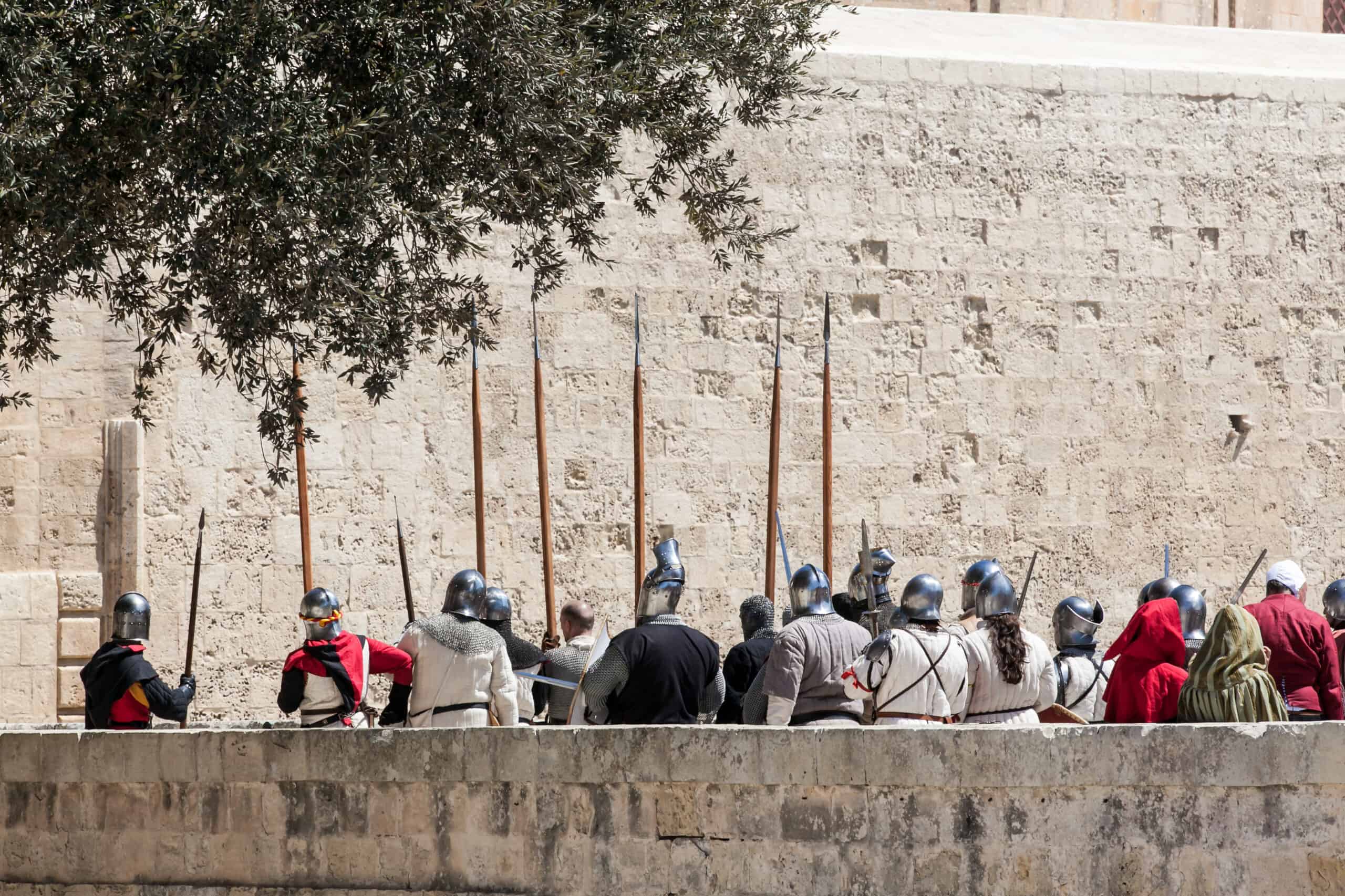
Sometimes the smallest clue can expose the biggest weakness. According to the ancient historian Herodotus, Persian forces under Cyrus the Great were struggling to capture Sardis, the capital of King Croesus's wealthy kingdom of Lydia. The city's steep defenses looked nearly impossible to climb. Then a Lydian soldier dropped his helmet over the edge and climbed down to retrieve it. A Persian soldier named Hyroiades reportedly watched and realized that the supposedly impassable section of the fortress was not so impassable after all. He later climbed the same route, followed by other attackers, and the city fell. Herodotus wrote about these events long afterward, so the helmet episode is best treated as an ancient account rather than a detail we can independently prove. Still, it's a striking illustration of how a moment of carelessness could reveal the opening an army had been searching for.
A Software Error Leaves a Missile Unchecked (1991)
A tiny calculation error would hardly seem capable of defeating an air-defense system. On February 25, 1991, however, a U.S. Patriot missile battery in Dhahran, Saudi Arabia, failed to track an incoming Iraqi Scud missile. The missile struck an American military barracks, killing 28 soldiers. A later U.S. Government Accountability Office investigation traced the failure to the Patriot system's software. Its timekeeping calculations introduced a small error that grew while the equipment kept running. After more than 100 hours of continuous operation, the tracking system was looking in the wrong location for the approaching missile. Officials had been working on a software correction, but the updated version did not arrive at Dhahran until the next day. It wasn't simply one bad number; it was a technical flaw, prolonged operation, and a fix that came too late. Few examples show the real-world stakes of seemingly minor software errors so clearly.
A Contaminated Dish Leads to Penicillin (1928)
Not every laboratory surprise belongs in the trash. In 1928, bacteriologist Alexander Fleming returned from a holiday and noticed something unusual in a culture dish at St. Mary's Hospital in London. Mold had grown among colonies of staphylococcal bacteria, but the area around it was clear: the bacteria were not growing there. Fleming recognized that the mold was producing a substance that inhibited certain bacteria, and he called it penicillin. That accidental observation was a breakthrough, but it wasn't the finished medicine. More than a decade later, Howard Florey, Ernst Boris Chain, and other researchers helped develop penicillin into a practical treatment, with large-scale production expanding during World War II. The remarkable part isn't just that mold landed in the right place. It's that Fleming noticed what it was doing, investigated it, and helped set in motion work that transformed the treatment of bacterial infections.
An Unclear Order Sends Cavalry Into Danger (1854)
Orders are supposed to clear things up. At the Battle of Balaclava during the Crimean War, one helped create a catastrophe instead. On October 25, 1854, British commander Lord Raglan wanted cavalry to prevent Russian troops from carrying off captured guns. His written instruction did not clearly identify the target to officers positioned down in the valley, where they could not see what Raglan saw from higher ground. Captain Louis Nolan carried the order, but his explanation and gestures apparently did little to resolve the confusion. Nolan was killed early in the ensuing action, leaving historians to debate exactly what he intended. The Light Brigade charged toward a different, heavily defended Russian gun position, riding into devastating fire. Of the 673 cavalrymen who advanced, more than 260 were killed or wounded, according to Britain's National Army Museum. Their courage became legendary; the failures in communication that sent them there remain just as memorable.
Columbus Underestimates the Distance to Asia (1492)
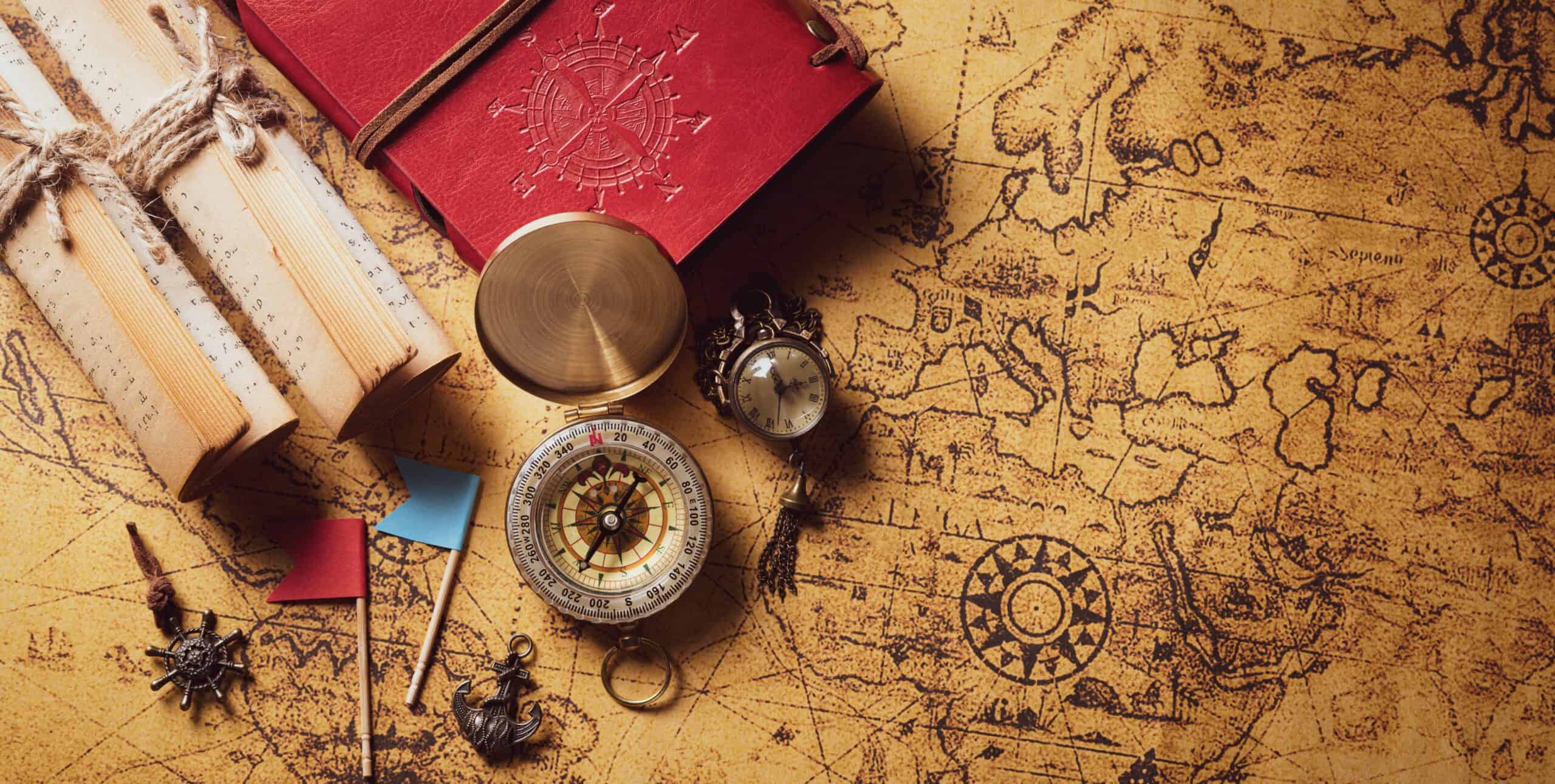
Christopher Columbus did not need to convince educated Europeans that Earth was round. The problem was his estimate of how far he would have to sail west to reach Asia. Columbus relied on geographical assumptions that made the planet appear smaller and Asia seem much closer than it really was. One influential explanation points to his use of a distance calculation from the astronomer al-Farghani: Columbus appears to have treated the scholar's longer Arabic miles as shorter Roman miles. He also overestimated how far Asia extended eastward. Those errors made a westward voyage seem more manageable and helped shape his plans. In 1492, his ships instead reached islands in the Caribbean, lands already inhabited by Indigenous peoples. The voyage helped launch a sweeping period of European colonization and exchange, with enormous consequences for the Americas and beyond. Columbus's mathematics were badly off, even though the journey changed the course of history.
Warnings Go Unheeded Before the Vasa Sinks (1628)
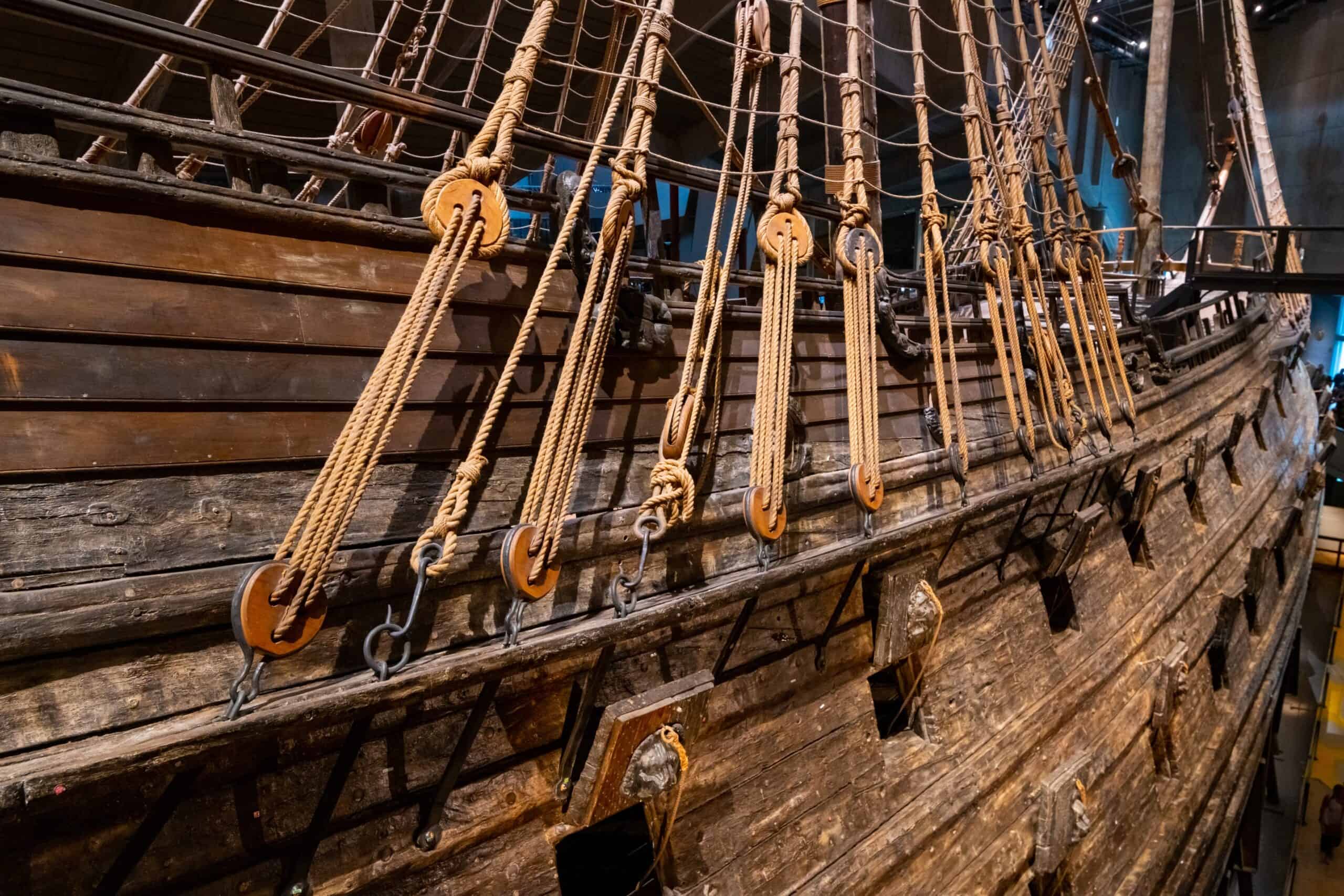
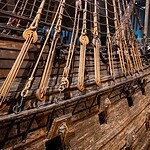
Sweden's Vasa was supposed to be a floating display of royal power, complete with elaborate carvings and 64 cannons. Instead, the new warship lasted about 20 minutes on its maiden voyage on August 10, 1628. The problem was stability: the ship was too tall and top-heavy for its narrow underwater hull. A test before departure had already raised the alarm. When 30 men ran back and forth across the deck, Vasa rolled so dangerously that the demonstration had to be stopped. Yet the ship sailed. A gust of wind made it heel, water rushed through its open lower gunports, and it sank within sight of Stockholm. Swedish and Dutch carpenters did use different measuring sticks, but that has not been established as the cause of the disaster. The Vasa Museum points instead to an unstable design and the decision to sail despite warning signs. It's a costly reminder that a failed test is supposed to stop the launch.
Stalin Discounts Warnings of a German Invasion (1941)
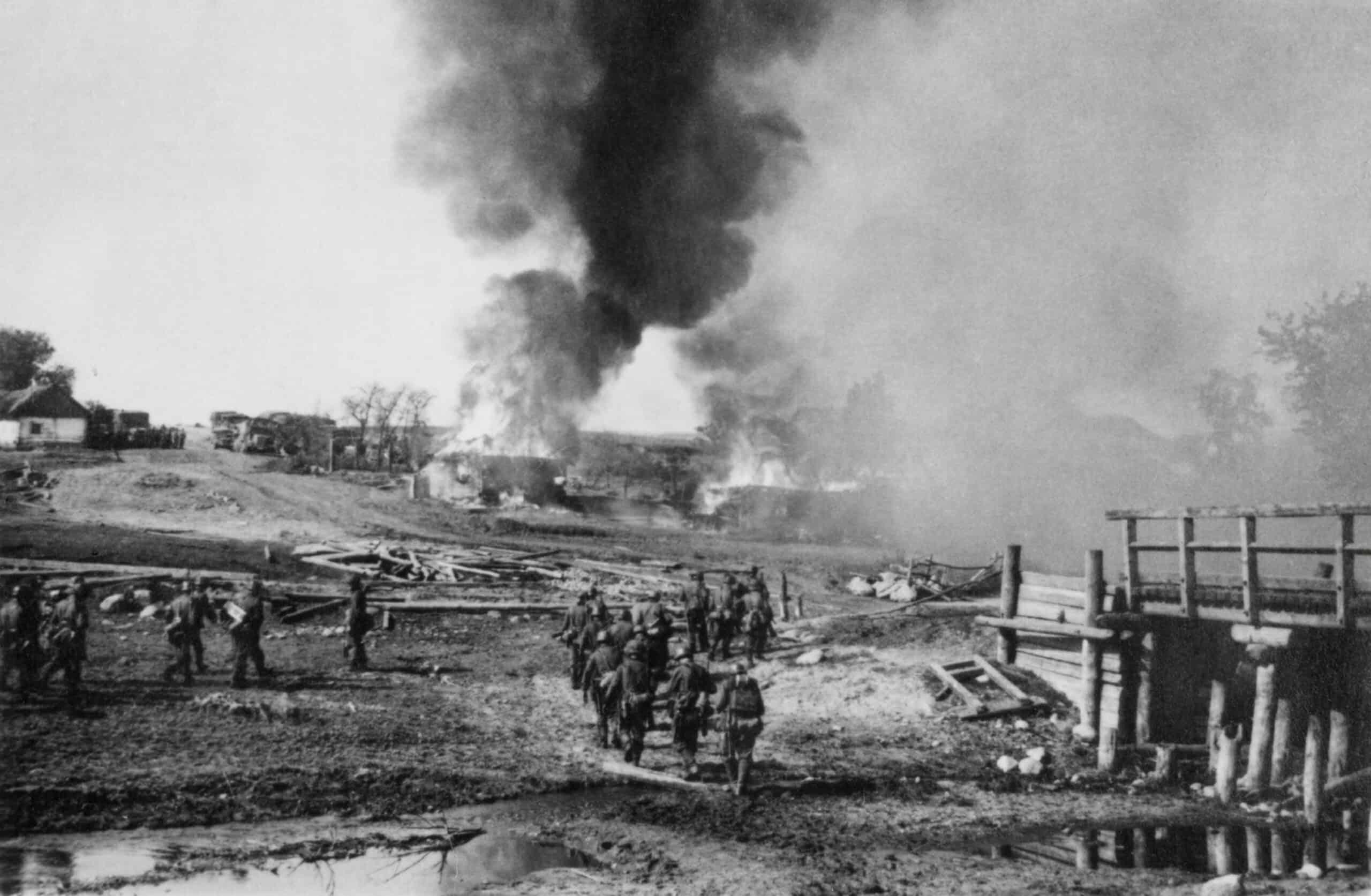
By the spring of 1941, Soviet intelligence officers and foreign governments were sending warnings that Nazi Germany was preparing to attack the Soviet Union. Joseph Stalin received information about German troop movements and the possibility of an invasion, but he remained deeply skeptical. Some reports gave conflicting dates, and Stalin feared that reacting too aggressively might provoke the very war he wanted to postpone. He also struggled to accept that Adolf Hitler would open another major front while Britain was still fighting. When Germany launched Operation Barbarossa on June 22, Soviet forces were caught badly off balance, although their lack of preparedness had several causes beyond Stalin's judgment alone. The original story is often told as though one perfect report was simply thrown away. The more troubling reality is that extensive warning signs were available, and Stalin's interpretation of them helped leave the Soviet Union vulnerable to a devastating attack.
A Wrong Turn Puts an Archduke in an Assassin’s Path (1914)
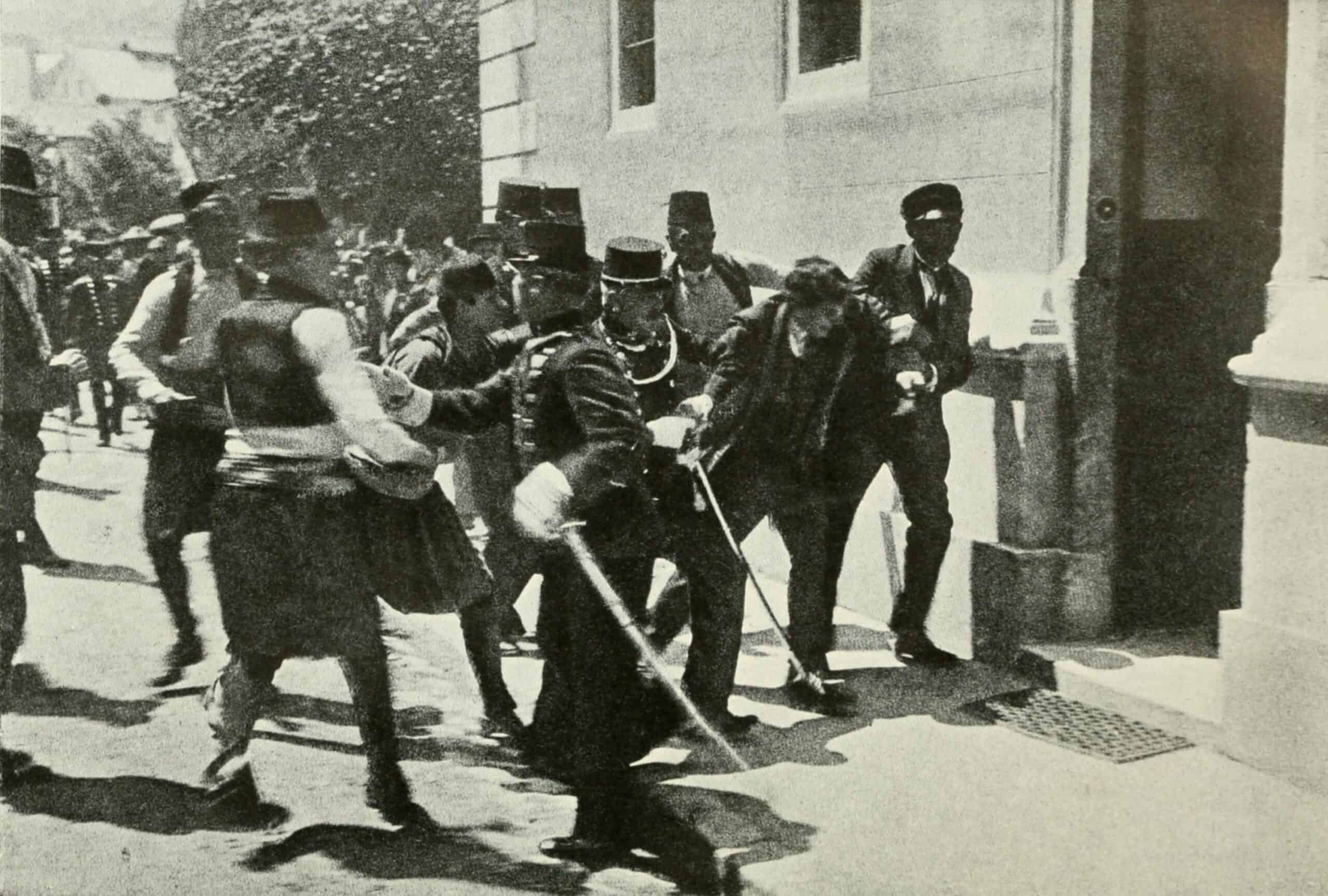
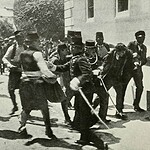
Franz Ferdinand had already survived one assassination attempt on June 28, 1914, when a bomb thrown at his motorcade in Sarajevo missed his car and injured others. After visiting city hall, the Austro-Hungarian archduke decided to visit the wounded. The plan called for a change in the motorcade's route, but the drivers were not properly informed. His car turned onto Franz Joseph Street, following the earlier itinerary, before officials realized the mistake and ordered the driver to stop. Unfortunately, the vehicle had stopped close to Gavrilo Princip, one of the conspirators stationed along the original route. Princip fired at Franz Ferdinand and his wife, Sophie, killing them both. The popular story that Princip happened to be eating a sandwich has no reliable historical basis. The murders did not make World War I inevitable by themselves, but they triggered the July Crisis that led to war. Poor communication helped put the archduke in the wrong place at the worst possible moment.
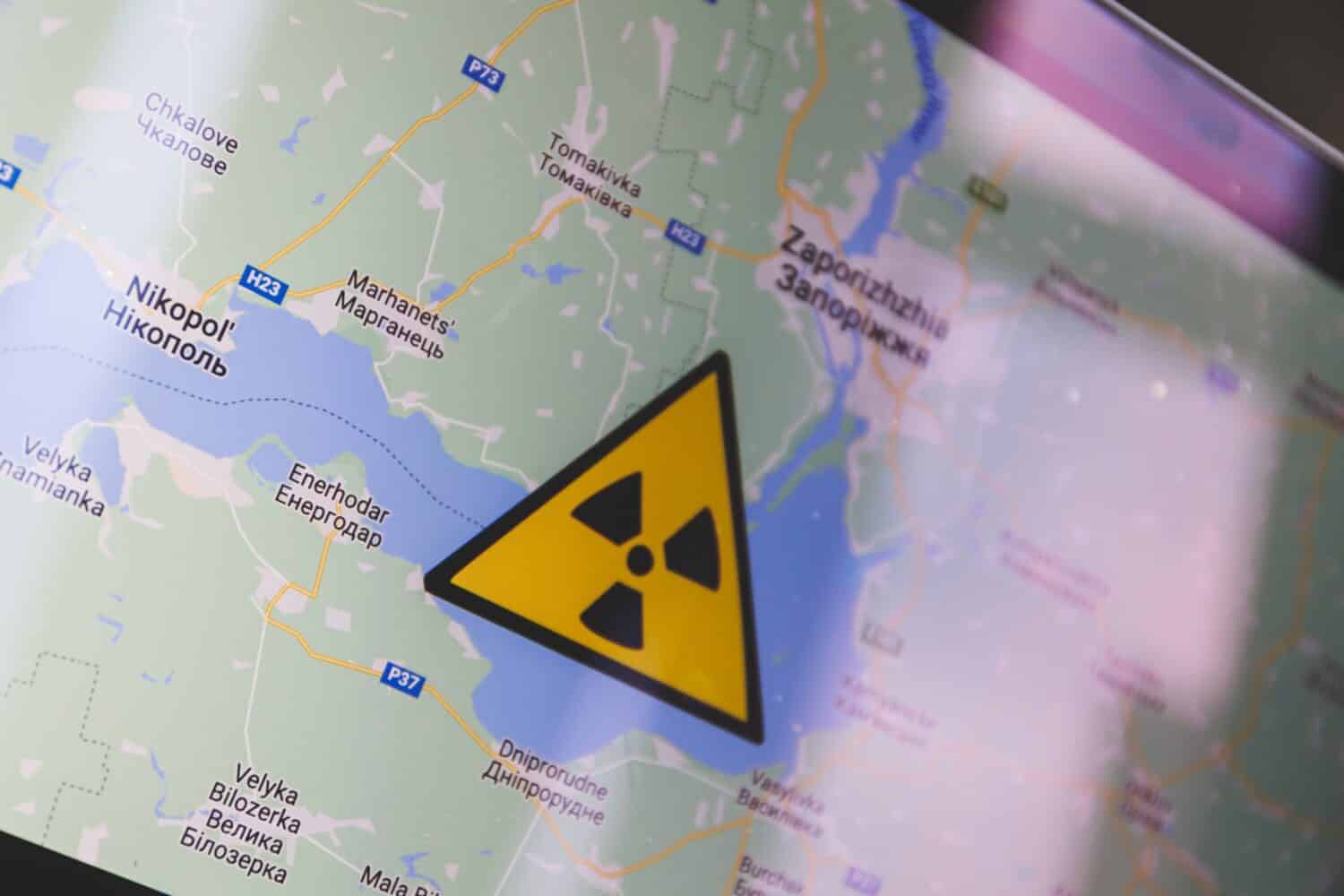
A False Missile Alert Tests One Officer’s Judgment (1983)
In the early hours of September 26, 1983, Soviet warning computers announced what appeared to be a U.S. nuclear missile launch. Then they reported several more. Lieutenant Colonel Stanislav Petrov was on duty at the monitoring center and faced a terrifying question: was the United States attacking, or was the new satellite system wrong? Petrov reasoned that a genuine first strike would probably involve far more than a handful of missiles, and he reported the alert as a malfunction rather than a confirmed attack. No missiles appeared. Investigators later traced the false signals to sunlight reflecting off high-altitude clouds. Petrov is often described as the man who refused to push a nuclear launch button, but he had no authority to launch missiles; that decision belonged much higher up the chain of command. His judgment was nevertheless important. At a dangerous moment in the Cold War, he refused to treat a computer warning as unquestionable fact.