Prachaya Roekdeethaweesab / Shutterstock.com
Public Domain / Wikimedia Commons
Public Domain / Wikimedia Commons
Public Domain / Wikimedia Commons
Public Domain / Wikimedia Commons
Public Domain / Picryl / Wikimedia Commons
Hulton Archive / Archive Photos via Getty Images
Public Domain / Wikimedia Commons
Public Domain / Wikimedia Commons
Public Domain / Wikimedia Commons

Win McNamee / Getty Images News via Getty Images
Public Domain / Wikimedia Commons
Public Domain / Wikimedia Commons
Public Domain / Wikimedia Commons
Sean Gallup / Getty Images News via Getty Images
Public Domain / Wikimedia Commons

Robert Daemmrich Photography Inc / Getty Images
Public Domain / Wikimedia Commons

Kylie Cooper / Getty Images News via Getty Images
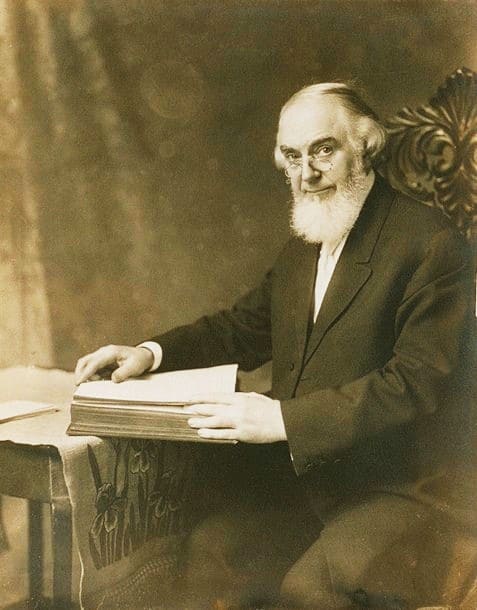
Public Domain / Wikimedia Commons
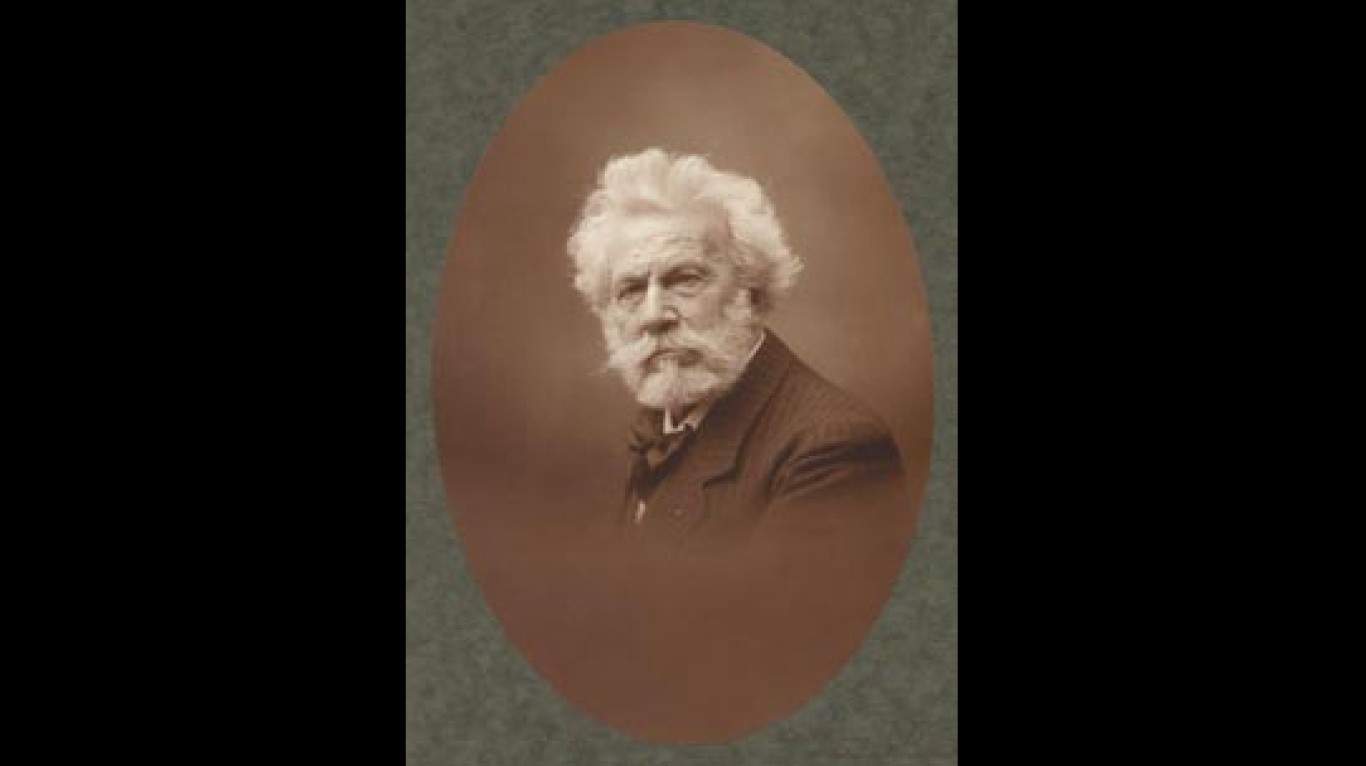
Public Domain / Wikimedia Commons
Dilok Klaisataporn / Shutterstock.com
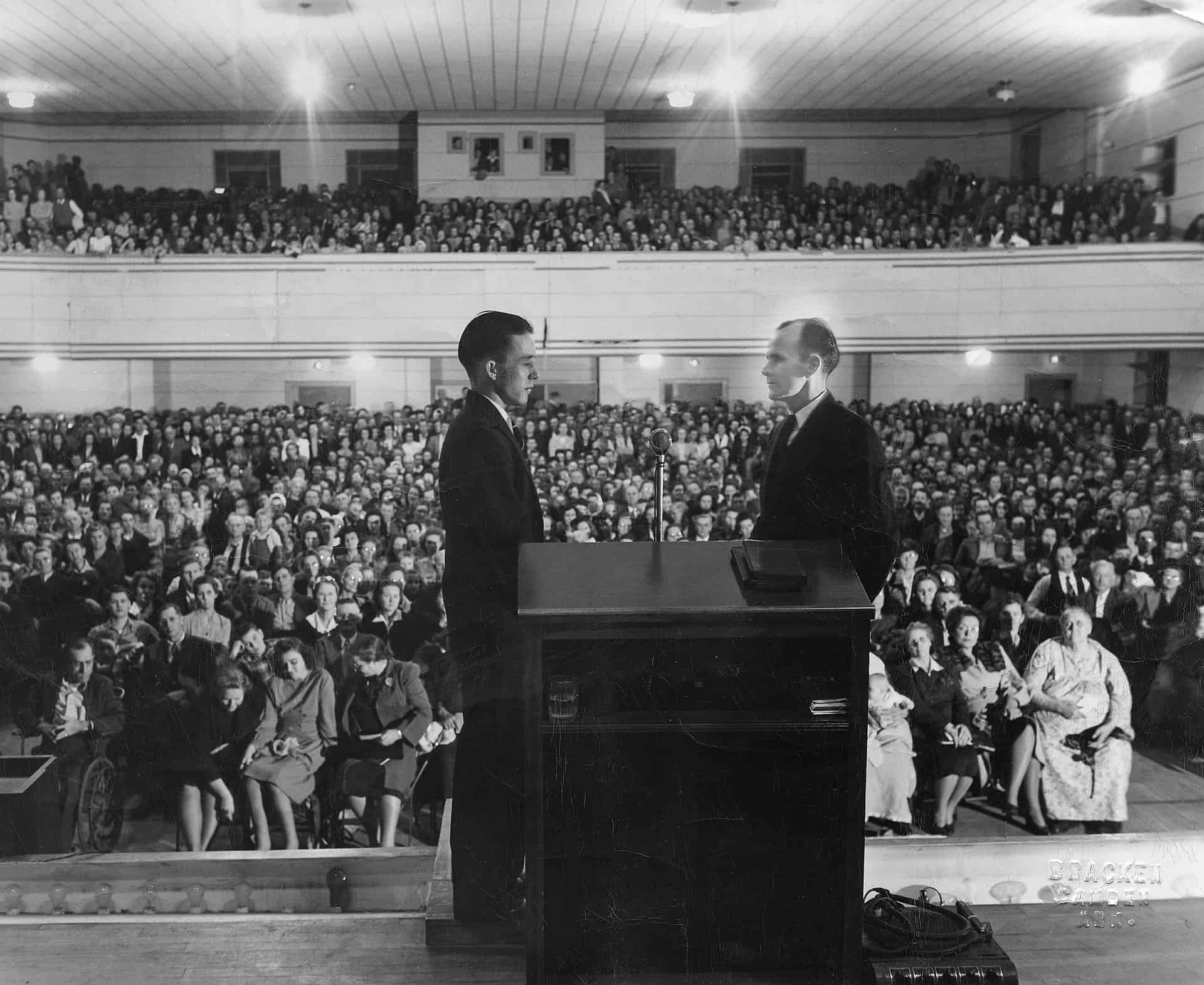
Public Domain / Wikimedia Commons

Don Mennig / Getty Images
rusm / Getty Images

Public Domain / Wikimedia Commons
Joe Raedle / Hulton Archive via Getty Images

Eli the Bearded / Wikimedia Commons

Peter Turnley / Getty Images
zedzap / Flickr
Wolfgang Sauber / Wikimedia Commons

ColbieCreative / iStock via Getty Images










31 Times People Thought the World Was About to End
We’ve all had those mornings — one small mishap and suddenly the whole day feels doomed. That same sense of foreboding has echoed through history, with religious thinkers, astrologers, preachers, and ordinary people repeatedly trying to identify signs that the end was near.
Some of these warnings came from genuine religious texts or documented predictions. Others grew out of later interpretations, mistranslations, sensational retellings, or quotations that were eventually attributed to famous figures who never wrote them.
24/7 Tempo compiled 31 famous doomsday prophecies, apocalyptic warnings, and end-times theories, from the Book of Revelation and medieval Christian writers to Nostradamus, Hal Lindsey, and modern date-setters. Together, they show how often people have tried to read the future into wars, disasters, political upheaval, and the night sky.
Book of Revelation: Final Judgment
- Supposed prediction: Final judgment and a new creation
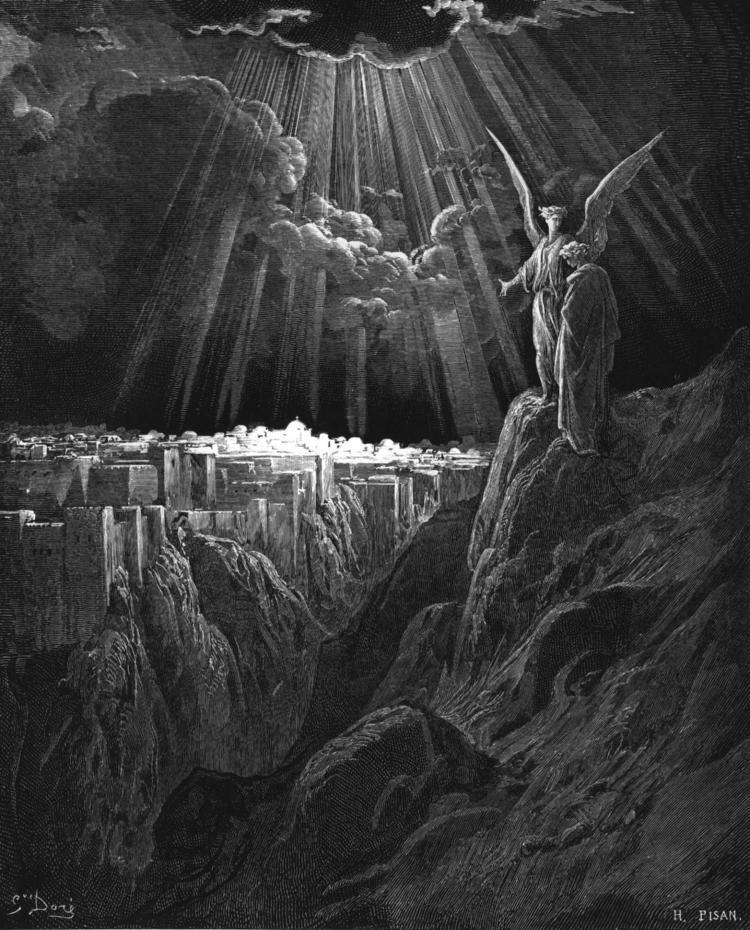
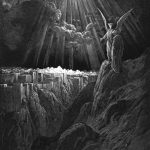
The Book of Revelation does not give a calendar date for the destruction of Earth. Its closing visions describe the defeat of evil, a final judgment before a great white throne, and then a “new heaven and a new earth” and the New Jerusalem. As apocalyptic religious literature, Revelation uses symbolic imagery that Christians and scholars have interpreted in different ways rather than offering a scientific forecast of the planet’s end.
Nostradamus and Adolf Hitler
- Supposed prediction: The rise of Adolf Hitler
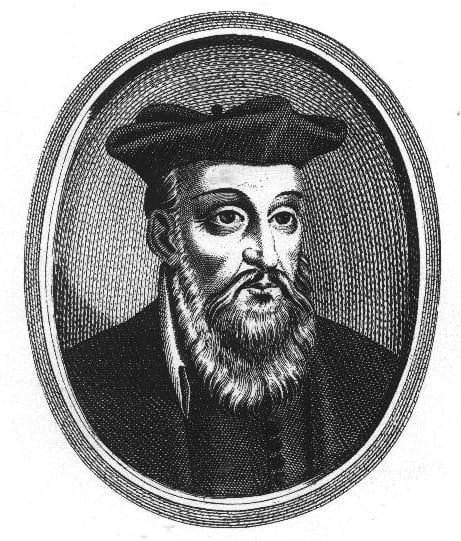
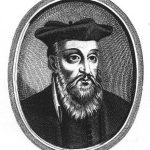
One of the best-known claims about Nostradamus centers on the word “Hister,” which appears in several genuine quatrains. Later readers treated it as a near-match for Hitler, but Hister or Ister was also an old name associated with the lower Danube. Nostradamus never names Adolf Hitler, Nazi Germany, or a date for Hitler’s rise, so the connection is a retrospective interpretation of ambiguous 16th-century verse.
Book of Revelation: The Four Horsemen
- Supposed prediction: Conquest, war, famine, and death
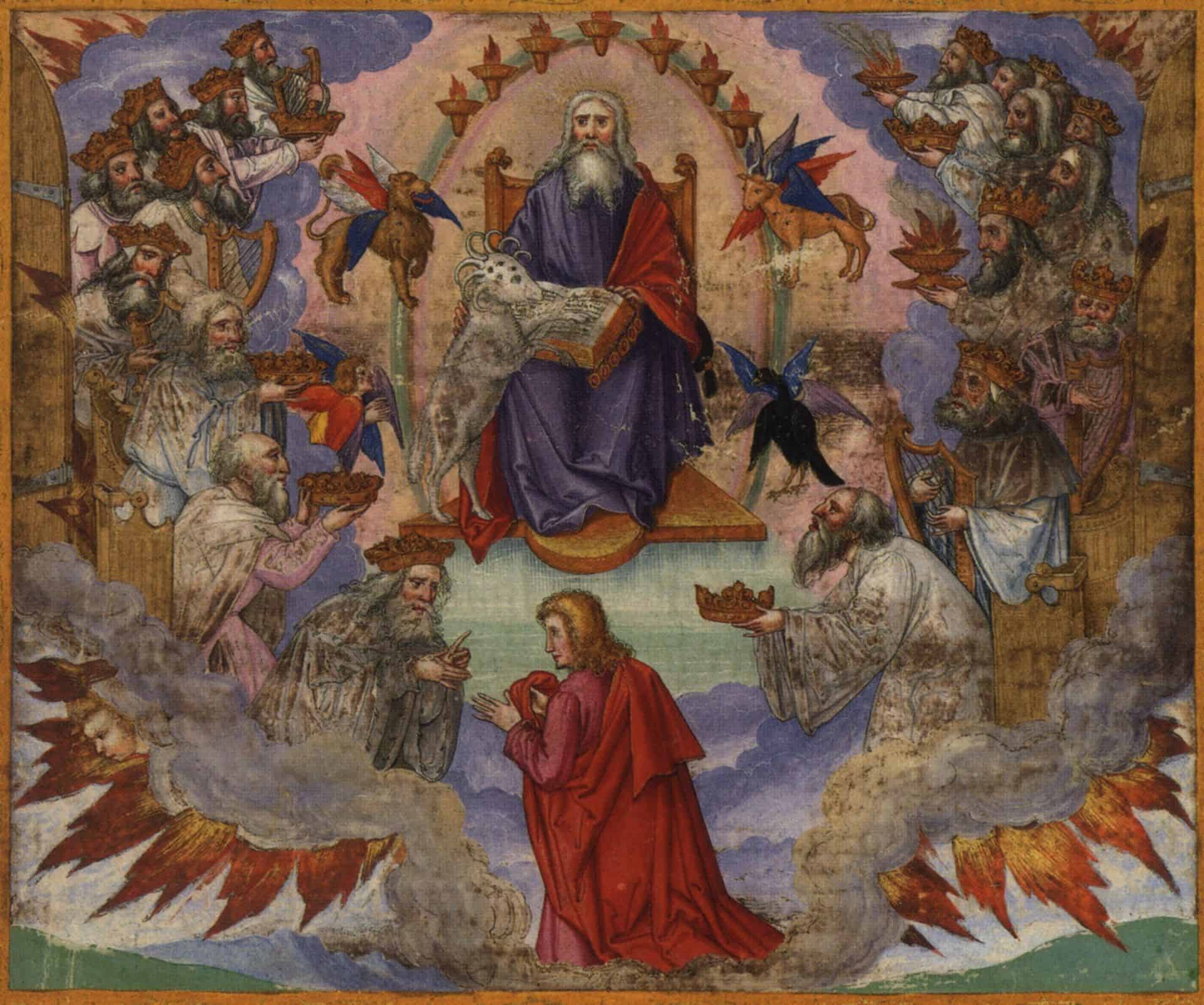
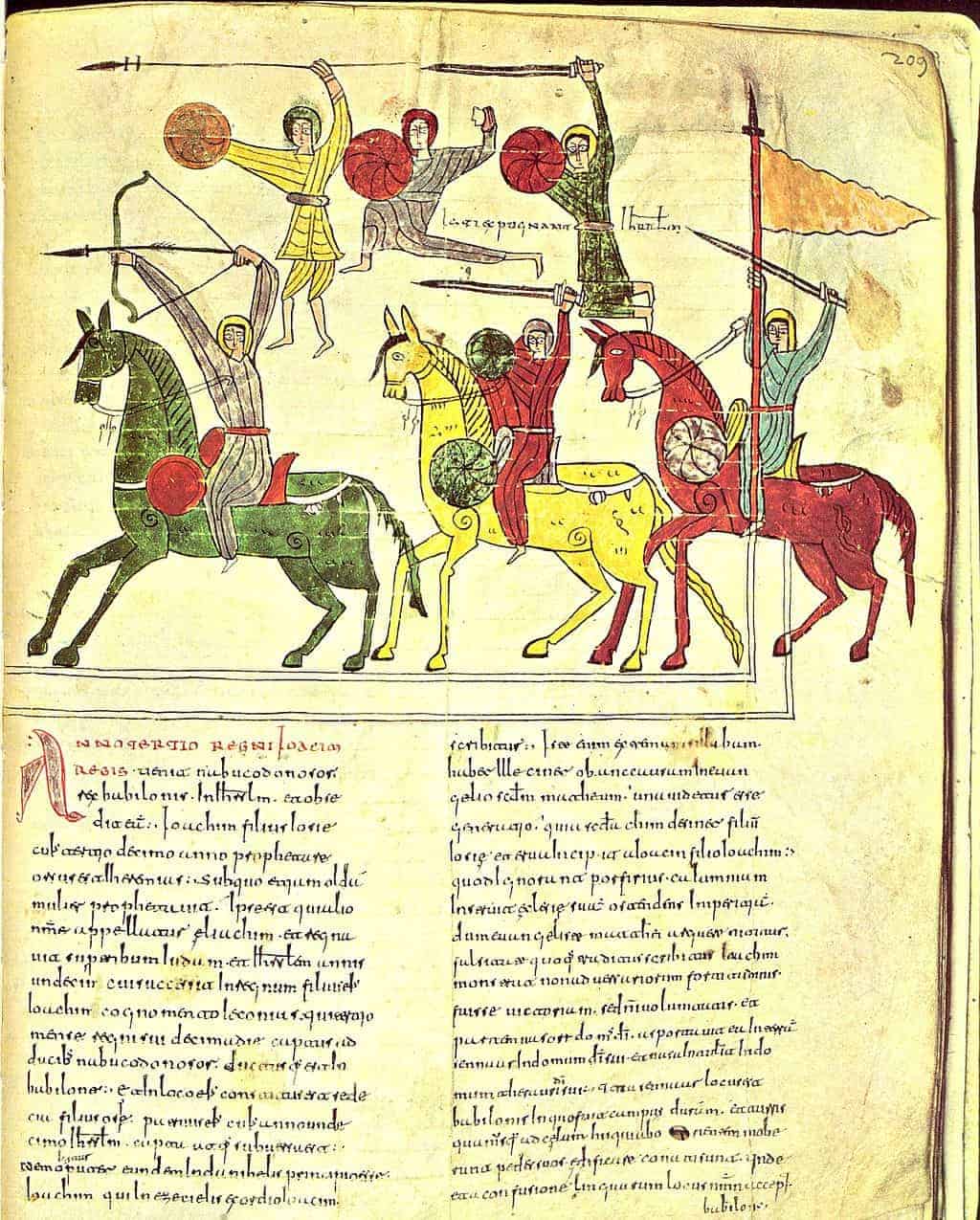
In Revelation 6, the Lamb opens the first four of seven seals, releasing four riders on white, red, black, and pale horses. They are traditionally known as the Four Horsemen of the Apocalypse and are commonly associated with conquest, war, famine, and death, although interpretations of the first rider vary. Only the fourth rider is explicitly named in the text: Death.
Book of Revelation: Satan’s Final Defeat
- Supposed prediction: Satan’s final defeat and the Last Judgment
Revelation 20 says Satan is released after a thousand years, deceives the nations, and is then defeated before the final judgment; Revelation 21 follows with a vision of a new heaven and a new earth. The book is generally dated to the late first century and was addressed to Christian communities in Roman Asia Minor. Scholars debate how much its crisis language reflects direct state persecution versus broader social, religious, and political pressure.
Silos Apocalypse
- Supposed prediction: Plagues and punishment described in Revelation
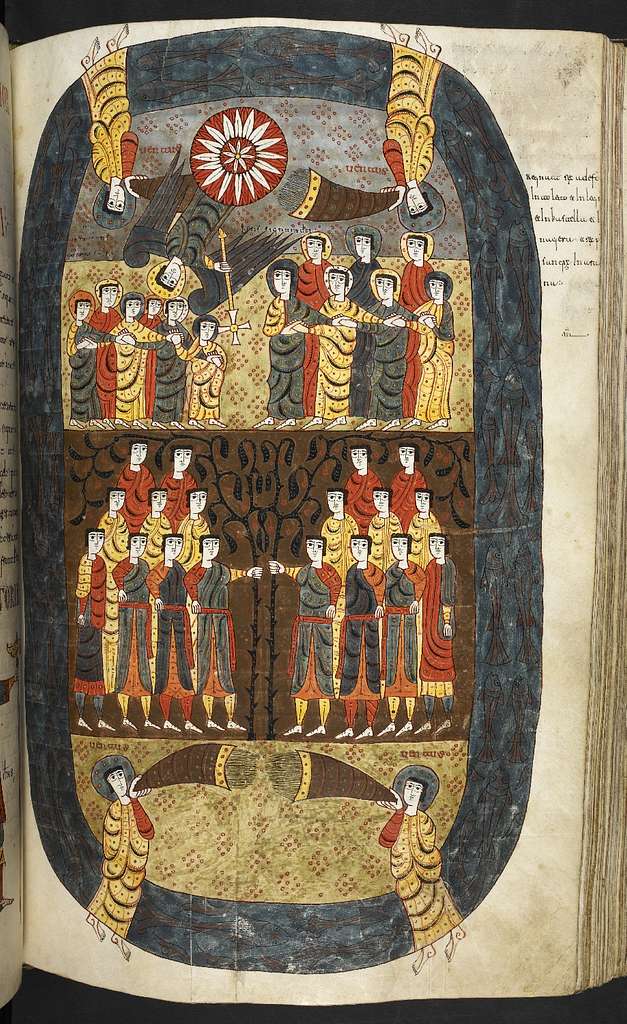
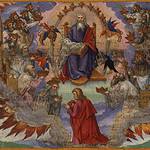
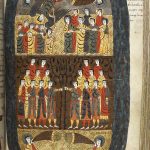
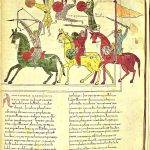
The Silos Apocalypse is an illuminated 11th-century manuscript of Beatus of Liébana’s much earlier Commentary on the Apocalypse, not a new prophecy written by the monks who copied it. The British Library dates the manuscript to 1091–1109. Its illustrations visualize scenes from Revelation, including the star that opens the Abyss and the locust plague described in Revelation 9.
Nostradamus and World War II
- Supposed prediction: World War II
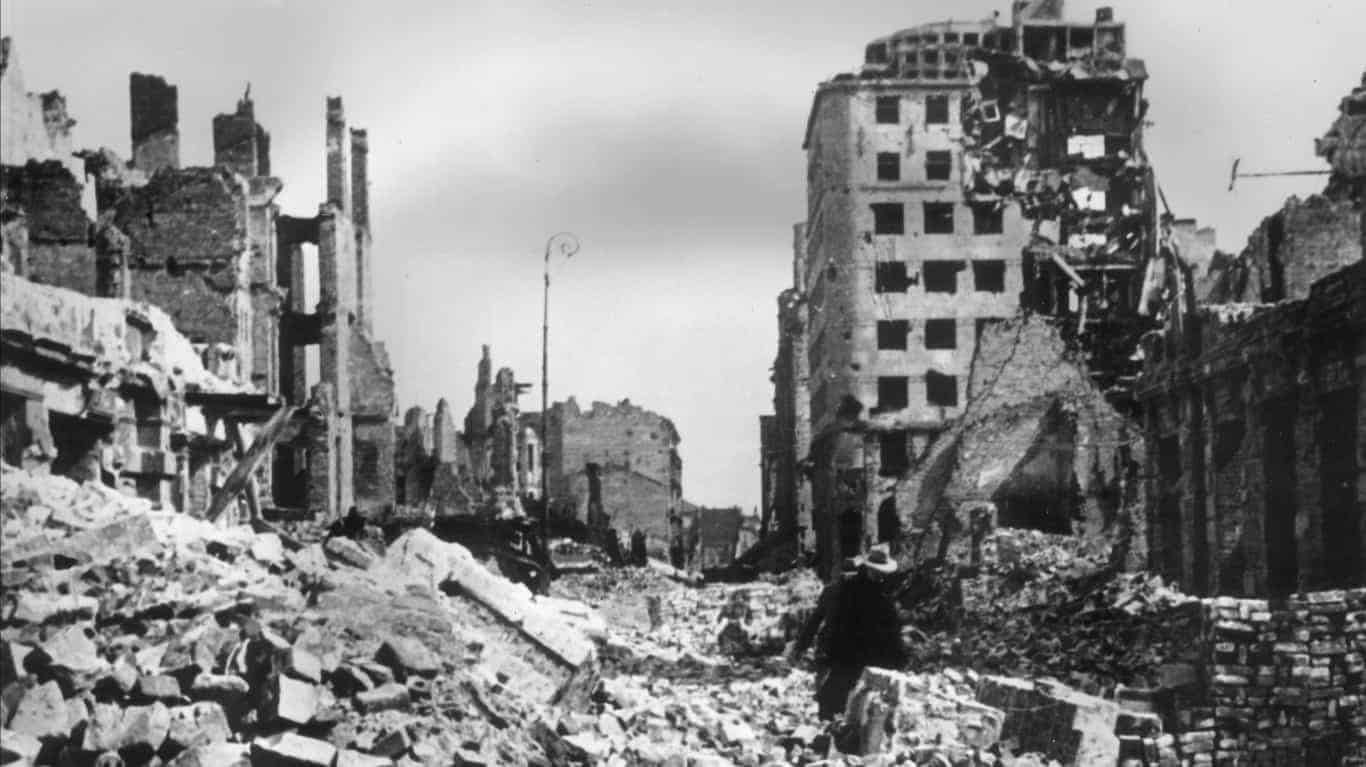
Nostradamus wrote frequently about wars, invasions, rulers, and disasters, and later commentators have matched several of his quatrains to World War II. But no verified quatrain clearly names the war, gives its 1939 start date, or identifies the Axis and Allied powers. The claim that he specifically foresaw World War II is therefore a retrospective interpretation rather than a precise, testable prediction.
Beatus of Liébana
- Supposed prediction: The end of the world around A.D. 800
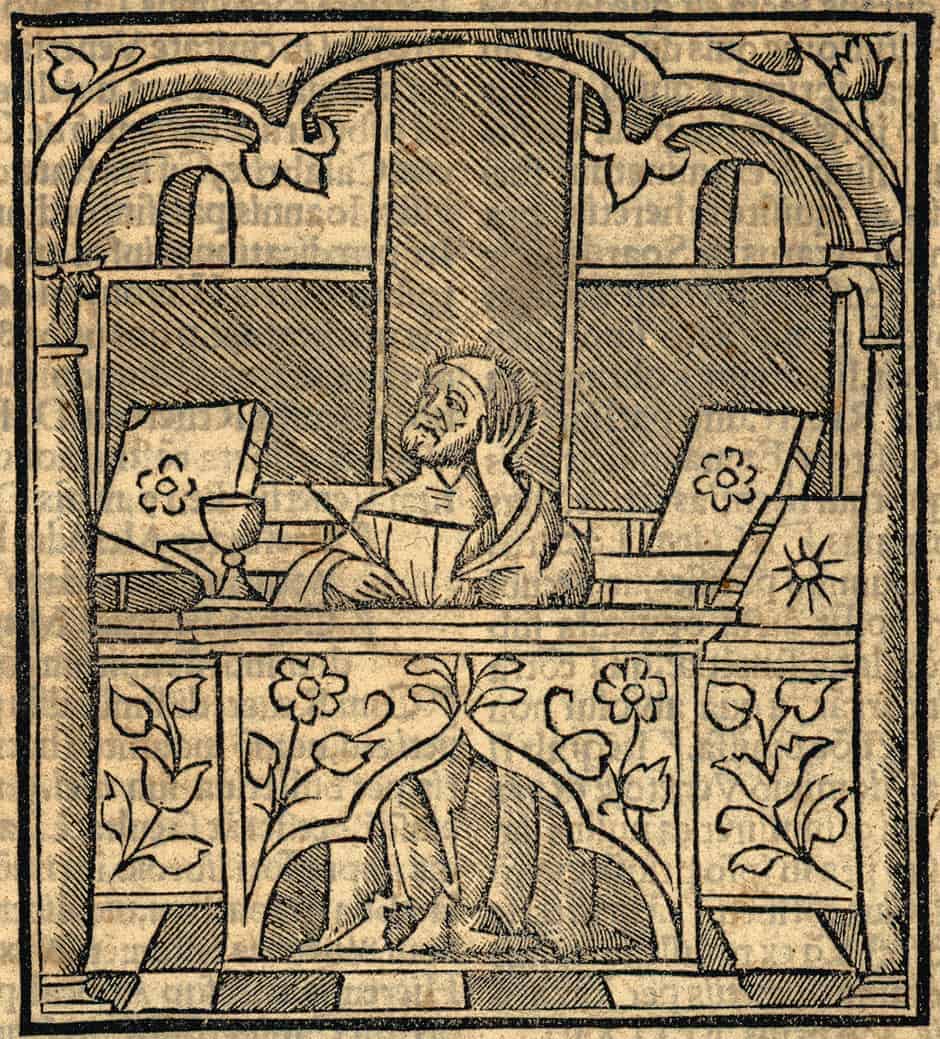
Beatus of Liébana, an eighth-century monk, wrote his influential Commentary on the Apocalypse around 776. A chronological scheme associated with the work placed the end of the sixth age of the world around A.D. 800, based on the idea of 6,000 years of human history. The date passed, but Beatus’s commentary remained influential and was copied for centuries; the Silos Apocalypse is one of those later manuscript traditions.
Joachim of Fiore
- Supposed prediction: An apocalyptic turning point around 1260
Joachim of Fiore, a 12th-century Calabrian abbot and theologian, built an elaborate apocalyptic reading of history around the Book of Revelation. After Saladin captured Jerusalem in 1187, Joachim associated Saladin with the sixth head in his seven-headed dragon scheme, while a final persecutor or Antichrist was linked to the seventh. Joachim’s ideas later became closely associated with expectations of a decisive spiritual turning point around 1260.
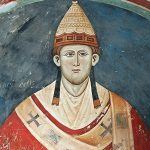
Pope Innocent III
- Supposed prediction: The defeat of Islam on an apocalyptic timeline
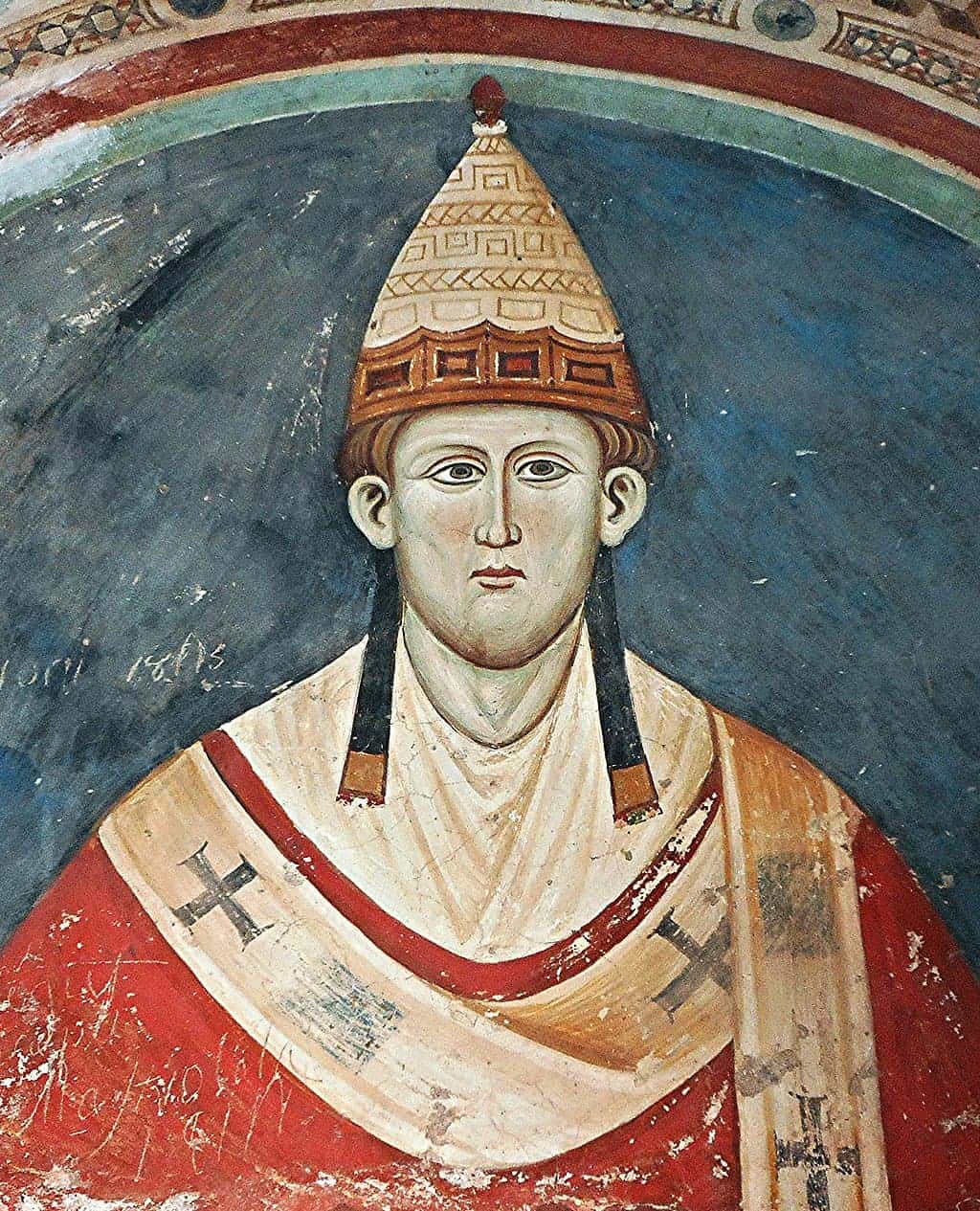
Pope Innocent III, who served from 1198 to 1216, used apocalyptic language while promoting the Fifth Crusade. In the 1213 crusade letter Quia maior, he portrayed Islam as the beast of Revelation and wrote that nearly 600 years of an allotted 666-year span had passed. Recent scholarship places the end of that prophetic timeline around 1260. The passage anticipated the defeat of Islam, not a documented prediction that the entire world would end in 1284.
Nostradamus and COVID-19
- Supposed prediction: The COVID-19 pandemic
After COVID-19 emerged, social-media posts began circulating passages supposedly written by Nostradamus about a plague coming from the East. Fact-checkers could not find that wording in Les Prophéties, first published in 1555, and the viral passages did not match his usual four-line quatrain format. Nostradamus did write genuine verses about plague, but there is no verified quatrain that specifically predicts COVID-19.
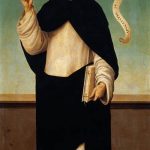
St. Vincent Ferrer
- Supposed prediction: The Antichrist, world fire, and the Last Judgment
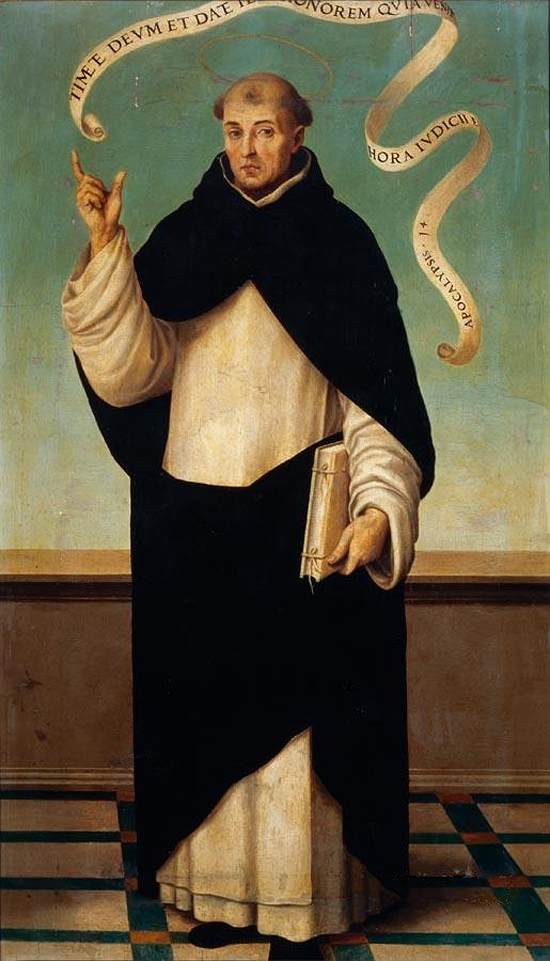
St. Vincent Ferrer (1350–1419), a Dominican preacher from Valencia, became known as the “Angel of the Apocalypse” for his end-times preaching. In a letter to Benedict XIII dated July 7, 1412, Ferrer described three great tribulations he believed were approaching: the Antichrist, the burning of the world, and the Last Judgment. His message was explicitly religious and penitential; he urged people to repent and prepare rather than setting a firm calendar date for the world’s end.
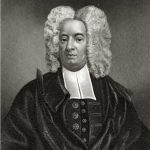
Cotton Mather
- Supposed prediction: A satanic assault on New England
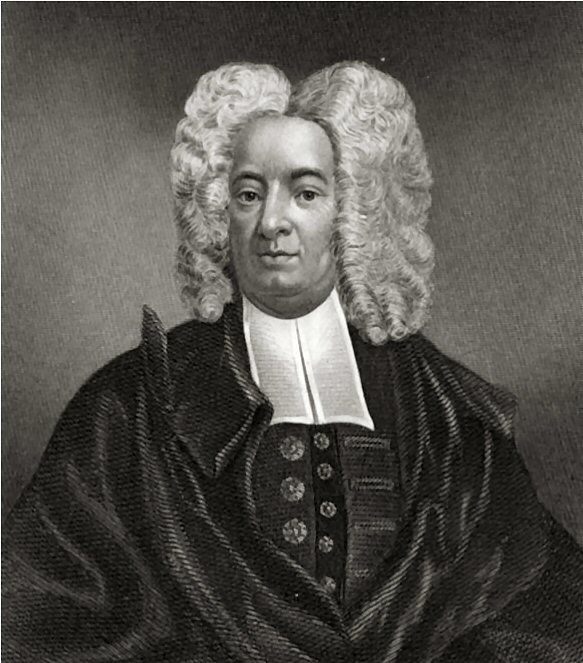
Cotton Mather (1663–1728), the Boston Puritan minister, believed witchcraft was real and interpreted New England’s troubles as part of a larger struggle against Satan. His 1693 book The Wonders of the Invisible World defended the Salem proceedings and described the colony as being attacked by evil spirits. His writing used apocalyptic language, but it did not amount to a dated prediction that the Salem witch trials would bring about the end of the world.
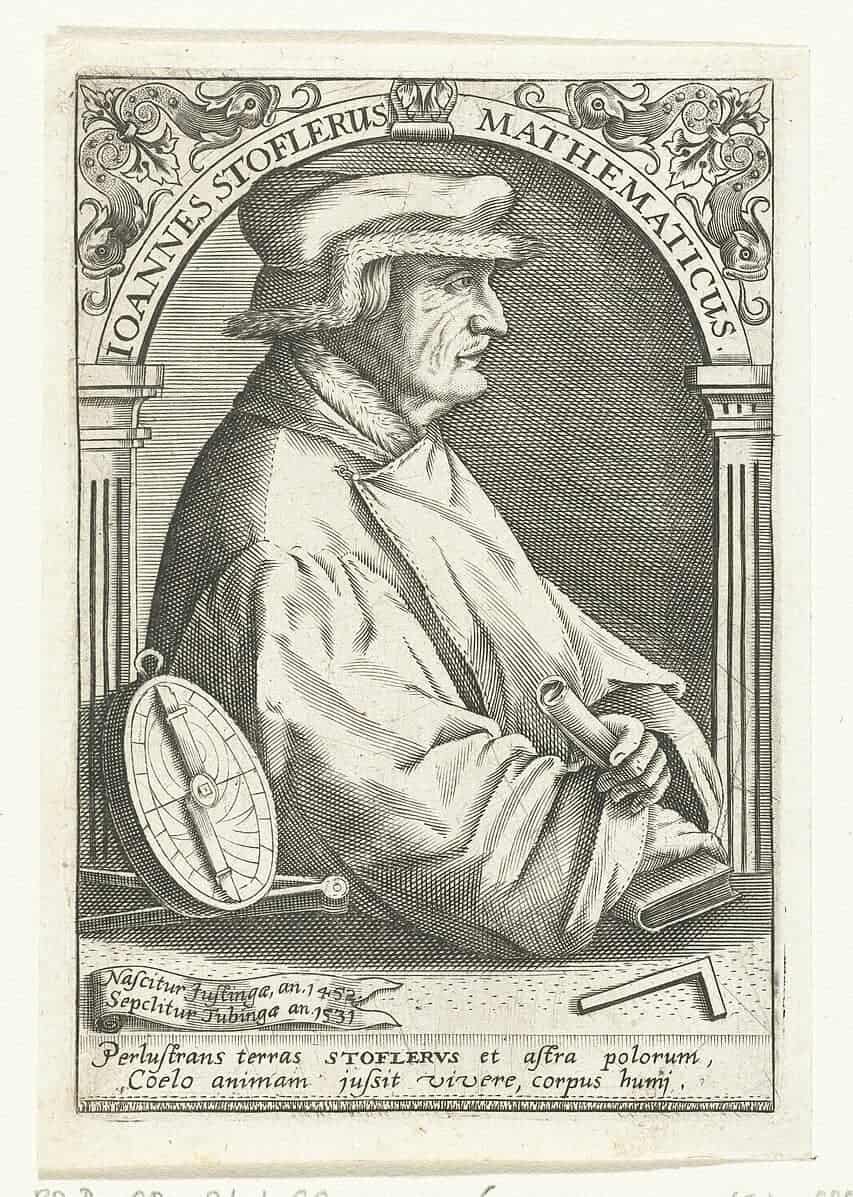
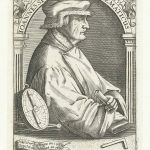
Johannes Stöffler
- Supposed prediction: Catastrophic flooding in 1524
In a 1499 almanac, German astronomer and astrologer Johannes Stöffler called attention to an unusual cluster of planetary conjunctions expected in February 1524, many in the watery zodiac sign Pisces. His own published warning was broad, forecasting extraordinary change rather than clearly declaring that the entire world would drown on a specific day. Other astrologers amplified the conjunctions into catastrophic flood predictions, helping fuel anxiety across Europe. The feared deluge never arrived.
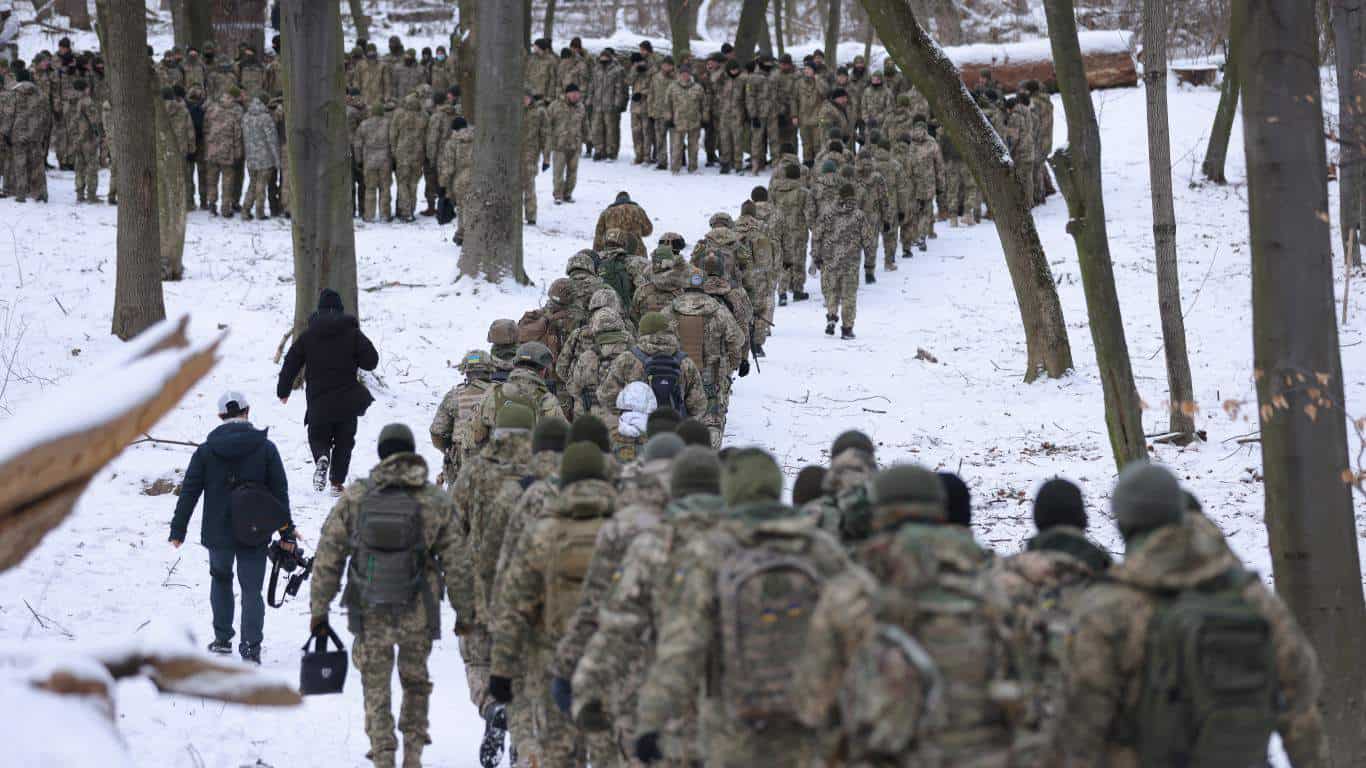
Nostradamus and the Russia-Ukraine War
- Supposed prediction: The Russia-Ukraine war and food shortages
One genuine Nostradamus quatrain describes the price of wheat rising so high that a man would be driven to eat his fellow man. After Russia launched its full-scale invasion of Ukraine on Feb. 24, 2022, some readers connected that imagery with war-related disruption to global grain markets. The quatrain does not name Russia, Ukraine, the invasion, or a date, so the connection is a modern interpretation rather than a specific prediction of the war.
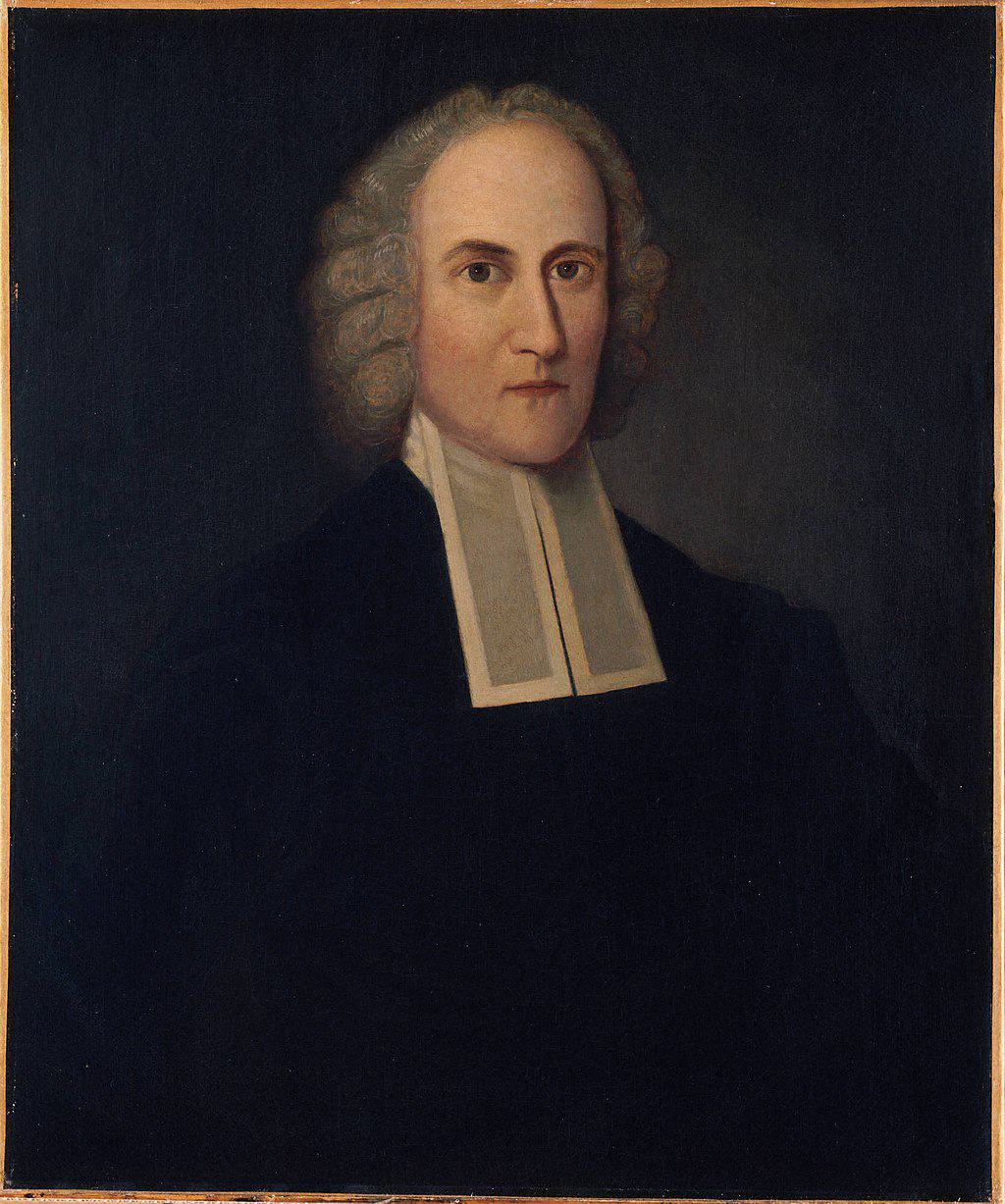
Jonathan Edwards
- Supposed prediction: The Great Awakening as a forerunner of the millennium
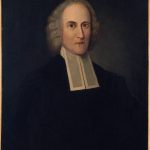
Jonathan Edwards, a leading theologian of the Great Awakening in the American colonies, did interpret religious revival through an end-times framework, but not as an immediate countdown to apocalypse. He described the revivals as possible forerunners of a future era in which Christ’s kingdom would spread and a long period of millennial glory would follow. Edwards also pushed back against reports that he had claimed the millennium had already begun at Northampton.
Nostradamus and Mars
- Supposed prediction: Human exploration or settlement of Mars
A genuine Nostradamus verse in Century IV, Quatrain 100 includes a line commonly translated as “when the light of Mars will go out.” The rest of the quatrain concerns celestial fire, war, and French places including Rouen and Évreux. Modern writers have tried to connect the Mars reference to human exploration or settlement of the planet, but the verse does not describe spacecraft, colonization, or a timetable for people landing on Mars.
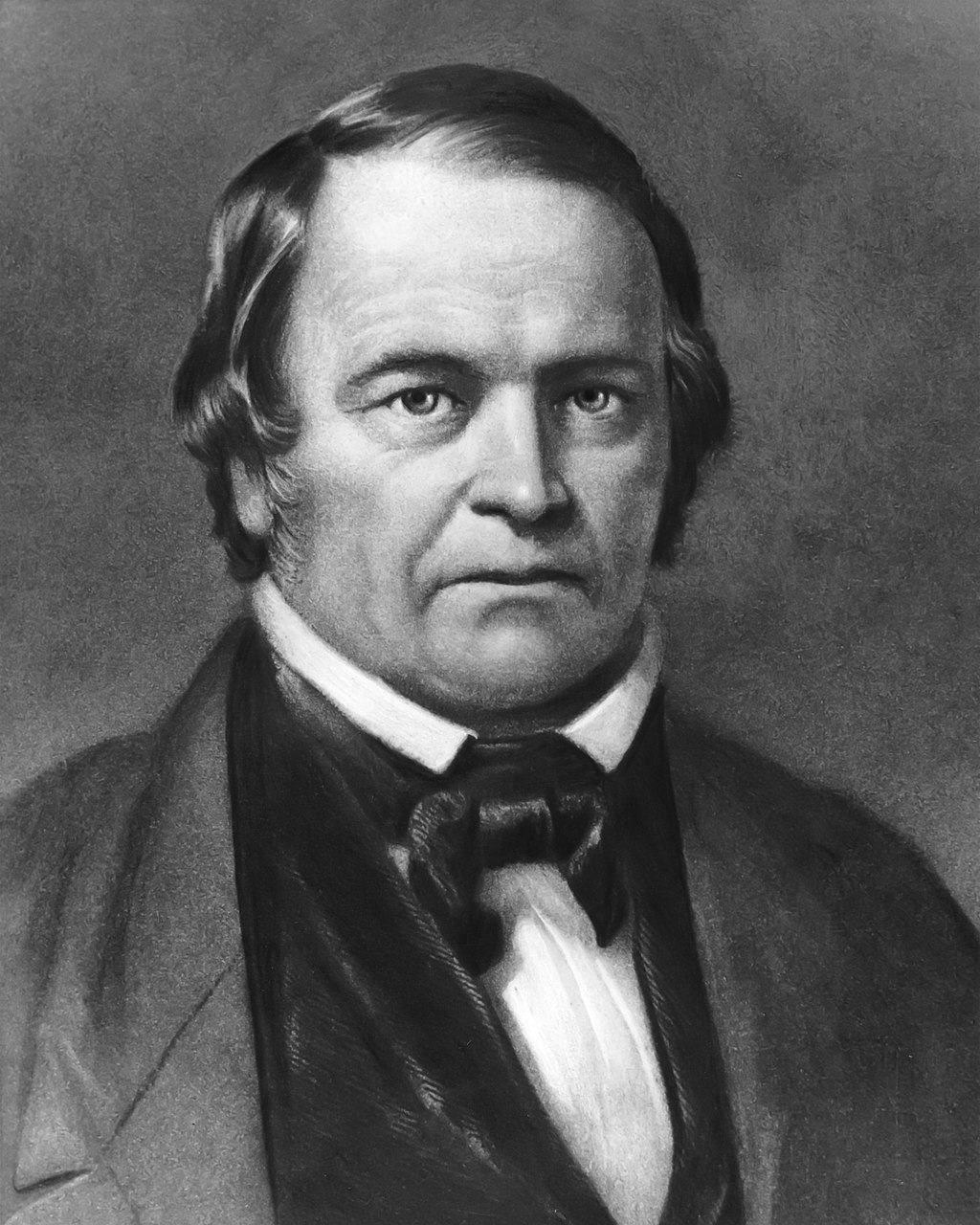
William Miller
- Supposed prediction: Christ’s return by 1844
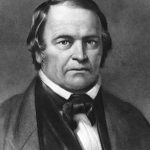
William Miller, a Baptist lay preacher, taught that Christ would return sometime between March 21, 1843, and March 21, 1844, while repeatedly saying he had not fixed a day or hour within that window. After it passed, Millerite preacher Samuel S. Snow promoted Oct. 22, 1844, as the date, and Miller eventually accepted it. Nothing happened on Oct. 22, an episode remembered as the Great Disappointment. Some followers made dramatic preparations, but sweeping stories that Millerites universally sold everything and climbed mountains are exaggerated.
Nostradamus and Natural Disasters
- Supposed prediction: Earthquakes, storms, floods, and other disasters
Earthquakes, floods, storms, famine, fire, and plague appear repeatedly in Nostradamus’s genuine quatrains. That makes it easy for later readers to match his writing to disasters that occurred centuries afterward, but the verses are usually vague and rarely provide enough detail to identify a unique event in advance. The familiar wording about the earth rumbling and the skies weeping is not a verified quotation from Les Prophéties.
Charles Taze Russell
- Supposed prediction: 1914 as a major end-times turning point
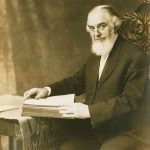
Charles Taze Russell, a leader of the Bible Student movement and president of the Watch Tower Bible and Tract Society, came to accept the belief that Christ’s invisible presence had begun in 1874. In an 1876 article, he also argued that the biblical “Gentile Times” would end in 1914. The year became central to the movement’s expectations, but not everything adherents expected to happen by then occurred. Jehovah’s Witnesses later emerged from the Bible Student movement after Russell’s death.
Camille Flammarion
- Supposed prediction: Halley’s Comet poisoning Earth in 1910
When Halley’s Comet approached Earth in 1910, astronomers detected cyanogen gas in its tail, and newspapers amplified fears about what might happen when Earth passed through it. French astronomer Camille Flammarion was widely reported as warning that the gas could affect the atmosphere and possibly extinguish life. Public anxiety helped fuel sales of gas masks, bogus “comet pills,” and protective umbrellas. Halley’s Comet passed in May 1910 without causing the predicted catastrophe.
Nostradamus and Revolt Against the Rich
- Supposed prediction: An uprising against wealthy elites
Century I, Quatrain 57 is a genuine Nostradamus verse describing violent discord, a broken agreement, and a bloodied figure. Modern interpreters have sometimes read it as a revolt against elites or the wealthy. The quatrain itself, however, does not identify an uprising by the poor, name a wealthy social class, or give a date, so the economic interpretation goes beyond what the 16th-century text actually says.
William Branham
- Supposed prediction: World systems ending around 1977
Pentecostal healing evangelist William Branham repeatedly discussed a series of visions that he said would be fulfilled before Christ’s coming. In his published teaching, he drew a distinction between prediction and prophecy but still wrote that 1977 “ought to terminate the world systems and usher in the millennium.” Branham died on Dec. 24, 1965, from injuries suffered in a head-on car crash near Friona, Texas, six days earlier. The 1977 prediction did not occur.
Nostradamus and Climate Change
- Supposed prediction: Modern climate change
One genuine Nostradamus quatrain describes the Black Sea’s living fish as nearly boiling and mentions Rhodes and Genoa. Modern commentators sometimes read those images as a forecast of global warming or rising seas. The text does not discuss greenhouse gases, global average temperature, modern sea-level measurements, or a date, so it cannot be treated as a specific scientific prediction of contemporary climate change.
Hal Lindsey
- Supposed prediction: End-times events within a generation of 1948
Hal Lindsey’s 1970 bestseller The Late Great Planet Earth helped popularize modern evangelical end-times prophecy. Lindsey tied biblical signs to the establishment of Israel in 1948 and wrote that a biblical generation was “something like forty years,” adding that if his deduction was correct, the predicted events could occur within roughly 40 years of 1948. That language helped fuel expectations around 1988, although Lindsey later stressed that he had framed the calculation conditionally rather than naming 1988 as a certain deadline.
Nostradamus and the Russian Revolution
- Supposed prediction: The rise of communism in Russia
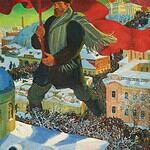
Nostradamus never names communism, the Bolsheviks, or the Russian Revolution in Les Prophéties. His genuine quatrains contain plenty of revolts, political upheaval, and bloodshed, which later readers have tried to map onto the 1917 Russian Revolution. The often-circulated wording about a “red flag” darkening the world is not a verified Nostradamus quatrain.
David Koresh and the Waco Siege
- Supposed prediction: An apocalyptic confrontation
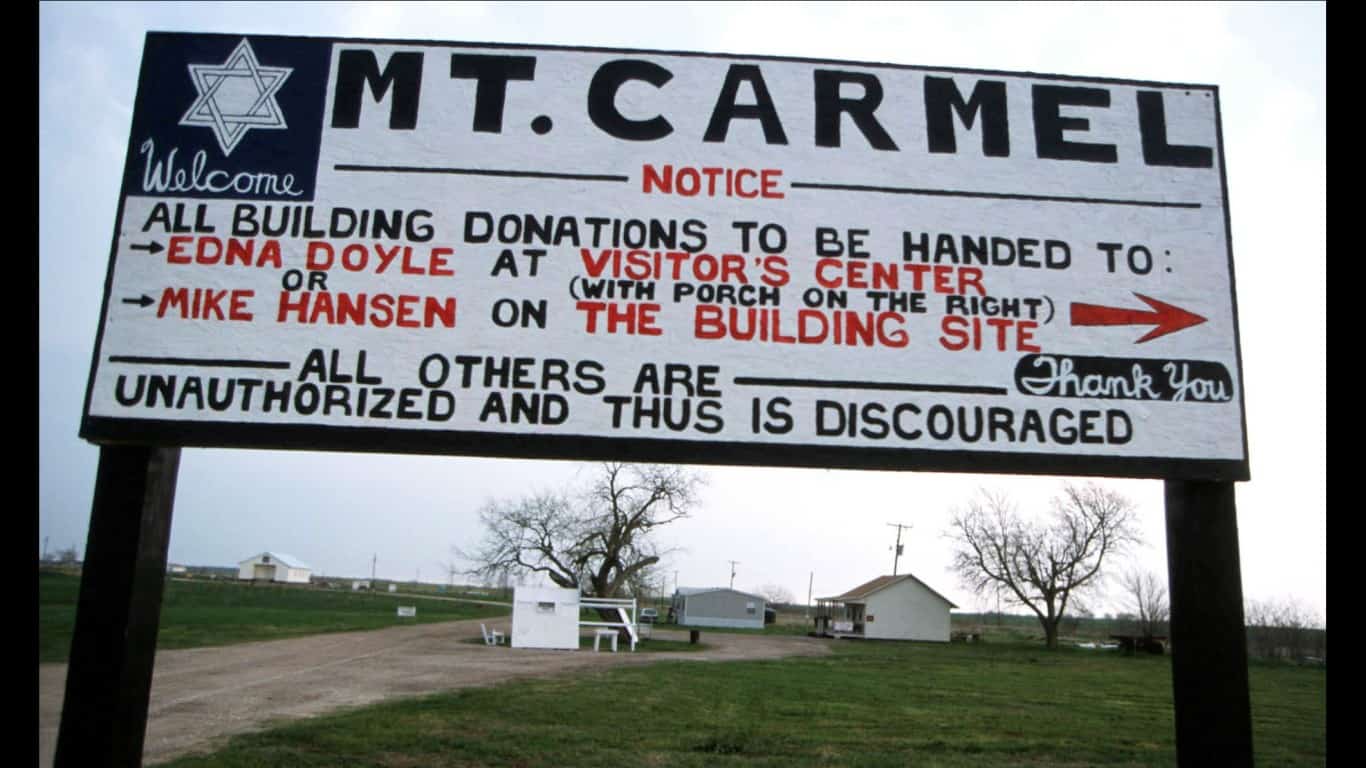
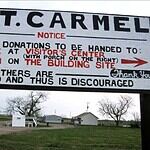
David Koresh led the Branch Davidians, an apocalyptic religious group at Mount Carmel outside Waco, Texas, and claimed unique authority to interpret Revelation’s Seven Seals. On Feb. 28, 1993, agents of the federal Bureau of Alcohol, Tobacco and Firearms attempted to execute firearms-related arrest and search warrants; a gunfight killed four ATF agents and several Branch Davidians and began a 51-day FBI standoff. On April 19, the FBI used CS tear gas in an effort to force people out. The compound later burned, and a Justice Department review cited evidence that the fires were deliberately set from inside; nine people survived the fire and investigators recovered 75 bodies from the debris.
Harold Camping
- Supposed prediction: Judgment Day and the end of the world
Family Radio president Harold Camping repeatedly used biblical chronology to set dates for the end times. His 1992 book 1994? argued that Christ would return around September 1994; after that window passed, March 31, 1995, became another date. Camping later announced May 21, 2011, as Judgment Day and Oct. 21, 2011, as the final destruction of the world. None of those predictions occurred.
Mikhail Gorbachev Antichrist Theories
- Supposed prediction: Mikhail Gorbachev as the Antichrist
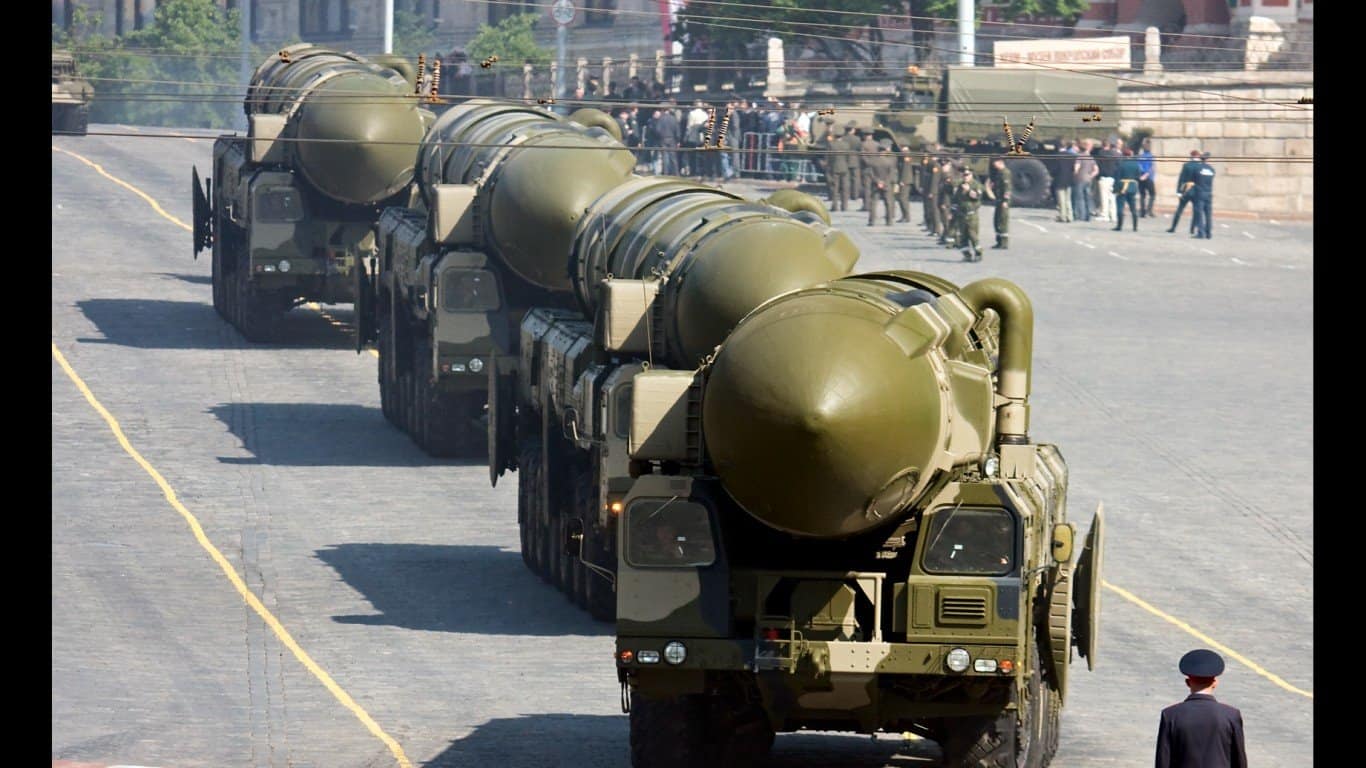
During the late Cold War, some Christian prophecy writers speculated that Soviet leader Mikhail Gorbachev was the Antichrist. Nuclear engineer Robert W. Faid, for example, published Gorbachev! Has the Real Antichrist Come? in 1988. Popular discussion also fixated on Gorbachev’s prominent forehead birthmark, but a birthmark is not evidence of Revelation’s “mark of the beast,” and the theory was never representative of white evangelicals as a whole. Gorbachev became the Soviet Union’s top leader in 1985 and was its last leader before the country dissolved in 1991.
Nostradamus and the Fall of Empires
- Supposed prediction: The collapse of great powers
Because Nostradamus wrote about rulers, empires, rebellion, and political collapse, his verses have been applied to the decline of many later powers. There is no verified quatrain with the familiar wording that a “great empire shall fall from within.” Nostradamus also could not have predicted the conventional A.D. 476 fall of the Western Roman Empire, which occurred more than a thousand years before he was born. Claims that his verses foretell the future collapse of unnamed great nations are modern extrapolations.
Maya Calendar
- Supposed prediction: The world ending on Dec. 21, 2012
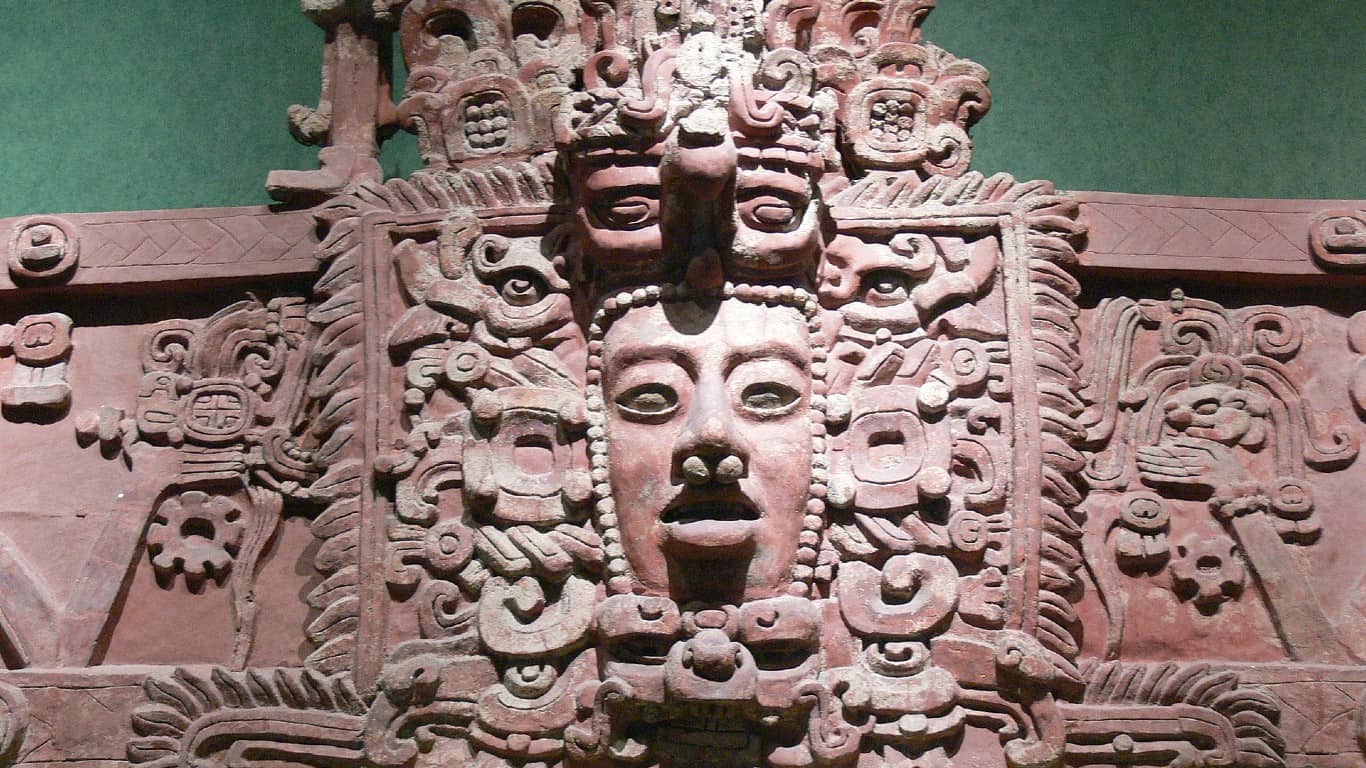
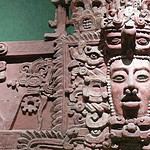
Dec. 21, 2012, marked the completion of a 13-baktun cycle in the Maya Long Count, a span of about 5,125 years. It did not mean the Maya calendar stopped or that the ancient Maya predicted Earth’s destruction. The Smithsonian’s National Museum of the American Indian notes that there is no evidence in surviving inscriptions that the Maya interpreted the cycle’s completion as a catastrophic end. The doomsday reading was a modern misconception.
Russia-Ukraine End-Times Theories
- Supposed prediction: Russia’s invasion of Ukraine as an end-times sign
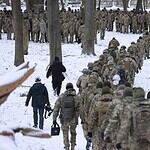
Russia’s full-scale invasion of Ukraine on Feb. 24, 2022, renewed an old strain of Christian prophecy speculation linking modern Russia to Gog and Magog in Ezekiel 38–39. Some pastors, authors, and prophecy ministries discussed whether the war could fit an end-times scenario. That view cannot be generalized to white evangelicals as a group, and Ezekiel does not name modern Russia or predict Russia’s 2022 invasion of Ukraine.