Alberto Masnovo/iStock via Getty Images
Cavan Images/iStock via Getty Images
Pietro Basilico/Shutterstock.com
CC BY-SA 2.0
NASA, Public domain, via Wikimedia Commons
SevenMaps/Shutterstock.com
Sean Pavone/Shutterstock.com
Dragan Mihajlovic/iStock via Getty Images
Cindy Creighton/Shutterstock.com
Thomas Males/Shutterstock.com
dndavis/iStock via Getty Images
Sergii Figurnyi/Shutterstock.com
Robertsonpr/Shutterstock.com
Robert Spriggs/Shutterstock.com
Ondrej Prosicky/iStock via Getty Images

Delta News Hub / CC BY 2.0
Mehaniq/Shutterstock.com
vivaswa/Shutterstock.com
LACROIX CHRISTINE/Shutterstock.com
Theerasak Namkampa/Shutterstock.com

19 Places Around the World Most People Aren’t Allowed to Enter
Some places really are off-limits. Governments restrict access to military installations, nature reserves, archaeological sites, and isolated communities for reasons ranging from national security to conservation. Private owners can keep the public out too. Then there are the places that have become "forbidden" mostly through legend, exaggeration, or decades of internet storytelling.
That distinction matters with this list. Some of these locations cannot legally be entered without special permission. Others have only certain areas that are restricted, while a few can be visited under tightly controlled circumstances. One famous entry may not exist at all. From an isolated volcanic island to the chamber beneath China's Terracotta Army, here are 19 places around the world where you cannot simply show up and wander in.
1. The Alleged Dulce Base
The so-called Dulce Base is an unverified conspiracy theory associated with the area around Dulce, New Mexico.
This list starts with the odd one out because there is no verified evidence that the infamous Dulce Base actually exists. The legend centers on Archuleta Mesa near Dulce, New Mexico, where conspiracy theories claim an underground government facility houses secret experiments, advanced technology, or even extraterrestrials. Those stories have circulated for decades, but no credible public evidence has established that such a base is there. Dulce is real. The supposed underground compound is another matter entirely, so describing it as a confirmed government site would give the legend considerably more credit than the evidence does.
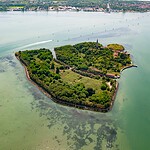
2. Poveglia Island
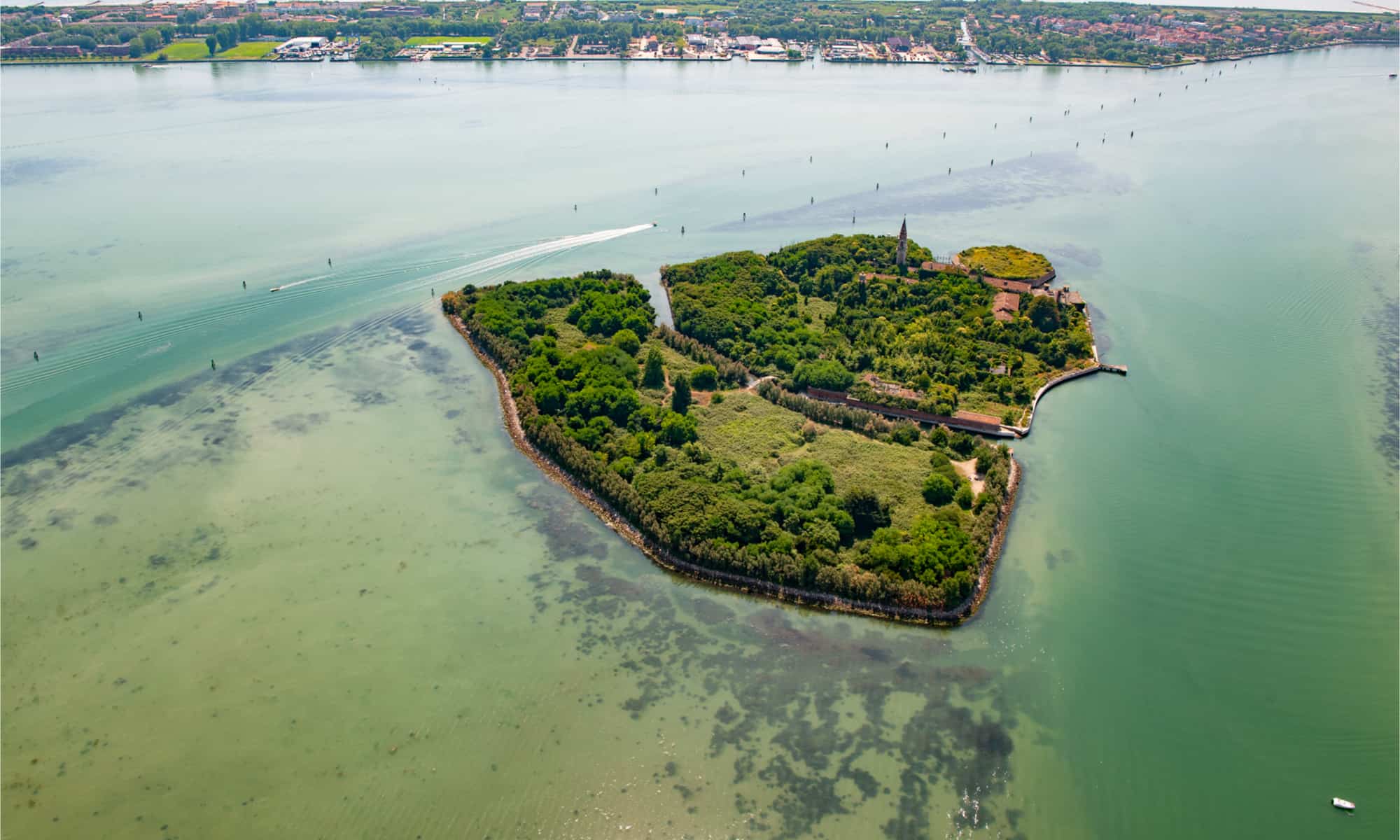
Poveglia is a small island in the Venetian Lagoon with a long history of quarantine and medical use.
Poveglia has enough real history that it never needed the horror-movie additions. The island served as a quarantine station in the Venetian Lagoon and was later home to a hospital before being abandoned in the 20th century. Claims that 160,000 plague victims died there, half the soil consists of human remains, or sadistic doctors tortured patients are widely repeated legends rather than well-established history. Its access status has changed too. In 2025, Italy's State Property Agency granted the island's undeveloped northern section to the nonprofit Poveglia per Tutti for six years, with plans to turn it into a public lagoon park. The built-up portion remains closed to landing and public access, so Poveglia is restricted, but it is no longer accurate to describe the entire island as completely forbidden.
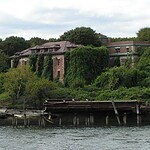
3. North Brother Island
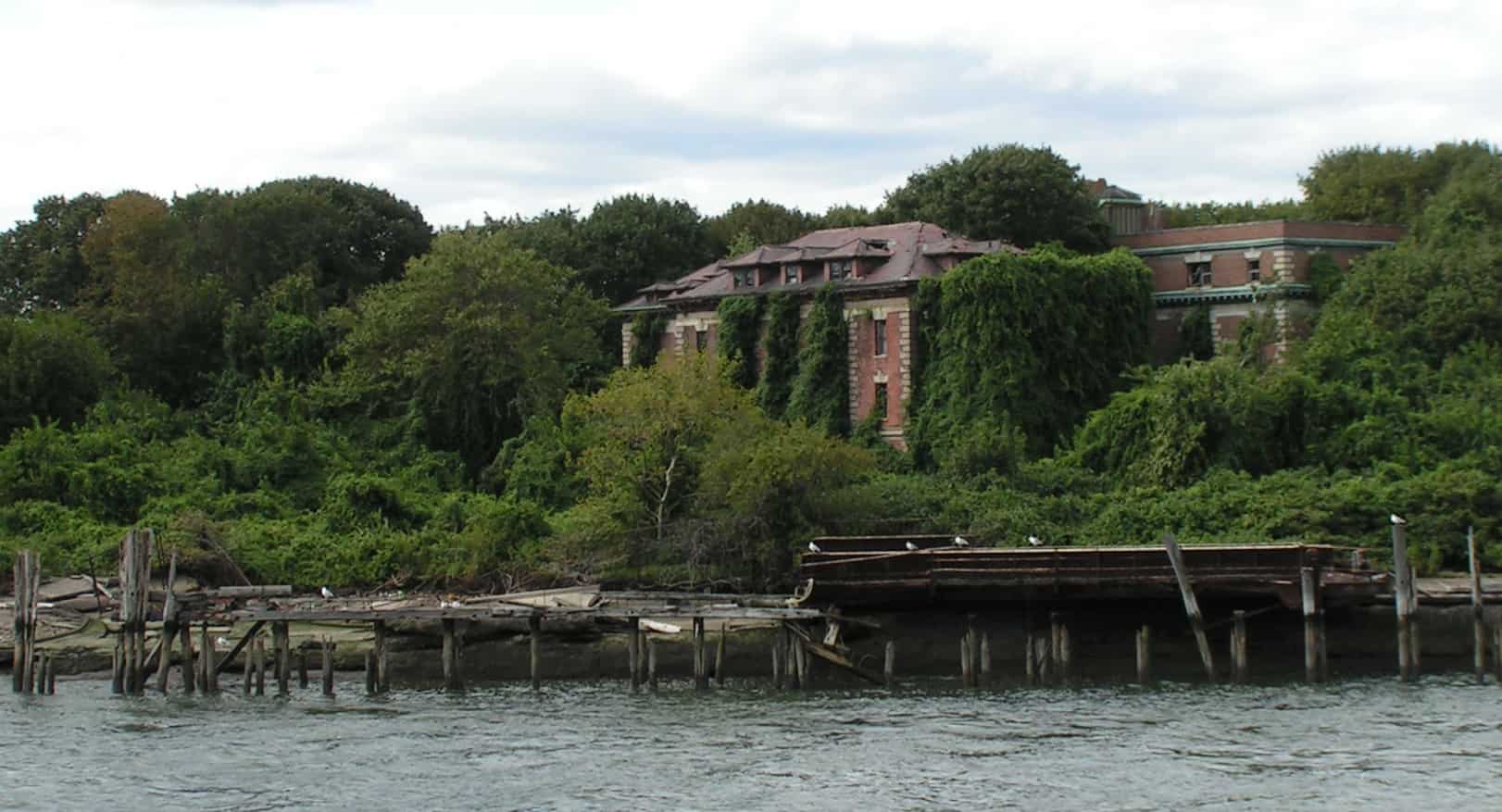
North Brother Island sits in New York City's East River but remains closed to the public.
North Brother Island once housed Riverside Hospital, where New York isolated patients with contagious diseases. Its best-known resident was Mary Mallon, better remembered as "Typhoid Mary," who spent years confined there. The island later served several other purposes, including student housing and an addiction treatment facility, before the last program shut down in 1963. Nature has spent the decades since taking the place back. New York City Parks now manages North Brother as part of a protected nature preserve and bird habitat. The city continues to deny ordinary public access both to protect the island's ecology and because its abandoned buildings and deteriorating infrastructure create serious safety problems.
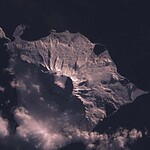
4. Heard Island
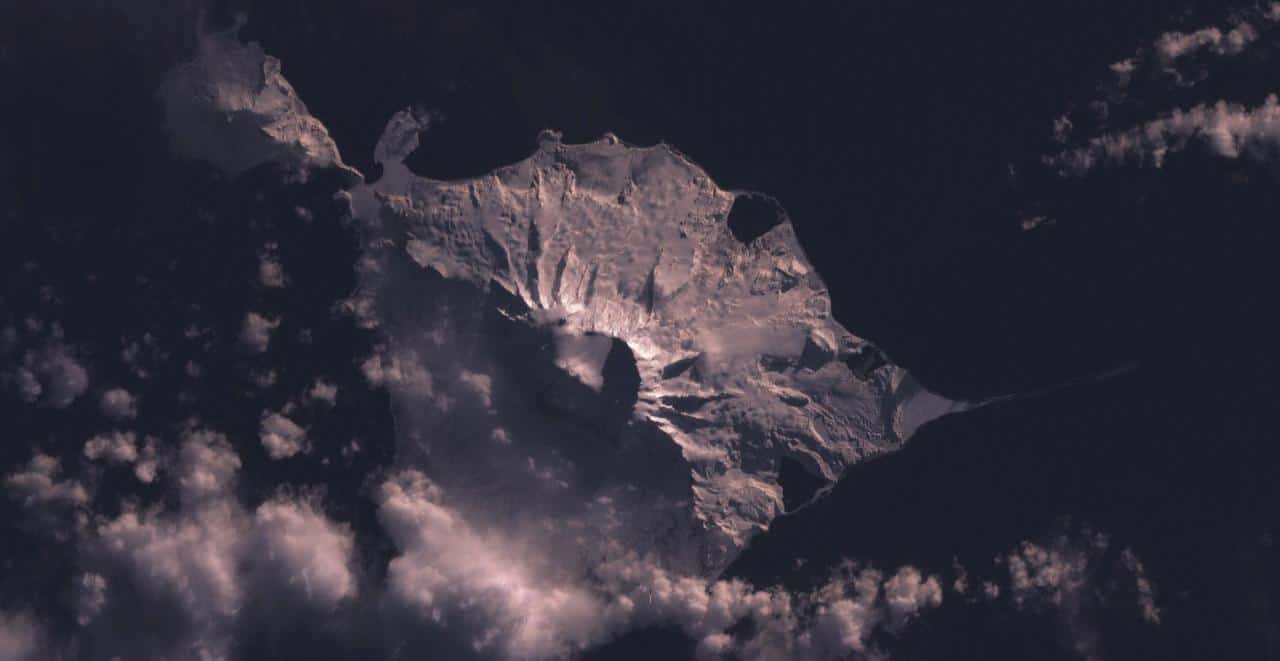
Heard Island is a remote Australian territory in the Southern Ocean, about 1,700 kilometers north of Antarctica.
Getting to Heard Island is difficult enough before the law even enters the equation. The uninhabited island lies roughly 4,100 kilometers southwest of mainland Australia and is part of the Australian external territory of Heard Island and McDonald Islands. Heard is dominated by Big Ben, an active volcano whose summit, Mawson Peak, rises about 2,745 meters above sea level. The territory is protected as a World Heritage site and strict nature reserve. Anyone planning to enter must obtain an Australian government permit, and activities are tightly controlled to protect one of the world's least-disturbed island ecosystems. In other words, this is not somewhere you tack onto the itinerary because you happened to be in the neighborhood.
5. Bohemian Grove
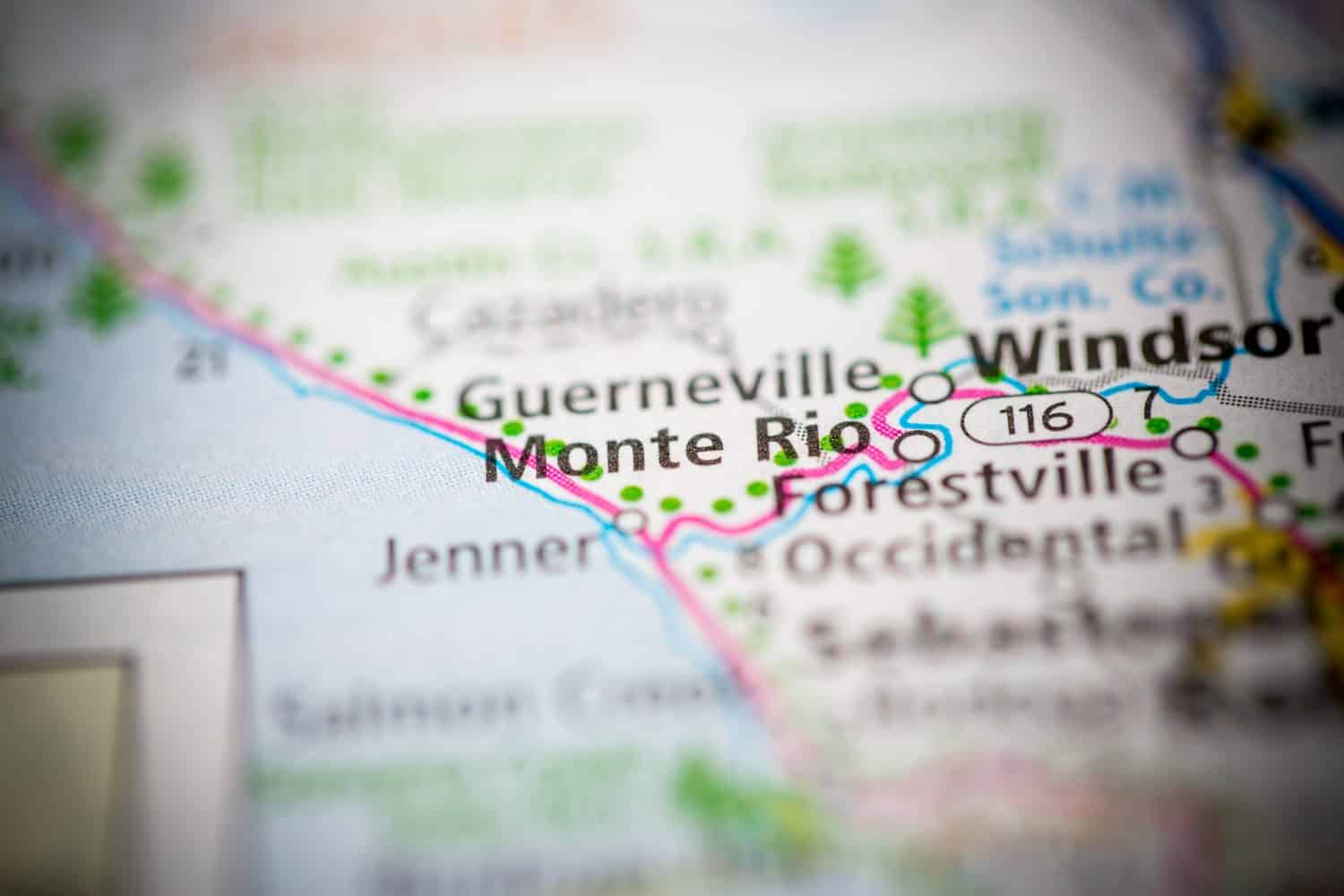
Bohemian Grove is a large private campground near Monte Rio in Sonoma County, California.
Bohemian Grove is real, private, and considerably less mysterious than some of the stories surrounding it. The roughly 2,700-acre redwood property belongs to San Francisco's private Bohemian Club and is best known for its annual summer encampment. Members and invited guests have included prominent figures from business, politics, the arts, and other fields. What makes the Grove inaccessible to most people is not a government secrecy law. It is private property with controlled entry. There is no public admission, and wandering through the gate uninvited is still trespassing regardless of how curious you are about what everyone is doing among those redwoods.
6. Ise Grand Shrine
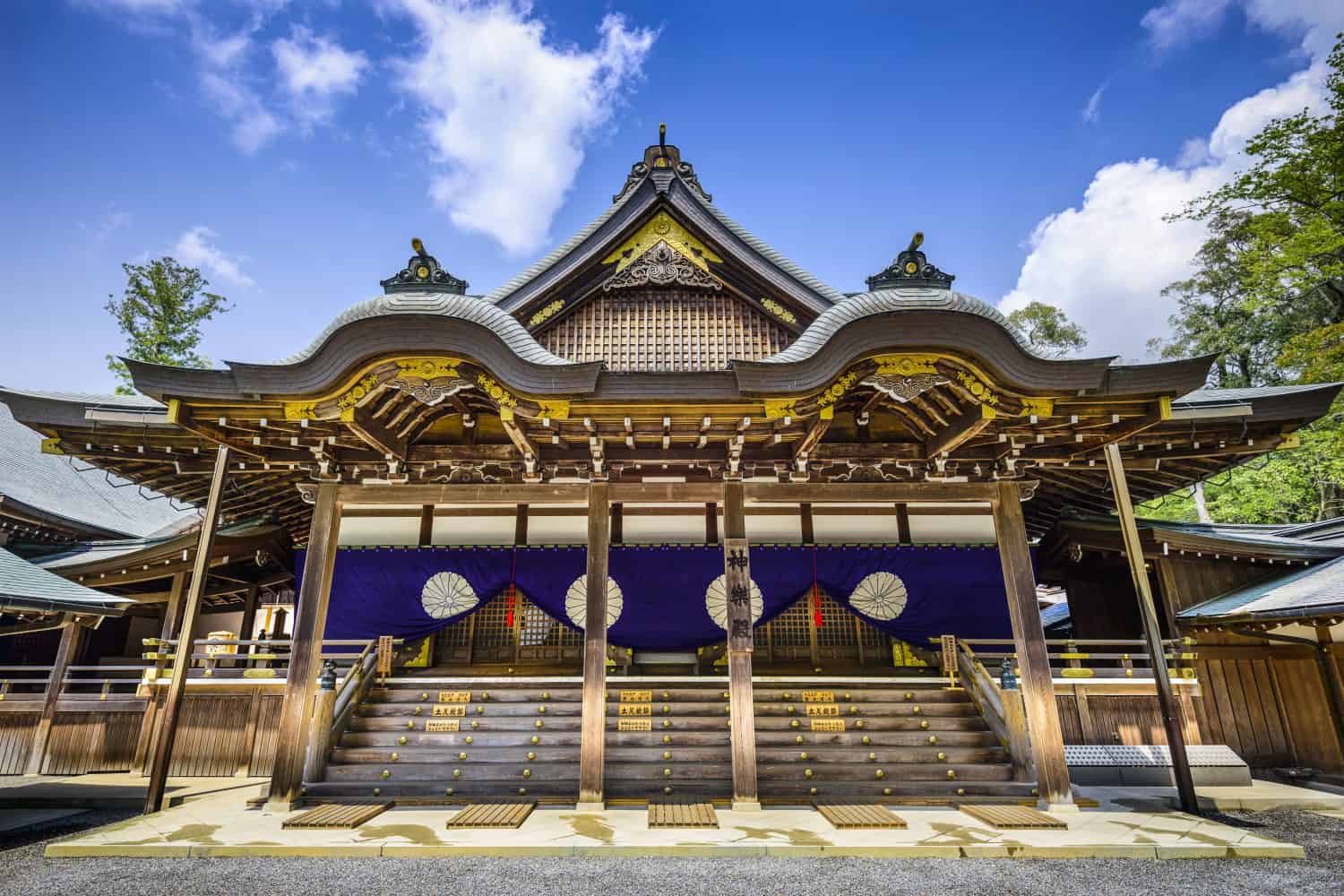
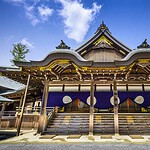
Ise Jingu welcomes visitors, but the innermost courtyards of its main sanctuaries are off-limits.
Ise Grand Shrine, officially known as Ise Jingu or simply Jingu, is not a temple that ordinary people are forbidden to visit. Quite the opposite. Visitors can enter the precincts of the enormous Shinto shrine complex, pray, obtain amulets, and explore many of its public areas. The restricted part is the courtyard surrounding each Shogu, or main sanctuary. Worshippers normally stop at the gate of the third of four fences surrounding the innermost sacred space. Another remarkable tradition is Shikinen Sengu. Every 20 years, new sanctuary buildings are constructed on adjacent sites and sacred furnishings are remade before the divine symbols are ceremonially transferred. The latest cycle was completed in 2013, with preparations for the 63rd cycle now underway.
7. Area 51
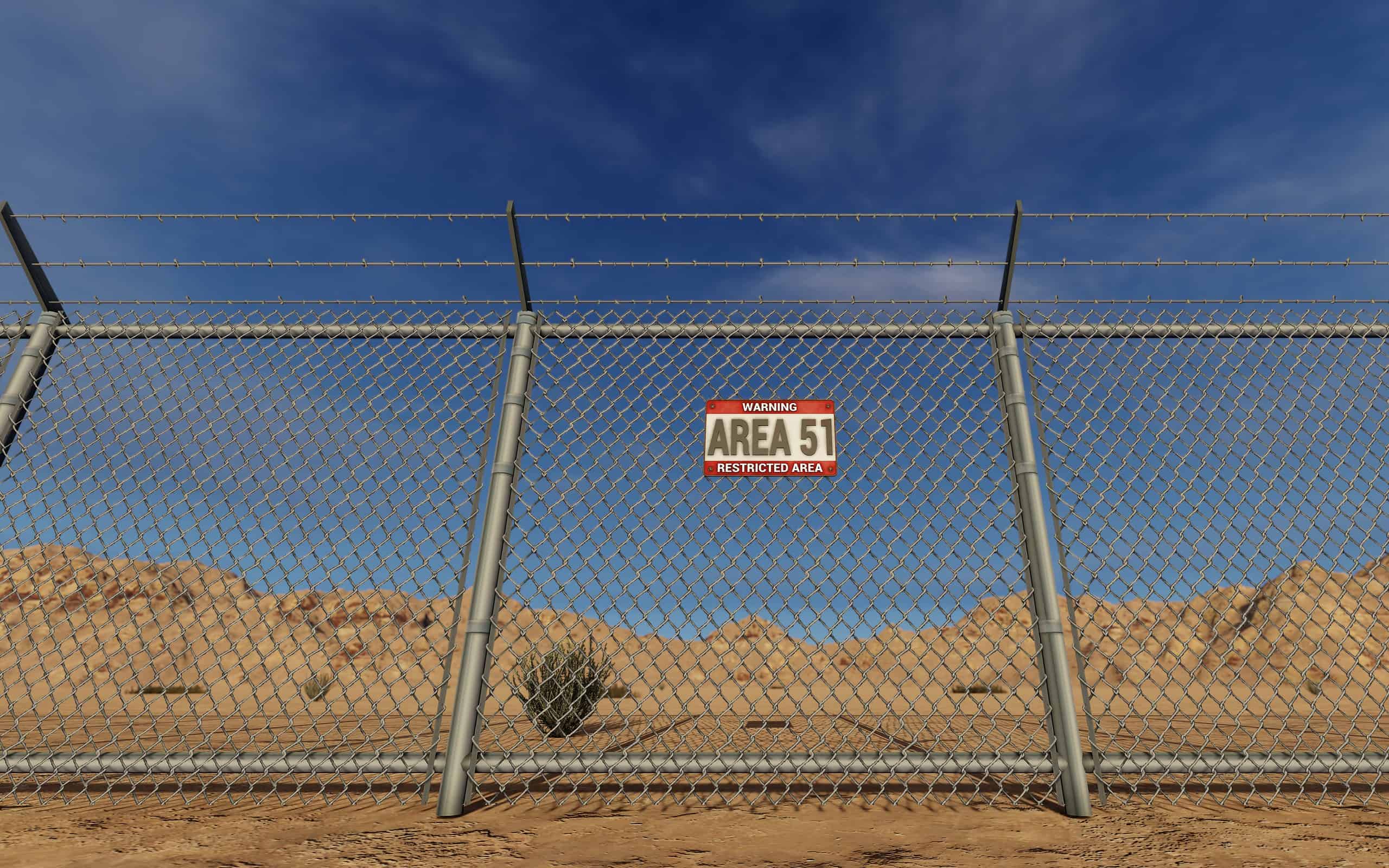
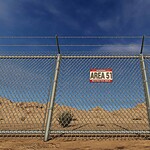
Area 51 is a real restricted military installation at Groom Lake in Nevada.
Area 51 spent decades occupying the strange space between an obvious military secret and something the U.S. government rarely acknowledged publicly. Declassified CIA records eventually confirmed the much less extraterrestrial story. Groom Lake was used to test highly classified aircraft, including the U-2 reconnaissance plane and the A-12 OXCART. The installation remains inside a tightly controlled military testing area, and unauthorized members of the public cannot enter it. What has never been backed by credible evidence are the famous claims about captured alien spacecraft or extraterrestrial bodies. Even the CIA has publicly poked holes in that version of the story. The real history involves experimental aircraft, intelligence programs, and plenty of legitimate secrecy without needing little green men.
8. Snake Island
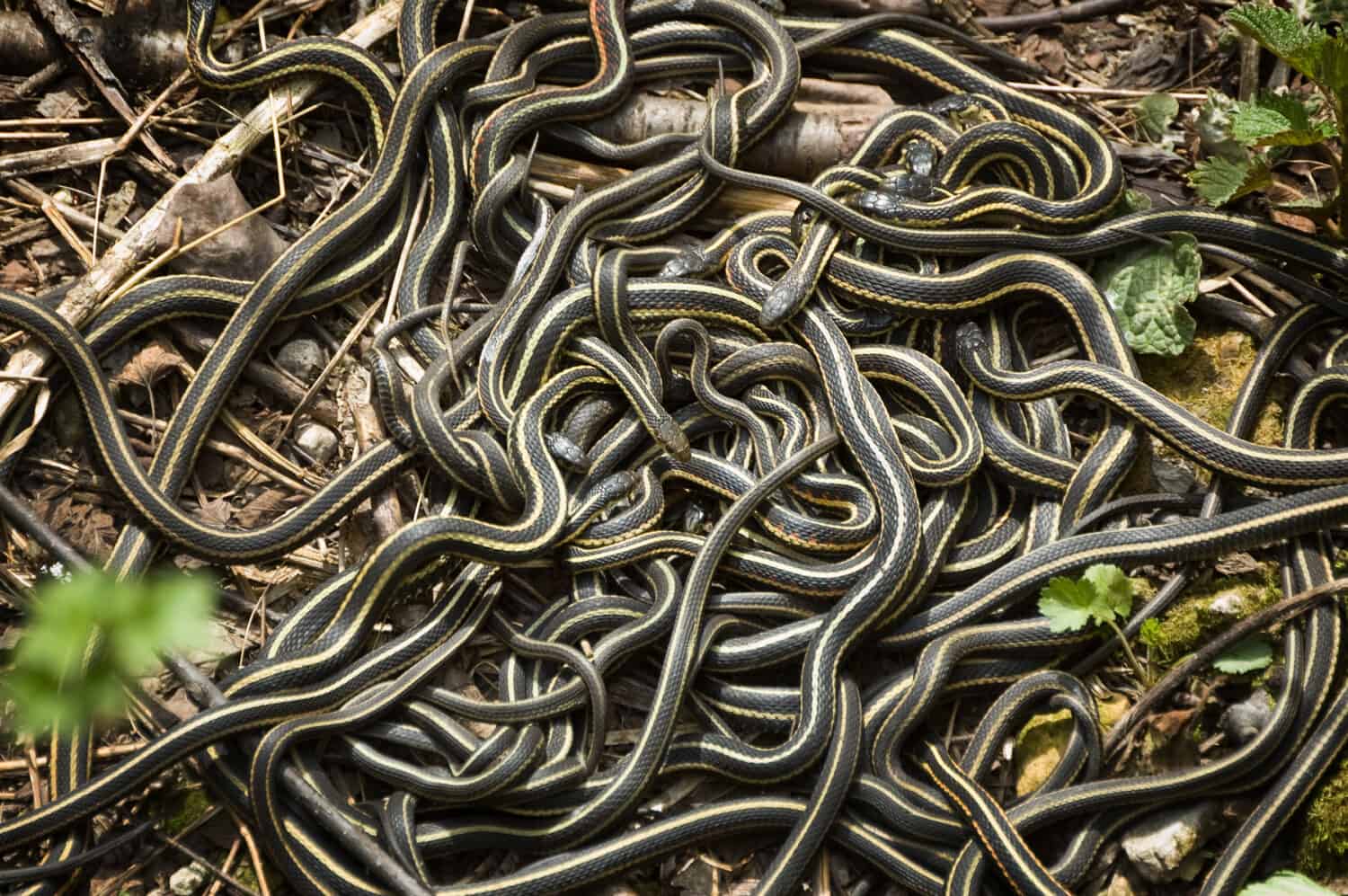
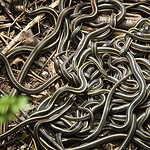
Brazil's Ilha da Queimada Grande is famous for the golden lancehead, a venomous snake found nowhere else on Earth.
Ilha da Queimada Grande sits about 35 kilometers off the coast of Itanhaém in São Paulo state and is not open to ordinary public visitation. Its most famous resident is the golden lancehead, or Bothrops insularis, an endemic pit viper. The numbers are dramatic enough without embellishment. Instituto Butantan says the island is believed to hold roughly 3,000 of the snakes, averaging about 55 per hectare. That makes Queimada Grande one of the most snake-dense islands known, but not the world's densest; Butantan places China's Shedao Island ahead of it. Researchers can visit under controlled conditions and with the appropriate environmental authorization. For everyone else, the snakes and the conservation rules offer two very good reasons to admire this place from a considerable distance.
9. Surtsey Island
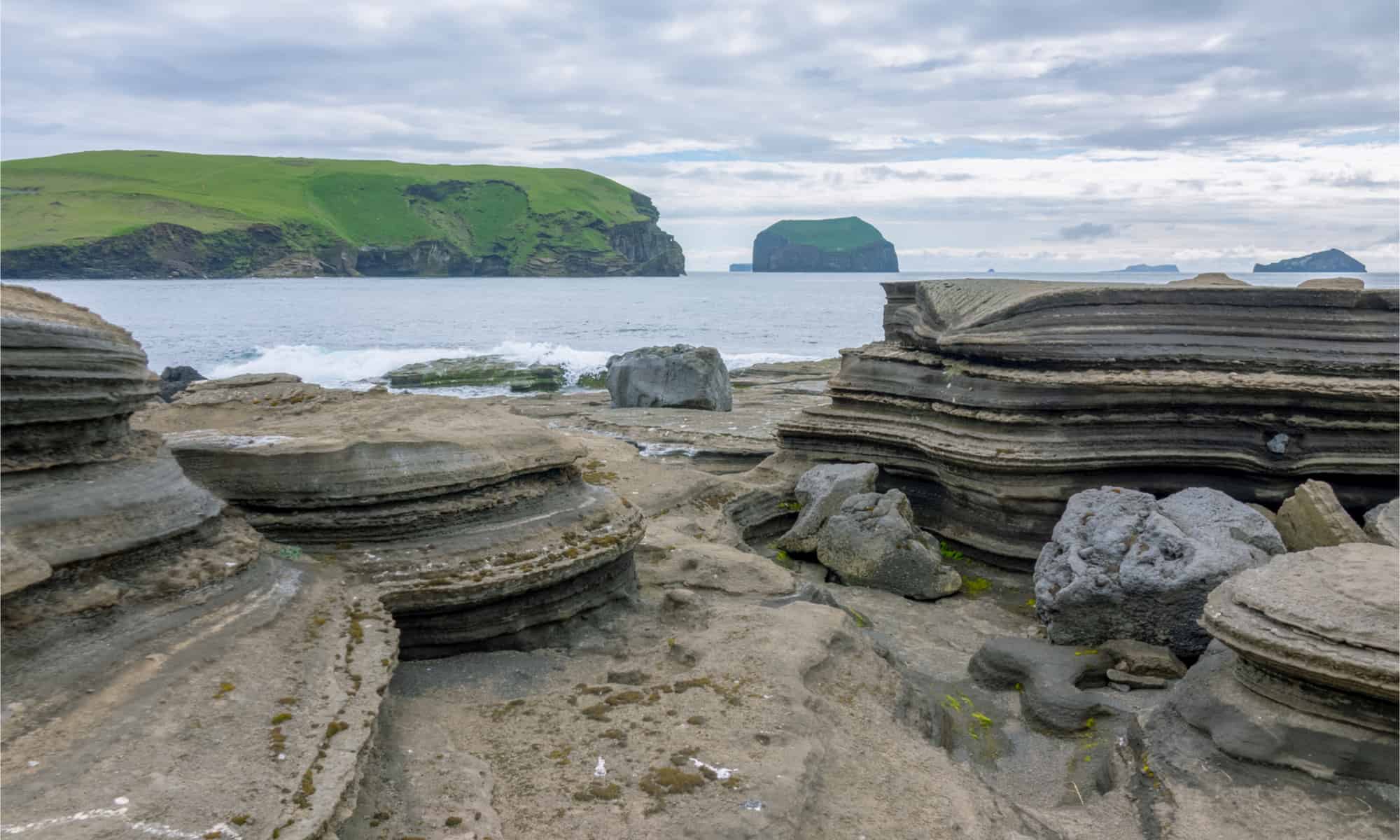
Surtsey emerged from the ocean south of Iceland during volcanic eruptions from 1963 to 1967.
Surtsey is young by island standards, but calling it the world's newest landform goes too far. What makes it scientifically extraordinary is that researchers have been able to watch an almost untouched volcanic island develop from the beginning. Iceland protected Surtsey shortly after it appeared, and UNESCO added it to the World Heritage List in 2008. Ordinary visits are strictly prohibited. People cannot simply land on the island or even dive beside it, and scientific permits are tightly limited to research that genuinely requires someone to be there. The goal is beautifully simple: let plants, birds, marine life, weather, erosion, and time shape the island with as little human interference as possible.
10. Tomb of Qin Shi Huang
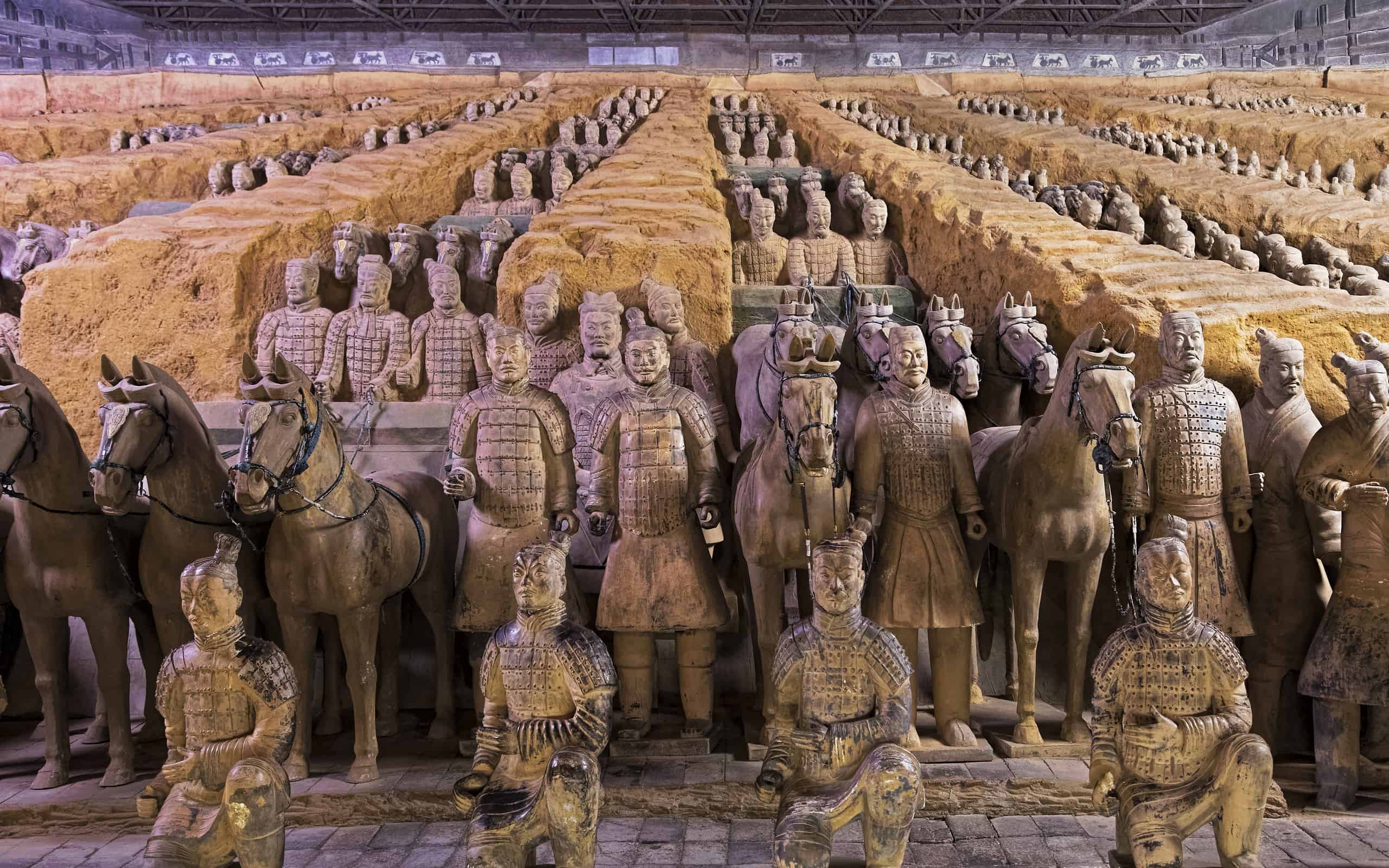
The famous Terracotta Army forms part of the enormous mausoleum complex of China's first emperor.
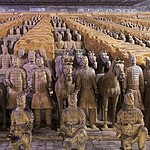
Qin Shi Huang's mausoleum near Xi'an is absolutely visitable, at least in part. Tourists can see excavated pits containing the famous Terracotta Army, discovered in 1974, and archaeologists continue studying the enormous burial complex. What nobody has opened is the emperor's central burial chamber beneath the main tomb mound. Construction of the mausoleum began in 246 BCE, and Qin Shi Huang was buried there after his death in 210 BCE. Preservation is one reason archaeologists have approached the chamber cautiously. Excavating something that has remained sealed for more than two millennia is the easy part compared with making sure whatever is inside survives exposure once it comes out.
11. The Vatican Apostolic Archive
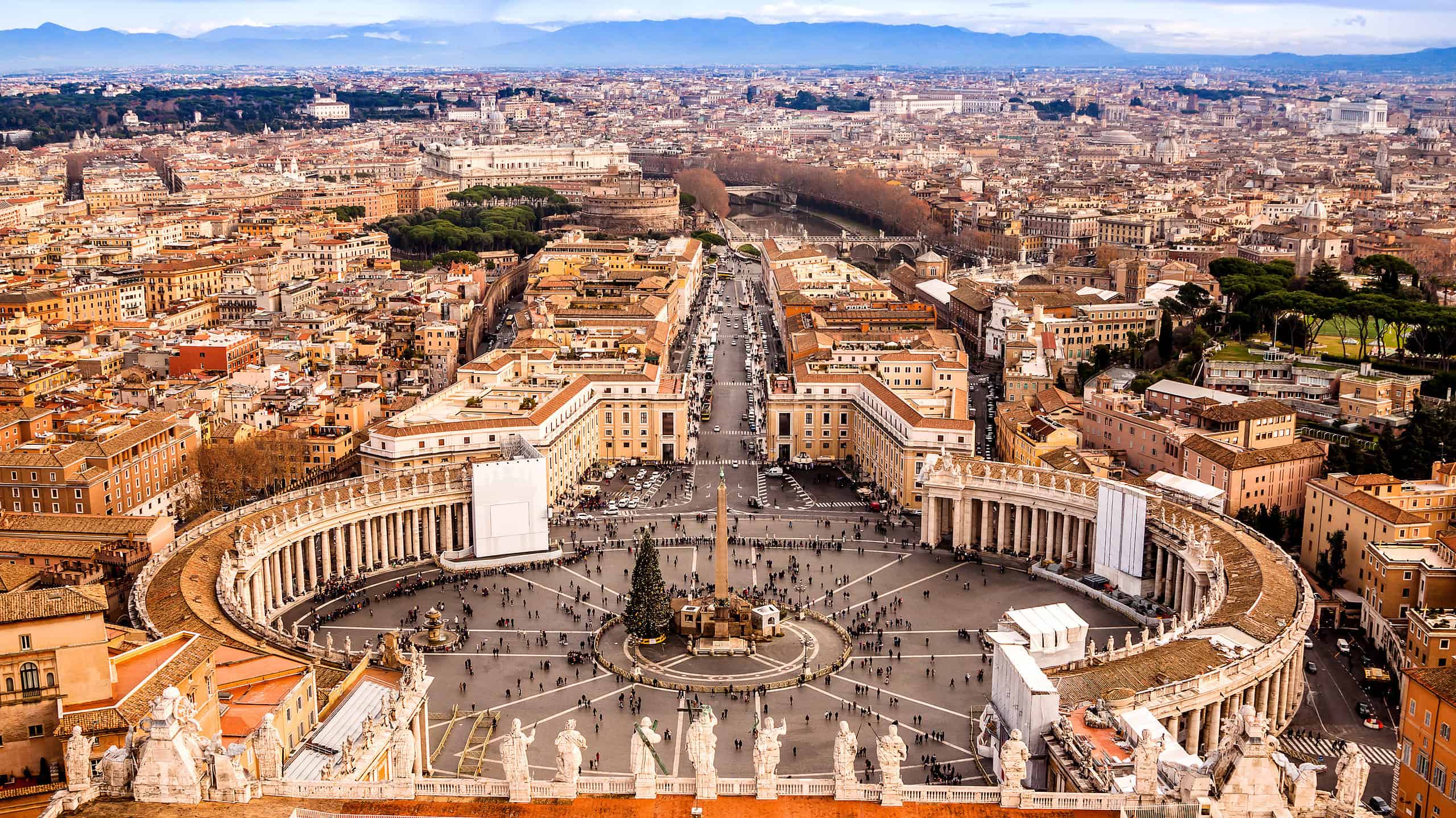
The institution once known as the Vatican Secret Archive has officially been called the Vatican Apostolic Archive since 2019.
The old name made this place sound considerably more sinister than it actually was. Pope Francis changed "Vatican Secret Archive" to "Vatican Apostolic Archive" in 2019, explaining that the Latin secretum historically referred to something private or reserved to the pope, not a stash of documents nobody was allowed to know existed. The archive still is not a tourist attraction where visitors can browse shelves at random. Qualified scholars can, however, apply for research access, and the archive currently admits up to 60 researchers to its study rooms per day. So yes, access is carefully controlled. No, you do not need to be a priest carrying a mysterious key through a hidden stone passage.
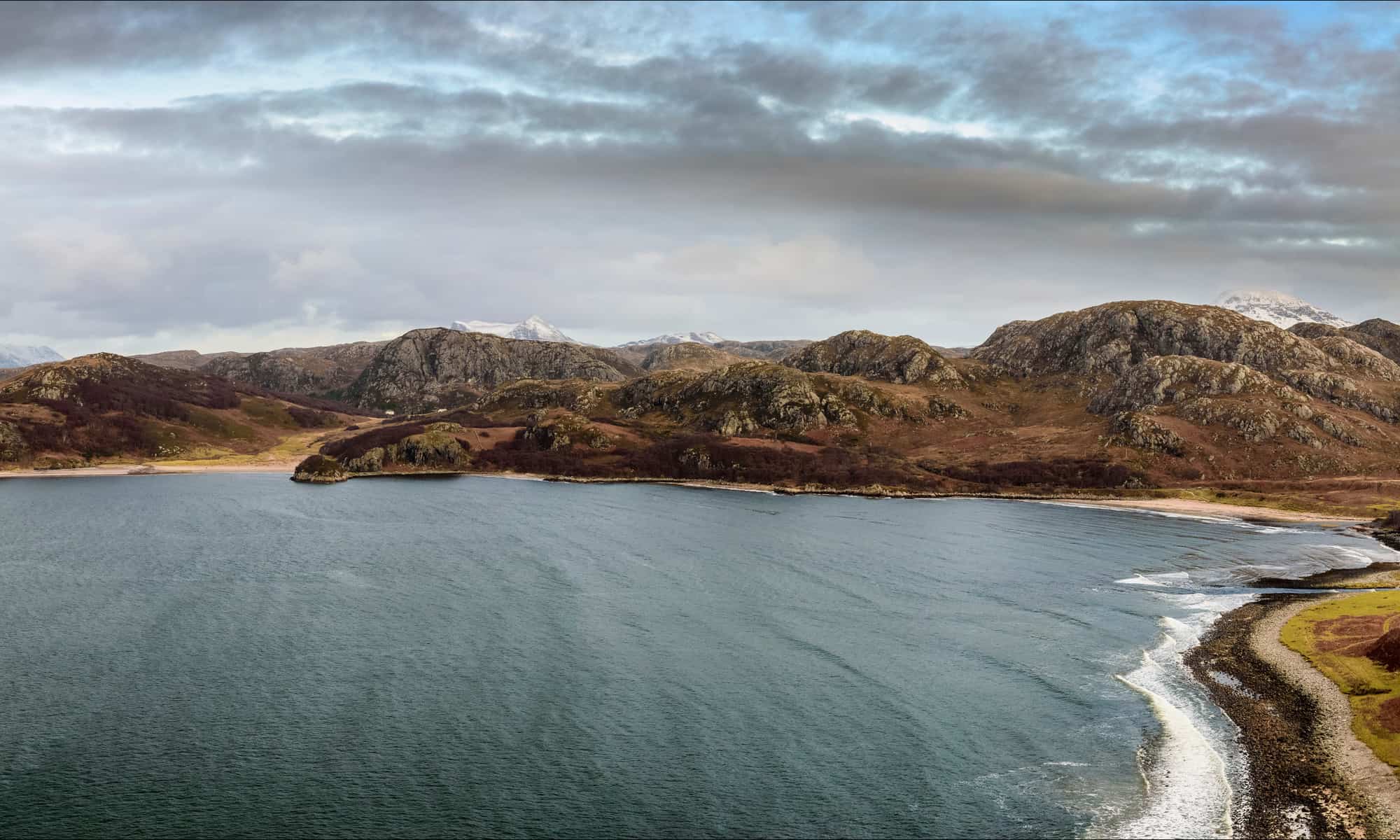
12. Gruinard Island
Gruinard Island off Scotland was contaminated during British biological-warfare experiments in World War II.
Gruinard Island earned its reputation the hard way. Britain took control of the uninhabited Scottish island during World War II and used it for experiments involving anthrax, including tests on sheep. Anthrax spores contaminated parts of the island badly enough that access remained dangerous for decades. A major cleanup was carried out in 1986, and the British government formally declared Gruinard safe in 1990. The island was subsequently returned to private ownership. That means the old image of a permanently poisoned government exclusion zone is outdated. It is still not a normal public attraction, but today's access issue is largely one of private property rather than lingering official quarantine.
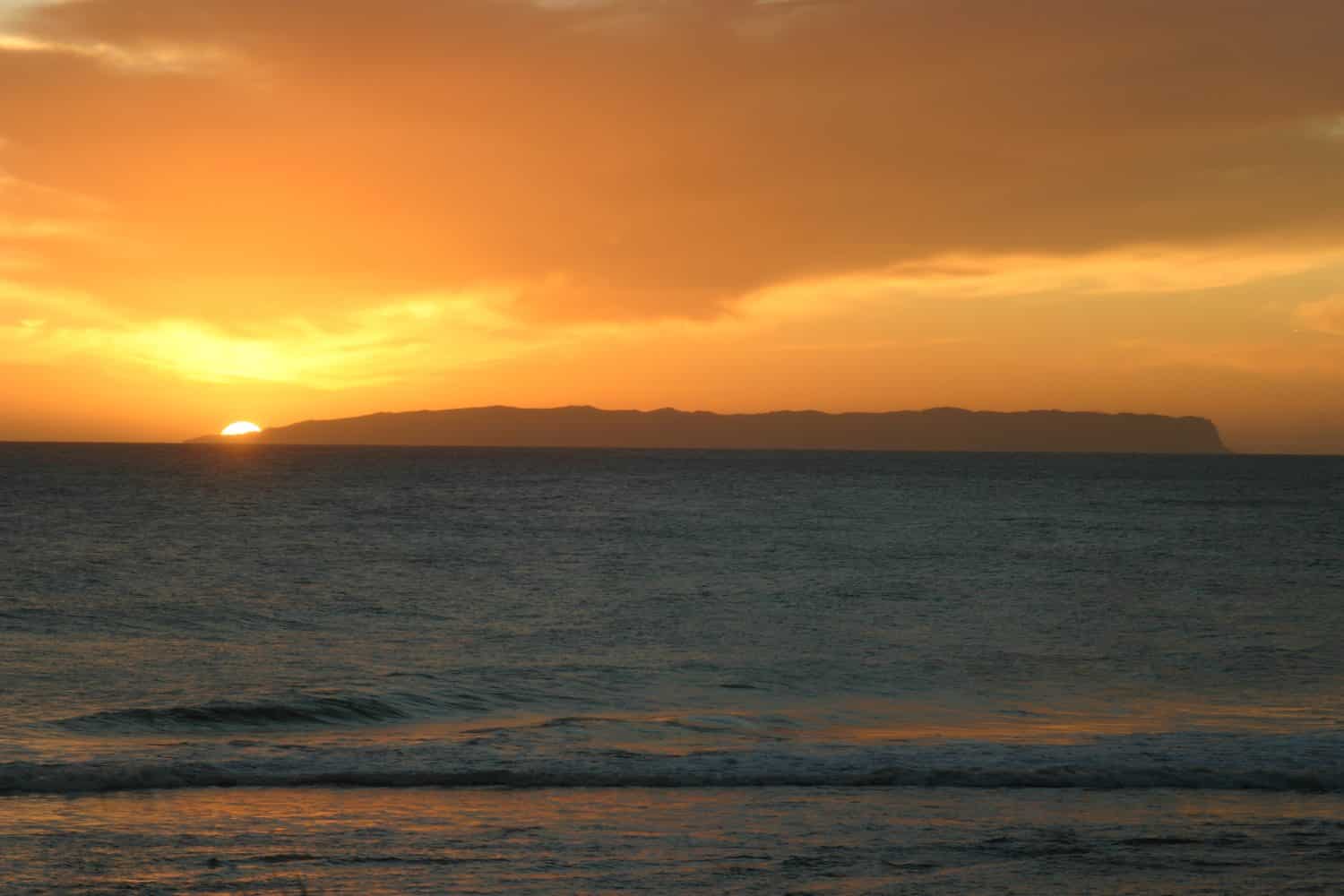
13. Niʻihau
Niʻihau is a privately owned Hawaiian island west of Kauaʻi with tightly controlled access.
Niʻihau's "Forbidden Island" nickname makes access sound even more absolute than it is. The island is privately owned, and travelers cannot independently arrive, explore the settlements, or wander across the interior. The 2020 Census counted just 84 residents in the Niʻihau census county division. Outside contact has long been limited, helping the community maintain a degree of privacy and cultural separation rarely possible elsewhere in Hawaii. There are exceptions to the no-visitors reputation, including invited guests and limited owner-authorized excursions. Some tours allow visitors to experience designated areas without opening the residential portions of Niʻihau to unrestricted tourism. Restricted? Absolutely. Impossible for every outsider to visit? No.
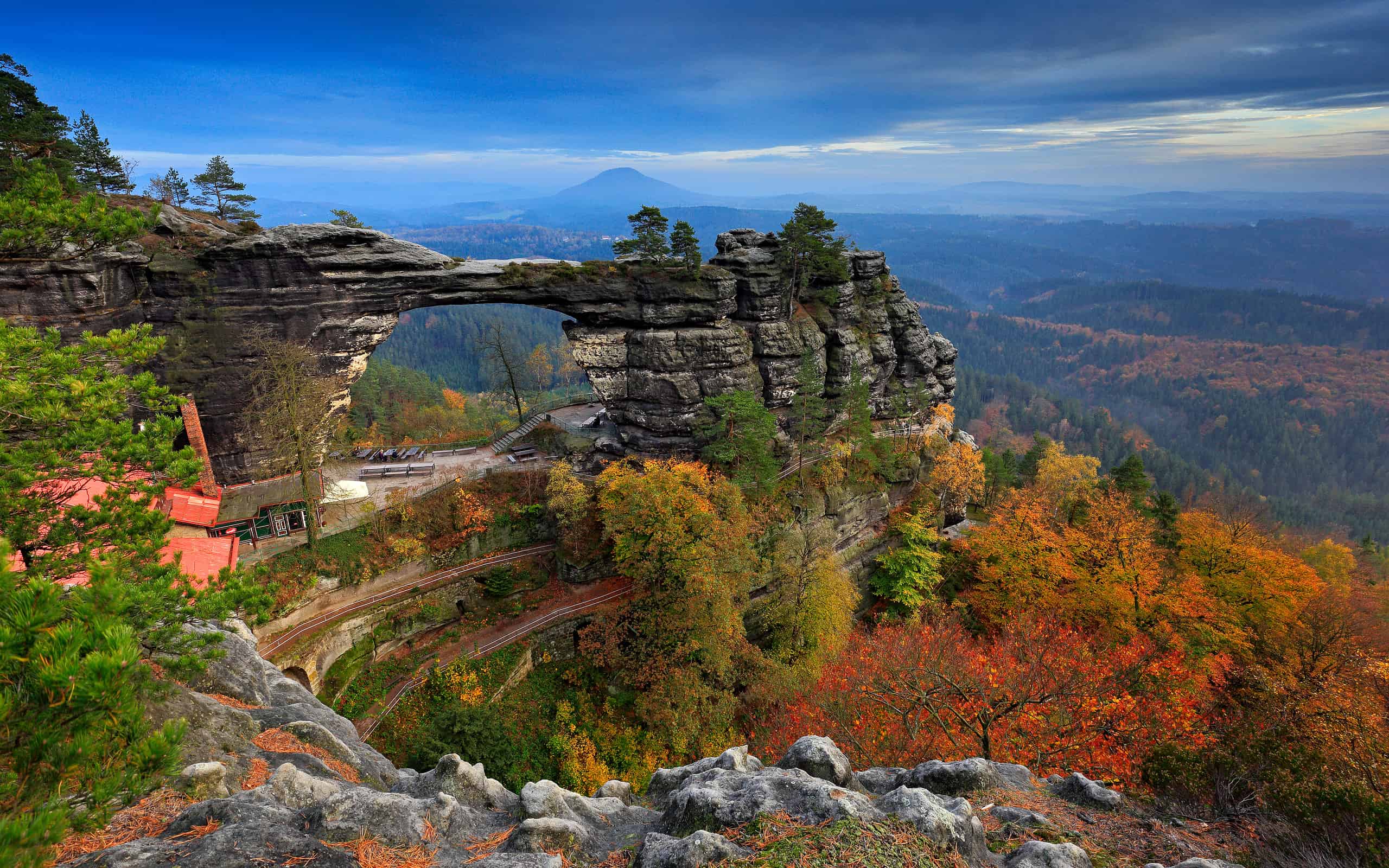
14. Pravčická Brána
Pravčická Brána is Europe's largest natural sandstone rock gate and remains a popular destination in Czechia.
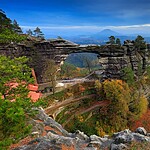
Pravčická Brána is not closed to tourists, and there is no credible reason to describe it as ready to collapse at any moment. The enormous sandstone arch in Bohemian Switzerland National Park rises about 16 meters and spans nearly 27 meters. Visitors can hike to the area and use nearby viewpoints. What they cannot do is walk across the arch itself. Heavy tourism contributed to erosion of its upper surface, so direct tourist access onto the rock formation was banned in 1982. That restriction remains an important part of protecting the formation from unnecessary human damage while still allowing people to see one of Czechia's most recognizable natural landmarks.
15. Coca-Cola’s Secret Formula Vault
Coca-Cola says its secret formula is secured inside a vault at World of Coca-Cola in Atlanta.
This one sits inside a tourist attraction you absolutely can visit. Coca-Cola moved the written version of its famous secret formula to World of Coca-Cola in Atlanta in 2011 after keeping it in a bank vault for 86 years. Visitors can walk through the "Vault of the Secret Formula" exhibit and see the vault where the company says the recipe is secured. What you cannot do is open the vault and read the formula. Coca-Cola continues to protect the recipe as a trade secret, so this is less "mysterious government exclusion zone" and more "extremely elaborate corporate safe." Either way, buying an admission ticket will only get you so far.
16. Mezhgorye
Mezhgorye in Bashkortostan is officially classified by Russia as a closed administrative-territorial formation.
Mezhgorye is not a town where Vladimir Putin personally approves everyone who comes through the gate. It is a Russian ZATO, the abbreviation used for a closed administrative-territorial formation, in the Republic of Bashkortostan. Russian government and statistical documents continue to identify Mezhgorye under that legal status, which places controls on access, residence, property, and other activities within the territory. Its location near Mount Yamantau has produced years of speculation about underground military facilities and nuclear bunkers. Those theories are frequently repeated, but the specific claims have never been publicly verified. The part we can establish is simpler: Mezhgorye is a real closed town with government-controlled access.
17. North Sentinel Island
North Sentinel Island is part of India's Andaman and Nicobar Islands and is legally protected from outside intrusion.
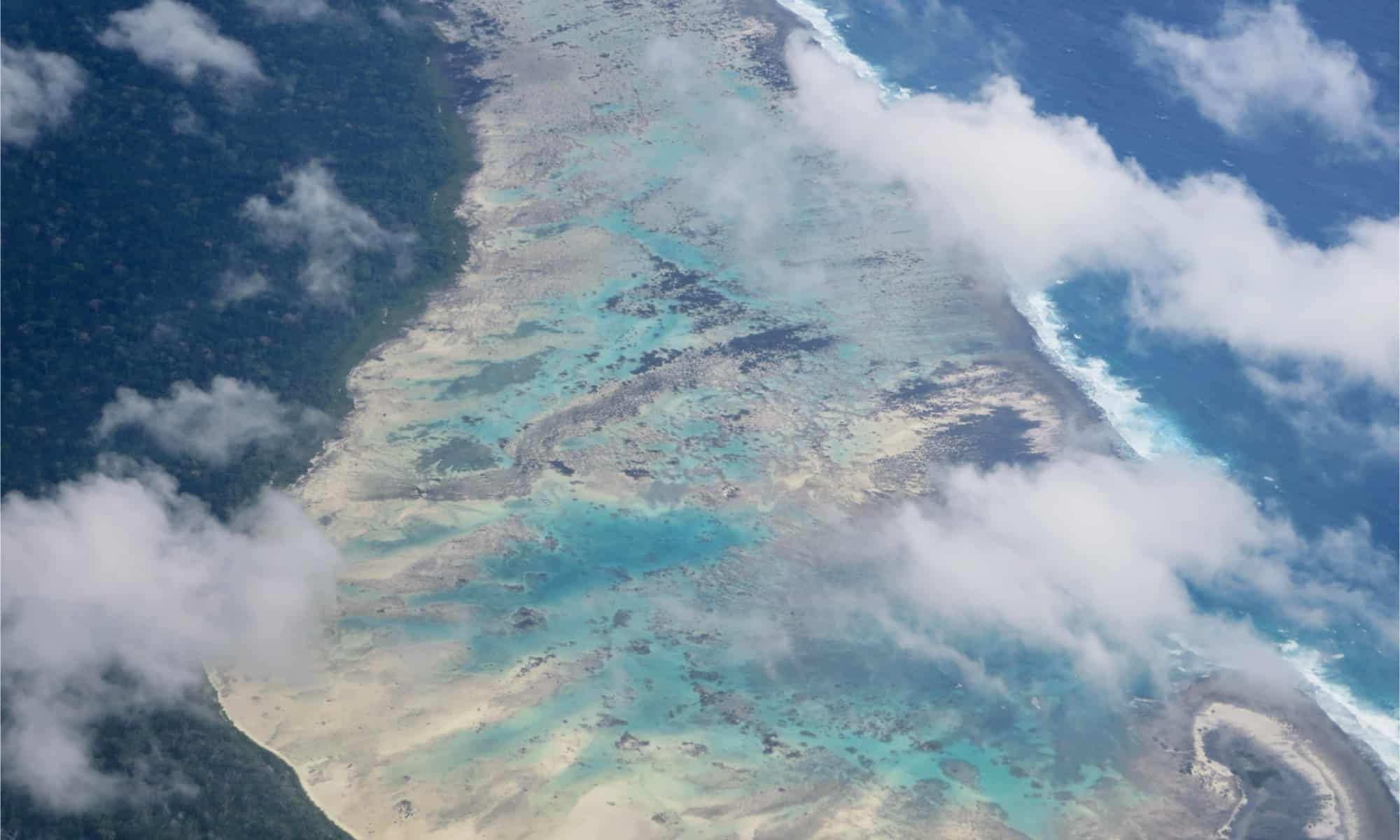
North Sentinel Island is one of the clearest examples on this list of a place ordinary outsiders genuinely are prohibited from visiting. India has designated the entire island and the surrounding sea out to five kilometers from the high-water mark as a tribal reserve under the Andaman and Nicobar Islands Protection of Aboriginal Tribes Regulation. Unauthorized outsiders, including tourists and foreigners, are prohibited from entering. The Sentinelese have repeatedly demonstrated that they do not want sustained outside contact. Protecting that isolation also reduces the risk that visitors could introduce infectious diseases to a small population with limited exposure to illnesses common elsewhere. The safest and most respectful way to experience North Sentinel Island is not to.
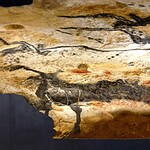
18. Lascaux Cave
The original Lascaux Cave is closed, but highly detailed replicas allow visitors to experience its prehistoric artwork.
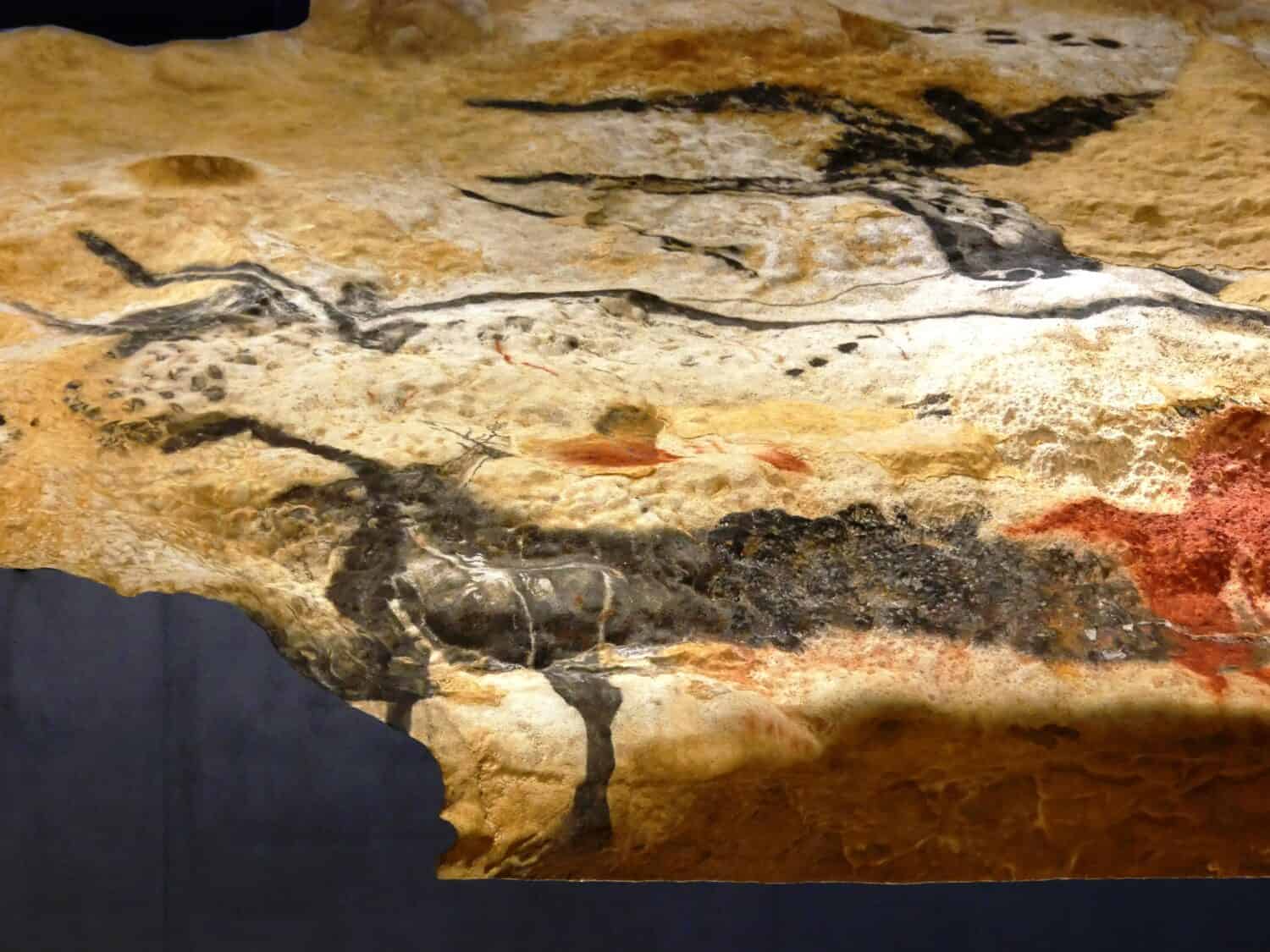
Lascaux's prehistoric artwork is considerably older than the frequently repeated 17,000-year figure. Modern calibrated dating places human activity associated with the cave at roughly 21,000 years ago, although researchers continue to debate the precise chronology of individual works. The original cave opened to tourists after its 1940 discovery, and enormous crowds eventually disrupted its fragile environment. Carbon dioxide, humidity, temperature changes, artificial lighting, algae, and mineral deposits threatened the art. France closed the cave to the public on April 20, 1963, and it remains protected. Visitors are hardly shut out of the experience, however. Lascaux II and the far more extensive Lascaux IV provide meticulously created reproductions of the inaccessible original.
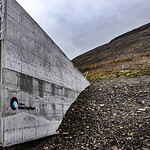
19. Svalbard Global Seed Vault
The Svalbard Global Seed Vault safeguards backup copies of crop-seed collections from around the world.
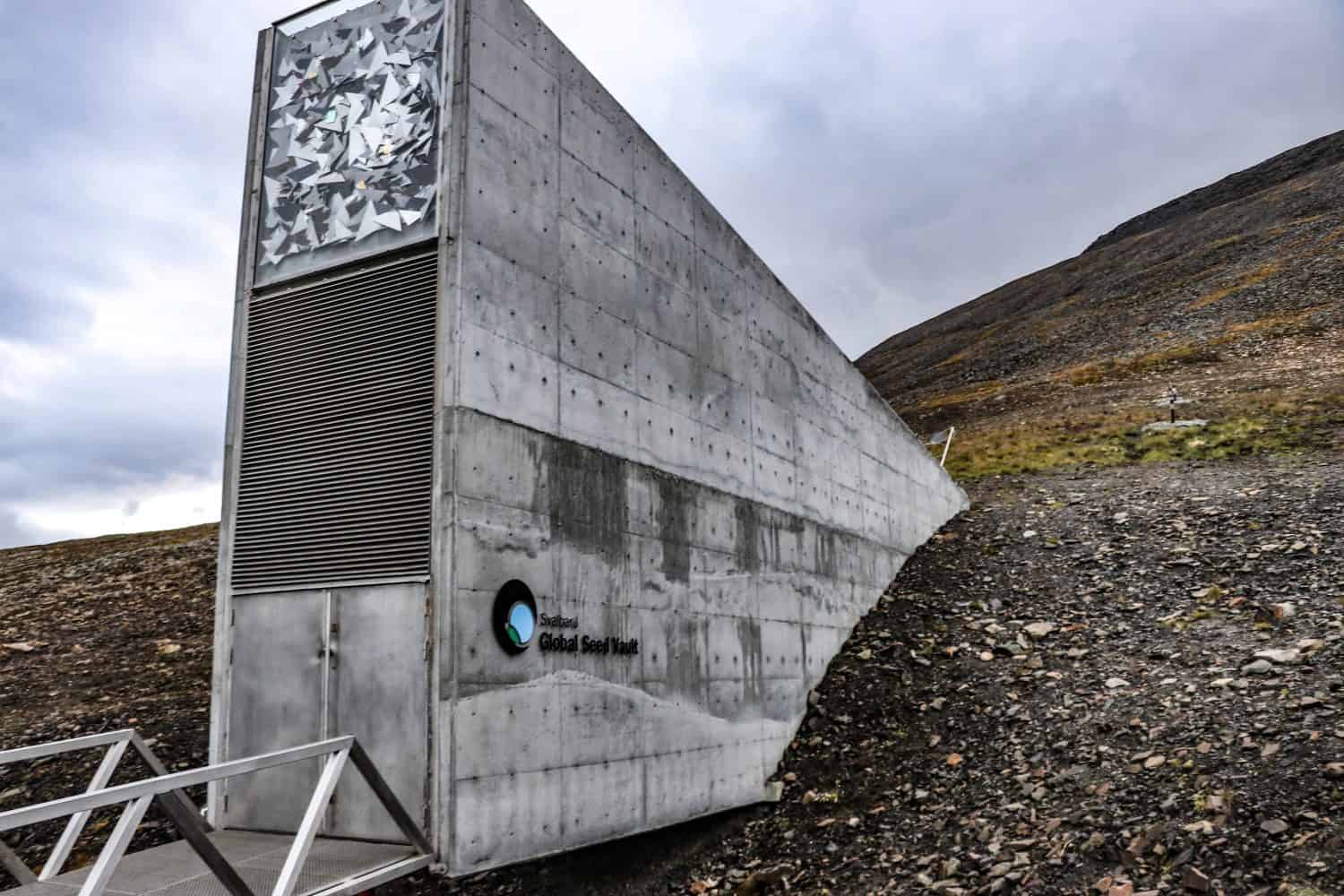
The Svalbard Global Seed Vault is often described as a "doomsday vault," which makes its real job sound considerably more apocalyptic than it is. Built into a mountain on the Norwegian island of Spitsbergen, the vault provides secure backup storage for seeds held by genebanks around the world. It passed 1.4 million stored seed samples after its 70th deposit in June 2026, with capacity for millions more. The collection focuses on crop diversity needed for agriculture and food security. It is not primarily a research center for extinct plants, nor was it built simply in case humanity destroys all life on Earth. The interior is an operating conservation facility rather than a public museum, so ordinary visitors do not get to stroll through the storage chambers.