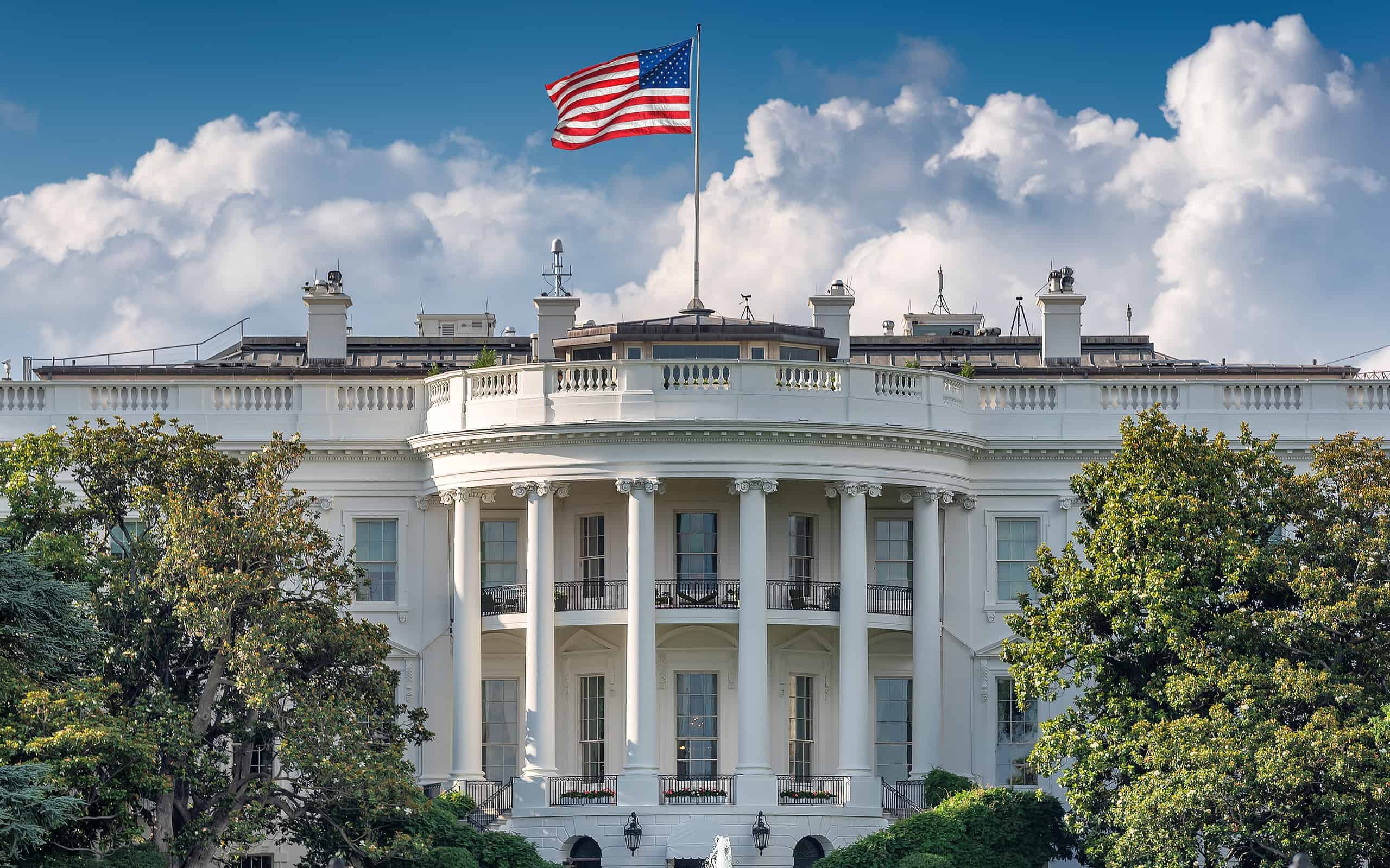
lucky-photographer/ via Getty Images
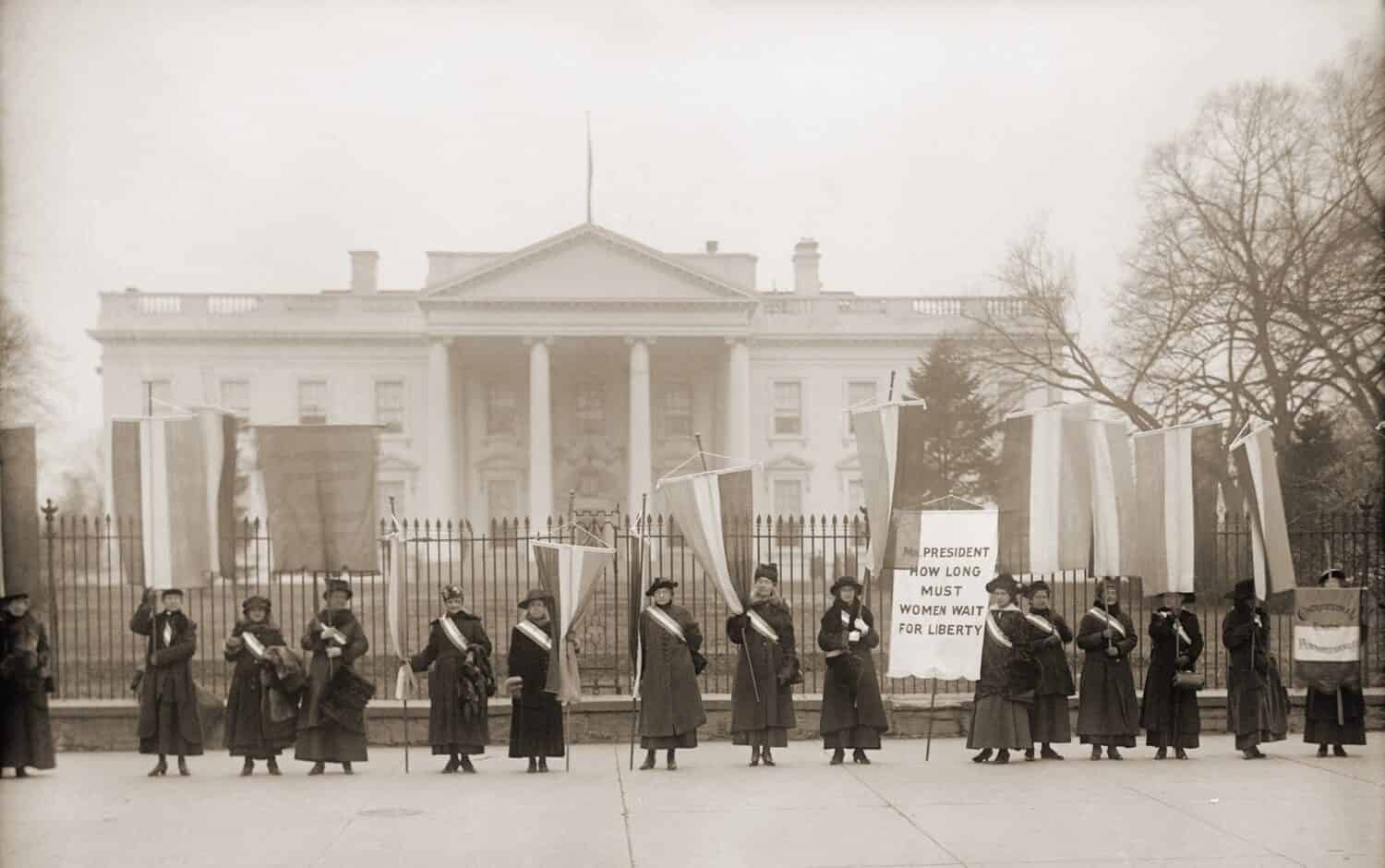
Everett Collection/Shutterstock.com
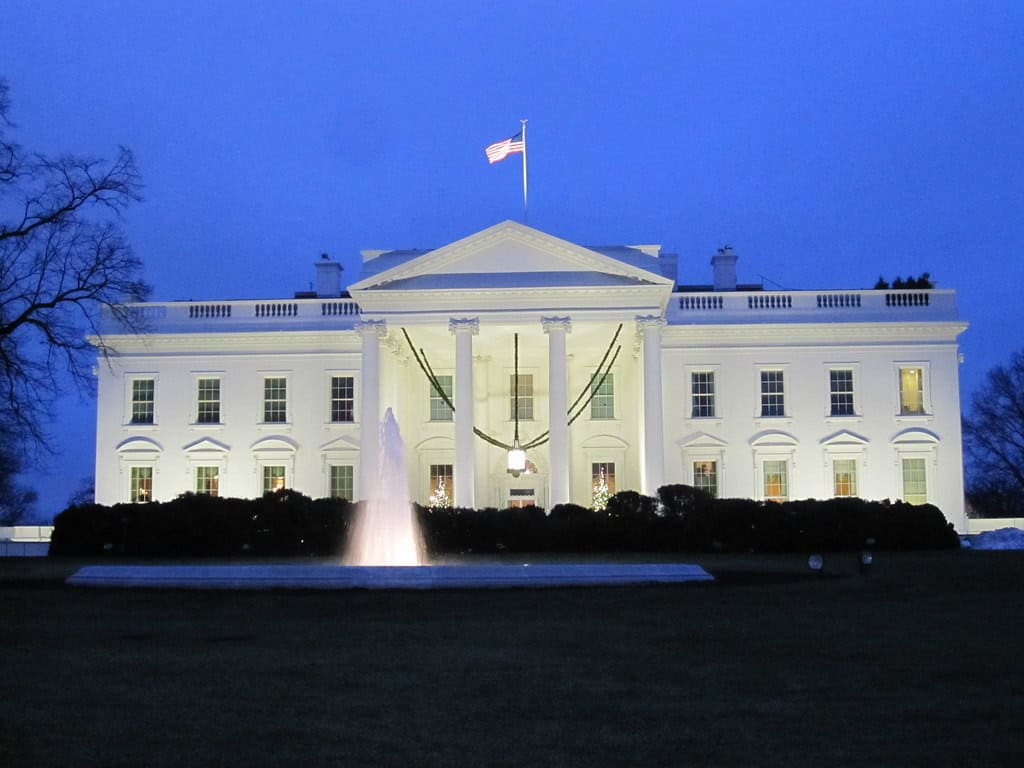
"White House" by Tom Lohdan is licensed under BY 2.0.
lucky-photographer/ via Getty Images
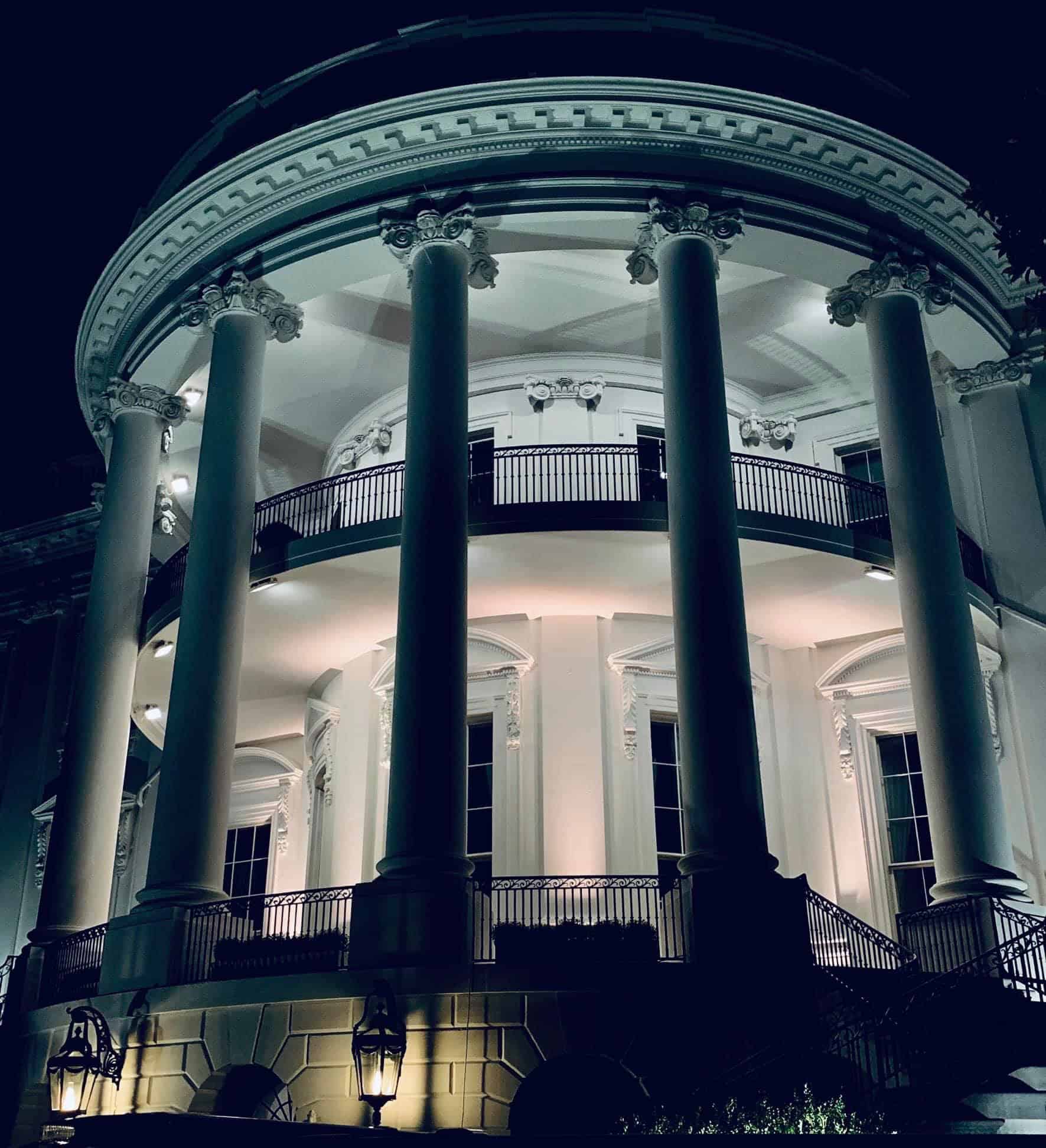
Public Domain / Wikimedia Commons
Public Domain / Wikimedia Commons
Public Domain / Wikimedia Commons
Public Domain / Wikimedia Commons
Sgerbic / Wikimedia Commons
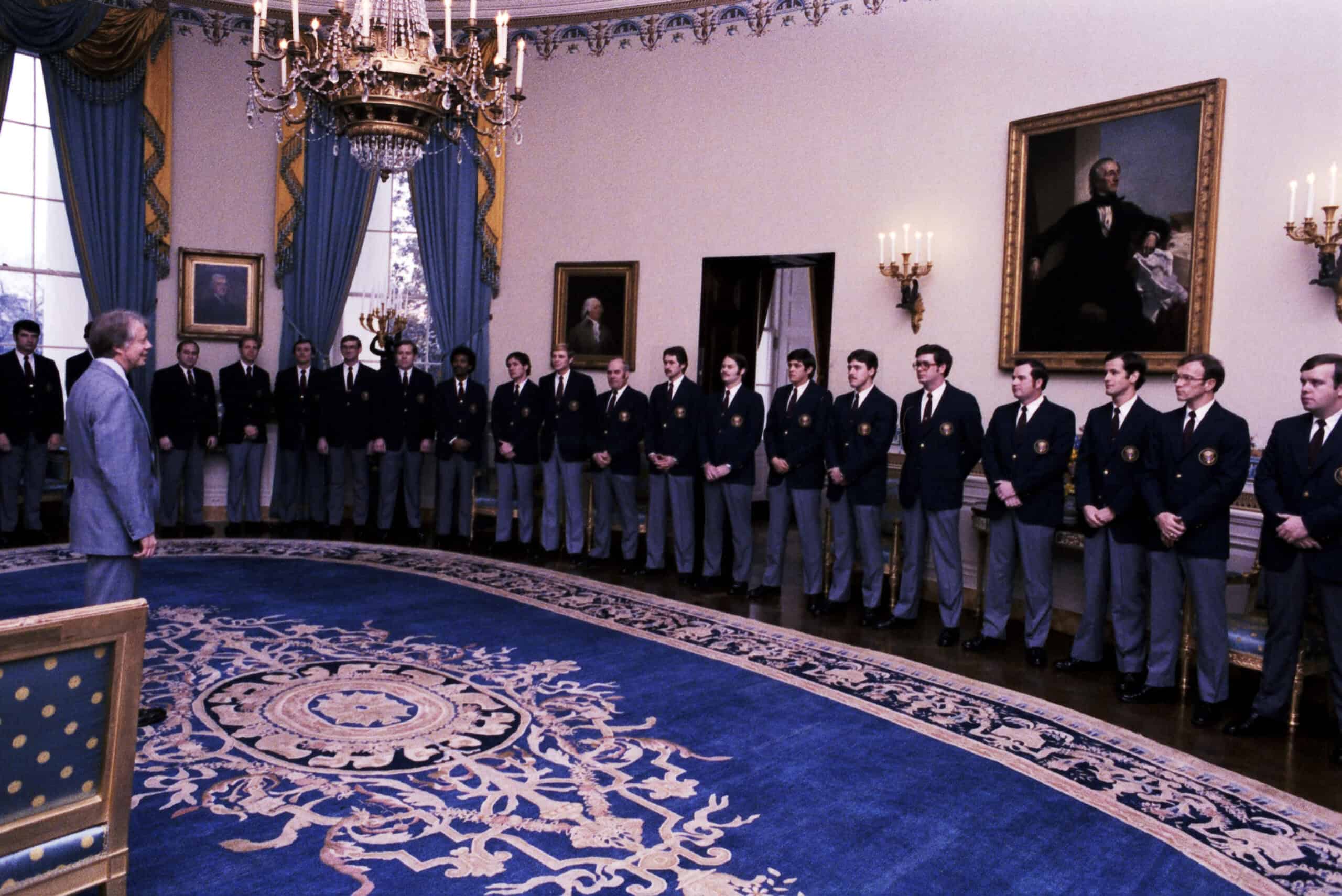
Public Domain / Wikimedia Commons
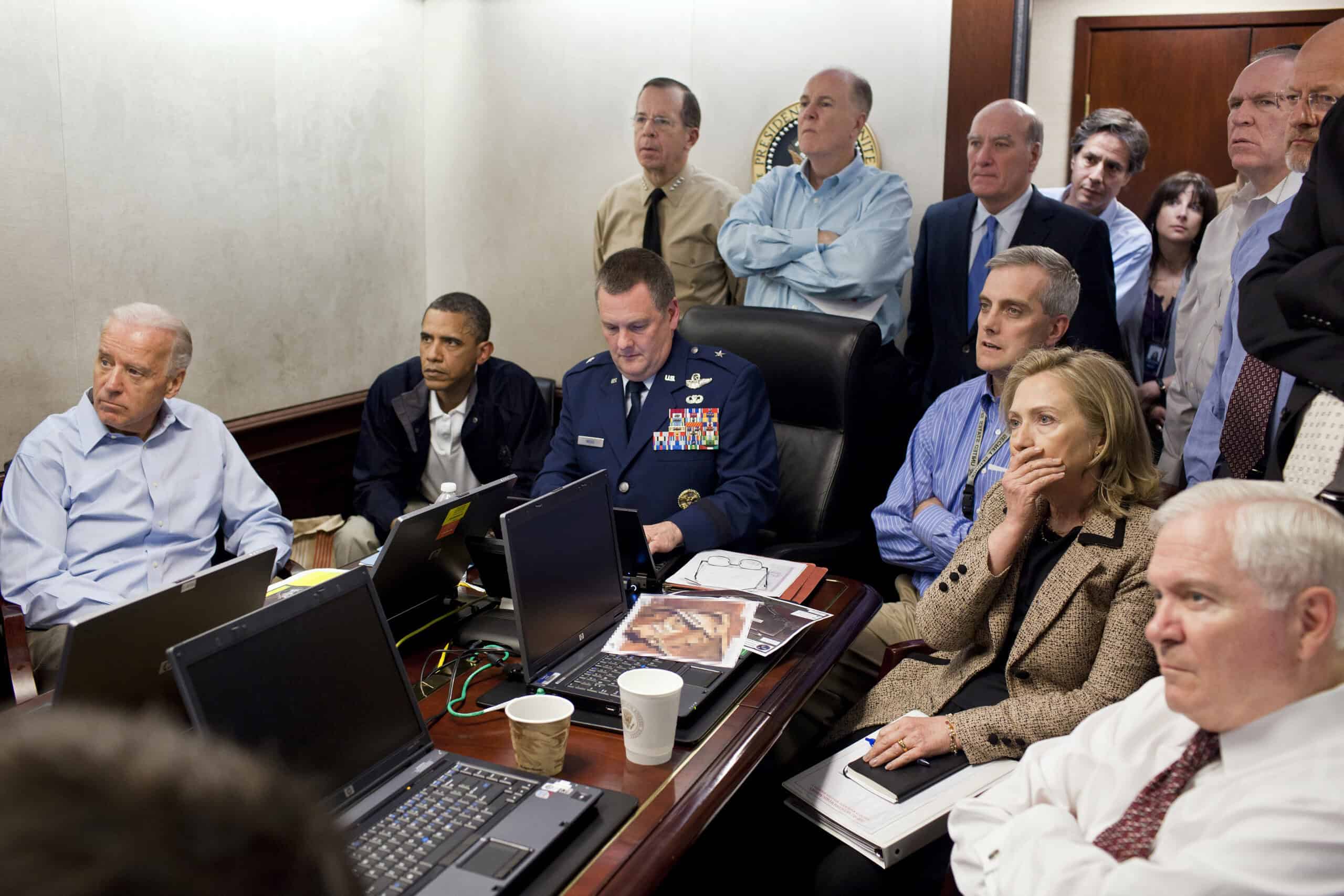
Public Domain / Wikimedia Commons
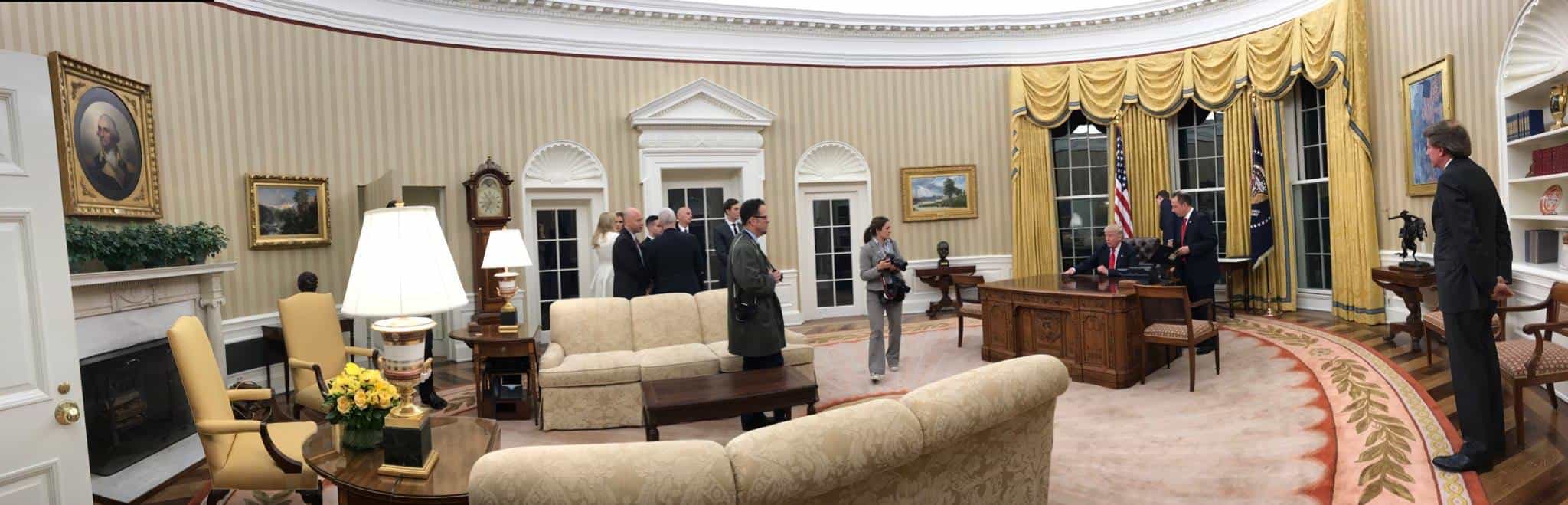
Public Domain / Wikimedia Commons
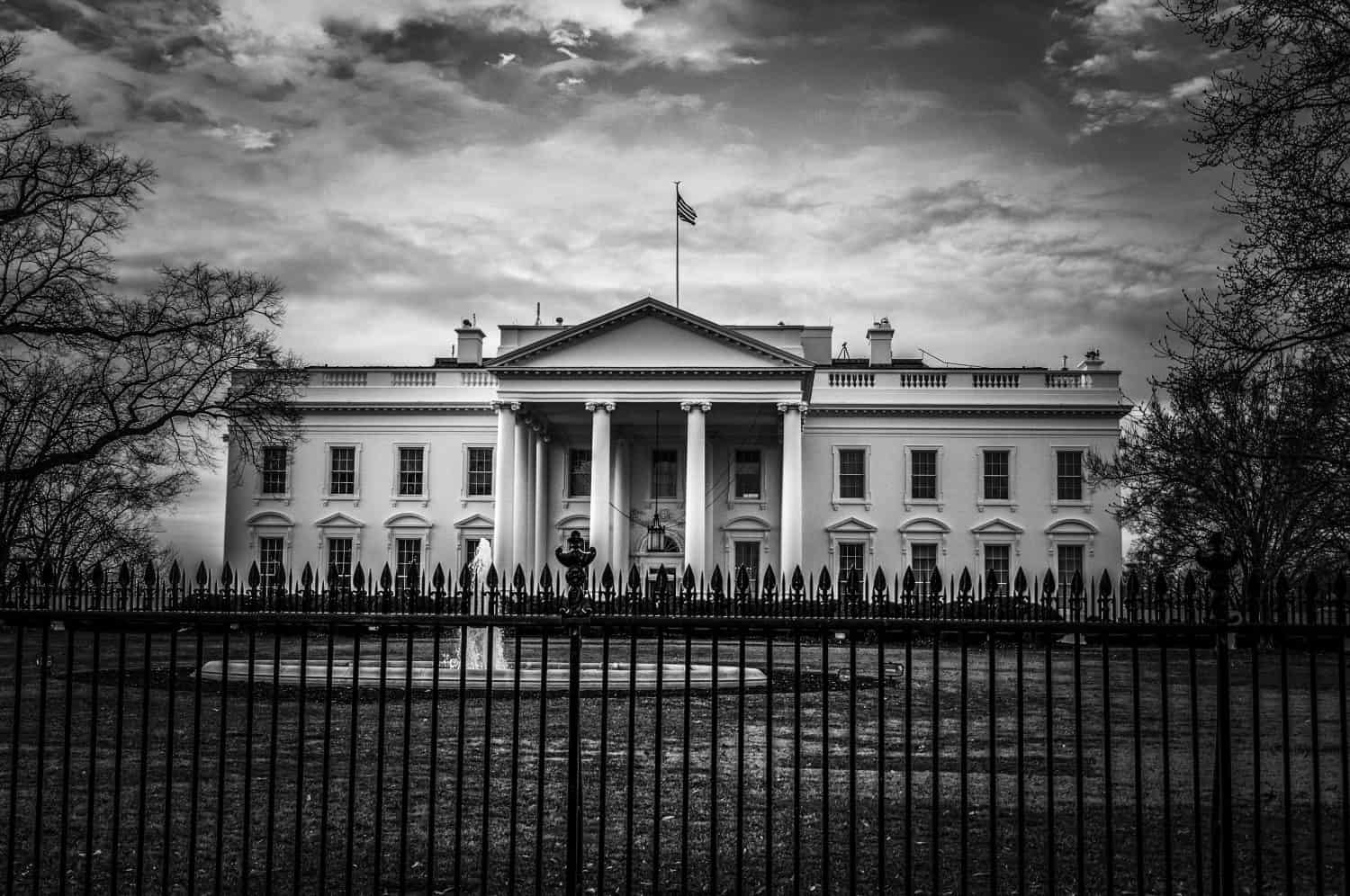
RozenskiP/Shutterstock.com
Pete Souza / Wikimedia Commons
Public Domain / Wikimedia Commons
Public Domain / Wikimedia Commons
G. Edward Johnson / Wikimedia Commons
Public Domain / Wikimedia Commons
Capvideo / Wikimedia Commons
Public Domain / Wikimedia Commons
Public Domain / Wikimedia Commons

15 White House Secrets Most Americans Never Get to See
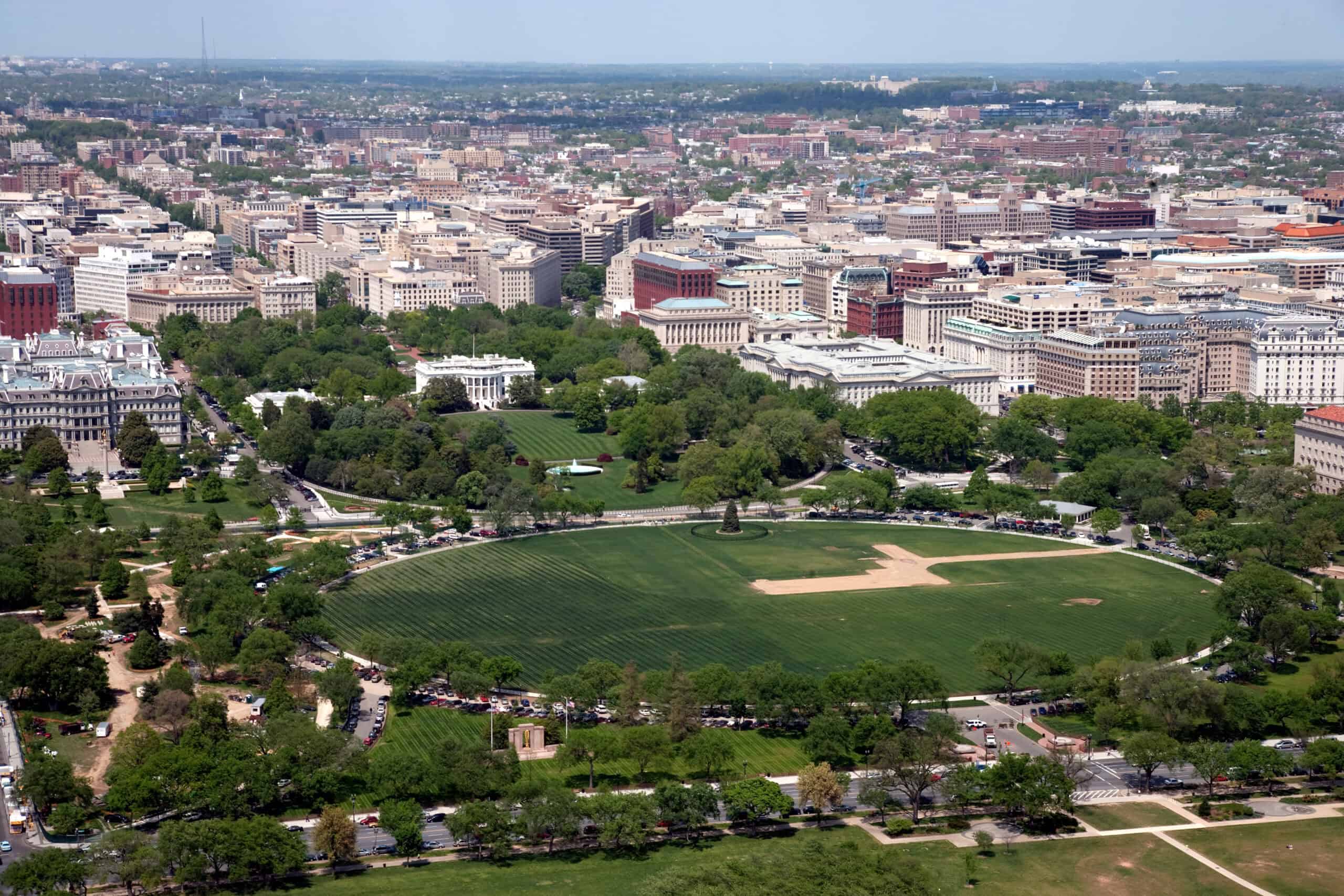
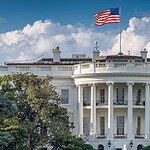
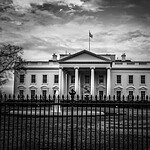
The White House is one of the most recognizable buildings in the world, but the familiar exterior only tells part of the story. Since John and Abigail Adams became its first residents in 1800, the building and the larger White House complex have been repeatedly expanded, rebuilt, modernized, and adapted to meet the changing demands of the presidency.
Some of its lesser-known features are tied to history. Others exist because the White House is simultaneously a private home, ceremonial venue, museum, workplace, and secure government facility. Plenty of operational details remain private for obvious reasons, but there is still a surprising amount we can document from public records, presidential libraries, government agencies, and the White House Historical Association.
Here is a look at 15 things you might not know about the White House:
The World’s Most Famous House
The White House has been the official residence of every U.S. president since John Adams moved into the still-unfinished building in November 1800. Yet the structure standing today is hardly frozen in time. It was rebuilt after British forces burned it in 1814, dramatically reorganized under Theodore Roosevelt in 1902, and essentially rebuilt from the inside during Harry Truman's presidency. Add generations of changing technology, security requirements, and presidential preferences, and the White House becomes less of a static monument and more of a building that has been evolving for more than two centuries.
More Than Just the President’s Home
The White House has to function as several buildings at once. It is the president's private residence, a ceremonial setting for official events and diplomatic visits, a workplace supporting the presidency, and an accredited museum filled with historic furnishings, artwork, and decorative objects. Behind those functions is a permanent Executive Residence staff of roughly 90 to 100 people, including chefs, butlers, housekeepers, florists, curators, electricians, plumbers, engineers, and other specialists. They keep the residence operating even as administrations, families, schedules, and events constantly change around them.
Hidden in Plain Sight
A public tour gives visitors only a narrow look at a much larger operation. Beyond the ceremonial rooms are private family spaces, staff work areas, kitchens, maintenance shops, curatorial storage, communications facilities, and secure spaces used during emergencies. Some of these areas are well documented historically, while specific information about current security arrangements is intentionally limited. That distinction matters. The White House has plenty of fascinating spaces that are off-limits to ordinary visitors, but not every dramatic story about hidden tunnels, secret chambers, or underground networks is supported by reliable evidence.
A Building That Never Sleeps
The presidency does not shut down at 5 p.m., and neither does the building that supports it. Residence employees may be preparing for an event, maintaining historic rooms, cooking, cleaning, repairing equipment, or arranging flowers while national security and communications personnel elsewhere in the complex continue working around the clock. The mix is unusual. A plumber might be maintaining infrastructure inside a building whose oldest exterior walls date to the 18th century while, only a short distance away, officials are receiving real-time intelligence through modern secure communications systems.
Looking Behind the Curtain
Some of the best White House stories have nothing to do with classified information. They involve workers turning over the residence on Inauguration Day, a presidential movie theater born from a World War II cloakroom, a kitchen built to handle enormous official events, and an art collection far larger than what visitors see on the walls. These are not secrets in the espionage sense. They are the behind-the-scenes details that reveal how unusual it is to maintain a 200-year-old home while simultaneously using it as the center of a modern presidency.
1. A World War II Shelter Evolved Into the PEOC
World War II forced a major rethink of White House security. After the United States entered the war in 1941, an air-raid shelter was constructed beneath the newly expanded East Wing despite Franklin D. Roosevelt's reluctance to make the White House look fortified. The secure underground facility later became associated with the Presidential Emergency Operations Center, or PEOC. Its existence became much more widely known after September 11, 2001, when Vice President Dick Cheney and senior officials worked from the PEOC while the attacks unfolded. Because the White House's eastern complex has undergone major construction since 2025, precise details about the current emergency facility and its configuration are not publicly disclosed.
2. Underground Passages Are Real, but the Details Are Limited
Stories about an enormous secret tunnel system beneath Washington have been repeated for years, but the documented record is much narrower. Underground corridors and secure routes have existed within the White House complex. The 9/11 Commission, for example, documented Vice President Dick Cheney being moved through a tunnel before entering the shelter conference room on September 11, 2001. Historical service passages have also connected portions of the complex. Exactly how today's secure routes are configured is another matter, and reliable public sources intentionally stop short of providing a map.
3. The Interior Was Gutted During the Truman Renovation
The White House may look old from the outside, but most of the interior structure was rebuilt in the middle of the 20th century. By the late 1940s, engineers had found serious structural problems caused by decades of alterations and added weight. During the Truman Renovation, which ran from 1948 to 1952, workers removed nearly everything inside the historic exterior stone walls. A new concrete foundation and steel structural skeleton went in, while selected historic materials and features were reused. Photographs from the project are startling. At one point, the White House was essentially a hollow masonry shell surrounding a construction site.
4. The Kitchen Can Serve 140 Dinners and More Than 1,000 Hors d’Oeuvres
The White House kitchen does not routinely produce 1,000 full meals at once, but its documented capacity is still impressive. According to the White House, the kitchen can serve dinner to as many as 140 guests and prepare hors d'oeuvres for more than 1,000. The Residence actually includes a main kitchen, a family kitchen, and a diet kitchen. For major official events, chefs and residence staff coordinate menus, timing, table service, and dietary requirements while working inside a building where a formal dinner can also be a major diplomatic event.
5. The Situation Room Is Actually a Complex of Rooms
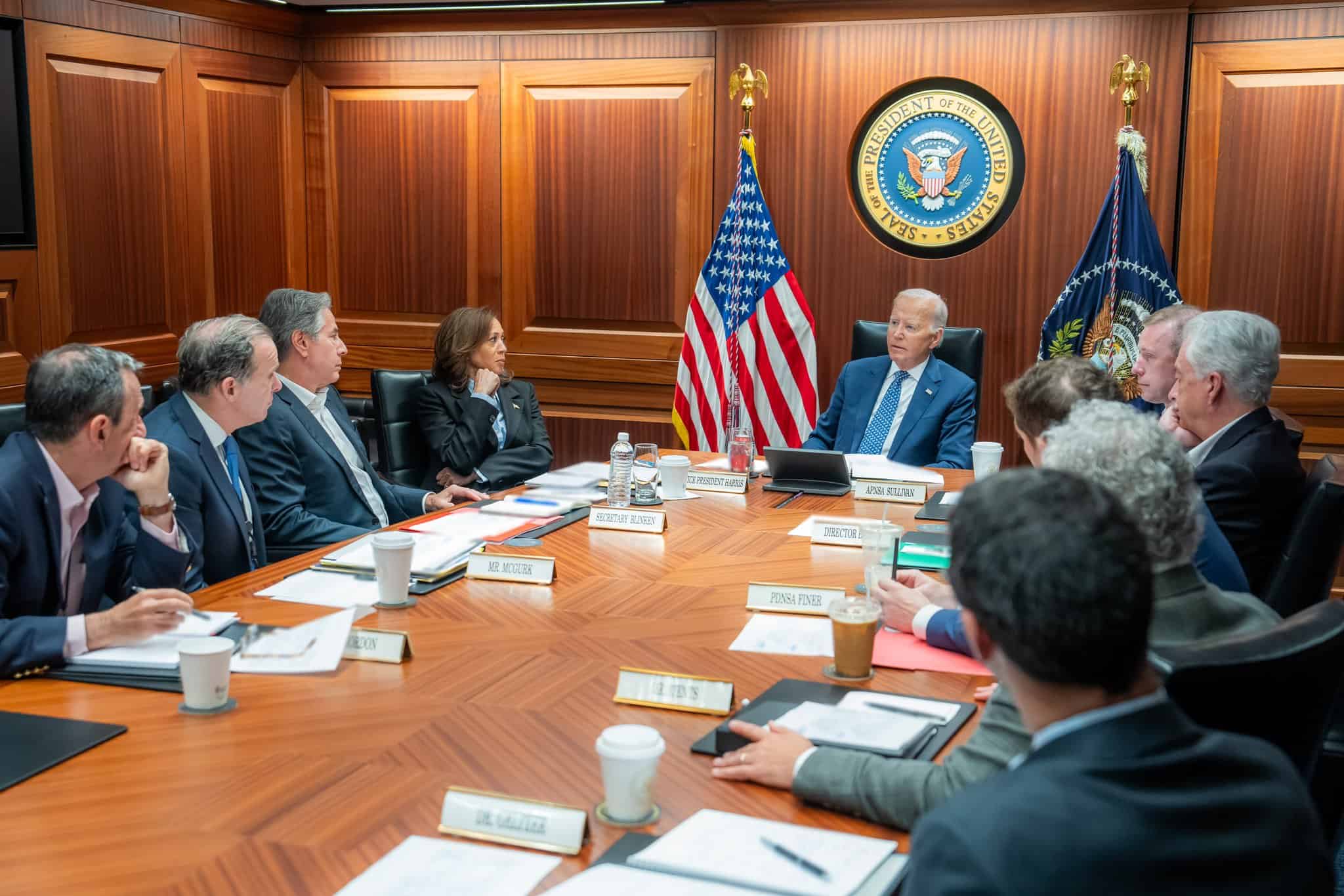
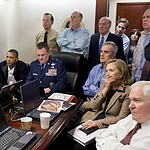
The name makes it sound like one dramatic conference room. In reality, the White House Situation Room is a secure complex of conference rooms, offices, communications spaces, and a watch floor on the ground level of the West Wing. President John F. Kennedy ordered the facility established in 1961 after the Bay of Pigs invasion exposed serious problems getting timely intelligence into the White House. The complex underwent a roughly $50 million renovation completed in 2023 and spans about 5,500 square feet. Staff monitor developments around the clock while secure systems allow presidents and senior officials to communicate during national security crises.
6. Presidents Can Redecorate the Oval Office
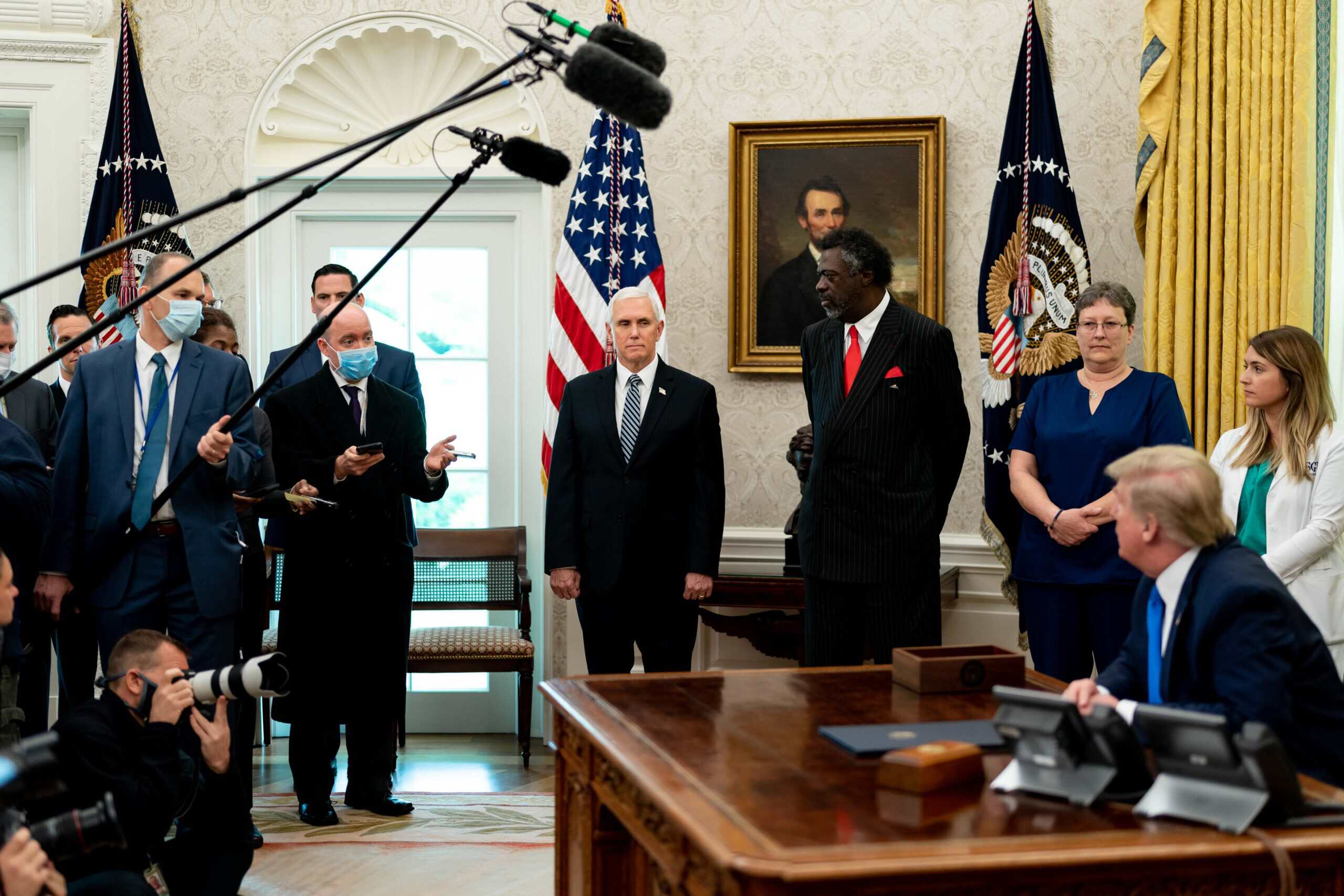
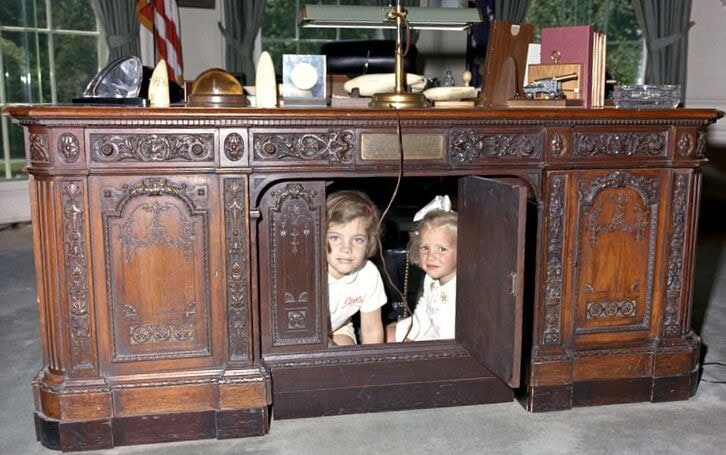
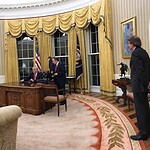
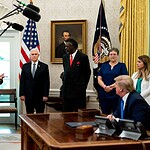
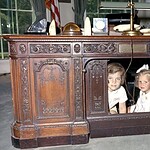
The shape may stay the same, but the Oval Office can look surprisingly different from one administration to the next. Presidents are free to choose rugs, draperies, paintings, sculpture, furniture, and other objects from the White House Collection or approved loans. Even the famous Resolute Desk has not always occupied the room. John F. Kennedy placed it in the Oval Office, but it later spent years away from the White House before Jimmy Carter brought it back in 1977. George H.W. Bush later chose a different desk during his presidency. The tradition gives each president room to personalize the workspace without changing the office's basic architecture.
7. The Residence Contains 132 Rooms Across Six Levels
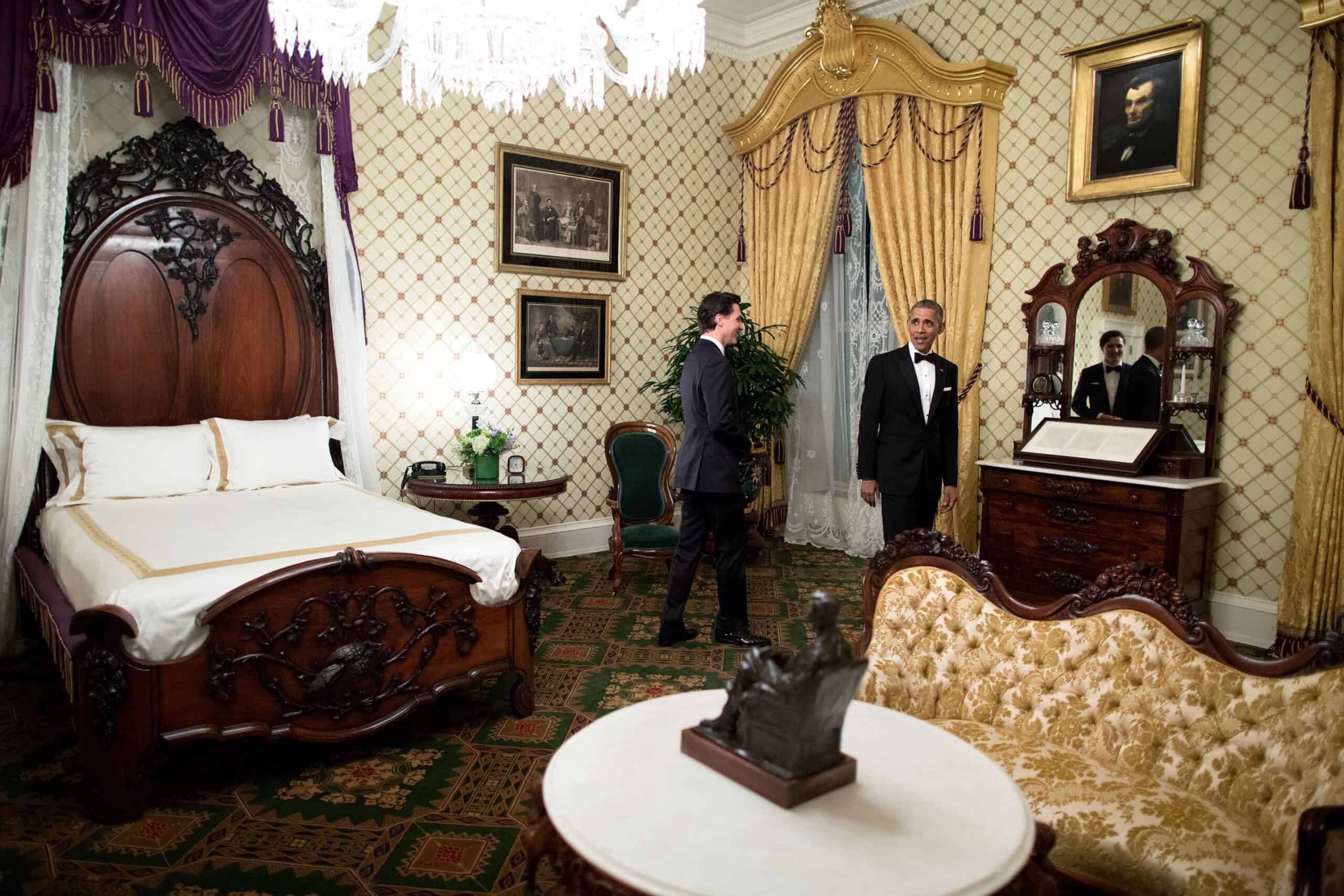
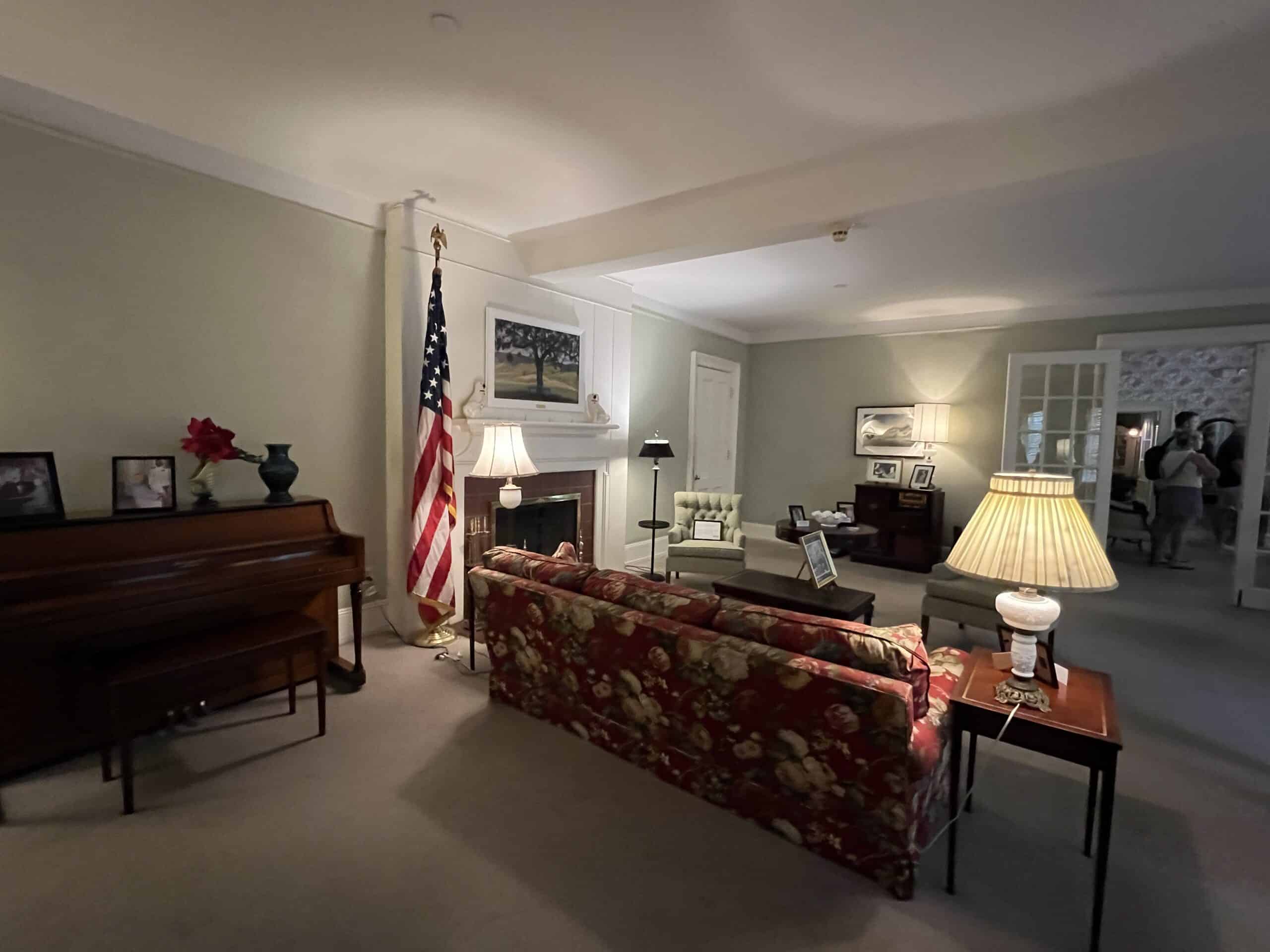
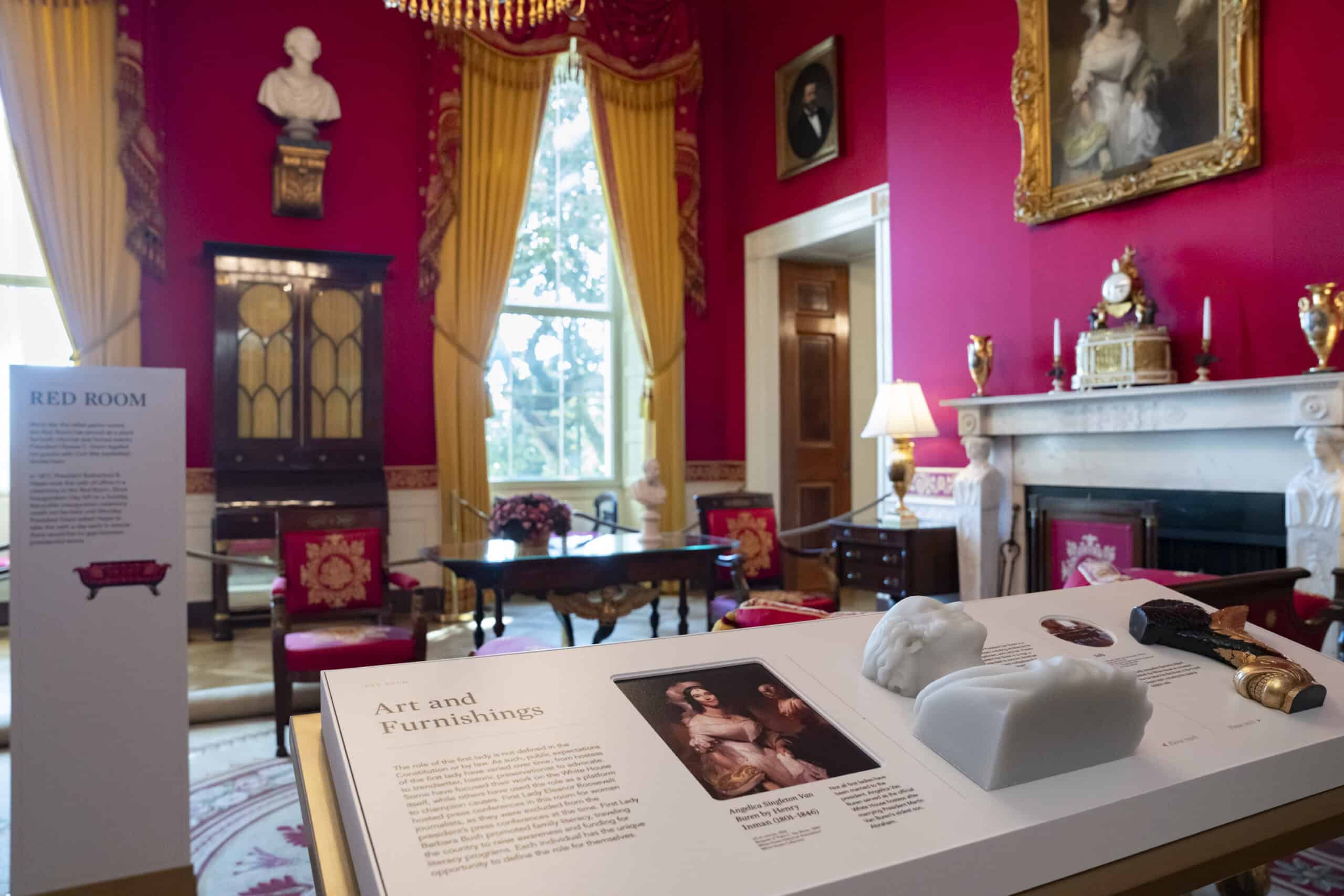
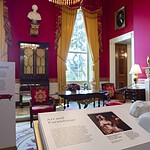
The familiar central Residence is much larger inside than it looks from Pennsylvania Avenue. Official White House figures list 132 rooms, 35 bathrooms, and six levels, covering roughly 55,000 square feet. Many spaces are never part of ordinary public tours because they belong to the private family quarters, staff work areas, storage, or other operational parts of the building. Better-known Ground Floor rooms include the Library, Vermeil Room, China Room, Diplomatic Reception Room, and Map Room, while the upper floors include private bedrooms, sitting rooms, and guest accommodations.
8. The White House Has Full-Time Florists, but No Longer Has Its Own Greenhouses
The floral operation is real, but the greenhouse part belongs to history. The White House maintains a professional floral staff and a flower shop in the basement of the Residence, where arrangements are created for public rooms, private spaces, dinners, receptions, and other events. The White House once had extensive conservatories and greenhouses, beginning with a conservatory built in 1857. Those structures were moved away from the mansion during Theodore Roosevelt's 1902 renovation, and the government greenhouse operation that supplied the White House was ultimately dismantled during World War II. Since then, flowers and greenery have largely been purchased from commercial growers rather than raised in a White House greenhouse.
9. The White House Had a Private Movie Theater for More Than 80 Years
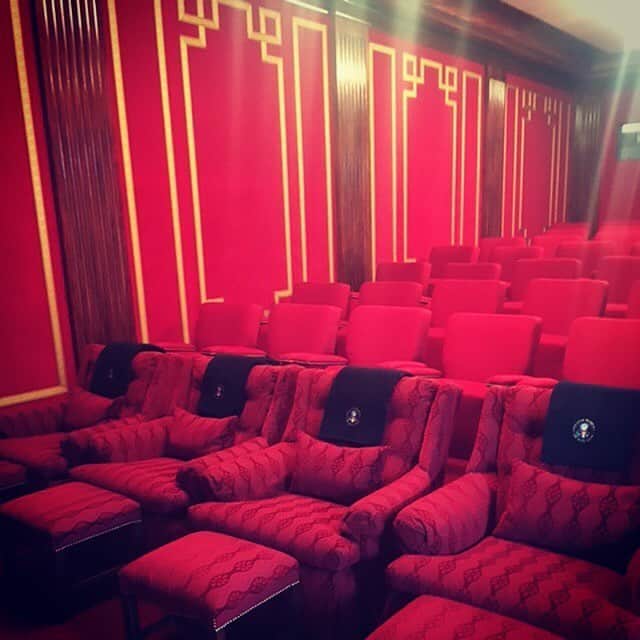
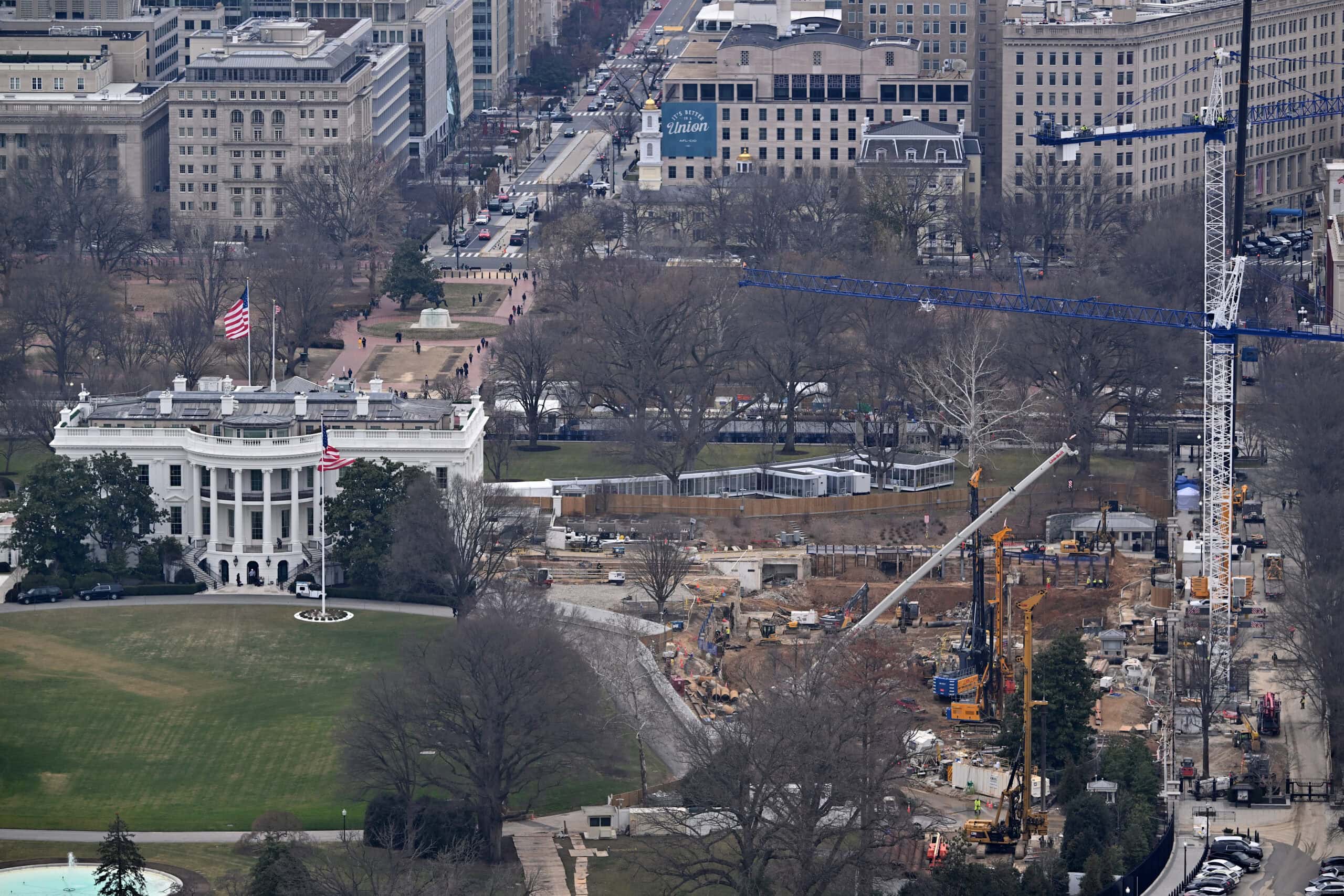
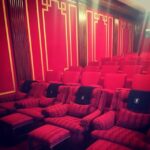
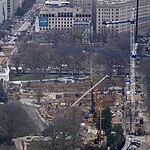
Franklin D. Roosevelt ordered an East Terrace cloakroom known as the “Hat Box” converted into a movie theater in 1942. The White House Family Theater remained part of the East Wing for more than eight decades and was used by presidents, first families, staff, and invited guests for private screenings. That changed in October 2025, when the East Wing, including the theater, was demolished as part of the White House State Ballroom project. Plans reviewed by the Commission of Fine Arts in 2026 include a new movie theater on the lower level of the replacement East Wing, but construction remains underway.
10. White House Security Has Changed Dramatically Over Time
Today's White House security arrangements are deliberately not described in full, which means sweeping claims about specific hidden systems should be treated cautiously. What is well documented is how much presidential protection has changed. The Secret Service assumed full-time responsibility for protecting the president during Theodore Roosevelt's administration after William McKinley's assassination. World War II brought further changes, including bullet-resistant glass at the Oval Office, stronger barriers, restricted public access, and the construction of an air-raid shelter. Since then, protective measures have continued to evolve as threats and technology have changed.
11. The Residence Staff Includes Carpenters, Electricians, and Plumbers
When something breaks inside the White House, calling an ordinary repair company is not always the simplest option. The Executive Residence has long employed skilled tradespeople who understand both the building and the unusual standards that come with maintaining it. White House staff rosters have included carpenters, electricians, engineers, plumbers, painters, cabinetmakers, gardeners, and other specialists alongside the better-known chefs, butlers, and housekeepers. Their work can range from ordinary maintenance to restoring historic woodwork or preparing rooms for major events, all while preserving a working National Historic Landmark.
12. Most of the White House Collection Is Stored Somewhere Else
The White House Collection is much larger than what fits inside the public rooms. The White House Historical Association describes a collection of roughly 500 works of art and 60,000 other objects, ranging from furniture and china to decorative pieces and items connected with past presidents. A small museum-grade storage area exists inside the White House for objects that may need to be retrieved quickly, but the vast majority of the collection is kept in off-site museum storage in Maryland. Curators document, conserve, and rotate objects as rooms are refurbished or administrations choose pieces for display.
13. Secret Service Personnel Have Long Used Rooftop Positions
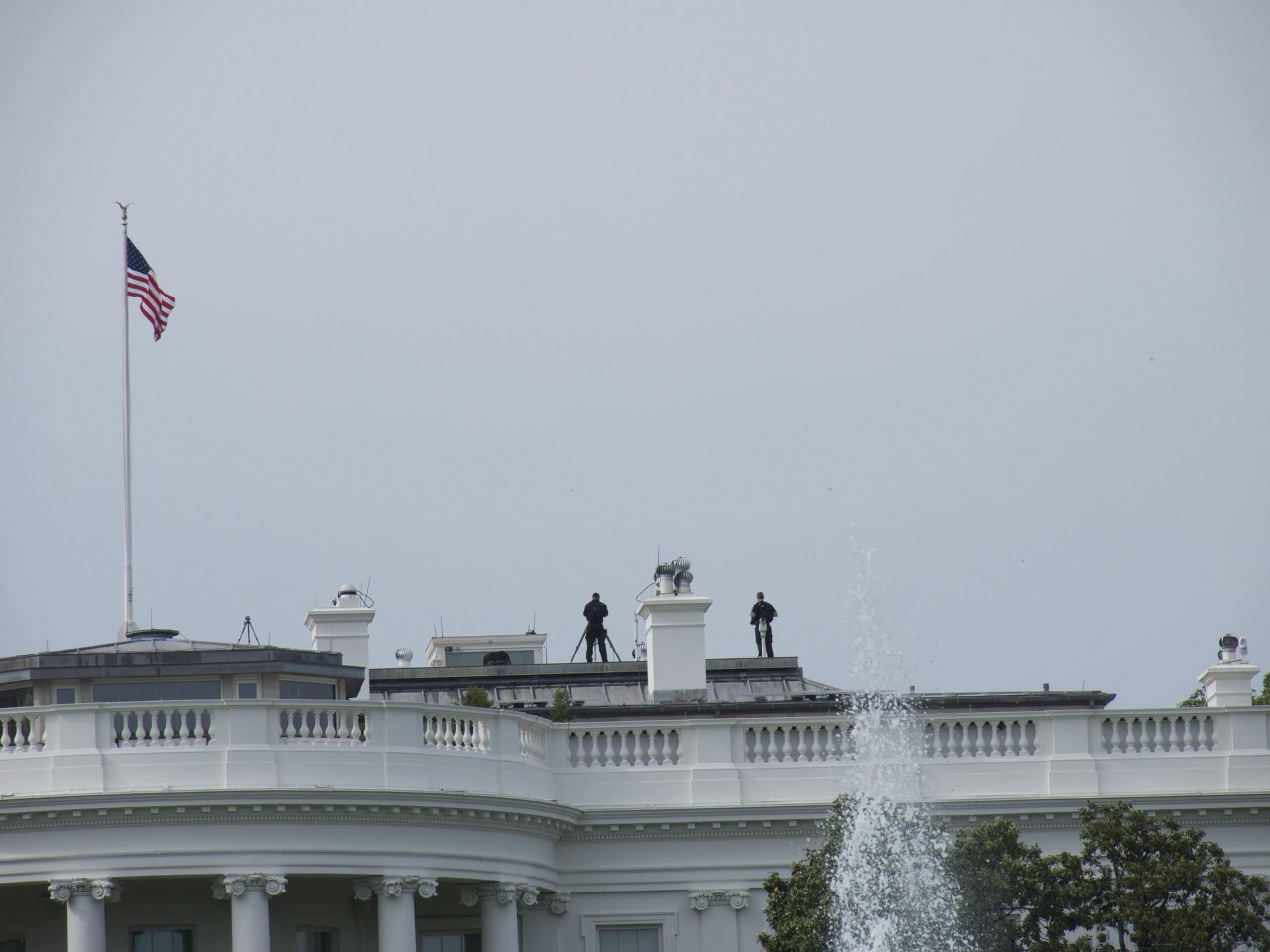
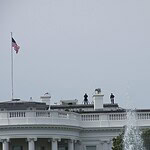
You do not need to speculate about secret equipment on the White House roof to know that elevated security positions are part of the building's protective history. Secret Service personnel have been publicly photographed on White House rooftops, and the White House Historical Association notes that visitors around Pennsylvania Avenue may see officers stationed in elevated positions. The exact capabilities, equipment, staffing patterns, and procedures used to protect the complex are understandably not published in detail. What can be said confidently is that rooftop observation has long been one visible piece of a much broader protective operation.
14. Emergency Evacuation Plans Exist, but the Details Stay Private
The federal government plans for emergencies involving the president, but public information about those plans is intentionally limited. Historical records confirm that secure shelters, evacuation procedures, protected communications, and continuity-of-government arrangements have existed in different forms for decades. The events of September 11 provide one of the clearest public examples, when the Secret Service moved Vice President Dick Cheney from his office through a secure route and into the White House shelter. Beyond documented episodes like that, precise modern evacuation paths and procedures are not something reliable public sources spell out, and for good reason.
15. Inauguration Day Is Also Moving Day
While the country watches a new president take the oath at the Capitol, White House residence employees are carrying out an entirely different operation a few blocks away. In the span of only a few hours, the departing first family's personal belongings are removed and the incoming family's possessions are brought into the private residence. Furniture may be rearranged, clothing and family photographs unpacked, bedrooms prepared, and artwork selected from the White House Collection. Former staffers have described the process as “organized chaos,” but by the time the new president returns from the inauguration ceremonies, the White House has already begun looking and feeling like the new family's home.