wikimedia
ZakZeinert/Shutterstock.com
Madeline Stone /Creative Commons Attribution-Share Alike 4.0 International license
King of Hearts / Creative Commons Attribution-Share Alike 3.0 Unported license
Interstellarity / Creative Commons Attribution-Share Alike 4.0 International license
Famous Mansions
Wangkun Jia/Shutterstock.com
bodhichita/Shutterstock.com
Famous Mansions
Gryffindor / Creative Commons Attribution-Share Alike 3.0 Unported
Carole J. Buckwalter / Creative Commons Attribution-Share Alike 4.0 International license
Jllm06 / Creative Commons CC0 1.0 Universal Public Domain Dedication
Derek Ramsey / Creative Commons Attribution-Share Alike 2.5 Generic
Famous Mansions
Ekem / Creative Commons Attribution-Share Alike 3.0 Unported license
Wm. Chris Rowland, II / Creative Commons Attribution-Share Alike 3.0 Unported license
Kenneth C. Zirkel / Creative Commons Attribution-Share Alike 4.0 International license
P. Hughes / Creative Commons Attribution-Share Alike 4.0 International license
Beltway Photos / Creative Commons Attribution 2.0 Generic license
Trinitarian Creek / Creative Commons Attribution-Share Alike 4.0 International license
Gryffindor / Creative Commons Attribution-Share Alike 3.0 Unported license
Library of Congress Prints and Photographs Division / Public Domain
Little Vignettes Photo/Shutterstock.com
Unknown author / Public Domain
23 Lavish Estates Built by America's Rich and Powerful
America's wealthiest families did not exactly believe in modest vacation homes. During the Gilded Age and beyond, railroad heirs, industrialists, financiers, political dynasties, and technology billionaires poured enormous fortunes into estates that were meant to impress almost as much as they were meant to live in.
Some of these homes remain in the families that created them. Others became museums, universities, parks, or historic sites, while a few disappeared entirely. Together, they offer a pretty remarkable look at what American wealth could buy when almost nothing about a home was considered too extravagant.
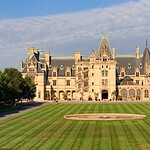
Biltmore Estate
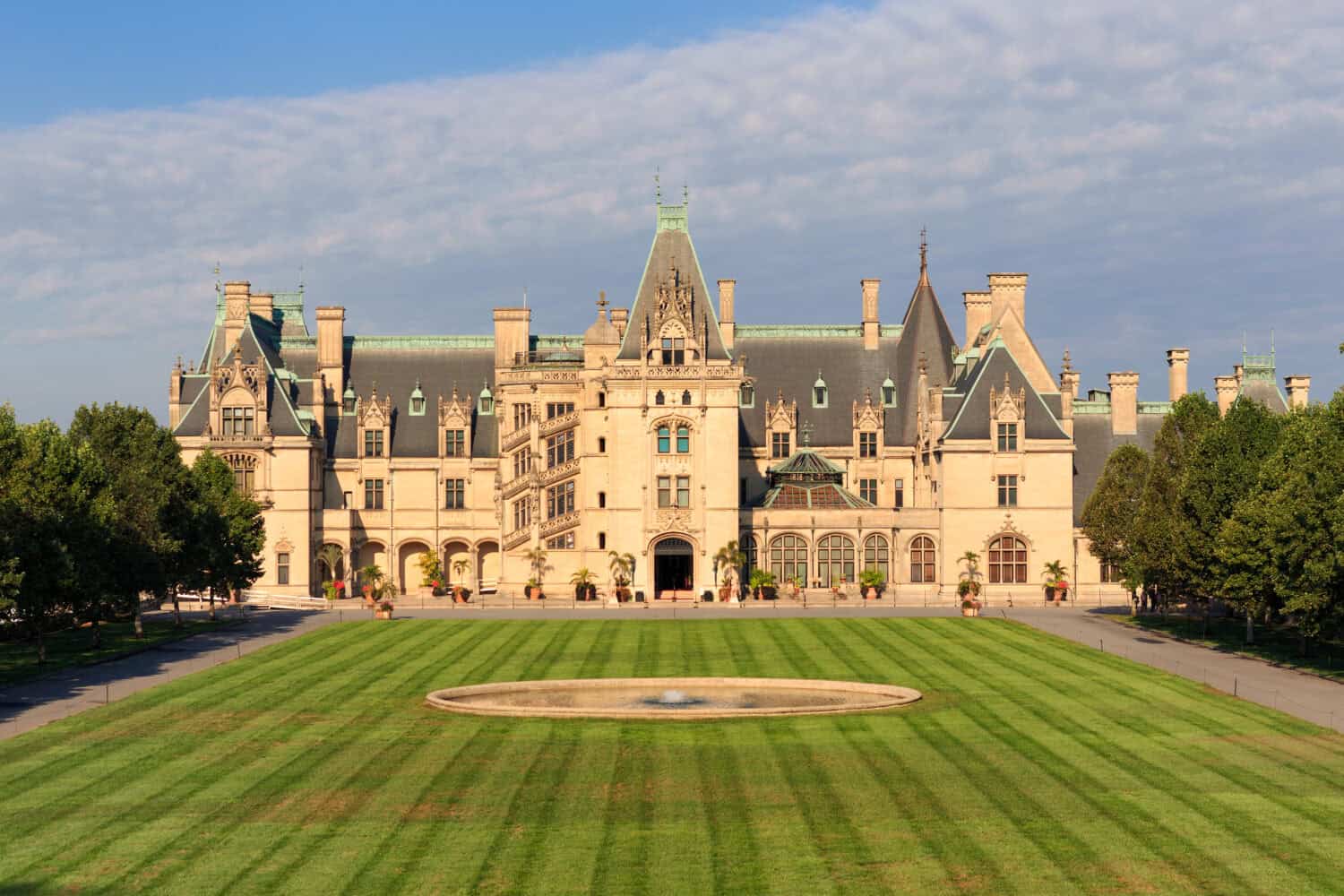
If any American mansion deserves to start this list, it is Biltmore. George Vanderbilt began building the Asheville, North Carolina, estate in 1889, and his 250-room French Renaissance-style chateau opened to family and friends in 1895. Biltmore House covers about 175,000 square feet, making it the largest privately owned home in the United States. More than a century later, descendants of George Vanderbilt still own and operate the roughly 8,000-acre estate.
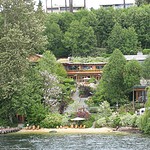
Xanadu 2.0
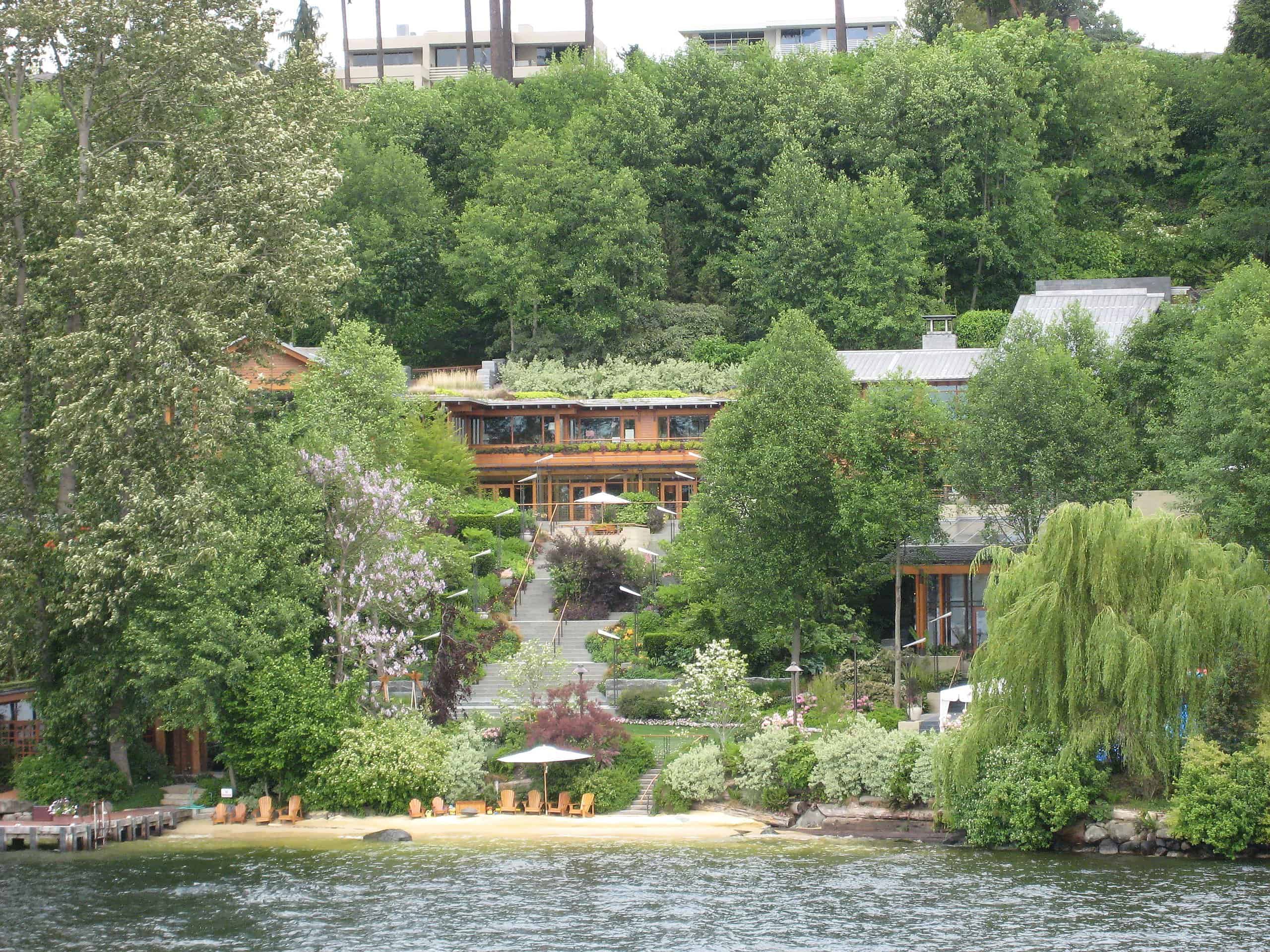
You do not need a 19th-century railroad fortune to build a ridiculous house. Bill Gates' longtime home in Medina, Washington, overlooking Lake Washington, is commonly known as Xanadu 2.0. The approximately 66,000-square-foot compound reportedly includes seven bedrooms, 24 bathrooms, six kitchens, a 60-foot swimming pool, and extensive technology built into the house. Personalized climate controls and screens capable of displaying digital artwork helped make it famous as one of the earliest examples of a truly high-tech mansion.
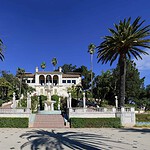
Hearst Castle
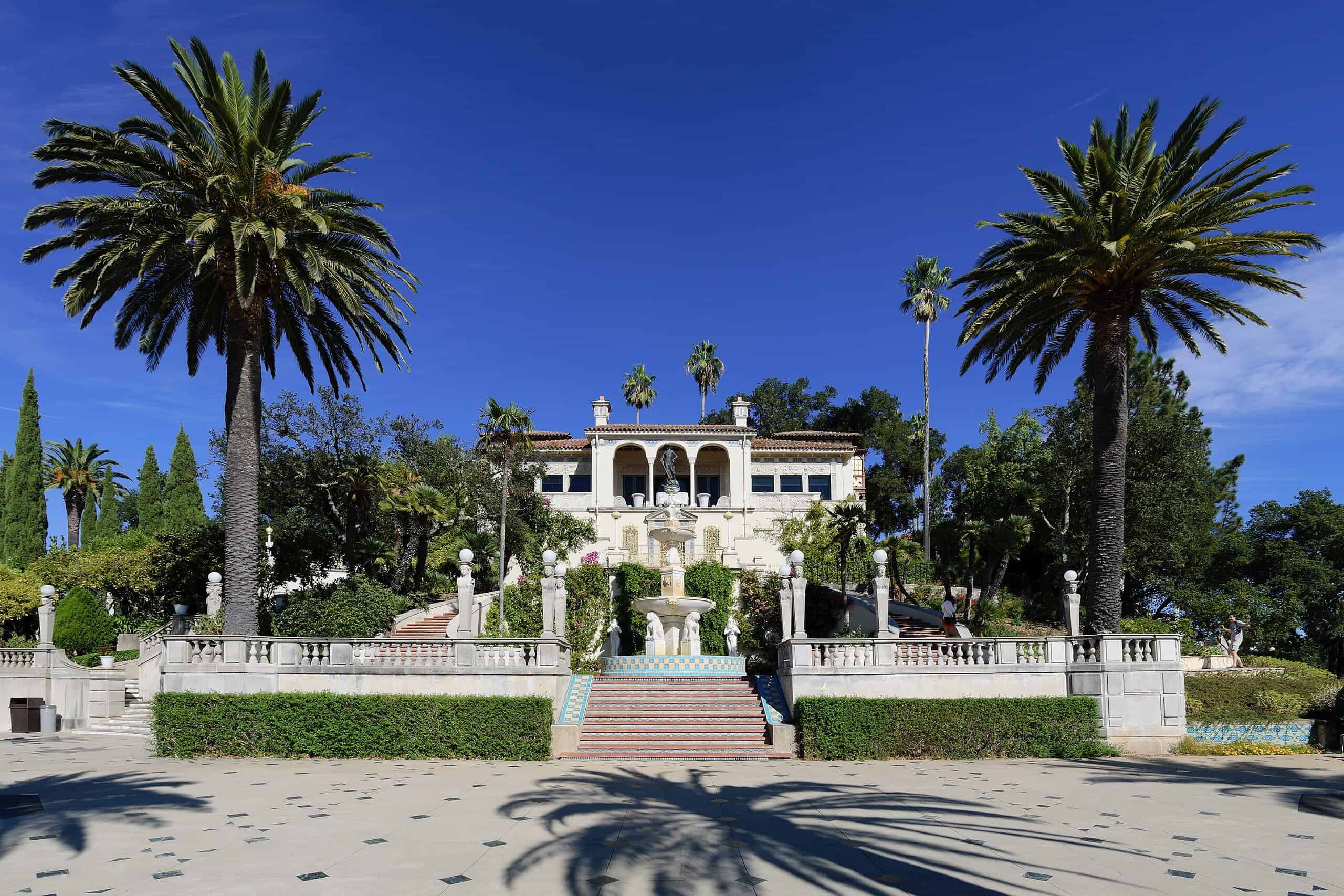
Publishing magnate William Randolph Hearst began creating his San Simeon retreat with architect Julia Morgan in 1919. What followed was nearly three decades of constant construction. By the time Hearst left because of declining health in 1947, the estate was still technically unfinished, but it already contained 165 rooms and roughly 127 acres of gardens, terraces, pools, and walkways. Hollywood stars, politicians, and other prominent guests made the hilltop retreat one of America's most famous private playgrounds.
Kennedy Compound
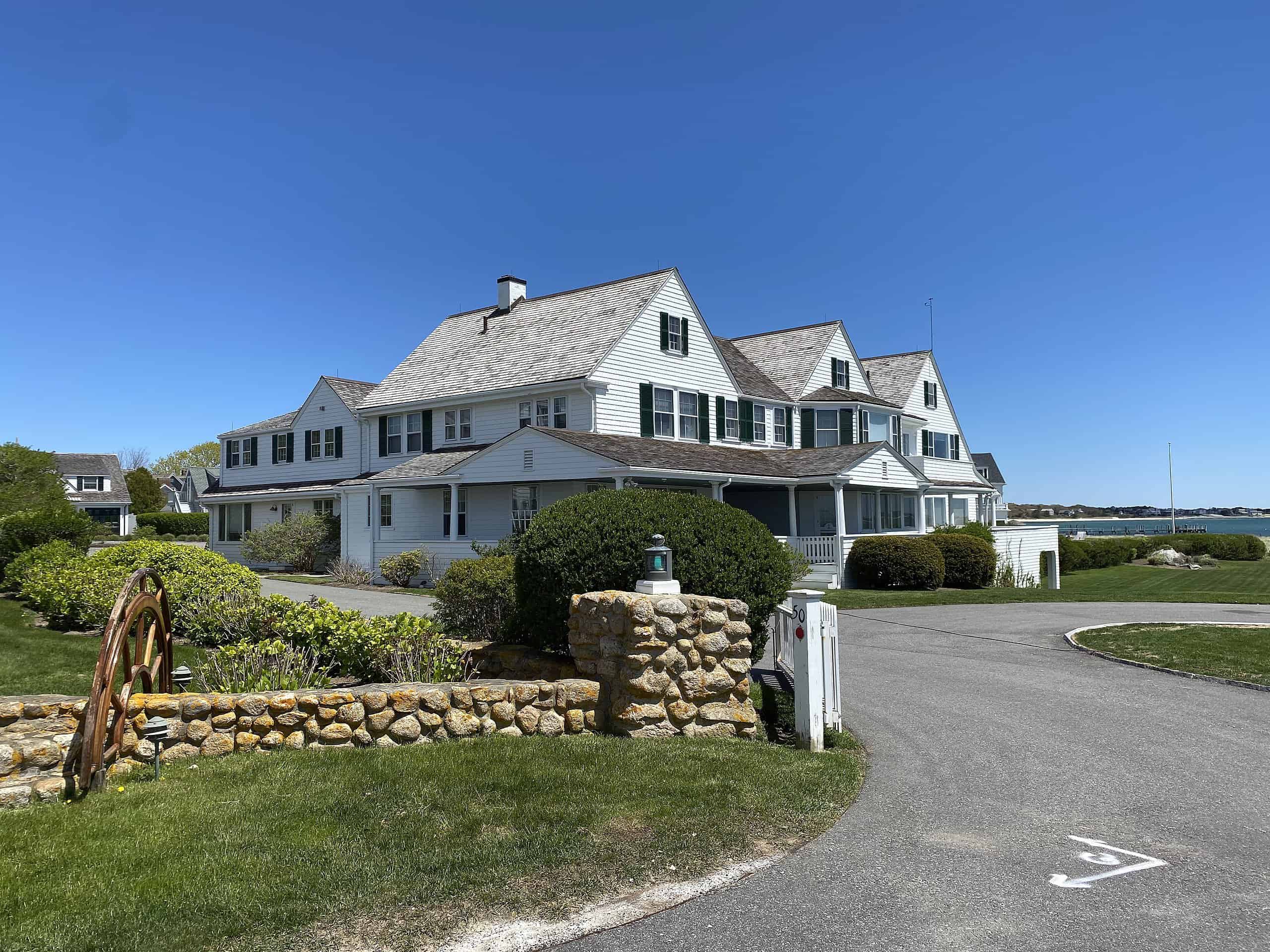
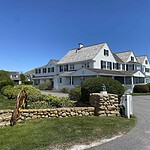
The Kennedy Compound in Hyannis Port, Massachusetts, became almost as recognizable as some of the politicians who lived there. Joseph P. Kennedy Sr. and his family first rented their main summer cottage in 1926 and purchased it in 1929. John F. Kennedy and Robert F. Kennedy later acquired neighboring homes, creating the three-property compound. JFK used Hyannis Port as a base during his 1960 presidential campaign, and generations of Kennedys have continued gathering there for family events, including weddings.
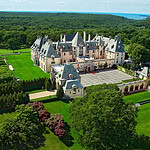
Oheka Castle
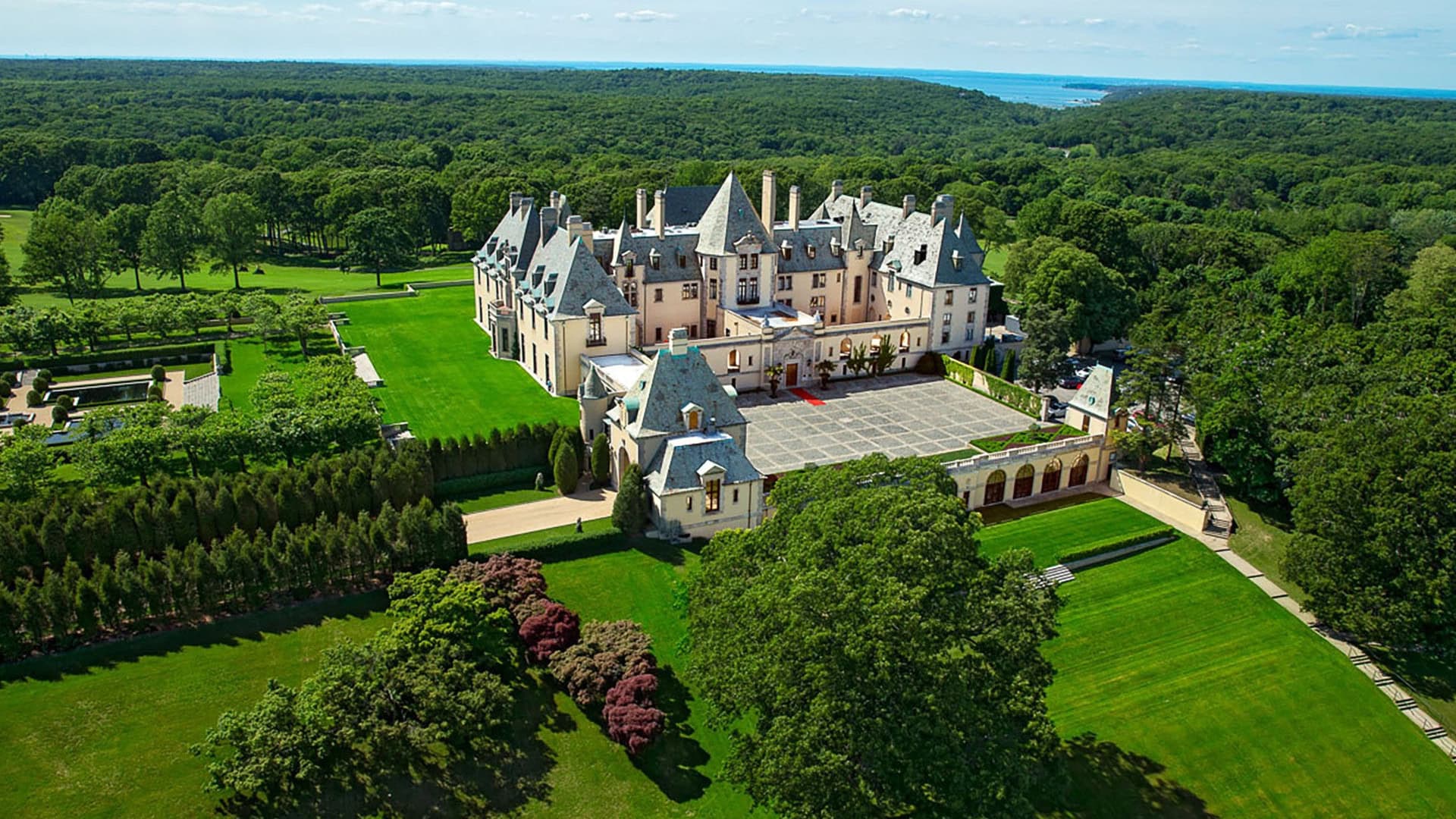
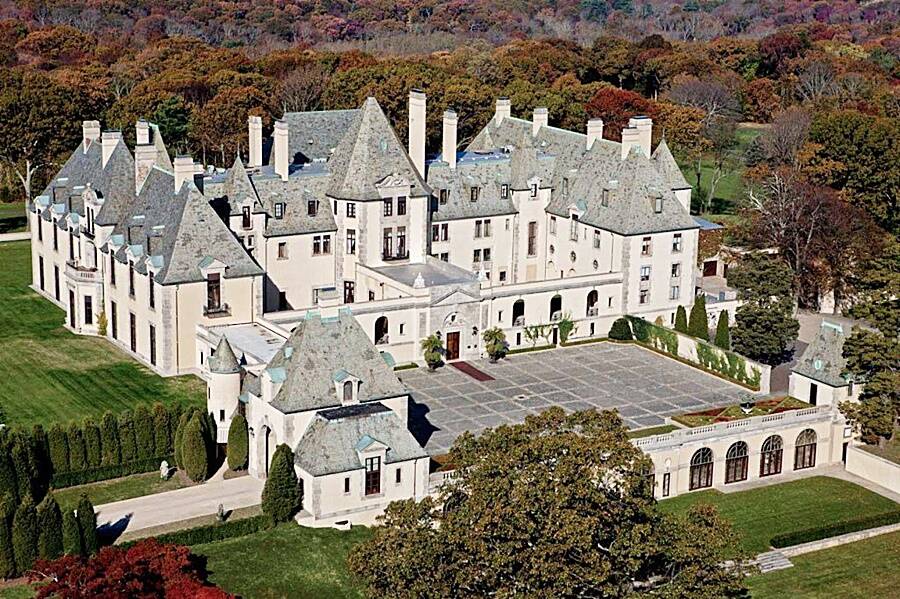
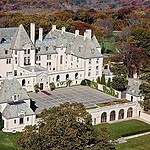
Financier Otto Hermann Kahn built Oheka Castle on Long Island's Gold Coast as a summer retreat for his family. Completed in 1917, the French-style chateau originally covered about 109,000 square feet and contained 127 rooms on an estate of more than 400 acres. Oheka's own history describes it as the second-largest private residence ever built in the United States, behind only Biltmore. After decades of changing uses and serious deterioration, it underwent an enormous restoration and today operates as a hotel, event venue, and historic property.
The Breakers
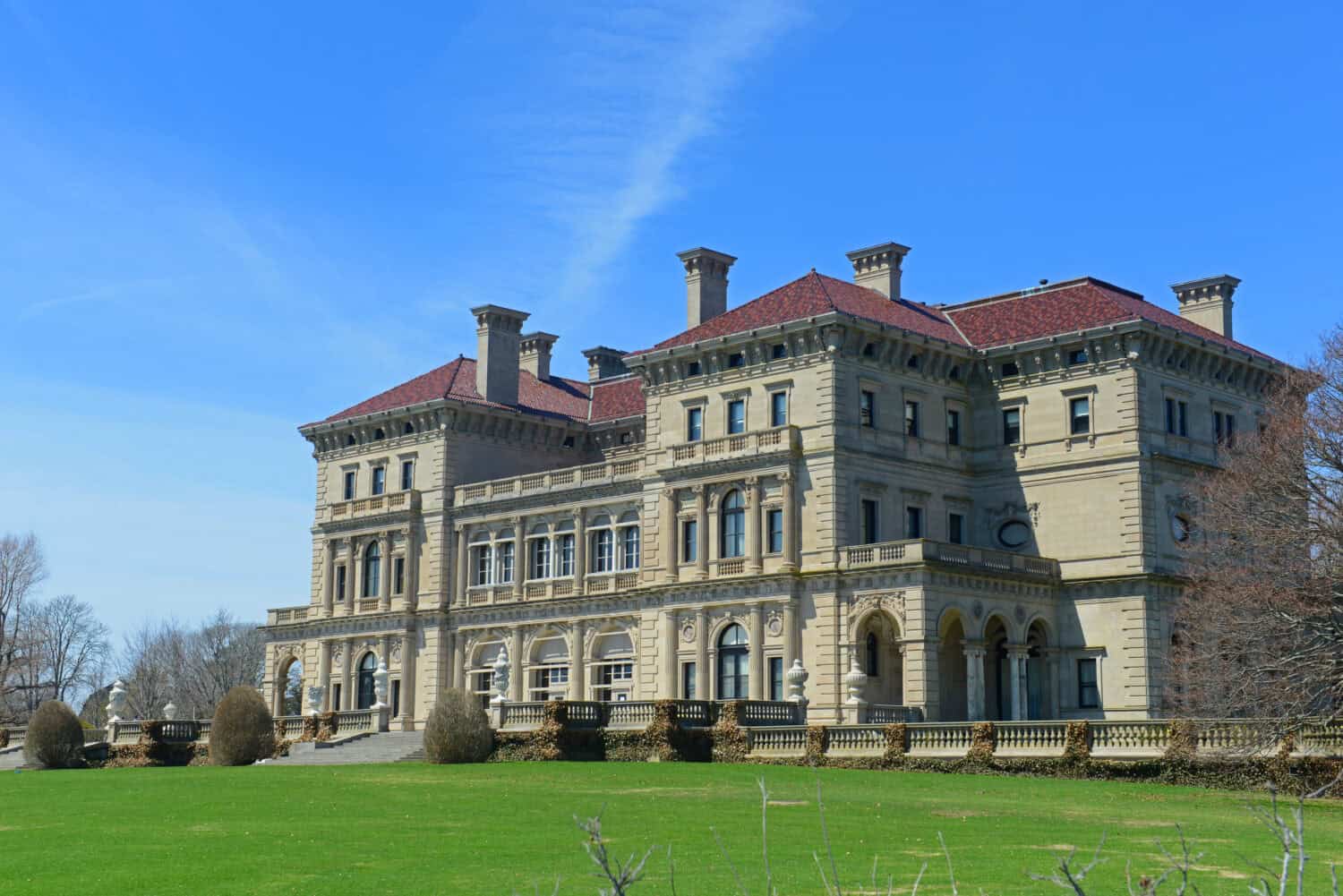
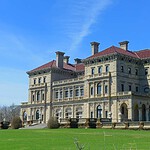
The Breakers was not built for Cornelius Vanderbilt III, as the original version claimed. It was commissioned by his father, Cornelius Vanderbilt II, and his wife Alice. Richard Morris Hunt designed the enormous Newport summer home, which was constructed from 1893 to 1895 after an earlier house on the property burned. The Preservation Society of Newport County began offering public tours in 1948 and purchased the property from Vanderbilt heirs in 1972. Today, it remains the flagship of Newport's famous collection of Gilded Age mansions.
Mount Vernon
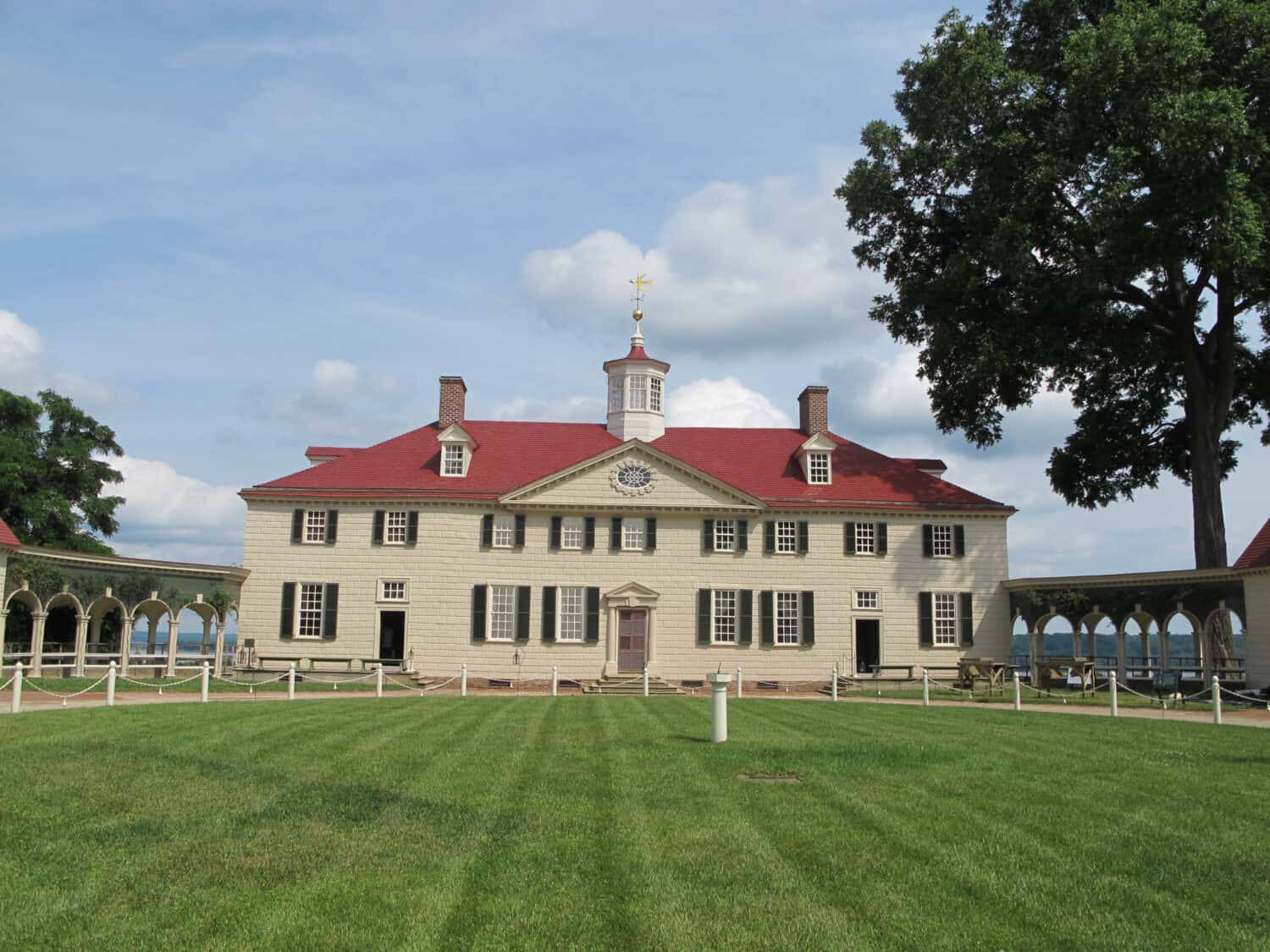
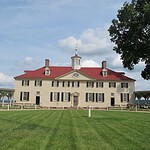
George Washington was one of the wealthiest Virginia planters of his era, although putting a modern dollar figure on his fortune is far less precise than the original article suggested. He inherited Mount Vernon in 1761 and greatly expanded both the house and the plantation. By the end of his life, the estate covered roughly 7,600 acres, while the mansion had grown to 21 rooms and about 11,000 square feet. That wealth and lifestyle were also deeply dependent on the labor of enslaved people who lived and worked across the estate.
Vizcaya
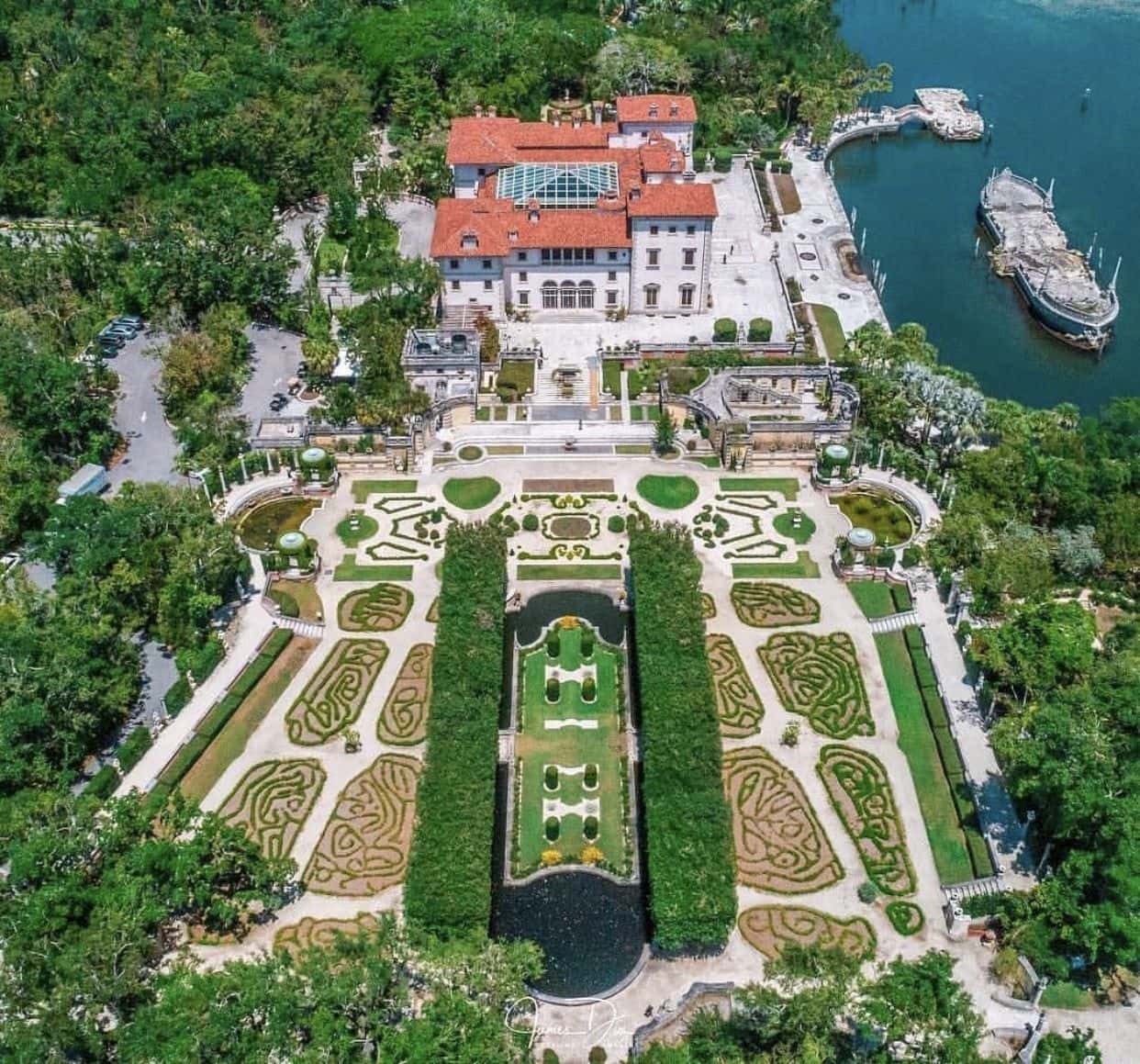
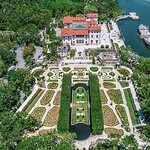
Industrialist James Deering, whose family fortune was tied to International Harvester, built Vizcaya as a winter residence on Biscayne Bay in Miami. Construction of the Main House began in 1914, and Deering moved in on Christmas Day 1916. The Mediterranean-inspired mansion contains 54 rooms and covers roughly 45,000 square feet, surrounded by elaborate formal gardens adapted to South Florida's subtropical setting. Vizcaya opened to the public as a museum in 1953 and remains one of Miami's most recognizable historic estates.
Kykuit
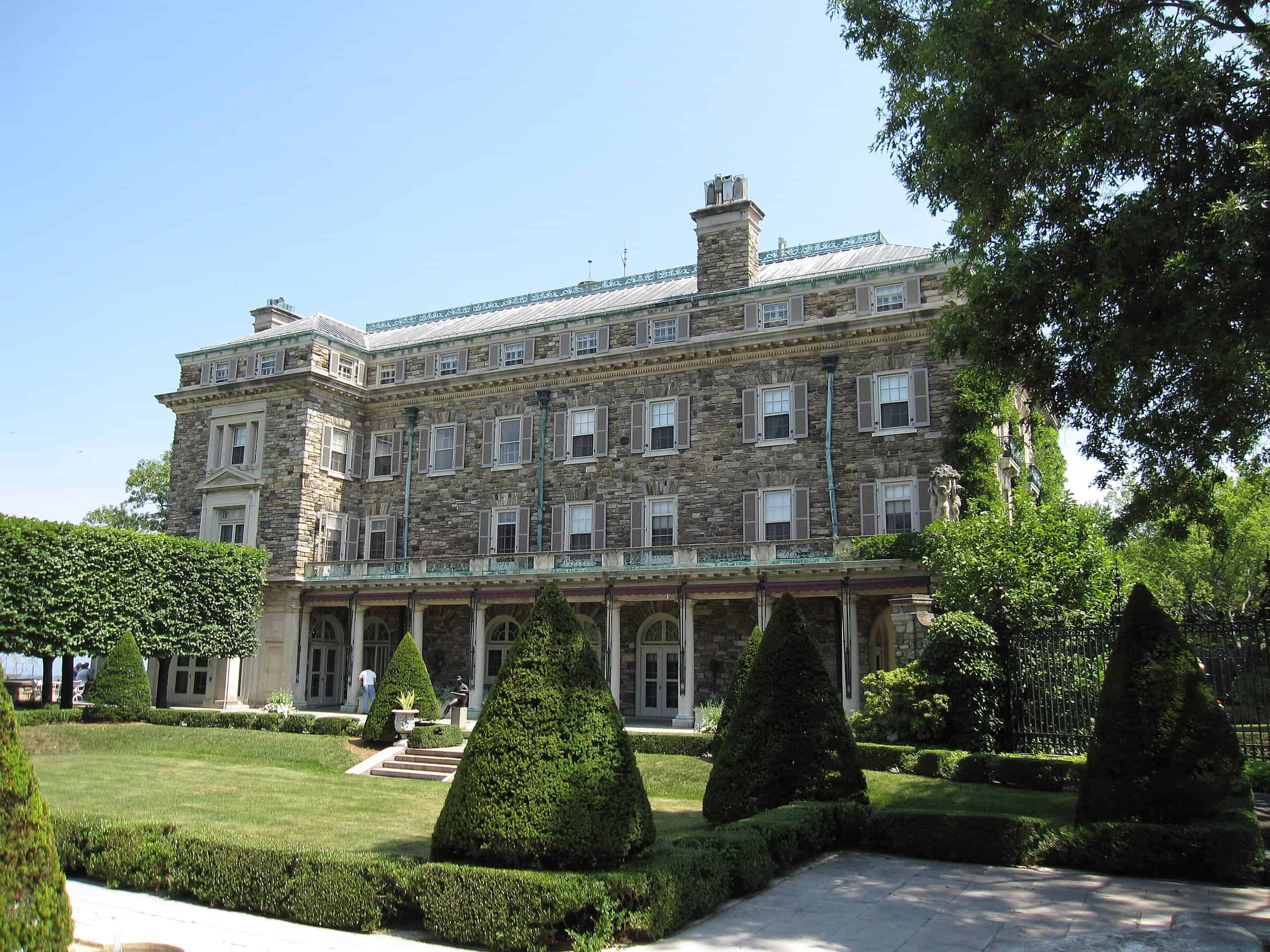
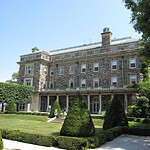
Kykuit was completed in 1913 for Standard Oil founder John D. Rockefeller and ultimately became home to four generations of the Rockefeller family. The 40-room Beaux-Arts house sits within the family's historic Pocantico estate in New York's Hudson Valley and later became closely associated with former Vice President Nelson Rockefeller and his art collection. Kykuit is now a National Trust Historic Site. One current wrinkle for travelers: public tours are on hiatus for the entire 2026 season and are expected to resume under Rockefeller Brothers Fund management in 2027.
Montpelier
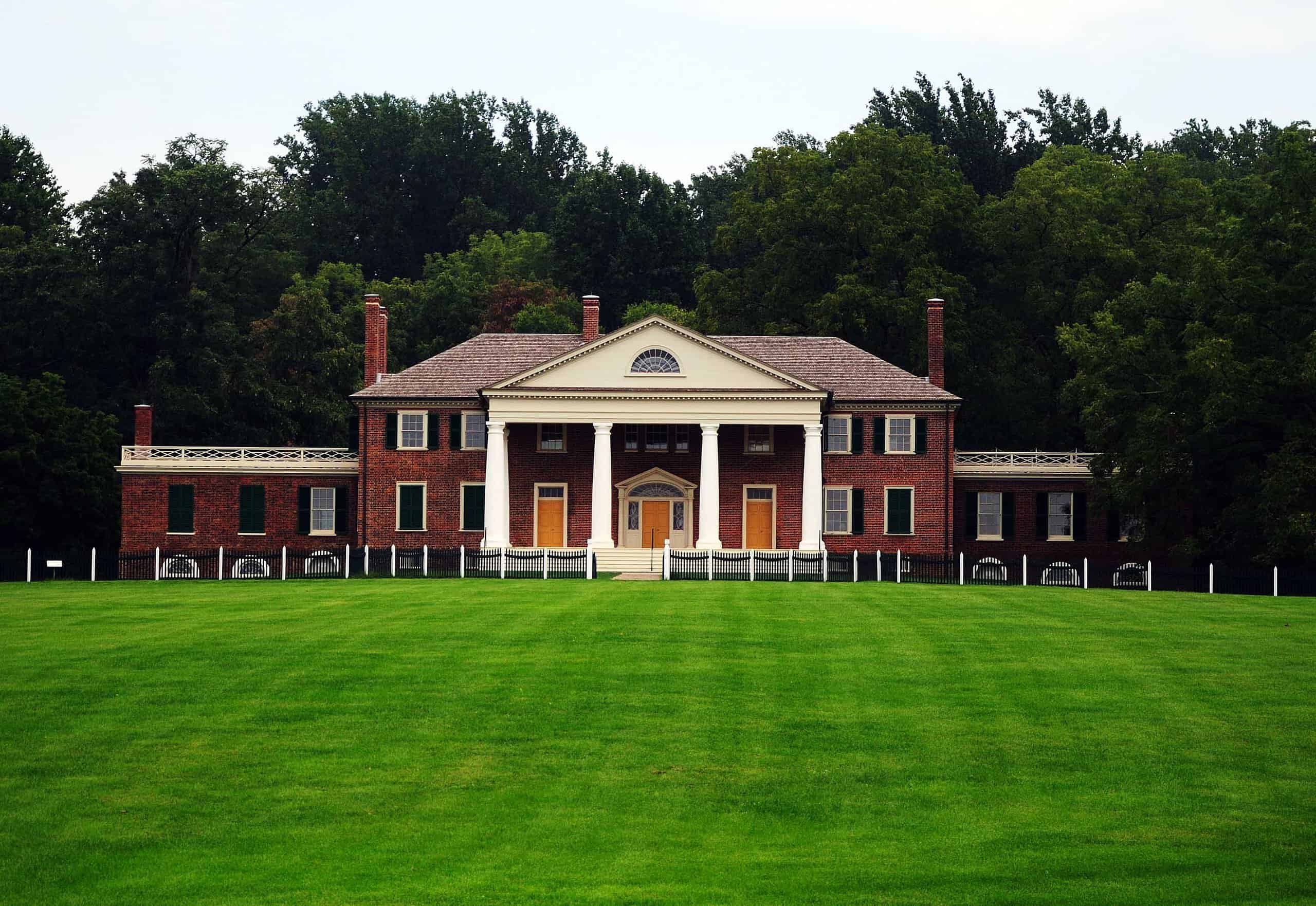
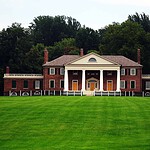
Montpelier was James Madison's lifelong family home. The Madison family moved into the core of the present mansion when James was still a child, and he later did much of his political thinking and writing there. William du Pont purchased Montpelier in 1901, and the du Pont family controlled it for more than 80 years. After Marion duPont Scott's death, the property was transferred to the National Trust for Historic Preservation in 1984 and is now operated by The Montpelier Foundation.
Marble House
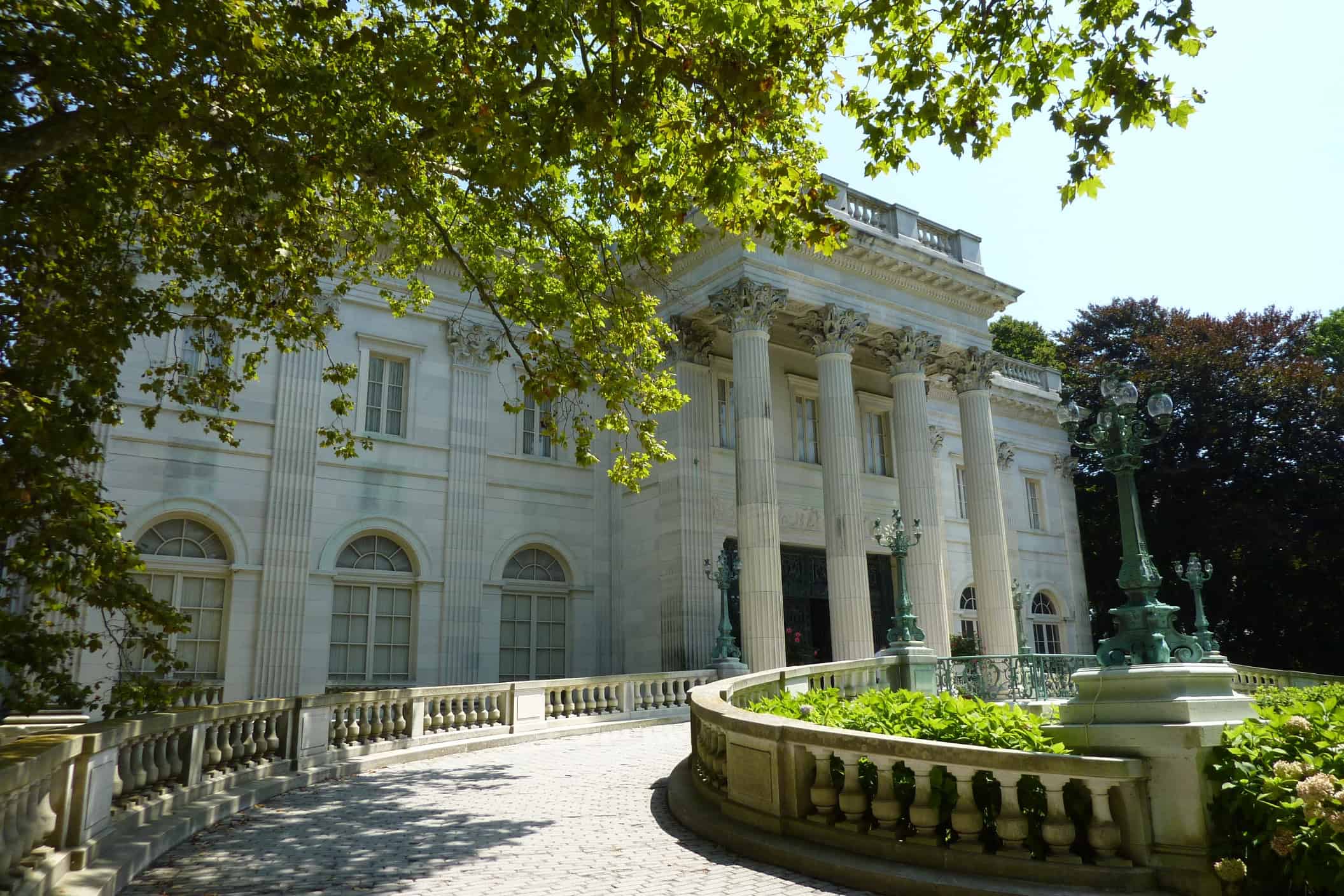
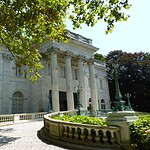
William K. Vanderbilt built Marble House in Newport between 1888 and 1892 and presented it to his wife, Alva, for her 39th birthday. Contemporary accounts put the cost at about $11 million, including roughly $7 million spent on 500,000 cubic feet of marble. Those numbers are wild enough without trying to turn them into a questionable modern inflation estimate. Designed by Richard Morris Hunt, Marble House helped kick off Newport's transformation into the ultimate showcase for Gilded Age excess.
Winterthur
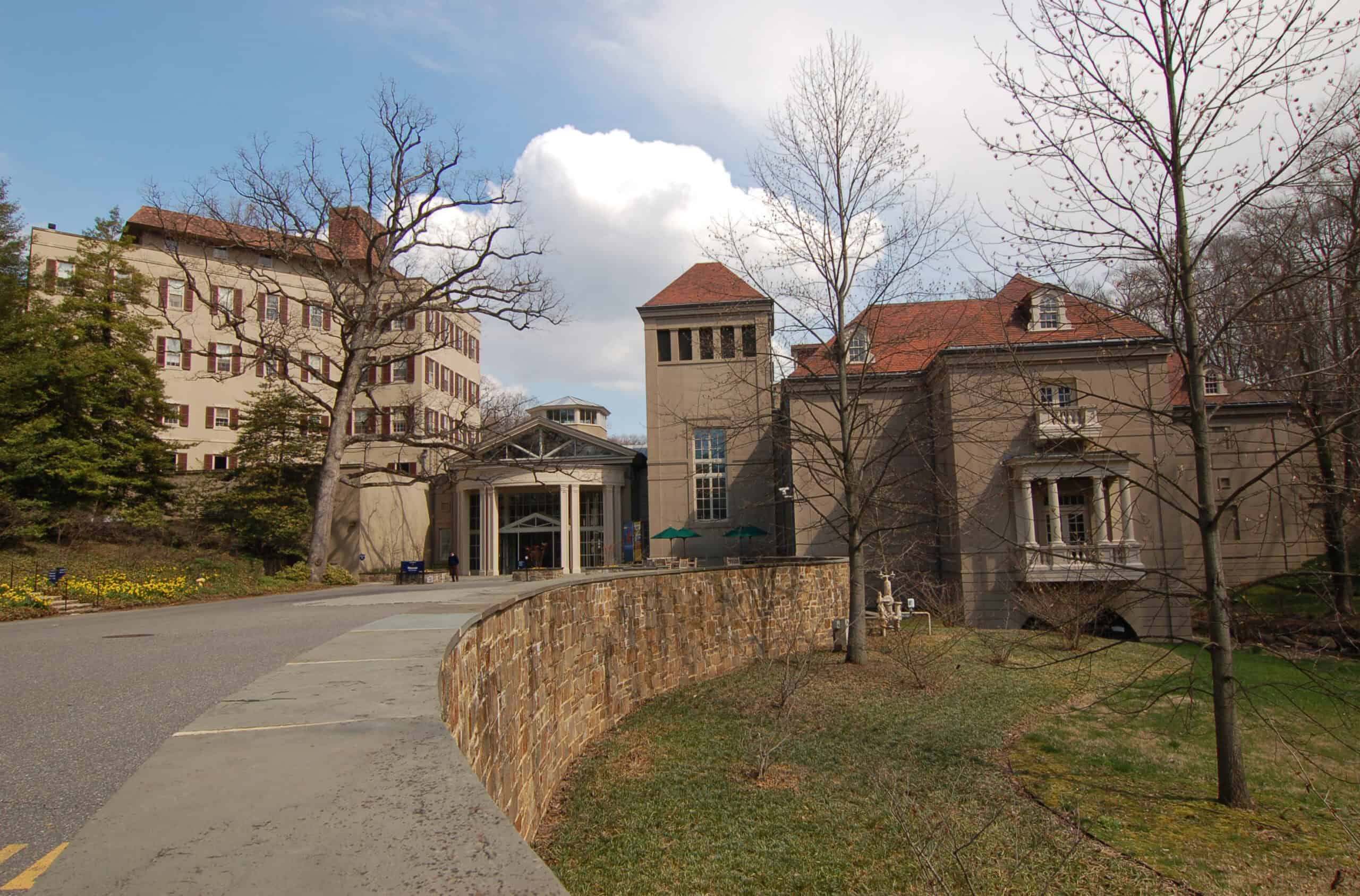
Henry Francis du Pont did not found the DuPont chemical company. He was a descendant of the family that did. His passion was Winterthur, the Delaware family estate he transformed into one of America's great collections of decorative arts. The house eventually grew to 175 rooms, while its collection now includes nearly 90,000 objects. Du Pont opened Winterthur as a museum in 1951, meaning the institution marked its 75th anniversary in 2026. The property also preserves about 1,000 acres and a 60-acre garden.
Stan Hywet Hall
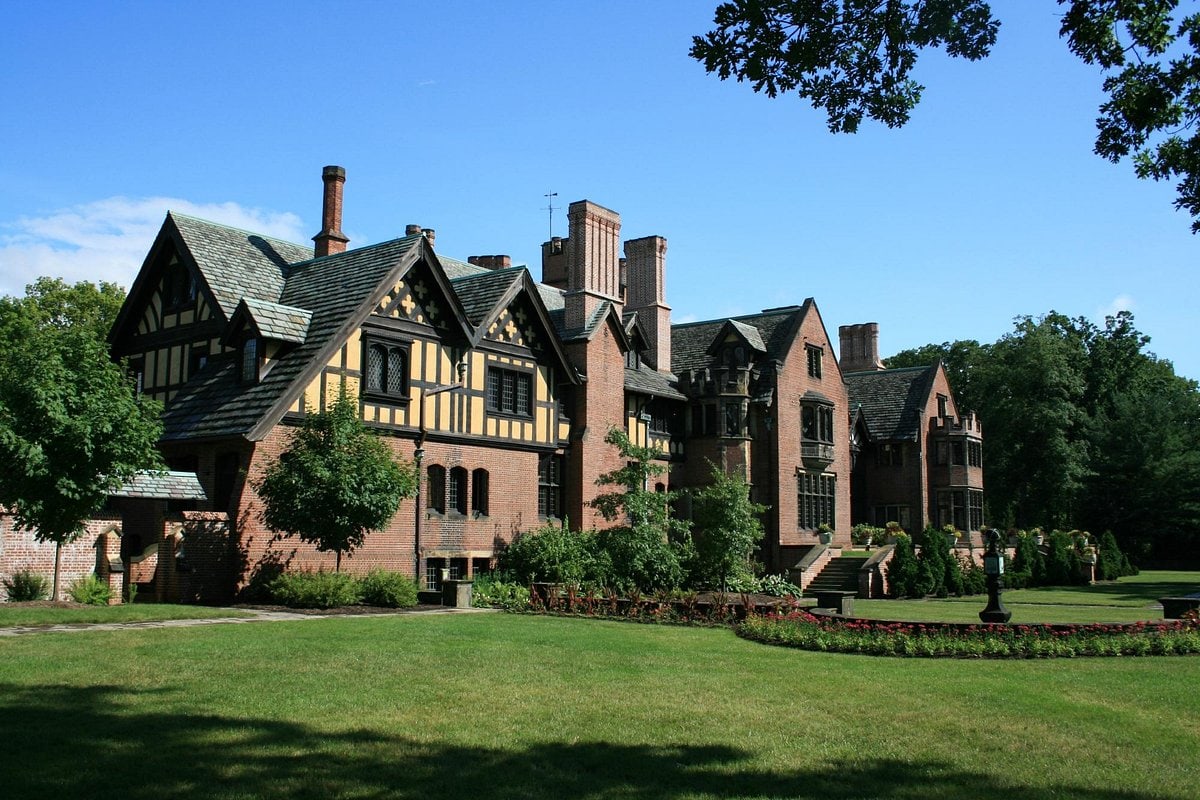
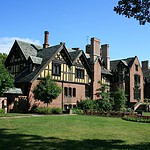
Goodyear co-founder F.A. Seiberling used the fortune generated during Akron's rise as America's rubber capital to create Stan Hywet Hall. Construction began in 1912, and the Seiberling family moved into the Tudor Revival mansion in 1915. The house covers about 64,500 square feet and contains 65 rooms, while today's preserved estate covers roughly 70 acres. The family eventually gave Stan Hywet to the community, and it has operated as a nonprofit historic house museum for decades.
Duke Farms
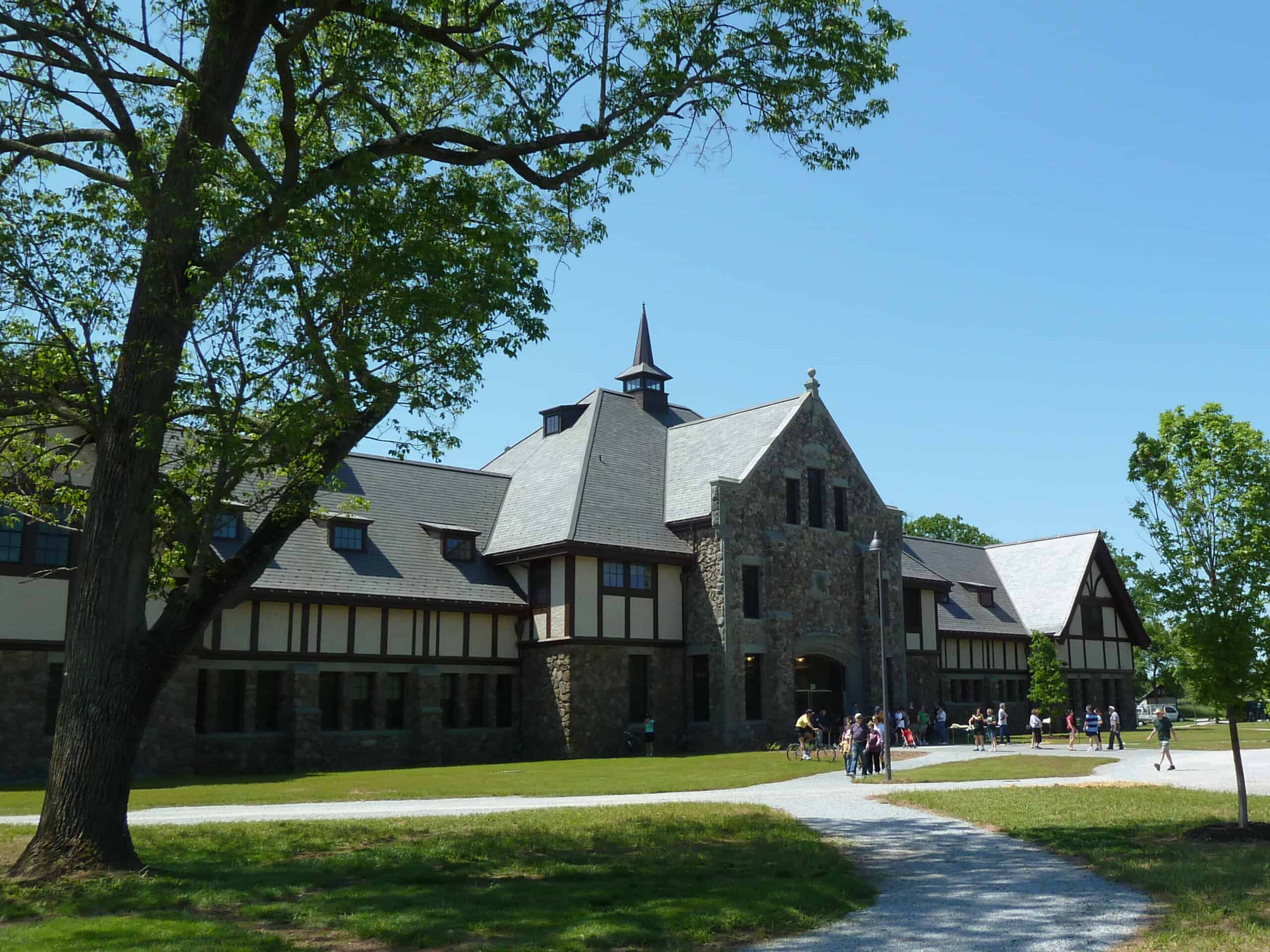
Tobacco and energy magnate James Buchanan Duke spent decades turning thousands of acres in New Jersey into a sprawling country estate. Duke Farms included lakes, roads, fountains, greenhouses, agricultural operations, and a roughly 50-room Country Manor. His daughter Doris Duke inherited about 2,200 acres of the property when she was only 12 and continued expanding and preserving the estate throughout her life. Duke Farms now covers about 2,700 acres and operates as a public center focused on conservation and environmental research.
Meadow Brook Hall
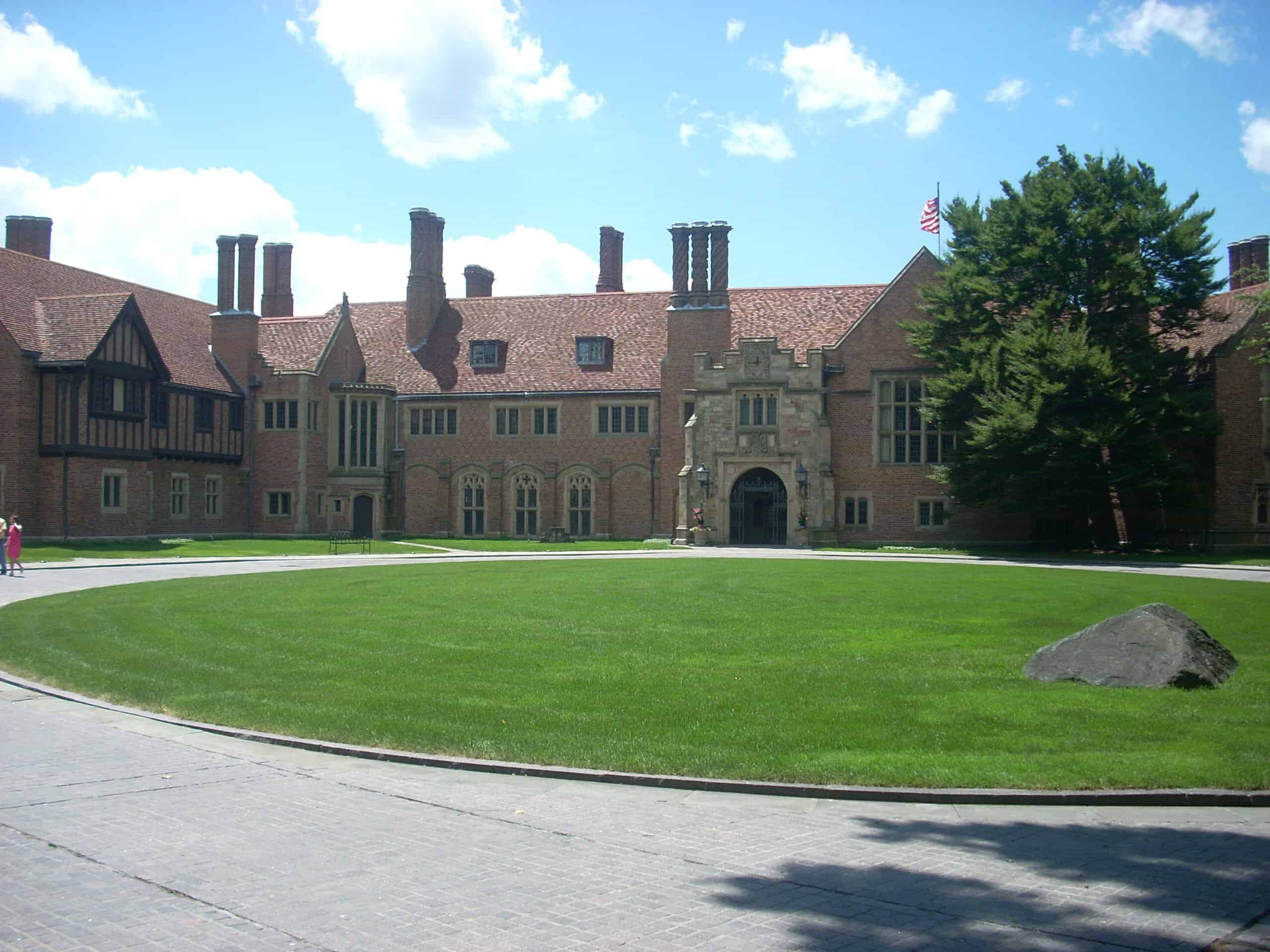
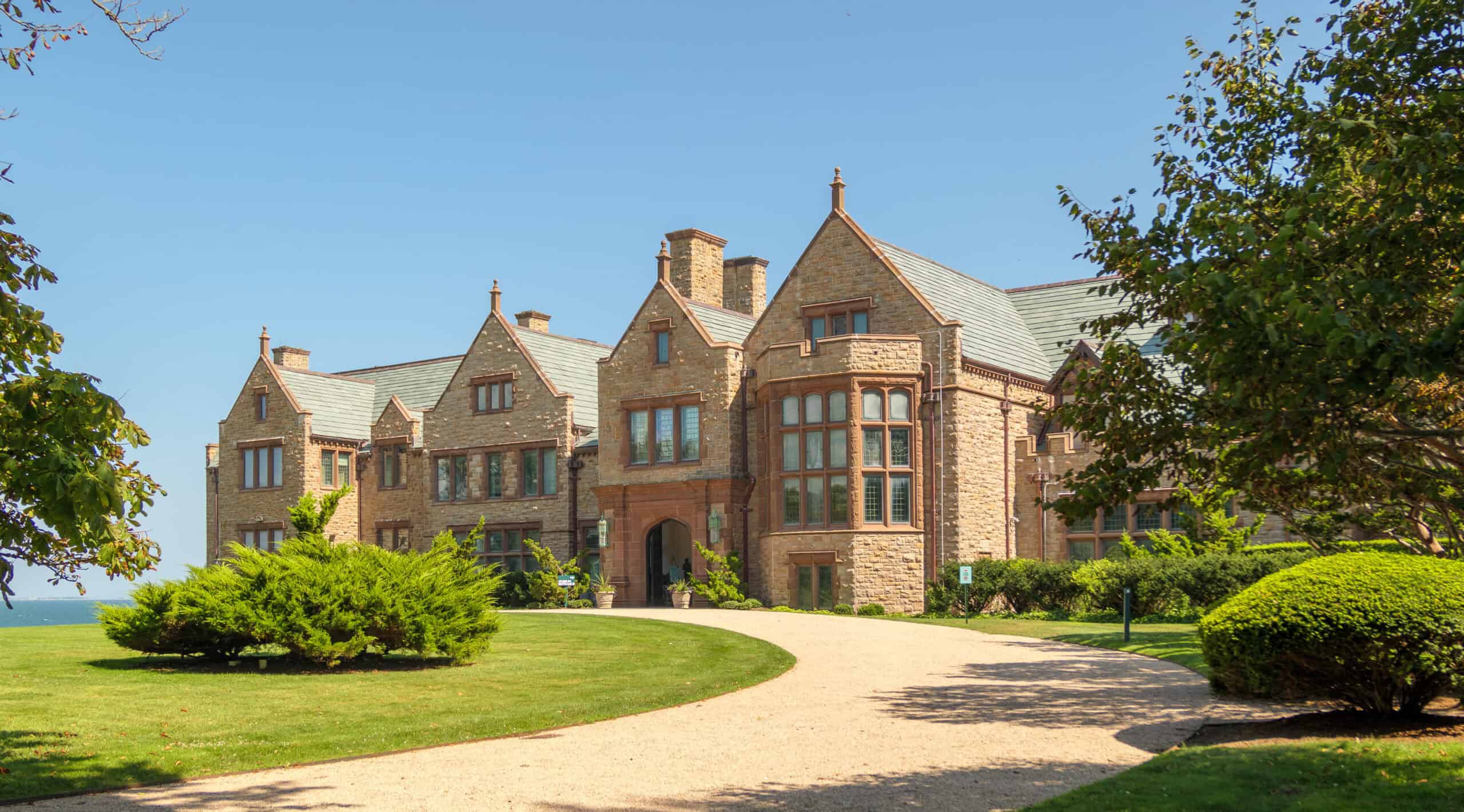
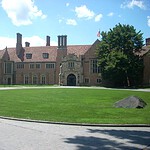
Matilda Dodge Wilson inherited a substantial fortune following the death of her first husband, Dodge automobile co-founder John Dodge. She and her second husband, Alfred Wilson, built Meadow Brook Hall in Michigan between 1926 and 1929. The Tudor Revival mansion contains 110 rooms spread across about 88,000 square feet. Rather than simply being sold after Matilda's death, the estate played a much bigger role in local history. Matilda and Alfred donated the estate and $2 million in 1957 to establish what ultimately became Oakland University.
Rough Point
Frederick and Louise Vanderbilt began building Rough Point in Newport in the late 1880s, but the mansion is now much more closely associated with another famously wealthy American family. The Duke family purchased it in 1922, and tobacco heiress Doris Duke eventually became its best-known resident. She continued using Rough Point until her death in 1993. Today, the house is operated as a museum by the Newport Restoration Foundation, an organization Duke herself established to preserve historic architecture in the city.
Nemours Estate
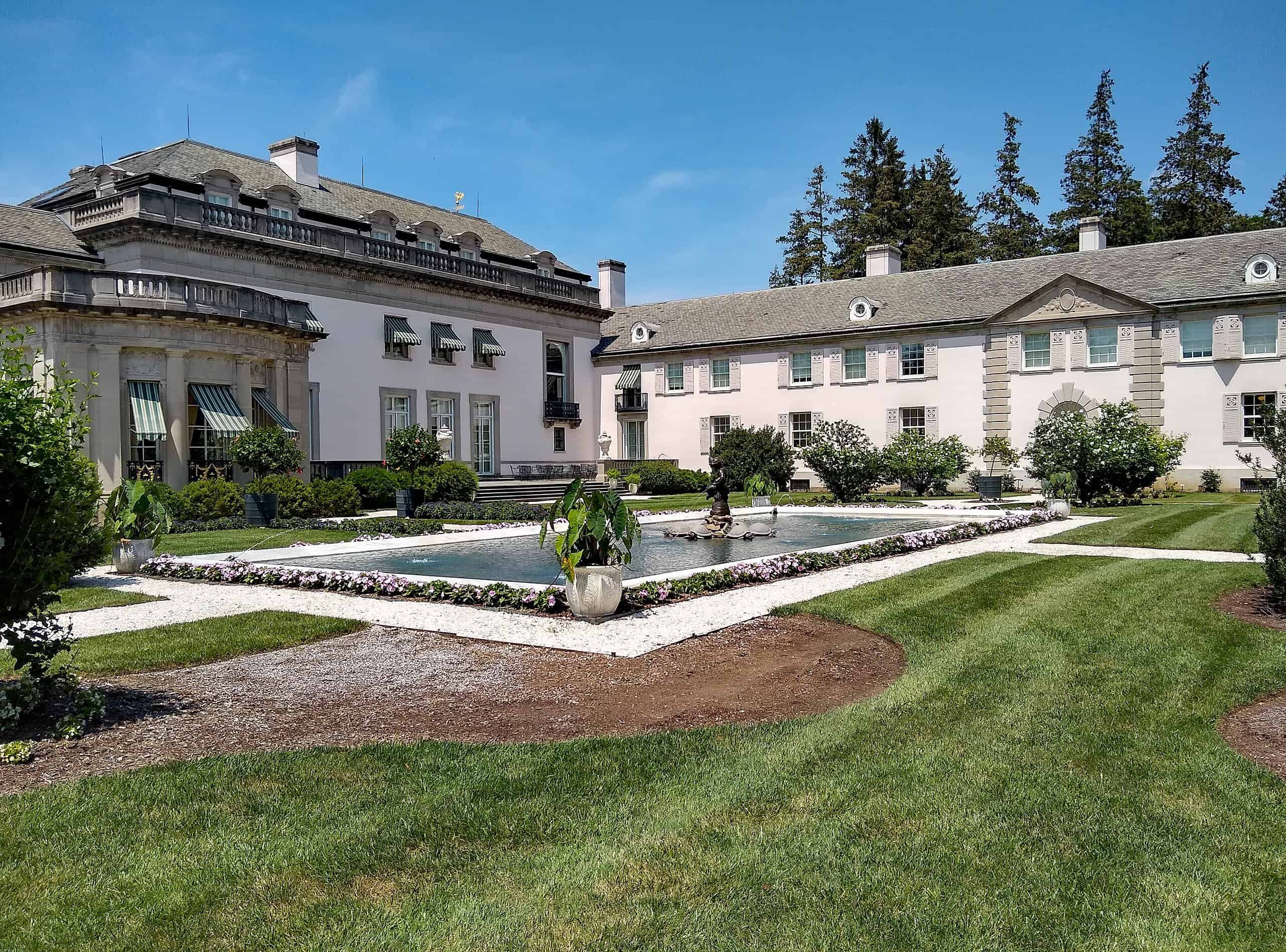
Alfred I. du Pont built Nemours outside Wilmington, Delaware, in 1909 and 1910. The mansion covers roughly 47,000 square feet and contains 77 rooms, not the 105 claimed in the original article. The surrounding 200-acre property includes formal French-inspired gardens modeled in part on the grand landscapes of Europe, along with fountains, woodland, and a chauffeur's garage containing historic automobiles. The property is now open to visitors as Nemours Estate and remains closely connected to the philanthropic legacy that eventually produced the Nemours children's health system.
Hickory Hill
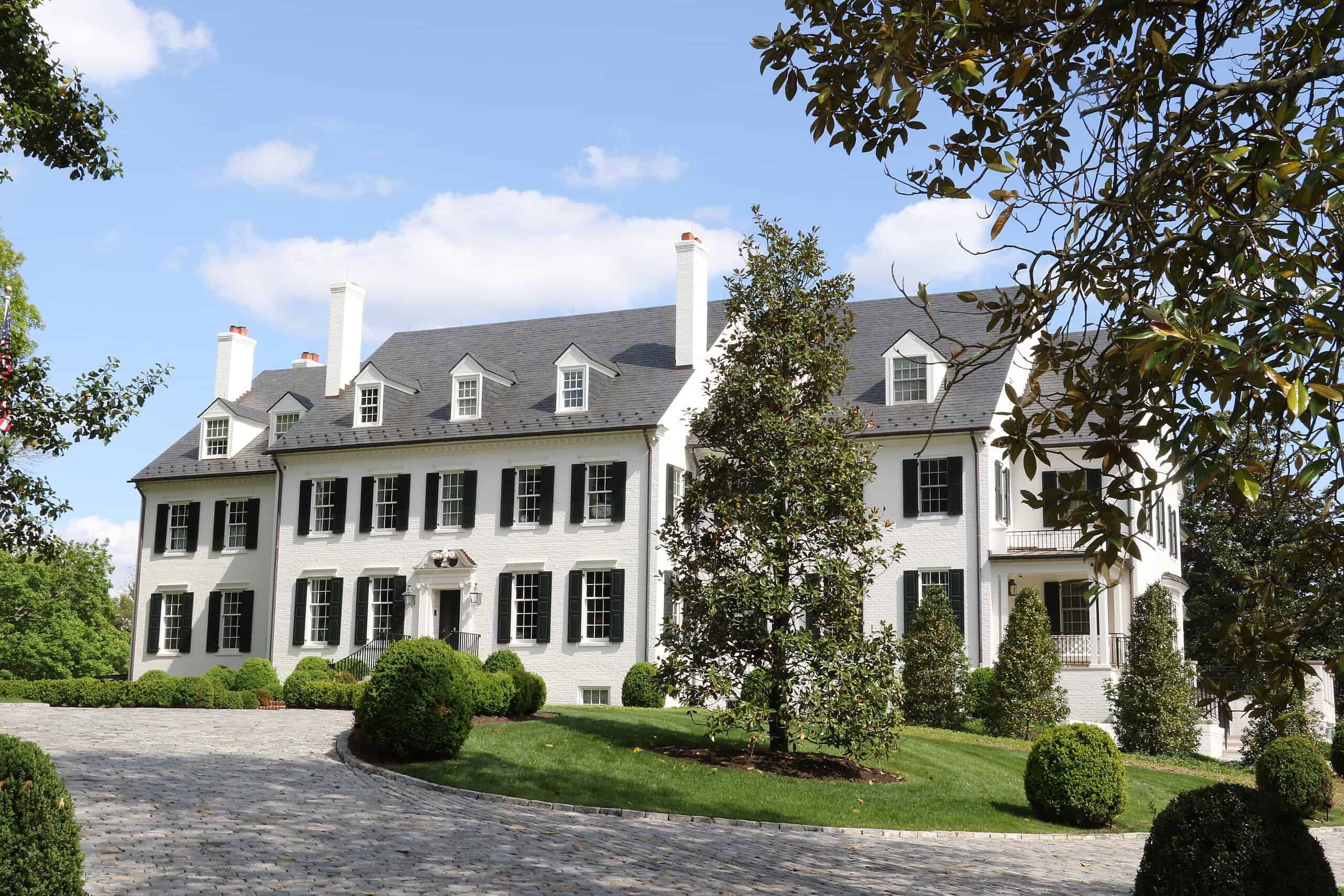
Hickory Hill became one of the Kennedy family's most important Washington-area homes. John and Jacqueline Kennedy lived there briefly before the property passed to Robert and Ethel Kennedy, who raised their large family there. The McLean, Virginia, estate became famous for an unusually lively mix of children, politicians, writers, journalists, and intellectuals. Ethel Kennedy eventually sold the property in 2009. The house remains a private residence and is a contributing property within the Langley Fork Historic District.
Florham
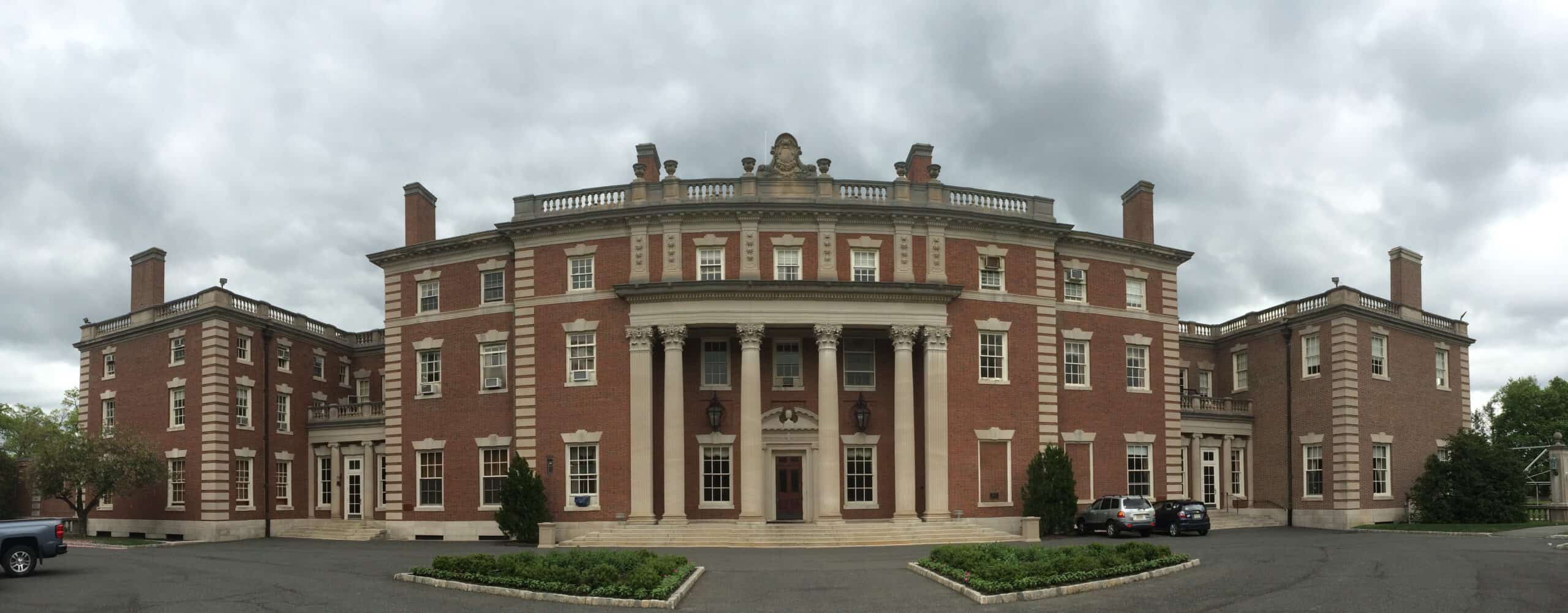
Florence Adele Vanderbilt Twombly and her husband, Hamilton McKown Twombly, created Florham after buying about 1,200 acres in Madison, New Jersey, in 1890. Architects McKim, Mead & White began work on the mansion in 1894, completing the roughly 100-room house in 1897. The original piece incorrectly gave it 110 rooms and said the same team designed Biltmore. Biltmore's architect was Richard Morris Hunt. Florham eventually became part of Fairleigh Dickinson University's Florham Campus, giving a Gilded Age Vanderbilt estate an unusual second life as a college campus.
Andrew Carnegie Mansion
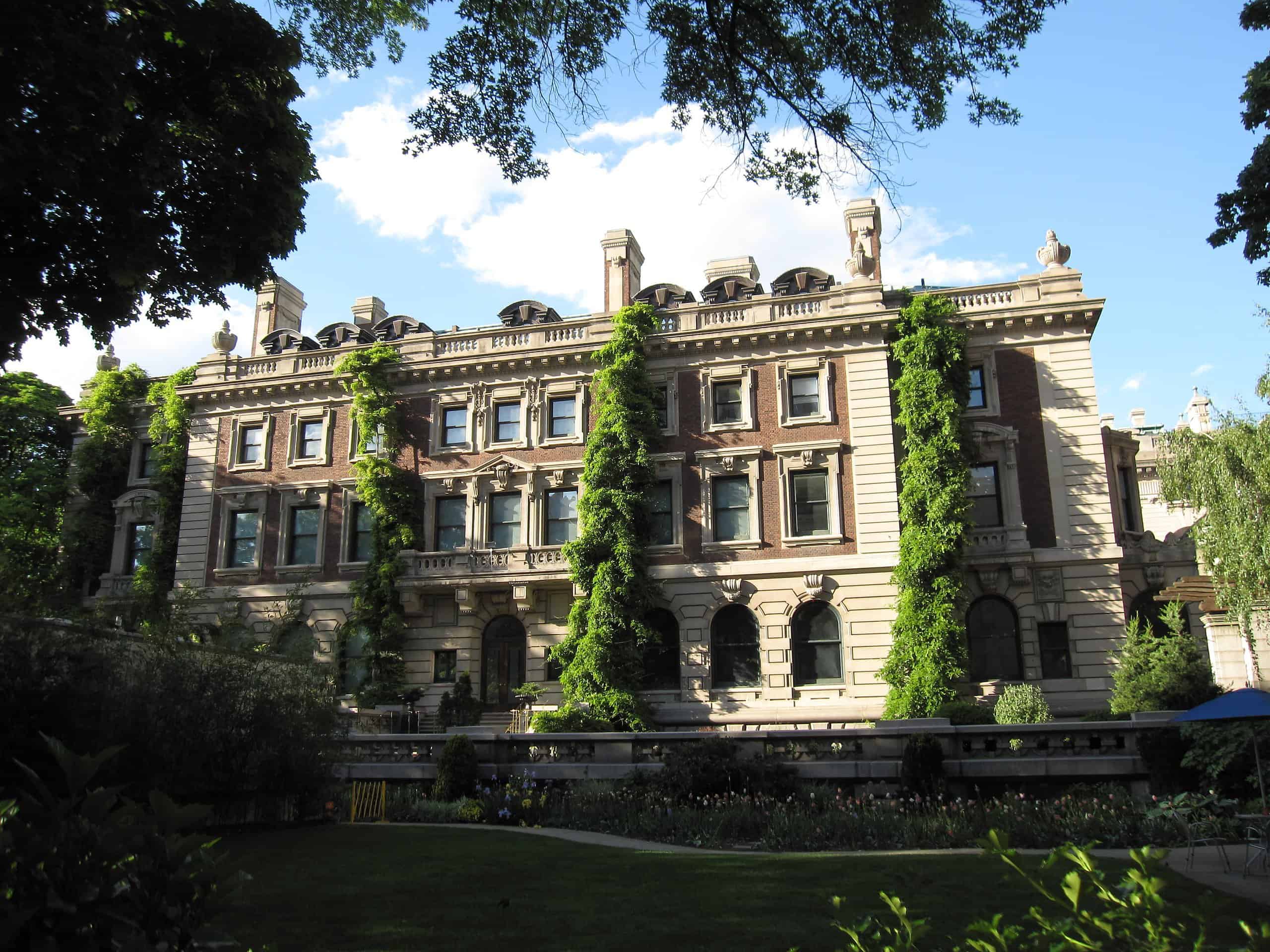
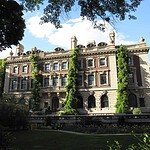
Steel magnate Andrew Carnegie and his family moved into their new Manhattan mansion in 1902. Built from 1899 to 1902, the 64-room house was unusually advanced for its time. It used structural steel, featured an early residential passenger elevator, and included sophisticated heating and ventilation systems. Carnegie deliberately built farther uptown than most of New York's elite, helping give the surrounding neighborhood its eventual Carnegie Hill name. Since 1976, the mansion has been home to the Smithsonian's Cooper Hewitt, Smithsonian Design Museum.
Riverside
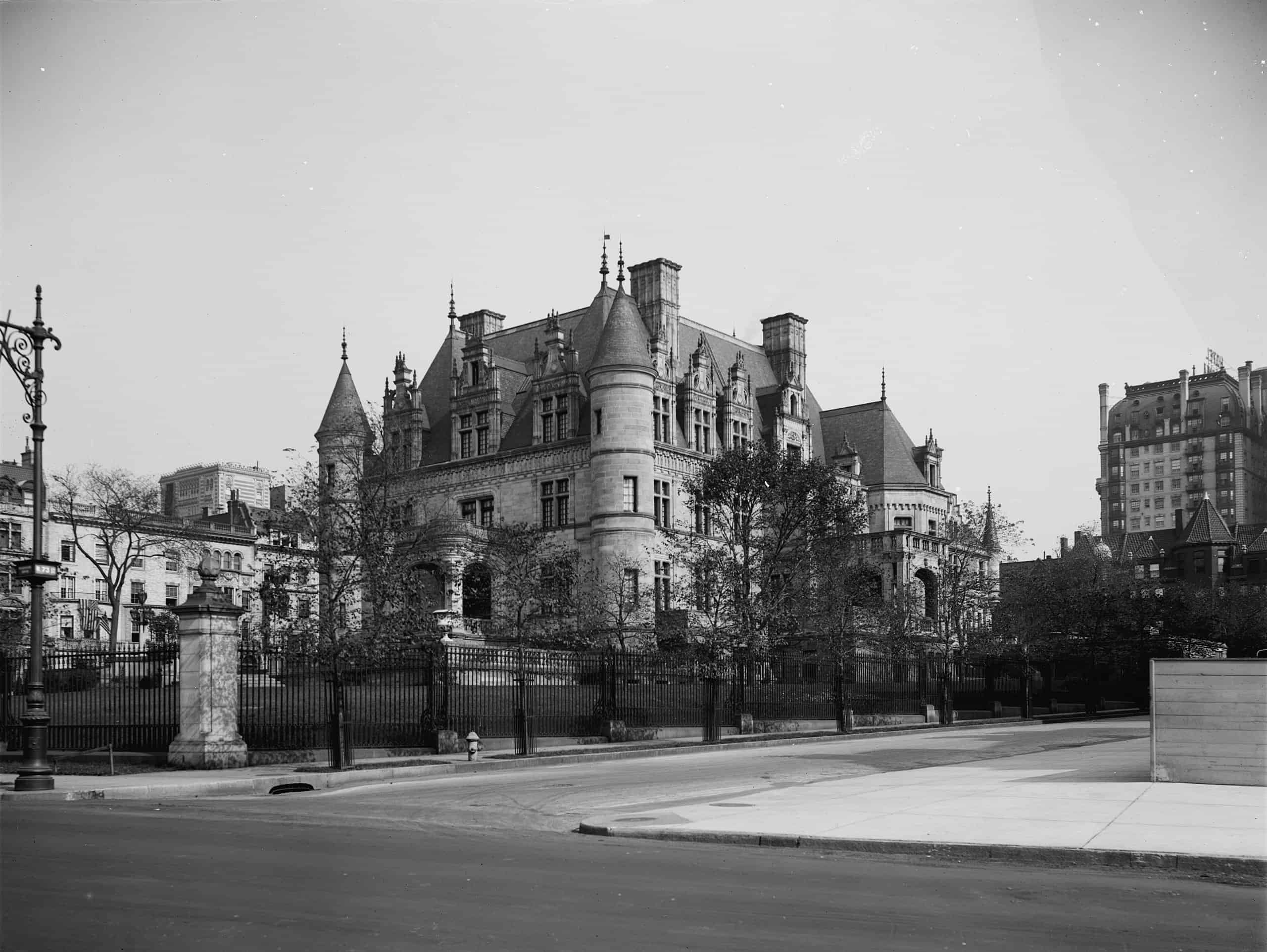
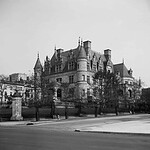
Steel executive Charles M. Schwab built one of Manhattan's most extravagant private residences on an entire block along Riverside Drive. The French Renaissance-style mansion was constructed in the early 1900s while Schwab was one of the biggest names in American steel, first at Carnegie Steel and U.S. Steel and later at Bethlehem Steel. His fortune declined dramatically later in life, and the mansion did not survive him for long. Schwab left the property to New York City after his death in 1939, and the enormous house was demolished in 1947.
Vanderbilt Mansion at Hyde Park
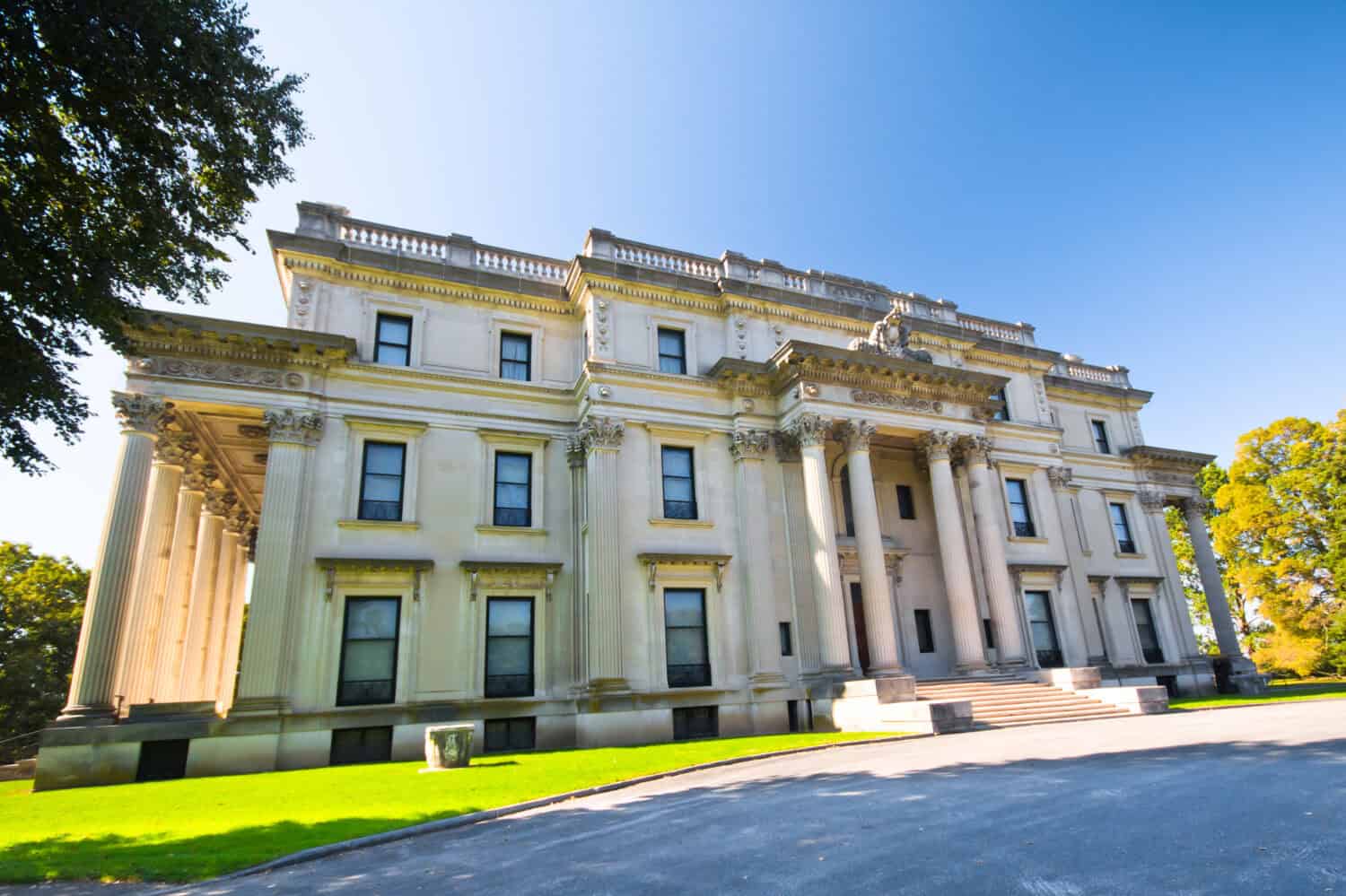
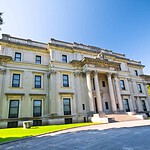
Frederick and Louise Vanderbilt purchased their Hudson River estate in 1895 and replaced the existing house with a new 54-room mansion completed in 1898. The approximately 45,000-square-foot home was lavish even by Vanderbilt standards, with marble, exotic woods, tapestries, and European antiques filling the interiors. After Frederick died without children, the house and about 200 acres were transferred to the federal government. Today, Vanderbilt Mansion National Historic Site preserves roughly 211 acres overlooking the Hudson River.
Rockwood Hall
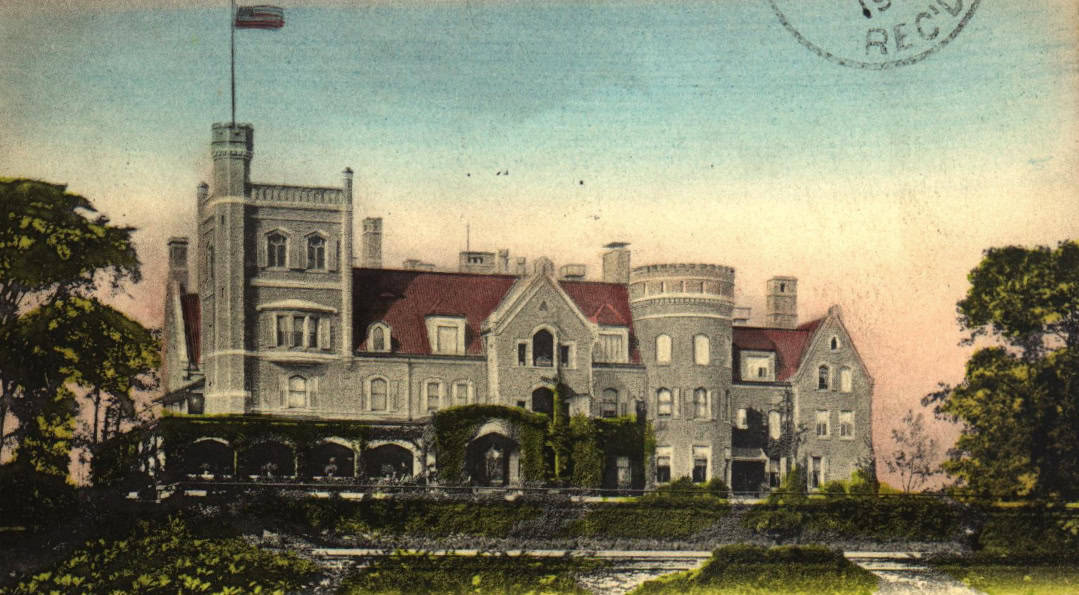
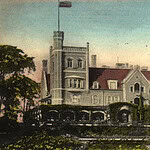
William Rockefeller, the younger brother and Standard Oil business partner of John D. Rockefeller, turned Rockwood Hall into one of the great Hudson River estates of the Gilded Age. At its peak, the property covered roughly 1,000 acres and included a sprawling 202-room mansion. Unlike nearby Kykuit, the house did not survive. The mansion and other estate buildings are gone, but the former grounds now form a scenic section of Rockefeller State Park Preserve, where stone walls and traces of the old landscape still remain.