Reidl/Shutterstock.com
Catarina Belova/Shutterstock.com
SW_Stock/Shutterstock.com
RAW-films/Shutterstock.com
Matej Kastelic/Shutterstock.com
Reidl/Shutterstock.com
Finn stock/Shutterstock.com
Alika Obrazovskaya/iStock via Getty Images
Xantana/iStock via Getty Images
Vladislav Zolotov/iStock via Getty Images
TTstudio/Shutterstock.com
JeniFoto/Shutterstock.com
TTstudio/Shutterstock.com
Catarina Belova/Shutterstock.com
LALS STOCK/Shutterstock.com
Vladislav Zolotov/iStock via Getty Images
Dan Breckwoldt/Shutterstock.com


16 of Europe’s Most Visited Cities Before the Pandemic
Europe has no shortage of cities that seem permanently packed with visitors. Paris, London, Rome, Barcelona, and several others draw travelers from around the world for their history, architecture, food, museums, nightlife, or some combination of all five.
Tourism rankings can get messy, though, because different studies count different things. For this list, we're using Euromonitor International's 2019 city-arrivals data, which focused on international visitors who stayed at least one night. The 2019 edition used confirmed 2018 figures to project international arrivals for 2019, making this a useful snapshot of European tourism immediately before the COVID-19 pandemic rather than a current 2026 ranking.
The 16 cities below were all among the highest-ranking European destinations in that forecast. Euromonitor also placed Antalya, Turkey, fourth in its European table, so the slides are ordered by projected arrivals rather than presented as a complete one-through-16 ranking.
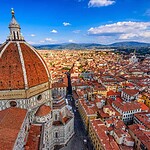
Florence, Italy
Population: About 366,000 residents as of February 2025.
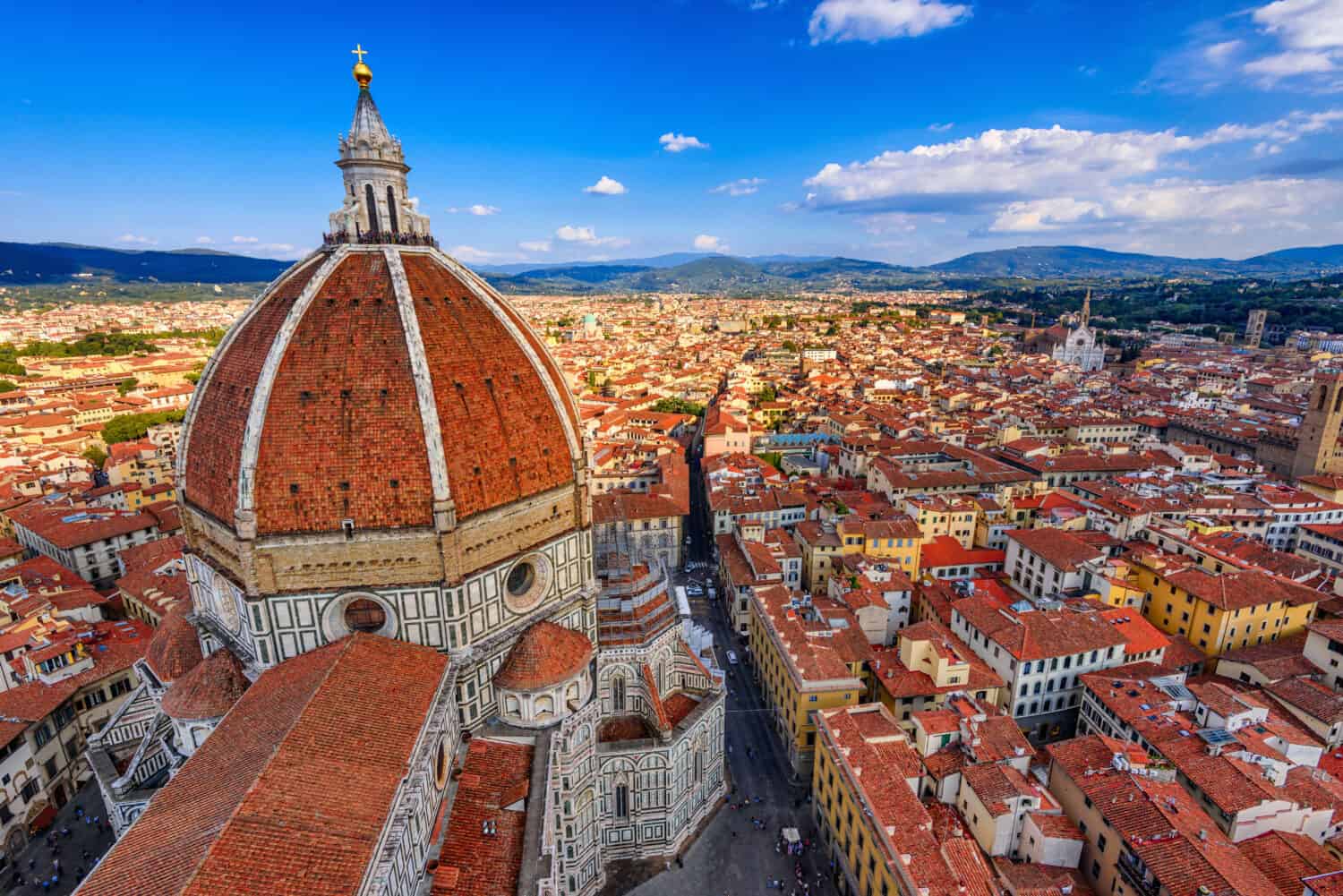
Florence packs an absurd amount of art and history into a relatively compact city. The Cathedral of Santa Maria del Fiore and Brunelleschi's famous dome dominate the skyline, while the Ponte Vecchio crosses the Arno just a short walk away. Michelangelo's original David is housed at the Galleria dell'Accademia, and the Uffizi Gallery holds one of the world's great collections of Renaissance art. Then there is the food, which is reason enough to stay an extra day.
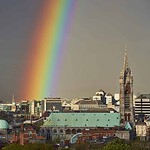
Dublin, Ireland
Population: 592,713 in Dublin City at Ireland's 2022 census.
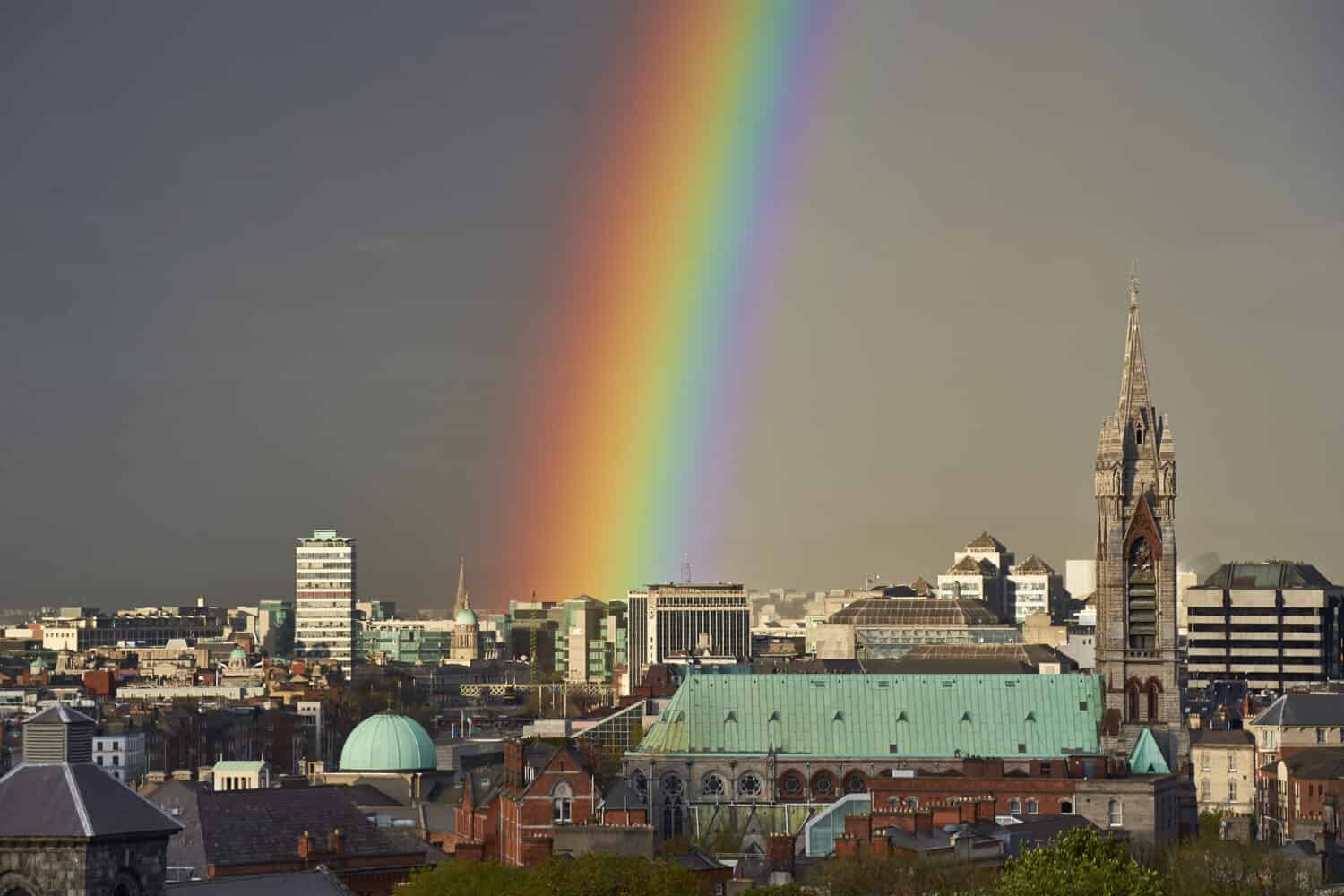
Ireland's capital mixes centuries of history with a city center that is easy to explore on foot. St. Patrick's Cathedral, Dublin Castle, Trinity College, and the sprawling Phoenix Park are obvious places to start. Literary fans have plenty to work with too, including sites associated with Oscar Wilde, James Joyce, and W.B. Yeats. And yes, the Guinness Storehouse and Jameson Distillery Bow St. remain extremely popular stops. Dublin was probably never going to let visitors forget about the drinks.
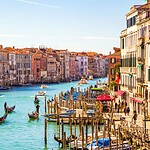
Venice, Italy
Population: 251,294 residents in the municipality at the end of 2025.
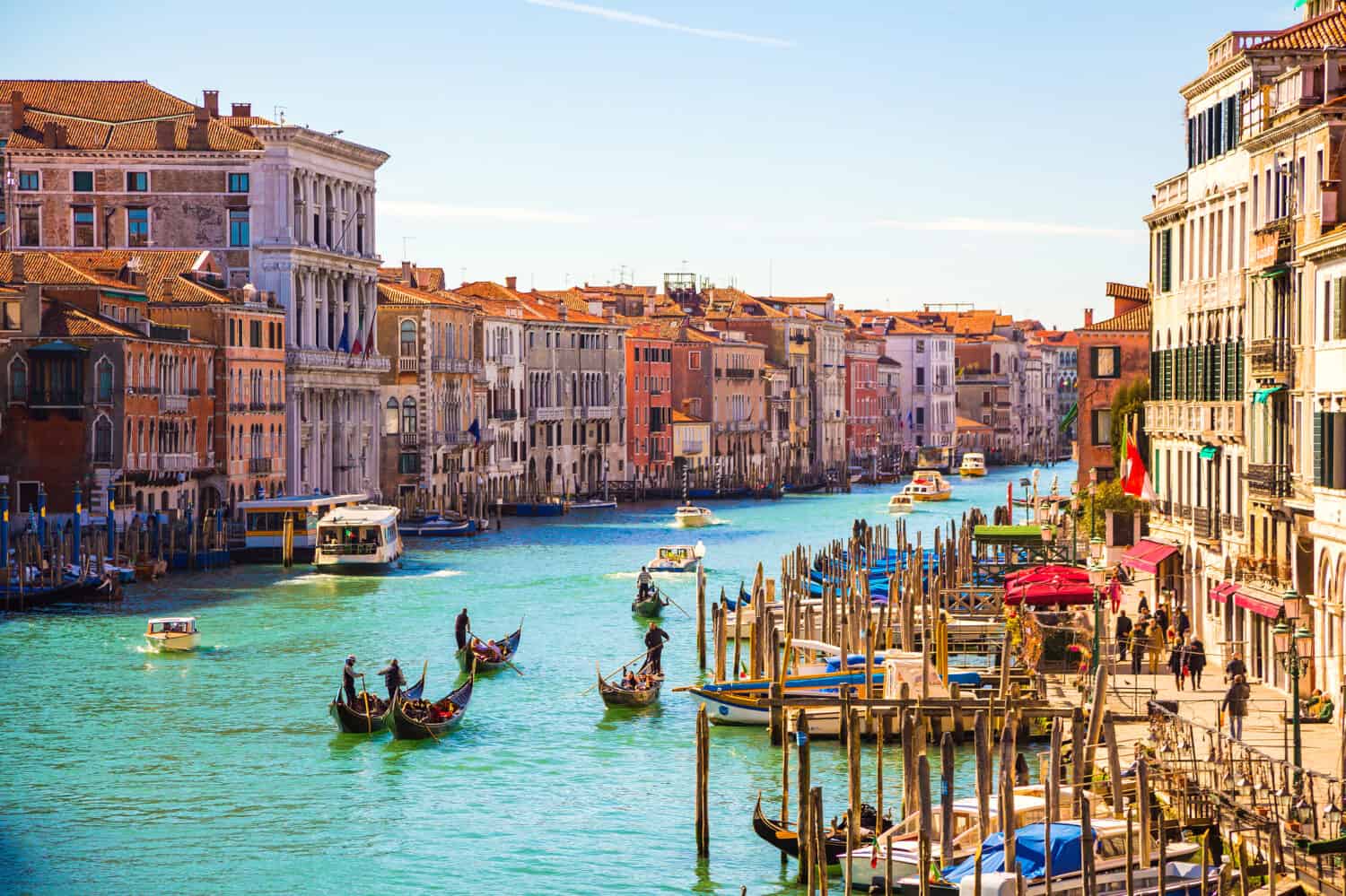
Venice is one of those places that doesn't really look like anywhere else. The historic center spreads across islands connected by bridges, with canals doing the job that streets handle in most cities. St. Mark's Square, St. Mark's Basilica, the Doge's Palace, and the Rialto Bridge are the headline attractions, while nearby Murano is famous for its centuries-old glassmaking tradition and the Glass Museum. Even getting slightly lost here tends to work out pretty well.
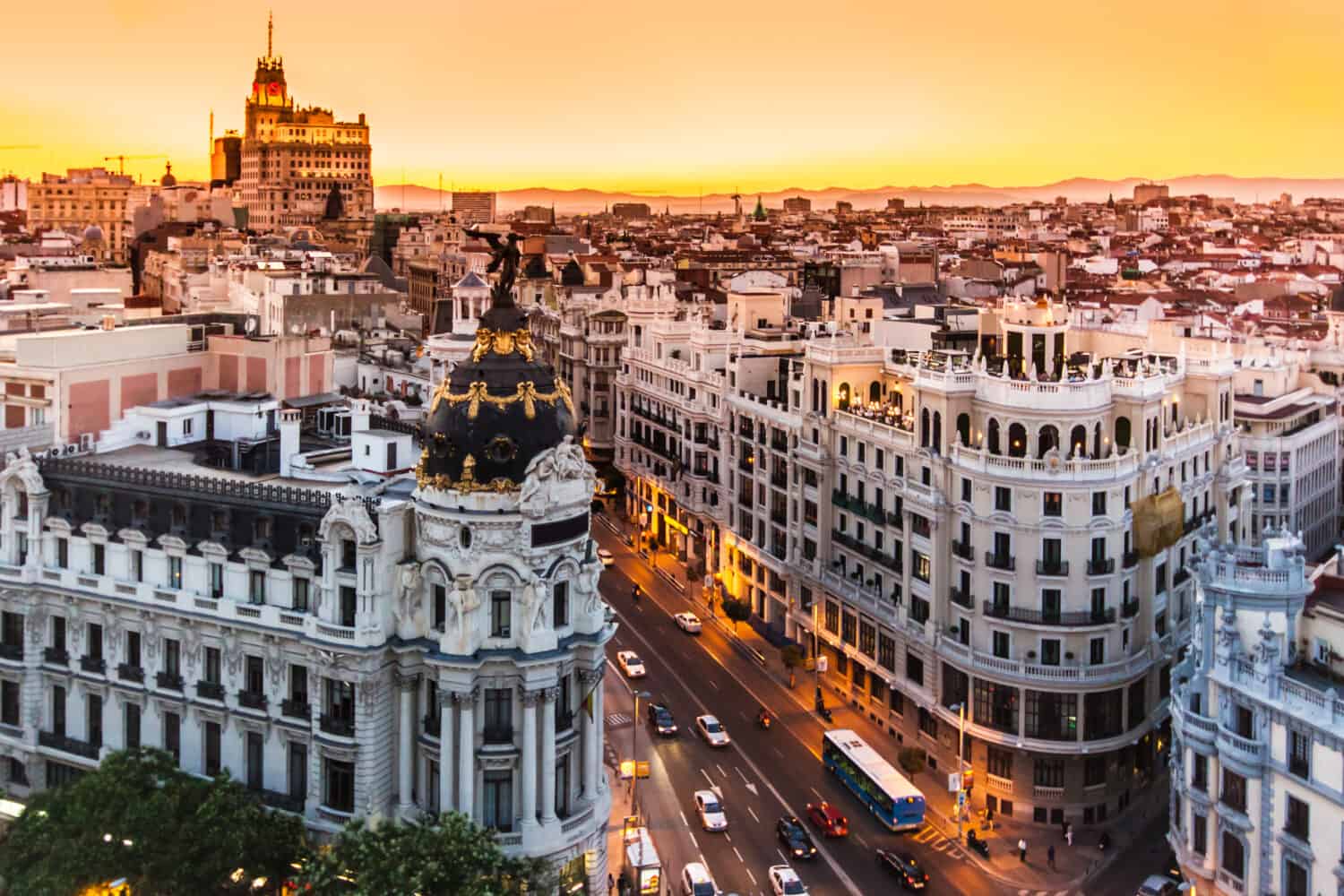
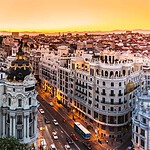
Madrid, Spain
Population: About 3.53 million registered residents as of Jan. 1, 2025.
Spain's capital is a serious art city. The Prado Museum, Reina Sofía, and Thyssen-Bornemisza form Madrid's famous Golden Triangle of Art, while the historic center gives you Plaza Mayor, the Royal Palace, and Puerta del Sol. El Retiro Park offers some breathing room after all that museum time, and Mercado de San Miguel is a popular stop for food near Plaza Mayor. Madrid is the sort of city where planning to "just grab something small" can get away from you quickly.
Moscow, Russia
Population: About 13.3 million as of Jan. 1, 2025.
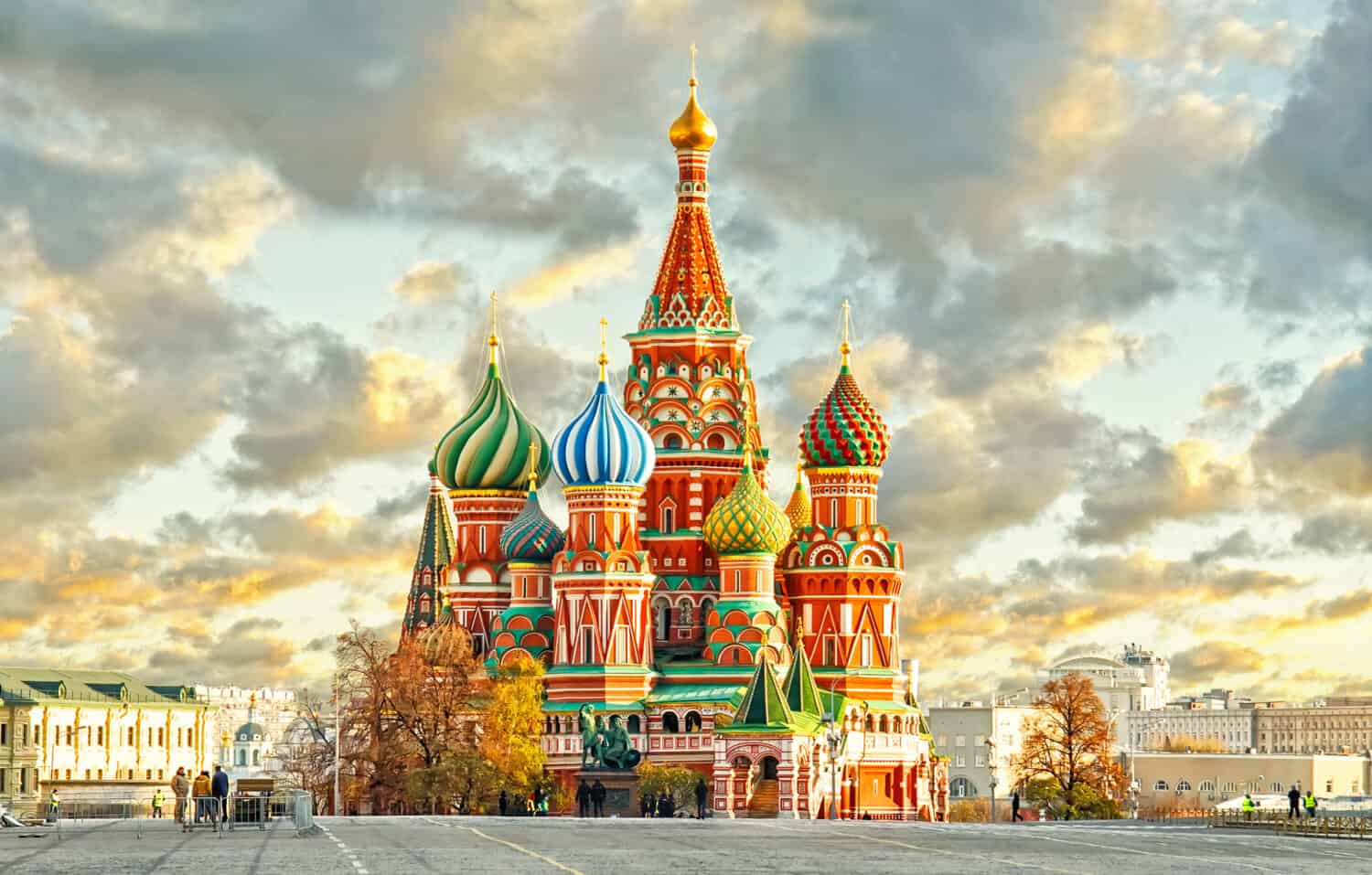
Moscow appears here because this is a pre-pandemic tourism snapshot. Red Square, the Kremlin, St. Basil's Cathedral, the Pushkin State Museum of Fine Arts, and the city's elaborate Metro stations have long made the Russian capital a major tourism destination.
Current travel conditions are very different from 2019. As of September 2026, the U.S. State Department maintains a Level 4 "Do Not Travel" advisory for Russia because of the continuing war with Ukraine, the risk of harassment or wrongful detention, arbitrary enforcement of local laws, and the possibility of terrorism. It also advises U.S. citizens already in Russia to leave immediately.
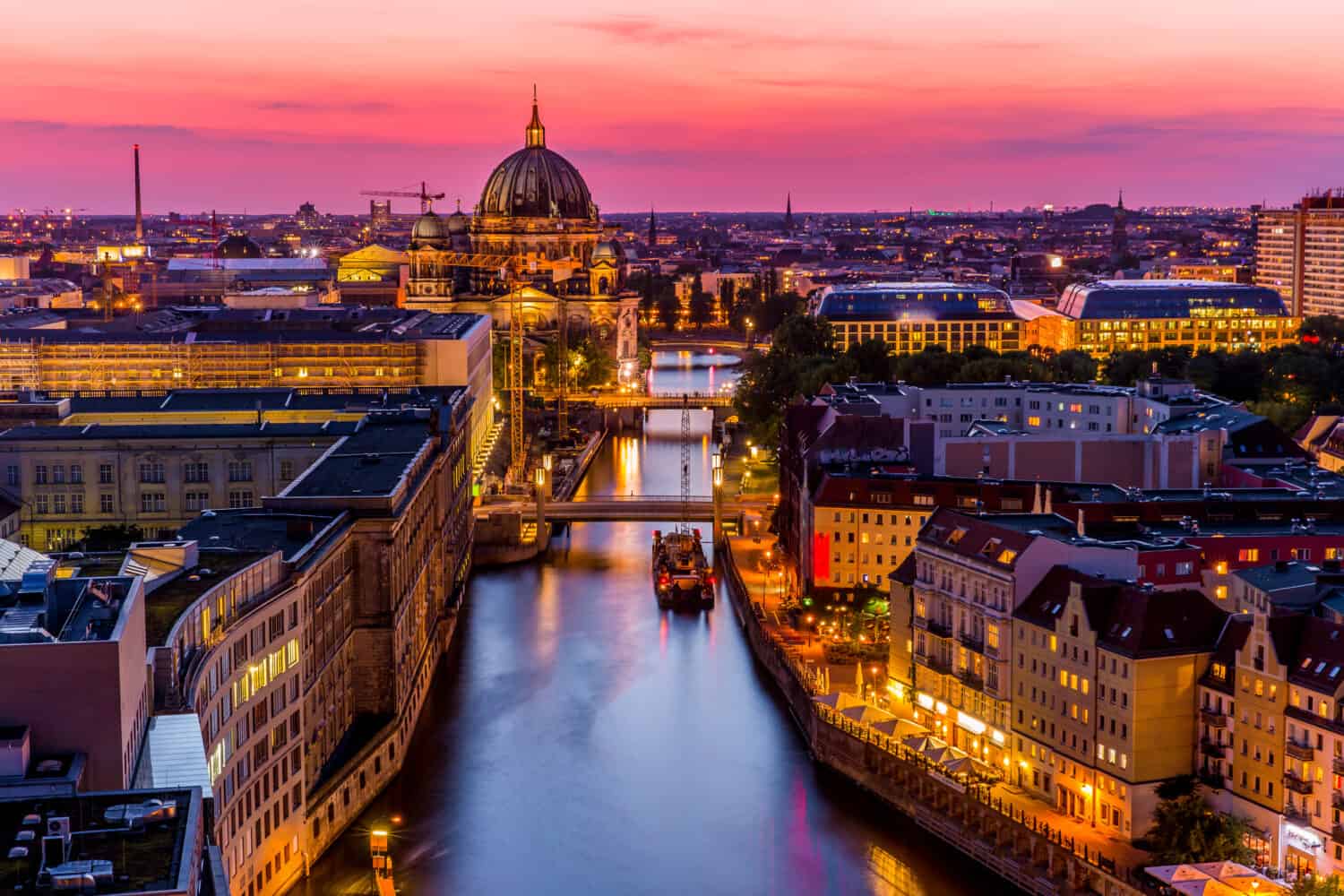
Berlin, Germany
Population: About 3.70 million at the end of 2025 under Germany's official population accounting.
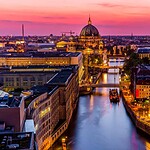
Berlin's history is not tucked away in one old district. It is all over the city. The Brandenburg Gate, Berlin Wall Memorial, and Memorial to the Murdered Jews of Europe cover very different periods of German history, while Museum Island, Charlottenburg Palace, and Berlin Cathedral add still more layers.
The Reichstag Building is also worth seeing. It is the seat of the German Bundestag, Germany's national parliament, and its glass dome has become one of modern Berlin's most recognizable landmarks.
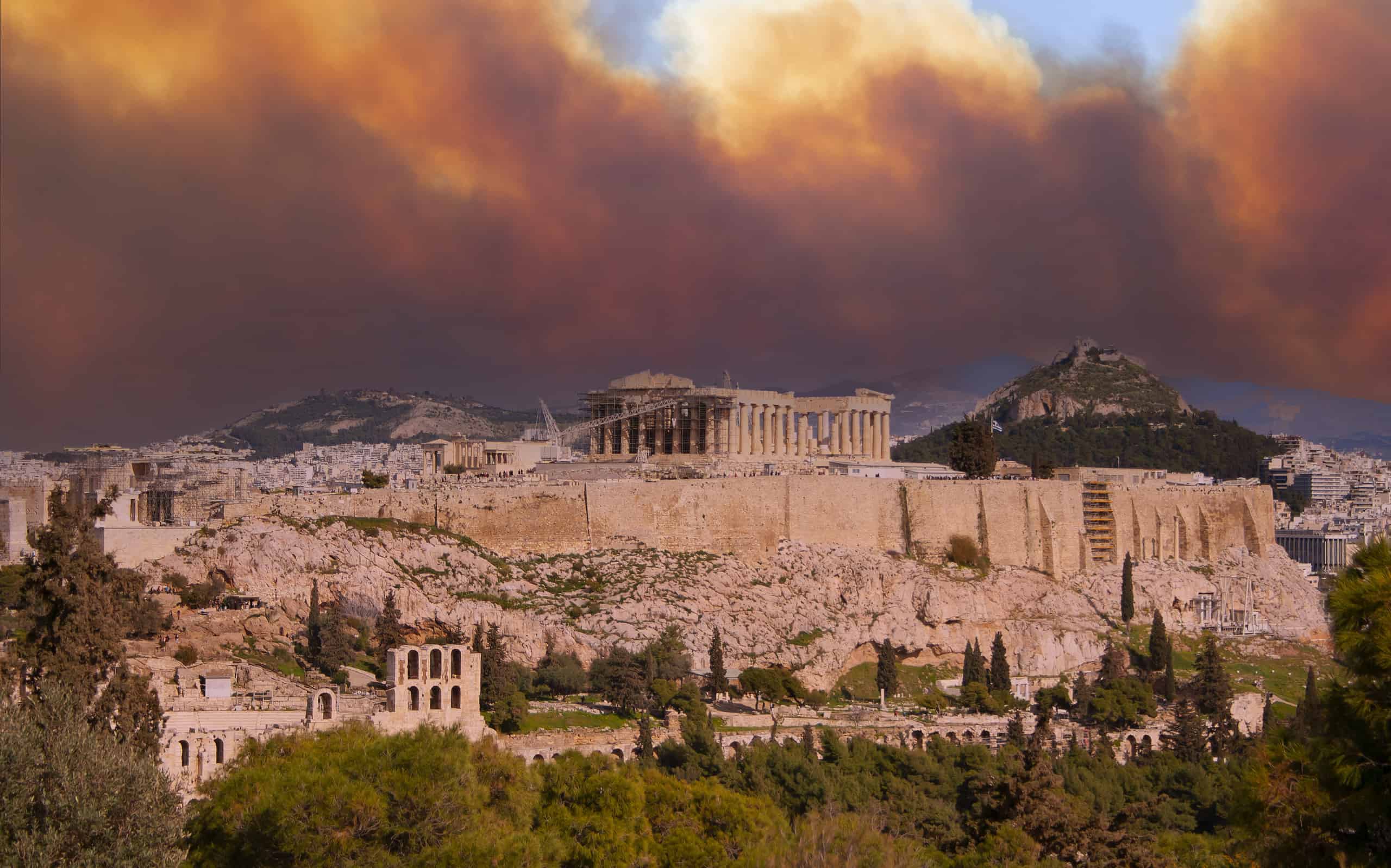
Athens, Greece
Population: 643,452 in the Municipality of Athens at Greece's 2021 census.
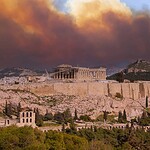
Few cities make ancient history feel as immediate as Athens. Classical Athens played a foundational role in the development of democracy, philosophy, theater, and Western political thought, and many of its most famous sites are still standing more than two millennia later.
The Acropolis and Parthenon are the obvious starting points, but the Ancient Agora, Temple of Hephaestus, Roman Agora, and Acropolis Museum deserve time too. The modern city has grown around all of it, which means an ordinary walk can suddenly turn into a history lesson.
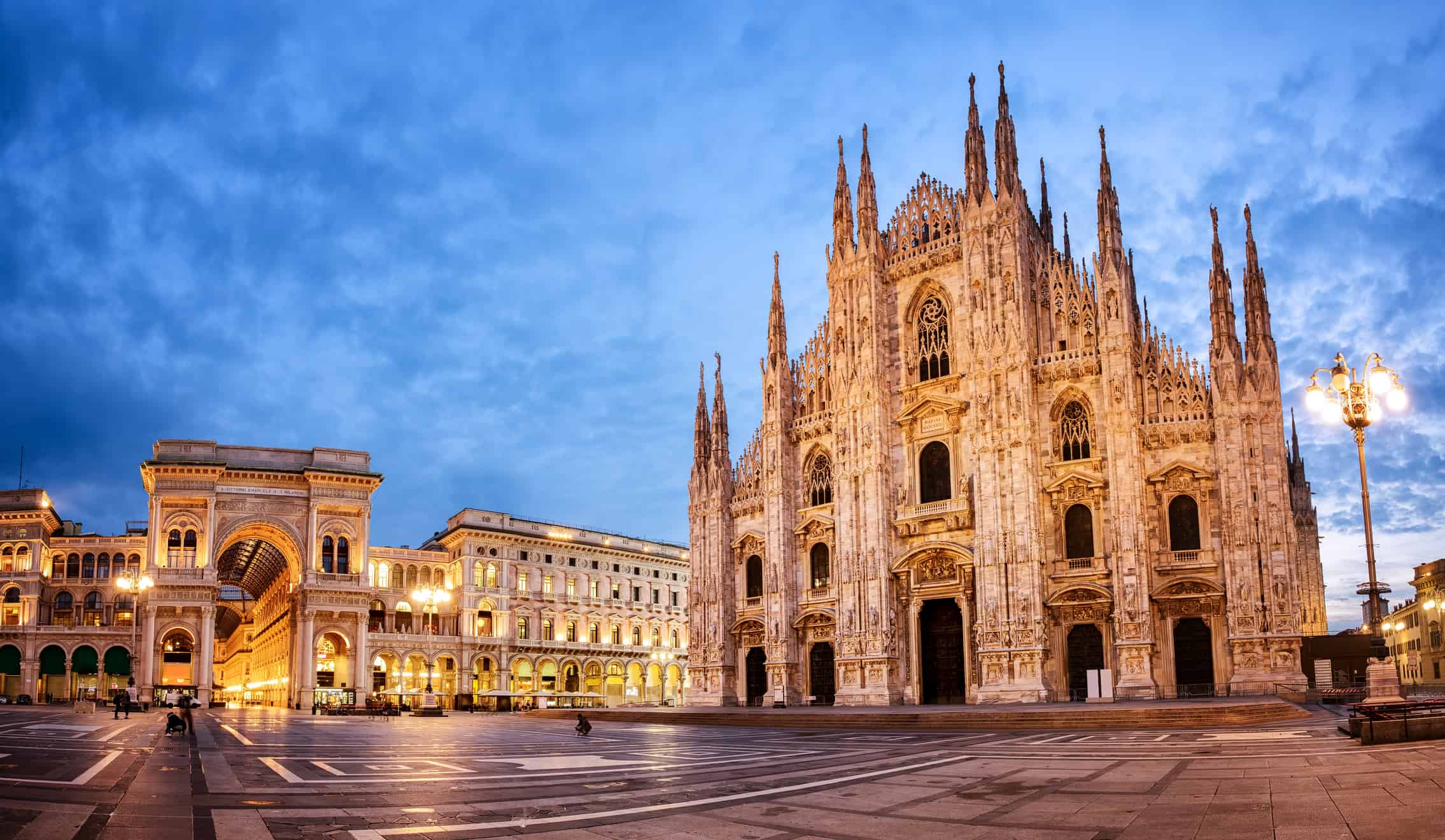
Milan, Italy
Population: 1,399,079 registered residents at the end of 2025.
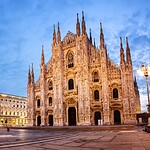
Milan may have an international reputation for fashion and business, but there is plenty here for travelers who couldn't care less about either. The Duomo di Milano is the city's unmistakable centerpiece, while nearby Galleria Vittorio Emanuele II is worth seeing even if you have no intention of buying anything.
Parco Sempione, Sforza Castle, and the Arco della Pace are other easy additions to a day in the center. Science and technology fans can head to the Museo Nazionale Scienza e Tecnologia Leonardo da Vinci, while Leonardo's The Last Supper is housed at Santa Maria delle Grazie.
Vienna, Austria
Population: 2,040,914 as of Jan. 1, 2026.
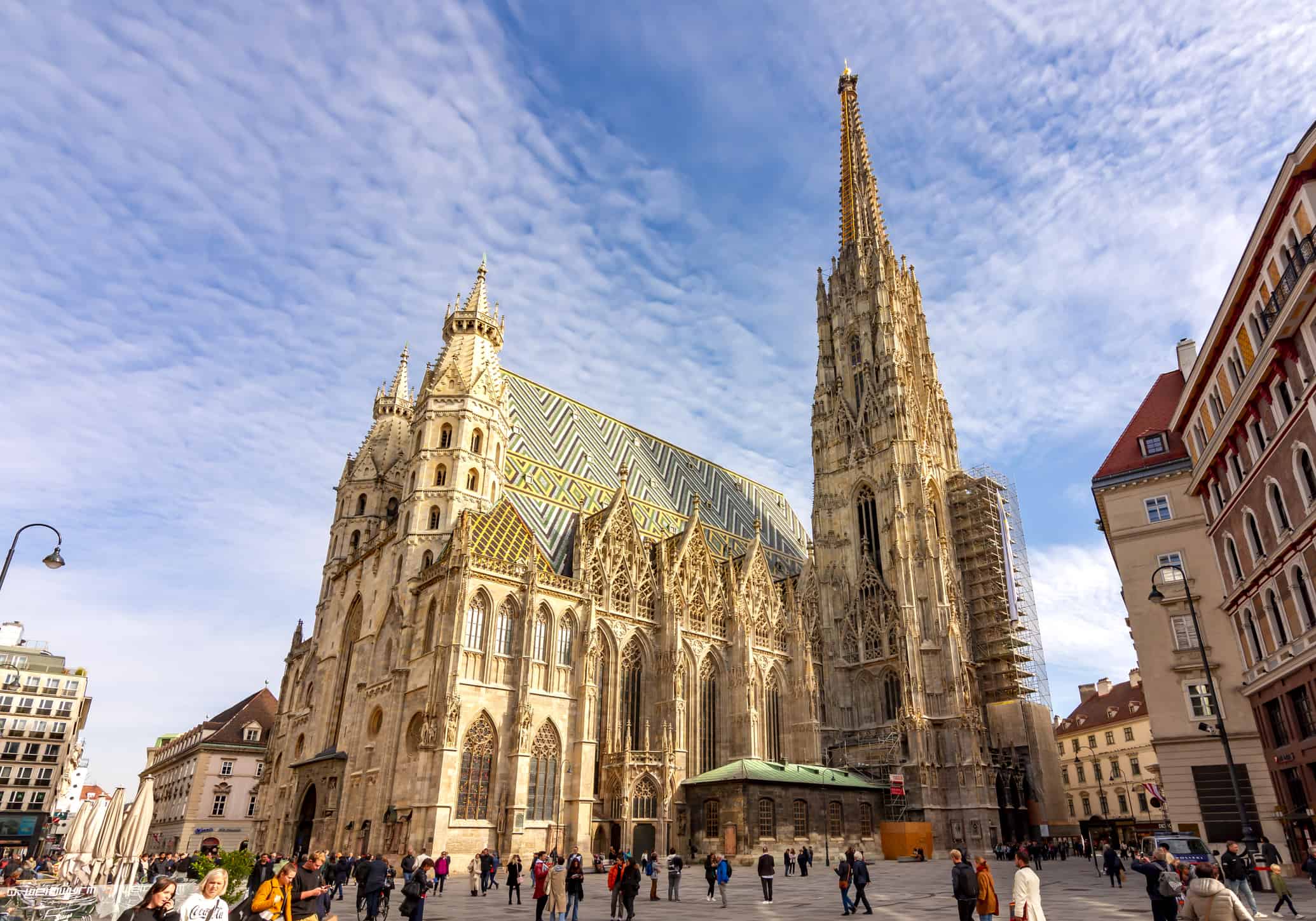
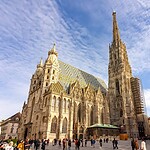
Vienna built its reputation on imperial grandeur, music, and art, and the evidence is not exactly subtle. Schönbrunn Palace, St. Stephen's Cathedral, the Belvedere, and the Hofburg can fill several days before you even get to the museums.
The Vienna State Opera and Austrian National Library are standouts for anyone leaning into the city's cultural side, while the Albertina holds a major art collection. When you need a break from ornate ceilings and priceless paintings, Volksgarten gives you a very good excuse to go outside.
Barcelona, Spain
Population: 1,732,066 registered residents as of Jan. 1, 2025.
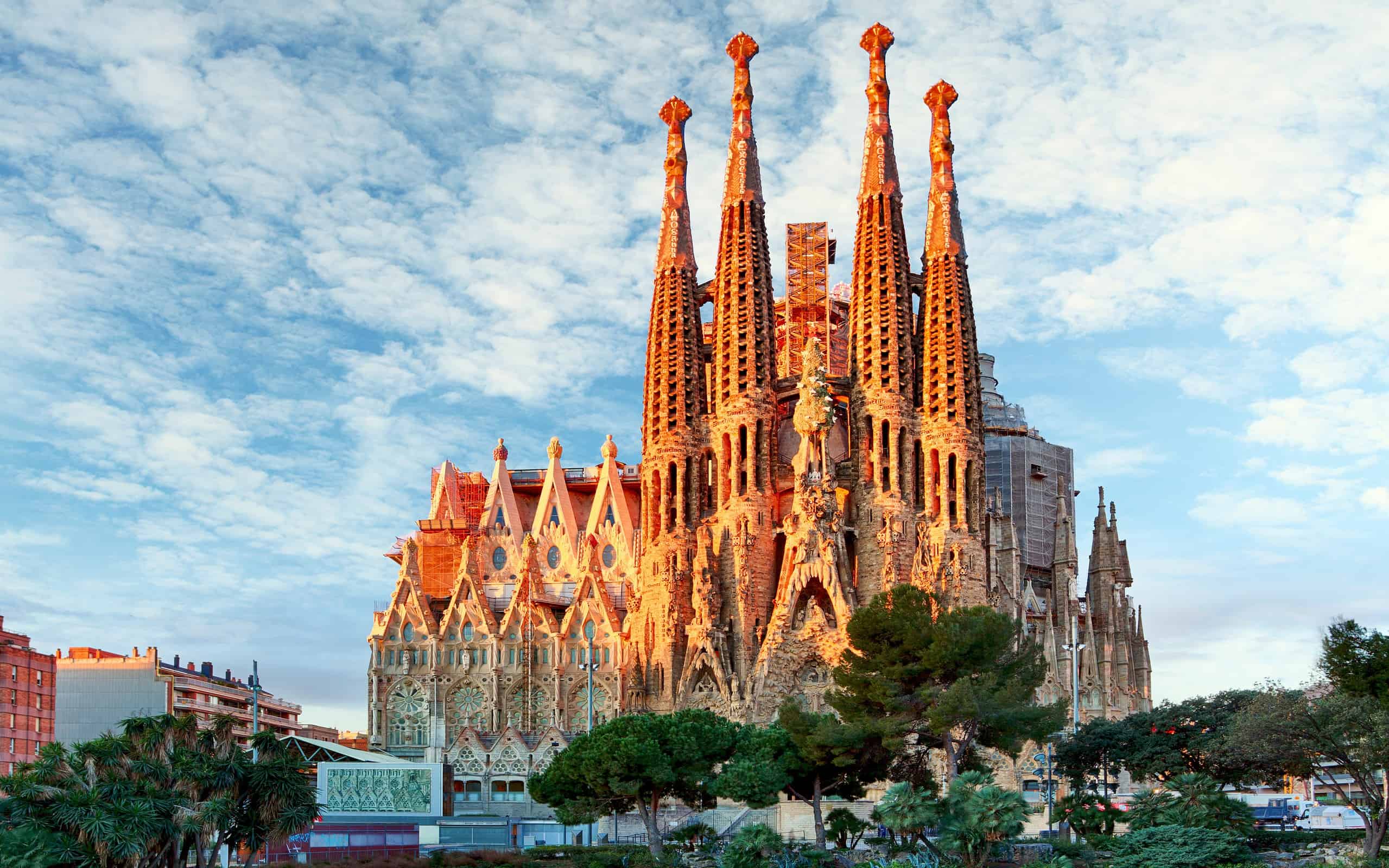
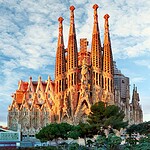
Barcelona gives you the Mediterranean, medieval streets, major art museums, and architecture that could only have come from Antoni Gaudí. The Sagrada Família is the city's signature landmark, while Park Güell and Casa Batlló offer very different examples of Gaudí's work.
The Picasso Museum and Ciutadella Park are also easy additions to an itinerary. Crowded tourism areas can attract pickpockets, so normal big-city precautions with phones, bags, and wallets make sense, especially around transit hubs and heavily visited attractions.
Amsterdam, Netherlands
Population: 941,873 at the beginning of 2026.
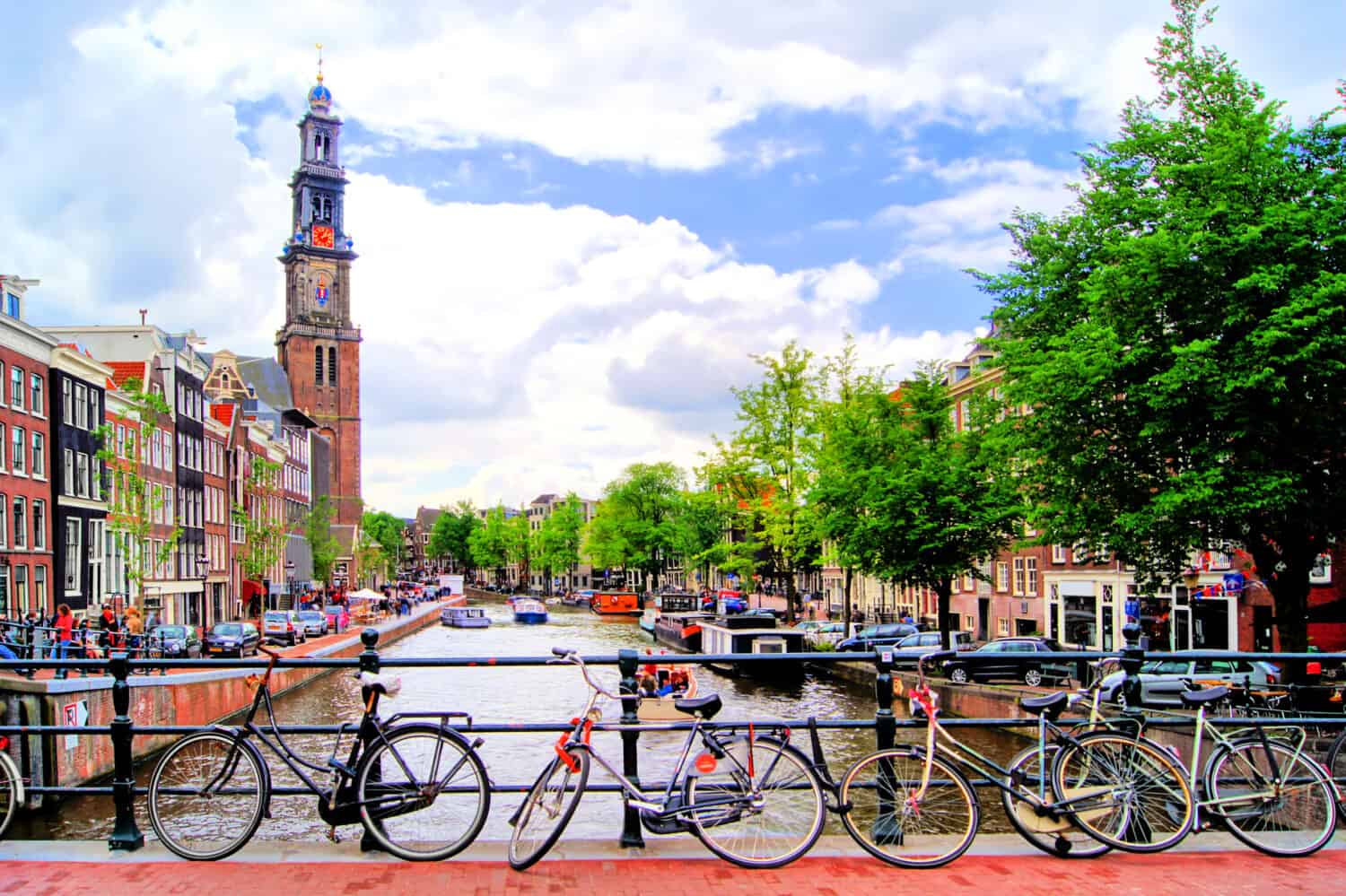
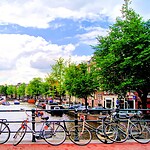
Amsterdam is famously bike-friendly, but its historic center is also compact enough to cover a surprising amount on foot. The city's canals and narrow houses provide the backdrop, while the Rijksmuseum, Van Gogh Museum, and Anne Frank House are among its biggest cultural draws.
The Anne Frank House is the museum at the building where Anne Frank, her family, and four other people hid from Nazi persecution during World War II. Tickets are timed and sold online, so this is one attraction where showing up and hoping for the best is not a particularly strong strategy. The Heineken Experience offers a considerably lighter history lesson elsewhere in the city.
Prague, Czechia
Population: About 1.41 million as of June 30, 2026.
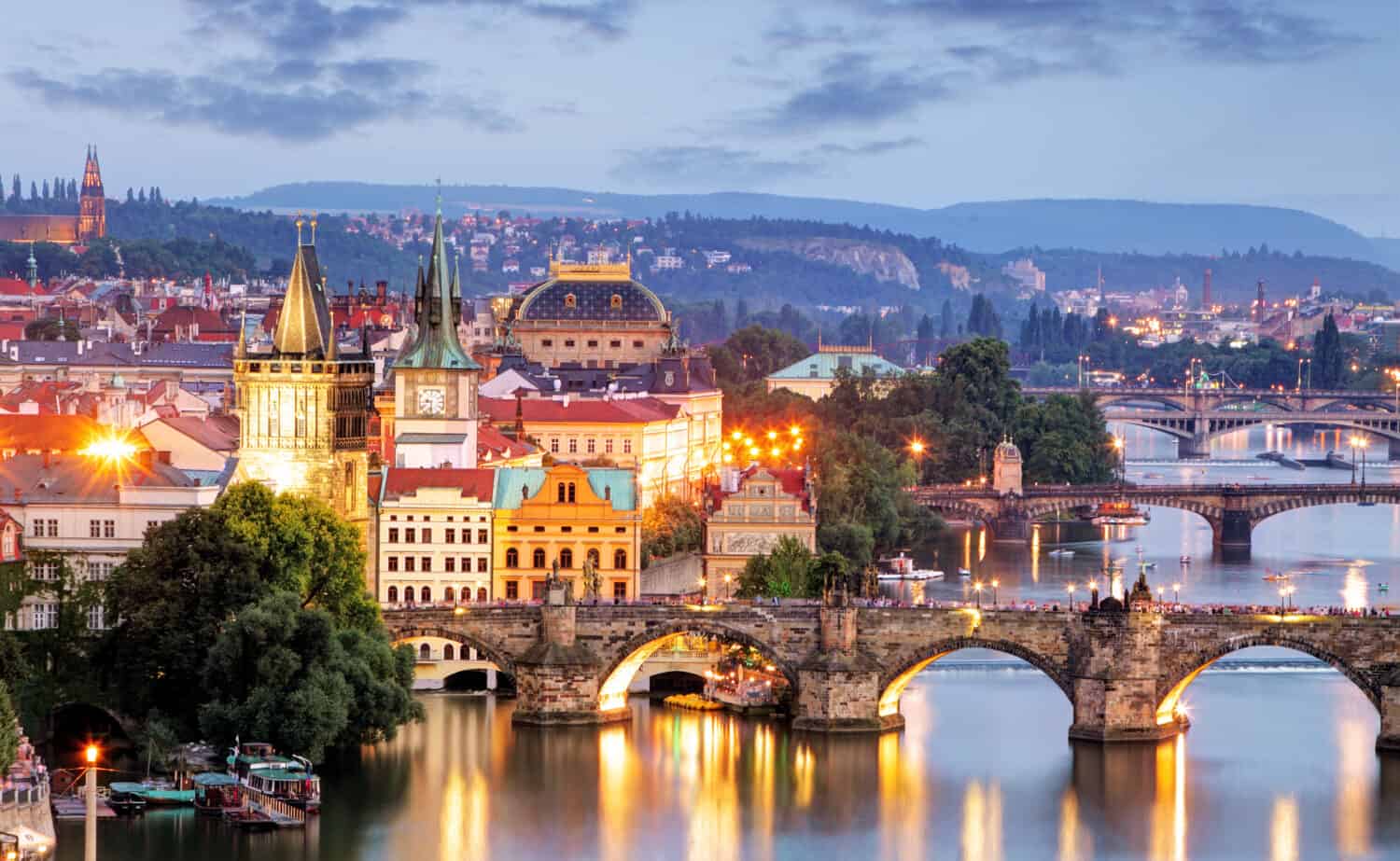
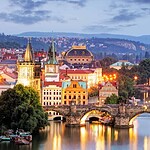
Prague has the architecture people tend to picture when they imagine a storybook European city, except here you can actually walk through it. Charles Bridge connects the Old Town with Malá Strana, while Old Town Square is home to the medieval Prague Astronomical Clock.
Prague Castle overlooks the city from across the Vltava River, and the Klementinum and National Museum add still more history. Gothic, Baroque, Renaissance, and Art Nouveau buildings all turn up within a relatively small area, which makes wandering around without much of a plan surprisingly effective.
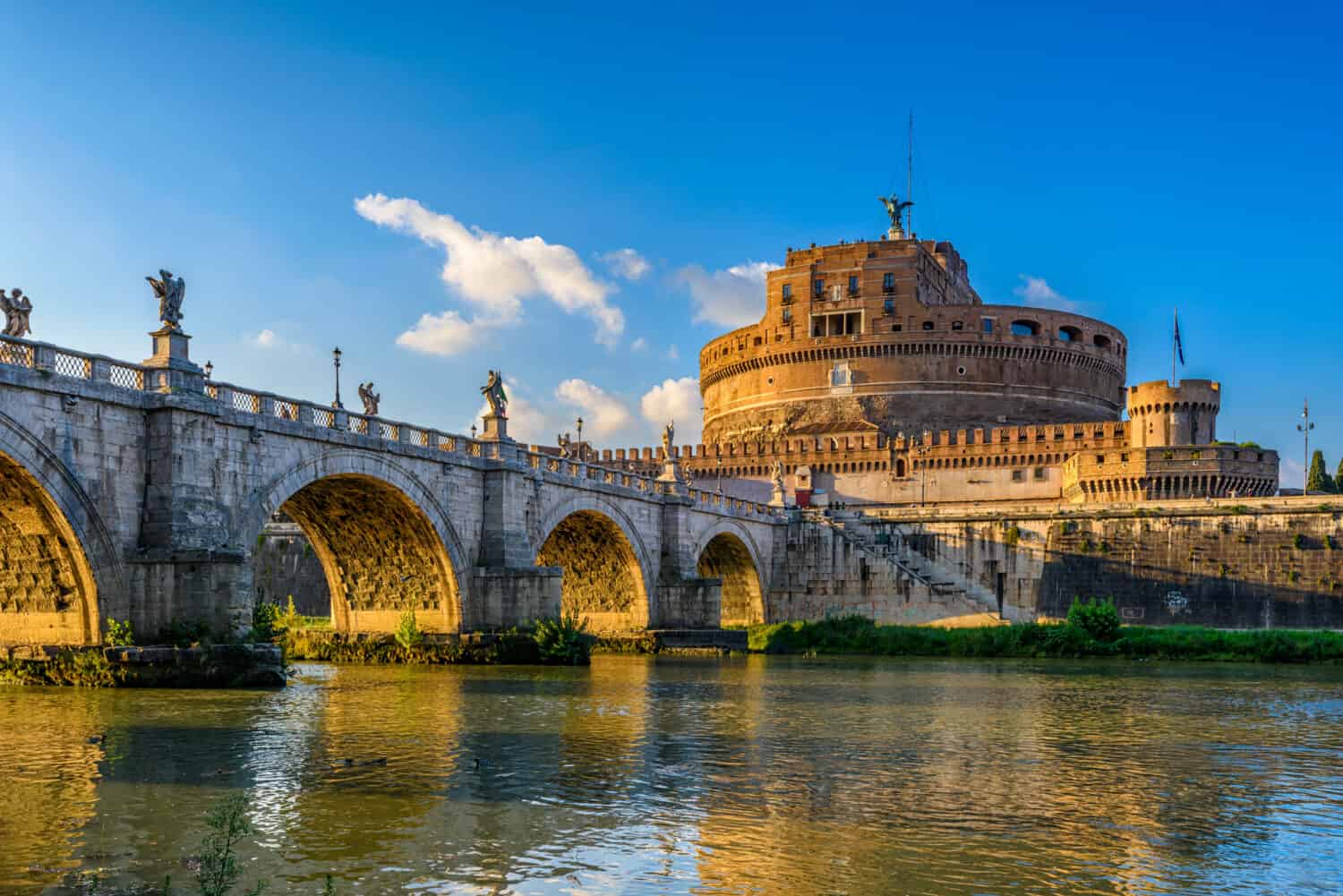
Rome, Italy
Population: About 2.75 million residents in the municipality in 2024.
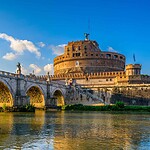
Rome has been accumulating landmarks for a few thousand years, and it shows. The Colosseum and Roman Forum cover the ancient end of the spectrum, while Piazza Navona, the Spanish Steps, Trevi Fountain, and the Vittoriano show off later chapters of the city's history.
Then there is Vatican City, the independent city-state surrounded by Rome and home to St. Peter's Basilica and the Vatican Museums. Trying to squeeze everything into one afternoon is technically possible in the same way running a marathon in dress shoes is technically possible. Give Rome some time.
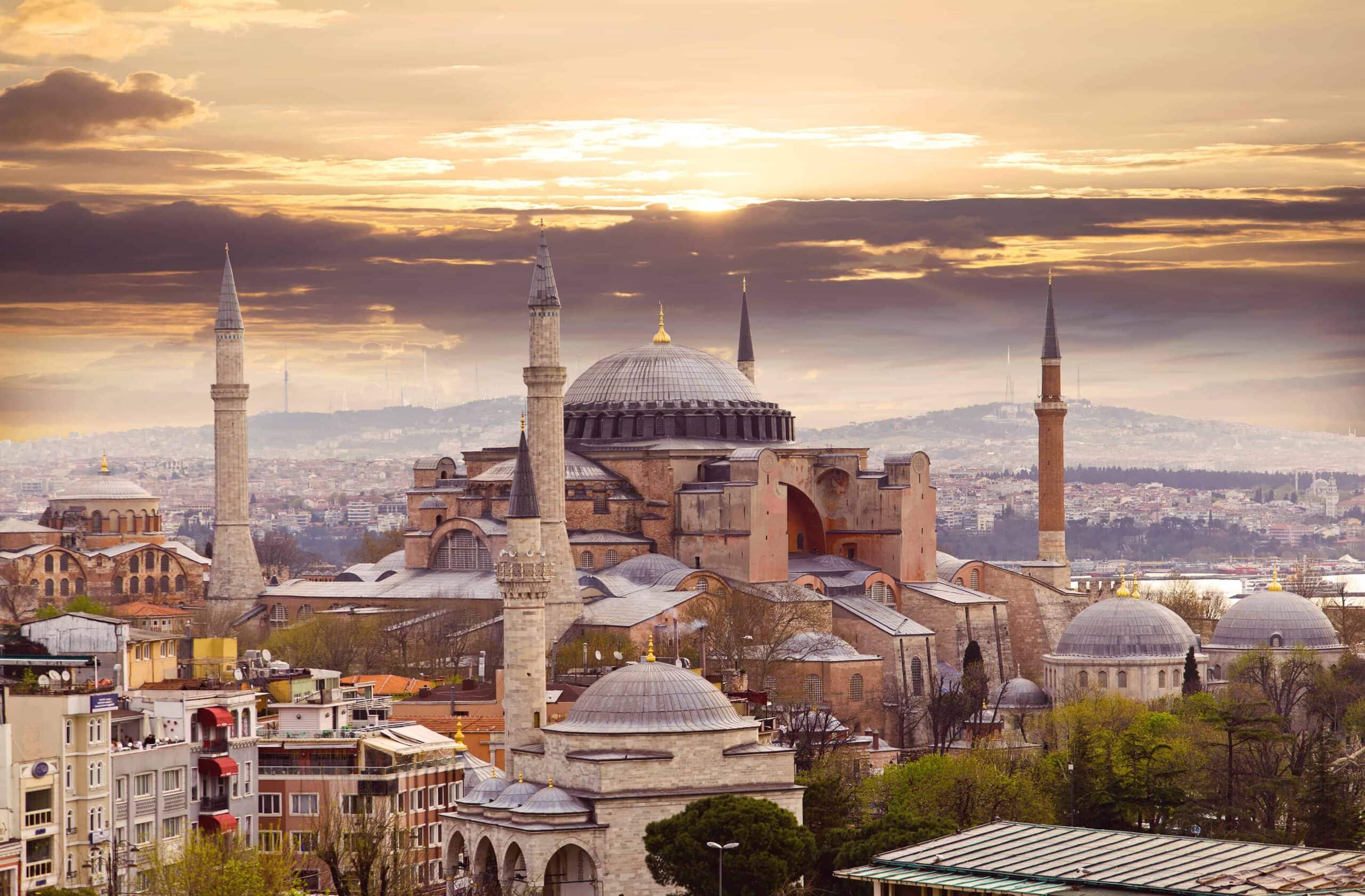
Istanbul, Turkey
Population: 15,754,053 in 2025.
Istanbul's location is part of what makes it remarkable. The city spans both Europe and Asia on opposite sides of the Bosphorus and spent centuries at the center of the Byzantine and Ottoman empires.
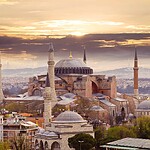
Topkapı Palace, the Blue Mosque, Sultanahmet Square, and the Grand Bazaar can easily fill a first visit. Hagia Sophia, originally built as a Byzantine cathedral in the sixth century and later used as both a mosque and museum, again functions as a mosque today. The Süleymaniye Mosque offers another extraordinary view into Ottoman architecture.
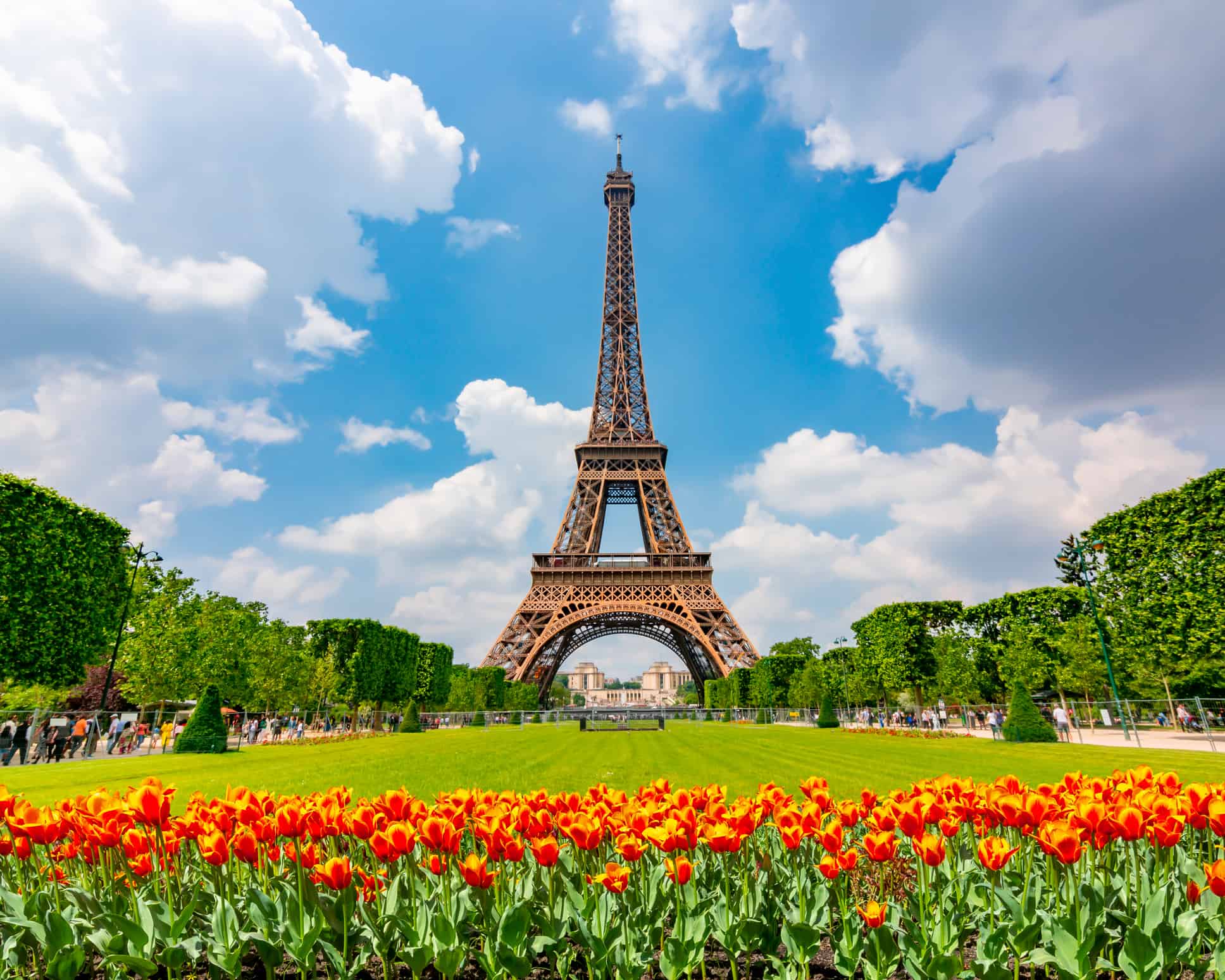
Paris, France
Population: About 2.05 million in 2026, according to a provisional population estimate.
Paris does not exactly struggle for recognizable landmarks. The Eiffel Tower, Arc de Triomphe, Montmartre, Sacré-Cœur, and the streets of the Latin Quarter give first-time visitors more than enough to work with before they even start thinking about museums.
The Louvre and Musée d'Orsay are two of the biggest draws. Notre-Dame de Paris, which was badly damaged by fire in April 2019, reopened in December 2024 after more than five years of restoration. It is once again welcoming worshippers and visitors.
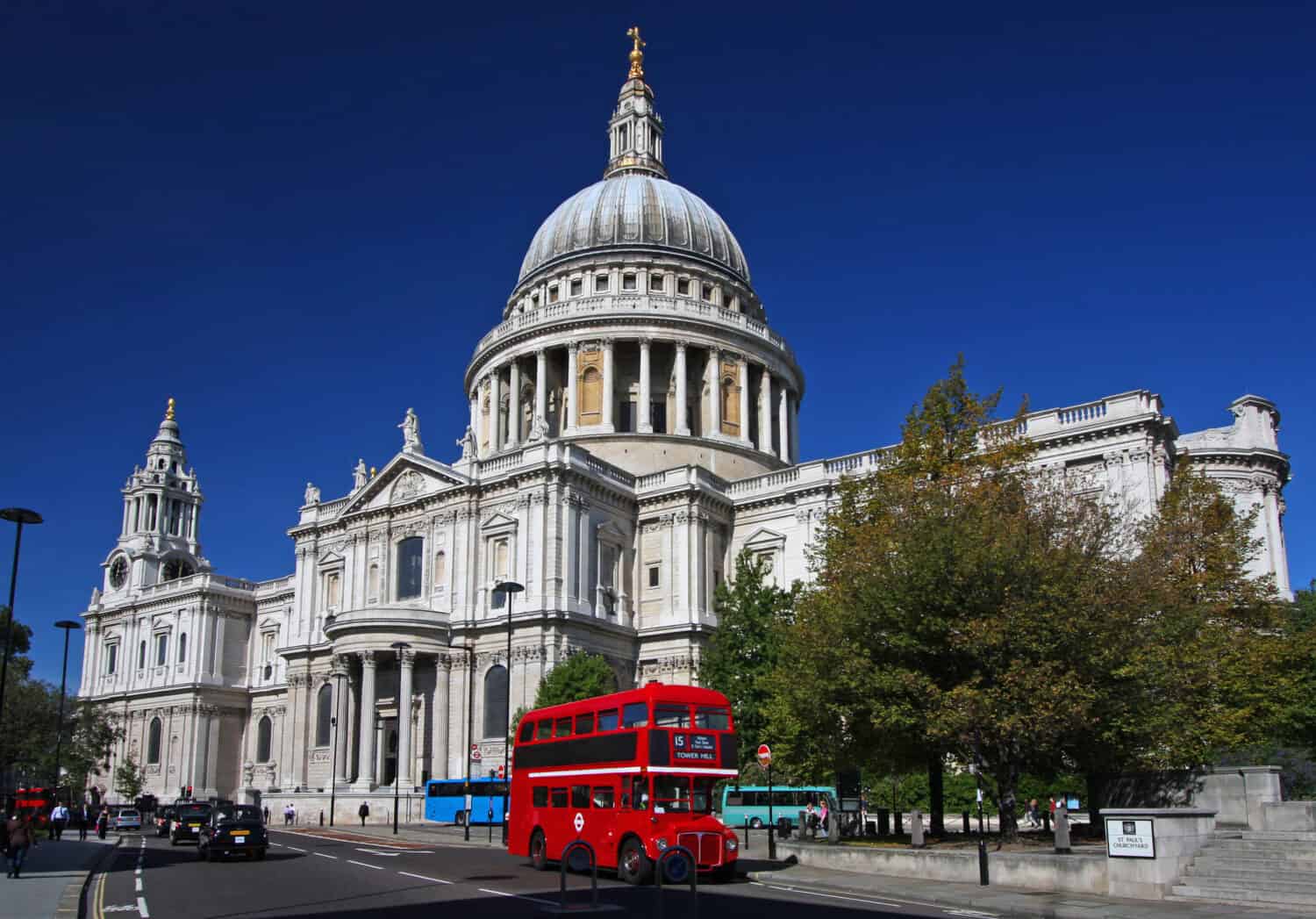
London, United Kingdom
Population: About 9.09 million in 2024.
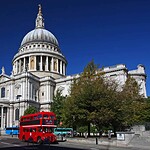
London narrowly topped Paris in Euromonitor's 2019 forecast, and it isn't difficult to understand the appeal. Westminster Abbey, Buckingham Palace, St. Paul's Cathedral, Tower Bridge, and the Tower of London cover centuries of British history within one sprawling city.
The Elizabeth Tower is home to Big Ben, the great bell whose nickname is often used for the whole tower. The British Museum and National Gallery add two enormous collections that can swallow an afternoon without much effort. London is not a city you finish. At some point you just admit defeat and plan another trip.