Sven Hansche/Shutterstock.com
JekLi/Shutterstock.com
AlexAnton/Shutterstock.com
artaxerxes_longhand/Shutterstock.com
Sean Pavone/Shutterstock.com
nayef hammouri/Shutterstock.com
Sven Hansche/Shutterstock.com
Kluciar Ivan/Shutterstock.com
Fly_and_Dive/Shutterstock.com
Go and Flow Photos/Shutterstock.com
Maykova Galina/Shutterstock.com
Georgios Tsichlis/Shutterstock.com
Boris Stroujko/Shutterstock.com
Kamil Al Rayess/Shutterstock.com
Kamil Al Rayess/Shutterstock.com
Lena Ha/Shutterstock.com
Homo Cosmicos/Shutterstock.com
JekLi/Shutterstock.com
17 Places From the Bible That Still Exist Today
Open the Bible and you move through a surprisingly large map. Its stories stretch across the eastern Mediterranean, North Africa, Mesopotamia, and the Levant, passing through cities and regions that were already ancient when parts of Scripture were written.
Many of those names still exist today, although not always in the form people assume. Some remain living cities. Others survive as archaeological sites, islands, or geographic regions. And a few popular associations come from later religious tradition rather than something the biblical text actually says. Here are 17 places connected to the Bible that you can still find on a modern map.
Jerusalem
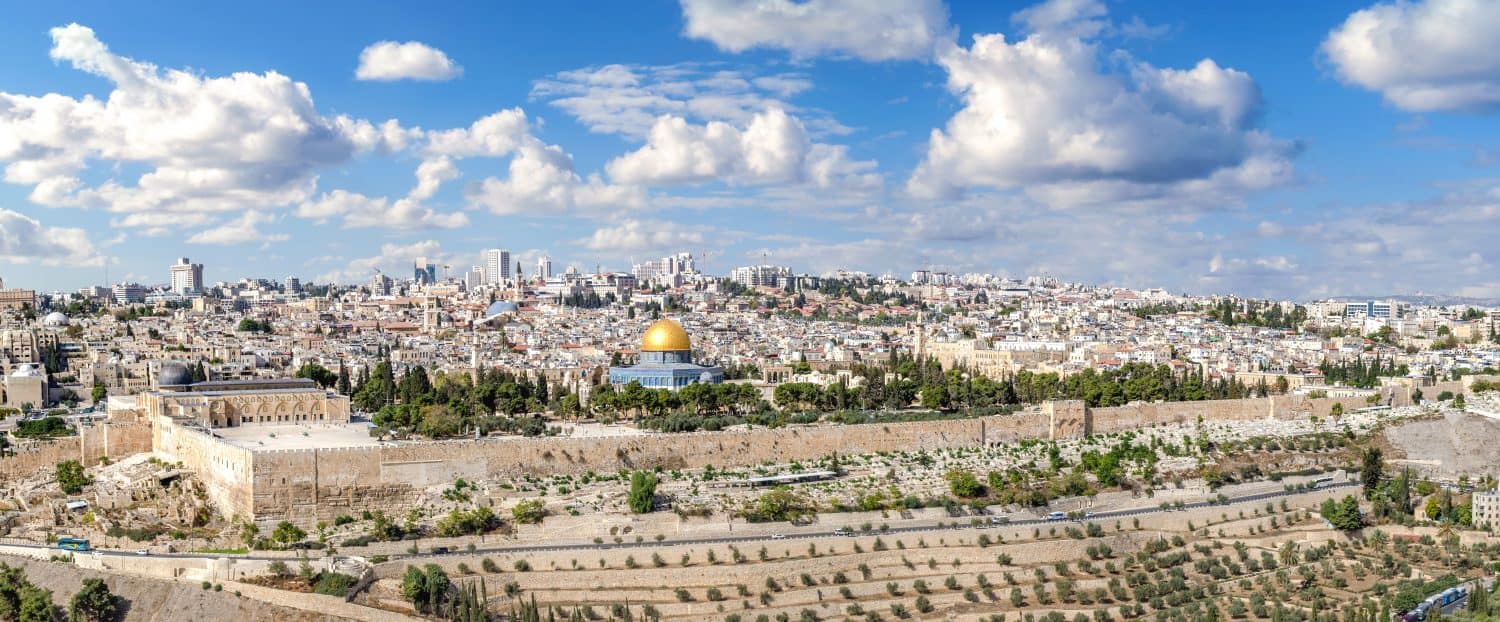
Jerusalem sits at the center of both the Hebrew Bible and the New Testament. According to the biblical narrative, David captured the stronghold of Zion and made Jerusalem his capital, and 1 Kings says he was later buried in the City of David. That is not the same thing as saying the building now called David's Tomb on Mount Zion has been archaeologically proven to contain his remains. Its identification as David's burial place is a much later tradition.
The Gospels also place Jesus' final Passover meal with his disciples in Jerusalem. Christian tradition identifies the Cenacle on Mount Zion as the Upper Room associated with the Last Supper, although the surviving structure is much later and the exact first-century location cannot be demonstrated. Jerusalem remains one of the world's most important religious cities, sacred to Judaism, Christianity, and Islam.
Egypt
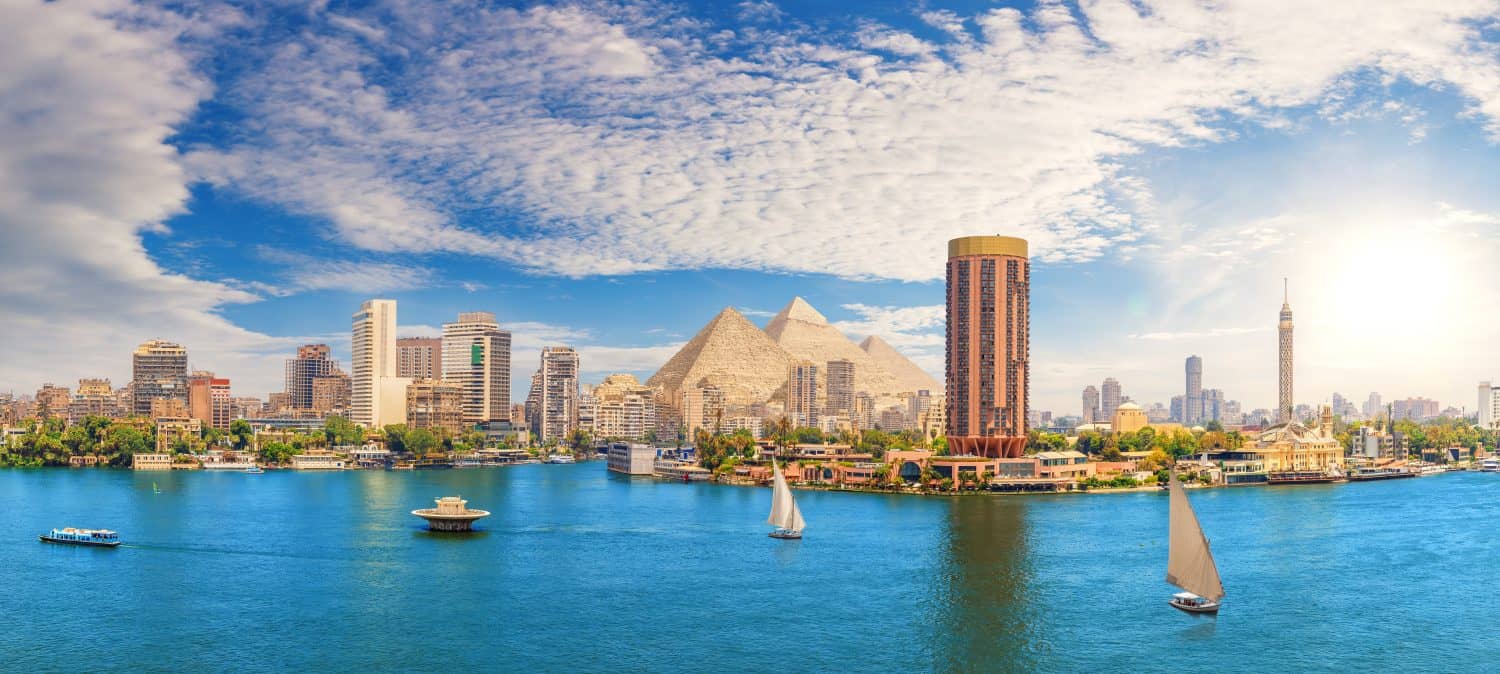
Modern Cairo does not actually appear in the Bible. The city was founded in 969 CE as the new capital of the Fatimid Caliphate, more than a millennium after the biblical periods usually associated with Moses and the Exodus. The original claim that the Ten Commandments were given to Moses in Cairo is incorrect. Exodus 19 and 20 place that event at Mount Sinai after the Israelites had left Egypt.
The precise location of the biblical Mount Sinai remains debated, but Cairo is not one of the serious candidates. Egypt itself, however, is central to the Bible, from the stories of Joseph and the Exodus in the Hebrew Bible to Matthew's account of the Holy Family fleeing there with the infant Jesus. Cairo is a modern gateway to that much older landscape, not the setting of the Ten Commandments.
Jericho
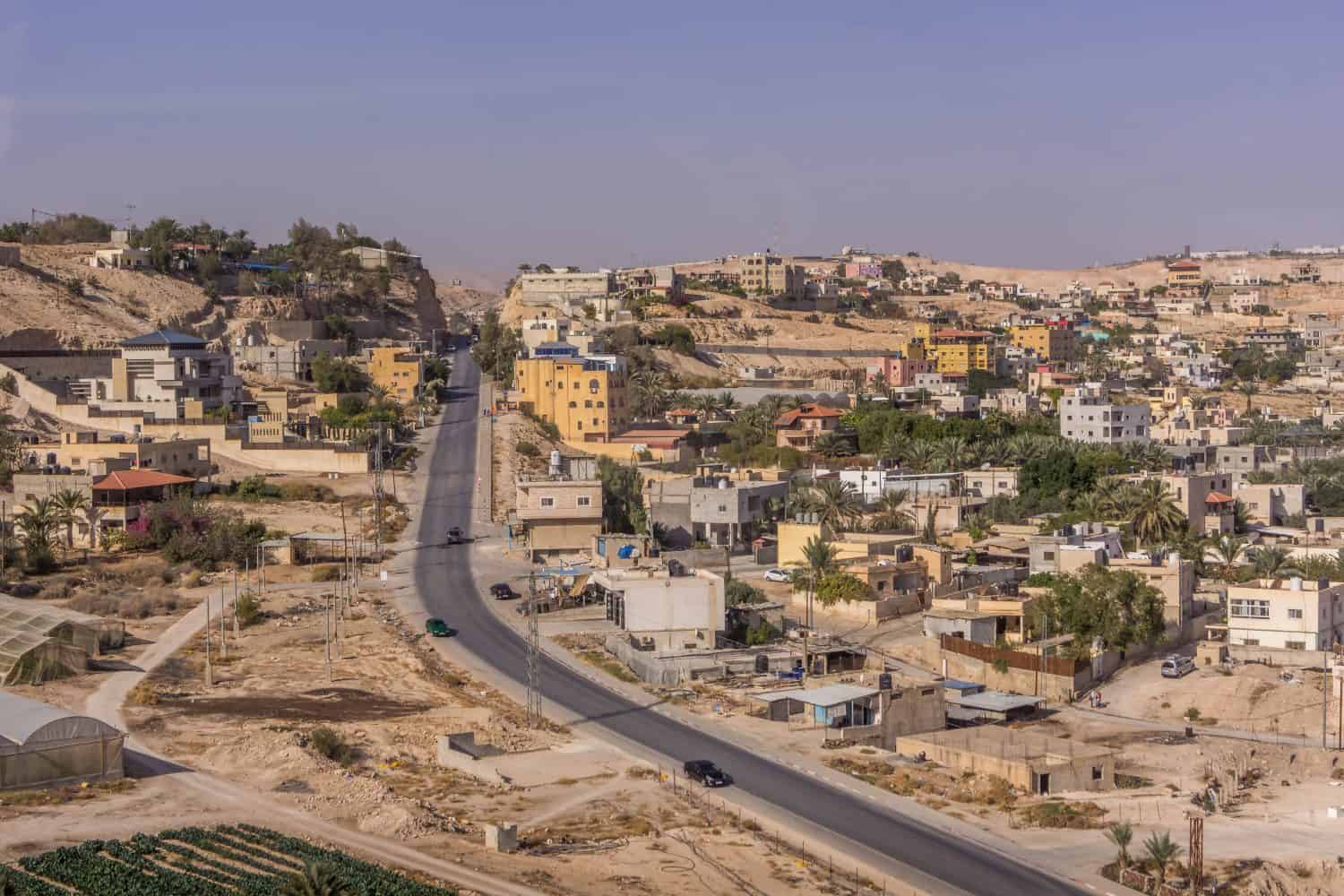
Jericho has a legitimate claim to being one of the oldest continuously occupied areas on Earth, but the details matter. Tell es-Sultan, the ancient mound northwest of modern Jericho, contains evidence of human activity going back to about 10,500 BCE. By the ninth to eighth millennium BCE, it had become a substantial permanent settlement with a wall, ditch, and stone tower. That is remarkable enough without calling its fortifications the largest defensive wall in history.
In the Bible, Jericho is famously associated with Joshua and the collapse of the city's walls, and Deuteronomy calls the area the "city of palm trees." Archaeologists have debated the chronology and interpretation of Jericho's destruction layers for decades, so the physical remains should not be presented as straightforward proof of the biblical battle. Modern Jericho still stands beside the ancient tell in the Jordan Valley.
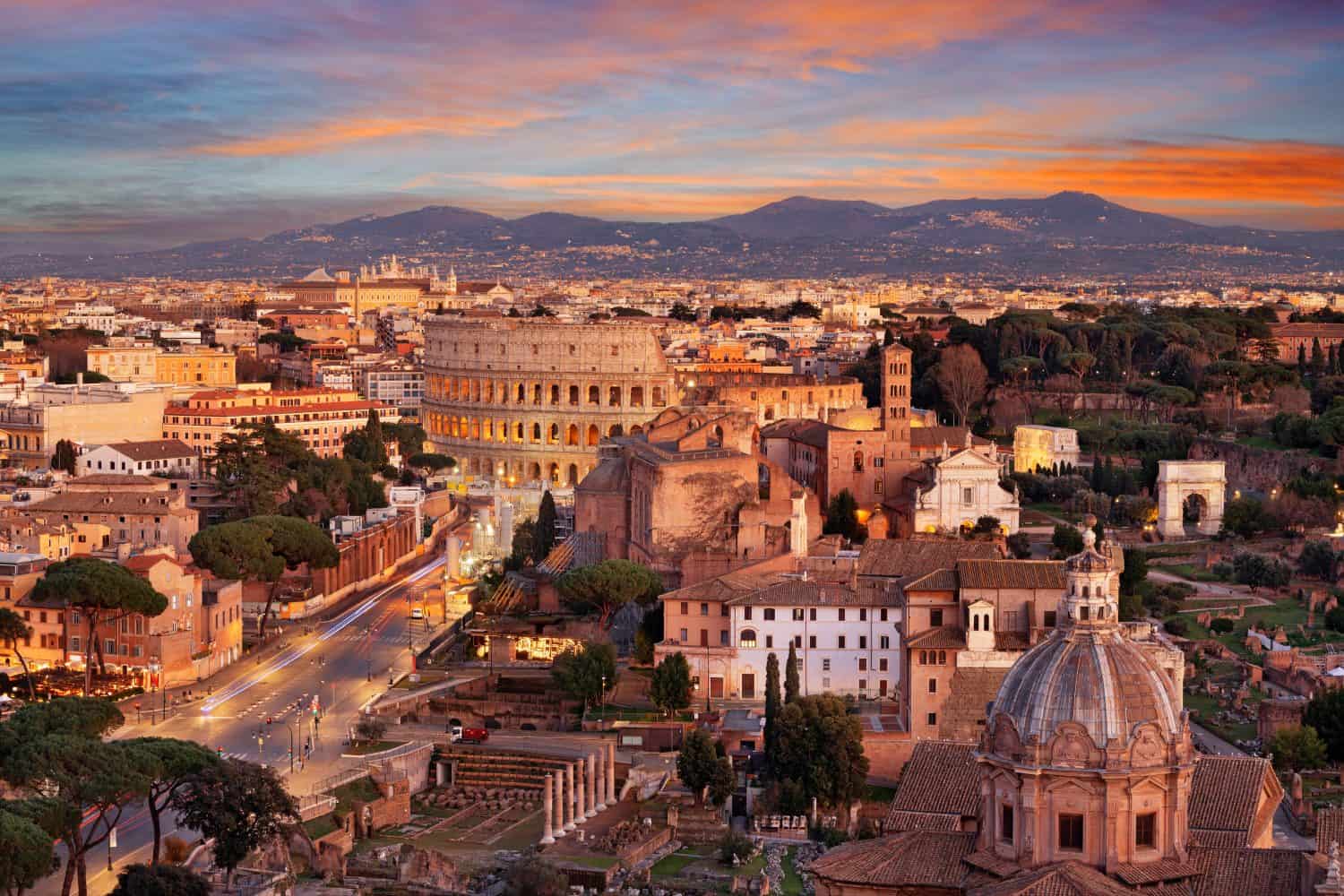
Rome
Rome does not appear by name in the Old Testament, but it becomes impossible to miss once the New Testament reaches the age of the Roman Empire. Paul's Letter to the Romans was addressed to a Christian community already living in Rome. It was not simply a letter written to Roman citizens in general, and Paul had not yet visited the city when he wrote it.
Acts later describes Paul arriving in Rome under guard after appealing his case to Caesar. He remained there for two years, receiving visitors and preaching while awaiting the outcome of his case. Rome therefore became part of the New Testament story both as the political center of the empire and as the home of an early Christian community that Paul clearly considered important.
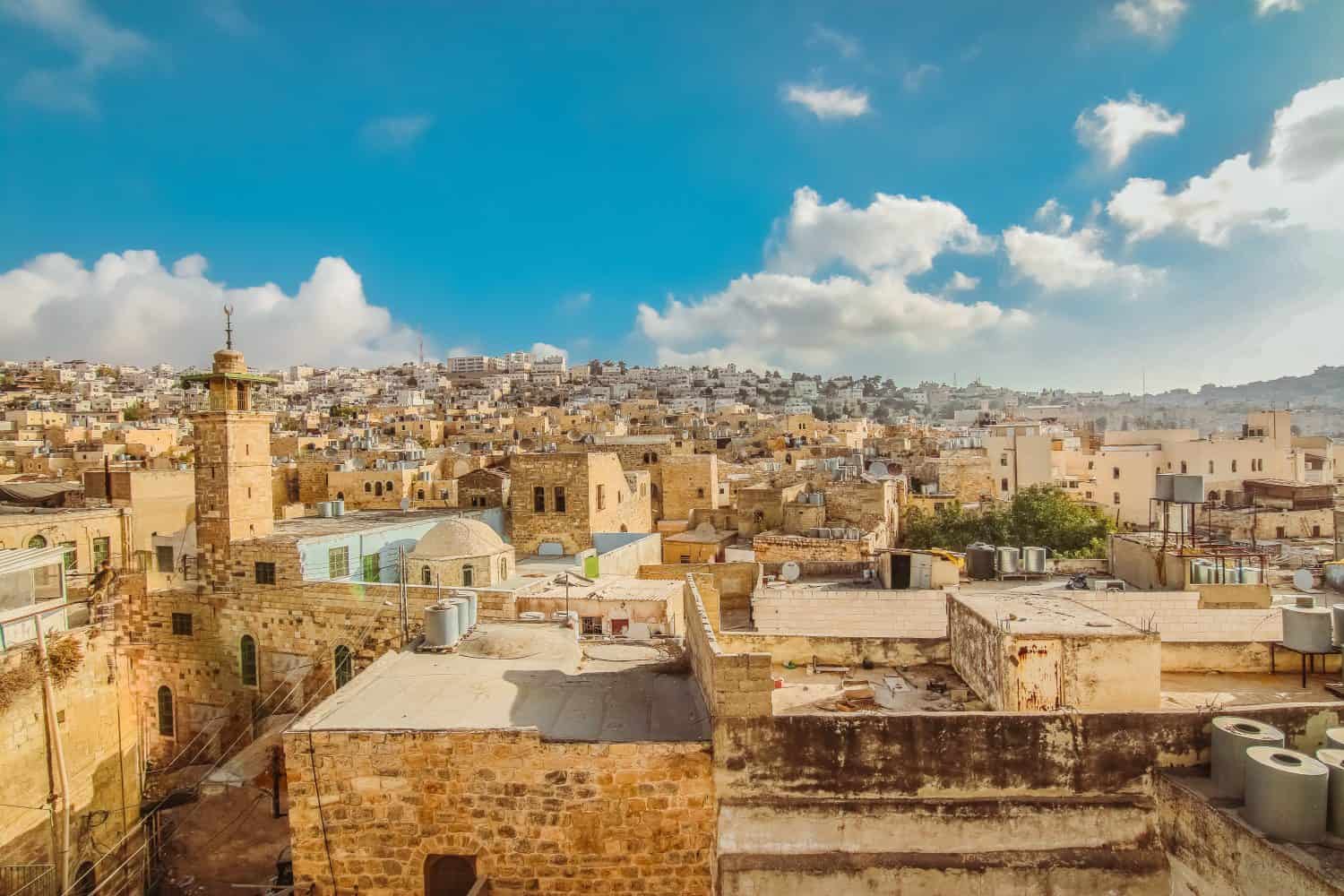
Hebron
Hebron, in the West Bank south of Jerusalem, is one of the Bible's most important patriarchal settings. Genesis says Abraham lived near Hebron at the oaks of Mamre and later purchased the cave of Machpelah there as a burial place for Sarah. The site traditionally associated with that cave is now enclosed within the Tomb of the Patriarchs, also known as Al-Ibrahimi Mosque, a place revered in Judaism, Christianity, and Islam.
Hebron is also closely tied to David. According to 2 Samuel, the men of Judah anointed him king in Hebron, and he ruled there for seven years and six months before making Jerusalem his capital. The city remains inhabited today, while its old town and the Tomb of the Patriarchs continue to preserve layers of religious and political history stretching back centuries.
Athens
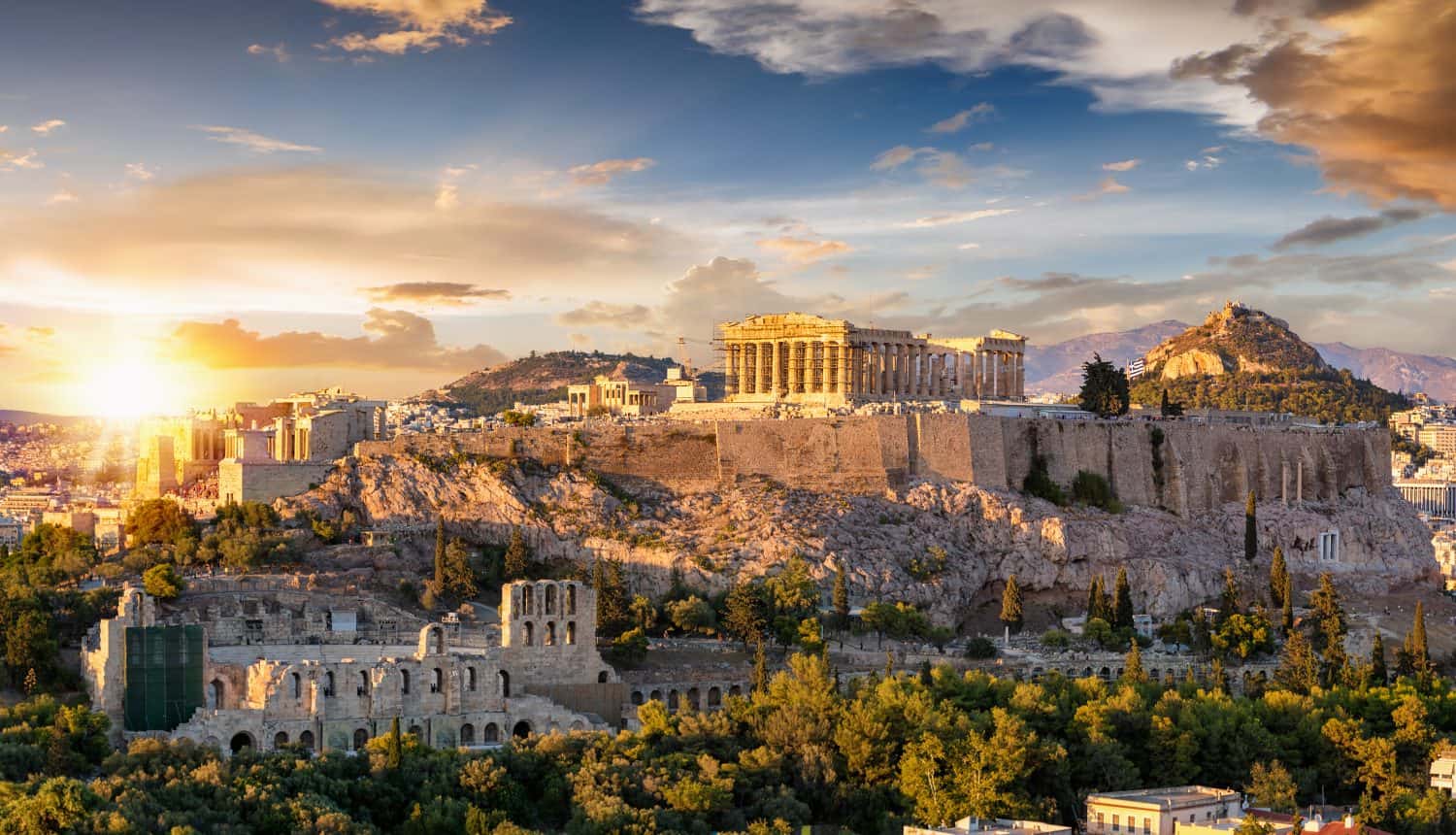
Athens appears most memorably in Acts 17, when Paul arrived there while waiting for Silas and Timothy. The text says he was deeply distressed by the city's many idols, so he began speaking in the synagogue and debating people in the marketplace. Epicurean and Stoic philosophers eventually brought him before the Areopagus to explain what he was teaching.
Paul's speech at the Areopagus, including his reference to an altar dedicated "to an unknown god," became one of the New Testament's best-known encounters between Christianity and the intellectual culture of the Greco-Roman world. The Bible does not call Athens Paul's hardest missionary stop, though. That is an interpretation, not something Acts says.
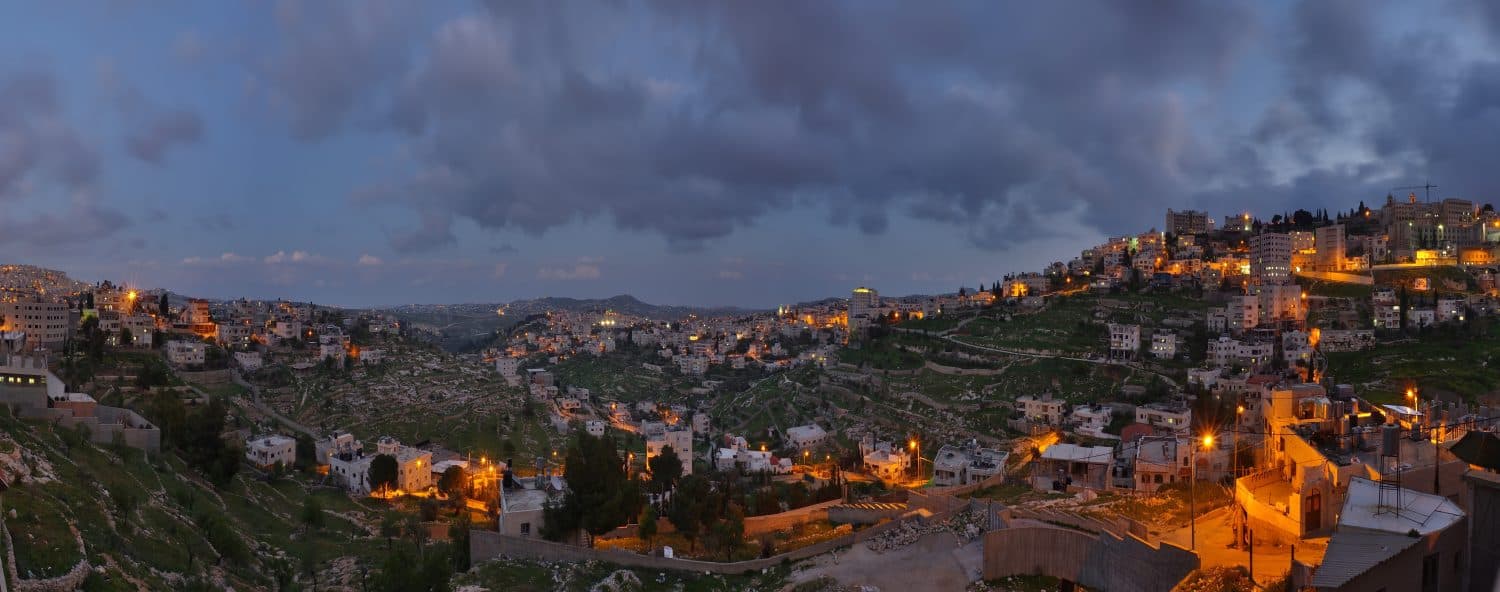
Bethlehem
Bethlehem is one of the clearest examples on this list because both Matthew and Luke place the birth of Jesus there. The town, about 10 kilometers south of Jerusalem, had already appeared in the Hebrew Bible long before the New Testament. It is associated with Ruth and with David, who came from Bethlehem.
Christian tradition has identified a particular site in Bethlehem as Jesus' birthplace since at least the second century. The Church of the Nativity was first built over that location in the fourth century, and the largely sixth-century church standing there today remains one of Christianity's most important pilgrimage destinations. The claim belongs to the New Testament and later Christian tradition, not to the Old Testament.
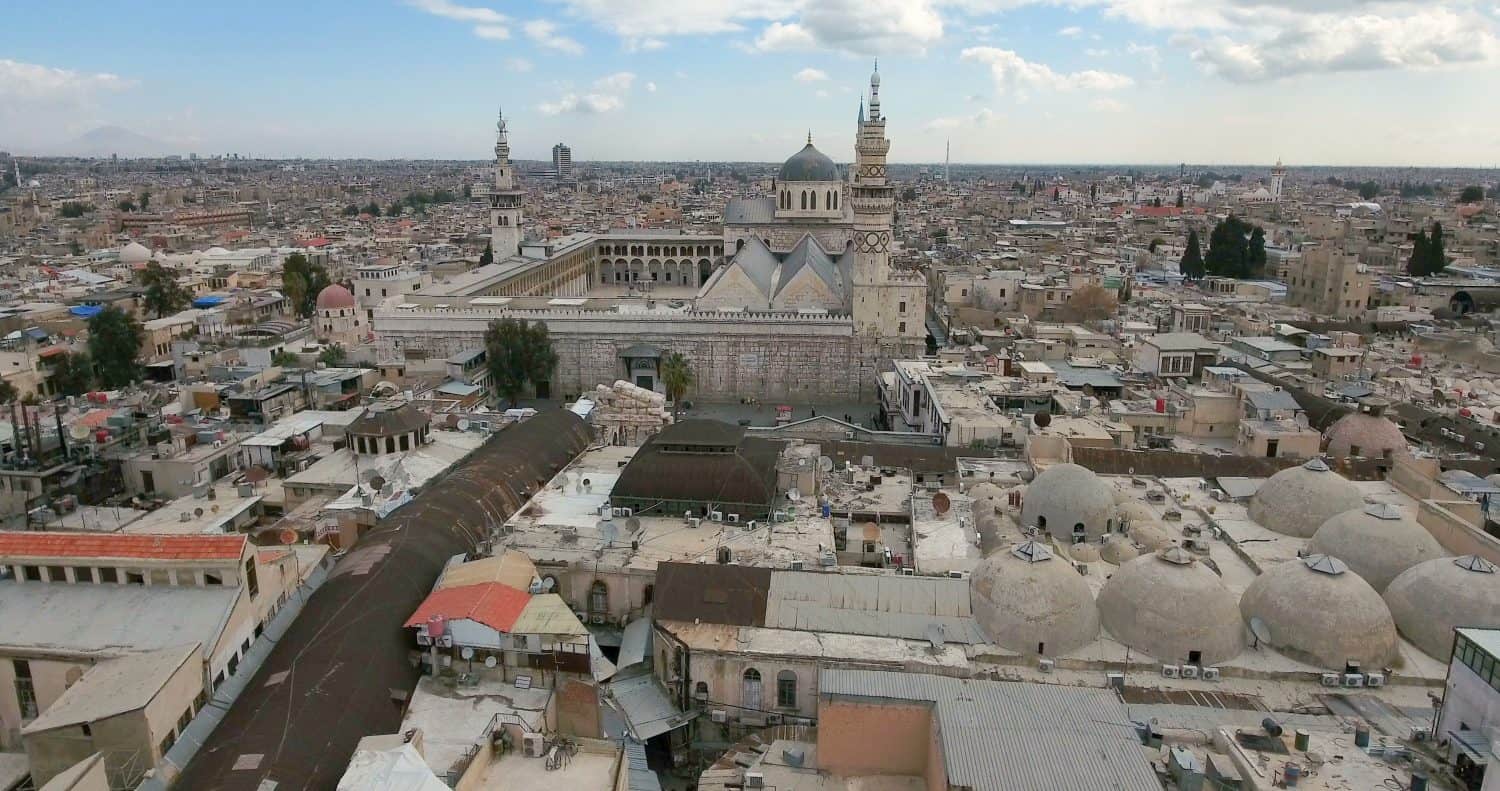
Damascus
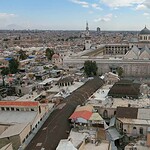
Damascus, the capital of Syria, is among the oldest continually inhabited cities in the world. UNESCO traces the city's documented origins to the third millennium BCE, with evidence of even earlier settlement in the surrounding area. Its biblical importance stretches across both Testaments, but the event most readers know best comes from Acts 9.
Acts says Saul encountered the risen Jesus while approaching Damascus, not after he had already entered the city. Blinded, he was led into Damascus, where a disciple named Ananias later found him at a house on Straight Street. Saul regained his sight, was baptized, and soon began preaching. So the familiar phrase "conversion on the road to Damascus" is much more accurate than saying the conversion simply happened in the city itself.
Galilee
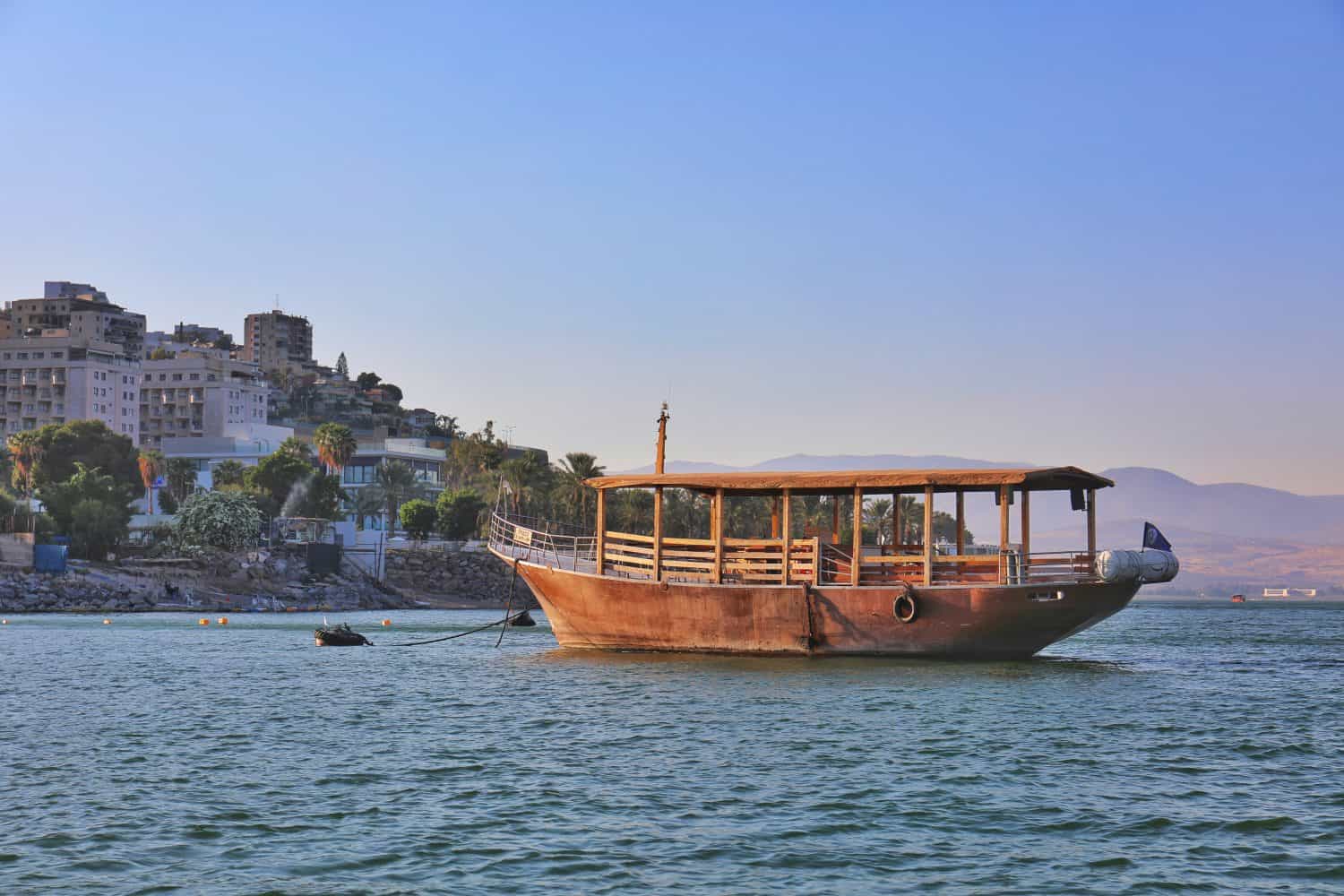
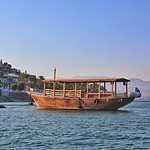
Galilee is not a city. It is a region in the north that forms one of the central geographic settings of the New Testament. Nazareth, Capernaum, the Sea of Galilee, and many other places associated with Jesus' life and ministry lie within or around the region.
Matthew says Jesus left Nazareth and settled in Capernaum, then traveled throughout Galilee teaching in synagogues, proclaiming the kingdom, and healing the sick. The Gospels place many of his best-known miracles and teachings in this area. Galilee still exists as a geographic region today, but giving it one modern city population, as the original copy did, mixes up a region with a municipality.
Corinth
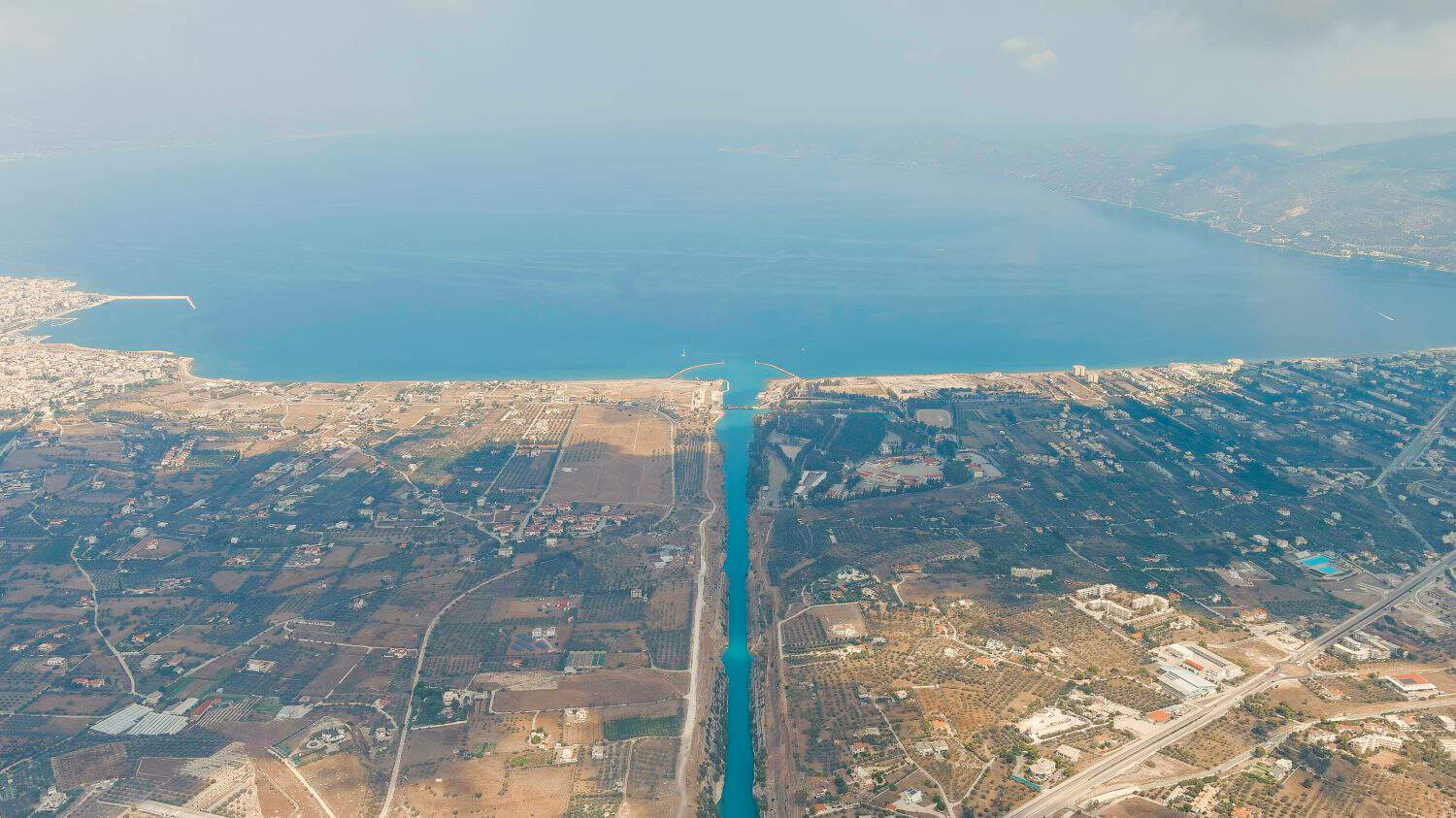
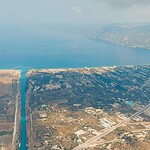
Ancient Corinth stood near the modern Greek city of the same name and became one of the most important stops in Paul's missionary work. Acts 18 says Paul stayed there for a year and six months, working alongside Aquila and Priscilla and teaching the growing Christian community. That is a much more substantial connection than simply saying Corinth is mentioned a couple of times.
The New Testament preserves two letters addressed to the Corinthians, 1 Corinthians and 2 Corinthians. Paul's own words in 1 Corinthians also refer to an earlier letter that has not survived, so his correspondence with the church was clearly more extensive than the two canonical books we have today. Reconstructions involving four or more letters are scholarly theories, not something the text proves outright.
Patmos
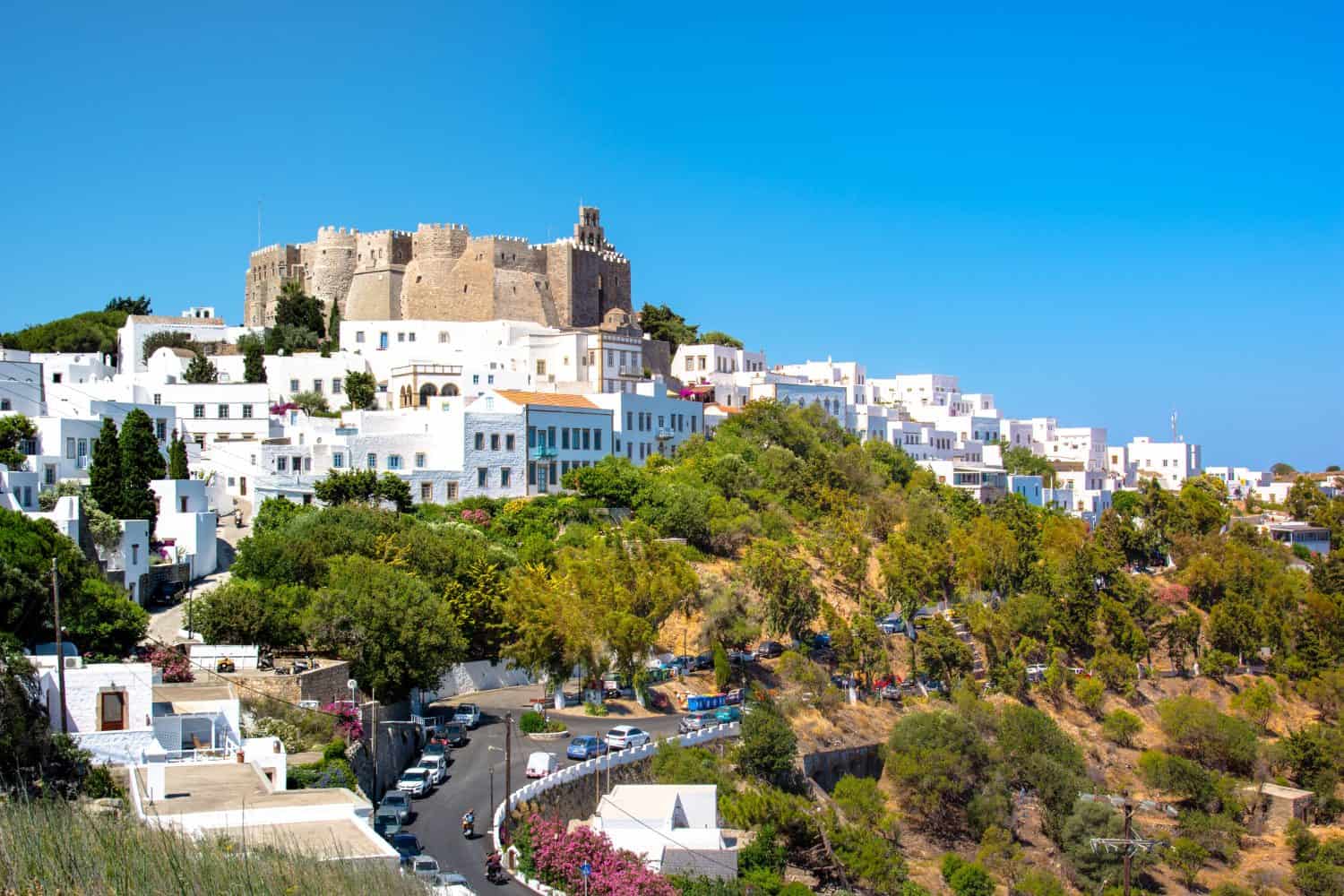
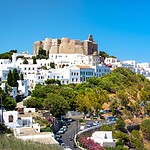
Patmos is a Greek island in the Aegean Sea, not an island city. Revelation 1:9 says its author, who identifies himself simply as John, was on Patmos "on account of the word of God and the testimony of Jesus." The book does not explicitly say he was exiled there, although banishment became the dominant early Christian tradition.
Christian tradition also commonly identifies this John with John the Apostle, while many modern scholars treat the author of Revelation as a distinct figure often called John of Patmos. UNESCO recognizes the island's long-standing association with the Book of Revelation, especially the Cave of the Apocalypse and the later Monastery of Saint John the Theologian.
Jaffa
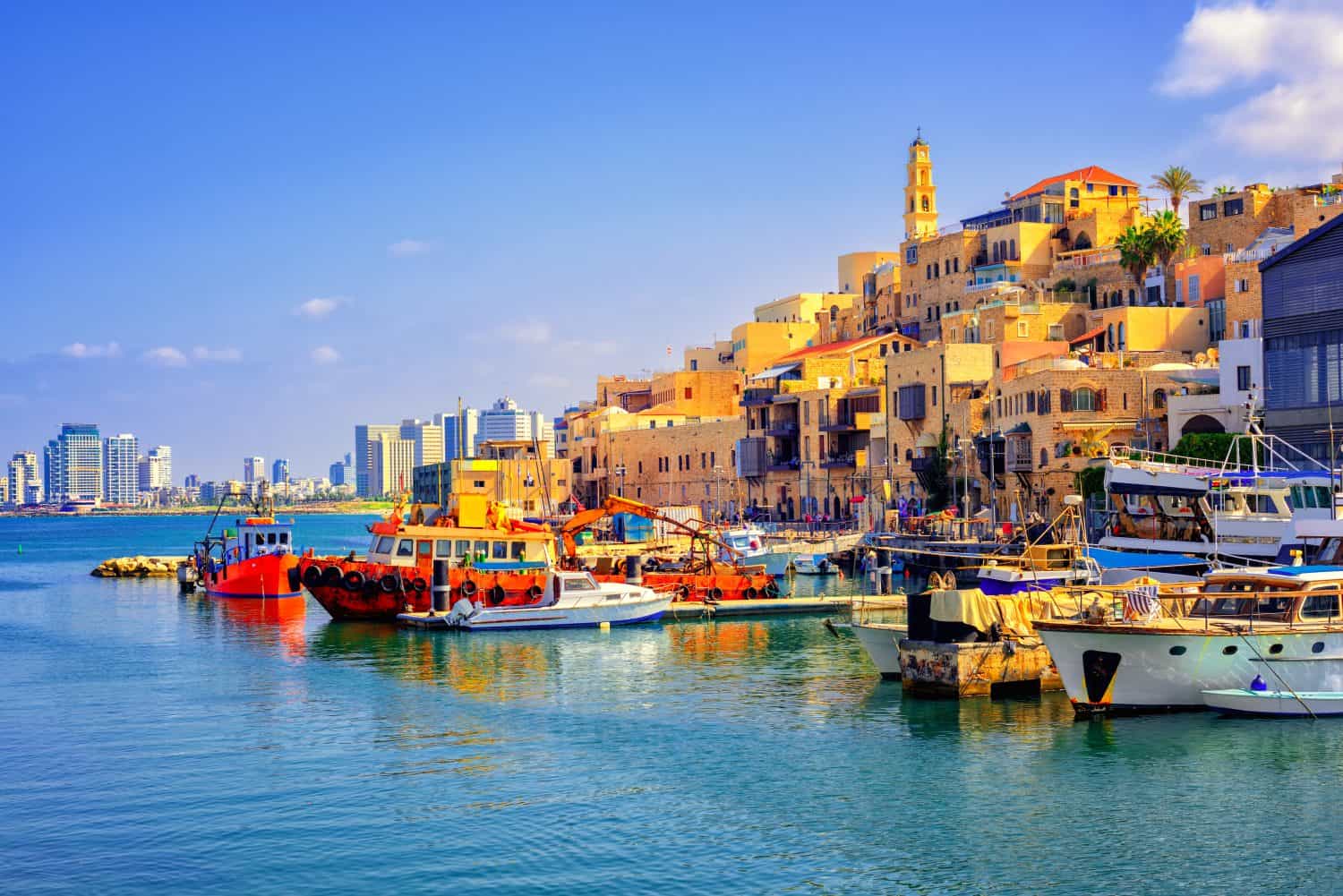
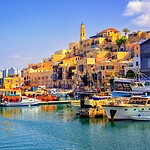
Jaffa is the modern name of ancient Joppa, one of the eastern Mediterranean's oldest ports and today part of Tel Aviv-Yafo. In the book of Jonah, Joppa is where Jonah found a ship bound for Tarshish while trying to flee from the mission God had given him to Nineveh.
Joppa also appears in the New Testament. Acts 9 places Peter there when he raised Tabitha, also called Dorcas, from the dead, and Acts 10 says he was staying in Joppa when he received the vision that preceded his meeting with Cornelius. Its biblical importance comes from being a working port city, not just a name that happened to survive into the modern era.
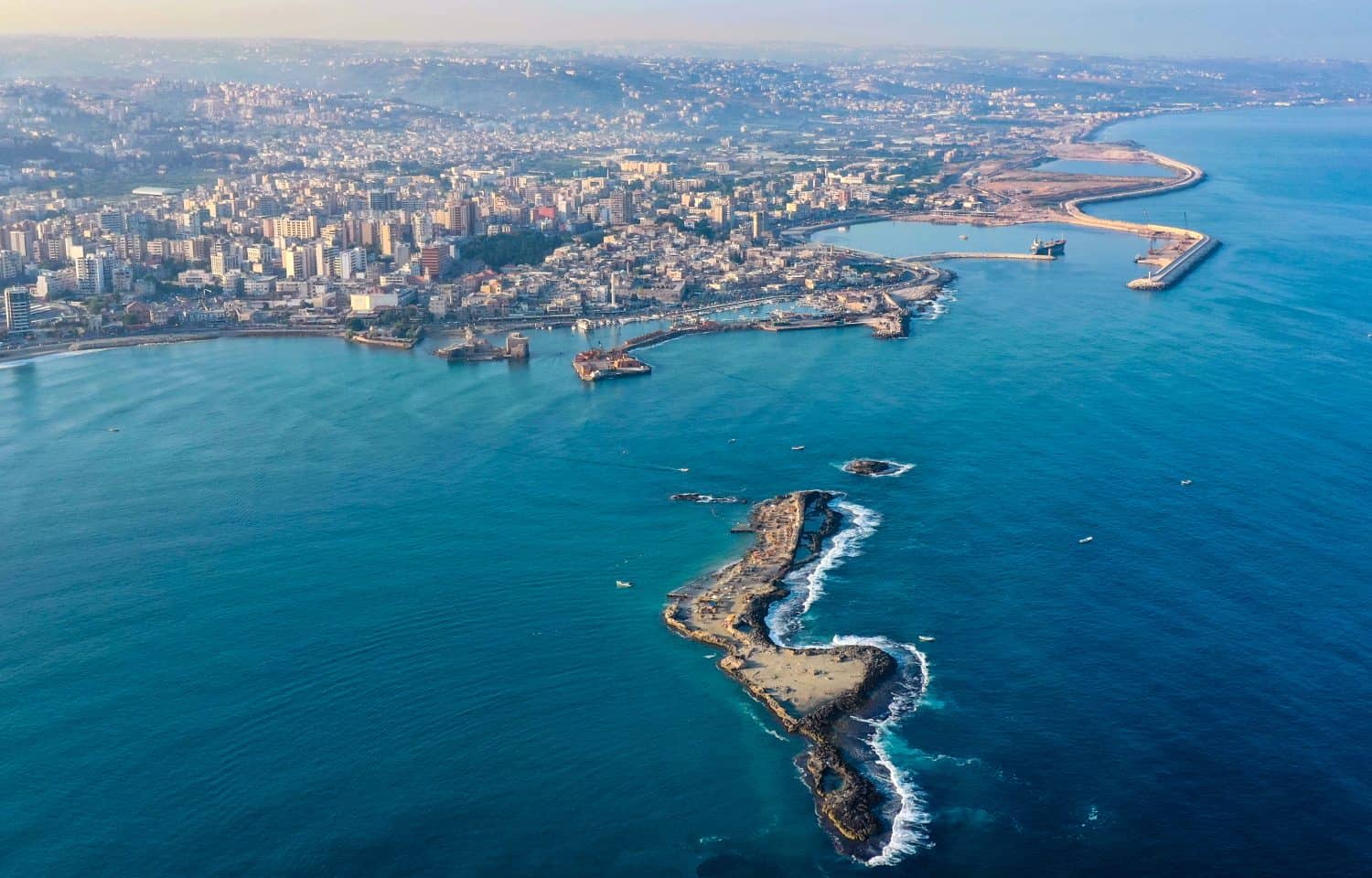
Sidon
Sidon, now commonly called Saida, is an ancient Phoenician port city on the coast of Lebanon and appears repeatedly in both the Old and New Testaments. One important correction is that the widow helped by Elijah during the famine did not live in Sidon itself. According to 1 Kings 17, she lived in Zarephath, a town that belonged to Sidonian territory.
Sidon was nevertheless a major regional power and frequently appears alongside Tyre in biblical texts. In the New Testament, the Gospels describe Jesus traveling into the region of Tyre and Sidon, while Acts mentions Sidon during Paul's voyage toward Rome. The city's long history reaches far beyond the Bible, but its Phoenician identity helps explain why it shows up so often in ancient sources.
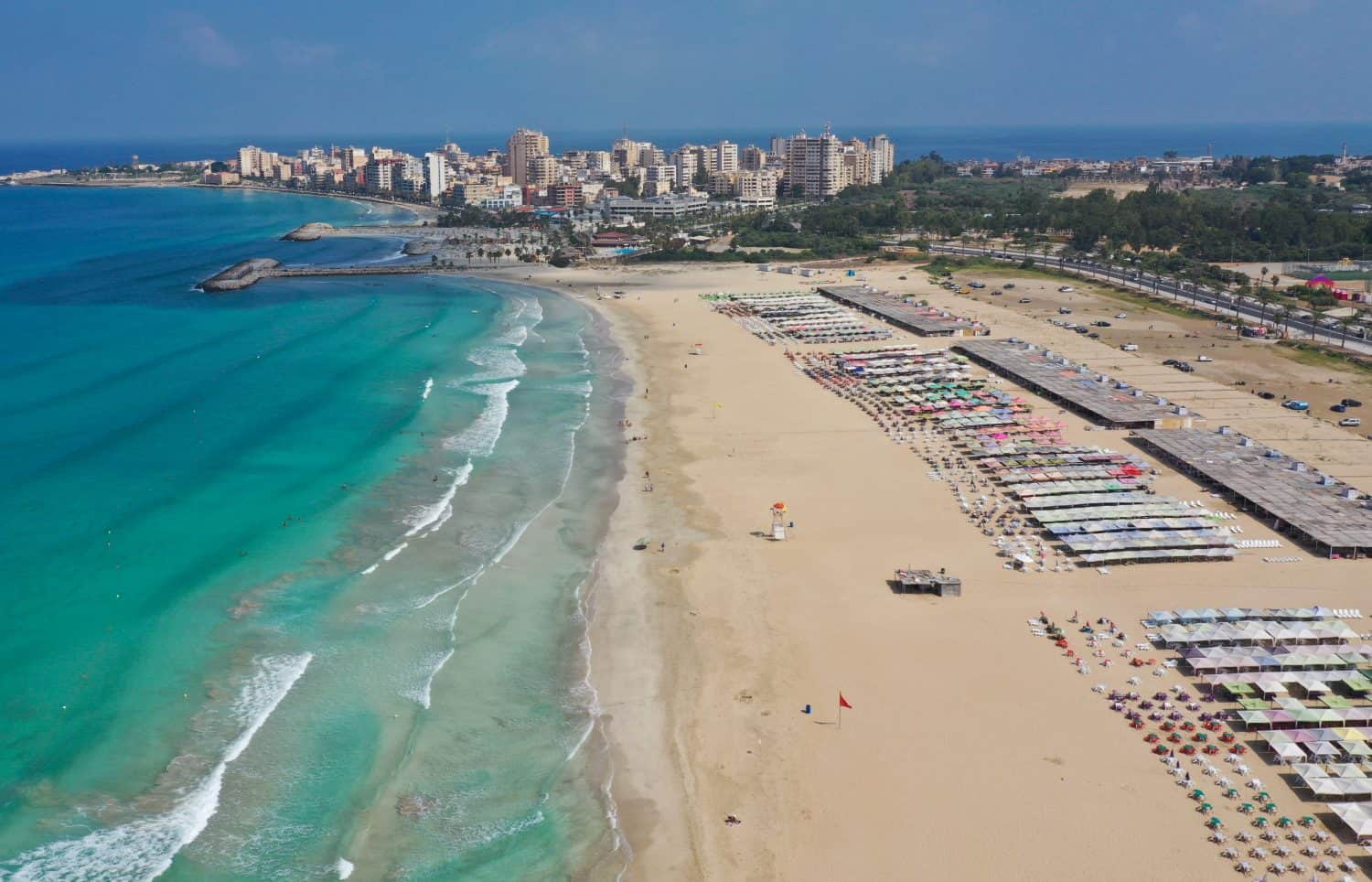
Tyre
Tyre, on the southern coast of Lebanon, was one of the great cities of ancient Phoenicia. The Bible gives it several very different roles. Hiram, king of Tyre, supplied materials and skilled workers connected with Solomon's building projects in Jerusalem, while later prophets including Isaiah and Ezekiel delivered oracles against the wealthy maritime city.
The original copy mixed up two separate passages. Tyre appears among the peoples allied against Israel in Psalm 83, not in an Isaiah passage describing ten nations conspiring against God's people. Isaiah 23 is instead an oracle concerning Tyre itself. In the New Testament, Jesus also traveled in the region of Tyre and Sidon. Modern Tyre, also called Sour, still stands alongside major archaeological remains from its Phoenician, Greek, Roman, and later history.
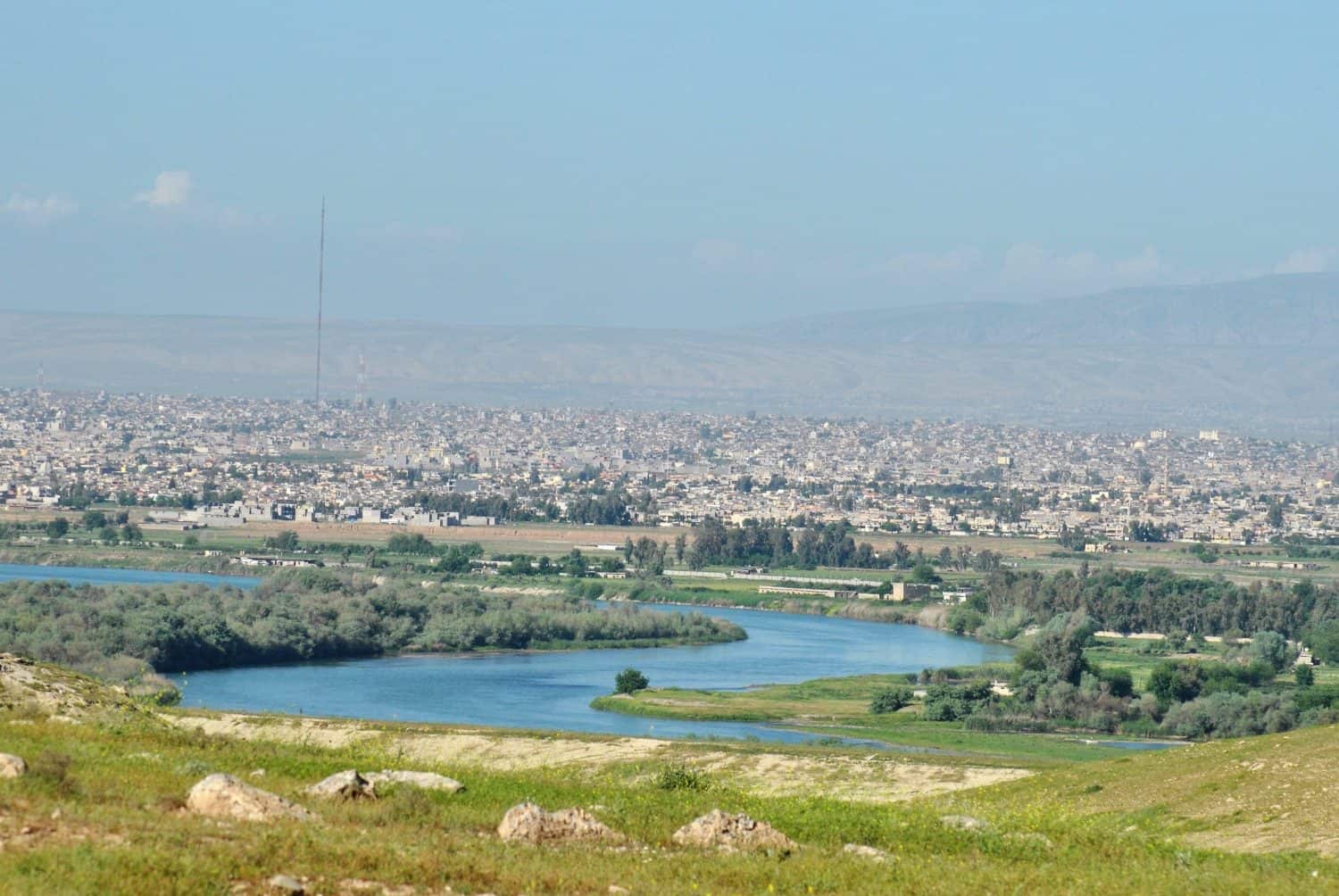
Nineveh
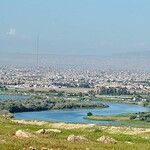
Nineveh was one of the great cities of ancient Assyria and became the empire's capital under King Sennacherib in the late eighth century BCE. Its ruins lie on the eastern side of the Tigris within modern Mosul, Iraq. Nineveh is therefore not simply the old name for Mosul; the ancient site and the modern city overlap geographically but are not the same city.
The book of Jonah describes Nineveh as a great city that took three days to cross. Jonah did not preach there for three days and then remain for 40. The text says he went one day's journey into the city and proclaimed that Nineveh would be overthrown in 40 days. The city's residents then repented in response to his warning. Historically, Assyrian Nineveh was destroyed in 612 BCE and never again became an imperial capital.
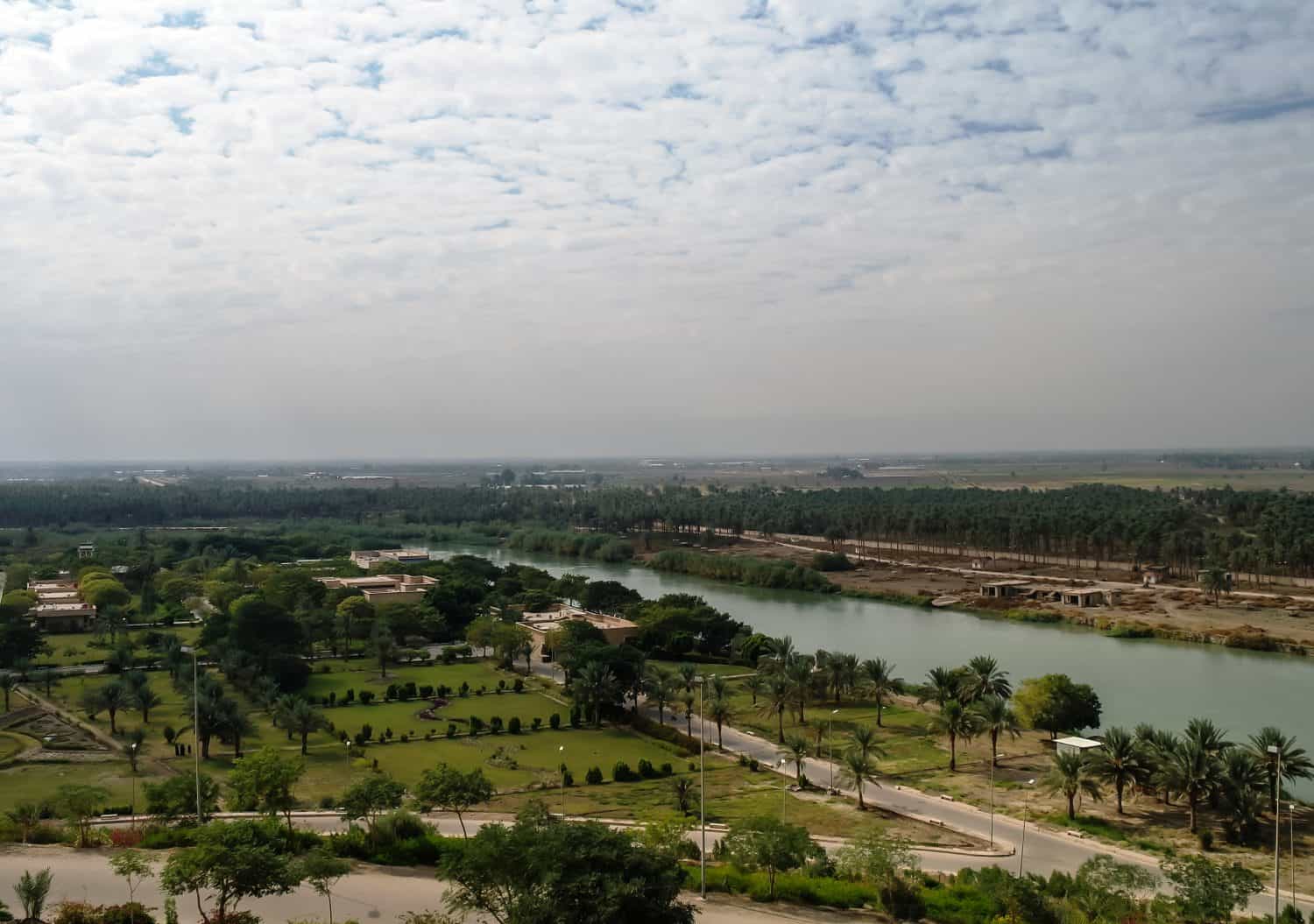
Babylon
Babylon was a real ancient city in Mesopotamia, and its ruins survive today in Iraq about 85 kilometers south of Baghdad and roughly 8 kilometers north of Hillah. That is more precise than saying the site is where a modern city called "Al-Hillal" now stands. UNESCO lists Babylon as an archaeological site containing the remains of temples, palaces, walls, gates, and other structures from one of the ancient world's most influential cities.
In the Hebrew Bible, Babylon is first and foremost a historical imperial power, especially in the accounts surrounding the Babylonian conquest of Judah and exile. Later biblical writing also turns the name into a symbol. Revelation's "Babylon the Great" is widely understood as symbolic language for a corrupt imperial power, often associated by scholars with Rome. So saying the Bible simply treats Babylon as a generic symbol of evil flattens several very different uses of the name.
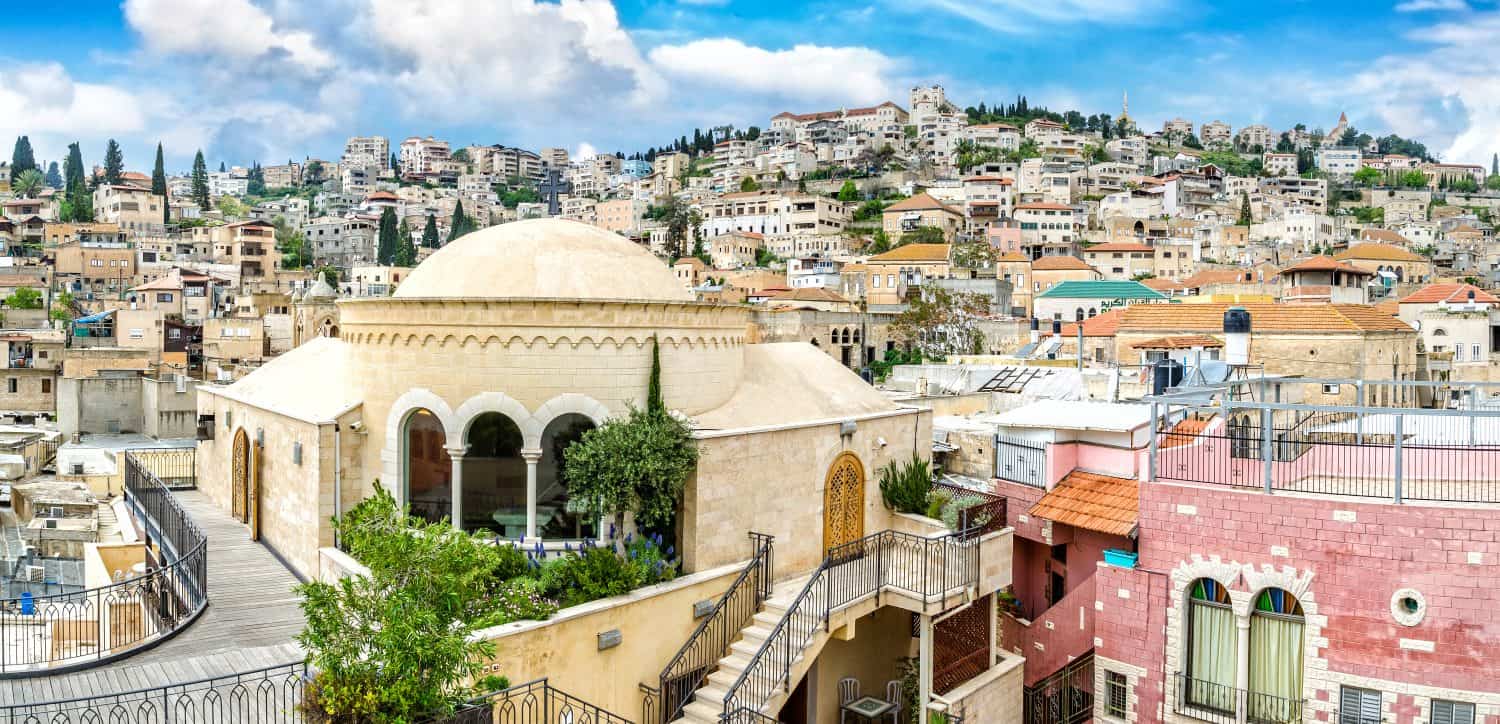
Nazareth
Nazareth, in northern Israel, is the town most closely associated with Jesus' upbringing. Luke explicitly describes it as the place where Jesus had been brought up, and the Gospels repeatedly identify him as Jesus of Nazareth. The town is therefore far more securely connected to his childhood and early life than to the claim that Mary herself was born there.
The New Testament does not state where Mary was born. Luke does say she was living in Nazareth when Gabriel announced that she would give birth to Jesus. Christian tradition later associated the Annunciation with the site of the modern Basilica of the Annunciation. Jesus, meanwhile, returned to Nazareth during his ministry and taught in the synagogue there before being rejected by people who knew him as Joseph's son.