Flywheel Publishing
DyziO/Shutterstock.com
Victor Gaidar / Shutterstock.com
Sergej Razvodovskij/Shutterstock.com
niki_spasov / Shutterstock.com
Mahmod5cy/Shutterstock.com
jemasmith / BY 2.0
Marianna Ianovska/Shutterstock.com
trabantos / Shutterstock.com
OSTILL is Franck Camhi/Shutterstock.com
Matyas Rehak / Shutterstock.com
Beyond the Road Prod/Shutterstock.com
Dave Primov / Shutterstock.com
Sven Hansche/Shutterstock.com
Terry Kearney / CC0 1.0
Novie Charleen Mange/Shutterstock.com
Panegyrics of Granovetter / BY-SA 2.0
Roop_Dey/Shutterstock.com
Arian Zwegers / BY 2.0
Resul Muslu/Shutterstock.com
Sener Dagasan / Shutterstock.com
10 Ancient Cities That Are Still Inhabited Today
Long before modern skylines, highways, and sprawling suburbs, people were establishing settlements that would eventually grow into some of the world's most recognizable cities. A few have histories stretching back thousands of years before the Roman Empire, and some occupy locations where people were living even before Egypt's Great Pyramid of Giza was built.
Of course, determining which city is the oldest isn't as simple as finding an ancient wall. Archaeologists distinguish between early human settlement, the development of an actual city, and continuous habitation. The dates aren't always clear, either. Still, these 10 places have something remarkable in common: they're modern communities where the ancient world remains part of everyday life.
Jericho, Palestine
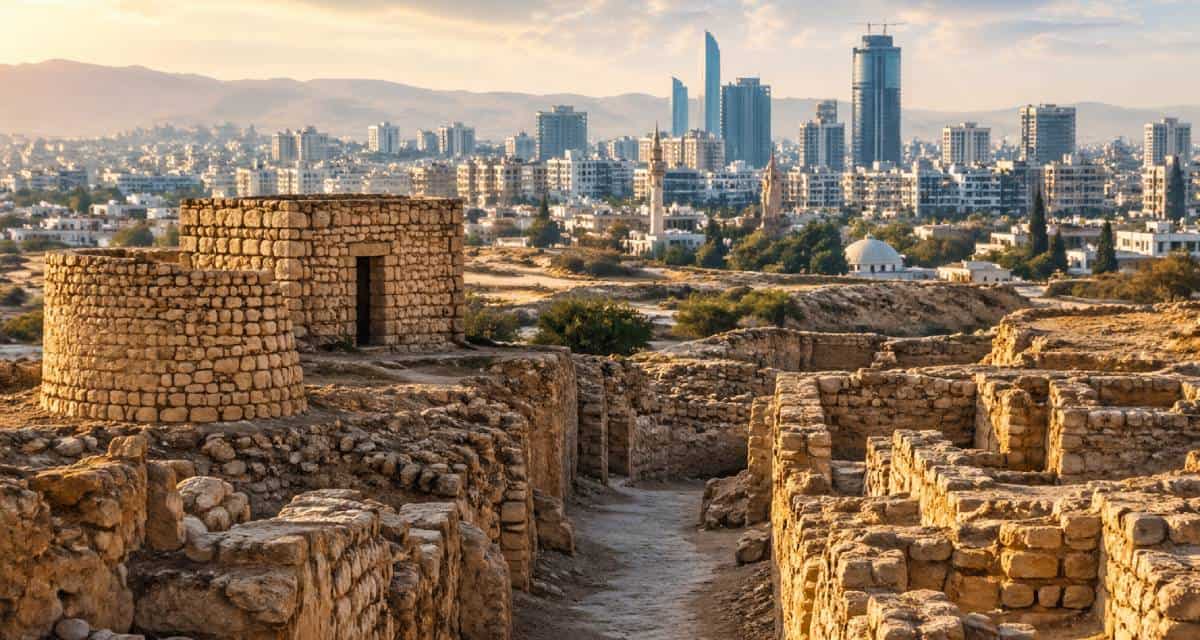
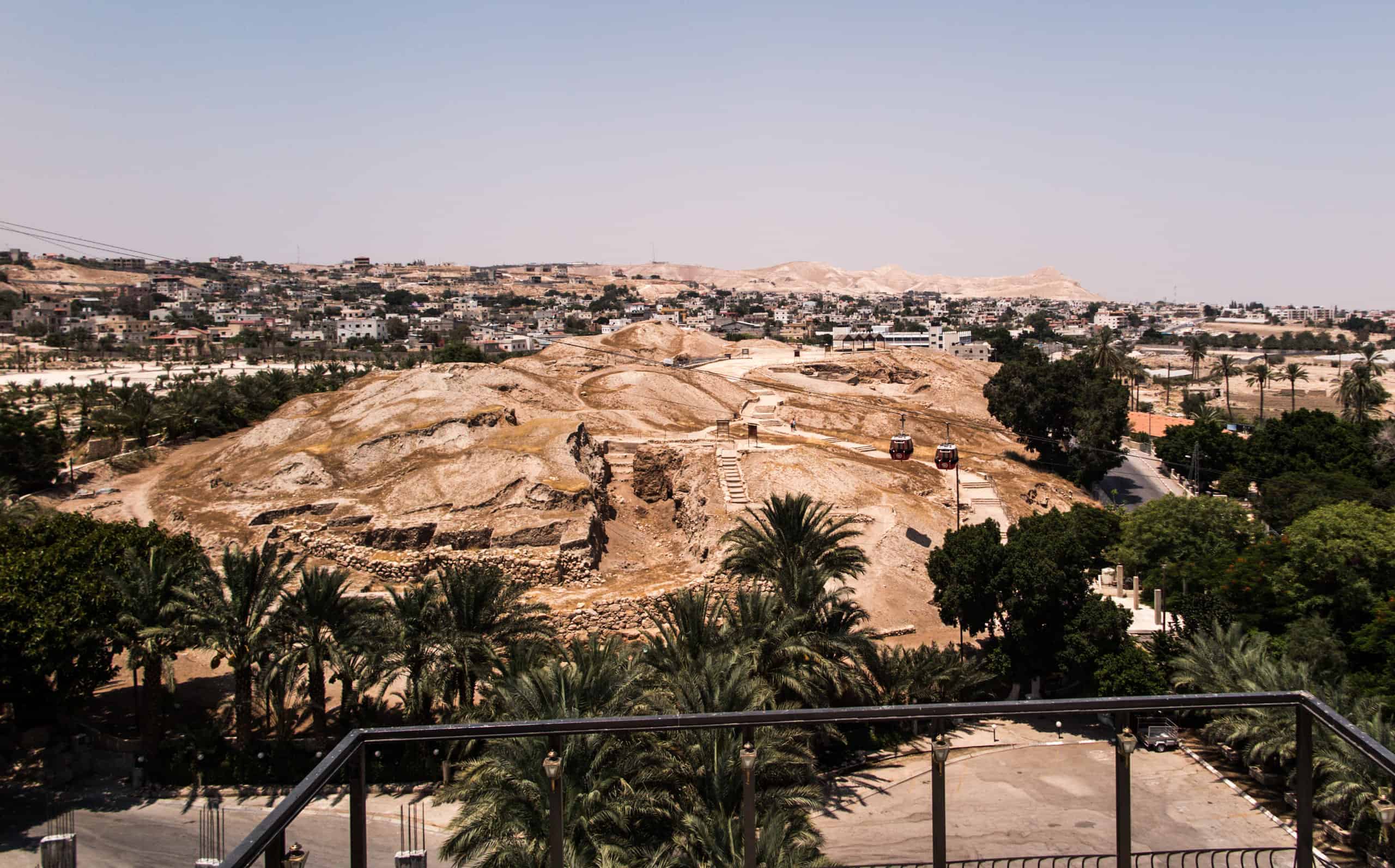
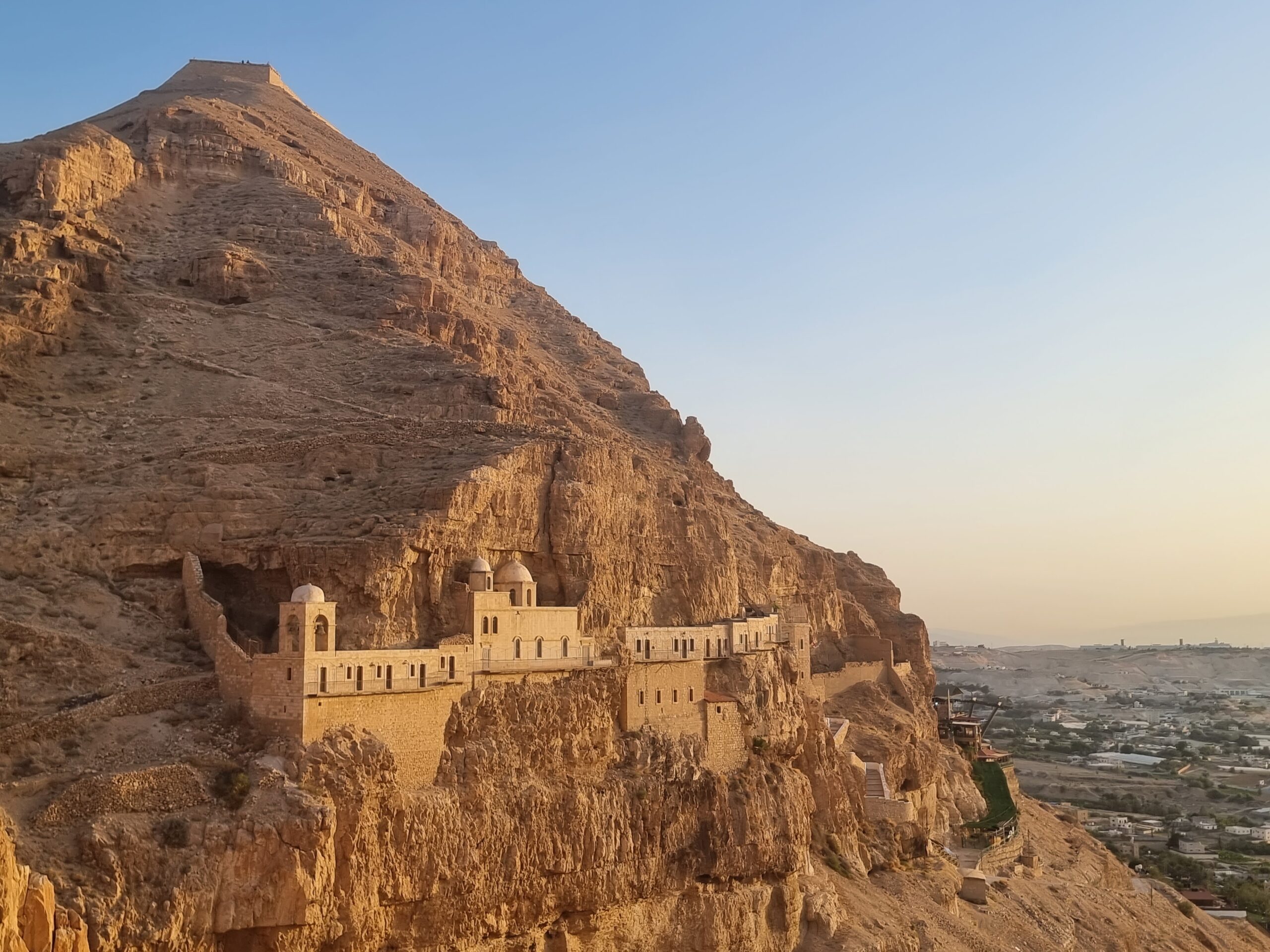
If you're looking for a place with a genuinely ancient history, Jericho deserves a spot near the top of the conversation. Located in the West Bank near the Jordan River, the area contains archaeological evidence of human activity dating back more than 10,000 years. By the ninth to eighth millennium BCE, people had established a sizeable permanent settlement near a dependable spring.
Jericho (continued)
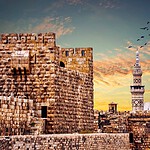
Excavations at Tell es-Sultan, northwest of modern Jericho, have revealed an extraordinary collection of ancient structures, including a stone tower, defensive walls, and evidence of organized community life. UNESCO added the archaeological site to its World Heritage List in 2023. Jericho is also famous for its appearance in the biblical Book of Joshua, although the archaeological history of the settlement is considerably longer than the period traditionally associated with that account.
Plovdiv, Bulgaria
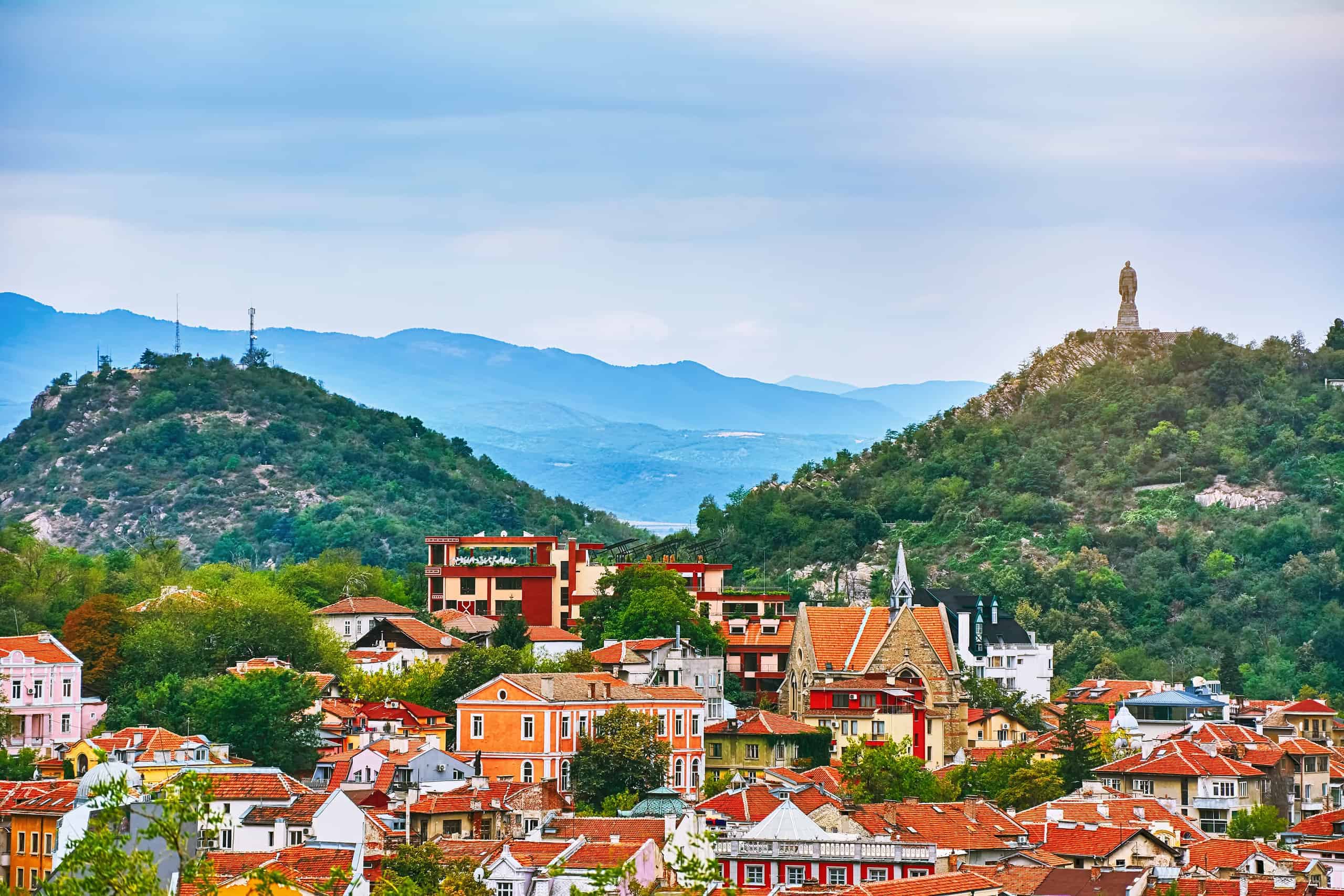
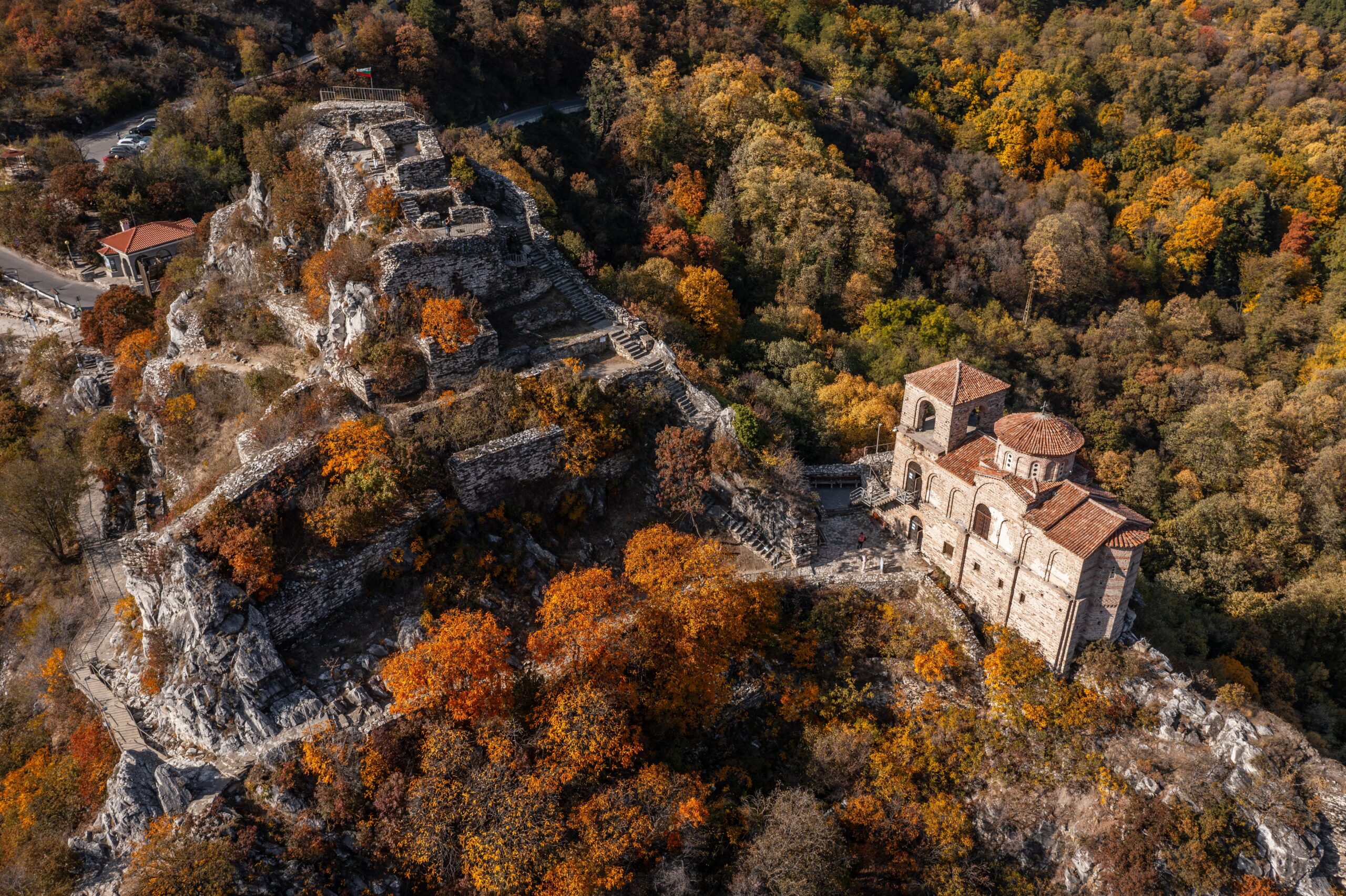
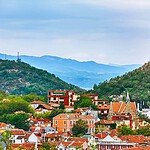
Plovdiv is one of Europe's oldest inhabited cities, with archaeological evidence of settlement reaching back to the sixth millennium BCE. Situated in southern Bulgaria, the city developed around a collection of hills that provided natural protection and a commanding view of the surrounding Thracian plain. Its location eventually made it an important crossroads for trade and military movement.
Plovdiv (continued)
Over thousands of years, Thracians, Macedonians, Romans, Byzantines, and Ottomans all left their marks on Plovdiv. The Romans knew it as Philippopolis, and visitors can still see an impressive Roman theater, sections of an ancient stadium, and beautifully preserved mosaics. The Old Town is another highlight, with cobblestone streets and colorful nineteenth-century Bulgarian Revival houses. Few European cities offer such an accessible combination of ancient ruins and historic neighborhoods in one place.
Damascus, Syria
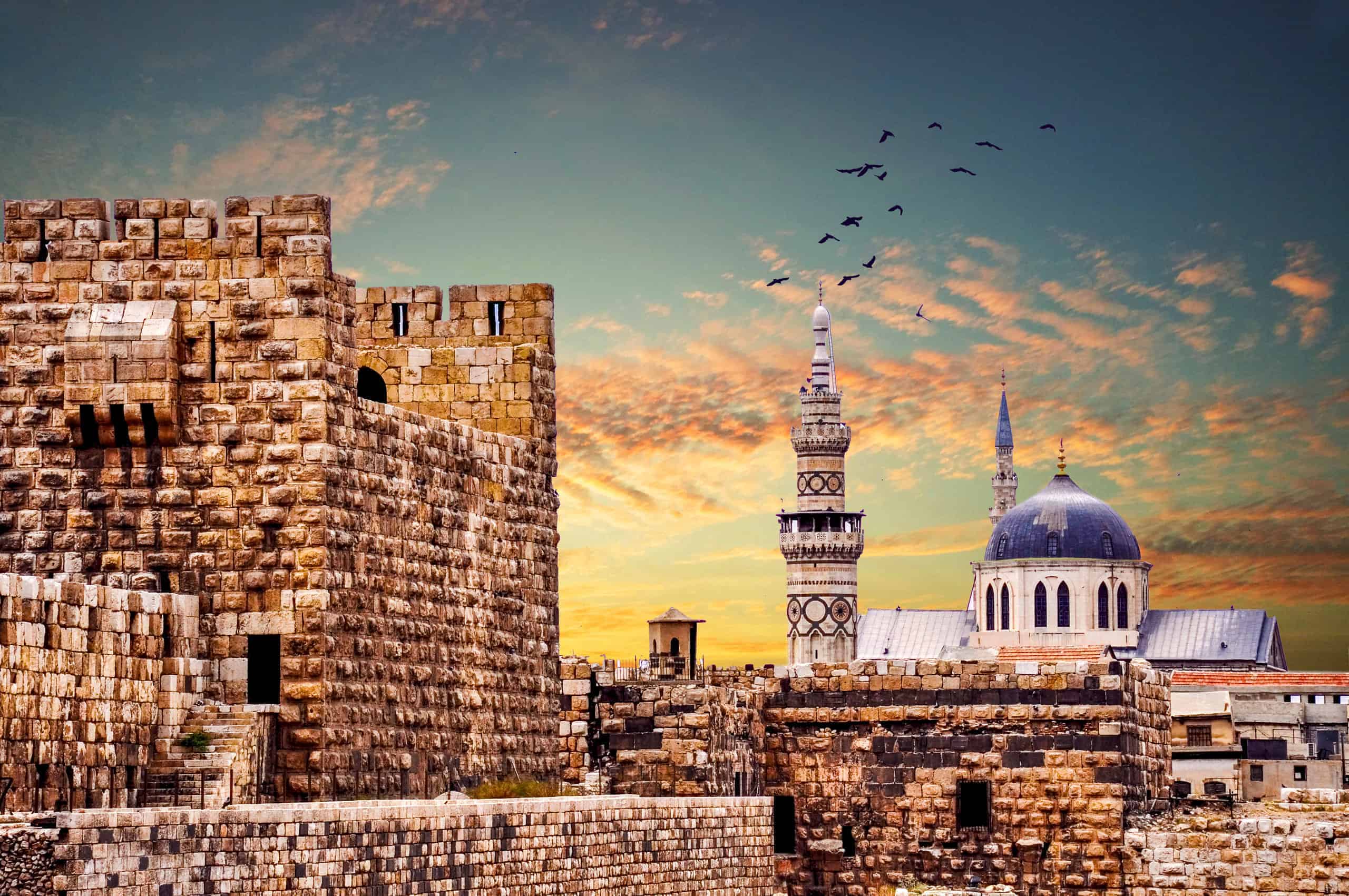
Damascus frequently appears in discussions about the world's oldest continuously inhabited cities, and for good reason. UNESCO traces the origins of the established city to the third millennium BCE, although archaeological discoveries at Tell Ramad, outside Damascus, reveal human settlement in the surrounding area thousands of years earlier. Its position along historic routes between Asia and the Mediterranean helped make Damascus a center of commerce, culture, and political power.
Damascus (continued)
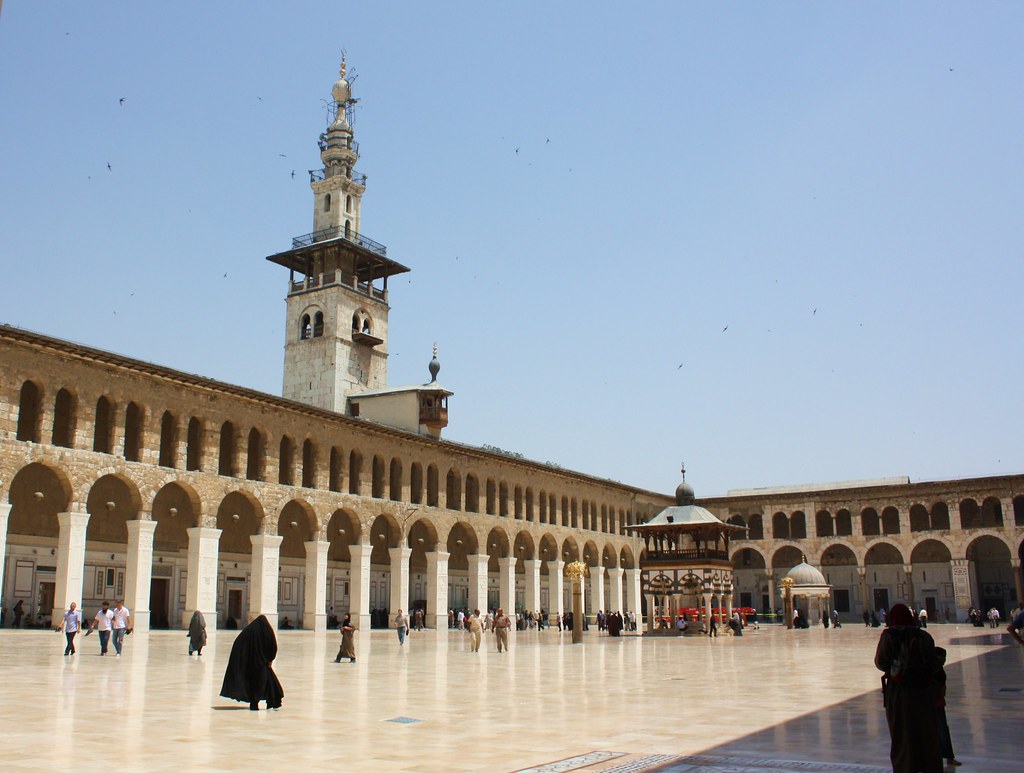
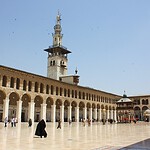
The city's most celebrated historical landmark is the Umayyad Mosque, an extraordinary eighth-century structure built on a site with a much longer religious history. Damascus also preserves evidence of Roman, Byzantine, and Islamic civilizations, alongside traditional markets, courtyard houses, and historic city walls. Its old city was designated a UNESCO World Heritage Site in 1979. Centuries of political change and more recent conflict have threatened parts of this remarkable heritage, making its preservation particularly important.
Argos, Greece
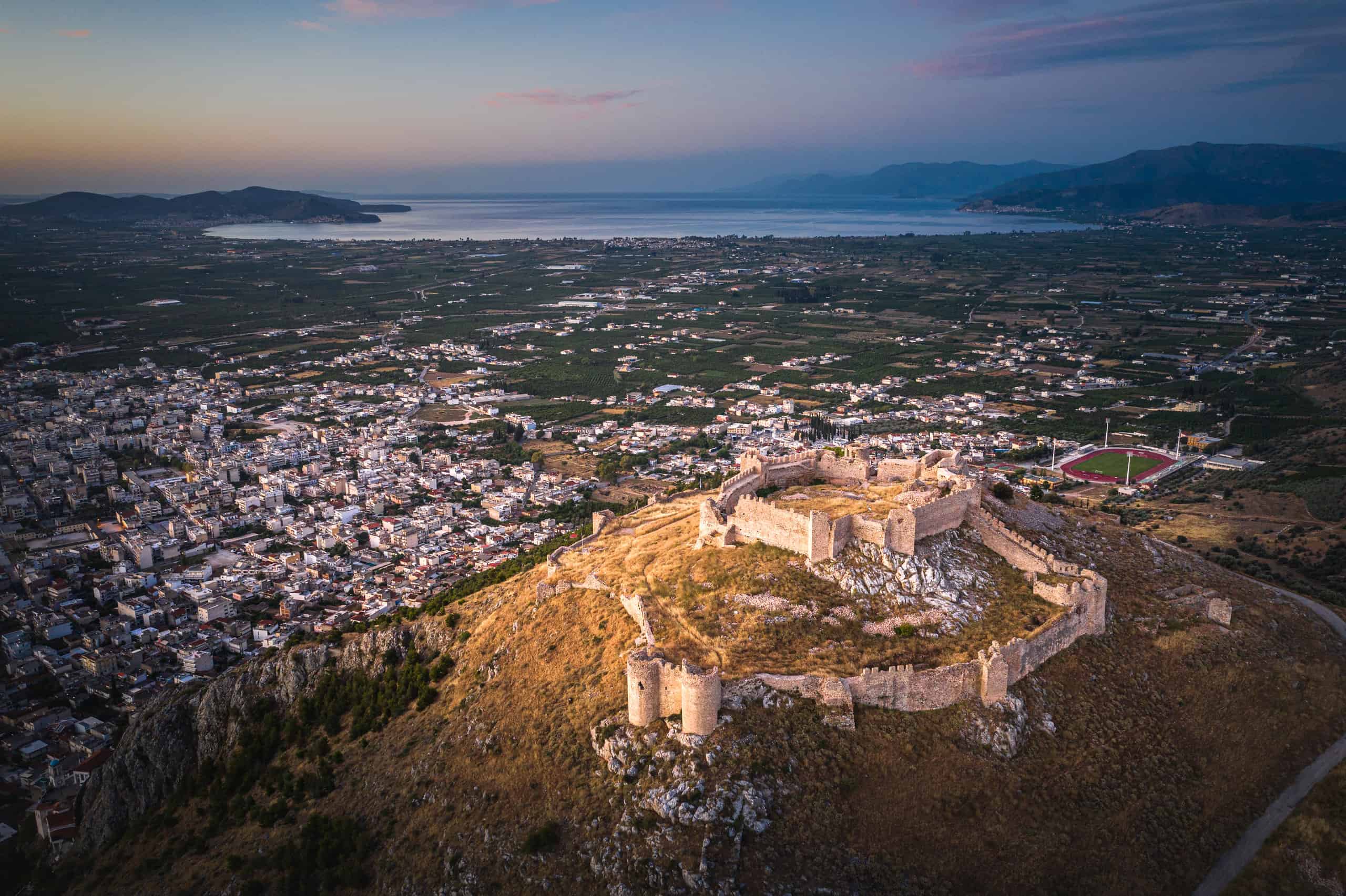
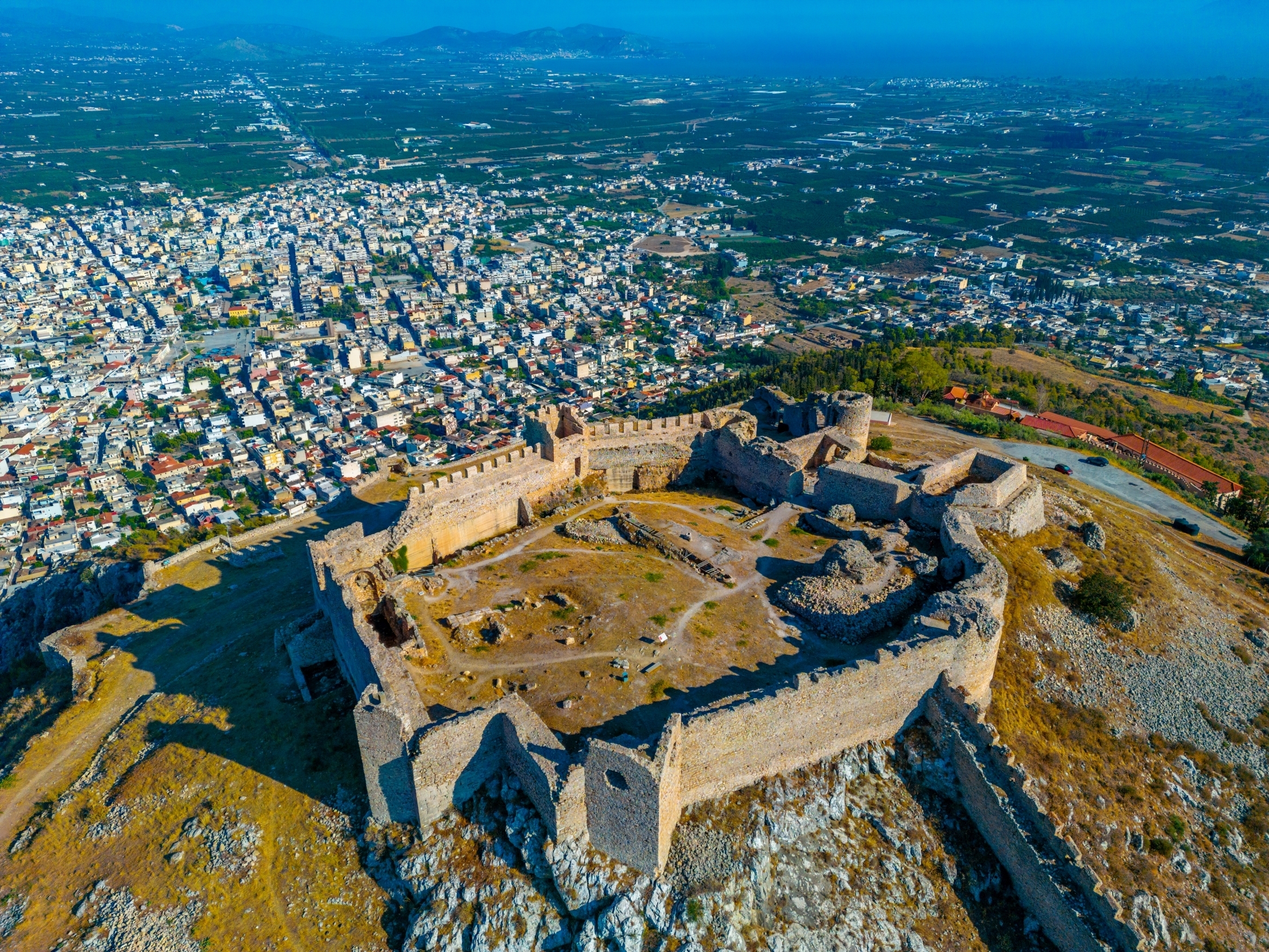
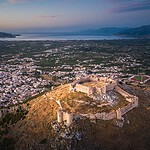
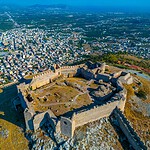
Located in the northeastern Peloponnese, Argos is another Greek city with roots extending far into prehistory. Archaeological evidence indicates that the site was inhabited around 3000 BCE, long before the rise of classical Greek civilization. The surrounding Argolid plain provided fertile farmland, while nearby hills offered natural defensive positions. Argos later became an important center during the Mycenaean period and played a significant role in ancient Greek politics.
Argos (continued)
Among the city's most impressive surviving monuments is its enormous ancient theater, built during the early third century BCE. Carved into the hillside, it could accommodate approximately 20,000 spectators, making it one of the largest theaters in the ancient Greek world. Visitors can also explore remains of Roman baths, the ancient marketplace, and the fortified Larissa hill. Argos may not receive the same attention as Athens, but its archaeological history is every bit as fascinating.
Sidon, Lebanon
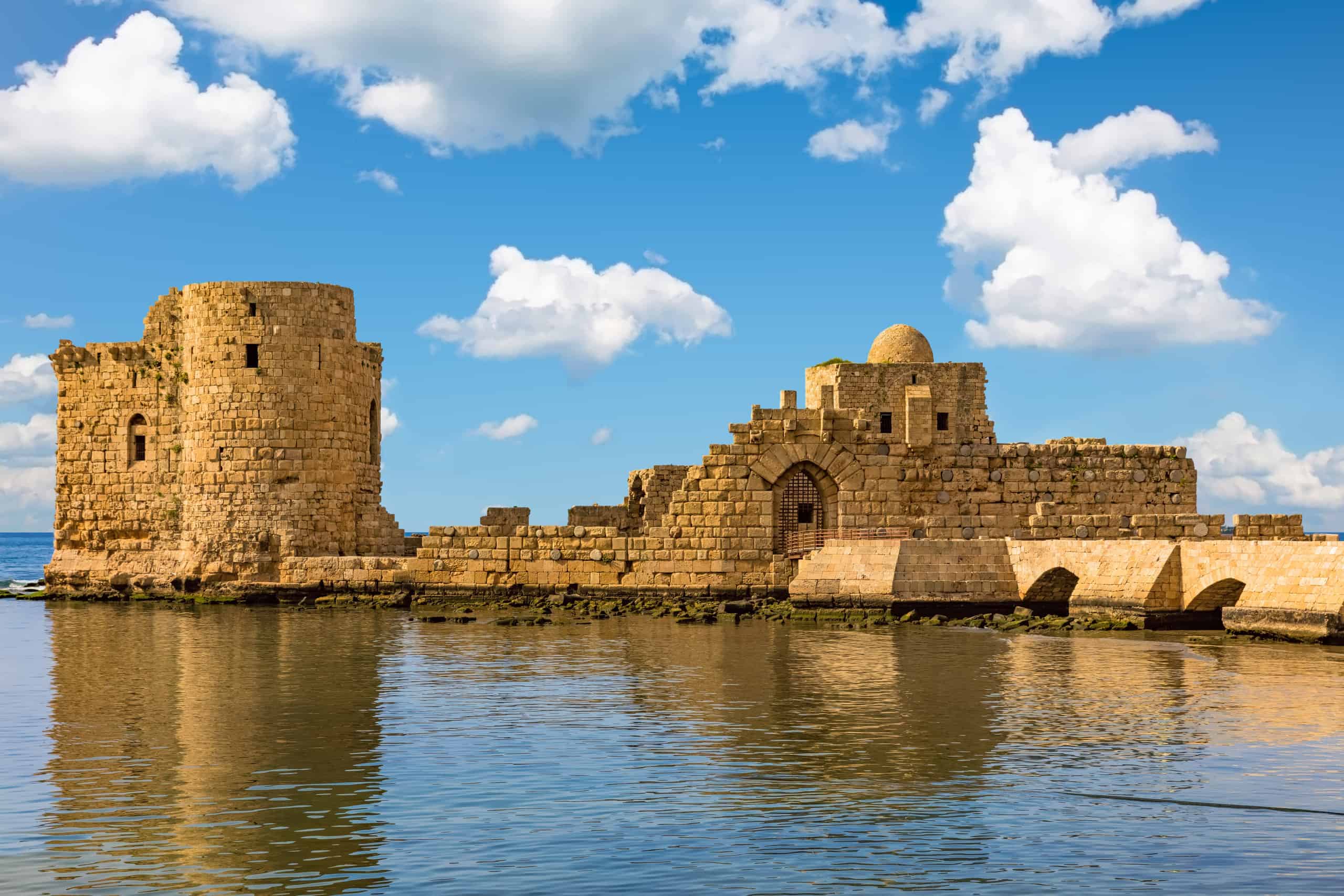
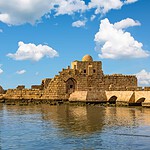
Situated along Lebanon's Mediterranean coast, Sidon, also known as Saida, has been an important settlement since ancient times. Archaeological discoveries point to occupation reaching back into the fourth millennium BCE. The city eventually became one of the major centers of Phoenician civilization, a maritime culture famous for its trading networks, craftsmanship, and influence throughout the Mediterranean.
Sidon (continued)
Sidon's history stretches across numerous civilizations, including the Assyrians, Persians, Greeks, Romans, and later Islamic and Crusader powers. One of its most recognizable landmarks is the Sea Castle, a medieval fortress built by Crusaders in the thirteenth century on an island beside the harbor. The city's historic markets and traditional buildings provide another window into its past. Although the surviving castle is medieval rather than Phoenician, it illustrates how successive civilizations continued to build on Sidon's strategic coastal location.
Erbil, Iraq
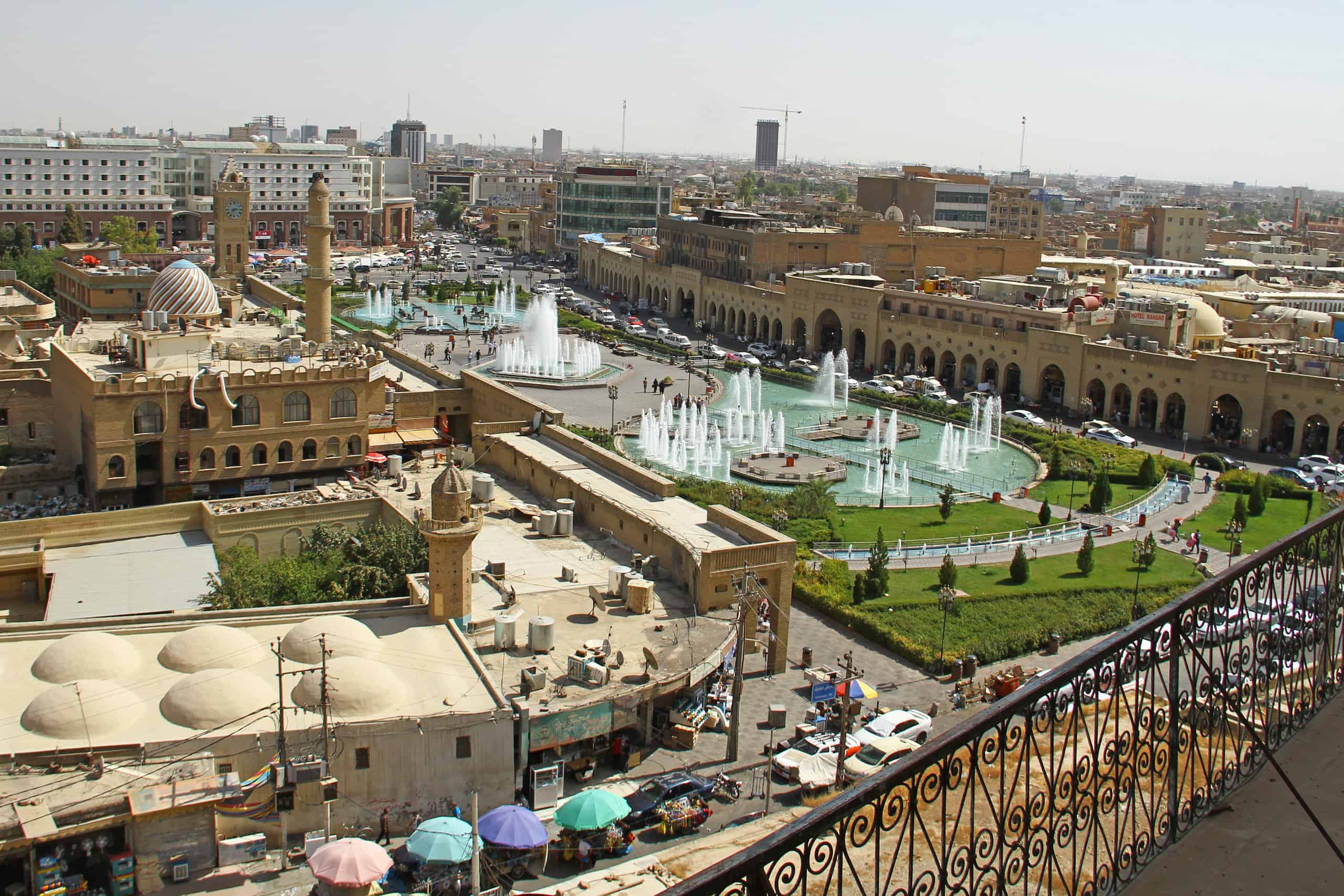
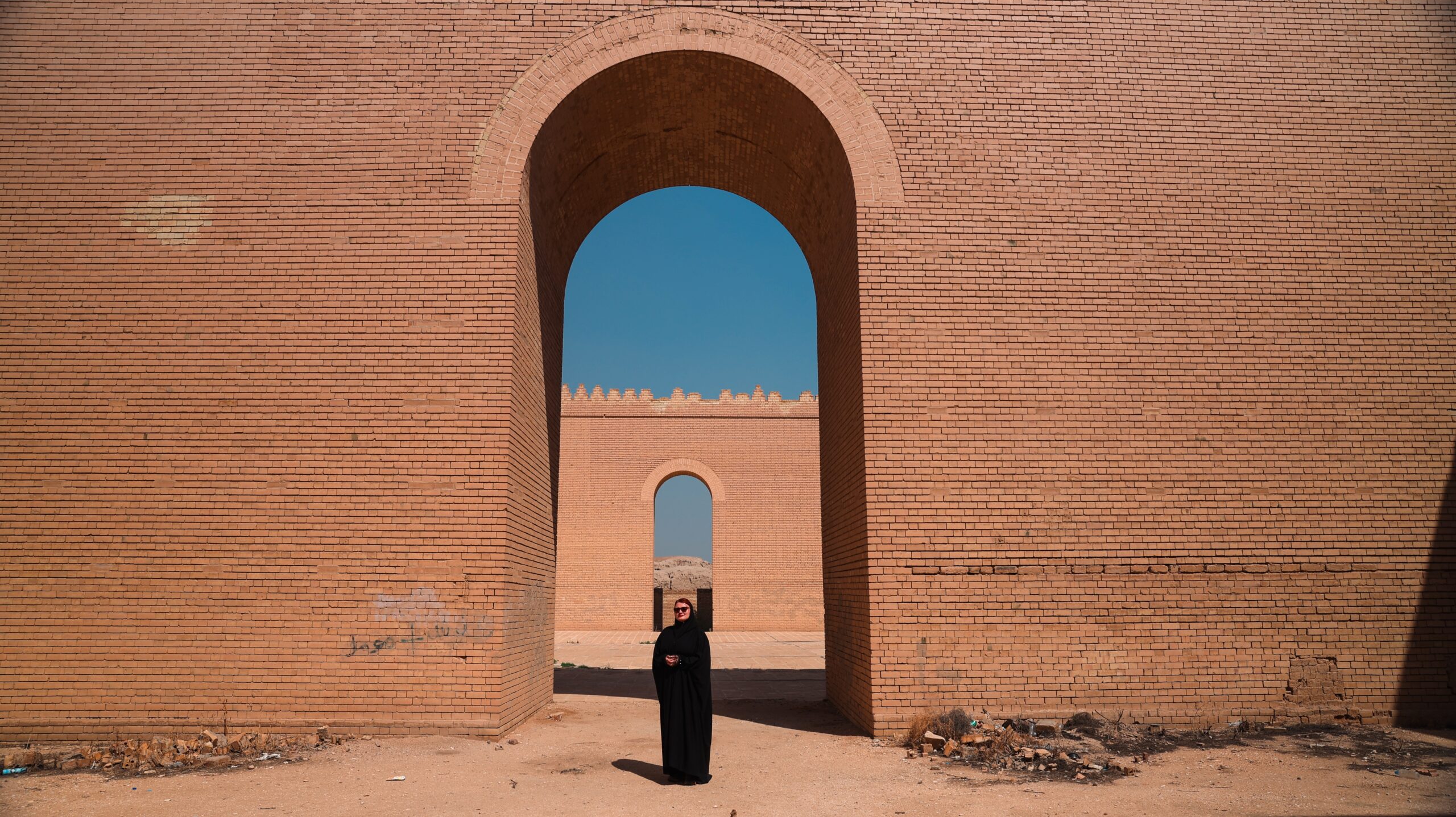
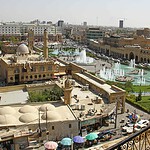
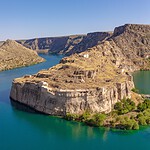
At the center of Erbil, the capital of Iraq's Kurdistan Region, stands an enormous archaeological mound crowned by a historic citadel. Generations of people built homes and other structures on the same elevated location, gradually creating the artificial hill visible today. The site's settlement history may extend back roughly 7,000 years or more, although determining the precise beginning of occupation remains difficult.
Erbil (continued)
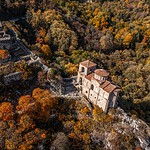
Known in antiquity as Arbela, Erbil became an important center under the Assyrians and remained significant through later empires. Its citadel preserves historic streets and traditional buildings, many associated with the Ottoman period, while much older archaeological remains lie beneath the surface. UNESCO designated the Erbil Citadel a World Heritage Site in 2014. Although residential occupation within the citadel has experienced interruptions, the surrounding city remains one of the region's major urban centers.
Athens, Greece
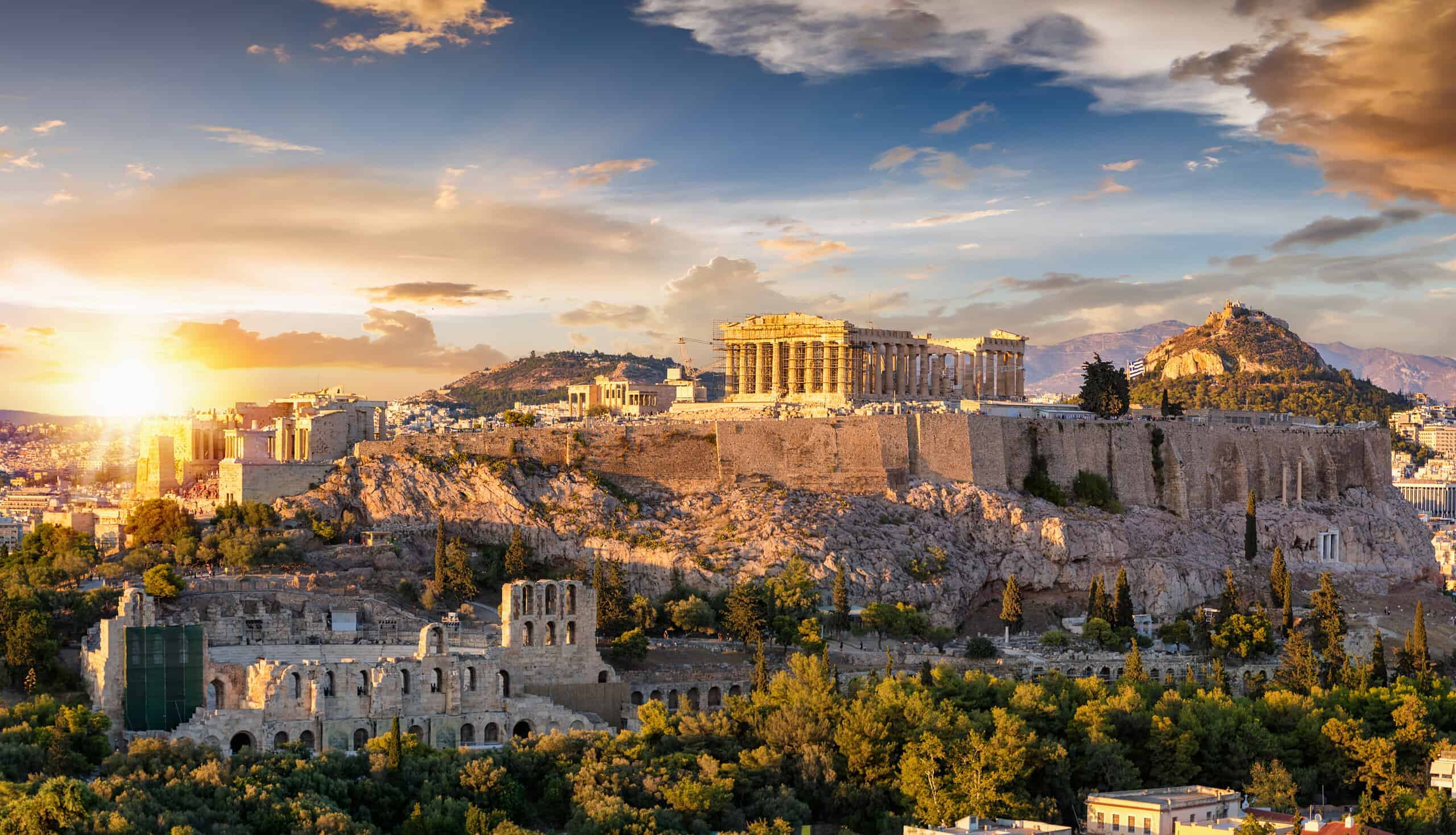
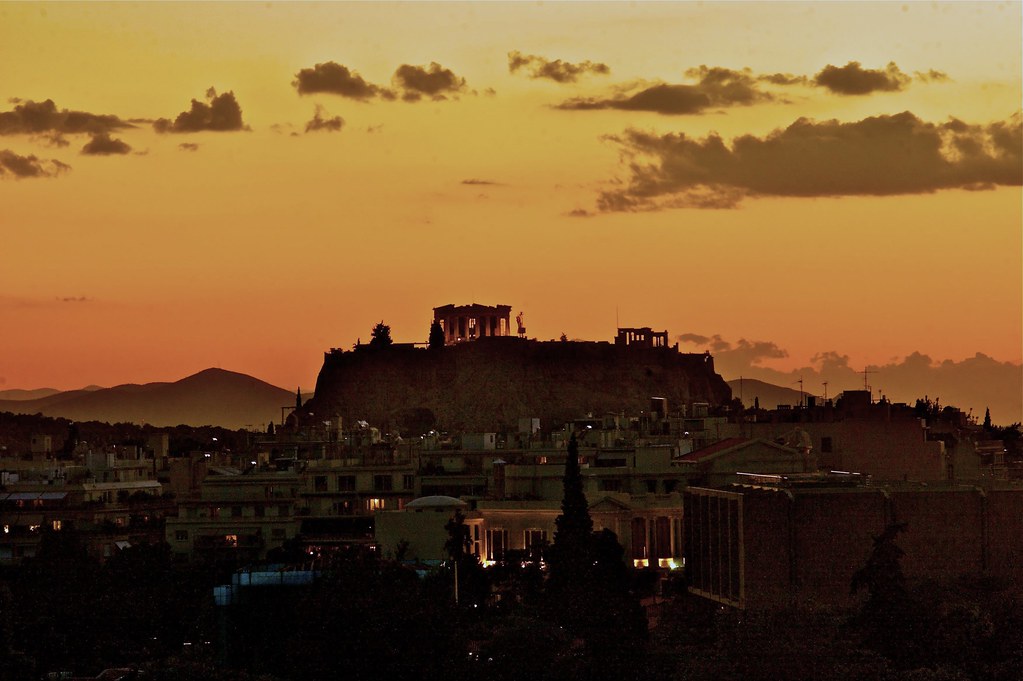
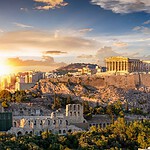
Athens is best known as the birthplace of classical Athenian democracy, but people were living in the area long before its most famous temples were constructed. Archaeological evidence places permanent settlement around the Acropolis in approximately 3500 to 3200 BCE. The elevated limestone outcrop provided a defensible location, while nearby resources supported the development of a growing community.
Athens (continued)
The city's greatest cultural influence came much later, particularly during the fifth century BCE, when Athens became a center of philosophy, drama, art, and political innovation. Construction of the Parthenon began in 447 BCE, with the famous temple completed in 432 BCE. Today, the Acropolis remains one of the world's most recognizable archaeological landmarks, overlooking a modern capital where ancient ruins stand among busy streets, restaurants, and neighborhoods. Few cities make the contrast between ancient and modern life quite so obvious.
Faiyum, Egypt
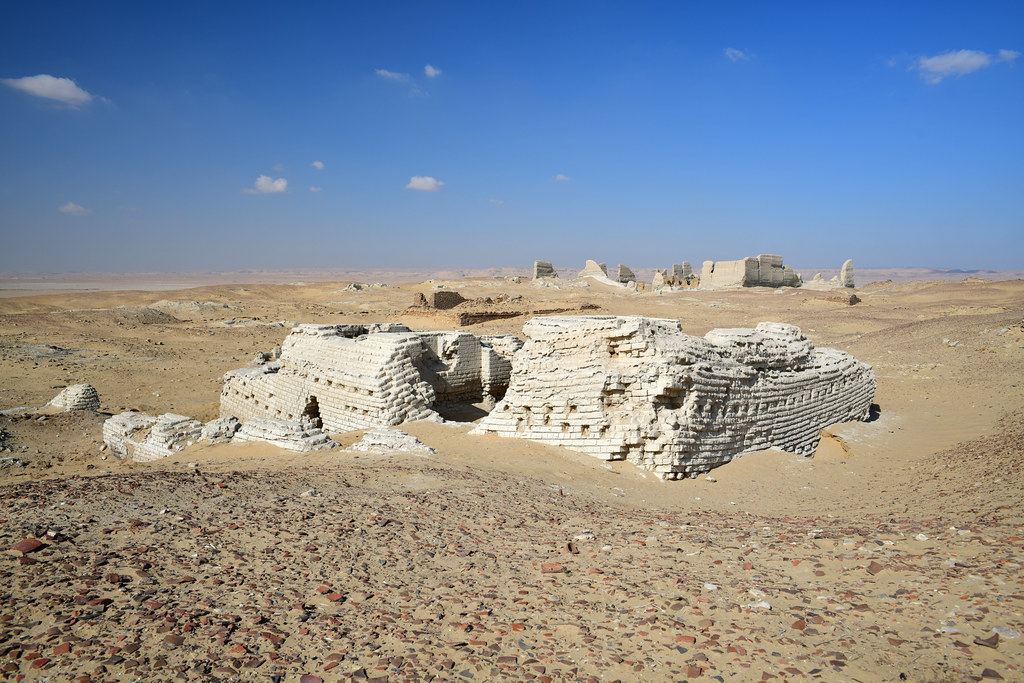
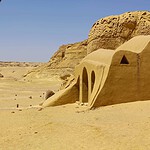
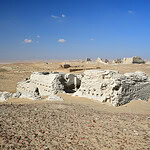
Egypt's Faiyum region has supported human communities for thousands of years, thanks largely to water reaching the area from the Nile through the Bahr Yussef channel. The modern city of Faiyum occupies the location associated with ancient Shedet, which later became known to the Greeks as Crocodilopolis. The settlement developed into an important religious and agricultural center, particularly during the age of the pharaohs.
Faiyum (continued)
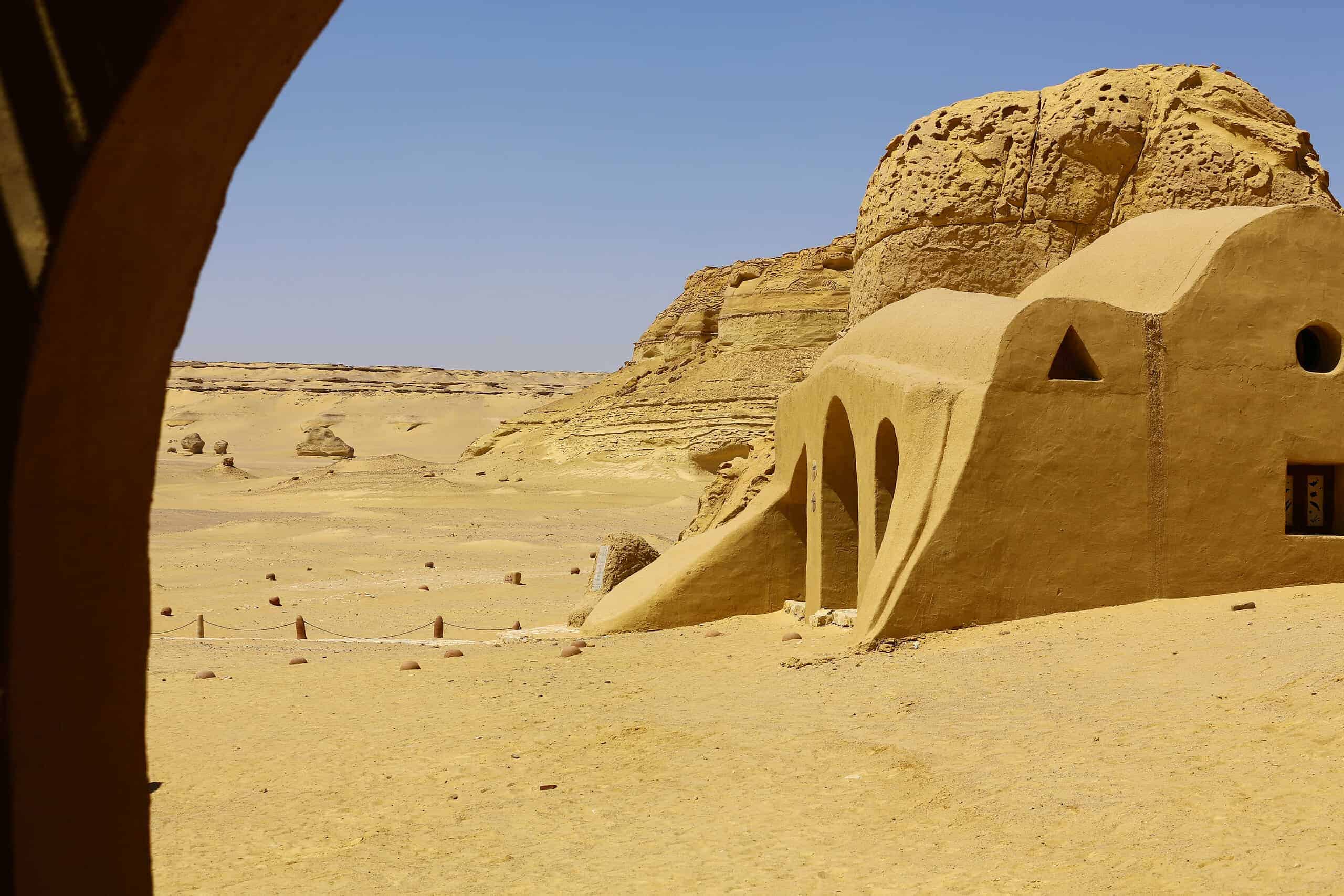
The city was especially associated with Sobek, the crocodile-headed Egyptian god linked to water and fertility. Under the Ptolemaic dynasty, it became known as Arsinoe. The surrounding region is also famous for archaeological discoveries, including the painted mummy portraits of Roman-era Egypt. Farther into the desert lies Wadi Al-Hitan, or Whale Valley, a UNESCO World Heritage Site containing important fossils documenting the evolution of whales. Although it is not part of the ancient city itself, the site adds another remarkable chapter to the region's much longer history.
Varanasi, India
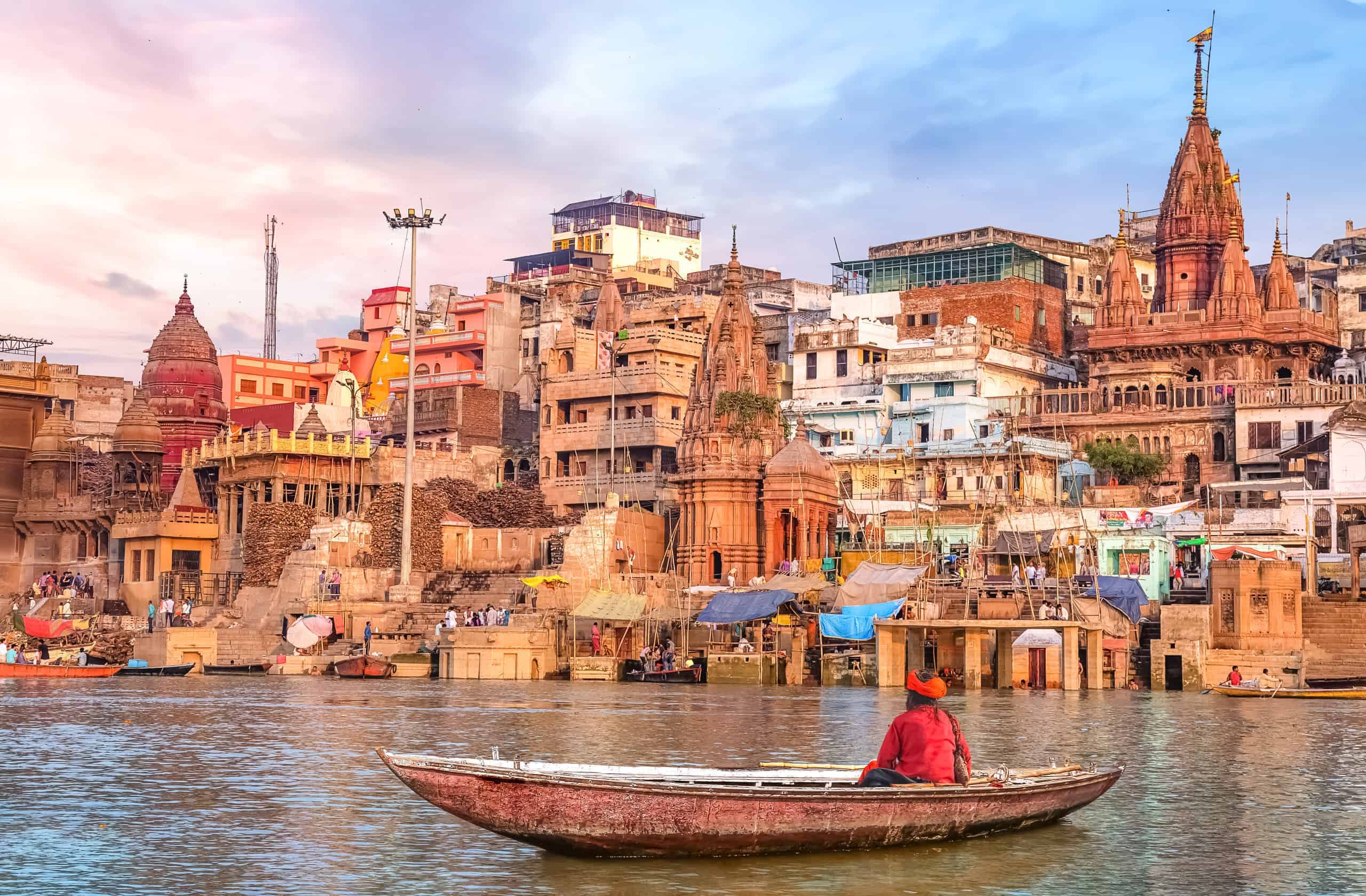
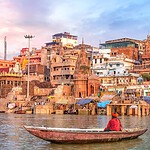
Varanasi, also known as Banaras or Kashi, is among India's oldest surviving cities and one of Hinduism's most sacred places. Located along the Ganges River in Uttar Pradesh, the city has a history extending back thousands of years. It was already an important religious, cultural, and commercial center during the first millennium BCE, although Hindu tradition places its spiritual origins much further into antiquity.
Varanasi (continued)
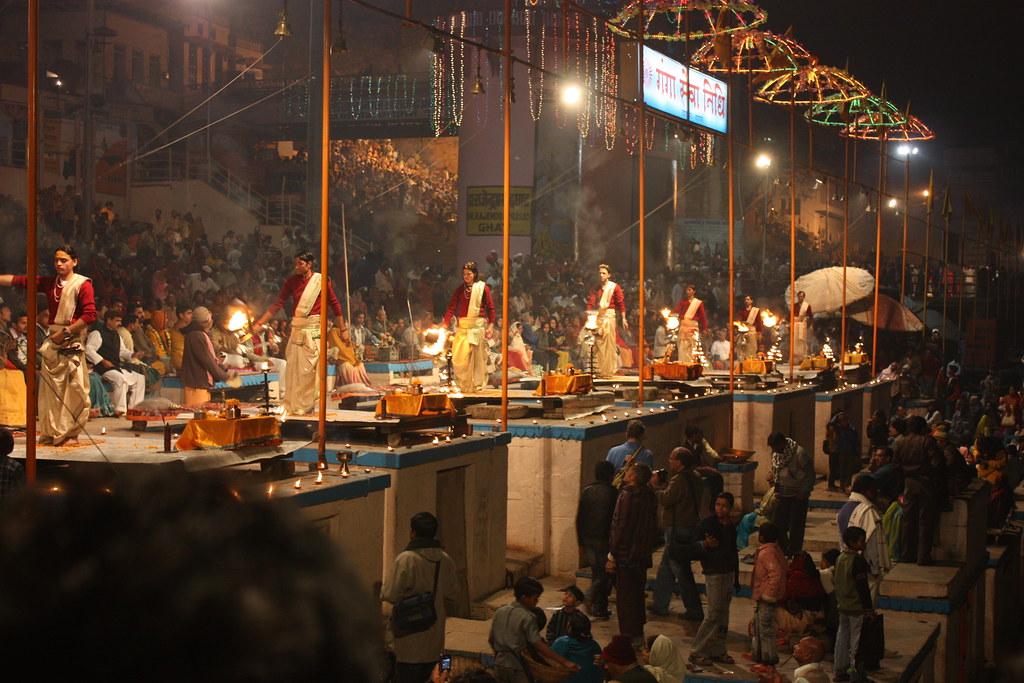
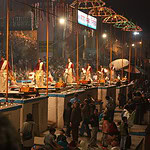
The city's riverfront ghats, or stone steps leading down to the Ganges, remain central to its identity. Pilgrims gather here for religious ceremonies, ritual bathing, and cremation rites, continuing traditions that have shaped Varanasi for generations. Nearby Sarnath is another historically important location, traditionally identified as the place where the Buddha delivered his first sermon after attaining enlightenment. Today, Varanasi remains an active center of religious learning, music, traditional silk weaving, and pilgrimage.
Gaziantep, Turkey
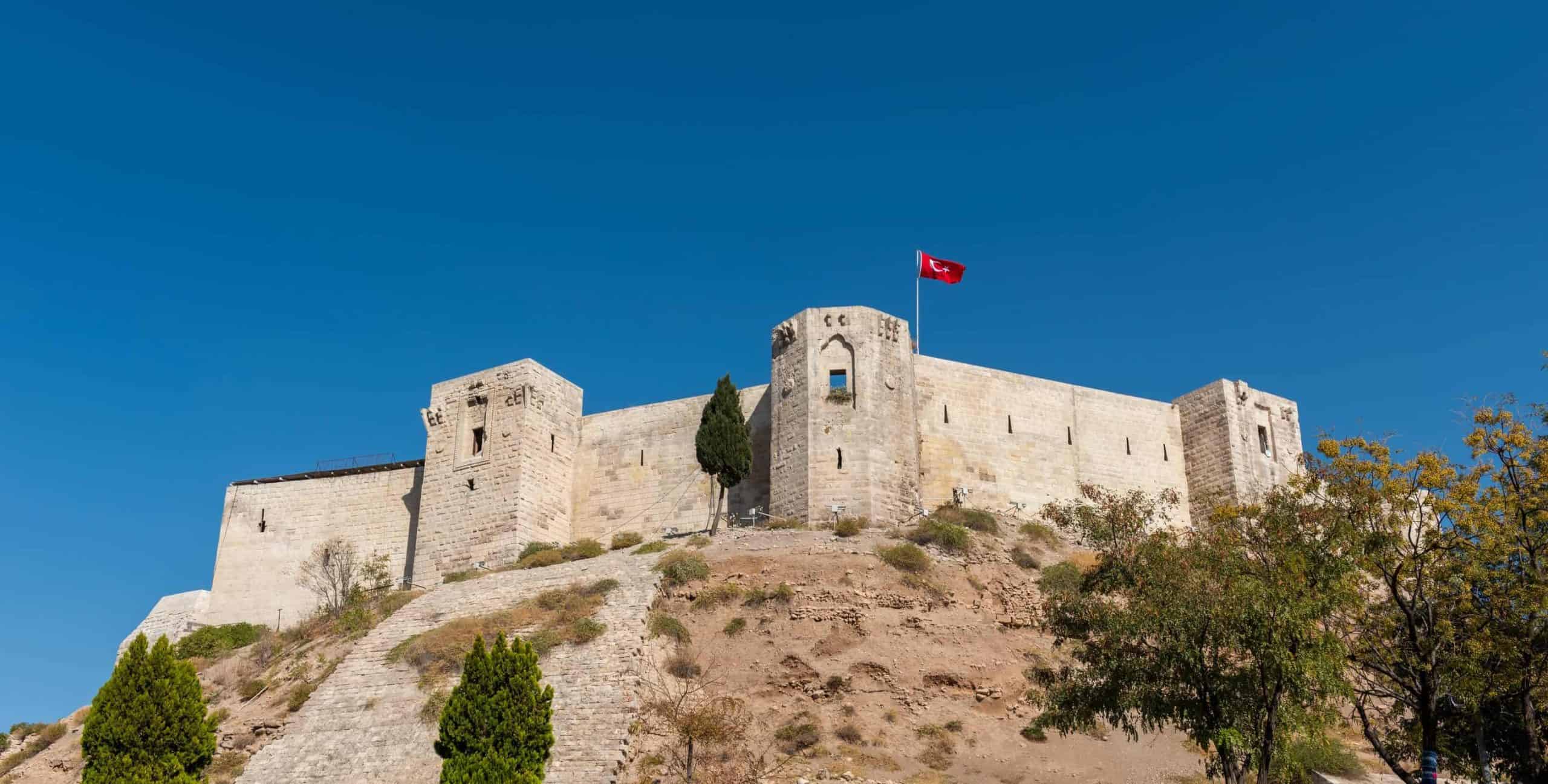
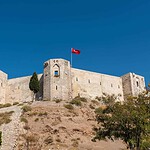
Gaziantep, historically known as Aintab or Antep, occupies a region of southeastern Turkey with a long history of settlement and trade. The city developed along routes linking Anatolia with the wider Middle East, bringing generations of merchants, craftspeople, and competing powers through the area. Its historical roots are substantial, although claims assigning the modern city a precise founding date thousands of years before the Common Era are difficult to establish.
Gaziantep (continued)
Today, Gaziantep is particularly famous for its culinary traditions, especially pistachios, baklava, and regional dishes that reflect centuries of cultural exchange. UNESCO recognizes it as a Creative City of Gastronomy. The city is also home to the Zeugma Mosaic Museum, which displays remarkable Roman-era mosaics recovered from the ancient city of Zeugma near the Euphrates River. Those artifacts come from a separate archaeological site, but they illustrate the extraordinary history of the surrounding region. Gaziantep offers a particularly interesting example of how historical traditions continue to influence a modern city's identity.