Boris Stroujko/Shutterstock.com
Cylonphoto/iStock.com
vololibero/iStock via Getty Images
Sergii Figurnyi/Shutterstock.com
YKD/iStock.com
peterhartree / BY-SA 2.0

Davide Bonora/Shutterstock.com
Catarina Belova/Shutterstock.com
vvoe/Shutterstock.com
t.spang / BY 2.0
szeke / BY-SA 2.0
Vadim Sadovski/Shutterstock.com
barmalini / Shutterstock.com
karins/Shutterstock.com

daphnusia/iStock via Getty Images
vololibero/iStock via Getty Images





15 Fascinating Facts About Italy Most Tourists Don’t Know
Most people arrive in Italy already knowing the greatest hits: Rome, pizza, pasta, wine, and an alarming number of ways to order coffee incorrectly. The country gets much stranger—and more interesting—once you move past the postcard version.
From a king who lasted roughly five weeks to two independent countries hidden inside its borders, Italy has packed a remarkable amount of history into one boot-shaped peninsula. Here are 15 of the best facts from the original list, fact-checked, updated, and stripped of the usual filler.
Pompeii Was Buried in A.D. 79—and Preserved by the Disaster
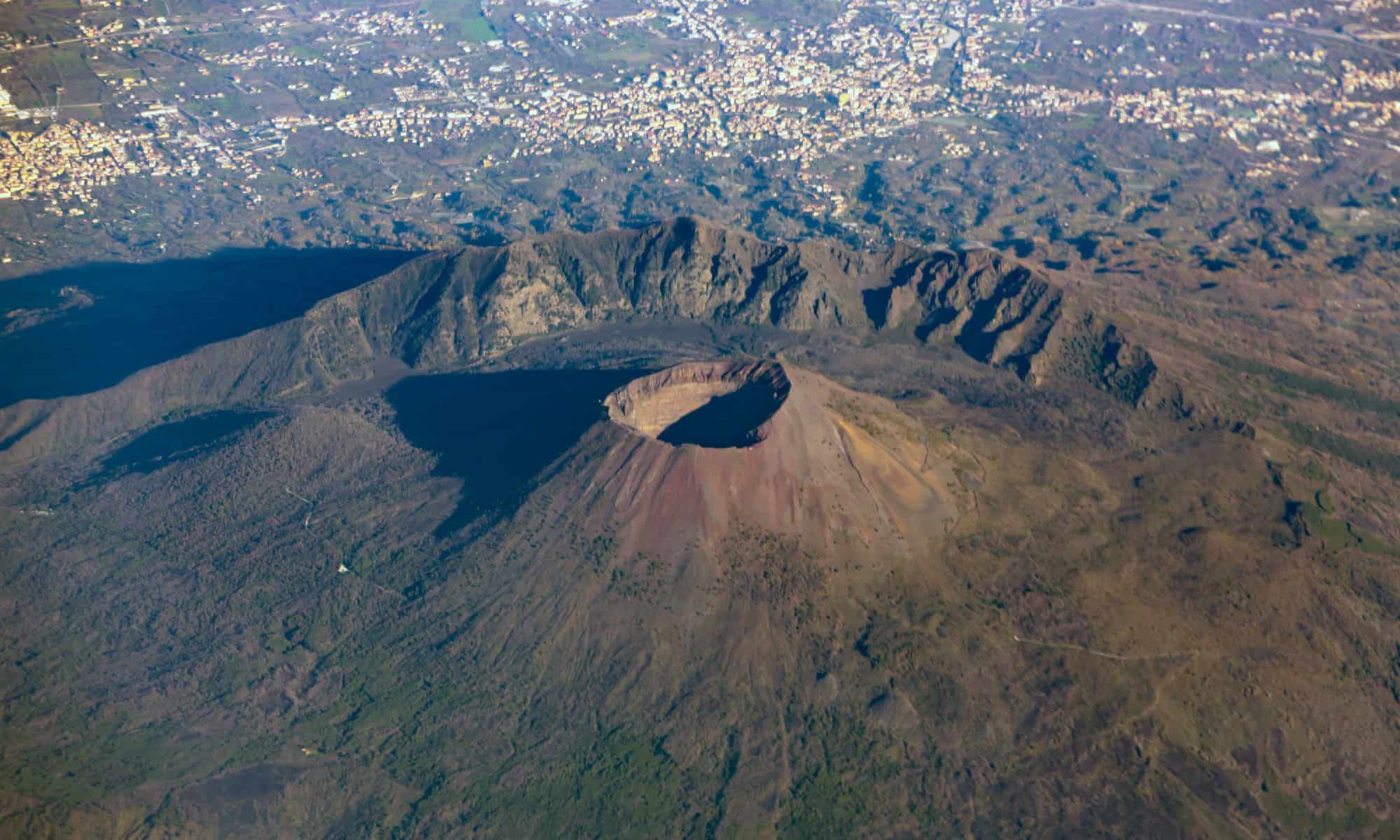
When Mount Vesuvius erupted in A.D. 79, volcanic material buried Pompeii, Herculaneum, and other nearby settlements. The eruption killed thousands, but the same debris that destroyed the cities also sealed away streets, buildings, mosaics, household objects, and haunting traces of the people who lived there. Pompeii is not a perfectly frozen Roman city—earthquakes, looting, weather, and excavation have all changed it—but it remains one of the clearest windows into everyday Roman life.
Modern Italy Is Much Younger Than Its Ruins Make It Look
The Kingdom of Italy was proclaimed in 1861, but unification was not finished neatly on that date. Veneto joined in 1866 and Rome in 1870. Italy did not become a republic until a 1946 referendum. Its last king, Umberto II, took the throne on May 9 and left for exile on June 13—roughly five weeks later. That is an impressively short reign for a country with such a long memory.
Italy Completely Surrounds Two Independent Countries
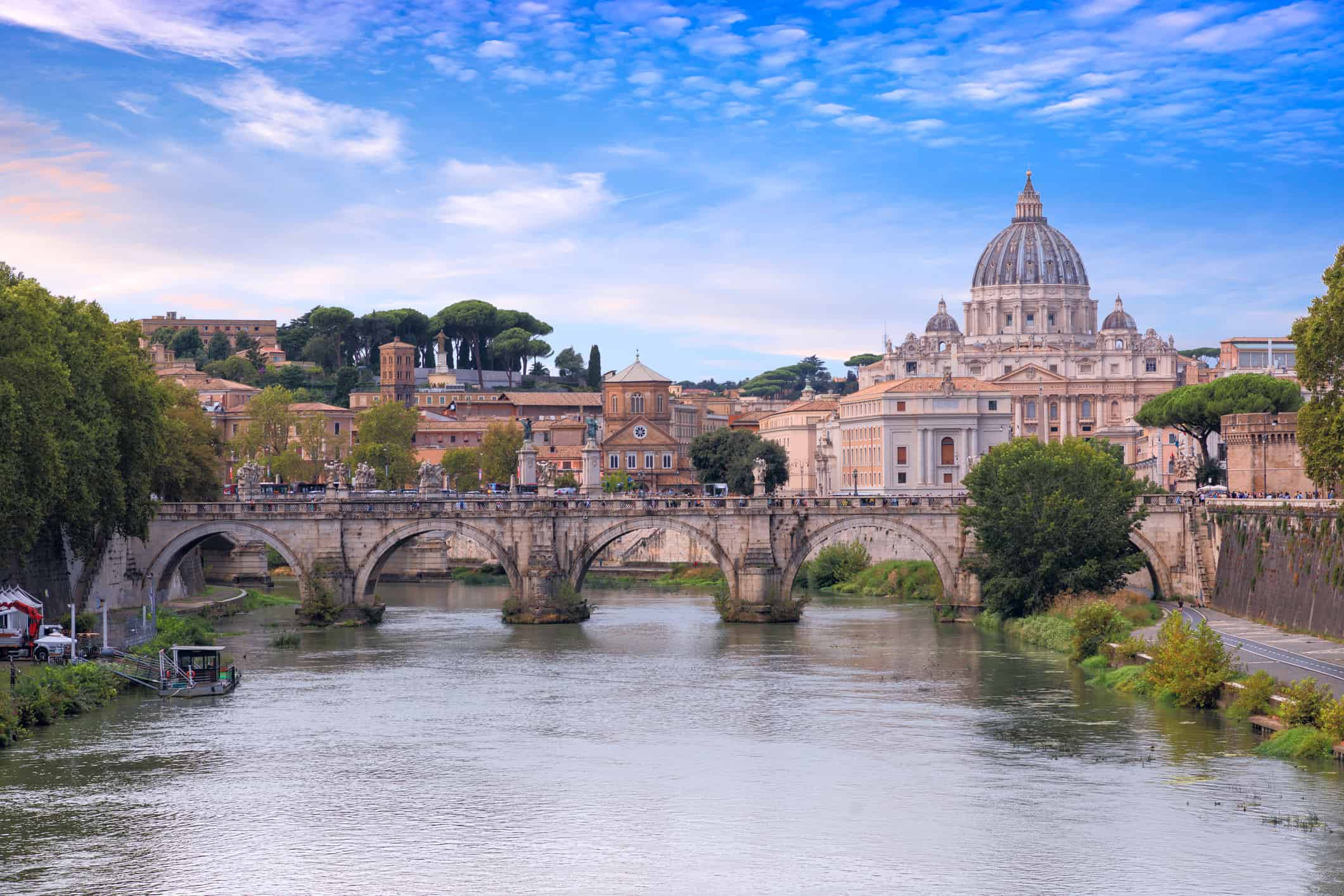
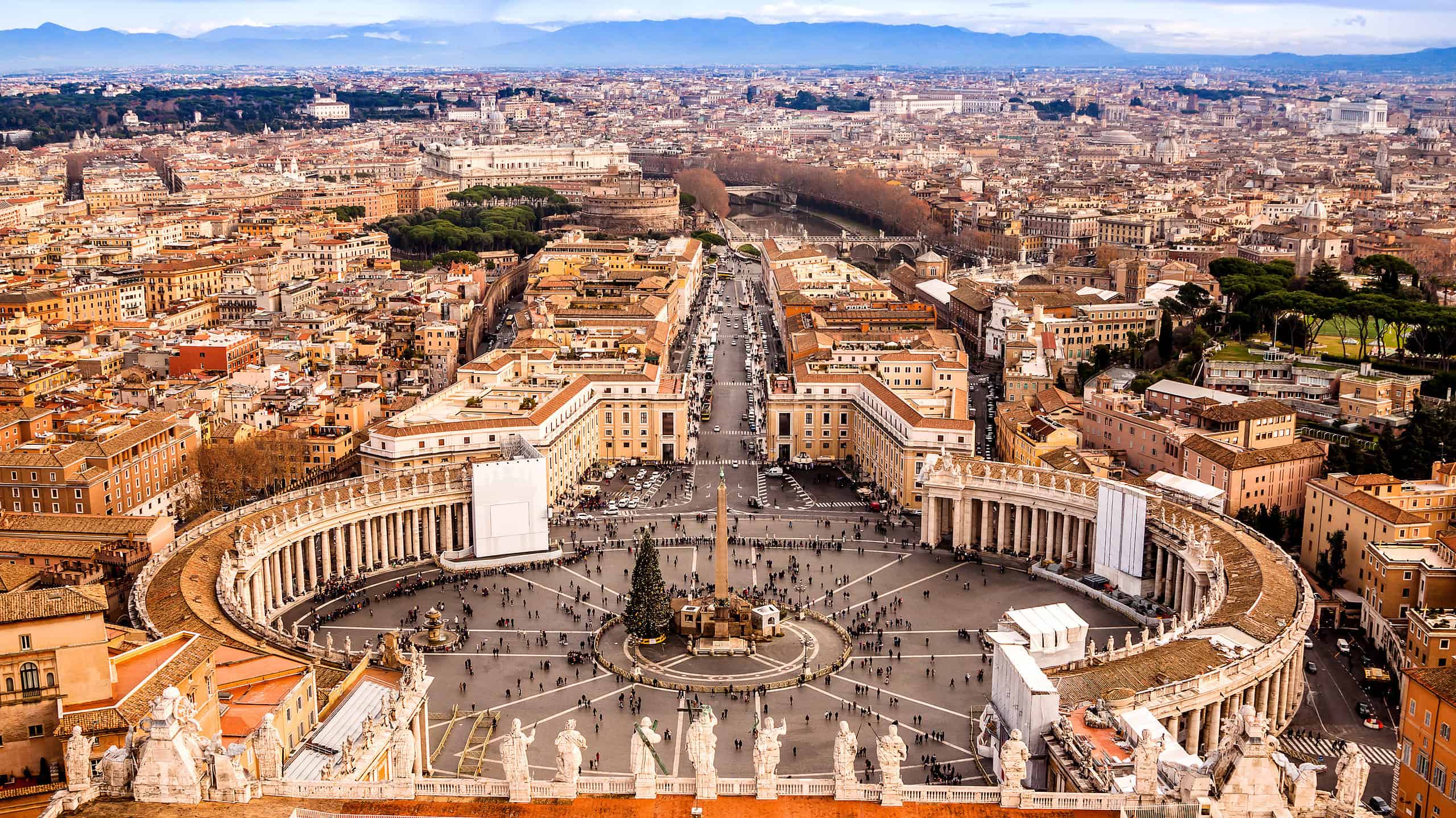
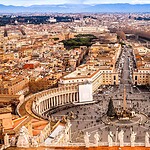
Vatican City and San Marino are sovereign states, even though both are entirely enclosed by Italian territory. Vatican City is a 0.44-square-kilometer enclave inside Rome and the world’s smallest independent state. San Marino covers about 61 square kilometers between Italy’s Emilia-Romagna and Marche regions. Crossing Italy’s borders, in other words, does not always require leaving the peninsula.
Italy Officially Protects 12 Historic Minority Languages
Standard Italian is only part of the country’s linguistic story. A 1999 law protects 12 historic language groups, including Sardinian, Friulian, Ladin, Slovene, Albanian, Greek, Catalan, and Occitan. Italy also has 20 regions, and the Constitution grants five of them special autonomy: Sicily, Sardinia, Valle d’Aosta, Trentino-Alto Adige/Südtirol, and Friuli-Venezia Giulia. The result is a country whose local identities can change dramatically in the space of one train ride.
The “Three Active Volcanoes” Fact Is Too Simple
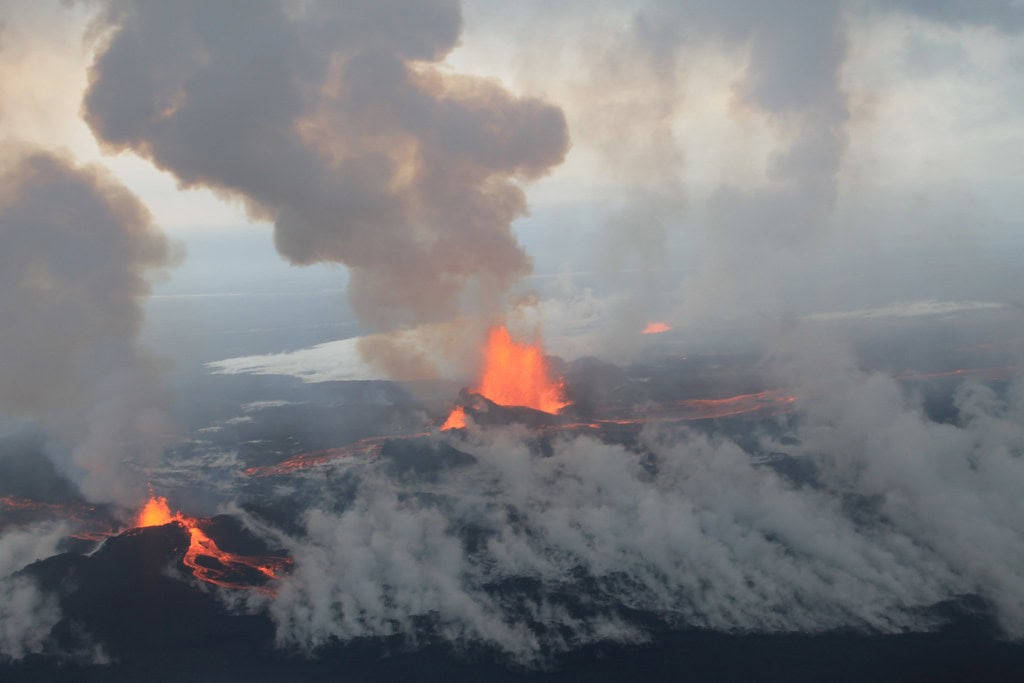
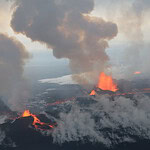
Italy is often said to have three active volcanoes: Etna, Stromboli, and Vesuvius. Official monitoring is more complicated. Italy’s National Institute of Geophysics and Volcanology also tracks volcanic systems including Campi Flegrei, Vulcano, and Ischia. Vesuvius, Campi Flegrei, and Ischia are currently quiescent, not extinct, meaning they are quiet but still capable of future eruptions. Volcanoes, apparently, do not care much for tidy travel-trivia lists.
Italy’s First National Park Grew Out of a Royal Hunting Reserve
Gran Paradiso became Italy’s first national park in 1922, but its conservation story began decades earlier. King Victor Emmanuel II had declared part of the area a royal hunting reserve in 1856. The arrangement was hardly modern wildlife management—the king still hunted there—but the protection helped keep the Alpine ibex from disappearing. His grandson later donated the reserve to the state, turning royal hunting grounds into a protected landscape.
Shakespeare Kept Sending His Characters to Italy
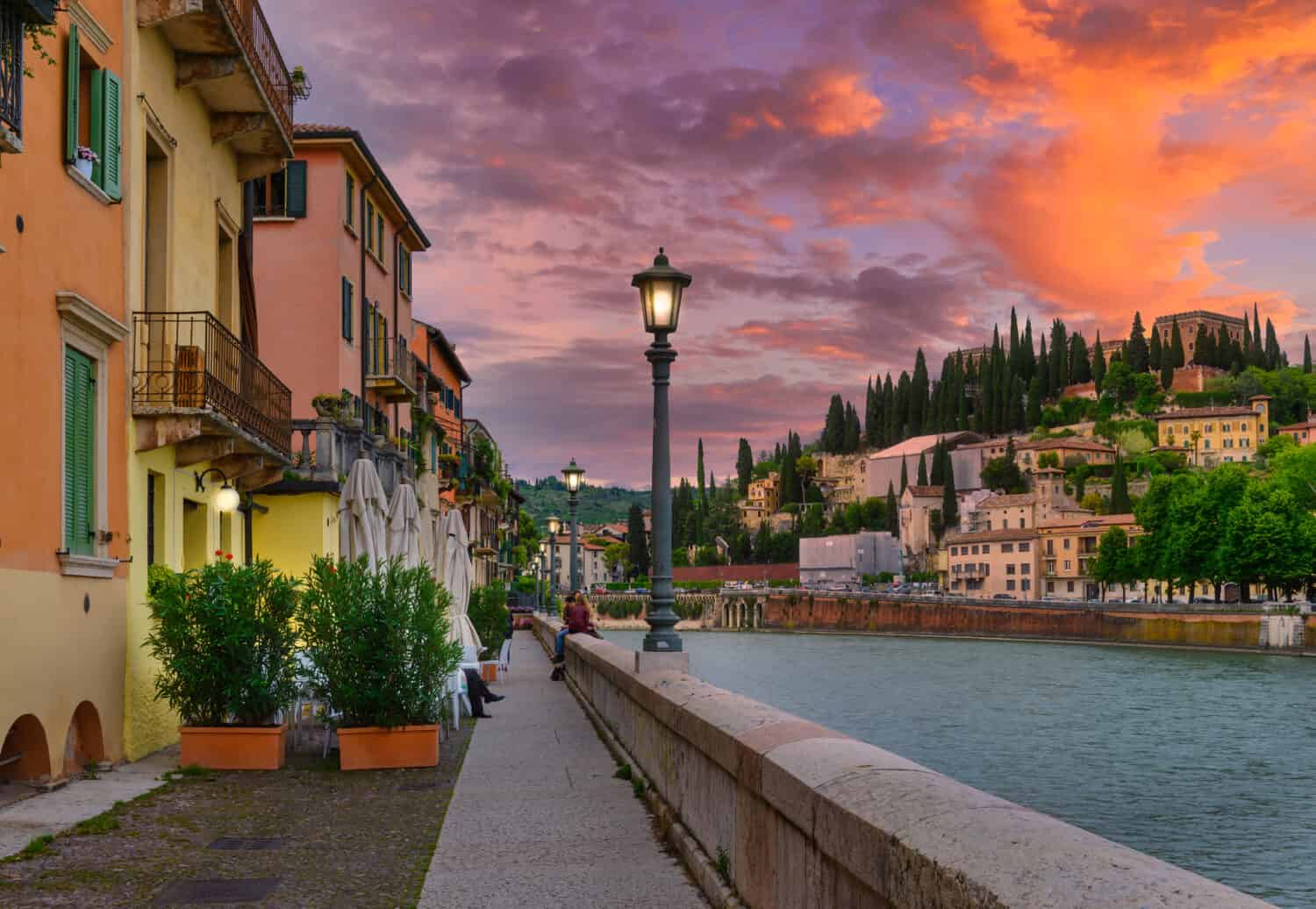
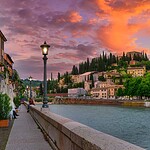
Italy appears wholly or partly in at least 13 Shakespeare plays. Verona hosts Romeo and Juliet; Venice anchors The Merchant of Venice and the opening of Othello; Padua is central to The Taming of the Shrew; and Rome provides the backdrop for Julius Caesar, Coriolanus, and parts of Antony and Cleopatra. The Folger Shakespeare Library’s setting list reads a little like an Elizabethan tour itinerary.
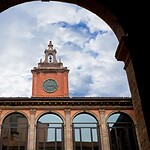
The University of Bologna Predates Most Modern Countries
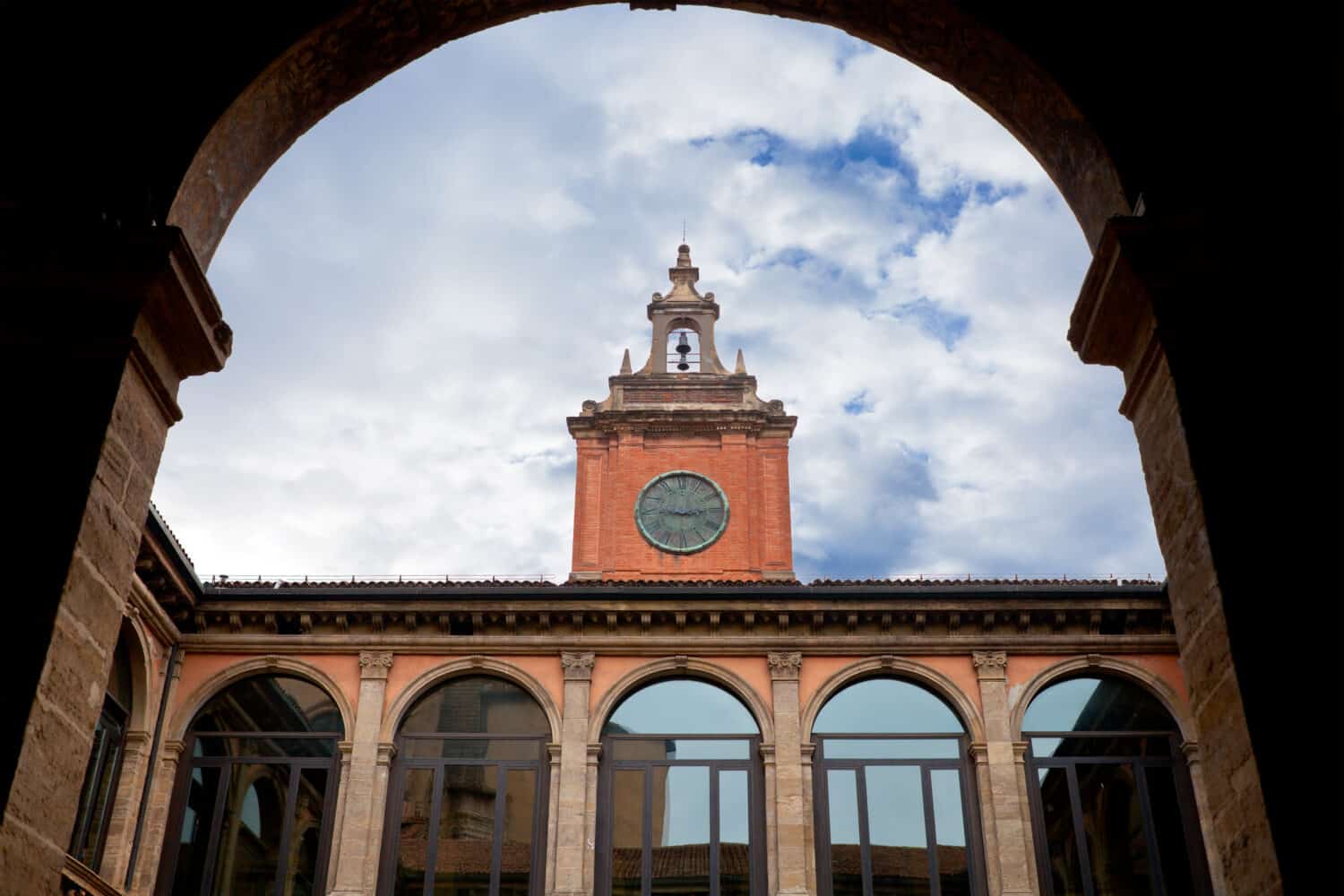
The University of Bologna traces its conventional founding to 1088 and is widely considered the oldest university in the Western world. Its early students organized themselves into associations and hired scholars to teach subjects such as law. The word universitas originally referred to that community rather than a campus. Bologna was educating students centuries before universities had residence halls, football teams, or mysteriously expensive textbooks.
The Piano Was Invented in Florence by a Man From Padua
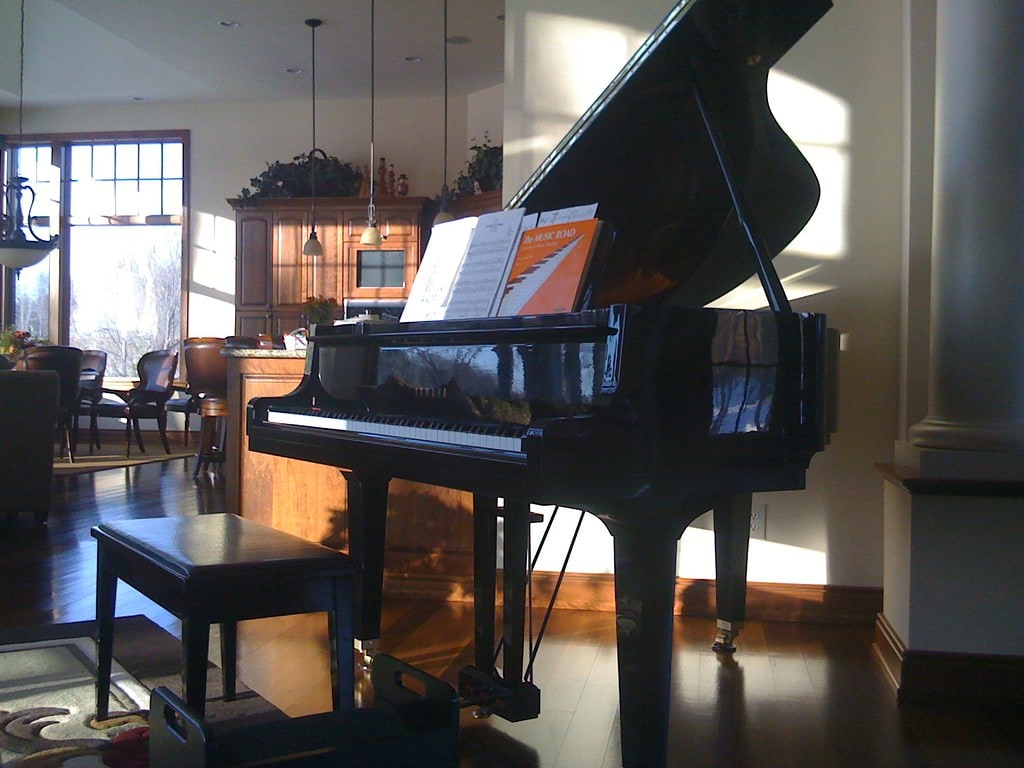
Bartolomeo Cristofori, an instrument maker born in Padua, developed the first true piano while working for the Medici court in Florence. An inventory from 1700 described an instrument that could play both softly and loudly depending on how the keys were struck—a major advance over the harpsichord. Only three of Cristofori’s pianos are known to survive. One is at New York’s Metropolitan Museum of Art.
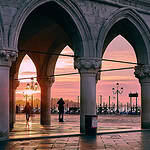
Venice Turned Opera Into a Night Out for Paying Customers
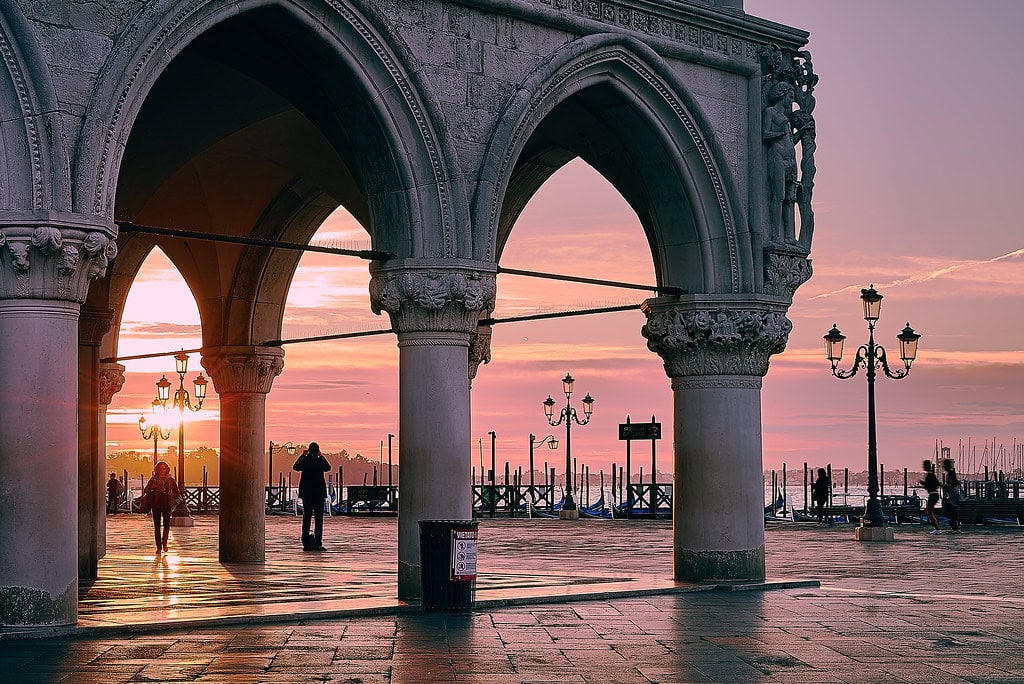
Opera began as entertainment for courts and wealthy patrons, but Venice helped open it to the public. In 1637, Teatro San Cassiano became the world’s first public opera house, selling admission to paying audiences. Its opening production was L’Andromeda. The theater did more than introduce a new venue; it helped turn opera into a commercial art form that could attract an audience beyond aristocratic drawing rooms.
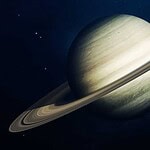
Galileo Saw Saturn’s Rings—but Had No Idea What They Were
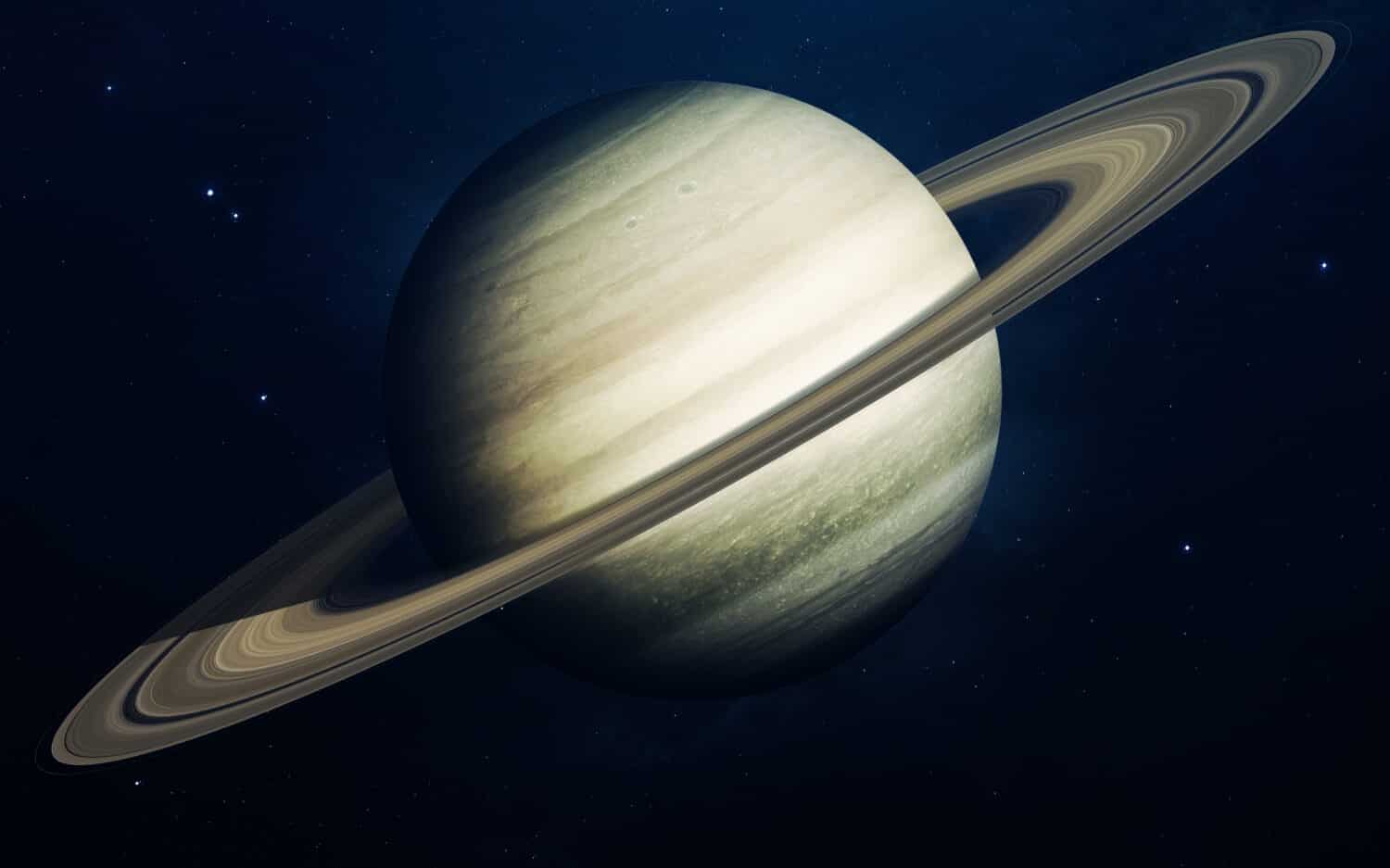
When Galileo aimed his telescope at Saturn in 1610, he saw what looked like a large central world with two smaller bodies beside it. He had unknowingly observed the planet’s rings, but his telescope could not resolve their shape. The mystery deepened when the rings turned edge-on and seemed to disappear. Christiaan Huygens correctly described Saturn as surrounded by a ring in 1655. Even Galileo occasionally had to settle for “well, that is strange.”
Italy Helped Give Us Both Batteries and Nuclear Power
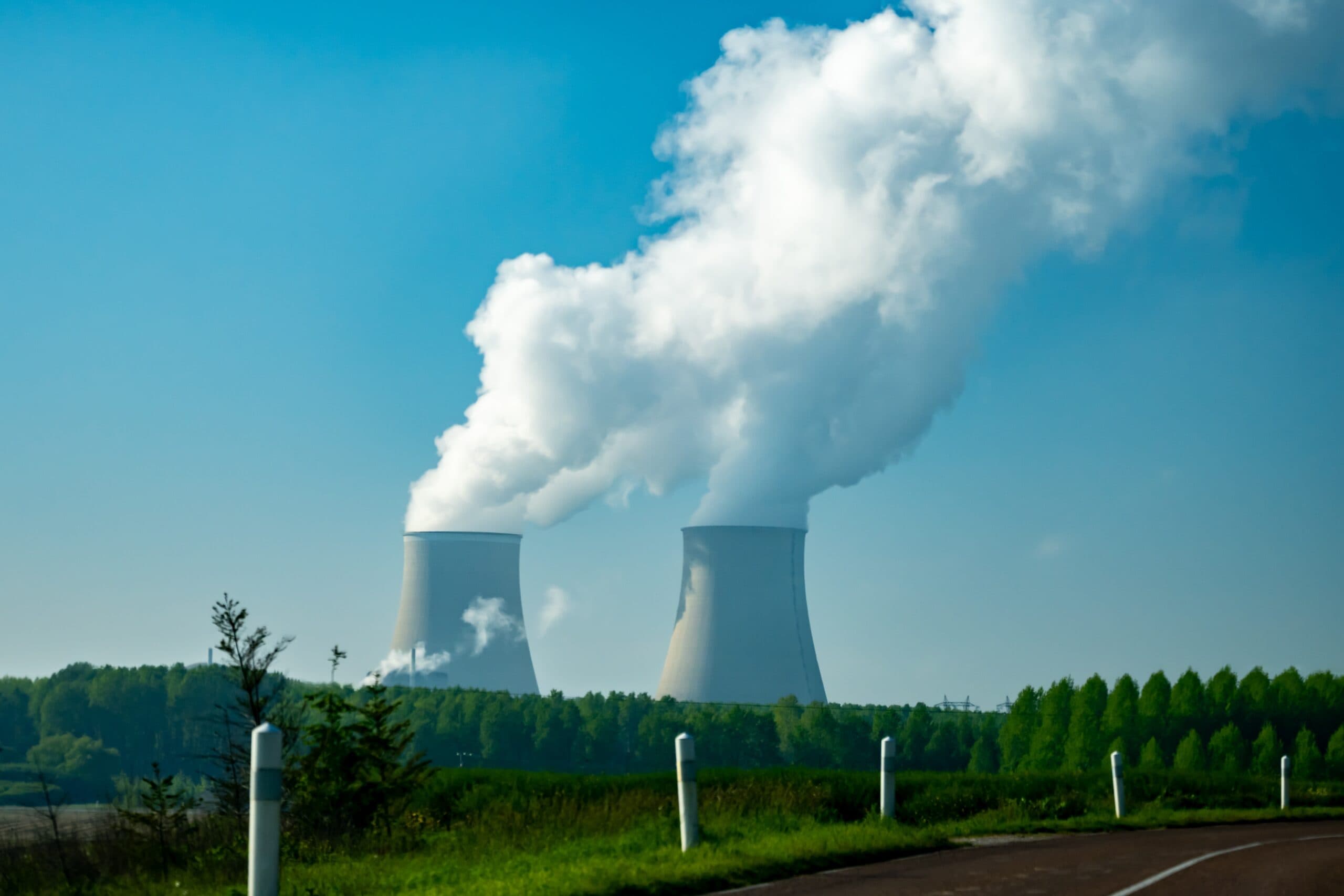
In 1800, Alessandro Volta described the voltaic pile, the first battery able to deliver a continuous electric current. More than a century later, Rome-born physicist Enrico Fermi led the team behind Chicago Pile-1, which produced the first controlled, self-sustaining nuclear chain reaction on December 2, 1942. Their work sits at opposite ends of the energy scale, but both breakthroughs changed the modern world.
The First Espresso Machine Was Not Quite an Espresso Machine
Turin inventor Angelo Moriondo received an 1884 patent for a machine that used steam and hot water to brew coffee much faster than traditional methods. It is widely treated as the earliest ancestor of the espresso machine, but Moriondo’s large machine brewed coffee in bulk rather than making the individual shots we recognize today. Later inventors refined the idea. Italy can still claim the espresso machine—just not as one perfectly formed invention that arrived all at once.
Caesar Salad Is Italian—Except It Was Invented in Mexico
Caesar salad was born in Tijuana, not ancient Rome. The dish is tied to Caesar Cardini, an Italian immigrant who operated a restaurant there, and its debut is generally dated to 1924. The exact person who first assembled it remains disputed—Cardini’s brother and a young kitchen employee have also been credited—but the Tijuana origin is not seriously in doubt. The “Caesar” in the name was a restaurateur, not an emperor.
Italy Has 62 UNESCO World Heritage Sites—and Counting
The original version of this fact listed 59 sites, but that number is already out of date. As of 2026, Italy has 62 properties on UNESCO’s World Heritage List, and Italy’s UNESCO commission says that remains the highest total of any country. The list ranges from the historic centers of Rome, Florence, and Naples to the Dolomites, Mount Etna, Pompeii, and groups of buildings spread across several regions. For once, Italy leading a global list about old and beautiful things is exactly as predictable as it sounds.