Flywheel Publishing
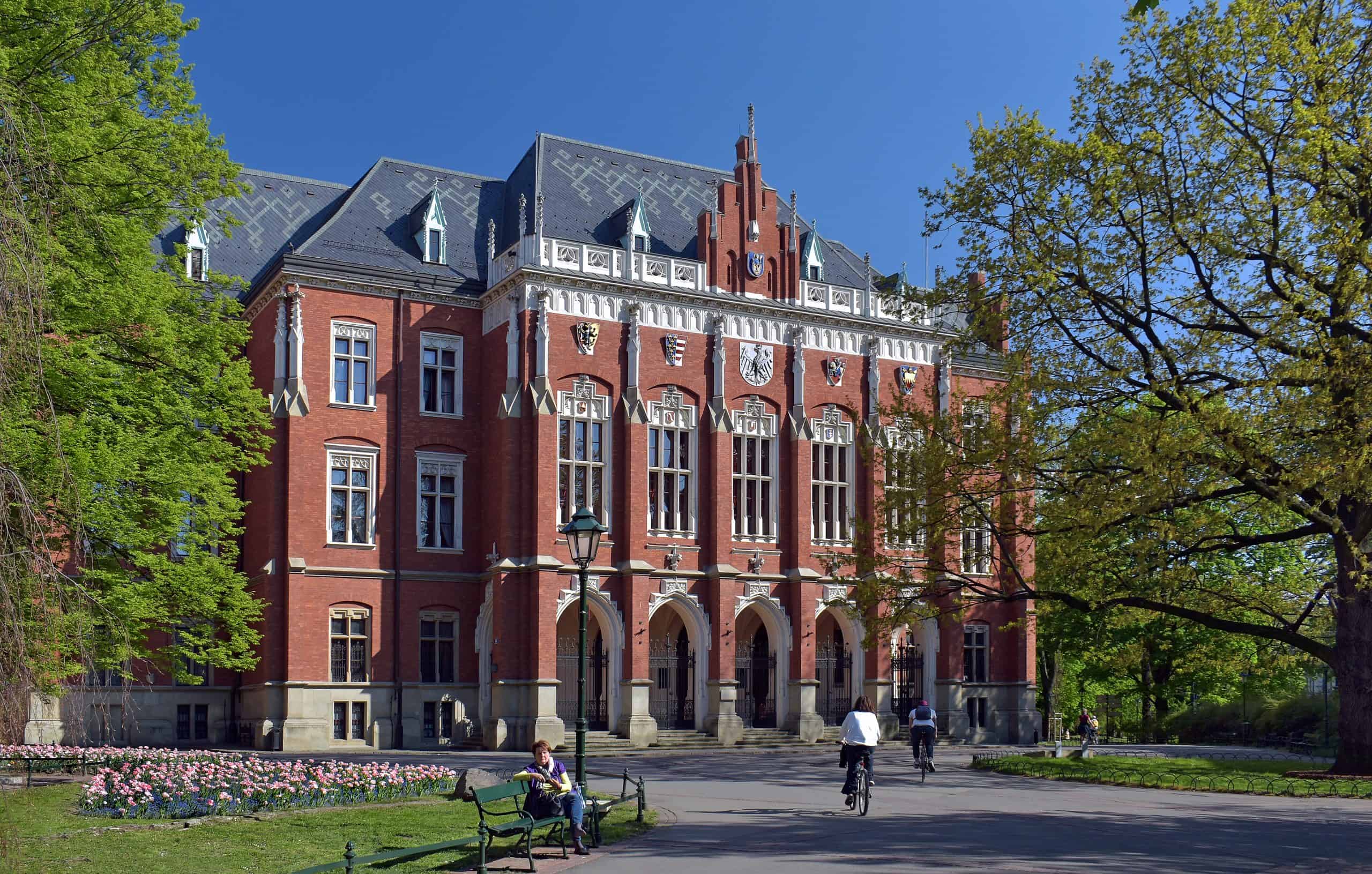
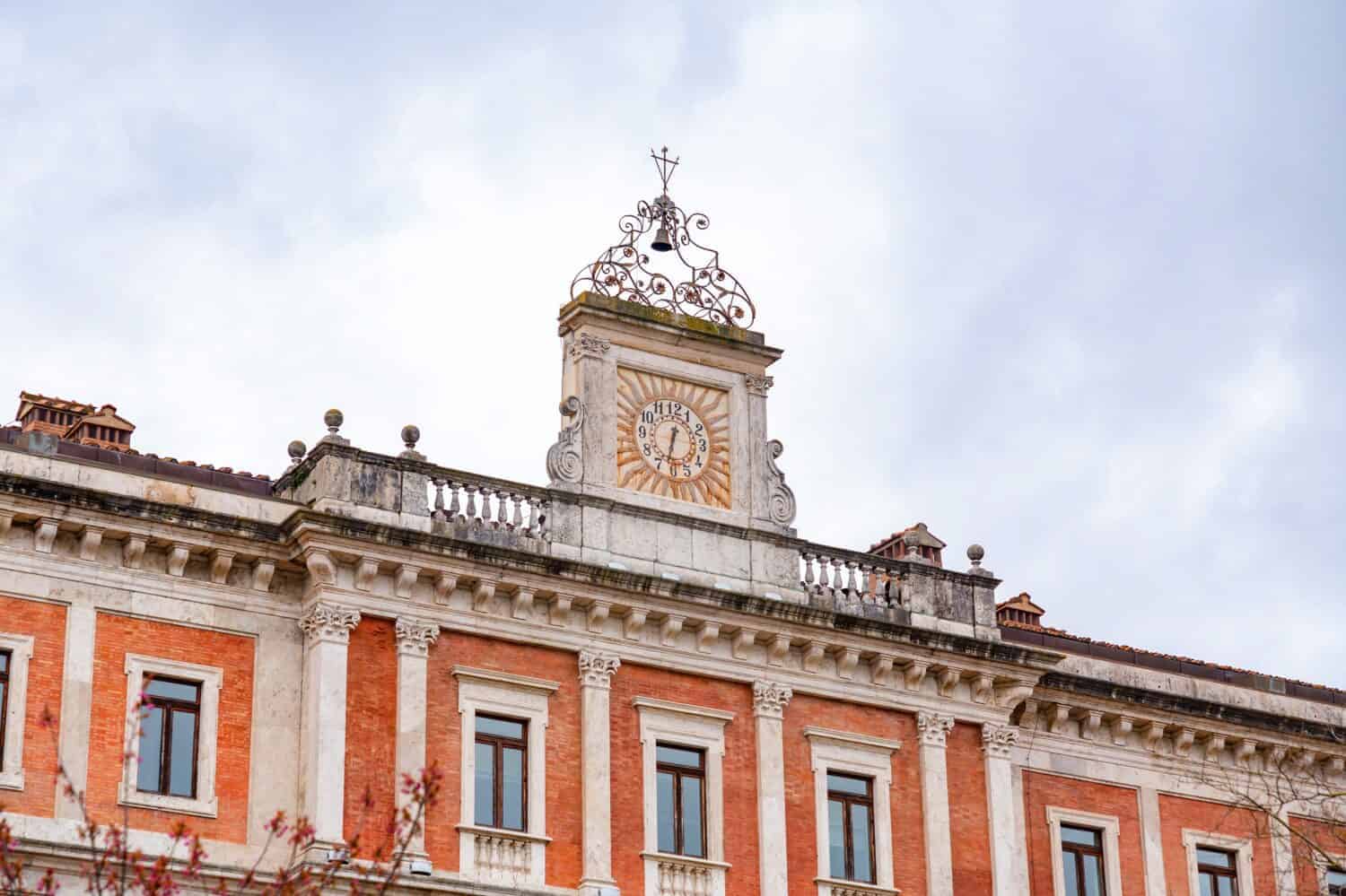
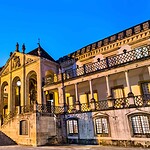
"Jagiellonian University Collegium Novum, 1882 designed by Feliks Księżarski, 24 Gołębia street, Old Town, Krakow, Poland" by Zygmunt Put Zetpe0202 is licensed under BY-SA 4.0.
Public Domain / Wikimedia Commons
KelaVi/Shutterstock.com
ColorMaker/Shutterstock.com
kavalenkava / Shutterstock.com
Petr Jansa/Shutterstock.com
TTstudio/Shutterstock.com
trabantos/Shutterstock.com
milosk50/Shutterstock.com
Leonid Andronov/Shutterstock.com

wastesoul / Getty Images
bluejayphoto/ via Getty Images
Sergdid / iStock via Getty Images
Gary Bembridge from London, UK/ CC BY 2.0
Andrew Mayovskyy / Shutterstock.com
Diego Grandi/Shutterstock.com

Matej Kastelic/Shutterstock.com
Robert Harding Video / Shutterstock.com
PoohFotoz/Shutterstock.com
Txllxt TxllxT / CC BY-SA 4.0
Framalicious / Shutterstock.com
Carl Campbell / CC BY-SA 2.0

Vladislav Zolotov/iStock via Getty Images
emmedici/ via Getty Images
"University of Bologna" by rebeccac411 is licensed under BY 2.0.






14 Universities That Date Back to the Middle Ages
There are universities older than entire countries, and some have survived wars, plagues, political upheaval, and the occasional spectacular falling-out between scholars. A few began as loose associations of teachers and students. Others were founded by kings or emperors who wanted educated people running their governments. Hundreds of years later, many are still handing out degrees.
These 14 institutions trace their histories to medieval Europe, although their founding dates and periods of uninterrupted operation are not always straightforward. This is not a ranking of the 14 oldest universities worldwide: long-running centers of higher learning elsewhere, including al-Qarawiyyin in Morocco and al-Azhar in Egypt, have older origins. And one entry, the historic University of Paris, survives through successor institutions rather than as the same unified university. Here are the remarkable stories behind these enduring academic names.
Jagiellonian University
Founded in Krakow on May 12, 1364, by King Casimir III, Jagiellonian University began as the Studium Generale, with an emphasis on law, medicine, and the liberal arts. It is Poland's oldest university and one of Central Europe's major medieval academic institutions. Its first chapter, however, was surprisingly brief. The school lost momentum after Casimir died in 1370 and effectively ceased operating, so claims that it has functioned without interruption since 1364 are misleading.
The institution was revived through the efforts of Queen Jadwiga and King Wladyslaw II Jagiello. Jadwiga left resources to help restore it, and a new royal charter in 1400 established the foundation for its lasting growth. The university later became an important center for astronomy, mathematics, and legal scholarship. Its most famous early student was Nicolaus Copernicus, who studied in Krakow before developing the theory that Earth travels around the sun.
Jagiellonian University (Continued)
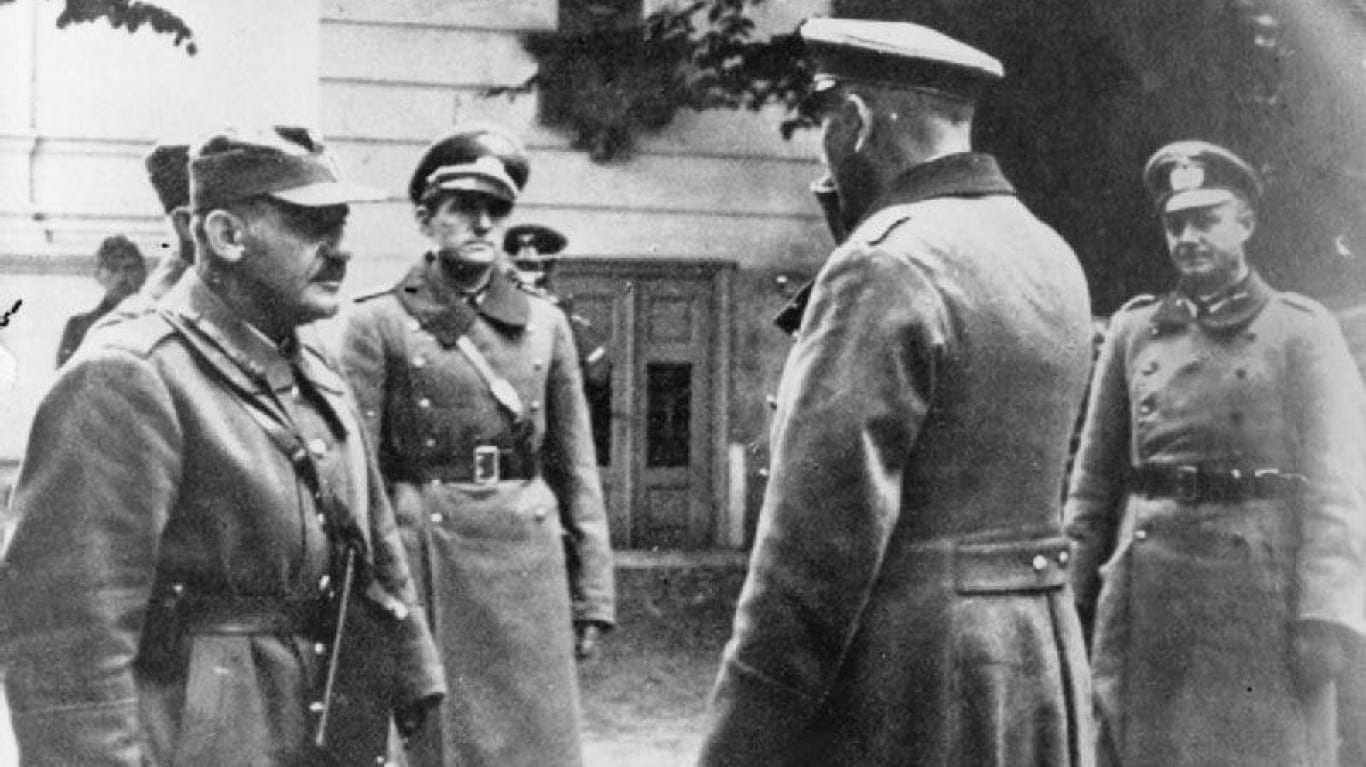
The university faced another crisis when Nazi Germany invaded Poland in 1939. German authorities arrested professors during an operation targeting the country's intellectual elite, and the occupation forced ordinary academic life to a halt. Yet underground teaching continued in Krakow as educators and students risked punishment to preserve their studies. It is a striking chapter of resistance in a history that had already stretched across five centuries.
After World War II, the university resumed public teaching and continued to evolve into a major research institution. Visitors today can see historic academic buildings alongside modern facilities, including the neo-Gothic Collegium Novum in the original photograph. Its story is less about an unbroken 662-year run than about an institution repeatedly rebuilt by people determined to keep education alive.
University of Pavia
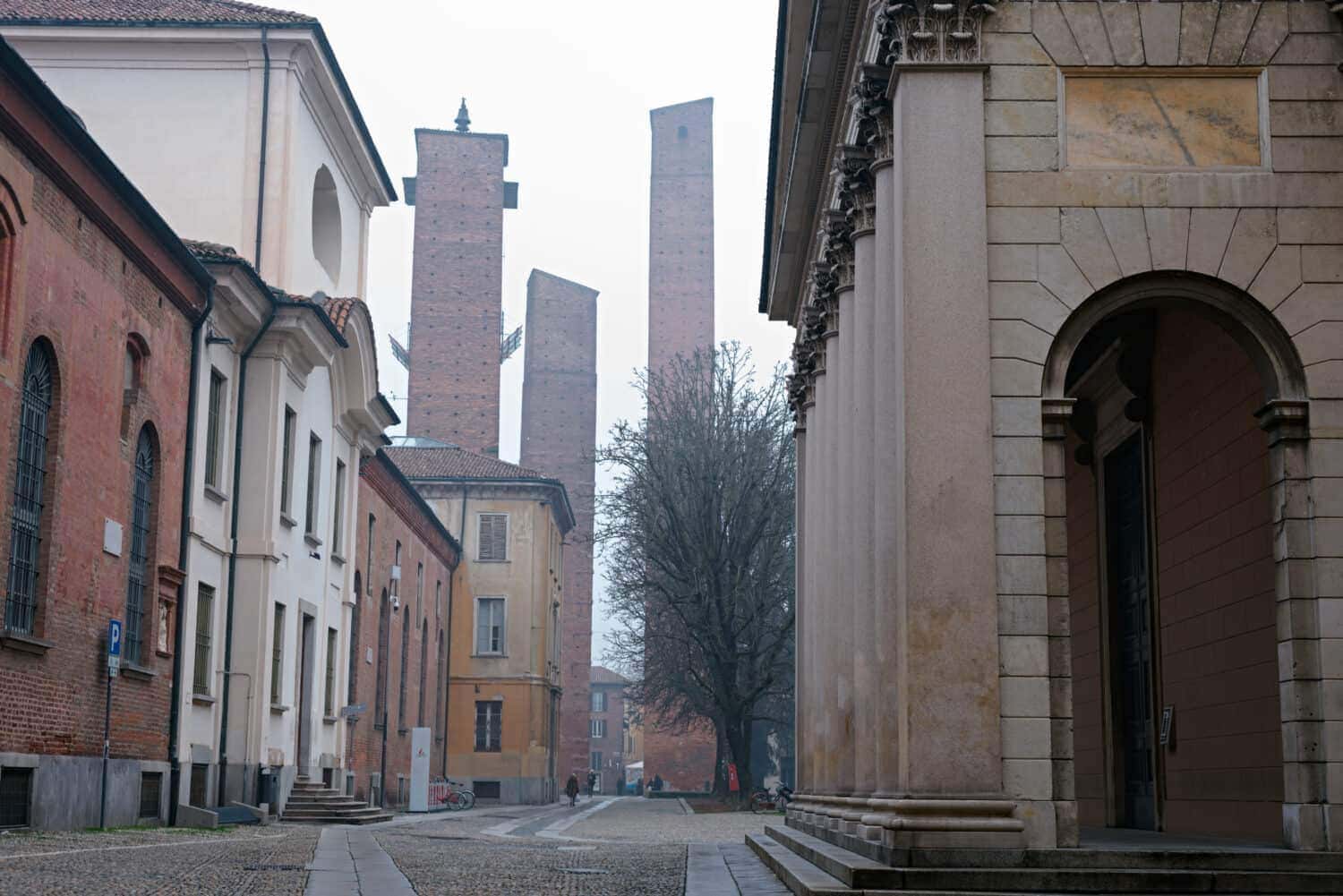
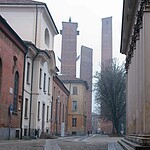
The University of Pavia in northern Italy traces the origins of advanced teaching in the city to 825, when Emperor Lothair established a school for officials. That early school was not the same thing as a modern university. The institution usually dates its university foundation to 1361, when Emperor Charles IV authorized a studium generale to teach subjects including law, medicine, philosophy, and the liberal arts.
Pavia's later reputation rested on much more than its age. During the 18th century, reforms under the Habsburg rulers Maria Theresa and Joseph II helped transform it into an important center for scientific study. Alessandro Volta, the inventor associated with the electric battery, taught experimental physics there and served as rector. The university remains spread through historic buildings in the city, with academic traditions that have endured wars, political changes, and occasional closures.
University of Siena
The University of Siena traces its beginnings to 1240, when a municipal decree documented a remarkable way to finance higher education. The city required people renting rooms to students to pay a tax, and the money helped cover teachers' salaries. Instead of a king founding a university by decree or students organizing one for themselves, Siena's government took an active role in keeping the local school running.
Its early courses included law, grammar, and medicine. One of the best-known teachers was the physician and philosopher Pietro Ispano, traditionally identified with the man who later became Pope John XXI in 1276. In the Middle Ages, that combination of law, medicine, and church scholarship was standard university fare. The fact that Siena was attracting accomplished teachers at all says something about the ambitions of this Tuscan city.
University of Siena (Continued)
The school did not have a perfectly smooth history. It gained additional formal recognition as a studium generale from Emperor Charles IV in 1357, but teaching experienced interruptions and periods of instability. The university's claim to medieval origins rests on its documented 1240 beginnings, not on a supposed second founding after a century-long shutdown. Its survival was shaped by local politics, money, and competition with other Italian schools.
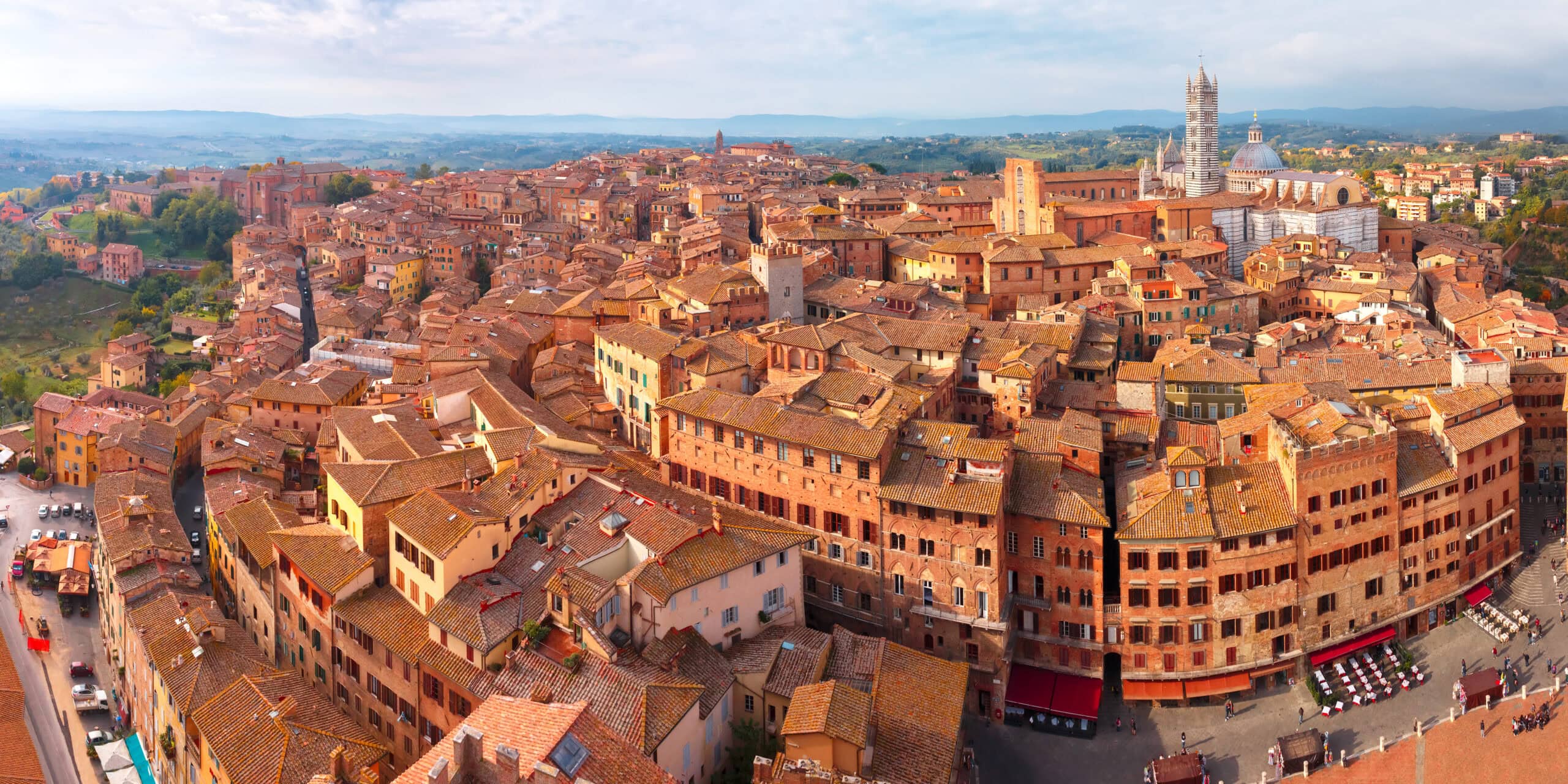
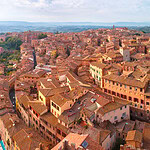
The city itself remains a huge part of the university's appeal. Academic buildings sit amid Siena's medieval streets and historic squares, rather than on one isolated campus. Visitors who come for the architecture are walking through the same urban setting that attracted scholars centuries ago, though today's students are considerably less likely to find their landlords helping fund a professor through a special municipal tax.
Charles University
Charles University in Prague was established on April 7, 1348, by Charles IV, then king of Bohemia and king of the Romans. A papal privilege had opened the way the previous year, but 1348 is the recognized founding date. The university originally had faculties for theology, law, medicine, and the liberal arts, bringing a major center of higher learning to a region whose students had often traveled elsewhere for advanced studies.
The institution quickly became entangled in the religious and political conflicts of Central Europe. In 1409, changes to voting rights inside the university contributed to the departure of many non-Czech scholars, some of whom helped establish the University of Leipzig. Religious disputes associated with the Hussite movement then reshaped the school, reducing its teaching activities for long periods. Medieval universities were not always peaceful sanctuaries of scholarship.
Charles University (Continued)
Its 20th-century history was hardly calmer. Following the Nazi occupation of Czech lands, German authorities closed Czech universities in November 1939, including Charles University. It reopened after World War II, only to face another era of political restrictions under communist rule. Student demonstrations in Prague in 1989 helped ignite the Velvet Revolution, which ended communist government in Czechoslovakia.
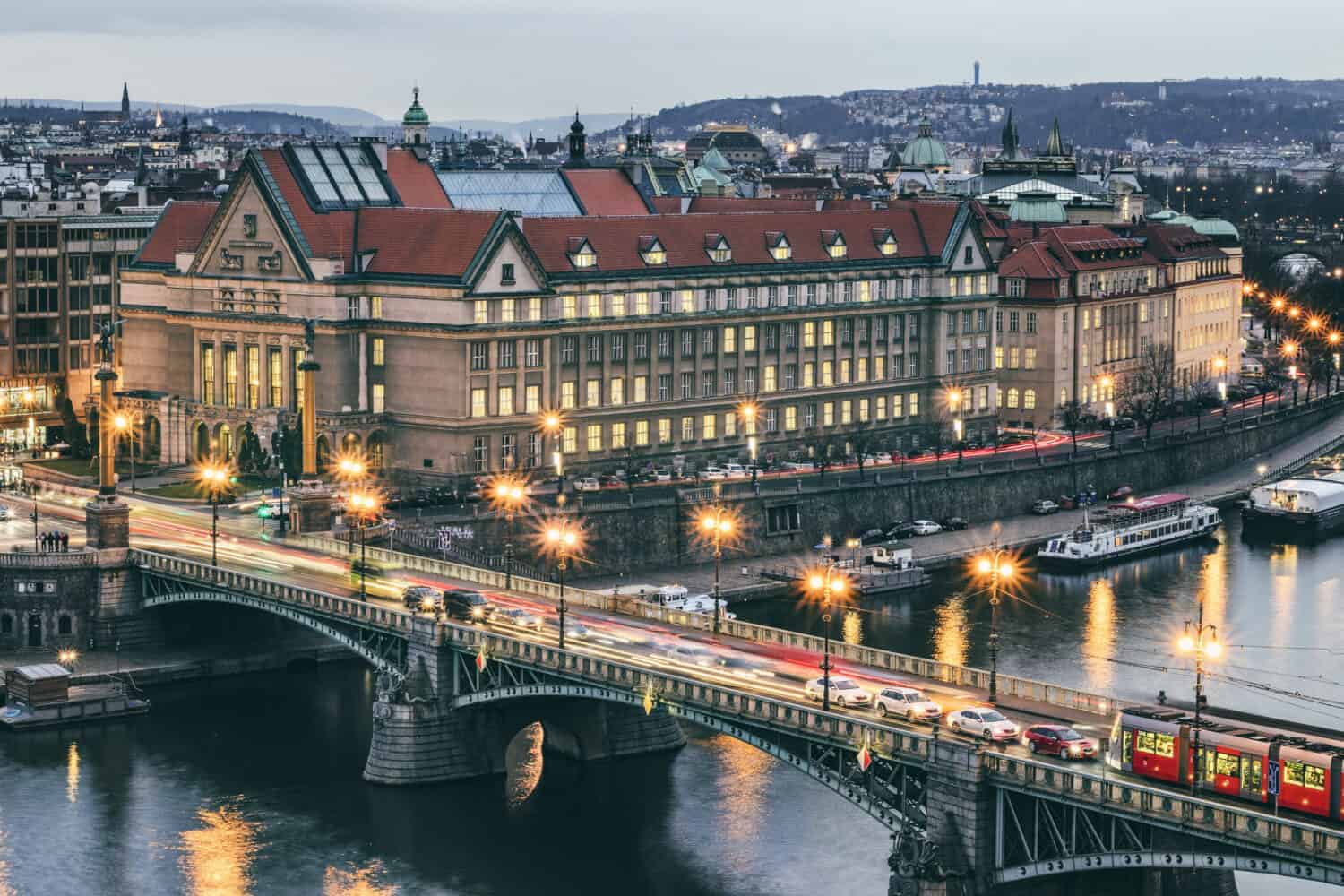
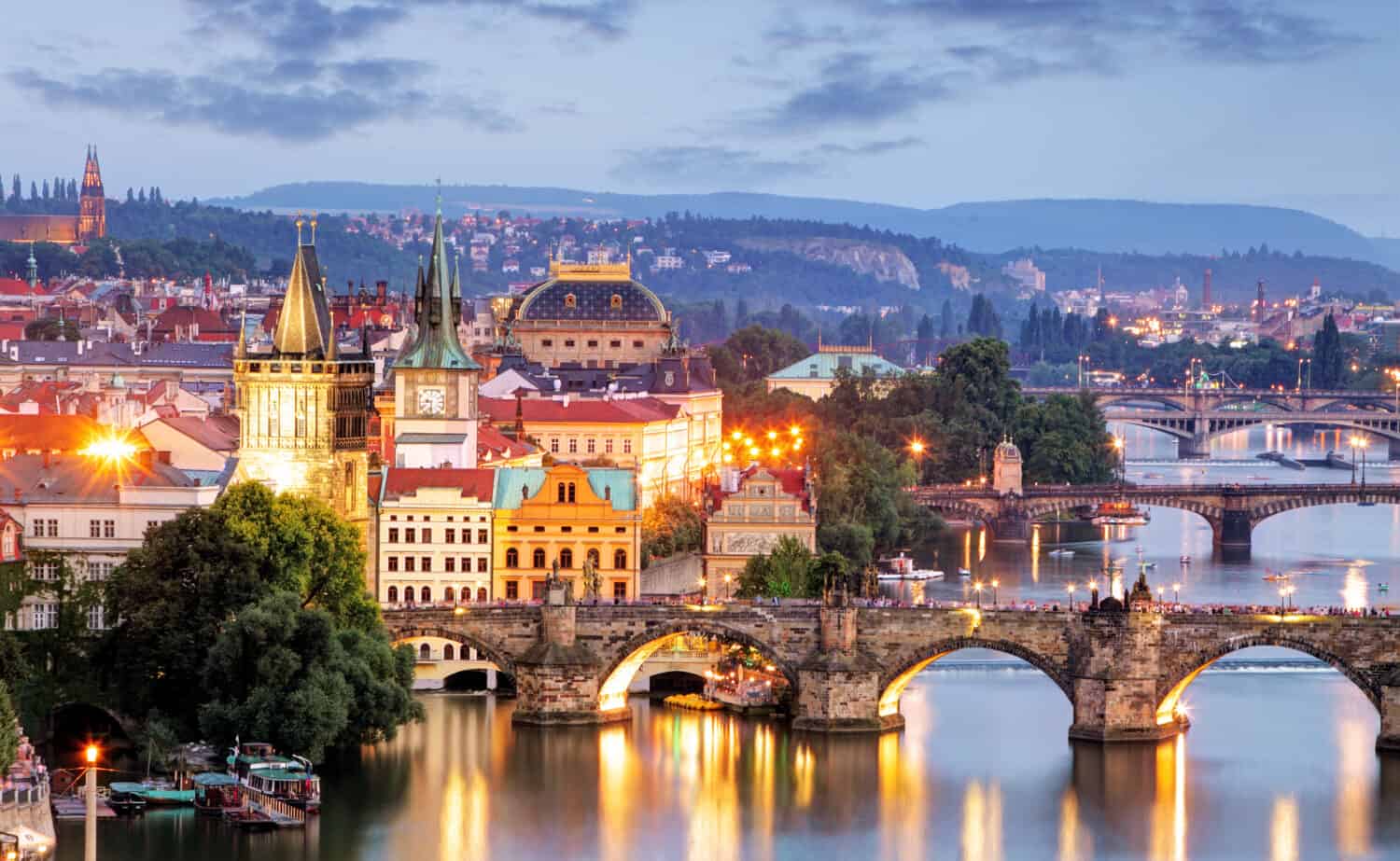
Today, Charles University remains a leading public institution with faculties across Prague and other Czech cities. The Carolinum, associated with the university since the 14th century, is a reminder of just how many historical turning points the school has witnessed. What started as a royal project to bring scholarship to Bohemia became closely tied to the political life of an entire country.
University of Perugia
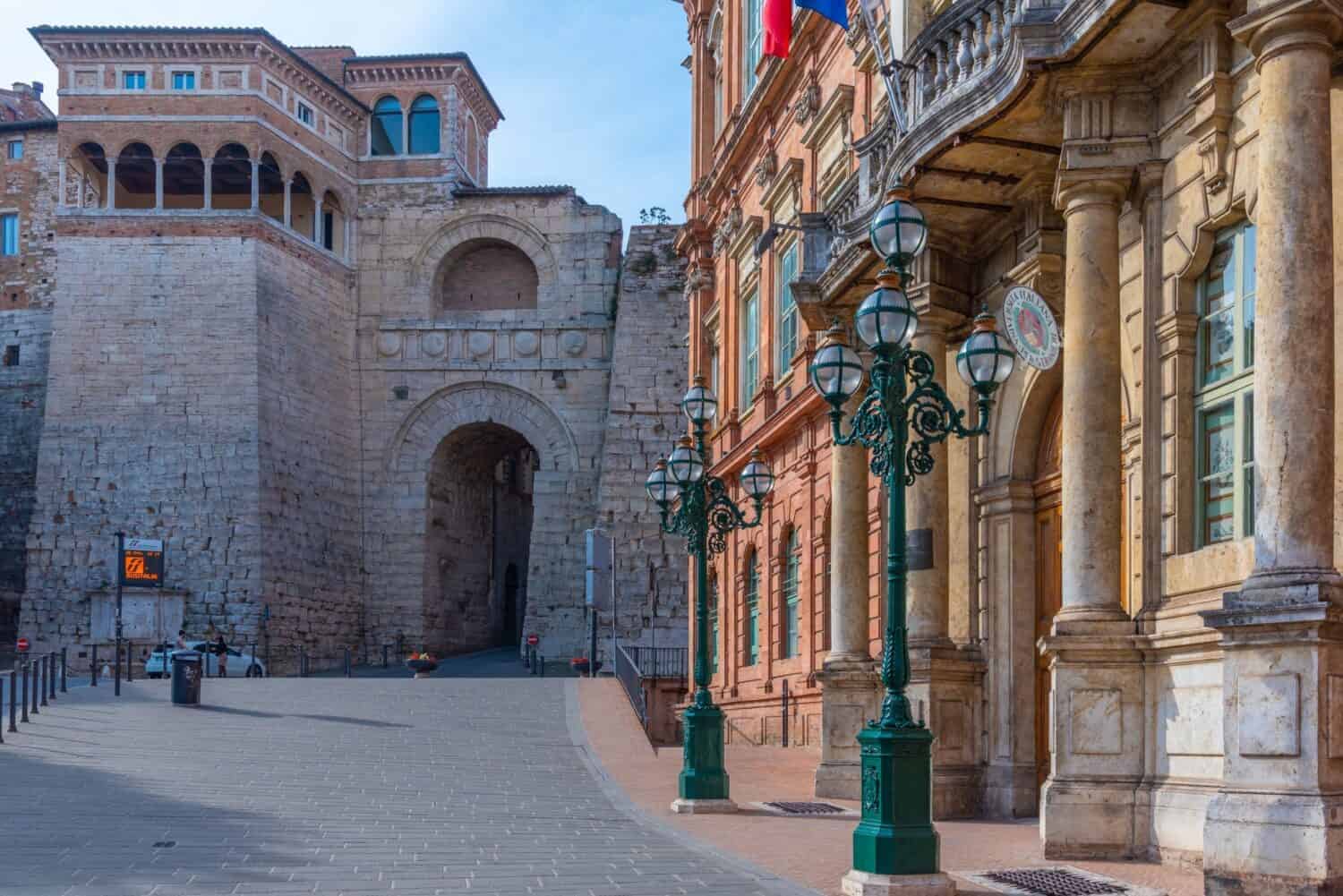
Perugia had scholars and local schools before it received official university status. Its standard founding date is 1308, when Pope Clement V granted the city's studium the authority to offer higher education recognized beyond its borders. The university's own historical account notes that teaching had existed earlier and that 1276 also appears in records, but the 1308 papal bull is generally treated as the formal institutional milestone.
The school initially became known for law and the liberal arts, with medicine joining its recognized degree programs in the 14th century. Emperor Charles IV added imperial recognition in 1355. Today the University of Perugia offers a much broader range of subjects and remains an important part of life in the Umbrian city. Its medieval roots are easy to overlook among the hilltop streets, but the university helped make Perugia a scholarly destination long before modern Italy existed.
University of Valladolid
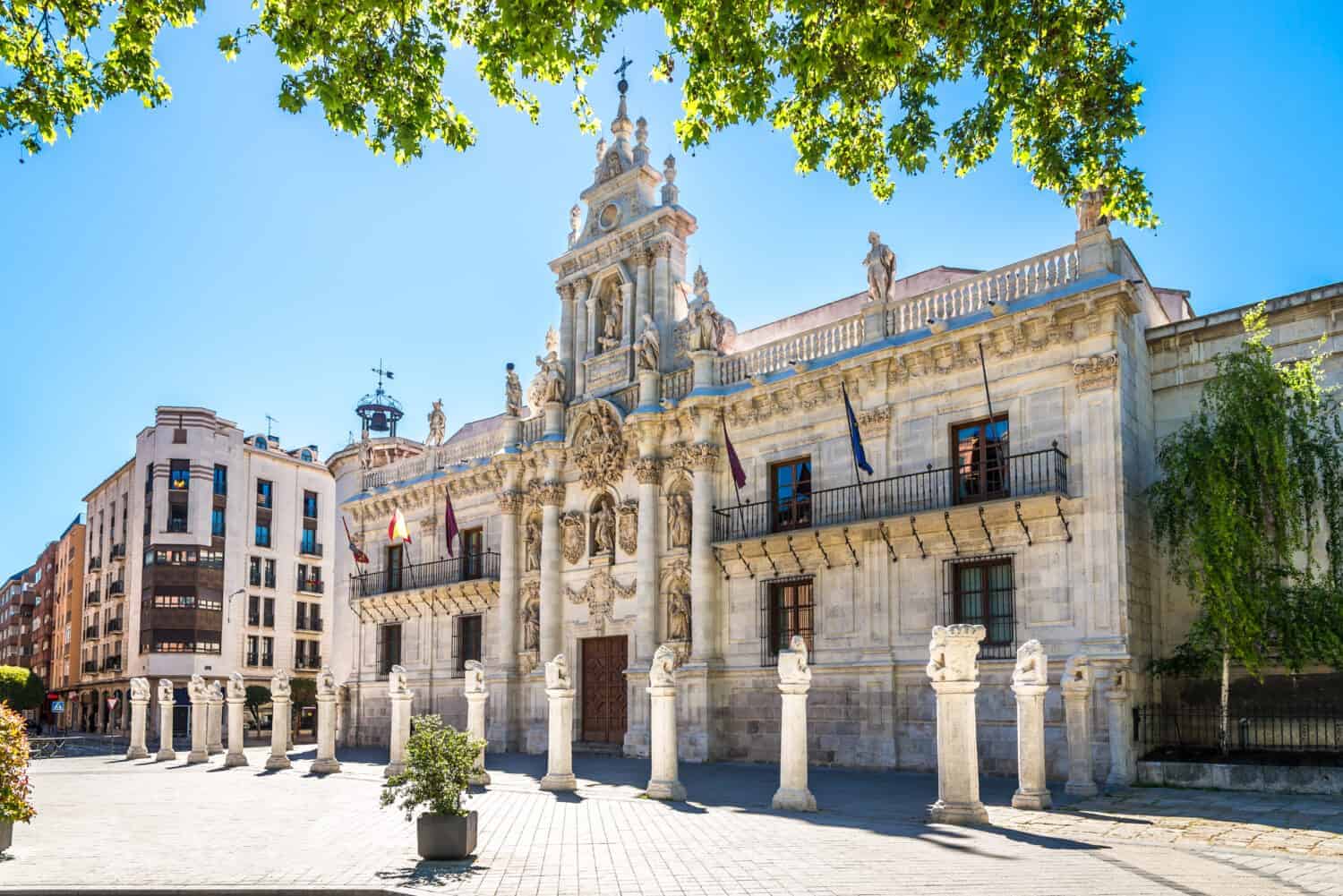
The University of Valladolid in Spain has medieval origins, but its exact founding year is less certain than many short lists suggest. The university's own history describes several theories, including a connection to the earlier school at Palencia and a separate foundation supported by Castilian rulers and the Valladolid town council. It says the university was established by the last quarter of the 13th century, rather than treating 1293 as an uncontested opening date.
Valladolid developed into a major university in Castile, with royal and papal support helping secure its position. Law became an especially important field, fitting a period when monarchies needed trained officials, judges, and administrators. The historic Law Faculty building is among the city's architectural landmarks, although much of the architecture visitors admire today dates from centuries after the university began. It remains a public university with teaching and research activity in Valladolid and other cities in the region.
University of Coimbra
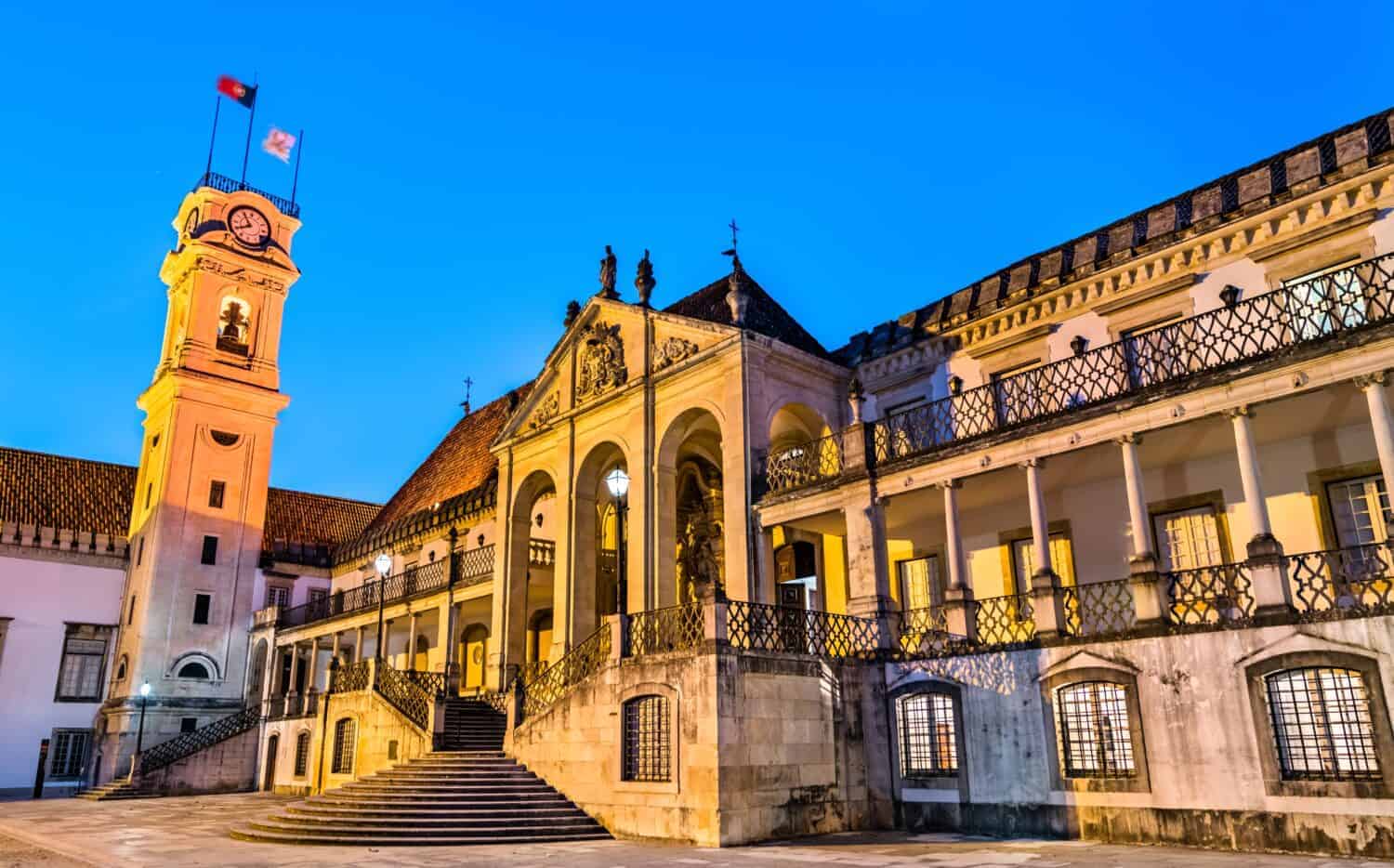
Portugal's University of Coimbra began in 1290 under King Dinis, but it did not start where most visitors would expect. The original university was founded in Lisbon and moved back and forth between Lisbon and Coimbra for several centuries. Only in 1537 did it settle permanently in Coimbra, making its early history a rather ambitious example of a school changing addresses before eventually deciding where it wanted to live.
The university established itself in the former royal palace, which became the heart of an extraordinary academic complex overlooking the city. Its history followed the development of the Portuguese kingdom and later influenced higher education across Portuguese-speaking regions. The university's buildings grew over generations, creating an architectural record of how teaching and scholarship changed from the Middle Ages to the modern era.
University of Coimbra (Continued)
Among Coimbra's best-known treasures is the Joanina Library, built in the early 18th century during the reign of King John V. Its elaborately decorated rooms hold rare volumes and show just how much royal patrons were willing to spend on collecting and preserving knowledge. The university also developed botanical gardens, scientific facilities, and other institutions as academic interests expanded beyond the medieval curriculum.
UNESCO recognized the University of Coimbra's Alta and Sofia areas as a World Heritage Site in 2013. The designation acknowledges not only the striking buildings but also the university's influence on education in the Portuguese-speaking world. It is a place where students continue attending classes in a setting that has been central to the city's identity for centuries.
University of Naples Federico II
The University of Naples Federico II was founded in 1224 by Frederick II, Holy Roman Emperor and king of Sicily. His approach was unusual for the time: rather than waiting for students and teachers to organize a school independently, he deliberately established a university through state authority. The goal was practical as well as intellectual. Frederick wanted to educate legal experts and administrators who could serve his kingdom.
The ruler also arranged for teachers to be paid through public funds. Students would no longer have to leave his territories in search of advanced instruction, and an educated bureaucracy would help the government function. It was an early example of a state-founded university, although the school's long history also included disruptions and reorganizations. Calling it continuously open without qualification glosses over those difficult periods.
University of Naples Federico II (Continued)
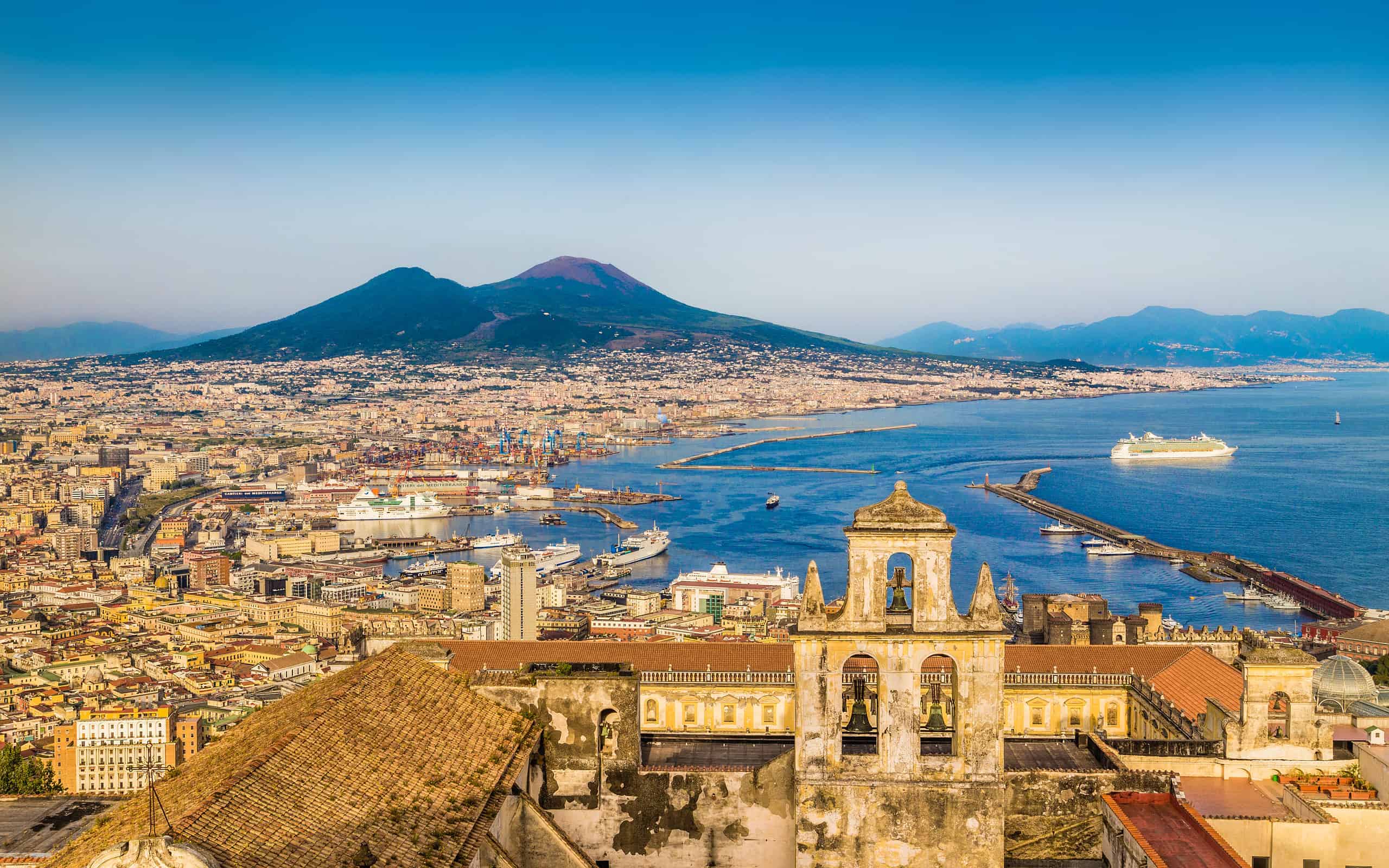
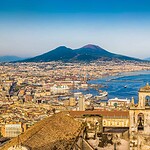
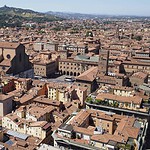
The university eventually broadened beyond the law and administrative studies that shaped its earliest mission. Today it is a large public research institution with departments covering medicine, engineering, the sciences, humanities, and social sciences. Its academic facilities are spread across Naples, and the city remains central to the institution's identity. The existing image shows Naples and Mount Vesuvius rather than a university building, so it works best as a location illustration.
The name Federico II formally honors the emperor who established the institution more than eight centuries ago. Few universities can trace their creation to a specific ruler's plan for strengthening the workings of government quite so directly. The institution that began as an imperial tool for training officials has become a very different kind of public university, but its founding story is still one of its most distinctive features.
University of Padua
The University of Padua, in northeastern Italy, traces its founding to 1222, when students and teachers left the University of Bologna in search of greater freedom to study and teach. It was an early example of academic disagreement producing an entirely new institution. Padua's university adopted intellectual independence as a defining principle and grew into a major center for medicine, philosophy, mathematics, and other disciplines.
The university's influence expanded during the Renaissance, when scholars increasingly investigated the natural world through observation and experiment. Padua established a botanical garden in 1545 that is still celebrated for its scientific and historical importance. It also became famous for medical education, including anatomical study, at a time when understanding the human body required challenging long-established assumptions.
University of Padua (Continued)
Galileo Galilei taught mathematics at Padua from 1592 to 1610, a period he later remembered as among the best years of his life. His work there helped lay foundations for later discoveries in astronomy and physics. Another landmark arrived in 1678, when Elena Lucrezia Cornaro Piscopia received a philosophy degree, widely recognized as the first university degree awarded to a woman.
Today Padua is still a major Italian research university, but its strongest historical selling point may be its willingness to question conventional wisdom. From scholars who left Bologna over academic freedom to the scientists and thinkers who reshaped European knowledge, the institution repeatedly appears where ideas were being reconsidered. Its age is impressive, but its contribution to changing how people learn and investigate the world is arguably more important.
University of Salamanca
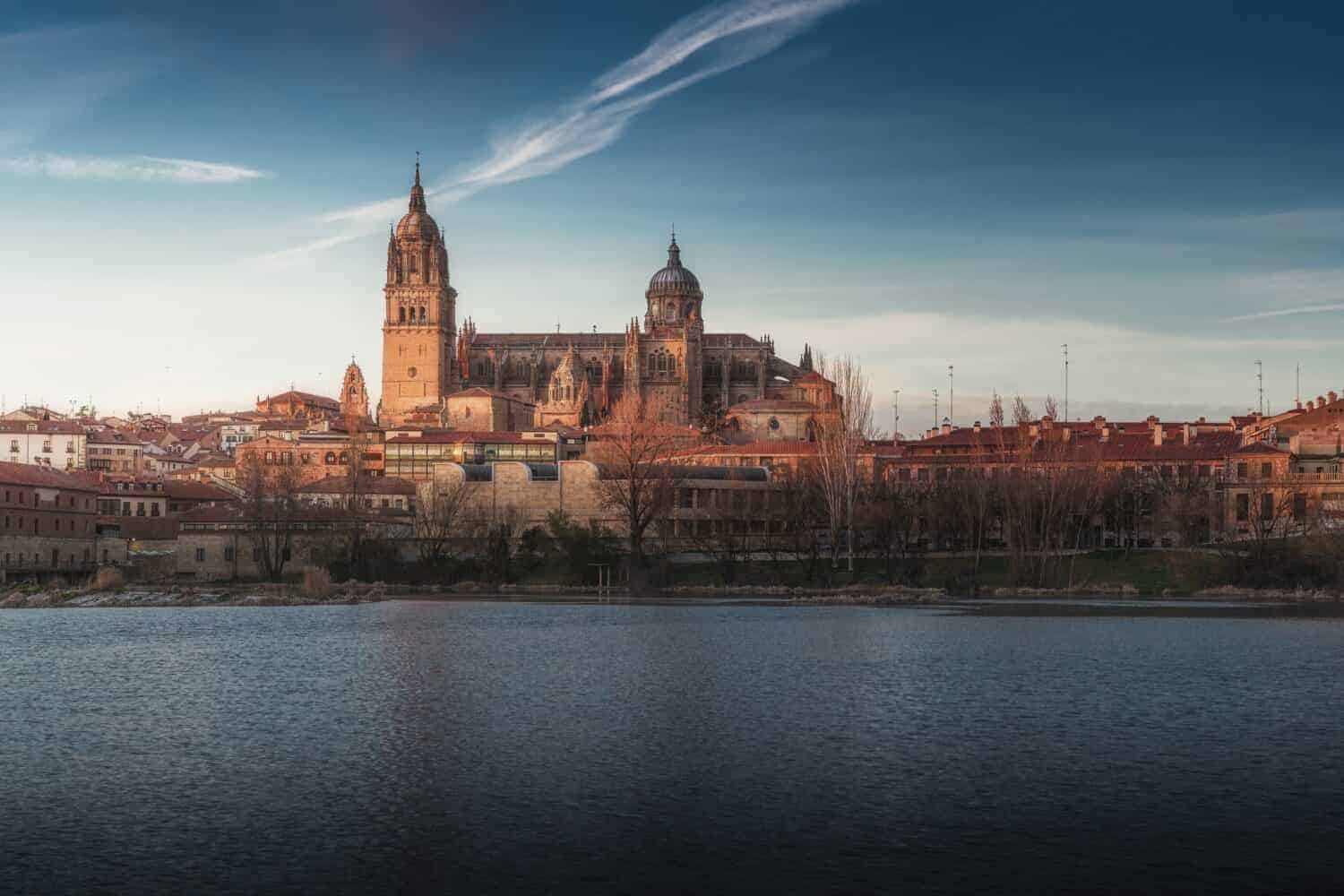
The University of Salamanca in Spain was founded in 1218 by King Alfonso IX of Leon. That makes it the oldest surviving university in Spain by its recognized founding date. During the 13th century, royal charters and papal recognition established its rights to teach and award degrees, strengthening its reputation as an important academic center in the Iberian Peninsula.
Its scholarly traditions became especially influential in law, theology, philosophy, and language. During Spain's imperial era, Salamanca's thinkers debated difficult questions about conquest, justice, and the rights of Indigenous peoples. The university became closely associated with intellectual debates that reached far beyond its classrooms, making it an important part of the history of early international legal thought.
University of Salamanca (Continued)
Salamanca also has a stranger story attached to its name: the legend of the Cave of Salamanca, where students supposedly learned dark magic from a supernatural instructor. The tale belongs to local folklore, not the documented university curriculum. The cave is a real historical site associated with an old church crypt, and the story became famous in Spanish literature. The suggestion that the university officially taught sorcery is simply a good legend getting confused with history.
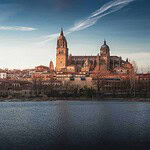
Visitors can still see historic classrooms, elaborate stonework, and the university's celebrated Plateresque facade. The buildings reflect centuries of Spanish art and academic life, while the institution continues to teach students from around the world. It is an unusually appealing combination: an academic history stretching back more than 800 years, a remarkable city center, and enough local mythology to fill a separate course.
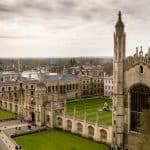
University of Cambridge
Cambridge began in 1209 after scholars fled violence and hostility in Oxford. Historical accounts describe a killing and the subsequent execution of scholars, which fueled the departure of teachers and students to other towns. Some of those scholars settled in Cambridge, where they gradually established organized teaching. It is a far more dramatic origin story than the orderly opening ceremonies associated with modern universities.
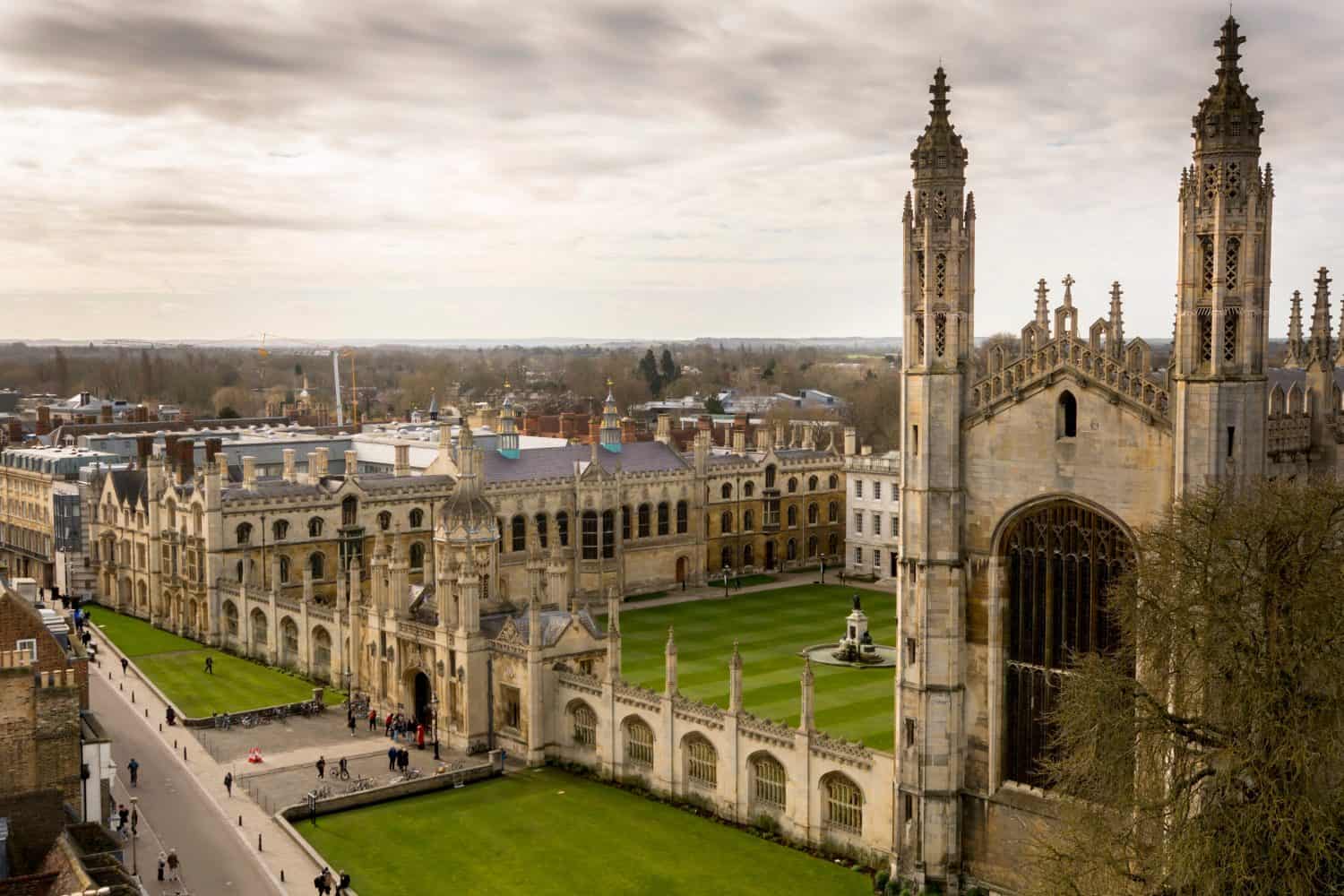
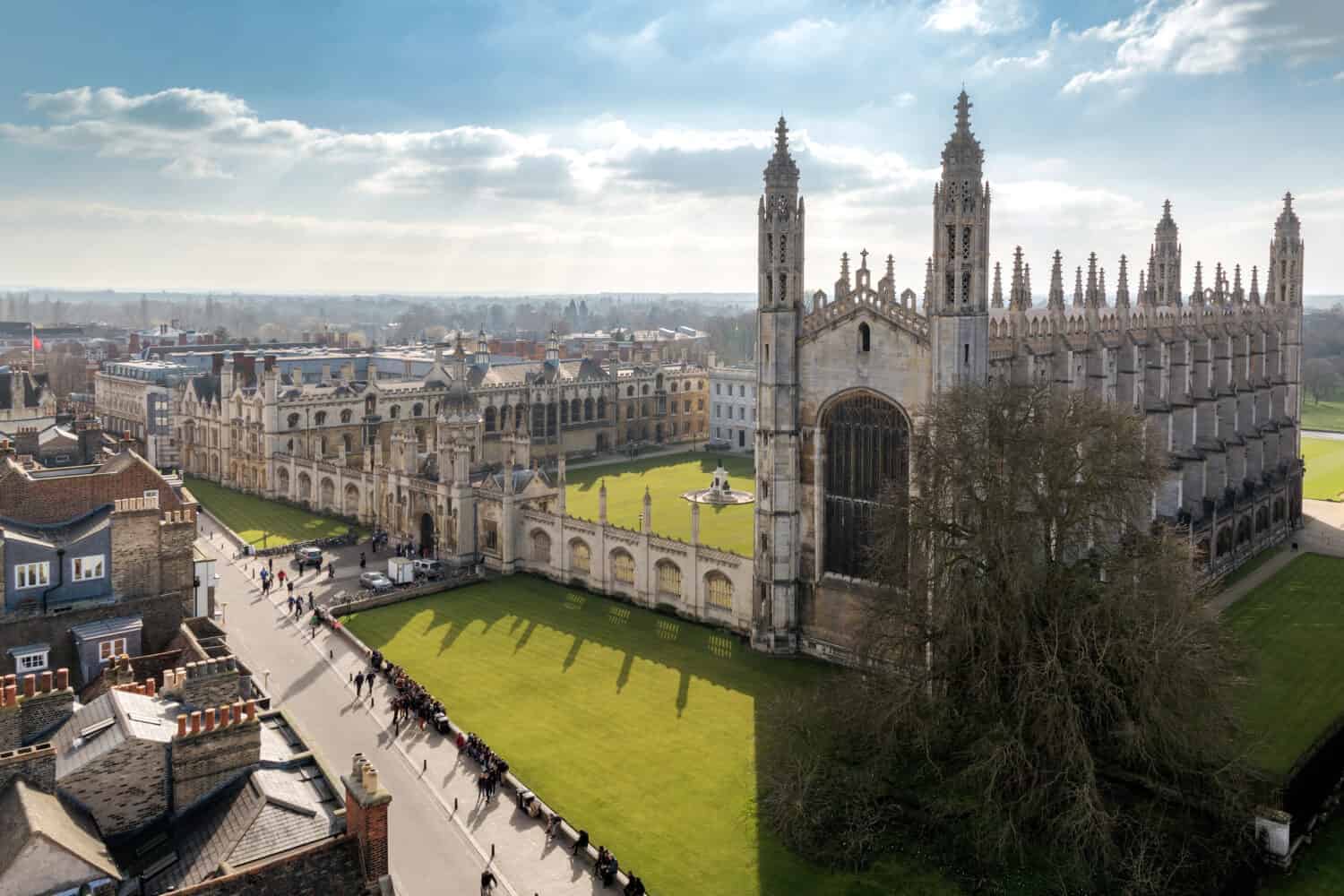
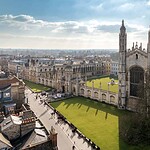
The new academic community grew through the 13th century. Peterhouse, founded in 1284, became Cambridge's first college, beginning the collegiate system that remains central to university life. Over the centuries, additional colleges developed their own traditions and buildings. Cambridge's famous architecture came later, but the underlying arrangement of a university made up of colleges is rooted in its medieval beginnings.
University of Cambridge (Continued)
The institution went on to produce and attract generations of influential thinkers. Isaac Newton studied at Trinity College and became Cambridge's Lucasian Professor of Mathematics in 1669. Later students and researchers made major contributions in fields ranging from physics and mathematics to biology, literature, and economics. Cambridge is now known worldwide for research, but many of its most familiar customs have much older origins.
The university also preserves a remarkable collection of archives, manuscripts, and historical objects. Visitors wandering past its colleges and chapels are walking through a setting developed over hundreds of years, not a single campus designed all at once. The rivalry with Oxford remains famous, although modern competition between the two universities is considerably more civilized than the events that helped send Cambridge's first scholars north.
University of Oxford
Oxford is the oldest university in the English-speaking world, but no one can point to a single document showing the day it officially opened. The university identifies 1096 as the earliest evidence of teaching in the city. That means the original article's claim that Oxford was founded in 1200 is much too definite. Its growth accelerated after 1167, when King Henry II barred English students from studying at the University of Paris.
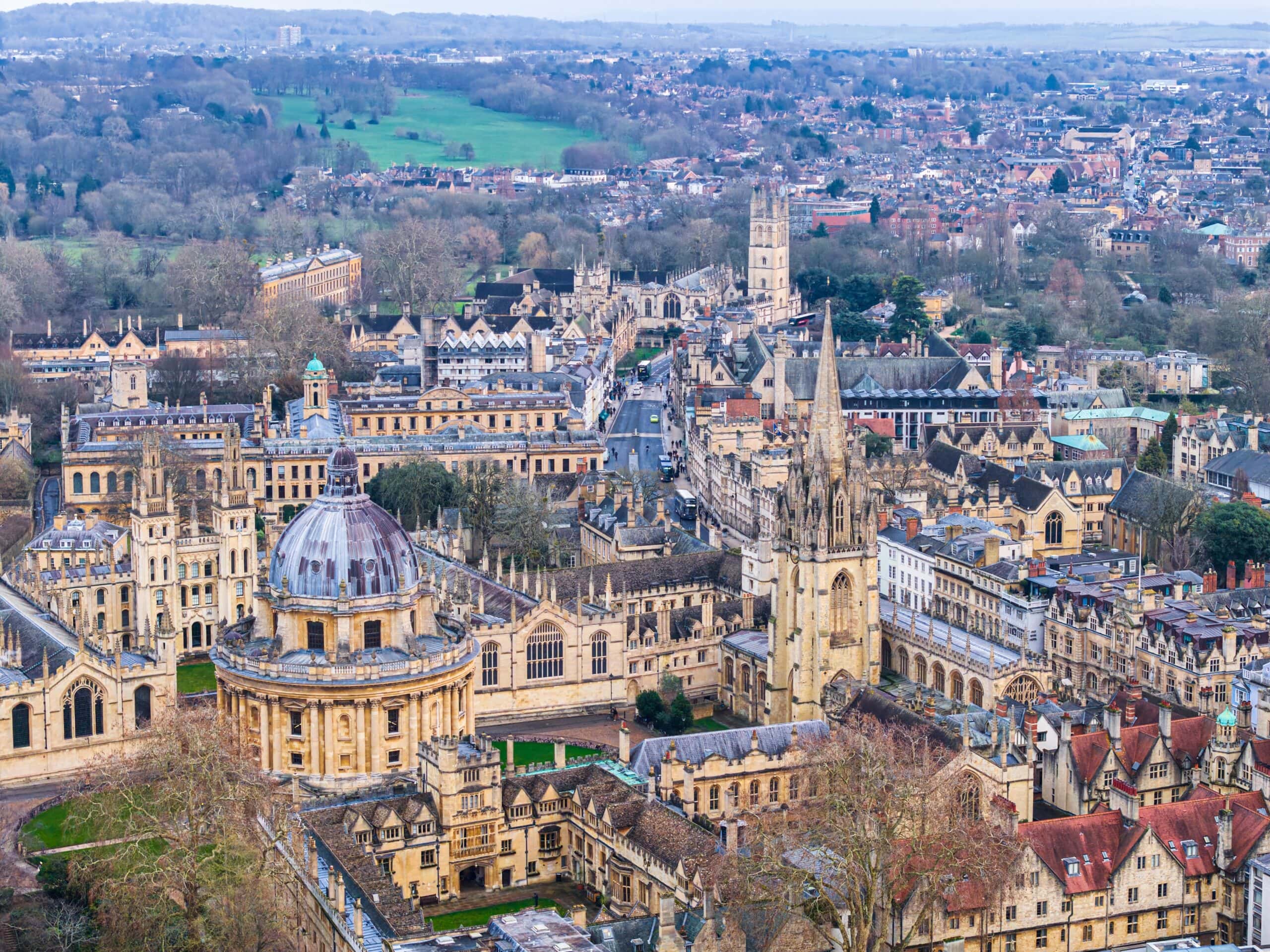
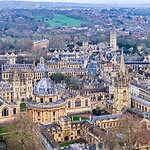
By the 13th century, Oxford had developed a recognizable university community and its first colleges. Rather than a single enclosed campus, Oxford grew across the city, with colleges, libraries, classrooms, and gardens occupying buildings from different periods. That historic layout still defines how the institution operates today, making the city itself feel like part of the university.
University of Oxford (Continued)
Oxford's long history includes generations of prominent scholars, political leaders, scientists, and writers. It also includes arguments over religion, education, and the limits of academic authority. The university's Botanic Garden, founded in 1621, is the oldest botanic garden in Britain and reflects how the study of plants became part of formal education alongside the university's longstanding strengths in law, theology, and the humanities.
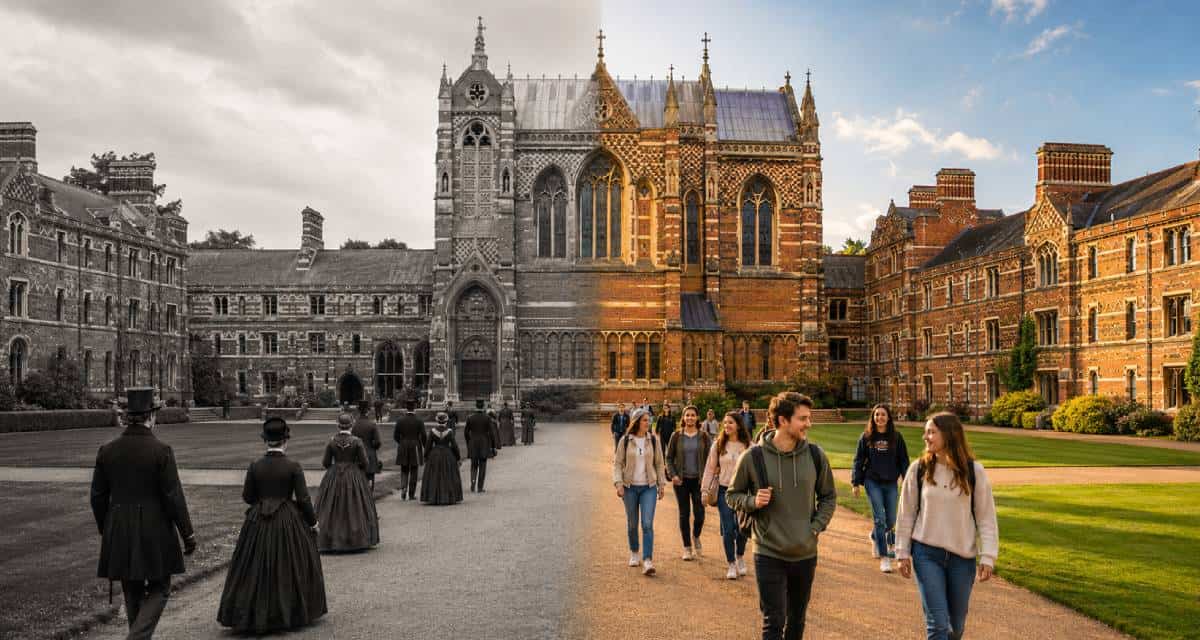
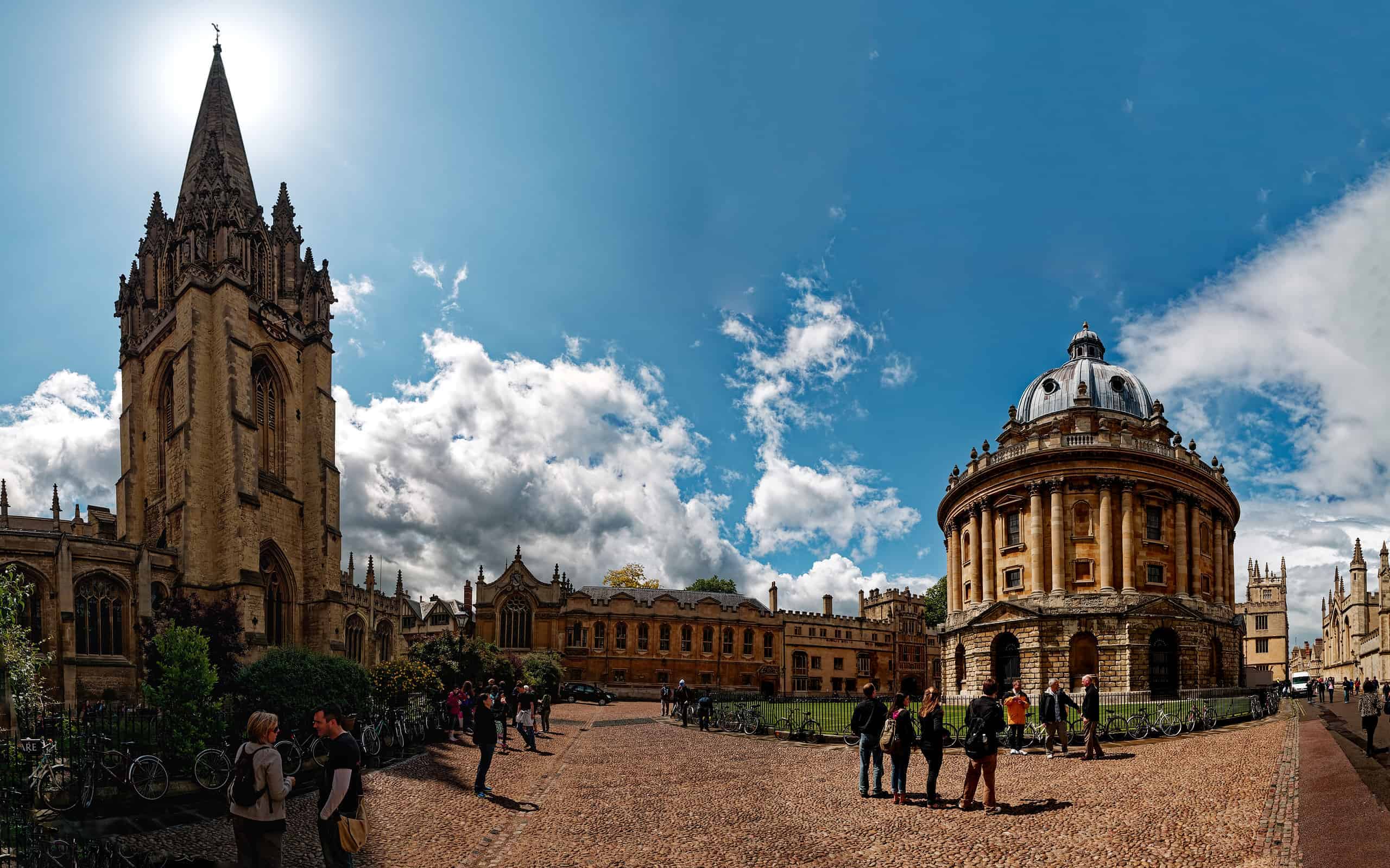
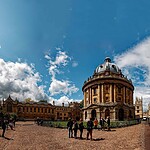
Students today move between modern laboratories and spaces shaped by medieval academic life. The Radcliffe Camera, shown in the existing image, is a famous 18th-century library building rather than evidence of a campus founded in that century. Oxford's story is best told through the long accumulation of institutions and traditions, not a misleading single founding date.
Historic University of Paris
The medieval University of Paris grew from cathedral schools and communities of teachers and students during the late 12th and early 13th centuries. Unlike universities established by a named founder on a fixed date, it emerged gradually as scholars organized themselves. Its medieval faculties included arts, theology, law, and medicine, and Paris became a leading European destination for intellectual life.
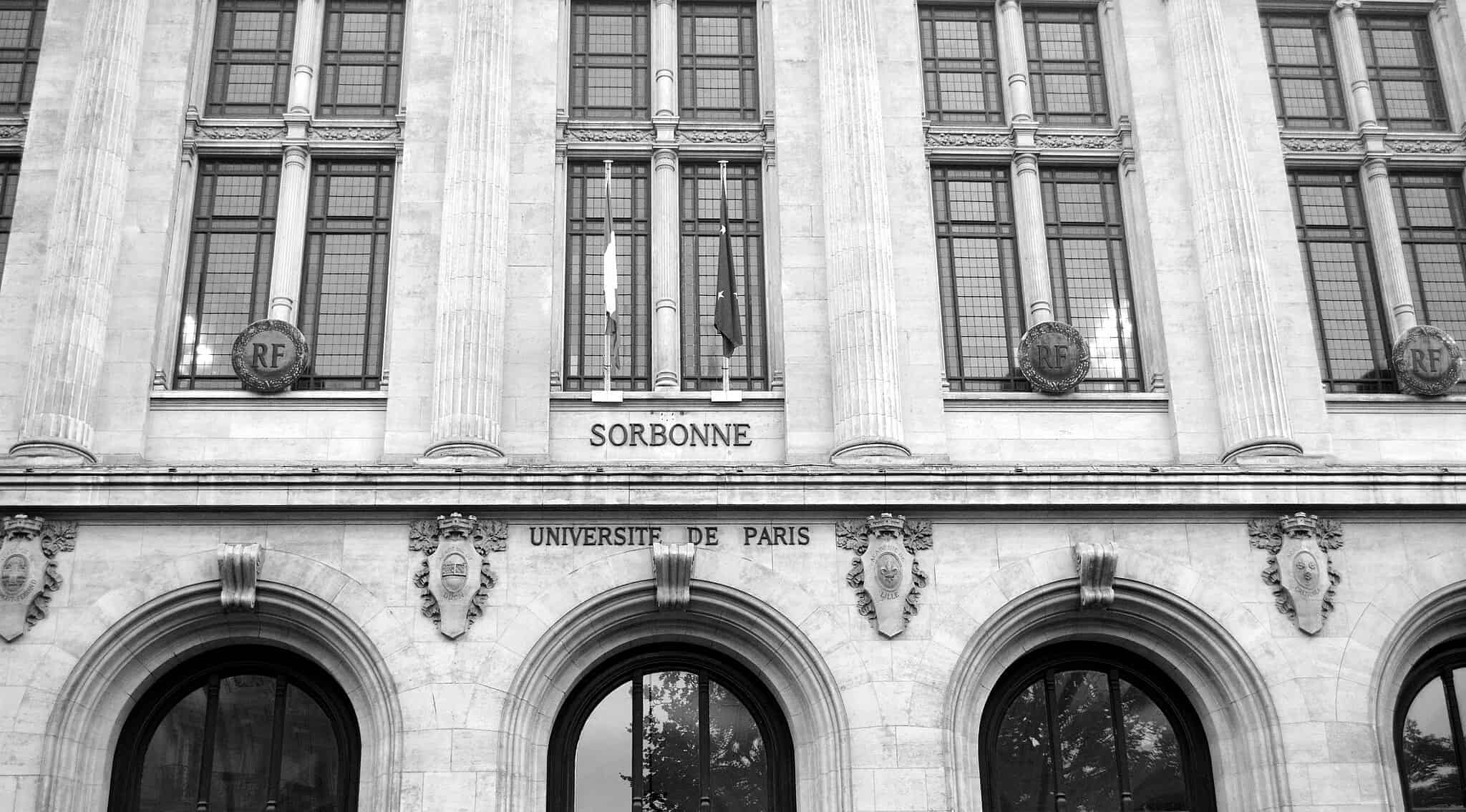
Robert de Sorbon later founded the College of Sorbonne in 1257, creating a prominent home for theology students. That college became closely associated with the university, but Sorbon did not found the entire University of Paris. Confusing the Sorbonne with the original university is one of the easiest mistakes to make when looking back at this institution's history.
Historic University of Paris (Continued)
The institution's modern history is complicated by sweeping changes in French higher education. The original university was abolished during the French Revolution, and its faculties were later re-established and reorganized. After the political and student unrest of 1968, reforms ultimately replaced the unified University of Paris with 13 separate universities in 1970. For that reason, it would be incorrect to describe the medieval university as a single continuously operating school today.
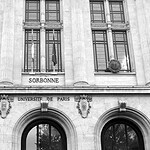
Several present-day institutions preserve parts of this legacy, including Sorbonne University, created in its current form in 2018. The photograph used here shows a Sorbonne building associated with that historical tradition. The medieval University of Paris belongs on a list about the origins of European higher education, but it needs a clear explanation of how its name and institutions evolved rather than a claim that the original school still operates unchanged.
University of Bologna
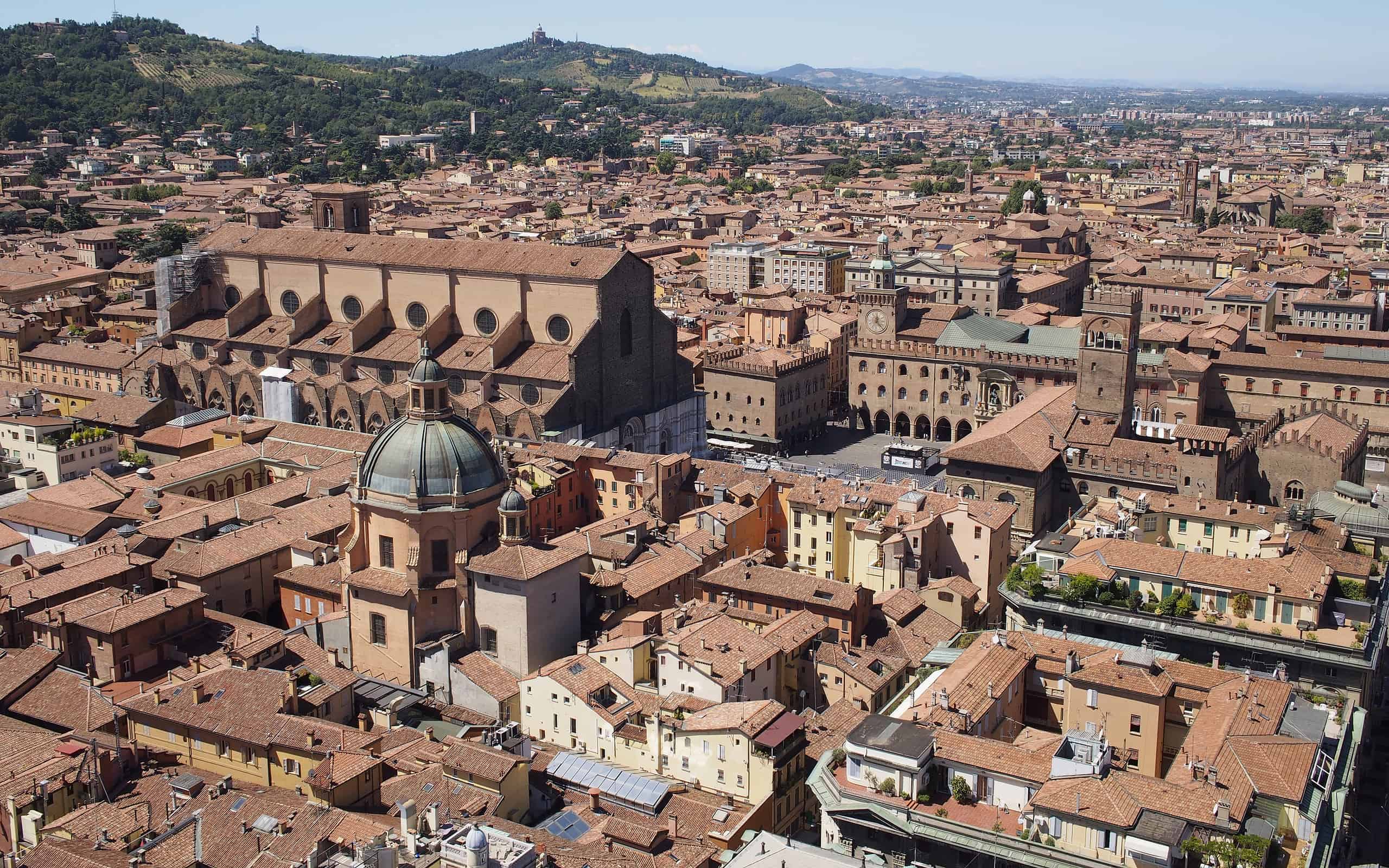
The University of Bologna in Italy traditionally dates its beginnings to 1088, making it widely regarded as the oldest university in continuous operation in the Western university tradition. The year is a conventional historical date, not the anniversary of a single clearly documented opening ceremony. Bologna's early academic community developed through the initiative of students who gathered to study law and organized arrangements with their teachers.
That student-driven model was unusual. Scholars were sometimes hired and paid directly by groups of students, who were active participants in managing their education. Bologna became particularly influential in the study of Roman and canon law, attracting learners from across Europe. Its academic practices helped shape the university model that later spread to other medieval cities.
University of Bologna (Continued)
Over time, Bologna expanded well beyond law into medicine, philosophy, the sciences, and many other subjects. Teachers and students from its history helped spread new ideas across Europe, and the university developed into a major research institution. In the medieval era, the city might have looked very different, but the idea of students traveling to pursue advanced learning would be familiar to anyone attending college today.
Bologna's oldest-university distinction needs one important qualification. Institutions such as al-Qarawiyyin in Morocco and al-Azhar in Egypt trace their origins to earlier centuries, and historians differ over how to compare them with the medieval European university model. Bologna's claim is strongest when described as the oldest university in the Western tradition, not as the world's first place of higher learning. Even with that distinction, nearly a millennium of academic history is difficult to top.