DenisTangneyJr / Getty Images
Travel_Bug / Getty Images
K. Issa / Shutterstock.com
Tashka / iStock via Getty Images

Joe Hendrickson / iStock Editorial via Getty Images
aimintang / iStock Unreleased via Getty Images
Charlie Zhu / Shutterstock.com
CribbVisuals / iStock Unreleased via Getty Images

littleny / iStock Editorial via Getty Images
pics721 / iStock via Getty Images
Eugene_Moerman / Getty Images
kenlund / Flickr
Antony-22 / Wikimedia Commons
janniswerner / iStock Editorial via Getty Images
eyfoto / iStock Unreleased via Getty Images
LanceKing / Getty Images
BSPollard / iStock Editorial via Getty Images
JasonDoiy / iStock Unreleased via Getty Images
SpVVK / iStock via Getty Images
diegograndi / iStock Editorial via Getty Images
gregobagel / Getty Images














10 Colleges That Give the Ivy League Serious Competition
For generations, the Ivy League has been treated as shorthand for the best of American higher education. Harvard, Yale, Princeton, and the rest certainly earned their reputations, but eight schools do not have a monopoly on academic rigor, groundbreaking research, selective admissions, or graduates who go on to do big things.
Plenty of colleges outside the Ivy League belong in the same conversation, and depending on what a student wants to study, some may actually be the better fit. From tiny liberal arts colleges to STEM powerhouses and major research universities, these 10 schools offer their own combination of serious academics, faculty access, research opportunities, campus life, and career connections. An Ivy League name still carries weight. It just is not the only name worth chasing.
10. Williams College
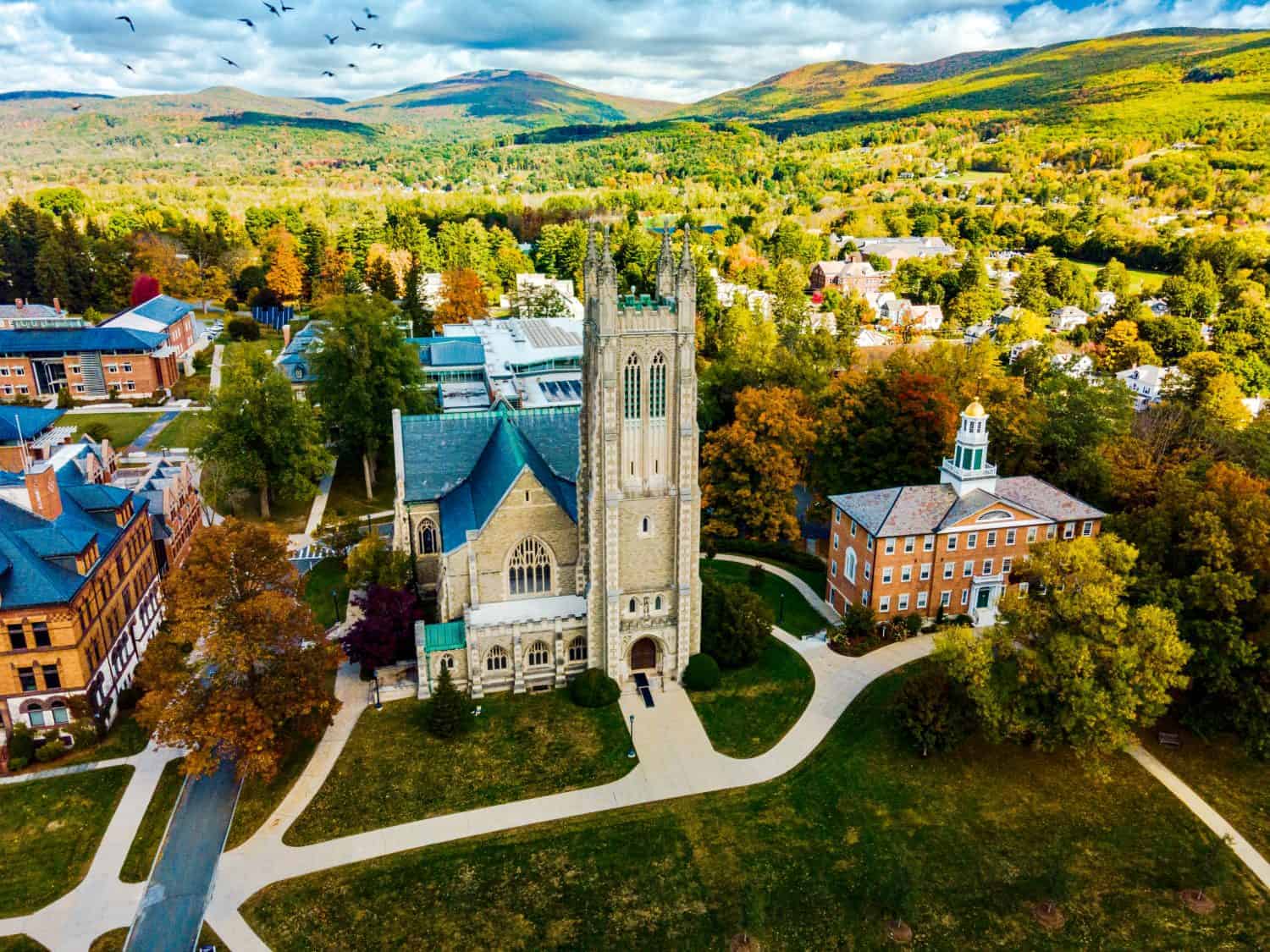
Williams College is a small private liberal arts college in Williamstown, Massachusetts, with 2,067 undergraduates. Small does not mean easy to get into. Williams admitted 1,336 of 15,520 applicants to the Class of 2029, an 8.6% admit rate. Students can choose from 37 majors across 26 departments, and the college maintains a 7-to-1 student-to-faculty ratio.
Why Choose Williams College
Williams has an unusual academic feature that immediately separates it from most colleges: tutorials. Adapted from the Oxford style of education, a Williams tutorial typically puts two students with one professor for intensive discussion, writing, criticism, and debate. The college also uses an all-grant financial aid program, meaning its need-based aid packages do not include loans or required student employment.
9. Vanderbilt University
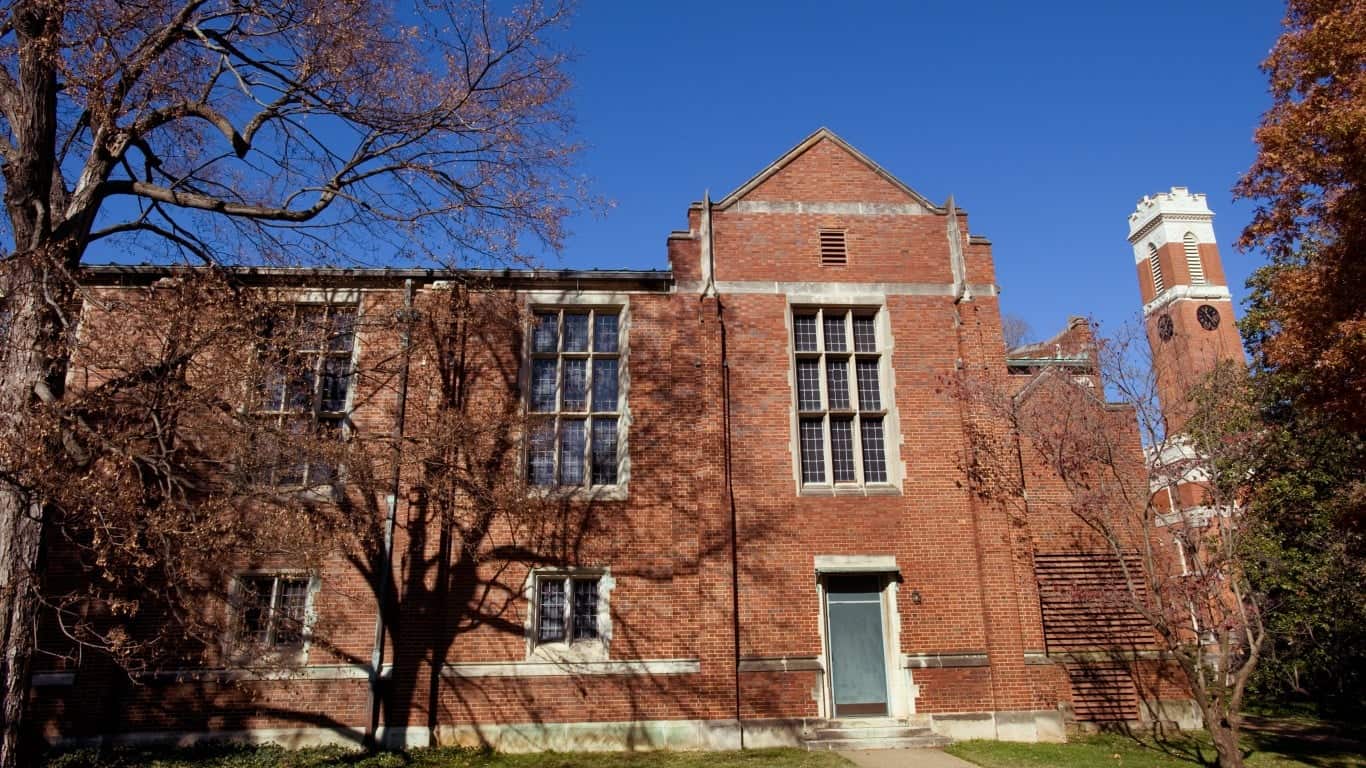
Vanderbilt has become extraordinarily selective in its own right. For students entering in fall 2025, the Nashville university received 48,658 first-year applications and admitted 2,592, a 5.3% admit rate. Vanderbilt enrolled 7,366 undergraduates that fall and reported an 8-to-1 student-to-faculty ratio. There are also more than 450 student organizations, so the experience extends well beyond the classroom.
Why Choose Vanderbilt
Vanderbilt manages to combine the resources of a major research university with relatively small undergraduate classes. The university reports an average class size of 13, and its location in Nashville puts students in the middle of a major city with strong music, healthcare, business, and technology sectors. For someone who wants highly selective academics without giving up a lively college experience, Vanderbilt makes a convincing case.
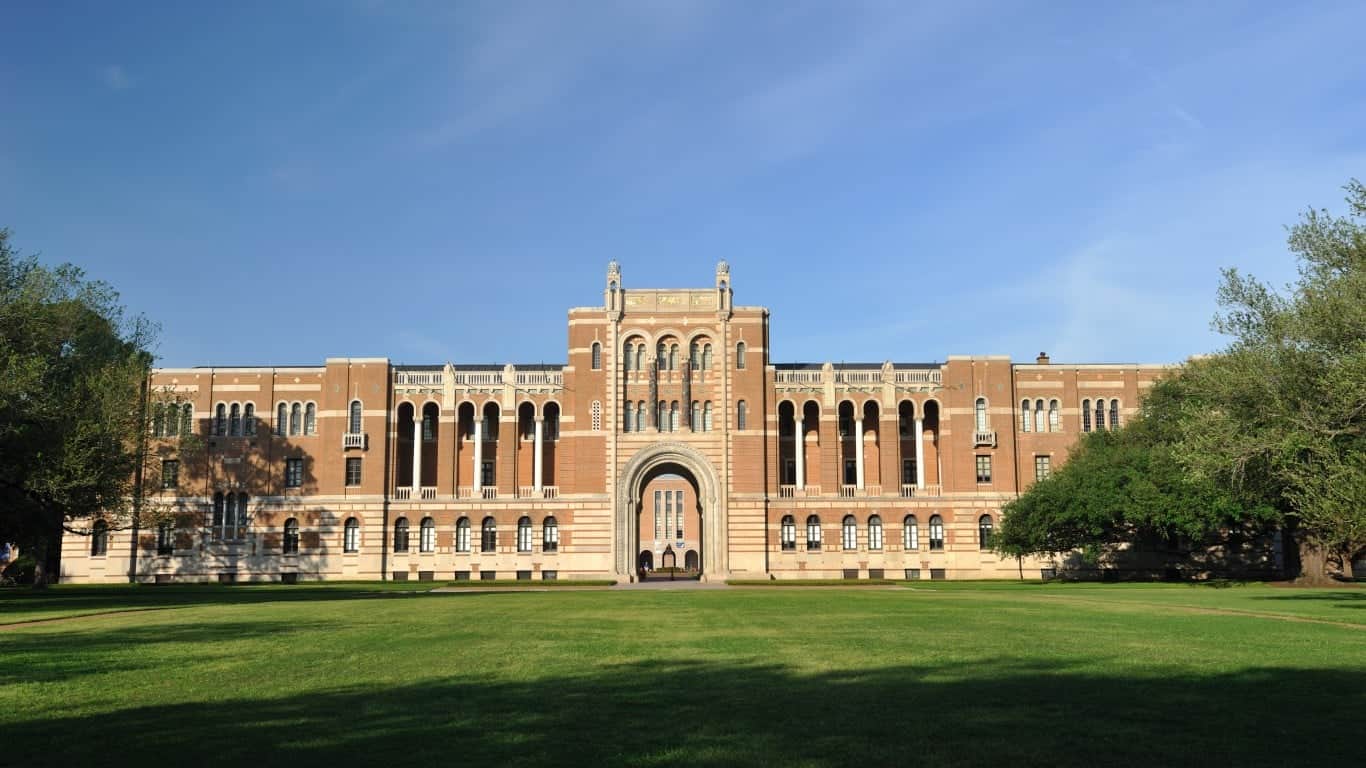
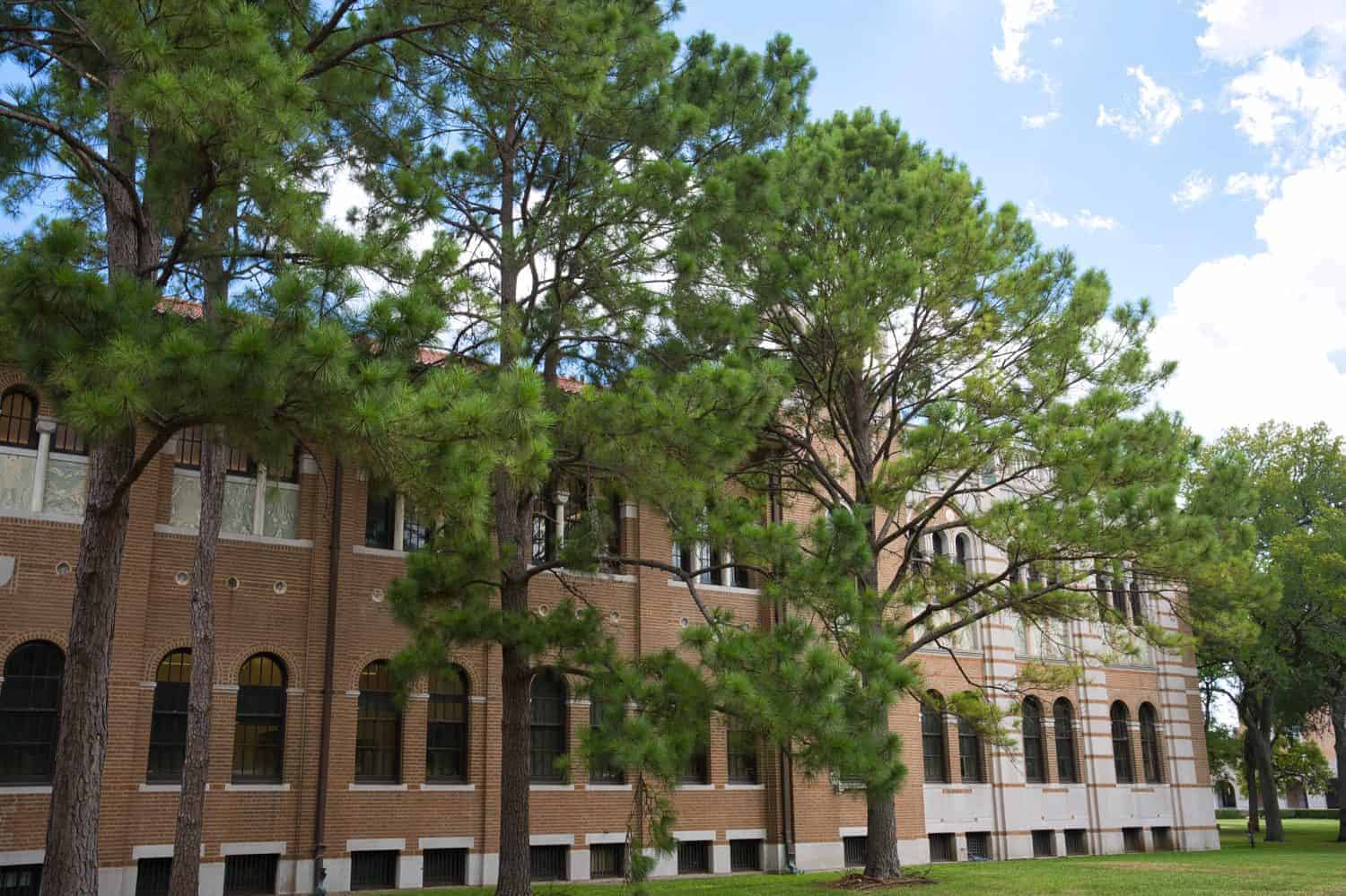
8. Rice University
Rice University is a private research university in Houston with a particularly strong emphasis on close undergraduate interaction with faculty. Its 6-to-1 student-to-faculty ratio is unusually low for a major research institution, while students have access to programs spanning engineering, natural sciences, social sciences, humanities, architecture, business, and music.
Why Choose Rice University
Rice's residential college system is a major part of the undergraduate experience. New students are assigned to one of 12 residential colleges and remain members throughout their time at Rice, giving a larger research university some of the community feel of a much smaller school. Combine that with the 6-to-1 student-to-faculty ratio, and Rice offers plenty of opportunity for close mentorship without sacrificing research resources.
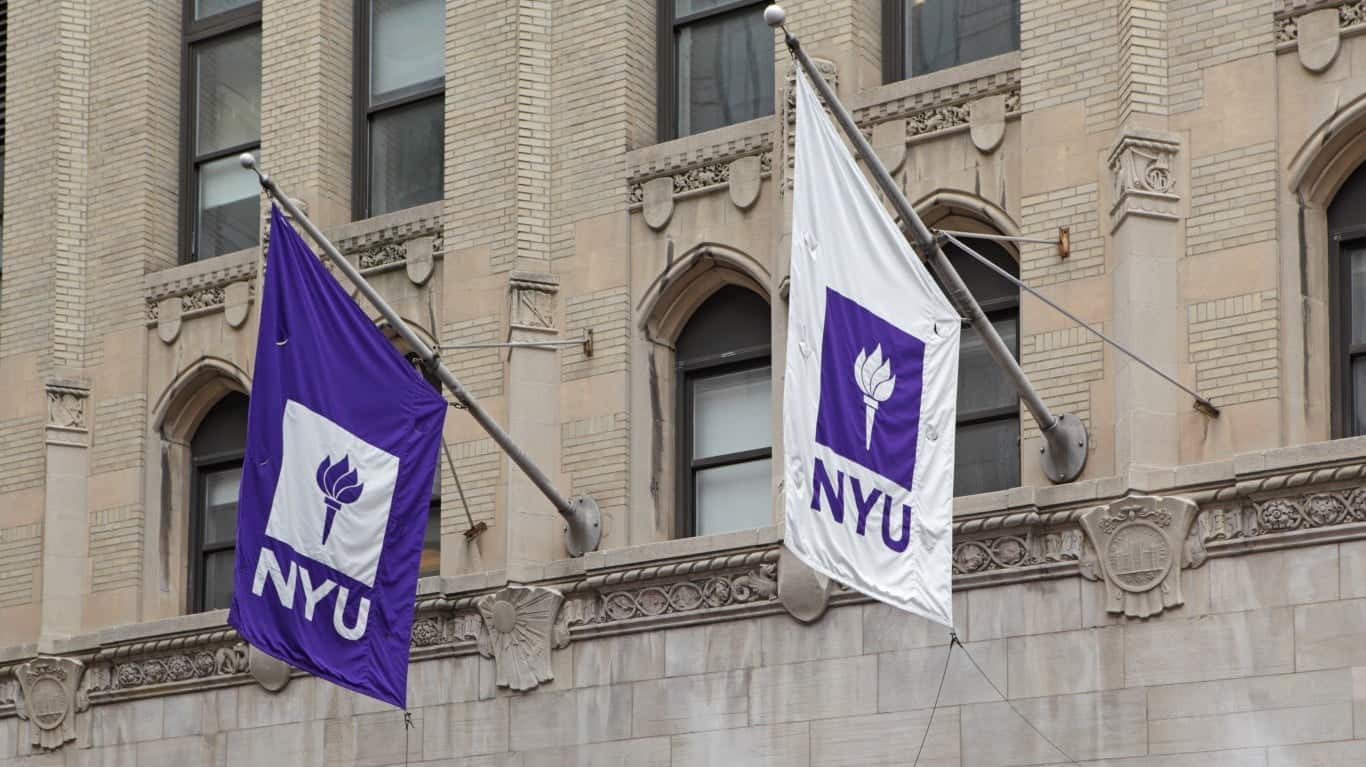
7. New York University
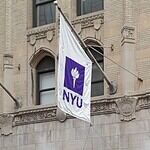
NYU offers something few traditional college campuses can duplicate: New York City itself. Its Washington Square campus sits in Greenwich Village, while the Tandon School of Engineering is based in Downtown Brooklyn. Students can study across a huge range of disciplines while living within reach of major employers and cultural institutions in finance, media, technology, entertainment, healthcare, government, and the arts.
Why Choose NYU
For students who want college and career experience happening at the same time, NYU's location is difficult to beat. The university actively connects undergraduates with internships throughout New York City, and students can choose from more than 400 clubs across NYU. Its global network also extends beyond New York, with degree-granting campuses in Abu Dhabi and Shanghai and study-away sites around the world.
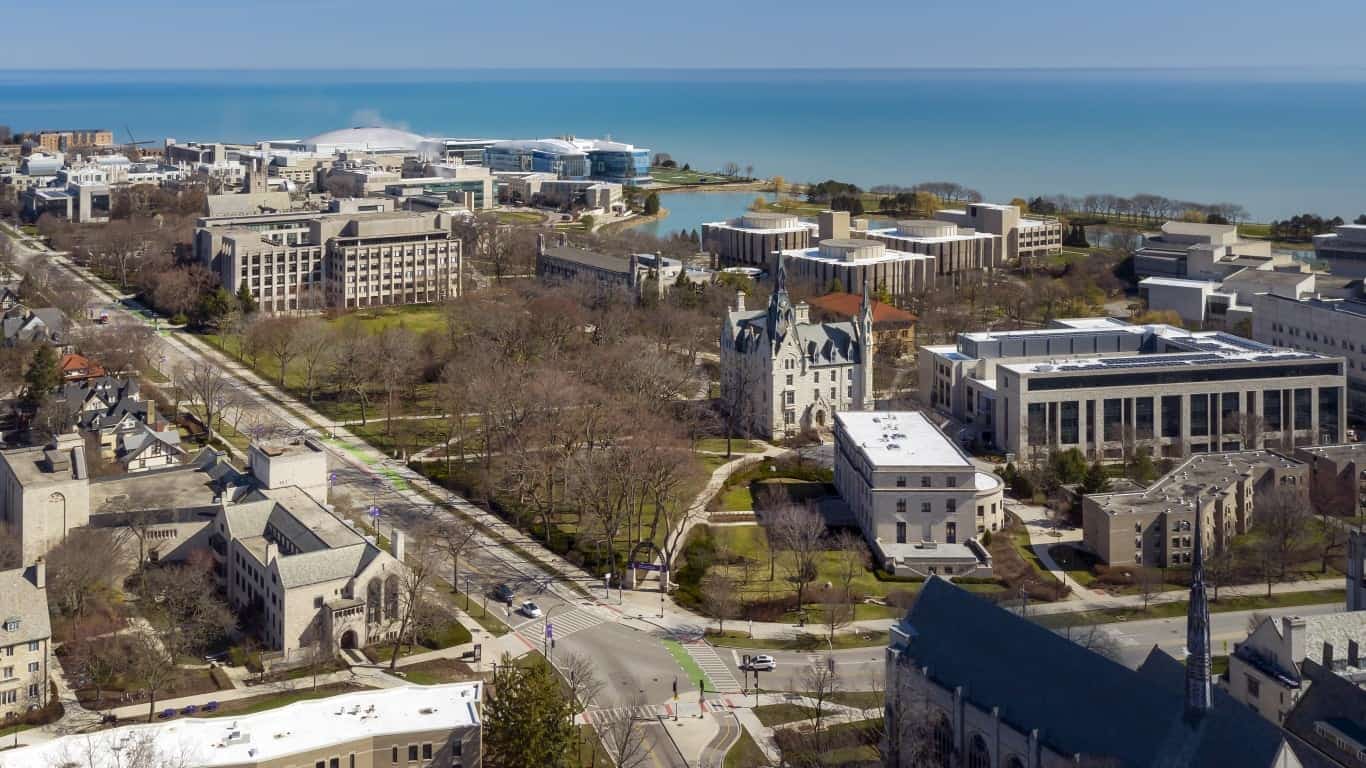
6. Northwestern University
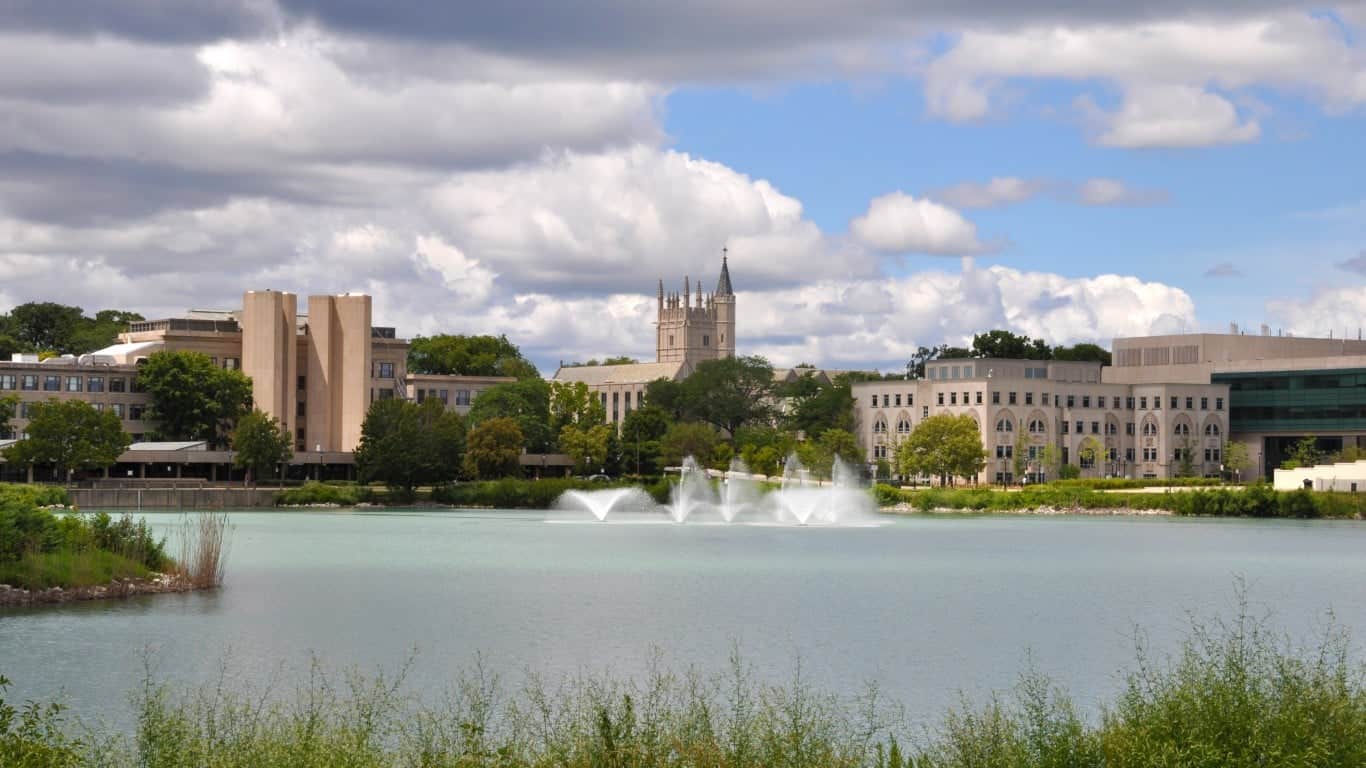
Northwestern University gives undergraduates the range of a major research institution while keeping them on a lakefront campus in Evanston, about 12 miles north of Chicago. More than 8,300 undergraduates attend Northwestern, and they can choose among more than 200 formal academic concentrations. Its strengths stretch across the arts and sciences, engineering, communication, journalism, music, and education.
Why Choose Northwestern
Northwestern puts a lot of emphasis on learning outside the traditional classroom. About half of its students participate in an international experience, and more than 700 undergraduates study abroad each year through a selection of more than 150 programs on six continents. Chicago is also close enough for internships and professional opportunities without giving up the feel of a distinct college campus.
5. California Institute of Technology (Caltech)
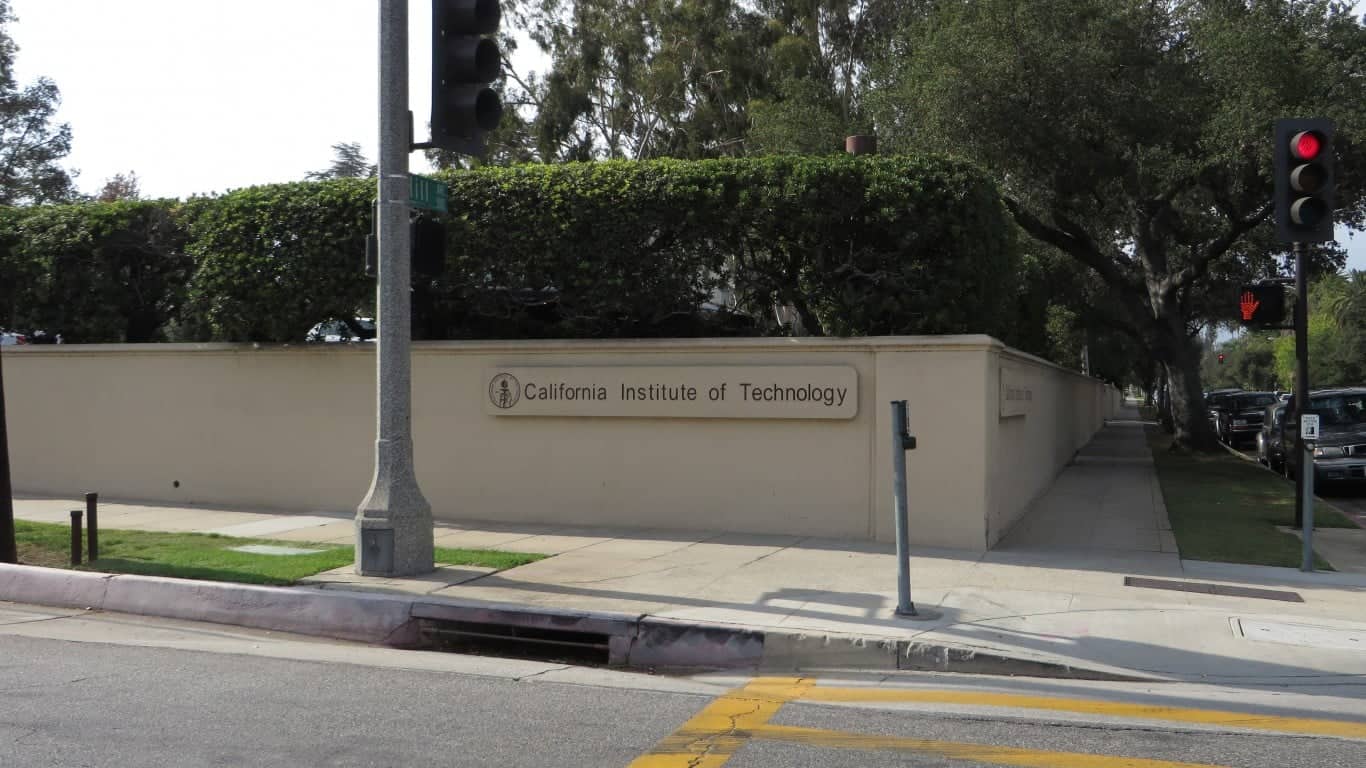
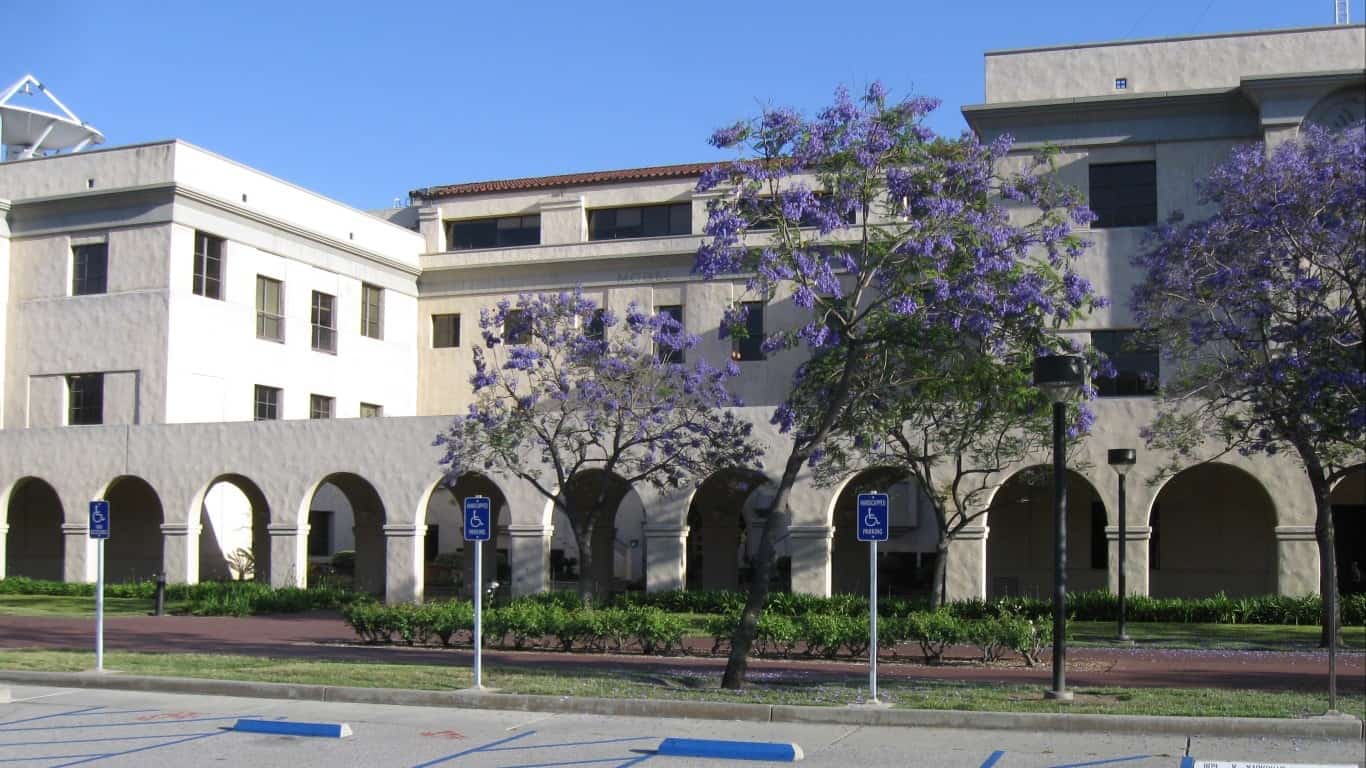
Caltech is tiny compared with most universities on this list, and that is part of its appeal. The Pasadena institute has just 971 undergraduates and a remarkable 3-to-1 student-to-faculty ratio. Its six academic divisions are heavily centered on science and engineering, and 91% of Caltech undergraduates participate in research. If you know you want to spend college asking difficult scientific questions, this place was more or less built for you.
Why Choose Caltech
The Caltech connection to space exploration is more substantial than simply having NASA nearby. Caltech researchers founded what became the Jet Propulsion Laboratory in the 1930s, and the institute has managed JPL for NASA since the agency was created in 1958. JPL is located about six miles from campus, and Caltech and the laboratory collaborate extensively on research. The Caltech community has also been associated with 49 Nobel Prizes, a staggering total for an institution this small.
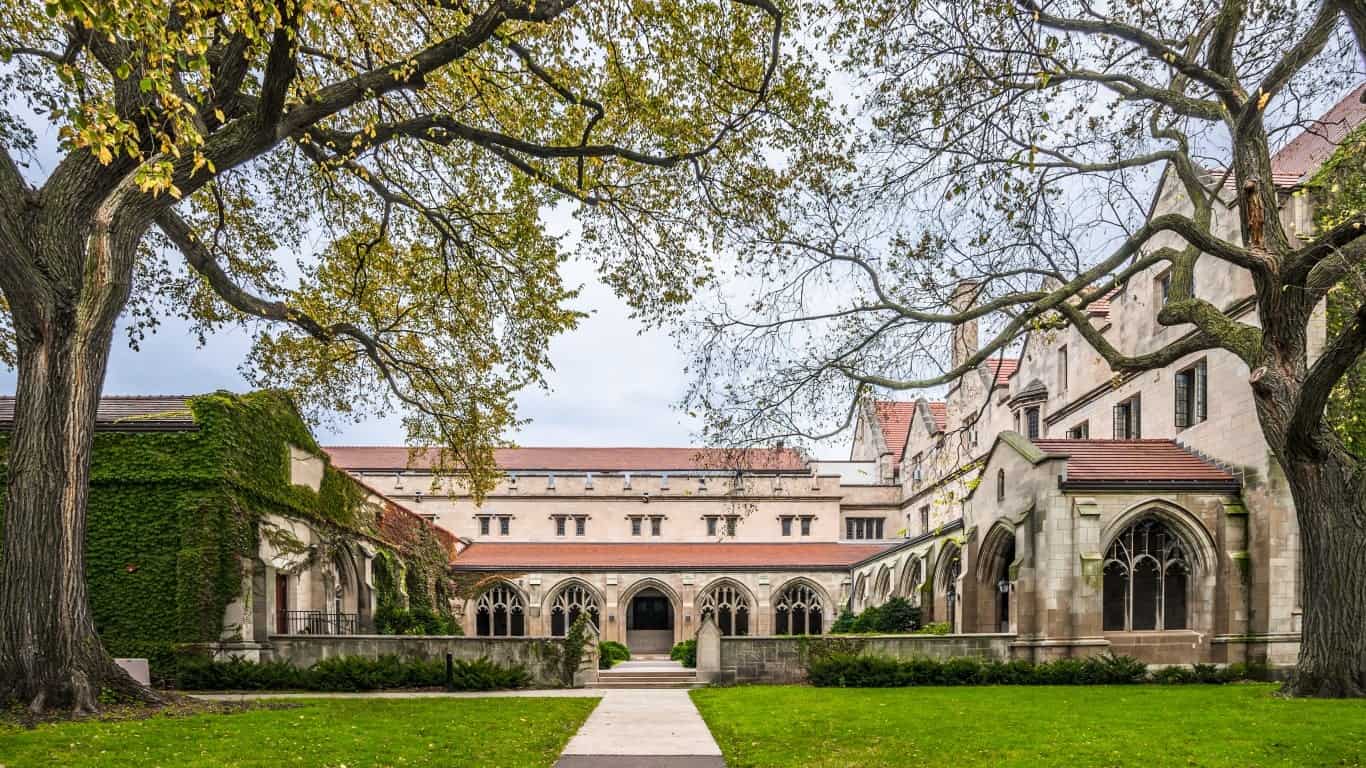
4. University of Chicago
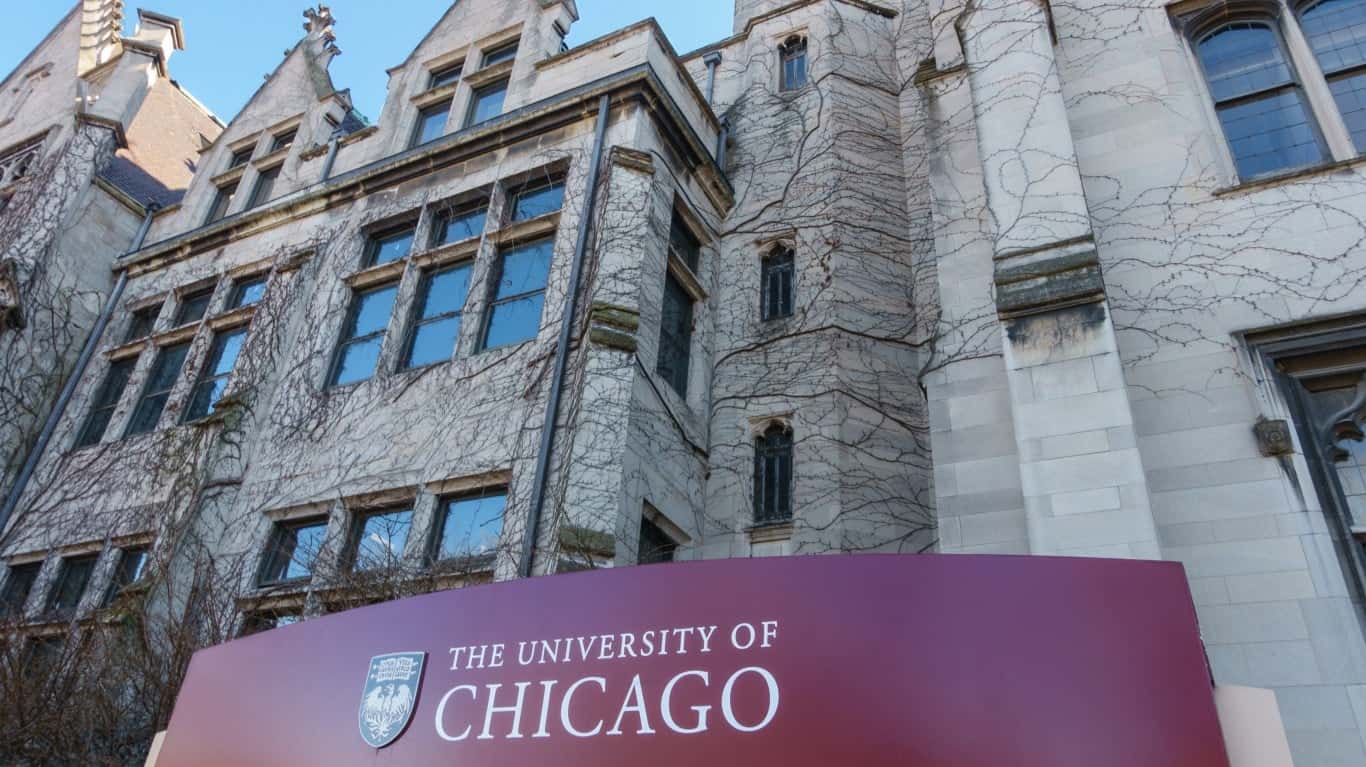
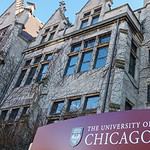
The University of Chicago has built its undergraduate identity around serious intellectual inquiry. Every student moves through the Core Curriculum, a broad general-education program spanning the humanities, social sciences, biological and physical sciences, mathematics, writing, and other areas. From there, students can choose among more than 50 majors. This is not the place to hide from difficult questions, which is rather the point.
Why Choose the University of Chicago
UChicago is particularly appealing to students who want a structured liberal arts foundation before diving deeply into a major. The university's Hyde Park location also gives students access to Chicago while maintaining a traditional residential campus. Its academic legacy is difficult to dismiss: the university counts 101 Nobel laureates among scholars who have studied, taught, or conducted research there.
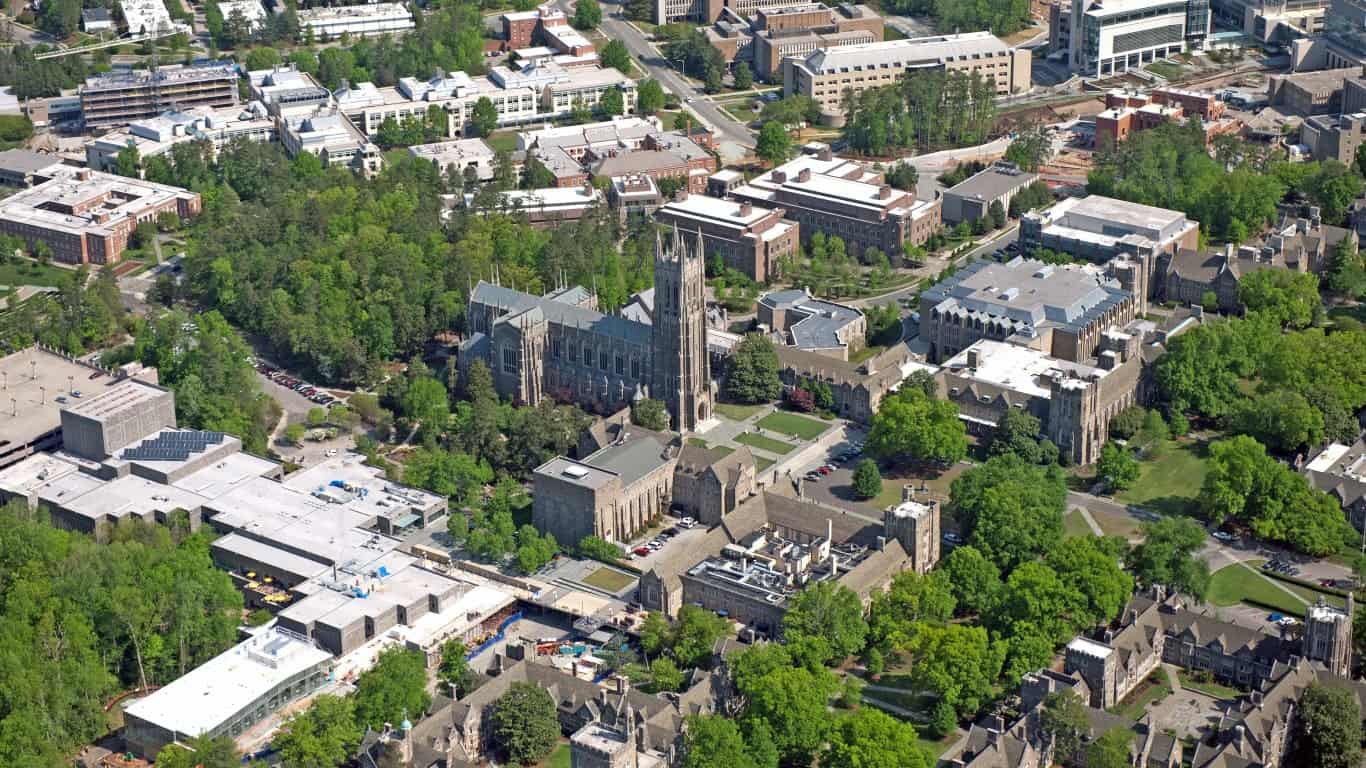
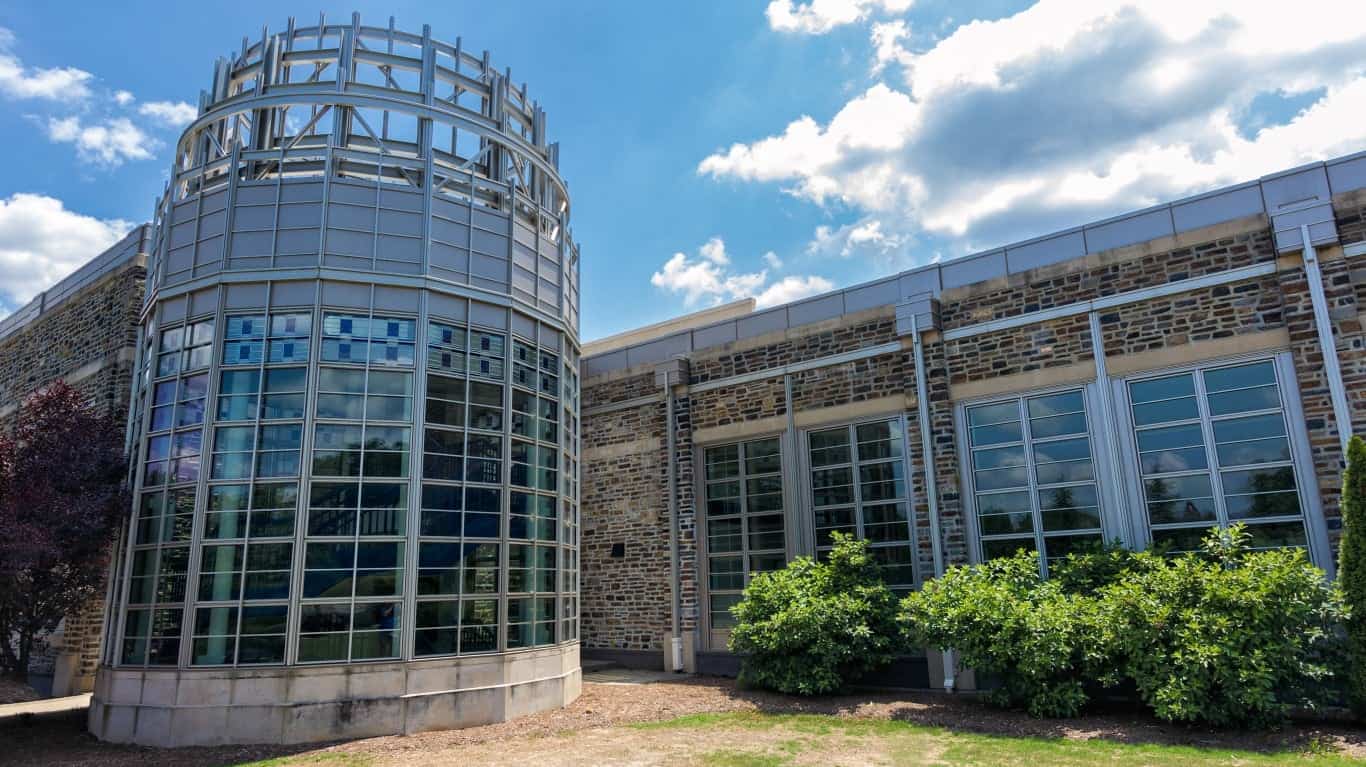
3. Duke University
Duke combines highly selective admissions with an enormous range of academic possibilities. The university offers 63 majors, 61 minors, and 23 certificates, with computer science, economics, biology, public policy, and psychology among its most popular undergraduate majors. Duke received 58,712 applications for the Class of 2029 and reported an overall acceptance rate of 5.2%.
Why Choose Duke
Duke offers the academic resources of a major research university while maintaining a strong undergraduate identity and a level of school spirit few elite universities can match. Basketball is the obvious example, but athletics are only part of the culture. Duke also says it meets 100% of demonstrated financial need for every admitted student, an important consideration when comparing schools with very large sticker prices.
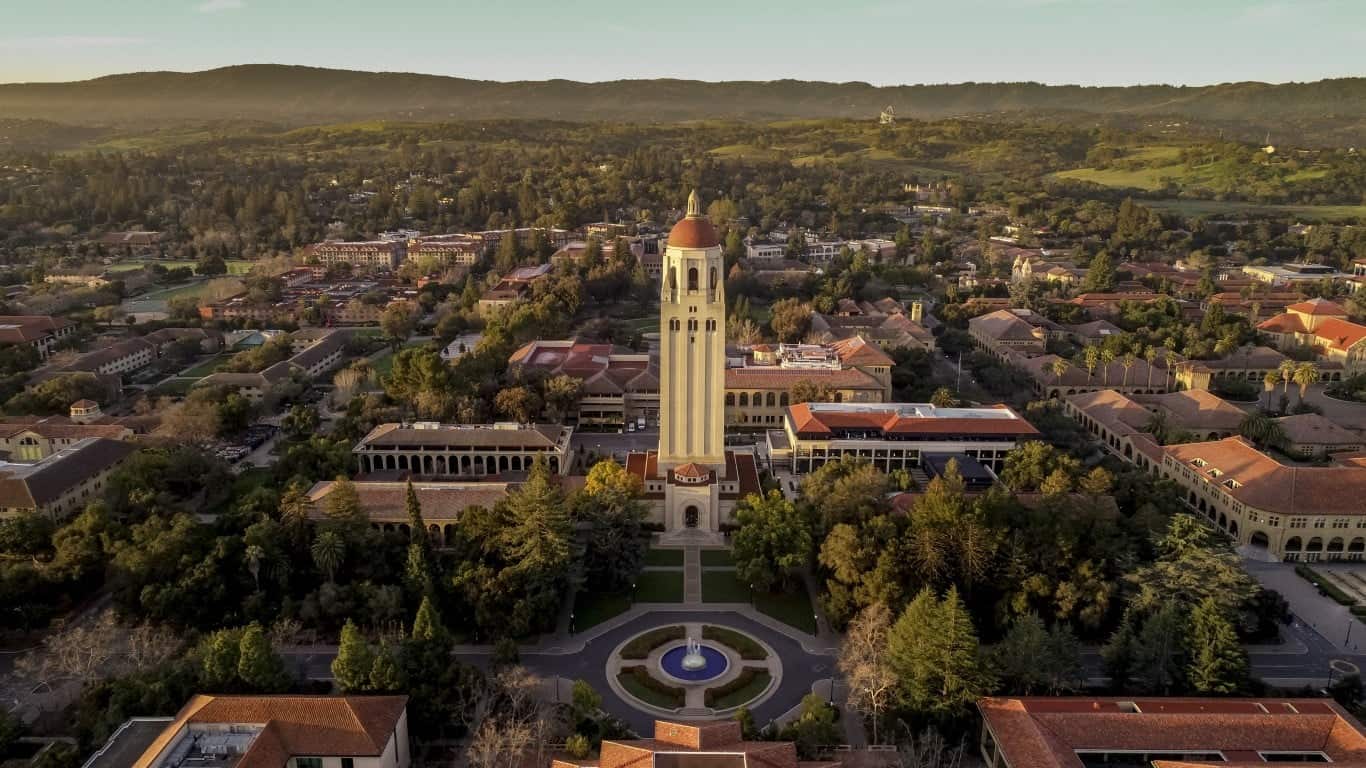
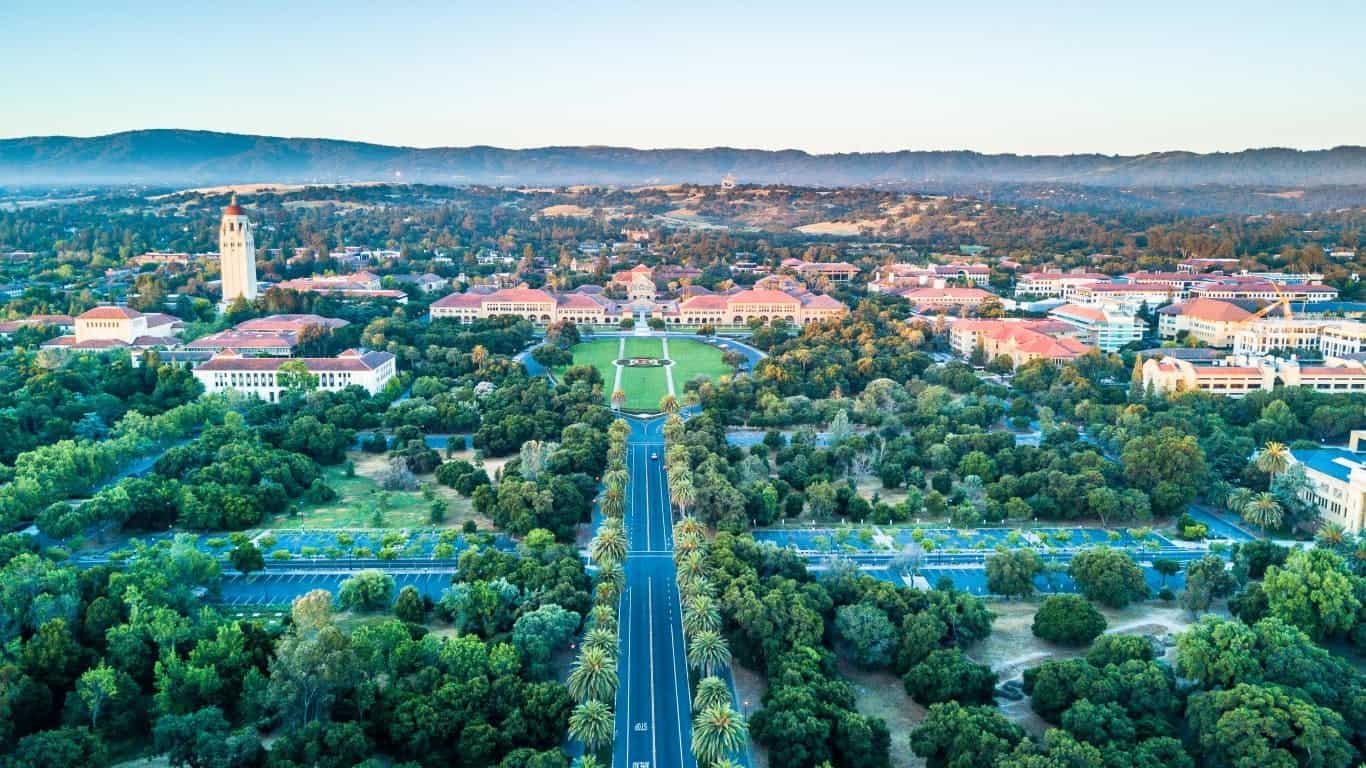
2. Stanford University
Stanford's reputation is tied closely to both world-class academics and its place in Silicon Valley. The university enrolled 7,289 undergraduates in fall 2025 and maintains an approximately 5-to-1 student-to-faculty ratio. Its alumni have founded or helped build companies including Google, Hewlett-Packard, LinkedIn, Netflix, and Instagram, giving Stanford an entrepreneurial legacy that is difficult for any university to match.
Why Choose Stanford
Students interested in technology, entrepreneurship, research, or launching something of their own are surrounded by that culture at Stanford. The university says its alumni and faculty have created tens of thousands of companies since the 1930s, while its location puts students in the middle of one of the world's most influential technology regions. Stanford is far more than a tech school, but few campuses can offer the same combination of research, academics, and proximity to the startup world.
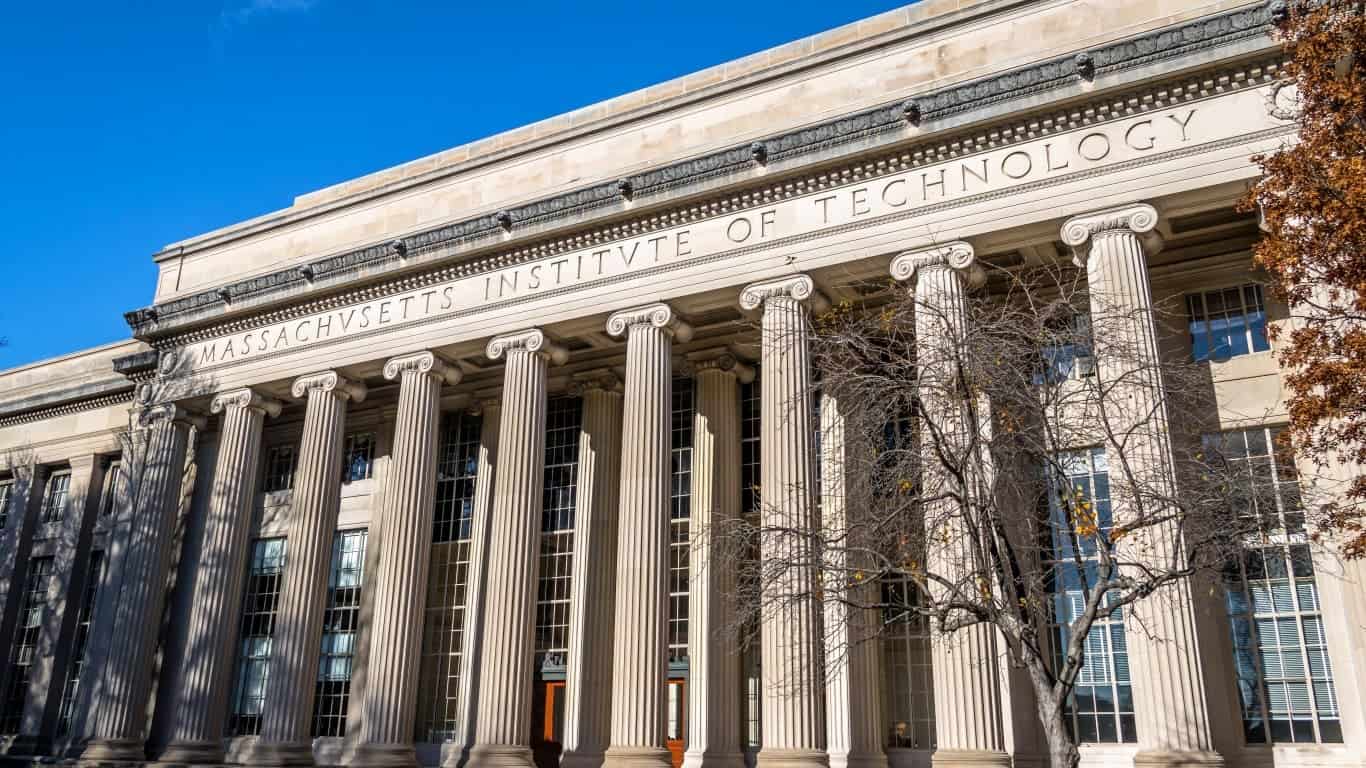
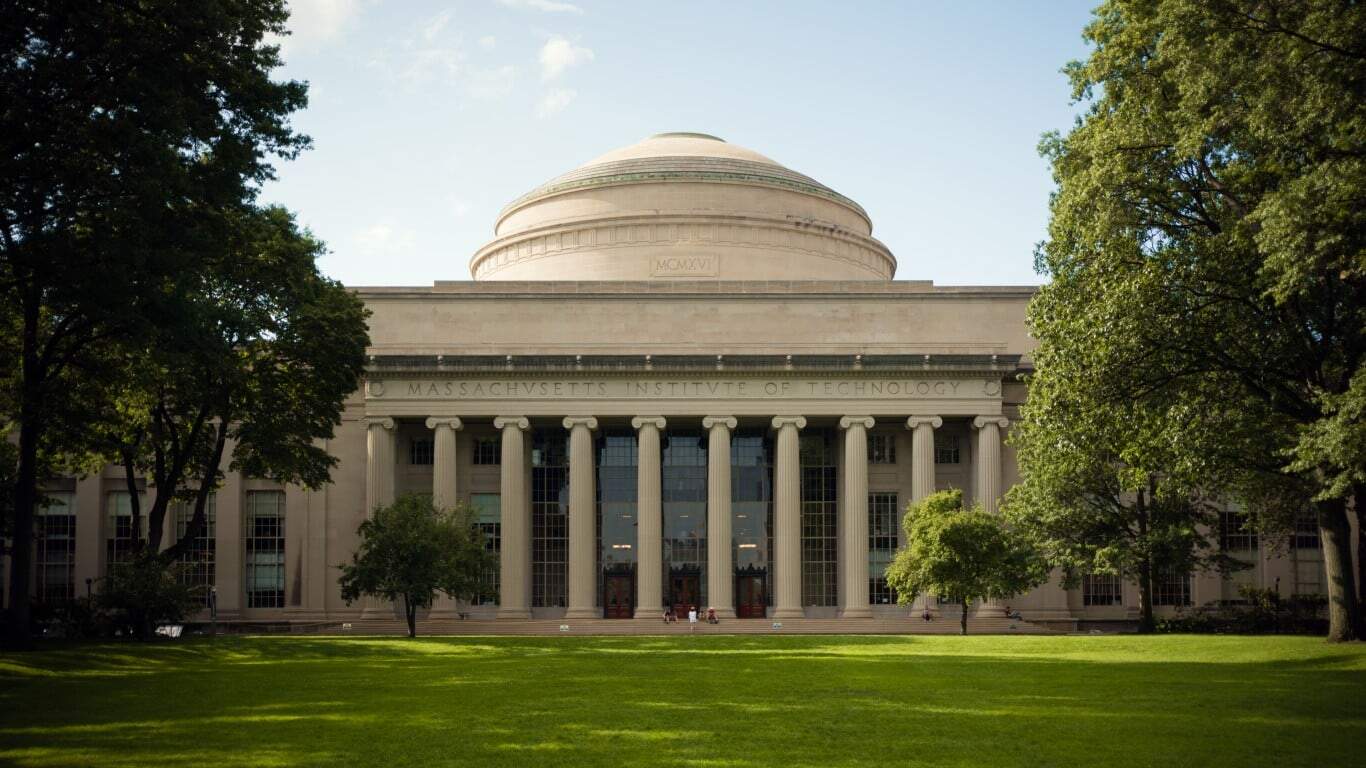
1. Massachusetts Institute of Technology
MIT barely needs an introduction for students interested in science, engineering, computing, or technology. The Cambridge institution enrolled 4,561 undergraduates and offers 56 undergraduate majors. Admission is every bit as competitive as its reputation suggests: MIT received 29,281 applications for the Class of 2029 and admitted 1,334 students, an acceptance rate of 4.6%.
Why Choose MIT
MIT's biggest selling point is not simply the name on the diploma. Students are surrounded by an enormous research operation that includes more than 70 research centers, laboratories, and programs. The wider MIT community has been associated with 106 Nobel Prizes and 18 A.M. Turing Awards. For students who want to work at the edge of science and technology while they are still undergraduates, there are few institutions that can offer quite the same environment.