Daniel Arranz Molinero/ via Getty Images
"Knossos" by James Preston is licensed under BY 2.0.
"Bolzano - Otzi sign" by grongar is licensed under BY 2.0.
"Aztec Calendar Stone or Sun Stone" by Gary Lee Todd, Ph.D. is licensed under CC0 1.0.
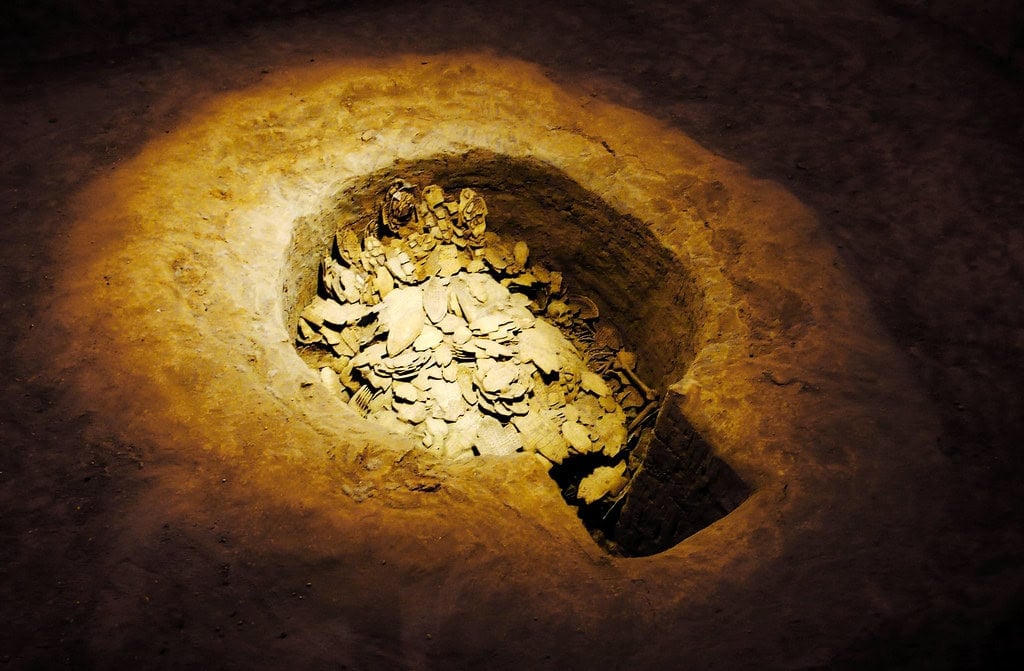
"yinxu - oracle bones" by Xuan Che is licensed under BY 2.0.
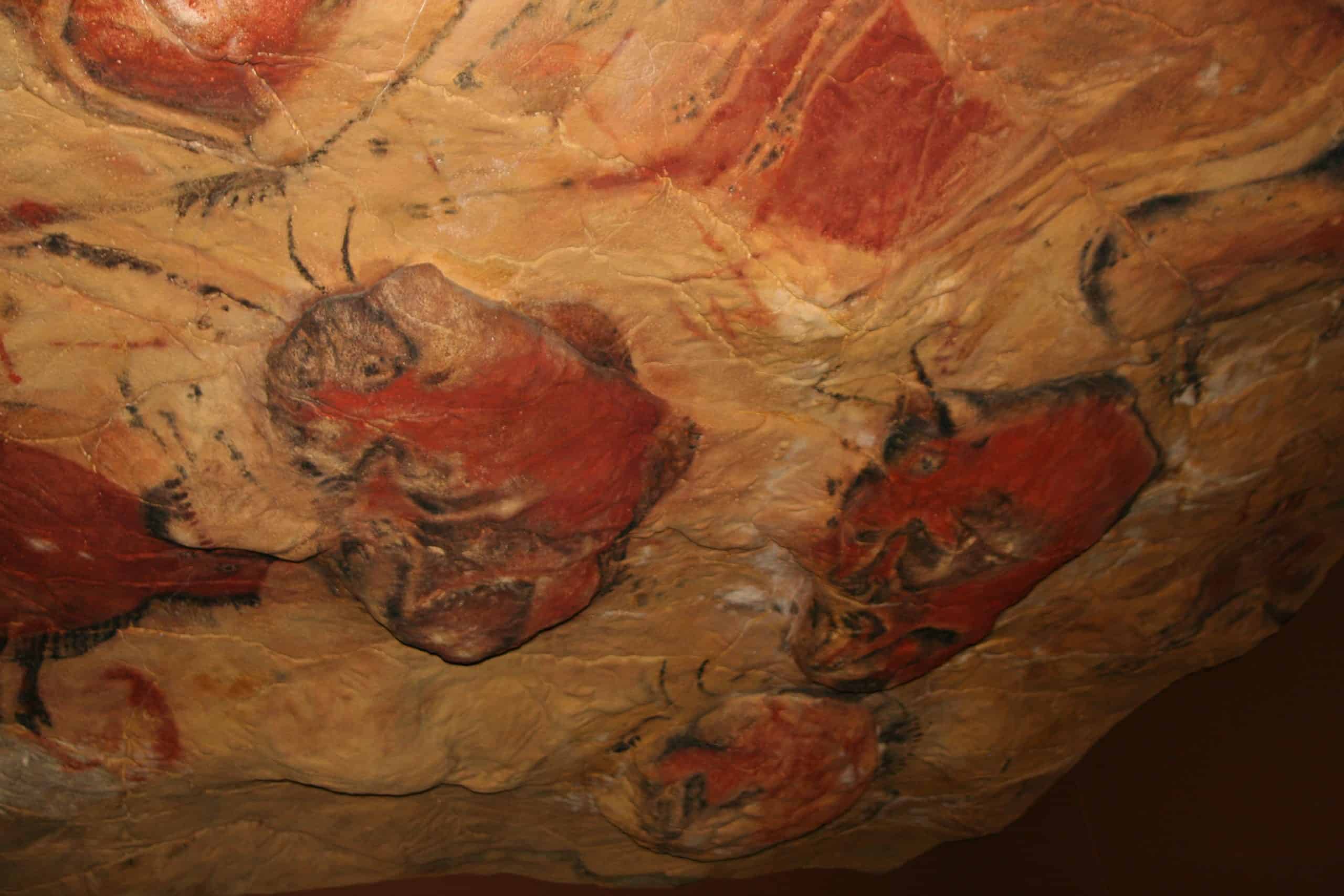
"Reproduction cave of Altamira 02" by User:MatthiasKabel is licensed under BY 2.5.
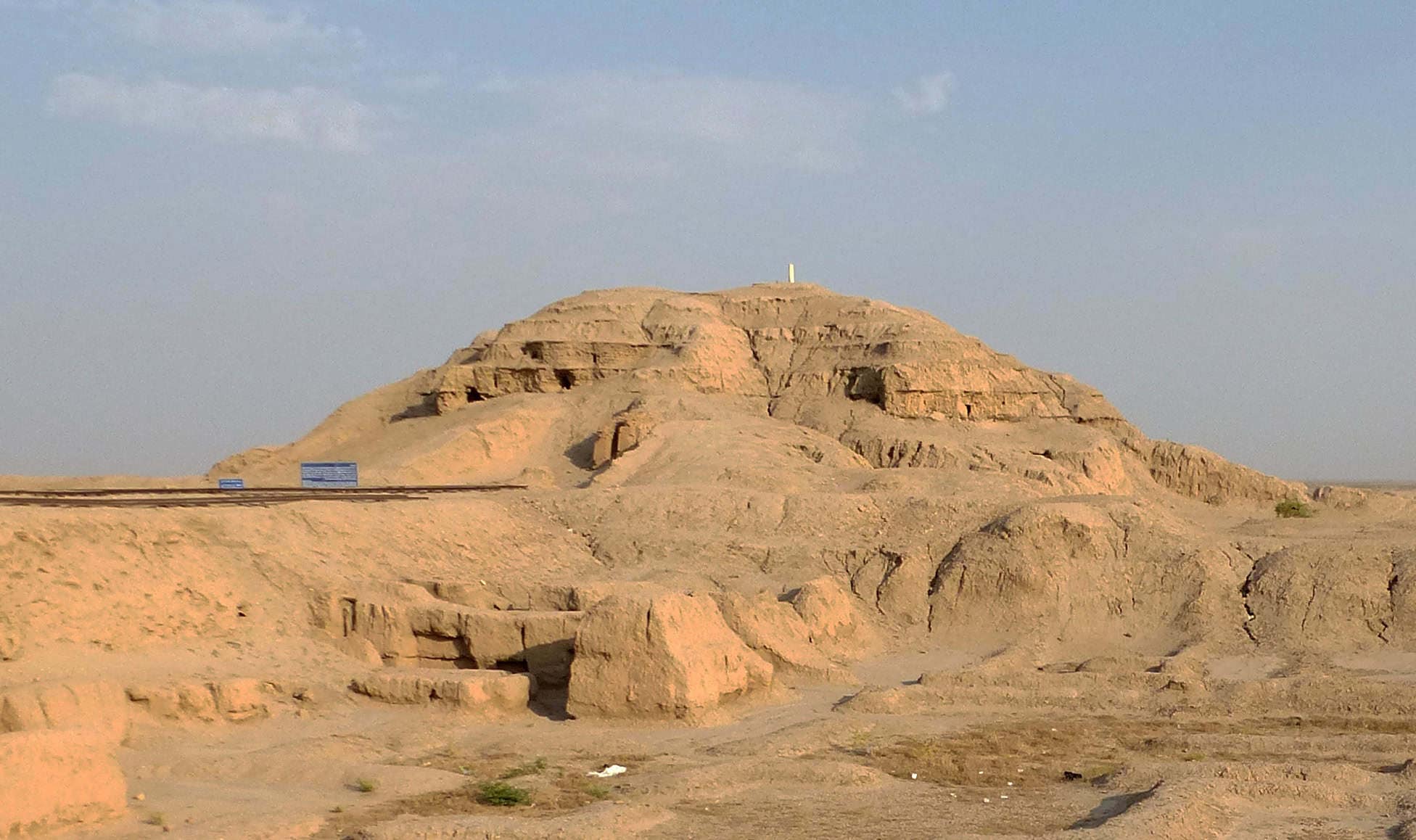
"White Temple ziggurat in Uruk" by tobeytravels is licensed under BY-SA 2.0.
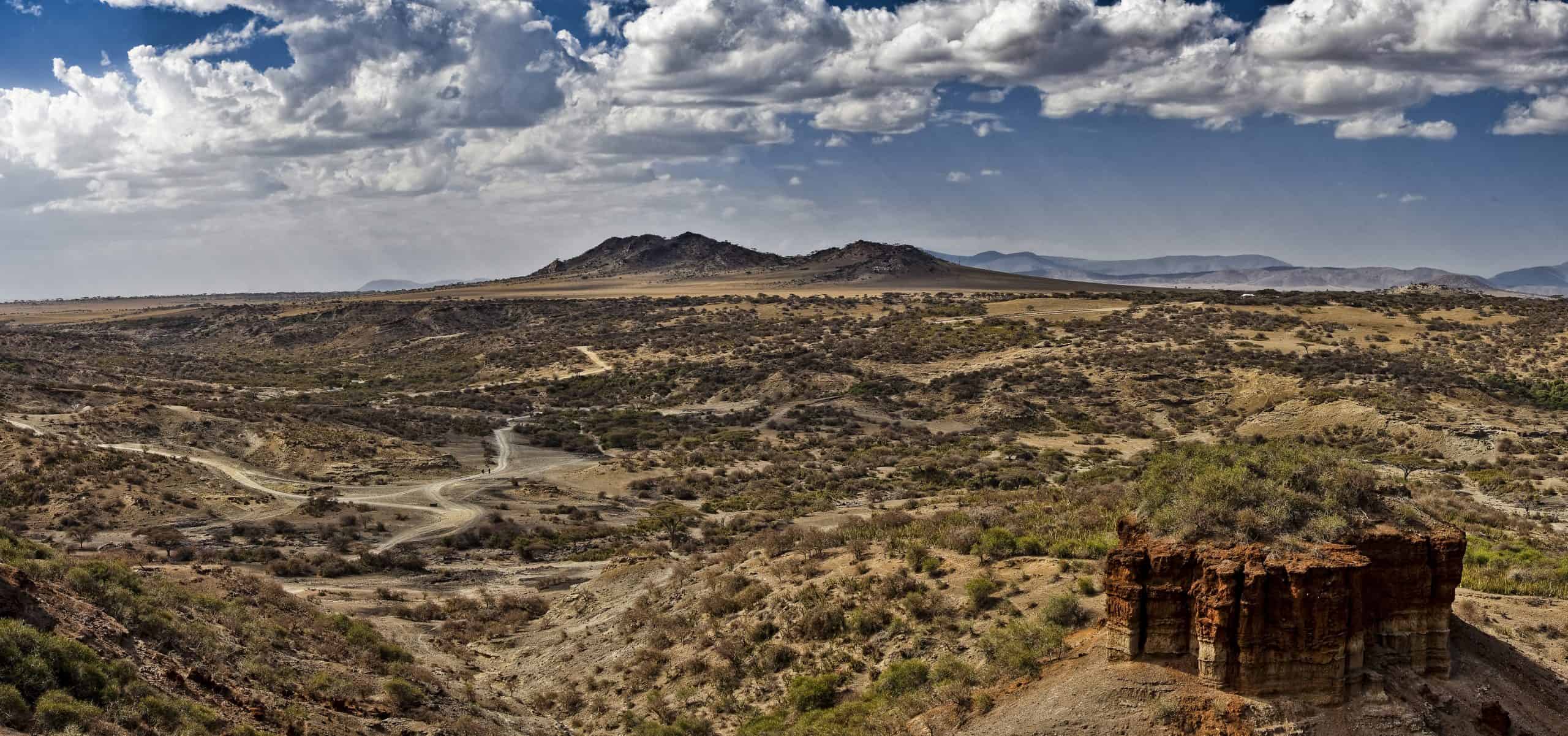
"Olduvai Gorge or Oldupai Gorge" by Noel Feans is licensed under BY 2.0.
Daniel Arranz Molinero/ via Getty Images
Philipp Berezhnoy/iStock.com
LACROIX CHRISTINE/Shutterstock.com
JK21/Shutterstock.com
"Dead Sea Scrolls" by D-Stanley is licensed under BY 2.0.
LARISA SHPINEVA/iStock.com
No machine-readable author provided. Marsyas assumed (based on copyright claims) / CC BY-SA 3.0
© Getty Images/ via Getty Images

15 Archaeological Discoveries That Rewrote Human History
Archaeology has a habit of humbling us. Just when the past seems neatly mapped out, somebody uncovers a city, a manuscript, a tomb, or a 2,000-year-old machine that forces historians to rethink what people were capable of centuries or even millennia earlier.
Not every discovery on this list changed history in the same way. Some revealed lost writing systems or entire urban civilizations. Others preserved a single human life in astonishing detail or showed that prehistoric people were building monumental structures far earlier than once assumed. Together, they have filled in enormous gaps in what we know about our own past.
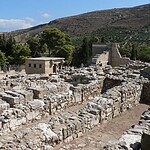
15. Knossos
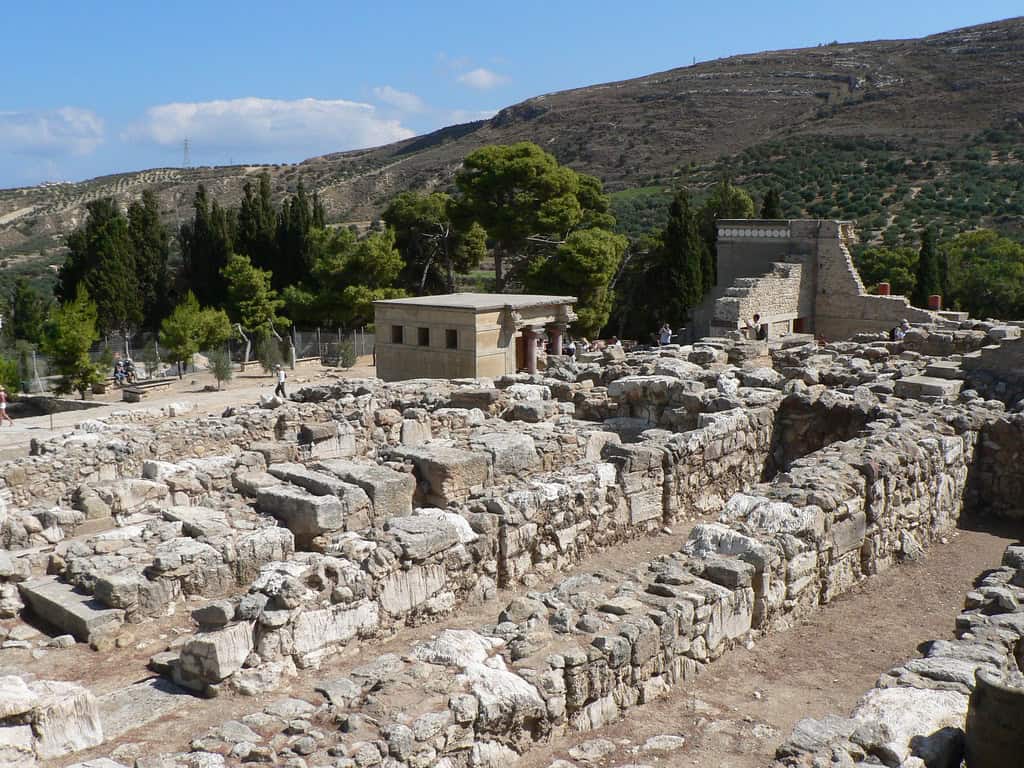
Knossos on the Greek island of Crete is one of Europe's most important Bronze Age archaeological sites, although calling it simply “Europe's oldest city” goes further than the evidence allows. The location was occupied long before the Bronze Age, but it is best known for the sprawling palace complex associated with Minoan civilization. Cretan antiquarian Minos Kalokairinos began excavating portions of the site in 1878, followed by Arthur Evans' much larger excavations beginning in 1900.
Among the most important finds were thousands of clay tablets bearing ancient scripts. Linear B was deciphered by Michael Ventris in 1952 and turned out to represent an early form of Greek, dramatically expanding what scholars knew about the Mycenaean administrative system. The tablets mainly record inventories, livestock, commodities, offerings, and other palace business rather than epic stories. Linear A, an older writing system also found on Crete, remains undeciphered, and scholars still cannot say with certainty what language it represents.
14. Ötzi the Iceman
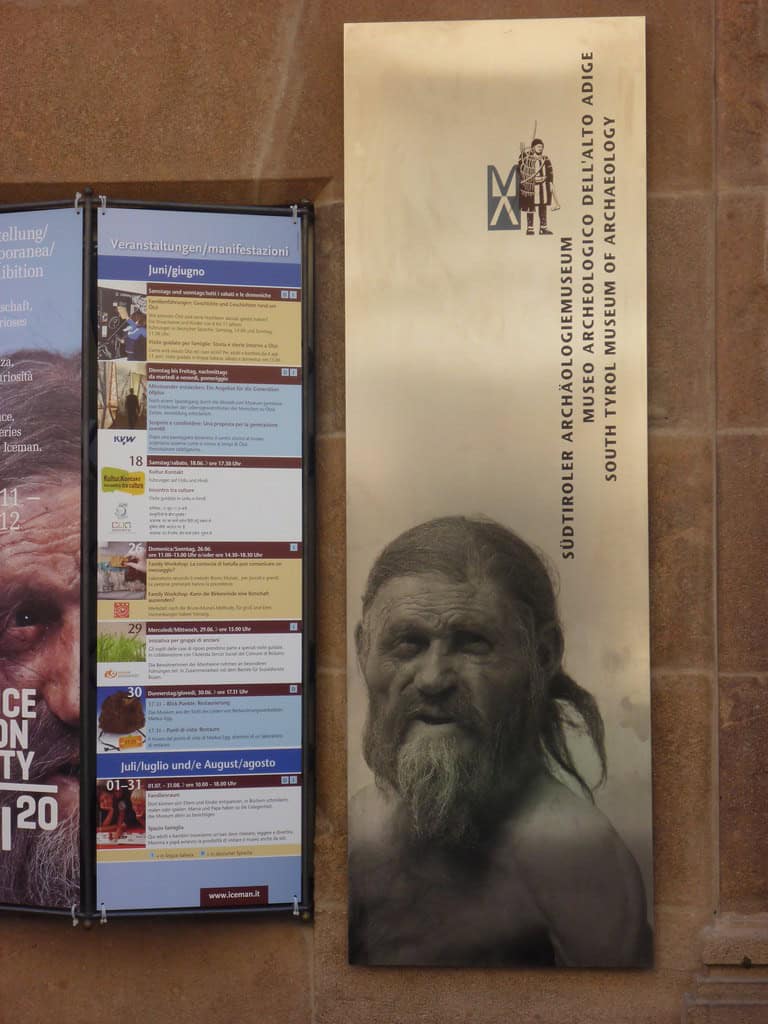
On September 19, 1991, German hikers Erika and Helmut Simon spotted a body emerging from melting ice high in the Ötztal Alps near the modern border of Italy and Austria. Investigators initially suspected that the remains belonged to a recently deceased mountaineer. Instead, the man now known as Ötzi had been preserved in the ice for more than 5,300 years.
Ötzi's body, clothing, weapons, and equipment created an extraordinarily detailed snapshot of Copper Age life. His possessions included a flint dagger, bow and arrows, birch-bark containers, clothing made from several animal species, and an almost completely preserved copper axe. Analysis later showed that the axe head was made from exceptionally pure copper whose ore originated in southern Tuscany, evidence of surprisingly extensive connections in prehistoric Europe. Ötzi has since been studied using everything from CT scans to DNA analysis, making one man's violent death an archaeological gold mine thousands of years later.
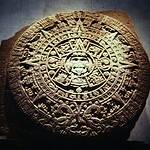
13. The Aztec Sun Stone
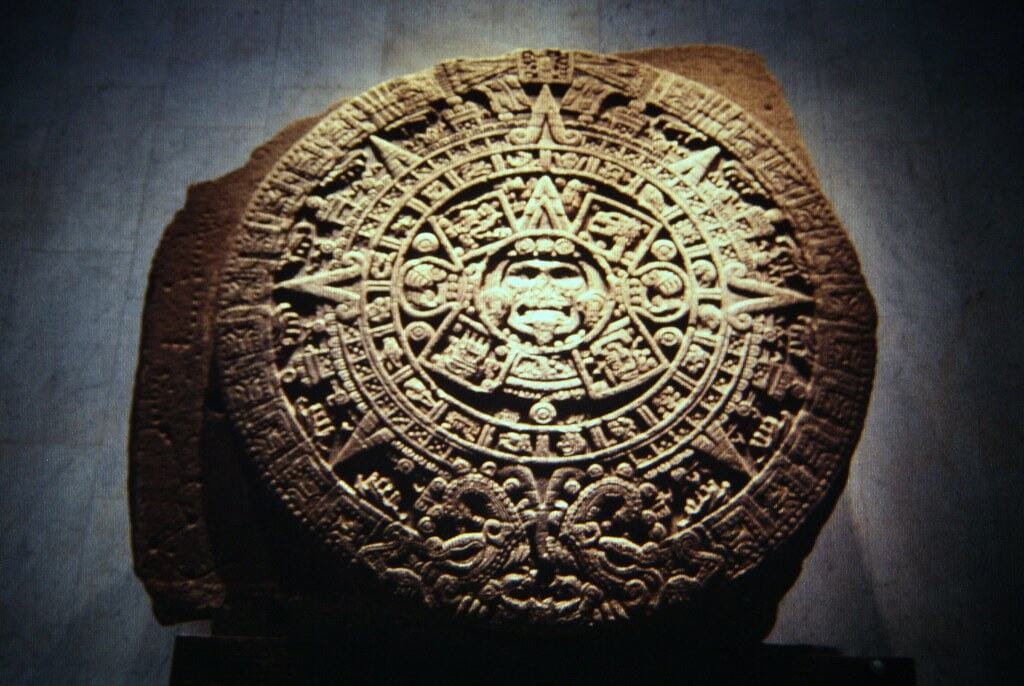
Commonly called the Aztec Calendar Stone, the enormous Piedra del Sol, or Sun Stone, is more complicated than a giant stone calendar. The Mexica monument measures about 3.6 meters across and weighs roughly 24.5 metric tons. It was uncovered on December 17, 1790, during construction work in what is now the historic center of Mexico City, more than two centuries after the Spanish conquest of Tenochtitlan.
The carvings are packed with references to Mexica ideas about time, the movement of the sun, cosmic eras, deities, and sacrifice. At its center is the sign for 4 Movement, associated with the Fifth Sun, the cosmic age in which the Mexica believed they lived. Scholars have debated the stone's precise original function, and evidence suggests it may have served a ceremonial or sacrificial role in addition to expressing calendrical and cosmological ideas. Either way, reducing it to an oversized calendar leaves out most of what makes it interesting.
12. Yin Xu
Yin Xu, near modern Anyang in China's Henan Province, was the capital of the late Shang dynasty from roughly 1300 to 1046 BCE. UNESCO says the capital endured through 12 kings and eight generations. The site contains palace and ancestral-shrine foundations, royal tombs, workshops, bronze vessels, jade carvings, ceramics, chariots, and evidence of a highly organized Bronze Age state.
Its most consequential finds may be the inscribed oracle bones. Scholars recognized the inscriptions as Shang-era writing in 1899, and large-scale archaeological excavations at Yin Xu began in 1928. The bones preserve records of divination concerning royal affairs, warfare, weather, harvests, rituals, and other matters. Their inscriptions represent the earliest known mature and systematic form of written Chinese, extending China's securely documented written history much further into the past.
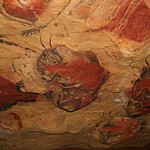
11. Cave of Altamira
When Marcelino Sanz de Sautuola brought attention to the painted ceiling of Altamira in northern Spain in 1879, many scholars initially doubted that prehistoric people could have produced art that sophisticated. Later discoveries proved otherwise. Altamira became central to the recognition that Upper Paleolithic humans were accomplished artists capable of producing remarkably detailed paintings and engravings tens of thousands of years ago.
The wider UNESCO property of Altamira and other decorated caves of northern Spain contains art spanning roughly 35,000 to 11,000 years ago. Access to the original Altamira cave is now extraordinarily restricted for conservation reasons, but it is not completely closed. Spain's Ministry of Culture currently permits a maximum of five visitors per week under a controlled system using an old waiting list that is closed to new applicants. Everyone else can visit the museum's detailed replica, the Neocave.
10. Uruk
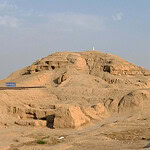
Uruk, in what is now southern Iraq, was one of the places where city life took a giant leap forward. By around 3100 BCE, estimates put its population somewhere in the tens of thousands, with some archaeological models suggesting roughly 20,000 to 40,000 residents at that stage and larger estimates for later periods. Whatever the exact number, it was enormous by the standards of the ancient world and became one of the defining centers of early Mesopotamian urbanization.
Uruk is also closely tied to one of humanity's most important inventions: writing. The earliest known writing developed in Sumerian cities before 3200 BCE, with early tablets from Uruk recording practical information such as commodities and rations. Those pictographic accounting systems gradually developed into cuneiform, a writing tradition that spread across the ancient Middle East and remained in use for more than 3,000 years. Bureaucracy may not sound thrilling, but keeping track of bread and beer helped change human history.
9. Olduvai Gorge
Olduvai Gorge in Tanzania is one of the world's most important sites for studying human evolution. Work there by Louis and Mary Leakey and other researchers uncovered hominin fossils, animal remains, and stone tools spanning an enormous stretch of prehistory. Fossils found at Olduvai in the early 1960s also played a major role in the identification of Homo habilis as a distinct early human species.
Olduvai is famous for the Oldowan stone-tool tradition, including tools dating to roughly 1.8 million years ago at the site. Those artifacts helped show that early hominins were deliberately producing sharp flakes and stone cores that could be used for cutting, pounding, and accessing meat and marrow. Older tools have since been found elsewhere in Africa, so Olduvai is no longer the beginning of the stone-tool story. Its importance lies in the extraordinary sequence of evidence it preserves, allowing researchers to track changes in anatomy, behavior, and technology through deep time.
8. Angkor
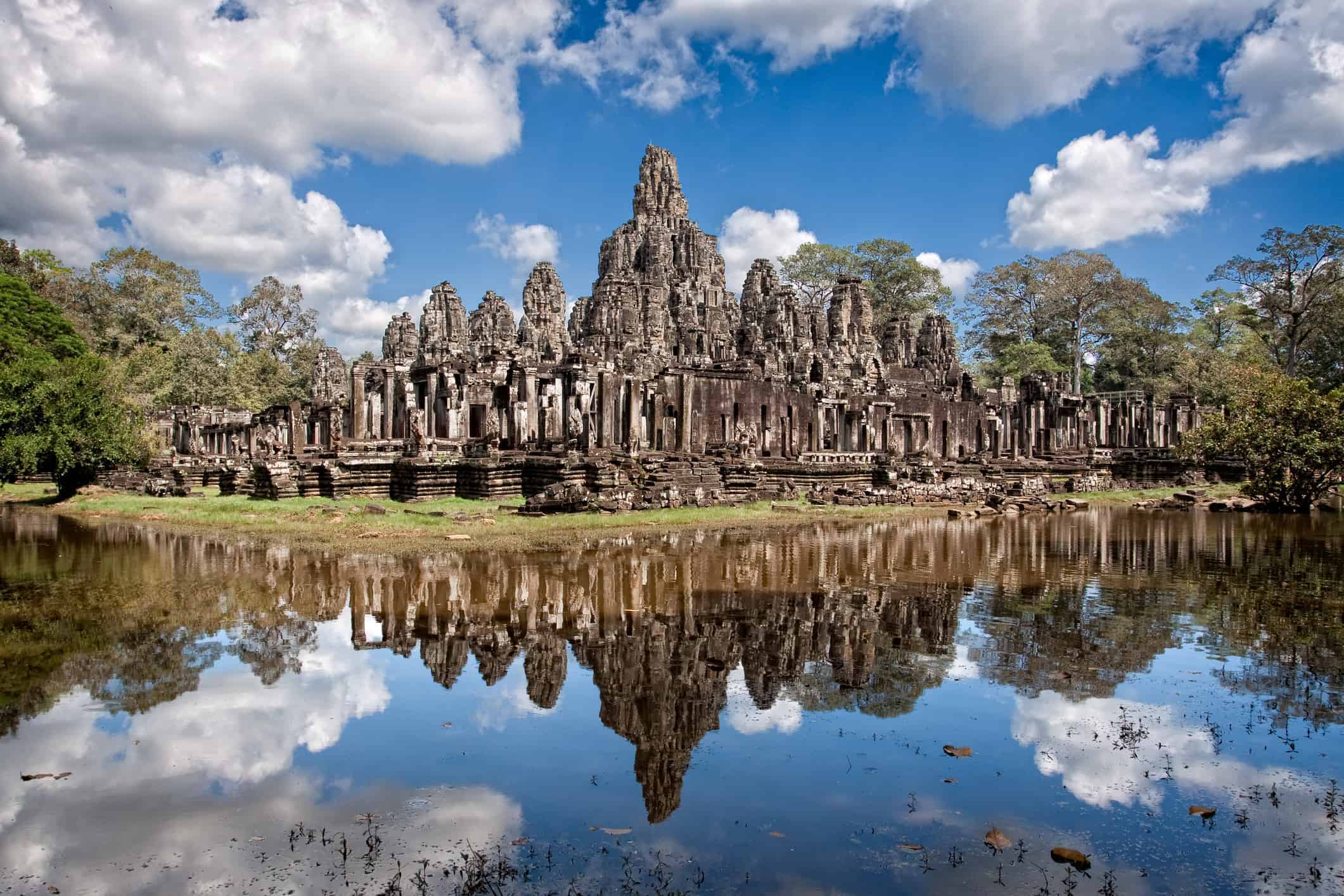
Angkor in Cambodia was not a “lost city” suddenly rediscovered by Europeans. Local people continued to know and use its monuments long after the Khmer Empire declined, and Angkor Wat remained an important religious site. Archaeological research has instead revealed just how enormous and sophisticated the wider Angkorian landscape was. The UNESCO World Heritage property covers roughly 400 square kilometers and contains temples, roads, reservoirs, canals, and remains of several Khmer capitals.
Its best-known monument, Angkor Wat, was constructed during the reign of Suryavarman II in the early 12th century. It was built as his state temple, dedicated to the Hindu god Vishnu, rather than simply serving as an imperial palace. The complex covers roughly 162.6 hectares, or about 402 acres, and later became an important Buddhist sanctuary. Nearby Angkor Thom contains the Bayon, famous for its enormous carved faces. Together with Angkor's vast water-management network, these monuments reveal the engineering and organizational abilities of one of Southeast Asia's most powerful premodern civilizations.
7. Göbekli Tepe
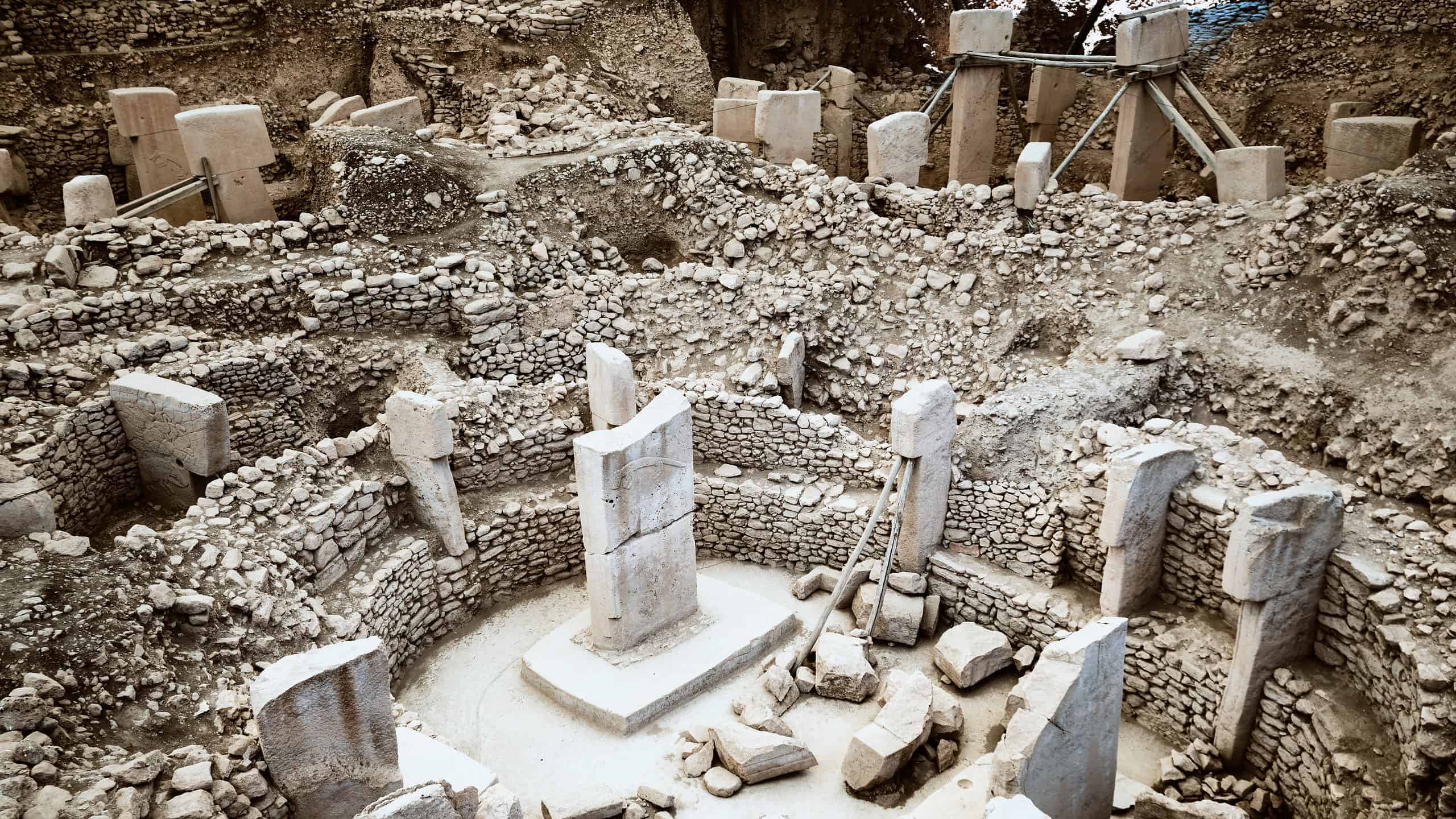
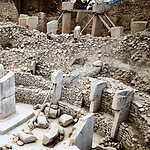
Göbekli Tepe in southeastern Türkiye transformed the debate over how early humans organized themselves during the transition from hunting and gathering to agriculture. Archaeologists recognized the site's extraordinary significance in the 1990s, although it had been noted during an earlier archaeological survey. Its monumental structures date roughly from 9600 to 8200 BCE, making them more than 11,000 years old.
The circular and rectangular structures were built by hunter-gatherer communities and feature huge T-shaped limestone pillars, some reaching about 5.5 meters high and decorated with reliefs of wild animals and human features. Archaeologists generally interpret the monumental enclosures as communal structures connected to social or ritual activity, although exactly what occurred there remains debated. What made Göbekli Tepe so disruptive was not evidence of some impossible technology. It was proof that people could organize the labor and specialized skill needed for monumental construction before fully developed farming societies and cities existed.
6. Lascaux Cave Paintings
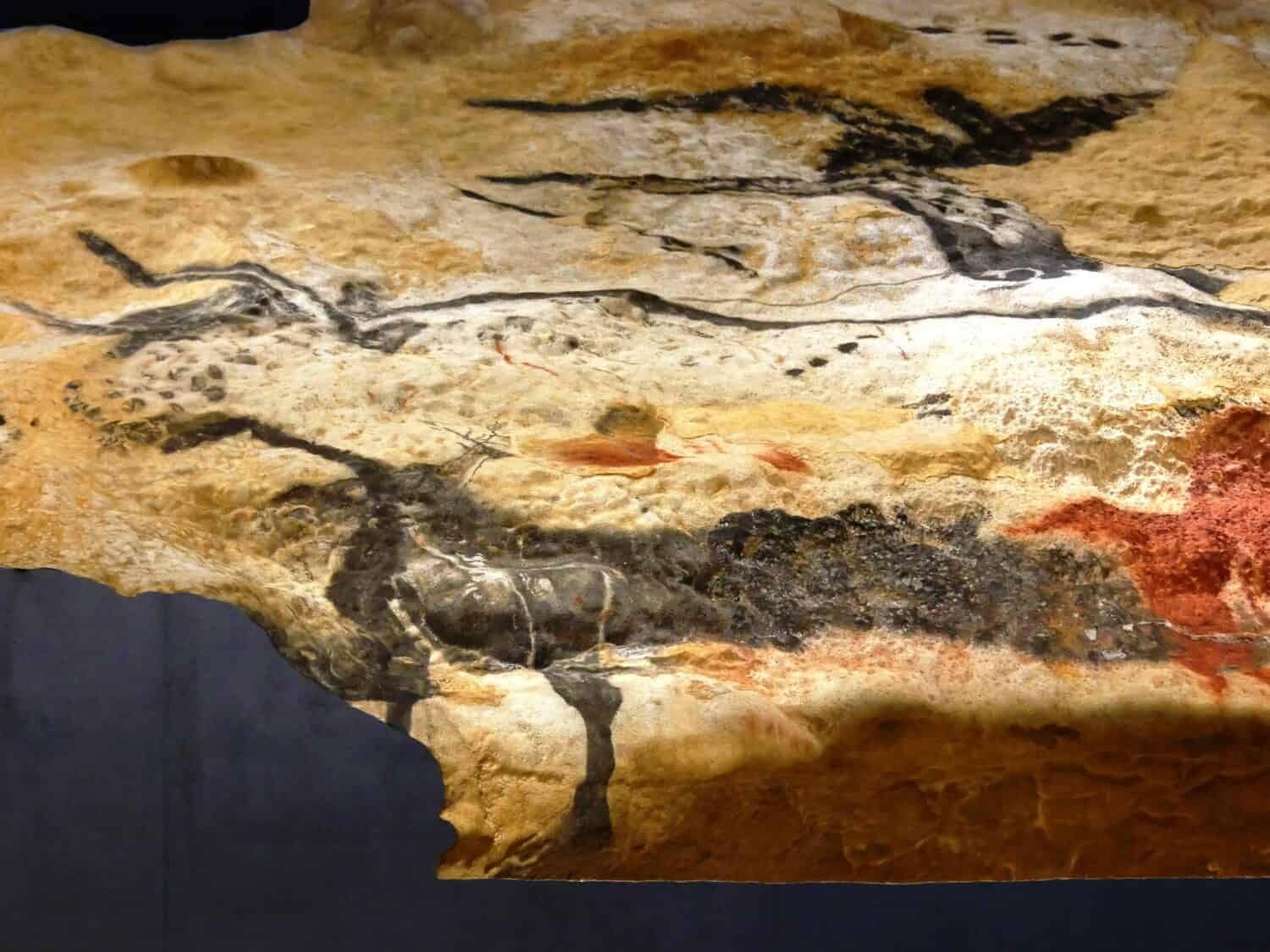
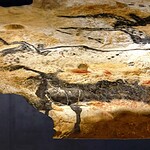
Four teenagers discovered the Lascaux cave near Montignac, France, on September 12, 1940. Inside was an extraordinary collection of Paleolithic paintings and engravings depicting horses, bison, deer, cattle, and other figures. The art immediately became one of the world's most important windows into the symbolic and artistic lives of prehistoric humans.
The familiar description of Lascaux's art as “17,000 years old” is based on older uncalibrated radiocarbon dating. Current archaeological work puts the relevant occupation and artistic period closer to about 21,000 years ago, although dating individual figures remains complicated and researchers continue to refine the chronology. The original cave has been closed to ordinary tourism since 1963 because human visitation was damaging its delicate environment. Modern visitors instead experience highly detailed reproductions, including Lascaux II and Lascaux IV.
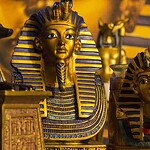
5. Tutankhamun's Tomb
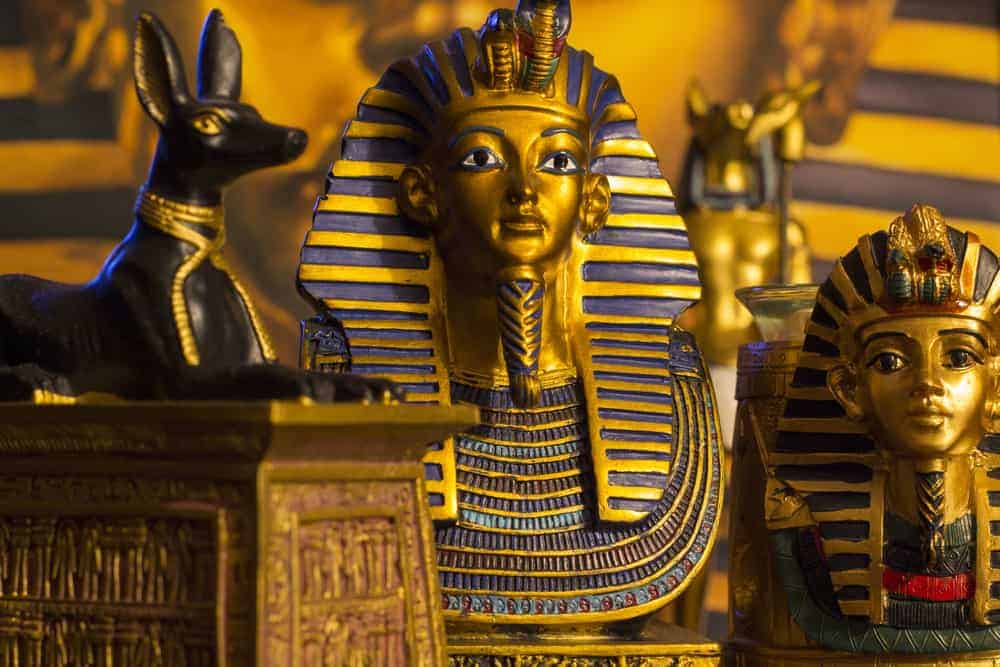
Tutankhamun was only about nine years old when he became pharaoh, and his reign lasted roughly nine years during the 14th century BCE. He was not among ancient Egypt's most powerful rulers. Ironically, he became its most famous pharaoh largely because his relatively small tomb escaped the widespread looting that emptied so many other royal burials.
Howard Carter discovered the tomb's entrance in Egypt's Valley of the Kings on November 4, 1922, after years of searching. Inside were more than 5,000 objects, including furniture, chariots, weapons, clothing, jewelry, shrines, coffins, and the now-famous gold burial mask. Recording and conserving the contents took roughly a decade. The largely intact assemblage gave archaeologists an unusually complete look at royal burial practices, craftsmanship, religion, and material culture during Egypt's New Kingdom.
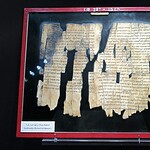
4. Dead Sea Scrolls
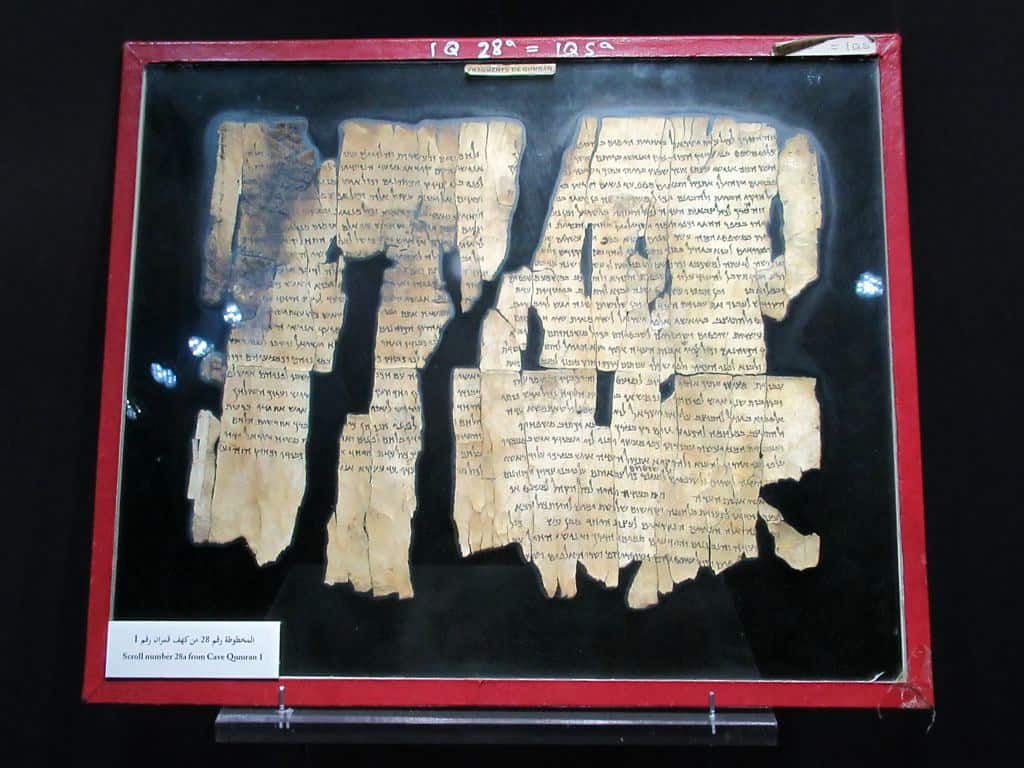
The first Dead Sea Scrolls came to light in 1947, when Bedouin shepherds discovered ancient manuscripts in a cave near Qumran, northwest of the Dead Sea. Searches over the following years produced tens of thousands of fragments from 11 caves, representing nearly 1,000 different compositions written primarily in Hebrew and Aramaic, with some Greek.
The manuscripts date from roughly the third century BCE through 68 CE. They include biblical texts, religious rules, commentaries, hymns, legal writings, and other works from the late Second Temple period. At the time of their discovery, the biblical manuscripts were nearly a thousand years older than the previously known surviving Hebrew copies of many of the same texts. The scrolls do not describe Jesus or the early Christian church, but they provide an extraordinary look at the Jewish religious and cultural world from which early Christianity emerged.
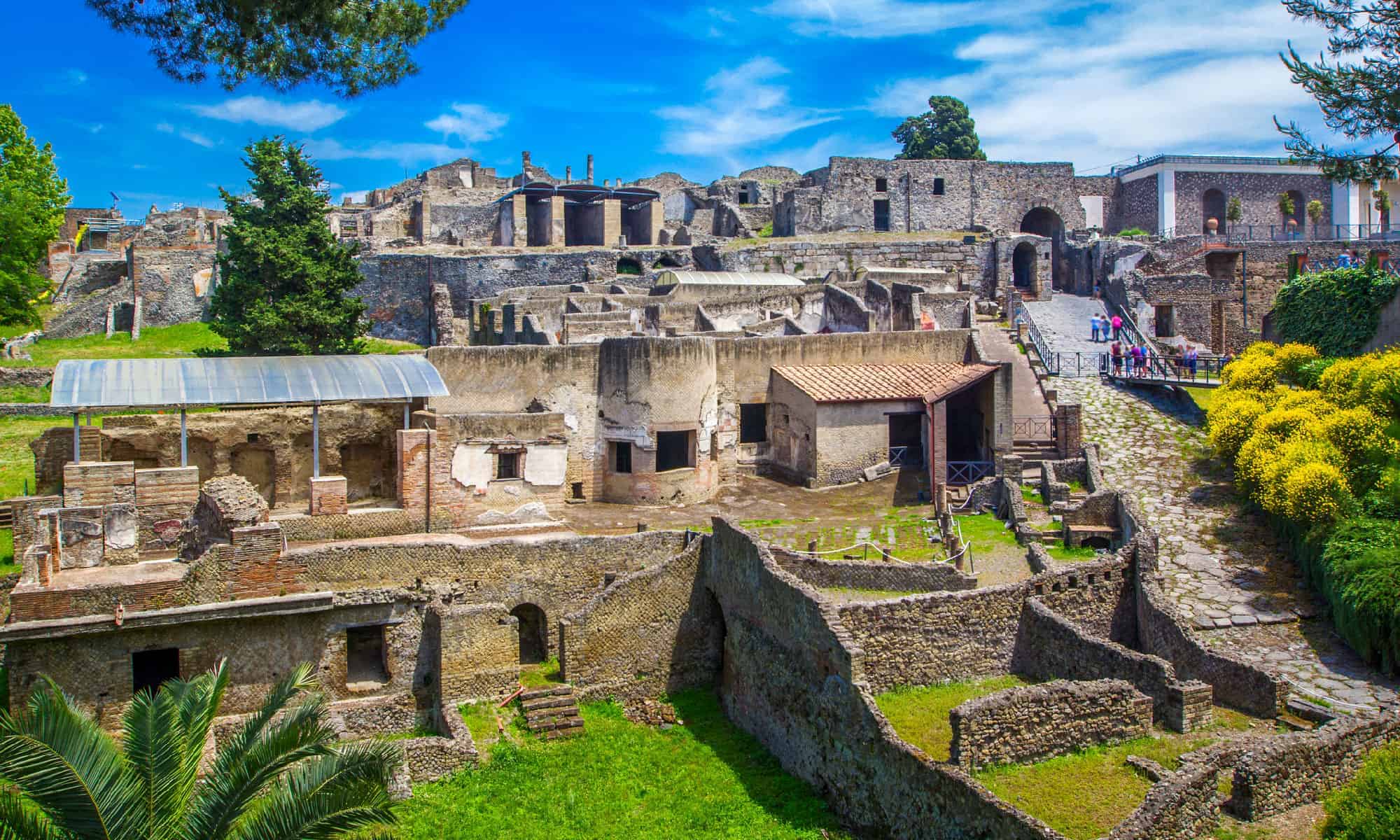
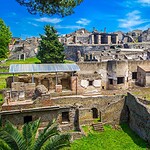
3. Pompeii
When Mount Vesuvius erupted in 79 CE, Pompeii was buried beneath meters of pumice, ash, and other volcanic material. The disaster killed large numbers of people, but the idea that every resident of Pompeii died is not accurate. Many inhabitants escaped before the deadliest phases of the eruption, while archaeologists have recovered the remains of more than 1,000 victims who did not.
Parts of the buried city were encountered long before systematic archaeology began, but large-scale Bourbon excavations started in 1748. What emerged was extraordinary: streets, houses, shops, temples, political graffiti, wall paintings, food remains, household objects, and even voids left by decomposed human bodies. Pompeii did not preserve one perfect instant untouched by time, but its rapid burial still created one of the most detailed archaeological records of everyday urban life anywhere in the Roman world.
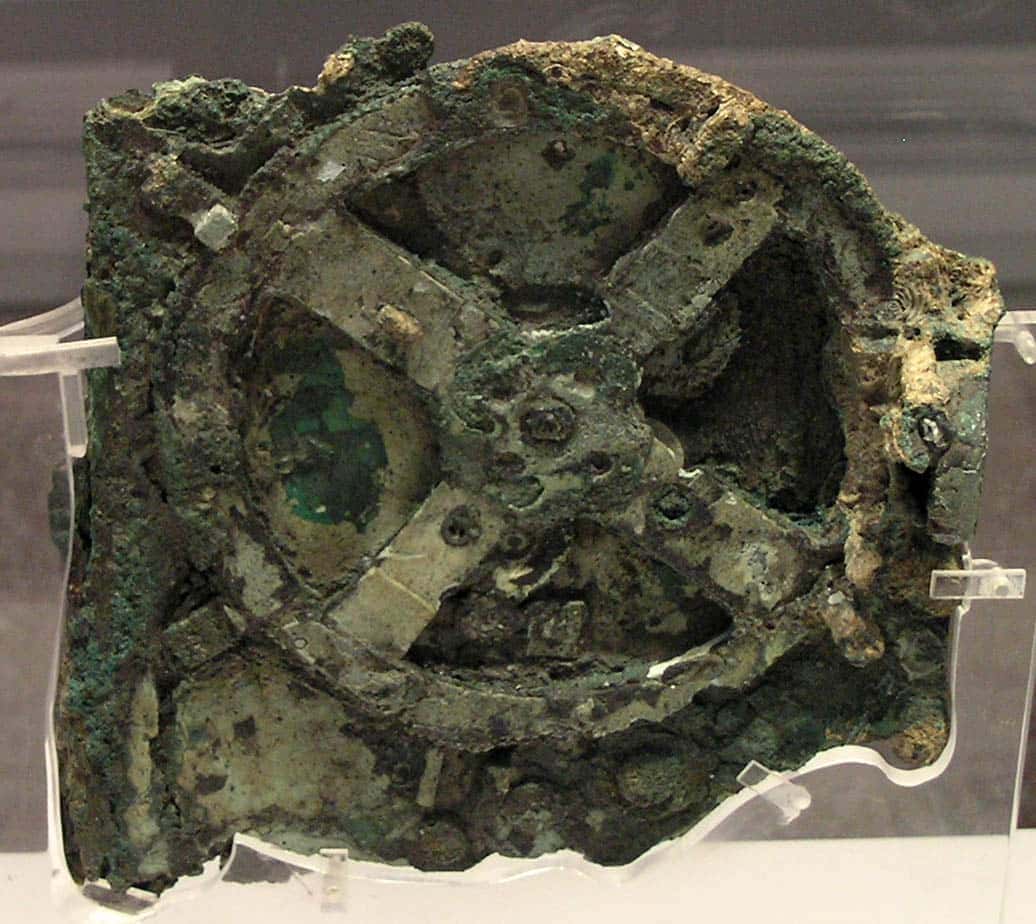
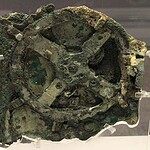
2. Antikythera Mechanism
Greek sponge divers discovered an ancient shipwreck near the island of Antikythera in 1900, and salvage operations began later that year. The corroded fragments now known as the Antikythera Mechanism came out of the sea in 1901, although archaeologist Spyridon Stais did not recognize the gears inside the fragments until 1902. What initially looked like an unremarkable lump of bronze turned out to be anything but.
The hand-powered geared device was built around the second or first century BCE and could model astronomical cycles. Research has shown that it could track calendrical information and predict events including lunar and solar eclipses, while evidence also supports displays connected to the movements of celestial bodies. It is commonly described as the world's earliest known analog computer. Nothing comparably complex survives from antiquity, forcing historians to significantly revise their view of ancient Greek mechanical engineering.
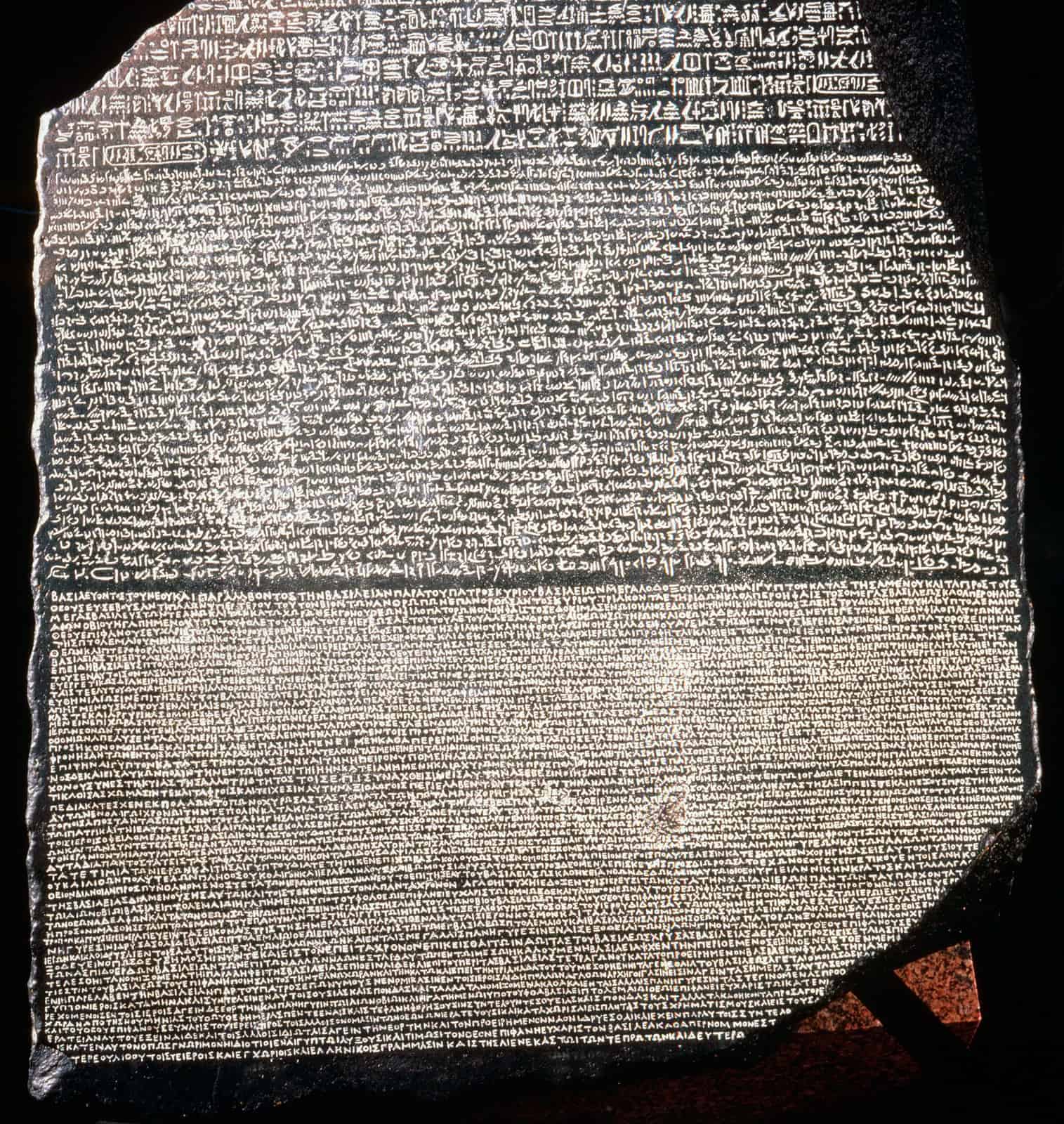
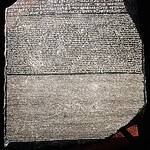
1. The Rosetta Stone
Soldiers serving in Napoleon's army discovered the Rosetta Stone in 1799 while working on a fort near the Egyptian town of Rashid, or Rosetta. The stone preserves a priestly decree issued in 196 BCE during the reign of the young Ptolemy V. The same decree appears in three scripts: Egyptian hieroglyphs, Egyptian Demotic, and ancient Greek.
Greek was already well understood by European scholars, which made the inscription an invaluable bridge to the Egyptian scripts. Thomas Young demonstrated that some hieroglyphs represented sounds in the royal name Ptolemy, and Jean-François Champollion built on that work and other inscriptions to make the decisive breakthrough in deciphering Egyptian hieroglyphs in 1822. The process was anything but instant, but the Rosetta Stone supplied the key that reopened thousands of years of written Egyptian history to modern scholarship.