
Most people enjoy beer, wine, cocktails, and spirits without giving much thought to where those drinks came from. Some are relatively modern creations, shaped by recent trends and changing tastes. Others have histories stretching back thousands of years to some of the world’s earliest settled communities.
Chemical analysis of pottery residue discovered in China’s Yellow River Valley revealed evidence of one of the oldest known alcoholic beverages. Dating to approximately 7000–6600 BCE, the fermented drink combined rice, honey, and hawthorn fruit and/or wild grapes.
These early beverages would have been quite different from the alcohol sold today. Natural fermentation produced drinks that could vary from batch to batch, spoil quickly, and taste unfamiliar to modern drinkers. Over time, advances in brewing, storage, controlled fermentation, and, much later, distillation made alcoholic beverages more stable, predictable, and often stronger.
For this list, we examined some of the oldest alcoholic drinks documented through archaeological or historical evidence. When a traditional version still exists—or a modern producer has attempted to recreate an ancient beverage—we have also noted what today’s drink may have in common with the original.
How Long Have Humans Been Brewing Alcohol?

Humans have been deliberately fermenting grains and fruit for a very long time. At Raqefet Cave near Haifa in modern-day Israel, researchers found 13,000-year-old evidence interpreted as beer brewing. The cave was used as a burial site by the Natufian people, and the beer-like drink may have been prepared for ritual feasts honoring the dead. Because the residue is ancient and the interpretation is still debated, it is safest to describe Raqefet as some of the earliest evidence of brewing rather than a fully verified commercial-style brewery.
No one knows exactly how fermentation was first discovered. A bowl of wet grain, crushed fruit, or honeyed water could have begun fermenting after exposure to wild yeast, making accidental discovery entirely plausible. What the archaeological record does show is that people eventually learned to repeat and control the process—and that fermented drinks became part of social and ceremonial life surprisingly early.
How Alcohol Influenced the Start of Agriculture and Ancient Economies

Archaeologists have long debated why people began cultivating cereal grains. Bread was certainly important, but some researchers argue that the desire to brew beer for feasts and rituals may also have encouraged early grain production. The evidence from Raqefet Cave gives that idea more weight, but it does not prove that beer—not bread—caused agriculture to begin.
Fermented fruit may have played a role even earlier. Fruit begins to ferment naturally when wild yeast consumes its sugars, and animals as well as humans sometimes seek it out. That makes natural fermentation a possible doorway to deliberate brewing, although the idea that alcohol drew human ancestors down from the trees remains an interesting hypothesis rather than an established fact.
What is much clearer is alcohol’s later economic importance. In parts of ancient Mesopotamia and Egypt, beer and wine became commodities, offerings, and rations for workers. Grain, grapes, and the finished drinks moved through trade networks, while brewing and winemaking created specialized work. Alcohol was never the foundation of every ancient economy, but in some societies it was far more than a recreational drink.
Why Did Humans Start Drinking Alcohol?

There probably was not one single reason humans began drinking alcohol. Fermented beverages provided calories, new flavors, and an altered state that people could enjoy or incorporate into ritual. Sharing a drink also gave communities a way to mark feasts, funerals, agreements, and other important events.
Alcohol could also help preserve seasonal ingredients in a different form. Grapes, grain, honey, and fruit do not remain fresh forever, but fermentation could turn them into drinks that lasted longer and were easier to store or trade. Some beverages also carried useful nutrients from the grains or fruit used to make them.
One popular claim is that ancient people drank beer because water was always unsafe. That is too simple. People drank water and developed wells, cisterns, springs, and other ways to manage it. Brewing—which often involves heating—and fermentation may have reduced some microbial risks in certain settings, but weak beer was not a reliable water purifier, and adding a small amount of alcohol to contaminated water does not make it safe.
In short, early people drank alcohol for many of the same broad reasons people do now: taste, nutrition, celebration, social bonding, ritual, and the effects of alcohol itself. Its role varied by place and period, so no single explanation fits every ancient society.
World’s Oldest Alcoholic Drink: Chinese Fermented Beverage (Modern Recreation: Chateau Jiahu)

- Year Created: 7,000–6,600 BCE
- Place of Origin: Jiahu Neolithic village in the modern-day Henan Province, China
- Derivative Ingredients: Rice, honey, hawthorn fruit and/or grapes
Pottery fragments from Jiahu, in China’s Henan Province, contained chemical evidence of a fermented drink made more than 9,000 years ago. The discovery is especially important because the residue preserved a recognizable combination of ingredients, making this one of the earliest chemically identified alcoholic beverages found in pottery.
The residue points to a mixed drink made from rice, honey, and hawthorn fruit and/or wild grapes. It was not simply beer, wine, or mead as those categories are understood today. Researchers have also compared it with later fermented beverages recovered from sealed vessels dating to the Shang and Zhou dynasties, showing that China’s brewing traditions continued to develop over thousands of years.
For modern drinkers curious about the flavor, Dogfish Head Brewery worked with researchers to create Chateau Jiahu, a beer inspired by the archaeological findings. It is a modern interpretation rather than an exact copy—no one has a complete 9,000-year-old recipe—but it offers an unusual glimpse at the ingredients that may have gone into the original drink.
The World’s Oldest Wine: Georgian Wine
- Year Created: 6,000–5,800 BCE
- Place of Origin: Gadachrili Gora and Shulaveris Gora, Georgia
- Derivative Ingredients: Grapes
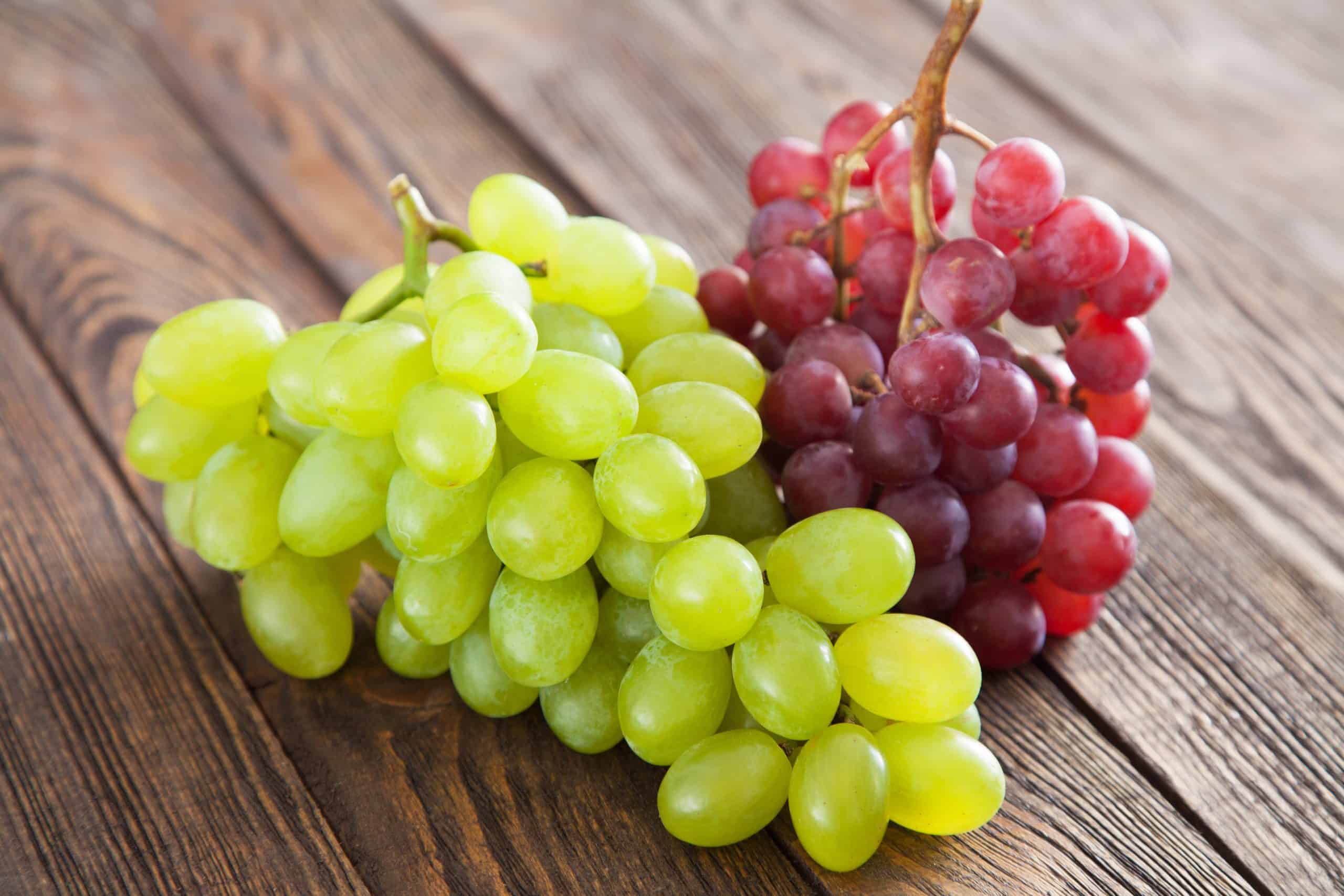
Residue found in pottery from Gadachrili Gora and nearby Shulaveris Gora, south of Tbilisi in the country of Georgia, dates to approximately 6000–5800 BCE. Chemical analysis identified tartaric acid and related compounds associated with grapes and wine, making this the earliest widely accepted evidence of grape wine.
The pottery also includes decorations that researchers have interpreted as grape clusters and vines, suggesting grapes already held cultural importance. The discoveries fit a landscape that was suitable for wild Eurasian grapes and show that Neolithic communities were producing wine long before written history.
Georgia remains famous for wine fermented in large earthenware vessels called qvevri. UNESCO recognizes the traditional qvevri winemaking method as intangible cultural heritage. However, the 8,000-year-old jars themselves should not automatically be called qvevri; the clearest archaeological evidence for that specific vessel tradition comes from much later periods.
Traditional Georgian wines are still widely available, including wines fermented in qvevri. They cannot reproduce the exact flavor of a Neolithic wine, but they do carry forward a remarkably old regional relationship with grapes, clay vessels, and fermentation.
Hajji Firuz Tepe Wine

- Year Created: 5,400–5,000 BCE
- Place of Origin: Hajji Firuz Tepe, Zagros Mountains, Iran
- Derivative Ingredients: Grapes and terebinth resin
Before the Georgian discovery, the wine residue found at Hajji Firuz Tepe in Iran’s Zagros Mountains was considered the world’s oldest known wine. A jar recovered from a Neolithic mud-brick building held a yellowish residue that tested positive for compounds associated with grape wine.
The analyzed vessel was one of a group of six similar jars, each capable of holding roughly nine liters. The residue also contained evidence of terebinth tree resin, which may have helped preserve the wine or contributed flavor. Resin-treated wines have a long history, and modern Greek retsina offers a much later example of the same general idea.
A much later Persian legend credits the court of King Jamshid with discovering wine by accident. In the story, fermented grapes were mistaken for poison until a woman drank the liquid, fell asleep, and awoke feeling restored.
It is a memorable origin story, but it is folklore—not evidence about the Neolithic jars at Hajji Firuz. The archaeology tells us that people in the region were already making and storing wine by the sixth millennium BCE, even if we do not know how they first discovered the process.
Chicha

- Earliest Strong Evidence: Approximately 800–250 BCE
- Place of Origin: Andes Region of South America
- Derivative Ingredient: Maize (Corn)
Chicha is a broad name for traditional fermented beverages made in South and Central America, often from maize but sometimes from other ingredients. In the Andes, maize chicha became especially important. Its history began long before the Inca Empire, which did not emerge until many centuries after the earliest evidence of the drink.
Plant remains from the Titicaca Basin dating to approximately 800–250 BCE suggest maize was being processed and consumed as chicha. Later societies, including the Wari, Tiwanaku, and Inca, expanded its role in feasts, ceremonies, labor gatherings, and political relationships.
For the Inca, chicha was both an everyday drink and a tool of statecraft. Leaders supplied it at work parties and public feasts, where sharing food and drink helped reinforce obligations and reciprocal relationships. That social role is more useful than comparing it with modern coffee, and there is no need to rely on the misleading claim that it replaced unsafe water.
Chicha also had religious importance. It could be poured as an offering to deities and ancestors, consumed during ceremonies, and used to mark important events. Traditional versions are still made today, although recipes and methods vary widely across regions and communities.
Early Barley Beer at Godin Tepe

- Year Created: Approximately 3,500–2,900 BCE
- Place of Origin: Godin Tepe, Zagros Mountains, Iran
- Derivative Ingredient: Barley
A double-handled jug excavated at Godin Tepe in western Iran provides some of the clearest early chemical evidence for barley beer. Pale yellow deposits inside grooves in the vessel contained an oxalate, most likely calcium oxalate, a principal component of the buildup known as beerstone.
The jug dates to the late Uruk period, approximately 3500–2900 BCE. Researchers cannot reconstruct the exact recipe from the residue alone, but the chemistry, vessel design, and related pictographic evidence strongly indicate that it once held beer.
Godin Tepe was not part of Sumer. It was a settlement in the Zagros Mountains with strong connections to the wider Uruk world centered in southern Mesopotamia. Those links help explain why beer and wine vessels appeared there, but they should not be used to relabel the site as Sumerian territory.
Beer was undeniably important in Mesopotamia, where texts and images document multiple varieties and methods of serving it. Still, older brewing evidence has since been identified at Raqefet Cave, so the Godin Tepe find is best described as early evidence of barley beer—not the earliest known brewing of any kind.
Ancient Egyptian Herbal Wines

- Year Created: Approximately 3,150 BCE
- Place of Origin: Abydos, Upper Egypt
- Derivative Ingredients: Herbs, tree resins, and grape wine
Ancient Egyptians made and consumed several kinds of alcoholic drinks, but the jars from the tomb of Scorpion I at Abydos offer an especially revealing example. The tomb, dating to around 3150 BCE, contained roughly 700 jars that had once held imported grape wine.
Chemical analysis identified tartaric acid, an important marker for grapes and grape wine in the region. Researchers also detected compounds associated with herbs and tree resins, showing that at least some of the wine had been infused with botanical ingredients.
These ancient Egyptian herbal wines may have served medicinal as well as ritual purposes. Wine can act as a solvent, helping extract compounds from plant material, and later Egyptian texts describe remedies that mixed wine with herbs and other ingredients.
The discovery is strong evidence of early experimentation with plant-based preparations, but it should not be equated directly with modern diagnosis and standardized medical treatment. It does show that Egyptians were combining observation, available plants, and fermented liquids in sophisticated ways more than 5,000 years ago.
Ninkasi Beer

- Year Created: Approximately 1,800 BCE
- Place of Origin: Southern Mesopotamia in modern-day Iraq
- Derivative Ingredients: Bappir bread, malted grain, water, and sweet aromatics
The “Hymn to Ninkasi” is a Sumerian poem dating to around 1800 BCE. Ninkasi was the goddess of beer and brewing, and the hymn praises her while describing recognizable stages of the brewing process. Sumerologist Miguel Civil published an influential translation in 1964.
Beer was woven into Mesopotamian life. It appeared in rations, feasts, offerings, and religious traditions, which makes a brewing hymn far less surprising than it might sound. Ninkasi was not a general “goddess of alcohol,” but a deity closely associated with beer and the work of making it.
The hymn is often called the world’s oldest beer recipe. That description is useful as shorthand, although it is a poem rather than a precise modern formula. It refers to steps such as preparing bappir bread, soaking malt, working the mash, and filtering the liquid into a collecting vessel.
Bappir appears to have been a twice-baked barley bread used in brewing, while sweet aromatics and other ingredients helped shape the finished drink. Some details remain uncertain because translating ancient technical language is difficult, and the text does not provide the exact measurements a modern brewer would expect.
In 1989, Fritz Maytag of Anchor Brewing Company in San Francisco worked with Miguel Civil and anthropologist Solomon Katz to produce an experimental beer inspired by the hymn. The result was low in alcohol, lightly carbonated, and meant to be consumed fresh. It was an informed recreation, not a perfect duplicate of a beer made 3,800 years ago.
Cacao Wine (Modern Recreation: Theobroma)

- Year Created: Approximately 1,400–1,100 BCE
- Place of Origin: Puerto Escondido in modern-day Honduras
- Derivative Ingredient: Cacao
Cacao is now closely associated with chocolate, but the fruit’s sweet pulp can also ferment into an alcoholic drink. Researchers have proposed that this pulp—not the bitter seed used to make chocolate—may have been the original attraction that encouraged people in Mesoamerica to cultivate cacao.
Pottery from Puerto Escondido in modern-day Honduras, including a vessel from a phase dated to approximately 1400–1100 BCE, tested positive for cacao compounds. The chemistry confirms a cacao beverage, but it cannot prove that the drink contained alcohol. Researchers argue that the vessel shapes and later traditions are consistent with fermented cacao pulp, making “cacao wine” a well-supported interpretation rather than a certainty.
Much later, cacao-seed drinks became central to Maya and Aztec ritual, status, and trade, and cacao beans were used as currency in parts of Mesoamerica. Dogfish Head’s Theobroma was a modern beer inspired by these ancient ingredients and traditions. Like other historical recreations, it offered a creative approximation—not a bottle-by-bottle revival of a known ancient recipe.