Kean Collection / Archive Photos via Getty Images
Hulton Archive / Getty Images
Andreyuu / Getty Images
Public Domain / Wikimedia Commons
ClaraNila / Getty Images
Kean Collection / Archive Photos via Getty Images
fran001 / Flickr
Public Domain / Wikimedia Commons
marialba.italia / iStock via Getty Images
Public Domain / Wikimedia Commons
Dietmar Rauscher / iStock via Getty Images


10 Conquerors Who Redrew the Map of the World
Throughout history, a relatively small number of conquerors have changed the political map on an enormous scale. Some toppled empires that had dominated their regions for generations. Others built new states so quickly that neighboring powers barely had time to figure out what was happening. Their conquests did not create today's borders in any simple way, but they changed the balance of power across Europe, Asia, North Africa, and the Middle East for centuries.
Comparing conquerors by exact square mileage gets messy fast. Ancient borders were often fluid, surviving maps are incomplete, and territory conquered during a campaign was not always territory that could actually be governed afterward. Instead of pretending those numbers are more precise than they are, this article looks at the documented campaigns, empires, and political changes that made these rulers some of history's most consequential conquerors.
Cyrus the Great
Reign: c. 550-530 BCE
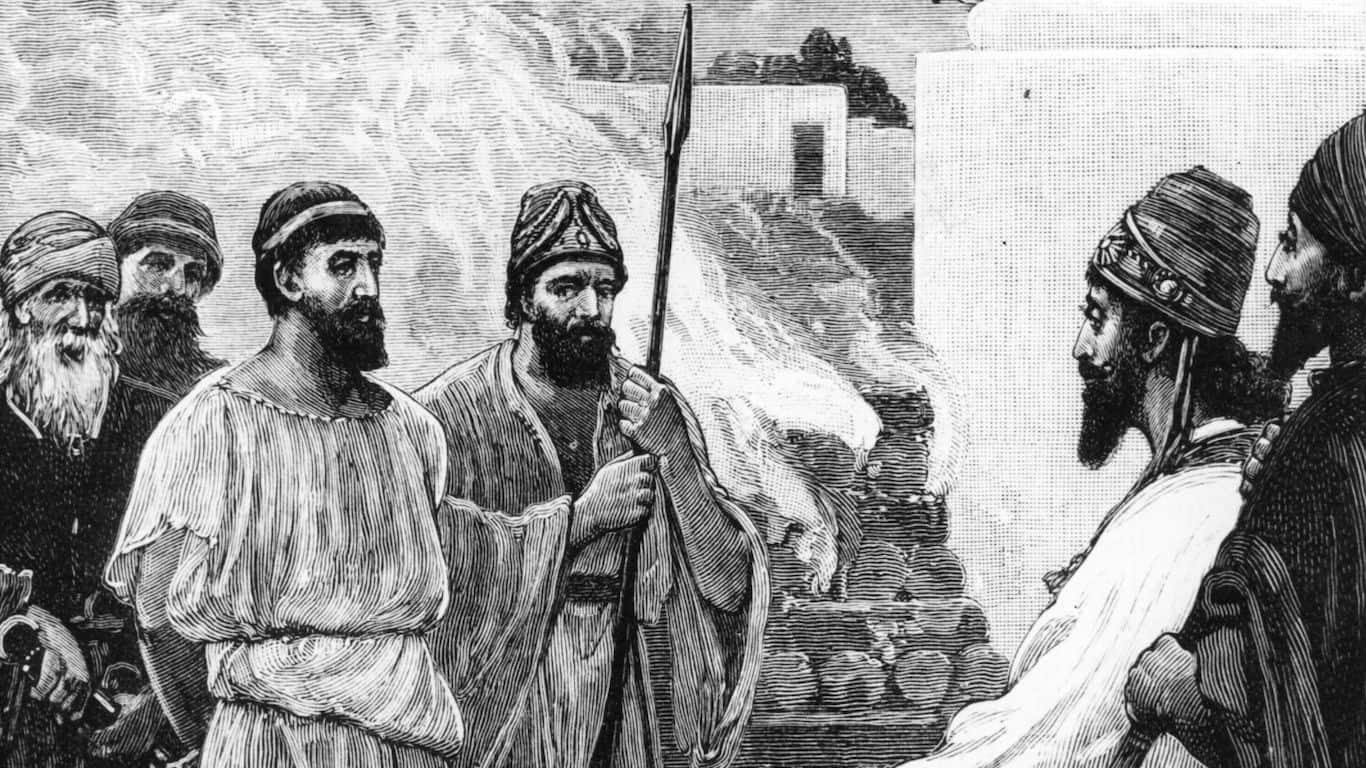
Cyrus II, better known as Cyrus the Great, transformed Persia from a kingdom under Median dominance into the center of the Achaemenid Empire. In 550 BCE, he defeated the Median king Astyages and captured Ecbatana. He followed that victory by conquering Lydia in western Anatolia and, in 539 BCE, Babylon. By the end of his reign, Cyrus controlled a vast realm stretching from western Anatolia through Mesopotamia and Iran into Central Asia. His successors would expand the empire even farther.
Cyrus also developed a reputation for governing conquered peoples differently from many rulers of his era. After taking Babylon, he restored temples and religious cults that had been disrupted under the previous king. Biblical accounts credit Cyrus with allowing Judean exiles to return to Jerusalem and rebuild their temple. The famous Cyrus Cylinder records his restoration policies, although modern claims that it was the world's first charter of human rights go well beyond what the ancient document actually says. Cyrus governed through provincial officials, helping establish the administrative framework that later Achaemenid rulers would expand.
Genghis Khan
Reign as Great Khan: 1206-1227
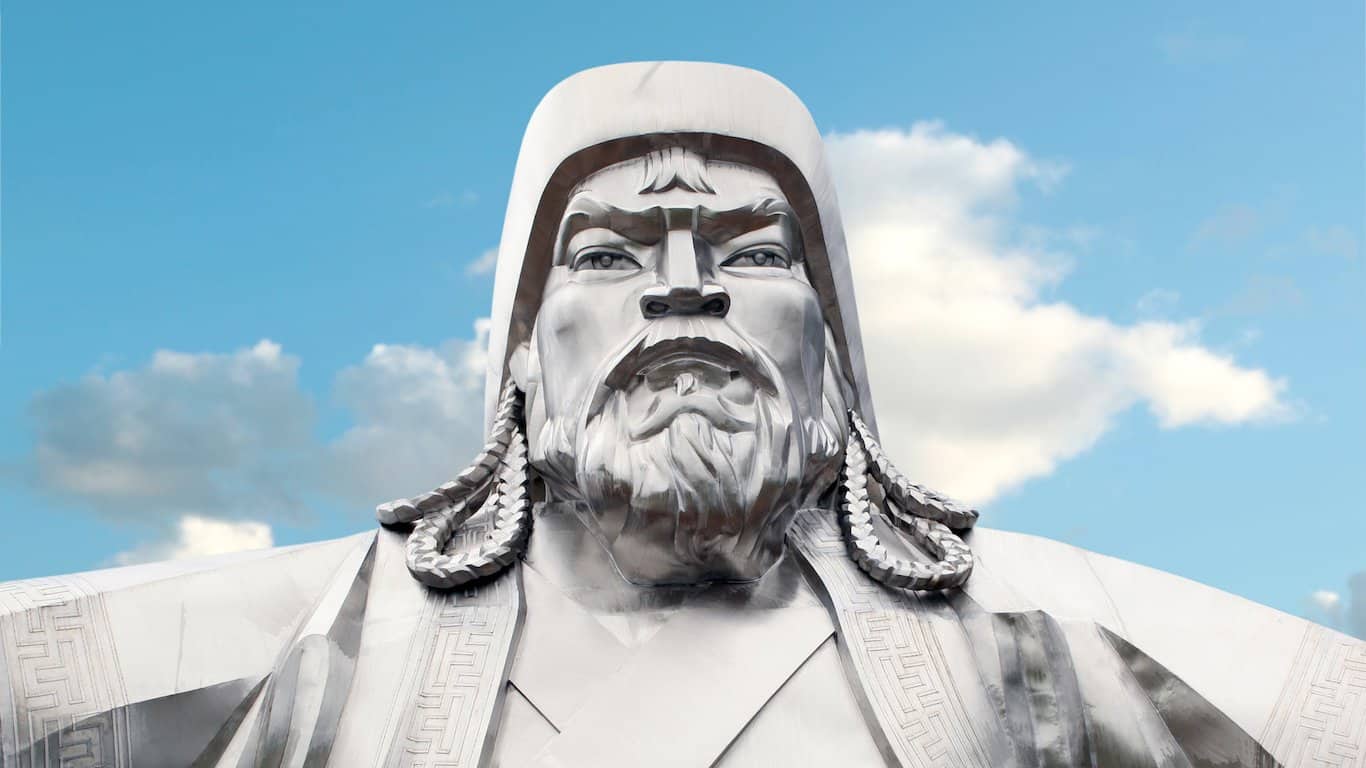
Born Temüjin, Genghis Khan survived a brutal childhood on the Mongolian steppe before gradually building alliances, defeating rival tribes, and bringing much of the Mongol world under his control. In 1206, a great assembly of Mongol leaders recognized him as Genghis Khan, marking the beginning of the Mongol Empire. What had been a collection of competing tribes was becoming one of the most effective military powers the world had seen.
Genghis turned that new military machine outward. His forces attacked the Western Xia and Jin states in northern China, capturing Zhongdu, in the area of modern Beijing, in 1215. He later launched a devastating campaign against the Khwarazmian Empire in Central Asia. Genghis died in 1227 during another campaign against Western Xia, but Mongol expansion was nowhere near finished. His sons and grandsons pushed farther into China, Persia, Russia, and Europe, eventually creating the largest contiguous land empire in recorded history.
Alexander the Great
Reign: 336-323 BCE
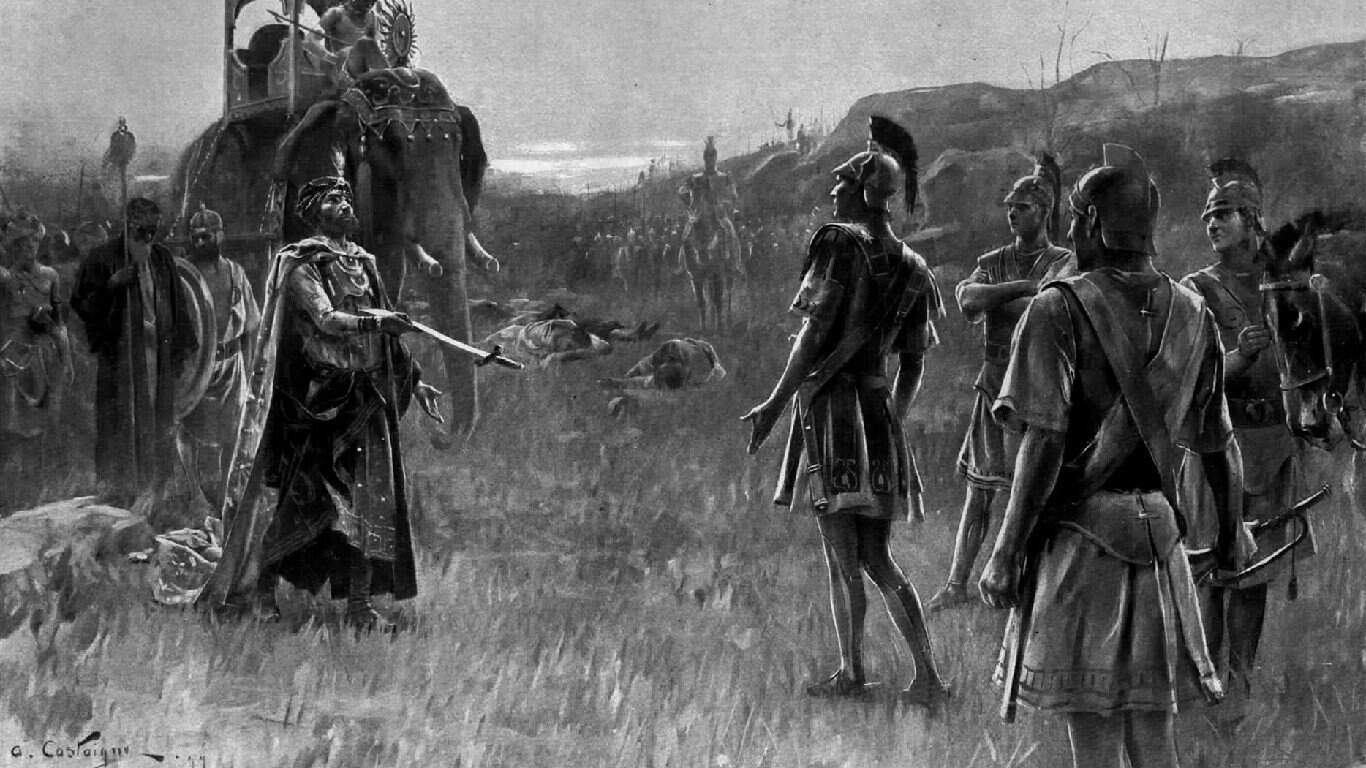
Alexander the Great was the son of Philip II of Macedon, the king who had already turned Macedonia into the dominant military power in Greece. Alexander was educated by Aristotle and inherited the throne in 336 BCE after Philip was assassinated. He was only 20. After securing his rule in Macedonia and putting down resistance in Greece and the Balkans, Alexander crossed into Asia in 334 BCE and began the campaign that would define his life.
Over the next 11 years, Alexander conquered the Achaemenid Persian Empire, took Egypt, pushed through Central Asia, and advanced into the Indus Valley. His eastward campaign finally stopped in 326 BCE when his exhausted army refused to continue beyond the Hyphasis River. Alexander died in Babylon in 323 BCE without a stable succession plan. His posthumous son, Alexander IV, and half-brother Philip III became figurehead kings, while Alexander's generals fought over the empire and eventually divided it into the major Hellenistic kingdoms that followed.
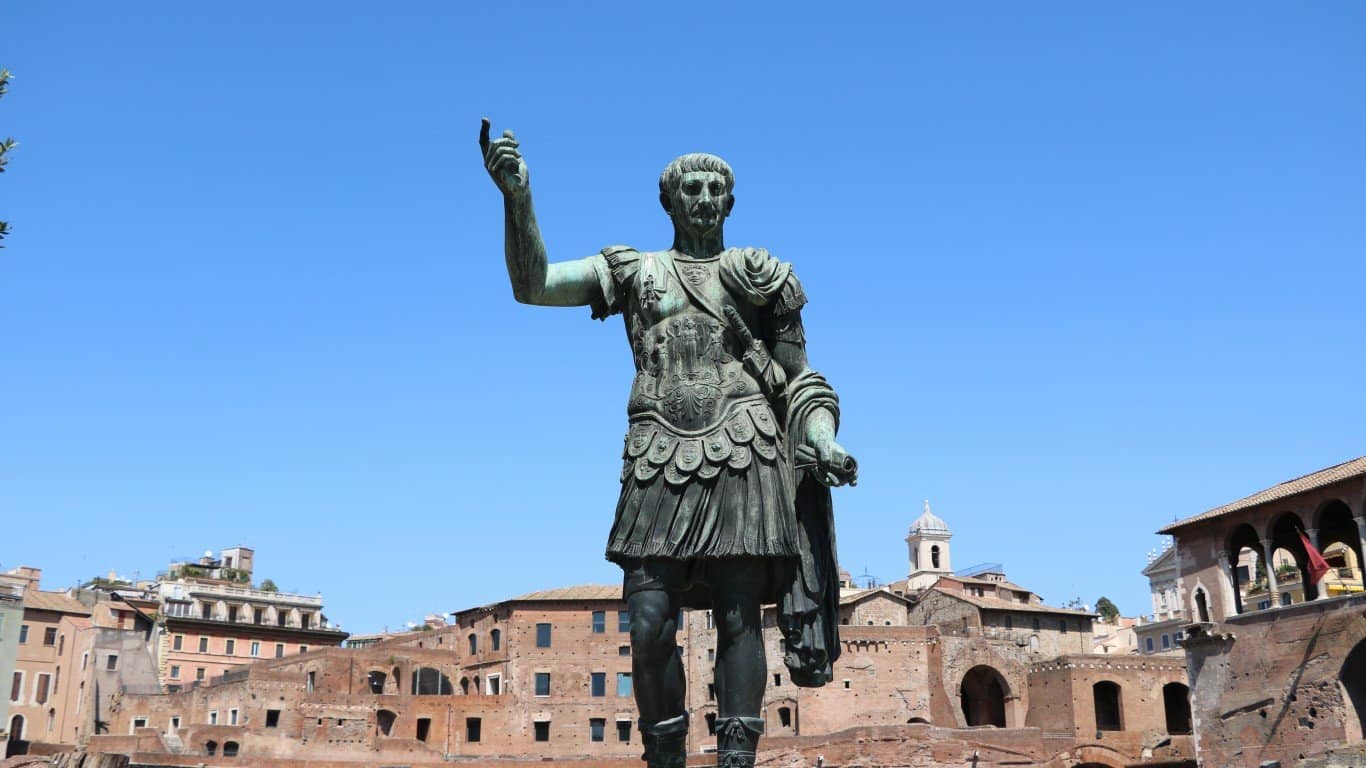
Julius Caesar
Gallic Wars: 58-51 BCE
Julius Caesar was already a successful Roman politician and military commander when he formed an informal political alliance with Pompey and Crassus around 60 BCE, the partnership later known as the First Triumvirate. Caesar's greatest military gains came during the Gallic Wars, when his armies brought most of Gaul under Roman control. Those victories made him enormously wealthy, popular, and powerful, which also deepened the political crisis back in Rome.
In 49 BCE, after the Senate ordered him to give up his command, Caesar crossed the Rubicon with his army and triggered a civil war. He eventually defeated Pompey and his remaining opponents and became Rome's dominant political figure. Caesar was not an emperor and never crowned himself. Rome was still formally a republic, although he was named dictator for life shortly before his assassination in 44 BCE. His reforms included the Julian calendar, colonial settlements, and expanded citizenship for some provincial communities. His death led to another round of civil wars, and the Roman Republic finally gave way to the imperial system under Augustus in 27 BCE.
Attila the Hun
Reign: c. 434-453 CE
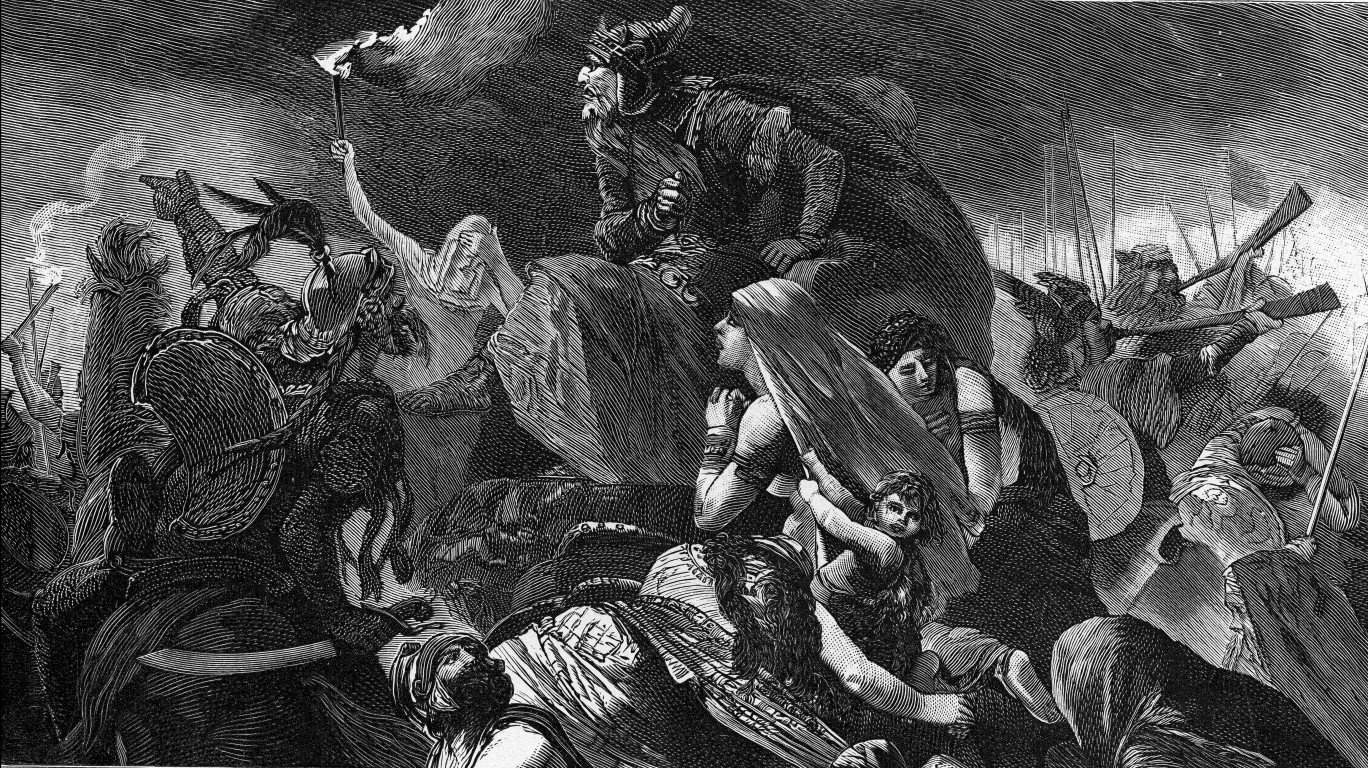
Attila the Hun ruled an empire centered in Central and Eastern Europe. He initially shared power with his brother Bleda after their uncle's death in the 430s. After Bleda died around 445, Attila became the Huns' sole ruler. His armies repeatedly attacked the Eastern Roman Empire, devastating parts of the Balkans and forcing Constantinople to pay substantial tribute.
Attila turned west in 451 and invaded Gaul, where a Roman-led coalition confronted his forces at the Battle of the Catalaunian Plains. The result was not a clean Roman victory, but Attila's advance was checked and he withdrew. He invaded northern Italy the following year, capturing and destroying several cities before eventually retreating. He never conquered either half of the Roman Empire, and there is no solid evidence that capturing the city of Rome was some lifelong final objective. Attila died in 453, and the Hunnic empire fragmented rapidly after his death.
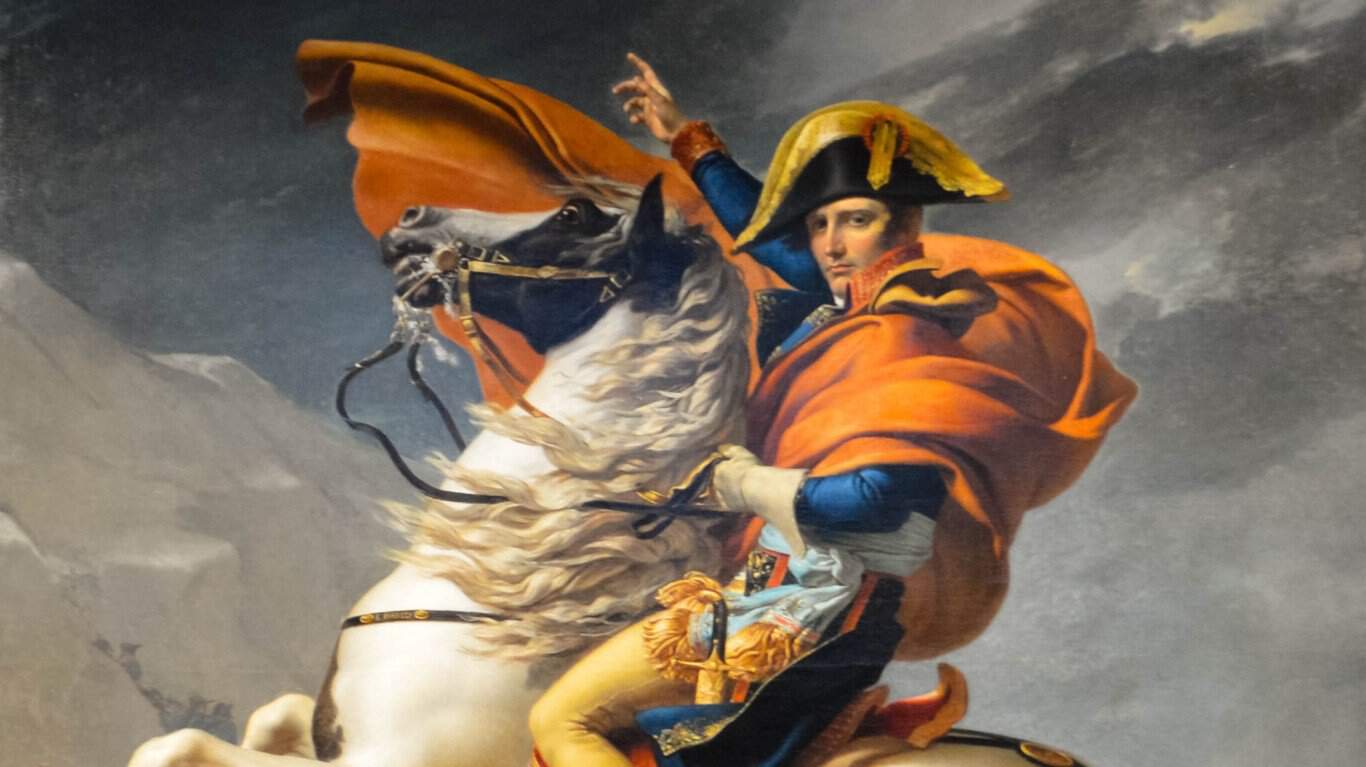
Napoleon Bonaparte
Rule: First Consul from 1799; Emperor of the French from 1804
Napoleon Bonaparte was born in Corsica in 1769 to a family of minor Corsican nobility with Italian roots. The French Revolution shattered the old political order and created opportunities for ambitious military officers, and Napoleon rose quickly through the ranks. His victories during the Italian campaigns turned him into one of France's most famous generals. In November 1799, he participated in the coup of 18 Brumaire and emerged as First Consul, giving him effective control of the French government.
In May 1804, the French Senate proclaimed Napoleon Emperor of the French, and he was crowned that December. His armies defeated major European coalitions at battles including Austerlitz, Jena-Auerstedt, and Friedland, although Britain remained beyond his reach and the 1812 invasion of Russia ended disastrously. Napoleon's victories and the creation of the Confederation of the Rhine helped bring the Holy Roman Empire to an end in 1806. At home, his government centralized administration and produced the Civil Code of 1804, later known as the Napoleonic Code. The French Revolution had already abolished feudal privileges in France, so that change cannot accurately be credited to Napoleon himself.
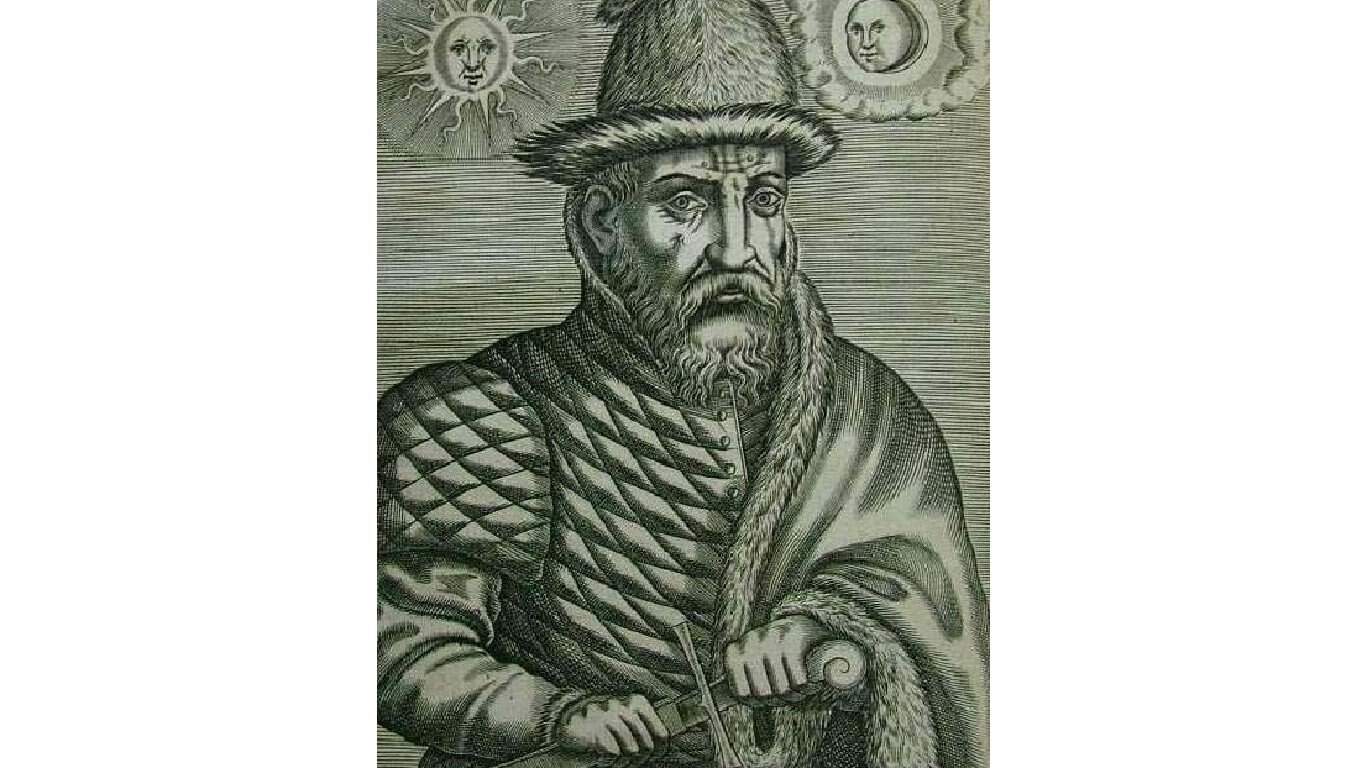
Tamerlane
Rule: 1370-1405
Tamerlane, better known historically as Timur, was born in 1336 near Kesh in what is now Uzbekistan. A member of the Turkicized Barlas tribe, he took control of Transoxiana around 1370 and made Samarkand the center of his growing empire. Over the next three decades, Timur conquered much of Central Asia, Iran, and Iraq, attacked the Golden Horde, invaded the Delhi Sultanate in 1398, defeated Mamluk forces in Syria, and crushed the Ottoman army of Sultan Bayezid I at Ankara in 1402.
Timur drew heavily on the political and military traditions associated with Genghis Khan and sought legitimacy through connections to the Chinggisid dynasty. He was also a Muslim ruler, but his campaigns targeted Muslim and non-Muslim states alike. His armies became notorious for mass killings and the deliberate destruction of cities that resisted them. Contemporary and later sources make the brutality clear, but popular claims that Timur killed exactly 17 million people, or about five percent of the world's population, cannot be supported by reliable medieval population data. Timur died in 1405 while preparing to invade Ming China.
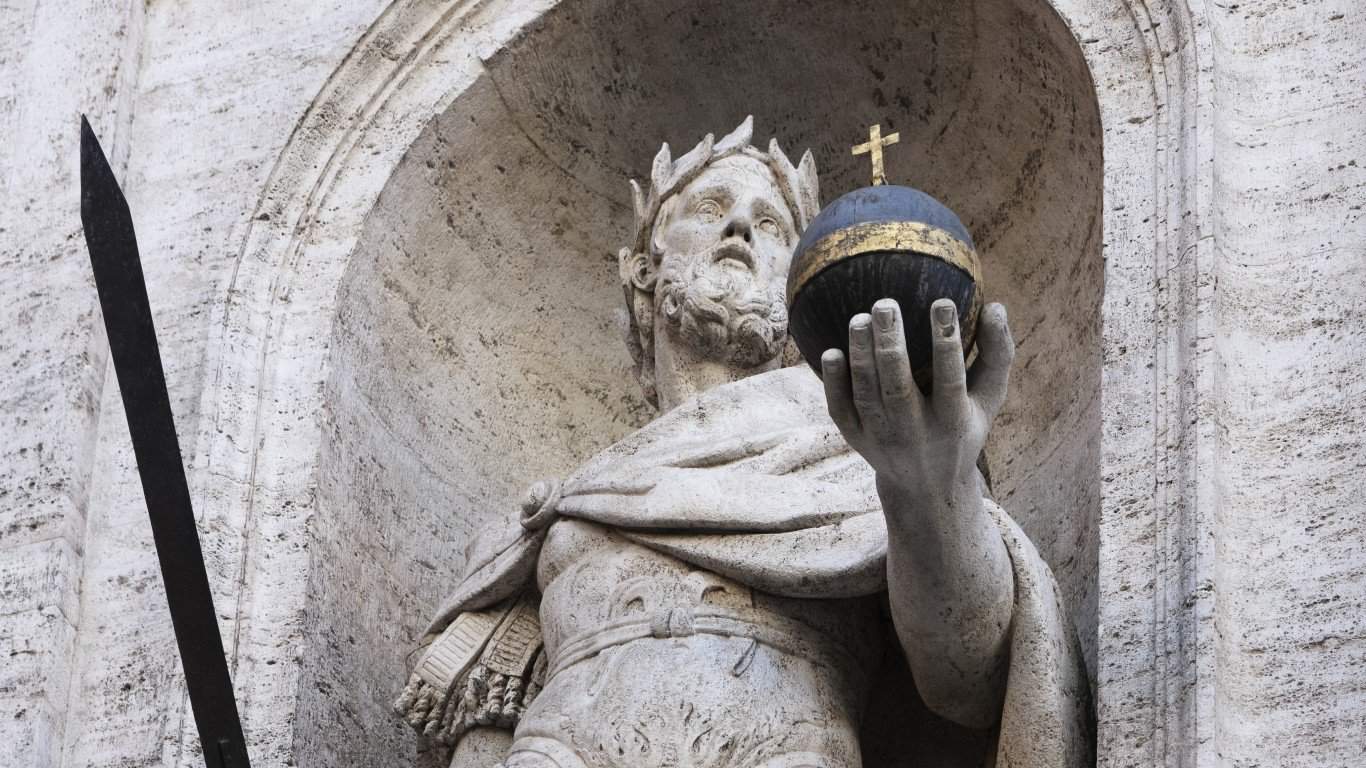
Charlemagne
Reign: King of the Franks, 768-814; emperor, 800-814
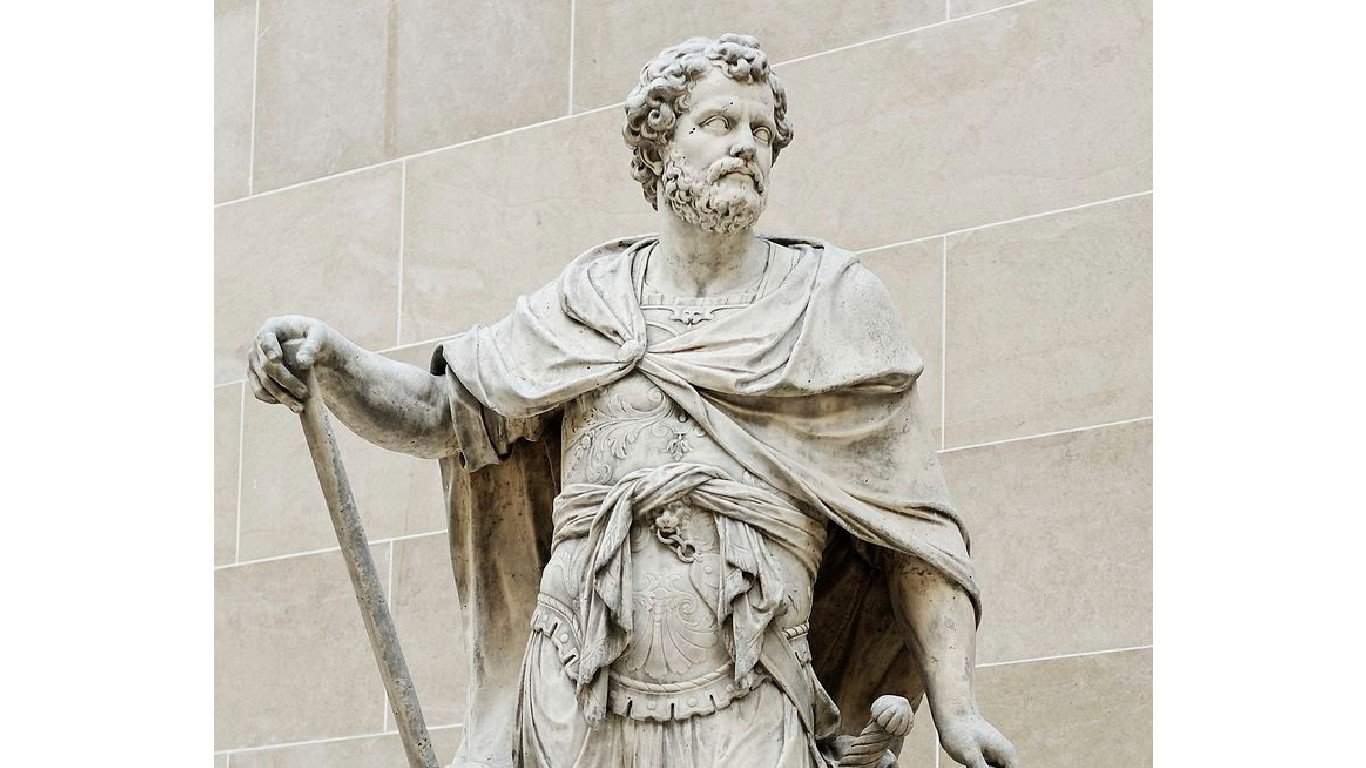
Charlemagne was the son of Pepin the Short and a member of the Carolingian dynasty. He became king of the Franks in 768, initially sharing the kingdom with his brother Carloman until Carloman's death in 771. Charlemagne then spent decades expanding his realm. He conquered the Lombard kingdom in northern Italy, fought the long and brutal Saxon Wars, absorbed Bavaria, and campaigned against the Avars and other neighboring powers. By the end of his reign, he controlled much of Western and Central Europe.
On Christmas Day in 800, Pope Leo III crowned Charlemagne emperor in Rome. His reign was about more than conquest. Charlemagne pushed major administrative, legal, religious, and educational reforms and supported the revival of scholarship now known as the Carolingian Renaissance. Later writers have often called him the "Father of Europe" because of the enormous influence his empire had on medieval European politics and culture. The political unity he created did not last, however, and the Carolingian realm was divided among his descendants in the decades after his death in 814.
Hannibal
Second Punic War: 218-201 BCE
Hannibal Barca was the son of Hamilcar Barca, the Carthaginian commander who helped rebuild Carthage's power in Iberia after its defeat in the First Punic War. Hannibal eventually took command of Carthaginian forces in Spain and attacked the Roman-allied city of Saguntum in 219 BCE. The crisis helped trigger the Second Punic War between Rome and Carthage the following year.
In 218 BCE, Hannibal led his army from Iberia across the Alps into Italy with a force that included war elephants. He then handed Rome some of the worst defeats in its history, including victories at the Trebia River, Lake Trasimene, and Cannae. Hannibal remained in Italy for more than a decade, but he never captured Rome or occupied most of the peninsula. He was eventually recalled to North Africa and defeated by Scipio Africanus at Zama in 202 BCE. Hannibal later entered Carthaginian politics and pursued financial reforms before Roman pressure drove him into exile. He died by poisoning around 183 BCE, apparently choosing suicide rather than allowing himself to be handed over to Rome.
Thutmose III
Reign: c. 1479-1425 BCE
Thutmose III was the sixth pharaoh of Egypt's 18th Dynasty and came to the throne as a child around 1479 BCE. His stepmother and aunt Hatshepsut initially served as regent before taking the title of pharaoh herself, leaving Thutmose as her junior co-ruler for roughly two decades. After Hatshepsut's death, Thutmose became sole ruler and quickly launched the military campaigns that would define the rest of his reign.
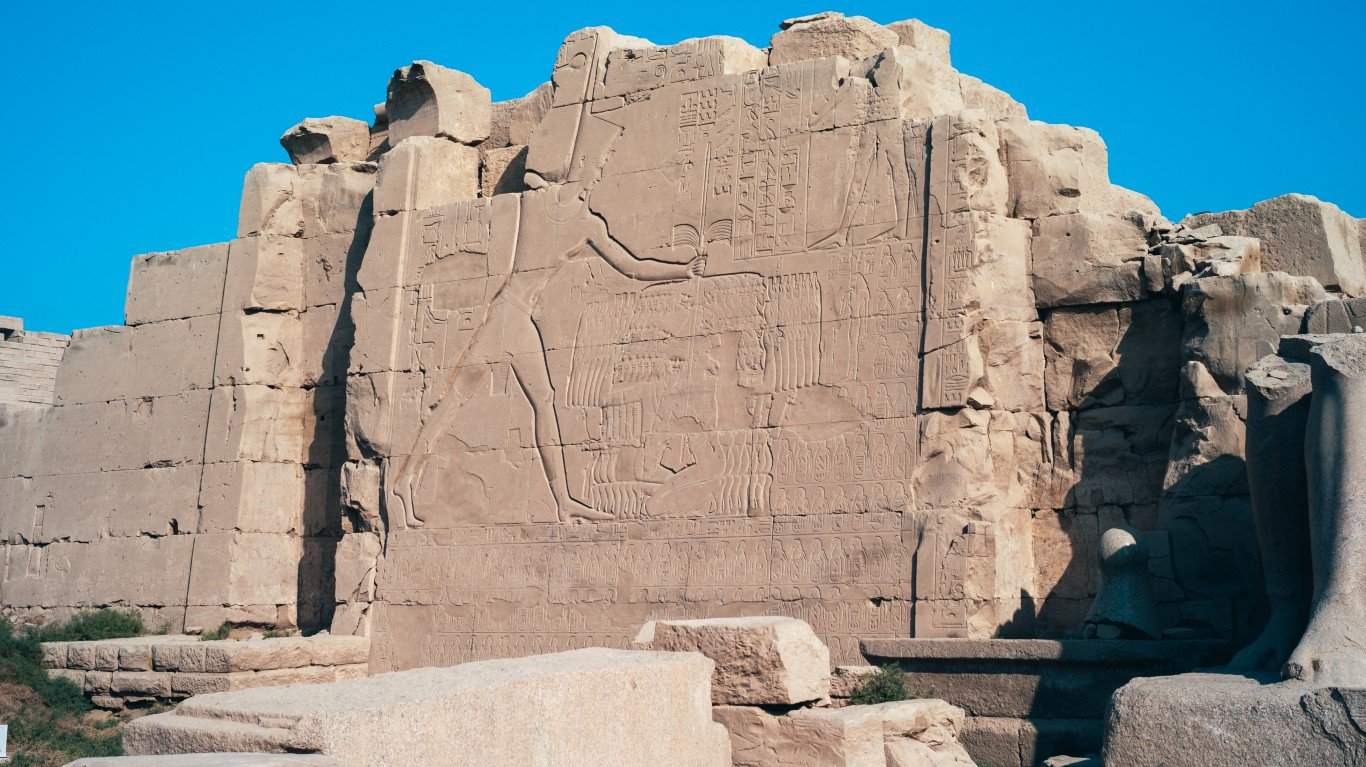
Egyptian records describe at least 17 major military expeditions during Thutmose III's reign. His victory at Megiddo helped reestablish Egyptian control in the Levant, and later campaigns carried his forces as far north as the Euphrates. Under his rule, Egypt's sphere of control reached from the Euphrates region in the north to the Fourth Cataract of the Nile in the south. Thutmose did not create the first navy in the ancient world, since Egyptian seafaring and naval activity existed centuries before his reign. What he did leave behind was one of antiquity's most detailed military records, preserved in inscriptions at the Temple of Amun at Karnak.