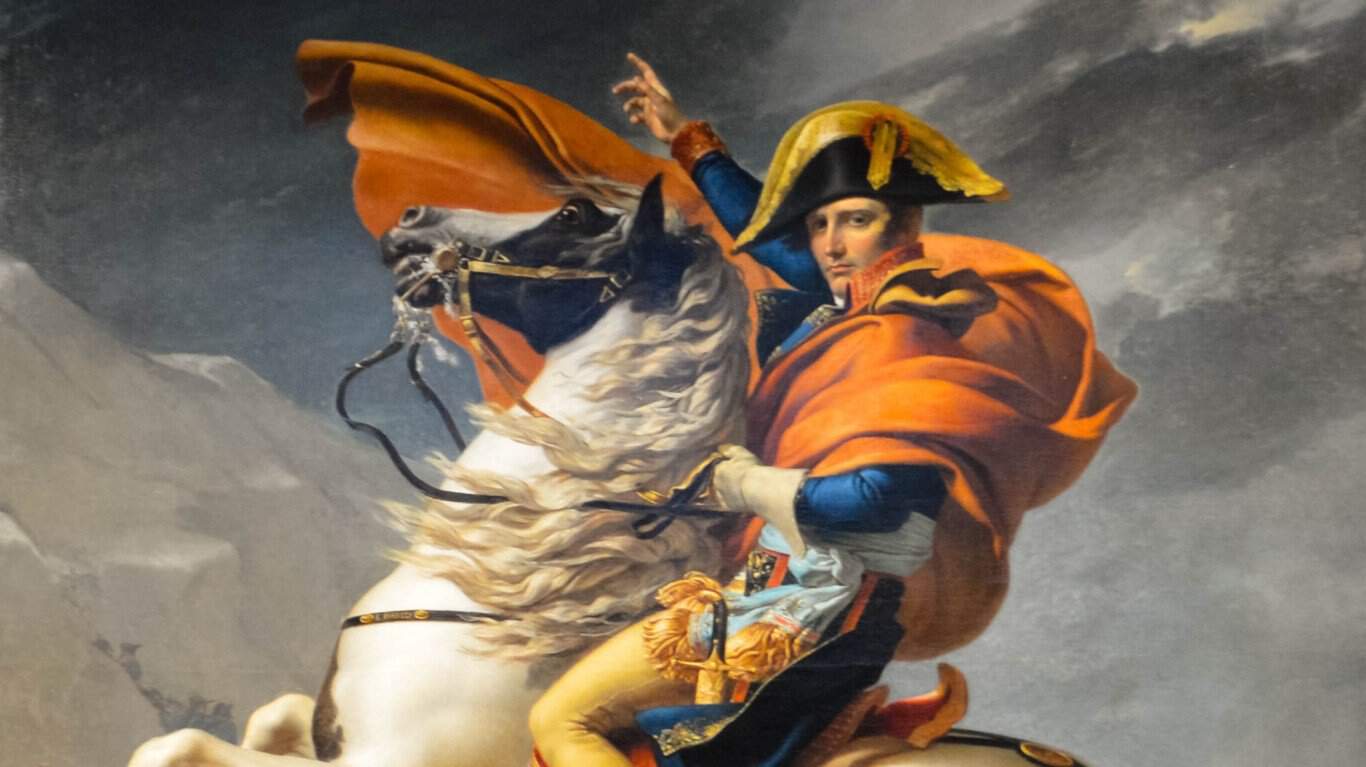
fran001 / Flickr
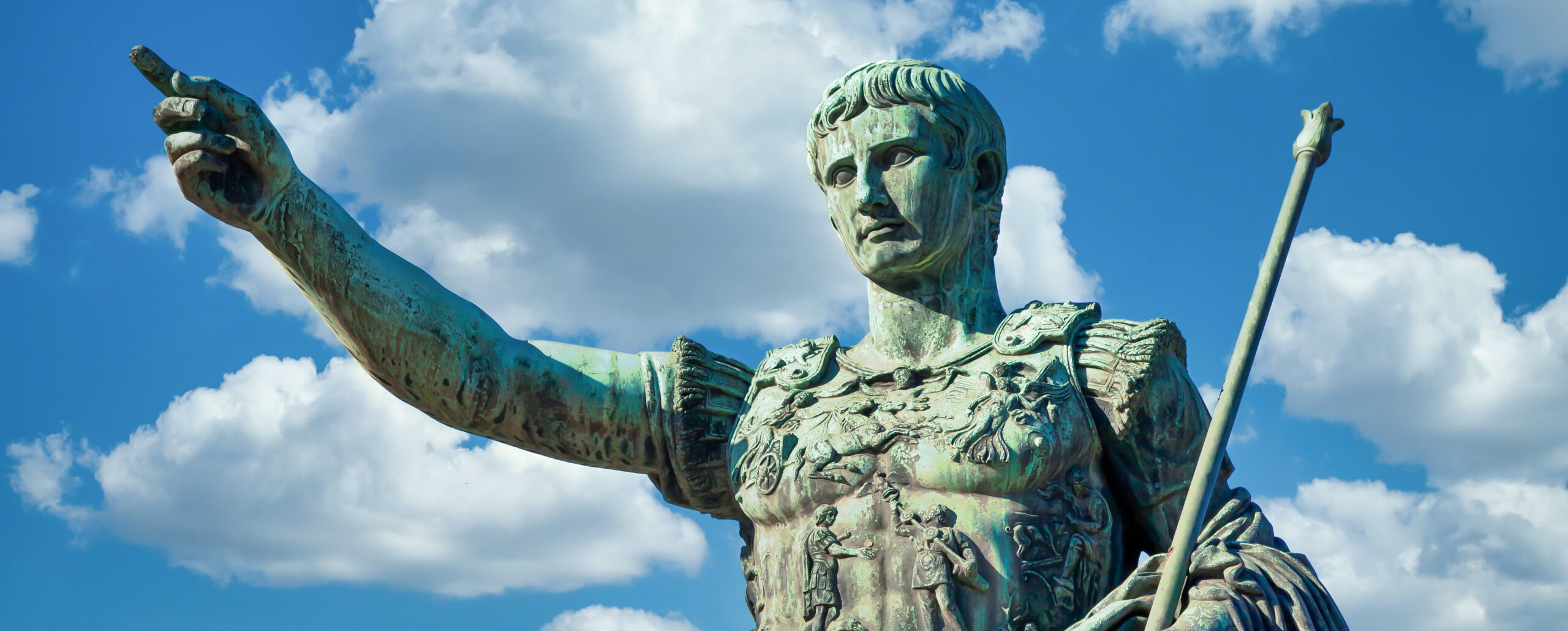
Paolo Gallo / Shutterstock.com
bangbenesia / Shutterstock.com
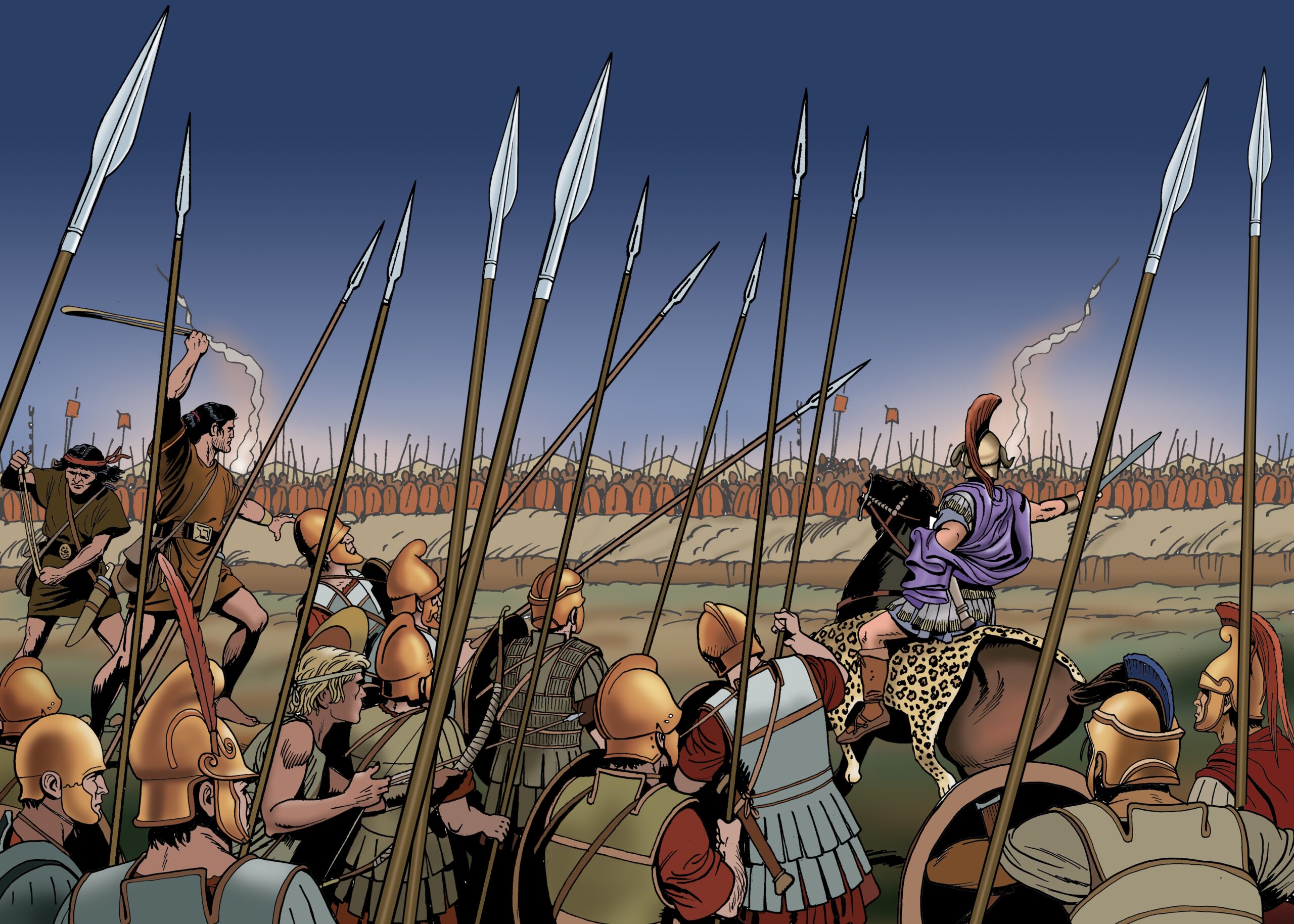
Massimo Todaro / Shutterstock.com
Everett Collection / Shutterstock.com

Janusz Pienkowski / Shutterstock.com
DonkeyHotey / BY 2.0
delcarmat / Shutterstock.com
Morphart Creation / Shutterstock.com
imageBROKER.com / Shutterstock.com
Krysek / Shutterstock.com
Rawpixel.com / Shutterstock.com
Janusz Pienkowski / Shutterstock.com
Sheba Also 18 Million Views / BY-SA 2.0
Ron Cogswell / BY 2.0
Signal Corps Archive / PDM 1.0




15 Military Leaders Whose Words Echoed Through History
Military history loves a perfect one-liner. A commander faces impossible odds, says something unforgettable, and the words survive long after the battlefield has changed beyond recognition. Some of these lines really were preserved in letters, dispatches, and official reports. Others reached us through writers working decades—or centuries—after the event.
That does not make the doubtful ones meaningless. It does mean they deserve honest labels. These 15 quotes include battlefield messages we can still read, ancient sayings passed down by later historians, and a few famous lines that fit the speaker so well that people kept repeating them without checking the paperwork.
1. Julius Caesar: “I Came, I Saw, I Conquered”
Julius Caesar understood the value of a short victory lap. After defeating King Pharnaces II near Zela in 47 B.C., he summed up the campaign with three clipped Latin words: Veni, vidi, vici—“I came, I saw, I conquered.” It is hard to imagine a cleaner piece of self-promotion.
The original message has not survived, but the ancient trail is unusually strong. Plutarch says Caesar sent the words to a friend in Rome, while Suetonius says they appeared on a placard during Caesar’s triumph. The point was not merely that Caesar had won. It was that he had arrived, settled the matter with startling speed, and wanted Rome to know it.
2. Leonidas: “Come and Take Them”
When the Persian king Xerxes demanded that the Spartans surrender their weapons at Thermopylae in 480 B.C., Leonidas supposedly answered with two words: Molon labe, usually translated as “Come and take them.” No speech. No negotiation. Just a challenge from a king who knew his force was badly outnumbered.
There is a catch. The surviving account comes from Plutarch, who wrote roughly five centuries after the battle. That makes the line part of an ancient tradition, not a word-for-word battlefield transcript. Even so, it captures the choice Leonidas and his force made at the pass: hold the position, buy time, and refuse the easy way out.
3. Pyrrhus: “One More Victory” Could Ruin Him
King Pyrrhus of Epirus beat the Romans at Asculum in 279 B.C., but the battlefield did not look much like a triumph. Plutarch says that when someone congratulated him, Pyrrhus replied, “If we are victorious in one more battle with the Romans, we shall be utterly ruined.”
The problem was replacement power. Pyrrhus had lost troops and commanders he could not easily replace, while Rome kept filling its ranks. His campaign in Italy ended after a setback at Beneventum in 275 B.C., and he withdrew. That is why a win that costs more than it delivers is still called a “Pyrrhic victory.” Sometimes the scoreboard says victory while the larger contest says something else.
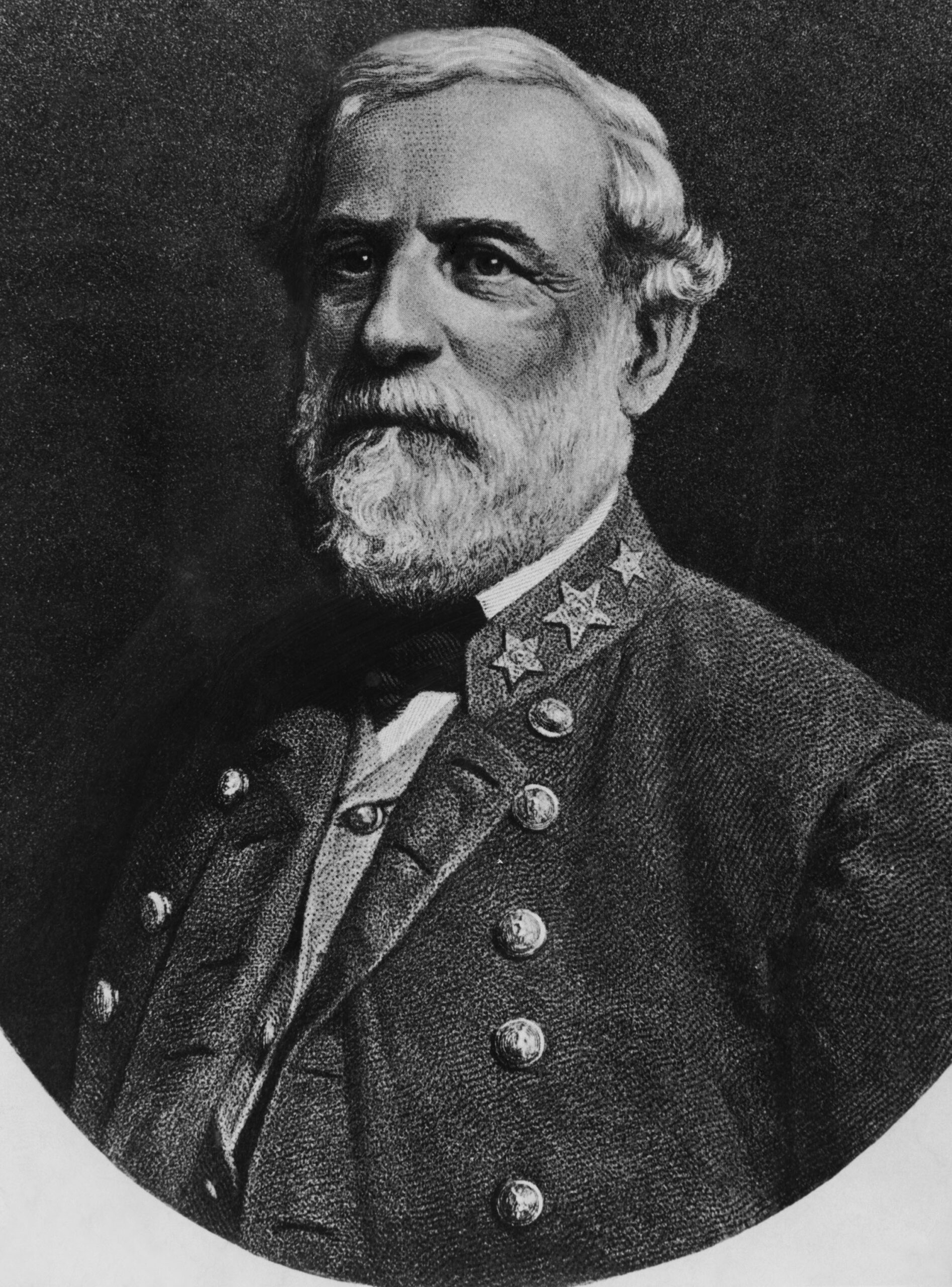
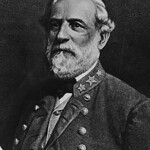
4. Robert E. Lee: War Was Becoming Too Easy to Admire
At Fredericksburg on Dec. 13, 1862, Confederate troops shattered repeated Union assaults below Marye’s Heights. Watching the destruction with Lt. Gen. James Longstreet, Robert E. Lee reportedly said, “It is well that war is so terrible. We should grow too fond of it.”
The remark lands because of where Lee was standing: above a field where his own army’s position allowed it to inflict enormous losses. It was not a rejection of the war—Lee continued to command the Confederacy for more than two years—but it was a blunt admission that battlefield spectacle can make violence look cleaner from a distance than it is on the ground.
5. Hannibal: “I Will Find a Way or Make One”
Hannibal’s march across the Alps in 218 B.C. practically begs for a defiant quote. The one attached to him is Aut viam inveniam aut faciam: “I will either find a way or make one.” It fits the story perfectly. The trouble is that neither of the main ancient accounts, by Polybius and Livy, records him saying it.
The crossing itself needed no makeover. Polybius says Hannibal lost nearly half the force that had crossed the Rhône before he reached Italy, with hunger, fatigue, attacks, and brutal terrain all taking a toll. He still went on to crush Roman armies at the Trebia, Lake Trasimene, and Cannae. The deed is real; the polished Latin line is a later attribution.
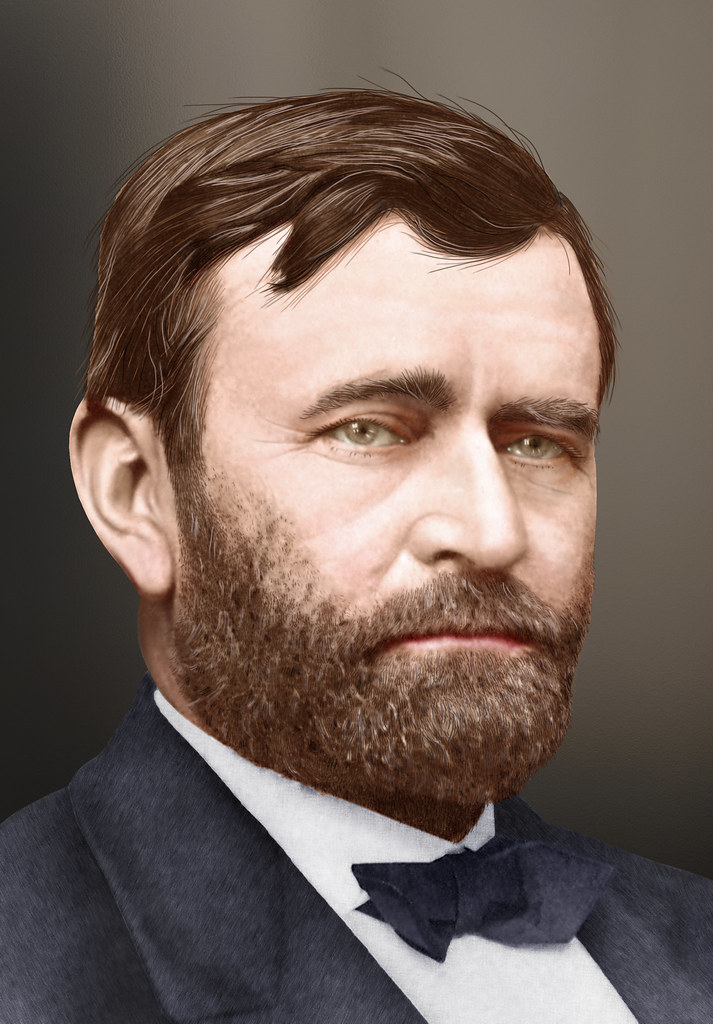
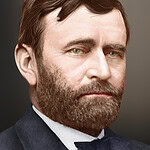
6. Ulysses S. Grant: “Fight It Out on This Line”
Ulysses S. Grant did not need a memoir writer to polish his most famous promise. On May 11, 1864, during the punishing Overland Campaign, he wrote in a dispatch, “I propose to fight it out on this line if it takes all summer.” The handwritten document survives in the Library of Congress.
The timing made it matter. After the bloody Battle of the Wilderness, earlier Union commanders might have pulled back and regrouped. Grant instead kept moving south toward Spotsylvania, forcing Robert E. Lee to keep fighting. The campaign brought terrible losses to both armies, and the war lasted well beyond summer. But the dispatch announced a basic change: Grant was not breaking contact.
7. Sun Tzu: Win Before the Fighting Starts
“The supreme art of war is to subdue the enemy without fighting” is the familiar modern wording. Translations vary, but the idea is genuinely in Chapter 3 of The Art of War: the highest form of victory is breaking an opponent’s resistance without having to fight a battle.
The mystery is the author. Chinese tradition credits the book to Sun Tzu, a strategist associated with the late sixth century B.C., but scholars continue to debate when the text took shape and whether one historical figure wrote all of it. The principle has outlived that argument. The best result is not always the loudest clash. It is the outcome secured before the clash becomes necessary.
8. Oliver Hazard Perry: “We Have Met the Enemy”
After winning the Battle of Lake Erie on Sept. 10, 1813, U.S. naval commander Oliver Hazard Perry sent Maj. Gen. William Henry Harrison a remarkably economical report: “We have met the enemy and they are ours.” He then listed the six British vessels his squadron had captured.
Perry had gone into battle beneath a flag reading “DONT GIVE UP THE SHIP,” honoring his friend James Lawrence, who had been mortally wounded earlier that year. Unlike many famous military lines, Perry’s victory message has a firm documentary trail. It also did more than make him a hero: American control of Lake Erie helped force British forces to abandon Detroit and retreat into Canada.
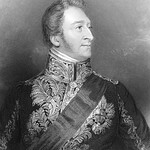
9. The Duke of Wellington: “Let’s See Who Will Pound Longest”
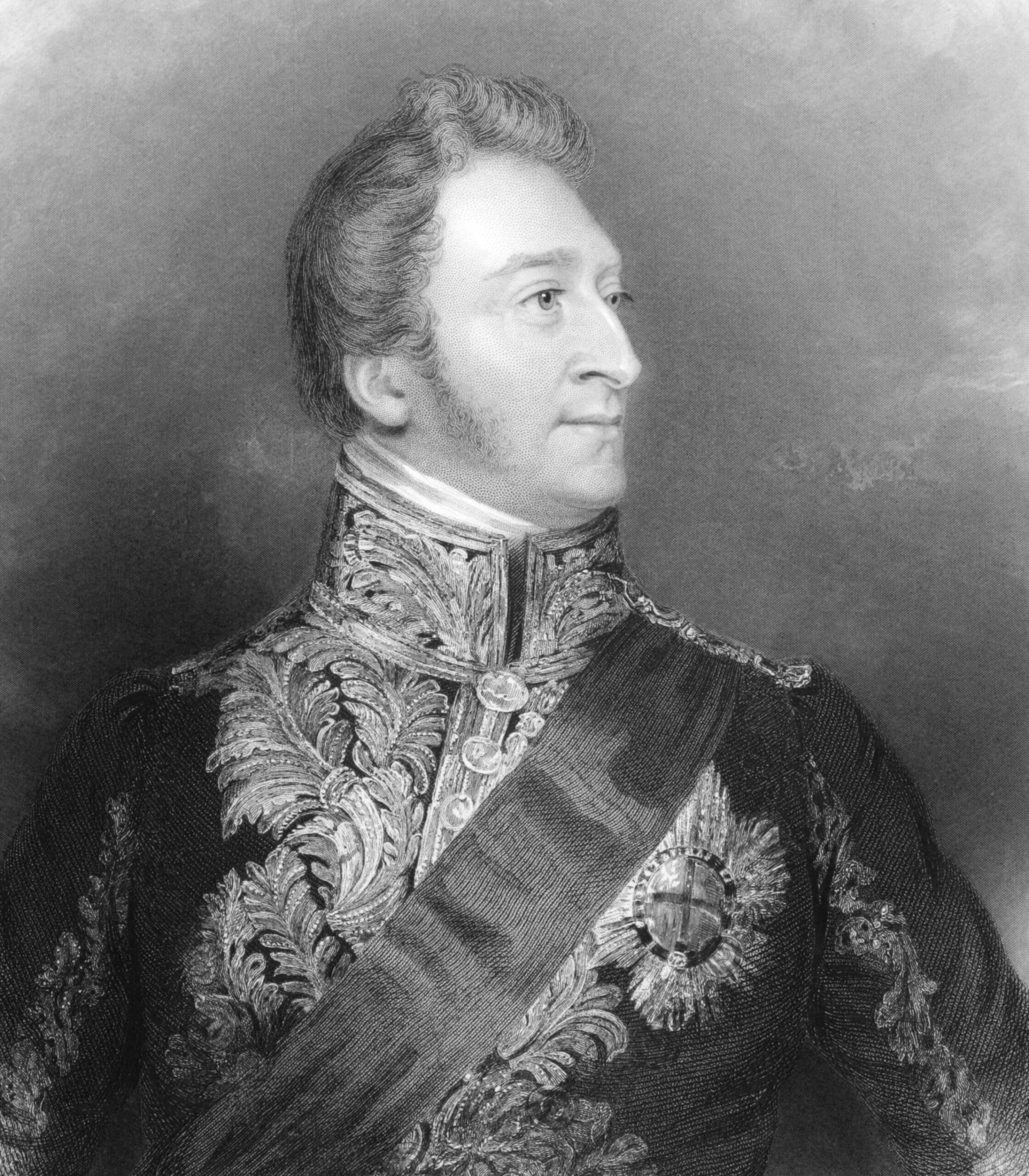
Waterloo was not a tidy masterstroke from beginning to end. It was a grinding contest. As French fire hammered the Allied line on June 18, 1815, the Duke of Wellington was quoted saying, “Hard pounding this, gentlemen; let’s see who will pound longest.”
The line was recorded by Sir Walter Scott in Paul’s Letters to His Kinsfolk, published in January 1816 after Scott visited the battlefield and spoke with participants. That makes it near-contemporary but still secondhand. The wording survived because it fits the day: Wellington’s army held under relentless pressure until Prussian forces arrived in strength and the allies broke Napoleon’s final attack.
10. Anthony McAuliffe: One Word at Bastogne
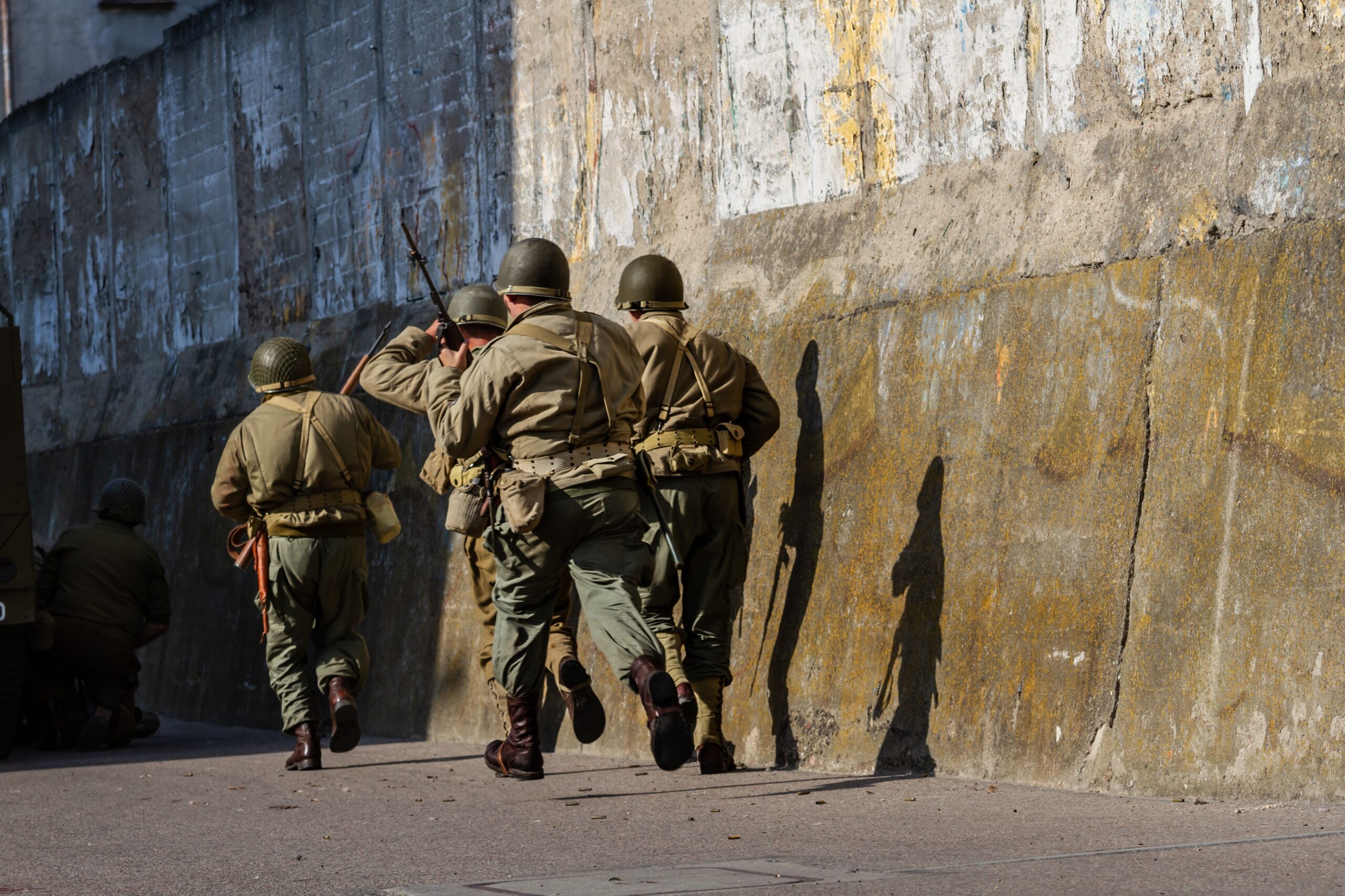
On Dec. 22, 1944, German officers demanded the surrender of the American forces surrounded at Bastogne. Brig. Gen. Anthony McAuliffe, temporarily commanding the 101st Airborne Division and attached troops, reacted with “Aw, nuts.” His staff quickly realized that his first reaction was also the best reply.
The formal answer consisted of one word: “NUTS!” Col. Joseph Harper delivered it, then had to explain to the puzzled German officers that it meant the Americans would not surrender. The U.S. Army’s own history backs the episode with multiple witnesses. A spontaneous bit of irritation became the line everyone remembers from the siege.
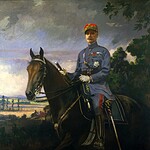
11. Ferdinand Foch: The Perfect Line That Became a Legend
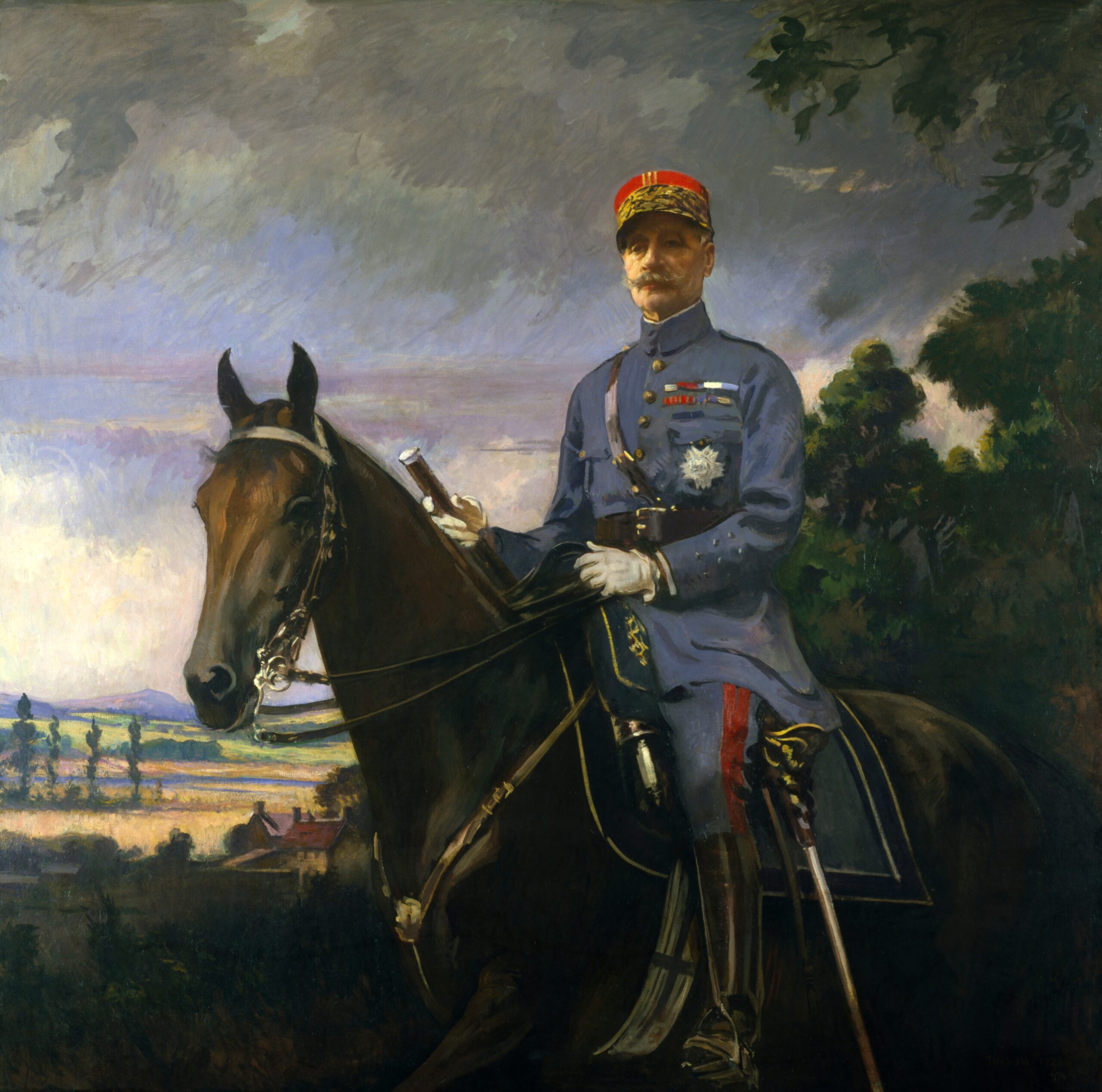
The line sounds almost too good: “My center is giving way, my right is retreating, situation excellent. I attack.” It is usually placed in Ferdinand Foch’s hands during the First Battle of the Marne in September 1914, when he commanded France’s Ninth Army.
There is no verified wartime dispatch containing those words. A 1919 biography printed a version of the story, and at Foch’s 1920 reception into the Académie Française, the responding speaker openly called it a legend and said Foch might never have written it. Foch’s aggressive conduct at the Marne was real. The perfectly balanced sentence appears to be history improving the dialogue.
12. Napoleon: The Quote He Probably Never Said
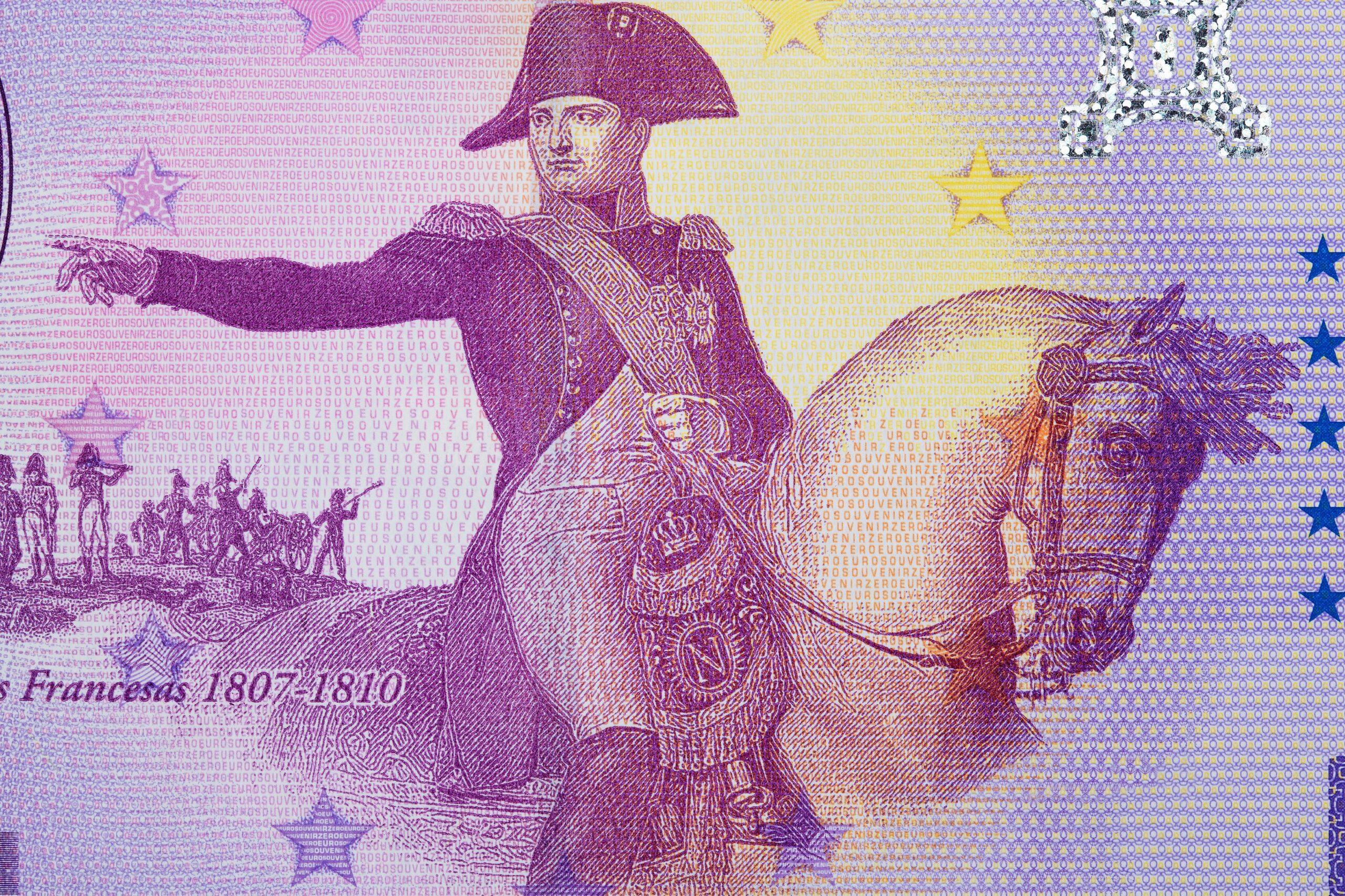
“An army marches on its stomach” is pinned on Napoleon so often that it feels official. It is not. The Fondation Napoléon lists it among the spurious sayings attached to him, and the closest early English versions appeared decades later, with some credited to Frederick the Great.
The idea still fits Napoleon’s campaigns, especially the 1812 invasion of Russia. Armies cannot run on courage alone. Food shortages, disease, exhaustion, desertion, combat, overstretched supply lines, and finally severe winter weather all helped wreck the campaign. The logistics lesson is solid. The neat quote on the poster is not securely Napoleon’s.
13. Douglas MacArthur: “I Shall Return”
After President Franklin D. Roosevelt ordered Gen. Douglas MacArthur to leave the Philippines in 1942, MacArthur reached Australia and told reporters, “I came through and I shall return.” The U.S. Office of War Information preferred the more collective “We shall return.” MacArthur kept the first person.
On Oct. 20, 1944, he returned during the Allied landings on Leyte and announced by radio, “People of the Philippines: I have returned.” The campaign to liberate the islands was far from finished, but the two statements created a clean promise-and-payoff that few wartime messages have matched.
14. John Sedgwick: “They Can’t Hit an Elephant”
Maj. Gen. John Sedgwick was irritated that Union soldiers were ducking from Confederate sharpshooter fire near Spotsylvania Court House on May 9, 1864. “They can’t hit an elephant at this distance,” he told them, according to the version used in the U.S. Army’s campaign history.
A sharpshooter’s bullet killed him shortly afterward. Retellings sometimes turn the remark into his precise final sentence, but witness accounts differ on the exact sequence and wording. The verified core needs no dramatic help: Sedgwick dismissed the danger, and within moments it killed him.
15. George S. Patton: A Good Answer Now Beats a Perfect One Later
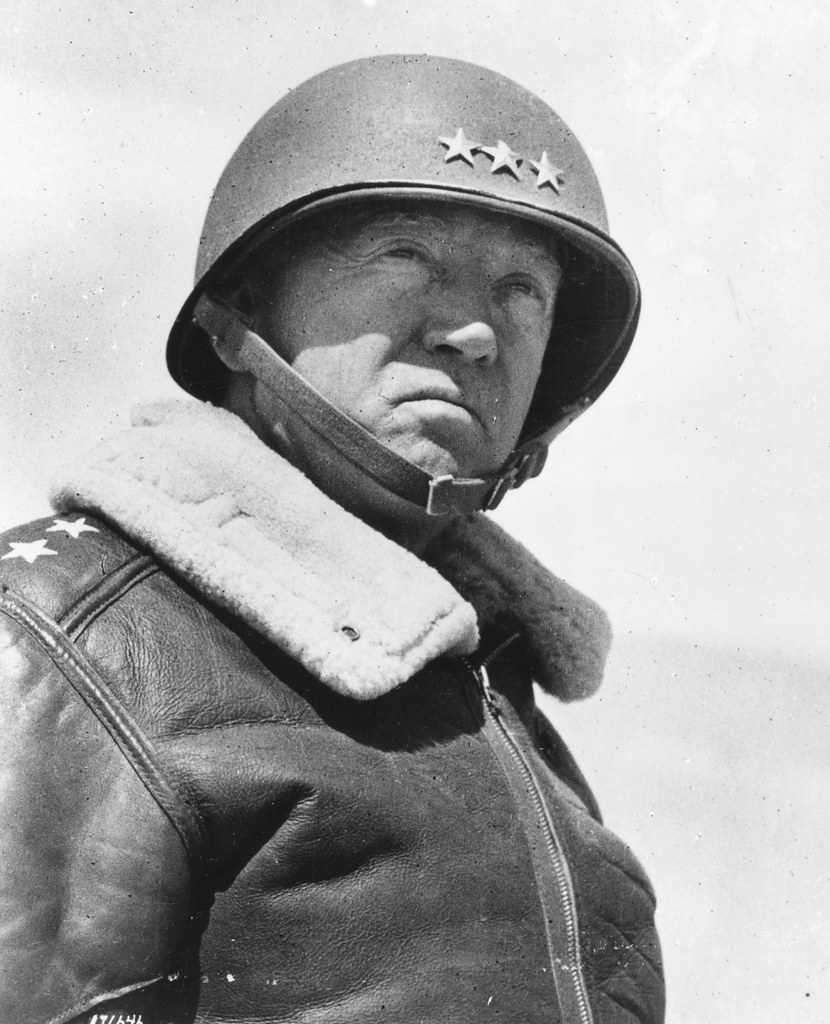
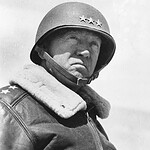
George S. Patton is often credited with saying, “A good plan violently executed now is better than a perfect plan next week.” A better-documented version is sharper: “A good solution applied with vigor now is better than a perfect solution applied ten minutes later.”
The line is tied to Patton’s instructions to the Third Army in 1944 and still appears in U.S. military manuals. Its appeal is obvious. A commander rarely gets perfect information or unlimited time. Patton’s point was not to act blindly. It was to stop chasing an ideal answer after a workable one was ready to move.