Missing attribution
Triff/Shutterstock.com
okfoto/iStock.com
Eder/Shutterstock.com
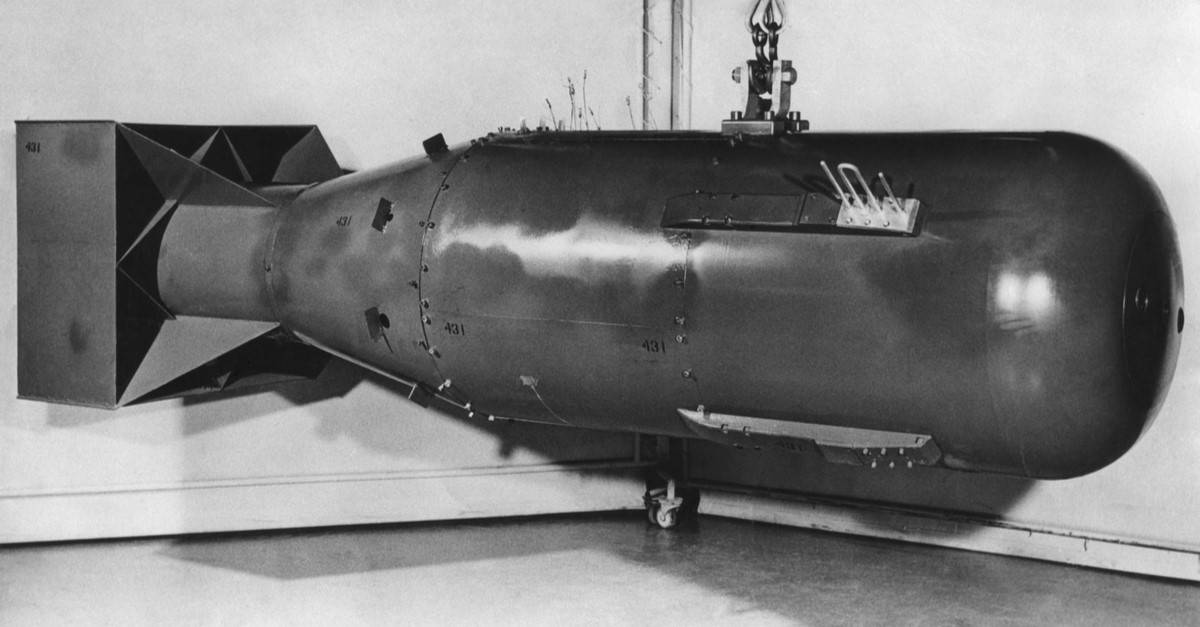
US government DOD and/or DOE photograph / public domain
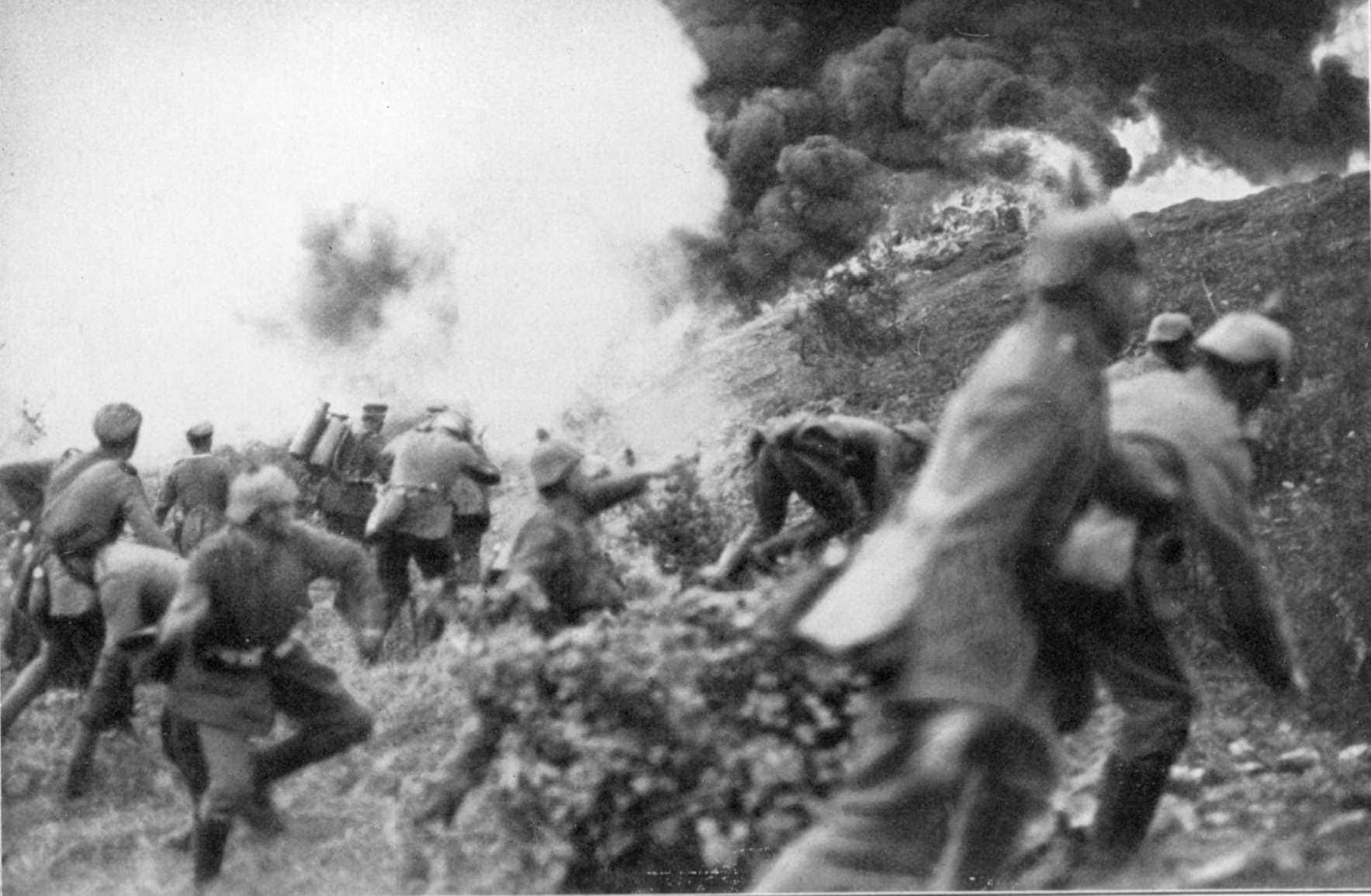
Hermann Rex (1884–1937) / Public domain
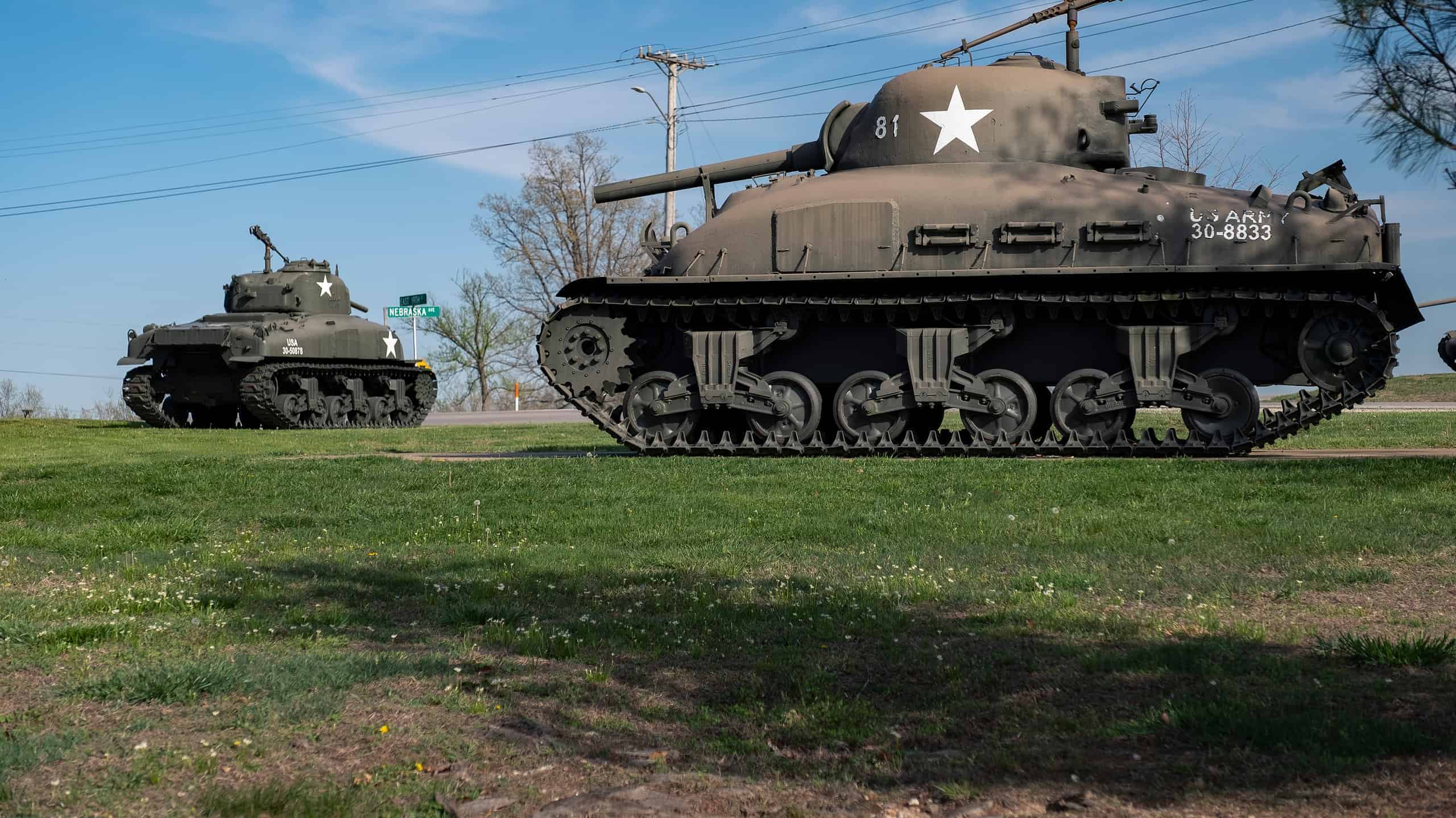
Rex K. Williams/Shutterstock.com
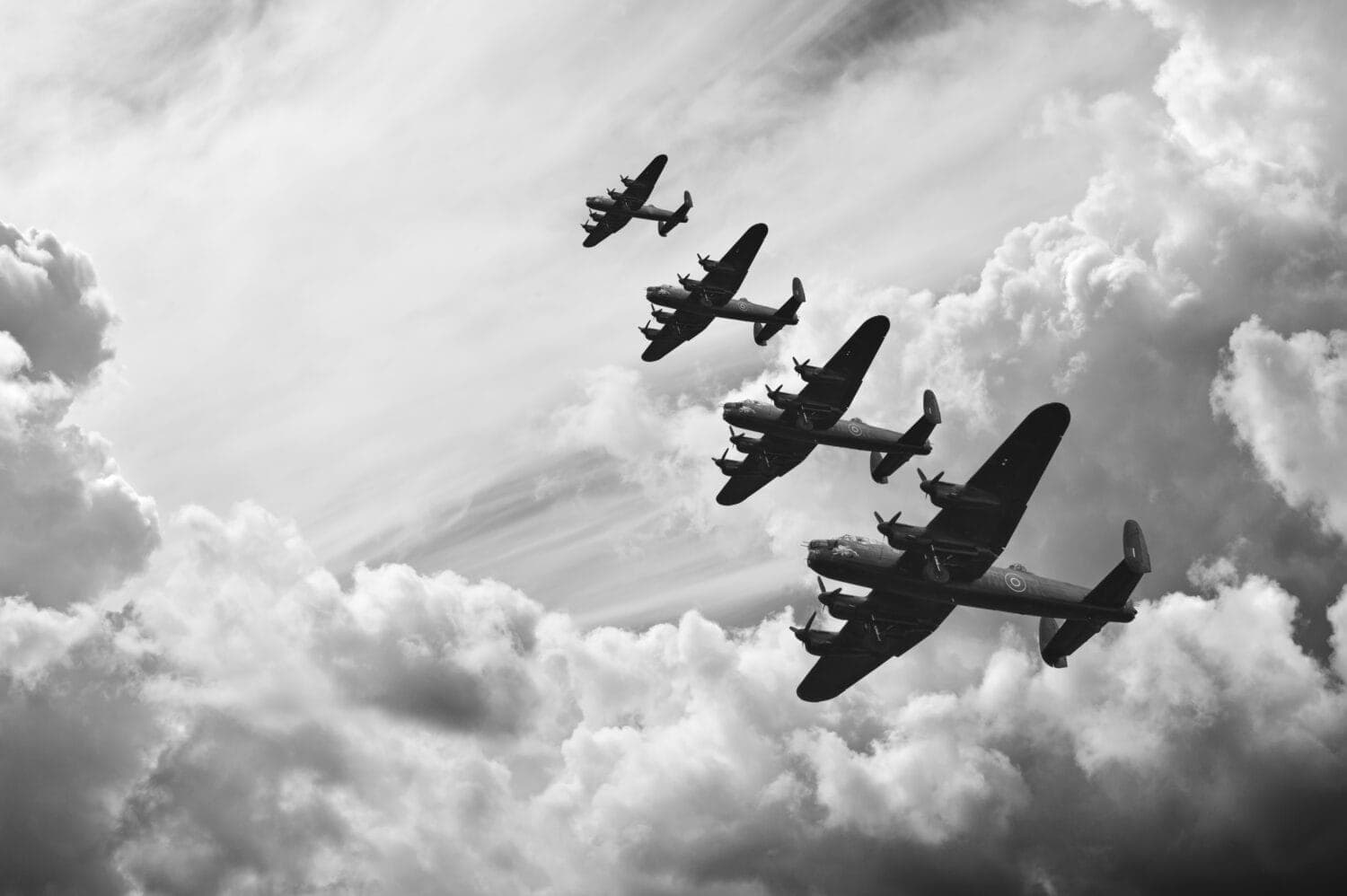
Matt Gibson/Shutterstock.com
Public Domain / Wikimedia Commons
Pict Rider/iStock via Getty Images
"DSC_4145 Justina Mutale Foundation Making the Media Female a United Nations CSW62 Follow-up Event at the Hospital Club Covent Garden London" by photographer695 is licensed under BY 2.0.
Osman Bugra Nuvasil/Shutterstock.com
mbond77/Shutterstock.com
"2007.09 - 'Sunny still life seascape of splashing surf'. and granular rocks on the shore near Petit-Dalle in Normandy France; French landscape photography, Fons Heijnsbroek" by Amsterdam free photos & pictures of the Dutch city is licensed under CC0 1.0.
Joe Haupt from USA, CC BY-SA 2.0, via Wikimedia Commons
Goldengnomee / Public domain
Frank Capra / Public Domain
TUBS / CC BY-SA 3.0
pablofdezr/iStock.com
"Allied army positions on 10 May 1945" by User:W. B. Wilson is licensed under BY-SA 3.0.
Everett Collection/Shutterstock.com
TuckerBlade/Shutterstock.com
IJN/Public Domain
Victor Maschek/Shutterstock.com
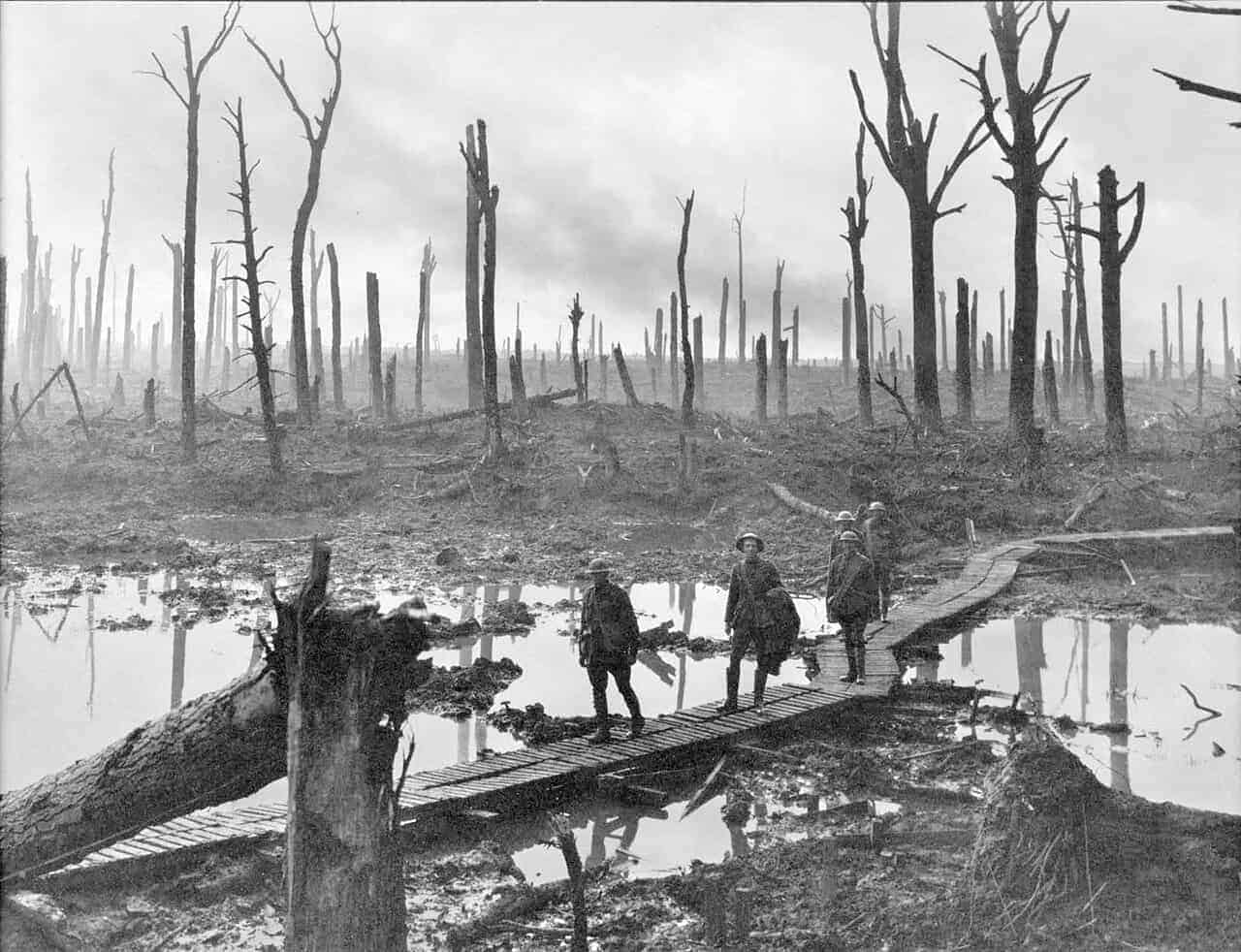
Frank Hurley / PUblic Domain
lorozco3D/iStock.com
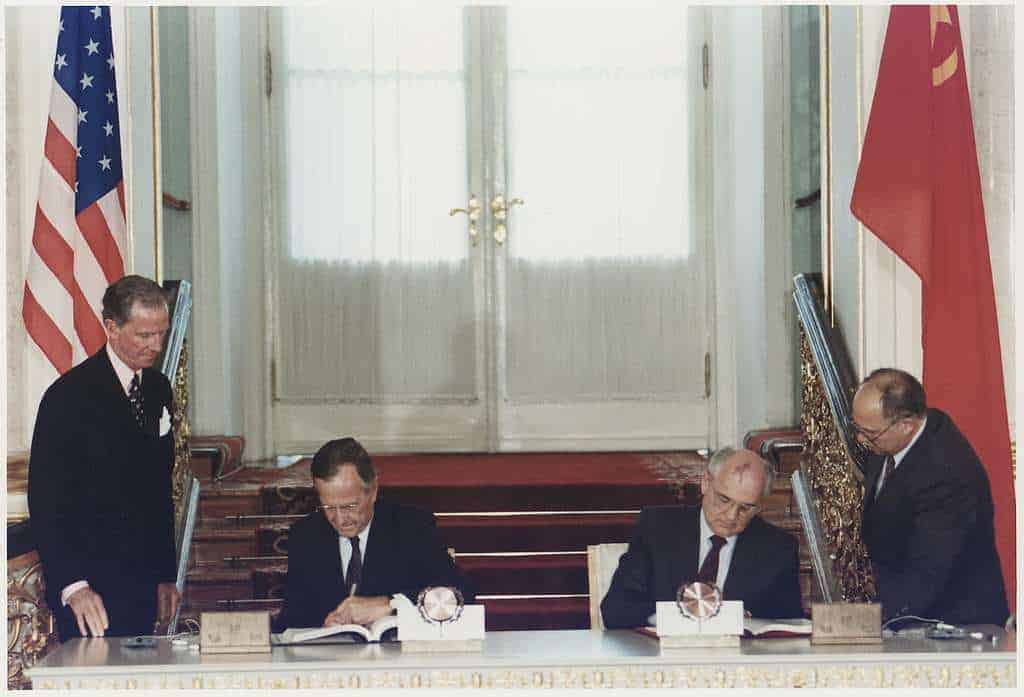
Picryl
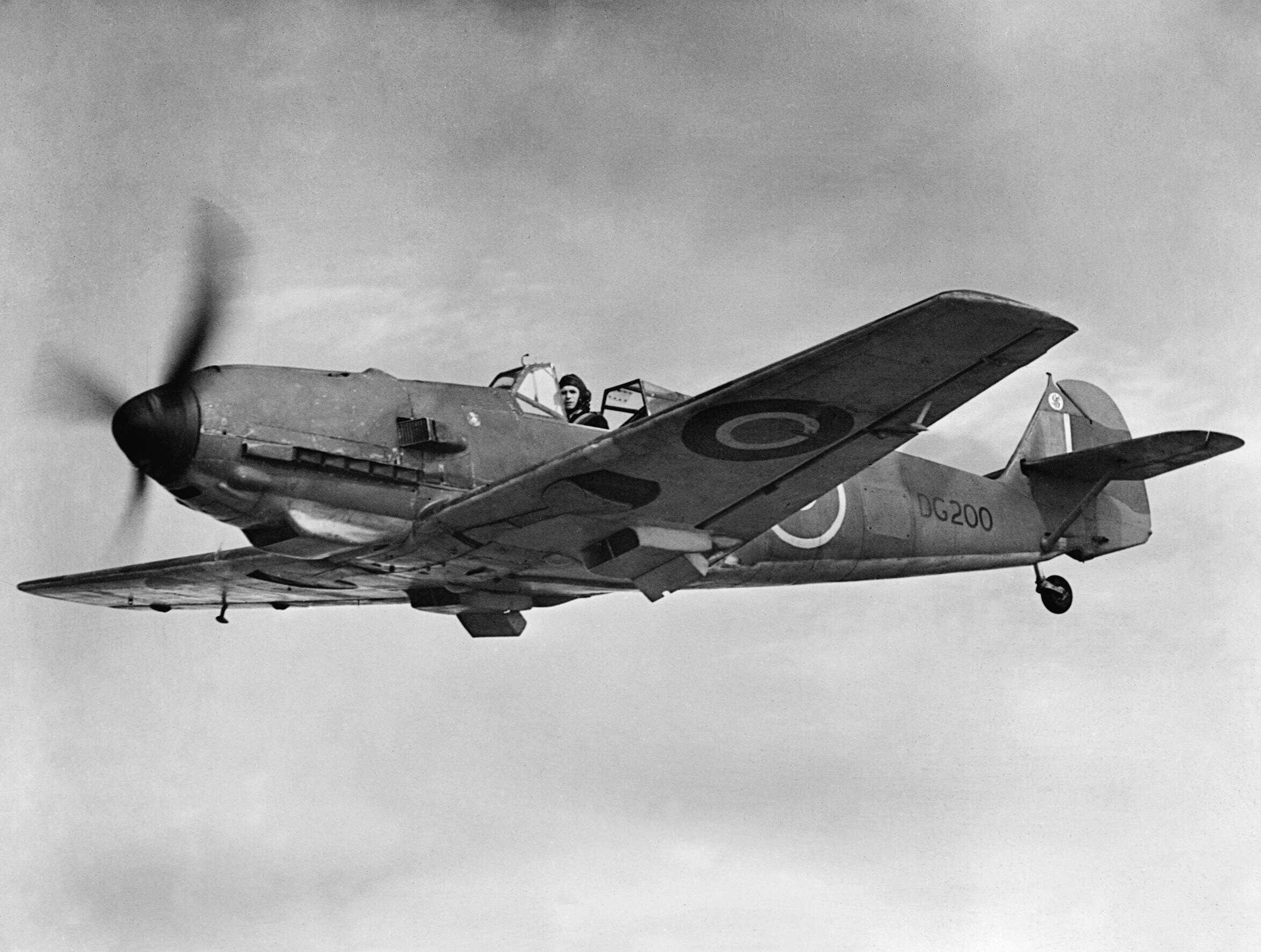
Imperial War Museums/Public Domain CC0
Ivan Cholakov/Shutterstock.com
U.S. Navy/Public Domain CC0
"General Douglas MacArthur Manila 1935" by The General Was Here !!! is licensed under PDM 1.0.
"Memorial Day Ceremony - North Africa American Cemetery and Memorial - May 31, 2010" by US Army Africa is licensed under BY 2.0.
PeterHermesFurian/iStock.com
icholakov/iStock.com
Eiga no tomo / https://en.wikipedia.org/wiki/public_domain
"File:Bundesarchiv Bild 183-L18974, Pithiviers, Juden im Internierungslager.jpg" by Unknown is licensed under BY-SA 3.0.
Alexander Lukatskiy/Shutterstock.com
Bundesarchiv, Bild 146-1990-048-29A / CC BY-SA 3.0
Wirestock Creators/Shutterstock.com
Hyotographics/Shutterstock.com
Erwann Pensec/ via Getty Images
20 World War II Questions That Are Harder Than They Look
World War II is one of those subjects everyone thinks they know—until someone asks for a date, an operation name, or the difference between D-Day and Operation Overlord. Then the room gets quiet.
These 20 questions cover the alliances, battles, leaders, policies, and turning points that shaped the war and its aftermath. Some are softballs. A few are sneakier than they look. Make your guess before moving to the answer—and no Googling, because at that point this stops being a quiz and becomes data entry.
Question 1
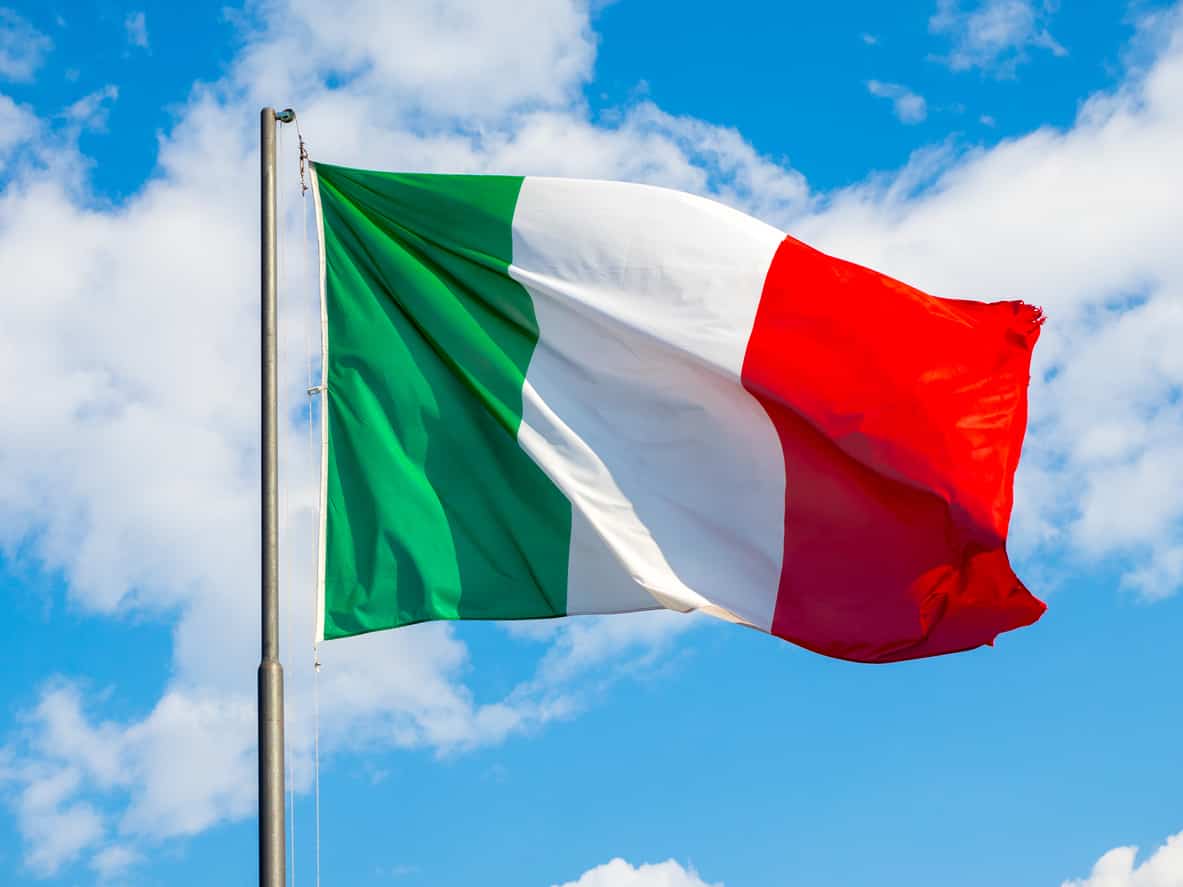
Which three countries made up the core Axis alliance during World War II?
Answer: Germany, Italy, and Japan
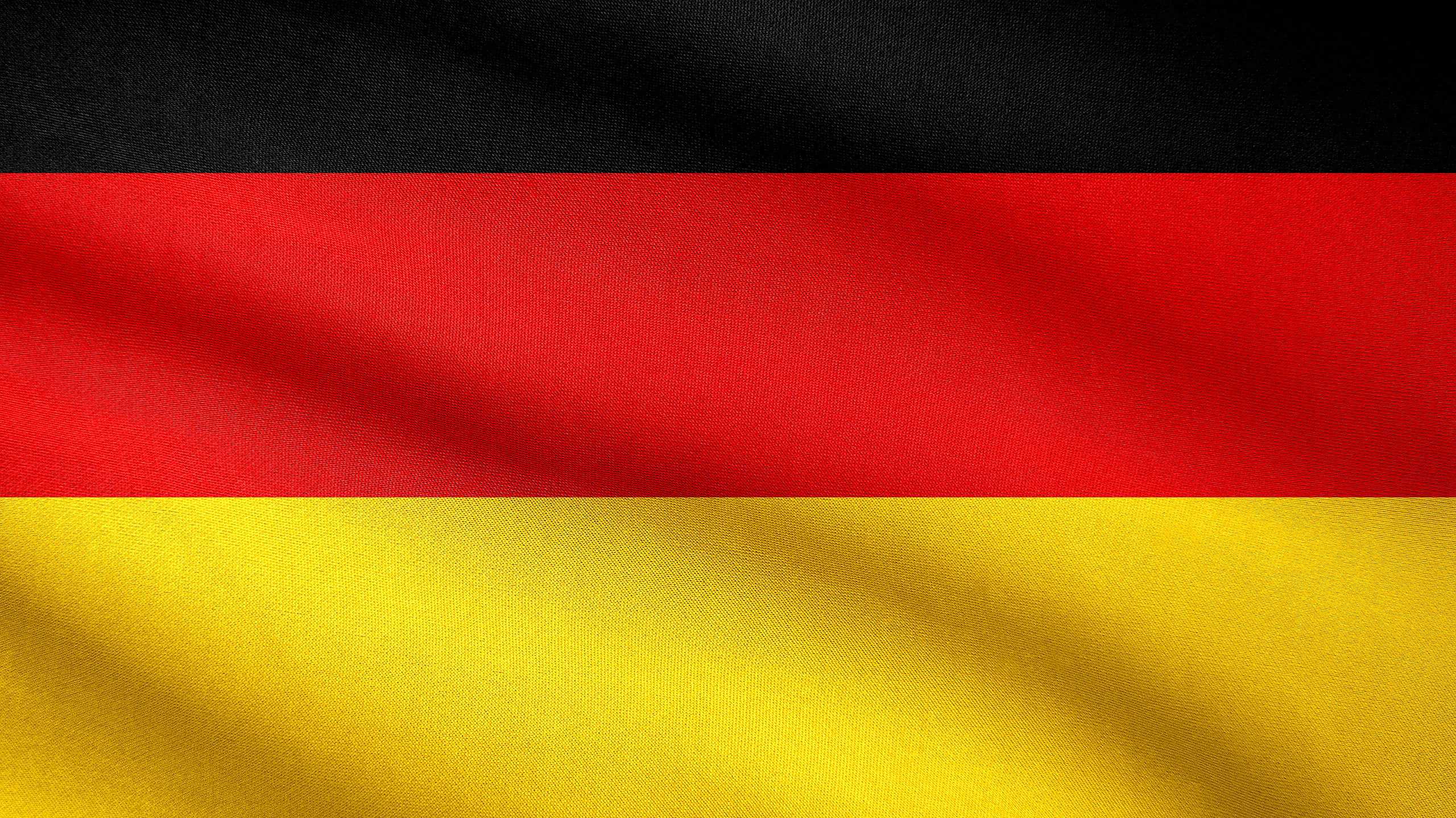
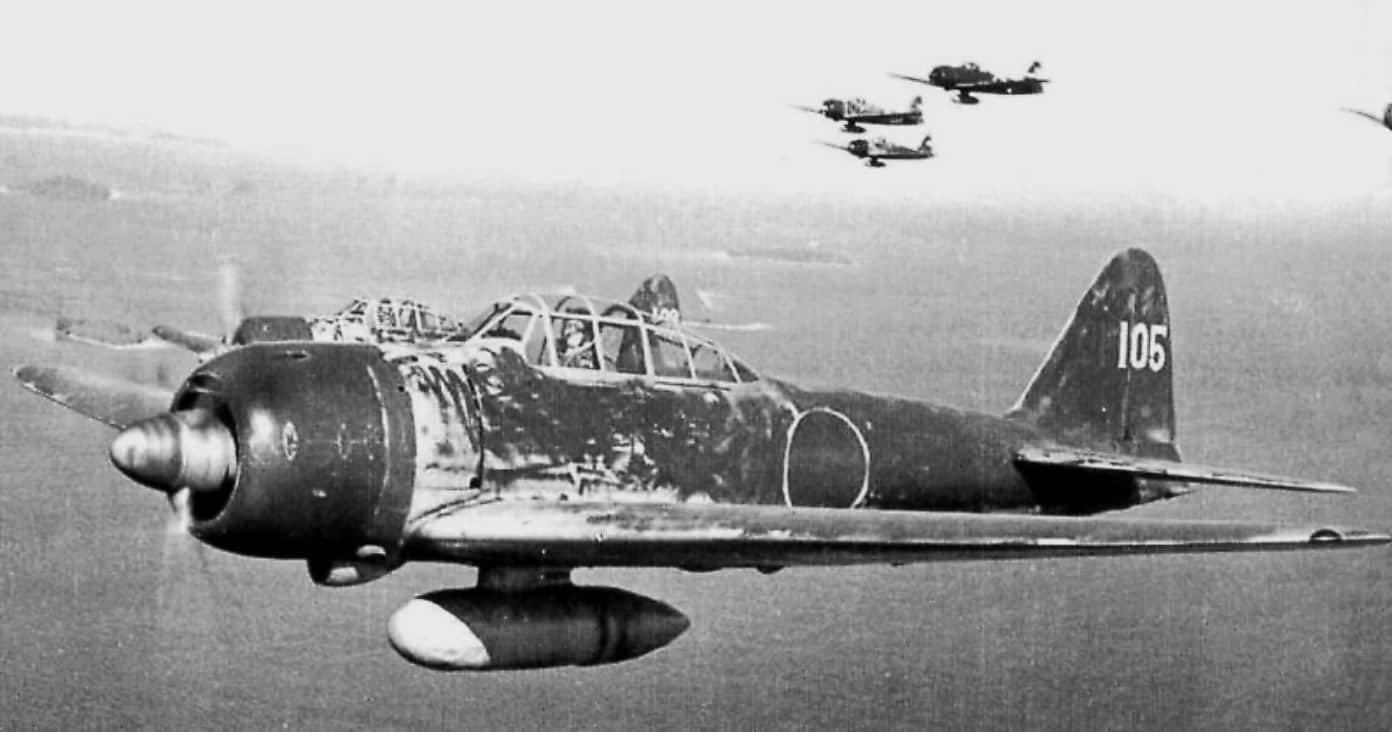
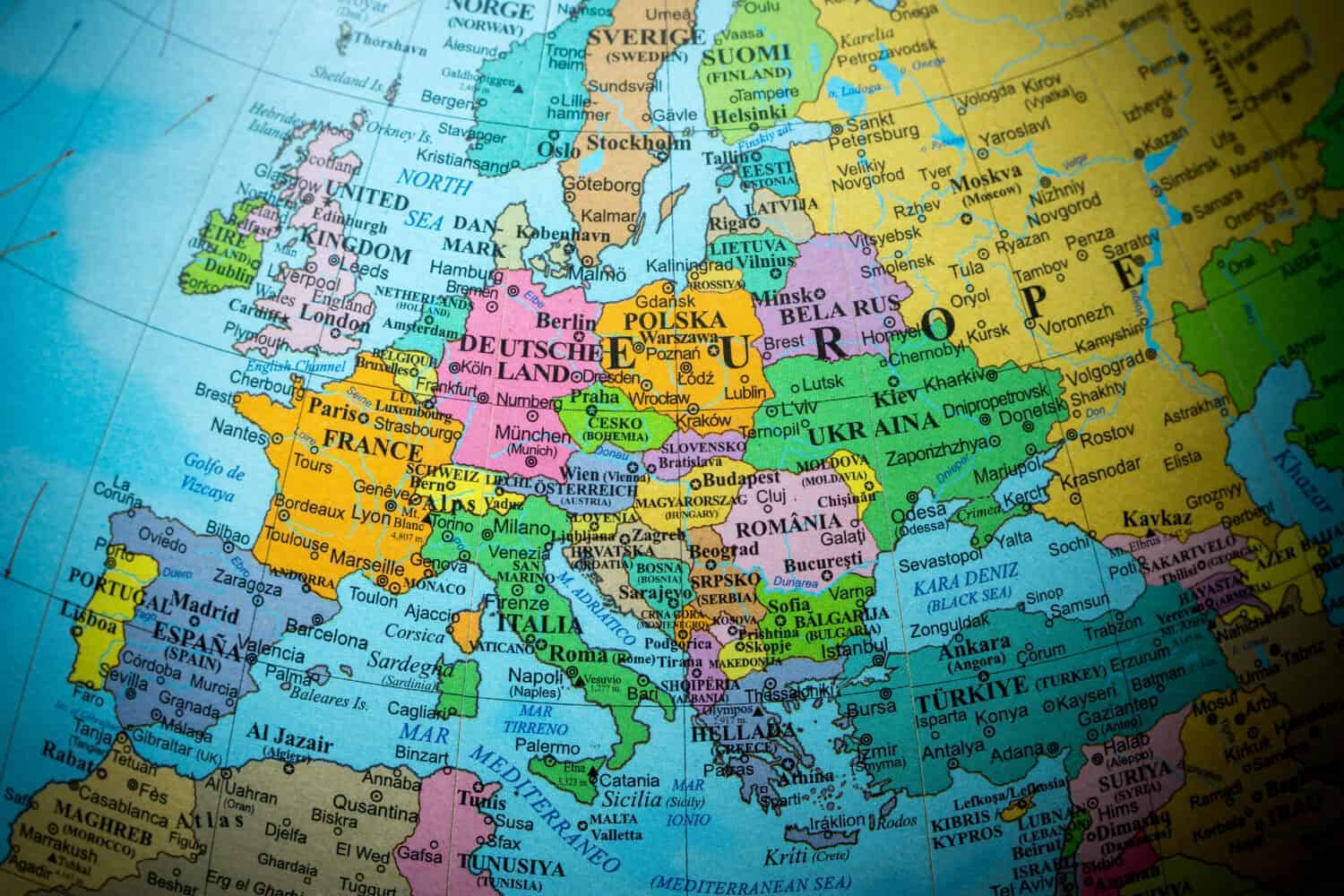
Germany, Italy, and Japan formalized their alliance by signing the Tripartite Pact on September 27, 1940. Other countries later fought alongside the Axis, including Hungary, Romania, Bulgaria, and Slovakia, but these three were its central powers. The pact linked Germany and Italy’s ambitions in Europe with Japan’s expansion in Asia and committed the signers to political, economic, and military cooperation.
Question 2
What was the code name for the secret program that developed the first atomic bombs?
Answer: The Manhattan Project
The Manhattan Project brought scientists, engineers, industry, and the U.S. military together in a sprawling, highly secret effort to build an atomic weapon. Its major sites included Los Alamos, New Mexico; Oak Ridge, Tennessee; and Hanford, Washington. The first nuclear device was tested at Trinity on July 16, 1945. Atomic bombs were then dropped on Hiroshima on August 6 and Nagasaki on August 9, opening the nuclear age with consequences the world is still living with.
Question 3
What did the German military strategy known as blitzkrieg involve?
Answer: Fast, Concentrated Attacks Designed to Break Enemy Defenses
Blitzkrieg means “lightning war” and describes Germany’s use of concentrated tanks, aircraft, artillery, and mobile infantry to punch through a narrow section of the enemy line. Armored forces could then move quickly behind the front, disrupting communications and preventing defenders from regrouping. Germany used the approach with devastating early success in Poland in 1939 and across Western Europe in 1940.
Question 4
In what year did World War II officially end?
Answer: 1945
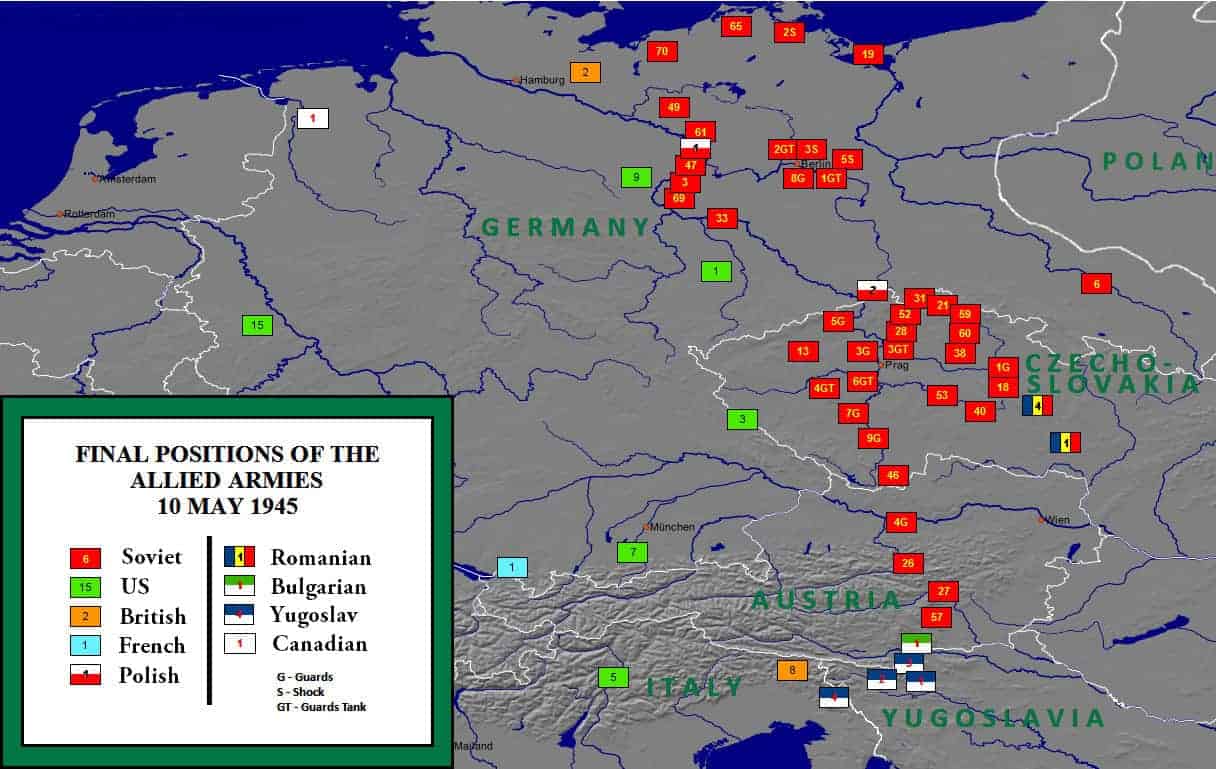
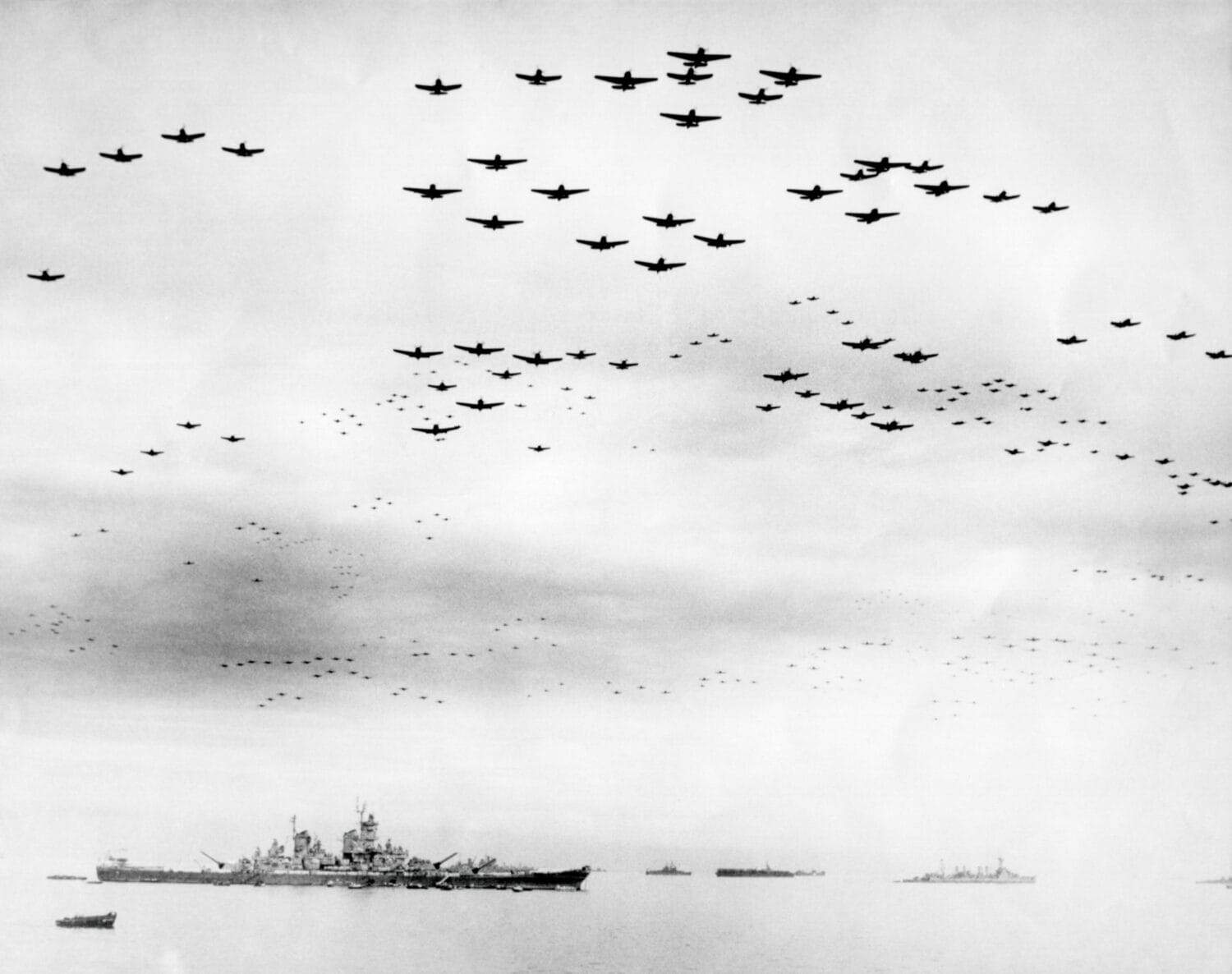
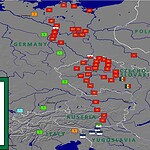
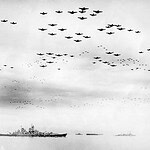
Germany’s unconditional surrender took effect on May 8, 1945, ending the war in Europe. Japan announced that it would accept the Allied surrender terms in August after the atomic bombings of Hiroshima and Nagasaki and the Soviet Union’s entry into the war against Japan. The formal Japanese surrender was signed aboard the USS Missouri on September 2, 1945. That date is generally treated as the official end of World War II.
Question 5
What international organization was created in 1945 to help maintain peace and security?
Answer: The United Nations
The United Nations officially came into existence on October 24, 1945, after its charter was ratified. Representatives of 50 countries had signed the charter in San Francisco that June; Poland signed later, bringing the number of founding members to 51. The organization was built to promote international peace, cooperation, human rights, humanitarian aid, and international law. In other words, the world had just survived two global wars and was understandably interested in not scheduling a third.
Question 6
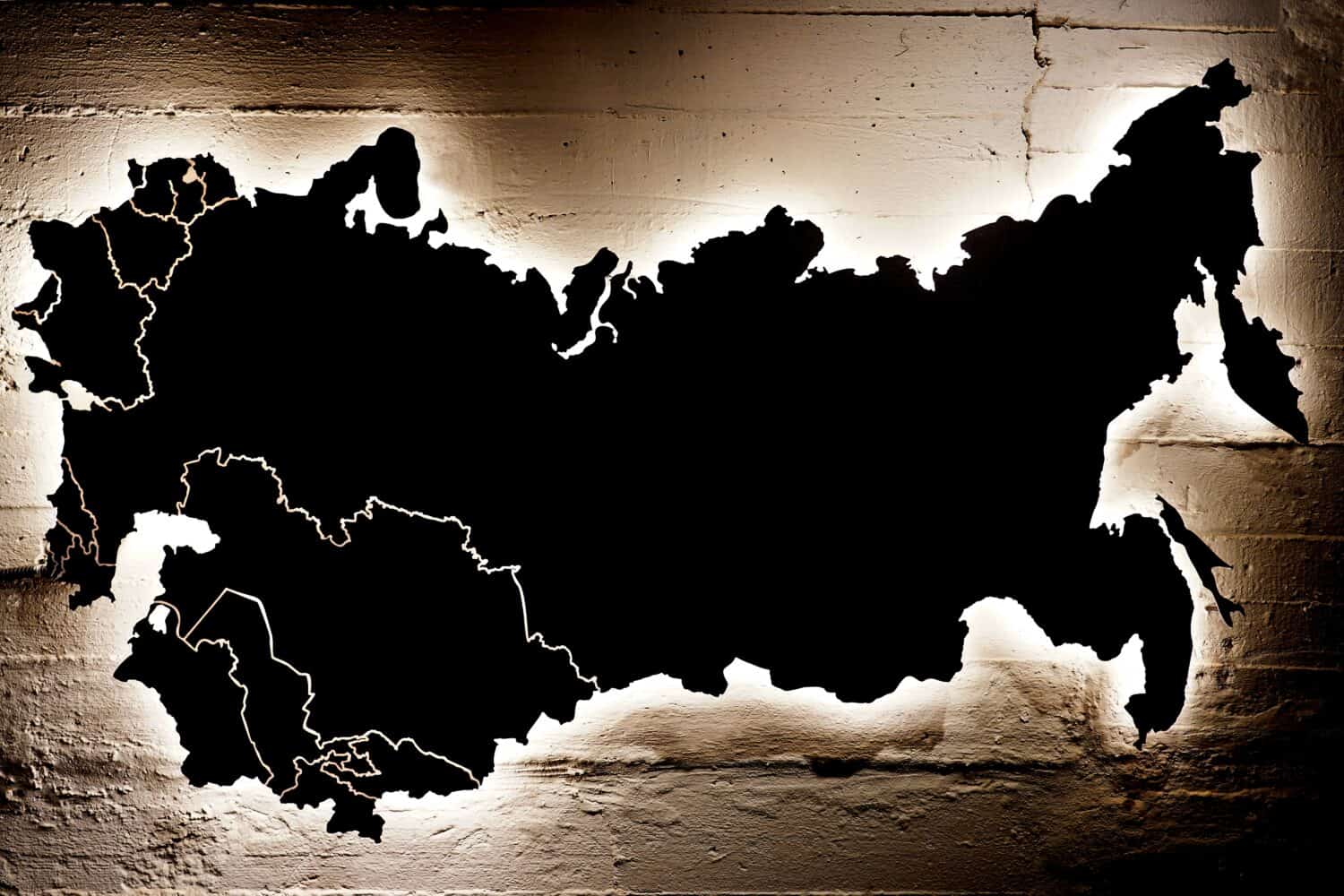
Which battle became a decisive turning point against Germany on the Eastern Front?
Answer: The Battle of Stalingrad
Soviet forces launched a counteroffensive in November 1942 and surrounded more than 220,000 German and allied troops fighting around Stalingrad. By February 1943, roughly 91,000 surviving German soldiers had surrendered. The defeat ended a long run of German victories and became a major psychological and strategic turning point. It was not Germany’s first battlefield setback of the war, but it was the moment the Eastern Front began moving decisively the other way.
Question 7
What was the name of the Allied deception plan designed to mislead Germany about the location of the D-Day invasion?
Answer: Operation Fortitude
Operation Fortitude used fake armies, inflatable tanks, dummy landing craft, false radio traffic, controlled leaks, and double agents to convince Germany that the main invasion would strike elsewhere—especially the Pas-de-Calais. A fictional force supposedly commanded by Gen. George Patton helped sell the story. The Germans knew an invasion was coming; the trick was keeping them unsure about where and when until Allied troops were already ashore in Normandy.
Question 8
What postwar proceedings tried leading Nazi officials for crimes against peace, war crimes, and crimes against humanity?
Answer: The Nuremberg Trials
The best-known proceeding was the International Military Tribunal held at Nuremberg from November 1945 to October 1946. It tried 22 leading Nazi officials, convicted 19, and sentenced 12 to death. Twelve later U.S. trials at Nuremberg prosecuted doctors, judges, military officers, industrialists, and other figures. Those separate proceedings are often lumped together, which is how casualty-style arithmetic sometimes wanders into a courtroom history that already has enough moving parts.
Question 9
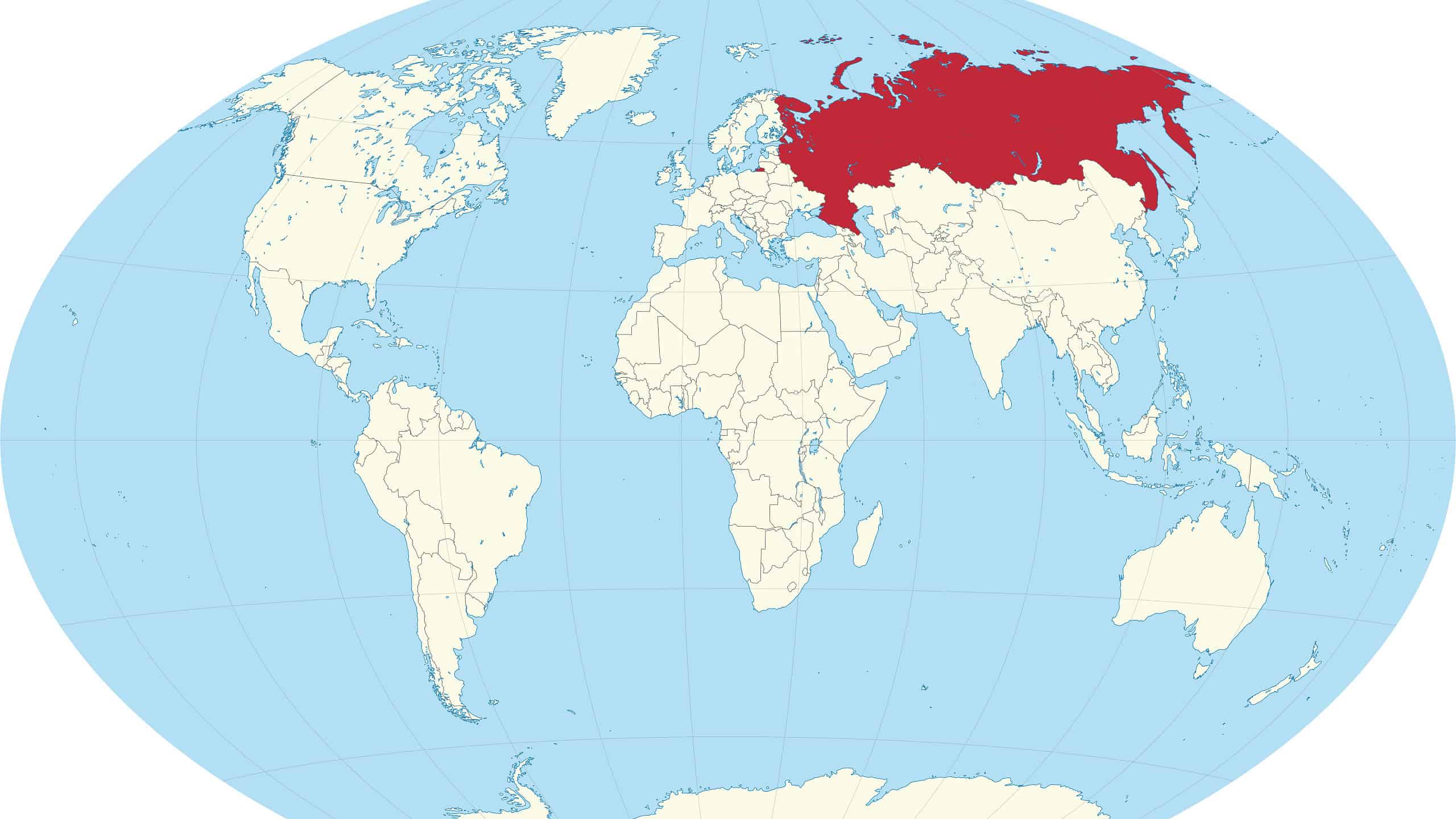
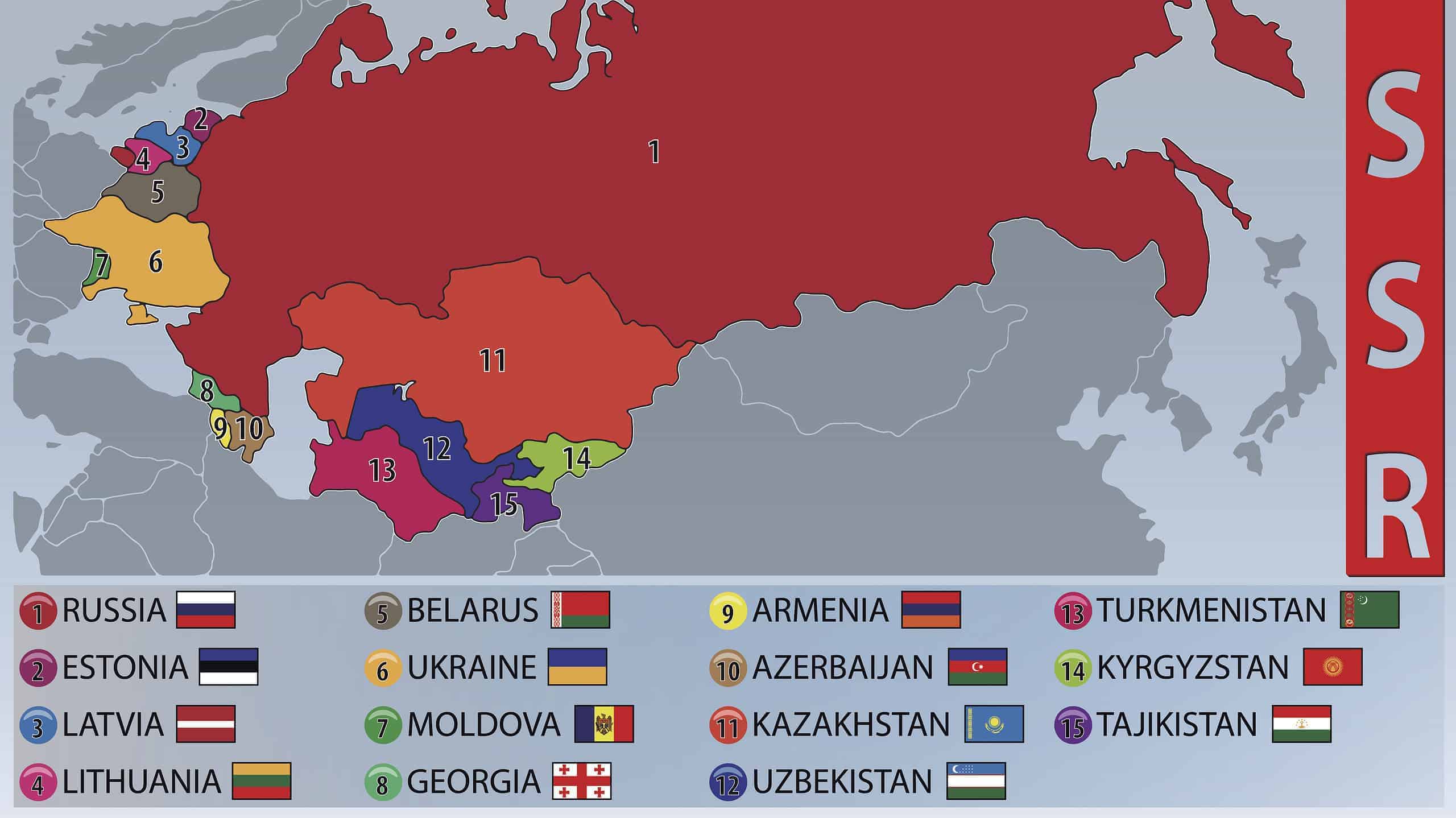
Which country suffered the highest total death toll during World War II?
Answer: The Soviet Union
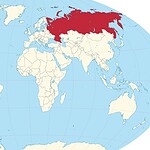
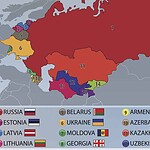
Exact wartime death totals are estimates, but the Soviet Union suffered losses on a scale unmatched by any other country. The National WWII Museum estimates about 24 million Soviet military and civilian deaths, including roughly 8.8 million to 10.7 million military personnel. China also endured an enormous death toll, estimated at around 20 million in the same dataset. When the numbers get this large, “winning” does not feel like the right word for anybody.
Question 10
What was the Allied invasion of Normandy officially code-named?
Answer: Operation Overlord
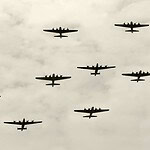
D-Day was June 6, 1944, the opening day of Operation Overlord, the broader Allied campaign to invade Normandy and establish a foothold in occupied France. About 156,000 American, British, and Canadian troops landed that day, supported by thousands of ships and aircraft. Allied forces secured all five beachheads but suffered roughly 10,000 killed, wounded, or missing. The original claim of 29,000 Americans killed during the landings was far too high; that figure is associated with a much longer stretch of the Normandy campaign.
Question 11
Which June 1942 battle became a major turning point in the Pacific War?
Answer: The Battle of Midway
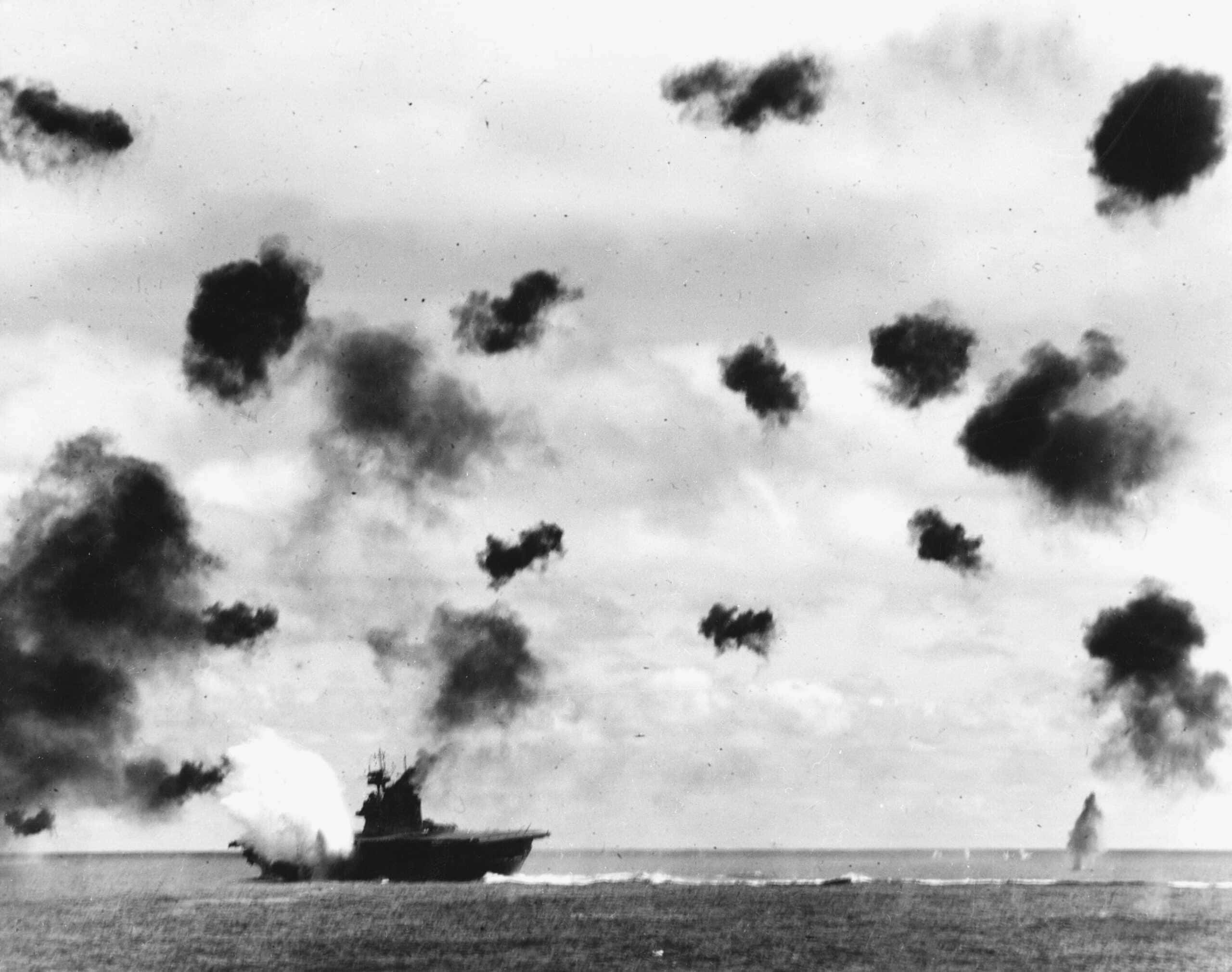
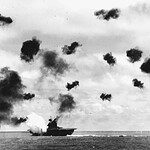
U.S. Navy codebreakers helped identify Midway as Japan’s target and gave Adm. Chester Nimitz a crucial picture of the approaching attack. During the battle, U.S. forces sank four Japanese fleet carriers while losing the USS Yorktown. The victory shifted the balance of naval power in the Pacific and allowed the United States to begin taking the offensive. Turns out knowing where the other side plans to be is a fairly useful advantage.
Question 12
What U.S. program helped rebuild Western European economies after World War II?
Answer: The Marshall Plan
Secretary of State George C. Marshall proposed a broad European recovery program in a 1947 speech. Congress approved it in 1948, and the United States eventually supplied more than $12 billion to rebuild Western Europe. The aid helped restore industry, infrastructure, trade, and economic stability while also strengthening countries viewed as vulnerable to communist influence. It was humanitarian aid, economic policy, and Cold War strategy bundled into one very large package.
Question 13
What postwar U.S. strategy sought to limit the expansion of Soviet influence?
Answer: Containment
Diplomat George F. Kennan helped formulate containment as a long-term strategy for resisting the expansion of Soviet power. The Truman Doctrine and Marshall Plan became early expressions of that approach, but they were not simply different names for the same policy. Containment took political, economic, diplomatic, and eventually military forms, and it remained the basic organizing idea behind U.S. Cold War policy for decades.
Question 14
What was Nazi Germany’s air force called?
Answer: The Luftwaffe
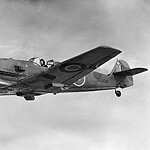
The Luftwaffe was officially unveiled in 1935 as Germany openly cast aside the military limits imposed after World War I. Its aircraft supported Germany’s rapid early campaigns and later fought for air superiority over Britain, the Mediterranean, and the Eastern Front. The force included bombers, fighters, reconnaissance units, antiaircraft formations, and airborne troops. By the end of the war, Allied production, fuel shortages, pilot losses, and sustained bombing had badly eroded its power.
Question 15
Which famous U.S. Army general commanded Allied forces in the Southwest Pacific?
Answer: Gen. Douglas MacArthur
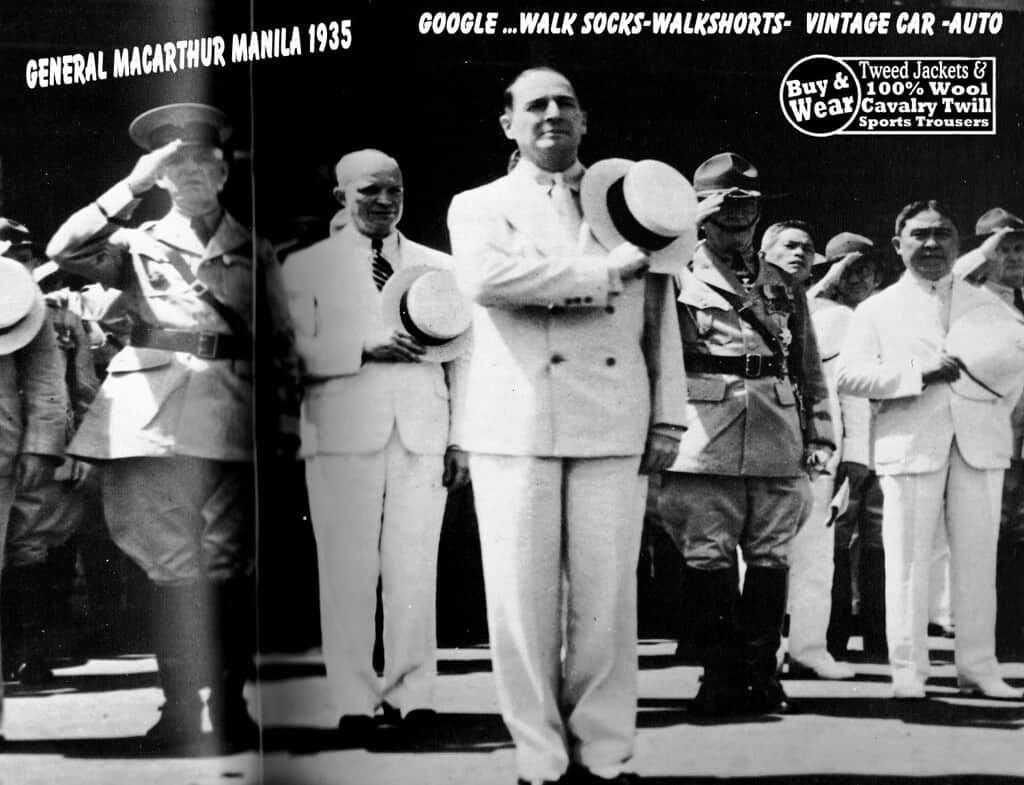
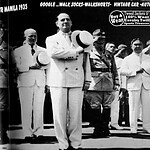
Douglas MacArthur commanded Allied forces in the Southwest Pacific while Adm. Chester Nimitz directed the Central Pacific campaign. After being ordered to leave the Philippines in 1942, MacArthur made his famous promise to return and did so at Leyte in October 1944. He received the Medal of Honor for his defense of the Philippines and became a five-star general later that year. He also oversaw the occupation of Japan after the surrender, giving him a military résumé that was not exactly short on major chapters.
Question 16
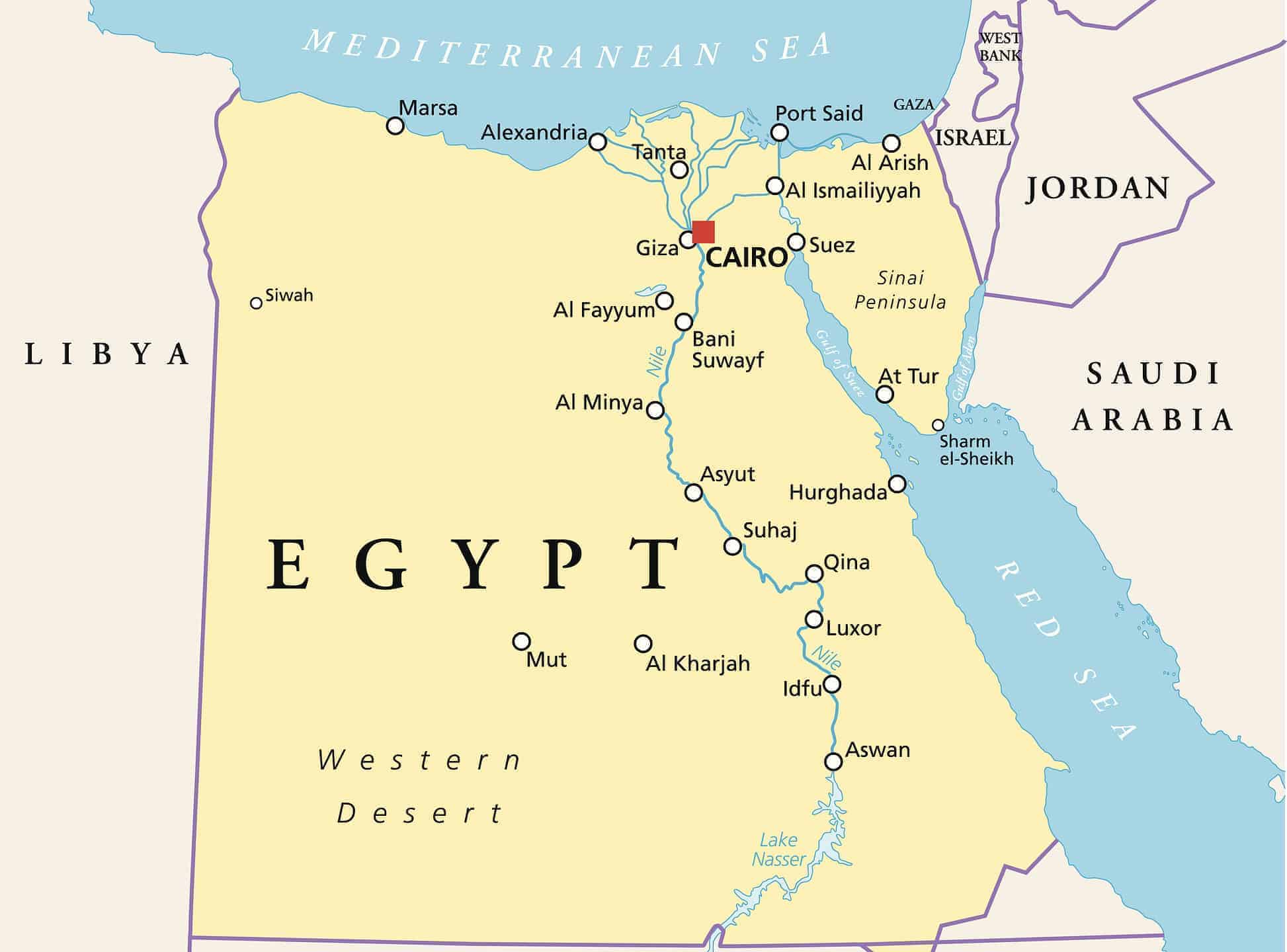
Which 1942 battle in Egypt became a major Allied turning point in North Africa?
Answer: The Second Battle of El Alamein
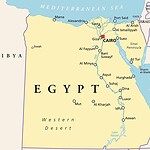
Fought from October 23 to November 11, 1942, the Second Battle of El Alamein pitted the British Eighth Army under Lt. Gen. Bernard Montgomery against Axis forces led by Field Marshal Erwin Rommel. The Allied victory stopped the Axis advance into Egypt and helped protect the Suez Canal and Middle Eastern supply routes. Combined with Allied landings farther west in Operation Torch, it forced Axis armies into a long retreat across North Africa.
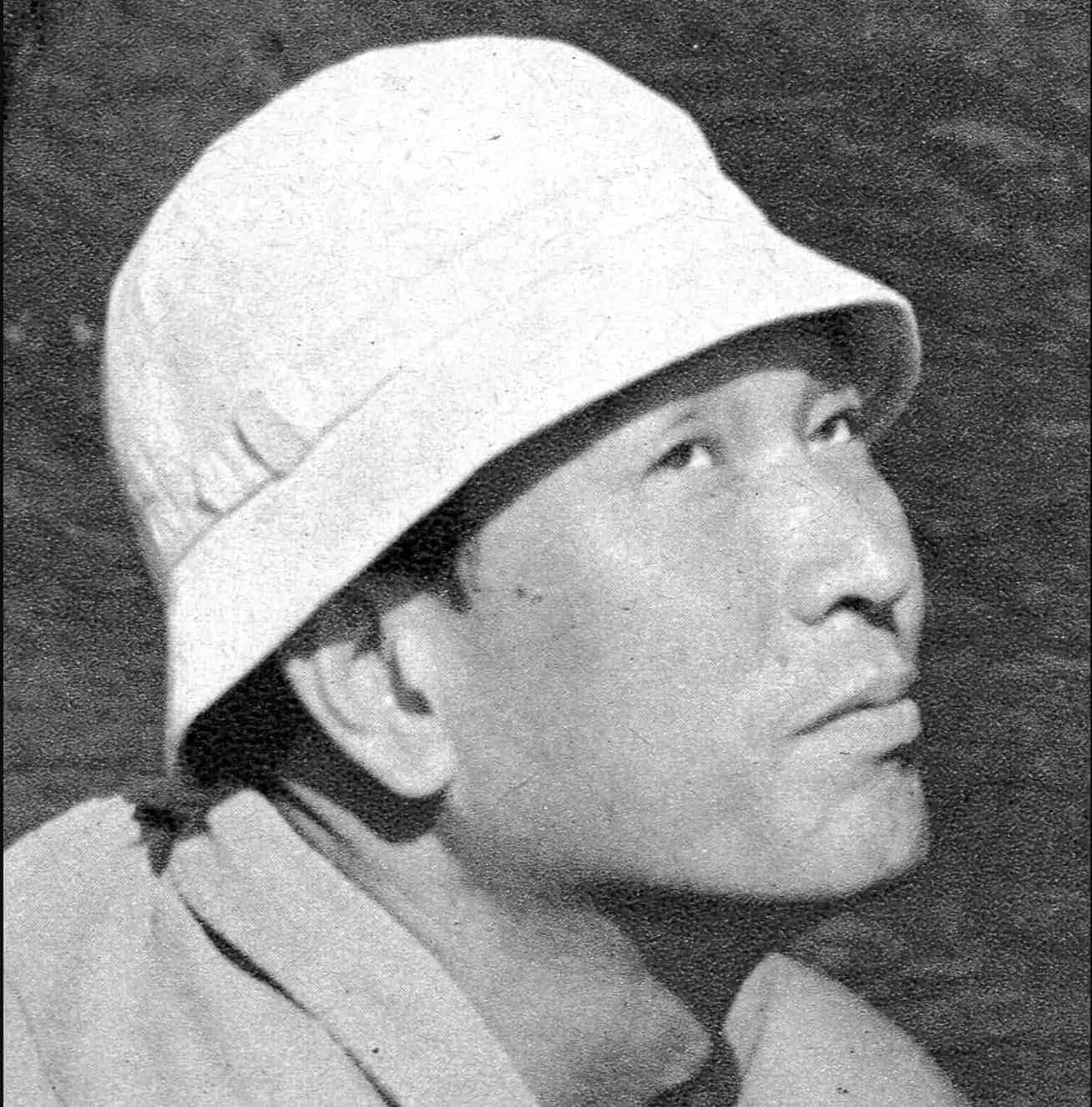
Question 17
Why was the International Military Tribunal for the Far East created after the war?
Answer: To Prosecute Senior Japanese Leaders for Wartime Crimes
Commonly called the Tokyo War Crimes Trial, the tribunal prosecuted Japanese military and civilian leaders for crimes against peace, conventional war crimes, and crimes against humanity. The trial began in May 1946 with 28 defendants. Two died during the proceedings and one was ruled mentally incompetent; the remaining 25 were convicted, with seven sentenced to death. The proceedings lasted about two and a half years and remain an important—and debated—part of postwar international justice.
Question 18
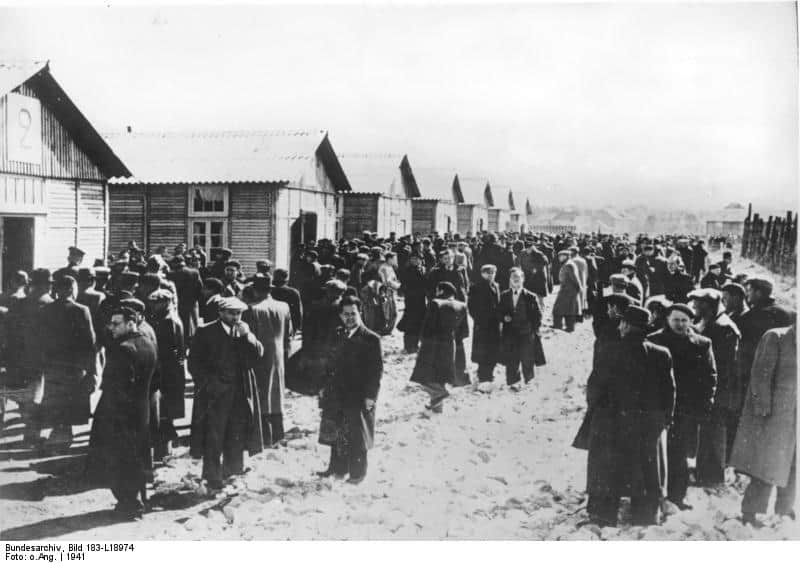
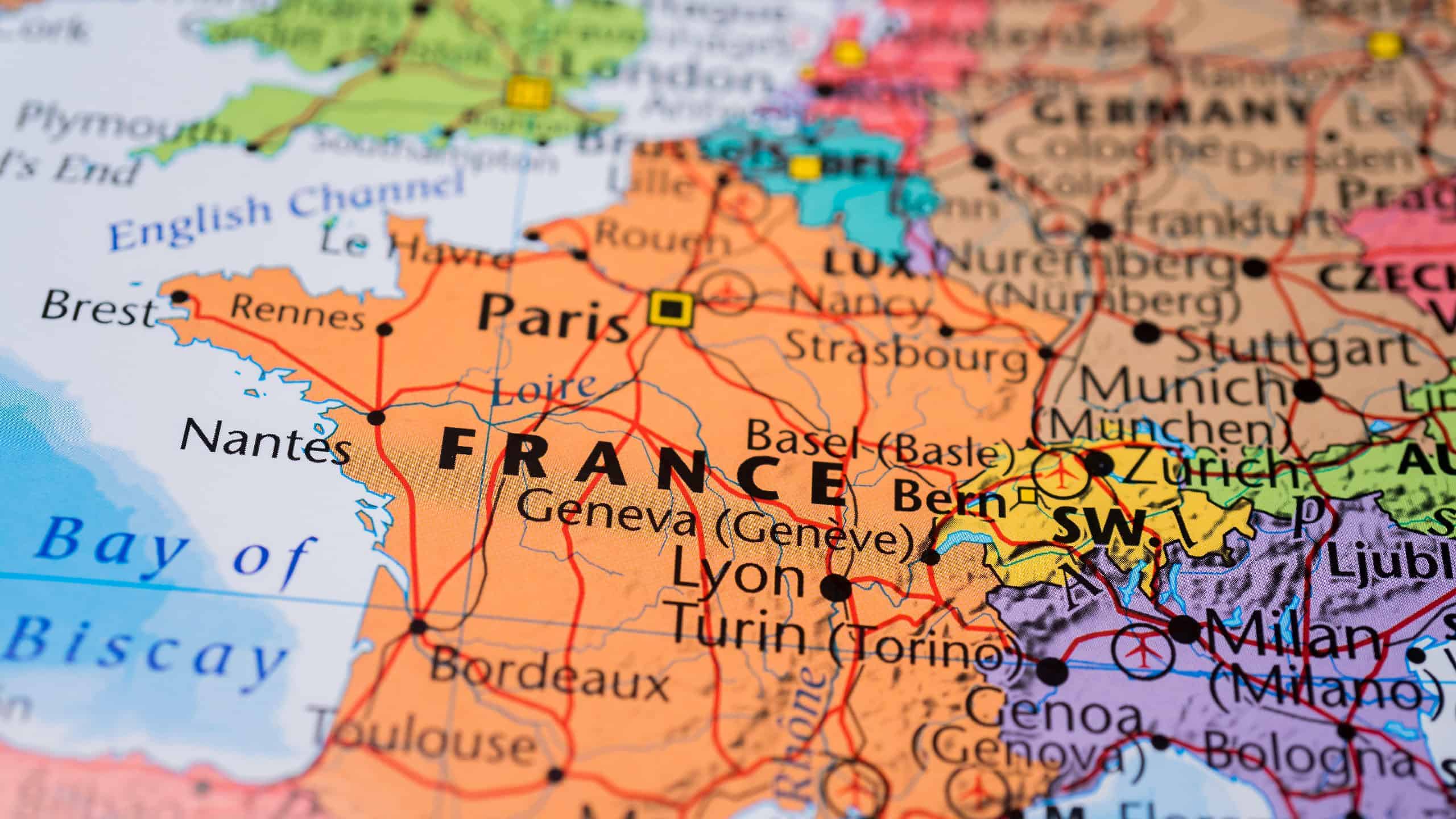
Which French government collaborated with Nazi Germany during the occupation?
Answer: The Vichy Regime
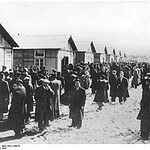
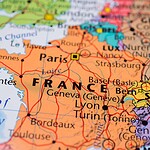
After France’s defeat in 1940, Marshal Philippe Pétain led an authoritarian government based in Vichy. Although officially neutral, Vichy France collaborated closely with Nazi Germany. Its government enacted antisemitic laws, established internment camps, and used French police and administrators to arrest and help deport Jews. That collaboration was not merely forced compliance from Berlin; Vichy officials sometimes acted on their own initiative.
Question 19
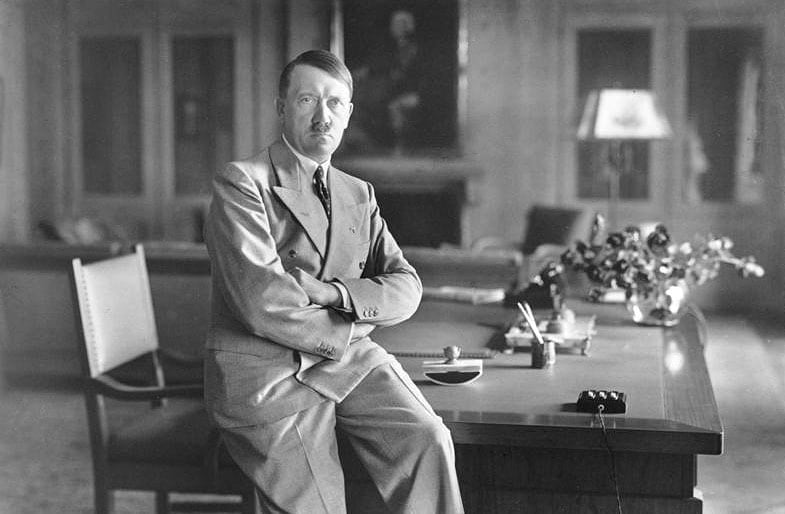
What euphemism did Nazi leaders use for their plan to murder Europe’s Jews?
Answer: The “Final Solution”
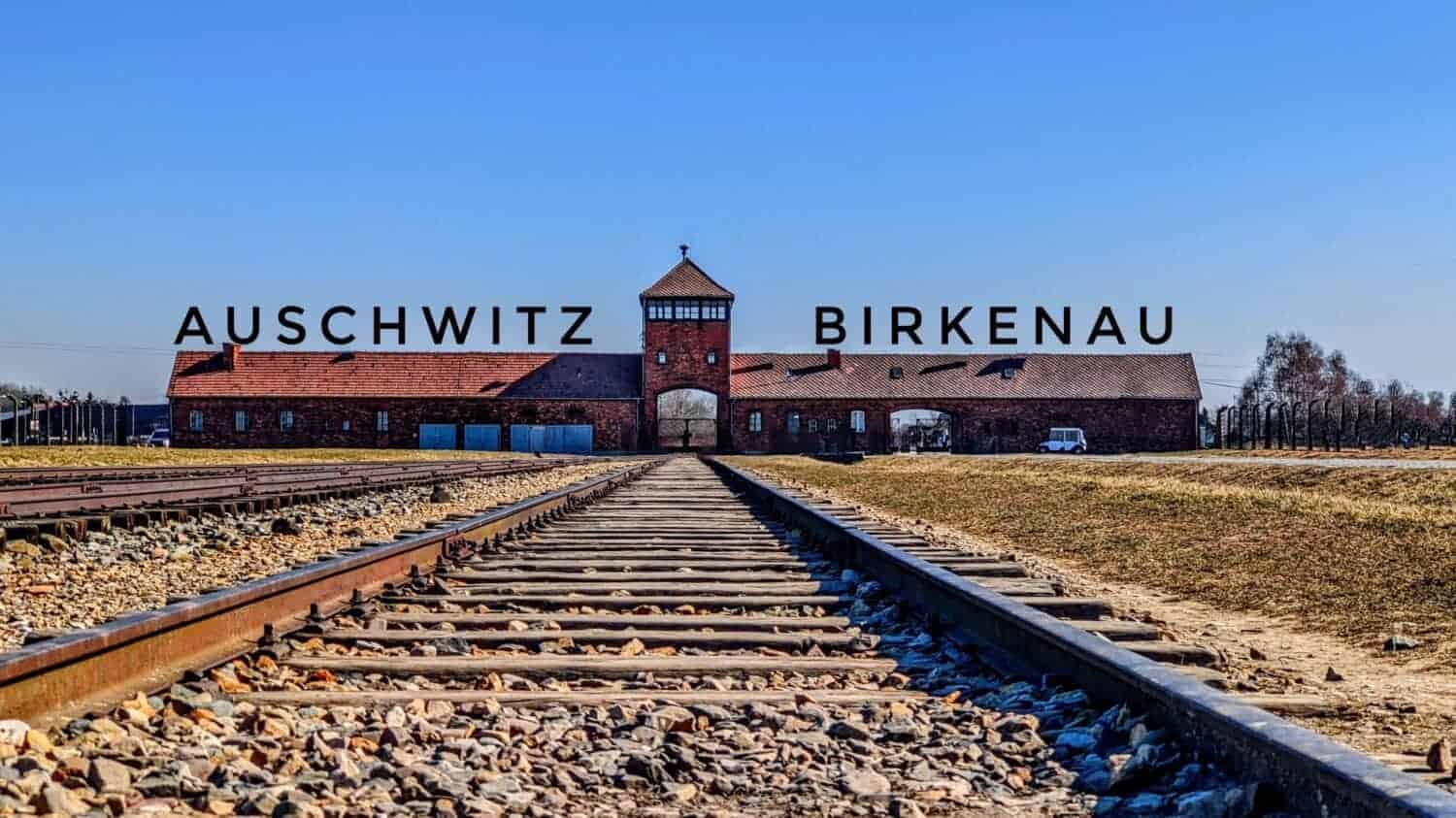
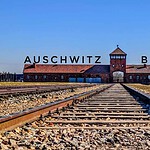
The “Final Solution to the Jewish Question” was the Nazi regime’s deliberately bureaucratic euphemism for the systematic mass murder of European Jews. At the January 1942 Wannsee Conference, officials coordinated its implementation across Europe. Nazi leaders envisioned killing 11 million Jews. Nazi Germany and its allies and collaborators ultimately murdered six million Jewish people—about two-thirds of Europe’s prewar Jewish population.
Question 20
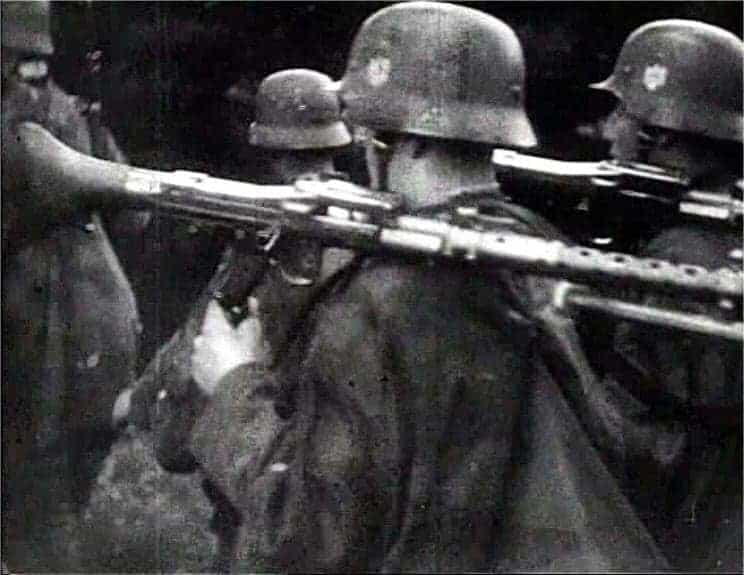
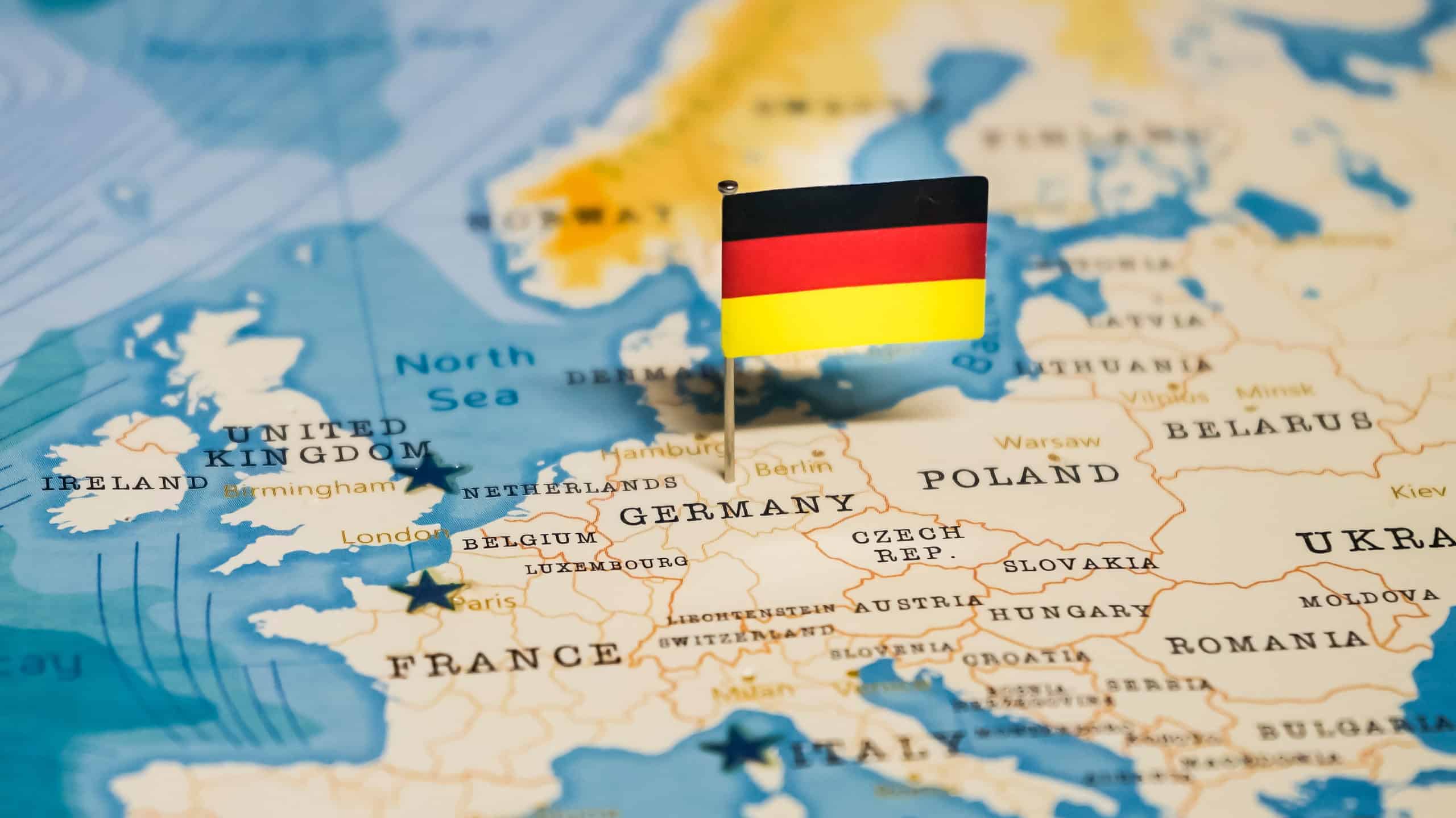
On what date did Nazi Germany invade the Soviet Union?
Answer: June 22, 1941
Nazi Germany launched Operation Barbarossa on June 22, 1941, attacking the Soviet Union with more than 3.5 million German and allied troops. It was one of the largest military operations in modern history. German armies advanced hundreds of miles but failed to defeat the Soviet Union before winter. The invasion also marked a major escalation of the Holocaust as mobile killing units began carrying out mass shootings behind the front.