Insane Footage Shows Wind So Powerful It Lifts the Forest Floor
Walking through a forest can already feel a little eerie, but imagine seeing the ground itself start to move. In one jaw-dropping video, powerful winds don't just bend the trees they actually lift sections of the forest floor, creating a surreal scene that looks almost impossible.
This slideshow is part of an A-Z Animals series where we break down some of the internet's most unbelievable nature footage. Along the way, we'll explain what's really happening in these moments and why events like this, as strange as they look, are grounded in real science.
A Storm in the Forest
Lake Huntington is a 100-acre lake in the Catskills mountain region of New York State, located between the Delaware River and the Pennsylvania border.
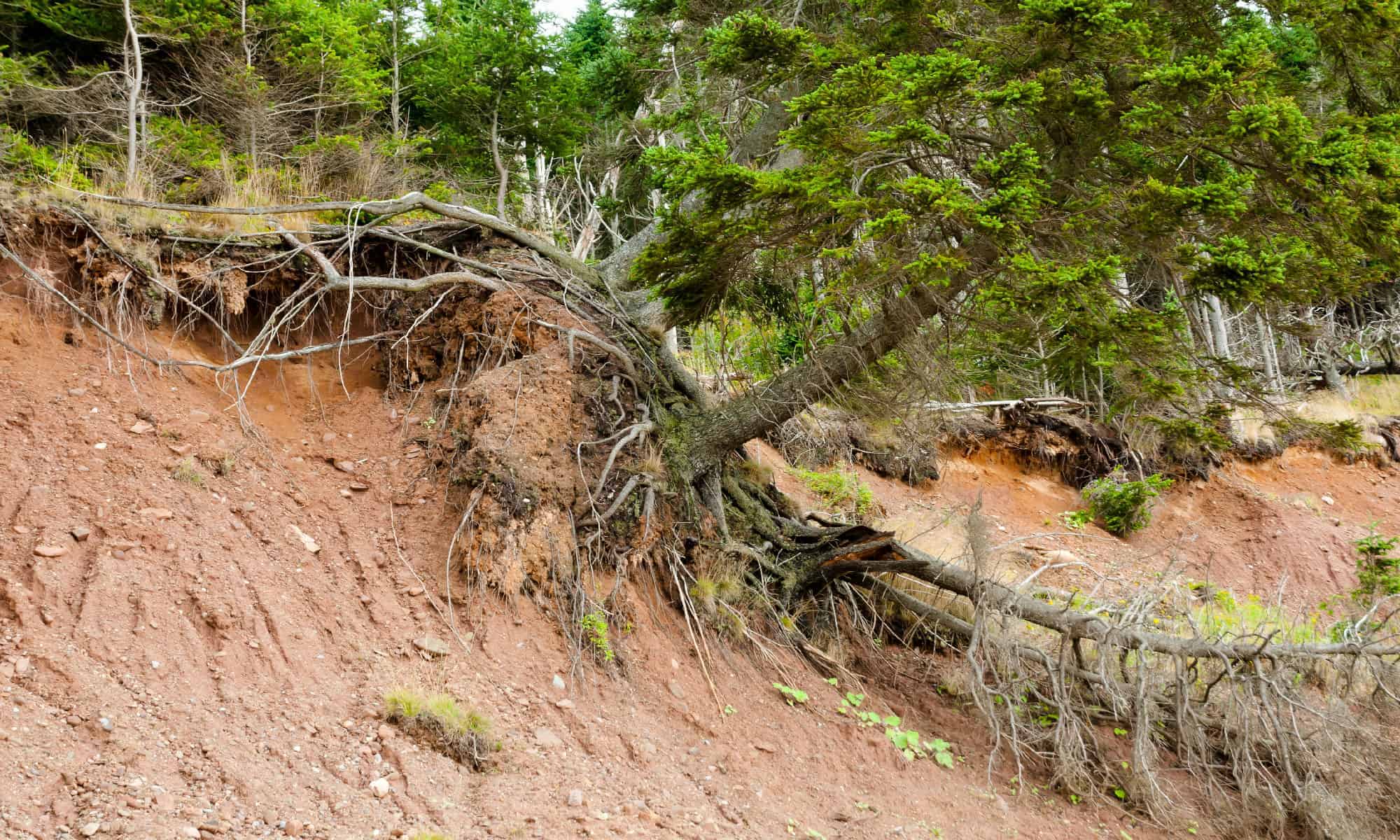
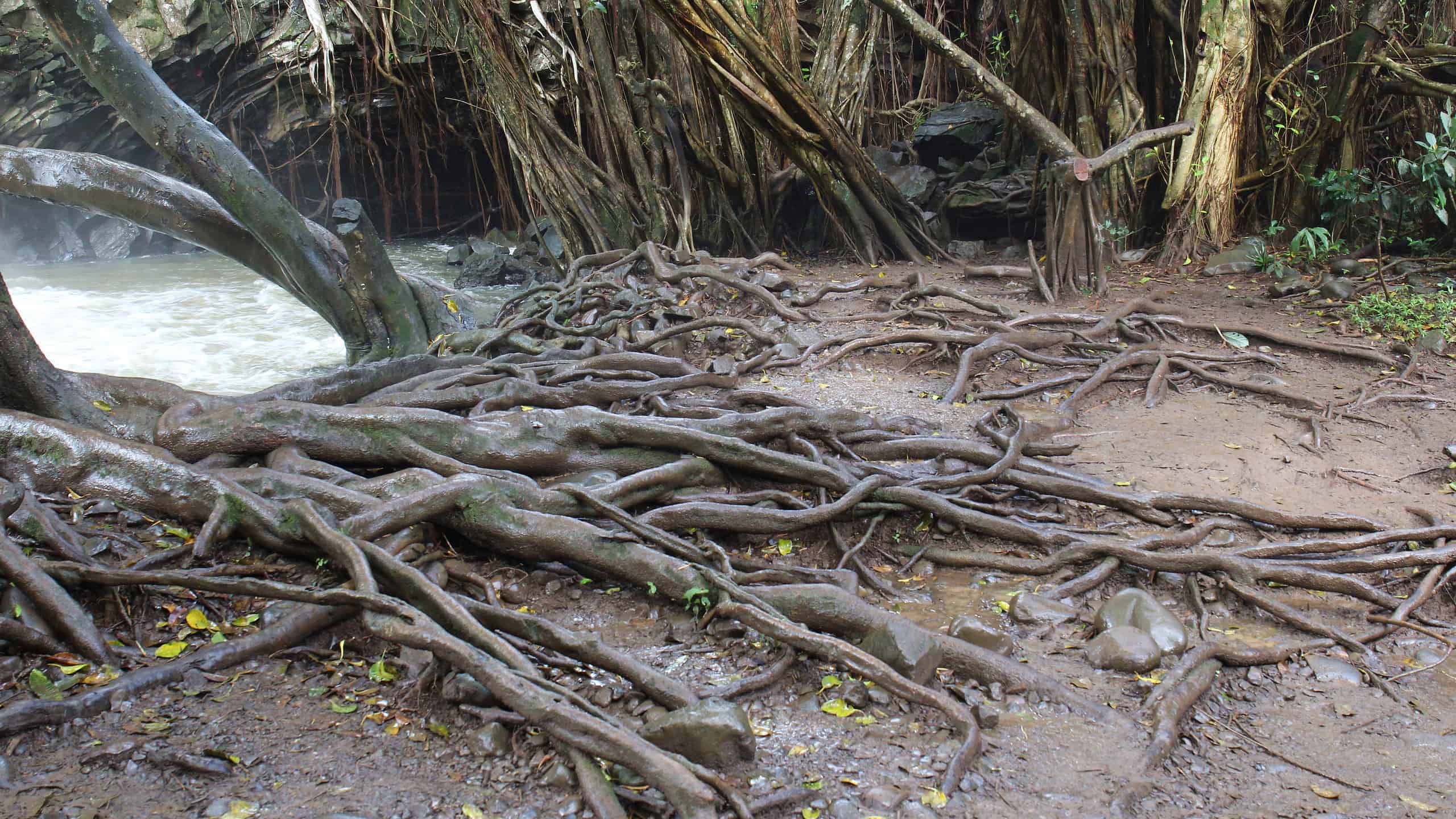
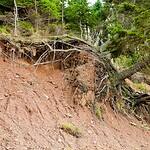
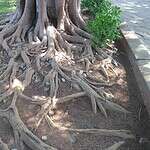
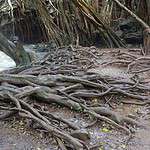
The extraordinary clip at the end of this slideshow was filmed during Storm Babet, which hit the UK in October 2023. In it, we see the forest floor apparently lifting up in the high winds. The wind is exerting a sideways force on the trees, and that is lifting their roots. Because the root system of these trees is shallow (called a root plate), they are all lifting and appear to be taking the forest floor with them. This is often a precursor to trees falling over and should serve as a warning that you must get out of the way!
How Do Tree Roots Normally Work?
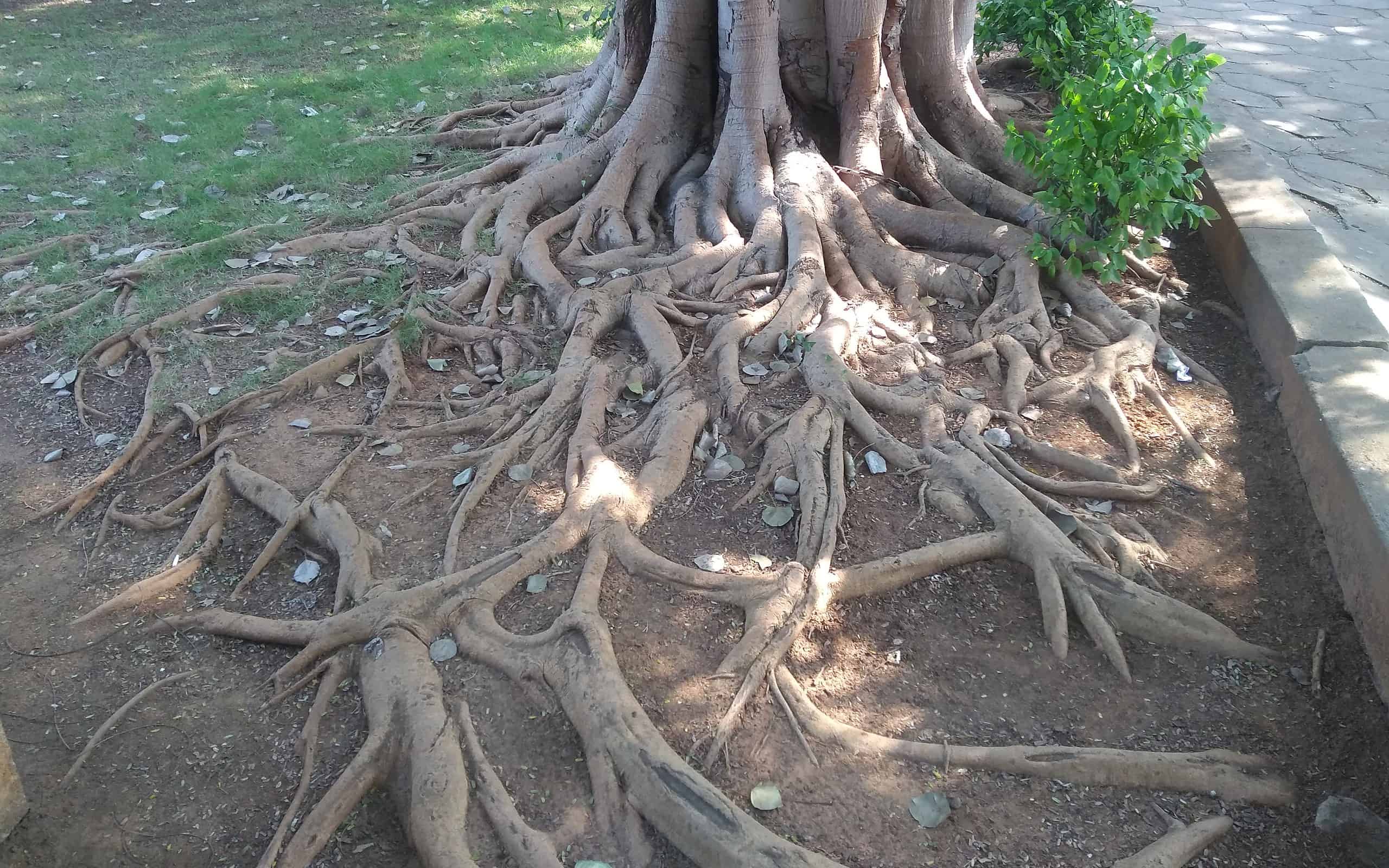
Roots are the parts of the tree that are usually hidden in the ground. Their primary function is to anchor the tree to the earth and prevent it from falling over. They also take up water and nutrients and transport these to the tree trunk from where they are distributed to the rest of the tree.
How Deep Are Tree Roots Normally?
A large proportion of tree roots are just 12-36 inches below the surface. Some trees develop deeper roots. If the roots are damaged, it compromises the health of the tree. Damaged roots can cause the branches of the tree on that side to die off, or they may die off in random places. Within the root system, there is also a complex community of beneficial bacteria and fungi-producing compounds that the tree needs.
The Deepest Tree Roots
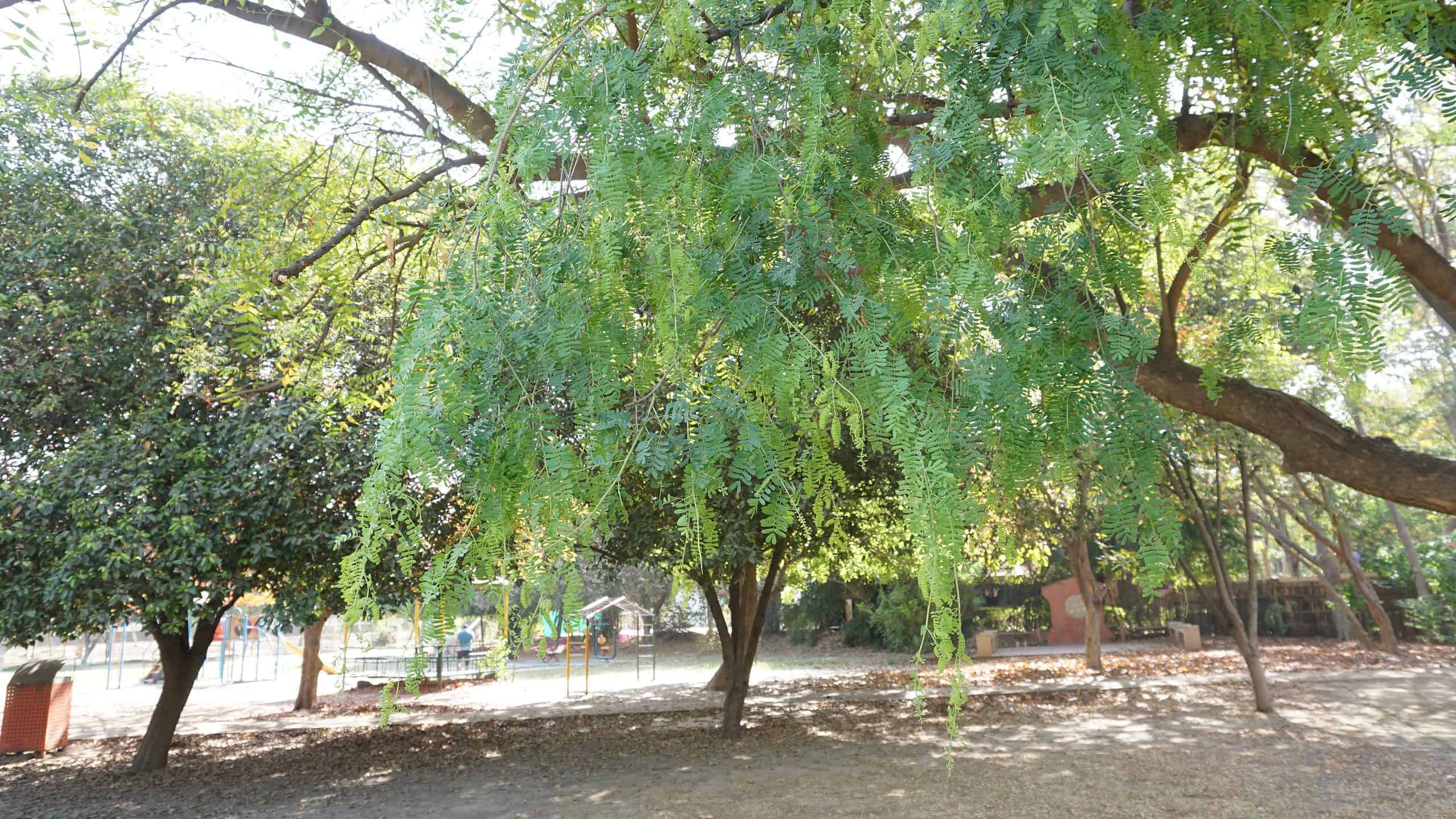
This depends on the tree species and on the conditions in which it is growing. Some plants are shallow-root species, and these include grasses and shrubs and the trees in the clip at the end of this slideshow. Moderate root species only reach two or three feet below the surface. These include maples, oaks, and pines. The deep root species include the mesquite tree which is a native species of southwestern United States. Its roots can reach 100 feet!
Why Do Some Trees Have Such Shallow Roots?
The roots of the trees in this clip are exceptionally shallow, and this may be because they are young trees. However, roots need access to water and oxygen in underground pockets called soil pores. If the soil and moisture conditions are ideal, these pockets exist at great depths. However, if the soil has stones and bedrock or is compacted, there is no point in sending roots to great depths because there is nothing to be gained there. When life is tough, roots stay close to the surface!
What Are Animals That Live in Trees Called?
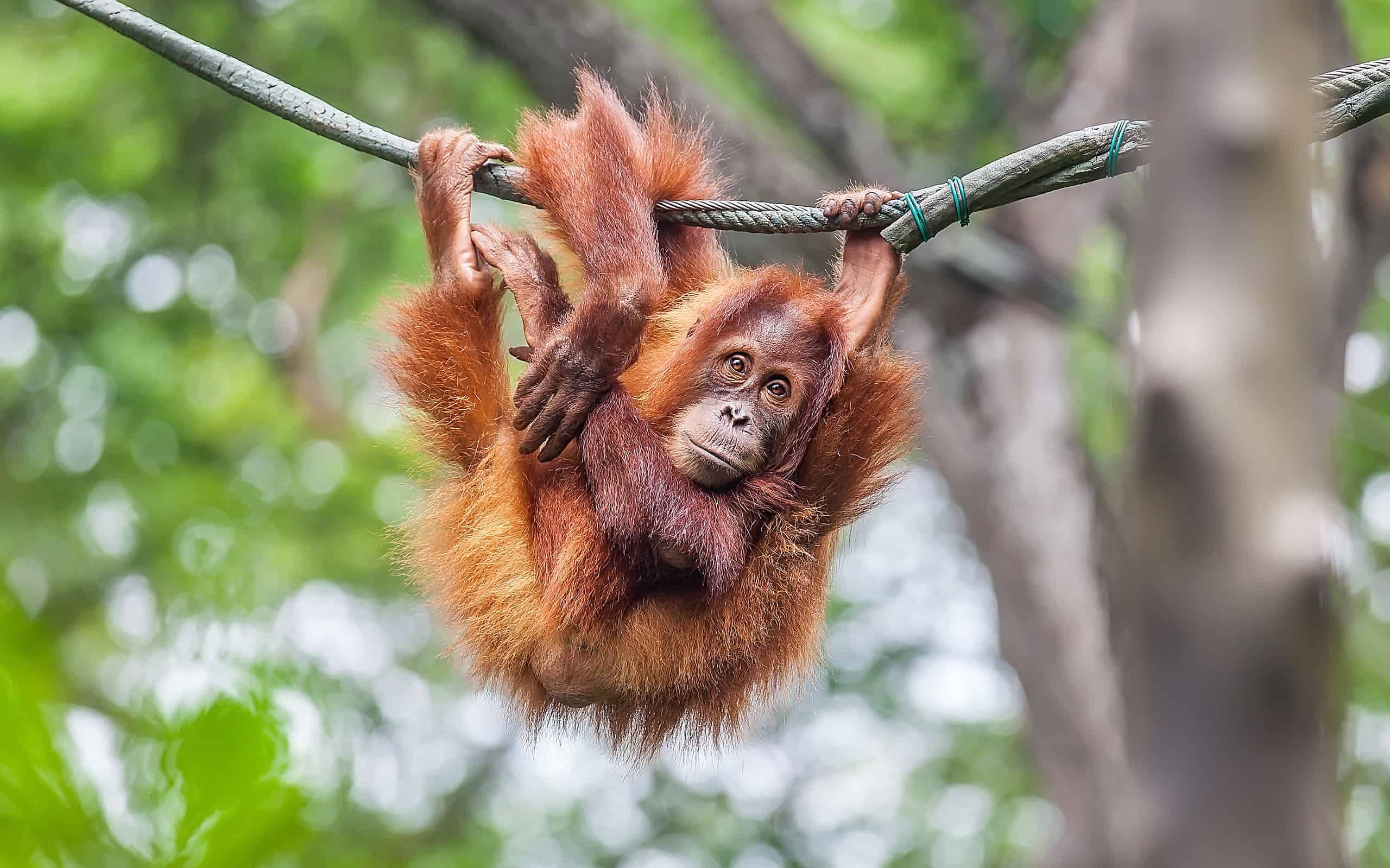
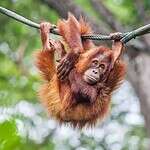
Out of all the animals on Earth, only those that spend most of their lives in the trees can truly be called arboreal animals. This is the scientific name for animals that live in trees. These animals don't live on the ground, like rattlesnakes or cattle, and they don't live in the sky, like condors or bats. Instead, they spend almost their entire lives scampering about in the trees.
Well-Known Arboreal Animals
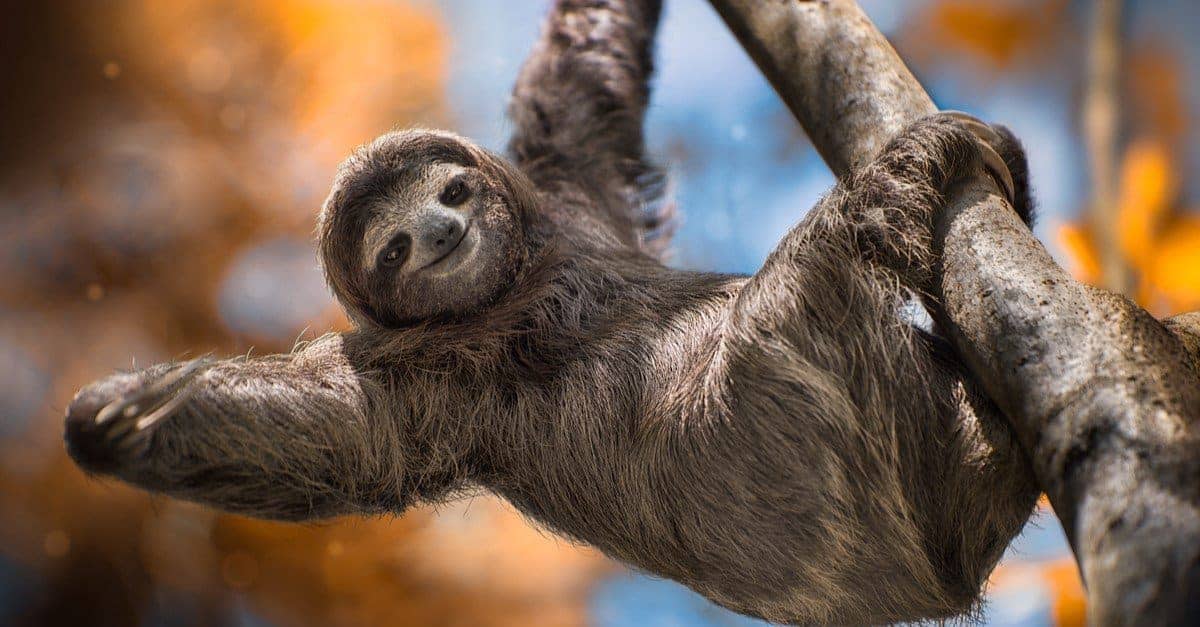
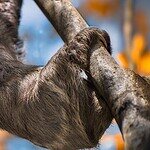
A pop culture icon, the three-toedsloth, is one of Earth's slowest moving arboreal animals. These creatures live in Central and South America, where they spend most of their time either in the trees or swimming infreshwaterlakes, rivers, and swamps. Three-toed sloths have fearsome claws on their front feet. But, they're not used to attack. Instead, they're used forclimbing high into the treesin search of food. Sloths have famously slow metabolisms, which is why they move so slowly, to conserve energy. They're folivores and strictly eat leaves, which they digest extremely slowly.