If we don't take care of our environment, our beautiful natural resources won't be around for much longer. Pollution, human interaction, and deforestation are causing detrimental effects to ecosystems across the world, which is why we now celebrate World Nature Conservation Day.
World Conservation Day is an annual day that falls on July 28. This date is dedicated to raising awareness of the challenges our ecosystems are facing around the world, including plants, natural resources, and animals.
To celebrate World Conservation Day, let's dive into some of the ecosystems most at risk, endangered animals, and a few things you can do to make the world a little better.
For this slideshow, 24/7 Tempo reviewed online resources from science, government, and environmental websites like Birdlife International, Pennsylvania Horticultural Society, and the United Nations.
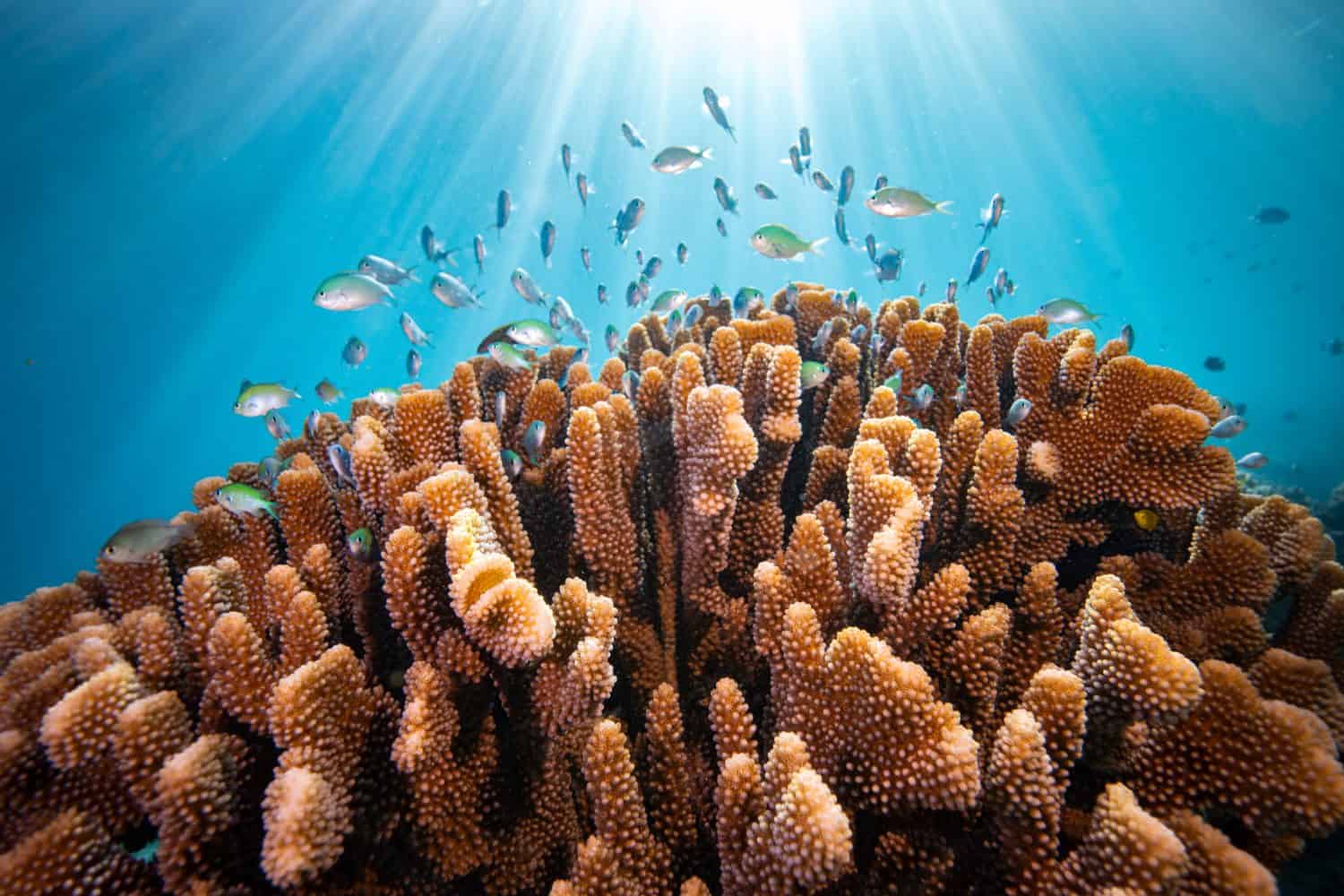
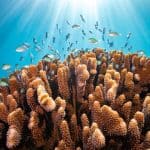
Coral Reefs
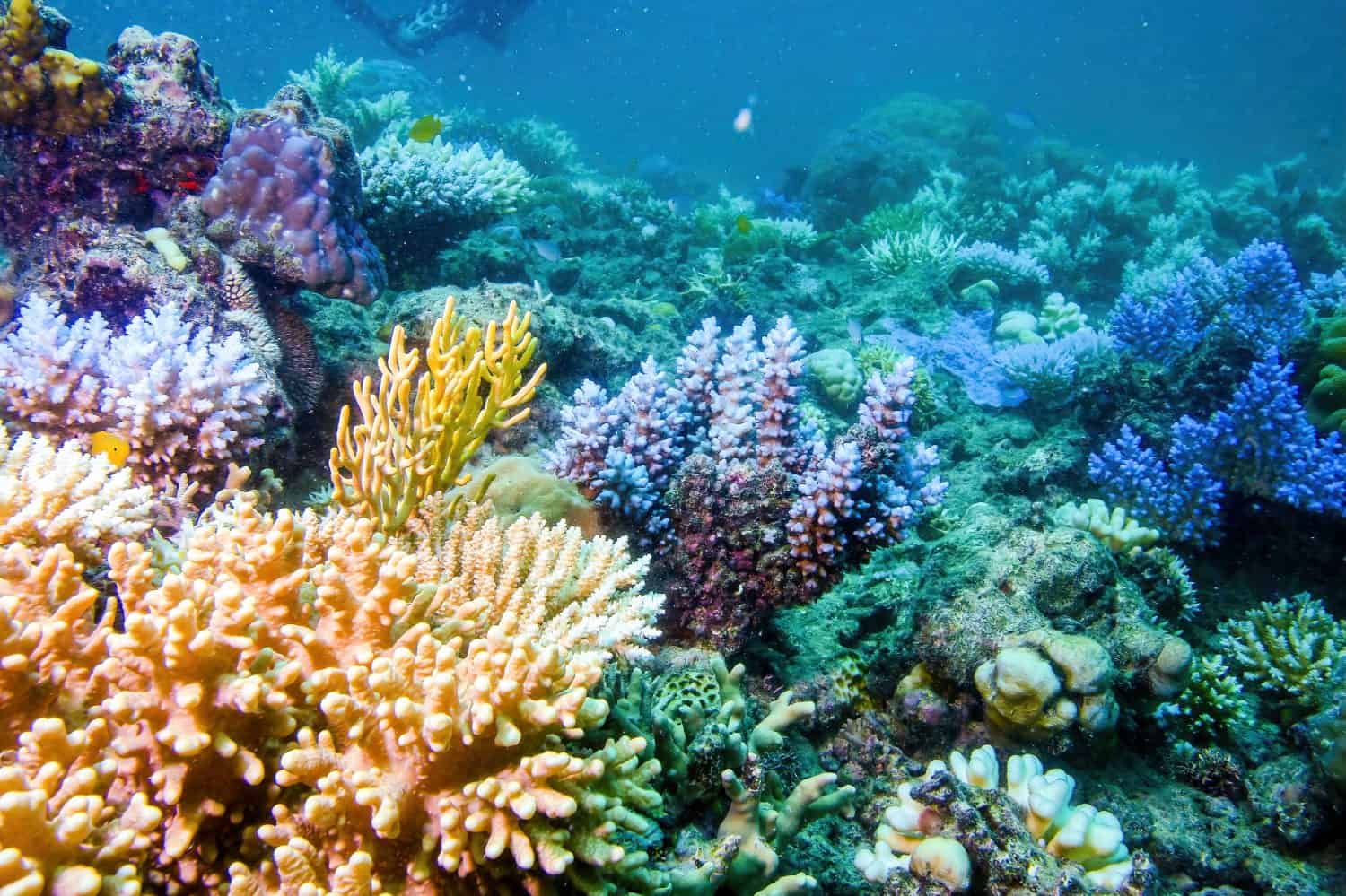
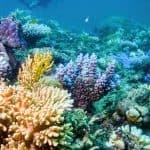
Most, if not all, coral reefs across the world are struggling. The number and size of coral reefs are especially getting smaller as a result of climate change, human development, and pollution. From January 31, 2023, to March 30, 2025, experts found that 84% of coral reefs are being impacted by stressful bleaching. This is a quick rise compared to previous years. In 1998, only 21% of reefs experienced it (which is still too high).
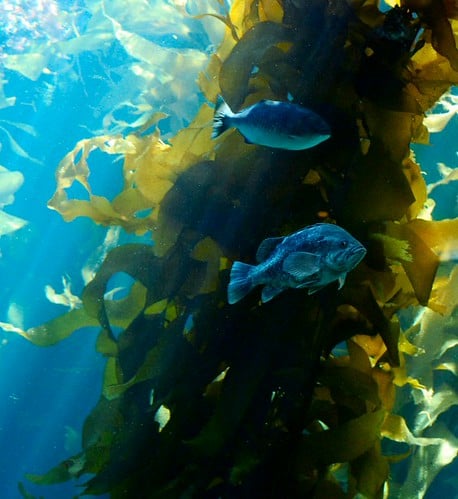
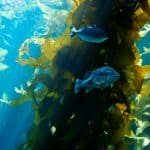
Kelp Forests
Have you ever heard of kelp forests? These are forests made up of kelp, completely underwater. The kelp provides safety, shelter, and food for many animals, but they are at risk. Warmer waters and climate change are stressing out the kelp, leading to less reproduction. On top of this, kelp forests are at risk because of overfishing and overharvesting.
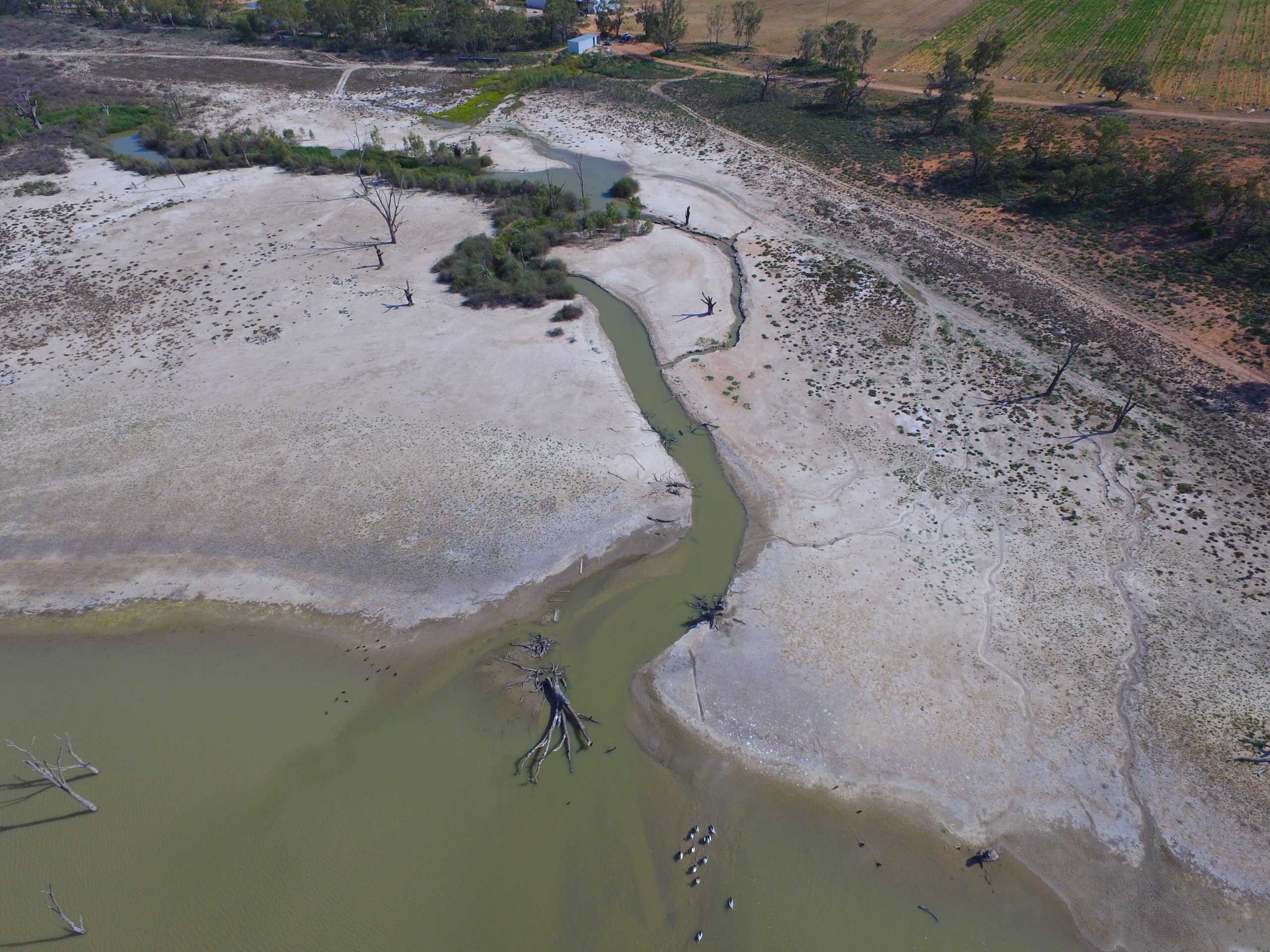
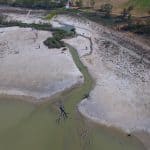
Wetlands
Although wetlands across the world are facing endangerment and issues, there are a few that are especially at risk, like the Murray-Darling basin wetlands. Just in this basin alone, there are 30,000 wetlands at risk because of farming. As the land is cleared for farming, important plants are ripped up and flattened.
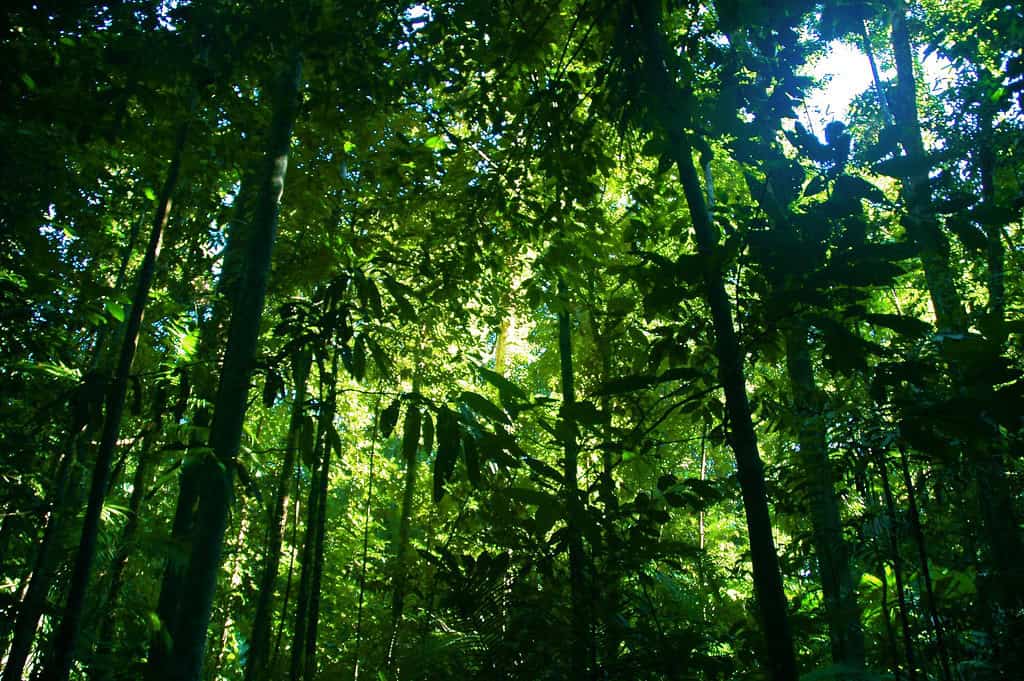
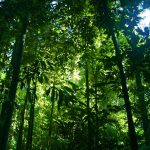
Forests
Another ecosystem in danger is forests, which are everywhere. Look up your local forests to see how affected they are. Each forest faces similar issues, which harm the local wildlife. Forests are at risk due to deforestation, development, and pollution. Logging can also harm a forest if done excessively. Rainforests are especially in danger. In 2024, the tropics lost 6.7 million hectares due to a mix of things, including forest fires.
Animals At Risk
As we destroy ecosystems, animals find themselves in danger. Here we've listed some of the most endangered animal species in the world.
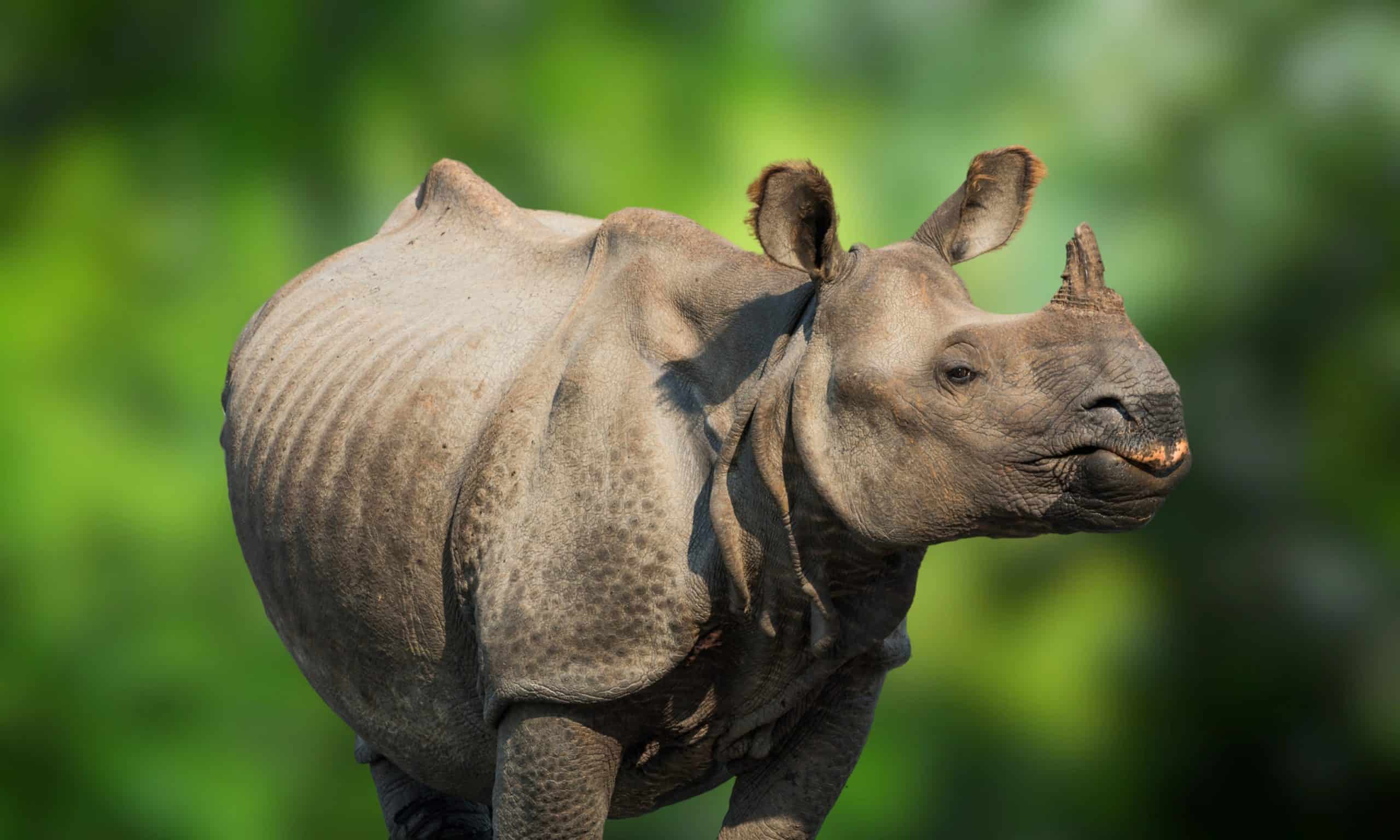
Javan Rhinos
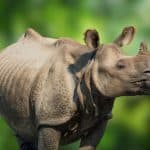
One of the rarest rhino species to see is the Javan rhino. Although this species once roamed across eastern Asia, including mainland China and East India, the population is now limited to the far western tip of Java, Indonesia. There are no known Javan rhinos in captivity, and only about 74 are left in the wild. Poaching and trophy hunting decimated their numbers.
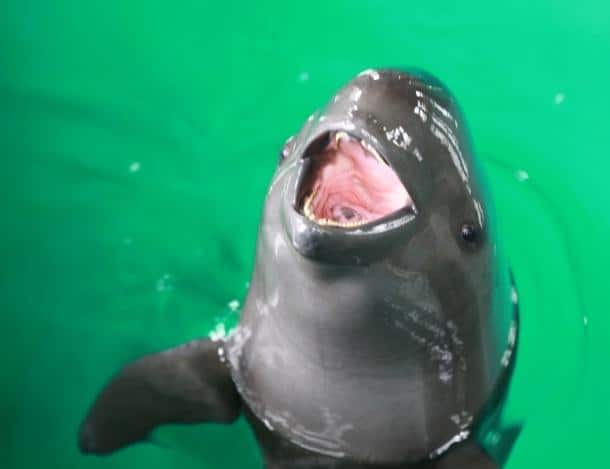
Yangtze Finless Porpoise
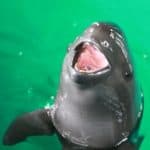
The only living freshwater porpoise in the world is critically endangered according to the IUCN Red List. The Yangtze finless porpoise is endemic to the Yangtze River in China. Due to dam construction, overfishing, and pollution, only a little over 1,000 remain in the wild.
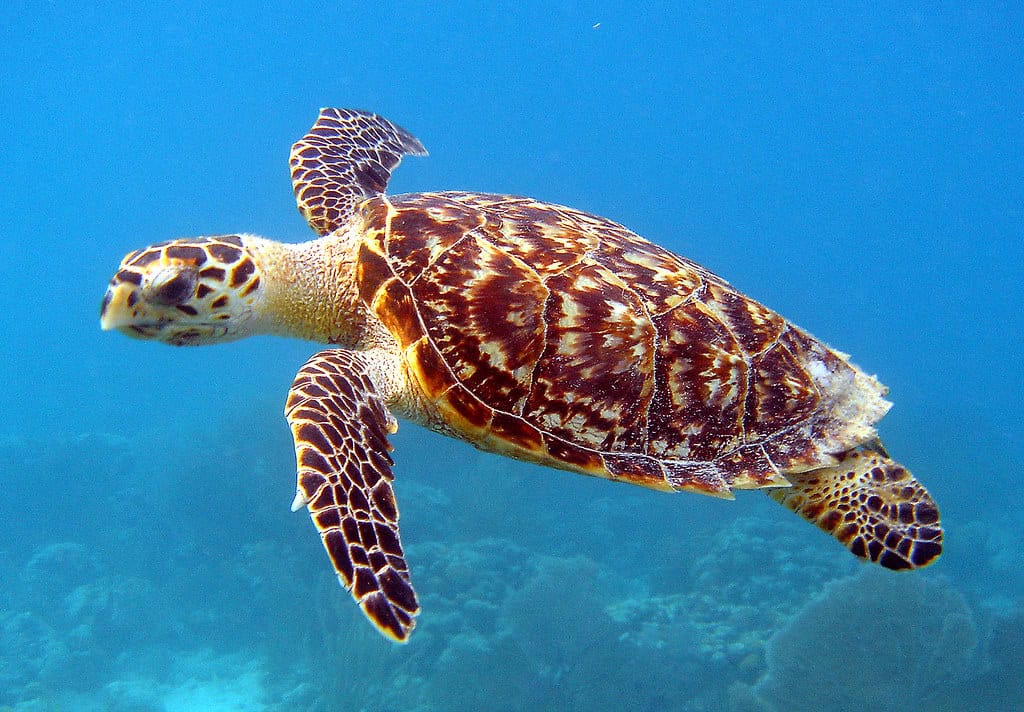
Hawksbill Sea Turtles
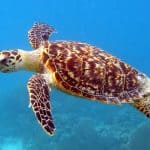
As majestic and loved as sea turtles are, they are at risk of extinction, as many are vulnerable or endangered. The most endangered and at-risk species is the hawksbill sea turtle. It's considered critically endangered. Experts estimate there are only around 20,000 to 25,000 left.
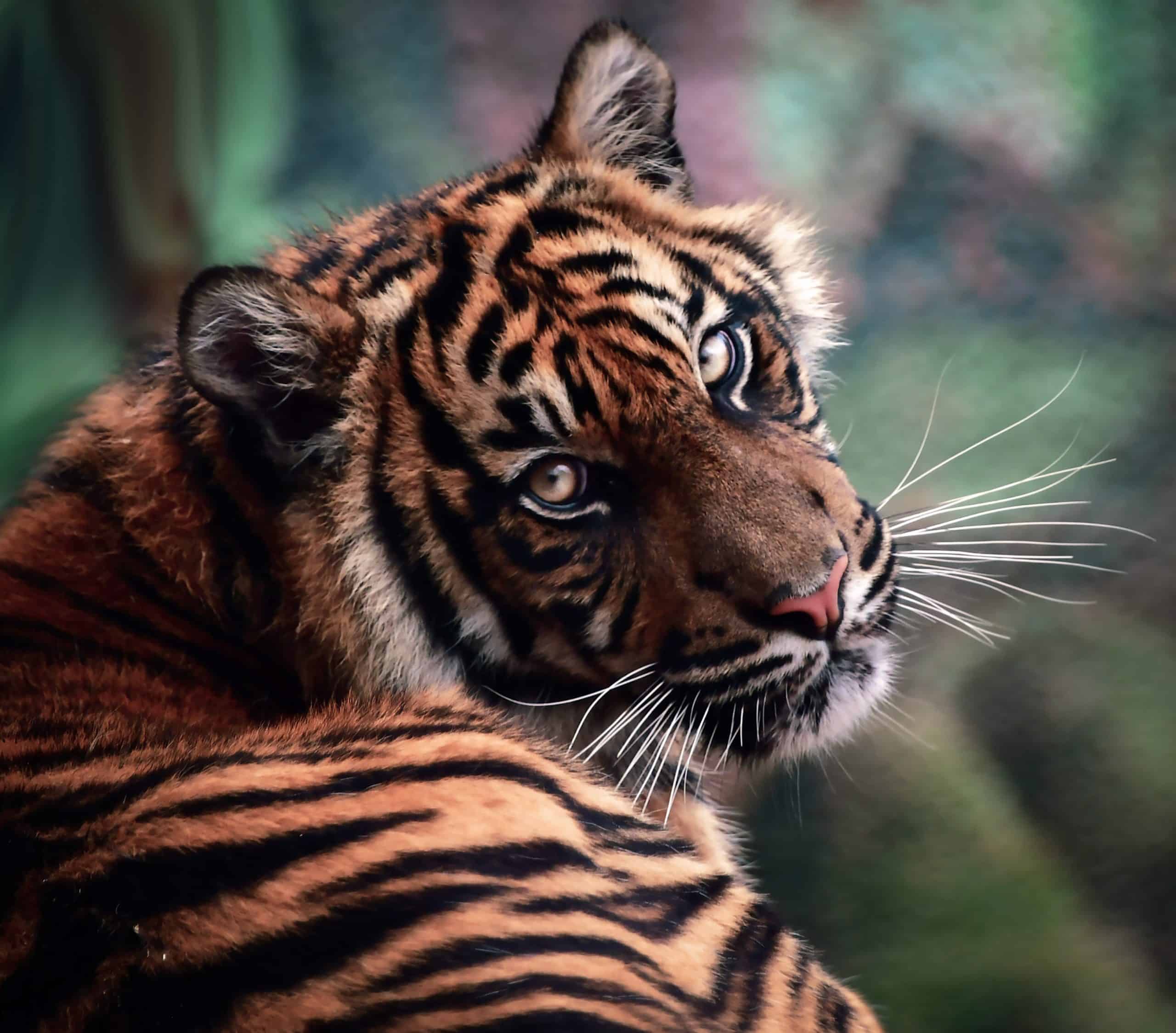
Sunda Tigers
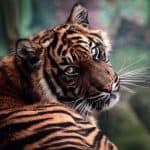
Some of the biggest animals are endangered, and this includes the Sunda tiger, also known as the Sunda island tiger. This species is the smallest of the tigers. They live in forests and swamps and are critically endangered on the IUCN Red List. They are mostly at-risk because of overhunting/poaching and deforestation. As of early 2025, there were only around 400 left.
So, What Can You Do On World Nature Conservation Day?
While we can't change the world overnight, small changes do have some ripple effects. Here are a few things you can do to celebrate and honor World Nature Conservation Day.
Plant a Tree
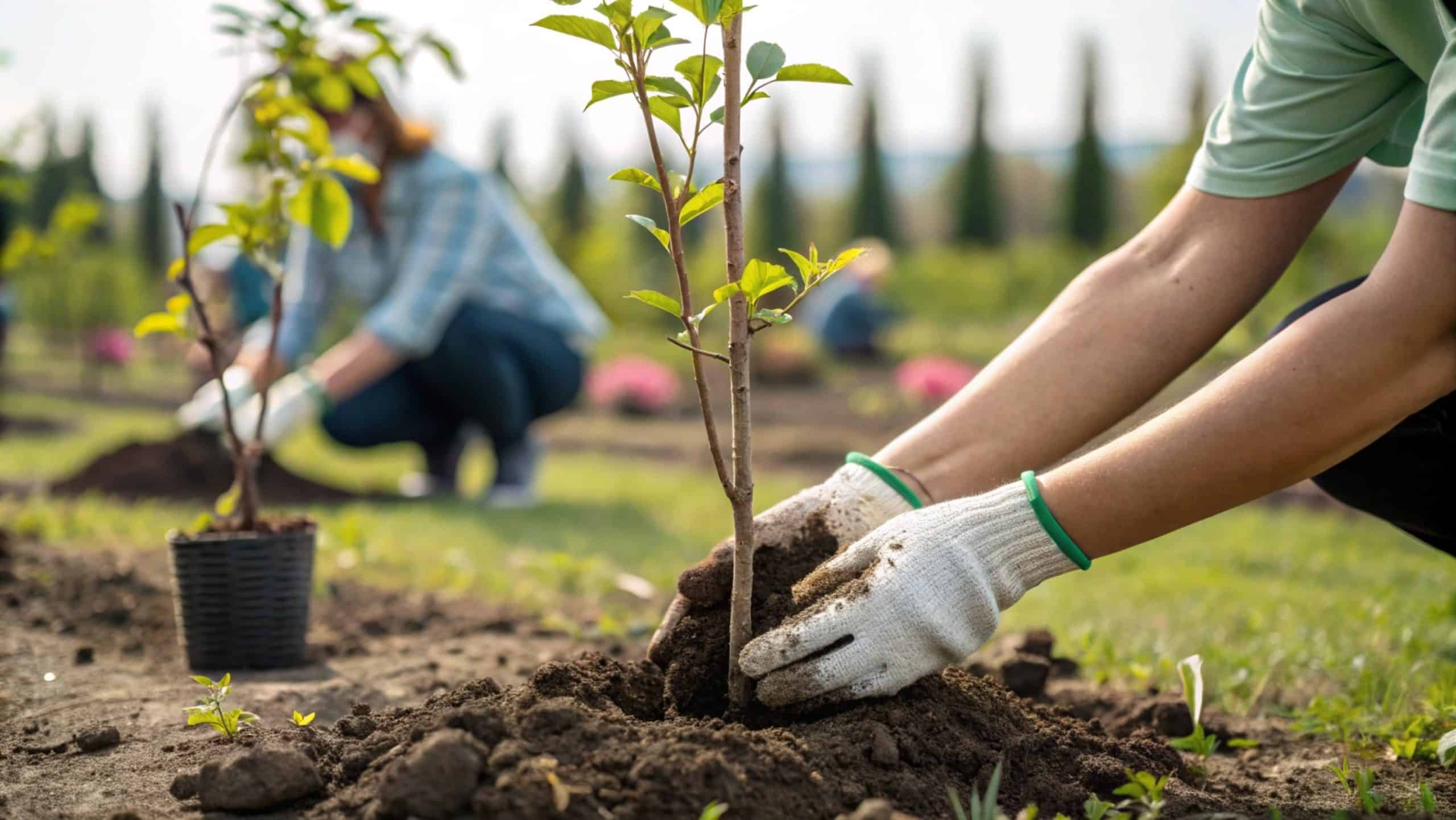
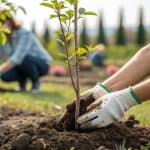
If you can, plant a new tree or plant in your garden. For those with small spaces, look up organizations and events in your area. This is a common event on either World Nature Conservation Day or Earth Day.
Beach Cleanup
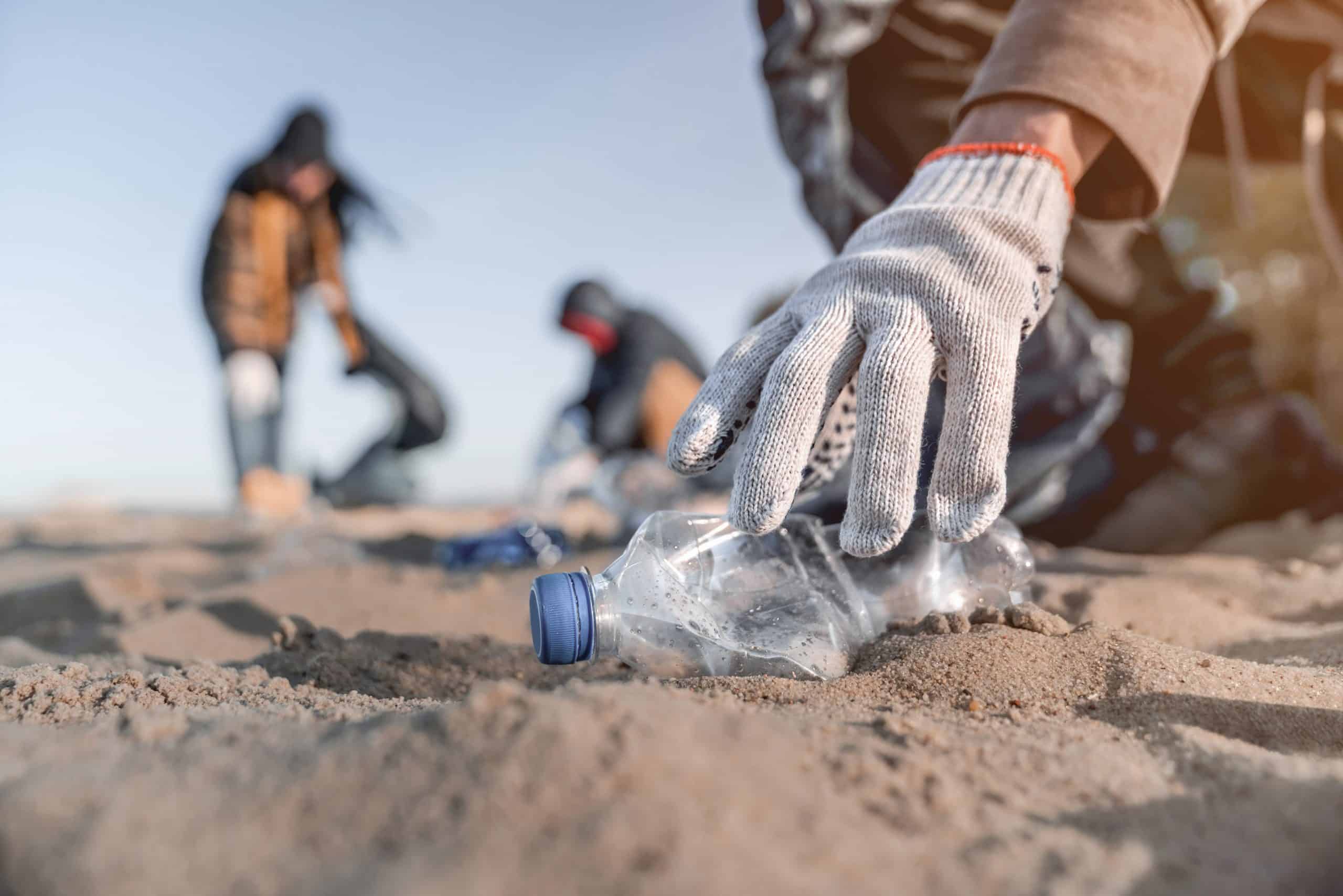
Live anywhere near a beach or just want an excuse to go? Plan or join a beach clean-up. Eve picking up one bag of trash can make a difference. It's even better if you can encourage others and go in a group.
Conserve Energy and Water
Like we stated earlier, small changes make a big difference. Have you noticed you leave your lights on all day? Or do you brush your teeth but keep the water running? Conserve energy and water by turning them off when you don't need them. This can also help your wallet out, too!
Talk To Your Local Representatives
Knowledge is power. Look up what's going on with the environment in your hometown or state. Is there a law or bill that is going to affect local parks? Is there a company that wants to build on protected land? Speak up!