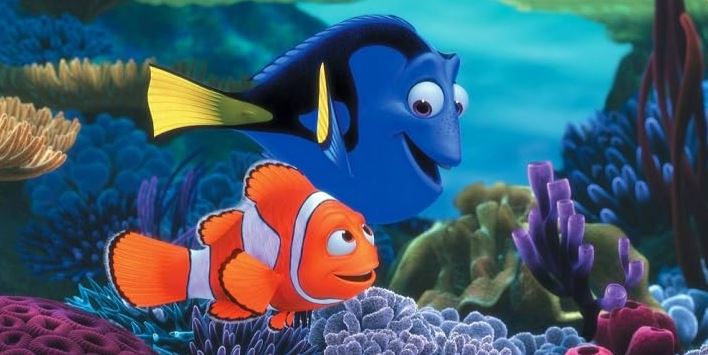
About “Finding Nemo”
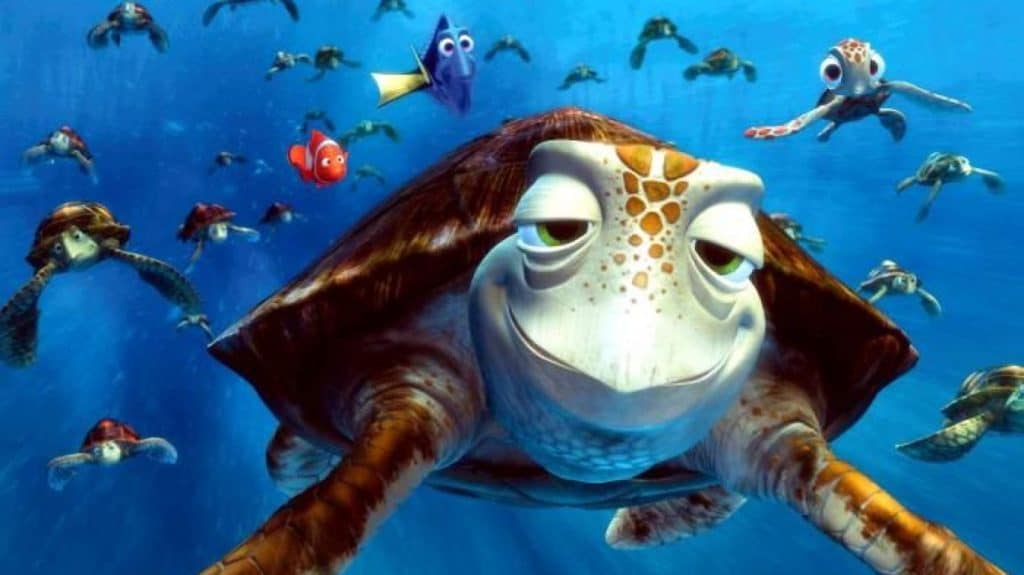
“Finding Nemo” was released on May 30, 2003, and blew everyone away, including the Box Office. On a budget of $94 million, it quickly earned $940.3 million. The movie was well-loved, even earning Pixar its first Academy Award for Best Animated Feature. “Finding Nemo” starred Albert Brooks, Ellen DeGeneres, Alexander Gould, Willem Dafoe, and Geoffrey Rush.
“Finding Nemo” Is Inspirational
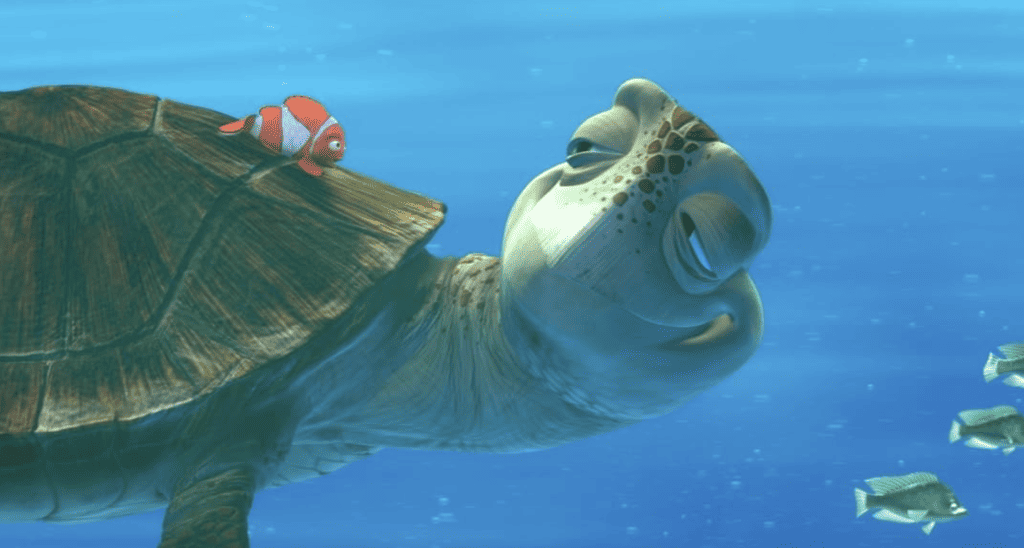
So many children and adults now know what clownfish and regal blue tangs are because of the film “Finding Nemo.” This adorable animated film has inspired children from all over the world to care about marine life and ocean conservation. It’s even pushed some into pursuing marine biology careers or volunteering to clean up oceans.
Dying Corral Reefs
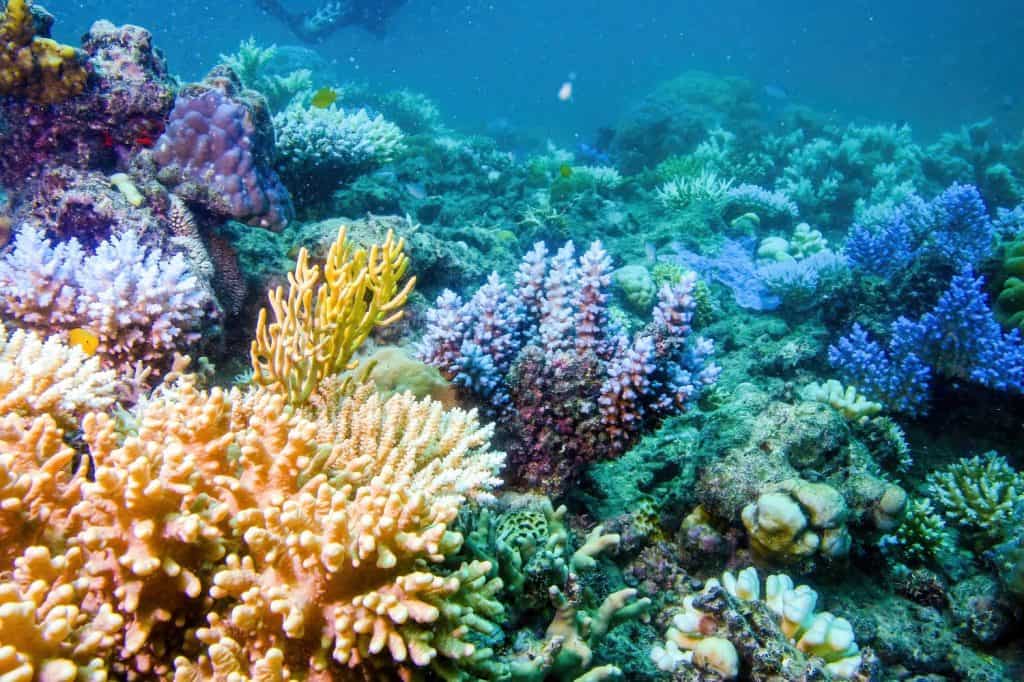
The coral reef displayed in “Finding Nemo” is based on the real-life Great Barrier Reef in Australia. Sadly, coral reefs across the world are suffering and dying because of climate change and human interaction/pollution. There has been a massive global decline in coral reefs in just the last two decades. All hope, though, isn’t lost.
How Does Climate Change Affect Coral Reefs?
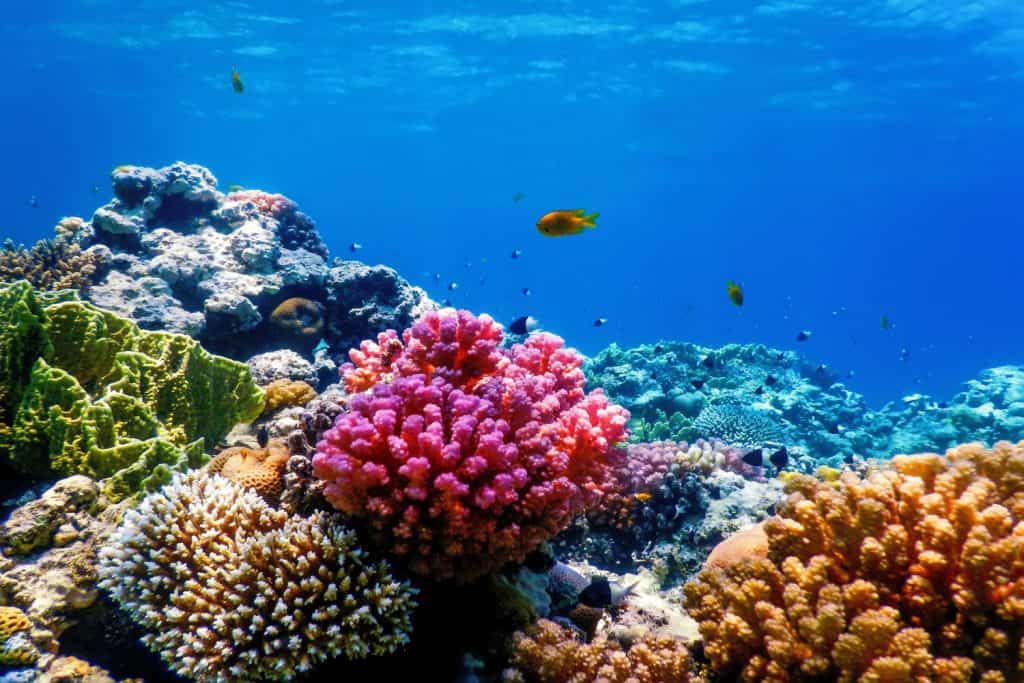
Climate change does a big number on coral reefs. As the surface of Earth continues to heat up, so does the ocean, leading to thermal stress. Thermal stress, in turn, can cause coral bleaching. This is when coral turns white from expelling the algae in their tissue. Interestingly, coral can survive bleaching, but it does increase the risk of mortality.
Hope Isn’t Lost
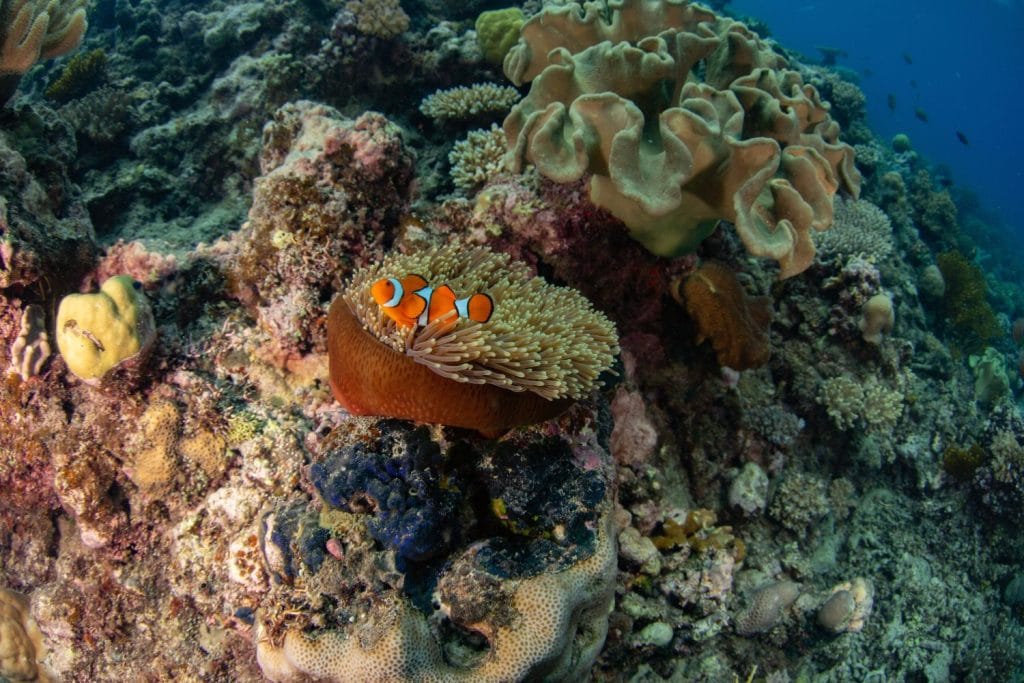
According to NASA, hope isn’t lost. While global predictions estimate that coral reefs are on the road to extinction, some corals are adjusting. A few resilient corals in the Pacific Ocean are adapting to changes with algae. Scientists are working to identify the specific coral in hopes of reintroducing them to other parts of the ocean.
Restoring Coral Reefs
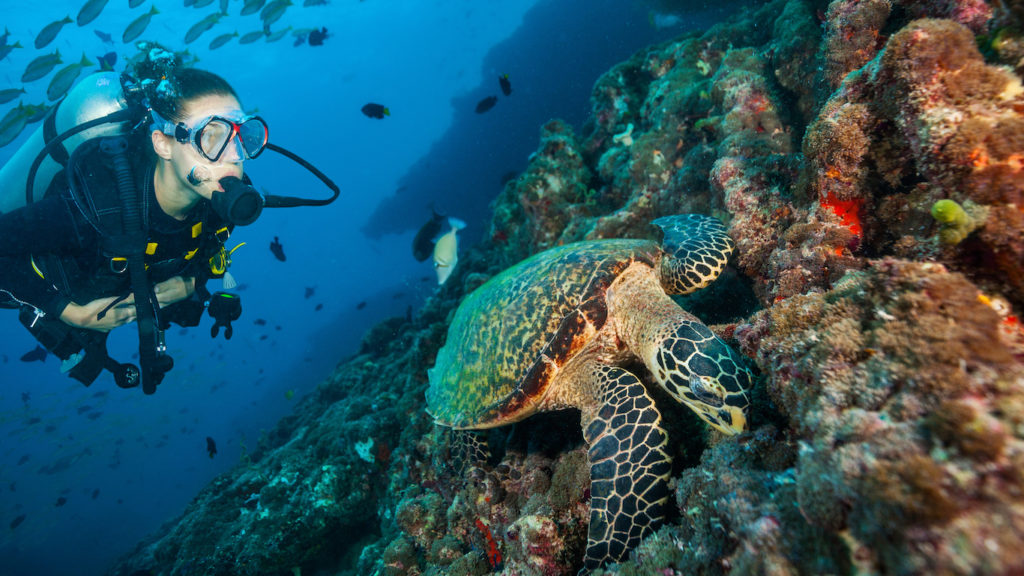
Not only are some coral species adapting, but programs, scientists, and volunteers are stepping up to restore coral reefs. The Coral Reef Conservation Program is a conservation program working hard to manage and restore coral reefs. Through funding, research, and partnership, we’ve seen some great success stories!
Puerto Rico’s Coral Reef Restoration
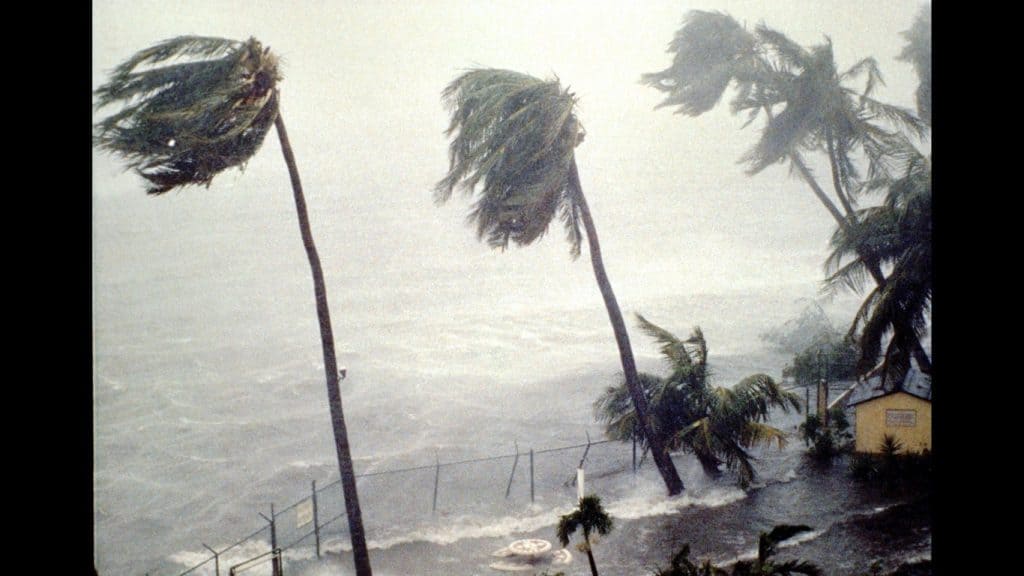
Puerto Rico is home to a beautiful coral reef system, although it’s seen a lot of destruction due to pollution and natural disasters like hurricanes. There is hope of restoring six coral reefs around the island now because of $10.6 million in funding. With this award, the Institute for Socio-Ecological Research is planning to release about 12,000 sea urchins and 6,400 crabs to eat the algae covering the coral and provide funding and upgrades to laboratories and nurseries for research and growing bleaching and disease-resistant corals.
The Importance of Coral Reefs
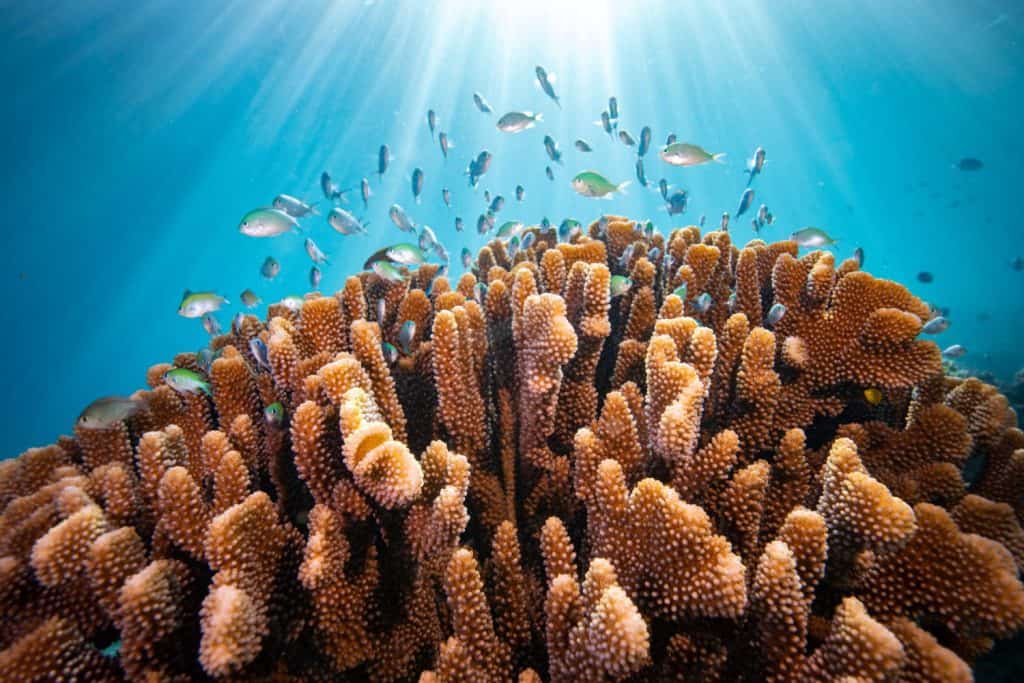
As seen in movies like “Finding Nemo,” coral reefs are teeming with biodiversity. They are important ecosystems for about a fourth of all marine life, functioning as a safe place for feeding, spawning, and nursing. Coral reefs are also important for humans and protect coastlines from natural disasters. They protect shorelines by reducing damage from crashing waves and floods.