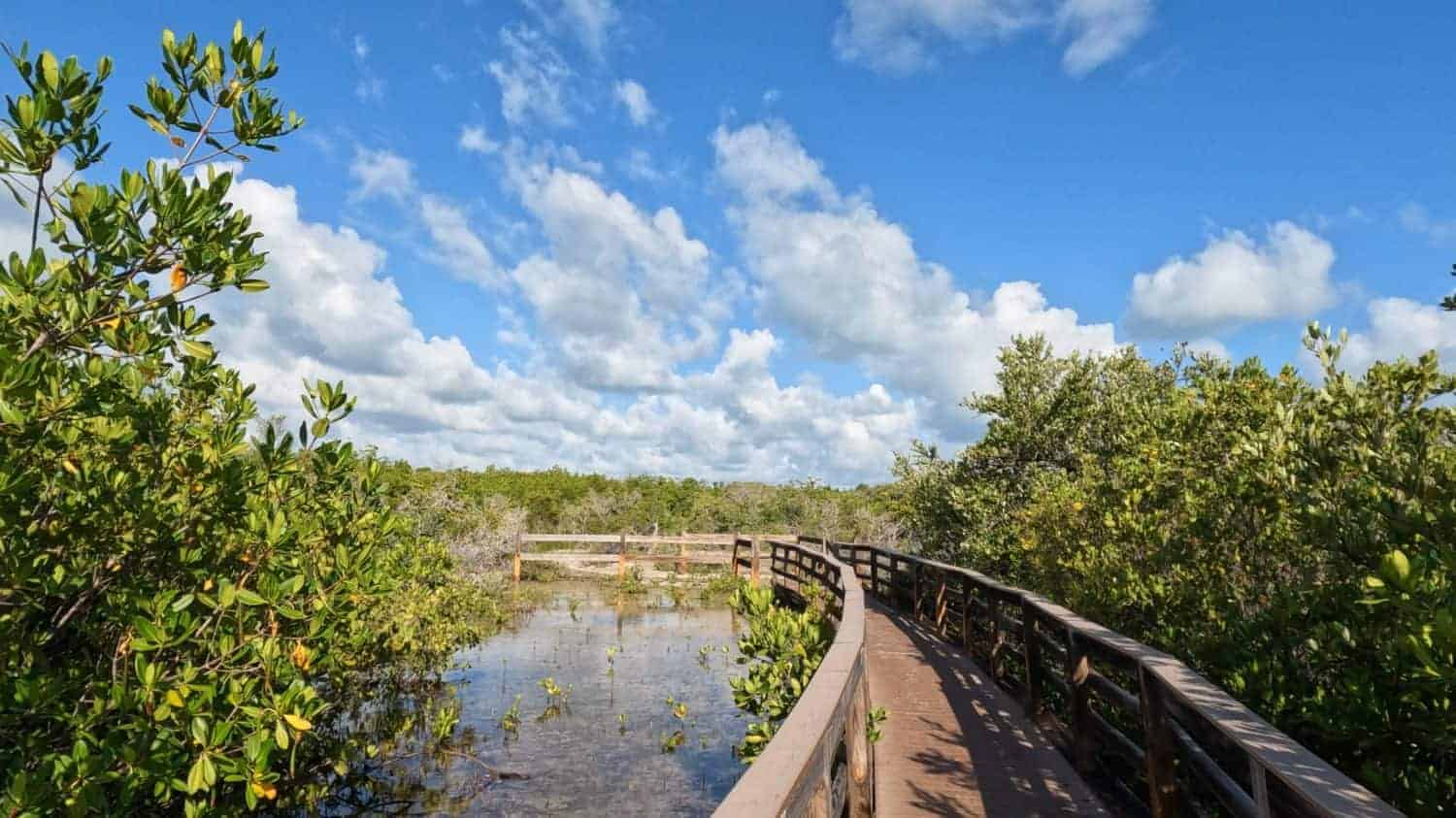
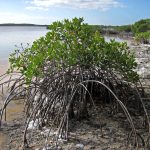
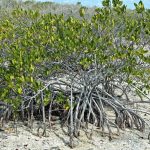
Have you ever seen mangroves? Well, what better day to learn about them than preparing for Mangrove Day, also known as the International Day for the Conservation of the Mangrove Ecosystem.
This UN Educational, Scientific and Cultural Organization (UNESCO) holiday began in 2016, although it was established the year before. It's celebrated annually on July 26.
UNESCO designated this day as Mangrove Day to promote the learning and protection of mangrove ecosystems across the world. These environments provide shelter and food for hundreds of animals and critters. Mangroves can also protect cities from natural disasters!
For this slideshow, 24/7 Tempo consulted science and environment sources like the Florida Department of Environmental Protection, the National Park Service, and the American Museum of Natural History. Click through the slideshow to learn more about mangroves and their importance, including some steps you can take to help!
What Are Mangroves?
Mangroves are tropical and sub-tropical trees and shrubs that grow along the coast and brackish water. They are old trees that date back millions of years. Mangrove species are diverse. There are about 80 species, although not all are 'true' mangroves.
Different Species of Mangroves
Here are a few common mangrove species.
- Mangrove palm
- Black mangrove
- Indian mangrove
- White mangrove
- Yellow mangrove
- Asiatic mangrove
- Somona mangrove
Why Are They Important?
Mangroves are incredibly helpful to the environment and us. They are long trees with even longer roots that help to prevent shoreline erosion. This is important when it comes to natural disasters and weather like hurricanes and flooding. Without mangroves in place, the water can rise higher, entering nearby homes and streets. Mangroves also hold carbon that would otherwise go into the air. Finally, these amazing trees provide homes, nesting spots, and sanctuary for hundreds, if not thousands, of animals.
Animals That Need Mangroves
Quite a few animals use mangroves to hunt, hide, and nest. According to the U.S. Fish and Wildlife Service, some of these animals include white pelicans, white-crowned pigeons, and other wading birds. These are just a few animals, though, that rely on mangroves. A few others are long-nosed monkeys, dugongs, and horseshoe crabs.
Where Do Mangroves Grow?
Mangroves grow in tropical and subtropical coastal areas. In the United States, you can find them in Florida, Louisiana, and Texas. However, there are also large mangrove forests in Asia and Africa. Actually, about 42% of the world's mangroves are in Asia.
Threats and Challenges
So, what is currently affecting mangroves? The short answer is pollution and deforestation. But there are many things destroying mangrove forests. Aquaculture and salt production are a big cause of the decrease in mangroves worldwide, as farms are set up on coasts and mangroves are cleared.
Climate change is also affecting these shrubs. As sea levels rise and temperatures continue to warm, mangroves might not be able to adapt. If the plant is constantly underwater, it will die as it can't get rid of the ocean salt.
How You Can Help The Environment and Our Mangroves
Now that you know about Mangrove Day and the importance of these trees and shrubs, let's dive into some things we can do to help restore and protect them.
Learn More
Knowledge is power. Before you can make any big action or changes, it's best to understand what you're doing and why. By reading this, you're already on this first step/tip. Learn as much as you can about mangroves, especially any near you.
Limit or Eliminate Single-Use Plastic
Pollution is affecting our ocean, especially single-use plastic that gets dumped and doesn't fully go away. If you can, skip buying or using plastic plates and utensils. Instead, buy some reusable ones. It's also cheaper to do this.
Pay Attention to the News
This tip is a little different from learning. After you've learned about these incredible plants, you'll need to pay attention to the news. Are there any organizations or companies trying to build and get rid of mangroves? This is a common problem in Florida. If there is something like this happening, reach out to your representatives.
Join a Restoration Group
Joining a restoration group isn't easy nor plausible for everyone, but it's worth a mention. If you live nearby or have the chance to travel to a space where mangroves grow, consider joining a restoration group to do the work to bring them back. If you can't, then donate or share links to friends and family.
Educate Others
Another way you can make a difference on Mangrove Day is to use your voice to advocate for change. This can mean talking with your representatives or educating your family and friends. No one wants to see pollution or nature get destroyed. So, warn people around you of the risks and challenges mangroves are facing and why they are so important to the environment. Who knows, maybe with a few minutes of conversation, you'll inspire someone to also make a change.