Andreyuu / Getty Images

Rashid-al-Din Hamadani / Public domain / Wikimedia Commons
Public Domain / Wikimedia Commons
Martin Vorel / Public Domain / Wikimedia Commons
Hulton Archive / Getty Images
marialba.italia / iStock via Getty Images
Kean Collection / Archive Photos via Getty Images
Public Domain / Wikimedia Commons
ClaraNila / Getty Images
Public Domain / Wikimedia Commons
Dietmar Rauscher / iStock via Getty Images


11 Conquerors Who Changed the Course of History
A conqueror does not earn greatness simply by stepping onto the battlefield. True historical significance requires more than victory in war. To be remembered as one of the world's great conquerors, several elements matter: the scale of the lands brought under control, the brilliance of battlefield strategies, the ability to govern and stabilize newly won territories, and the enduring influence left behind.
By modern standards, many ancient rulers employed harsh or questionable methods. Yet in their own time, their names alone carried immense weight. Tales of their iron will, ruthless campaigns, and overwhelming military strength spread far and wide, inspiring both fear and awe.
In compiling this list of history's most notable conquerors, 24/7 Tempo drew from a range of trusted sources, including Military History Now and National Geographic. Figures were chosen for the breadth of their influence and the legacy they left behind. Additional insights and biographical details came from references such as Biography and Britannica.
Mahmud of Ghazni
- Estimated land captured: 680,000 square miles
Mahmud of Ghazni, who ruled from 998 to 1030 CE, was one of the earliest rulers to use the title 'Sultan' and expanded the Ghaznavid Empire, which was founded in the late 10th century. Mahmud ruled over much of what is now Pakistan, Afghanistan, Iran, and parts of India. While powerful and fierce, Mahmud was also rather philosophical and enjoyed learning. In fact, he founded several universities and mosques within his empire.
Another unique attribute of this impressive conqueror was that, while he killed "infidels" or non-believers during battle, in day-to-day living, he commonly accepted different religions as long as they did not threaten his rule.
Alexander the Great
- Estimated land captured: 2,180,000 square miles
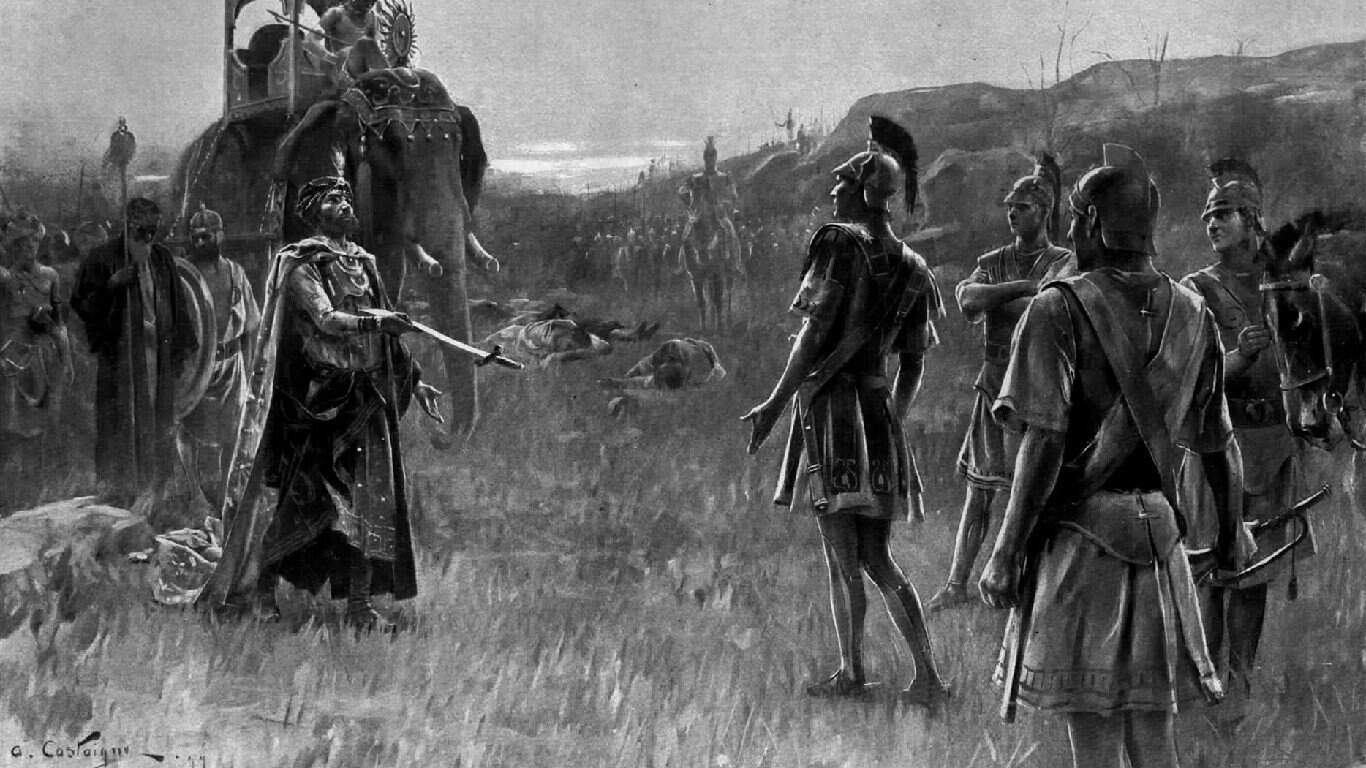
Another conqueror who left a lasting mark on history was Alexander the Great. The son of King Philip of Macedon, Alexander was raised and educated like a future conqueror; he was tutored by the philosopher Aristotle, along with the men who would become his generals. After his father died under curious circumstances in 336 BC, 20-year-old Alexander took the throne and continued his father's military campaigns into Greece and Central Asia.
What followed was one of the greatest campaigns in military history. Alexander and his armies tore through the known world, making powerful Greek city-states submit and conquering the Achaemenid Persian Empire. He made it as far as India before he died, leaving no heirs and a swath of land that his generals would fight over and rule for the next few centuries.
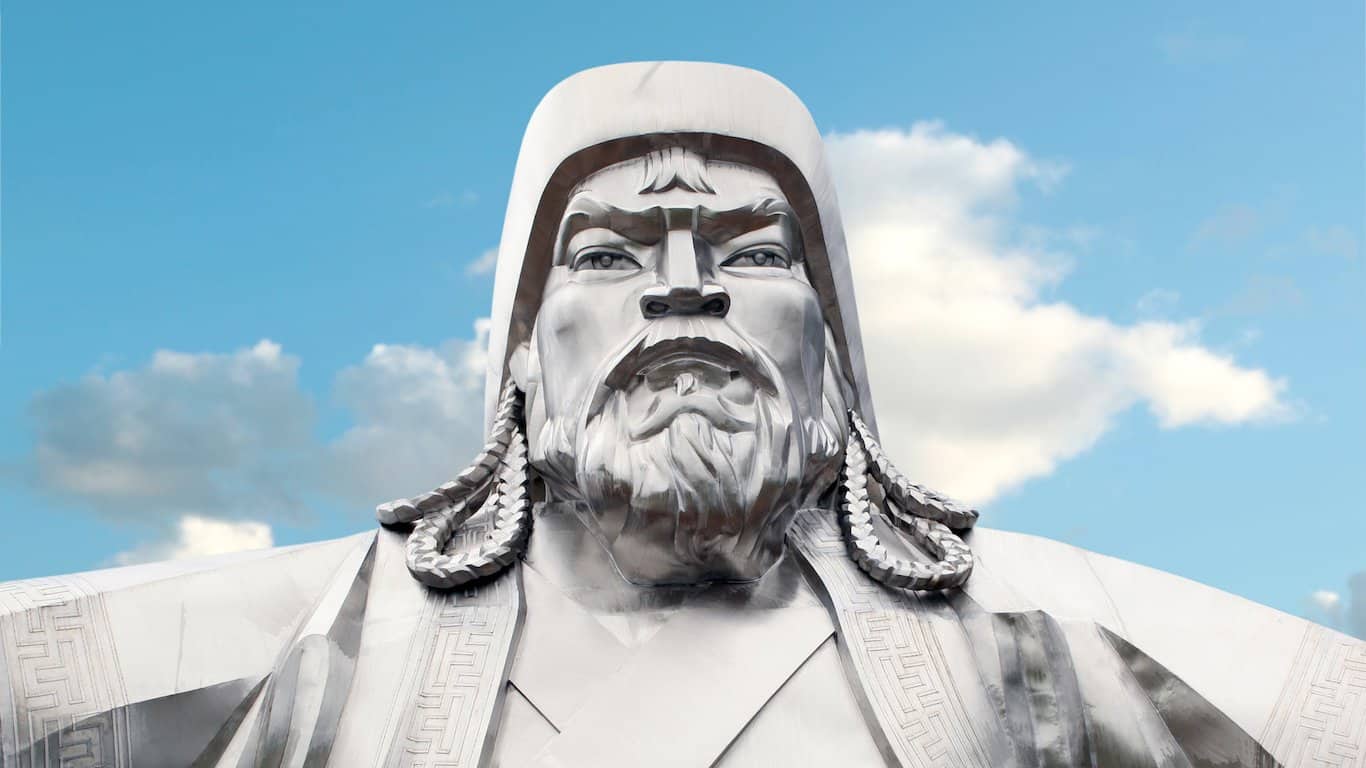
Genghis Khan
- Estimated land captured: 4,860,000 square miles
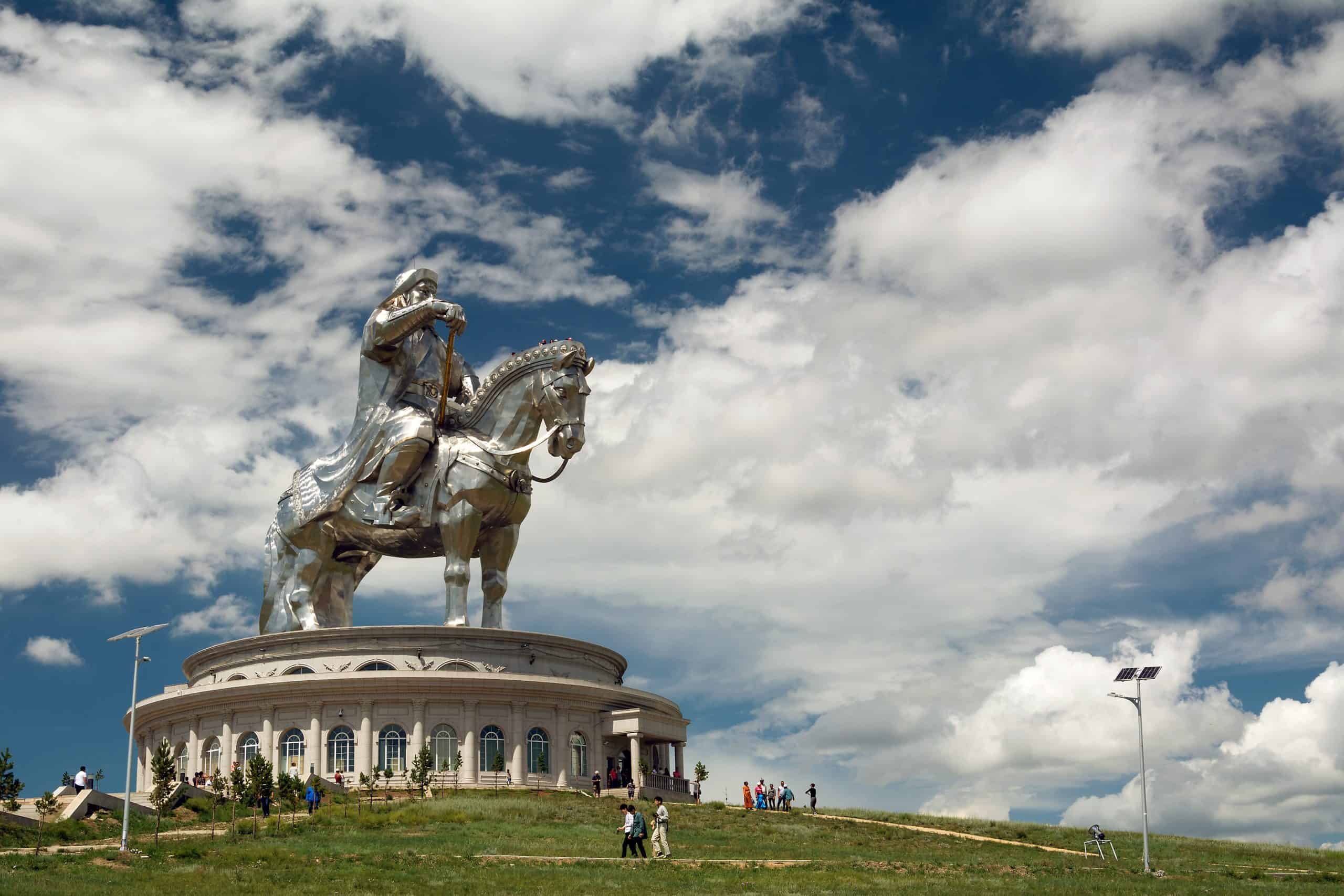
There is no doubt that Genghis Khan's reputation precedes him. Born the son of a Mongolian chieftain, Genghis Khan (originally known as Temüjin) survived the rough and tumble high steppe by killing his half-brother to secure his position of power. From there, he slowly amassed followers until he became the founder and first Khan of the Mongol Empire.
Though he spent most of his life uniting the warring Mongolian factions, his brutal onslaughts on nearby China and Central Asia account for his legacy. This saw him conquer various cities such as Zhongdu in what is now China, as well as toppling various states such as the Khwarazmian Empire. Though he died amidst his campaigns, the great Khan would spawn several sons, each of whom would lead further expeditions west, eventually resulting in one of the greatest empires in human history.
Cyrus the Great
- Estimated land captured: 2,090,000 square miles
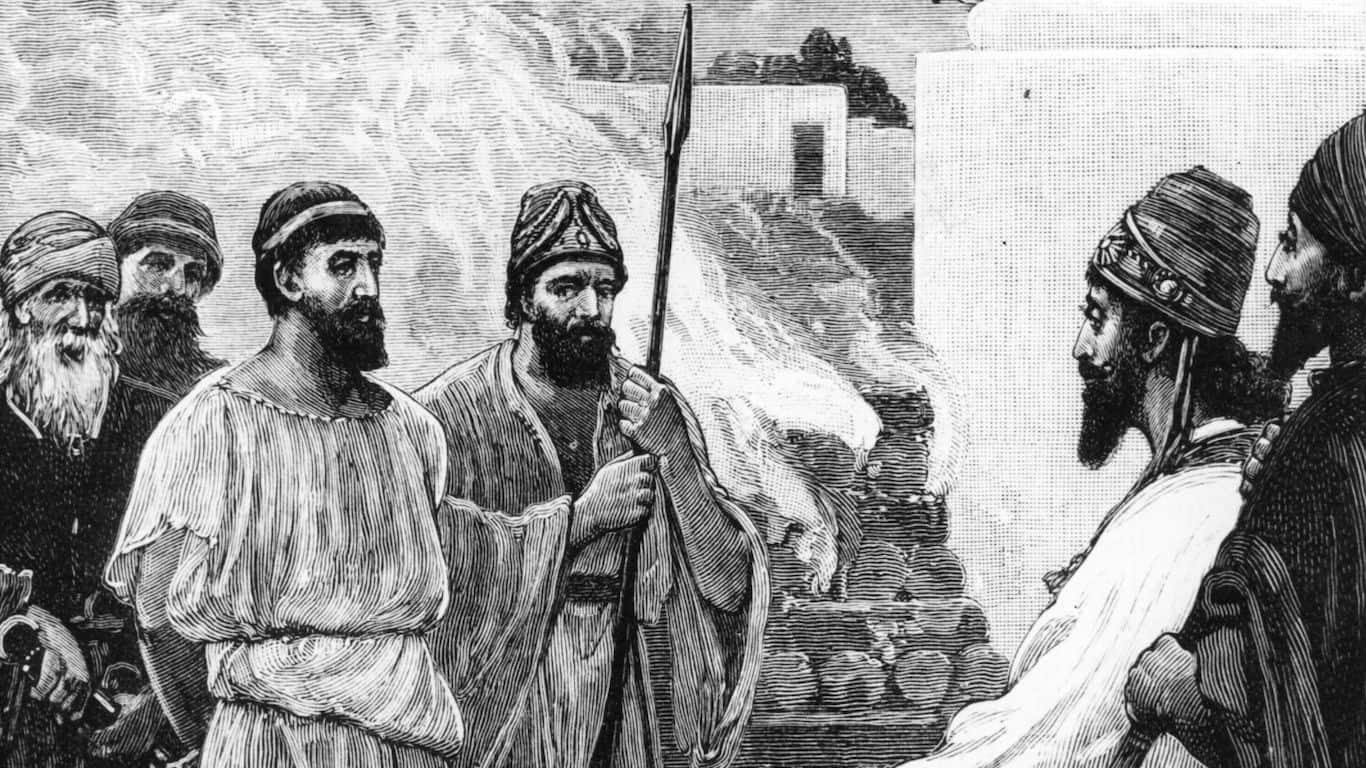
Before the Persian Empire existed, it was a state within the empire of Medes. All that changed with Cyrus the Great, who freed Persia from the Median's clutches, staged a revolution and captured its capital at Ecbatana. From there, Cyrus expanded the Persian Empire from Greece into India, transforming how empires worked.
Unlike more bloodthirsty rulers, Cyrus the Great was a true statesman, diplomat, and human rights advocate. In 538 BCE, he issued the Edict of Restoration, which ended the Babylonian captivity of the Jewish people and encouraged them to return to the Kingdom of Judah. Beyond that, Cyrus established a system of government via satraps that spread his influence far and wide. So much so that the ancient Greek elite took to fashioning themselves in styles of Persian dress and customs.
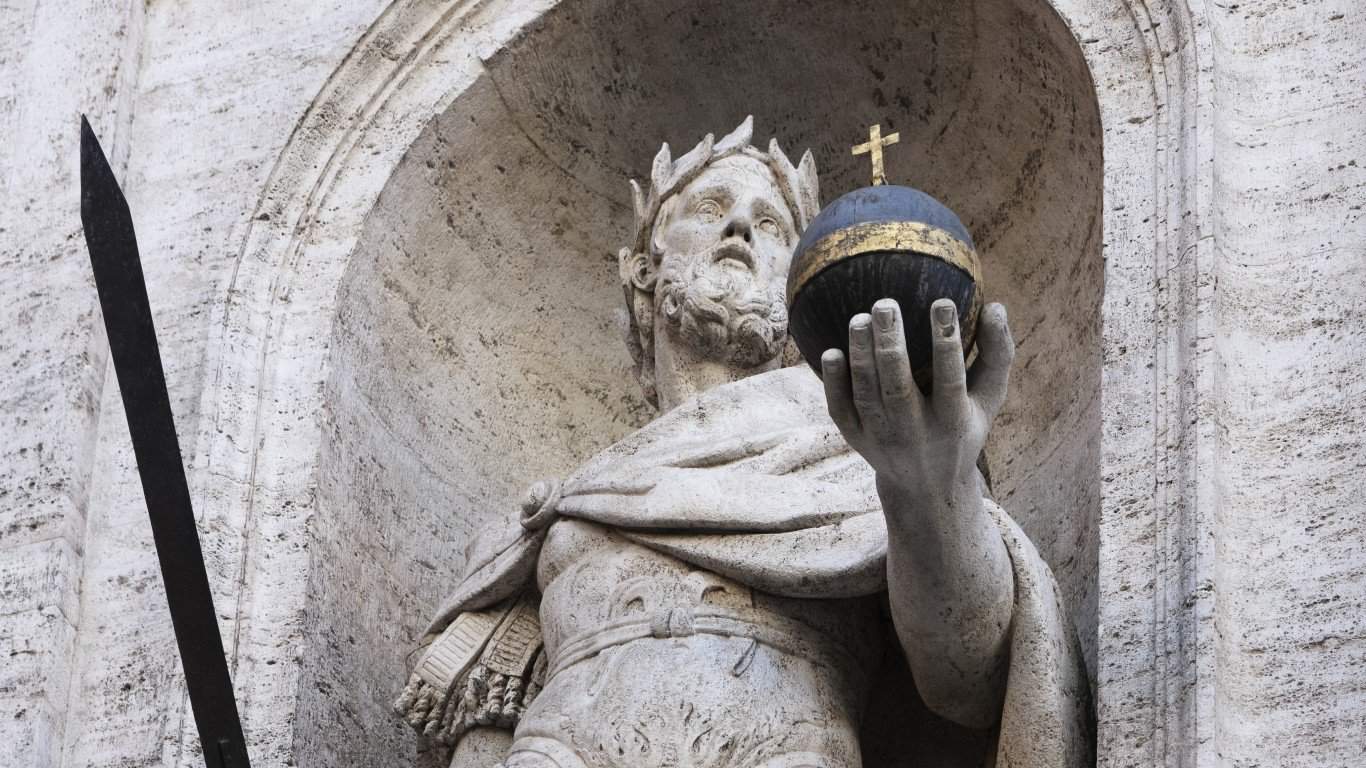
Charlemagne
- Estimated land captured: 460,000 square miles
Charlemagne the Great was a noble child who eventually became Emperor. Born into the ruling family of the Frankish Empire, Charlemagne rose to power in 768. From there, he united most of Western and Central Europe under his rule.
After leading monumentally successful military campaigns and being crowned emperor by Pope Leo III, Charlemagne instituted major reforms in law, education, and religion. Considered to be the "Father of Europe," Charlemagne's might and institution of sweeping changes shaped the European continent for centuries to come.
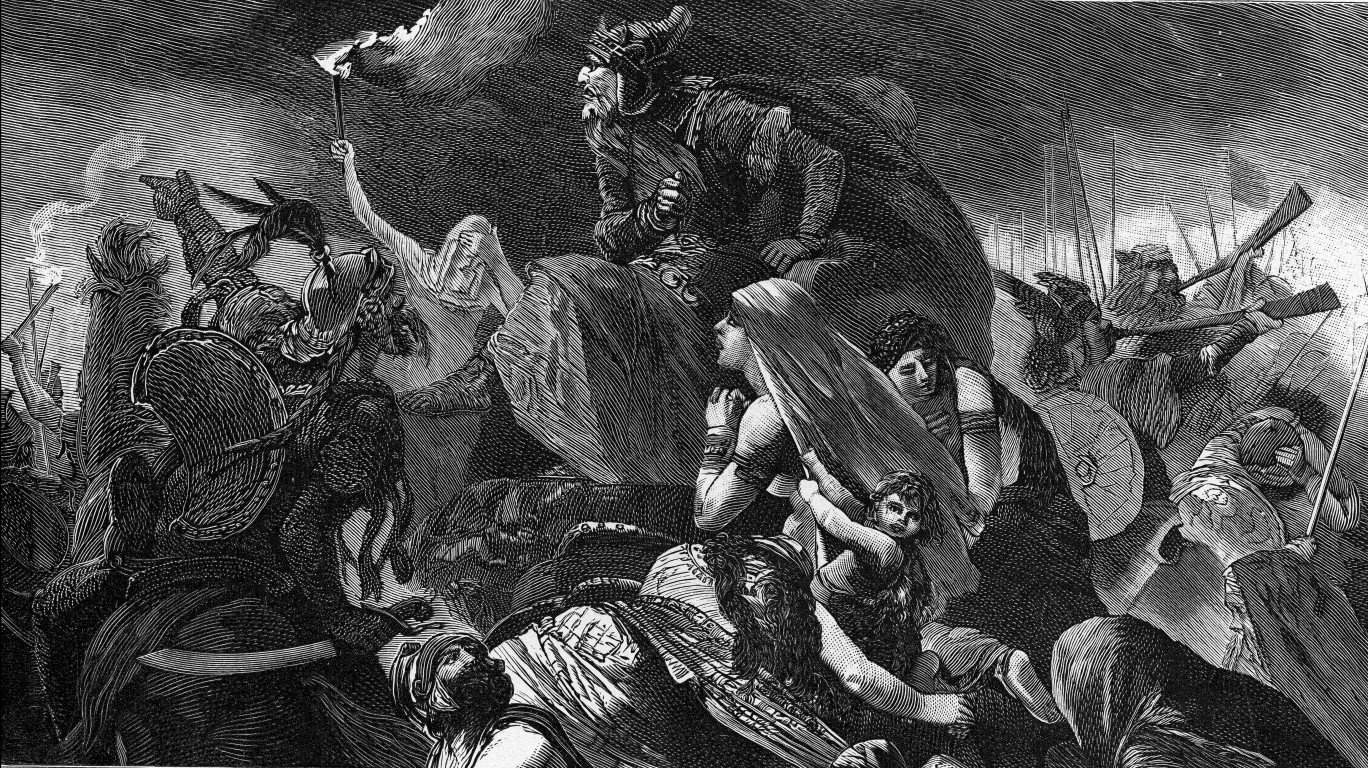
Attila the Hun
- Estimated land captured: 1,450,000 square miles
Another conqueror who left a lasting mark on history was Attila the Hun. Born into the ruling family of the Hun empire, which controlled the central Asian area between Rome and Russia, Attila came to power with his brother Bleda. After his brother's death, Attila scorched the earth, striking fear in the Roman elite with his relentless incursions into their territory.
During his lifetime, Attila crossed the Danube River twice, plundering the Balkan territories before leading a successful invasion of the Eastern Roman Empire. This encouraged further campaigns into Roman land, including an attempted conquest of Roman Gaul and even as far as Northern Italy. Though he never reached his final goal of conquering Rome, Attila the Hun went down in history as one of the most feared conquerors ever.
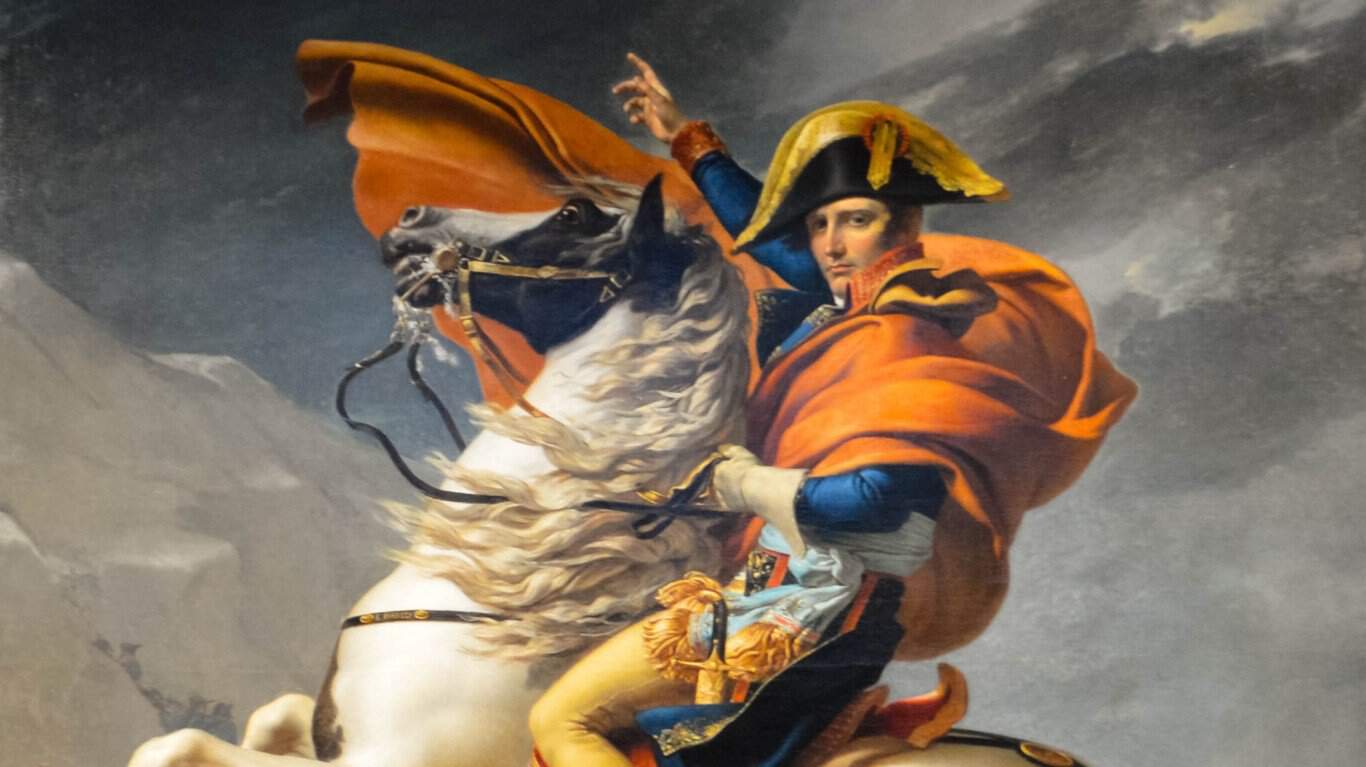
Napoleon Bonaparte
- Estimated land captured: 720,000 square miles
Another conqueror who left a lasting mark on history was Napoleon Bonaparte. Born on the Island of Corsica to a family descended from Italian nobility, his support of the burgeoning French Revolution in 1789 helped him rise through the ranks of the French army, and due to decisive victories, made him a national hero. Using this clout, he engineered a coup and became the First Consul of the Republic.
From there, Napoleon expanded his powers and crowned himself the Emperor of France. After that, he waged campaigns on multiple fronts, holding back the English, defeating the Russians, and effectively ending the Holy Roman Empire.
Though much of his legacy remains controversial, Napoleon reformed French society. During his time in power, he abolished feudalism, expanded religious tolerance, and created the Napoleonic code, which served as a template for many Western legal systems later on.
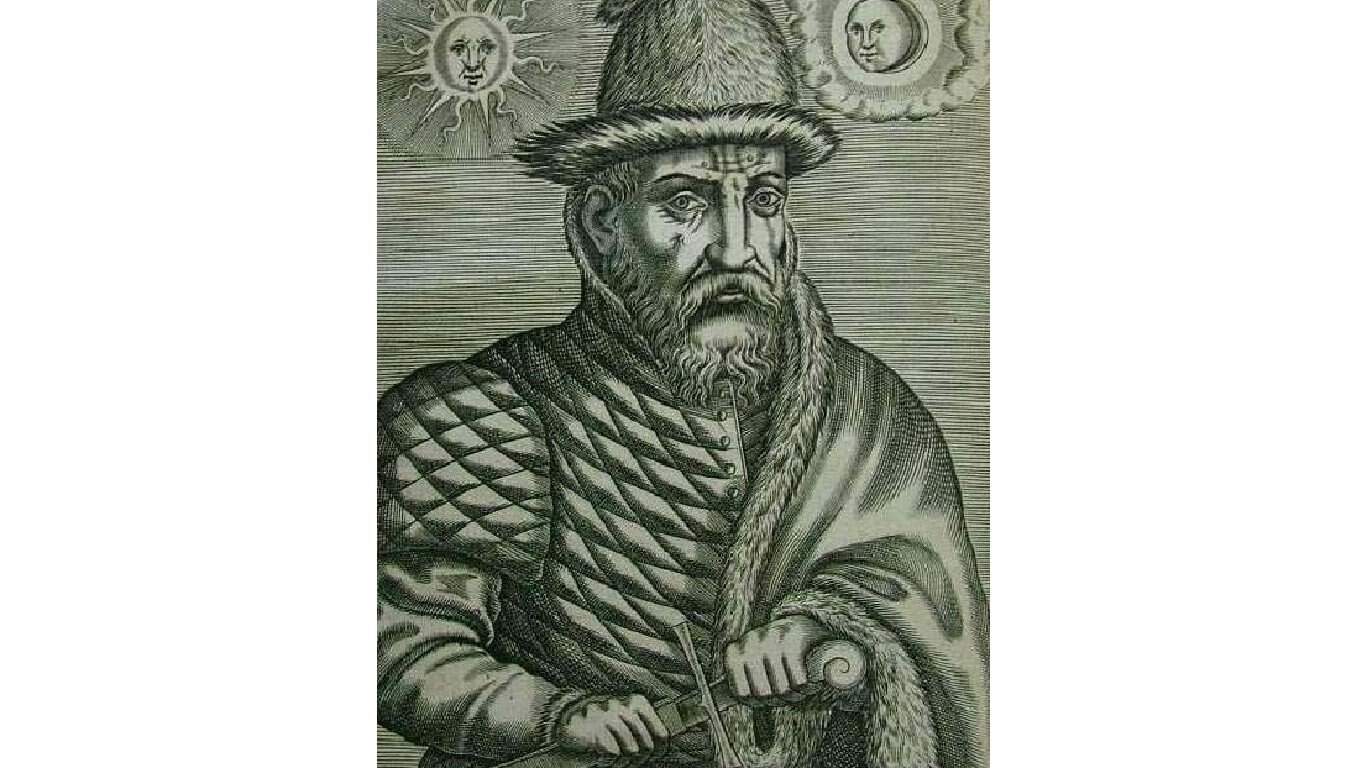
Tamerlane
- Estimated land captured: 2,145,000 square miles
Born in modern-day Uzbekistan, Tamerlane (also known as Timur) was the founder of the Timurid Empire and the last great conqueror of the Eurasian Steppe. During his lifetime, Tamerlane would wage successful campaigns against Egypt, the Ottoman Empire, and even the Delhi Sultanate of India.
Using Genghis Khan's rule as a template, Tamerlane spread Islam far and wide in the Middle Ages (he even called himself the "Sword of Islam"). An accomplished conqueror who wasn't above using brutal means to reach victory, Tamerlane is believed to be responsible for at least 17 million deaths — a number thought to account for five percent of the entire world population at the time.
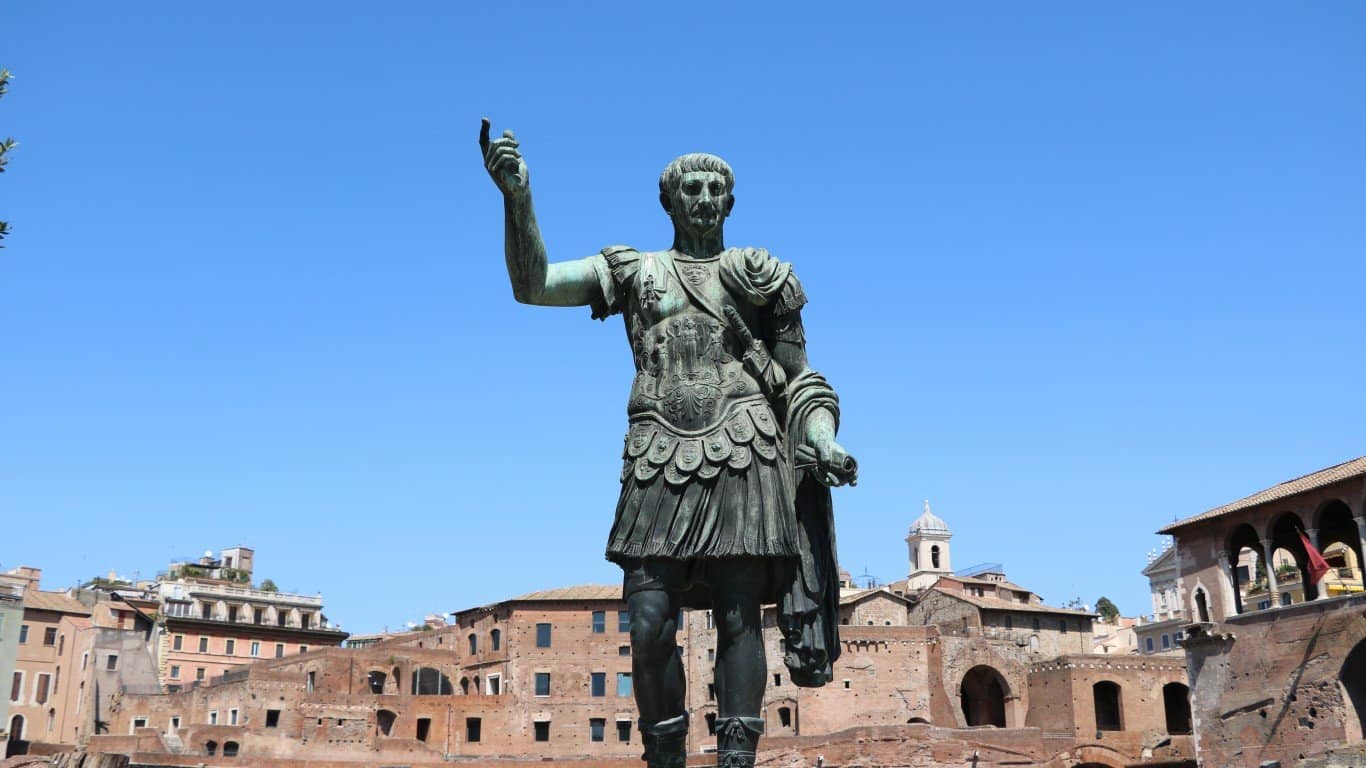
Julius Caesar
- Estimated land captured: 2 million square miles
Julius Caesar was a conqueror who left a lasting mark on history. He started as a Roman general and statesman, ruling through a triumvirate of power with fellow politicians Crassus and Pompey. After that, Caesar grew in power by leading a series of successful conquests called the Gallic Wars. Fearing his growing might, the Roman senate attempted to shut down Caesar, but he defied them.
This led to a civil war between Caesar's forces and Pompey's forces, though Caesar was eventually victorious. From there, he was declared dictator for life of the Roman Republic, instituting a series of reforms including the creation of the Julian Calendar and granting citizenship to residents of far-flung Roman vassal states.
Though he was assassinated only a few short years later, Caesar's bold conquests helped to dissolve the Roman Republic and caused the subsequent rise of the Roman Empire.
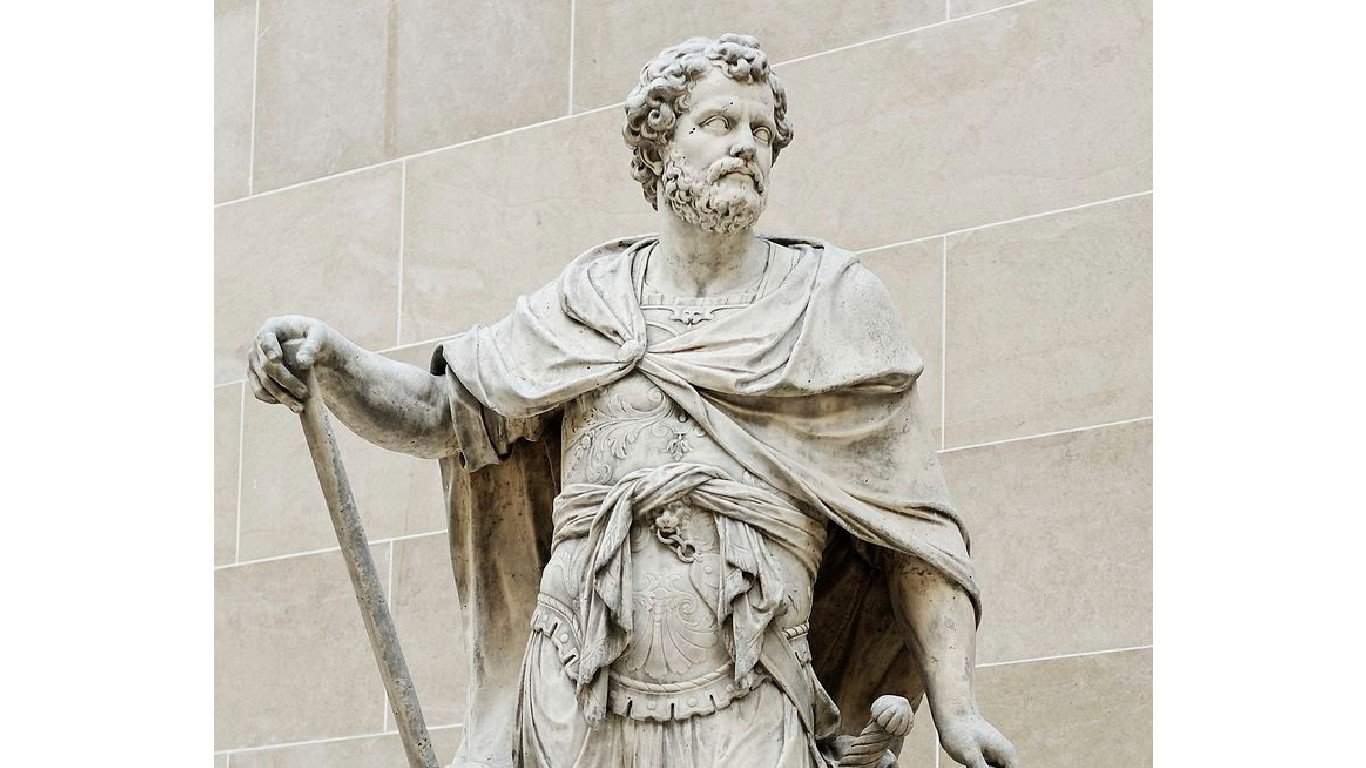
Hannibal
- Estimated land captured: 150,000 square miles
Another conqueror who left a lasting mark on history was Hannibal. Born to the great Carthaginian general Hamilcar Barca, Hannibal came of age during a time of great political and military tension. Hell-bent on not letting the Carthaginian Empire be overrun by the burgeoning Roman Empire, Hannibal made a series of incursions into Roman territory.
Sparking the Second Punic War, Hannibal staged a series of decisive victories in territories like Hispania before famously crossing the Alps into Italy on the back of a war elephant. From there, he won a series of battles and occupied much of Italy for over a decade. The Romans finally defeated him in 202 BC. After that, Hannibal attempted a series of reforms in Carthage before his exile and eventual suicide by poisoning.
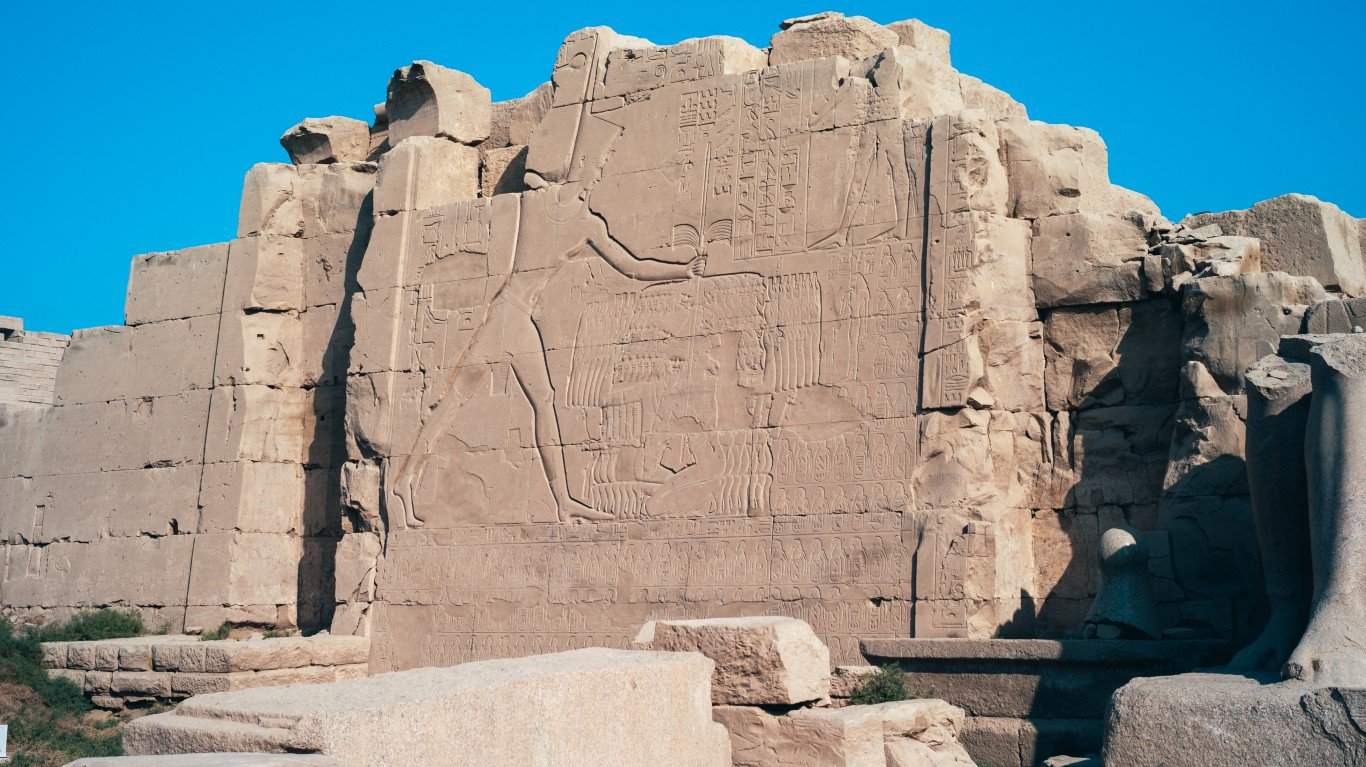
Thutmose
- Estimated land captured: 1 million square miles
Perhaps the most ancient conqueror on this list is Thutmose III of Egypt. The sixth pharaoh of the 18th Egyptian Dynasty, Thutmose, rose to power in 1479 BC at just two years old. Though he initially ruled in tandem with his stepmother and aunt, once he came of age, Thutmose became known as a great conqueror.
During his rule, Thutmose III conducted no less than 17 victorious campaigns, expanding the Egyptian Empire to its largest size in history. Recognized by both ancient and modern historians as something of a military genius, Thutmose also significantly expanded Egypt's naval forces for military campaigns. Stories of his genius and power come down to us through inscriptions on Ancient Egyptian monuments. (For other famous warriors like Thutmose III, discover 30 legendary warriors throughout history.)