Andrew Clemente / Creative Commons

Flory / iStock via Getty Images
lisby1 / PDM 1.0
P Maxwell Photography / Shutterstock.com

Hulton Archive / Getty Images

margouillat photo / Shutterstock.com
MPI / Archive Photos via Getty Images
vkilikov / Shutterstock.com
LALO VAZQUEZ / BY-SA 2.0

Ermak Oksana / Shutterstock.com
Tavarius / Shutterstock.com




10 of the Most Defiant Final Words in Recorded History
People tend to react differently in their final moments. Some slip away peacefully while others hold on to life as firmly as possible. Whatever the case, people usually have a few things to say before they go.
There are a few common themes when it comes to last words. People tend to say their goodbyes, talk about regret or fulfillment, remember their loved ones, and so on. It’s usually all about getting some closure.
The people on this list are different. Not all of them are heroes. But they all have something in common. Right up to the end, they met death with defiance, humor, conviction, or a line history refused to forget. Here's what they said, and why it stuck around this long.
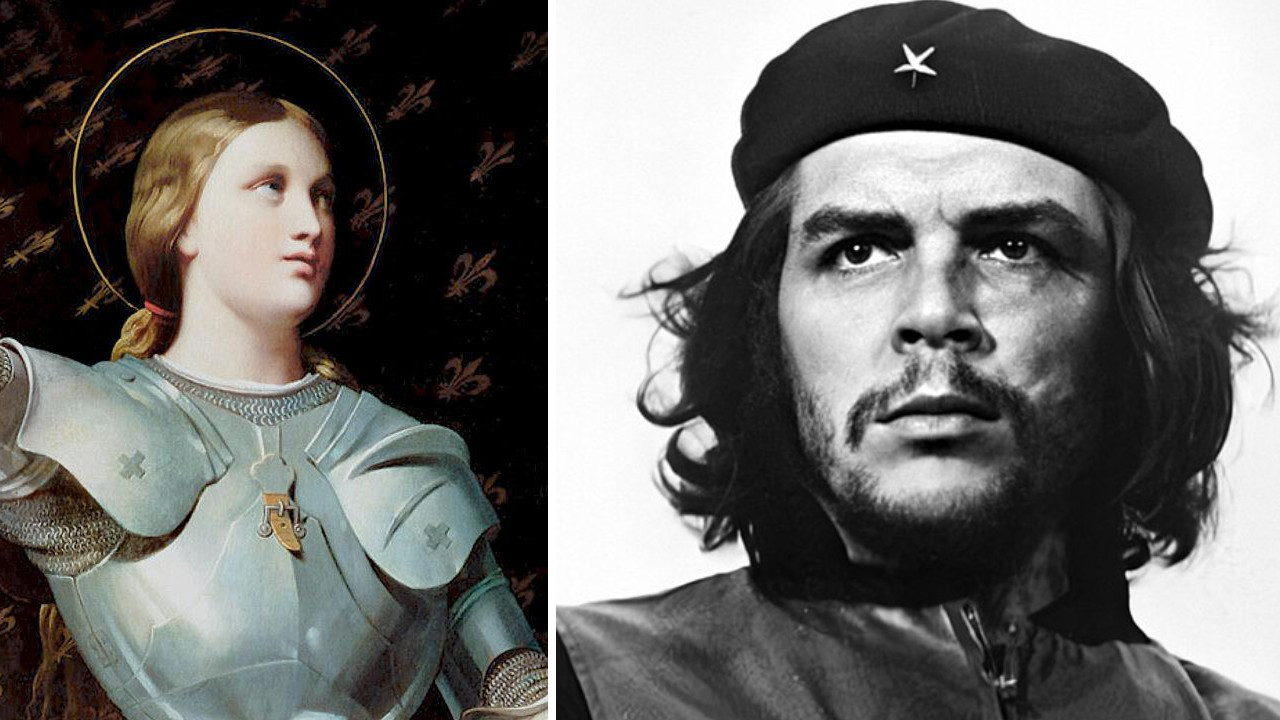
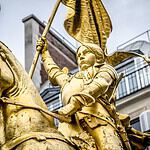
Joan of Arc (1431)
Joan of Arc was a French peasant girl who said divine voices had instructed her to help Charles VII and drive the English from France. With France struggling in the Hundred Years' War and the English besieging Orléans, she made her way from her village to the court of the uncrowned Charles VII and convinced him to support her mission. In the spring of 1429, she helped inspire the French forces that broke the siege and later accompanied Charles VII to his coronation at Reims.
Captured in 1430, she was handed over to the English and tried for heresy before a tribunal led by Bishop Pierre Cauchon. Her English-backed trial also had an obvious political purpose: discrediting Joan threatened the legitimacy of the king whose cause she had helped. She was eventually sentenced to death.
Joan initially signed an abjuration that spared her from immediate execution, but within days she reaffirmed her claims and was condemned as a relapsed heretic. On the morning of her execution, later witnesses remembered her confronting Cauchon with the words: "Bishop, I die through you."
The 1431 trial transcript does not give us a complete record of the execution, but witnesses questioned during the later investigation recalled Joan confronting Cauchon that morning. The wording cannot be confirmed with absolute certainty, but the account comes from testimony much closer to the event than many famous historical last words.
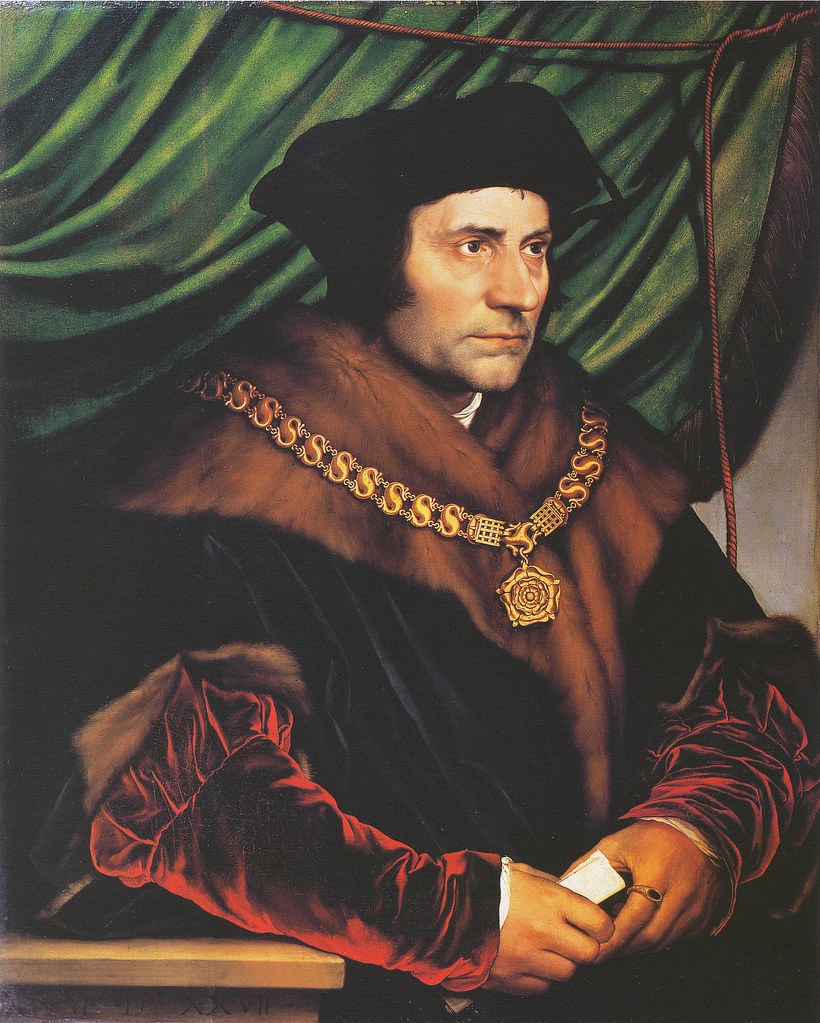
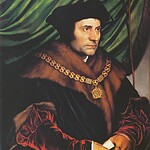
Thomas More (1535)
Thomas More was an influential English lawyer, author, Renaissance humanist, and statesman who rose to become Lord Chancellor under Henry VIII.
Henry VIII's effort to end his marriage to Catherine of Aragon became tied to his rejection of papal authority and the establishment of royal supremacy over the Church of England. More refused to accept the required oath in the form demanded by the crown, and Henry's former Lord Chancellor was eventually tried for treason and sentenced to death.
On the scaffold, he told the crowd he died "the king's good servant, and God's first," a line that went down in history as one of the most composed acts of defiance ever spoken from a scaffold.
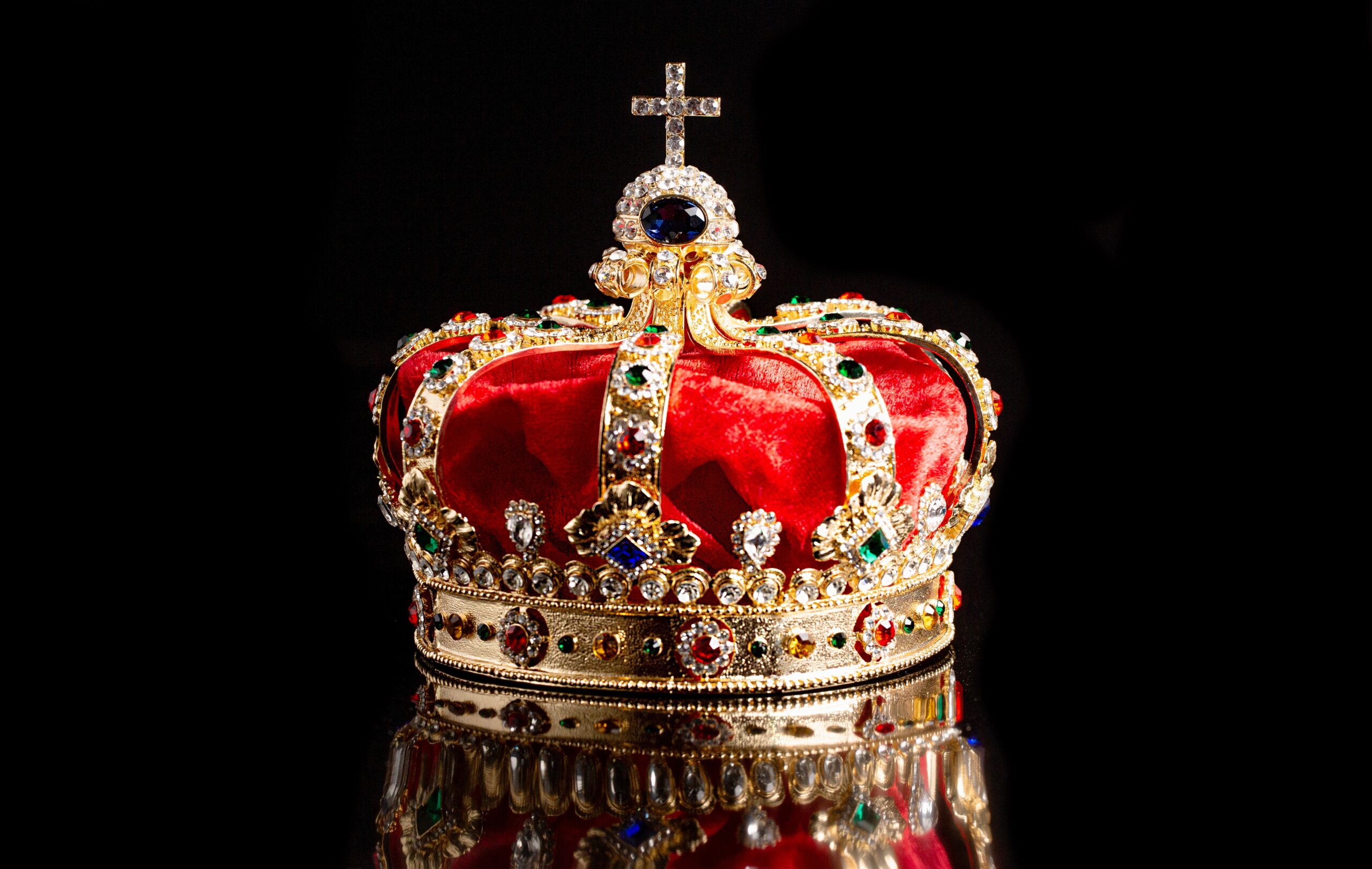
Charles I of England (1649)
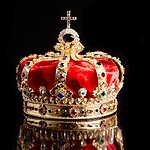
Charles I became the first reigning English monarch to be formally tried, convicted, and executed. He was tried by a court whose authority he refused to recognize, declining even to enter a plea. By the time he reached the scaffold, the fight was already made. His last words were calm, almost serene, spoken to the bishop beside him: "I go from a corruptible to an incorruptible crown, where no disturbance can be." Then he knelt at the block.
Eleven years later, after Charles II restored the monarchy, 10 surviving regicides were executed. Oliver Cromwell, John Bradshaw, and Henry Ireton were already dead, so their bodies were exhumed and subjected to posthumous punishment.
Nathan Hale (1776)
Nathan Hale was a 21-year-old schoolteacher turned Continental Army officer who volunteered for one of the most dangerous jobs in the Revolution: slipping behind British lines on Long Island to gather intelligence for Washington. He was caught almost immediately and hanged as a spy.
No contemporary record preserves Hale's exact last words. The famous "one life to lose" version comes from a later account by American officer William Hull, who said British Captain John Montresor had described Hale's final moments to him. The polished version everyone knows, "I only regret that I have but one life to give for my country," came later, and it's the one carved onto his statue at Yale.
George Appel (1928)
George Appel was in the middle of robbing a Brooklyn eatery when a police lieutenant happened to walk in. Appel shot him, but the mortally wounded officer still managed to scribble down the license plate of Appel's getaway car before dying, which is how the police tracked him down.
Appel denied killing the lieutenant, insisting he'd only committed "other crimes." The jury didn't buy it, and he was sentenced to the electric chair at Sing Sing in 1928. A famous story claims Appel joked, "Well, gentlemen, you are about to see a baked Appel," before his execution. The line has been repeated for decades, but its authenticity is disputed.
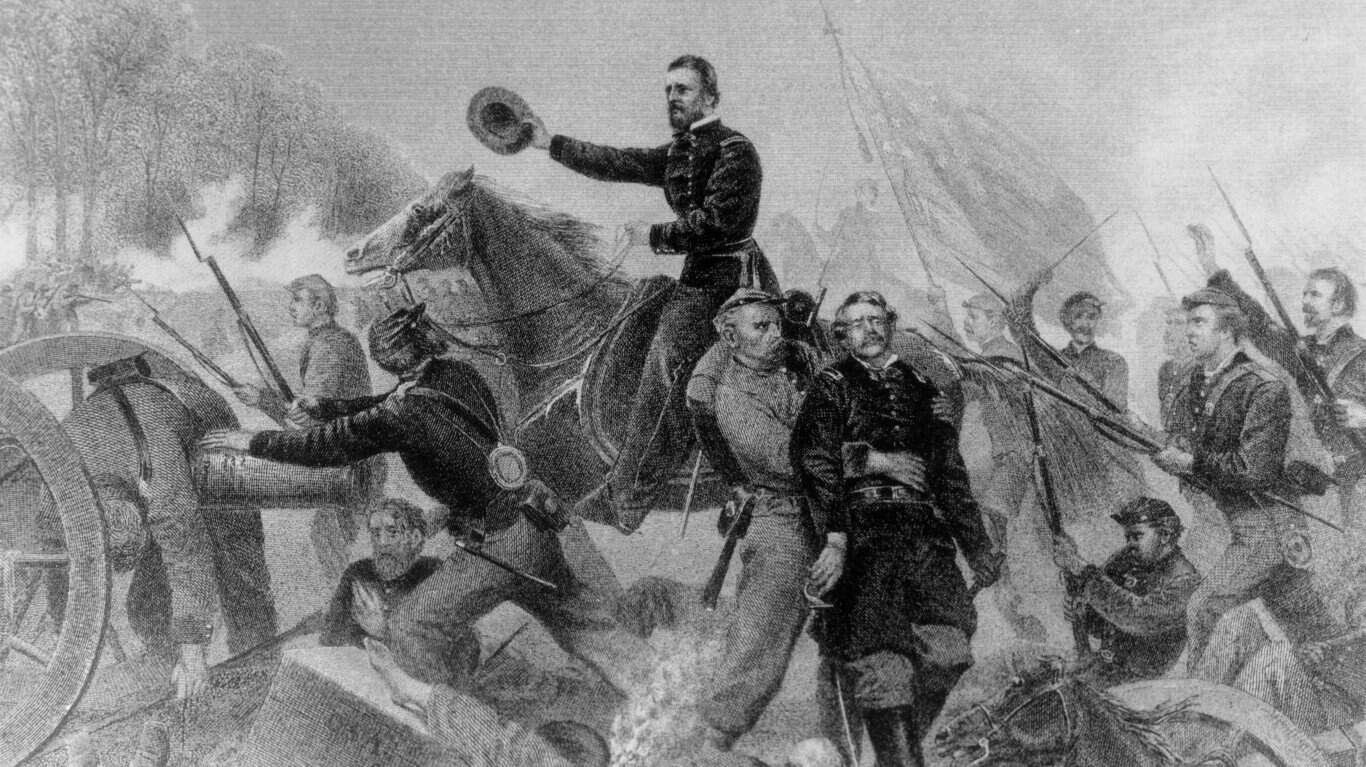
John Sedgwick (1864)
Union General John Sedgwick was not impressed when Confederate sharpshooters opened fire during the Battle of Spotsylvania Court House, one of the bloodiest fights of the American Civil War. His own men kept flinching at the gunfire, so he told them to knock it off, insisting the enemy "couldn't hit an elephant at this distance."
He was shot just below the left eye moments later, becoming the highest-ranking Union officer killed during the war.
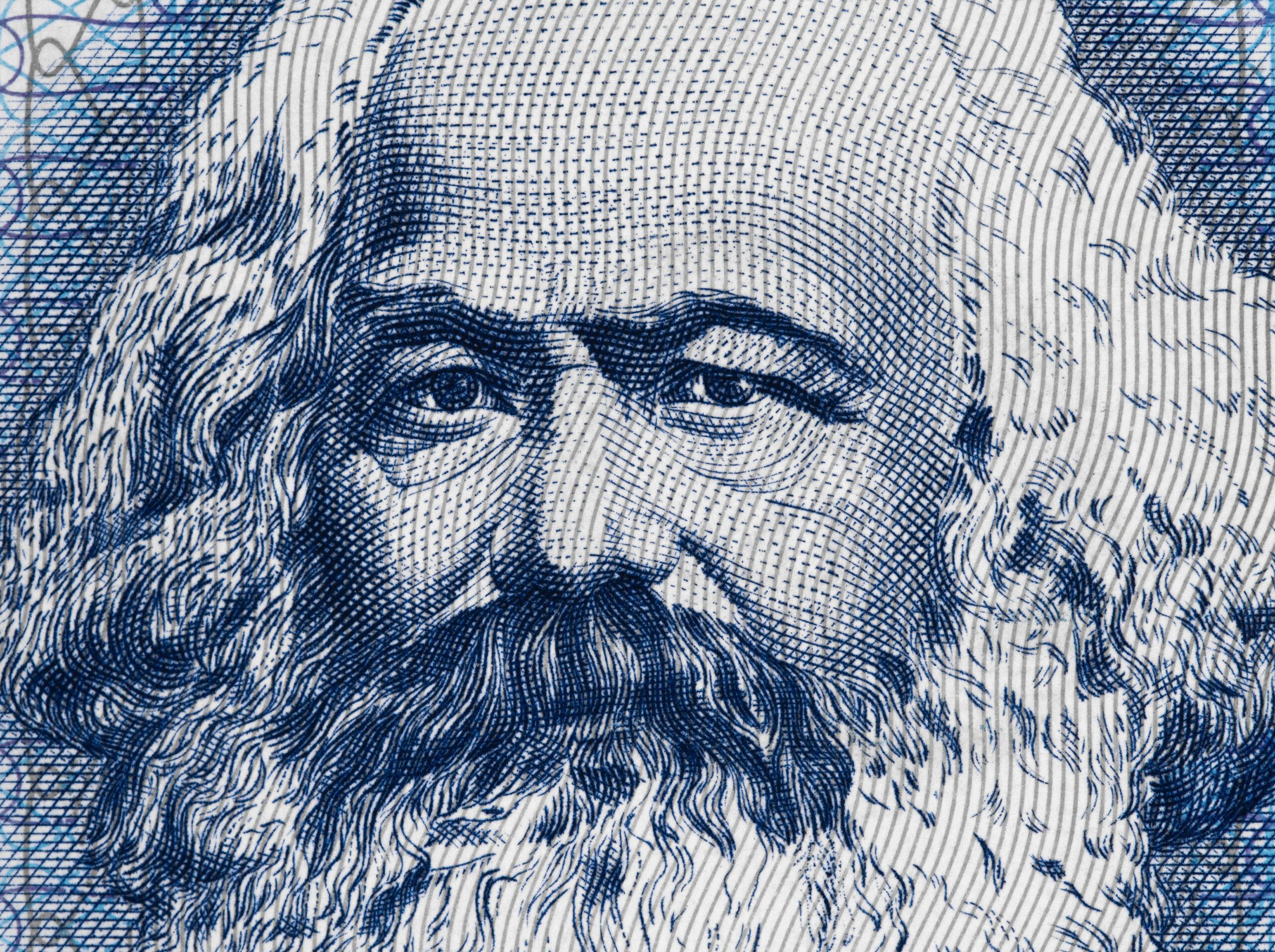
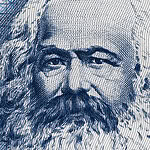
Karl Marx (1883)
Karl Marx, the mind behind modern socialism, spent decades writing about nearly everything, so it's no wonder his last words would make a good story. A line widely attributed to Marx claims that when his housekeeper asked whether he had any final words, he replied that "last words are for fools who haven't said enough." The problem is that the attribution appears much later and lacks a clear contemporary source.
The best-known account of his final moments, from Friedrich Engels, has Marx slipping away quietly in his armchair, without any dramatic parting shot. Whether he really delivered the famous quote or someone dressed up his death later, no one can say for sure.
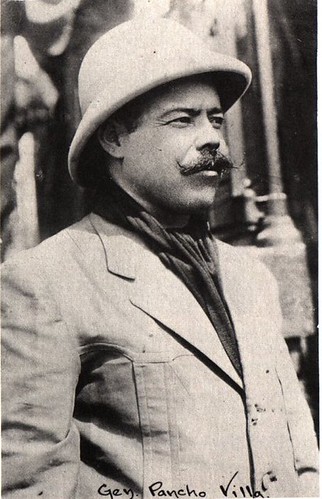
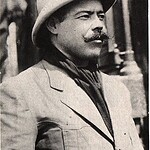
Pancho Villa (1923)
Pancho Villa was one of the most famous generals of the Mexican Revolution. A former bandit turned guerrilla leader, Villa commanded a rebel army against Mexico's government. After his forces raided Columbus, New Mexico, in 1916, thousands of U.S. troops under Gen. John Pershing entered Mexico in an unsuccessful attempt to capture him.
He had survived a decade of ambushes and betrayals by the time assassins finally caught up with him in 1923, riddling his car with bullets. He appears to have died too quickly to say anything, but legend later supplied him with one of history's most perfectly self-aware last lines: "Don't let it end like this. Tell them I said something." There is no contemporary evidence that he actually said it.
James French (1966)
James French was already serving a life sentence in Oklahoma for murder when he strangled his cellmate in 1961. He reportedly wanted the state to sentence him to death and had repeatedly pushed for his own execution, though the exact motive behind the killing is more complicated than the story is sometimes told.
Shortly before his execution, French reportedly pitched reporters his own headline: "How's this for a headline? French fries." The joke became the line most associated with his death, although it may not have been the final thing he actually said.
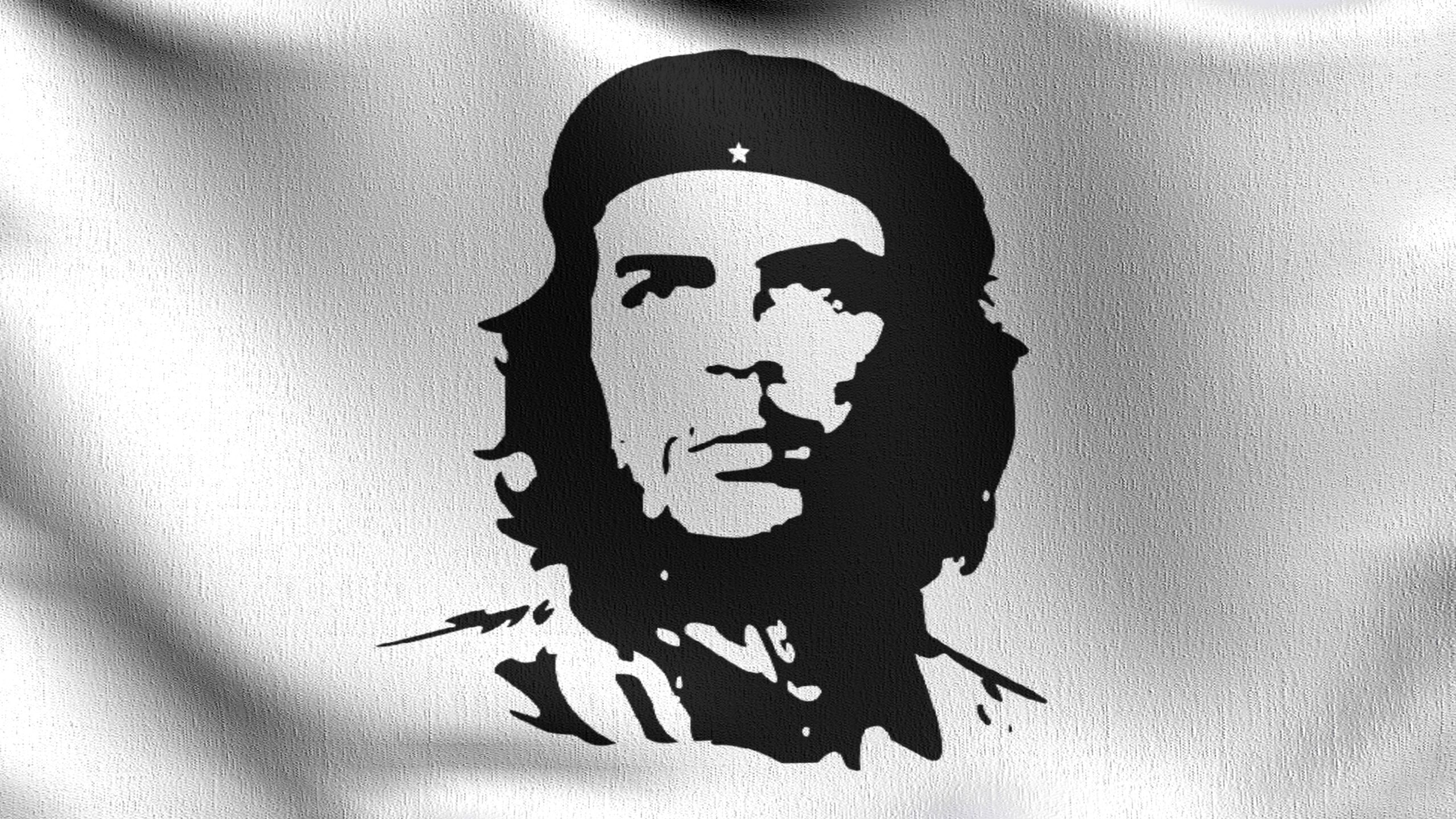
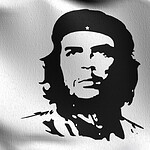
Che Guevara (1967)
Che Guevara has become the de facto symbol for revolution itself. The Argentine doctor turned revolutionary fought alongside Fidel Castro to overthrow Cuba's government in 1959, then set out to spark similar uprisings elsewhere in Latin America.
In 1967, Bolivian troops captured Guevara after his guerrilla campaign in the country collapsed. Rather than putting him on trial, Bolivia's high command ordered him executed the following day. Accounts differ on his exact wording, but several agree on the substance: Guevara told the nervous soldier preparing to execute him that he was only killing a man.
The exact wording may never be settled, but the story became part of the mythology that grew around Guevara after his death.