Andrew Clemente
MPI / Archive Photos via Getty Images
Public Domain / Wikimedia Commons
Public Domain / Wikimedia Commons
Public Domain / Wikimedia Commons
Public Domain / Wikimedia Commons
Public Domain / Wikimedia Commons
Public Domain / Wikimedia Commons
Public Domain / Wikimedia Commons
Public Domain / Wikimedia Commons
Public Domain / Wikimedia Commons
Public Domain / Wikimedia Commons
Public Domain / Wikimedia Commons
Public Domain / Wikimedia Commons
Public Domain / Wikimedia Commons
Public Domain / Wikimedia Commons
Public Domain / Wikimedia Commons
Public Domain / Wikimedia Commons
Public Domain / Wikimedia Commons
Public Domain / Wikimedia Commons
Hulton Archive / Getty Images
Public Domain / Wikimedia Commons
Public Domain / Wikimedia Commons
Public Domain / Wikimedia Commons
Public Domain / Wikimedia Commons
Public Domain / Wikimedia Commons
Public Domain / Wikimedia Commons






26 Gunslingers, Outlaws, and Sharpshooters Who Became American Frontier Legends
The American frontier produced some of the most famous names in U.S. history. During the 19th century, rapid settlement, mining booms, cattle drives, railroads, territorial expansion, and conflicts over land transformed much of the West. Towns sprang up almost overnight, and places like Dodge City, Tombstone, Deadwood, and El Paso became permanently tied to stories of lawmen, gamblers, outlaws, and gunfighters.
The story was far more complicated than the Hollywood version. U.S. expansion was also accompanied by wars, broken treaties, forced removals, and federal policies that displaced Indigenous peoples from their homelands. Law enforcement varied enormously from place to place, and the line between lawman and outlaw was not always as clean as later movies made it look.
Tempo reviewed historical sources and biographical records to identify 26 of the best-known gunfighters, outlaws, lawmen, warriors, and sharpshooters associated with the American frontier. Some, including Wyatt Earp and Bass Reeves, became famous for enforcing the law. Others, like Jesse James and Billy the Kid, spent much of their lives running from it. Annie Oakley became a legend without shooting anyone at all.
Their stories have been retold in newspapers, dime novels, books, movies, and television shows for more than a century. That also means fact and folklore have had plenty of time to get tangled together. In several cases, the real story is less spectacular than the legend, but usually more interesting.
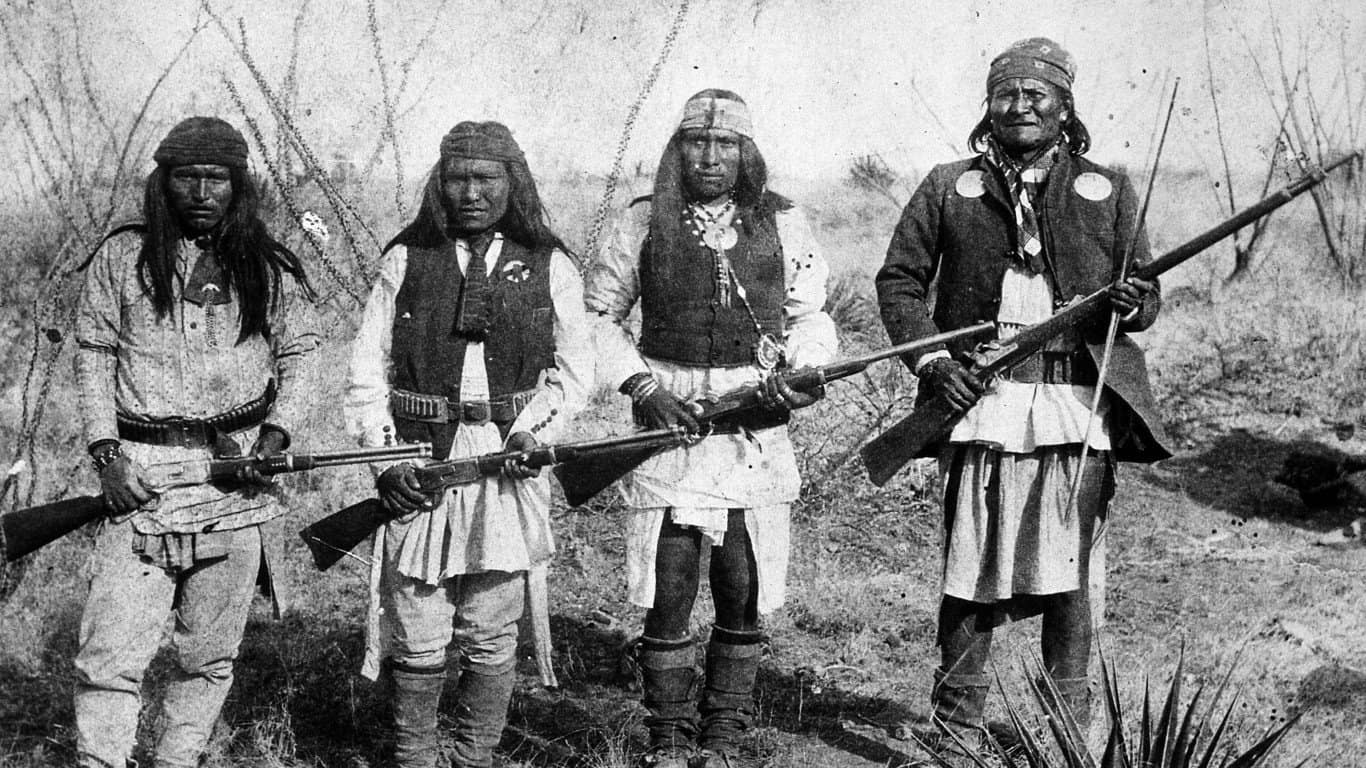
Geronimo
- Life: c. 1829 – Feb. 17, 1909
- Geronimo, whose Apache name was Goyaałé, was a medicine man and war leader of the Bedonkohe band of the Chiricahua Apache. He was not a tribal chief, despite how he is often portrayed. After years of fighting Mexican and U.S. forces, Geronimo and a small group of followers repeatedly evaded military campaigns in the Southwest and northern Mexico. He made his final surrender in 1886, after which he and other Chiricahua Apaches were removed from their homeland and held as prisoners of war. Geronimo died at Fort Sill, Oklahoma, in 1909.
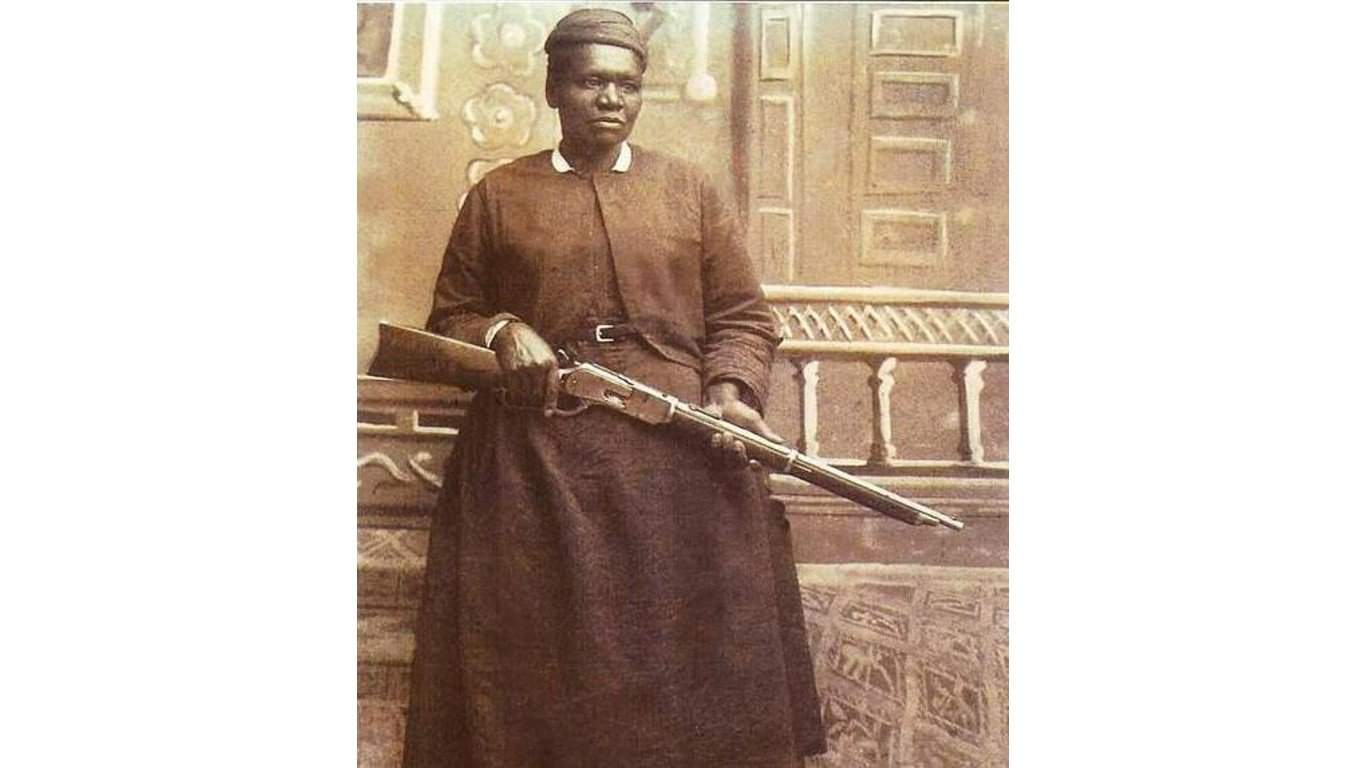
Stagecoach Mary
- Life: c. 1832 or 1833 – Dec. 5, 1914
- Mary Fields, better known as Stagecoach Mary, was born into slavery and later became the first African American woman known to carry mail on a Star Route for the U.S. Post Office Department. She secured her contract in Montana in 1895 and spent about eight years carrying mail through difficult weather and rough country. Fields carried both a rifle and a revolver, and protecting the mail was part of the job. Her reputation for toughness eventually made her one of the most recognizable women of the American frontier.
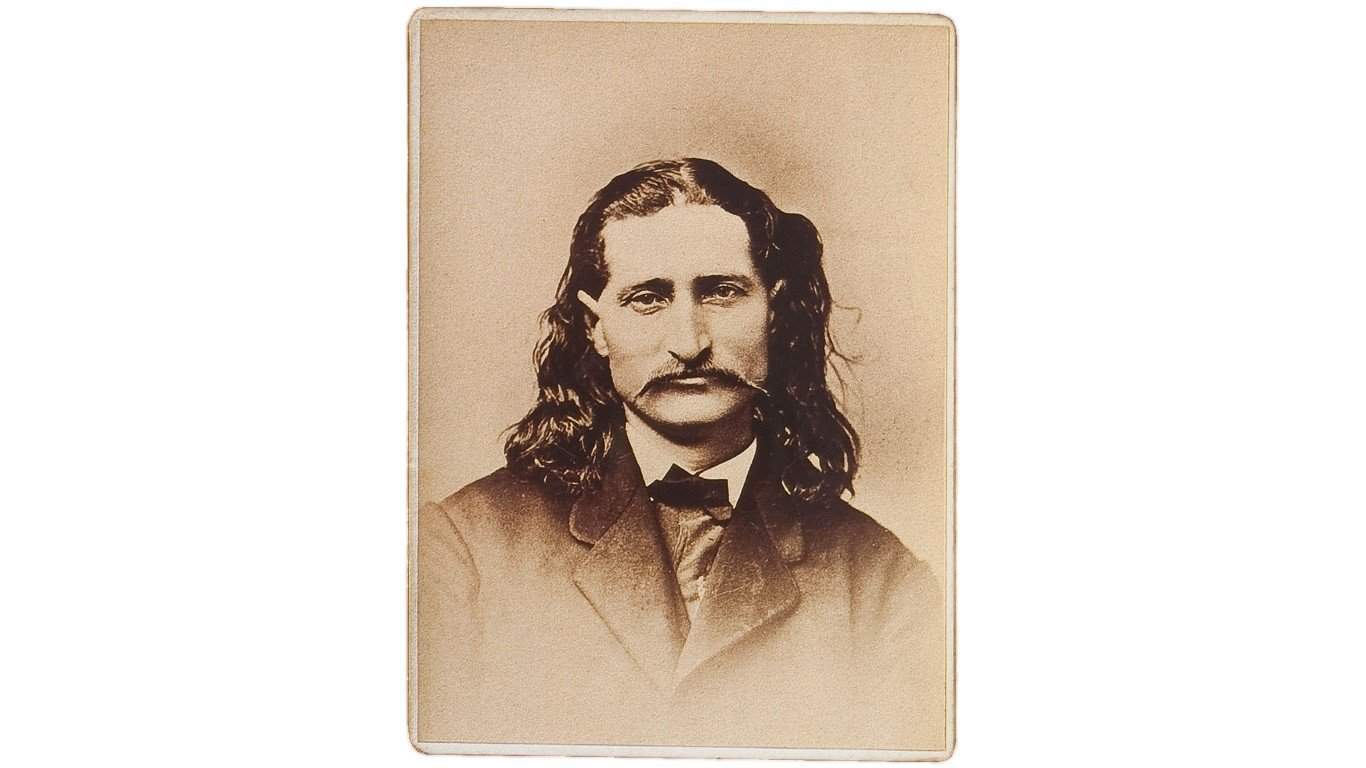
James "Wild Bill" Hickok
- Life: May 27, 1837 – Aug. 2, 1876
- James Butler "Wild Bill" Hickok worked as a scout, gambler, and lawman and became one of the first nationally famous gunfighters of the West. His 1865 confrontation with Davis Tutt in Springfield, Missouri, helped create the image of the face-to-face quick-draw gunfight. Later stories credited Hickok with killing scores or even more than 100 people, but those figures are not supported by the historical record. He was known to carry a pair of Colt 1851 Navy revolvers. Hickok was shot and killed by Jack McCall while playing poker in Deadwood in 1876.
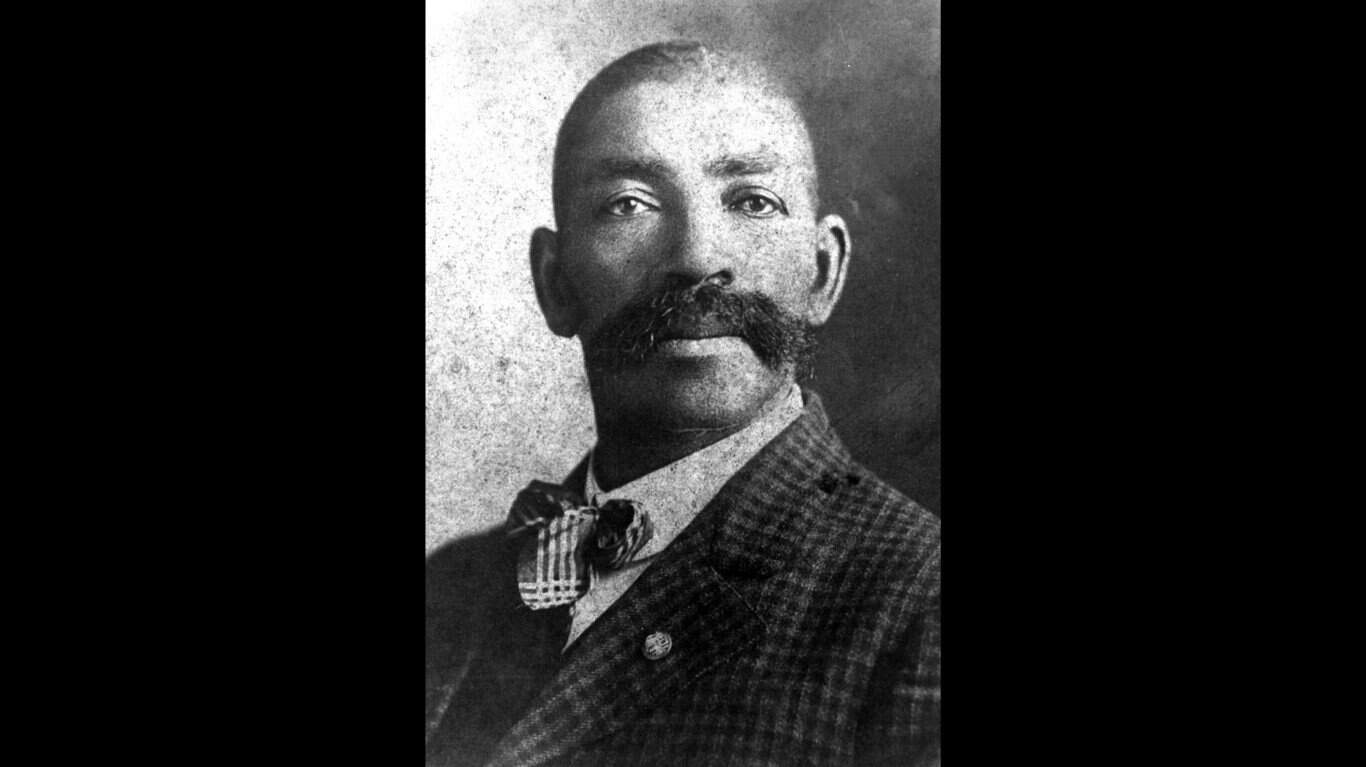
Bass Reeves
- Life: 1838 – Jan. 12, 1910
- Born into slavery, Bass Reeves became one of the first Black deputy U.S. marshals to serve west of the Mississippi River. Beginning in 1875, he spent decades enforcing federal law across Indian Territory, much of present-day Oklahoma. Reeves later said he had arrested more than 3,000 people and killed 14 men in self-defense. Those numbers have become part of his legend, although the National Park Service cautions that the surviving historical record is incomplete and the exact totals cannot be independently confirmed.
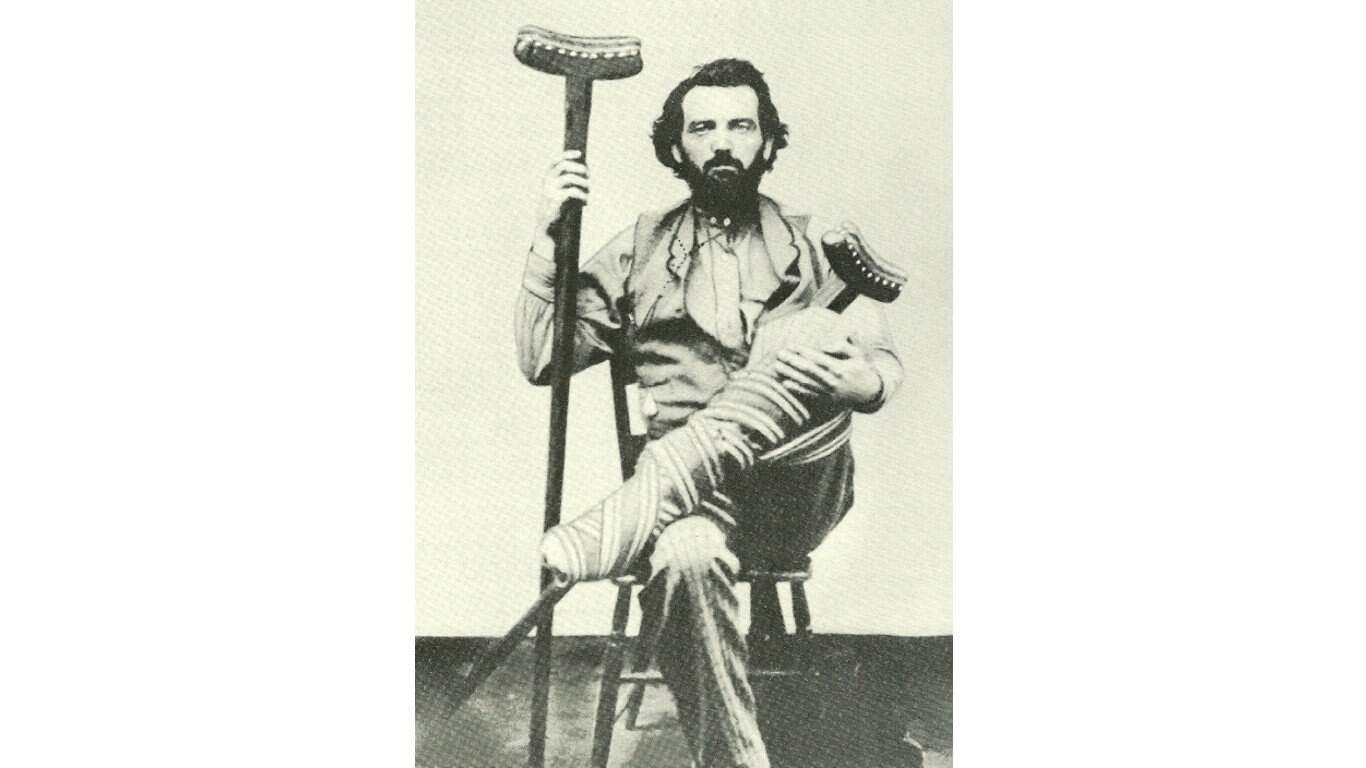
Clay Allison
- Life: Sept. 2, 1841 – July 3, 1887
- Robert Clay Allison was a Confederate veteran, cattleman, and gunfighter whose violent reputation followed him from New Mexico to Texas. He killed gunman Pancho Griego during a confrontation at the St. James Hotel in Cimarron in 1875 and was involved in several other shootings and criminal cases. Over time, increasingly wild stories were attached to his name, making it difficult to separate some of Allison's real exploits from folklore. His death was surprisingly mundane: Allison was fatally injured in 1887 when he fell from a wagon and was run over by one of its wheels.
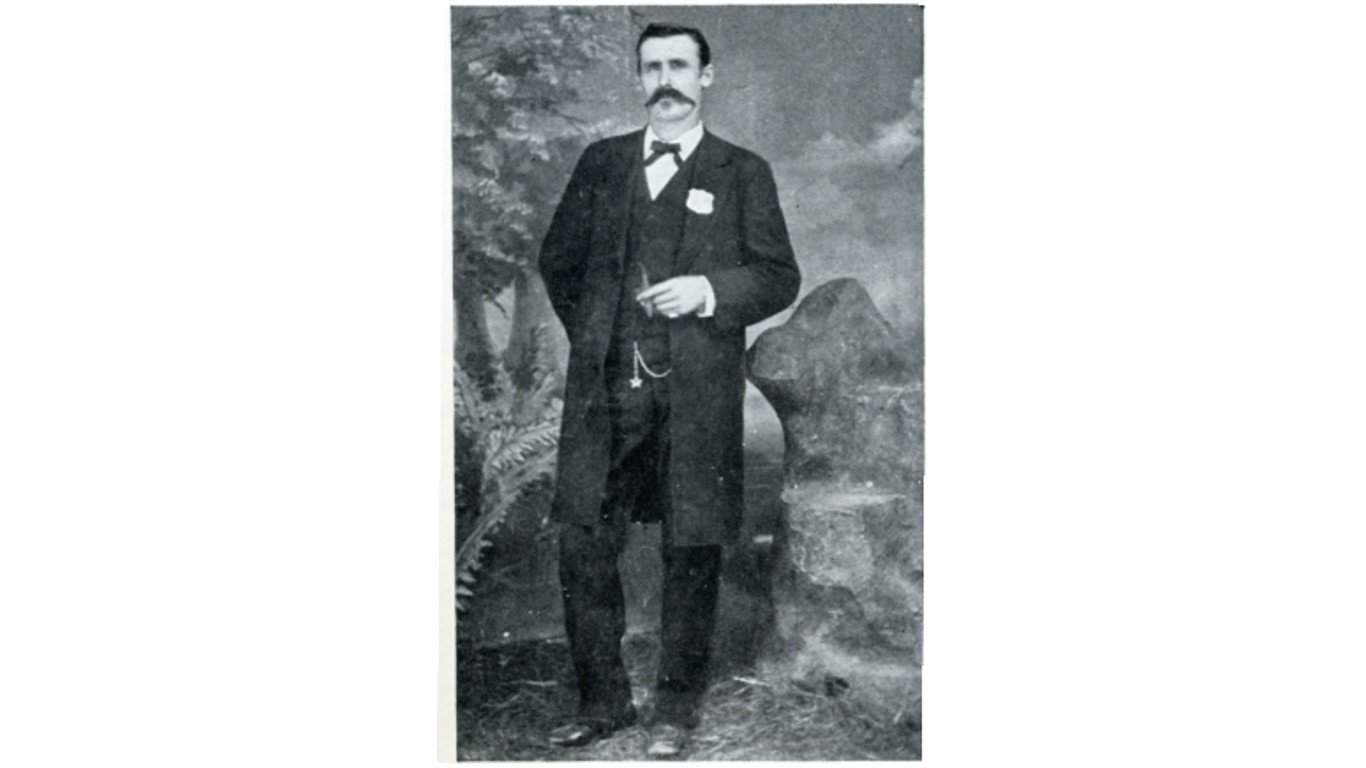
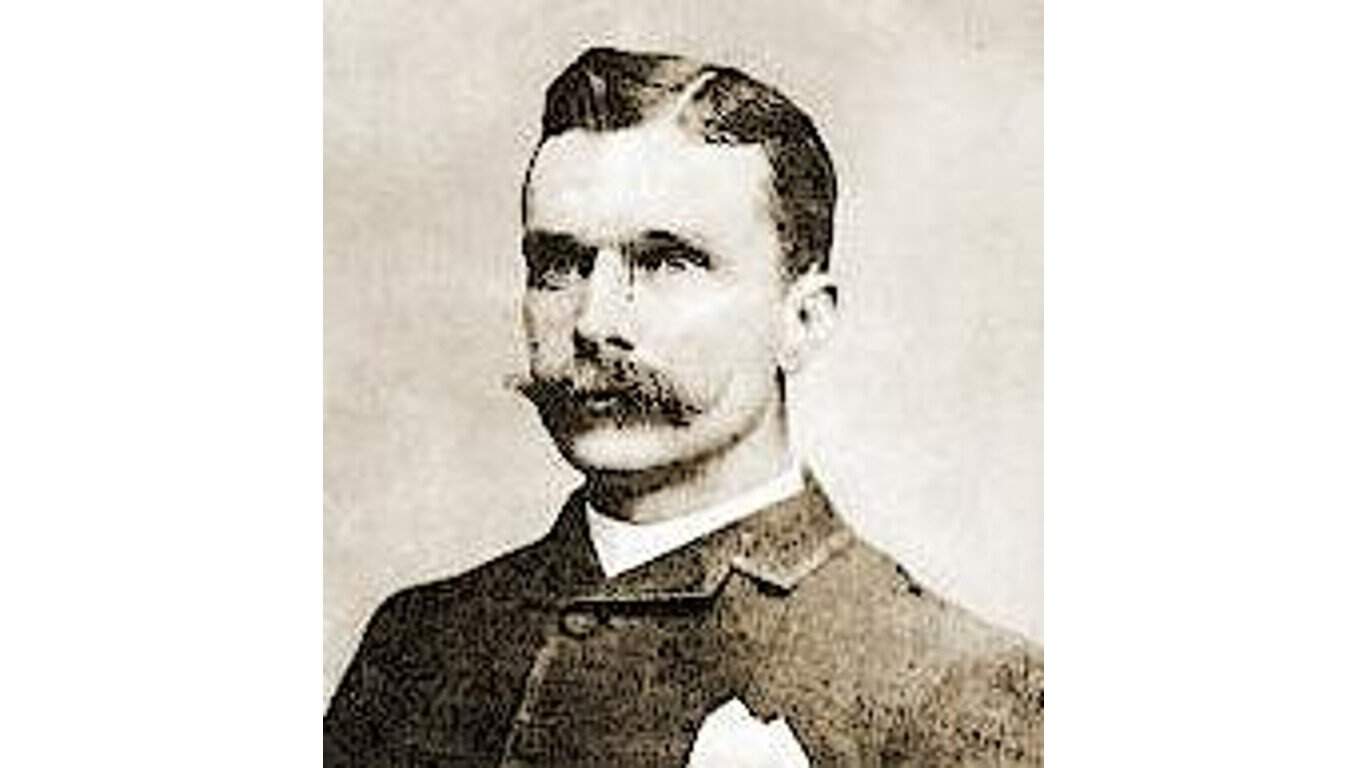
Dallas Stoudenmire
- Life: Dec. 11, 1845 – Sept. 18, 1882
- Dallas Stoudenmire became town marshal of El Paso, Texas, on April 11, 1881. Three days later, he was at the center of the confrontation remembered as the "Four Dead in Five Seconds" gunfight. Stoudenmire shot and killed rancher John Hale, former marshal George Campbell, and an innocent bystander during the chaotic exchange. He later killed former marshal Bill Johnson after Johnson attempted to ambush him. Stoudenmire's career ended the following year when members of the Manning family shot and killed him during another feud in El Paso.
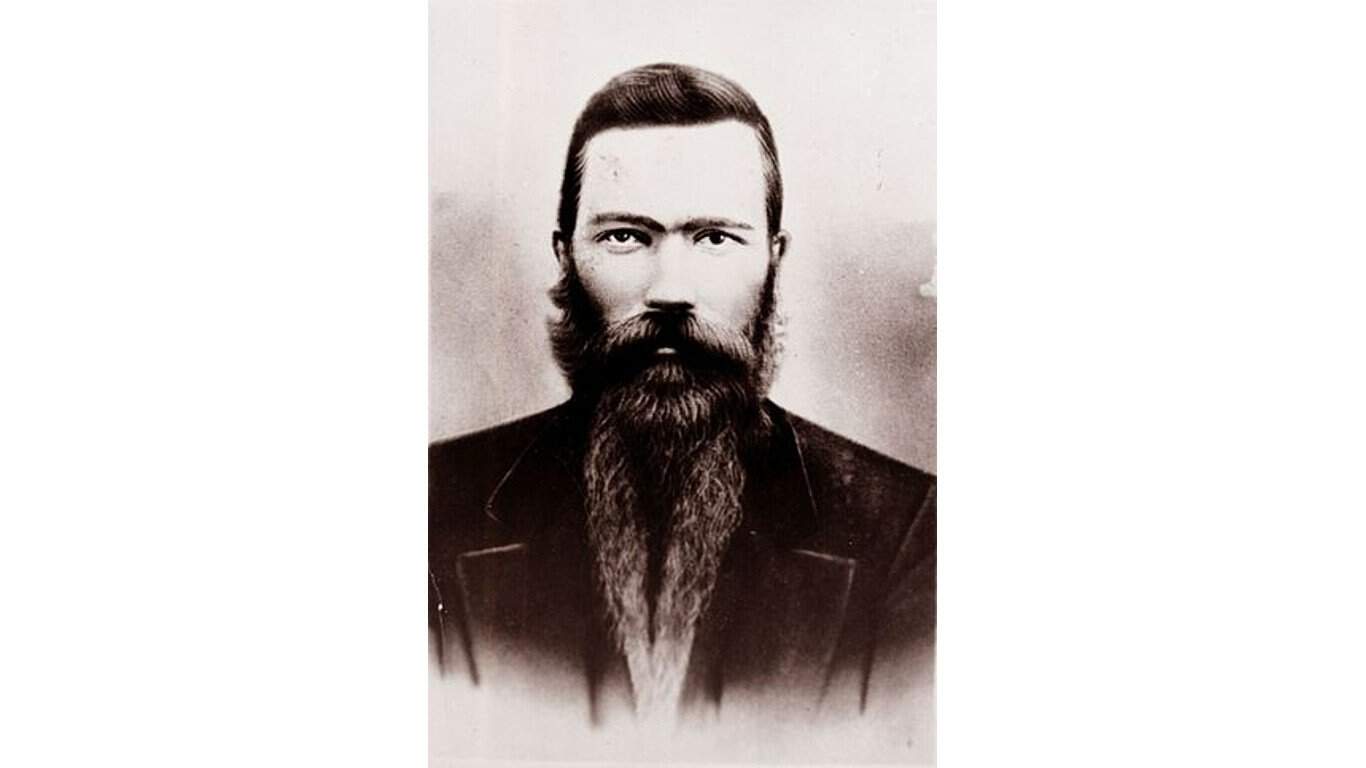
Henry Lowry
- Life: c. 1845 – disappeared in 1872
- Henry Berry Lowrie, whose surname is also commonly spelled Lowry, led an armed band in Robeson County, North Carolina, during the Civil War and Reconstruction. Lowrie came from the Indigenous community now known as the Lumbee. After Confederate authorities forced local Native men into labor and the Home Guard executed Lowrie's father and brother, his band fought authorities and raided wealthy landowners. Their habit of sometimes sharing stolen goods with poorer residents gave Lowrie a Robin Hood-like reputation. He disappeared in February 1872, and what happened to him afterward remains unknown.
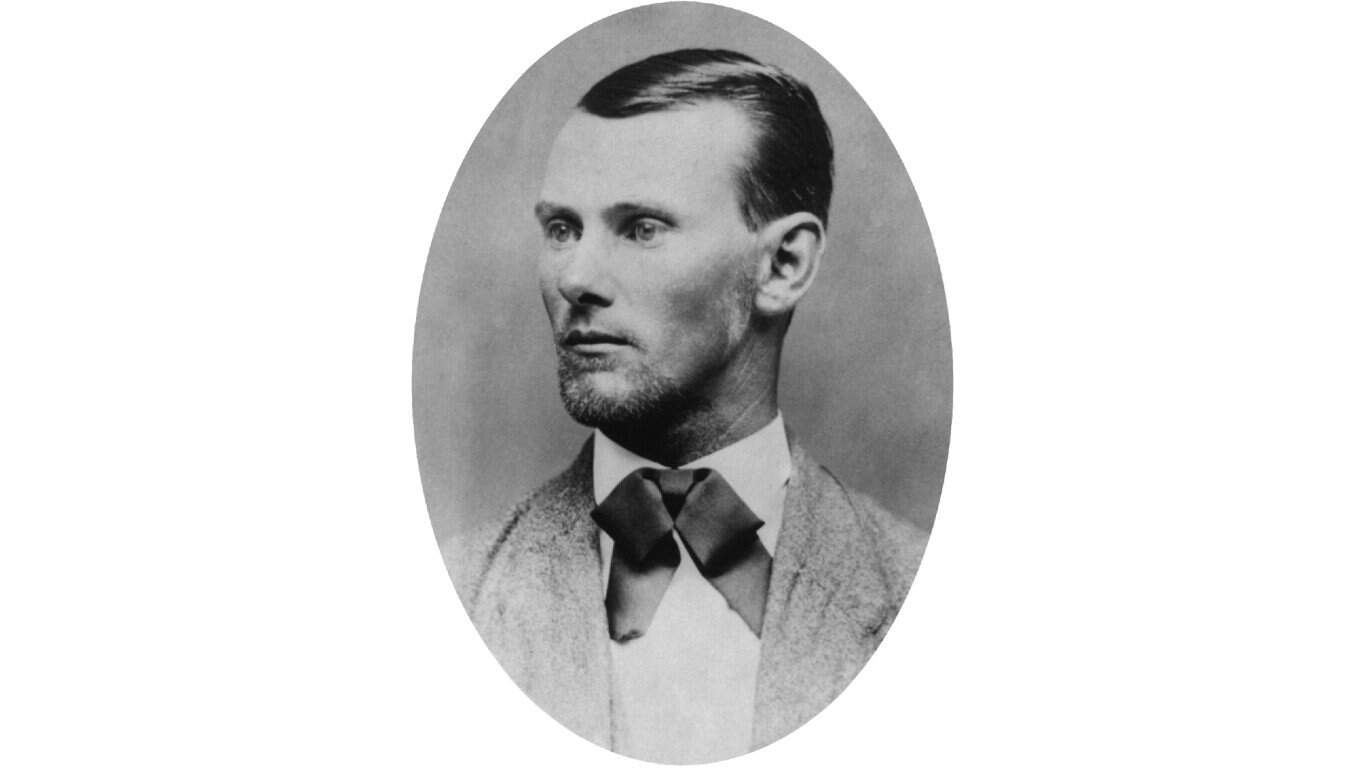
Jesse James
- Life: Sept. 5, 1847 – April 3, 1882
- Jesse James became one of America's most famous outlaws after riding with Confederate guerrillas during the Civil War and later joining his brother Frank and members of the Younger family in a string of bank, train, and stagecoach robberies. Newspapers and dime novels helped turn James into a folk figure while he was still alive, sometimes portraying him as a Robin Hood despite little evidence that his gang redistributed its loot. Robert Ford, a member of James's circle, shot him in the back of the head at his home in St. Joseph, Missouri, in 1882 while hoping to collect a state reward.
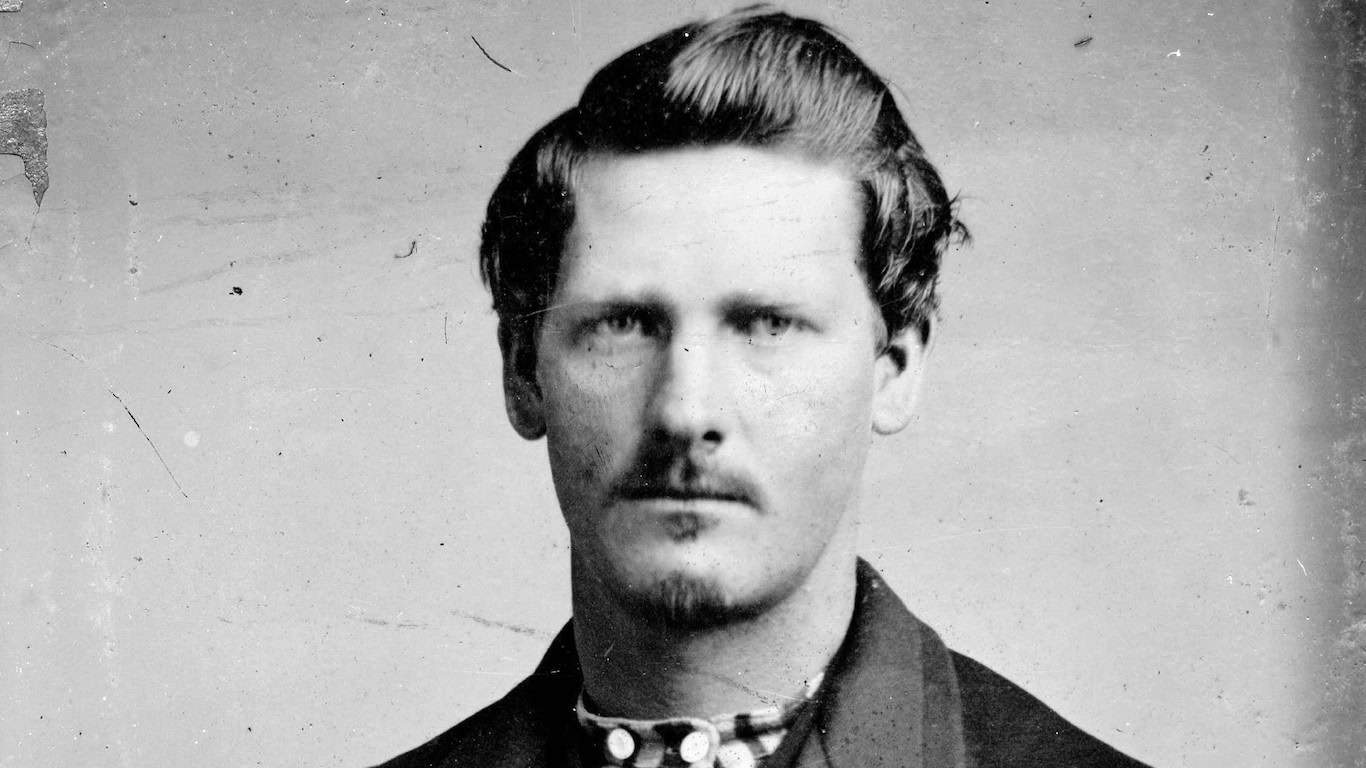
Wyatt Earp
- Life: March 19, 1848 – Jan. 13, 1929
- Wyatt Earp worked as a police officer in Wichita and an assistant marshal in Dodge City before moving to Tombstone, Arizona Territory. He became permanently linked to the West's most famous gunfight on Oct. 26, 1881, when he joined his brothers Virgil and Morgan and their friend Doc Holliday in confronting members of the Clanton-McLaury group near the O.K. Corral. Billy Clanton and brothers Tom and Frank McLaury were killed. Earp survived the frontier years and died in Los Angeles in 1929 at age 80.
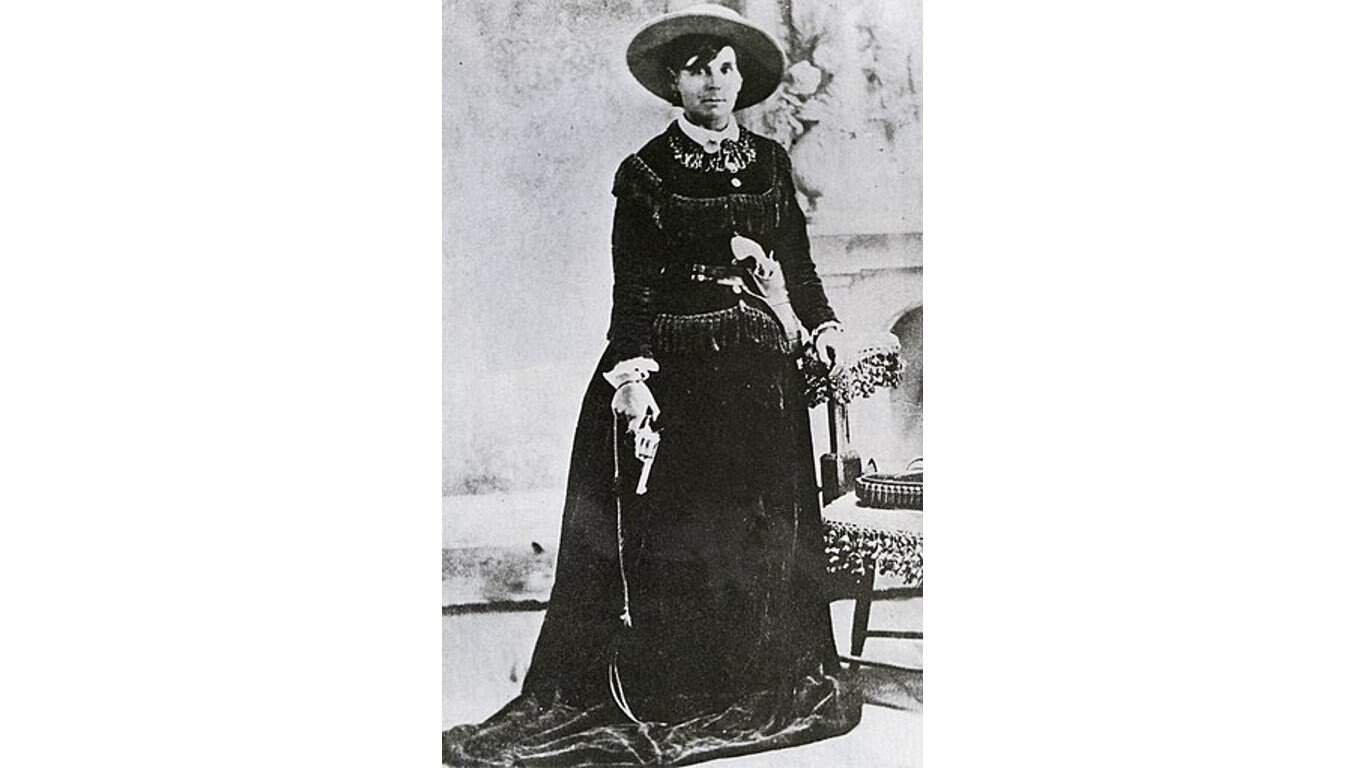
Belle Starr
- Life: Feb. 5, 1848 – Feb. 3, 1889
- Myra Maybelle Shirley Starr became famous as Belle Starr, the supposed "Bandit Queen" of the Old West. She certainly associated with outlaws and provided shelter to some of them, but much of her reputation as a criminal mastermind came from sensationalized newspaper stories and later folklore. Historians with the Oklahoma Historical Society note that her only clearly documented criminal conviction involved horse theft. Starr was shot and killed near her home in Indian Territory in 1889, and her murder was never solved.
Sam Bass
- Life: July 21, 1851 – July 21, 1878
- Sam Bass turned to stagecoach and train robbery after an unsuccessful stretch as a cattle drover and freighter. In September 1877, he was part of a gang that robbed a Union Pacific train at Big Springs, Nebraska, taking about $60,000 in newly minted gold coins from the express car along with money and valuables from passengers. Bass later led a new gang in Texas. Texas Rangers caught up with him in Round Rock in July 1878, where he was mortally wounded in a gunfight. He died on his 27th birthday.
Doc Holliday
- Life: Aug. 14, 1851 – Nov. 8, 1887
- John Henry "Doc" Holliday trained as a dentist before tuberculosis and a growing interest in gambling pushed his life in a very different direction. He developed a reputation as a gunfighter and became a close friend of Wyatt Earp. Holliday fought alongside the Earp brothers in the 1881 gunfight near the O.K. Corral and later joined Wyatt during the so-called Earp Vendetta Ride after Morgan Earp was murdered. Holliday ultimately died from tuberculosis in Glenwood Springs, Colorado, in 1887.
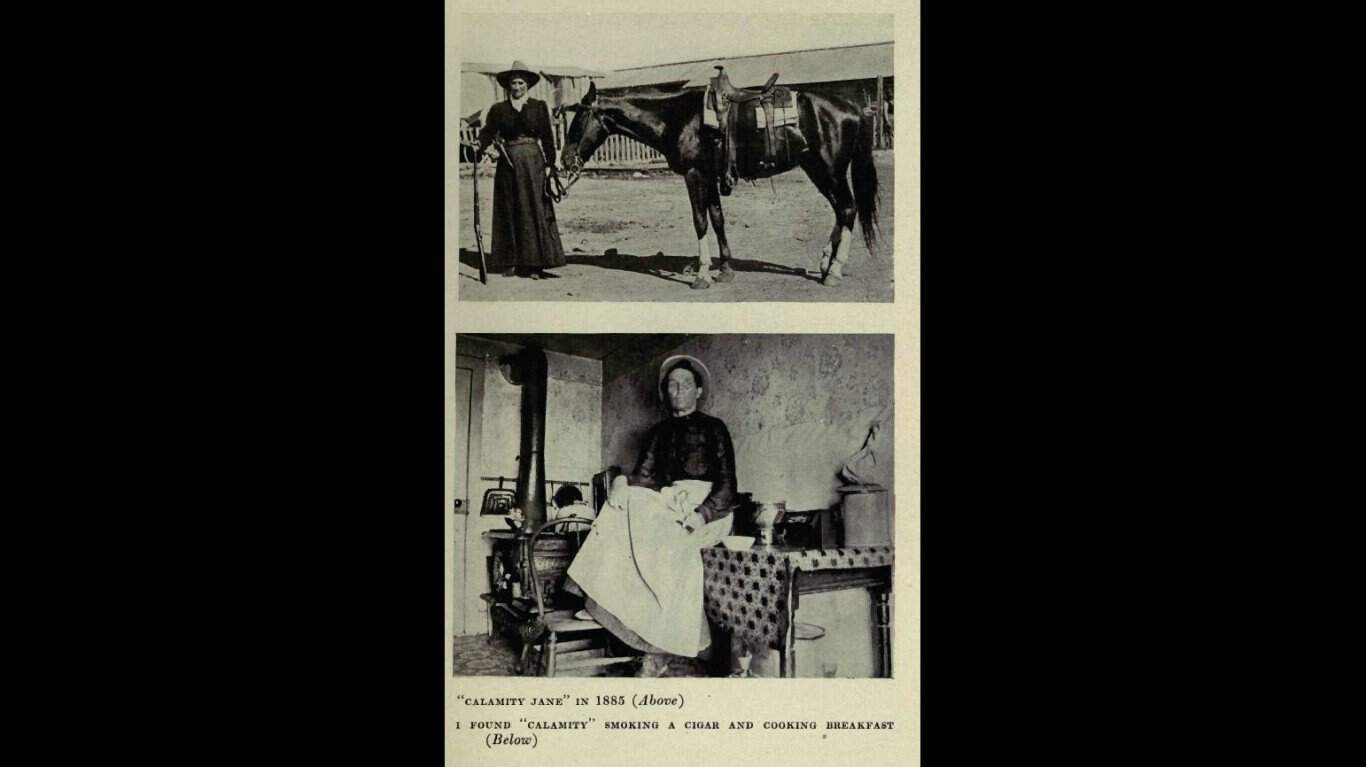
Calamity Jane
- Life: c. 1852 – Aug. 1, 1903
- Martha Jane Cannary, better known as Calamity Jane, became one of the most colorful characters associated with Deadwood and the Black Hills. She was known for wearing men's clothing, riding and shooting, and moving comfortably through a frontier culture dominated by men. Separating her biography from her own storytelling is difficult. Claims that she served extensively as an Army scout or performed particular acts of frontier heroism are disputed or poorly documented. What is certain is that she became famous during her lifetime and later appeared in Wild West shows, helping turn her own legend into entertainment.
John Wesley Hardin
- Life: May 26, 1853 – Aug. 19, 1895
- John Wesley Hardin may have done more than almost anyone to build his own reputation as a deadly gunfighter. He killed his first man as a teenager and later claimed responsibility for dozens of deaths, although the precise number is impossible to establish and his autobiography is not always reliable. Hardin was captured by Texas Rangers in Florida in 1877 and sentenced to 25 years in prison for the murder of Deputy Sheriff Charles Webb. After his release, he became a lawyer in El Paso. Gunman John Selman shot and killed him in a saloon in 1895.
King Fisher
- Life: October 1853 – March 11, 1884
- John King Fisher built a reputation as a Texas gunfighter, cattle rustler, and rancher along the border with Mexico. Contemporary descriptions also made plenty of room for his wardrobe, which could include an embroidered jacket, crimson sash, Mexican sombrero, and a pair of silver-plated revolvers. Fisher eventually moved toward the other side of the law, serving as a deputy sheriff and later acting sheriff of Uvalde County. He and fellow gunfighter Ben Thompson were killed during a violent confrontation at a San Antonio theater in 1884.
Isam Dart
- Life: c. 1858 – Oct. 3, 1900
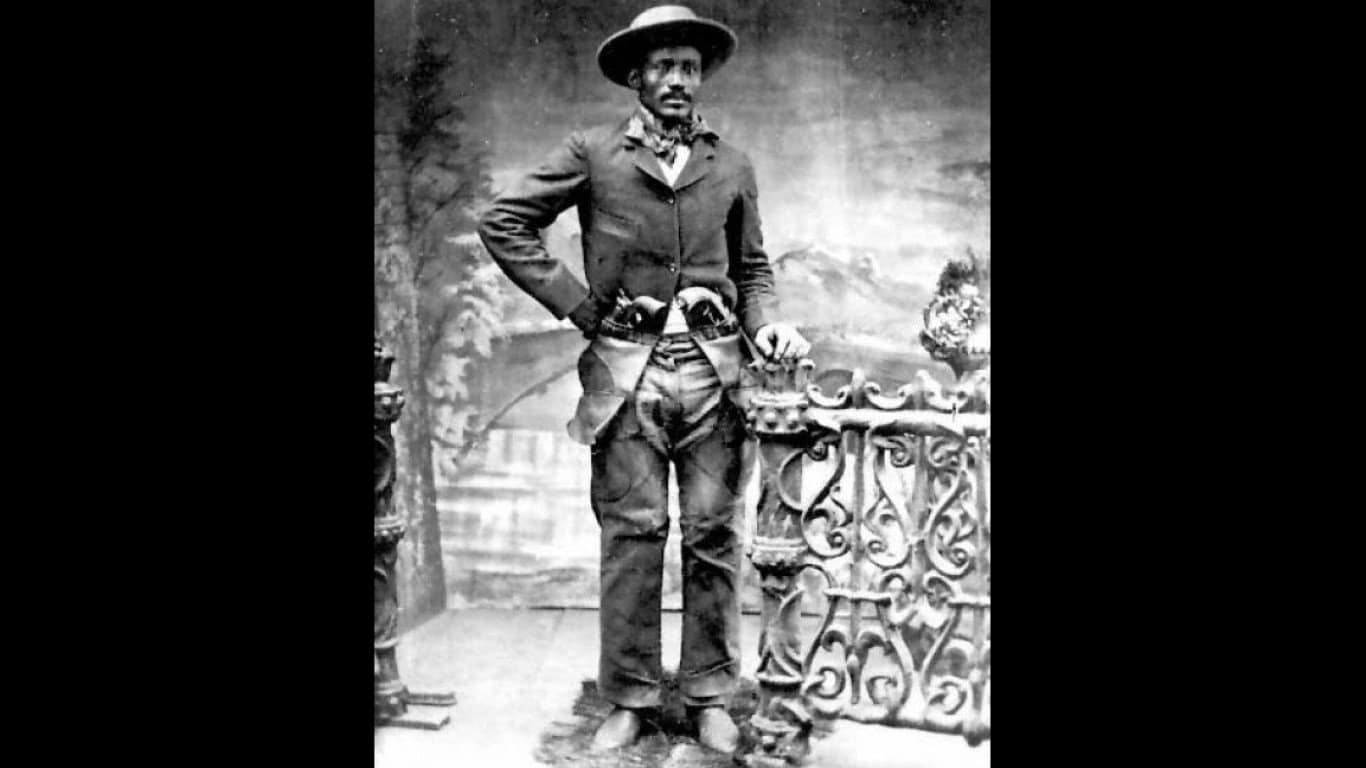
- Isam Dart was a Black cowboy, skilled horseman, and rancher who eventually settled in Brown's Park in northwestern Colorado. He also developed a reputation for cattle and horse rustling, although later accounts of his early life contain a surprising amount of fiction that has been repeated as fact. Dart was shot and killed outside his cabin in 1900. An inquest concluded that the shooter was unknown, but historians have long suspected range detective Tom Horn, who was working for powerful cattle interests in the region.
Billy the Kid
- Life: c. 1859 – July 14, 1881
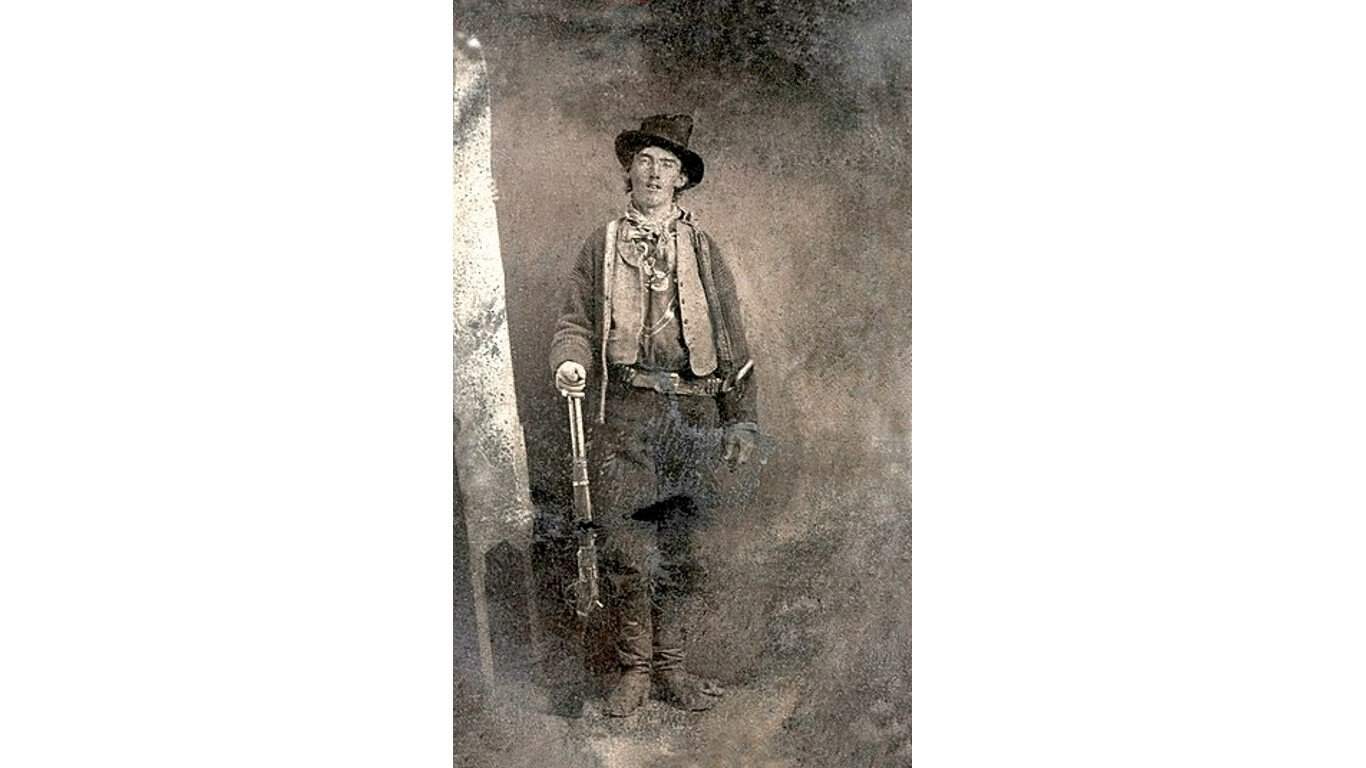
- Henry McCarty, better known as Billy the Kid and William H. Bonney, became one of the most famous participants in New Mexico's Lincoln County War. He rode with the Regulators faction and remained a fugitive after the conflict ended. Legend eventually credited Billy with killing 21 men, supposedly one for every year of his life, but the historical record supports a much smaller total, with some deaths involving several shooters. Lincoln County Sheriff Pat Garrett shot and killed Billy at Fort Sumner, New Mexico, on July 14, 1881.
Tom Horn Jr.
- Life: Nov. 21, 1860 – Nov. 20, 1903
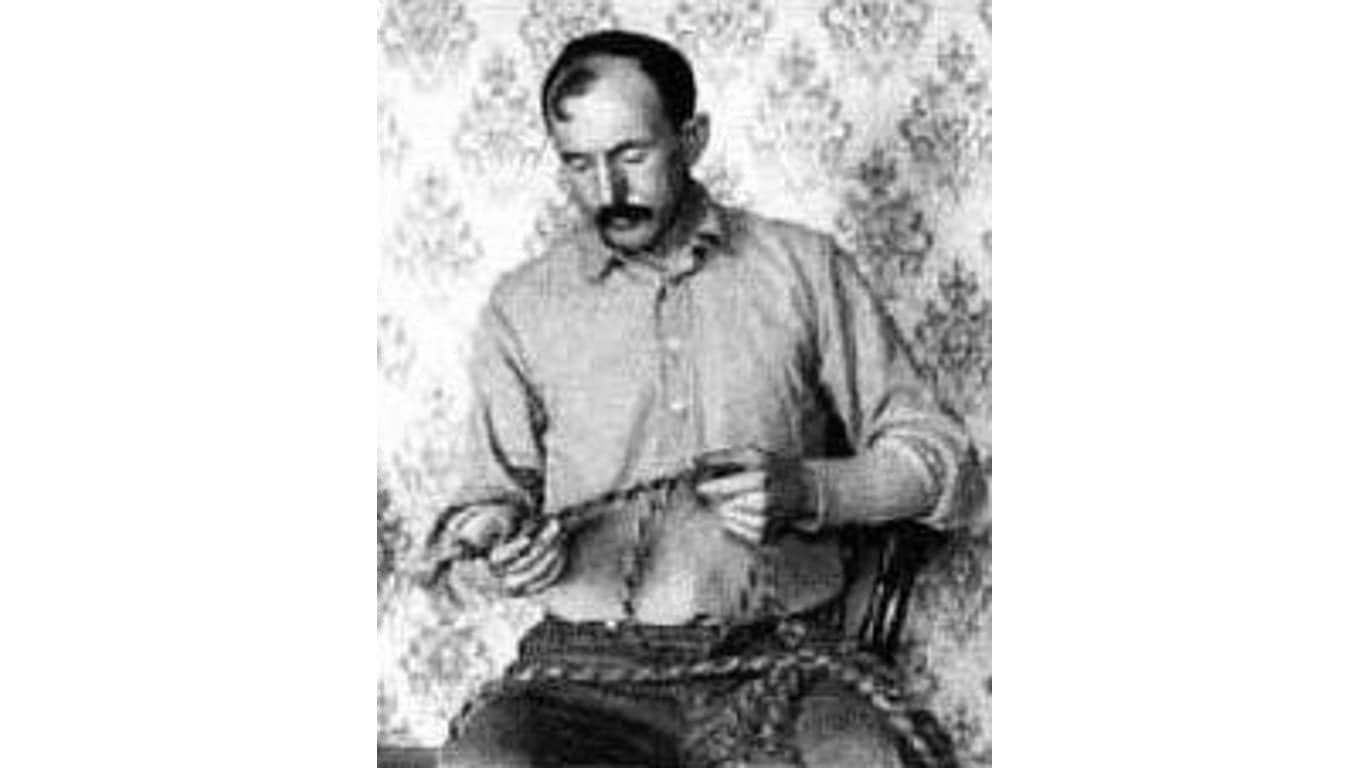
- Tom Horn worked as an Army scout and interpreter, a Pinkerton detective, and later a range detective for wealthy cattle interests in Wyoming and Colorado. He acquired a fearsome reputation and has been linked to several killings, including the 1900 deaths of suspected rustlers Matt Rash and Isam Dart, although exact claims about how many people Horn killed are impossible to verify. Horn was convicted of murdering 14-year-old Willie Nickell in Wyoming in 1901 and hanged in 1903. His guilt in the Nickell case remains disputed because the prosecution relied heavily on a controversial confession and circumstantial evidence.
Apache Kid
- Life: c. 1860 – fate unknown
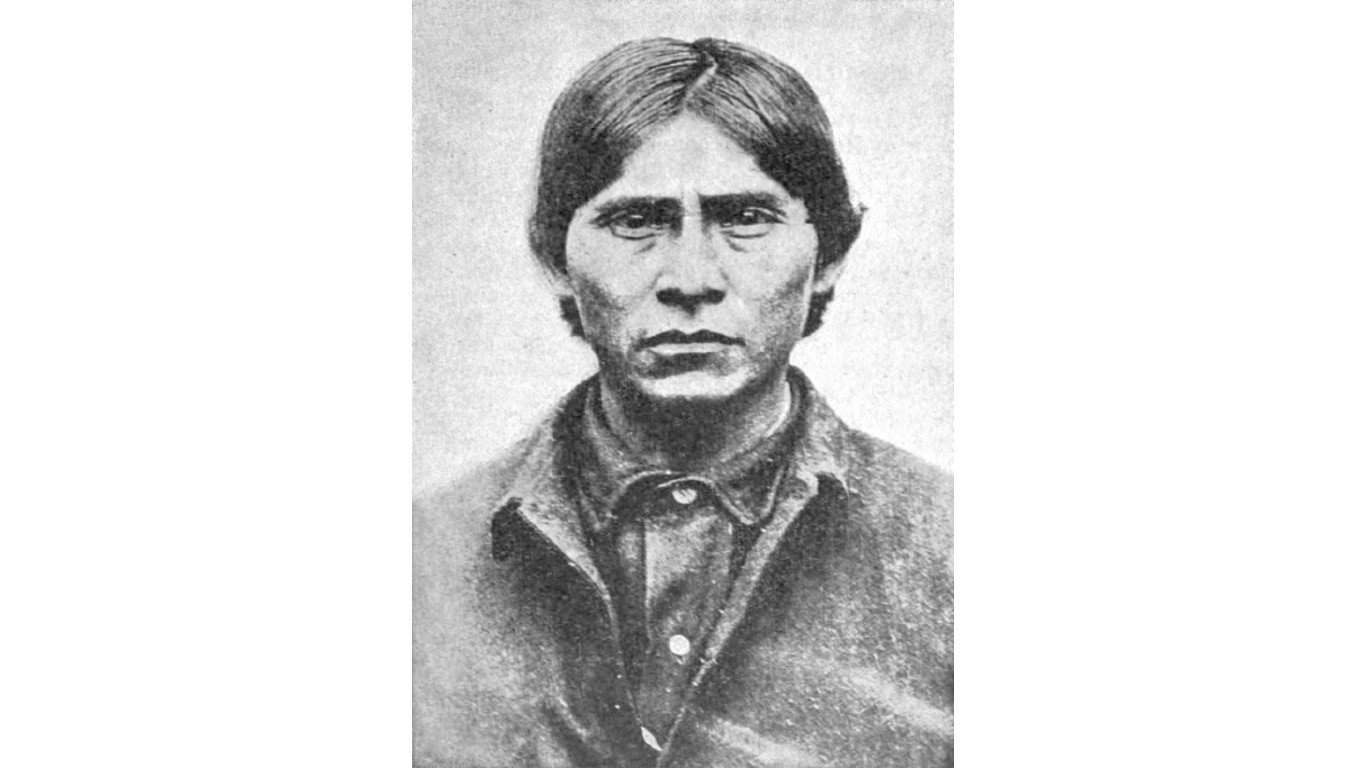
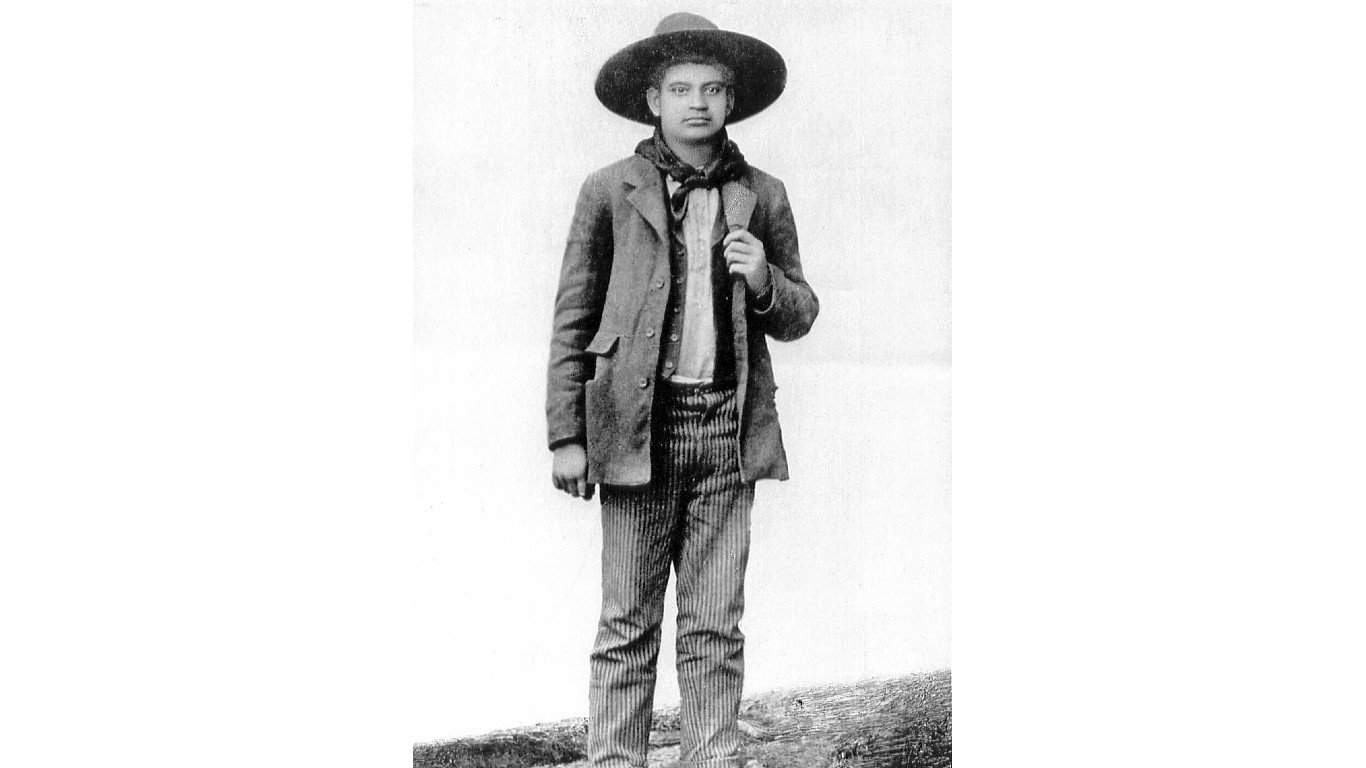
- The Apache Kid was an Apache scout who rose to the rank of sergeant while serving the U.S. Army. After violence erupted at San Carlos in 1887, he and several other scouts were court-martialed on mutiny and desertion charges. Their military convictions were later overturned, but the Kid was subsequently convicted in territorial court and sentenced to prison. During a transfer to the Yuma Territorial Prison in November 1889, he escaped with other prisoners after two lawmen were killed. The Apache Kid was never recaptured, and despite years of reported sightings and crimes attributed to him, his ultimate fate remains unknown.
Annie Oakley
- Life: Aug. 13, 1860 – Nov. 3, 1926
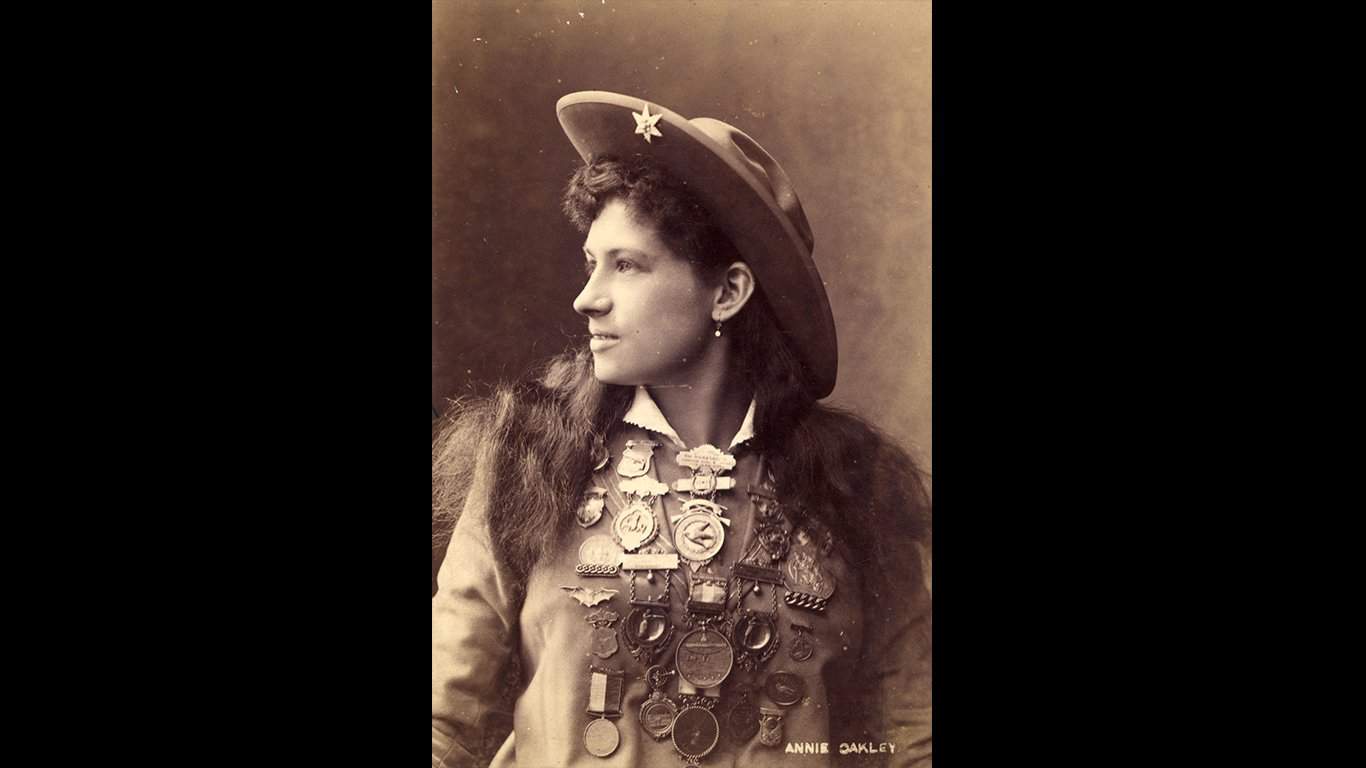
- Annie Oakley was born Phoebe Ann Moses in Ohio and learned to shoot while hunting game to help support her family. As a teenager, she defeated professional exhibition shooter Frank Butler in a shooting match and later married him. Oakley became internationally famous through Buffalo Bill's Wild West, where her precision shooting made her one of the show's biggest stars. Unlike most people on this list, she was not an outlaw or gunfighter and is not known to have shot anyone. She later offered to organize and train women sharpshooters for the U.S. military during both the Spanish-American War and World War I, but the offers were declined.
Jim "Killer" Miller
- Life: Oct. 25, 1861 – April 19, 1909
- James Brown Miller worked at various times as a cowboy, lawman, and hired killer in Texas and Oklahoma. Several killings can be firmly connected to him, while estimates of his total victims vary widely and include claims Miller himself reportedly made. In 1909, Miller was arrested for the ambush killing of former deputy U.S. marshal A.A. "Gus" Bobbitt near Ada, Oklahoma. He never made it to trial. A mob broke into the jail and lynched Miller and three other prisoners on April 19, 1909. Interestingly, historians have found that colorful nicknames such as "Killer Miller" became common mainly after his death.
Butch Cassidy
- Life: April 13, 1866 – presumed Nov. 1908
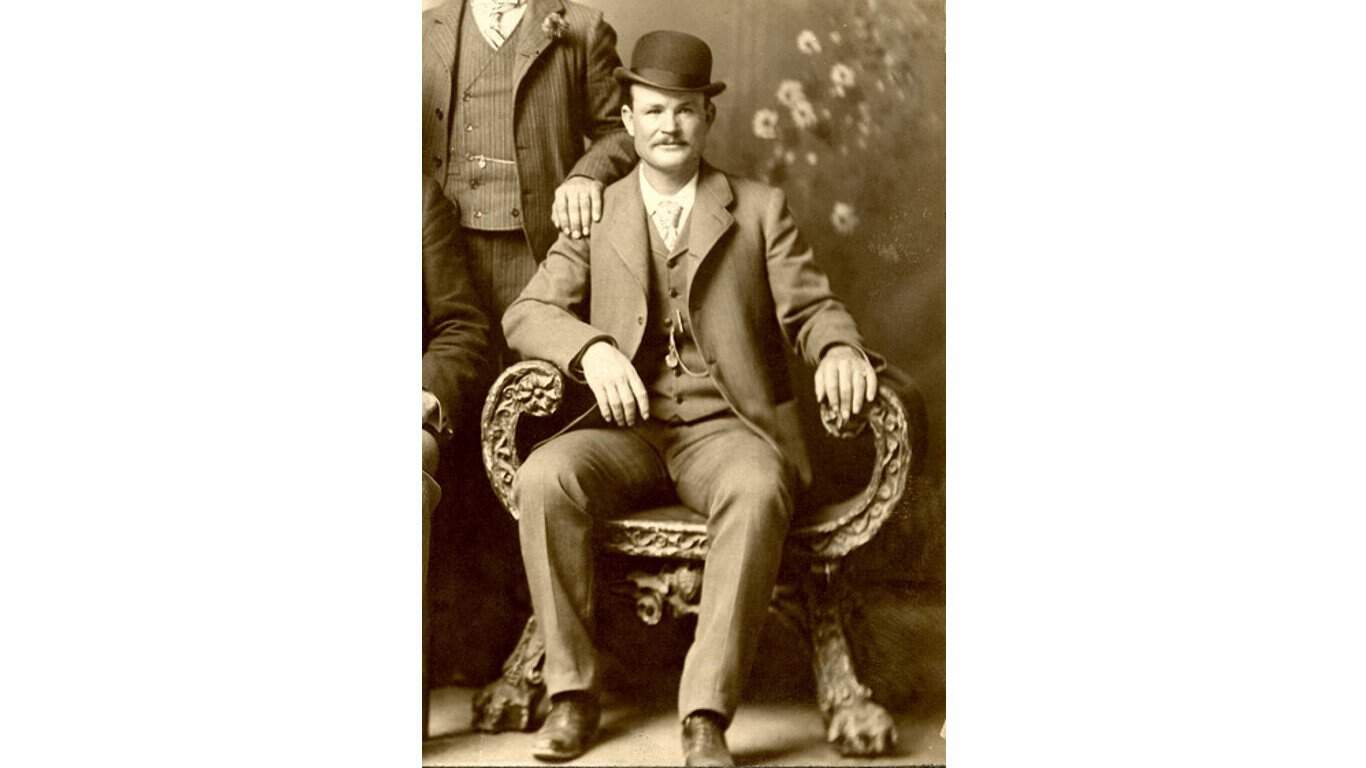
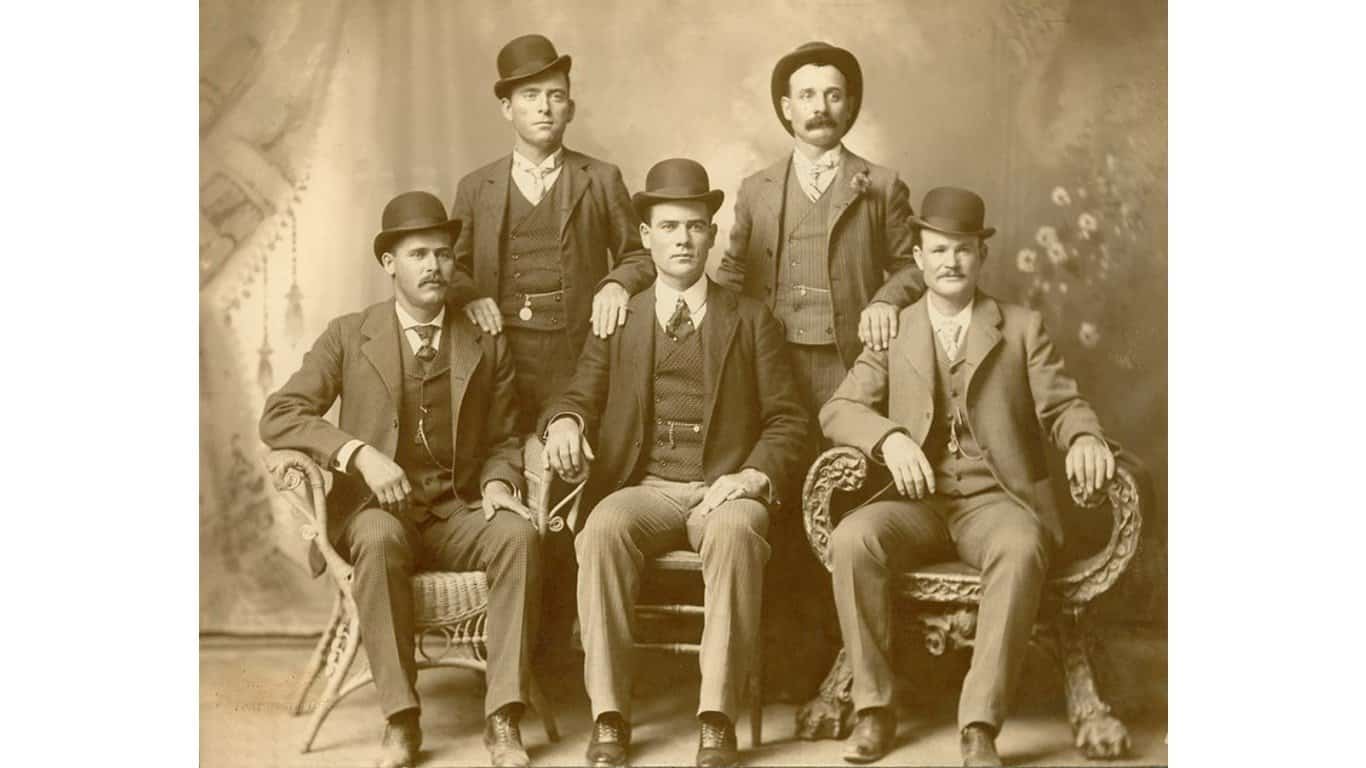
- Butch Cassidy was born Robert LeRoy Parker in Utah Territory and became the leader of the loose outlaw network known as the Wild Bunch. In 1889, Cassidy and accomplices robbed the San Miguel Valley Bank in Telluride, Colorado, of more than $20,000. Bank and train robberies followed across the West. With law enforcement closing in, Cassidy eventually left the United States with Harry Longabaugh, the Sundance Kid, and Longabaugh's companion Etta Place. Cassidy and Sundance are generally believed to have died after a gunfight in San Vicente, Bolivia, in November 1908, but the identification of the dead men was never conclusively established.
The Sundance Kid
- Life: 1867 – presumed Nov. 1908
- Harry Longabaugh earned the nickname "Sundance Kid" after serving about 18 months in jail in Sundance, Wyoming Territory, for horse theft beginning in 1887. He later became one of the best-known members of Butch Cassidy's Wild Bunch, participating in bank and train robberies before fleeing to South America with Cassidy and Etta Place. Longabaugh and Cassidy are widely believed to have been the two outlaws who died following a 1908 gunfight with authorities in San Vicente, Bolivia, although their deaths have never been proved beyond doubt.
Pearl Hart
- Life: 1871 – Dec. 30, 1955
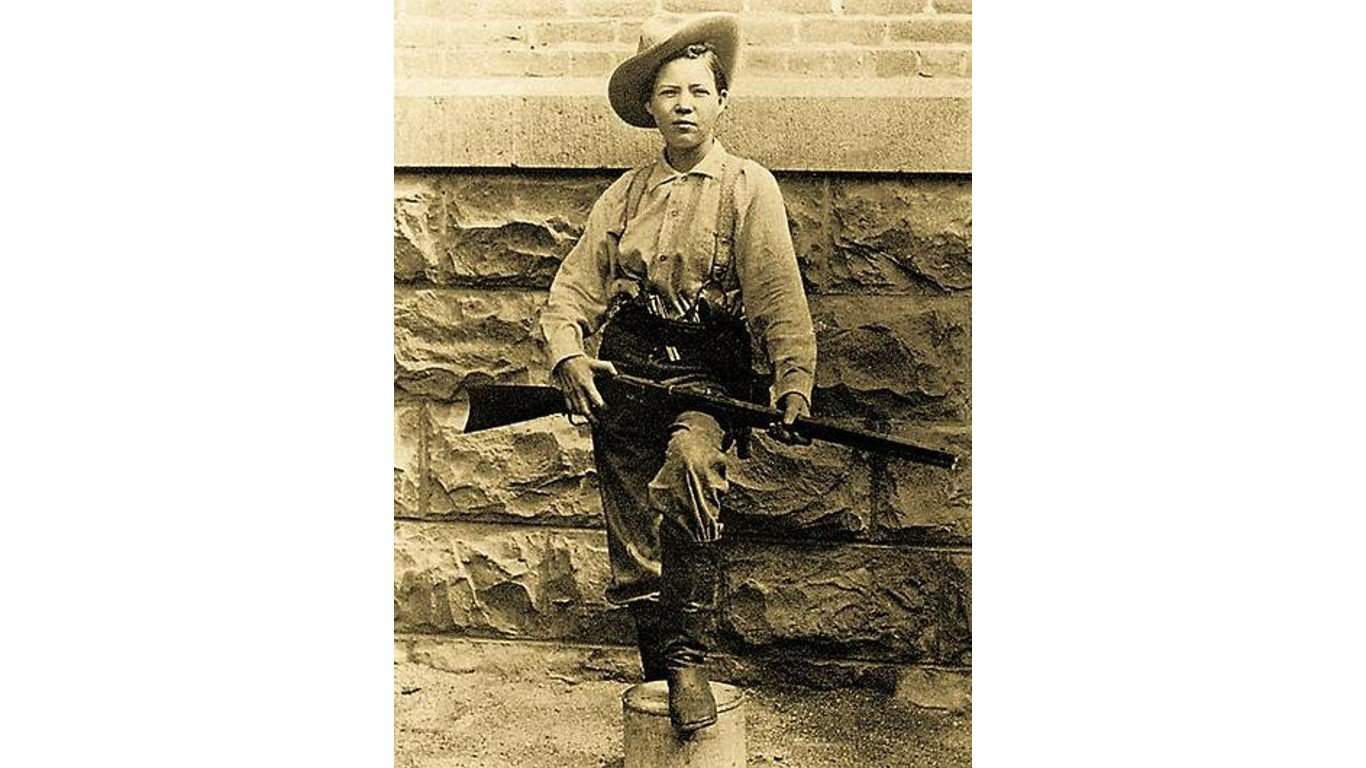
- Canadian-born Pearl Hart became a national celebrity after she and an accomplice known as Joe Boot robbed an Arizona stagecoach near Globe on May 30, 1899. Hart had cut her hair and dressed in men's clothing for the robbery. After her capture, she was transferred to a jail in Tucson, escaped in October 1899, and was recaptured near Deming, New Mexico, about two weeks later. Hart was ultimately convicted of interfering with the U.S. mail and sent to the Yuma Territorial Prison. Arizona Gov. Alexander Brodie pardoned her in 1902.
Cherokee Bill
- Life: Feb. 8, 1876 – March 17, 1896
- Crawford Goldsby, better known as Cherokee Bill, was a young outlaw of Black and Cherokee ancestry who became notorious in Indian Territory during the 1890s. He joined Bill and Jim Cook's gang and participated in bank, train, stagecoach, and store robberies as well as several killings. After his capture in 1895, Goldsby killed a guard during an attempted escape from the federal jail at Fort Smith, Arkansas. He was executed there in 1896 at age 20. Despite claims repeated in some accounts, Cherokee Bill could not have associated with Billy the Kid, who died in 1881 when Goldsby was still a small child.
Rufus Buck Gang
- Active: July – August 1895
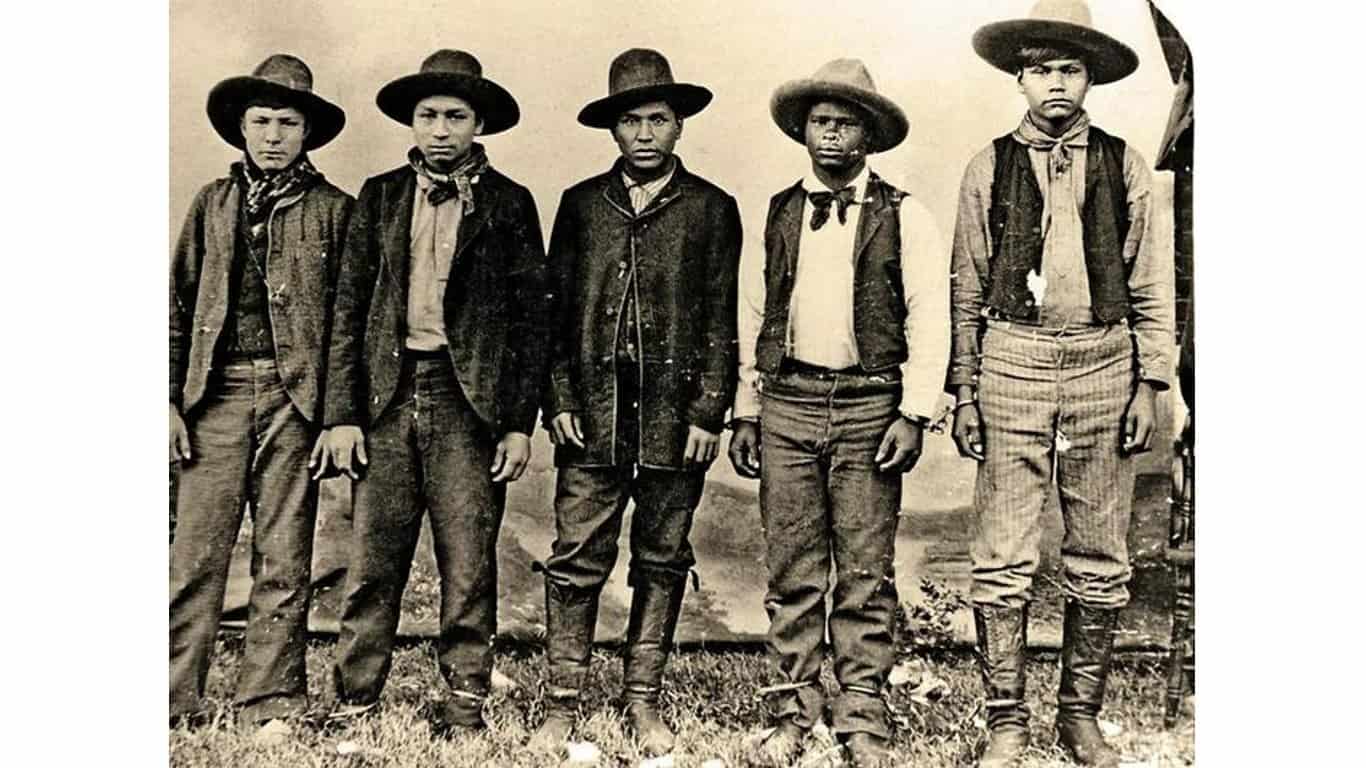
- The Rufus Buck Gang consisted of Rufus Buck, Luckey Davis, Sam Sampson, Maomi July, and Lewis Davis, all young men of American Indian or African American descent. During a 13-day crime spree in the Creek Nation in the summer of 1895, the gang committed robberies, killed Okmulgee Marshal John Garrett, killed a farmhand, and sexually assaulted several women. Law officers captured the five men after a gunfight at Flatrock Creek on Aug. 10, 1895. They were convicted in federal court at Fort Smith and hanged together on July 1, 1896.