Wikipedia
Rembrandt Peale / Public domain
Tony Essex / Getty Images
Flywheel Publishing
aicragarual / E+ via Getty Images

lordsutch / Flickr
THE DETROIT NEWS, Public domain, via Wikimedia Commons
Everett Collection/Shutterstock.com
Series: Reagan White House Photographs, 1/20/1981 - 1/20/1989Collection: White House Photographic Collection, 1/20/1981 - 1/20/1989, Public domain, via Wikimedia Commons

Central Press / Getty Images
mariesacha / Shutterstock.com
Public Domain / Wikimedia Commons
vale_t / Getty Images
Stroud/Express/Hulton Archive/Getty Images
Leonid Andronov / Getty Images
Tavarius / Shutterstock.com
Photos.com / PHOTOS.com>> via Getty Images
Keystone / Getty Images
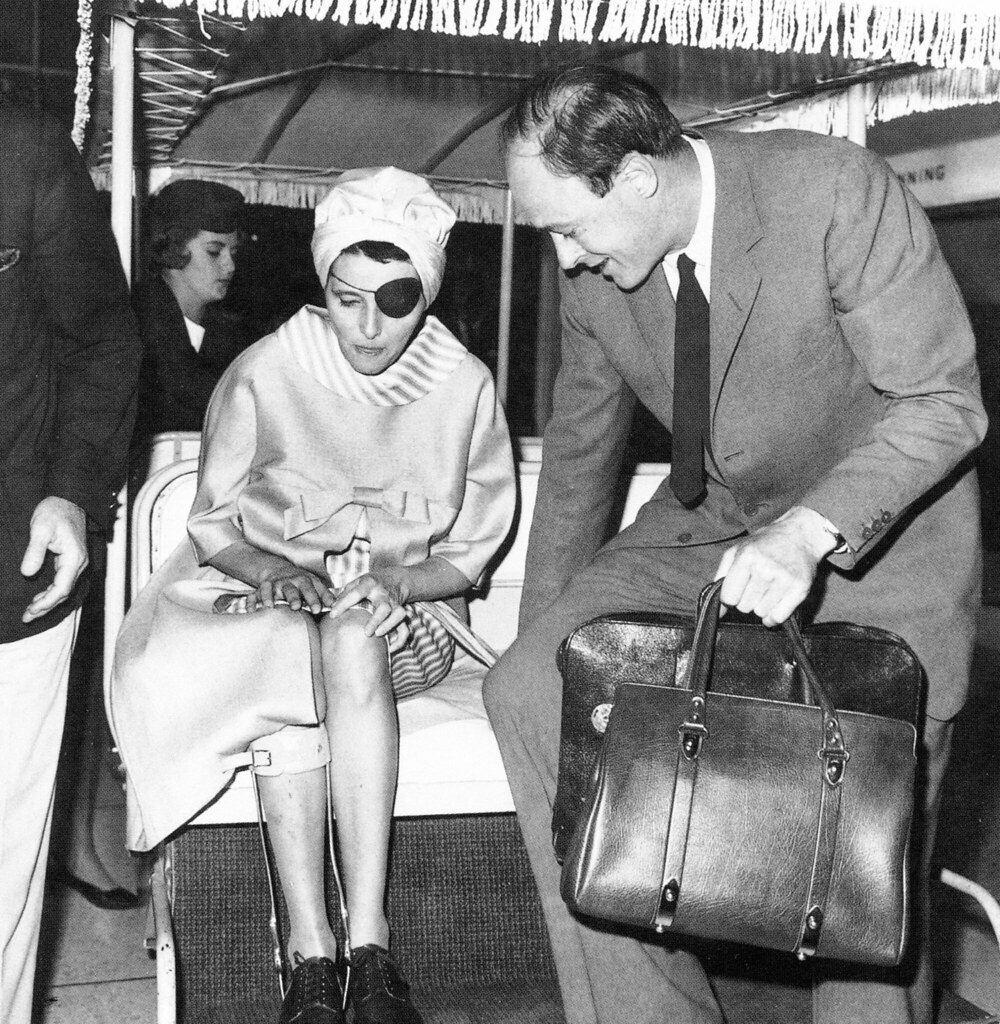
classic film scans / BY 2.0
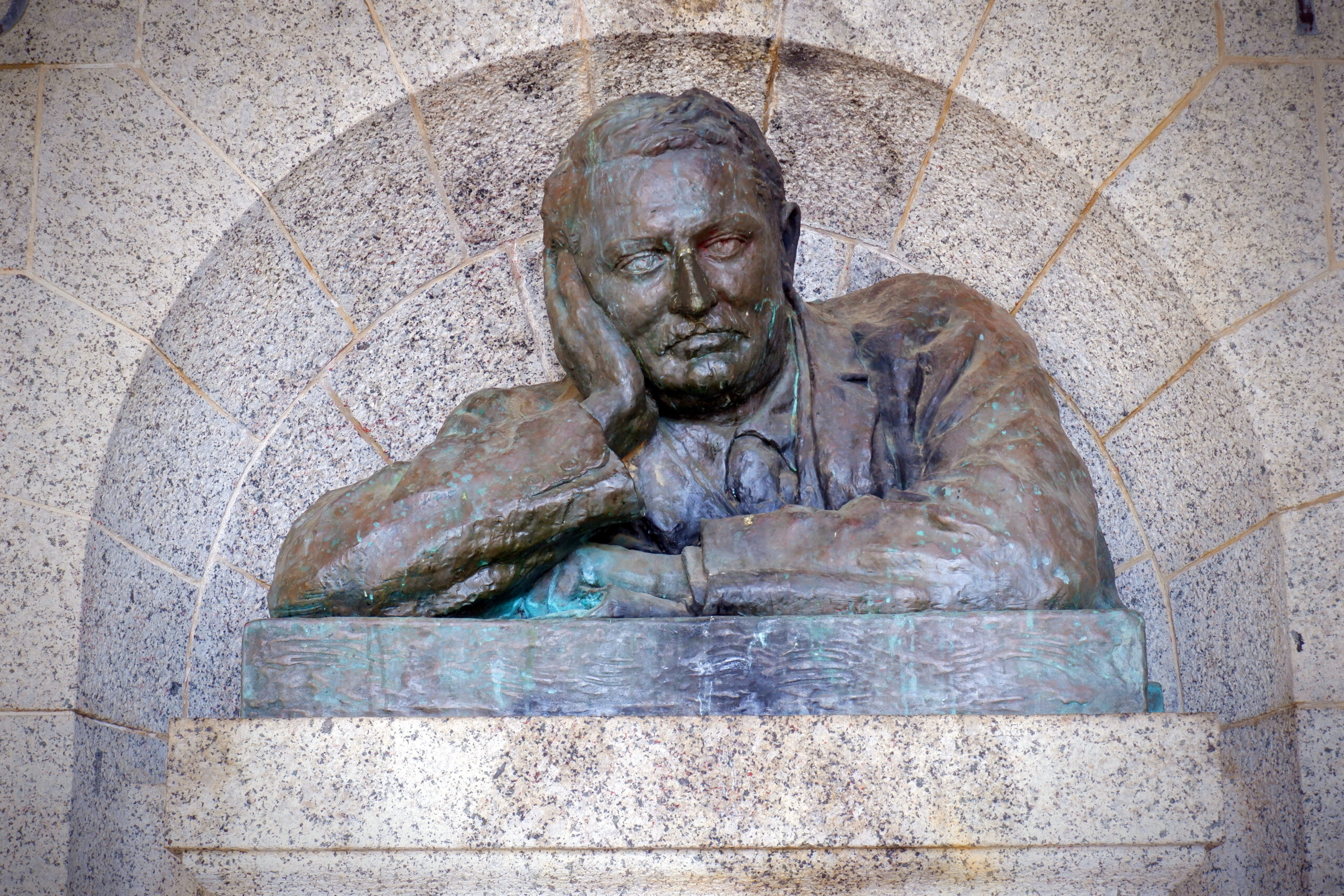
Gil Meshulam / Shutterstock.com
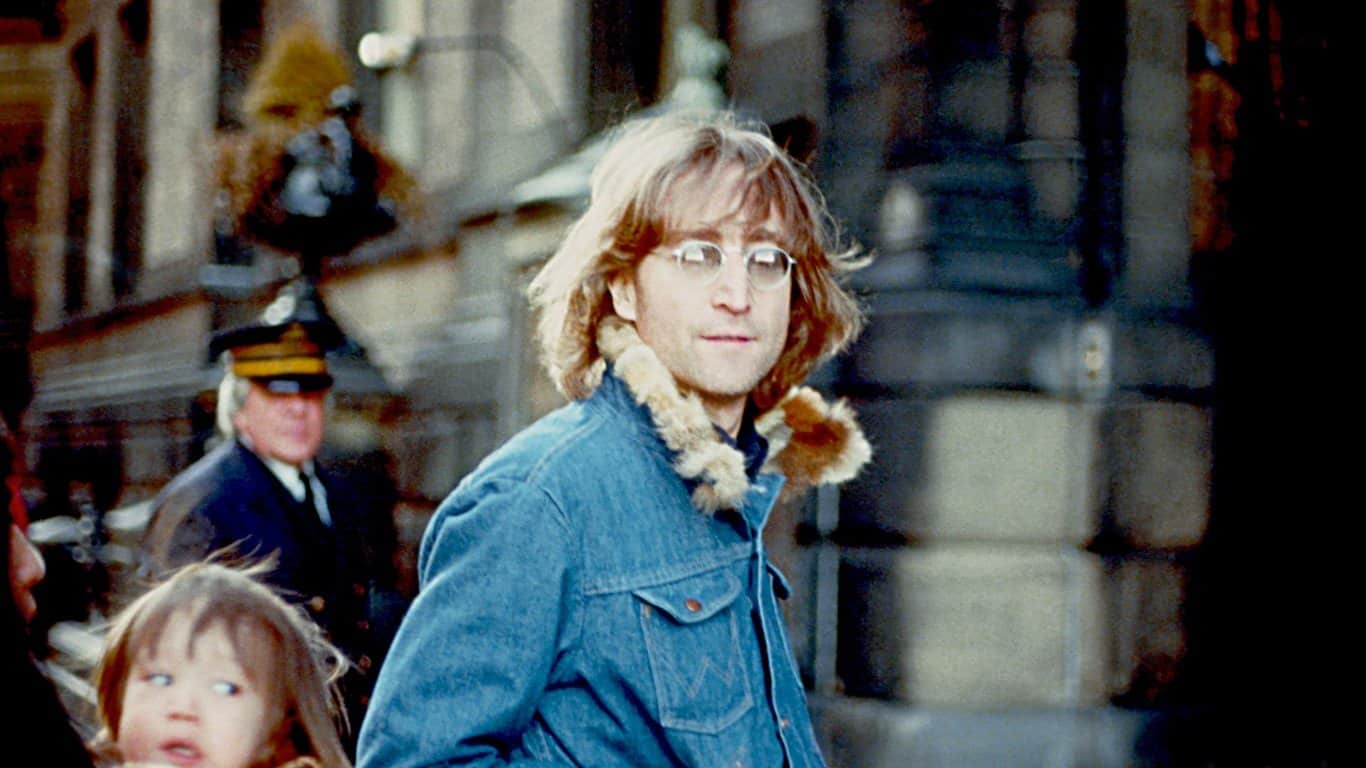
Michael Ochs Archives / Michael Ochs Archives via Getty Images






20 Historical Heroes With Darker Sides You Rarely Hear About
History books have a way of turning complicated people into simple characters. Heroes become larger than life, villains become purely evil, and the contradictions in between often get pushed aside. But the people who shaped history were rarely so easy to define. These 20 celebrated figures accomplished things that earned them lasting admiration, while also leaving behind decisions, beliefs, and controversies that make their legacies far more complicated than the versions many of us learned in school.
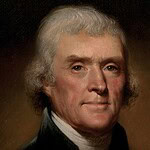
Thomas Jefferson
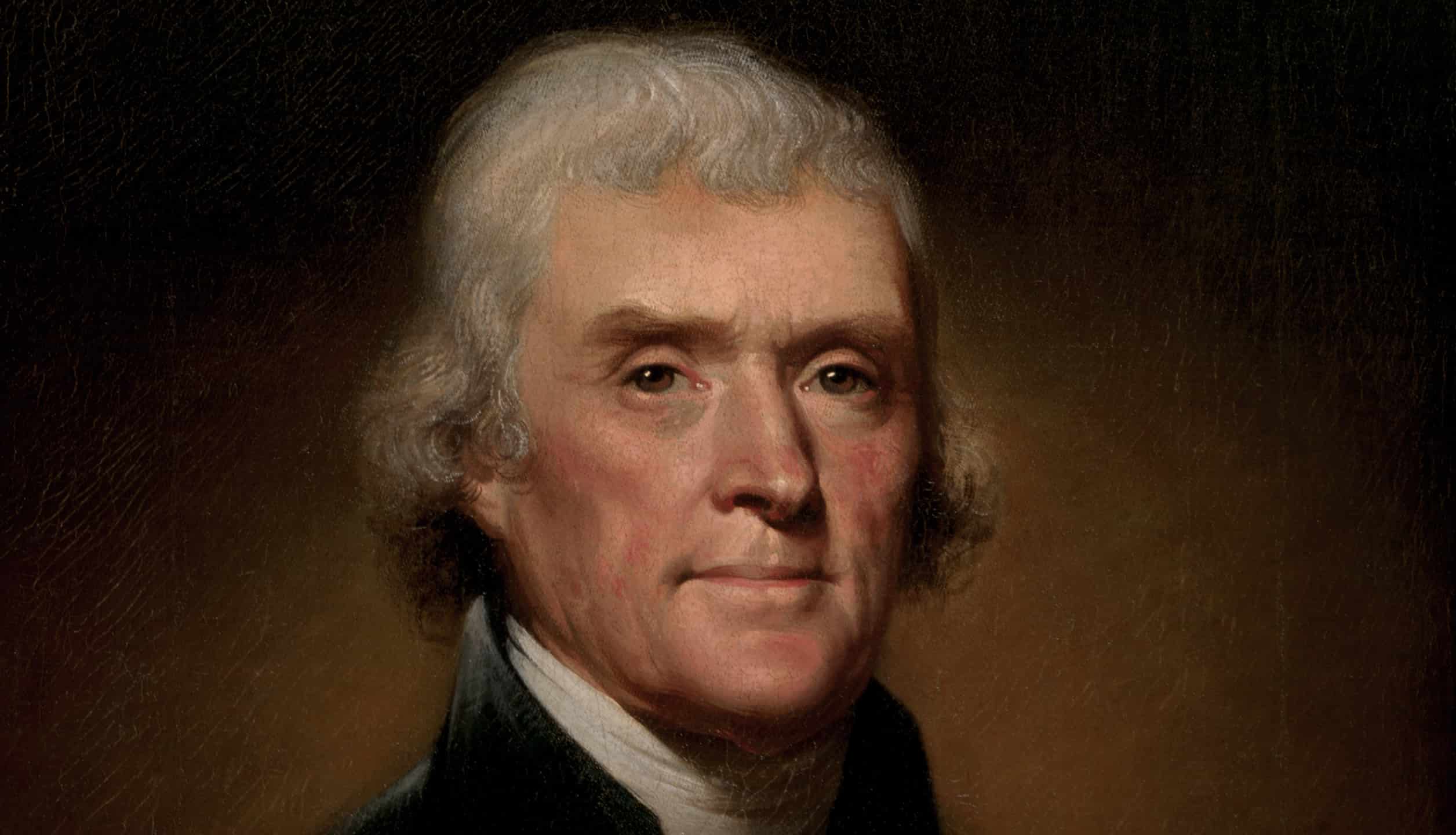
While Thomas Jefferson wrote that all men are created equal, he enslaved more than 600 people over his lifetime. The Thomas Jefferson Foundation considers it a settled historical matter that he fathered at least six children with Sally Hemings. As an enslaved woman, Hemings had no legal right to refuse unwanted sexual advances, although she negotiated terms for returning from Paris to Virginia. Jefferson eventually freed or allowed to leave all four of Hemings's children who survived to adulthood, but only a small fraction of the hundreds of people he enslaved ever received freedom from him.
Woodrow Wilson
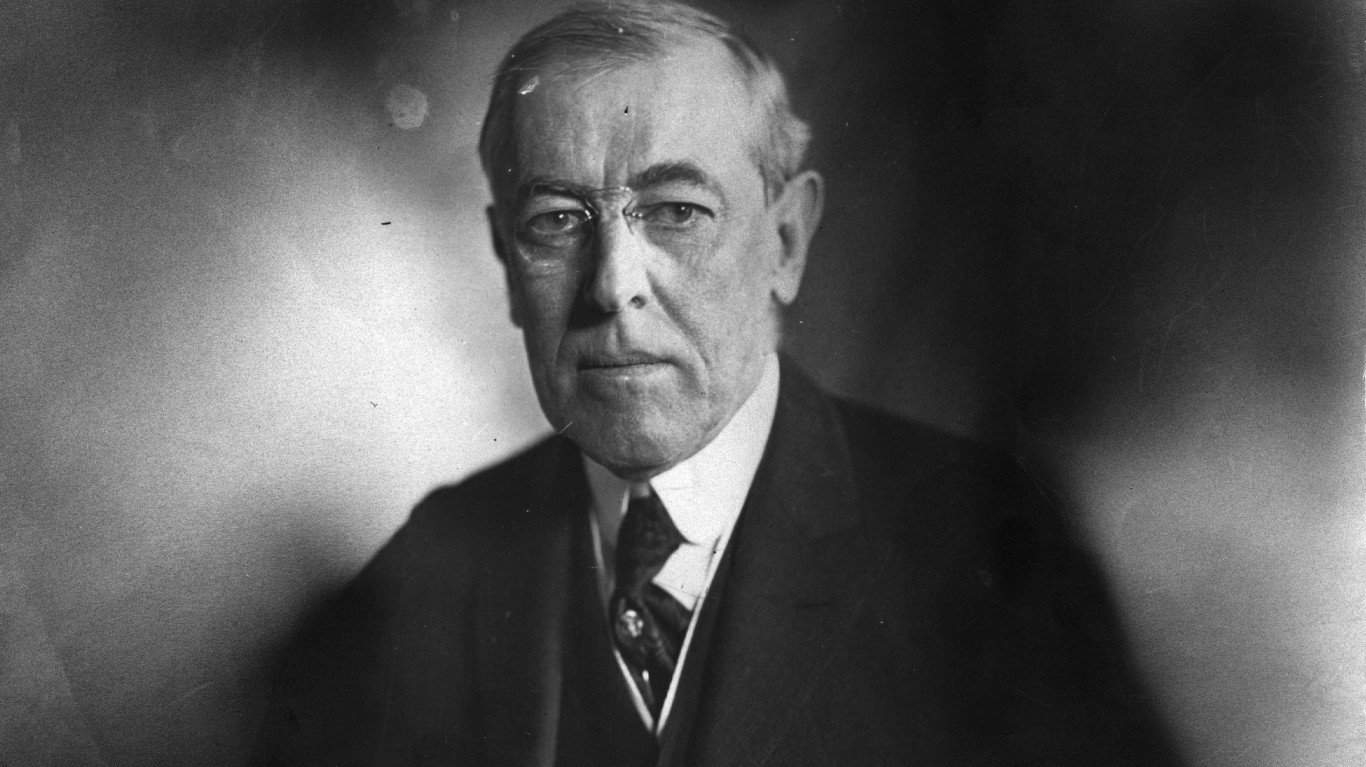
Wilson's administration imposed segregation in several federal agencies beginning in 1913, separating Black and white employees and leaving some Black workers demoted or dismissed. He also allowed the racist film "The Birth of a Nation" (1915) to be screened at the White House. The famous words of praise later attributed to Wilson are not reliably documented, but the screening itself lent prestige to a film that glorified the Ku Klux Klan. His progressive reputation has aged very unevenly.
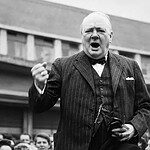
Winston Churchill
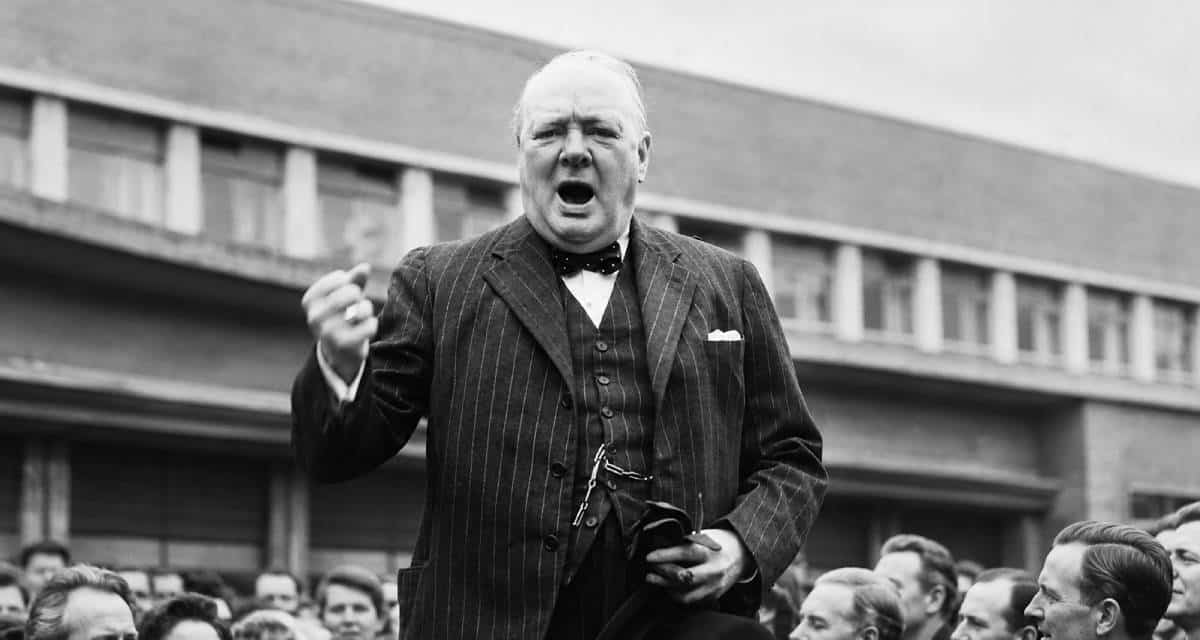
Churchill's wartime leadership is real, but so is his unapologetic imperialism. The 1943 Bengal famine killed millions, and historians have tied its severity to wartime inflation, colonial food and transportation policies, administrative failures, and delayed or rejected requests for large grain imports. Churchill's War Cabinet repeatedly prioritized military and shipping demands over the scale of relief requested from India, although Britain did send grain and later sought additional shipping. How much personal blame belongs to Churchill remains debated, but the catastrophe unfolded under British imperial rule.
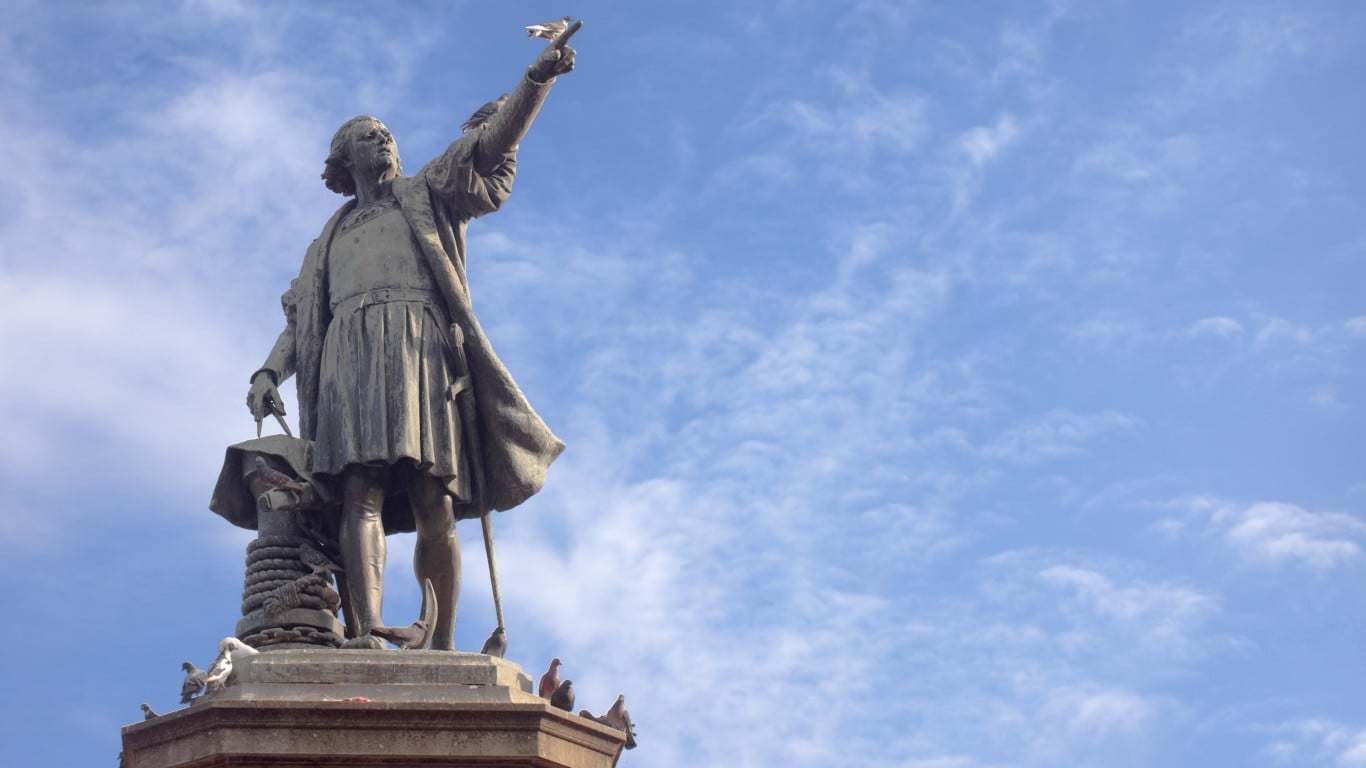
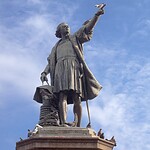
Christopher Columbus
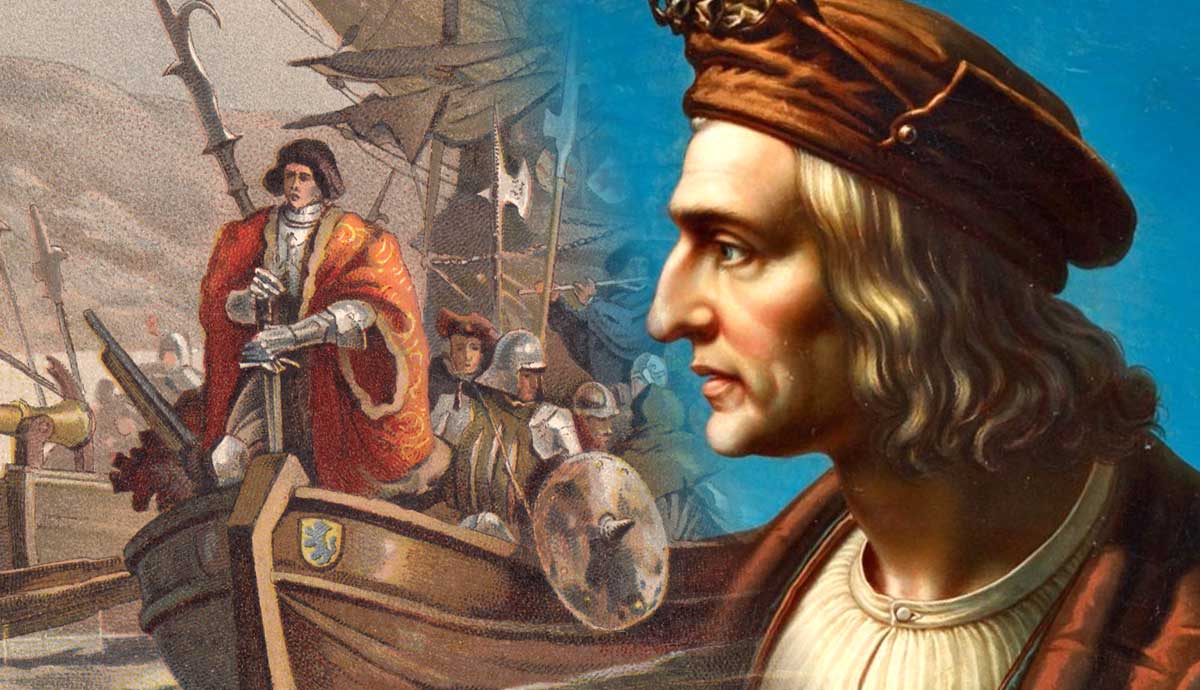
Columbus's government on Hispaniola imposed a harsh tribute system on the Taíno, requiring many to provide gold or cotton, while Spanish colonists subjected Indigenous people to forced labor, enslavement, and violence. Complaints about Columbus's rule led the Spanish Crown to send Francisco de Bobadilla, who arrested Columbus in 1500 and returned him to Spain in chains. The Taíno population then collapsed catastrophically under a combination of forced labor, warfare, famine, and devastating Old World diseases.
Andrew Jackson
The Trail of Tears is acknowledged, but the timeline matters. Andrew Jackson made Native removal a central policy of his presidency and signed the Indian Removal Act into law in 1830, helping set in motion the forced displacement of tens of thousands of Native people from the Southeast. The Cherokee Trail of Tears itself took place in 1838 and 1839 under President Martin Van Buren, after Jackson had left office; roughly 4,000 of about 16,000 Cherokee died during the removal. The policy bore Jackson's unmistakable imprint even though he was no longer president when the deadliest Cherokee removal occurred.
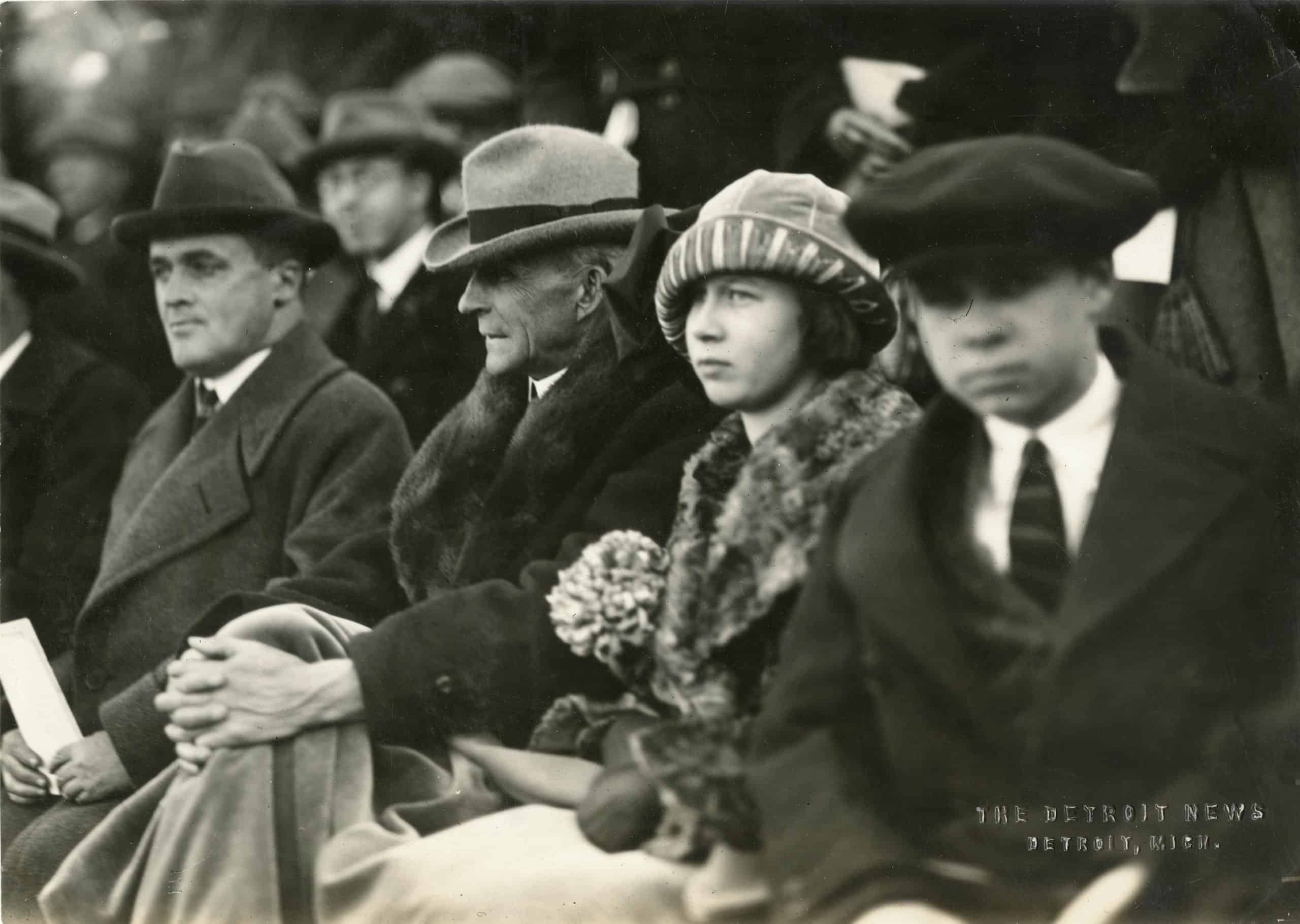
Henry Ford
Ford used his newspaper, The Dearborn Independent, to publish an antisemitic series beginning in 1920 that was later collected in four volumes under the title "The International Jew." Adolf Hitler praised Ford, mentioned him approvingly in "Mein Kampf," and displayed Ford's portrait in his office. Nazi Germany later awarded Ford the Grand Cross of the German Eagle in 1938. The admiration was not incidental: Ford's antisemitic writings circulated widely in Germany.
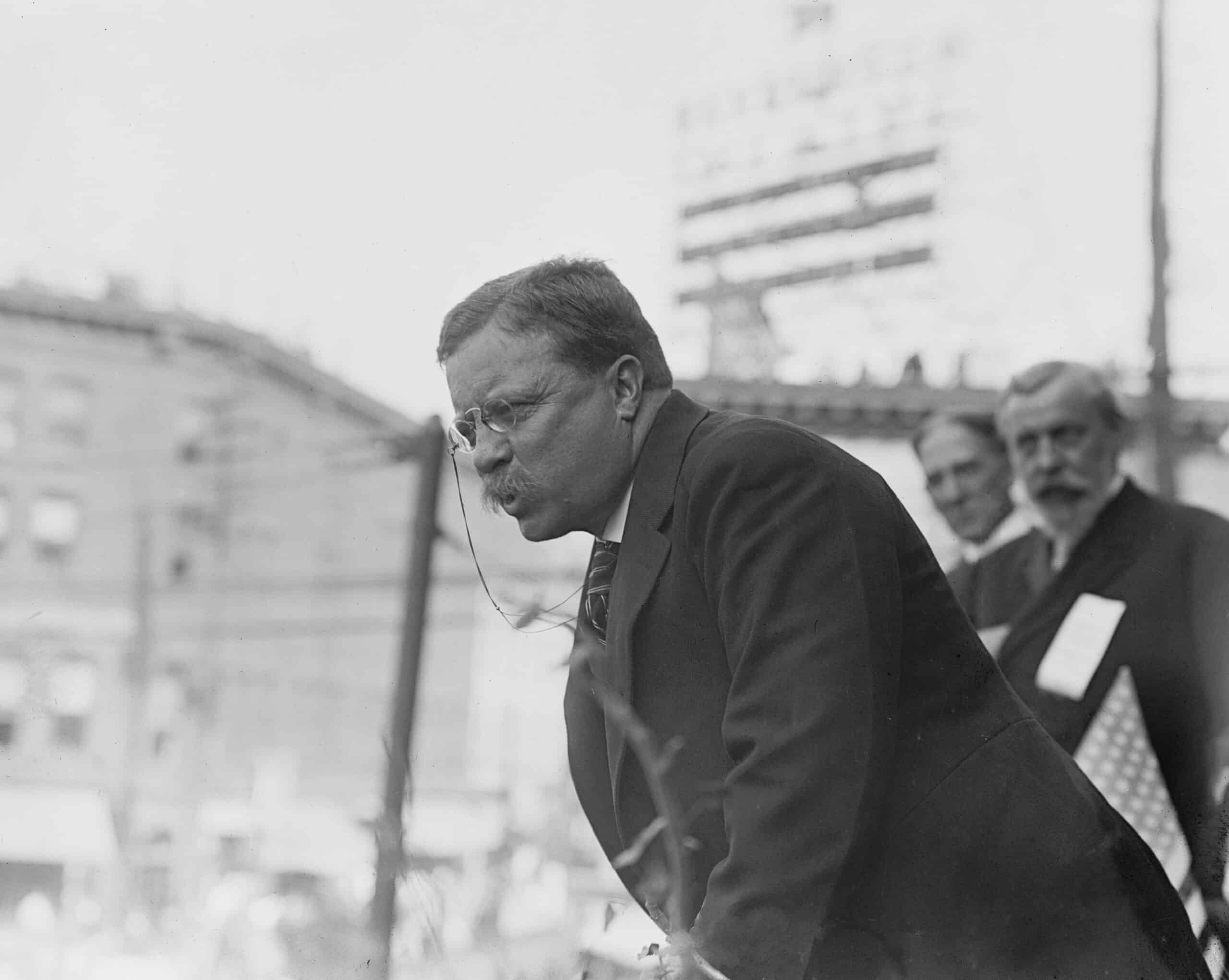
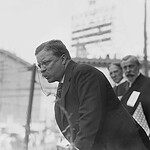
Theodore Roosevelt
Roosevelt's tough frontiersman persona sits uneasily beside his documented belief in racial hierarchy and his support for eugenic ideas. He described white, especially Anglo-Saxon, civilization as superior and argued that people he considered "unfit" should be prevented from reproducing. As president, he defended American rule in the Philippines during a war in which U.S. forces committed serious abuses, including torture and the burning of villages. His record was more complicated than a simple caricature, but those views and policies were real.
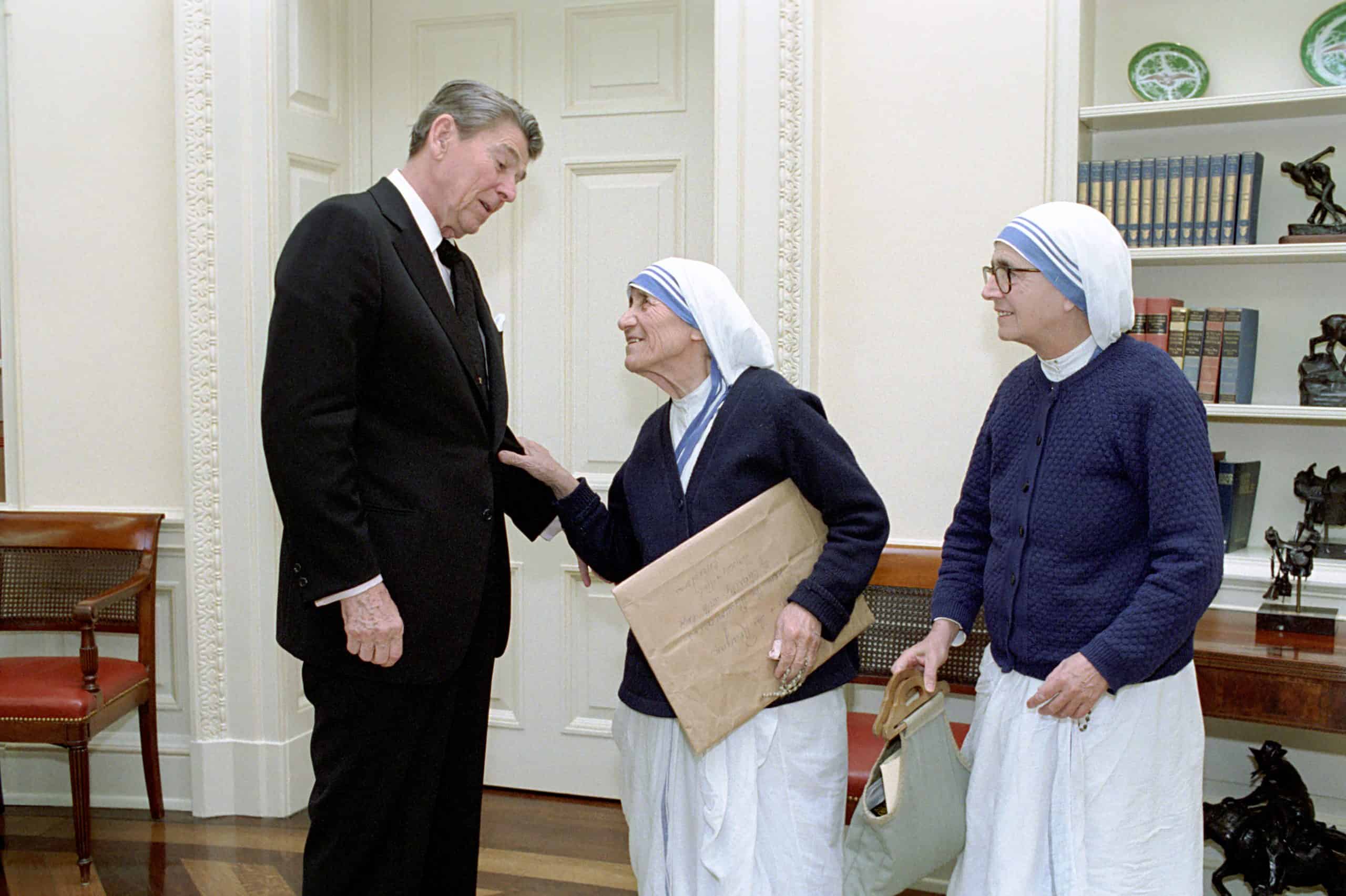
Mother Teresa
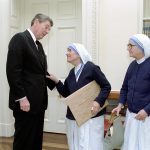
Mother Teresa's work inspired enormous admiration, but the medical standards in some Missionaries of Charity homes drew serious criticism. After visiting the Home for the Dying in Calcutta in 1994, Lancet editor Robin Fox described the care as haphazard and noted the shortage of medically trained staff; subsequent medical correspondence also raised concerns about pain relief. Former workers and journalists later questioned the order's financial transparency and austere approach to care. The result is a more complicated legacy than the saintly public image alone suggests.
Mahatma Gandhi
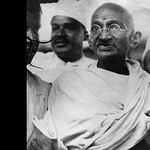
Gandhi's campaign in South Africa initially focused on the rights of Indians, and some of his early writings drew a sharp, racist distinction between Indians and Black Africans. In petitions and public arguments during the 1890s, he objected to Indians being placed on the same social or legal footing as Africans and used derogatory racial language common to the colonial era. His views changed substantially over time, but these were formal arguments he made as a young political organizer, not a single stray remark.
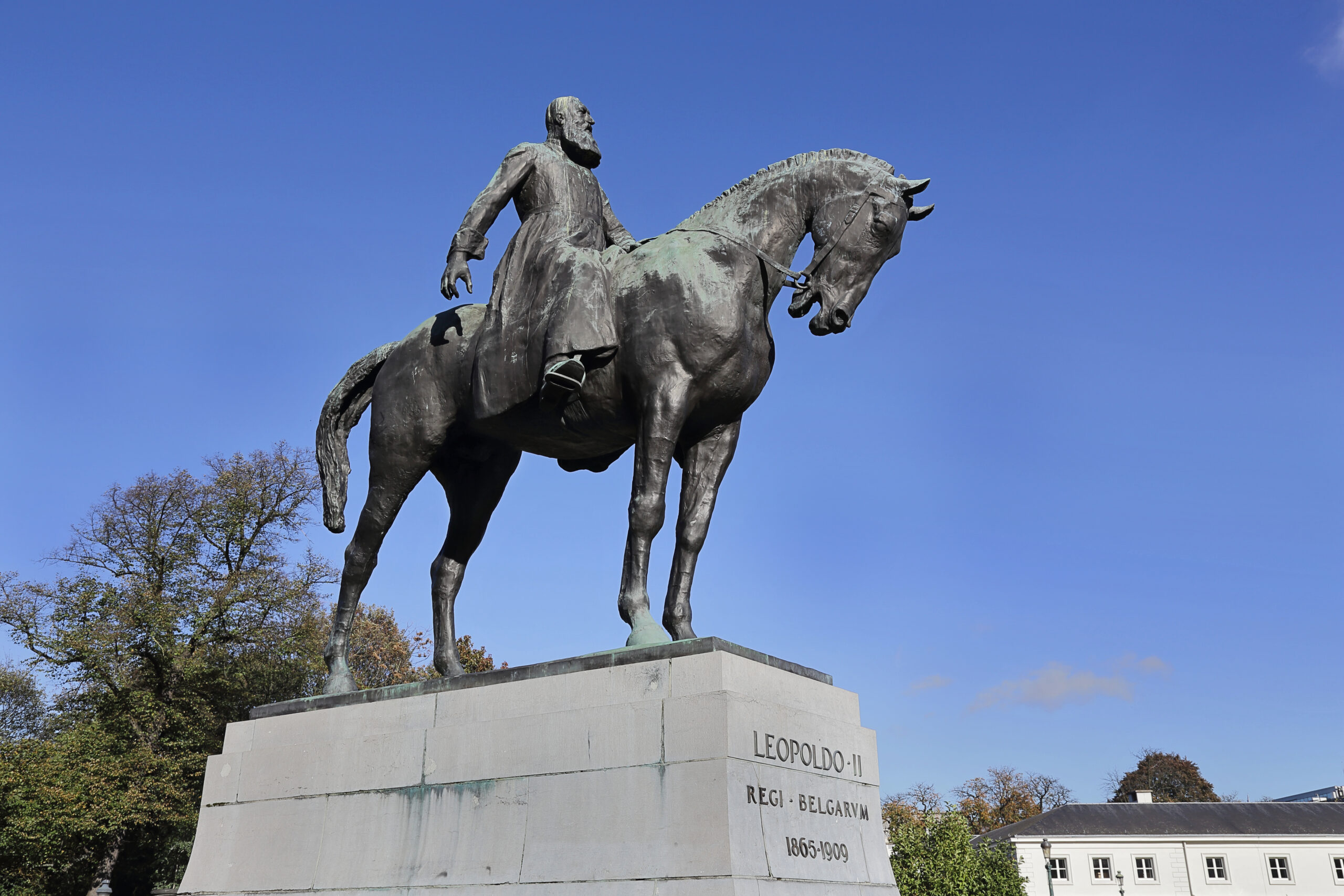
King Leopold II
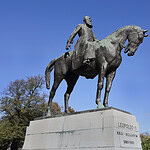
Leopold II ruled the Congo Free State as his personal possession from 1885 to 1908, extracting rubber and ivory through a forced-labor system backed by the Force Publique. Killings, hostage-taking, floggings, and mutilation became notorious features of the regime. The exact human toll cannot be known; estimates of the population loss run into the millions, and the figure of 10 million is often cited as an estimate rather than a precise count. International outrage eventually forced Leopold to surrender control of the territory to the Belgian state in 1908.
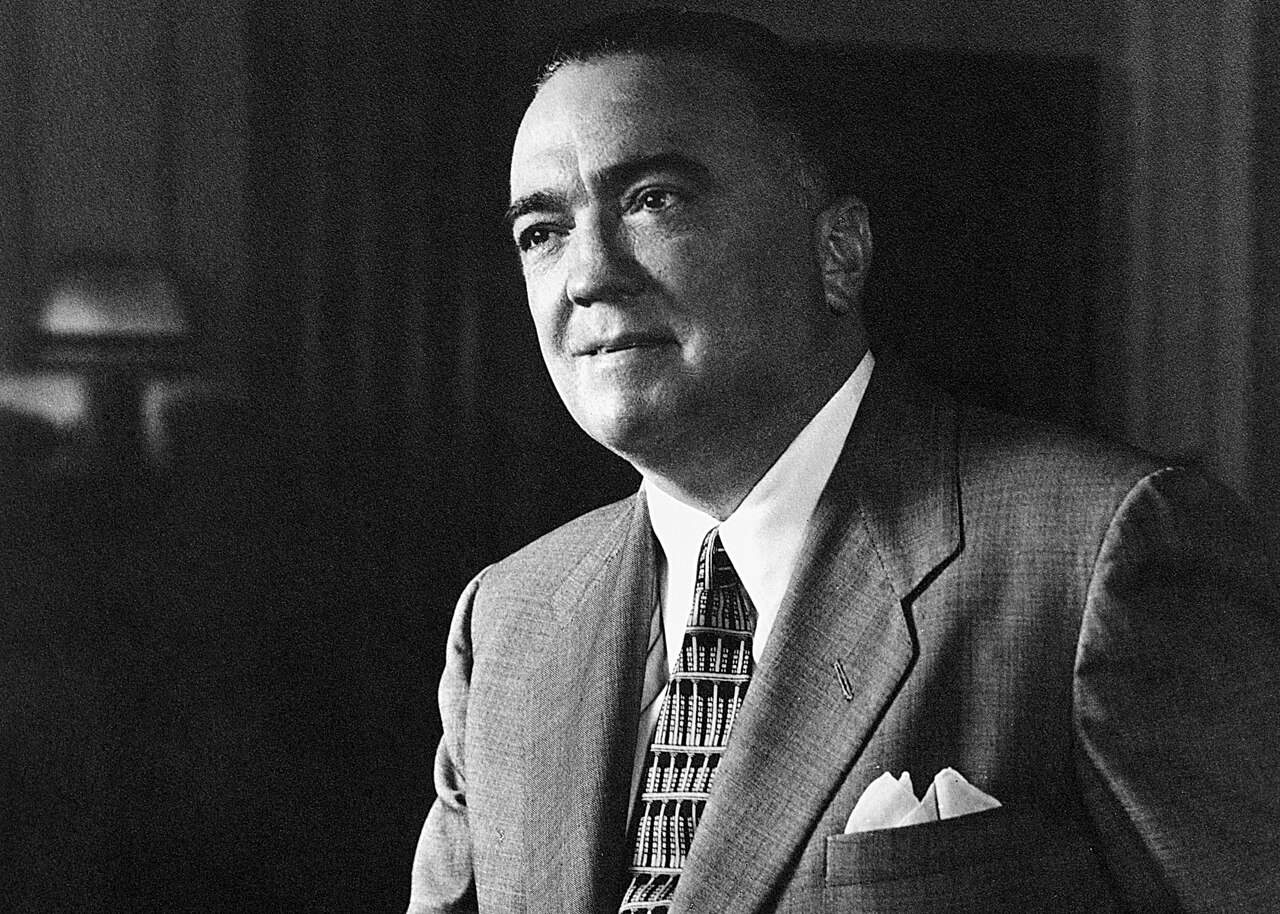
J. Edgar Hoover
Hoover led the federal investigative bureau from 1924 until his death in 1972, a 48-year tenure that spanned its transformation into the FBI. Under him, the bureau built a vast domestic intelligence apparatus and used COINTELPRO to infiltrate, disrupt, and discredit political groups and activists, sometimes even when there was little or no evidence of unlawful activity. Hoover also authorized an aggressive surveillance campaign against Martin Luther King Jr., including wiretaps and efforts to damage his reputation. The breadth of Hoover's files and his extraordinary longevity gave him a level of institutional power that later reforms were designed to limit.
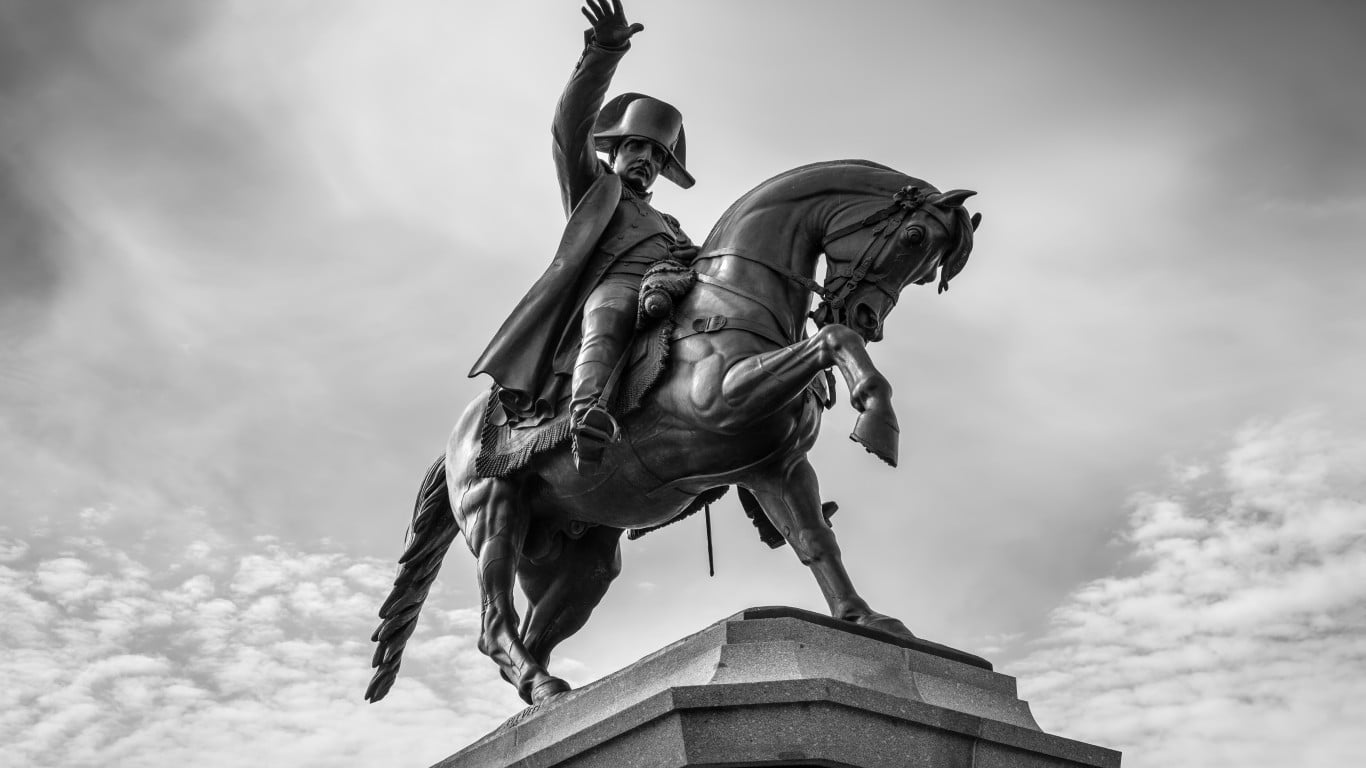
Napoleon Bonaparte
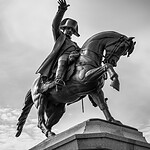
Napoleon carried revolutionary ideas across Europe while reversing one of the French Revolution's most radical reforms in the colonies. France abolished slavery in its colonies in 1794, but a law passed under Napoleon in 1802 preserved slavery where abolition had not taken effect, and his regime restored it by force in Guadeloupe. That same year he sent a major expedition to reassert French control over Saint-Domingue and restore the plantation economy. The campaign failed, helping clear the way for Haiti's independence in 1804.
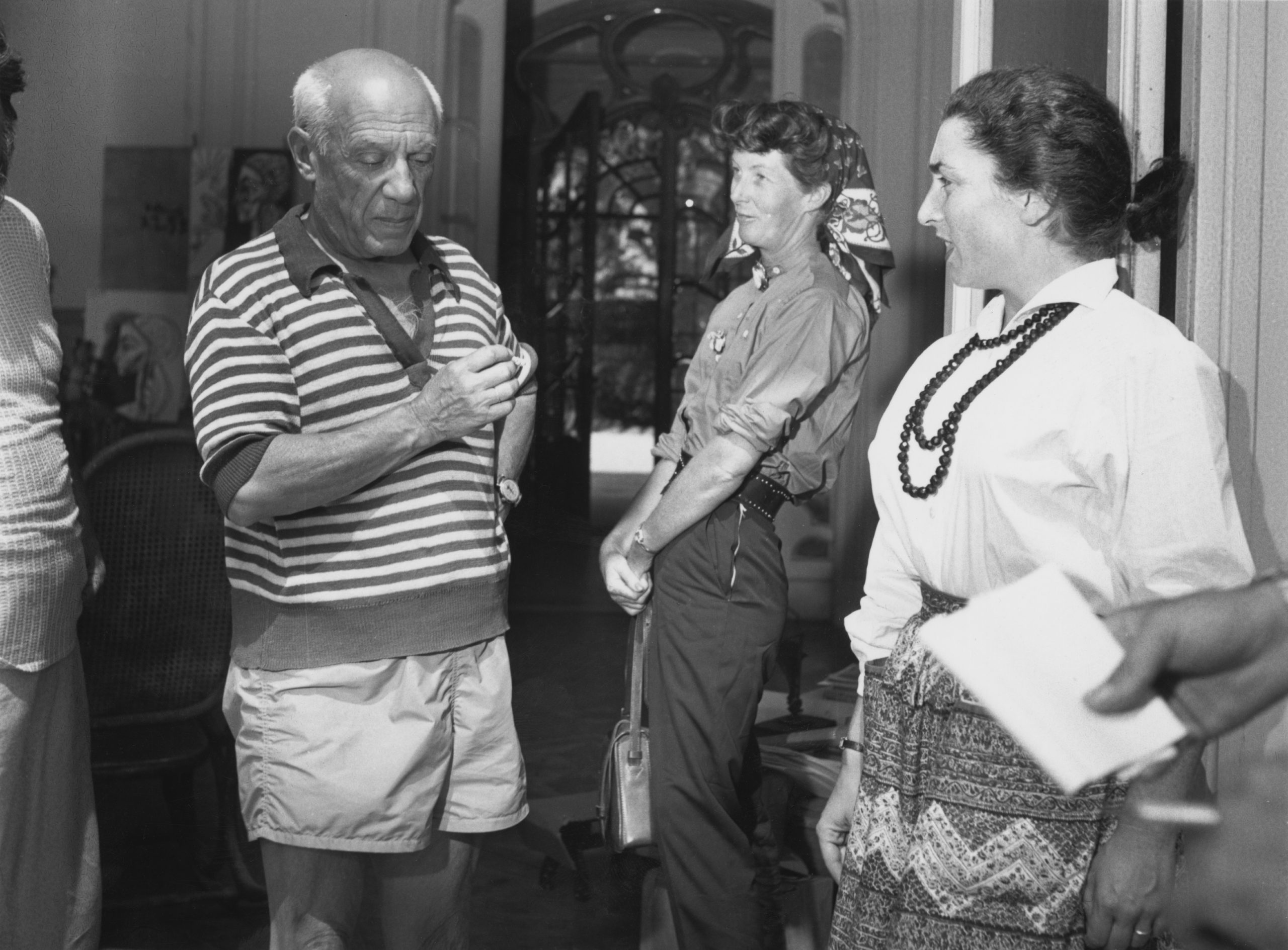
Pablo Picasso
Picasso's treatment of women has come under intense scrutiny alongside his artistic legacy. Accounts from partners and family members, as well as later museum scholarship, describe relationships marked by infidelity, domination, and emotional abuse. His granddaughter Marina Picasso wrote about the damage his behavior inflicted on the women and children around him. The image of the tormented artistic genius can obscure how much of that torment was experienced by the people closest to him.
Alexander the Great
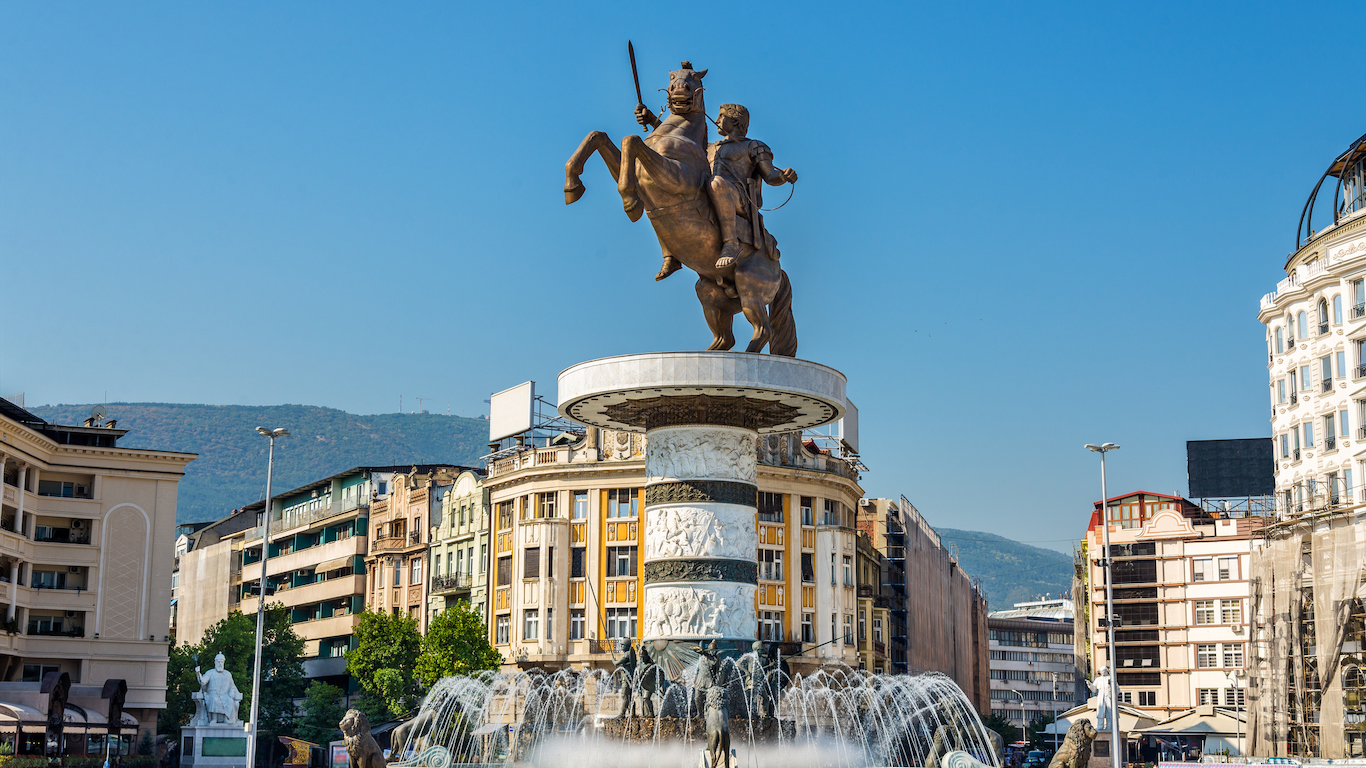
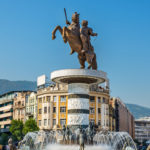
Alexander's military genius is well documented, and so is the brutality that accompanied his conquests. After the fall of Tyre, ancient accounts describe thousands of people being killed or sold into slavery; Diodorus and Curtius also report that roughly 2,000 men were crucified, although not every surviving source includes that detail. Alexander later killed his close companion Cleitus during a drunken quarrel. The empire remembered for its scale and cultural reach was also built through extreme violence.
Che Guevara
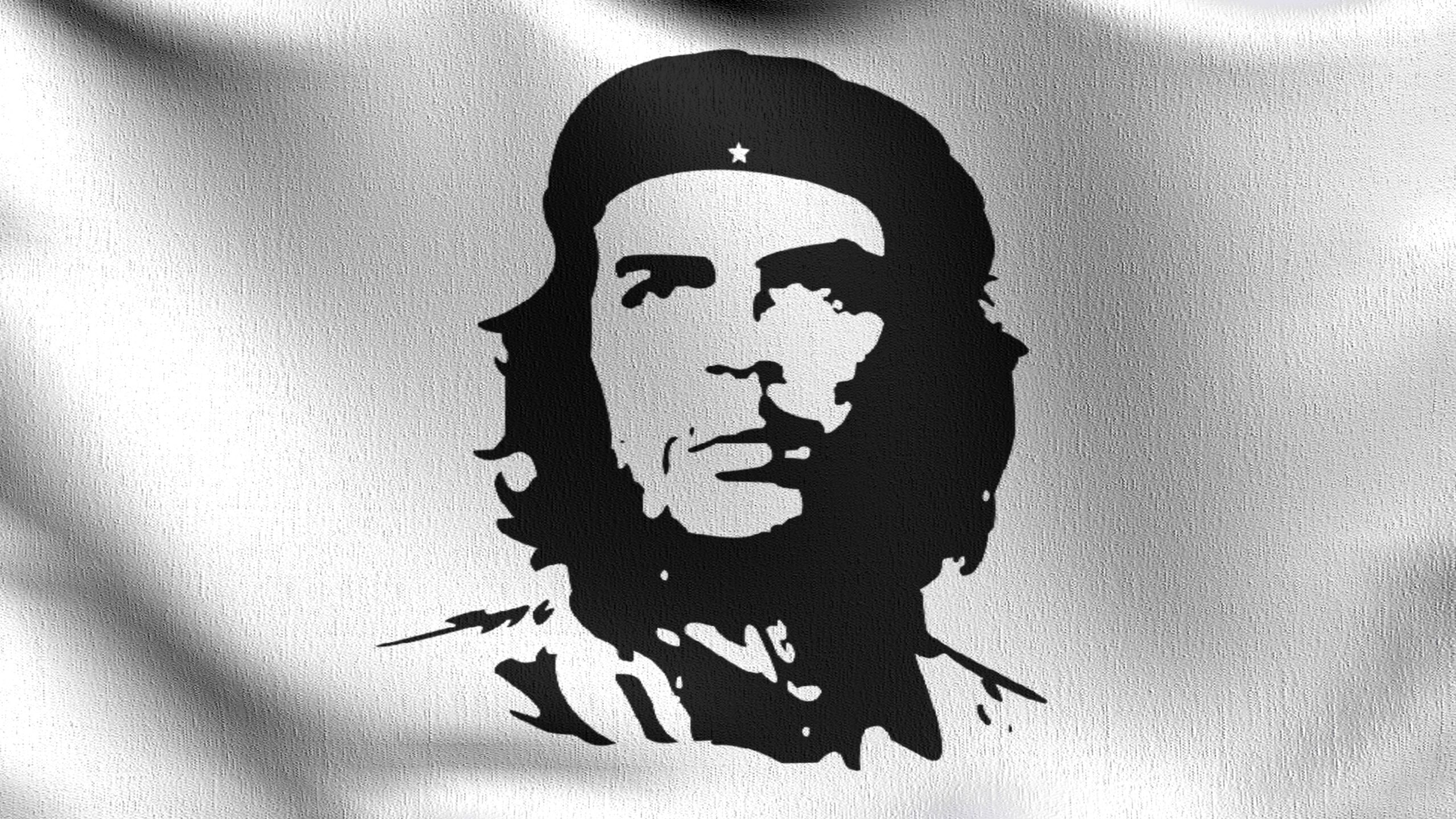
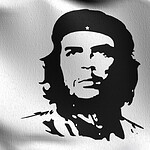
The poster image tells only part of the story. After the Cuban Revolution, Guevara held authority at La Cabaña fortress, where revolutionary tribunals sentenced former Batista officials and others to death; the speed and fairness of those proceedings have long been criticized. Guevara openly defended revolutionary violence and capital punishment against enemies of the new government. Cuba later sent gay men and others labeled socially or politically suspect to UMAP forced-labor camps, but those camps opened in 1965 after Guevara had left Cuba. His own record at La Cabaña tied him directly to the revolution's use of coercion and capital punishment.
Thomas More
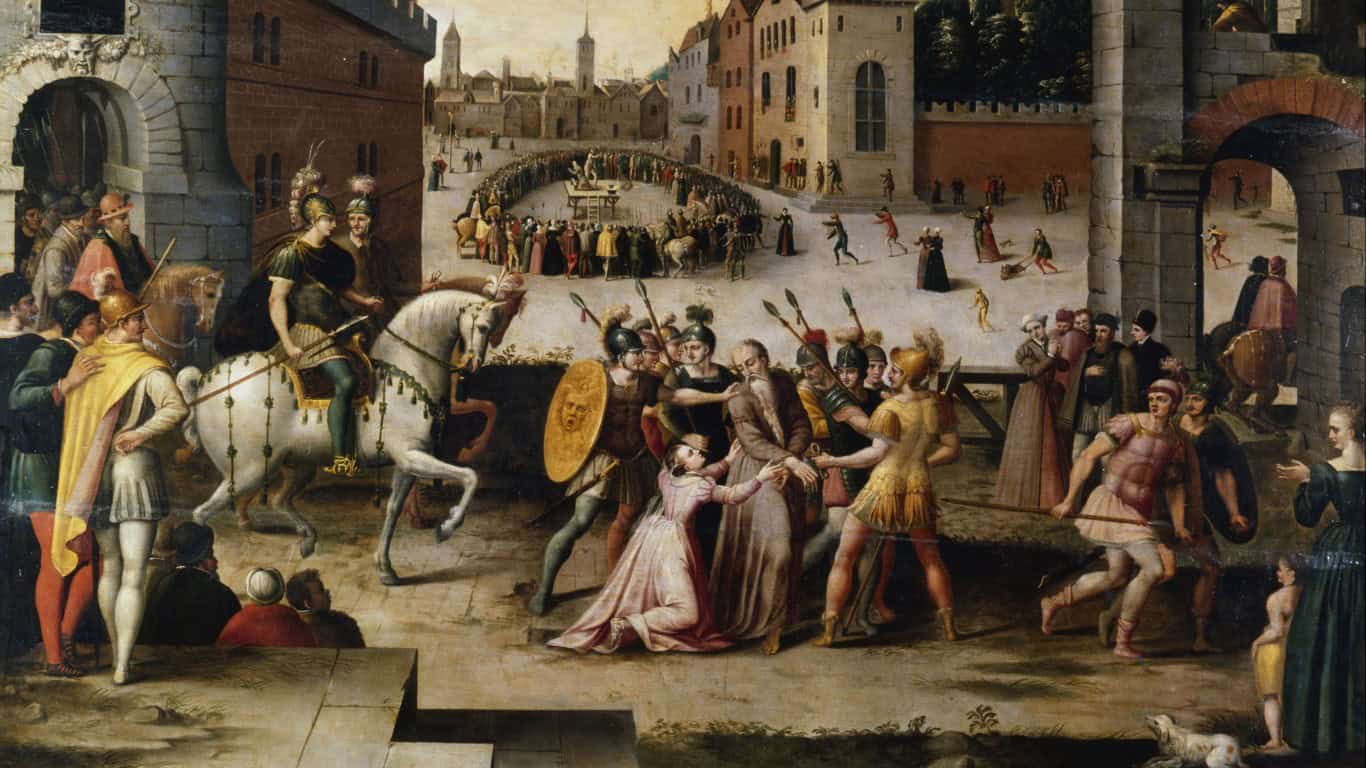
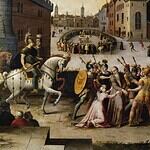
More is celebrated as a man of principle who chose execution rather than recognize Henry VIII's supremacy over the English church. As Lord Chancellor, however, he aggressively pursued Protestant heresy. Six people were burned for heresy during his chancellorship, and More personally interrogated suspected heretics. Later claims that he personally tortured prisoners are disputed, and More denied them in his own lifetime. The humanist reputation does not map cleanly onto the record.
Lyndon B. Johnson
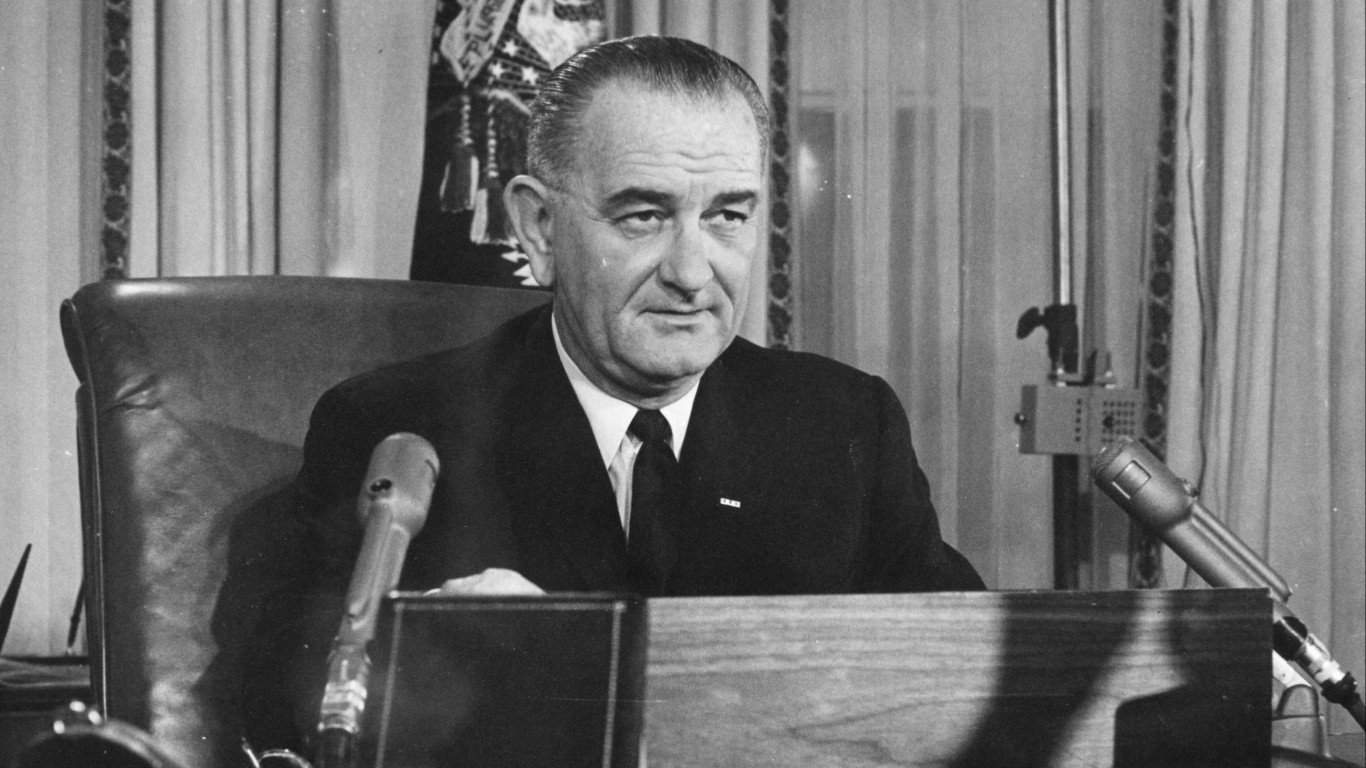
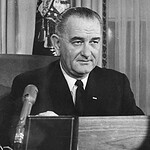
Johnson signed the Civil Rights Act of 1964 and the Voting Rights Act of 1965 and used his formidable political skills to help move both through Congress. Biographers and contemporaries also documented his frequent private use of racist and demeaning language. His motives and behavior do not fit neatly into a single explanation: political calculation was part of Johnson's style, but his speeches, taped conversations, and legislative record also show sustained effort on behalf of civil-rights protections. The contradiction between his private language and the consequences of his public policy is part of the historical record.
Roald Dahl
Dahl wrote some of the most beloved children's books of the 20th century. He also made antisemitic remarks publicly on more than one occasion. In a 1983 interview with the New Statesman he repeated antisemitic stereotypes, and in a 1990 interview with The Independent, months before his death, he explicitly said that he had become antisemitic. His family and the Roald Dahl Story Company later issued an apology for the lasting hurt caused by those statements. The contrast between the warmth of his books and his stated views is genuinely difficult to reconcile.
Cecil Rhodes
Rhodes is remembered through the Rhodes Scholarship and a long-running fight over monuments bearing his name, but his own words leave little ambiguity about his racial politics. He argued for white supremacy and British imperial expansion, and as prime minister of the Cape Colony he championed the 1894 Glen Grey Act, which included a labor tax intended to push African men into wage work. His mining fortune and political power grew within a colonial system built on racial hierarchy, land dispossession, and coercive labor policies. The philanthropy attached to his name came from that same fortune.
John Lennon
John Lennon became one of popular music's best-known voices for peace, but he spoke openly late in life about his own violence. In the Playboy interviews conducted in September 1980, Lennon admitted that he had hit women when he was younger, calling himself "a hitter," and said he regretted that behavior. In the same interview, he acknowledged that his relationship with his 17-year-old son Julian was distant and "not the best relationship between father and son." Lennon confronted the gap between the image and the reality more directly than the original myth often allowed.