Andrew Clemente
AlanFalcony / iStock via Getty Images
Sean Pavone
DenisTangneyJr / iStock via Getty Images
w_lemay / BY-SA 2.0
Wangkun Jia/Shutterstock.com
SeanPavonePhoto / iStock via Getty Images
pabradyphoto / iStock via Getty Images
SeanPavonePhoto / iStock via Getty Images
Wangkun Jia / Shutterstock.com
shutterupeire





10 of America’s Oldest Cities That Were Here Long Before 1776
Most people treat 1776 as the beginning of American history. A lot of cities were already well established by then, some by more than two centuries. They had forts, taverns, streets, and cemeteries long before the Founding Fathers ever came along. They witnessed Spanish and British attacks, Dutch trade posts, religious refugees, Civil War turning points, and political agreements that helped shape the country.
A lot of American history took place before there was an America. This list has some of the oldest cities and colonial communities in what is now the United States, with histories far richer than most imagine.
St. Augustine, Florida (1565)
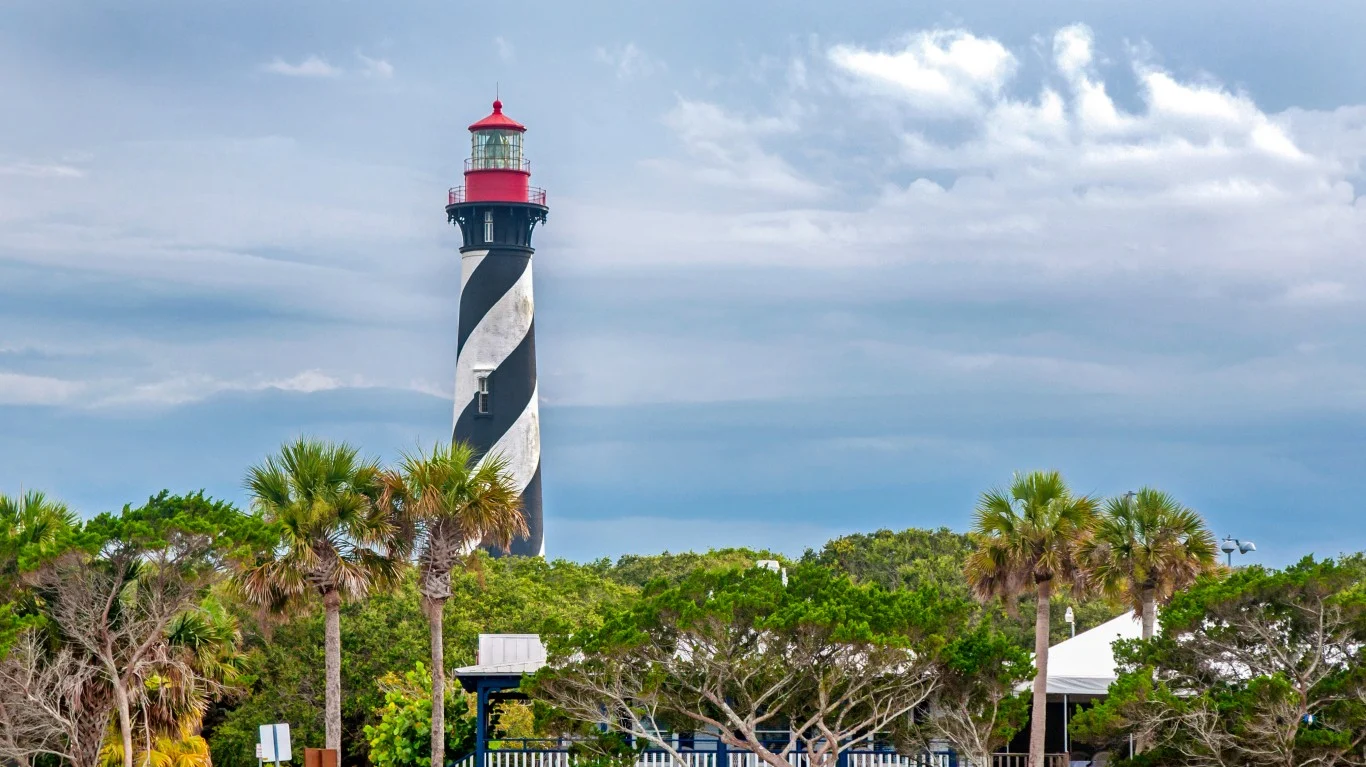
The city of St. Augustine was founded in 1565 by Spanish admiral Pedro Menéndez de Avilés, 42 years before the English established Jamestown in Virginia. The city faced no shortage of challengers. English privateer Francis Drake raided and burned it in 1586, and English and later British forces attacked again as European powers fought over Florida. St. Augustine survived those attacks and remains the oldest continuously occupied European-established settlement in the continental United States.
The Castillo de San Marcos, a coquina stone fort begun in 1672, completed its first major phase of construction in 1695 and is still standing today. Coquina is a porous limestone made from cemented shell fragments. Under cannon fire, the stone could compress and absorb impact instead of shattering the way harder stone might. A lot of people assume New England has the oldest claim on early American settlement, but St. Augustine predates the Pilgrims' arrival at Plymouth by 55 years.
Santa Fe, New Mexico (1610)
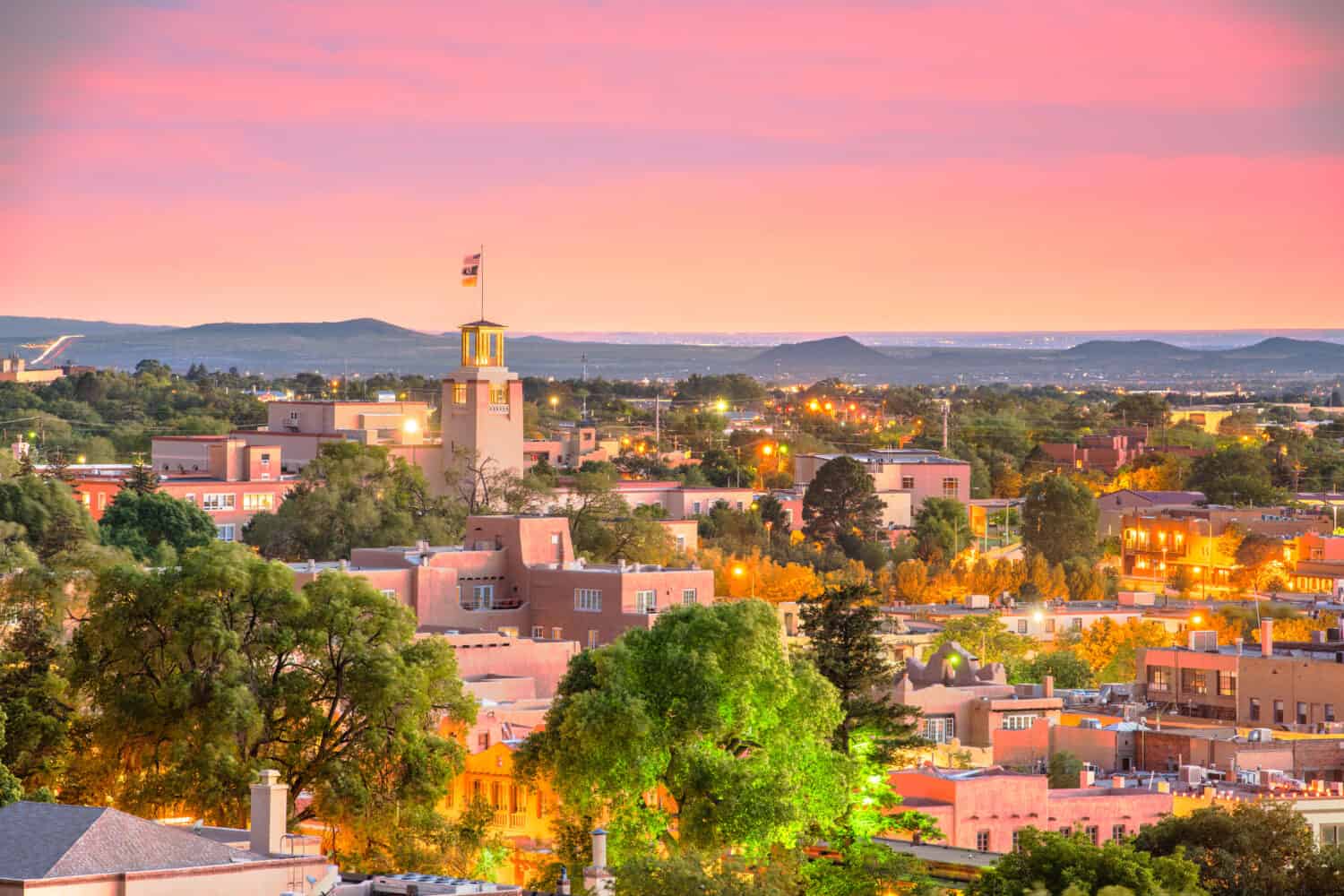
Santa Fe is the oldest capital city in the United States. Pueblo peoples had lived throughout northern New Mexico long before the Spanish arrived. Spanish governor Pedro de Peralta established Santa Fe as the provincial capital of New Mexico in 1610, giving the city a documented colonial history that stretches back more than four centuries.
The Palace of the Governors, built beginning in 1610, is the oldest continuously occupied public building in the United States. It has stood through Spanish rule, the Pueblo Revolt, the return of Spanish government, Mexican independence, and the arrival of U.S. authority in 1846. Santa Fe has changed plenty since then, but its historic Plaza, adobe traditions, and distinctive streets still make its long history hard to miss.
Hampton, Virginia (1610)
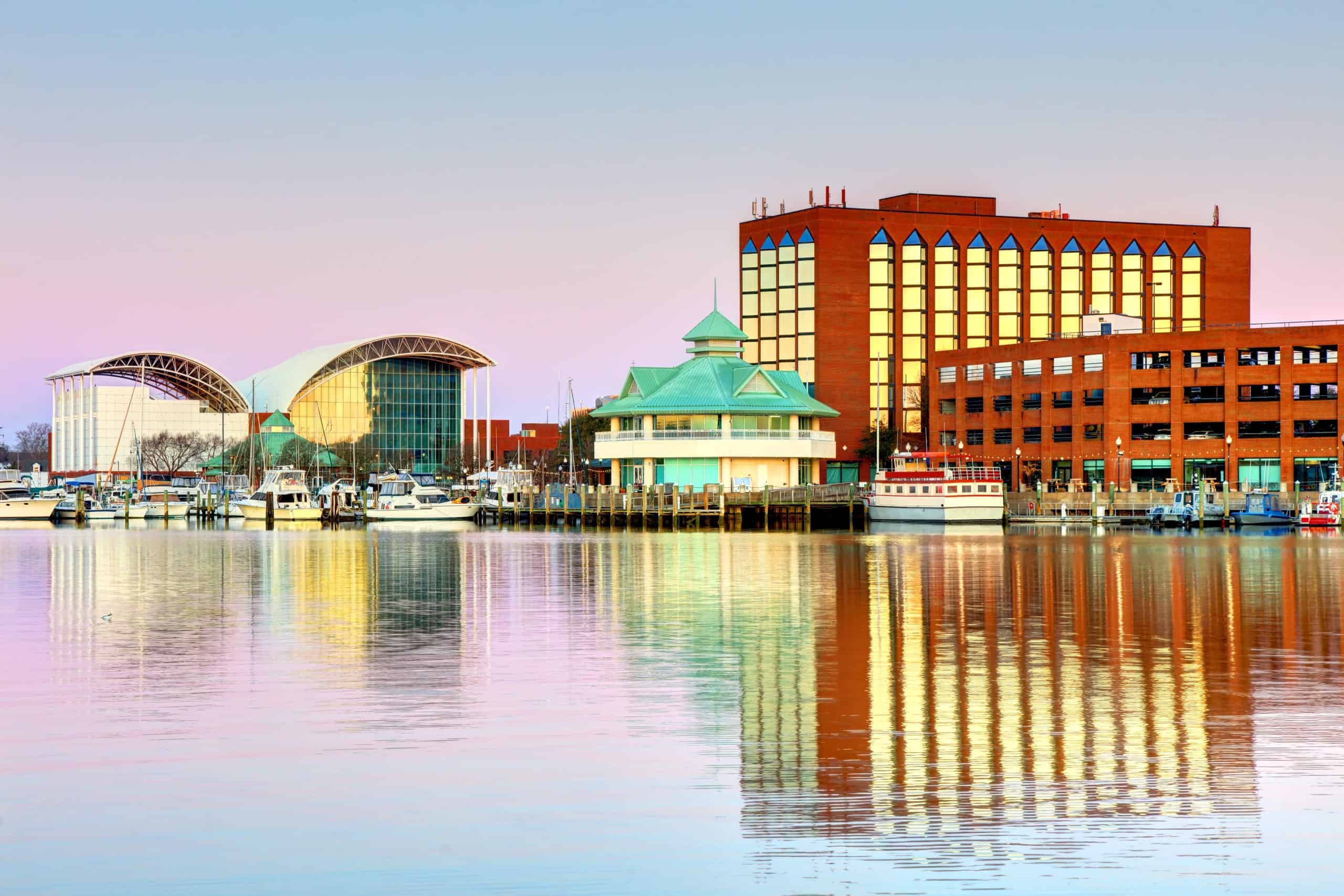
Hampton traces its English settlement to July 9, 1610, three years after Jamestown was founded. English colonists seized the Kecoughtan community that had already occupied the area and established a settlement of their own. The City of Hampton and the National Park Service describe Hampton as the oldest continuously settled English-speaking community in the United States.
In May 1861, something that would alter the course of the Civil War took place at Fort Monroe in Hampton. Three enslaved men, Frank Baker, Shepard Mallory, and James Townsend, escaped after being forced to work on Confederate defenses and sought refuge at the Union-held fort. Their enslaver, Confederate Colonel Charles Mallory, demanded their return under the Fugitive Slave Act. Fort commander General Benjamin Butler refused. Because Virginia claimed to have left the United States, Butler argued that federal fugitive-slave law did not bind him there, and he treated the men's labor as "contraband of war." The decision became a forerunner to federal confiscation policy and helped open a path toward emancipation.
Albany, New York (1614/1624)
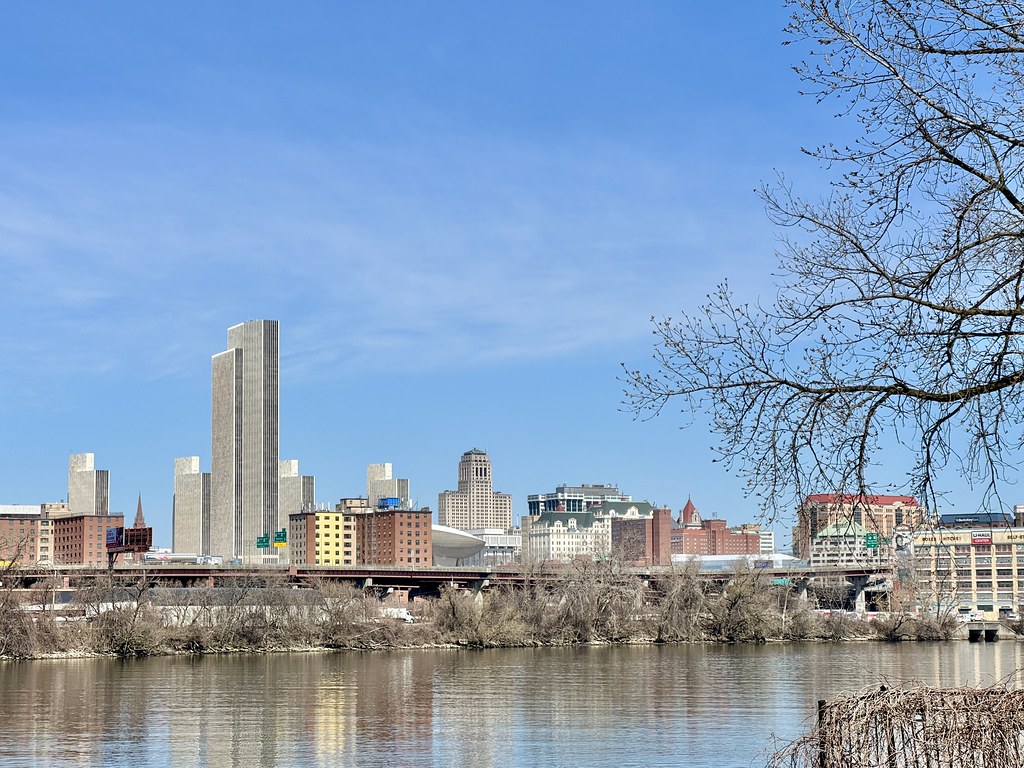
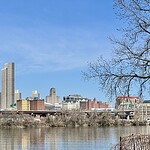
Albany's European settlement history is usually traced to Fort Nassau, a Dutch trading post built on Castle Island in 1614. That post lasted only a few years, and continuous settlement began in 1624 with Fort Orange. The village of Beverwyck grew beside the fort before the English took control in 1664 and renamed the community Albany, after the Scottish title held by James, Duke of York and Albany. Its position on the upper Hudson made it strategically valuable, and in 1797 Albany became the permanent capital of New York State.
Albany later became the eastern end of the original Erie Canal, the 363-mile waterway built between 1817 and 1825 from Albany to Buffalo. By linking the Hudson River corridor with Lake Erie, the canal transformed trade across New York and helped make New York City the nation's leading commercial port. Albany has changed a lot since those times, but the bones of that early history are still visible in its street patterns and older neighborhoods.
Plymouth, Massachusetts (1620)
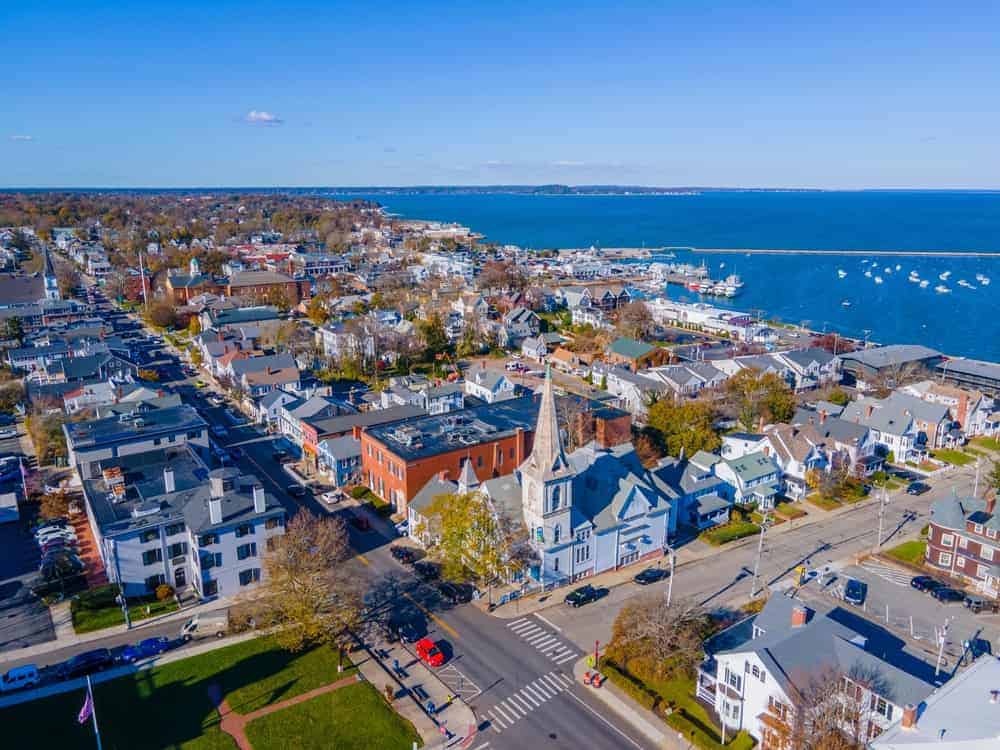
Most Americans know at least part of the history of Plymouth. Before establishing their settlement there, the Mayflower passengers signed the Mayflower Compact while the ship was anchored at Cape Cod. The short agreement created a "civil body politic" and committed the signers to make and obey laws for the good of the colony. It became an important early example of self-government in English North America.
Plymouth evolved into a thriving colony and was absorbed into the new Province of Massachusetts Bay under a 1691 royal charter. Today it's a coastal town best known for Plymouth Rock, a landmark considerably smaller than most people expect. The funny part is that the surviving 17th-century records of the Plymouth settlers do not mention the rock at all. Its identification as the Pilgrims' landing place did not enter the written historical record until much later.
Providence, Rhode Island (1636)
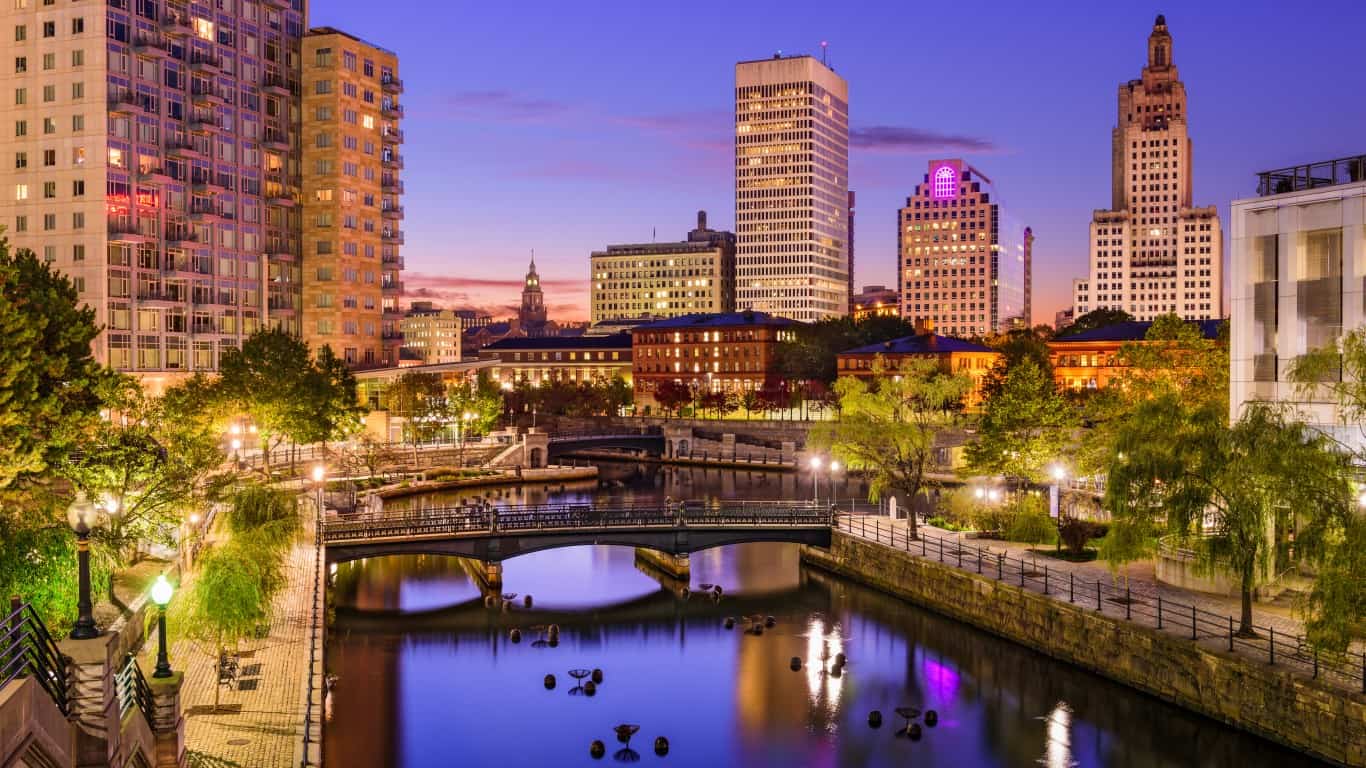
In 1636, Roger Williams established Providence after being banished from the Massachusetts Bay Colony for his religious and political beliefs. He named the settlement Providence because he credited "God's merciful providence" with bringing him there. The community was built around liberty of conscience and a sharp separation between religious belief and civil government, ideas later protected in Rhode Island's 1663 royal charter.
On the night of June 9, 1772, a group of Rhode Islanders gathered in Providence and rowed out to the British customs schooner HMS Gaspee, which had run aground in Narragansett Bay. They shot and wounded its commander, removed the crew, and burned the vessel. Rhode Island's state archives describe the attack as the first major armed act of rebellion against the British Crown, more than a year before the Boston Tea Party.
New Haven, Connecticut (1638)
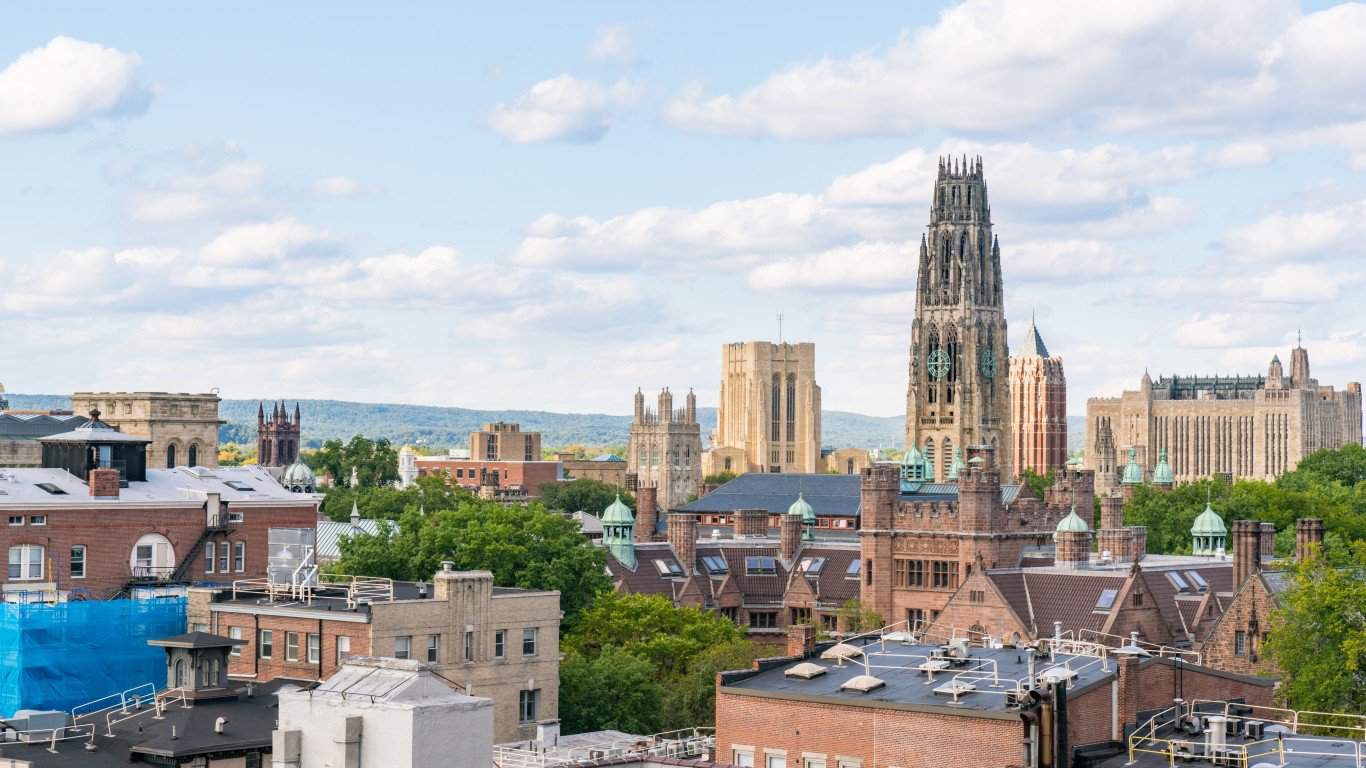
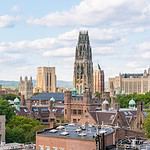
New Haven was settled by English Puritans in 1638 and right away did something that set it apart from many other English towns: they laid it out around a formal nine-square plan. Eight squares surrounded a central public square that became the New Haven Green. The original pattern still shapes downtown today, and the Green still functions as public space nearly four centuries later.
Yale traces its founding to 1701, when Connecticut's legislature chartered the Collegiate School. It was not founded in New Haven, though. The school began elsewhere in Connecticut and moved to New Haven in 1716. In 1718 it was renamed Yale College after Welsh merchant Elihu Yale donated books and goods whose sale helped the struggling school. Yale went on to influence American education, law, politics, science, and medicine for centuries. Nowadays, New Haven is famous for yet another thing: its thin-crust, traditionally coal-fired "apizza." Locals will tell you, without much prompting, that it's the best in the country.
Annapolis, Maryland (1649)
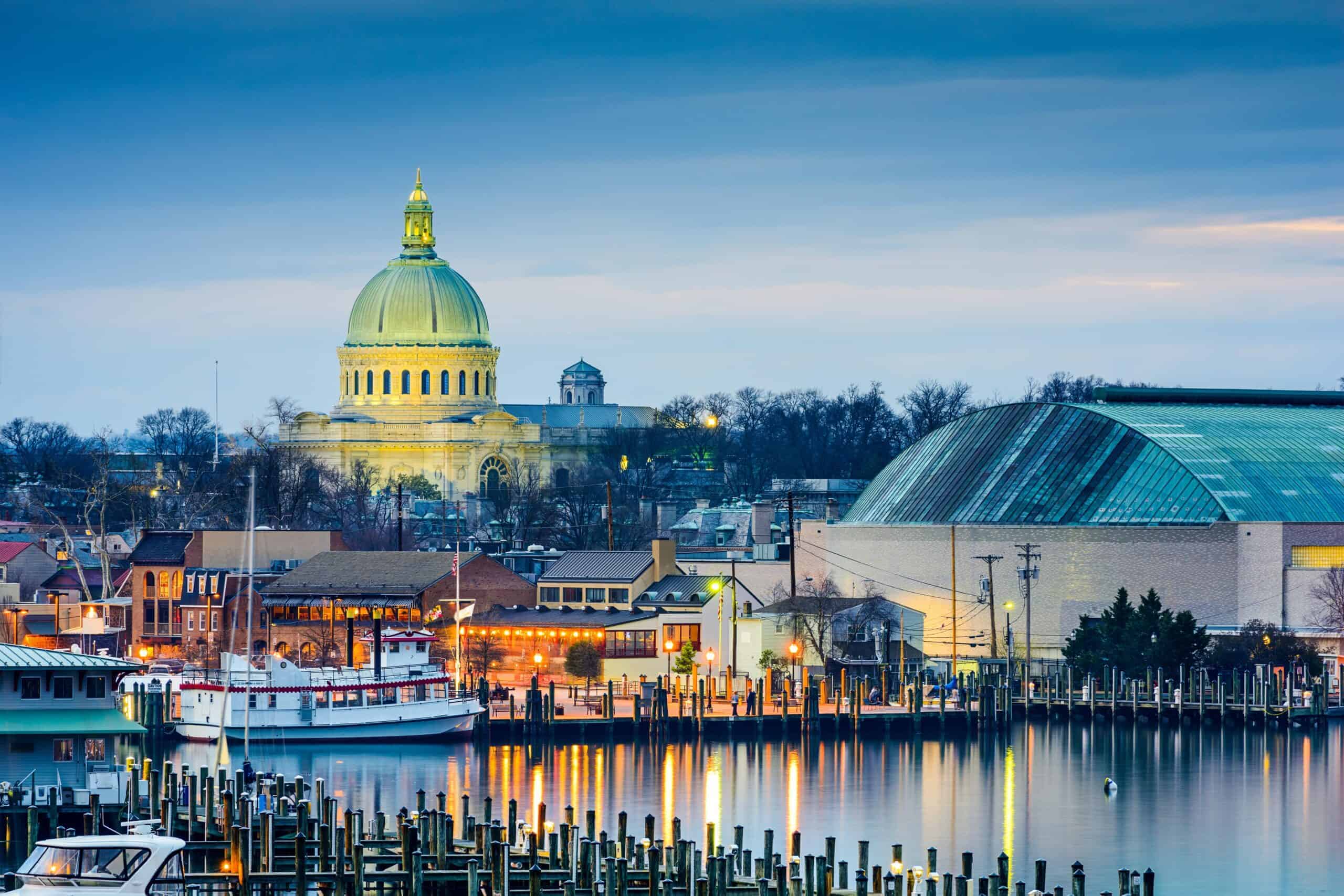
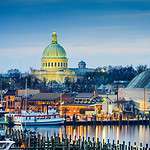
Annapolis was first settled in 1649 by Puritans who had left Virginia. The community went through several names, including Providence and Anne Arundel's Towne, before becoming Annapolis in 1695 in honor of the future Queen Anne. During the colonial period, Annapolis developed a reputation for culture, politics, and social life that earned it the nickname the "Athens of America."
The Annapolis Convention, held in September 1786, helped pave the way for the Constitutional Convention. Delegates from five states met to discuss problems in interstate commerce, then issued a report calling for a broader convention to address weaknesses in the Articles of Confederation. That larger gathering met in Philadelphia the following year. Annapolis today is best known as the home of the U.S. Naval Academy, founded there in 1845, while its colonial street plan and many historic buildings still survive.
Newport, Rhode Island (1639)
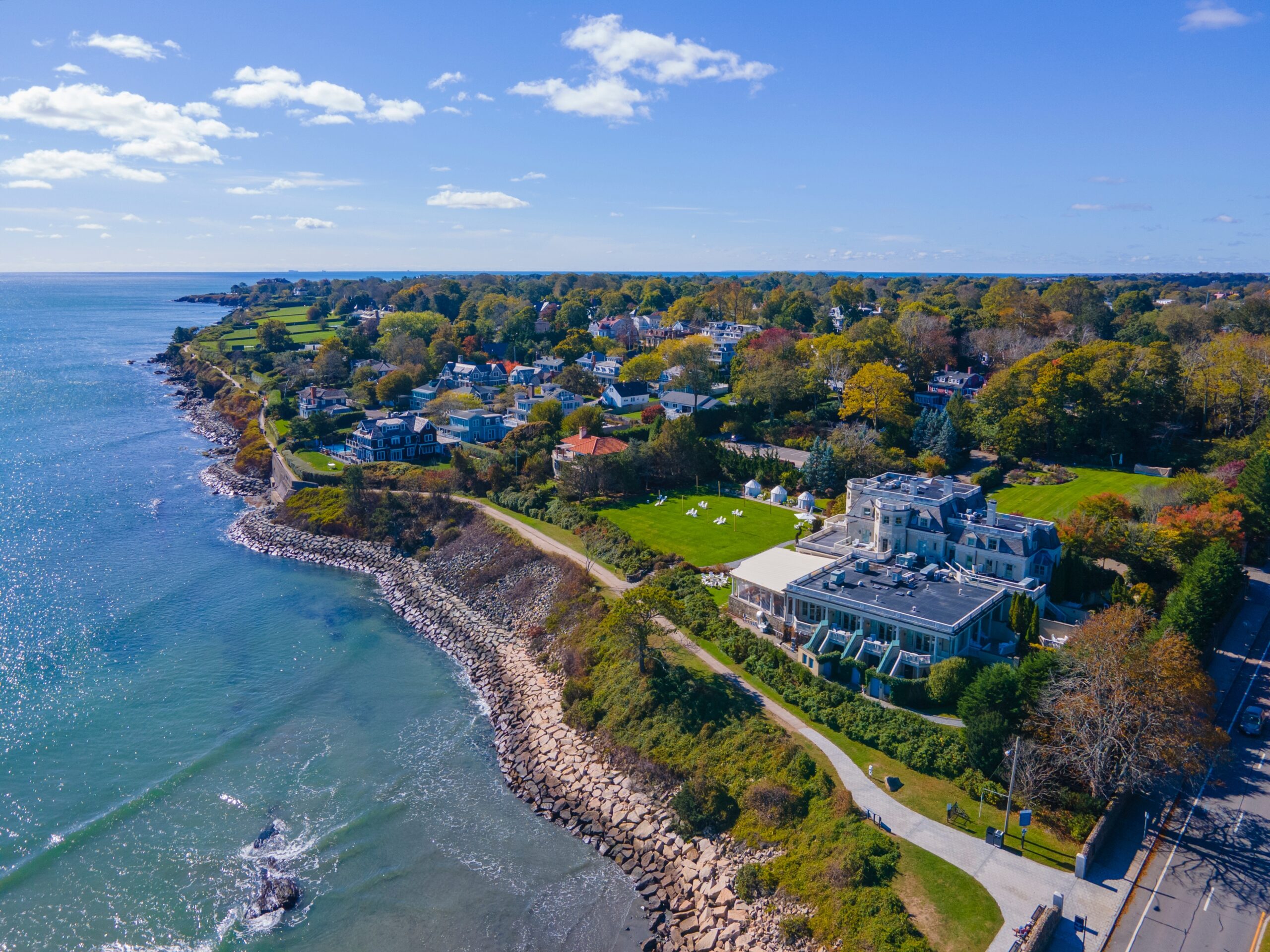
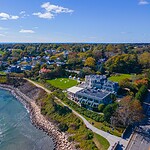
Newport was founded in 1639 by settlers who broke away from the Portsmouth community on Aquidneck Island. Many had come to Rhode Island after religious conflict in Massachusetts, but Anne Hutchinson remained associated with Portsmouth. William Coddington and Nicholas Easton were among the leaders who moved south to establish Newport. The new town embraced liberty of conscience and developed into one of colonial America's leading seaports.
Touro Synagogue, dedicated in 1763, is the oldest synagogue building in the United States and still serves an active congregation. The White Horse Tavern began operating as a tavern in 1673 and today promotes itself as America's oldest operating restaurant.
Newport later became famous as a Gilded Age summer retreat for some of America's wealthiest families, who built the enormous "cottages" that still line parts of the city today. Not many cities manage to be historically significant in so many completely different ways across so many different eras.
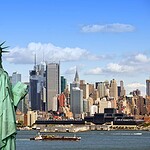
New York City, New York (1625/1626)
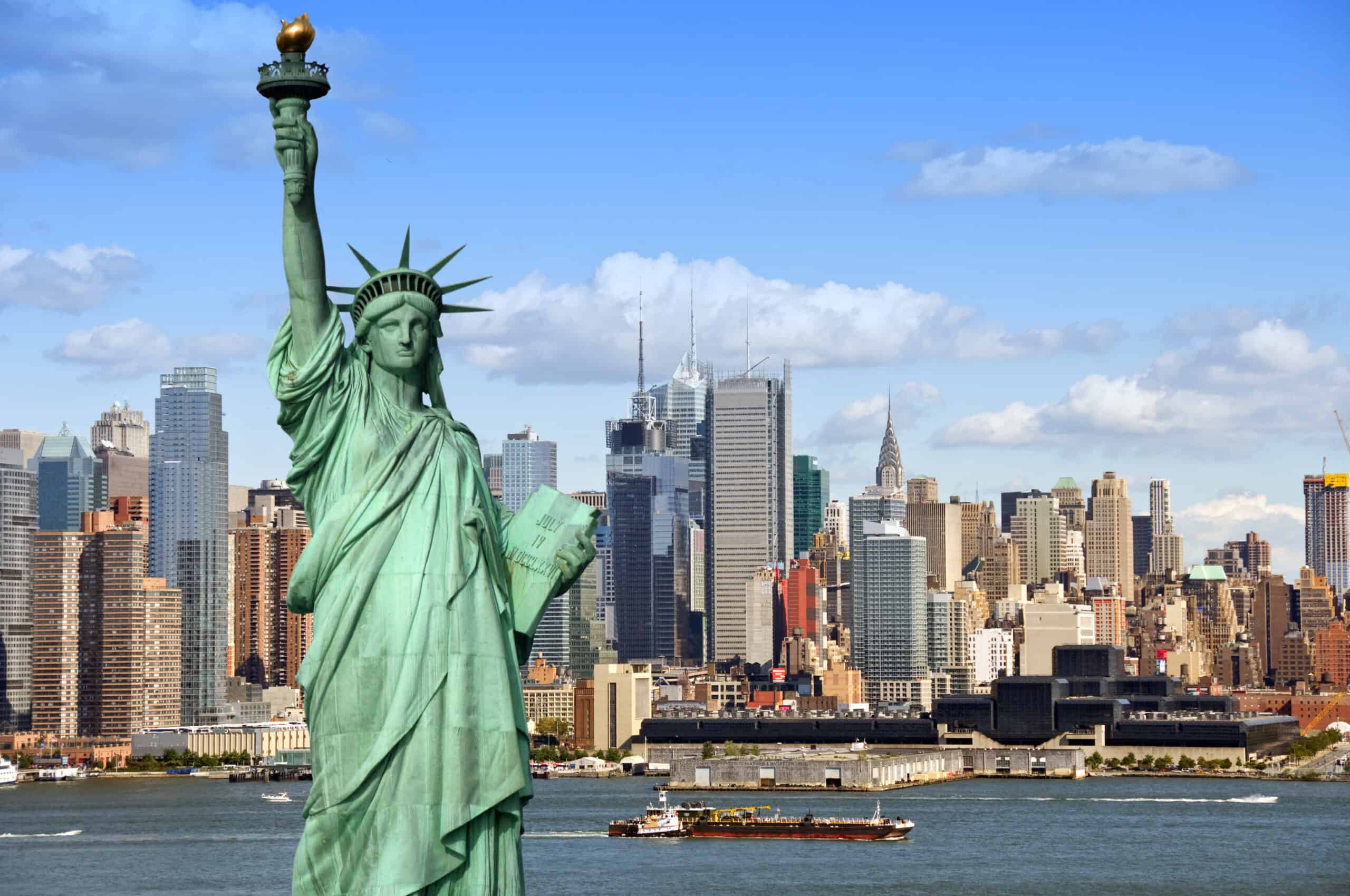
New York City's Dutch roots took shape in the 1620s. The city's official chronology marks 1625 as the year New Amsterdam became the seat of government for New Netherland, while additional colonists moved to Manhattan in 1626 under the Dutch West India Company. In 1664, English forces took control and renamed the town New York in honor of James, Duke of York.
New York became the first seat of the federal government under the U.S. Constitution, and George Washington took the presidential oath at Federal Hall on April 30, 1789. The national capital moved to Philadelphia in 1790, but New York was already on its way to becoming the country's commercial center. Today it remains the most populous U.S. city, with a Census Bureau estimate of about 8.58 million residents in 2025. The Big Apple came a long way from the small Dutch settlement it once was.