
Gorodenkoff/Shutterstock.com
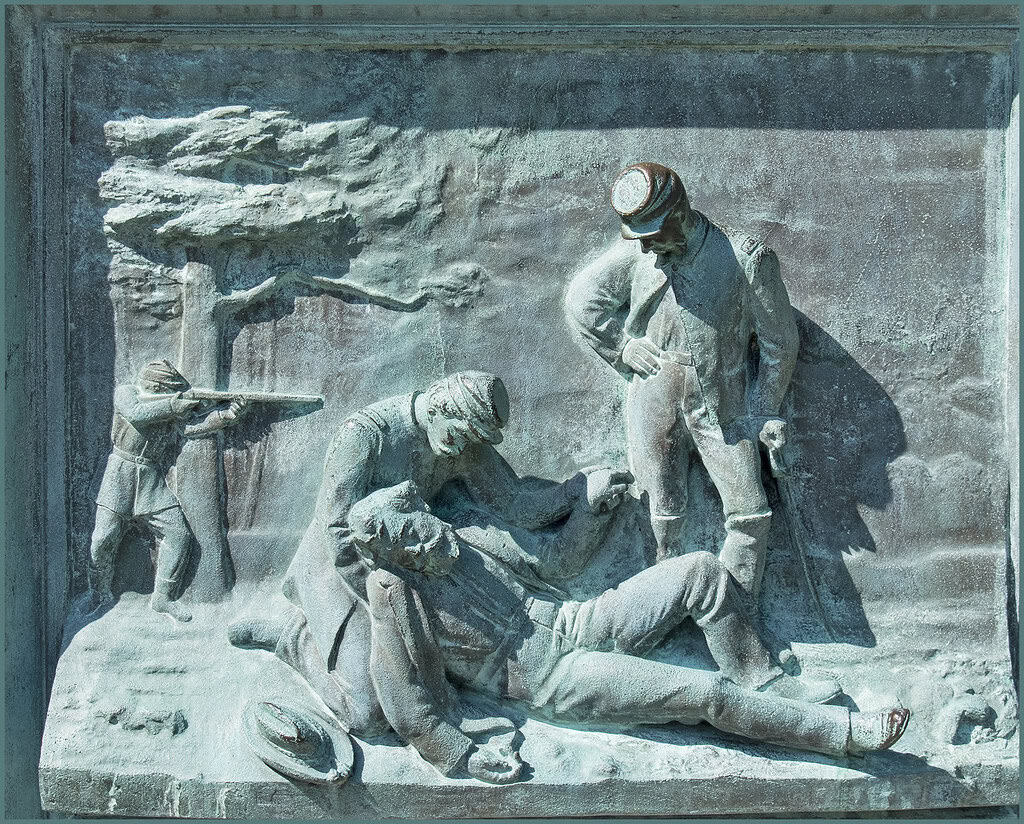
"Death of Union Major General John Sedgwick -- Statue at the U.S. Military Academy West Point (NY) 2016" by Ron Cogswell is licensed under BY 2.0.
mm7/Shutterstock.com

Morphart Creation/Shutterstock.com
History Computer

Maria Nelasova/Shutterstock.com

Myrabella / Wikimedia Commons
Wikimedia Commons
Elliott & Fry, Public domain, via Wikimedia Commons

chrisdorney/Shutterstock.com
Gilmanshin/Shutterstock.com





10 Famous Quotes From History With Funny Backstories
History tends to remember the serious parts. The battles, executions, political crises, and famous last words make it into textbooks, while the jokes and personality surrounding those moments often disappear. That can make some of history’s best-known figures seem far more solemn than they actually were.
A surprising number of famous lines came from moments of sarcasm, dark humor, quick wit, or plain frustration. Others became funnier as the stories around them were retold over time. Here are 10 famous quotes from history with backstories that reveal a much more human side of the people behind them.
“They couldn’t hit an elephant at this distance.” (John Sedgwick, 1864)
The famous version sometimes makes it sound as though Union Major General John Sedgwick was shot before he could finish the sentence. His chief of staff, Martin T. McMahon, who was standing beside him, later gave a much more detailed account of what happened.
On May 9, 1864, near Spotsylvania Court House, Confederate sharpshooters were firing toward VI Corps positions and Sedgwick teased soldiers for ducking. He told them, “They couldn’t hit an elephant at this distance.” Another shot came in and a soldier ducked, prompting Sedgwick to repeat the line. When the soldier explained that dodging had once saved him from a shell, Sedgwick laughed and told him to go back to his place. Almost immediately, another bullet struck Sedgwick below the left eye and killed him. The elephant line was real. It just was not quite his final sentence.
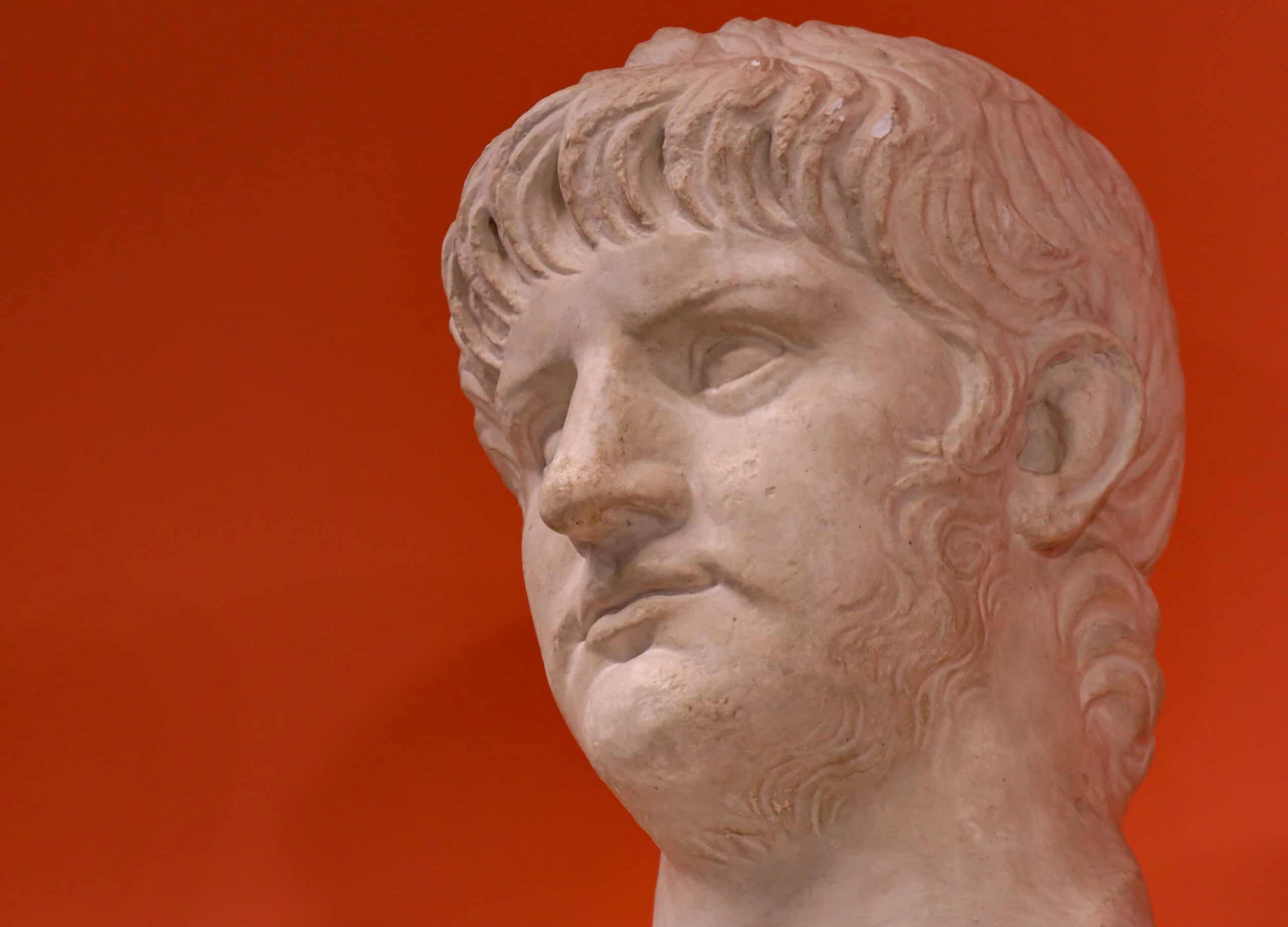
“What an artist dies in me!” (Nero, 68 AD)
Nero had an exceptionally high opinion of his artistic talents. By June 68 AD, the Roman Senate had declared him an enemy and he was facing capture. According to Suetonius, Nero repeatedly lamented, qualis artifex pereo, commonly translated along the lines of “What an artist dies in me!” Rome was losing an emperor. Nero was apparently concerned that it was also losing an artist.
Suetonius’s account gets even stranger. Nero ordered a grave dug to fit his body, wept while the preparations were made, tested two daggers and put them away, and asked one of his companions to set an example by killing himself first. When the horsemen sent to capture him approached, Nero finally drove a dagger into his throat with help from his secretary, Epaphroditus.
“I die the king’s good servant and God’s first.” (Thomas More, 1535)
Thomas More was beheaded in London on July 6, 1535, after refusing an oath recognizing King Henry VIII’s supremacy in spiritual affairs. Accounts of his execution preserve his final declaration as, “I die the King’s good servant and God’s first.” The Catholic Church canonized More in 1935, four centuries after his death.
What history sometimes leaves out is how much joking More did on the way to the block. His son-in-law William Roper recorded that, when More saw how weak the scaffold stairs were, he asked the lieutenant to help him safely up and joked that he could manage the trip back down himself. He also encouraged the executioner not to be afraid and warned him to aim carefully because More’s neck was very short.
The serious declaration became the line everyone remembers. The jokes around it reveal something different: More was still using his wit when he was only minutes from death.
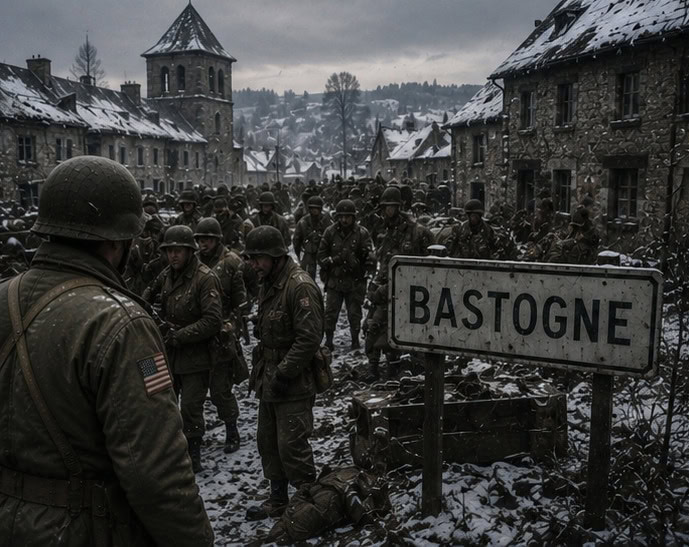
“Nuts!” (Anthony McAuliffe, Bastogne, 1944)
On December 22, 1944, German officers delivered a formal demand for the surrender of American forces defending Bastogne, Belgium. When Brigadier General Anthony C. McAuliffe was told what the message said, he laughed and replied, “Aw, nuts!”
The Germans expected a written answer, which left McAuliffe staring at a blank sheet of paper until Lt. Col. Harry Kinnard suggested that his first reaction would be hard to beat. The official reply became simply “NUTS!” Col. Joseph H. Harper, who delivered it, eventually had to explain to the puzzled Germans that it meant, in plain English, something like “Go to h***.” The French press had trouble with it too. Paris newspapers later rendered the reply as “You are nothing but old nuts.”
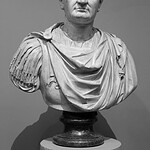
“Money doesn’t smell.” (Vespasian, 69–79 AD)
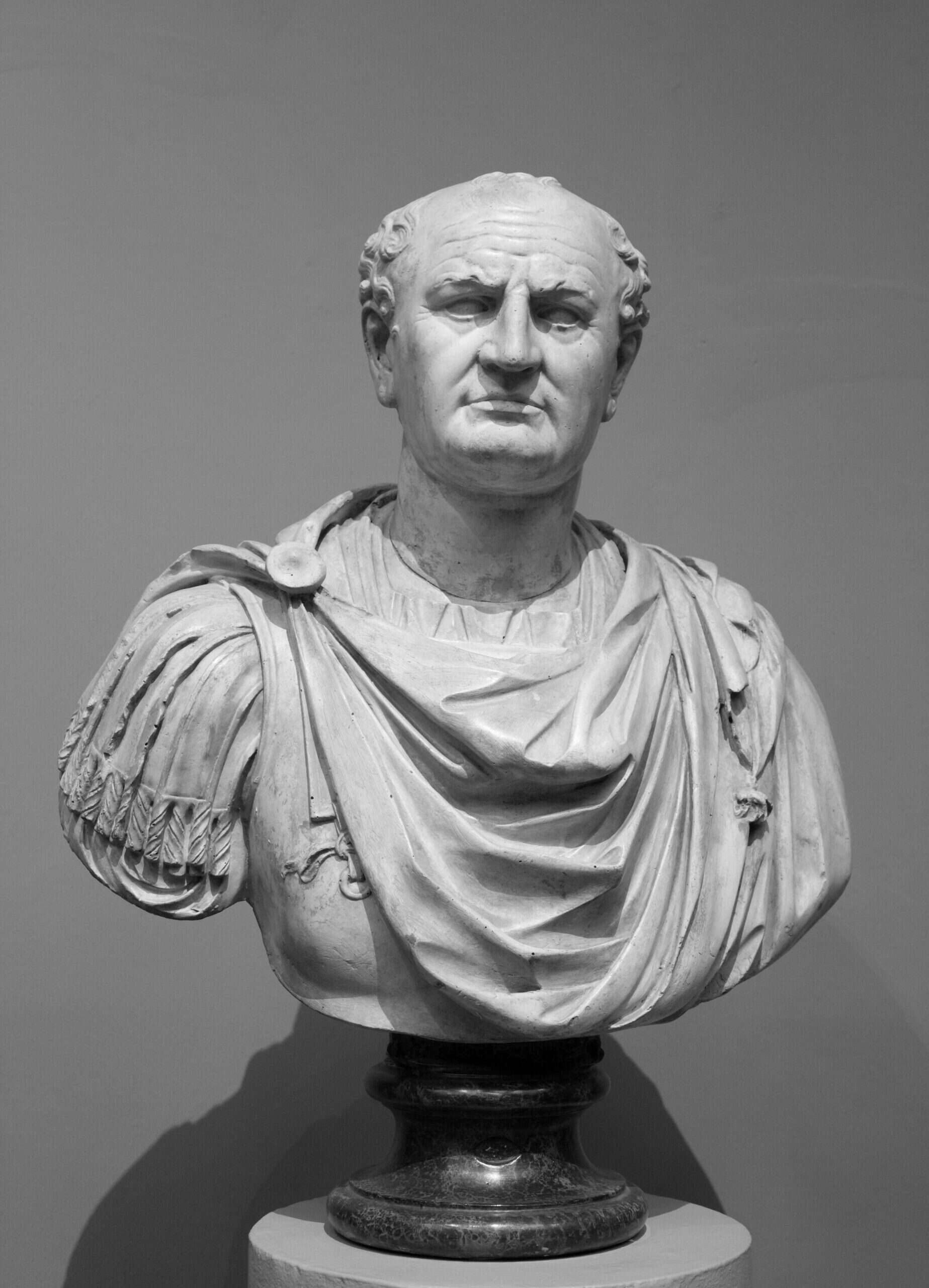
The familiar Latin saying pecunia non olet, or “money does not smell,” is usually attached to Vespasian as proof that money keeps its value no matter where it came from. The joke, though, grew out of a very literal argument about urine.
Urine was a valuable commodity in Roman industry because it could be used for jobs such as cleaning garments and tanning leather. According to Suetonius, Vespasian’s son Titus objected to his father imposing a tax on urine. Vespasian held money from the first payment to Titus’s nose and asked whether the smell offended him. Titus said no. Vespasian pointed out that the money nevertheless came from urine.
The famous phrase pecunia non olet is not the wording Suetonius actually records. It is the proverb that later grew out of the exchange. The joke still lands: if the coin itself did not smell, Vespasian saw little reason to be squeamish about where the revenue came from.
“The Guard dies and does not surrender!” (Attributed to Pierre Cambronne, 1815)
During the final fighting at Waterloo on June 18, 1815, Pierre Cambronne was wounded and captured after his Imperial Guard regiment was nearly destroyed. A heroic refusal to surrender, “The Guard dies and does not surrender,” became attached to his name and eventually passed into Napoleonic legend. The problem is that Cambronne himself said he did not utter it.
Another tradition says his answer was simply “Merde!” Victor Hugo later gave that version literary immortality in Les Misérables, and the coarse response became closely associated with Cambronne in France. That version is not securely documented either. History effectively handed Cambronne two famous responses to the same moment, while Cambronne himself would not confirm either one.
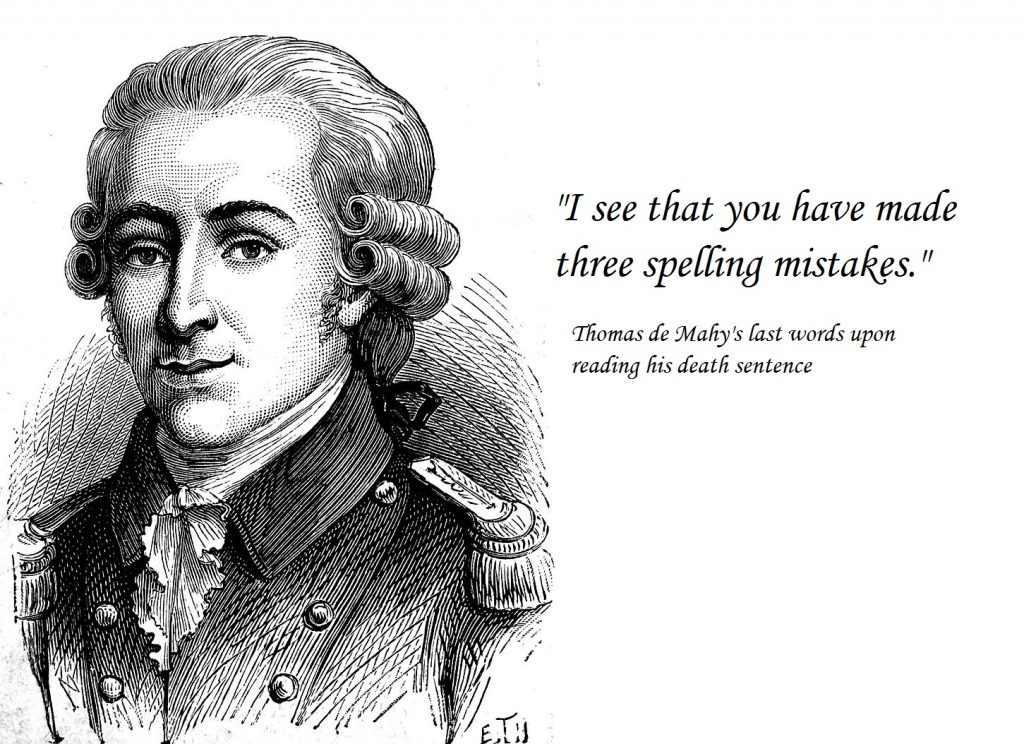
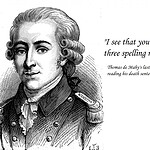
“I see you have made three spelling mistakes.” (Attributed to the Marquis de Favras, 1790)
On February 19, 1790, Thomas de Mahy, Marquis de Favras, was hanged in Paris after being condemned for his role in a plot connected to helping King Louis XVI escape. He was taken through Paris to the Place de Grève, where the execution drew a large public crowd.
The famous spelling line is much shakier. Accounts do preserve the story that Favras calmly corrected errors in a document before his execution, but the polished “three spelling mistakes” version is not securely contemporary. Victor Hugo later used almost exactly that joke in his play Marion de Lorme, written in 1828, where a condemned character corrects three spelling errors before going to the scaffold. Favras may really have corrected the paperwork. The perfect one-liner appears to be the part history polished for him.
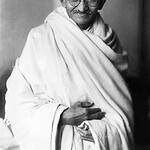
“I think it would be a good idea.” (Often attributed to Mahatma Gandhi)
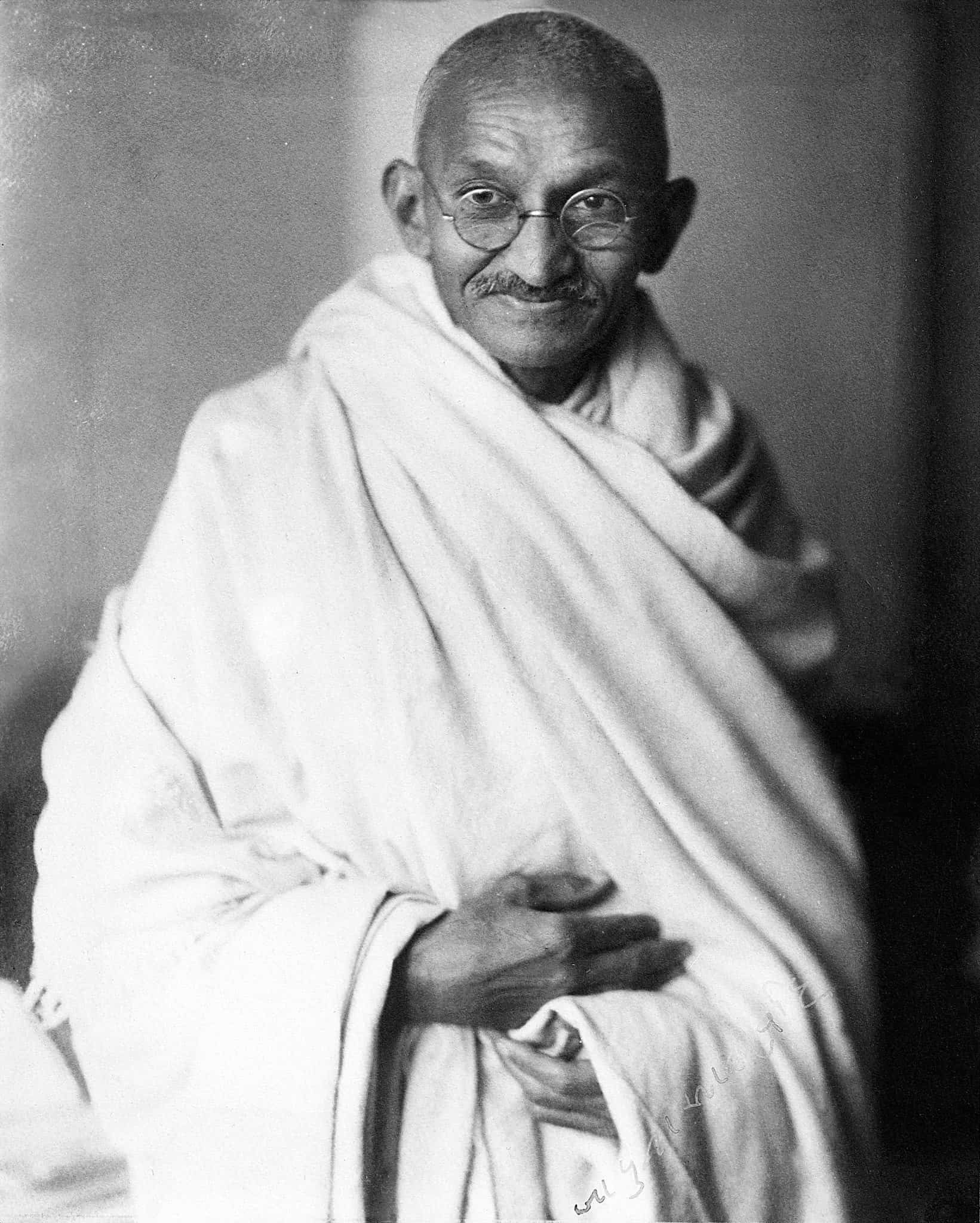
This is one of the sharpest lines ever attached to Gandhi, and one of the least secure. The familiar story says a reporter asked Gandhi what he thought of Western civilization and he replied, “I think it would be a good idea.” Researchers have not found a reliable contemporary record of the exchange, and Gandhi’s grandson Gopalkrishna Gandhi has specifically listed it among sayings that were not his grandfather’s words. The joke fits Gandhi’s documented criticism of modern Western civilization, which probably helped the attribution stick. As a quotation, though, it is better treated as famous Gandhi lore than as a verified remark.
“Publish and be damned.” (Attributed to the Duke of Wellington, 1824)
Harriette Wilson was a celebrated Regency courtesan preparing to publish memoirs naming many prominent men she had known. Wilson and her publisher, John Joseph Stockdale, contacted around 100 former lovers and acquaintances with an offer: pay an annuity of £20 or a lump sum of £200 to be left out. The Duke of Wellington refused. The immortal response “Publish and be damned” is widely attributed to him, although the exact wording is not securely documented.
The memoirs appeared in nine installments between February and August 1825, and Wellington remained in them. Wilson was not generous. She called him “a most unentertaining” visitor and wrote that, when he wore his broad red ribbon, he looked “very like a rat-catcher.” Authentic retort or not, refusing the payoff certainly did not earn him a flattering edit.
“Dear me, I think I’m becoming a god.” (Vespasian, 79 AD)
Roman emperors could be formally deified after death, which gave Vespasian an obvious target when his final illness began in 79 AD. Suetonius places the line among examples of his humor: vae, puto deus fio, usually translated along the lines of “Dear me, I think I’m becoming a god.” Even while seriously ill, Vespasian was making fun of the ceremony that might follow his death.
It was not, however, his final recorded sentence. Suetonius says that as Vespasian became faint during his illness, he declared, “An emperor ought to die standing upright.” He tried to rise and died in the arms of the attendants helping him. One emperor, two remarkably memorable exit lines.