Andrew Clemente

Miles Astray/Shutterstock.com
Katherine Welles/Shutterstock.com
PeterVrabel/Shutterstock.com
Tomas Konopasek/Shutterstock.com
vietanh85/Shutterstock.com
Kenneth C. Zirkel / CC BY-SA 4.0 https://creativecommons.org/licenses/by-sa/4.0
mbrand85/Shutterstock.com
anek.soowannaphoom/Shutterstock.com
MARTIN Florent/Shutterstock.com
Thor Jorgen Udvang/Shutterstock.com
SunFreez/Shutterstock.com
Rymma Kholmanska/Shutterstock.com
pcruciatti/Shutterstock.com

13 High-Rise Buildings That Won't Win a Beauty Contest
Architects have given us some remarkable buildings over the years. They've also given us a few that look like they were designed on a Friday afternoon, about five minutes before everyone went home. Of course, architecture is subjective. What one person considers a masterpiece, another might mistake for a giant kitchen appliance, an unfinished construction project, or something left behind by an invading alien civilization.
Some of the world's most unusual towers were designed that way for a reason. Others have become controversial because they clash with their surroundings, look hopelessly dated, or simply make people wonder what the architect was going for. And in a few cases, the criticism goes well beyond appearances.
We've rounded up 13 high-rise buildings and towers from around the world that certainly aren't winning everyone over in the looks department. Some have earned legitimate architectural praise, while others have faced years of criticism. You may even find yourself defending a few of them. After all, there's a fine line between architectural genius and a building that looks like an electric razor.
13. Four Seasons Hotel (Manama, Bahrain)
Most luxury hotels try to impress guests with elegant architecture, dramatic entrances, and buildings that practically scream five-star accommodations. The Four Seasons Hotel Bahrain Bay certainly makes an impression, although elegance might not be the first word that comes to mind. Opened in 2015, the tower rises from its own artificial island in Bahrain Bay, reaching an architectural height of approximately 885 feet. Designed by Skidmore, Owings & Merrill, its enormous rectangular frame and suspended central section give it the appearance of a futuristic monument or a giant concrete doorway. Some might call it a masterpiece of modern engineering. Others might wonder why someone decided to build an enormous picture frame in the middle of the bay. Either way, it's nearly impossible to ignore.
12. Carew Tower (Cincinnati, Ohio)
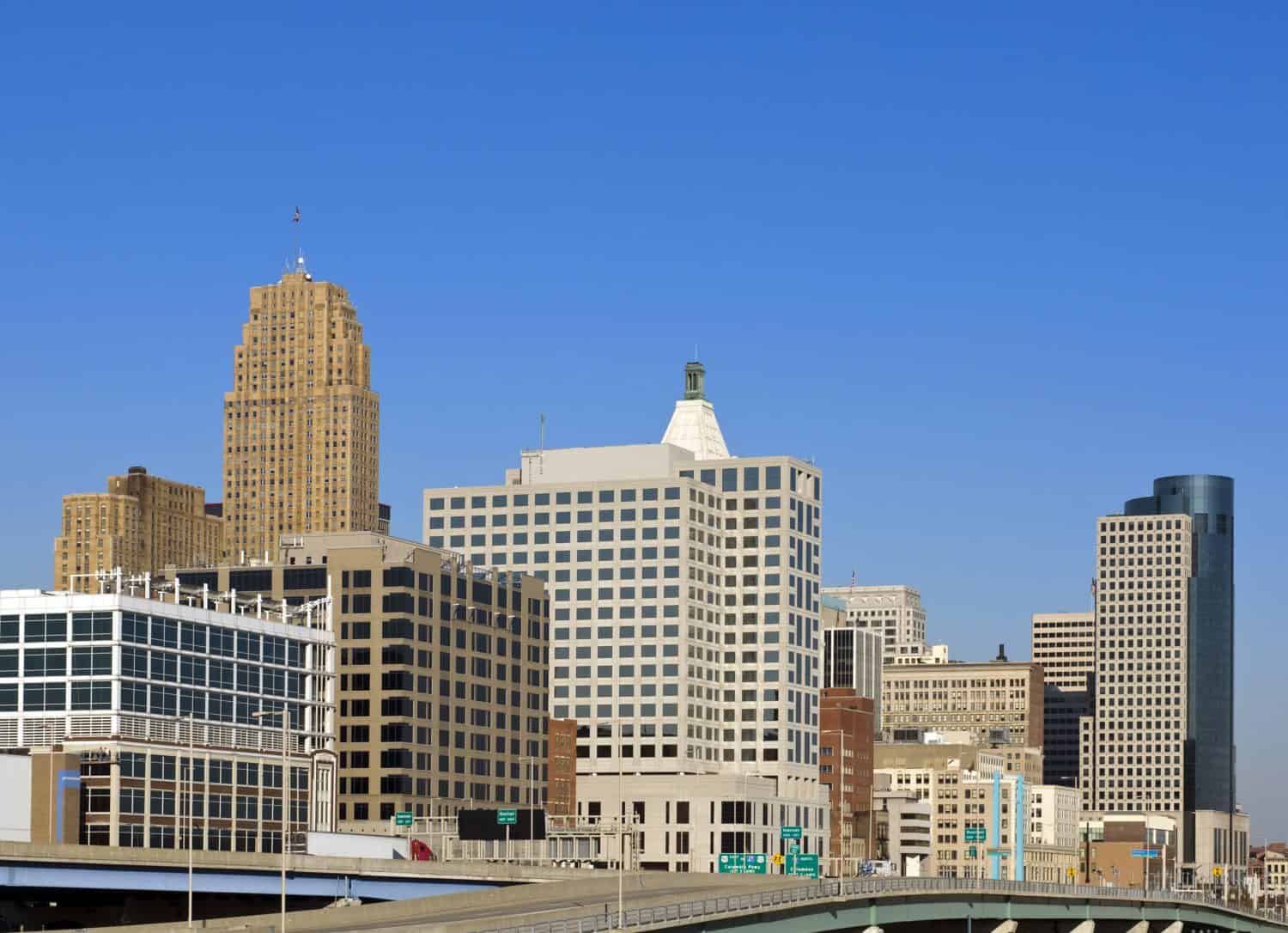
Cincinnati's Carew Tower is one of those buildings that people either consider an Art Deco treasure or a skyscraper that forgot to finish getting dressed. Completed in 1931, the 49-story tower was among the city's defining architectural achievements and remained its tallest building for decades. Its stepped design reflects the skyscraper style popular during the early 20th century, but unlike the Empire State Building, there's no particularly dramatic crown or spire to finish things off. Instead, the upper floors simply taper toward a relatively understated top. To be fair, Carew Tower is a National Historic Landmark and an important example of American Art Deco architecture. It's also undergoing a major transformation intended to convert its former office spaces into apartments. Still, anyone hoping for a dramatic finishing touch to Cincinnati's historic skyline might find its rooftop a little underwhelming.
11. Torre Velasca (Milan, Italy)
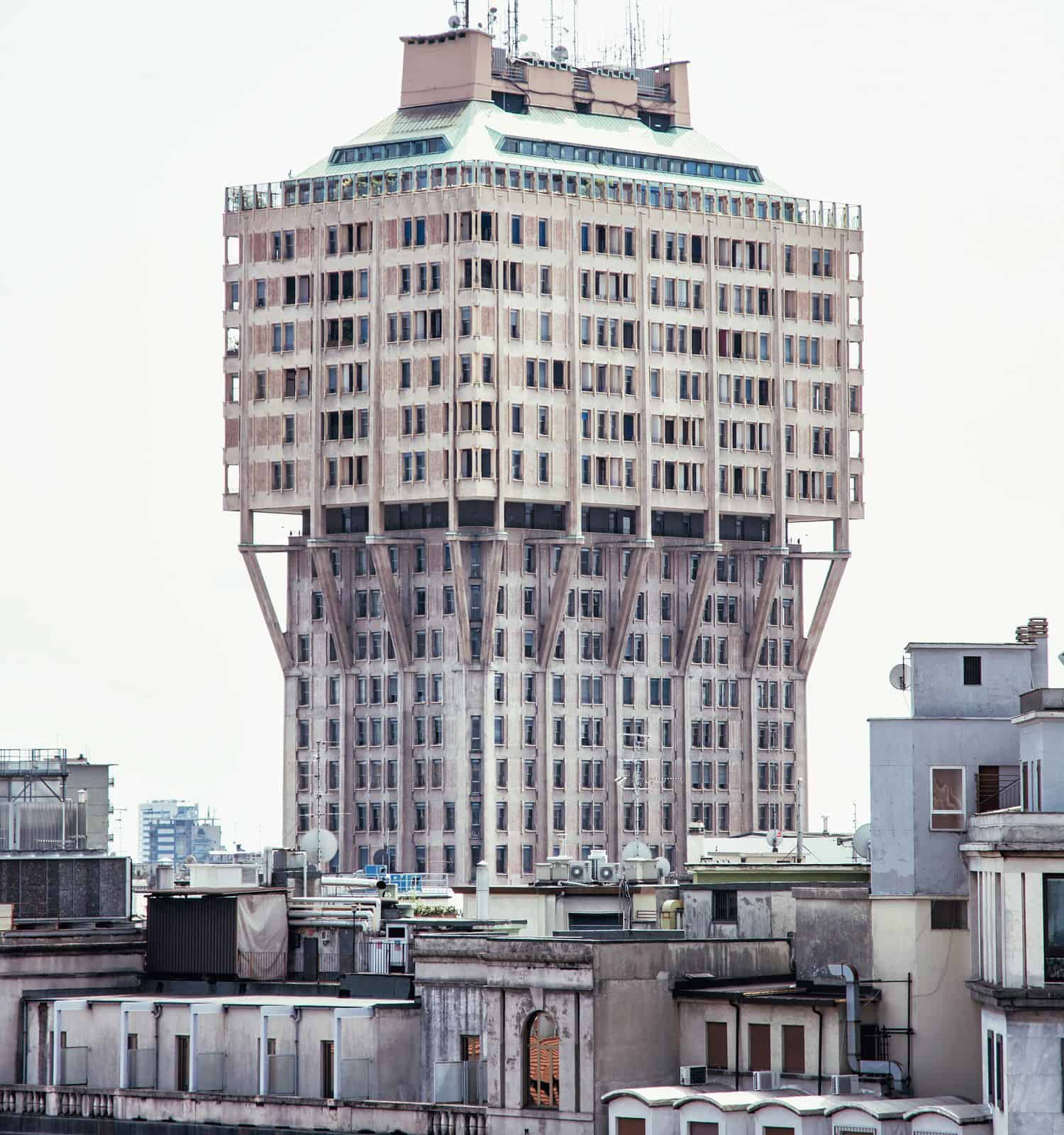
Imagine taking a medieval fortress, stretching it more than 300 feet into the sky, and deciding the upper floors should be noticeably wider than the lower ones. That's essentially the visual effect of Milan's Torre Velasca. Completed in 1958, the unusual tower was designed by the Italian architectural firm BBPR as a modern interpretation of historic Lombard architecture. Its upper section projects outward and is supported by prominent diagonal braces, creating a shape that has frequently drawn comparisons to a giant concrete mushroom. The building has also become an important piece of Milan's architectural identity, earning protected heritage status and undergoing an extensive restoration completed in 2025. Whether that makes it beautiful is another matter entirely. It's certainly distinctive, although the impression that someone built the top half of a different building on the bottom half of this one is difficult to shake.
10. Russian Embassy (Havana, Cuba)
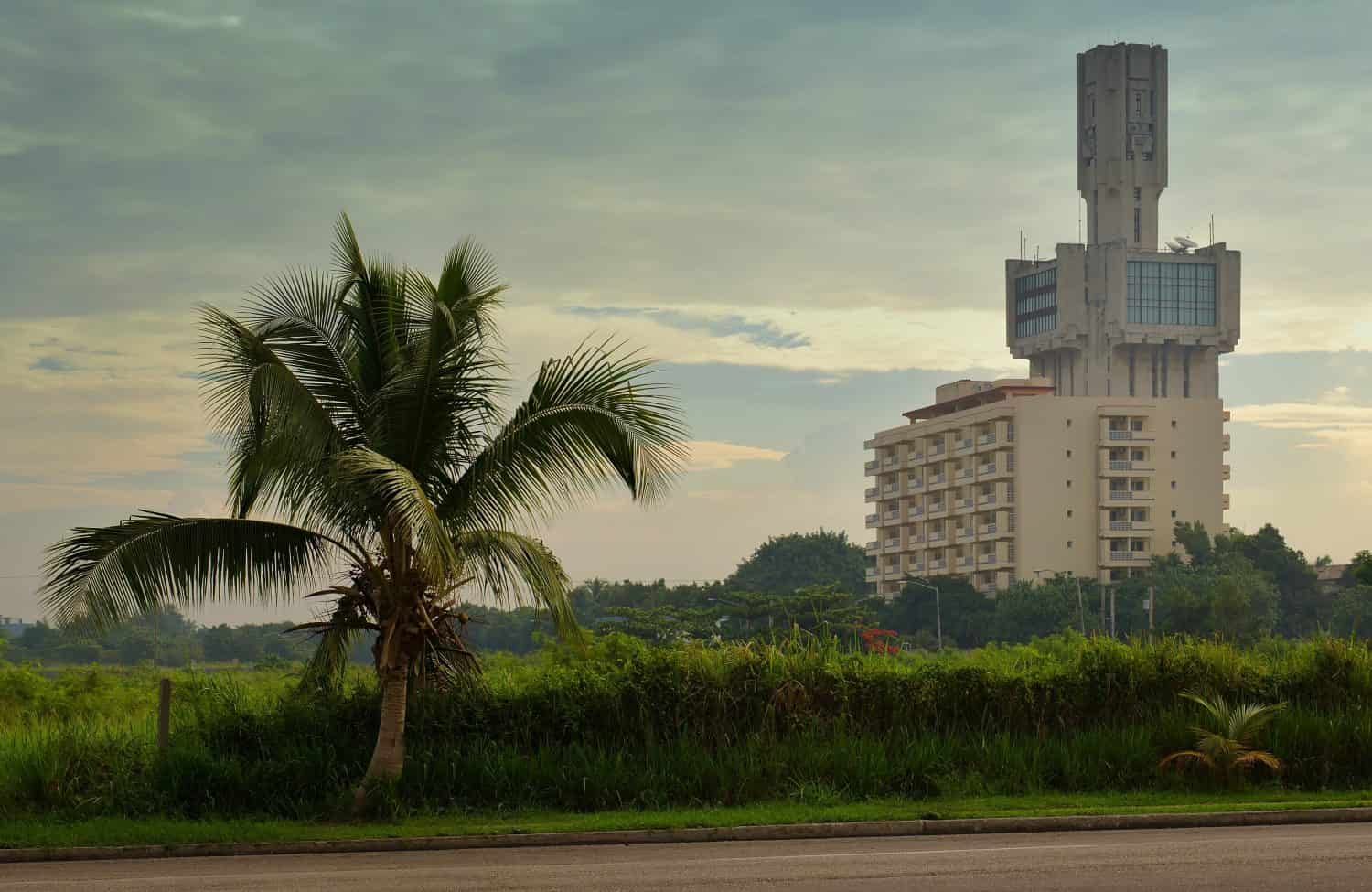
Most embassies are designed to project dignity, authority, and perhaps a little national pride. The Russian Embassy in Havana looks more like the secret headquarters of a villain from a Cold War science-fiction movie. Designed by Soviet architect Aleksandr Rochegov, the building was completed in 1987, when Cuba and the Soviet Union maintained especially close political relations. Its tall central shaft, massive base, and unusual crown have inspired comparisons to everything from a sword to a giant syringe. The structure is certainly a striking example of Soviet-era architecture, and its unconventional design stands out among Havana's more familiar colonial and modernist buildings. Whether it communicates diplomatic prestige or simply looks like something a movie villain would use to threaten the planet is largely a matter of personal interpretation.
9. Merdeka 118 (Kuala Lumpur, Malaysia)
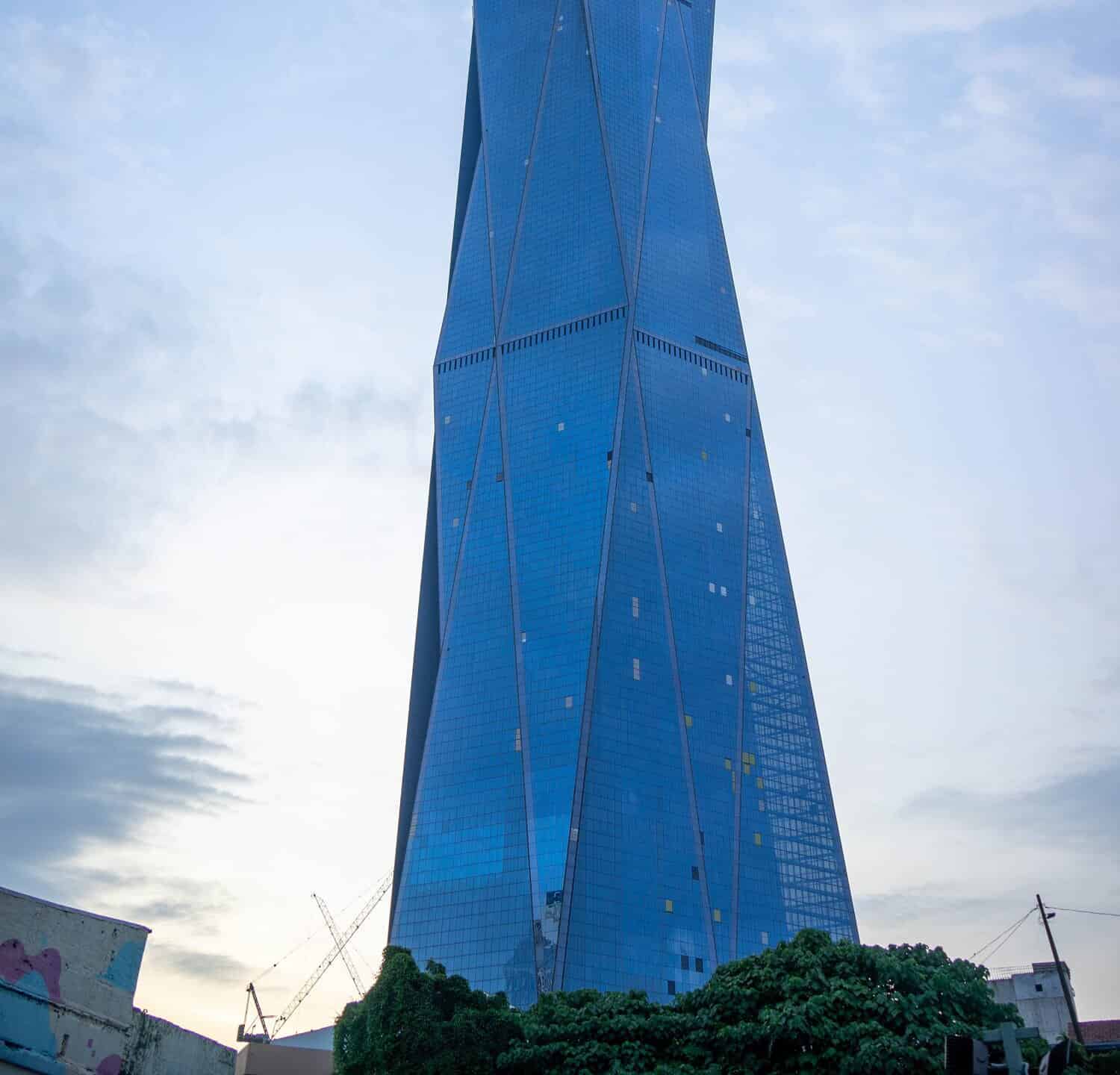
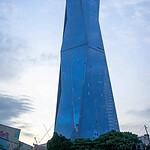
There's ambitious architecture, and then there's building something nearly 2,230 feet tall that looks like a collection of enormous glass shards assembled into a skyscraper. Officially opened in January 2024, Merdeka 118 is the second-tallest building in the world, surpassed only by Dubai's Burj Khalifa. The tower's sharply angled surfaces and faceted exterior create an irregular appearance that can seem almost precarious from certain viewpoints. However, there's considerable thought behind the design. Its form draws inspiration from the raised-arm gesture made by Malaysia's first prime minister when declaring the nation's independence in 1957. That's a meaningful tribute, even if the finished product looks a little like someone attempted to construct the world's tallest building using pieces from several different architectural models.
8. 100 North Main (Memphis, Tennessee)
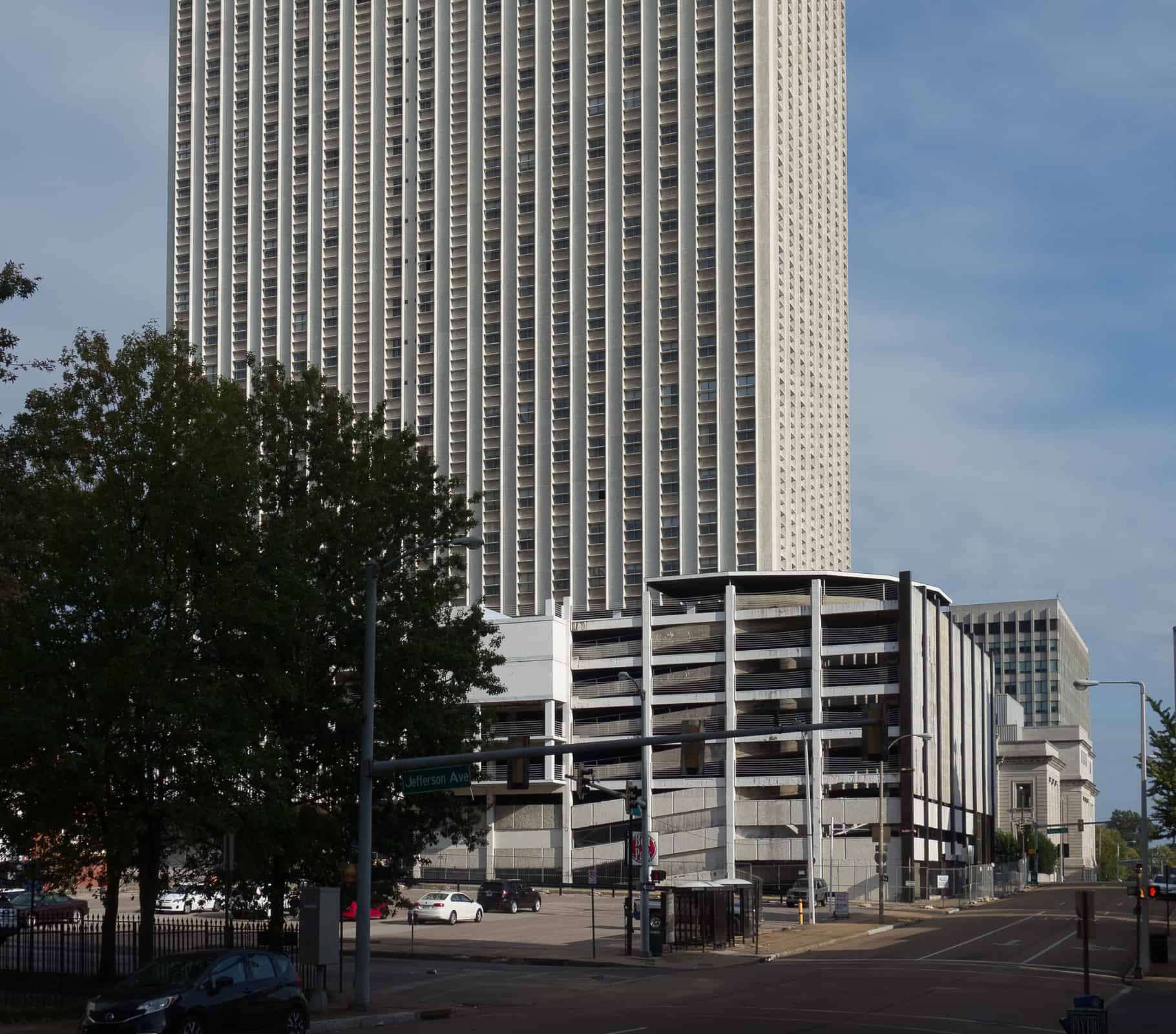
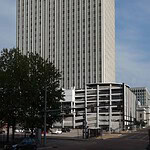
Not every questionable skyscraper needs an outrageous shape or a bizarre decorative feature. Sometimes, being spectacularly ordinary is enough. Completed in 1965, Memphis's 100 North Main is a 38-story office tower that looks like the architectural equivalent of a giant filing cabinet. Its repetitive windows, boxy proportions, and aging exterior aren't exactly the stuff of architectural inspiration. Unfortunately, the building's problems have gone far beyond aesthetics. After years of deterioration and falling debris, the tower was left vacant in 2015. There is some encouraging news, however. Developers acquired the property in 2024 and have been pursuing an ambitious mixed-use redevelopment involving apartments, a hotel, and commercial space. As of October 2026, financing challenges were still holding up the project. Memphis's tallest building may yet get the makeover it desperately needs.
7. Nabemba Tower (Brazzaville, Republic of the Congo)
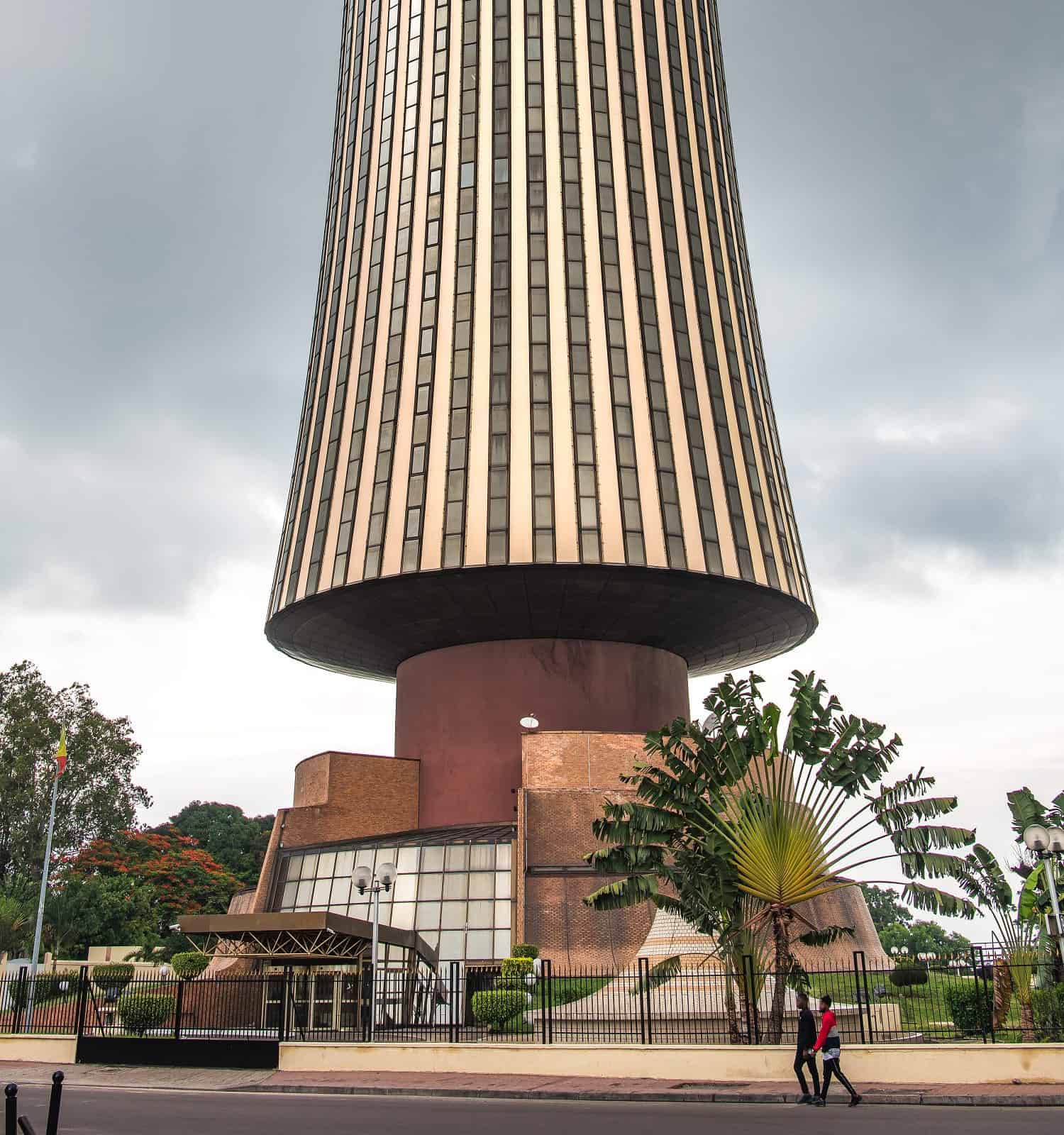
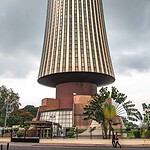
Brazzaville's Nabemba Tower looks a little like someone decided that an industrial cooling tower would make an excellent office building. Completed in 1986, the approximately 348-foot structure rises above the Congo River and remains one of the most recognizable features of the city's skyline. Named for Mount Nabemba, the highest mountain in the Republic of the Congo, the tower was intended as a symbol of national development and prestige. Unfortunately, its history has been considerably more complicated than its designers probably anticipated. The building suffered serious damage during the country's 1997 civil war and subsequently required extensive reconstruction. Its unusual cylindrical form and prominent vertical lines certainly make it distinctive, but the result is more industrial power plant than glamorous international skyscraper. For better or worse, there's nothing else quite like it in Brazzaville.
6. China Central Television Headquarters (Beijing, China)
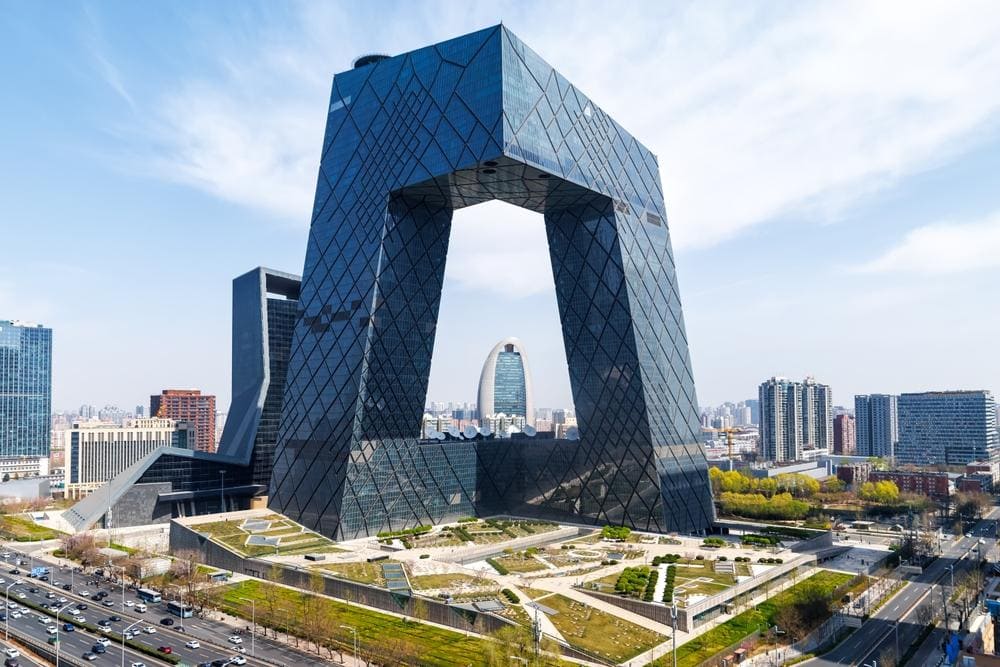
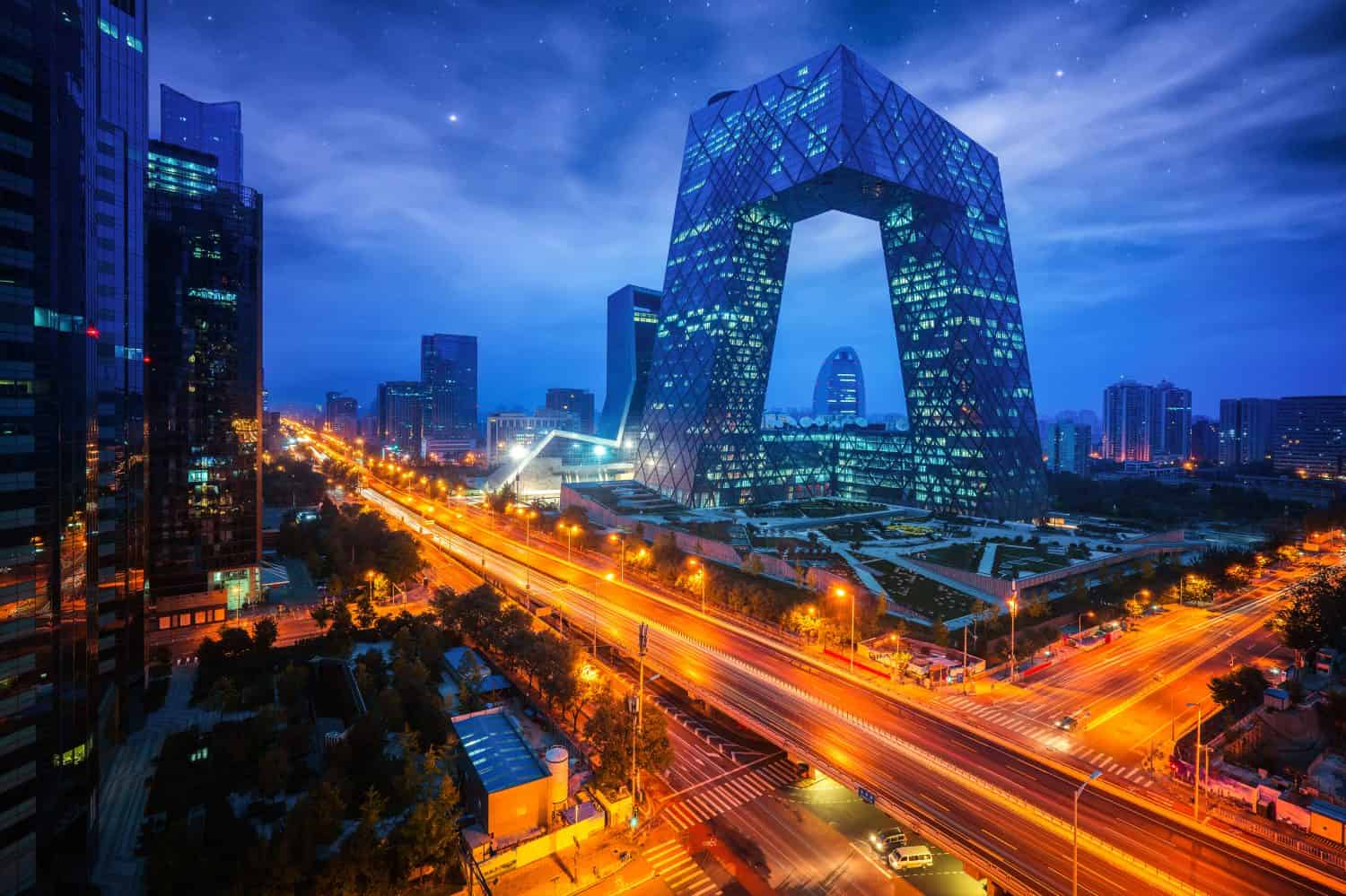
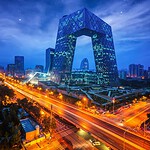
Beijing's China Central Television headquarters has earned the nickname "Big Pants," and once you see the building, it's pretty difficult to argue with the comparison. Completed in 2012, the 768-foot structure consists of two leaning towers joined by enormous horizontal sections, creating a continuous loop that looks remarkably like a pair of oversized trousers. The design came from the internationally acclaimed architectural firm OMA, with Rem Koolhaas and Ole Scheeren among its key designers. Structurally, the building is an extraordinary achievement, particularly its massive cantilevered upper section. Visually, however, it's one of those designs that can leave people wondering whether the architects were trying to challenge conventional thinking or simply wanted to see what they could get away with. Either way, Beijing ended up with one of the world's most recognizable office buildings.
5. Tour Montparnasse (Paris, France)
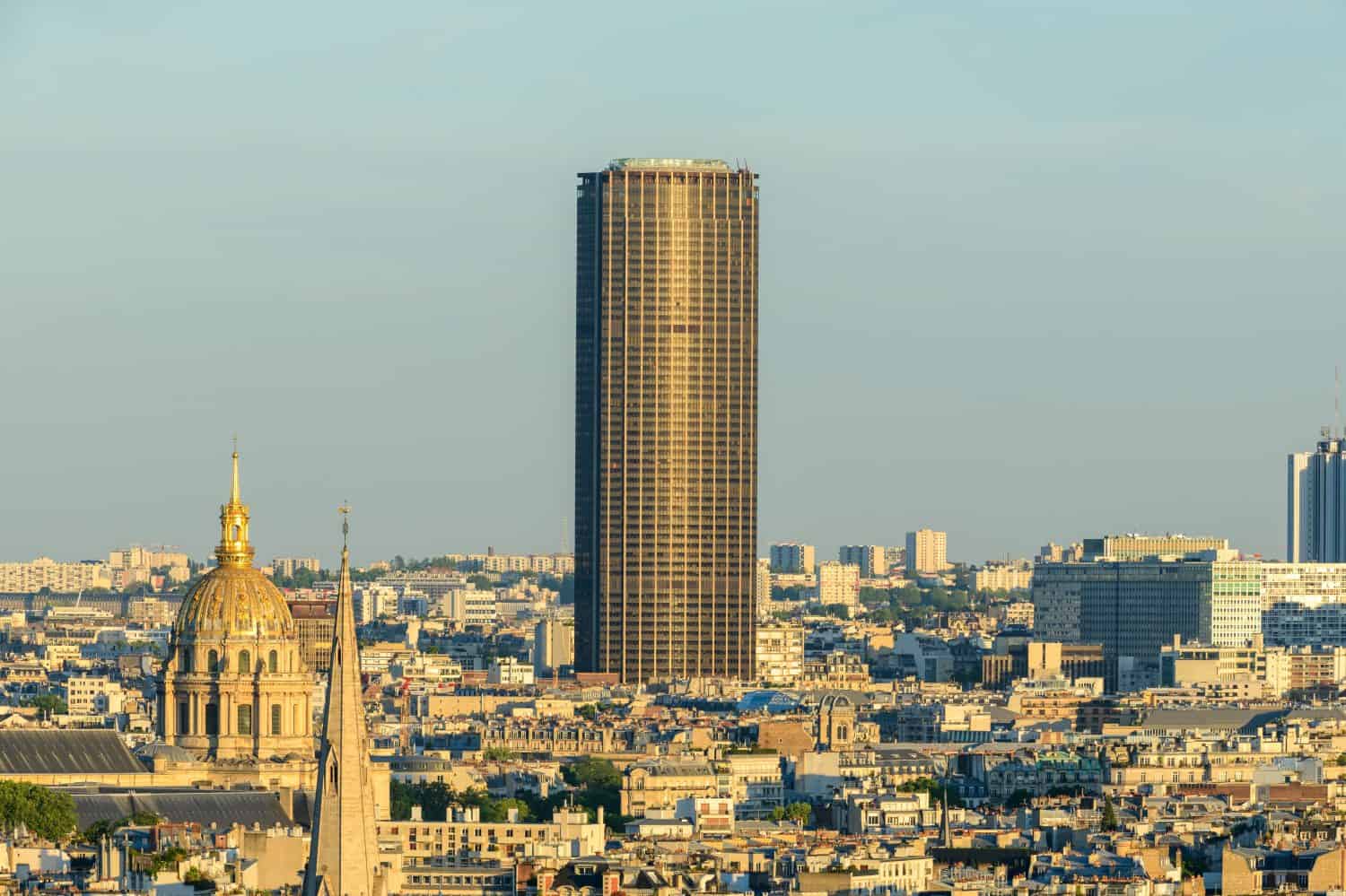
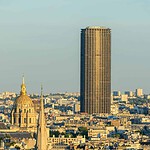
Paris is famous for its beautiful architecture, romantic streets, and skyline filled with historic monuments. Then there's Tour Montparnasse, a 689-foot office tower that looks like someone planted a giant black office filing cabinet in the middle of the city. Completed in 1973, the building was controversial almost from the beginning, with critics arguing that its enormous rectangular profile clashes with the surrounding historic architecture. For years, one of the running jokes was that its observation deck offered one of the best views of Paris because it was the only major viewpoint where you couldn't see the tower itself. That option disappeared when the building closed to the public in March 2026 ahead of a proposed renovation. By September, the ambitious redevelopment plan had been rejected by the building's co-owners, leaving its future uncertain. Apparently, even giving Paris's most divisive skyscraper a makeover is easier said than done.
4. Elephant Building (Bangkok, Thailand)
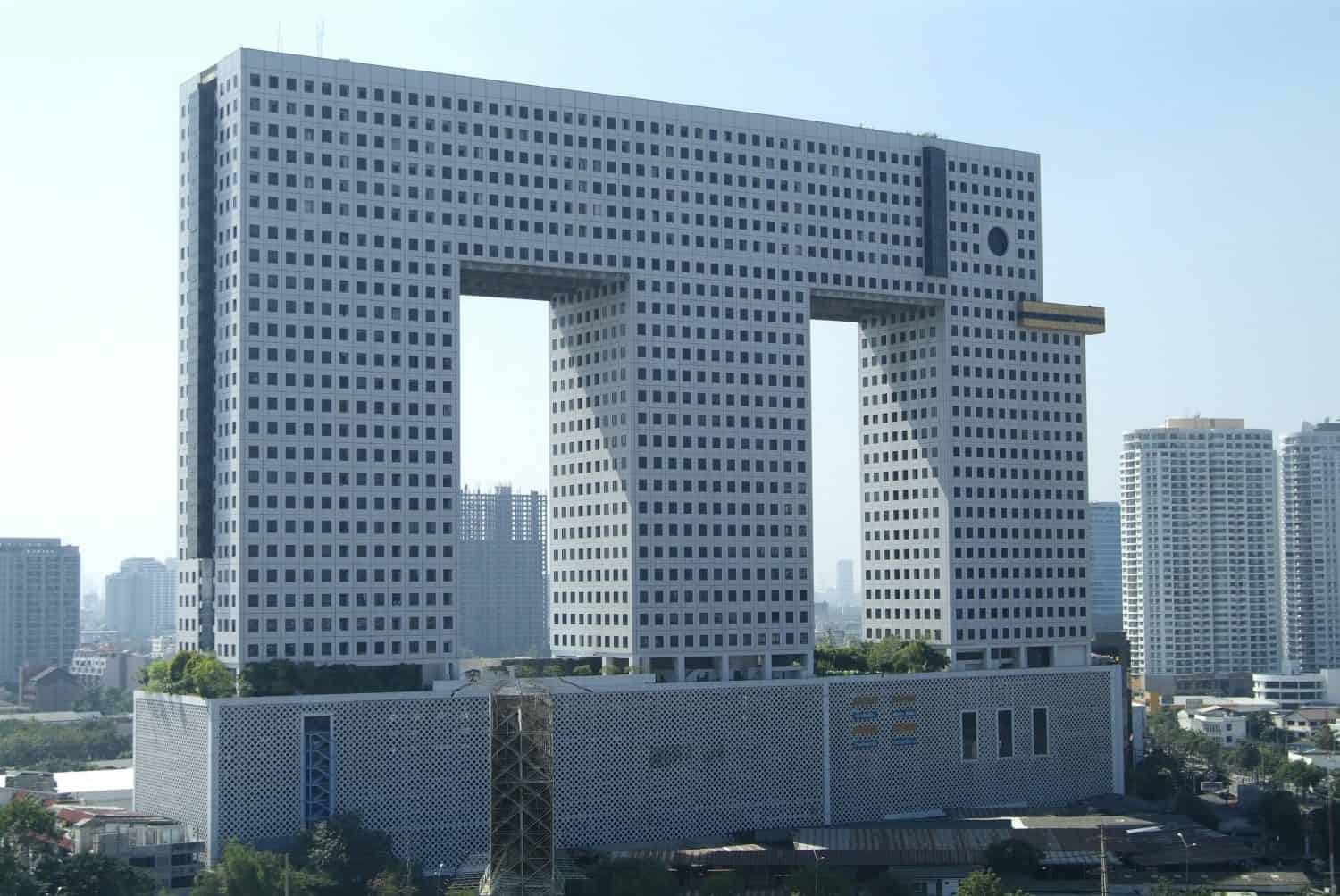
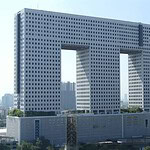
There's subtle architectural symbolism, and then there's Bangkok's Elephant Building, which is exactly what it sounds like. Completed in 1997, the 32-story complex was designed to resemble an elephant, an animal with enormous historical and cultural significance in Thailand. Three connected towers form the building's distinctive outline, with two representing the animal's legs and the third forming its trunk. Circular windows suggest eyes, while other features complete the illusion. It's certainly creative, although the overall appearance is closer to a gigantic geometric cartoon than a majestic elephant. The design is the sort of thing that might look adorable as a child's drawing but becomes considerably more difficult to appreciate when it's more than 300 feet tall and dominating an urban skyline. Still, you have to give the designers credit for committing to the concept.
3. Strata SE1 (London, United Kingdom)
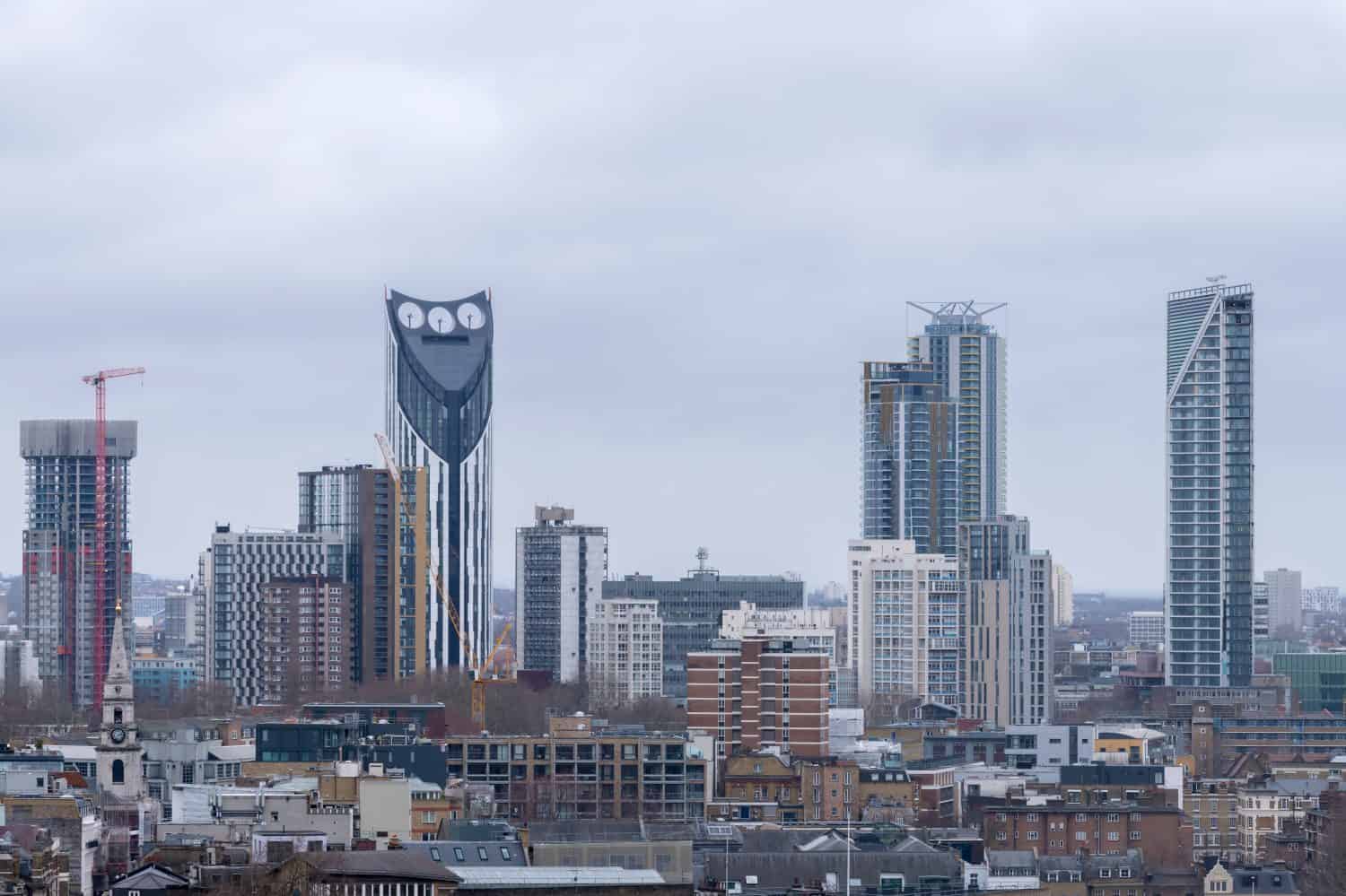
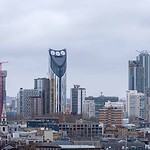
If you've ever looked at an electric razor and thought it would make a wonderful skyscraper, London's Strata SE1 might be right up your alley. Completed in 2010, the residential tower rises approximately 486 feet above the Elephant and Castle neighborhood. Its most recognizable features are three enormous circular openings near the roof, each containing a wind turbine. The turbines were originally intended to help generate electricity for the building, an ambitious sustainability feature that helped define its futuristic appearance. Unfortunately, their practical performance became a point of criticism, with the turbines reportedly operating only sporadically before being shut down amid concerns about noise and vibration. That leaves the tower with three highly visible circular features that have become more recognizable for their resemblance to an electric shaver than their contribution to renewable energy.
2. Žižkov Television Tower (Prague, Czech Republic)
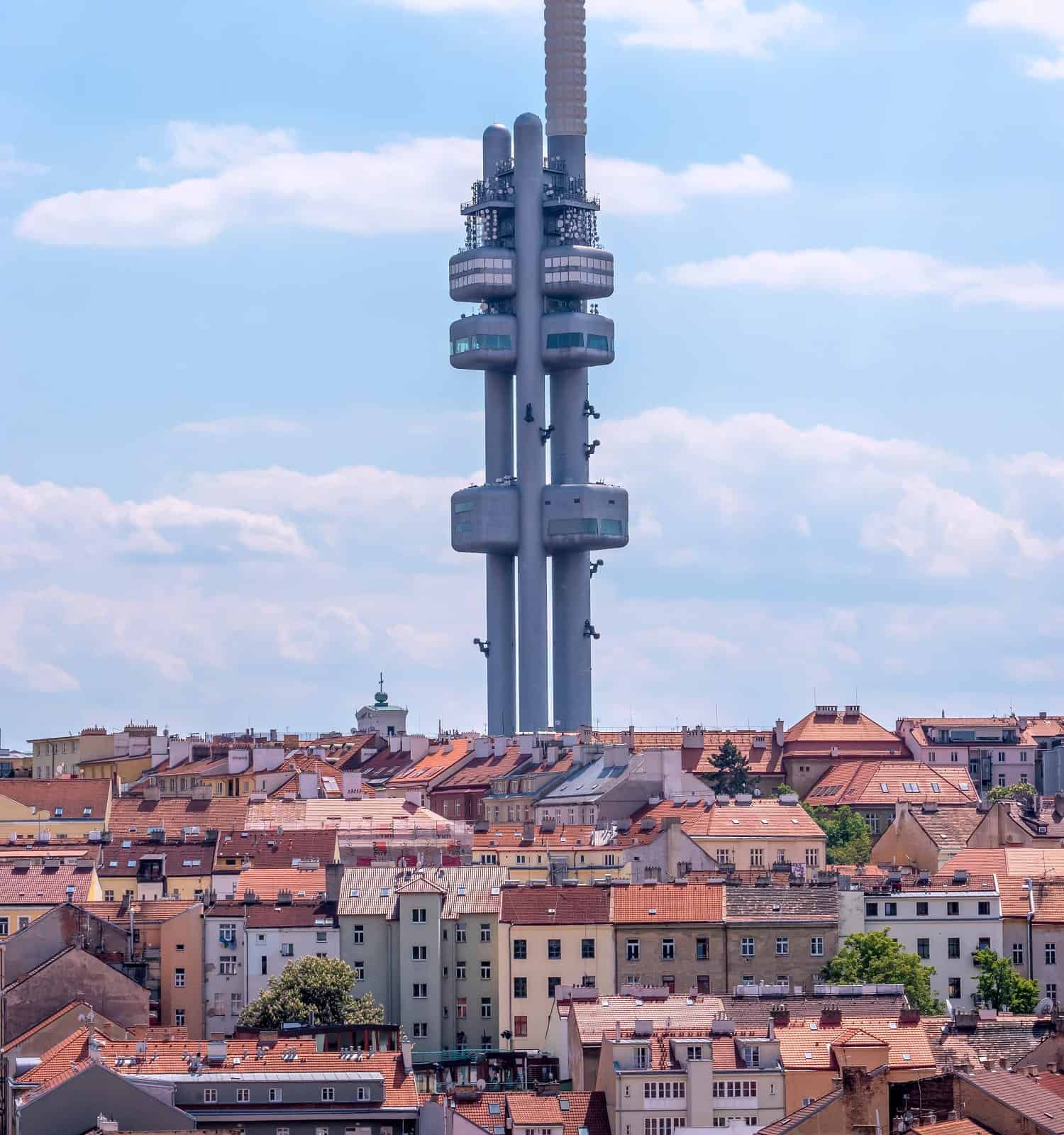
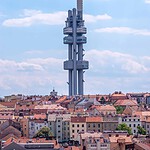
Prague is famous for its Gothic churches, medieval streets, and beautiful historic architecture. The Žižkov Television Tower looks like something that wandered into the city from a completely different century. The 709-foot broadcasting tower entered service in 1992, featuring three cylindrical supports and several futuristic observation pods. As if the design weren't unusual enough, Czech artist David Černý later added enormous sculptures of faceless babies crawling up its exterior. The building also carries a more serious controversy. A substantial portion of the historic Jewish cemetery in Žižkov was destroyed during the tower's construction, according to Prague's municipal historical information. Today, the structure has become a recognizable city landmark and popular observation destination. Whether its peculiar appearance enhances Prague's skyline or completely disrupts it remains a matter of considerable personal taste.
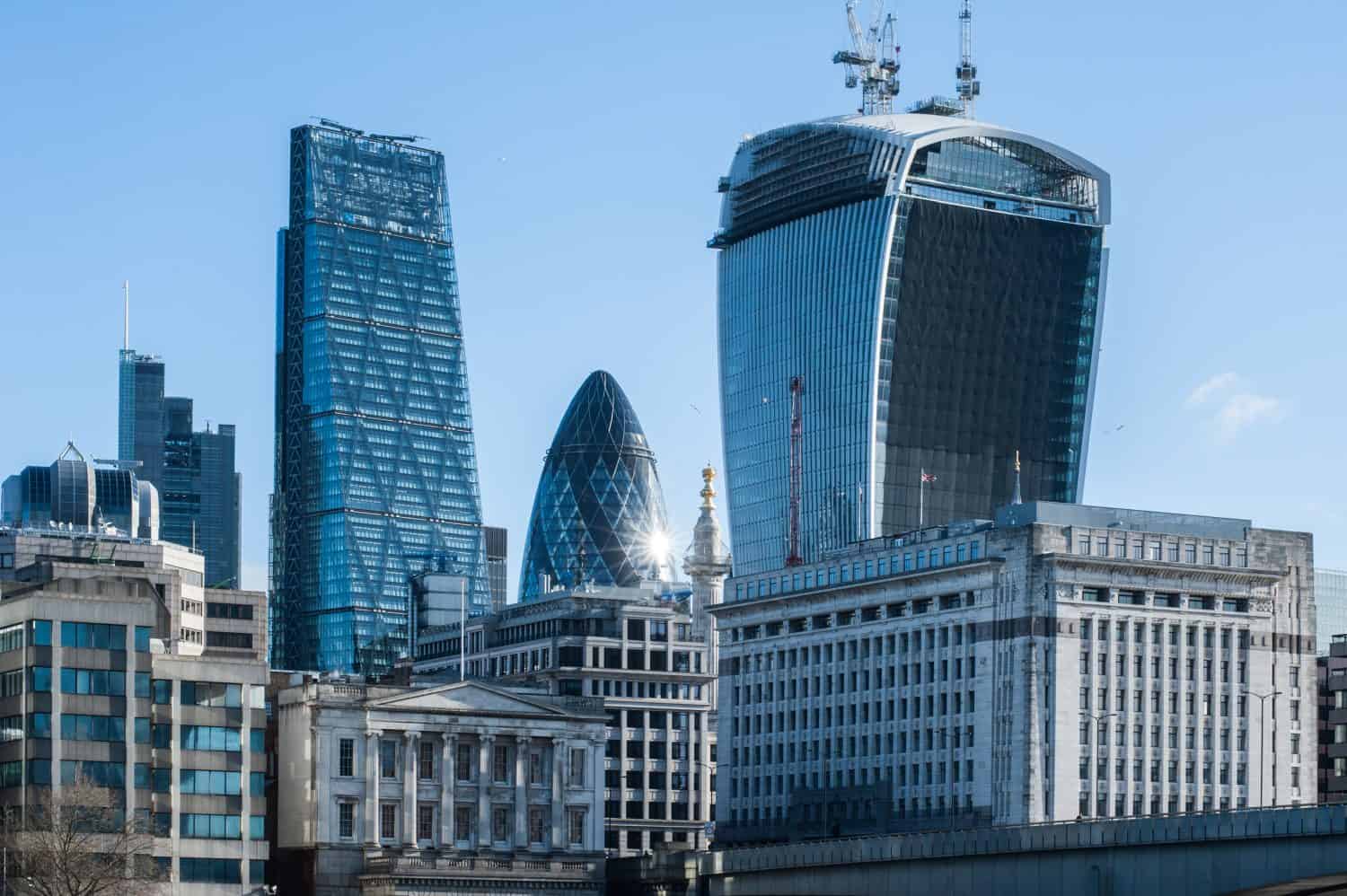
1. 20 Fenchurch Street (London, United Kingdom)
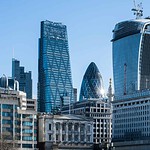
London's 20 Fenchurch Street might be the rare skyscraper whose questionable design managed to become a genuine public nuisance. Nicknamed the "Walkie Talkie" because of its unusual top-heavy shape, the 37-story building was completed in 2014. Designed by architect Rafael Viñoly, its curved glass exterior creates a distinctly unusual silhouette along London's skyline. Unfortunately, the shape wasn't the only problem. During construction in 2013, sunlight reflecting from the building's concave facade became concentrated enough to damage parts of a parked Jaguar and cause problems for nearby businesses. The incident earned the tower another nickname, the "Walkie Scorchie," and prompted corrective measures. In 2015, the building received the Carbuncle Cup, an award recognizing what judges considered Britain's worst new building. When your skyscraper looks like an enormous walkie-talkie and briefly doubles as a giant solar reflector, you've probably earned a spot on a list like this.