
Coup d'Oreille / BY-SA 2.0
Mayra F. / BY 2.0
Vervegirl Canada / BY-SA 2.0

nan palmero / BY 2.0

nan palmero / BY 2.0

david_shankbone / BY 2.0
david_shankbone / BY 2.0
cdrummbks / BY 2.0
Frank Micelotta / Getty Images
Stephen Alan Luff / BY 2.0
Eddy_Grant_at_Supreme_Court_Gardens.jpg: Stuart Sevastos derivative work: Austin512 (talk) / BY 2.0
terren in Virginia / BY 2.0

Justin (spartus) / BY 2.0
Brett Jordan / BY 2.0

jurvetson / BY 2.0

ernenn / BY 2.0

Ajuntament d'Esplugues de Llobregat / BY 2.0
Anirudh Koul from Montreal, Canada / BY 2.0
France1978 / BY-SA 2.0

Louis Beche / BY 2.0
Coup d'Oreille / BY-SA 2.0











10 Catchy Songs With Much Darker Meanings Than You Think
Some songs practically dare you not to sing along. The beat is bright, the chorus is huge, and everything sounds perfect for a road trip, party, or packed dance floor. Then you actually pay attention to what the song is saying.
That disconnect is part of what makes these tracks so memorable. Some were deliberately built around the contrast between upbeat music and ugly subject matter. Others became misunderstood because listeners latched onto one enormous chorus and largely ignored the verses around it. Either way, there is considerably more going on here than the music initially lets on.
24/7 Tempo looked at 10 famous songs whose sound, reputation, or most memorable hook can obscure a much darker story underneath. We checked the release history, chart performance, and, where possible, what the songwriters themselves have said about the meaning. A few of these may sound very different the next time they come on.
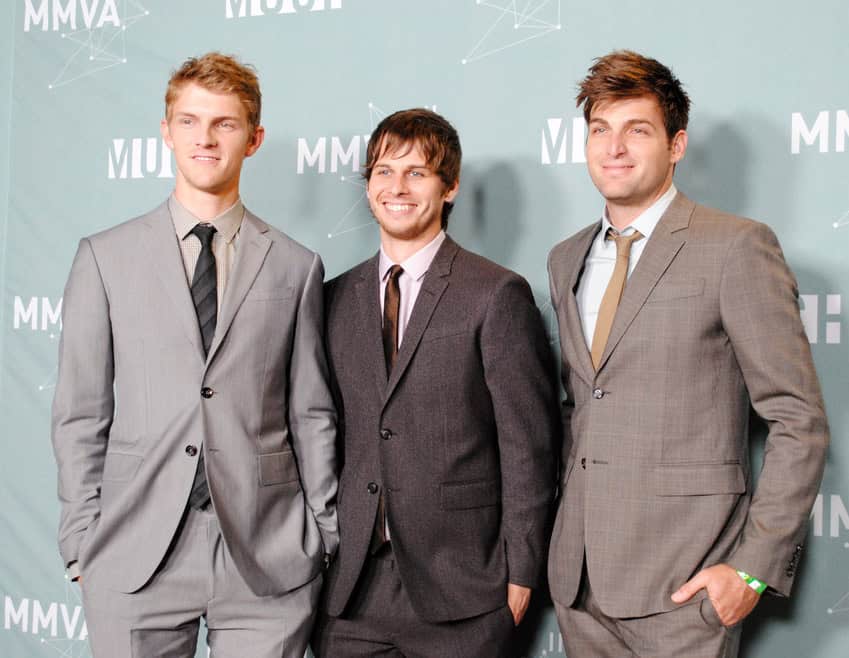
Pumped Up Kicks: Foster the People
- Artist: Foster the People
- Year released: 2010
- Album: Torches
- U.S. chart peak: No. 3 on the Billboard Hot 100
The Story Behind Pumped Up Kicks
- What gives it away: The narrator warns other kids to run because he is armed and thinking about violence.
- What it really means: Mark Foster wrote the song from the perspective of a fictional, deeply troubled young person contemplating gun violence against his peers. Foster has said he wanted to get inside that character's head and explore isolation, lack of love, and the psychology surrounding youth violence. That makes the breezy bass line and whistle-ready melody considerably more unsettling once you know what the narrator is thinking.
Semi-Charmed Life: Third Eye Blind
- Artist: Third Eye Blind
- Year released: 1997
- Album: Third Eye Blind
- Chart performance: No. 1 on Billboard's Modern Rock chart and No. 4 on its pop chart
The Story Behind Semi-Charmed Life
- What gives it away: The verses explicitly reference crystal meth, crashing after a high, and a relationship spinning out of control.
- What it really means: That relentlessly cheerful "doo-doo-doo" hook is wrapped around a song about drug use, sex, obsession, and the crash that follows the high. Stephan Jenkins has said the contrast was deliberate. He wanted the music to capture the bright, shiny rush of methamphetamine while the lyrics showed where that rush leads. Somehow, radio turned that into one of the happiest-sounding songs of the 1990s.
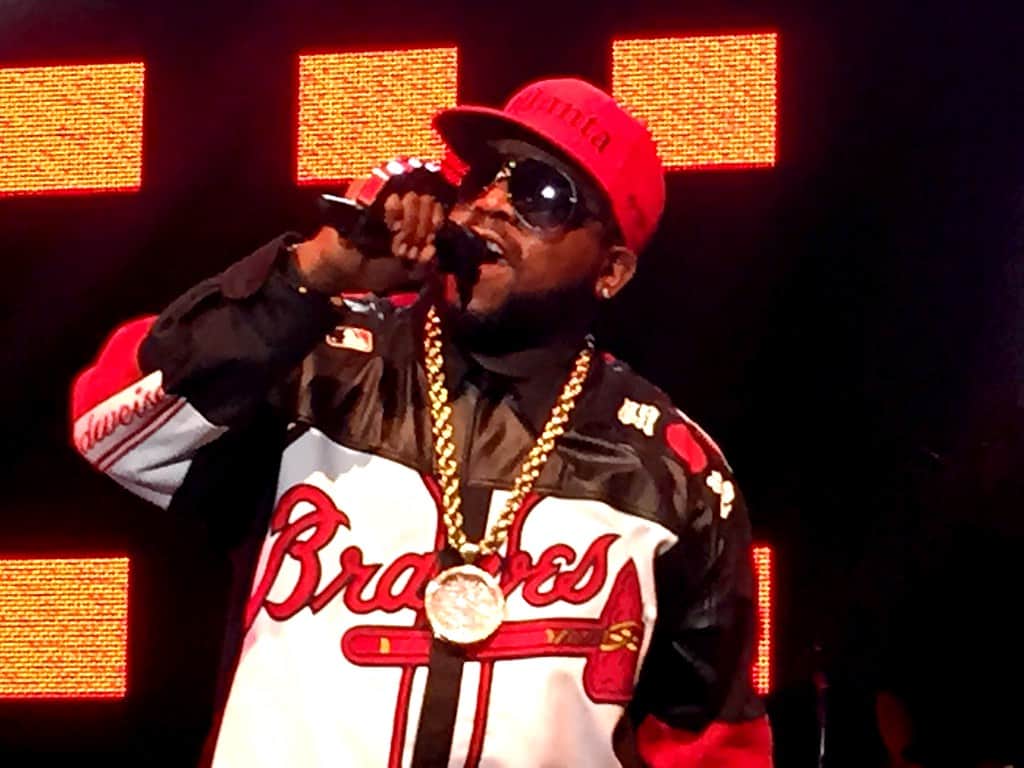
Hey Ya!: OutKast
- Artist: OutKast
- Year released: 2003
- Album: Speakerboxxx/The Love Below
- U.S. chart peak: No. 1 on the Billboard Hot 100 for nine weeks
The Story Behind Hey Ya!
- What gives it away: Behind all the dancing, the narrator questions whether love actually lasts and whether couples stay together simply because they think they are supposed to.
- What it really means: André 3000 has described "Hey Ya!" as a song about relationships in the 2000s, particularly people remaining together because of tradition even when they are unhappy. That is a considerably more pessimistic idea than the hand-clapping beat suggests. The song basically spends four minutes throwing a party while quietly wondering whether the relationship hosting it is already dead.
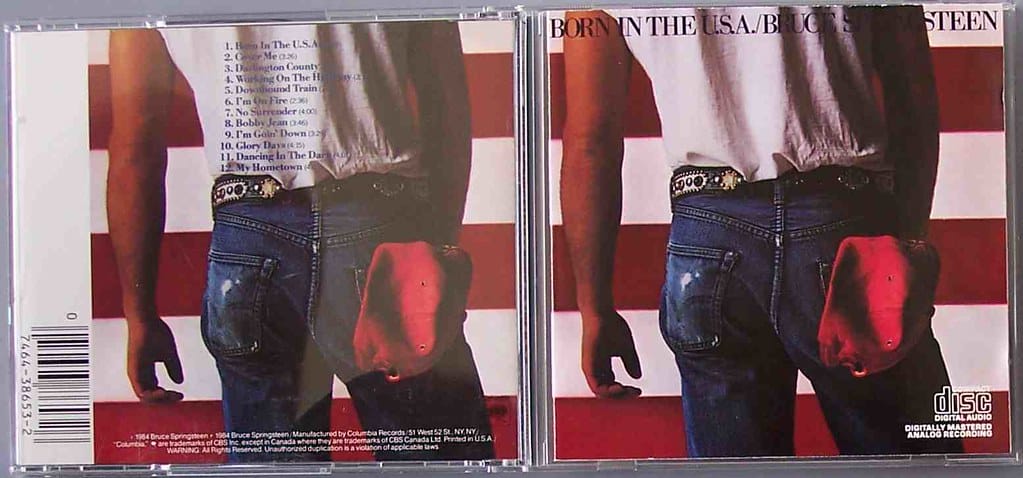
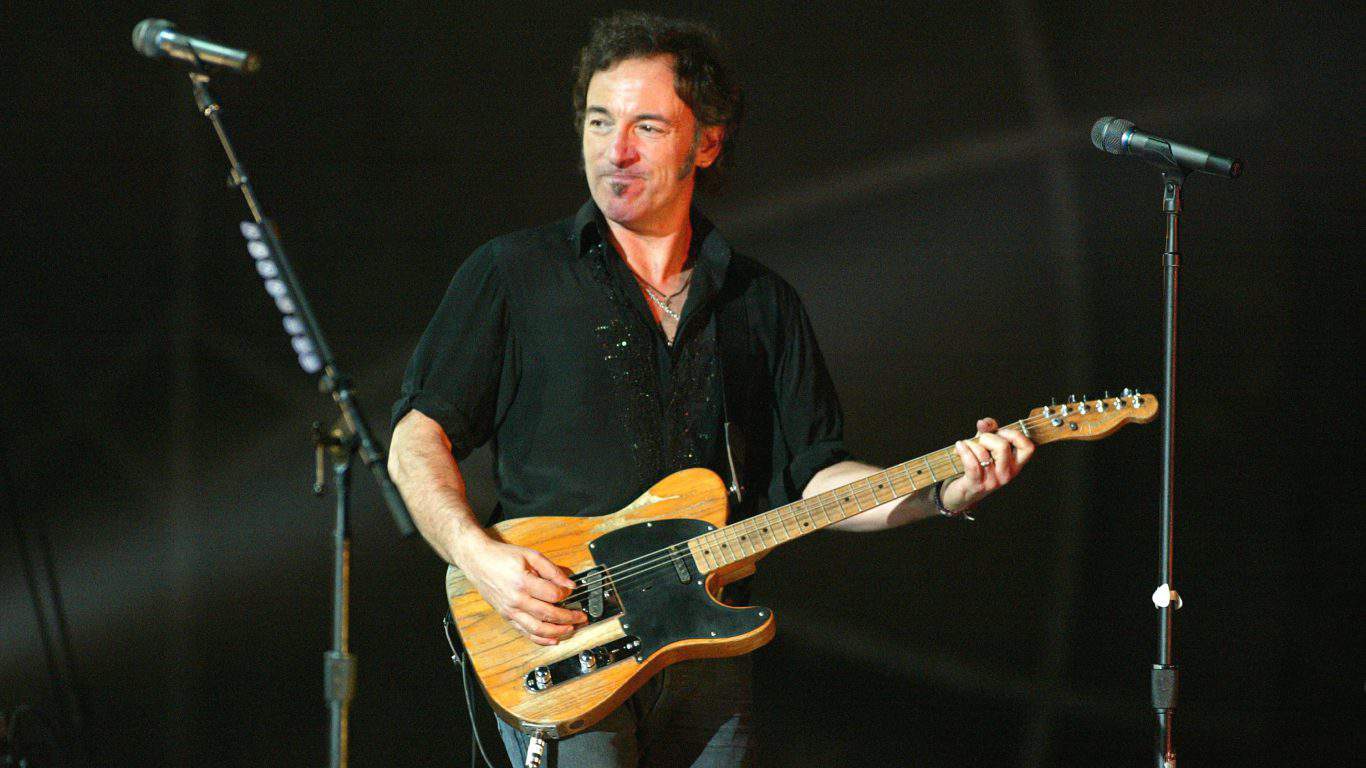
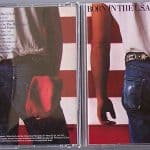
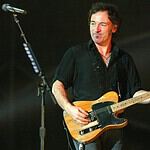
Born in the U.S.A.: Bruce Springsteen
- Artist: Bruce Springsteen
- Year released: 1984
- Album: Born in the U.S.A.
- Album chart peak: No. 1 on the Billboard 200
The Story Behind Born in the U.S.A.
- What gives it away: The verses follow a struggling working-class man sent to Vietnam who returns home unable to find work or much help.
- What it really means: The stadium-sized chorus has caused "Born in the U.S.A." to be treated as a straightforward patriotic anthem for decades. The verses tell a much rougher story. Springsteen follows a disillusioned Vietnam veteran who comes home to unemployment, loss, and a country that does not seem to have much use for him anymore. Springsteen has described the song in terms of both criticism and pride, making it more complicated than either a flag-waving anthem or a simple anti-American protest song.
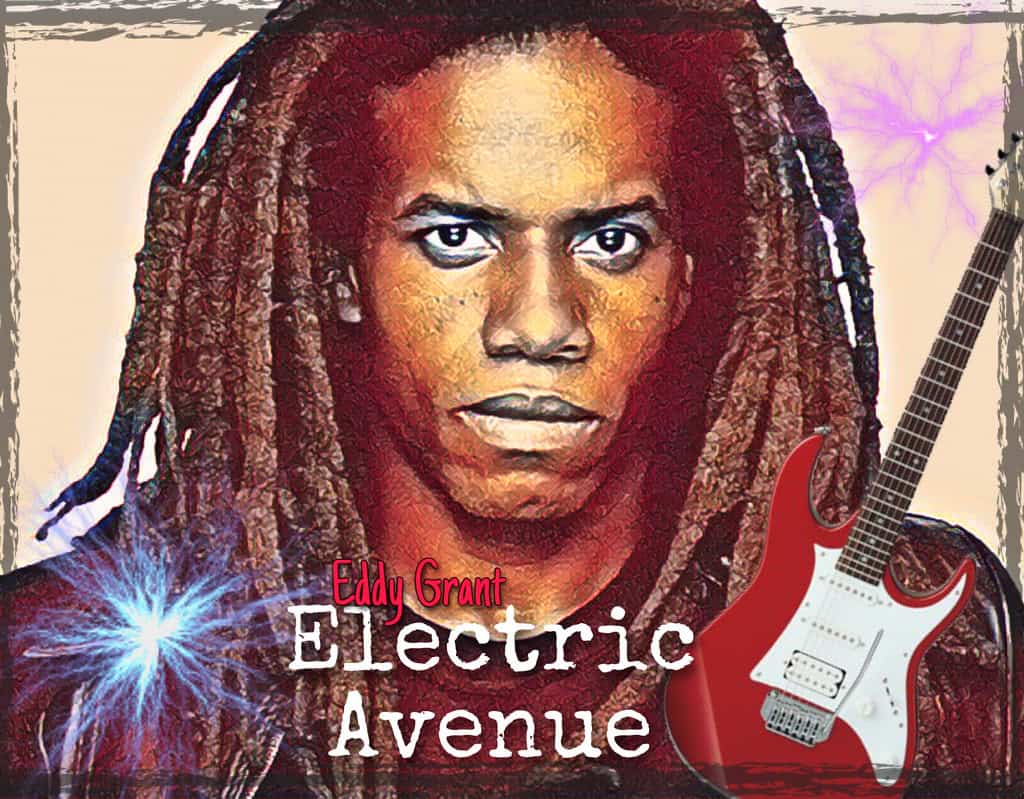
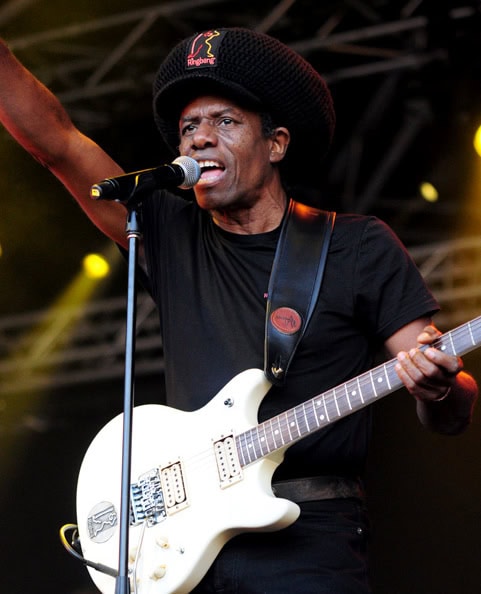
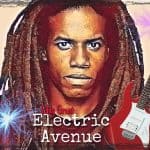
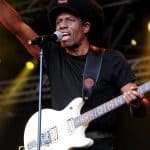
Electric Avenue: Eddy Grant
- Artist: Eddy Grant
- Release: 1982, with its major U.S. and U.K. chart run in 1983
- Album: Killer on the Rampage
- Chart peak: No. 2 in both the United States and United Kingdom
The Story Behind Electric Avenue
- What gives it away: The opening verse talks about violence in the streets, hard work, and people struggling to afford basic necessities.
- What it really means: "Electric Avenue" is not just an irresistible reggae-pop song named after a street in Brixton. Eddy Grant has said watching the 1981 Brixton riots helped inspire it. He was thinking about unemployment, racial inequality, a lack of opportunity, and what can happen when people feel abandoned. Grant later called the song a wake-up call. The beat is built for dancing. The subject matter absolutely was not.
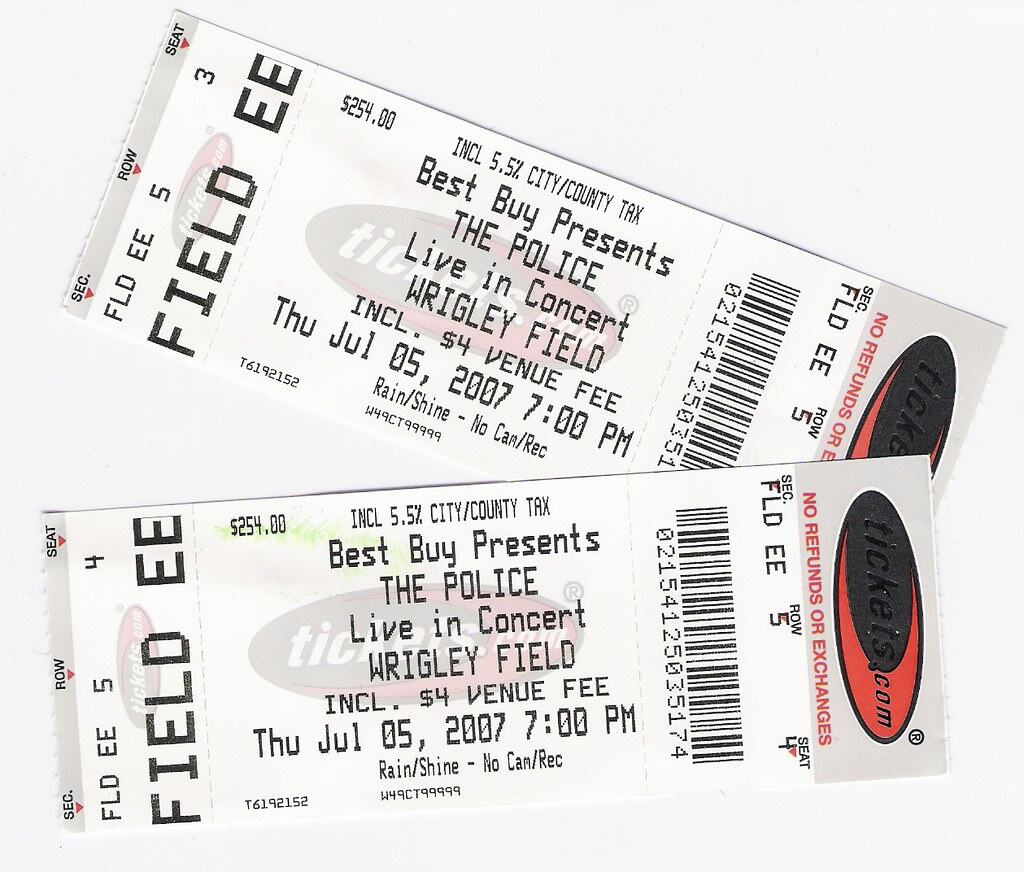
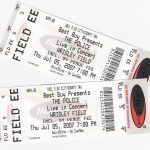
Every Breath You Take: The Police
- Artist: The Police
- Year released: 1983
- Album: Synchronicity
- U.S. chart peak: No. 1 on the Billboard Hot 100
The Story Behind Every Breath You Take
- What gives it away is that the narrator is not simply admiring someone. He is monitoring where that person goes and what they do.
- What it really means: For a song that turns up at an astonishing number of weddings, "Every Breath You Take" is not especially romantic. Sting has repeatedly described it as a song about jealousy, obsession, possession, and control. He wrote it during the collapse of his first marriage, and the narrator treats another person less like a partner than someone he believes belongs to him. Lovely melody. Pretty terrible relationship.
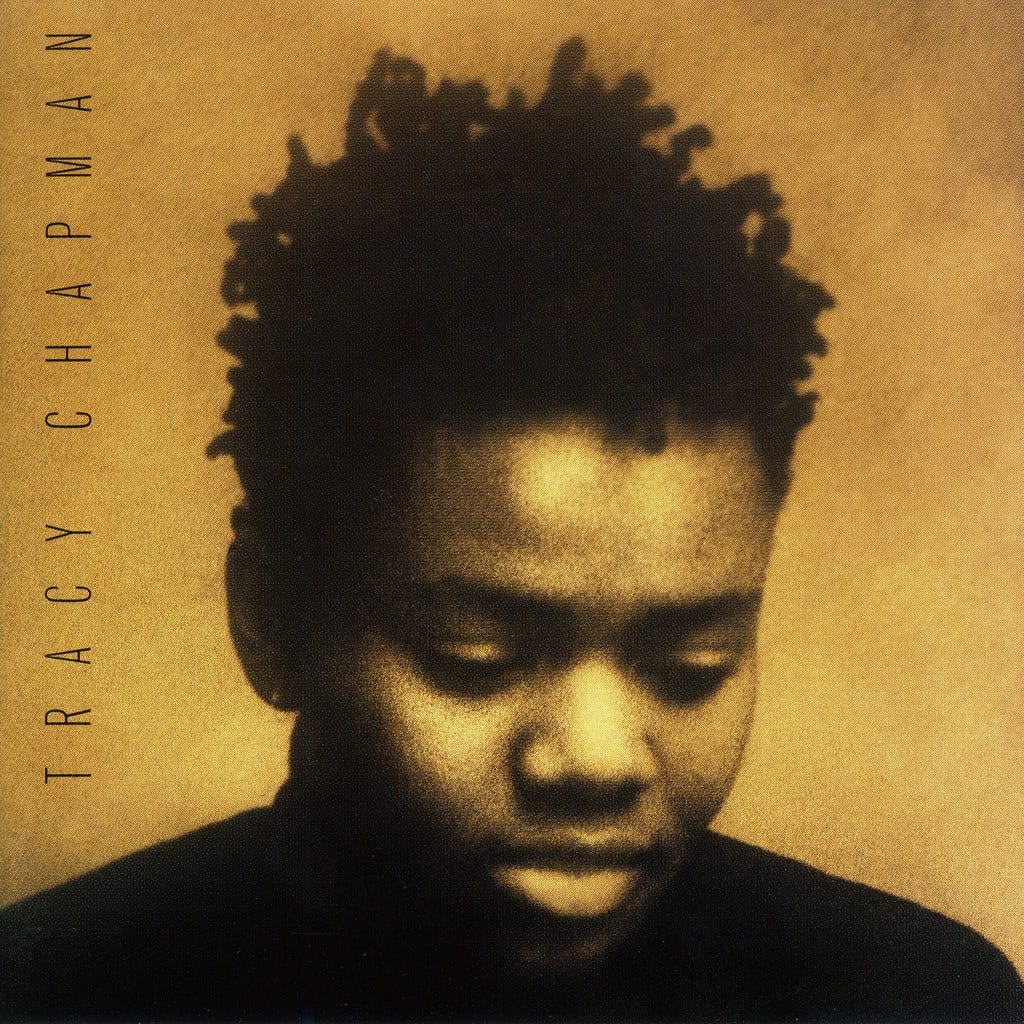
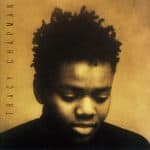
Fast Car: Tracy Chapman
- Artist: Tracy Chapman
- Year released: 1988
- Album: Tracy Chapman
- U.S. chart peak: No. 6 on the Billboard Hot 100
The Story Behind Fast Car
- What gives it away: The narrator dreams of escaping poverty, but ends up paying the bills while her partner is unemployed and drinking.
- What it really means: The fast car starts as a symbol of escape. The narrator believes she and her partner can leave poverty behind and build a different life together. Instead, the same pressures begin closing in again. Tracy Chapman has spoken about growing up in a working-class Cleveland community and about poverty functioning almost like an inheritance passed from one generation to the next. The song is sad precisely because the hope in it feels so real before the cycle begins repeating itself.
99 Luftballons / 99 Red Balloons: Nena
- Artist: Nena
- Original German release: 1983
- Original album: Nena
- English version: "99 Red Balloons," released internationally in 1984
The Story Behind 99 Luftballons
- What gives it away: A harmless group of balloons is mistaken for a military threat, setting off an escalating chain of events that ends in war.
- What it really means: The original German song imagines one misunderstanding spiraling into catastrophe during the Cold War. Nena has described it as a peace song about how seemingly small actions and misunderstandings can produce enormous consequences. The English adaptation tells a similar anti-war story, although it is not a literal translation of the German lyrics. Either way, those bouncing synths are carrying a story about humanity accidentally destroying itself over balloons.
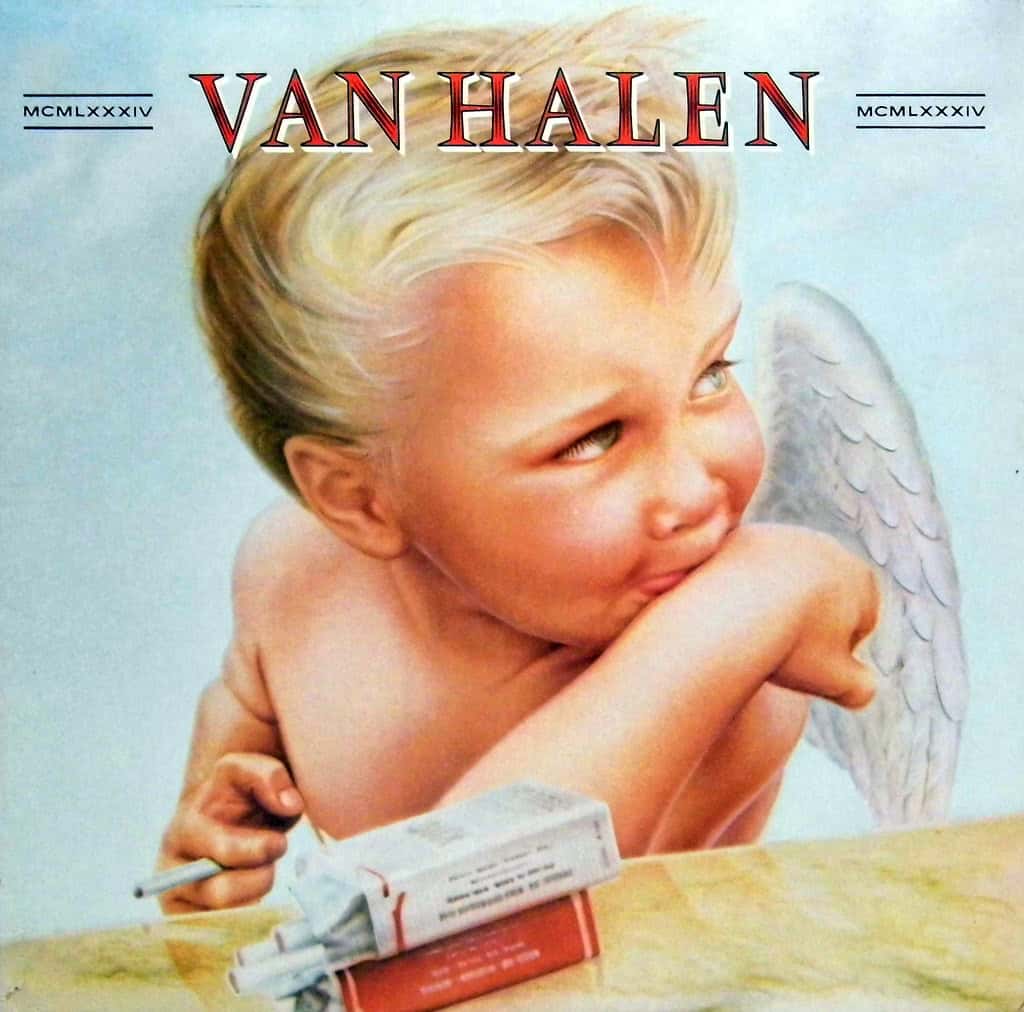
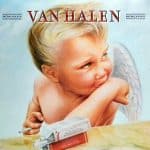
Jump: Van Halen
- Artist: Van Halen
- Year released: 1983
- Album: 1984
- U.S. chart peak: No. 1 on the Billboard Hot 100
The Surprisingly Dark Origin of Jump
- What gives it away: The finished song sounds motivational, but David Lee Roth said its title was inspired by seeing a television report about a man threatening to jump from a building.
- What it really means: This one needs an asterisk. Roth has explained that watching the news report gave him the dark joke that eventually became the phrase "might as well jump." But the completed Van Halen song is not actually a story about suicide, nor did Roth describe it as a serious commentary on bystanders cheering someone to their death. The final lyrics turn the phrase into something much closer to a defiant push to take a chance. The origin is dark. The song itself is considerably less so.
Paper Planes: M.I.A.
- Artist: M.I.A.
- Release: 2007 on Kala, with its major single breakthrough in 2008
- Album: Kala
- U.S. chart peak: No. 4 on the Billboard Hot 100
The Story Behind Paper Planes
- What gives it away: Gunshot and cash-register sound effects turn the chorus into an exaggerated caricature of crime and money.
- What it really means: M.I.A. has explained that "Paper Planes" grew partly out of her frustrations with U.S. immigration and work-permit problems. The song exaggerates stereotypes that portray immigrants and refugees as dangerous criminals who arrive only to take money. The gunshots and cash register are part of the satire, not a literal confession. Under one of the decade's catchiest samples is a pretty sharp joke about who gets treated as suspicious before they have done anything at all.