There is no shortage of Americans who have imagined themselves in the Oval Office. Some actually put their names forward, and a few campaigns have been so far outside the usual political playbook that people are still talking about them decades later. We’ve had a comedian whose campaign started as a television bit, a candidate who promised everyone a pony, and a former attorney general nominated by a party whose central cause he didn’t entirely agree with.
Others on this list are here for much more serious reasons. Victoria Woodhull challenged barriers facing women in the 19th century. Eugene V. Debs ran for president from federal prison. William Dudley Pelley and George Lincoln Rockwell, meanwhile, used their campaigns to promote fascist and openly racist ideologies. Calling all of them merely ‘eccentric’ would miss some pretty important distinctions.
The Constitution sets three basic qualifications for the presidency: candidates must be natural-born U.S. citizens, at least 35 years old, and have lived in the United States for 14 years. Actually getting on ballots is another matter. States have their own rules, and federal campaign-finance requirements kick in once a candidate raises or spends more than $5,000. With that in mind, here are 10 unconventional presidential candidates, what they stood for, and what really happened when they tried to make their mark.
William Dudley Pelley
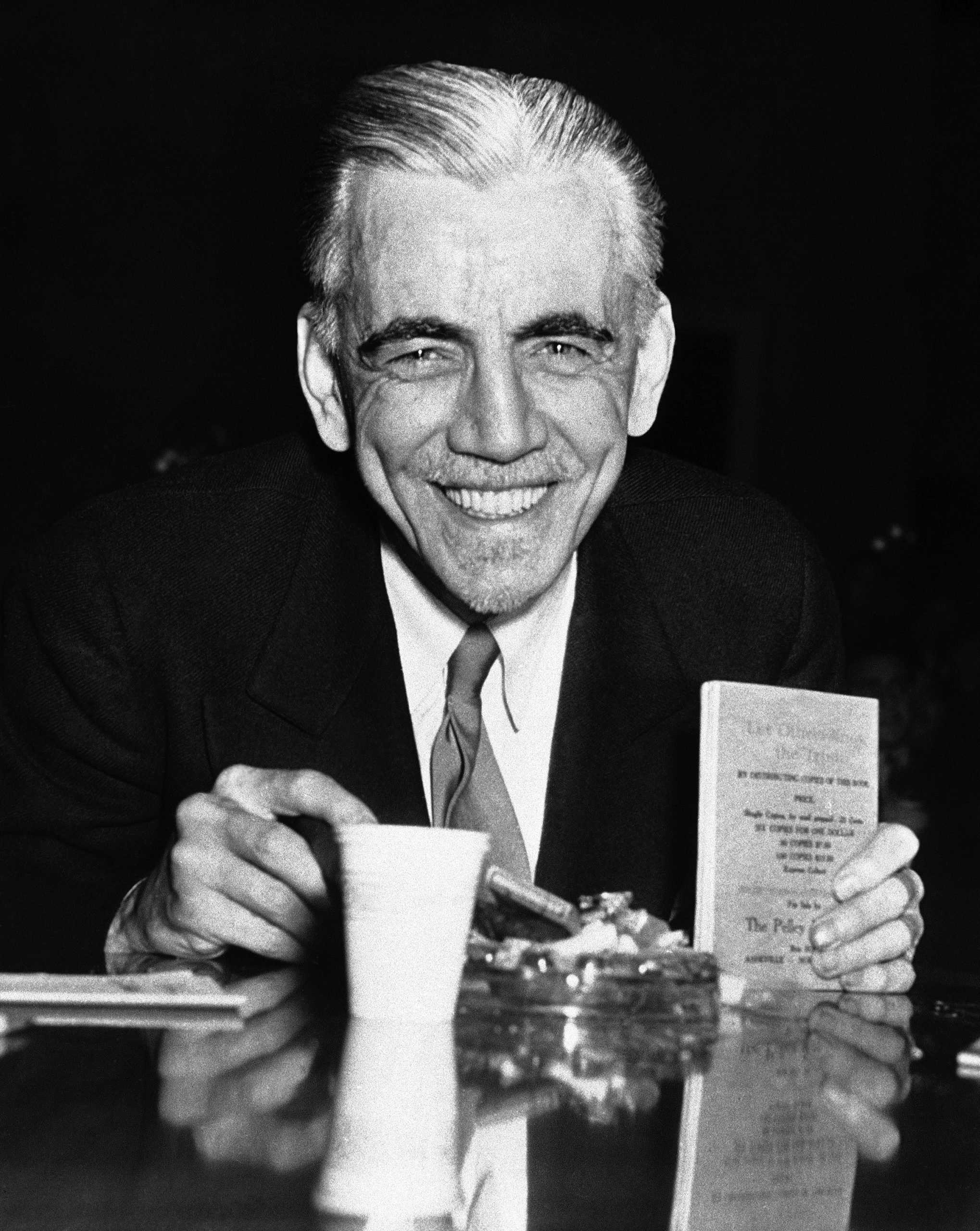
Long before William Dudley Pelley entered politics, he had a career as a writer. His fiction earned recognition, and he went on to work in Hollywood. By the early 1930s, though, his public life had taken a much darker turn. Pelley embraced antisemitic conspiracy theories and looked to Adolf Hitler’s movement in Germany as a model. In 1933, he founded the Silver Legion of America, commonly called the Silver Shirts, a uniformed fascist organization that sought to bring its ideology into American political life.
In 1936, Pelley ran for president on the Christian Party ticket. He advocated an authoritarian political order built around his racist and antisemitic beliefs, not the ordinary reforms associated with a minor-party campaign. His name appeared on the ballot in Washington state, where he received 1,598 votes. During World War II, his antiwar publications led to prosecution under the Espionage Act. He was convicted in 1942 and sentenced to 15 years in prison. His candidacy is best remembered as part of the history of American fascism, not as a harmless political curiosity.
Vermin Supreme
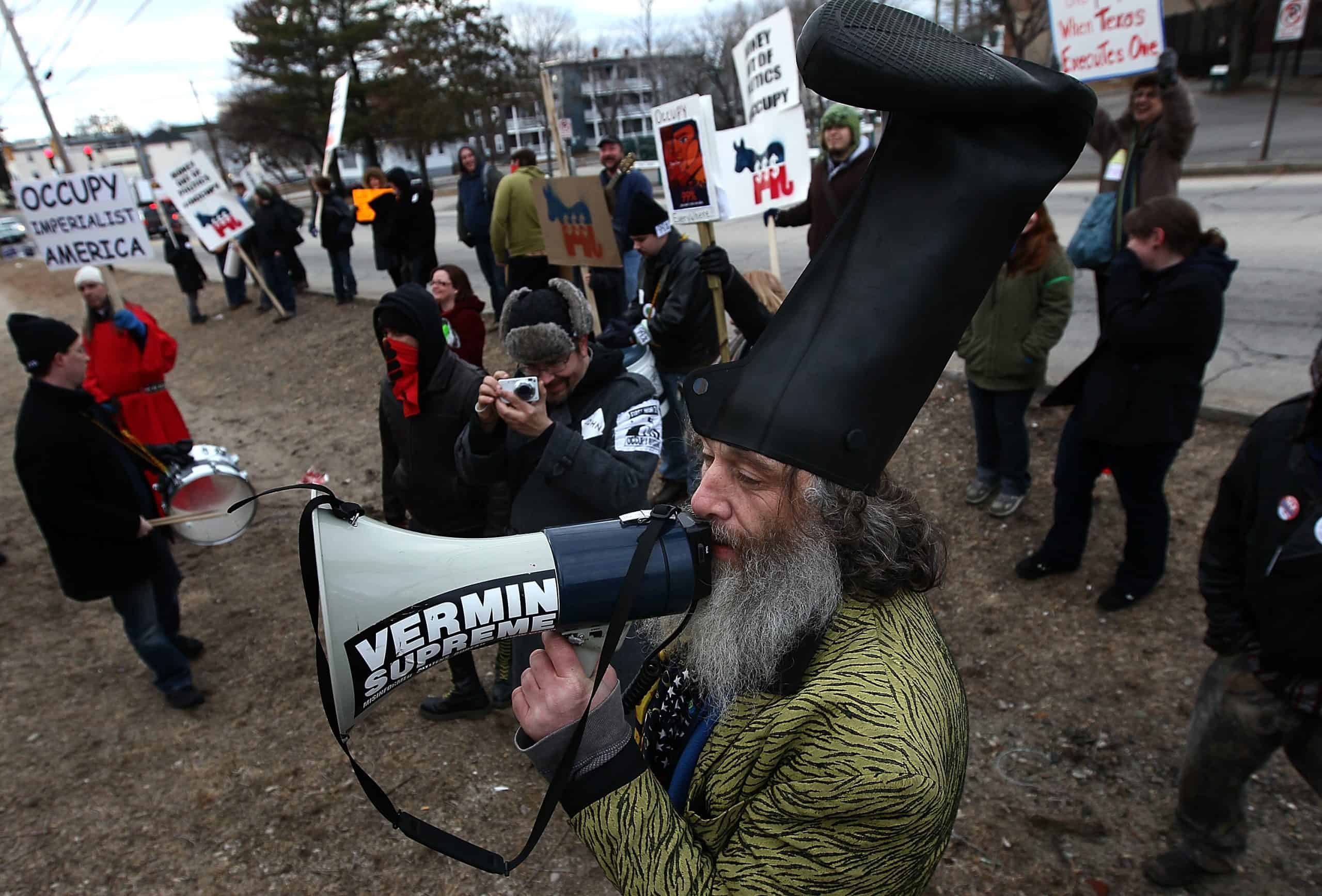
A politician who appears at campaign events wearing a rubber boot on his head isn’t exactly aiming for a conventional image. Vermin Supreme is a performance artist and longtime political satirist who has made appearances in multiple presidential election cycles. His platform has included mandatory toothbrushing, a free pony for every American, and fanciful ideas about zombies and energy policy. The absurdity is the point: his act pokes fun at campaigns that promise voters just about anything to win their attention.
The joke has occasionally produced surprisingly real election results. Supreme competed for the Libertarian Party’s 2020 presidential nomination and received 206 delegate votes on the final ballot, finishing third behind Jo Jorgensen and Jacob Hornberger. He has also pursued other political bids and continued to appear in presidential election records. No, the country never got a federal pony-delivery program. But his campaigns are a reminder that political satire can attract an audience, and sometimes even measurable support, without resembling a traditional bid for office.
Victoria Woodhull
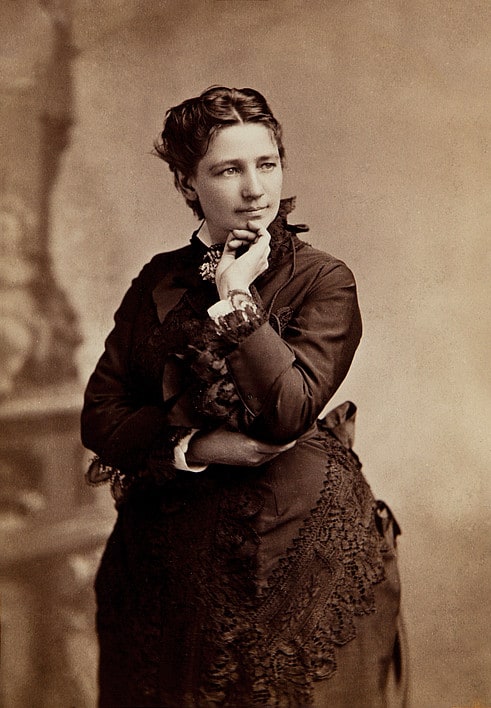
Victoria Woodhull’s 1872 presidential campaign was unconventional for a reason that says far more about her era than about her. Women did not yet have a nationwide constitutional right to vote, much less a realistic path to the presidency. Woodhull was already a prominent women’s rights advocate, publisher, and businesswoman. Together with her sister Tennessee Claflin, she helped establish a Wall Street brokerage firm and published a newspaper that promoted suffrage, political reform, and women’s ability to control their own marriages and personal lives.
The Equal Rights Party nominated Woodhull for president and selected abolitionist Frederick Douglass as its vice-presidential nominee, although Douglass never accepted or acknowledged the nomination. Woodhull was also only 34 at the time of the election, too young to satisfy the Constitution’s presidential age requirement when the next term began. She was arrested shortly before Election Day in a case arising from material published in her newspaper. Her vote total cannot be established reliably from surviving records. Even so, her campaign made history: she is widely recognized as the first woman to run for president of the United States.
Eugene V. Debs
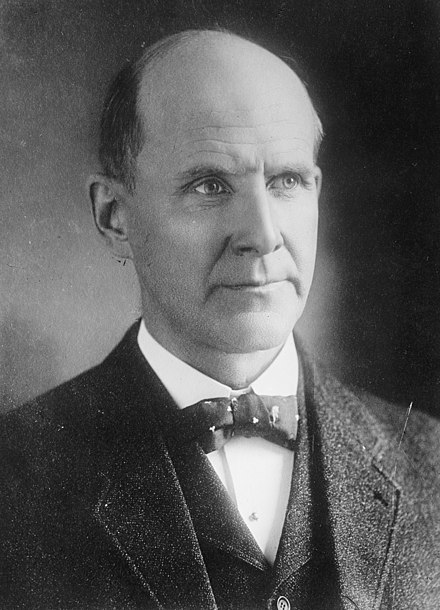
Eugene V. Debs was a serious political organizer, not a novelty candidate. The Indiana labor leader helped form the American Railway Union and became a national figure during the 1894 Pullman Strike. Federal intervention and a court injunction helped end the strike, and Debs spent six months in jail for defying that injunction. The experience pushed him further toward socialism. He later helped found the Industrial Workers of the World, but that organization did not lead the Pullman Strike; it wasn’t established until 1905.
Debs ran for president five times as a Socialist, in 1900, 1904, 1908, 1912, and 1920. His 1912 campaign took roughly 6% of the national popular vote, an impressive showing for the party. His final run was even more remarkable. After a 1918 speech opposing U.S. participation in World War I, he was convicted under the Espionage Act and imprisoned. He campaigned in 1920 from the federal penitentiary in Atlanta and still received about 914,000 votes. President Warren G. Harding commuted his sentence in 1921; Debs died in 1926. Whatever one thinks of his politics, a presidential campaign conducted from prison is a significant chapter in American electoral history.
Pat Paulsen
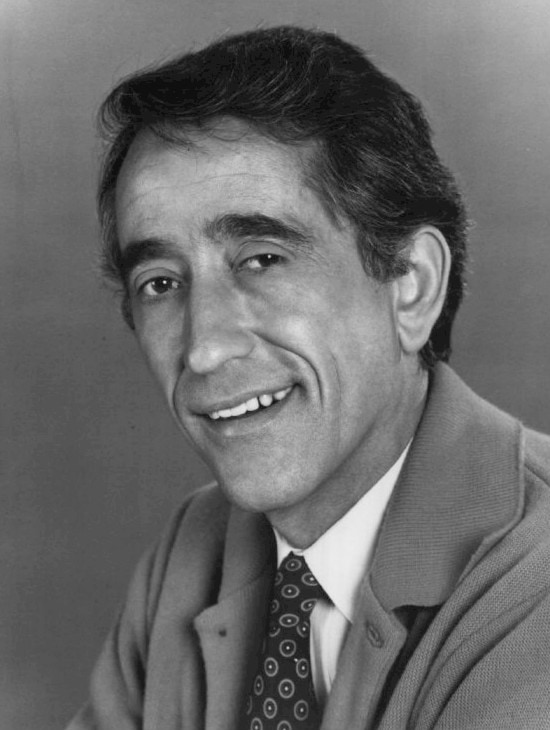
Pat Paulsen had an advantage over most long-shot candidates: he already knew how to work a television audience. The comedian became a familiar face on ‘The Smothers Brothers Comedy Hour,’ where his mock presidential campaign began in 1968. He delivered political statements in a straight-faced, deadpan style that made the nonsense sound almost official. His campaigns were comedy, but the target was recognizable: evasive politicians, canned speeches, and the idea that the right slogan can substitute for an actual plan.
What makes Paulsen’s story especially fun is that his name eventually appeared in genuine primary results. In North Dakota’s 1992 Republican primary, he received 4,093 votes, good for second place behind President George H. W. Bush. Four years later, he finished second in New Hampshire’s 1996 Democratic primary with 1,007 votes, well behind President Bill Clinton. Those numbers did not make him a serious threat to either incumbent. They did, however, demonstrate that even a campaign built as a running joke could end up on the same official election reports as the people seeking the White House for real.
Jonathon Sharkey
Jonathon ‘The Impaler’ Sharkey belongs to the stranger end of presidential campaign history. A former professional wrestler who publicly described himself as a vampire, Sharkey received national coverage for his political ambitions in the 2000s. In 2007, ABC News reported that he was pursuing the 2008 nomination of a group he called the Vampires, Witches and Pagans Party. The unusual identity drew headlines, but his comments on crime were considerably more troubling than his theatrical appearance. He publicly advocated violent punishments for some convicted criminals.
Sharkey also publicized a presidential effort for 2012 and made additional filings in subsequent election cycles. Federal Election Commission records identify a Republican presidential statement of candidacy filed under his name in August 2019. That paperwork confirms an effort to run; it does not mean he secured a major-party nomination or appeared on every state’s ballot. His story is a useful example of the gap between announcing a campaign and mounting a viable one. It also shows why an outlandish public persona should not distract from examining what a candidate actually proposes.
Jello Biafra
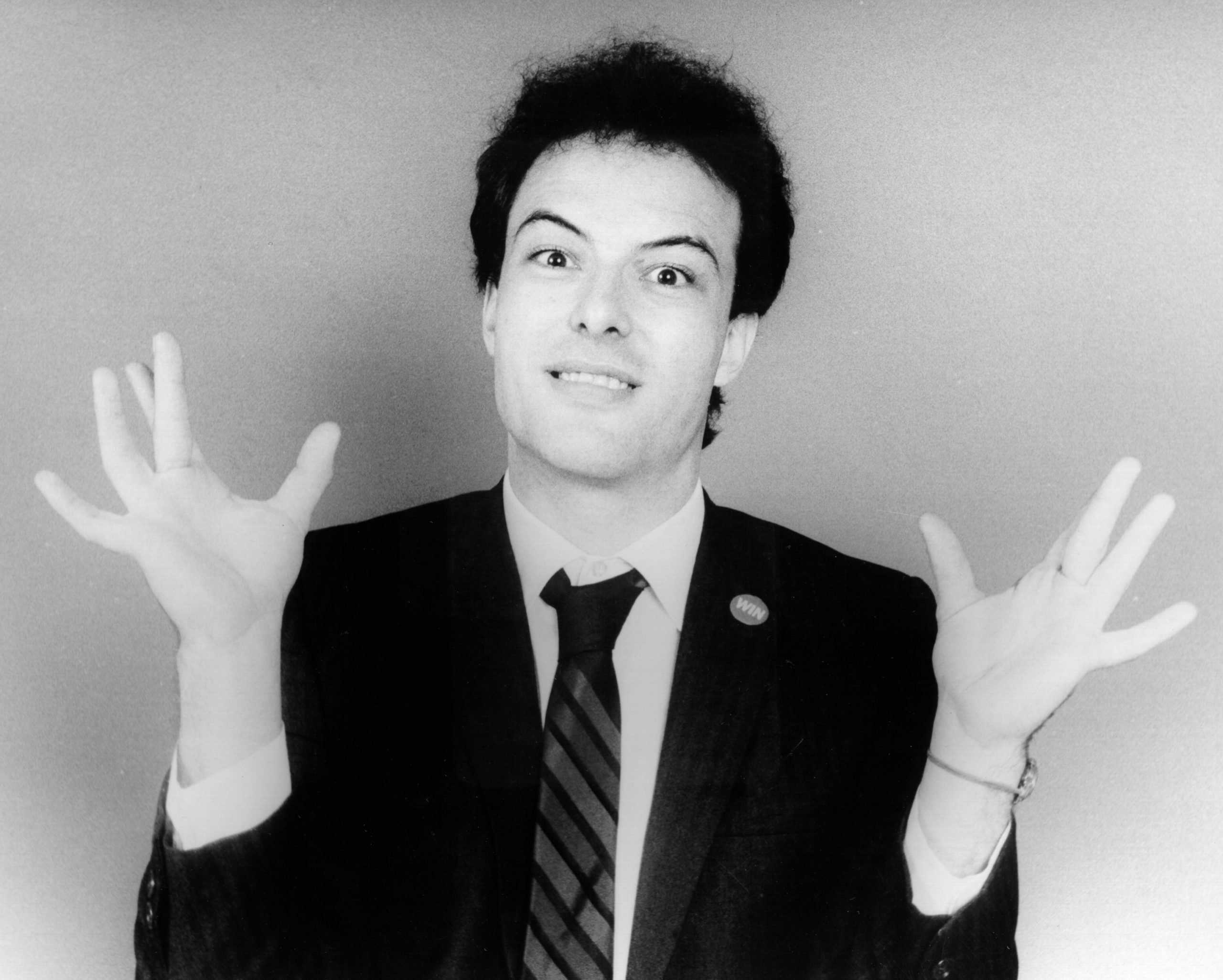
Jello Biafra was already mixing music and political commentary when he made his first bid for public office. Best known as the lead singer of the punk band Dead Kennedys, he ran for mayor of San Francisco in 1979. His campaign included deliberately absurd proposals, including the idea that business executives should wear clown suits during working hours. Like a great punk song, the joke came with a point: Biafra was criticizing corporate power and what he considered the hypocrisy of mainstream politics.
He carried that outsider approach onto the national stage in 2000, competing for the presidential nomination at the Association of State Green Parties convention. Ralph Nader and Winona LaDuke won the nomination overwhelmingly, receiving 92% of the delegate vote; the remaining votes were divided between Biafra and another contender, Stephen Gaskin. Biafra never became the Green Party’s presidential nominee, but his participation fit a long record of political activism and satire. Unlike some names on this list, he wasn’t new to politics when he pursued the presidency, and he didn’t abandon music to do it.
George Lincoln Rockwell
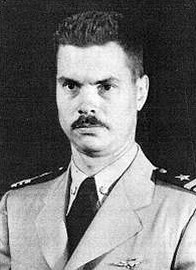
George Lincoln Rockwell was an extremist who sought public office, not simply a colorful outsider. A Navy veteran, Rockwell founded the American Nazi Party in 1959 and spent the following years promoting white supremacy, antisemitism, and admiration for Adolf Hitler. His organization staged public demonstrations designed to generate attention and spread those views. He also pursued an unsuccessful presidential write-in effort during the 1964 election, although the precise national vote total is not well established in the standard election records.
Rockwell tried another route to office in 1965, running for governor of Virginia. Contemporary reporting recorded at least 6,312 votes for him, a little over 1% of ballots cast, far short of winning. His activities helped establish a highly visible neo-Nazi movement in the United States during the civil rights era. In 1967, he was shot and killed by a former member of his organization. His campaigns did not attract broad electoral support, but they are historically significant because they show how extremist movements have tried to use elections and publicity to legitimize their ideas.
William Wirt
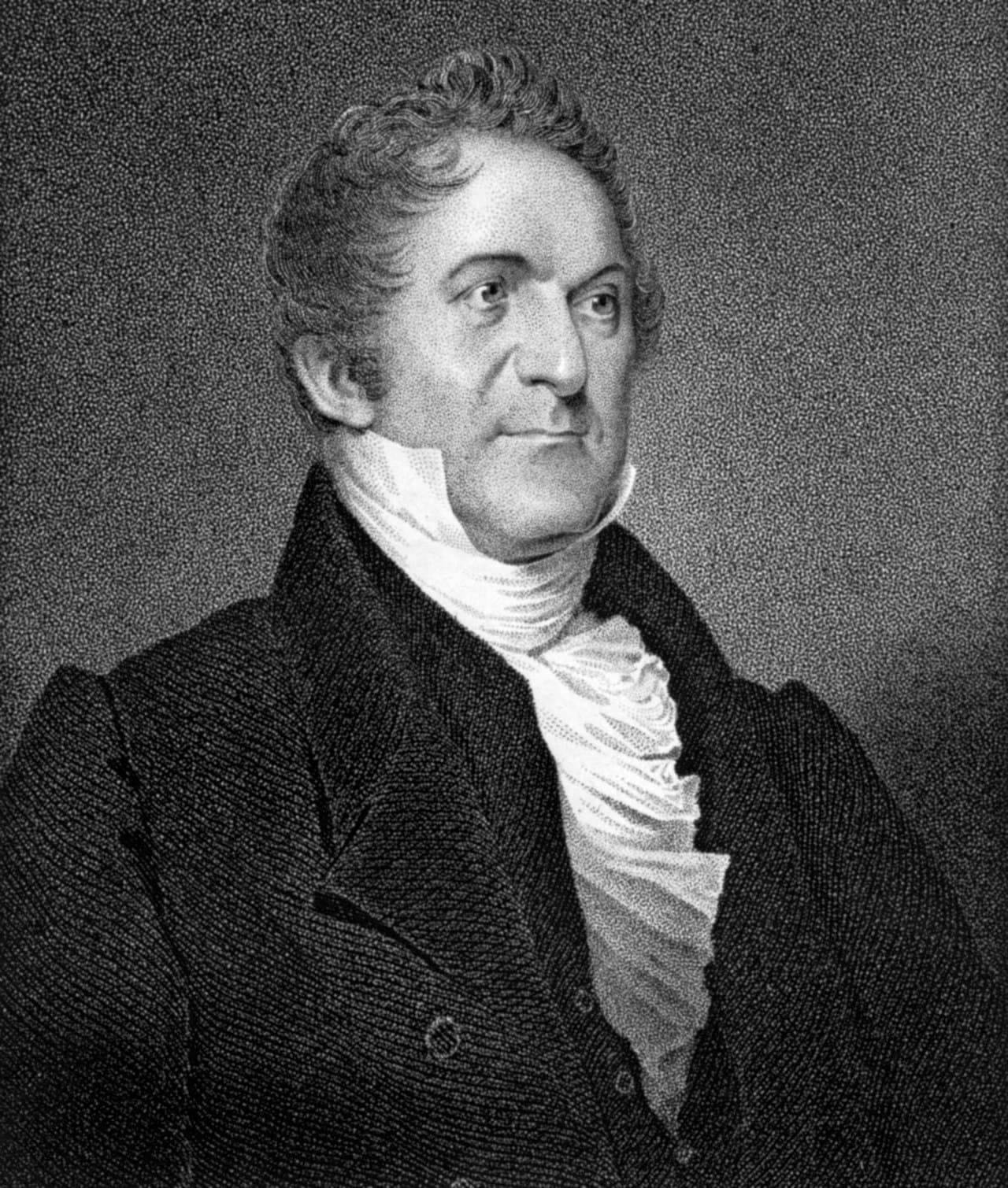
William Wirt may be the clearest example of someone who didn’t seem particularly excited about his own presidential nomination. He had been a respected lawyer and U.S. attorney general under Presidents James Monroe and John Quincy Adams. Then, in 1831, the Anti-Masonic Party selected him as its candidate for the 1832 election. The party had grown out of suspicion of the Freemasons after the disappearance of William Morgan, a former Mason who had threatened to reveal the fraternity’s secrets.
There was one awkward detail: Wirt himself had belonged to the Freemasons, and he resisted treating every member as part of a conspiracy. He accepted the nomination reluctantly and made little effort to wage a vigorous campaign. Nevertheless, he and running mate Amos Ellmaker received about 100,700 popular votes and carried Vermont, earning seven electoral votes. Wirt lost to Andrew Jackson, but the Anti-Masonic Party helped popularize the national presidential nominating convention. His campaign is a good reminder that losing candidates, even reluctant ones, can still affect the way American elections work.
Earl Browder
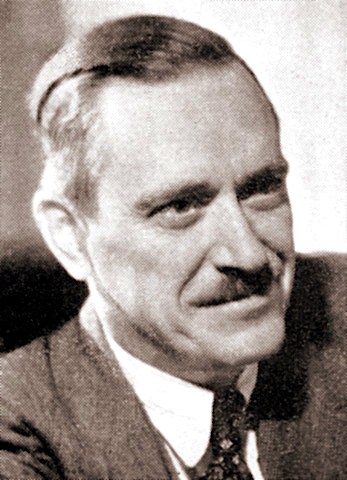
Earl Browder’s presidential campaigns reflected an organized political movement with close ties to international communism. He led the Communist Party USA through much of the 1930s and was its presidential nominee in 1936 and 1940, both times with James W. Ford as his running mate. Browder argued for policies rooted in Marxism, organized labor, and the changing international priorities of the communist movement. In 1936, his ticket received roughly 80,000 votes nationwide, a tiny share of the electorate but a visible showing for a party operating well outside the country’s two major parties.
Browder’s political fortunes shifted dramatically during World War II. Convicted of passport fraud in 1940, he went to federal prison before President Franklin D. Roosevelt commuted his sentence in 1942. His later efforts to soften the party’s approach to cooperation with American capitalism sparked a bitter split; he was expelled from the party in 1946. Declassified Soviet intelligence communications and subsequent historical research have also documented his connections to Soviet intelligence. Those findings are distinct from his passport conviction and should not be presented as proof that his presidential campaigns themselves were espionage operations.