kitzcorner/Shutterstock.com
rruntsch/iStock.com
Alexey Kamenskiy/Shutterstock.com
Posnov/iStock.com
agaliza/iStock.com
Kyle Kempf/iStock.com
naturenps / PDM 1.0
Jon Bilous/Shutterstock.com
naturenps / PDM 1.0
Weidman Photography/Shutterstock.com
Felix Lipov/Shutterstock.com
Lillac/Shutterstock.com




11 U.S. National Parks That Are Absolutely Worth Visiting
Summer is one of the best times to start planning a road trip, and the United States is full of unforgettable national parks worth building a vacation around. There’s no shortage of places to go, landmarks to see, trails to hike, and wildlife to photograph. But which national parks are especially worth considering for a summer trip?
Using information from the National Park Service, including seasonal access, weather, wildlife, and current visitor-planning guidance, 24/7 Tempo brings you 11 national parks that are absolutely worth visiting this summer. Let's hit the road!
11. Theodore Roosevelt National Park
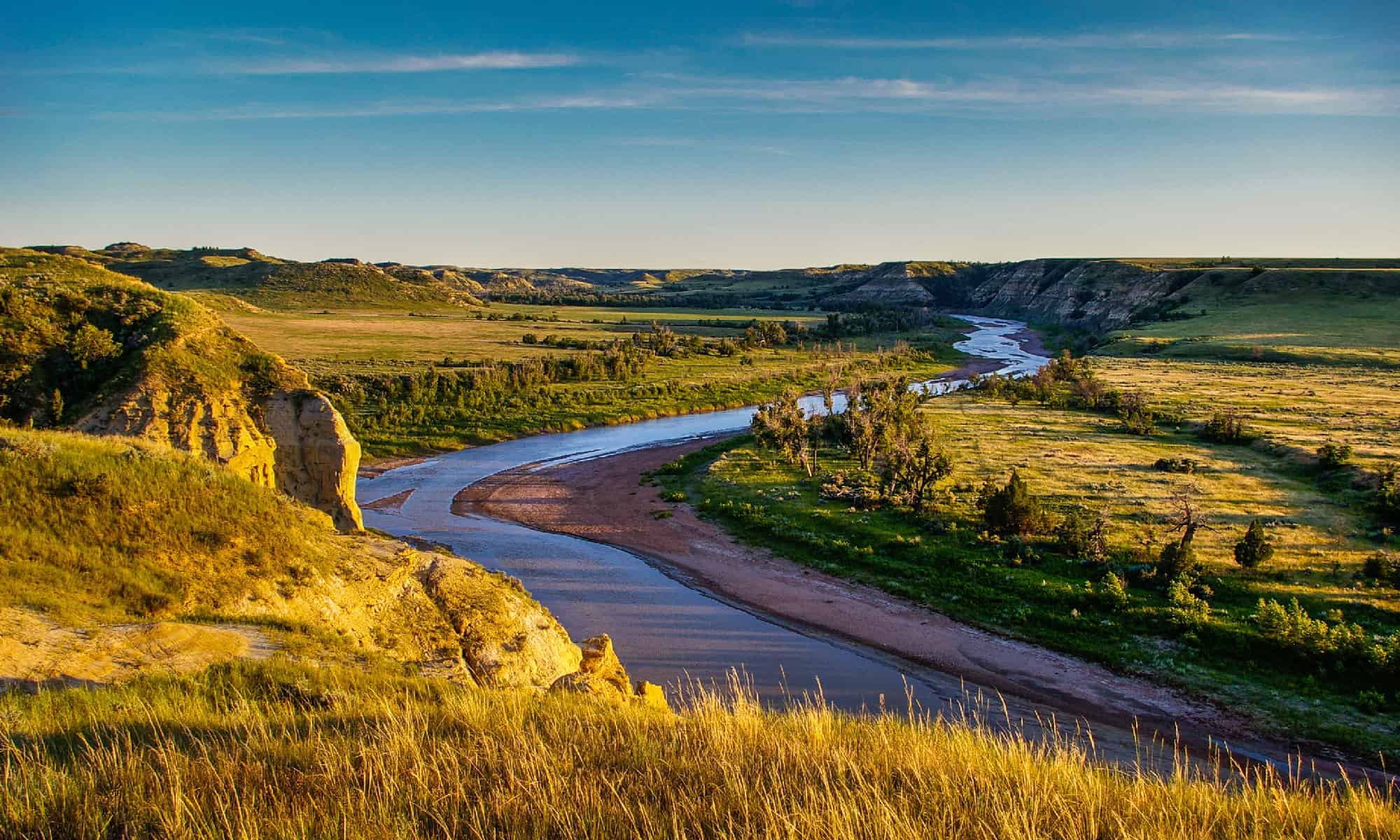
Theodore Roosevelt National Park combines the badlands of western North Dakota with some excellent wildlife-viewing opportunities. Both the North and South units support bison herds. The National Park Service manages the larger South Unit herd at roughly 200 to 500 animals and the North Unit herd at roughly 100 to 300. In the South Unit, bison, mule deer, prairie dogs, and feral horses are regularly visible along the scenic drive, although no wildlife sighting is guaranteed.
Prairie dogs are among the park's most entertaining smaller residents and live in large colonies known as towns. Mule deer, elk, coyotes, pronghorn, badgers, and numerous birds can also be found within the park. Several species of snakes and lizards live in the semi-arid landscape, including the prairie rattlesnake, the park's venomous snake species. Visitors should always give bison and other large animals plenty of room and never approach or feed wildlife.
10. Mesa Verde National Park
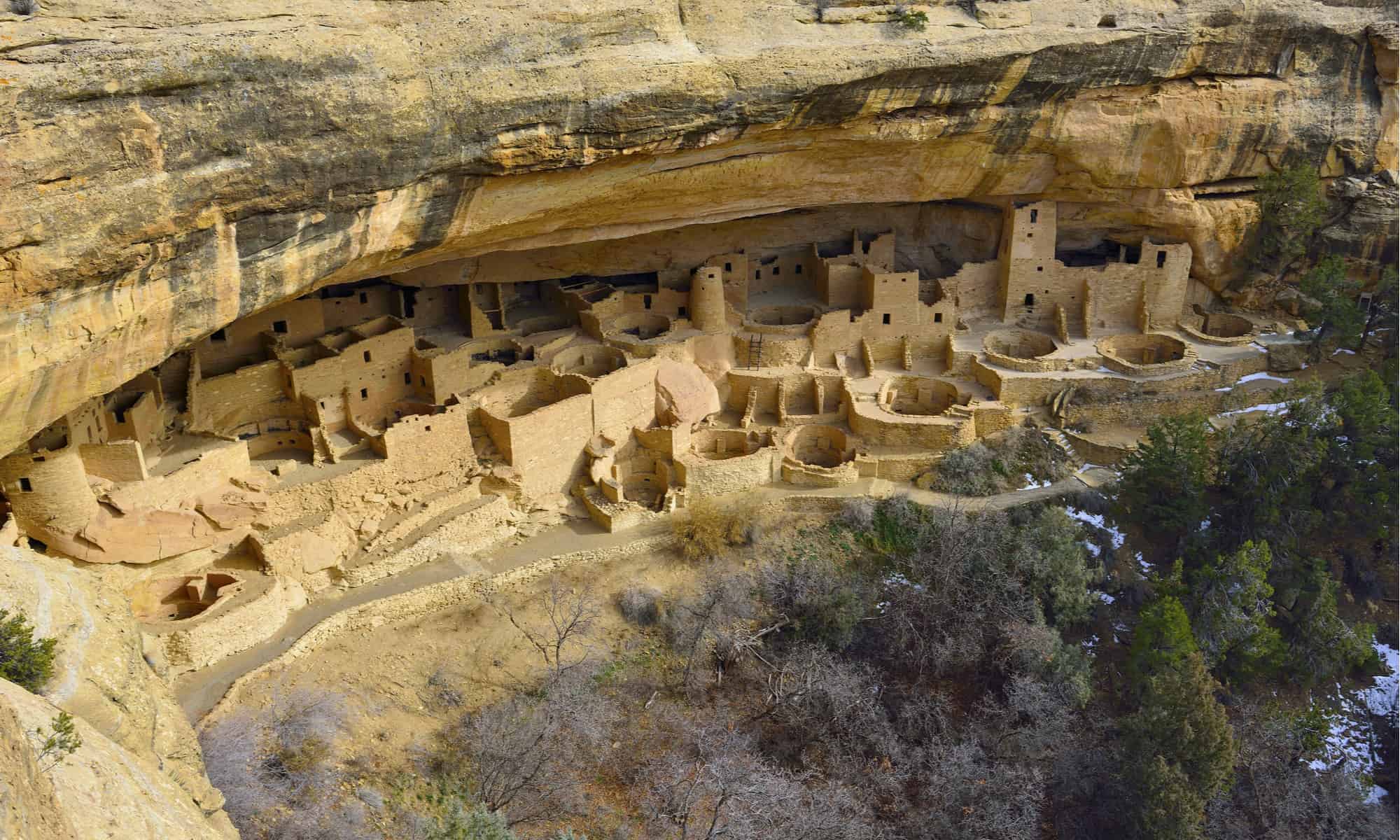
Mesa Verde National Park in southwestern Colorado protects an extraordinary concentration of Ancestral Pueblo sites and is especially active during the summer visitor season. Ranger programs, night-sky events, cultural demonstrations, and cliff dwelling tours are offered during the warmer months. For the 2026 season, ranger-led cliff dwelling tours run from May into October. Advance reservations are required to enter the cliff dwellings, with the exception of Step House on Wetherill Mesa.
Mesa Verde also supports a wide range of wildlife. Mule deer are among the larger mammals visitors are most likely to see, while coyotes can often be found in meadows and shrublands. Mountain lions and black bears are present but are much less predictable. The park is also home to turkey vultures and many other bird species. Wildlife can be more active around dawn and dusk, although the National Park Service cautions drivers to be especially alert at those times. Trespass horses and other livestock have also occurred within the park, but they are not managed as wild wildlife populations. The National Park Service has an ongoing program to remove them because livestock use is prohibited inside Mesa Verde.
9. Isle Royale National Park
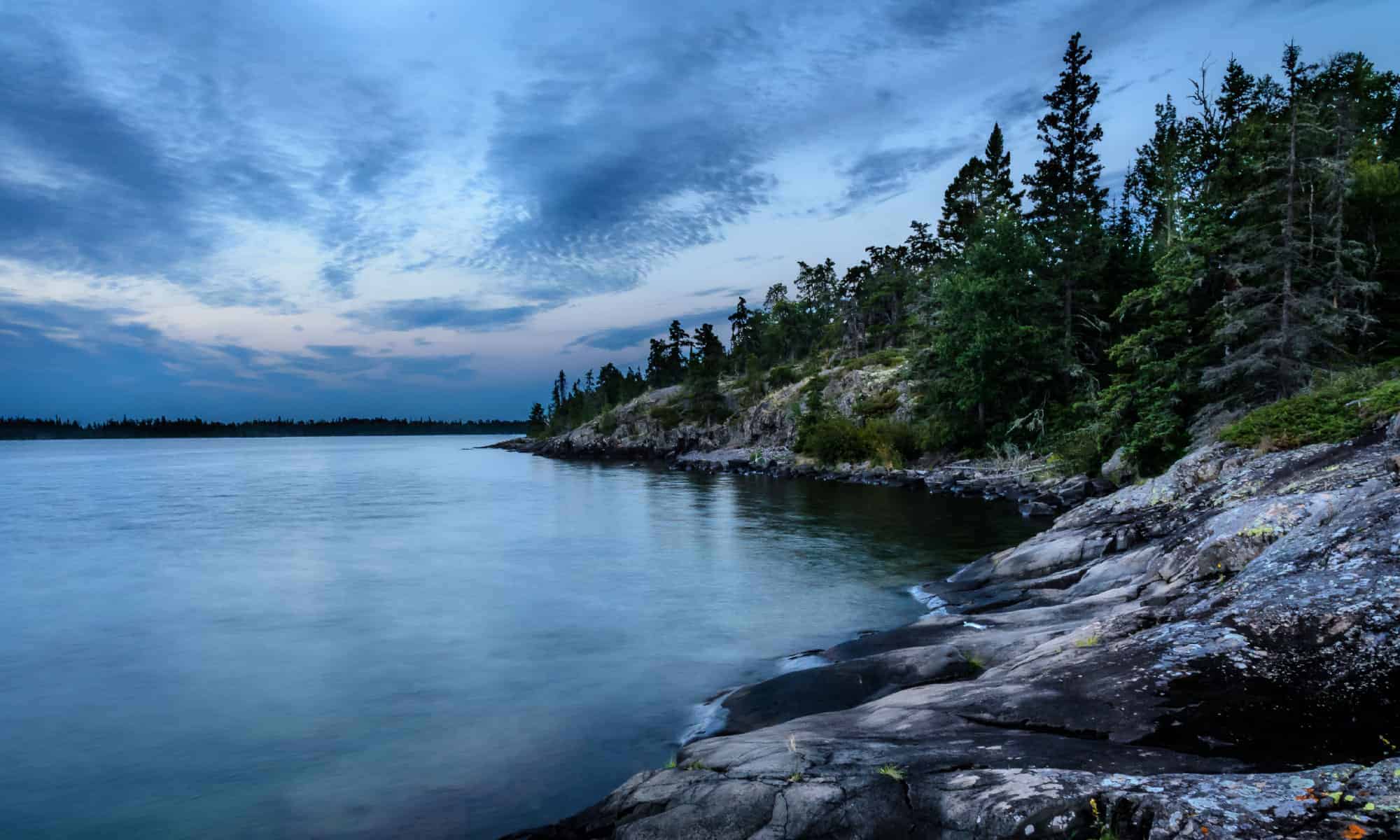
Isle Royale National Park is a remote island wilderness in Lake Superior that can be reached by ferry, seaplane, or private watercraft. June marks the beginning of the main summer season for many visitors. Moose are found throughout the island, while wolves, beavers, red foxes, American martens, common loons, garter snakes, and many other animals also live within the park.
June visitors should be prepared for biting insects. Mosquitoes and black flies typically begin hatching around late May or early June and are usually at their worst in late June and early July. Backcountry water also needs to be properly treated. The National Park Service recommends using a physical purifier rated to remove viruses, using a filter of 0.4 microns or finer followed by chemical or UV treatment, or bringing water to a rolling boil for at least one minute. Hydatid tapeworm is among the parasites found in Isle Royale waters, and UV treatment by itself has not been manufacturer-tested against it. Once the sun goes down, the island's remote setting and dark skies can make nighttime another highlight of the trip.
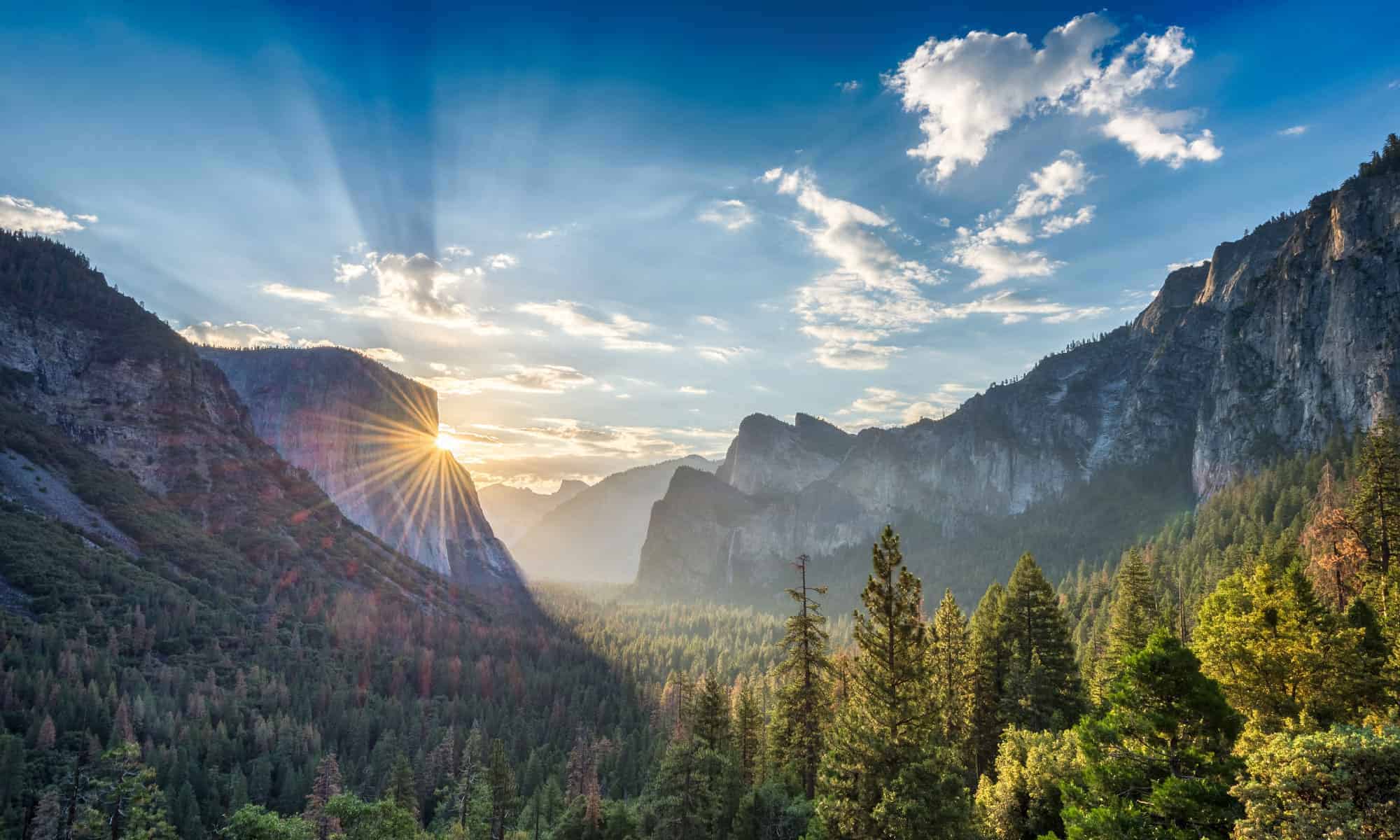
8. Yosemite National Park
June is an exciting but highly variable time to visit Yosemite National Park. Lower-elevation trails around Yosemite Valley, Wawona, and Hetch Hetchy are usually snow-free by then, while the high country may still have deep snow, flooded trails, or difficult creek crossings. Tioga Road typically opens sometime in late May or June, while Glacier Point Road usually opens in May. The exact dates depend heavily on winter snowfall and spring weather, so visitors should never assume the high-country roads will be open without checking current conditions.
The biggest challenge with visiting Yosemite in summer is the crowding. Nearly three-quarters of the park's annual visitors arrive between May and October, and June is one of the busiest months. Traffic delays, full parking areas, and crowded trails are common, especially in Yosemite Valley and around other famous viewpoints. Arriving early and exploring less heavily visited areas can make a big difference.
Wildlife includes roughly 90 mammal species and hundreds of species of birds. Visitors may encounter marmots, squirrels, rabbits, mule deer, and a variety of songbirds, while animals such as bobcats are much harder to spot. Yosemite also has 22 documented reptile species, including one turtle, seven lizards, one skink, and 13 snakes.
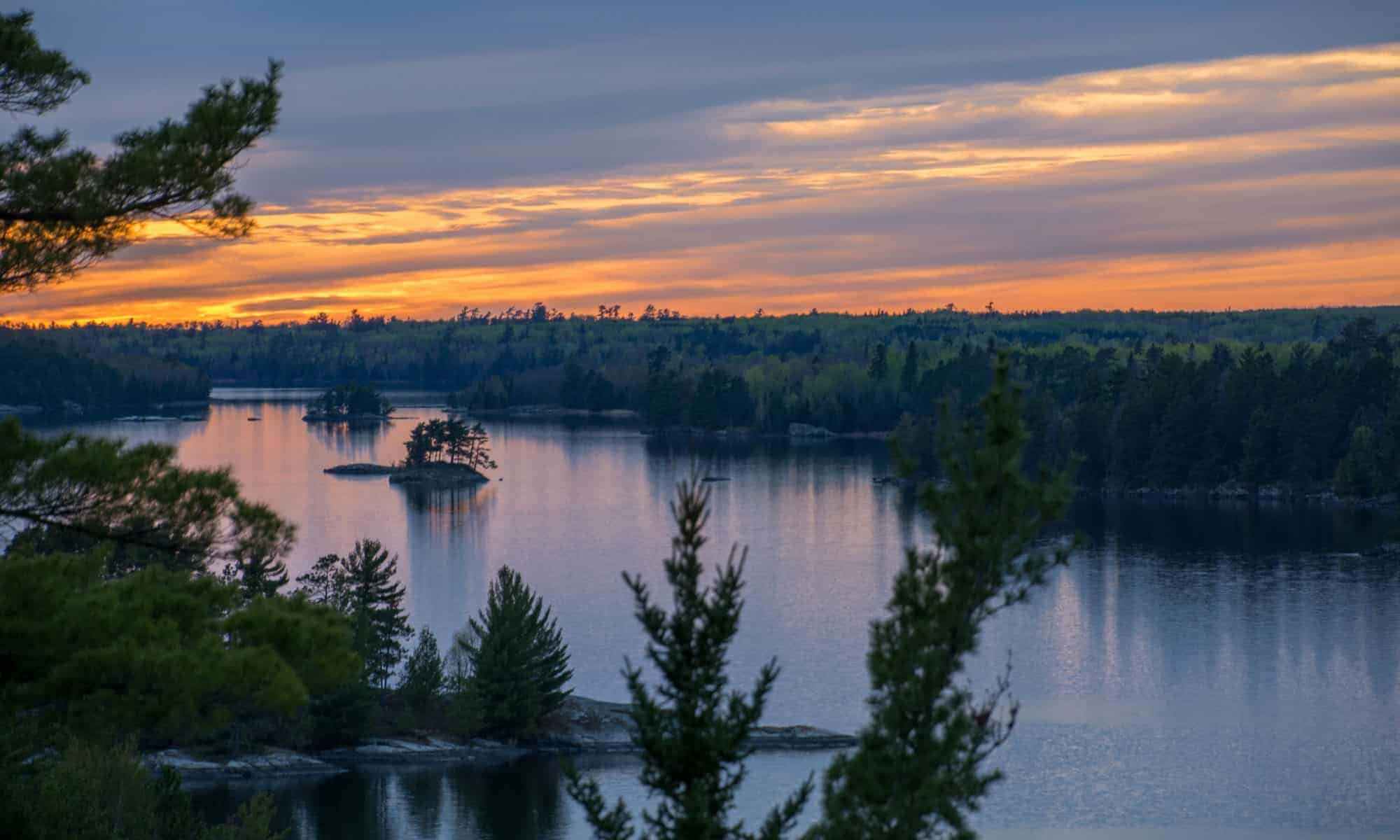
7. Voyageurs National Park
Voyageurs National Park, located along the Minnesota-Canada border, is open year-round and does not charge an entrance fee. Summer is an especially good time to experience the park's defining feature: its interconnected waterways. Visitors can explore by motorboat, canoe, kayak, or park tour boat, while several hiking trails are also accessible by road.
The park's North Woods ecosystem supports bald eagles, common loons, gray wolves, beavers, and moose. Voyageurs contains about 84,000 acres of water and more than 500 islands. Four large lakes, Rainy, Kabetogama, Namakan, and Sand Point, dominate the park, along with 26 smaller interior lakes. Anglers can pursue fish including walleye, smallmouth bass, northern pike, sauger, yellow perch, and black crappie.
Voyageurs also offers hiking for travelers who want time away from the water. The Ash River and Rainy Lake areas contain many of the park's road-accessible trails. Near Ash River, options include the Blind Ash Bay Trail, Kabetogama Lake Overlook, Beaver Pond Overlook, and Sullivan Bay Trail. Other hikes on the Kabetogama Peninsula require boat access, which is part of what makes exploring this park so different from visiting a typical road-based national park.
6. Denali National Park & Preserve
Denali National Park & Preserve is one of Alaska's great summer destinations. The main visitor season runs from May 20 through mid-September, when most park services and activities are available. Wildlife viewing, hiking, camping, and sightseeing by bus along the Denali Park Road are among the most popular ways to explore. During summer 2026, however, the Denali Park Road remains closed at Mile 43 because of the Pretty Rocks Landslide, so visitors should check current transportation and access information before arriving.
Unlike many national parks, Denali has relatively few maintained trails and also allows visitors to explore much of its vast landscape off-trail. Established options include the Savage River Loop, Triple Lakes Trail, Mount Healy Trail, and Rock Creek Trail. Wildlife sightings are never guaranteed, but the park is famous for animals including moose, caribou, Dall sheep, grizzly bears, and wolves.
Another summer advantage is the extraordinary amount of daylight. Around the summer solstice in late June, Denali receives more than 20 hours of daylight, with the sun above the horizon for about 20 hours and 49 minutes on June 21. Even after sunset, twilight keeps the sky bright, giving summer visitors unusually long days for exploring.
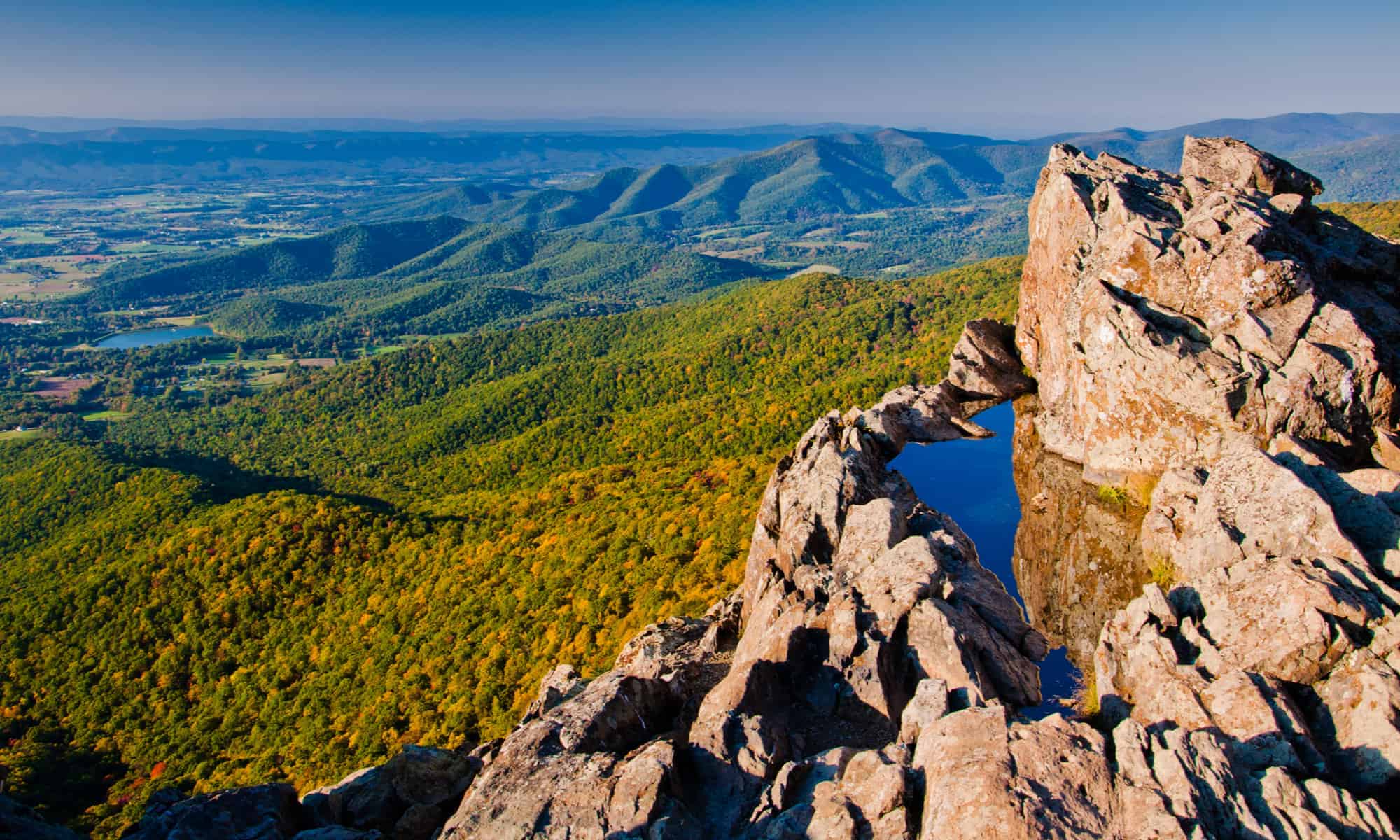
5. Shenandoah National Park
Shenandoah National Park stretches through the Blue Ridge Mountains of Virginia and offers more than 500 miles of trails. Summer is the park's busiest season, but the higher elevations can provide a welcome break from hotter temperatures elsewhere in the region. Skyline Drive also runs for more than 100 miles through the park and provides access to many of its overlooks, trailheads, and other destinations.
Wildlife includes white-tailed deer, black bears, coyotes, bobcats, and more than 50 species of mammals. Big brown bats are also present and may be spotted foraging for insects around dusk during summer. Birdlife is abundant throughout the park as well. Warmer weather does bring larger crowds, so the National Park Service recommends weekday visits when possible for travelers hoping to find quieter trails and parking areas.
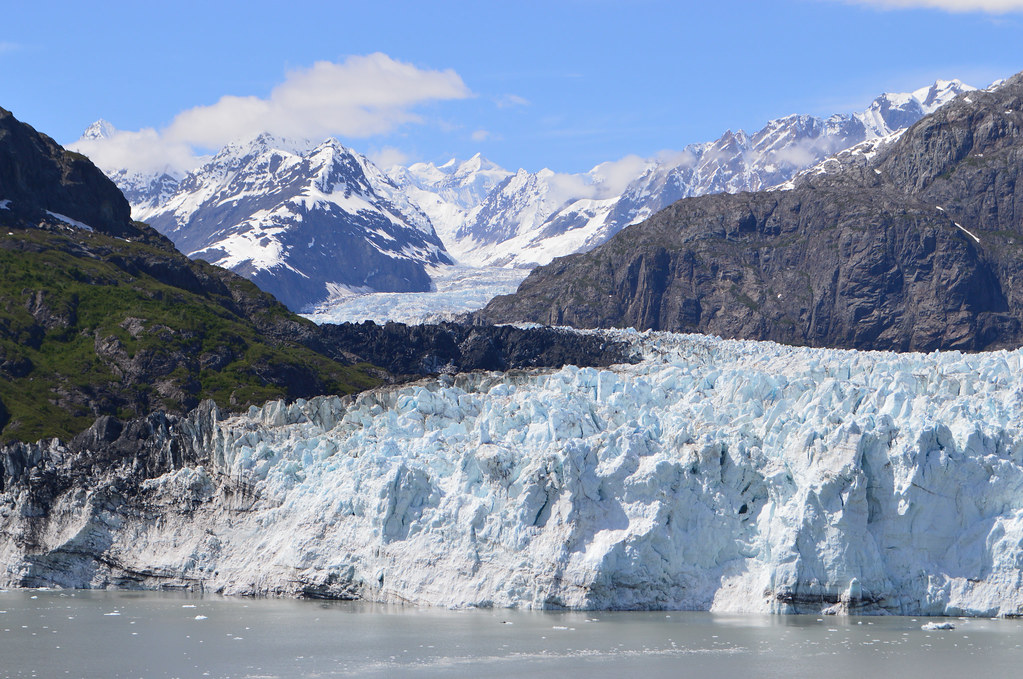
4. Glacier Bay National Park & Preserve
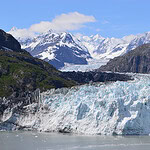
Glacier Bay National Park & Preserve belongs on the list for anyone considering an Alaska trip this summer. Located west of Juneau in southeastern Alaska, the park can be reached only by plane or boat. Visitors are rewarded with glaciers, snow-covered mountains, fjords, and rugged coastline. Summers remain cool near sea level, with typical daytime highs in the 50s and 60s, and rain gear is a good idea even though April, May, and June are usually the area's driest months.
Wildlife is another major draw. Moose, wolves, Sitka black-tailed deer, mountain goats, bald eagles, black bears, and brown bears all live in the greater Glacier Bay ecosystem. Summer also brings excellent marine wildlife viewing. Harbor seals give birth to pups around tidewater glaciers in June, while humpback and killer whales are frequently observed in the waters of southeastern Alaska throughout the summer. Humpback numbers typically increase beginning in mid-June and peak later in the season.
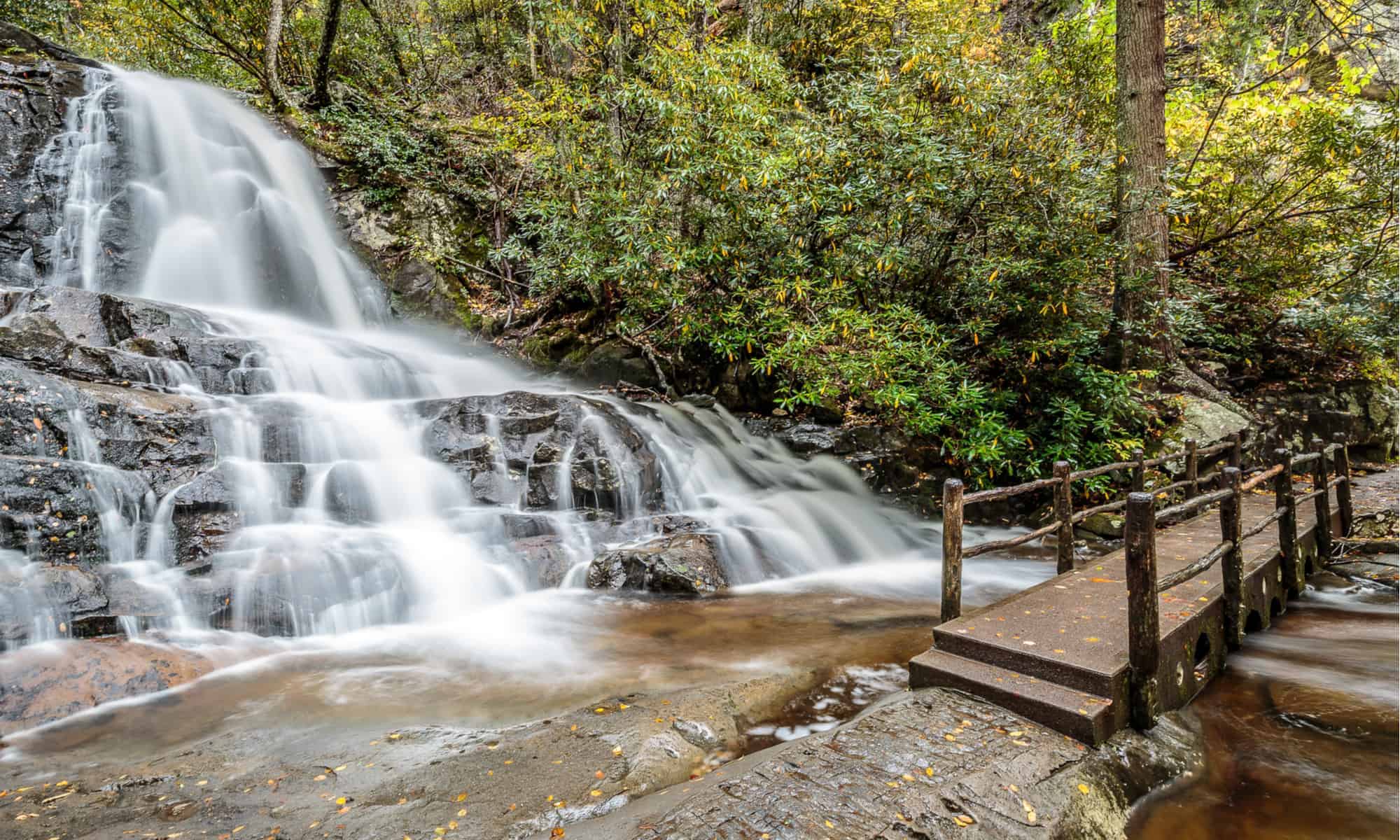
3. Great Smoky Mountains National Park
Great Smoky Mountains National Park is consistently the most visited national park in the United States. Summer brings lush green forests and long days for exploring, although June through August can also mean heat, humidity, haze, and afternoon thunderstorms. Conditions vary dramatically with elevation, with the park's highest areas generally much cooler than the valleys below.
The Great Smoky Mountains are a natural fit for anyone interested in wildlife, hiking, scenic drives, photography, and camping. The park is also famous for its plant diversity. Summer wildflowers include black-eyed Susans, bee balm, butterfly weed, and several species of rhododendron, with some high-elevation blooms peaking around June or early July.
Wildlife includes white-tailed deer, elk, coyotes, black bears, turkeys, and numerous species of salamanders. The National Park Service recommends Cades Cove for deer, turkeys, coyotes, and possible black bear sightings, while Cataloochee is one of the park's best areas for seeing elk. Roaring Fork Motor Nature Trail is another place where visitors may encounter bears, deer, and turkeys. Early morning and late evening are generally the best times to look for wildlife.
There are 848 miles of trails within Great Smoky Mountains National Park. Popular options include Abrams Falls Trail and the hike to Andrews Bald along Forney Ridge Trail. Summer hiking can be hot and humid at lower elevations, and thunderstorms are common, so checking weather and current trail closures before heading out is important.
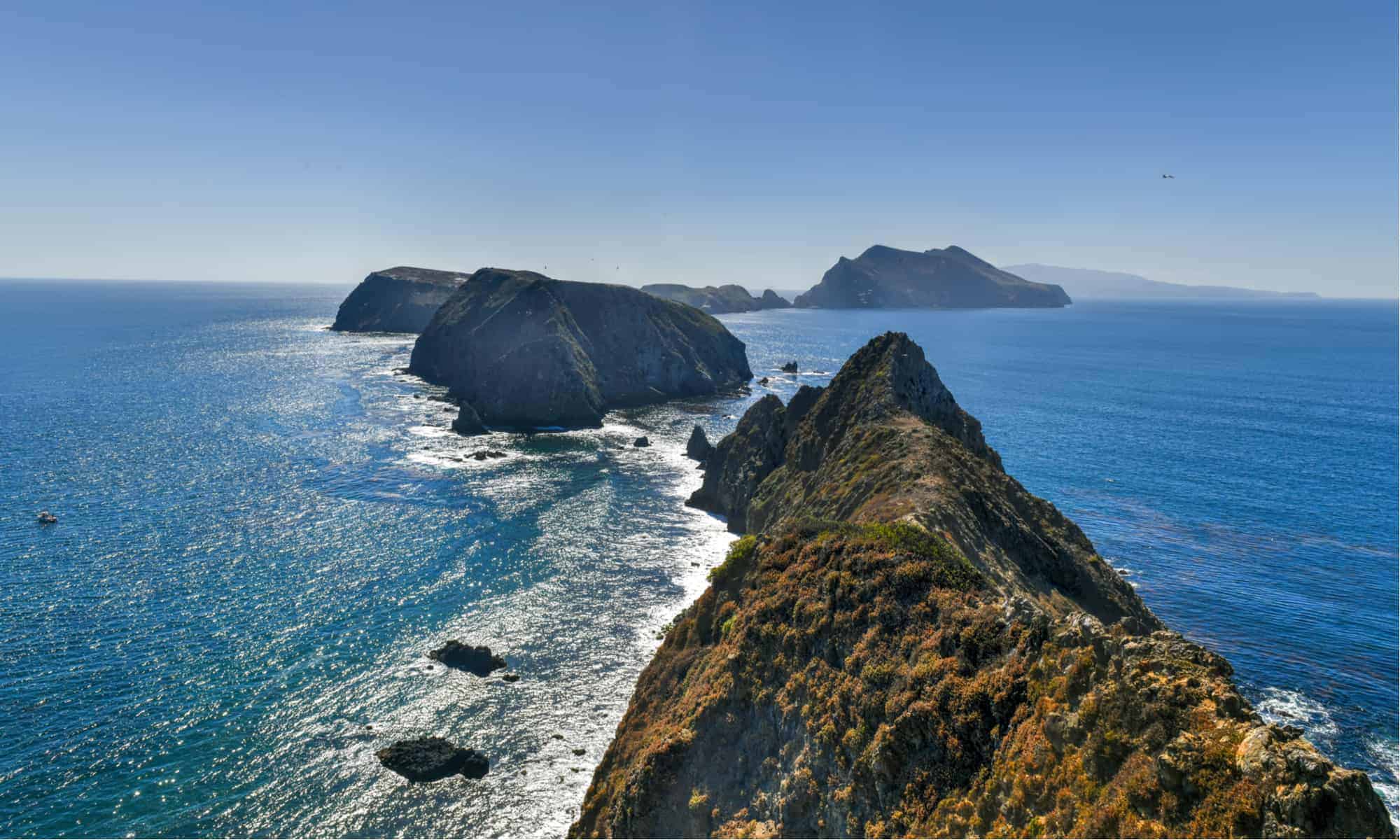
2. Channel Islands National Park
Located off the Southern California coast, Channel Islands National Park offers a completely different kind of national park experience. Numerous trails and old roads cross the islands, ranging from relatively easy walks on Anacapa Island to rugged routes on Santa Rosa and Santa Cruz. Ocean and weather conditions can change quickly, however, so visitors should plan for the specific island they intend to explore.
The islands' long isolation has produced unusual wildlife found in few places, or nowhere else, on Earth. The park is home to island foxes, island deer mice, island fence lizards, and the island scrub-jay, which occurs naturally only on Santa Cruz Island. Seals and sea lions also gather around the islands in large numbers. Those unique species are one reason the Channel Islands have often been called the "North American Galapagos."
Getting there requires more advance planning than driving into most national parks. Public boat transportation is provided by the park concessioner Island Packers, and summer boats frequently fill up, so the National Park Service recommends booking transportation early. Visitors considering Santa Rosa Island in 2026 should also check current conditions before making plans. Day use resumed after a major wildfire earlier this summer, but overnight access has remained restricted during recovery work.
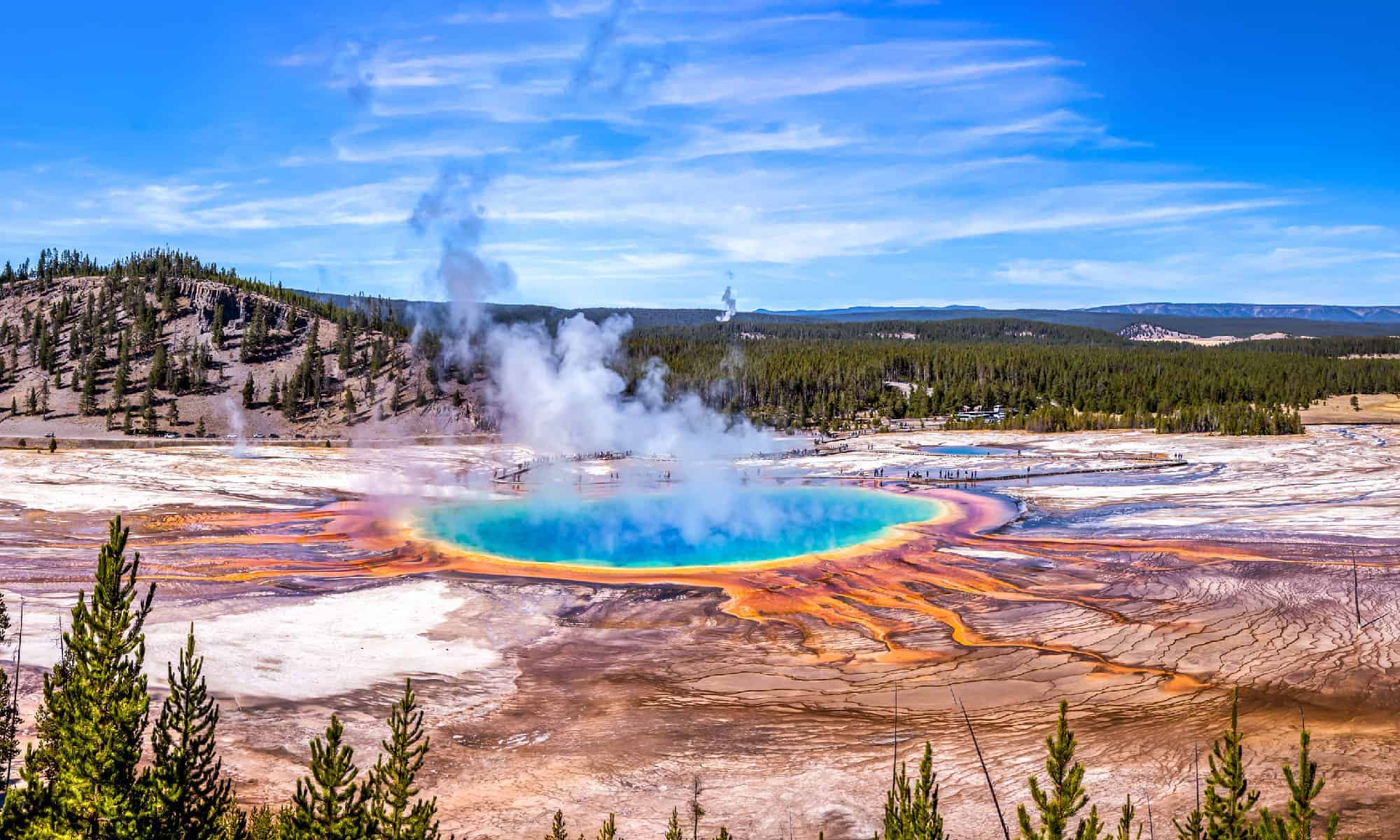
1. Yellowstone National Park
Yellowstone National Park is among the most beautiful and diverse national parks in the United States. The park is famous for its geysers and other geothermal features, but summer also opens up far more of its roads, trails, and wildlife-viewing areas. June is already one of Yellowstone's busiest months. Most areas have thawed by the end of the month and roads are typically open, although snow is still possible at higher elevations.
Late June can also bring impressive wildflower displays, particularly across Yellowstone's northern range. Depending on the location and elevation, visitors may see bitterroot, arrowleaf balsamroot, sticky geranium, paintbrush, lupine, and other native flowers. Bloom times vary with elevation and weather, so there isn't one week when every part of the park reaches its peak.
Summer also opens more opportunities for hiking as snow disappears from lower elevations. Mount Washburn is one of Yellowstone's most popular day hikes, with routes beginning at Dunraven Pass and Chittenden Road. The summit reaches 10,219 feet and offers panoramic views, but conditions at that elevation can be very different from those in the valleys below.
Yellowstone is also home to an impressive variety of wildlife, including bison, elk, pronghorn, moose, white-tailed deer, grizzly and black bears, wolves, river otters, and badgers. June can be an especially interesting month for wildlife viewing, with bison, elk, moose, and pronghorn calves around the park and wolf pups beginning to emerge from dens in the Lamar Valley area. As always, visitors need to keep the required distance from wildlife and never approach animals for a photograph.