
badgreeb RECORDS - art -photos / BY-SA 2.0
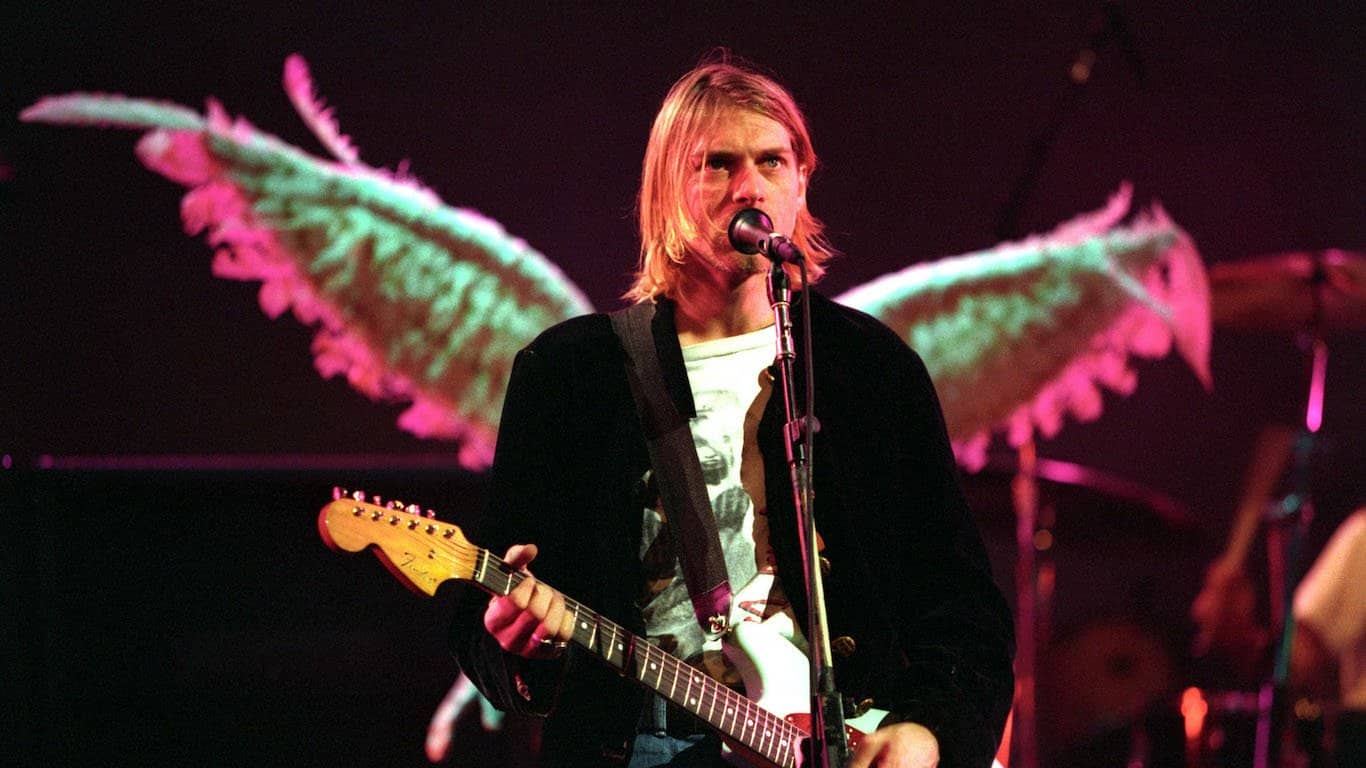
Photo by Jeff Kravitz / FilmMagic / Getty Images
Pool / Getty Images News via Getty Images
Kevork Djansezian / Getty Images
Michael Ochs Archives / Michael Ochs Archives via Getty Images
Kevork Djansezian / Getty Images

Writtenby / BY-SA 4.0

Gareth Cattermole / Getty Images Entertainment via Getty Images
RB / Redferns via Getty Images
Fin Costello / Redferns via Getty Images

IMDB

Michael Loccisano / Getty Images Entertainment via Getty Images

LouiseFerguson / BY-SA 3.0
Timothy Norris / Getty Images for Live Nation
badgreeb RECORDS - art -photos / BY-SA 2.0

Larry Busacca / Getty Images Entertainment via Getty Images

Roger Kisby / Getty Images

badgreeb RECORDS - art -photos / BY-SA 2.0
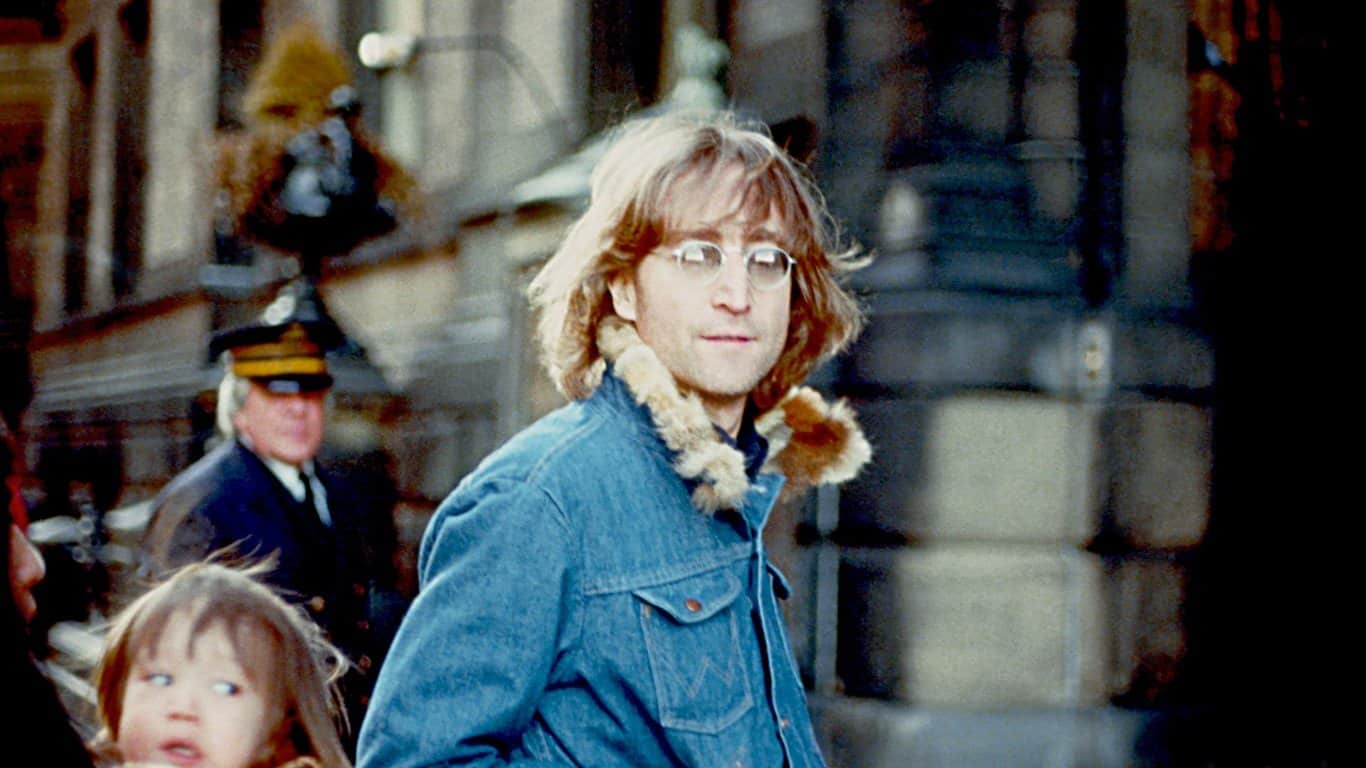
Michael Ochs Archives / Michael Ochs Archives via Getty Images












18 Famous Songs Inspired by Real-Life Drama
Some of the world’s biggest songs have backstories almost as memorable as the music. Breakups, grief, political anger, obsessive fans, personal drama, and public controversy have all inspired famous tracks. Others became controversial only after release, thanks to provocative videos, disputed lyrics, lawsuits, or meanings listeners never agreed on.
Sometimes the story came straight from the artist’s life. In other cases, fans and critics gave a song a meaning its writer never intended. Over time, rumor and repetition blurred the truth even further.
For this roundup, 24/7 Tempo looked at artist interviews, memoirs, reporting, music-industry records, and legal documents where relevant. These 18 songs prove that the story behind a hit can be just as fascinating as the song itself.
Smells Like Teen Spirit – Nirvana (1991)
The story behind the title is stranger than any scandal. Bikini Kill singer Kathleen Hanna wrote “Kurt smells like Teen Spirit” on Kurt Cobain’s wall after a night out. Cobain thought the phrase sounded like a rebellious slogan and did not initially realize Teen Spirit was a deodorant brand. What followed was something he had not anticipated: the song became a massive hit, Nirvana exploded into the mainstream, and Cobain was increasingly portrayed as a spokesman for his generation, a role he was never particularly comfortable filling.
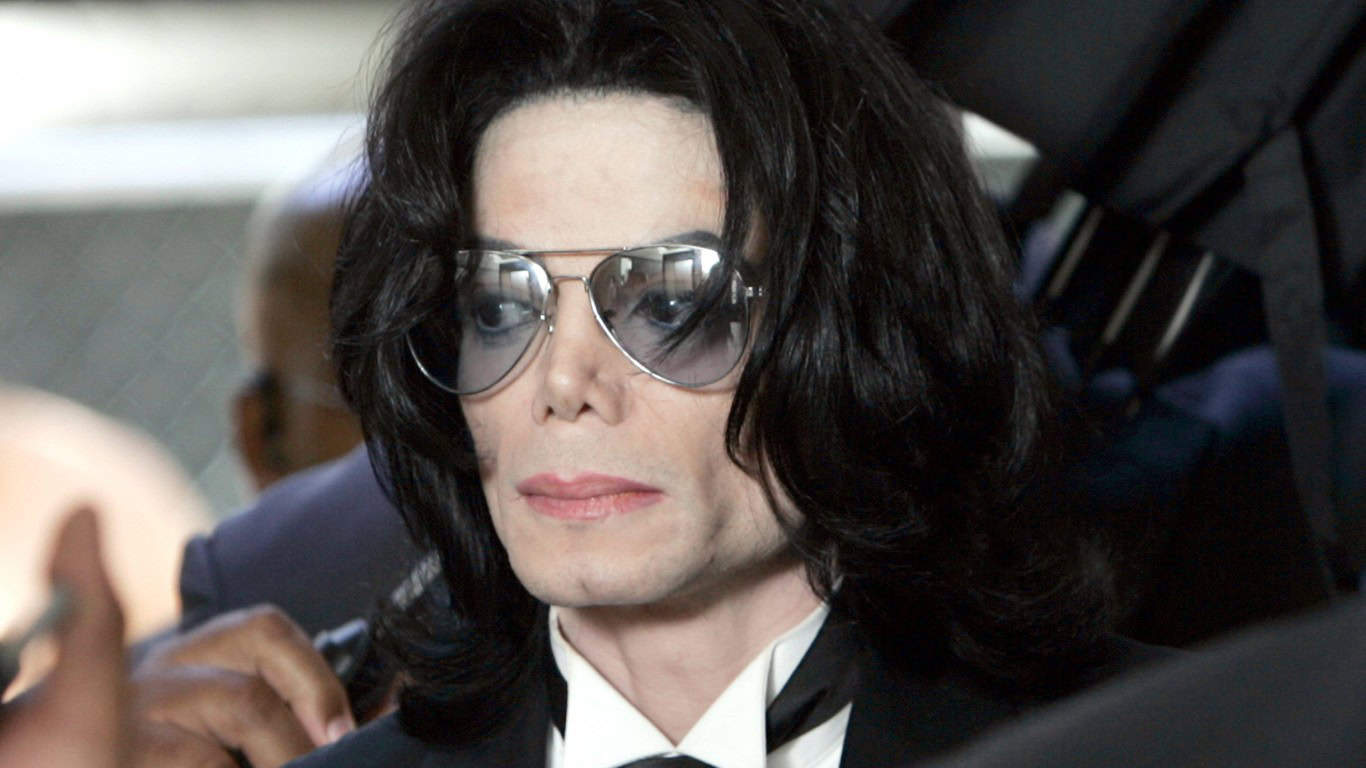
Billie Jean – Michael Jackson (1982)
Michael Jackson said there was no single real-life Billie Jean. In his autobiography Moonwalk, he described the character as a composite inspired by groupies he encountered while performing with his brothers in the Jackson 5. Jackson recalled women making claims that their children had been fathered by members of the group. Biographers have also connected the song to a specific woman who reportedly sent Jackson disturbing paternity claims, but Jackson’s own explanation was that Billie Jean represented multiple people and experiences rather than one woman.
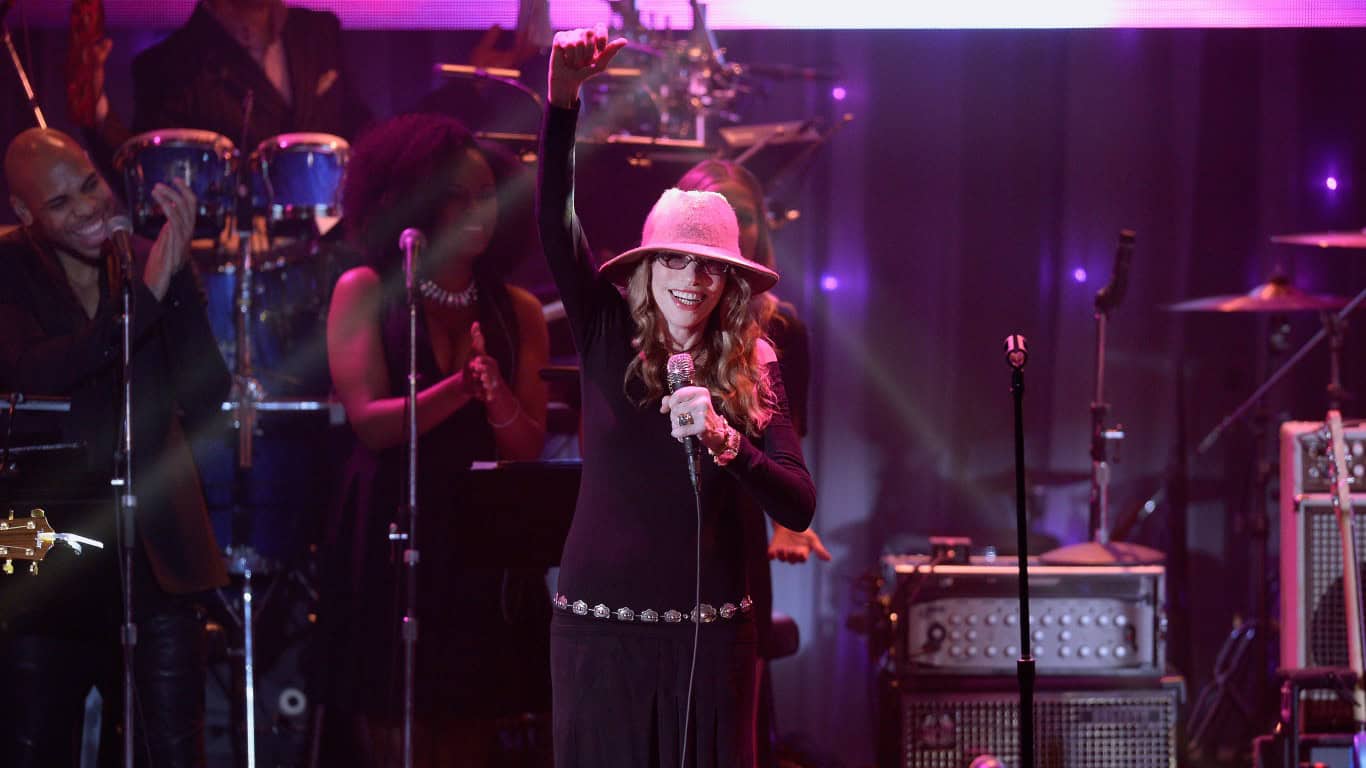
You’re So Vain – Carly Simon (1972)
For decades, listeners tried to identify the famously vain man in Carly Simon’s lyrics. Simon eventually confirmed in 2015 that the song’s second verse was about actor Warren Beatty, whom she had dated, but she said the other verses referred to different men whose identities she has not publicly revealed. Simon has also joked that Beatty believed the entire song was about him. The lingering mystery surrounding the other inspirations has helped keep the song’s backstory alive for more than half a century.
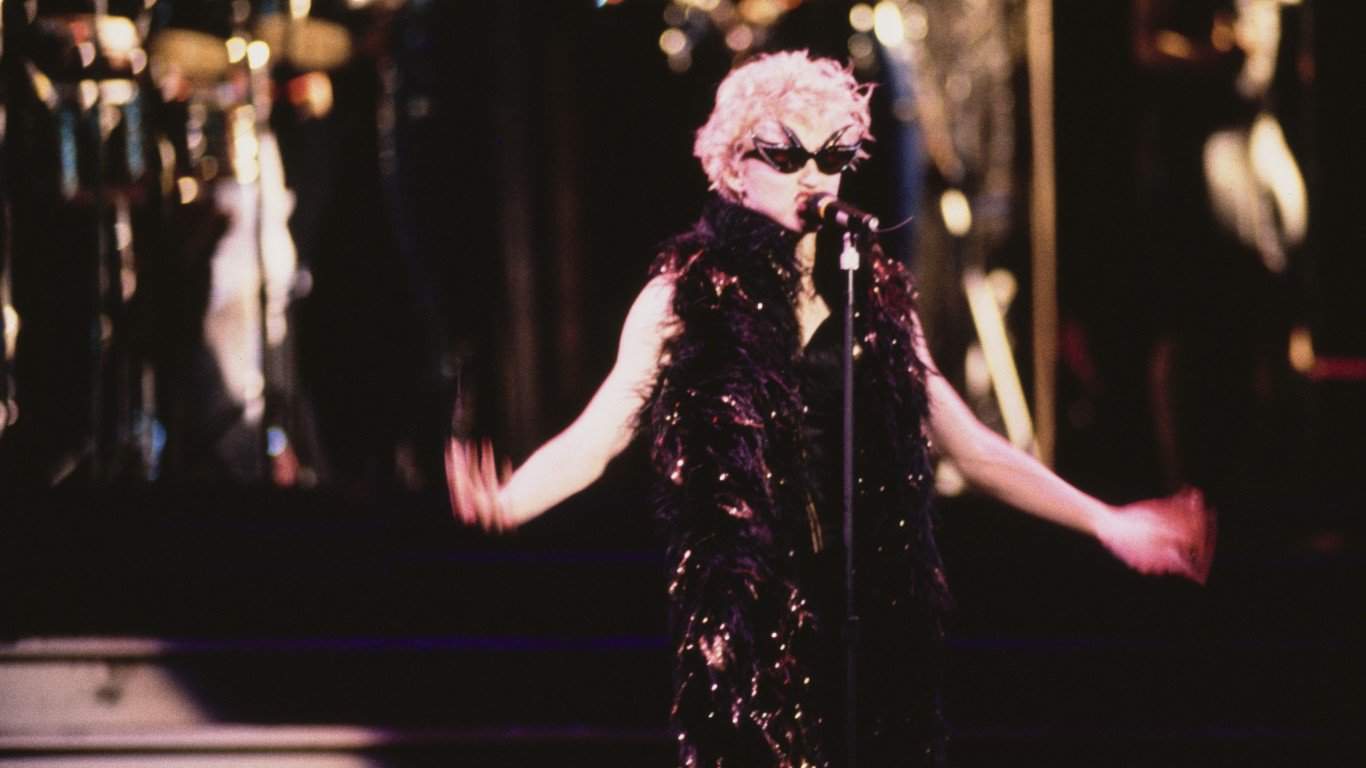
Like a Prayer – Madonna (1989)
The song itself was quickly overshadowed by the controversy surrounding its music video. Madonna mixed Catholic imagery with sexuality and scenes involving burning crosses, stigmata-like wounds, and an interracial saint figure. Religious organizations protested, and some called for a boycott of Pepsi after the company used “Like a Prayer” in a separate Madonna commercial. Pepsi ultimately abandoned the advertising campaign even though its commercial did not contain the controversial imagery from the music video. The uproar became one of the defining pop-culture controversies of 1989.
Stan – Eminem (2000)
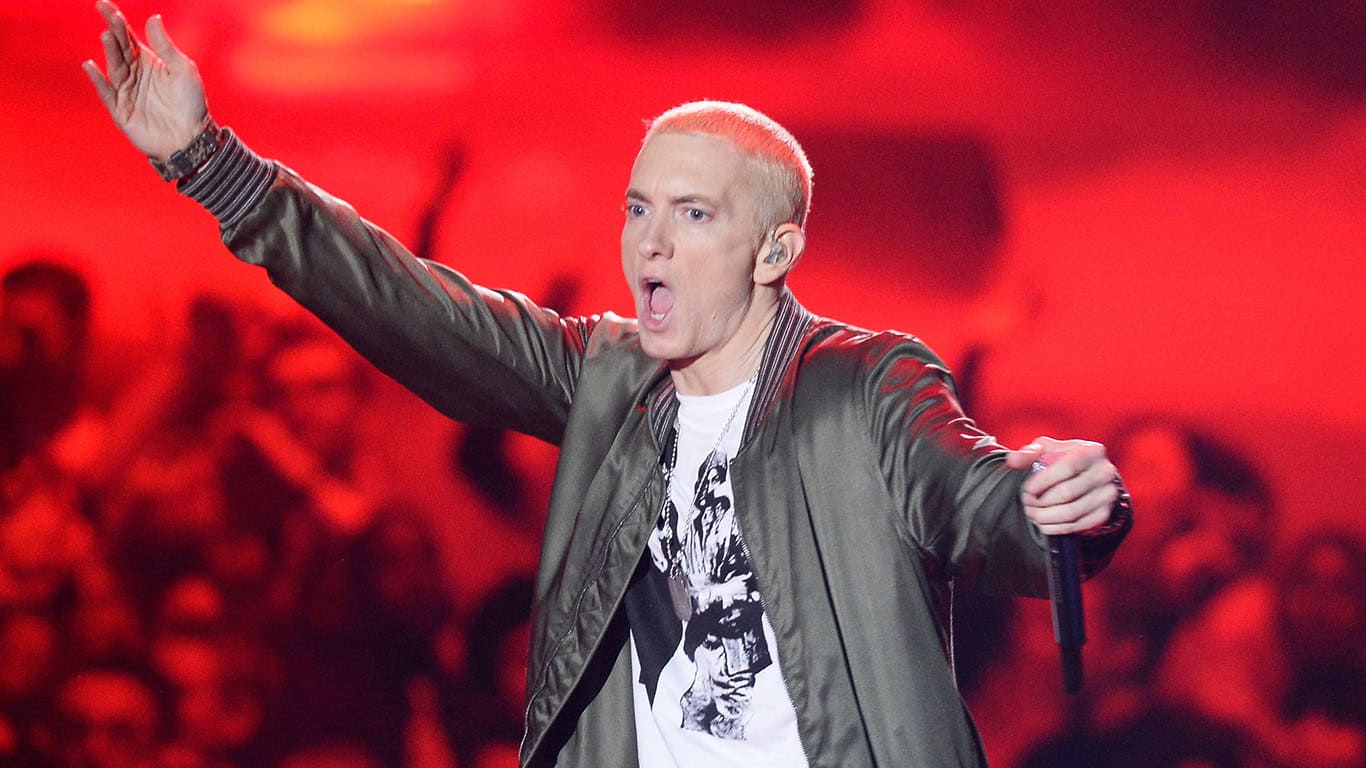
Stan was not a real fan whose story Eminem simply put to music. The character is fictional, although the idea grew partly from Eminem’s experiences with intense fan mail and listeners who appeared to take his violent Slim Shady persona literally. After hearing producer The 45 King’s sample of Dido’s “Thank You,” Eminem imagined an obsessed fan writing increasingly disturbing letters to his idol. The song became such a powerful depiction of obsessive fandom that “stan” eventually entered everyday language as a term for an extremely devoted fan.
Sweet Home Alabama – Lynyrd Skynyrd (1974)
“Sweet Home Alabama” directly answers Neil Young, whose songs “Southern Man” and “Alabama” criticized racism and other problems in the American South. Lynyrd Skynyrd called Young out by name, but the supposed feud between the musicians has often been exaggerated. Ronnie Van Zant said the band actually liked Young and his music, and Young later praised “Sweet Home Alabama.” The song’s references to segregationist Alabama Gov. George Wallace and Watergate have nevertheless fueled decades of debate over exactly how its complicated Southern pride should be interpreted.
Rolling in the Deep – Adele (2010)
This was less a scandal than an extremely productive breakup. Adele began developing “Rolling in the Deep” after the end of a serious relationship and turned her anger into something far more confrontational than the sad ballad she had initially expected to write. The relationship became a major source of material for her album 21, but Adele largely kept her former partner’s identity out of the public story. “Rolling in the Deep” became one of the songs that transformed her from a successful young singer into an international superstar.
Hotel California – Eagles (1976)
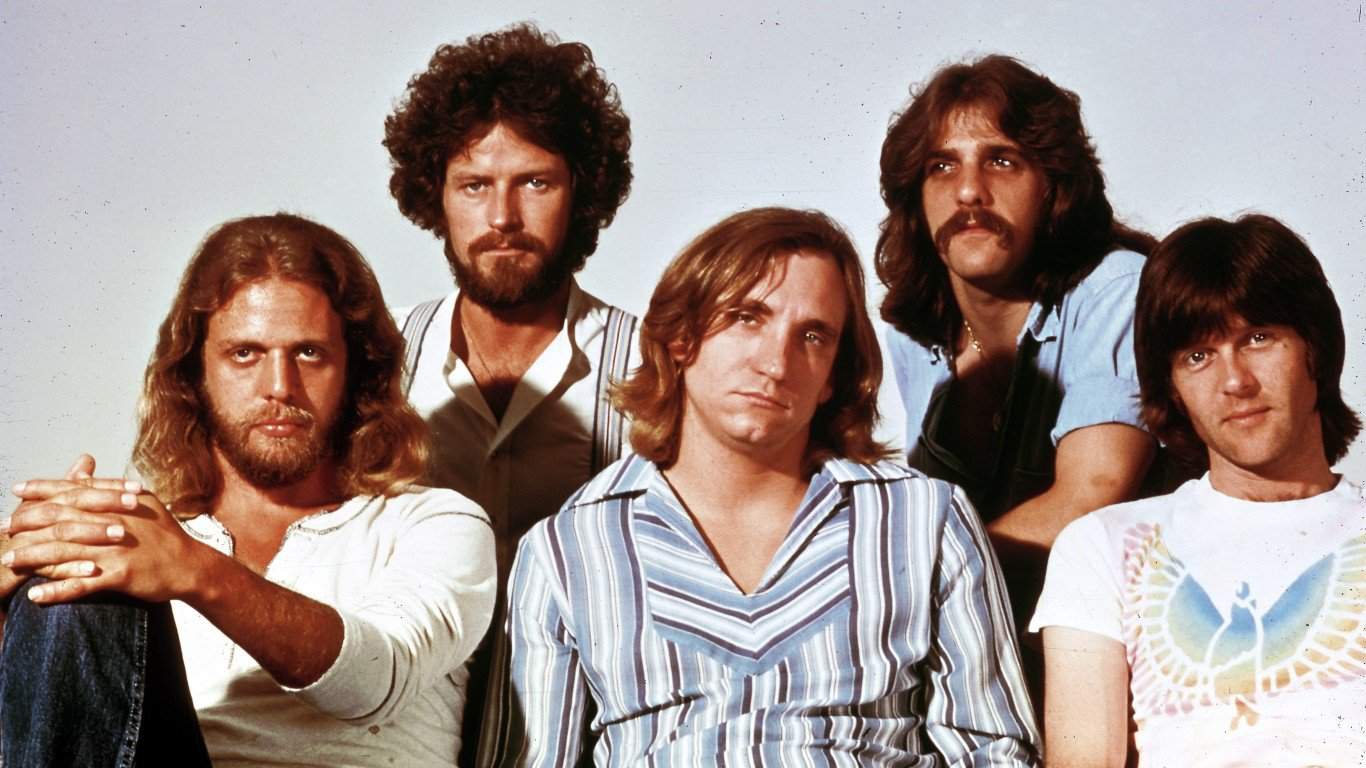
“Hotel California” has inspired theories involving everything from drug addiction to secret cults, but Don Henley has repeatedly described its meaning in broader terms. He has called it a journey from innocence to experience and a commentary on the darker side of the American dream, including excess, narcissism, and the music business. The Eagles were writing about the seductive high life they encountered in Los Angeles, leaving enough ambiguity in the lyrics for generations of listeners to keep inventing interpretations of their own.
Every Breath You Take – The Police (1983)
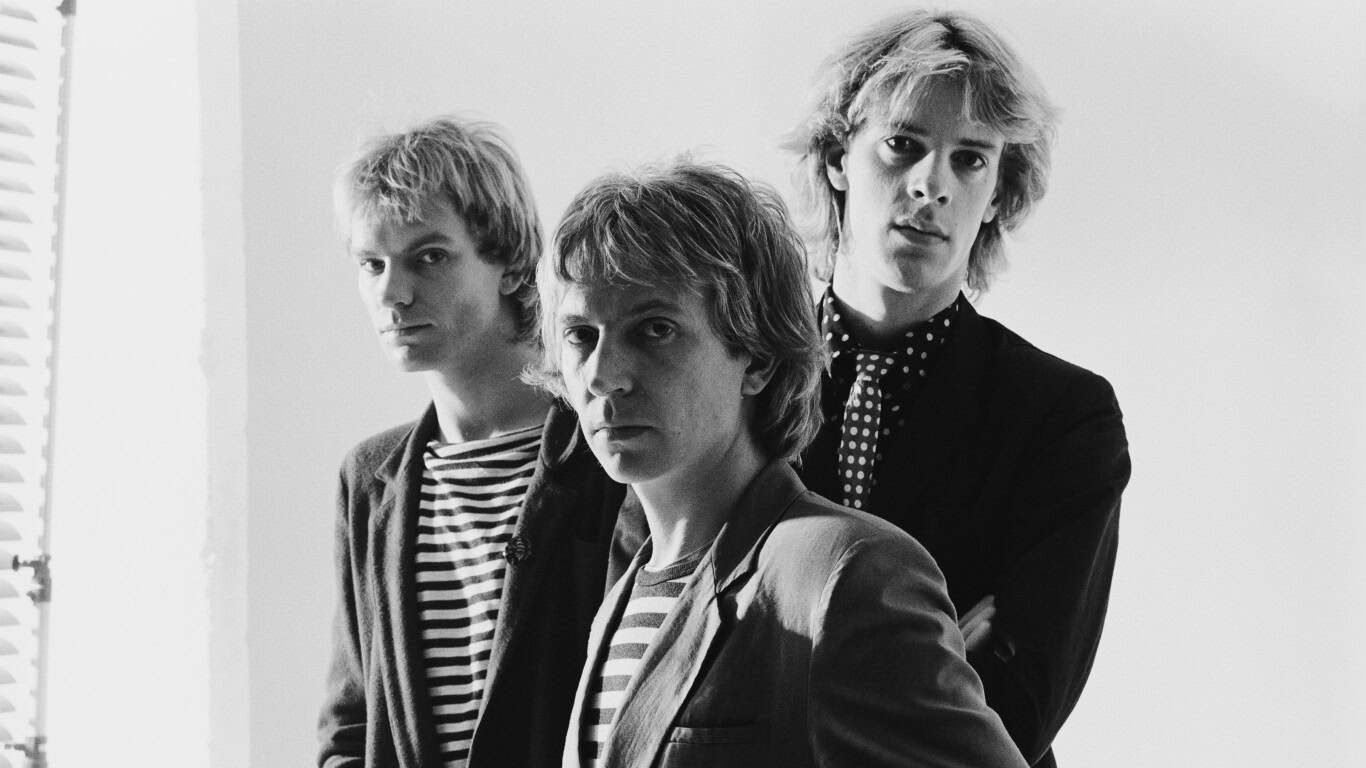
The polished melody has fooled plenty of listeners into treating “Every Breath You Take” as a romantic love song. Sting has said the opposite is true. He wrote it during a turbulent period in his personal life as his first marriage was breaking down, and he has described the song as being about jealousy, possession, surveillance, and control. Sting later expressed surprise that couples continued choosing a song with such an obsessive narrator for weddings and other romantic occasions.
All Apologies – Nirvana (1993)
“All Apologies” is often interpreted through the turmoil of Kurt Cobain’s final years, but that interpretation does not match the song’s actual timeline. Cobain wrote an early version in 1990, before he married Courtney Love. In 1992, he dedicated the song to Love and their daughter, Frances Bean, but later explained that the lyrics did not really describe them; it was the song’s peaceful and comforting feeling that he associated with his family. After Cobain’s death in 1994, its resigned tone inevitably took on a more haunting meaning for many listeners.
I Will Always Love You – Dolly Parton (1974)
Dolly Parton did not write this famous love song about the end of a romance. It was her musical farewell to Porter Wagoner, the country star whose television program and partnership had helped launch her career. After years working together, Parton wanted to leave and establish herself independently. She later recalled singing the newly written song to Wagoner to explain how she felt. He was moved by it and agreed to let her go, provided he could produce the recording. Whitney Houston’s 1992 version for The Bodyguard later turned Parton’s professional goodbye into one of the most famous ballads in pop history.
Blurred Lines – Robin Thicke ft. Pharrell (2013)
“Blurred Lines” generated controversy on two separate fronts. Critics attacked its lyrics and video for what they saw as troubling attitudes toward sex and consent. Then came a copyright battle involving Marvin Gaye’s 1977 song “Got to Give It Up.” The dispute reached a federal jury, which found in 2015 that “Blurred Lines” infringed the Gaye composition and awarded damages to Gaye’s family. A federal appeals court largely upheld the judgment in 2018. The case became one of the music industry’s most closely watched modern copyright disputes.
American Idiot – Green Day (2004)
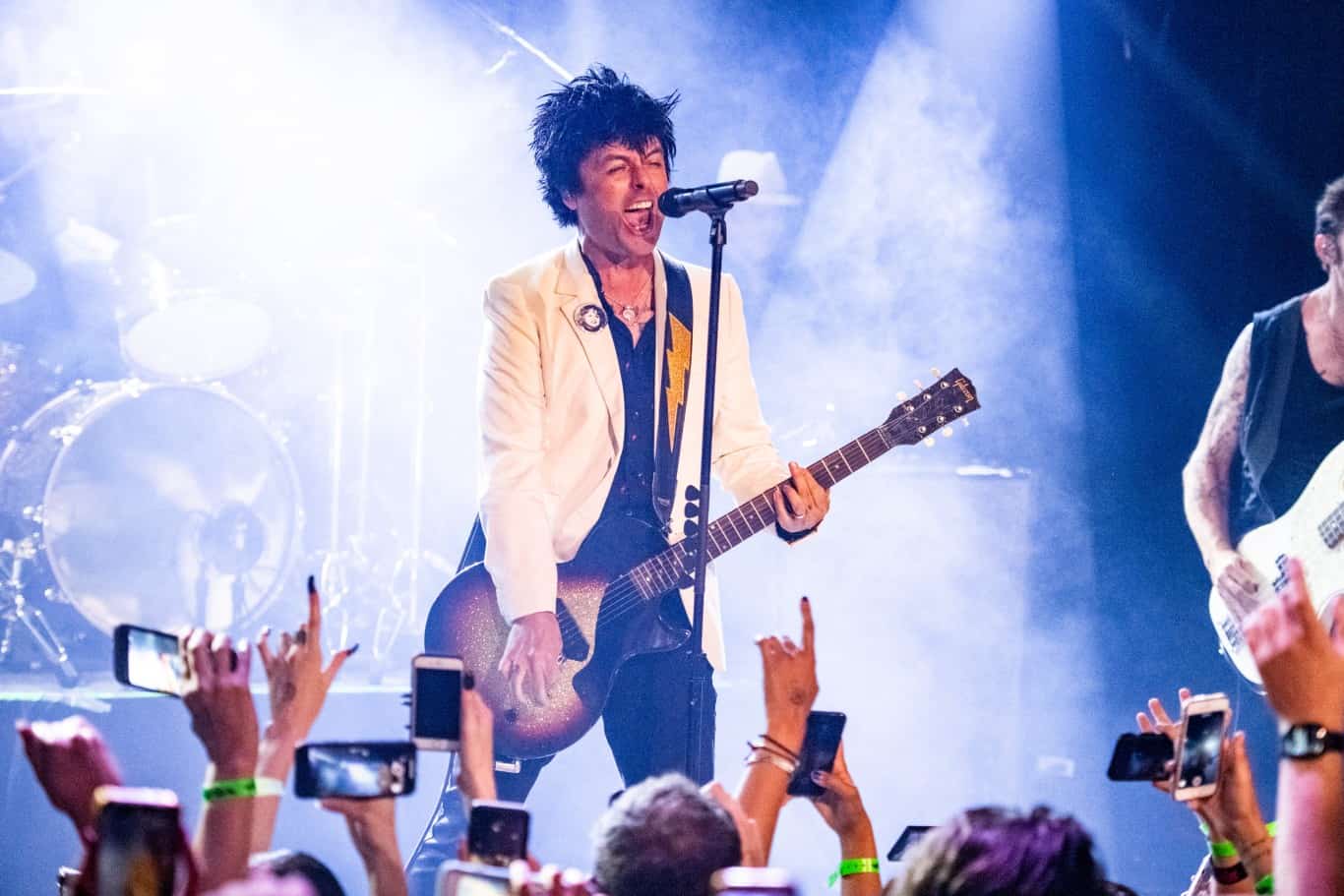
Released during the Iraq War and a bitterly divided U.S. election year, “American Idiot” took aim at media-driven fear, conformity, and the political atmosphere of the period. Billie Joe Armstrong later recalled being disturbed by television coverage that seemed to turn the Iraq War into entertainment, complete with embedded reporters and constant spectacle. The title track helped establish the political tone of Green Day’s hugely successful concept album, which was later adapted into a stage musical that reached Broadway in 2010.
Papa Don’t Preach – Madonna (1986)
Songwriter Brian Elliot conceived “Papa Don’t Preach” as the story of a pregnant young woman asking her father for understanding after deciding to keep her baby. Once Madonna recorded it, the song became part of the heated American debate over teenage pregnancy and abortion. Feminist attorney Gloria Allred criticized the message, while some anti-abortion groups embraced it, and other commentators saw the narrator simply as a young woman asserting control over her own decision. Madonna’s already provocative public image ensured that a pop song about an unplanned pregnancy became a national conversation.
Tears in Heaven – Eric Clapton (1992)
There was no scandal behind “Tears in Heaven,” only an extraordinary personal tragedy. Eric Clapton’s 4-year-old son, Conor, died in March 1991 after falling from the window of a Manhattan apartment. Clapton and songwriter Will Jennings subsequently wrote “Tears in Heaven,” which was used in the film Rush. Clapton has described the song as part of the process of confronting his grief. It later became one of his best-known recordings and helped define his enormously successful Unplugged era.
Rehab – Amy Winehouse (2006)
The famous premise of “Rehab” came from a real conversation. Winehouse’s former manager Nick Shymansky recalled trying to persuade her to seek treatment, while her father, Mitch Winehouse, initially said she did not need rehab. Mitch later argued that his comments had been taken out of context and that he meant she did not need it at that particular moment. Producer Mark Ronson recalled Winehouse casually telling him that her management had tried to send her to rehab and she had refused; he immediately recognized the line as a song idea. Her later, highly publicized struggles with alcohol and drugs gave the defiant hit a much darker legacy than it had when written.
Money for Nothing – Dire Straits (1985)
Mark Knopfler got the idea for “Money for Nothing” while standing in a New York appliance store where televisions were showing MTV. He overheard a worker complaining about the musicians on the screens and began writing down some of the man’s comments, constructing the song from that character’s point of view. One anti-gay slur in the original lyrics became especially controversial years later. In 2011, a Canadian broadcast-standards panel ruled that one station’s airing of the unedited song violated industry codes, prompting a wider debate and later review. The song itself won the 1986 Grammy for Rock Performance by a Duo or Group with Vocals.
Imagine – John Lennon (1971)
“Imagine” is remembered as a peace anthem, but its message has always been more radical than its gentle piano arrangement suggests. The song asks listeners to imagine a world without countries, possessions, heaven, or organized religion, ideas that have periodically drawn criticism from religious and political commentators. Lennon said the concept was heavily influenced by Yoko Ono’s 1964 book Grapefruit and later acknowledged that she deserved songwriting credit for her contribution. Its ability to package challenging ideas in an unusually serene melody is a major reason the song continues to inspire both admiration and debate.