Music Archive
Jeff Kravitz / FilmMagic / Getty Images

Michael Ochs Archives / Michael Ochs Archives via Getty Images
2017 Getty Images / Getty Images Entertainment via Getty Images

Brothers_Art / iStock via Getty Images
Fin Costello / Redferns / Getty Images
Michael Ochs Archives / Michael Ochs Archives via Getty Images
Michael Ochs Archives / Getty Images
Timothy Norris / Getty Images for Live Nation
2010 Getty Images / Getty Images Entertainment via Getty Images
Jim Dyson / Getty Images
Hulton Archive / Getty Images
Eva Rinaldi Celebrity Photographer / BY-SA 2.0
Dia Dipasupil / Getty Images Entertainment via Getty Images
Emma McIntyre / Getty Images
Scott Gries / Getty Images Entertainment via Getty Images

Christopher Polk / Getty Images
Junko Kimura / Getty Images
Kevin Winter / Getty Images Entertainment via Getty Images
2024 Getty Images / Getty Images Entertainment via Getty Images
2011 Getty Images / Getty Images Entertainment via Getty Images





10 Music Genres That Were Everywhere, Then Lost the Spotlight
Music genres rarely disappear. They peak, fall out of fashion, get absorbed into other styles, and sometimes come roaring back 20 years later when a new generation discovers them. Plenty of genres that once dominated radio, MTV, clubs, or alternative scenes no longer command the same chunk of mainstream attention, but calling them dead usually goes too far.
The 10 styles below all had especially recognizable moments when their sound, fashion, and biggest artists seemed to be everywhere. Some eventually fragmented into newer genres. Others retreated into dedicated scenes before finding new audiences years later. A few are having such obvious revivals that reports of their death were, to put it mildly, premature.
Rather than treating these as genres that vanished, 24/7 Tempo looks at 10 once-dominant music scenes whose biggest mainstream eras are behind them, along with what happened after their commercial peaks.
Grunge: The Seattle Sound Goes Global
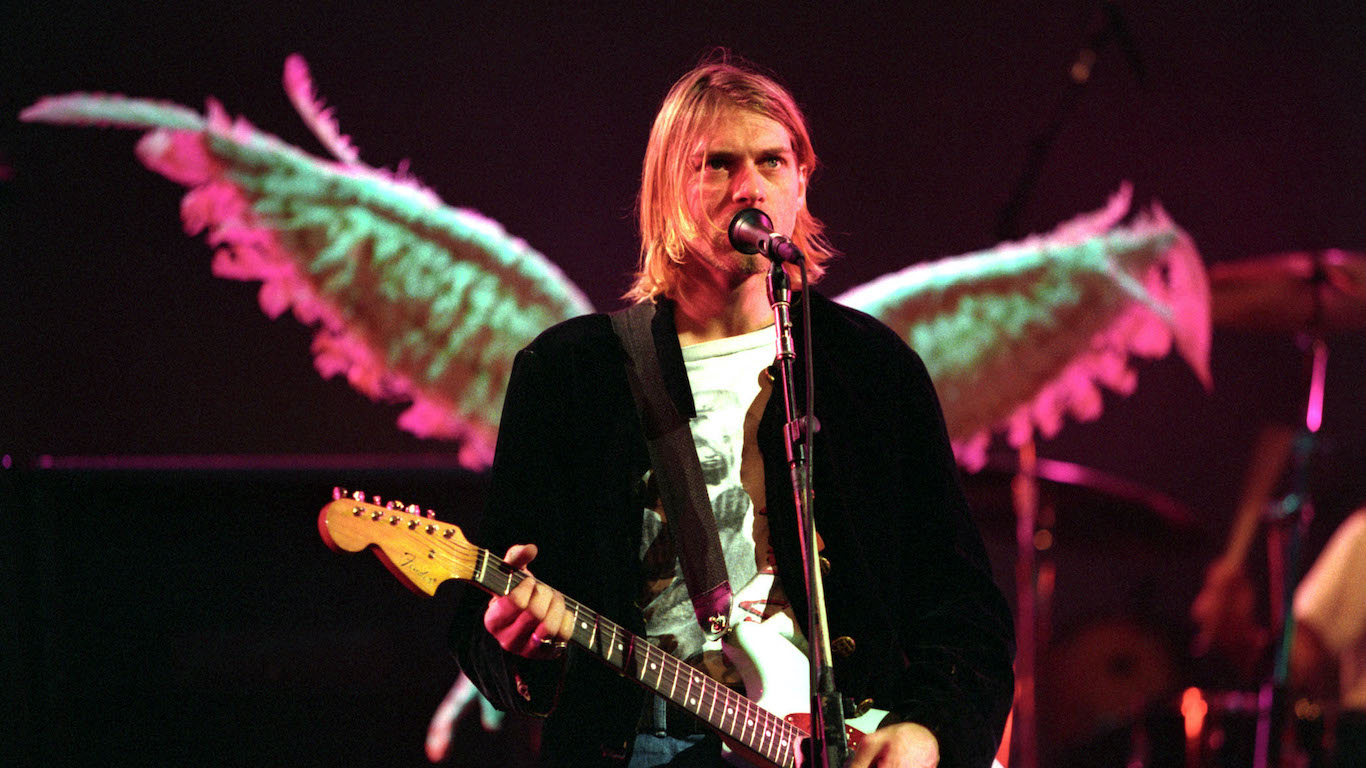
Grunge emerged in the Pacific Northwest during the mid-1980s, combining elements of punk, heavy metal, and alternative rock. By the beginning of the 1990s, Seattle-area bands including Nirvana, Pearl Jam, Soundgarden, and Alice in Chains had pushed the regional scene into the mainstream. Nirvana's “Nevermind,” released in 1991, became the breakthrough moment, reaching No. 1 on the Billboard album chart in January 1992.
The scene's image was nearly as recognizable as its sound. Flannel shirts, ripped jeans, thrift-store clothes, and an intentionally unpolished appearance contrasted sharply with the elaborate presentation associated with much of the previous decade's mainstream rock. What began as ordinary Pacific Northwest clothing soon became an international fashion trend.
Grunge: Why the Boom Didn't Last
Kurt Cobain's death in April 1994 ended Nirvana and became a symbolic turning point for grunge, but the genre's decline was more complicated than one event. The intense attention surrounding the Seattle scene had already turned “grunge” into an increasingly broad marketing label, while alternative rock continued evolving in other directions.
Several of the movement's major bands continued long after grunge's commercial peak. Pearl Jam built a decades-long career, while Alice in Chains eventually returned with a new lineup after the 2002 death of singer Layne Staley. Soundgarden reunited in 2010 after a lengthy breakup. Grunge stopped functioning as the center of mainstream rock, but its sound and stripped-down aesthetic left a lasting mark on alternative music.
Third-Wave Ska: A Jamaican Sound Gets Another Reinvention
Third-wave ska makes more sense once you know about the first two waves. Ska developed in Jamaica around the turn of the 1960s and became one of the foundations from which rocksteady and reggae evolved. British musicians revived and reshaped the sound during the late 1970s through the Two Tone movement, mixing ska with punk and new wave.
Then came the third wave. By the late 1980s and 1990s, American bands were pushing ska further into punk and alternative rock. Southern California became an important center for the scene, but bands emerged across the country. The Mighty Mighty Bosstones came from Boston, Less Than Jake formed in Florida, and Reel Big Fish became one of Southern California's best-known ska-punk groups.
Third-Wave Ska: The Mainstream Moment Fades
Third-wave ska had a real mainstream run during the 1990s. The Mighty Mighty Bosstones scored a major hit with “The Impression That I Get,” while Reel Big Fish, Less Than Jake, and ska-influenced acts including No Doubt brought some version of the sound to radio, MTV, and major-label audiences.
That commercial window narrowed considerably by the early 2000s, but ska did not disappear. Long-running bands continued performing, independent scenes remained active, and younger groups kept revisiting the style. The GRAMMY Museum was still documenting a thriving Southern California ska community decades after the third-wave boom. It may have left Top 40 radio, but the horns never entirely packed up and went home.
Disco: When Dance Music Took Over
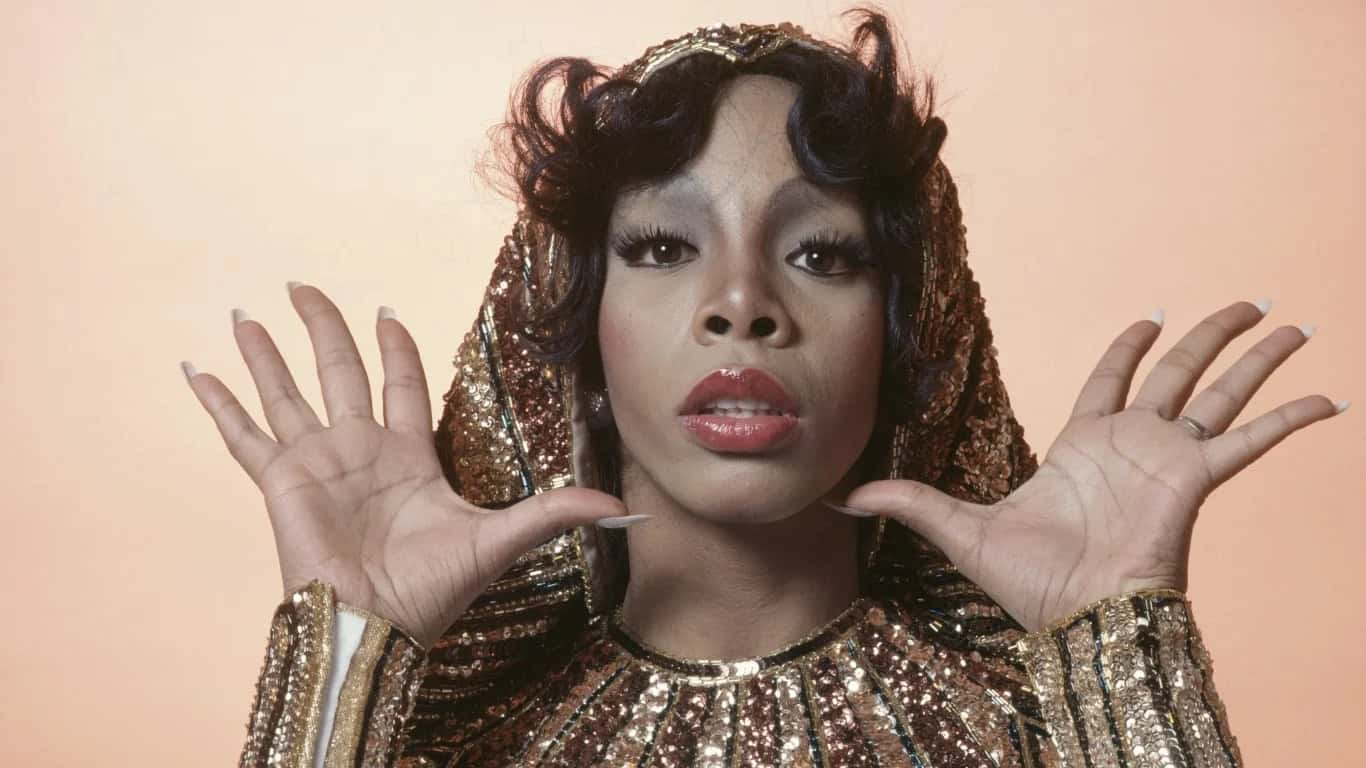
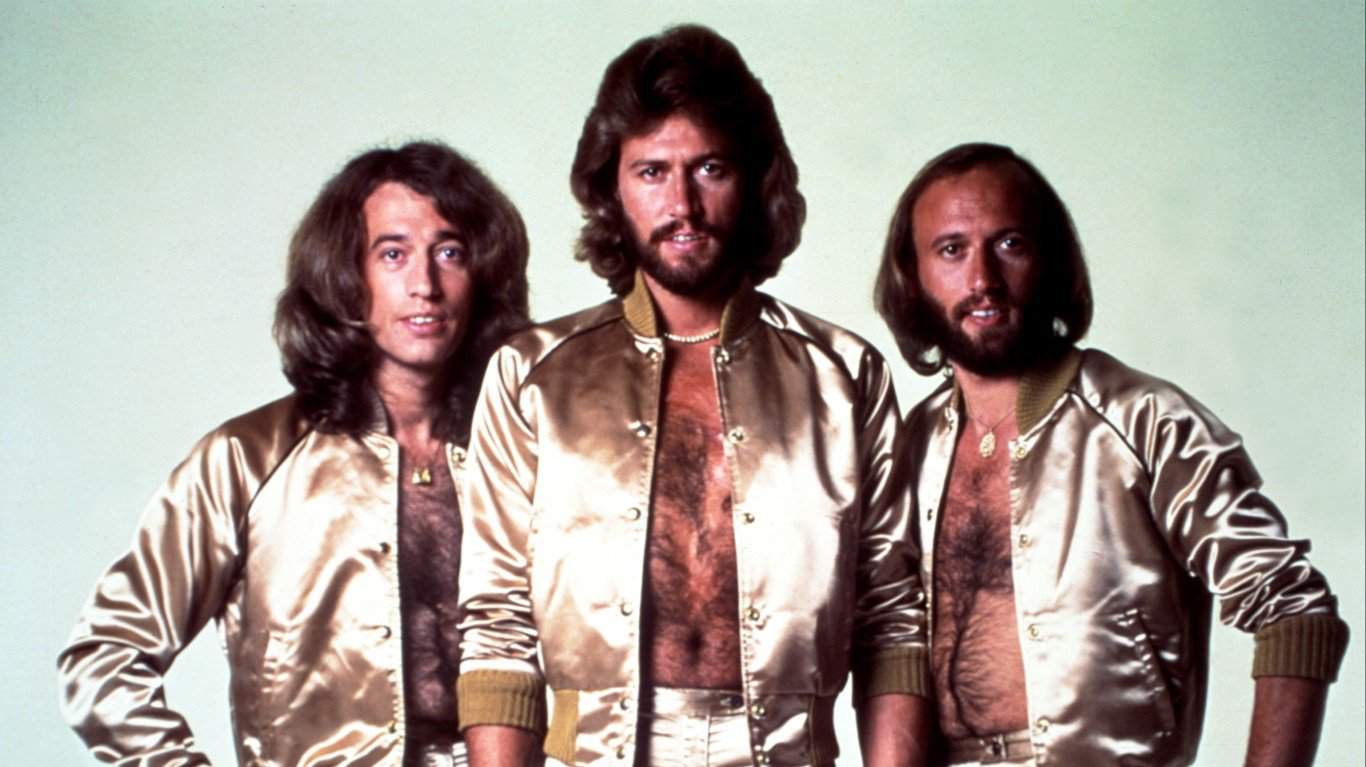
Disco grew out of dance-club culture in the 1970s before exploding into the mainstream. Artists including Donna Summer, Gloria Gaynor, Chic, the Bee Gees, and KC and the Sunshine Band became fixtures of the era. Radio stations adopted disco-heavy formats, clubs flourished, and even established rock performers experimented with the sound.
Few projects captured its commercial peak better than the 1977 movie “Saturday Night Fever.” Its soundtrack, driven heavily by Bee Gees songs including “Stayin' Alive” and “Night Fever,” became a cultural phenomenon and won Album of the Year at the 1979 Grammy Awards. By that point, disco wasn't just club music. It was everywhere.
Disco: The Backlash Gets Ugly
Chicago radio personality Steve Dahl became one of the loudest voices in the anti-disco backlash. On July 12, 1979, he helped stage Disco Demolition Night between games of a Chicago White Sox doubleheader at Comiskey Park. Disco records were blown up on the field, thousands of spectators poured onto the playing surface, and the second game was ultimately forfeited.
The spectacle became an enduring symbol of disco's fall, but blaming one baseball promotion for killing an entire genre is much too neat. Disco was already facing oversaturation, changing radio formats, and a broad cultural backlash, some of which carried hostility toward the Black, Latino, and gay communities closely associated with disco culture. The genre lost its position at the center of pop, but its rhythmic and production ideas flowed directly into dance-pop, house music, and countless later club styles.
Pop-Punk: Punk Discovers a Giant Hook
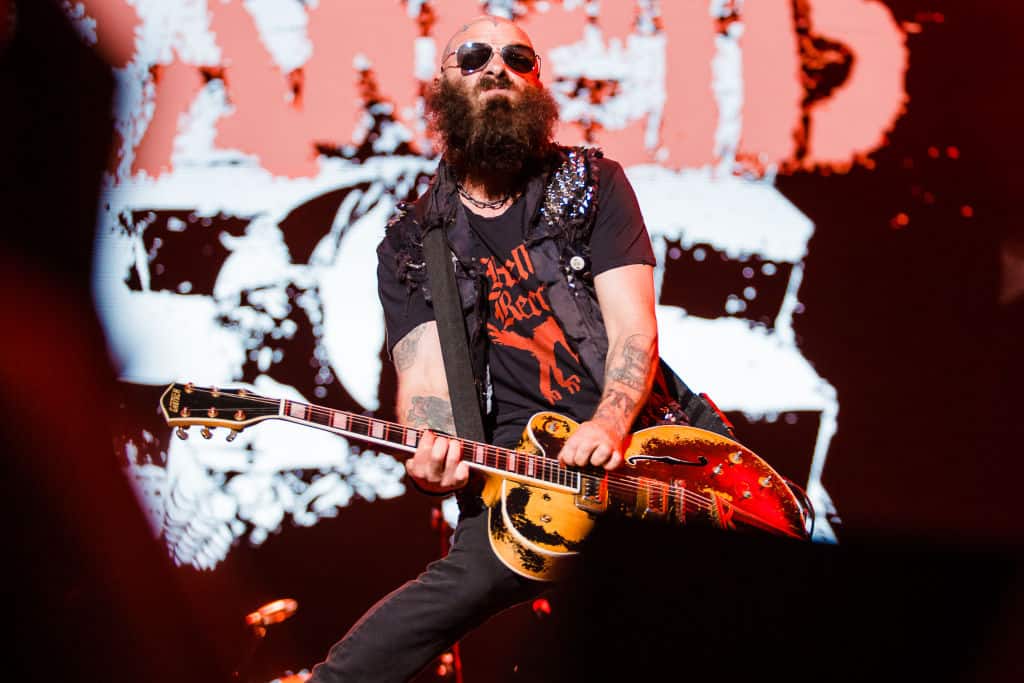
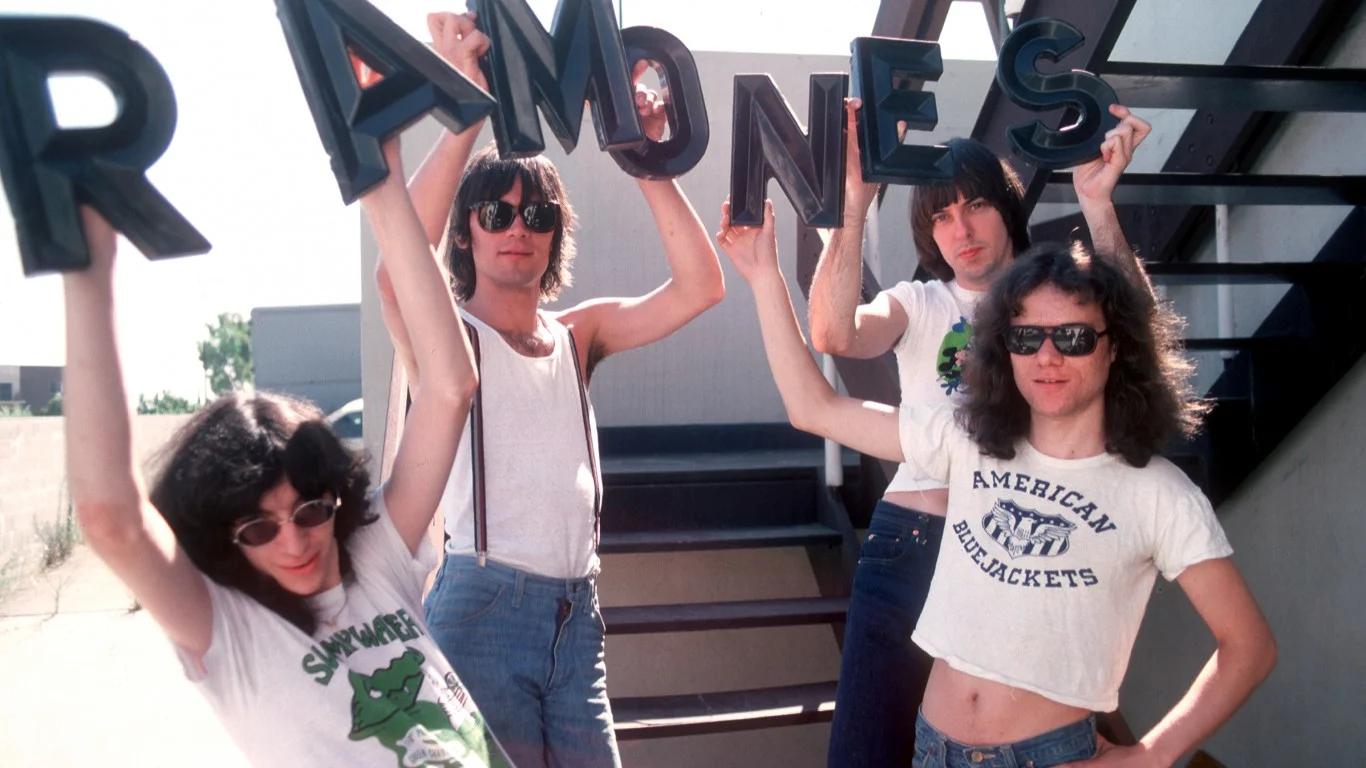
Pop-punk grew from bands that combined punk's speed and stripped-down energy with strong melodies and traditional pop songwriting. The Ramones were enormously influential on that formula in the 1970s, although the pop-punk label became much more firmly established with later generations of bands.
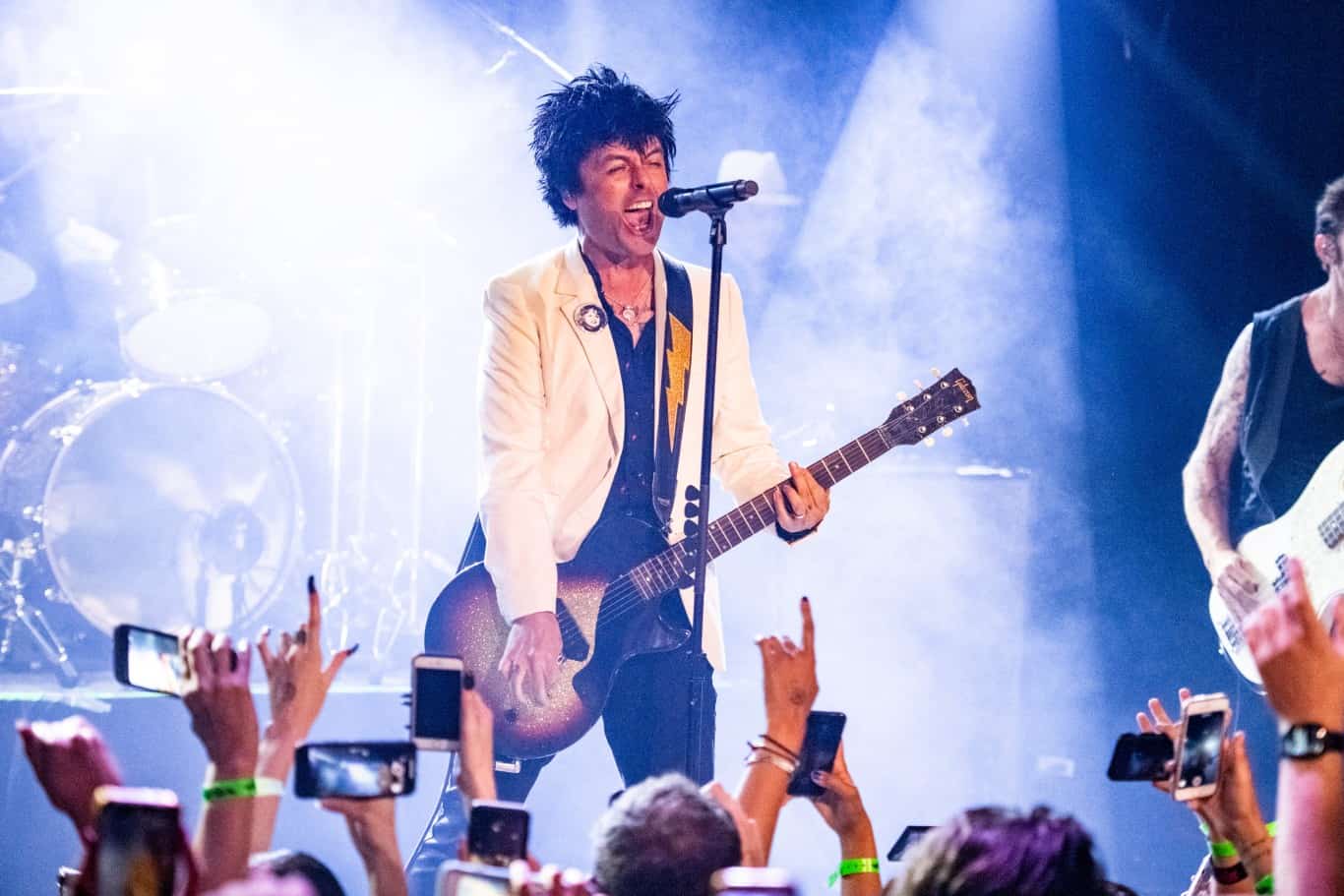
The style broke into the American mainstream in a major way during the 1990s. Green Day's “Dookie” and the Offspring's “Smash,” both released in 1994, helped turn melodic punk into mass-market rock. The sound was fast, accessible, and tailor-made for a generation whose musical diet increasingly included alternative radio and MTV.
Pop-Punk: It Never Really Died
The late 1990s and early 2000s brought another wave led by blink-182, Sum 41, Good Charlotte, New Found Glory, and others. Emo and pop-punk increasingly overlapped during the middle of the 2000s, but one did not simply replace the other. The boundaries between the scenes were messy even at the time.
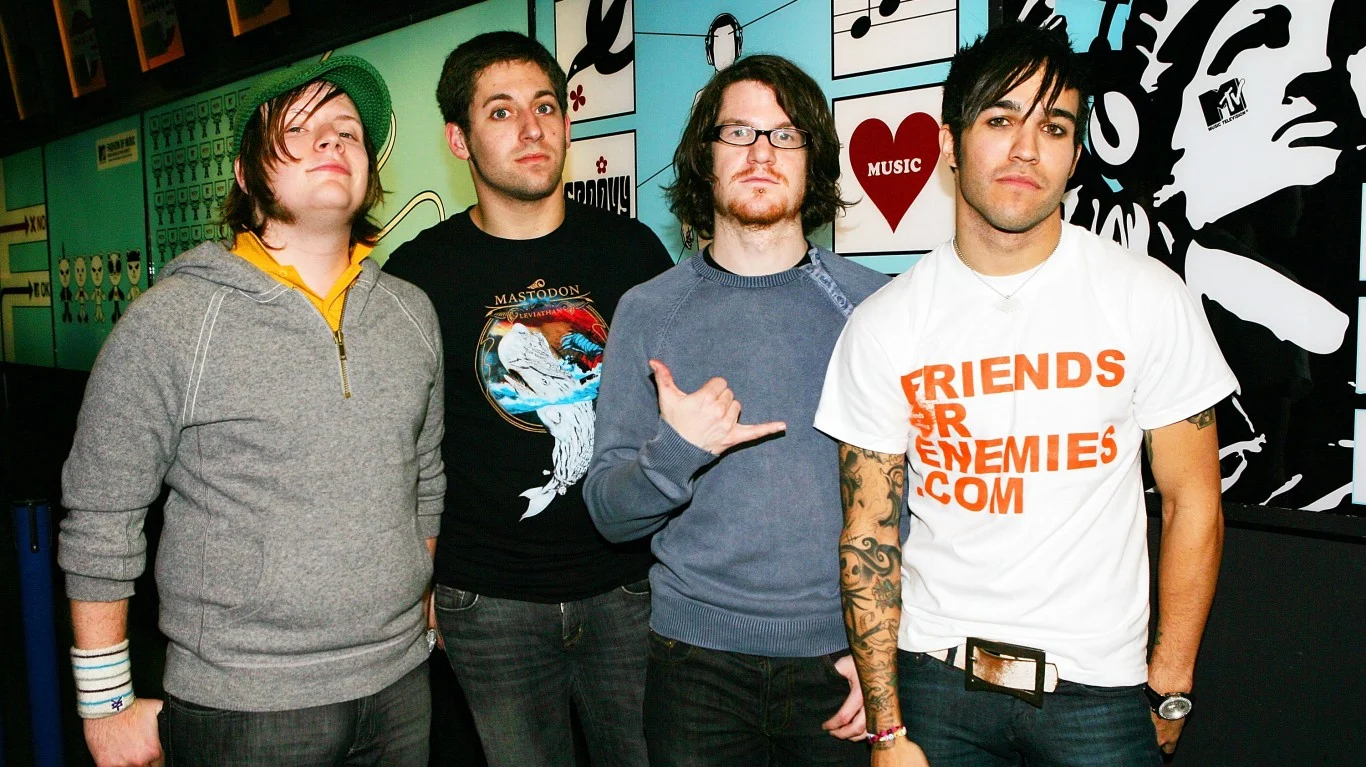
Pop-punk eventually lost some of its mainstream dominance, then came roaring back. By the early 2020s, younger artists were openly borrowing from the genre while veterans including blink-182, Green Day, and Fall Out Boy were again drawing large audiences. If anything, pop-punk is a good example of why declaring a music genre dead is dangerous. Somebody eventually plugs the guitar back in.
Glam Metal: Rock Gets Bigger, Louder, and Shinier
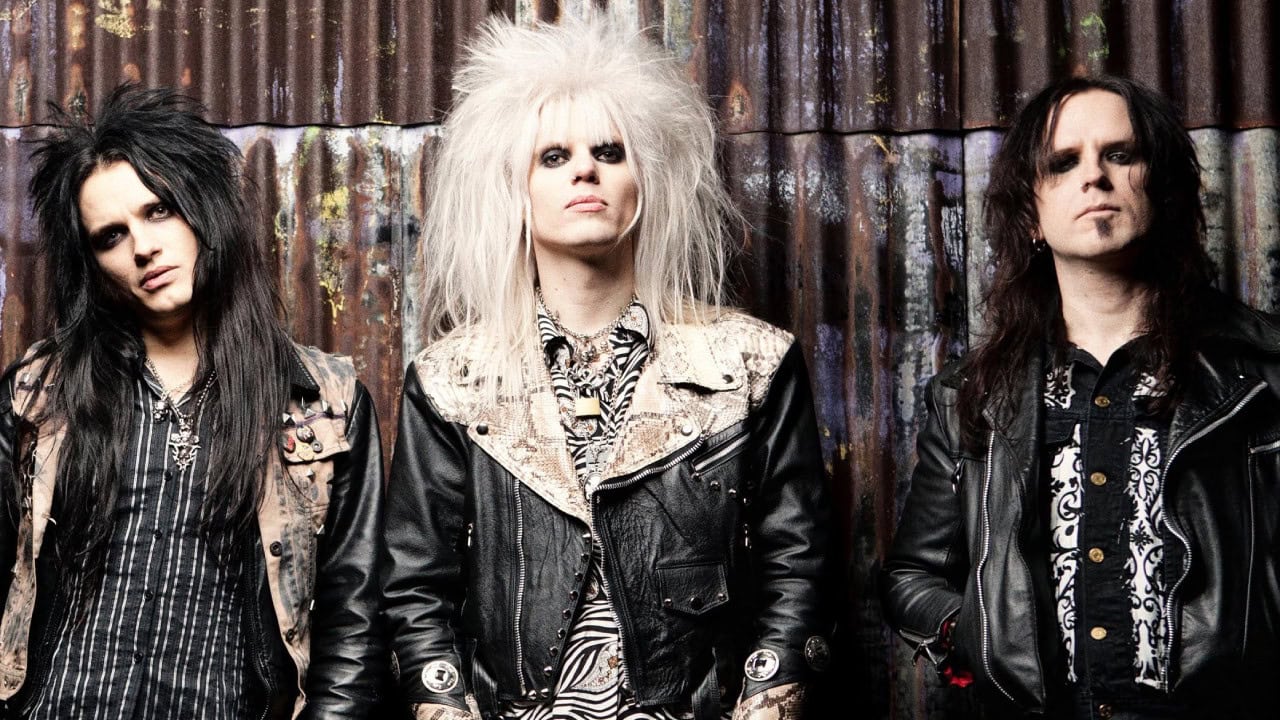
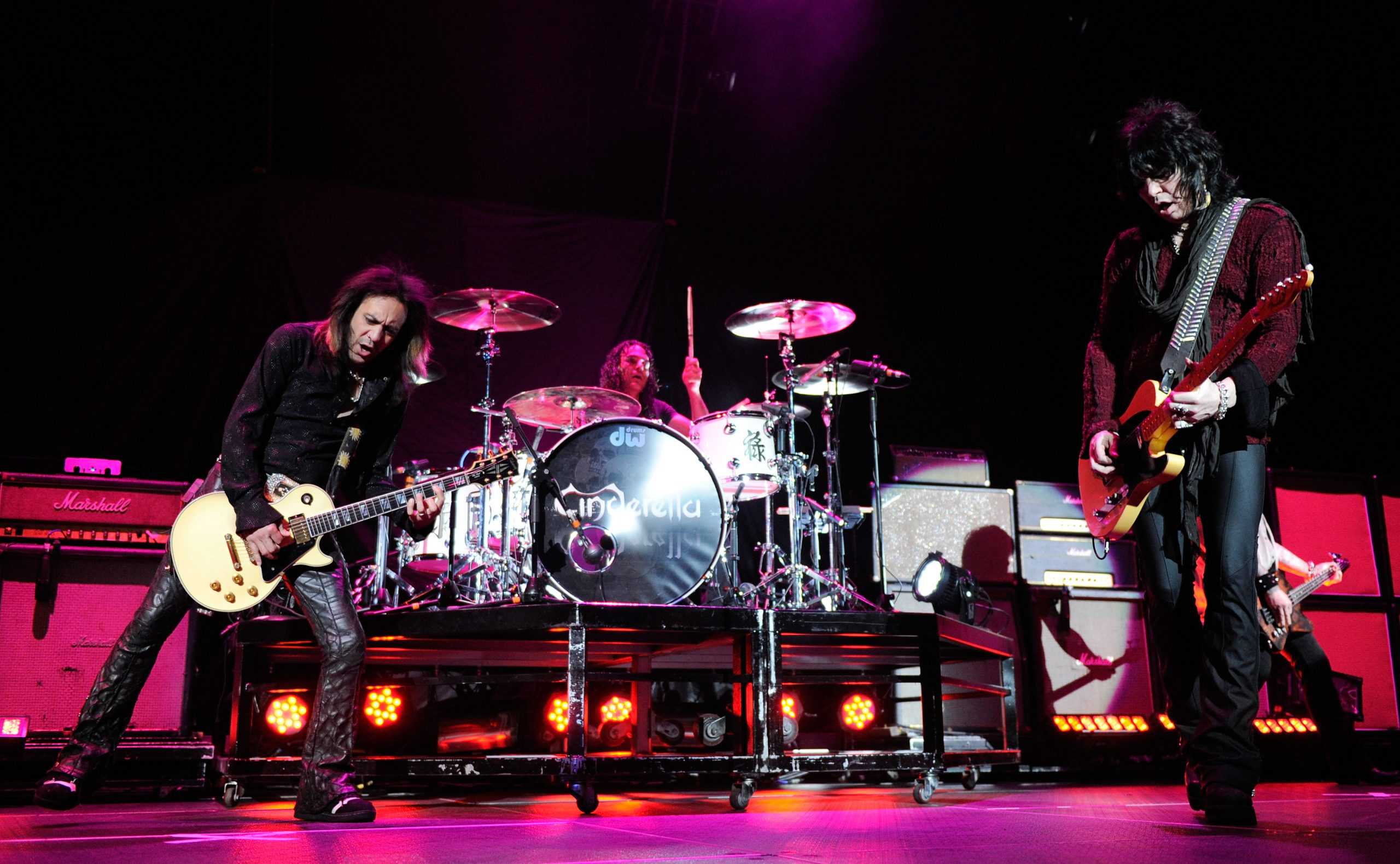
Glam metal became one of the defining hard-rock styles of the 1980s by combining distorted guitars and heavy-metal showmanship with big pop hooks, power ballads, teased hair, makeup, and elaborate stage clothes. Mötley Crüe, Poison, Cinderella, Ratt, and Bon Jovi were among the bands commonly associated with the scene, even if the exact line between glam metal and mainstream hard rock was never especially tidy.
MTV arrived at exactly the right time. Music videos turned a band's visual identity into part of the product, and glam metal was built for the camera. A memorable look could now reach millions of viewers without anyone stepping inside a concert venue.
Glam Metal: Grunge Changes the Landscape
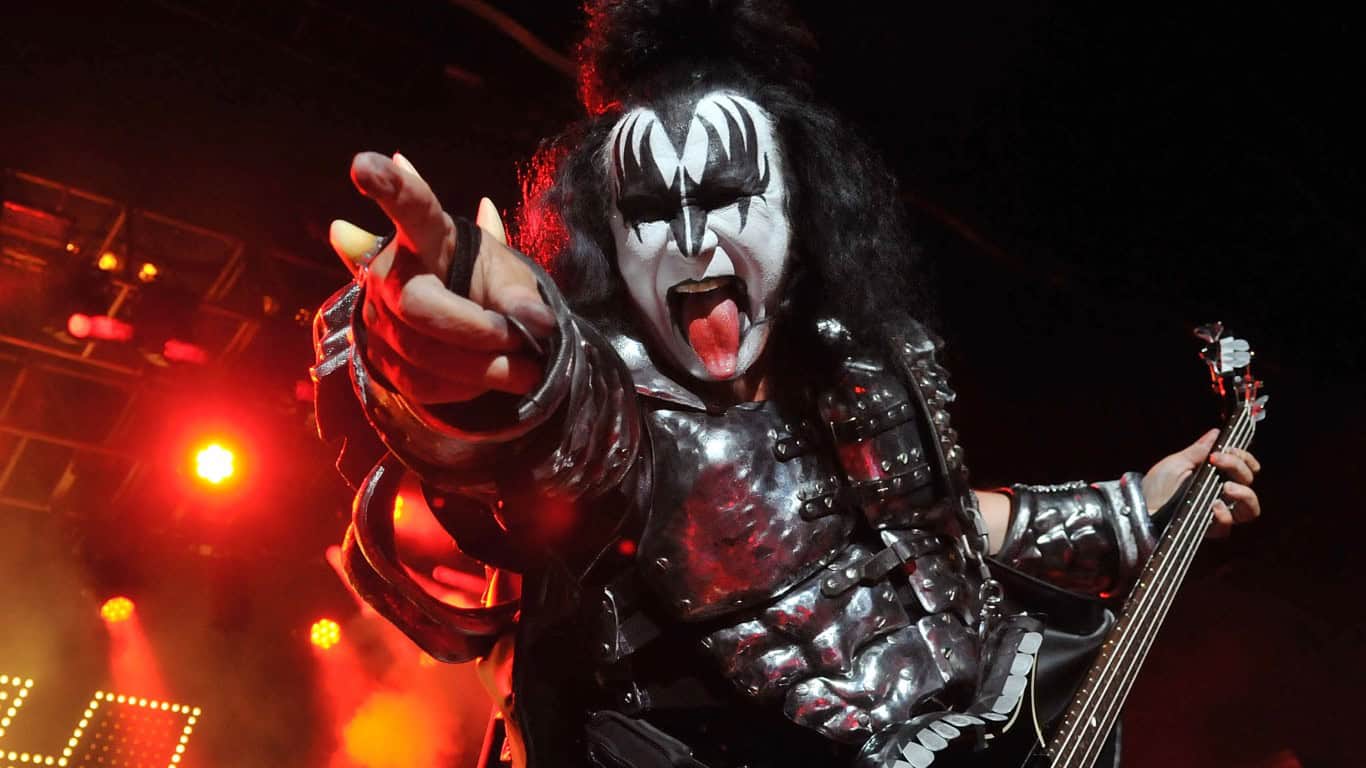
KISS predates the 1980s glam-metal boom and is better described as a glam-rock and hard-rock influence than a textbook glam-metal band. Still, its theatrical makeup, costumes, stage spectacle, and larger-than-life image helped establish a visual playbook that later bands could push even further.
Glam metal's dominance fell sharply in the early 1990s as alternative rock and grunge changed both the sound and image expected from mainstream rock bands. Suddenly, ripped jeans and flannel looked more current than hairspray and spandex. The genre never completely disappeared, however. Many of its biggest bands retained audiences, and later acts revived or parodied its sound and excess. Its original mainstream reign was over, but the party somehow kept finding another venue.
New Wave: Punk Energy Meets Pop and Synthesizers
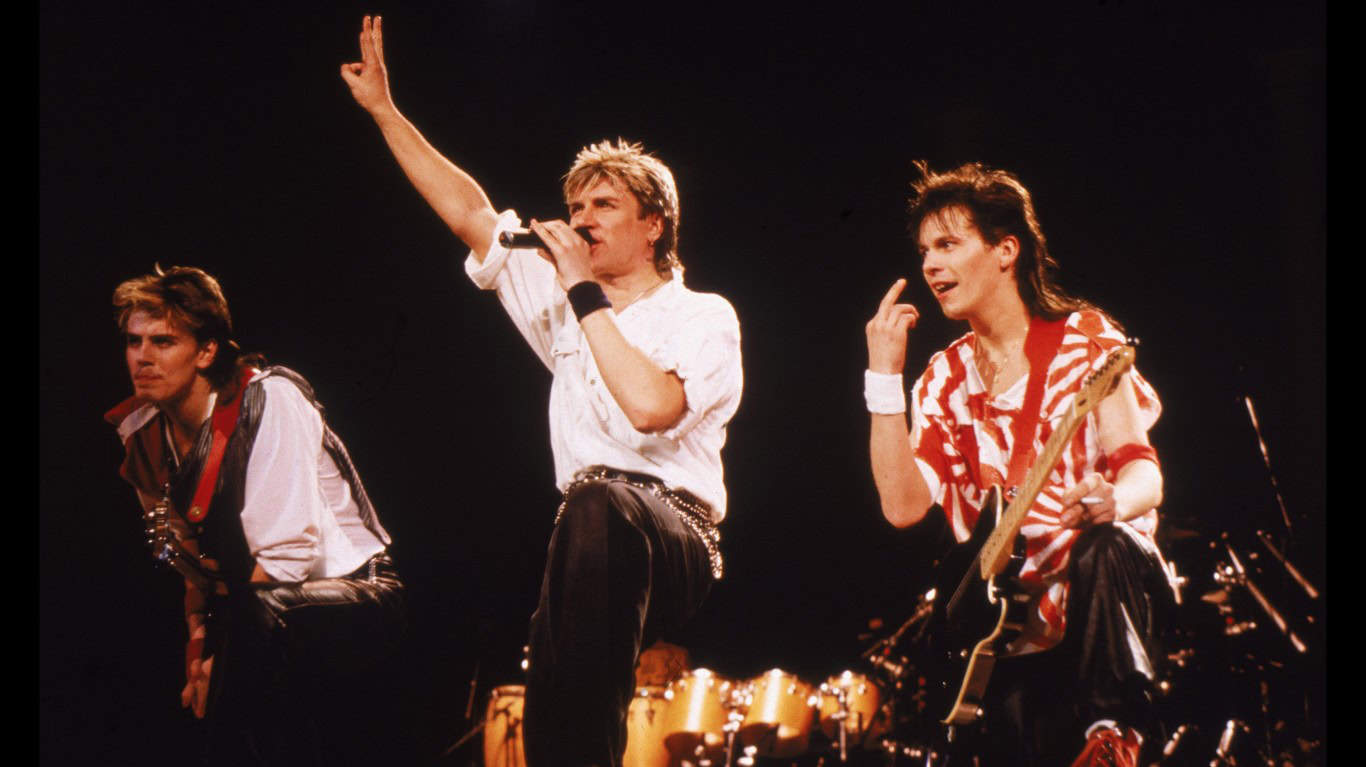
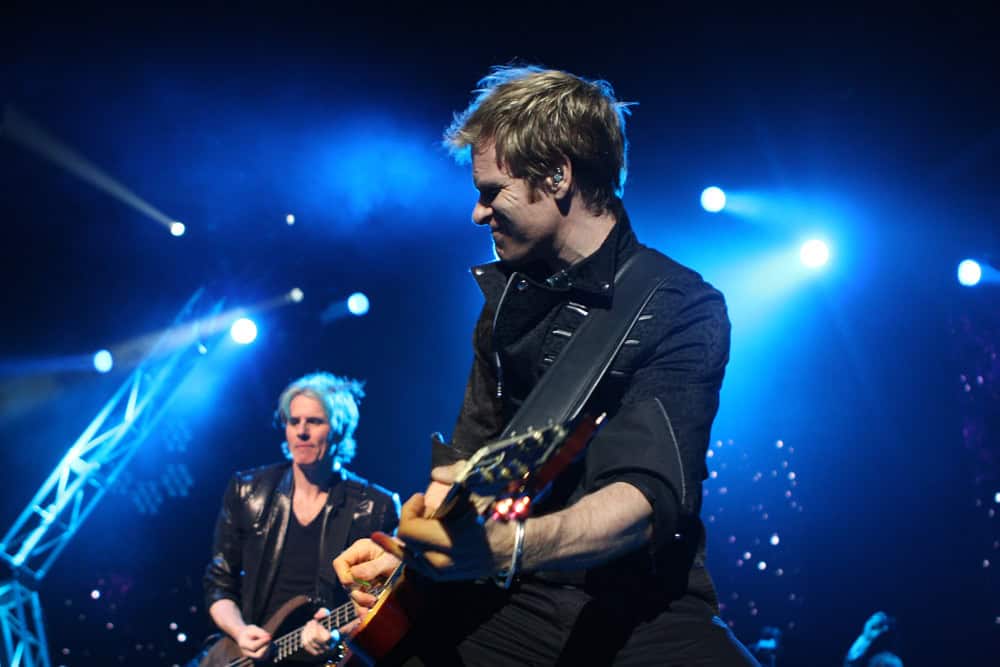
New wave emerged during the late 1970s as a broad label for artists coming out of punk and post-punk who embraced pop melodies, synthesizers, dance rhythms, art-school experimentation, or some combination of all four. The category was always loose enough to include bands that sounded very different from one another, including Devo, the Cars, Blondie, Talking Heads, Duran Duran, and New Order.
New Order's 1983 single “Blue Monday” arrived after the new-wave movement was already well established, but it became one of the era's defining electronic records. The band describes it as widely regarded as the best-selling 12-inch single of all time, and its mixture of post-punk and electronic dance music pointed toward where popular music was headed.
New Wave: MTV Gives the Look a National Stage
MTV launched in the United States on August 1, 1981, and the first music video it played was the Buggles' appropriately titled “Video Killed the Radio Star.” The new network dramatically increased the promotional value of music videos, which benefited visually distinctive new-wave acts including Duran Duran.
By the end of the 1980s, “new wave” was becoming less useful as a catch-all label. Its artists and ideas flowed into synth-pop, alternative rock, electronic music, college rock, and mainstream pop. The genre did not so much vanish as dissolve into the musical landscape. Listen to modern synth-driven pop for very long and the fingerprints are not hard to find.
Gangsta Rap: Street Narratives Reach a Mass Audience
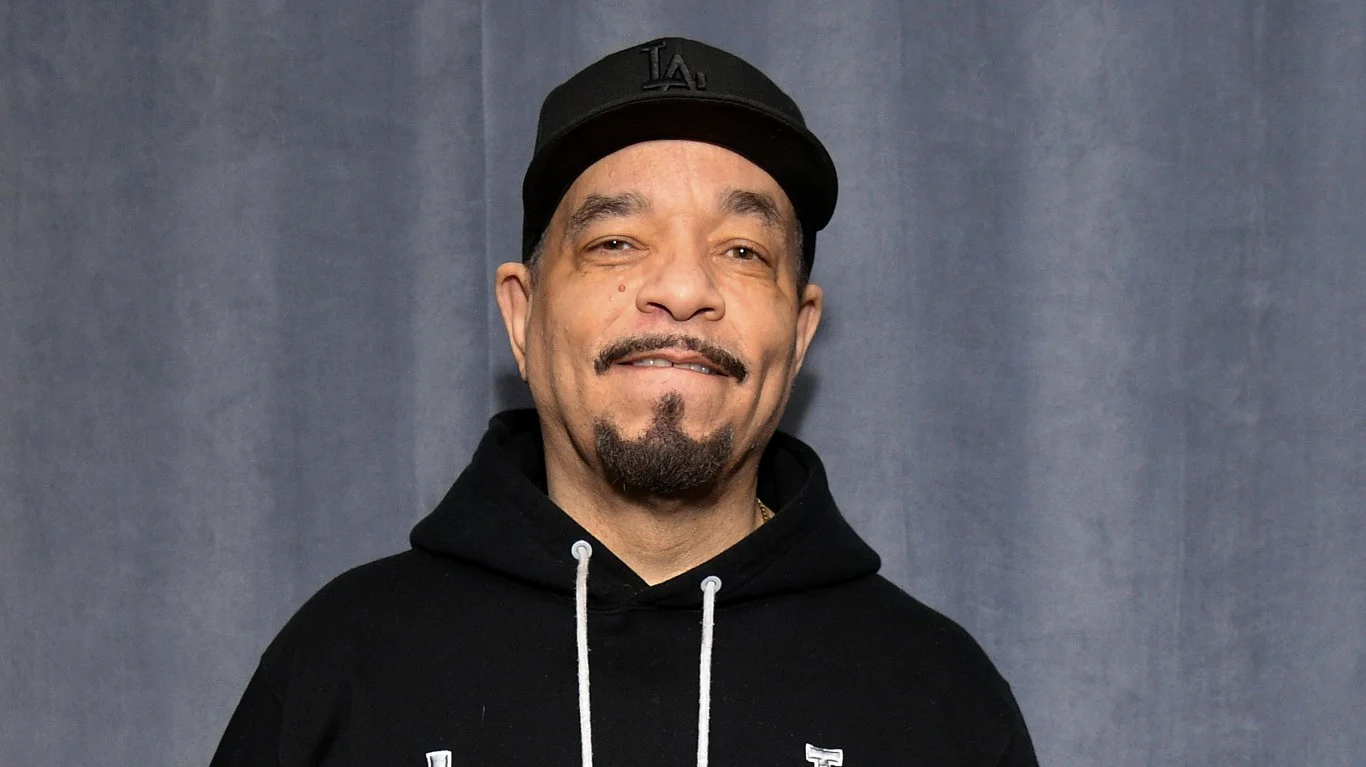
Gangsta rap emerged during the 1980s as artists used first-person storytelling and hard-edged lyrics to depict street violence, policing, drugs, crime, and life in communities that received little attention from mainstream popular music. Schoolly D in Philadelphia and Ice-T in Los Angeles are frequently cited among its early pioneers.
N.W.A. transformed the scale of the genre with 1988's “Straight Outta Compton.” The Library of Congress notes that gangsta rap already existed before the album, but credits N.W.A.'s record with popularizing it. Its blunt depictions of police encounters, gang life, and anger in South Central Los Angeles made the group both enormously influential and intensely controversial.
Gangsta Rap: The Label Fades, the Influence Doesn't
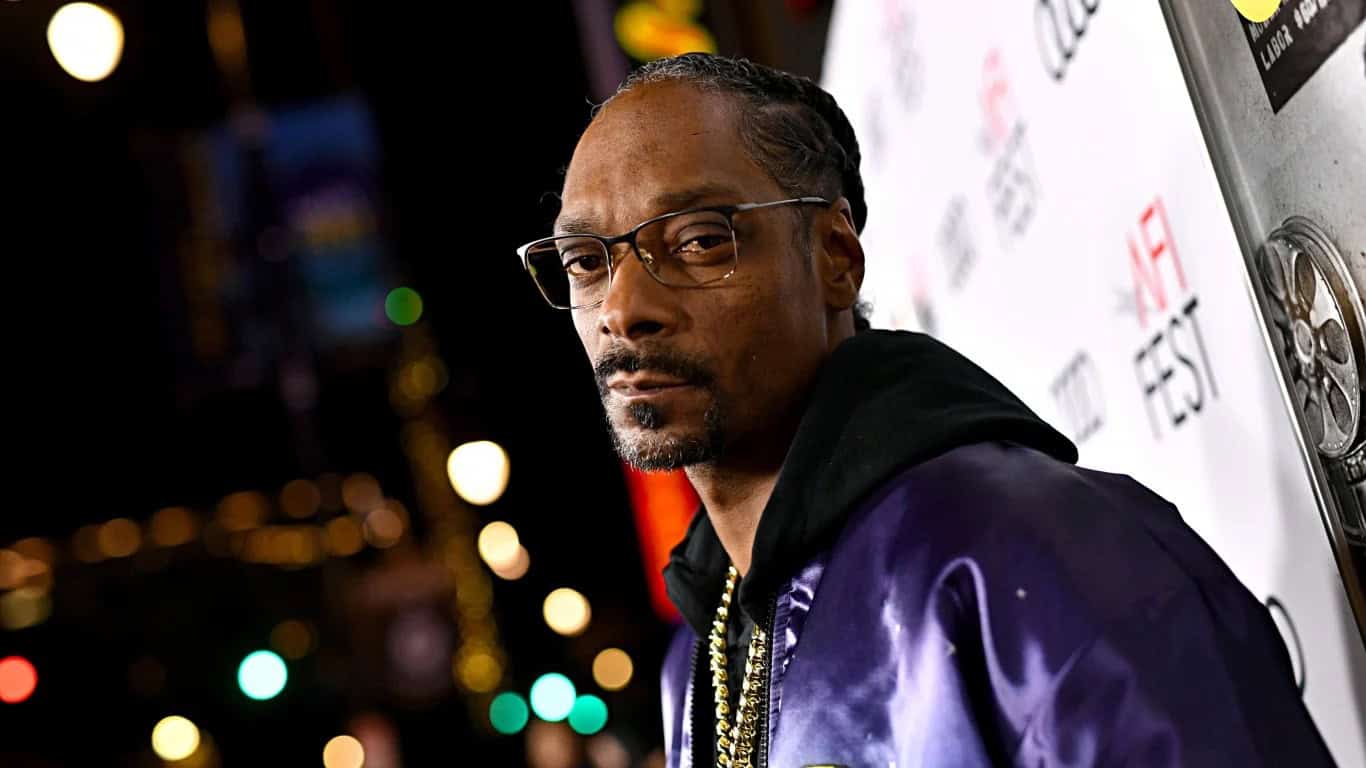
The style remained a major commercial force during the 1990s through artists including Dr. Dre, Snoop Dogg, Tupac Shakur, Scarface, and Ice Cube. By the following decade, hip-hop had become much broader commercially, with numerous regional sounds and lyrical approaches competing at the same time.
That did not mean gangsta rap simply disappeared or was replaced by less confrontational music. Its narrative techniques, production styles, themes, and imagery became part of hip-hop's wider vocabulary. Later rappers have continued to draw from that tradition while mixing it with political commentary, introspection, pop, trap, and other styles. What faded was the period when “gangsta rap” could describe such a dominant share of mainstream rap with one convenient label.
Emo: It Started Long Before the Eyeliner
The roots of emo are generally traced to Washington, D.C.'s hardcore-punk scene in the mid-1980s, not the 1970s. Bands including Rites of Spring and Embrace kept hardcore's intensity while writing more personal, vulnerable, and introspective lyrics. That approach was sometimes described as “emocore,” short for emotional hardcore.
The sound kept evolving during the 1990s through a collection of indie and punk scenes before a much more commercial version exploded during the 2000s. By then, emo was no longer simply a musical description. Fashion, hairstyles, online culture, and teenage identity had become tangled up with the label as well.
Emo: The 2000s Boom Wasn't the End
Bands including My Chemical Romance and Fall Out Boy became closely associated with the 2000s emo boom, although musicians and fans have spent years arguing about which bands actually belong under the label. Emo, pop-punk, post-hardcore, and alternative rock overlapped heavily during this period, which is part of the reason the terminology gets messy.
Screamo also developed as a more abrasive offshoot of emo and hardcore, beginning in underground scenes during the 1990s. Emo's mainstream moment eventually cooled, but the genre did not freeze in 2007 with a side-swept haircut. An indie-oriented emo revival took hold during the 2010s, while nostalgia festivals, reunions, and newer artists carried elements of the style into the 2020s.
Nu Metal: Metal Breaks Its Own Rules
Despite a persistent misconception, “nu” in nu metal is not short for “New Urban.” The label emerged around a style of heavy music that freely borrowed from hip-hop, funk, alternative rock, industrial music, and other genres. Korn's self-titled 1994 debut is widely treated as a foundational nu-metal album, with its down-tuned guitars, rhythmic approach, and intensely personal lyrics helping establish the template.
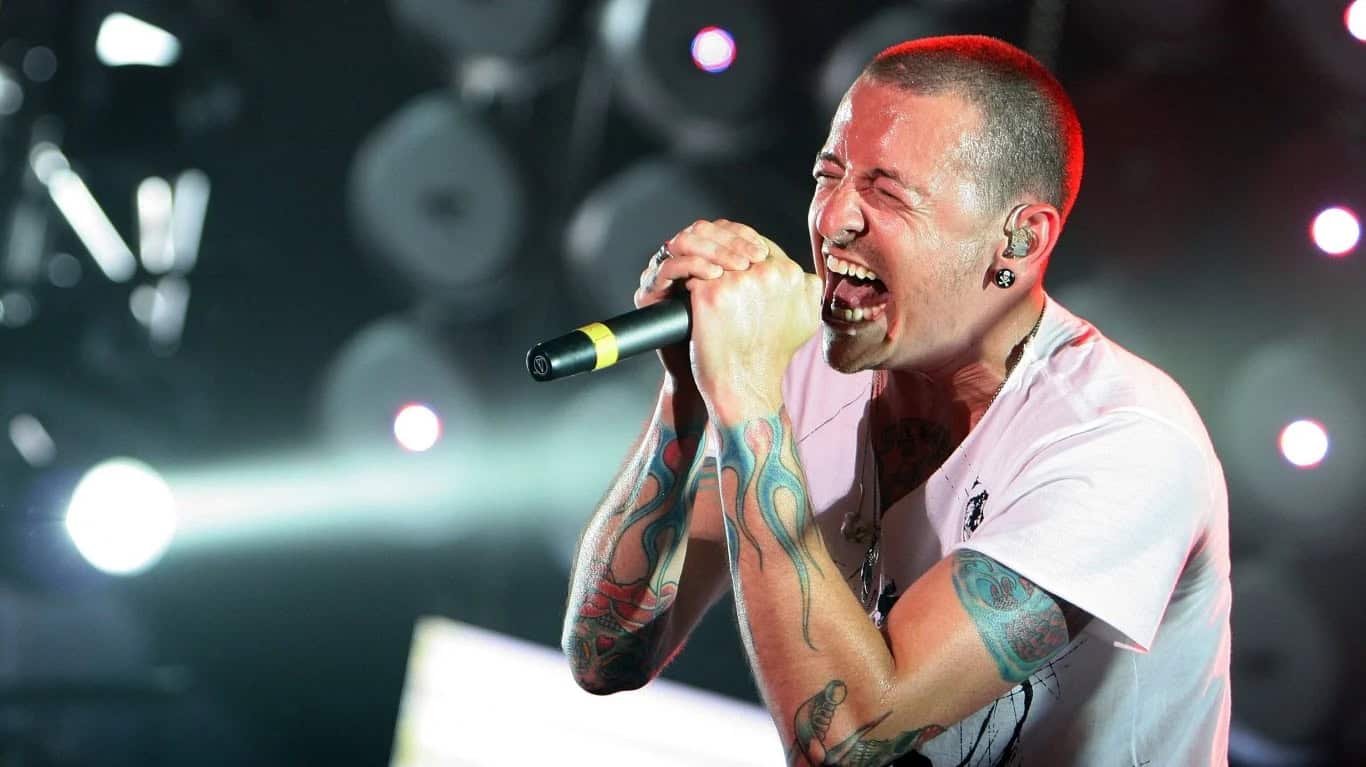
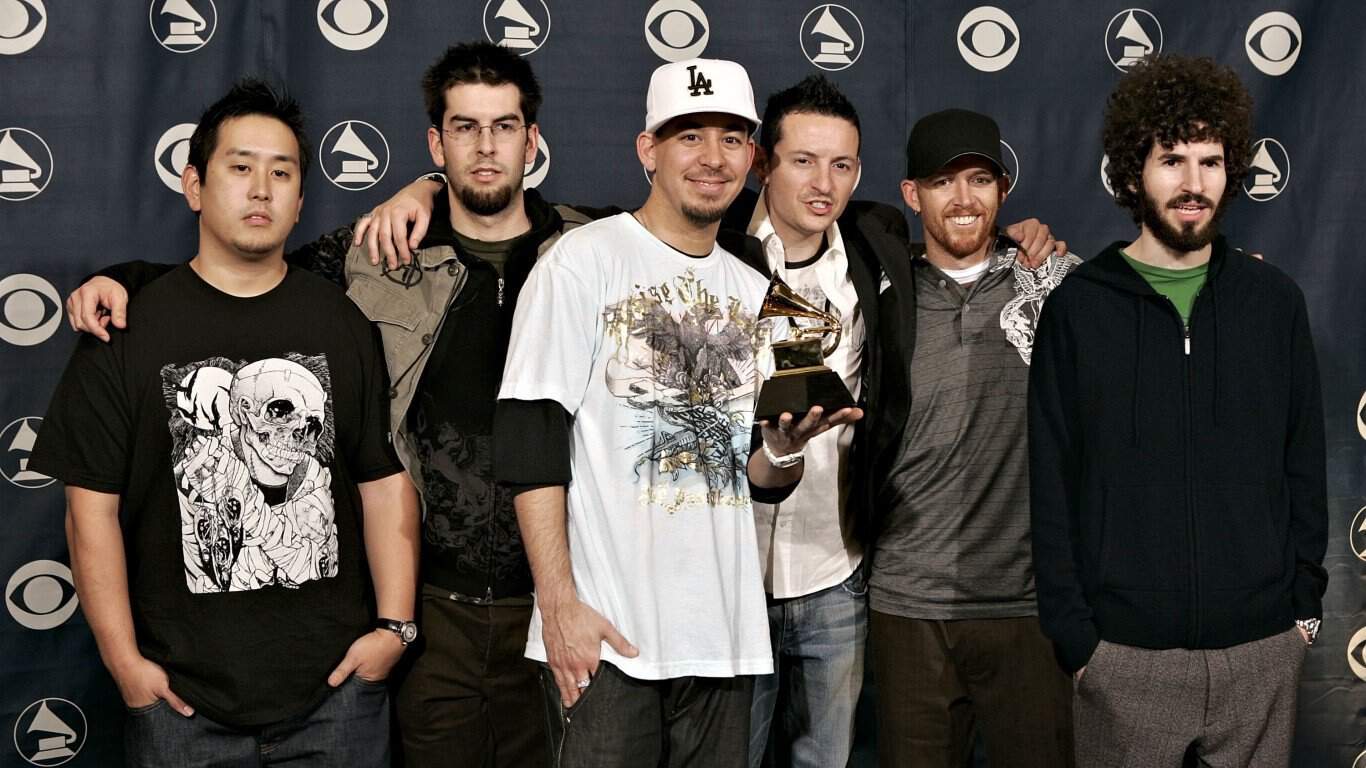
Other bands took the basic idea in very different directions. Limp Bizkit leaned heavily into rap-rock, while Linkin Park mixed metal with hip-hop, electronic production, and huge pop hooks. “Hybrid Theory,” released in 2000, became one of the biggest rock albums of its generation and helped take nu metal's commercial reach far beyond the metal audience.
Nu Metal: From Punchline to Revival
Nu metal was nearly impossible to escape around the turn of the millennium, which eventually worked against it. As the market filled with bands chasing variations of the sound, critics and some traditional metal fans turned aggressively against the genre. By the middle of the 2000s, metalcore, emo, indie rock, and other styles were taking more of the spotlight.
Then the cycle started again. By the 2020s, younger rock and metal acts were openly drawing from nu metal, while the genre's original bands were receiving a much warmer reassessment. Korn remained influential, and Linkin Park returned with new music in 2024. What spent years being treated as an embarrassing relic suddenly had descendants everywhere. Music history has a sense of humor like that.
Britpop: Britain Pushes Back
Britpop emerged in the early 1990s as a loose movement of British guitar bands drawing on decades of British pop and rock while emphasizing distinctly British characters, places, accents, and everyday life. It also arrived during a period when American alternative rock and grunge had enormous international influence, giving the British music press an easy homegrown counterstory.
Suede helped set the stage, while Blur, Oasis, and Pulp became some of the movement's defining bands. By 1994 and 1995, Britpop had become a genuine cultural phenomenon in the United Kingdom, reaching far beyond record reviews and into tabloids, fashion, television, and national arguments about which band was better.
Britpop: The Battle Ends, but the Music Sticks Around
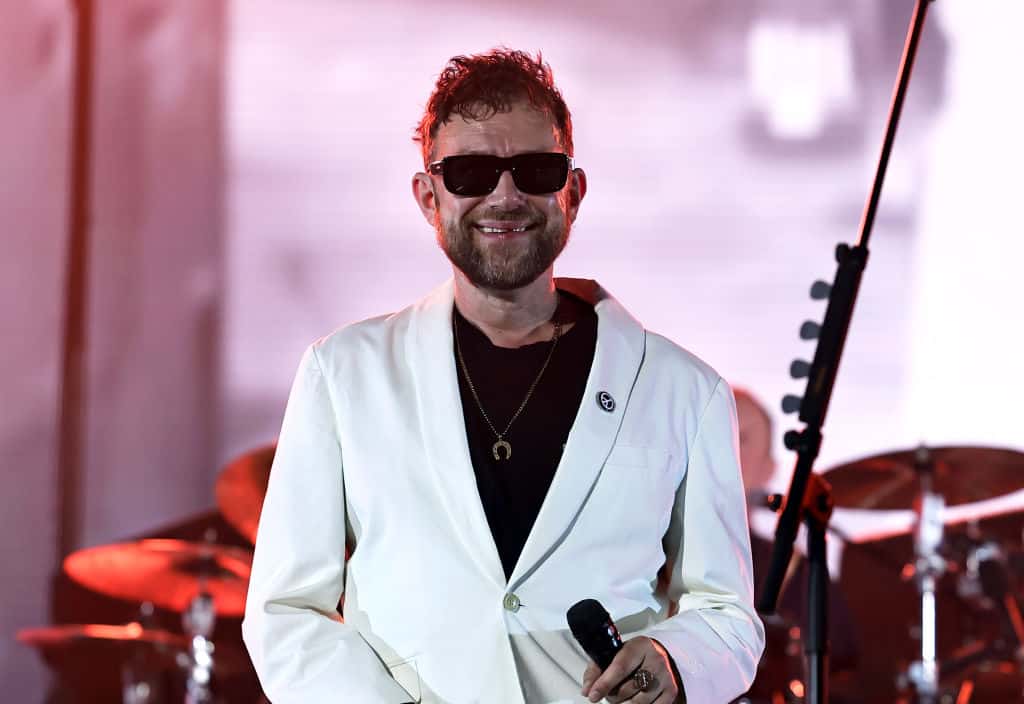
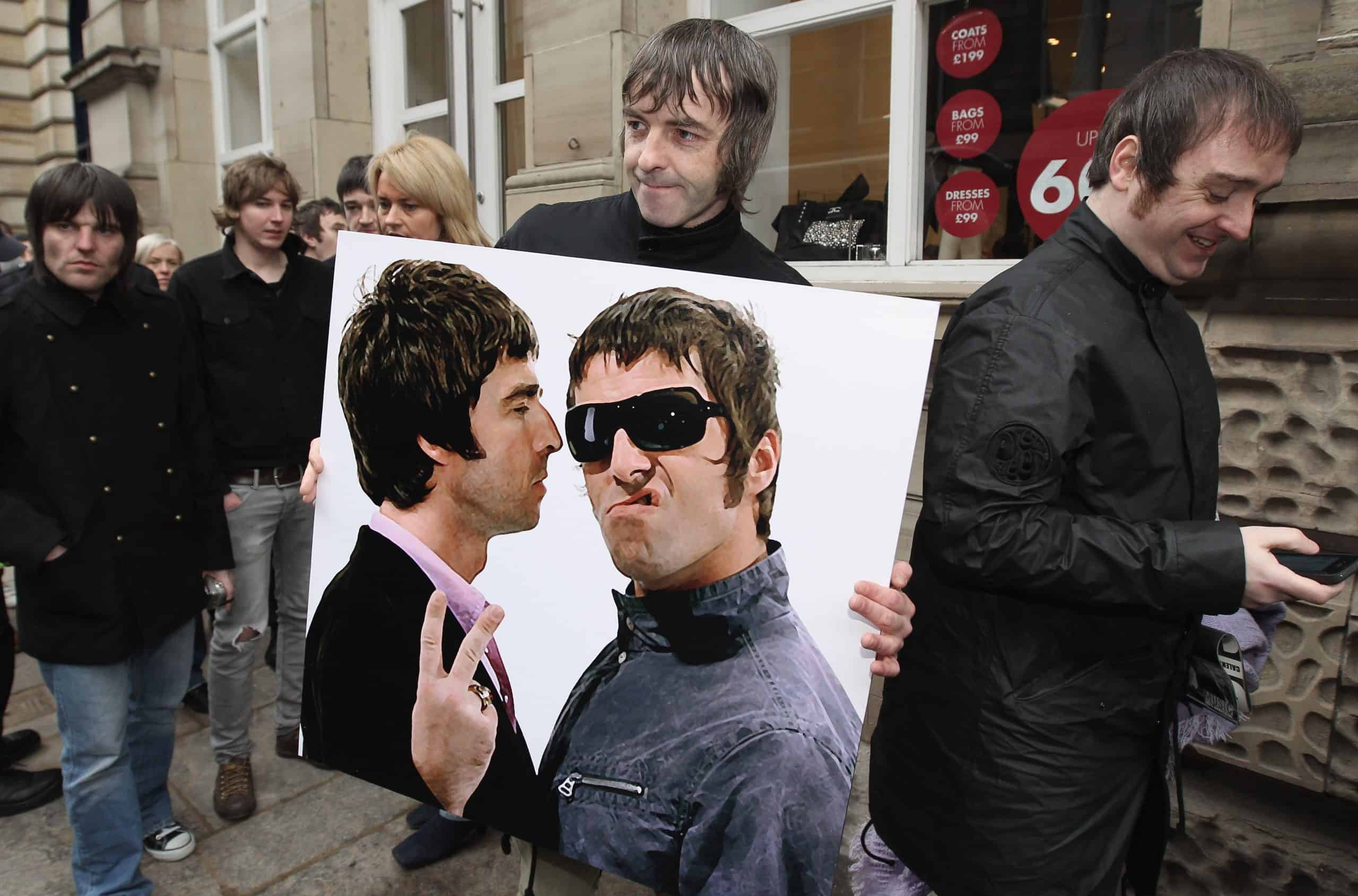
The media frenzy peaked in August 1995 when Blur's “Country House” and Oasis' “Roll With It” were released in the same week, creating the heavily promoted “Battle of Britpop.” Blur won the singles-chart contest, while Oasis soon achieved even greater album success with “(What's the Story) Morning Glory?”
Britpop as a defined movement began losing momentum later in the decade as its leading bands changed direction, struggled internally, or simply moved beyond the label. Its impact, however, was anything but small. The period remains one of the defining chapters of modern British rock, and its audience never disappeared. Oasis proved that rather dramatically by reuniting for the massive Oasis Live '25 tour more than 15 years after the band's breakup.