
Key Points:
- Popular musical artists often find success within a single genre.
- Some of these musicians are pulled to change their style, experimenting with different sounds.
- Changing genres mid-career can be a risky move, as you never know how audiences will react.
Music careers rarely follow a straight line. While many artists build their identities within a single genre, some musicians eventually feel the pull to experiment with entirely different sounds. These talented individuals are often driven by creative curiosity, changing musical tastes, or the desire to reach new audiences. However, switching genres mid-career can be a risky move, as the already-existing fan base may be resistant to change. They may not even like the new sound. Critics may also question the shift, and the artist must prove they can succeed with a completely different musical style.
Yet for some performers, that leap pays off in a big way. These artists not only reinvented themselves but also found new success and a growing audience, expanding their influence and reshaping their careers in the process. These 15 musicians proved that evolving creatively can open the door to exciting new music.
Katy Perry
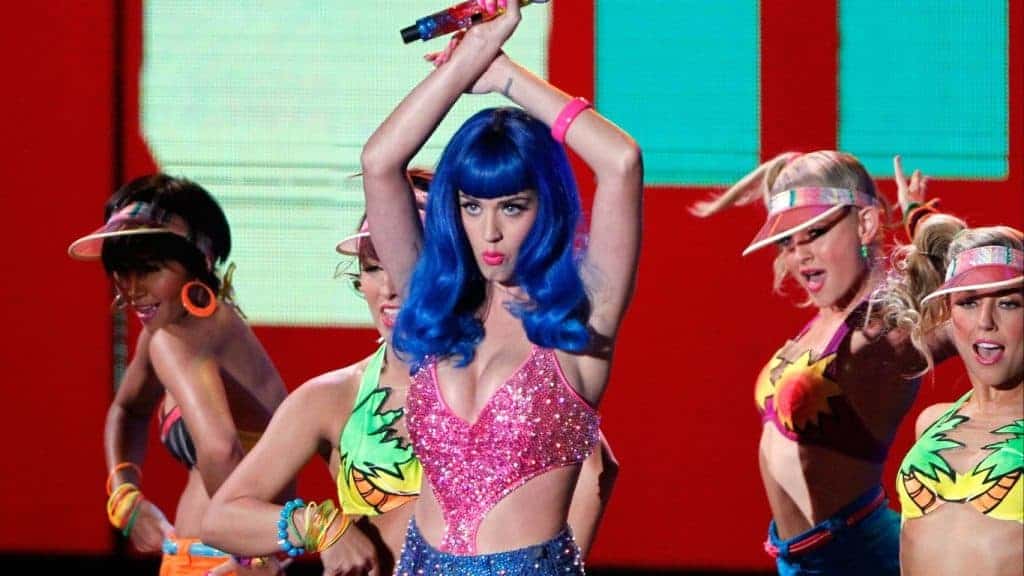
Before she was the Katy Perry that we all know and love, she was Katy Hudson, the daughter of evangelical preachers. She released her first album (under her real name) at the age of 16. A decidedly Christian effort, Hudson’s album only sold 200 copies. Counting her losses, Katy Hudson moved to LA and became Katy Perry, releasing a very different album in 2008. The rest, they say, is history.
Taylor Swift

Even as a teenager, Taylor Swift had the unmistakable aura of a musical sensation. Back then, she was a country star, writing insightful but relatable songs for the downhome airwaves. No one expected her sudden switch to pop with the album “1989.” A new Taylor emerged, fully formed, and slowly but surely, she dominated the charts until she became the biggest thing in pop music.
Snoop Dogg

Snoop Dogg made his name in the early 1990s with smooth but aggressive West Coast hip-hop classics like “Gin and Juice” and “Nuthin’ but a ‘G’ Thang.” After putting his stamp on the California sound, Snoop made successful inroads into other genres like Reggae, Funk, and even Disco.
Gwen Stefani

Southern California band No Doubt struggled to find success amidst the wave of grunge. Their sound was too ska-like, even poppy. All that changed with the release of “Tragic Kingdom.” It spawned several hits and made lead singer Gwen Stefani someone to watch. As the ’90s progressed into the new millennium, so did she. Her debut solo album “Love. Angel. Music. Baby.” explored synthpop, new-wave, and electro soundscapes and earned Stefani thousands of new fans. It also gave her a heap of Billboard-charting singles.
Lady Gaga

Lady Gaga’s first album, “The Fame,” introduced the world to a burgeoning sensation and a slew of danceable, electronic-style songs. This quickly cemented her status, but Gaga wasn’t done exploring. As the years progressed, her releases showed an expansion of her musical horizons into genres like rock, ’80s pop, and even jazz. With her role in the award-winning film “A Star Is Born,” Gaga expanded her musical palette to include acoustic pop and folk.
Rihanna
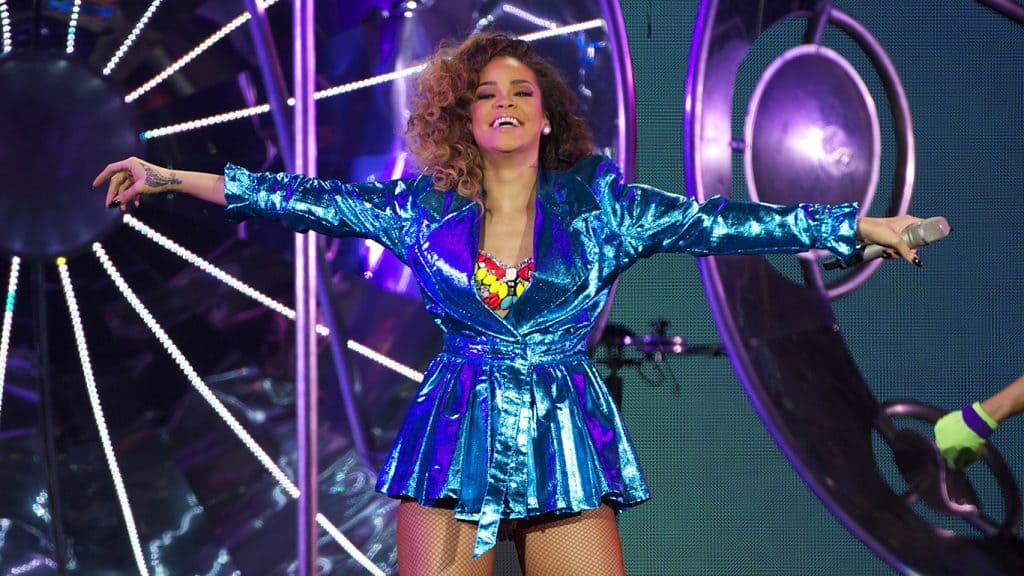
Rihanna got her start in music with choice selections of Reggae soundscapes likely influenced by her Caribbean background. The release of her third album “Good Girl Gone Bad,” however, catapulted Rihanna into the hallowed halls of celebrity thanks to its more mainstream electronic pop sound.
Kid Rock
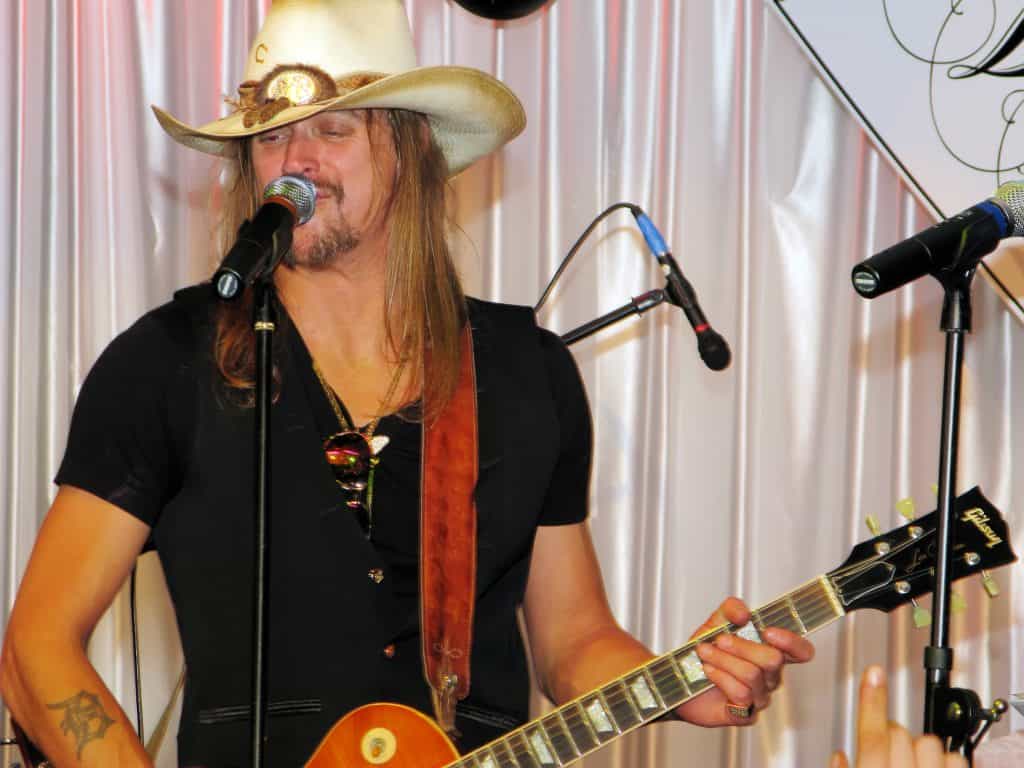
In the early 1990s, Detroit and other parts of Michigan produced a wellspring of hip-hop competition between artists like Eminem, Insane Clown Posse, and Kid Rock. Though rapping brought him early success, Kid Rock eventually grew tired of the genre and switched to something more akin to country-rap. His first venture in this new genre, “Devil Without a Cause,” became a smash hit and earned Rock a multitude of new fans.
Beastie Boys

Before they became the much-celebrated hip-hop group the Beastie Boys, they were a hardcore punk band called the Young Aborigines. After finding some success with the satirical hip-hop single, “Cooky Puss,” the boys saw the writing on the wall and made the switch. In turn, they became one of the best-selling hip-hop groups of all time.
Bee Gees
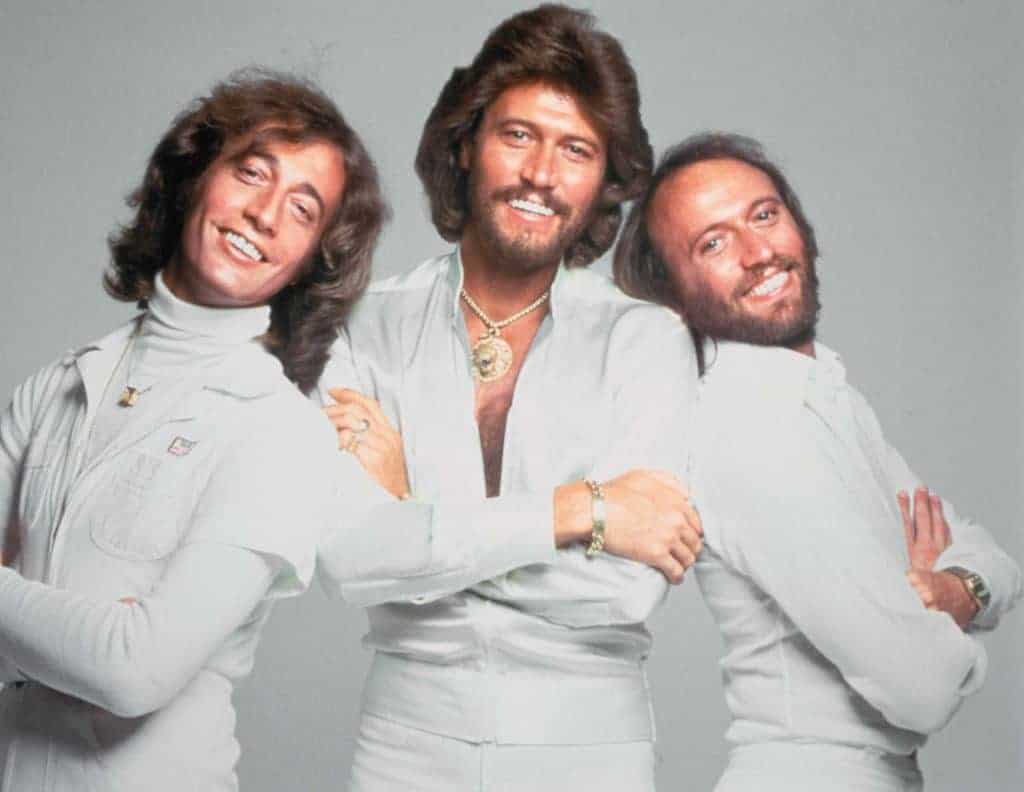
The Australian-based Bee Gees got their musical start with softly sung ballads like “Wine and Women” that earned them comparisons to The Beatles. By the mid to late 1970s, however, the Bee Gees adeptly rode the disco wave with blockbuster hits like “Stayin’ Alive” and “How Deep is Your Love.”
Michael Jackson
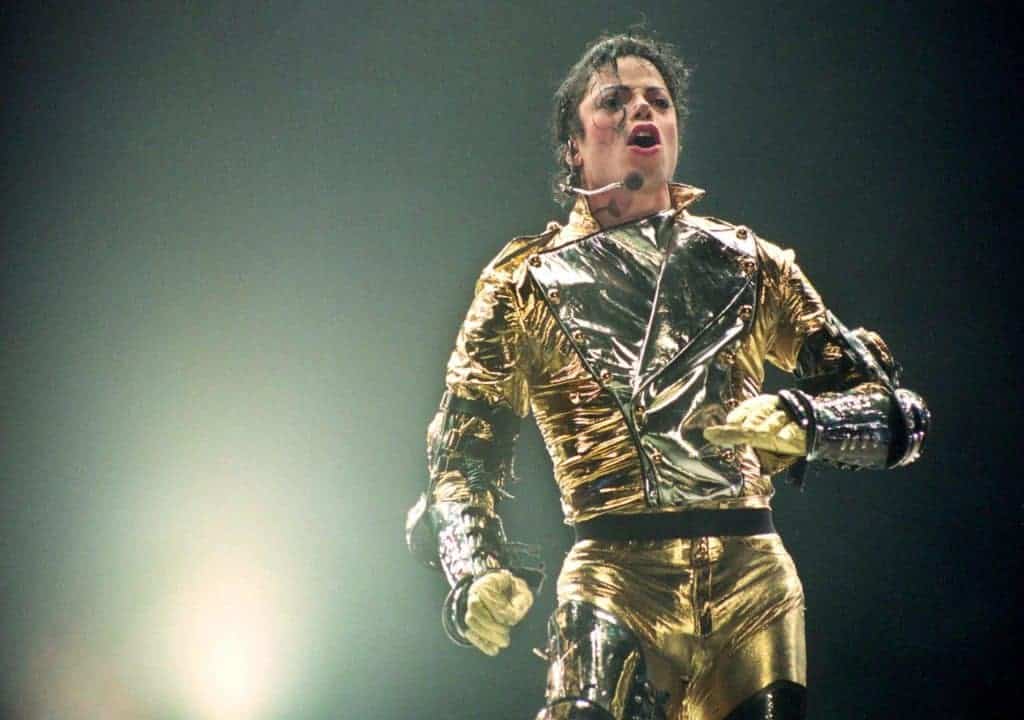
Some pop stars came to prominence, but none of them got a taste of early fame quite like Michael Jackson. He shined in his family’s group The Jackson Five singing precious pop songs. Once he ventured solo, however, Jackson expanded his musical offerings to include everything from soul to R&B. It proved profitable and made him the undisputed King of Pop.
Fleetwood Mac

Formed in 1967, Fleetwood Mac earned critical acclaim for their blues-rock sound as evidenced by early singles like “Albatross” and “Man of the World.” By the 1970s, however, the band’s star power was fading and ticket sales were declining. So they switched it up, exploring a folk-pop sound with new singer Stevie Nicks. This made them into the Fleetwood Mac we all know and love.
Darius Rucker

Darius Rucker made serious inroads into the music industry as rhythm guitarist and lead singer of alternative phenoms Hootie & the Blowfish. They charted with six top 40 hits in the late 1990s. Once Rucker went solo, however, he changed his sound considerably. First, there was R&B. However, Rucker found true success when he went full country with number-one hits like “Don’t Think I Don’t Think About It.“
Miley Cyrus

Sometimes, artists go full circle. Take Miley Cyrus, for example. The daughter of country pop legend Billy Ray Cyrus, she found fame playing Hannah Montana on the Disney Channel. Once she grew up, Cyrus found serious success with pop singles like “Party in the U.S.A.” As time went on, however, she returned to her country roots with more mature, measured releases like “Younger Now” and “Plastic Hearts.”
Bob Dylan

Perhaps the most famous genre switch in musical history belongs to Bob Dylan. He made his bones as a sensitive folk singer, but something more bombastic was stirring in him. At the Newport Folk Festival in July 1965, Dylan donned an electric guitar, scandalized the folk fans, and made history. After going electric, Dylan explored other genres including country, blues, and even gospel.
Radiohead

This Oxford, UK-based band burst onto the airwaves in 1992 with the hit single “Creep.” The song’s runaway success pigeonholed Radiohead, however, who almost broke up over its success. In time, the band found their voice, which led to radical experiments in genres like electronica, classical, and Krautrock. This switch earned them new fans, critical acclaim, and a reputation as one of the greatest bands of the 21st century.