Music Archives

Antoniy Karpenko / Shutterstock.com

AnnaStills / Shutterstock.com

klyaksun / Shutterstock.com

New Africa / Shutterstock.com

Artie Medvedev / Shutterstock.com

icemanphotos / Shutterstock.com

Reniid007 / Shutterstock.com

marchello74 / Shutterstock.com

New Africa / Shutterstock.com

Artsiom P / Shutterstock.com

Pixel-Shot / Shutterstock.com

Maor Attias / Shutterstock.com

Vershinin89 / Shutterstock.com

Media_Photos / Shutterstock.com

Dragon Images / Shutterstock.com
michelangeloop / Shutterstock.com

Anton Vierietin / Shutterstock.com

Single Music Photos / Shutterstock.com
JoshBryan / Shutterstock.com

Epix Photoart / Shutterstock.com



















The One-Hit Wonders From the ’70s Everyone Still Knows by Heart
Some songs don't need a second act. They come, they hit big, and forty-plus years later, you can still hear them being played through a speaker at a local restaurant, and find yourself singing along.
It is quite surprising how many times lightning struck during the seventies, producing artists who would strike gold one time and, for some inexplicable reason, never manage to do it again. These songs have lasted because they were catchy in ways that live on for decades. Some are more than catchy, they’re masterpieces. Of course, the nostalgia effect also helps. Here are 20 one-hit wonders from the 70s that are still living in your head rent-free.
"Kung Fu Fighting" by Carl Douglas
The track was made by Carl Douglas in about ten minutes for the B-side. Martial arts were pretty trendy at the time due to Bruce Lee movies and Kung Fu TV shows, and Douglas leaned into that trend with a disco groove so simple it felt like a joke. It felt like a joke until it topped the charts and sold more than 9 million copies worldwide. Douglas never came close to the charts again, yet the track is still being used at karaoke bars and sports venues as if it was just released.
"Brandy (You're a Fine Girl)" by Looking Glass
A New Jersey bar band from Rutgers University produced one of the most elegant pop tunes of the decade. Clive Davis, who signed them, thought "Brandy" was so weak that he made it a B-side. That didn't stop Harv Moore, a Washington DC DJ, from flipping it over and putting the B-side on rotation. Other stations followed, and within weeks it had spread across the country. By August of 1972, it sat at No. 1.
The band managed to produce only another lesser hit and were never heard from again in any meaningful way. The song was featured in Guardians of the Galaxy Vol. 2 and introduced it to a whole new generation.
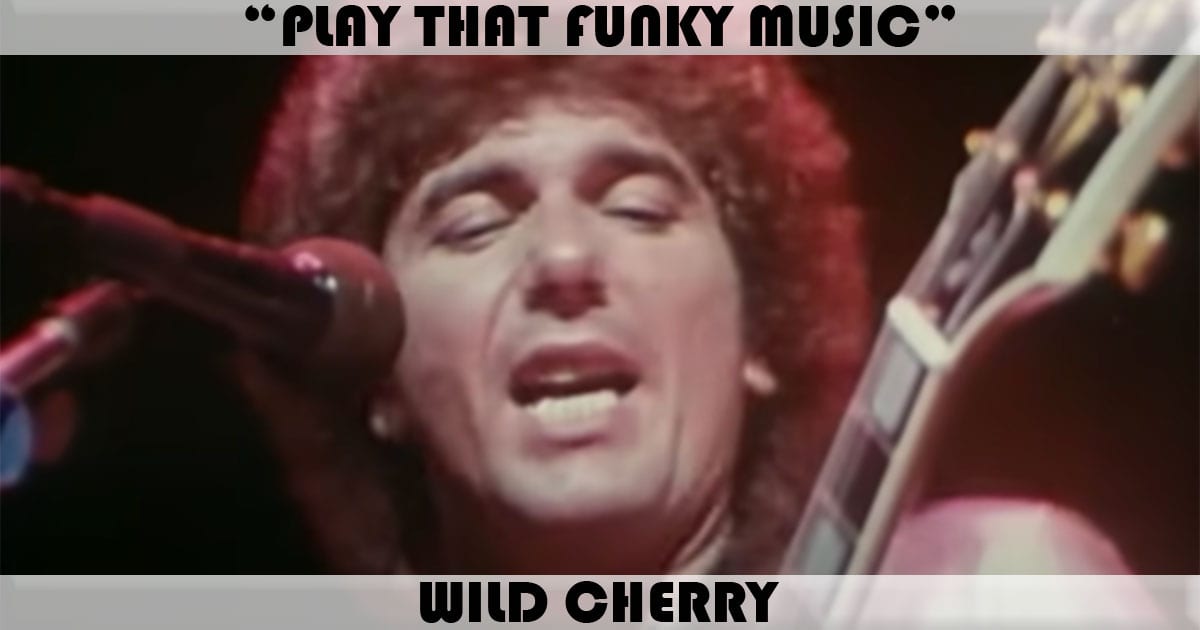
"Play That Funky Music" by Wild Cherry
The Wild Cherry was just another hard rock cover band initially. When the crowd started asking for funk while Wild Cherry was performing, an individual yelled at them to perform something "funky." Rob Parissi took the heckling seriously, wrote the phrase down on a bar order pad, created a song based on that one moment and the rest is history. It went to No. 1. The song became popular again when Vanilla Ice sampled it in 1990. Just when people managed to get it out, it got stuck in their heads all over again. Wild Cherry has not had any top 40 hits since then. That one moment created the band’s success but lightning didn’t strike twice.
"Afternoon Delight" by Starland Vocal Band
There aren't too many songs in music history that have been so misunderstood by parents and so well understood by everybody else at the same time. "Afternoon Delight" reached number one, won two Grammy awards (Best New Artist and Best Arrangement for Voices), and even turned up decades later in "Anchorman." That scene made the joke parents had been missing since 1976 clear.
Starland Vocal Band released several more albums after that, but nobody cared. By 1981, the band was no longer together, leaving exactly one song that people knew how to hum on command.
"In the Summertime" by Mungo Jerry
Ray Dorset wrote this jug-band stomper in about ten minutes, and it ended up becoming one of the best-selling singles in music history, moving an estimated 30 million copies worldwide. In the United States, it reached No. 3. Mungo Jerry had some success in the UK and Europe following their smash hit, but were never able to replicate that same international success. Every summer, the song resurfaces somewhere, usually in a commercial or a feel-good movie montage.
"Seasons in the Sun" by Terry Jacks
A song about a dying man saying goodbye to his friends and family had no business topping the charts for three weeks. But it did. This song is an English version of a French song written by Jacques Brel and adapted by the poet Rod McKuen. The Beach Boys rejected the song, but Terry Jacks accepted the offer to record. "Seasons in the Sun" as a solo act became the biggest-selling single ever by a Canadian artist at the time. The weepy chorus is inescapable once it starts.
"Spirit in the Sky" by Norman Greenbaum
Released in December 1969 and peaking at No. 3 in April 1970, this song is usually placed firmly in the '70s memory bank due to its radio prominence. The fuzz guitar riff may very well be considered one of the most easily identifiable sounds in rock music. Greenbaum created what amounts to a rock gospel song with a secular point of view. Greenbaum never had another major chart hit, but the song found its way into more than 60 films throughout the decades.
"The Night Chicago Died" by Paper Lace
A song featuring the exploits of fictional Chicago gangsters by a British band managed to climb to No. 1 on the charts in America. Before this success, Paper Lace had already recorded "Billy, Don't Be a Hero," but Bo Donaldson and the Heywoods released their own version in America first and took the hit. "The Night Chicago Died" was their consolation prize, and it landed bigger. The Chicago police commissioner at the time reportedly hated the song. It’s not hard to imagine why. Paper Lace never crossed over to American audiences again.
"Hot Child in the City" by Nick Gilder
It took twenty-one weeks for "Hot Child in the City" to get to No. 1, a record for the longest climb to the top spot on the Billboard Hot 100 chart at the time. It was a slow burn, but the fire eventually spread.
Before his solo career, Gilder used to be the lead singer of a relatively unknown Canadian glam band called Sweeney Todd, and "Hot Child in the City" became his only commercial success in America as a solo artist. The guitar-forward glam production sounds like a mix between T. Rex and early new wave. Gilder never came close to repeating it.
"Venus" by Shocking Blue
One more song right on the cusp of the decade. “Venus” is a hit from a Dutch band called Shocking Blue. It reached No. 1 in the United States in February 1970, giving them the status of the first Dutch act ever to do so. The band was unable to follow that success with anything else in the U.S. Many Americans rediscovered the song through the 1986 cover by Bananarama, but the original has a harder, stranger edge that holds up on its own.
"Torn Between Two Lovers" by Mary MacGregor
Released in 1976 and topping the charts for two weeks in early 1977, this is one of those songs that makes you feel guilty to know by heart. Mary MacGregor’s delivery is a bit overdone, but that is what made the song so successful. While she went on to release follow-up albums through the early '80s, none of the songs were close to being a hit. Torn Between Two Lovers" has outlasted every career move she made, and still appears regularly on soft-hits radio to this day.
"I Love the Nightlife" by Alicia Bridges
I Love the Nightlife by Alicia Bridges is one of the defining disco anthems of the late '70s. It got to number five on the Hot 100 and it was impossible to hit the dance floor without hearing the song at least once during the night. After the hit, she moved into radio and shifted toward rock, preferring creative control over chasing another hit. The track is still turning up in nightclubs to this day, years after disco supposedly died out. It's not everyday a singer gets to see her song outlast both her career and the genre itself.
"How Long" by Ace
The voice in this recording is Paul Carrack, who went on to sing "The Living Years" for Mike + the Mechanics and "Tempted" for Squeeze. None of that mattered yet in 1975. This was Ace's debut single, a pub rock soft soul ballad about a band member secretly moonlighting with other groups, dressed up as a cheating-lover song. It reached #3. The follow-up, "Rock & Roll Runaway," only made it to #71. Ace broke up in 1977, and this is the only song from the band most people can name.
"Black Betty" by Ram Jam
This song’s origin can be traced back to the 1930s when it was first performed by Leadbelly. It was taken by Ram Jam, who cranked up the guitars and made one of the most violent-sounding rock songs on mainstream radio at the time. It managed to reach the 18th place on the charts, which was a feat on its own for a song that sounded like that in 1977. The band fell apart not long after. The song still pops up in sports arenas and action movie trailers. The energy is perfect for that.
"Magnet and Steel" by Walter Egan
Two members of Fleetwood Mac, Stevie Nicks and Lindsey Buckingham, provided backing vocals on this track, and their harmonies are unmistakable once you know to listen for them. This single reached number 8 on the charts. For Egan, it was the Fleetwood Mac orbit working in his favor for a brief, shining moment. Otherwise, his next singles could not make any charting position at all. With it, "Magnet and Steel" became one of the more polished pop confections of the late '70s.
"I Can Help" by Billy Swan
"I Can Help" is a rockabilly throwback that sounds like it has no business being a 1974 hit. That was the point. Swan had spent years as a Nashville session player. That's not exactly the profile of a chart-topper. The song hit No. 1 in November 1974 and crossed over to the country charts too. His subsequent singles did not fare as well. Swan continued to be active in the music industry as a session musician for decades, but his solo commercial moment was exactly one song long.
"Ring My Bell" by Anita Ward
The last great one-hit wonder of the disco period. Ward was a struggling gospel and pop artist before producer Frederick Knight handed her this track. It was originally written for a younger artist, but Ward took it to No. 1. The song became an instant touchstone of late 70s disco. She never appeared on the charts again. The bell sound in the hook is as recognizable as anything from that era.
"Turn the Beat Around" by Vicki Sue Robinson
The conga-driven intro is unforgettable. Before recording this disco gem, Robinson had already been active as a session musician and actress. In 1994, Gloria Estefan covered it and introduced it to an entirely new generation. Robinson kept working in the music industry until she died in 2000, but this was always the song people knew her for.
"Precious and Few" by Climax
One of the gentlest love songs of the early '70s, this soft rock ballad reached No. 3 and had months of rotation on AM radio. It seems a little ironic to think that the group who recorded it was a blues-rock band from Denver called Climax, because the song's soft-as-a-whisper arrangement feels slightly incongruous once you have that context. It's one of those songs you hear and immediately think you'd forgotten, until you realize you know every word.
"Vehicle" by The Ides of March
“Vehicle” is one of the catchiest songs of the decade. The Ides of March was a jazz-rock group from the Chicago suburbs, and this hit reached No. 2 in the spring of 1970, making it the fastest-selling single in the history of Warner Bros. Records at the time. A lot of people confused the group for Blood, Sweat & Tears due to their similar sound. So much so that the Ides of March spent years trying to clear up the misconception. While Jim Peterik, who wrote the song, later co-wrote "Eye of the Tiger" for Survivor, the Ides of March never came close to the Top 40 again.