
leonori / Shutterstock.com

Veganbaking.net / BY-SA 2.0

photofarmer / BY 2.0

graibeard / BY-SA 2.0

Vincent_AF / BY-SA 2.0

Derkien / iStock via Getty Images

Jeon Sang O / CC0 1.0

Evanhoever, CC BY-SA 4.0
A Stock Studio / Shutterstock.com

821292 / CC0 1.0

locknloadlabrador / iStock via Getty Images
Mateusz Gzik/Shutterstock.com

s58y / BY 2.0

Miriam Doerr Martin Frommherz / Shutterstock.com

Stacy Spensley / BY 2.0











14 'Superfoods' That Deserve a Reality Check
Scroll social media for long enough and you will eventually encounter a food being promoted as a "superfood." Kale, matcha, chia seeds, goji berries, coconut oil, and plenty of others have all taken turns wearing the cape.
There is just one problem: "superfood" is not a regulated scientific category. It is mostly a marketing term applied to foods that contain desirable nutrients or compounds, sometimes with claims that stretch well beyond what research actually shows.
That does not mean these foods are bad. Most are perfectly nutritious additions to a varied diet. It simply means no single ingredient earns magical status, and some of the hype deserves a closer look. Here are 14 foods commonly called superfoods and what is actually worth knowing about them.
Coconut Oil
Coconut oil may come from a tropical fruit, but nutritionally it behaves very differently from the flesh or water of a coconut. The American Heart Association notes that roughly 82% of the fatty acids in coconut oil are saturated fat, a much higher proportion than in oils such as olive, canola, or soybean.
That does not mean a spoonful of coconut oil suddenly ruins a meal. It means the "superfood" label can give an incomplete picture. Coconut oil has a distinct flavor and works well in some recipes, but its plant origin does not automatically put it in the same nutritional category as oils made primarily from unsaturated fats.
Kale
Kale absolutely deserves credit for being nutrient-dense. Like other dark leafy greens, it supplies fiber and several vitamins and minerals while adding relatively few calories to a meal.
What kale does not have is a monopoly on good nutrition. Spinach, collard greens, mustard greens, chard, bok choy, and other vegetables can bring their own impressive nutrient profiles to the table. If you love kale, eat kale. If its bitter flavor makes you feel like you are chewing landscaping, there are plenty of alternatives.
Chia Seeds
The same seeds once famous for growing green "hair" on Chia Pets later became a staple of smoothie shops and overnight oats. Chia seeds contain substantial fiber for their size, along with protein and alpha-linolenic acid, or ALA, a plant-based omega-3 fatty acid.
Harvard's Nutrition Source uses chia as a textbook example of how a genuinely nutritious food can become wrapped in exaggerated marketing. Studies have investigated claims involving weight, appetite, cholesterol, and blood sugar, but that does not turn chia into a shortcut around the rest of someone's diet. It is a seed, albeit a useful one, not nutritional wizardry.
Hot Peppers
Hot peppers owe their burn primarily to capsaicin, the compound that activates heat-sensitive receptors in your mouth. That reaction has helped turn everything from cayenne powder to extremely hot chiles into ingredients marketed as metabolism-boosting superfoods.
Spicier does not automatically mean more nutritious, though. Both hot and sweet peppers can provide useful nutrients, and different varieties have different concentrations of vitamins and plant compounds. You do not need to graduate from bell peppers to ghost peppers to somehow unlock the "good" version of a pepper.
Cinnamon
Cinnamon is an excellent example of the difference between a culinary ingredient and a supplement trend. The spice has been used in food for centuries, but modern marketing has attached claims involving blood sugar, weight loss, and other outcomes to concentrated cinnamon products.
The National Center for Complementary and Integrative Health says research does not clearly support using cinnamon for any health condition. Cinnamon used in ordinary food amounts is a different proposition from taking large quantities or concentrated supplements. Cassia cinnamon, the variety commonly sold in North America, also contains coumarin, which is one reason "more cinnamon" is not automatically better.
Goji Berries
Goji berries have been eaten in China and other parts of Asia for generations, but their rise in the United States came with a hefty dose of "exotic superfood" marketing. Dried goji berries provide carbohydrates, fiber, and several vitamins and plant compounds, but there is little reason to treat them as categorically superior to more familiar fruits.
Price is another part of the reality check. Imported dried goji berries can cost considerably more than raisins, berries, or other fruit. There are also published case reports involving goji products and the blood thinner warfarin, which is another reminder that "natural" and "automatically harmless in any amount" are not the same thing.
Matcha
Matcha is powdered green tea rather than a completely different plant. Because the tea leaves are ground and consumed rather than steeped and discarded, a cup can contain higher concentrations of some tea compounds than conventional brewed green tea.
It also contains caffeine. Harvard Health notes that the amount can vary substantially, roughly from 40 to 175 milligrams per cup depending on preparation. Then there is the coffee-shop problem: a plain bowl of matcha and a large sweetened matcha latte can be very different drinks. Calling both "superfood matcha" tells you almost nothing about what is actually in the cup.
The Bigger Picture Matters More Than the Label
So does that mean every food marketed as a superfood is overhyped nonsense? Not at all. Many are ordinary foods with genuinely impressive nutrient profiles. The problem is pretending one ingredient can carry an otherwise unbalanced diet on its back.
The current Dietary Guidelines for Americans emphasize eating a variety of whole, nutrient-dense foods across food groups. That is considerably less exciting than discovering one berry, seed, spice, or powder that supposedly changes everything, but nutrition rarely makes for a great superhero origin story.
Beans, Peas, and Lentils
Beans, peas, and lentils are considerably less glamorous than a bag of berries flown halfway around the world, but they make a strong case for why the "superfood" label is somewhat silly in the first place.
Depending on the variety, they can provide plant protein, fiber, folate, iron, potassium, and other nutrients. Federal dietary guidance includes beans, peas, and lentils among foods that can count toward either the vegetable or protein-food groups. They are also widely available canned or dried, usually without the superfood markup.
Avocados
Avocados earned their trendy reputation for understandable reasons. They provide mostly unsaturated fat, along with fiber, potassium, folate, and several other micronutrients. Their creamy texture also makes them an easy substitute for ingredients with very different fat profiles.
Where the hype goes off the rails is when avocados get credited with preventing individual diseases or producing specific mental-health outcomes. Those claims require far more evidence than simply pointing to the nutrients inside an avocado. It is a nutrient-dense food, not a prescription hiding inside guacamole.
Fish
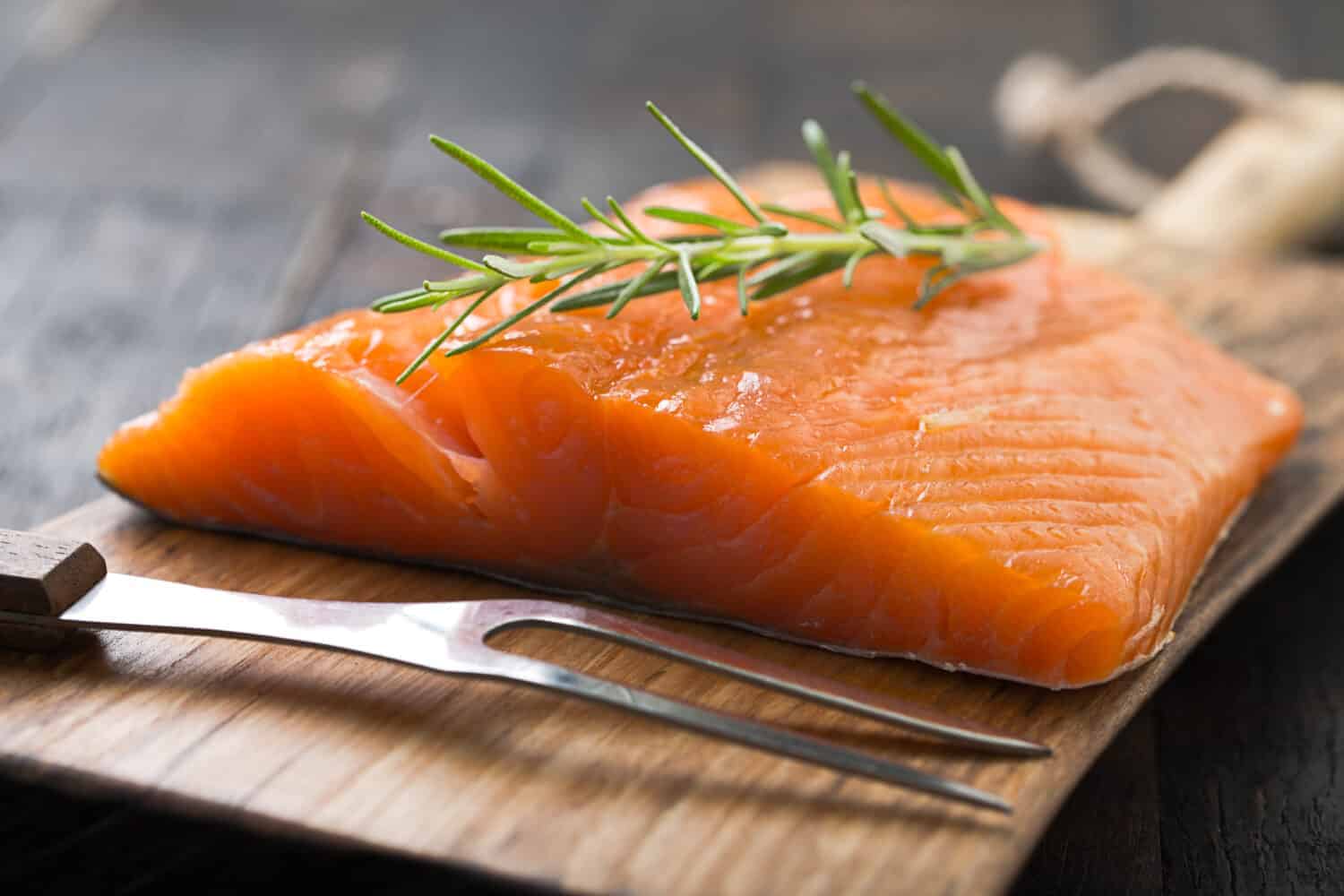
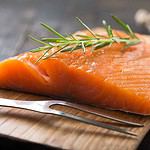
"Fish" is far too broad a category to make sweeping nutrition claims about. Salmon, sardines, tilapia, tuna, cod, and swordfish differ in fat content, omega-3 levels, vitamin content, calories, and mercury exposure.
Fish generally provides protein, while fatty species are notable food sources of the omega-3 fats EPA and DHA. The FDA and EPA also stress variety and mercury levels when choosing seafood, particularly for children and people who are pregnant or breastfeeding. In other words, "eat fish because fish is a superfood" skips quite a few useful details.
Nuts
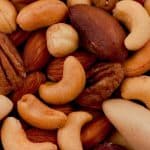
Almonds, walnuts, pistachios, cashews, and other nuts pack a lot into a small serving. They generally contain unsaturated fats, plant protein, fiber, and varying combinations of vitamins and minerals.
They are also energy-dense, which is another reason simplistic "eat as much of this superfood as possible" advice misses the point. Different nuts have somewhat different nutritional profiles, so there is no obvious need to crown one variety king. A mixed handful is considerably less dramatic than an influencer-approved miracle snack, but that is probably fine.
Ginger
Ginger has been used as both a culinary ingredient and part of traditional medicine for centuries. Its distinctive flavor comes from compounds including gingerols, and the fresh rhizome works in everything from stir-fries and curries to tea and baked goods.
Modern research has also examined ginger supplements for several uses, but NCCIH notes that study quality varies and that many trials involve concentrated supplements rather than the amount of ginger someone sprinkles into dinner. Enjoying ginger because it tastes good is straightforward. Treating every ginger shot as medicine is a much bigger leap.
Sweet Potatoes
Orange-fleshed sweet potatoes are particularly rich in beta-carotene, which the body can convert to vitamin A. They also provide fiber, vitamin C, potassium, and other nutrients, depending on the variety and how they are prepared.
None of that requires attaching a cancer-prevention claim or any other medical promise to the vegetable. A baked sweet potato is simply a nutrient-dense food that fits comfortably alongside plenty of other vegetables. Cover it in butter, sugar, marshmallows, and syrup, of course, and the nutritional conversation becomes a little more complicated.