John-Morgan / BY 2.0

Roman Valiev / iStock via Getty Images

Bitmap Stock / Shutterstock.com

Timmary / iStock via Getty Images

Ground Picture/Shutterstock.com

fcafotodigital / E+ via Getty Images

Luis Echeverri Urrea / Shutterstock.com

Photo Contributor NIKCOA/shutterstock

Nitr/Shutterstock

Photo Contributor WS-Studio/shutterstock

innakreativ / Shutterstock.com

Photo Contributor New Africa/shutterstock

Photo Contributor Light Stock/shutterstock

Miro Novak/Shutterstock.com

Dmitrii Ivanov / Shutterstock.com

MarcoFood / Shutterstock.com


15 Everyday Staples With Surprisingly Useful Jobs Around the House
Some of the most useful things in your home are already sitting in the pantry or refrigerator. Rice can rescue a pie crust, cornstarch can buy you time after a grease spill, and a little ketchup can make dull copper look respectable again. None of these tricks replaces the right cleaner, tool, or medical care. But they can solve a small problem without adding another one-use product to the shopping list.
There is plenty of bad advice mixed in with household-hack folklore, so the details matter. Rice should not be used to dry a wet phone. Vinegar and lemon juice do not belong on every surface. Baking soda should never be mixed with bleach. Here are 15 everyday staples with practical second jobs, along with the limits that keep a clever shortcut from becoming an expensive mistake.
Rice
Rice belongs in the kitchen, not inside a wet phone. Apple specifically warns against putting an iPhone in a bag of rice because small particles can get into the device and cause damage. If a phone gets wet, disconnect it from power, follow the manufacturer's drying instructions, and give it time in a dry place with airflow.
There is still a good backup job for uncooked rice: pie weights. Line an unbaked crust with parchment paper, fill it with dry rice, and blind-bake the crust so it does not puff up or slump. Once the rice cools, label it and save it for the next crust. It may become too toasted to cook evenly as food, but it can be reused as a baking weight.
Milk
Milk is not a general-purpose fertilizer or pesticide. Research on diluted milk sprays has focused on suppressing powdery mildew on certain plants, and the results do not make milk a cure-all for the garden. Before spraying a plant, check guidance for that specific species from a local extension service. More milk is not better, and a sour residue can create a new problem.
A simpler way to avoid wasting extra milk is to freeze it before it spoils. Pour it into small freezer-safe containers, leave room for expansion, and thaw it in the refrigerator. The texture may separate, so shake or stir it well. Thawed milk works especially well in pancakes, soups, sauces, and other cooked dishes where a slight texture change will not matter.
Flour
Flour can become a basic craft paste with nothing more than water. Mix the two gradually until the paste is smooth and thick enough to cling to paper strips, then use it for papier-mache projects. Because the mixture can spoil, make only what you need, supervise young children, and throw away the leftovers instead of storing them indefinitely.
One place flour never belongs is on a grease or cooking fire. Fine flour particles can ignite, and throwing flour at flames can make a dangerous situation worse. Turn off the heat if it is safe to do so, cover a pan with a lid, and use the correct fire extinguisher. If the fire cannot be contained immediately, get out and call emergency services.
Eggs
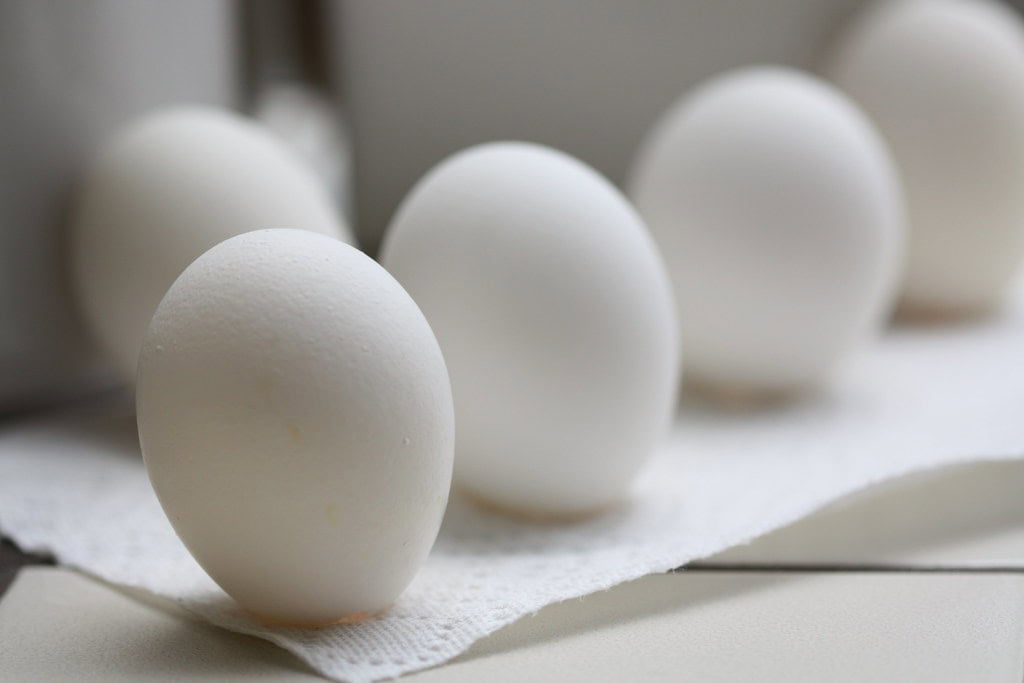
Eggs are versatile, but drinking raw yolks is not a smart shortcut to more protein. Fresh shell eggs can carry Salmonella. The FDA recommends cooking eggs until the whites and yolks are firm. Recipes meant to be served raw or undercooked, including homemade ice cream and some dressings, should use pasteurized shell eggs or pasteurized egg products.
The shells can get a second life in a compost pile. Rinse them, let them dry, crush them, and mix them through the compost rather than expecting whole shells to disappear quickly. They break down slowly, so they should not be treated as an instant calcium treatment for garden soil. A soil test is the better guide before adding any amendment to a garden bed.
Olive Oil
A few drops of olive oil can help loosen the gummy residue left by a price sticker or label on glass or bare metal. Rub it into the adhesive, let it sit briefly, and wipe the residue away. Then wash the object with dish soap and water so it does not stay slick. Test an inconspicuous spot before trying this on any finished or porous material.
Olive oil is not a universal furniture polish, and describing it as “pH neutral” is misleading because pH applies to water-based solutions, not pure oils. On unfinished wood, fabric, stone, or another absorbent surface, the oil can darken the material or leave a stubborn mark. Keep this trick limited to nonporous items that can be washed afterward.
Baking Soda
Baking soda earns its pantry space as an odor absorber. An open container can help with smells in a refrigerator, while a light sprinkle can freshen a trash can or shoes before being shaken or vacuumed out. A paste made with water can also scrub some durable surfaces, but the powder is mildly abrasive. Test it first and keep it away from finishes that scratch easily.
It is a cleaner, not a registered disinfectant, and it should not be treated as a stand-alone replacement for fluoride toothpaste. Most importantly, never mix baking soda—or any other cleaner—with household bleach. The CDC's rule is simple: bleach and disinfectants should not be mixed with other cleaners because the combination can release dangerous vapors.
Coconut Oil
Coconut oil can do more than replace another fat in a recipe. A small amount worked through the lengths and ends of dry hair before shampooing can act as a conditioning treatment. Start lightly—especially with fine hair—because too much can be difficult to wash out. It can soften dry skin for some people as well, although a patch test is wise and acne-prone skin may not appreciate it.
What coconut oil has not been shown to do is make hair follicles grow at a rapid rate. Conditioning hair and causing new growth are two different claims. It can also loosen some sticky label residue on washable glass or metal, but use the same caution as with olive oil: test first, keep it off porous finishes, and wash away the oily film afterward.
Orange Peels
Orange peels can go into a compost pile, but they do not become plant food the moment they touch the soil. Chop them into small pieces and mix them with a balanced blend of other green and brown materials. Large quantities of fresh citrus peel break down slowly, and extension specialists do not consider scattered peels a reliable garden pesticide.
For a faster payoff, simmer a few peels in water to add a temporary citrus scent to the kitchen. Keep the pot at a gentle simmer, add water as it evaporates, and never leave it unattended. The aroma may be pleasant, but it is not cleaning or disinfecting the air. Once the pot cools, the softened peels can head to the compost bin.
Cornstarch
Cornstarch can buy you time when fresh grease lands on carpet, upholstery, or washable fabric. Blot up excess liquid without rubbing, cover the spot lightly, and let the powder absorb what it can. Brush or vacuum it away before following the item's care instructions. On clothing, pretreat the remaining mark with an appropriate stain remover or liquid detergent before washing.
Do not count on a scoop of cornstarch and a 12-hour wait to remove every trace of grease. Stain results depend on the oil, the material, and how long the spot has been there. Check the care label, test delicate or colorfastness-sensitive material in a hidden area, and keep stained clothing out of the dryer until the mark is gone because heat can set it.
Ketchup
Ketchup's mild acids can loosen tarnish on bare, unlacquered copper or brass. Rub a small amount onto a hidden spot first, wait briefly, and wipe it away. If the result looks good, clean the rest, then wash, rinse, and dry the piece thoroughly. This works because acids react with the dull oxide layer—not because ketchup is a powerful all-purpose degreaser.
Skip the trick on antiques, plated metal, lacquered finishes, or anything whose construction you cannot identify. Acid and rubbing can damage a coating or change a valuable patina. For expensive cookware or decorative pieces, follow the manufacturer's directions or use a product made for that material. Sometimes the least glamorous cleaner is still the cheaper choice.
Ice
Ice can help limit pain and swelling after a minor muscle strain or bruise, but more is not better. Put ice or a cold pack inside a thin towel and apply it for about 15 to 20 minutes at a time. Do not place ice directly on bare skin, and stop if the area becomes very numb, painful, or discolored.
A cold pack is basic first aid, not a diagnosis or a cure for every headache, bite, or injury. Seek medical help for a severe injury, worsening pain, major swelling, loss of movement, signs of infection, or a sudden or unusual headache. People with poor circulation or reduced skin sensation should ask a clinician before using cold therapy.
Aloe Vera Gel
Topical aloe vera gel can feel cooling on a minor sunburn or irritated patch of skin, and research suggests it may help some burns heal. Use a product intended for the skin, try a small patch first, and stop if it causes burning, itching, or a rash. Serious burns, blistering over a large area, or signs of infection need medical attention.
Do not assume every part of a houseplant is safe to blend into a drink. Aloe gel, latex, and whole-leaf products are different. The National Center for Complementary and Integrative Health warns that aloe latex taken by mouth can cause abdominal pain, cramps, and diarrhea, while oral leaf extracts have been linked to cases of acute hepatitis. Aloe is not a proven shortcut to faster hair growth, either.
Salt
Salt can make an ice-water bath colder, which is useful when drinks need to chill quickly. Fill a sturdy bowl or cooler with ice and water, stir in salt, and nestle sealed cans or plastic bottles into the mixture. Rotate them occasionally and check them after several minutes. The water makes full contact with the containers while the salt pushes the mixture below the usual freezing point.
Use caution with glass because a rapid temperature change can crack it, and do not leave the salty meltwater sitting against metal longer than necessary because salt encourages corrosion. This is a party trick with real science behind it, but it does not turn the setup into a freezer. Keep foods that require safe refrigeration at 40°F or below.
Distilled White Vinegar
Plain distilled white vinegar—not the apple cider vinegar used in many recipes—can help dissolve mineral film on some shower glass and fixtures. Apply it only where the manufacturer allows, give it a short contact time, then rinse and dry the surface. It is inexpensive and useful in the right place, but it is not an all-surface spray.
Keep vinegar away from marble, granite, and other acid-sensitive natural stone. It can also harm some grout, flooring, appliance parts, and finishes. Vinegar is not an EPA-registered disinfectant, and it should never be mixed with bleach. If the job calls for disinfection rather than routine cleaning, use an appropriate registered product exactly as its label directs.
Lemon Juice
Lemon juice can help loosen light tarnish on bare copper or brass. Pair a little juice with salt, rub gently on a test spot, and rinse and dry the metal as soon as the tarnish lifts. As with the ketchup trick, this is for ordinary, unlacquered pieces—not antiques, plated objects, or decorative finishes that could lose value or color.
The same acidity that makes lemon useful can also bleach fabric and etch marble, limestone, and other natural stone. It is not a reliable disinfectant, so it should not replace a registered product when germs are the concern. Treat lemon juice as a narrow cleaning aid, not a bottle of sunshine that belongs on every stain and surface in the house.