Creative Commons
monticello / Shutterstock.com
FOTOKITA / Shutterstock.com
Fact Shack
PaKApU / Shutterstock.com
Fact Shack

Tsuguliev / Shutterstock.com
Fact Shack

Courtesy of Delia Z. via Yelp
PeopleImages / Shutterstock.com
Fact Shack

n_willsey / BY-SA 2.0

DaLiu / Shutterstock.com
Fact Shack

s8 / Shutterstock.com

Fact Shack
Fact Shack














15 Fascinating Things You Might Not Know About Anthony Bourdain
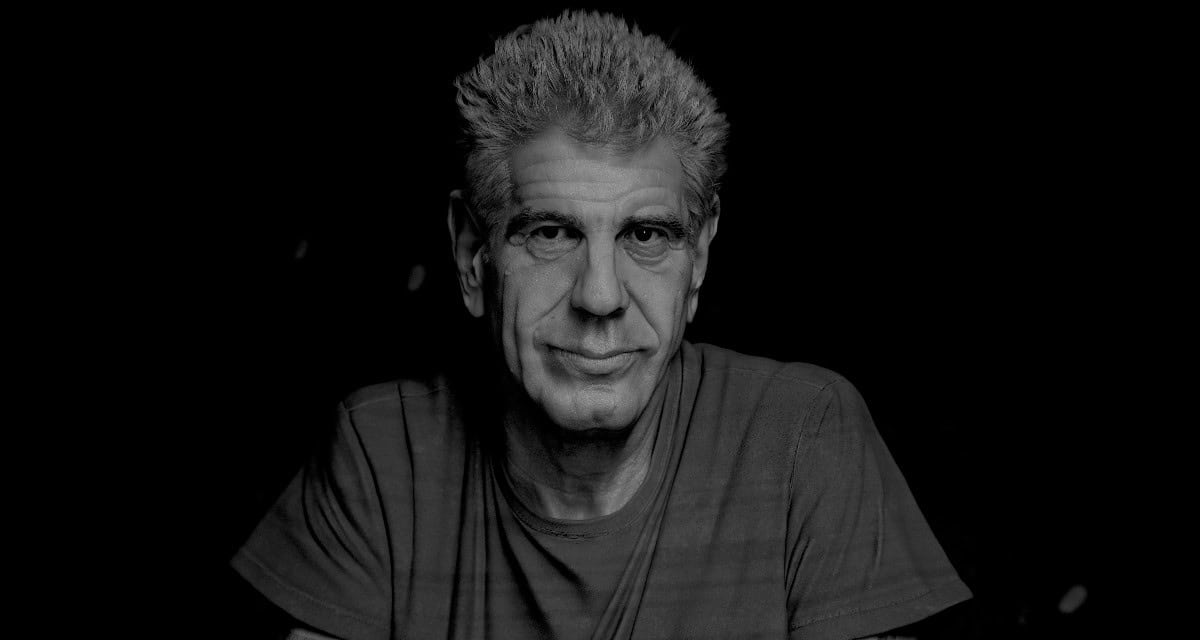
Anthony Bourdain remains one of the most magnetic figures ever to cross television, travel, and food culture. More than a chef, he was a writer and storyteller who used meals as a doorway into the lives of people around the world. Whether sitting on a plastic stool at a street-food stand or sharing a long table with locals, Bourdain approached unfamiliar places with curiosity and a willingness to listen. Food was rarely the whole story. It was a way into conversations about culture, politics, history, family, and everyday life.
His voice was sharp, honest, and sometimes abrasive, but his best work was also marked by empathy and an openness to having his assumptions challenged. What set him apart was his refusal to sanitize the places he visited. He embraced contradictions, discomfort, and complexity. This gallery explores the many sides of Bourdain: the traveler, writer, chef, martial artist, comic-book fan, and restless observer whose work continues to influence how people think about food and travel.
A not-so-picky eater
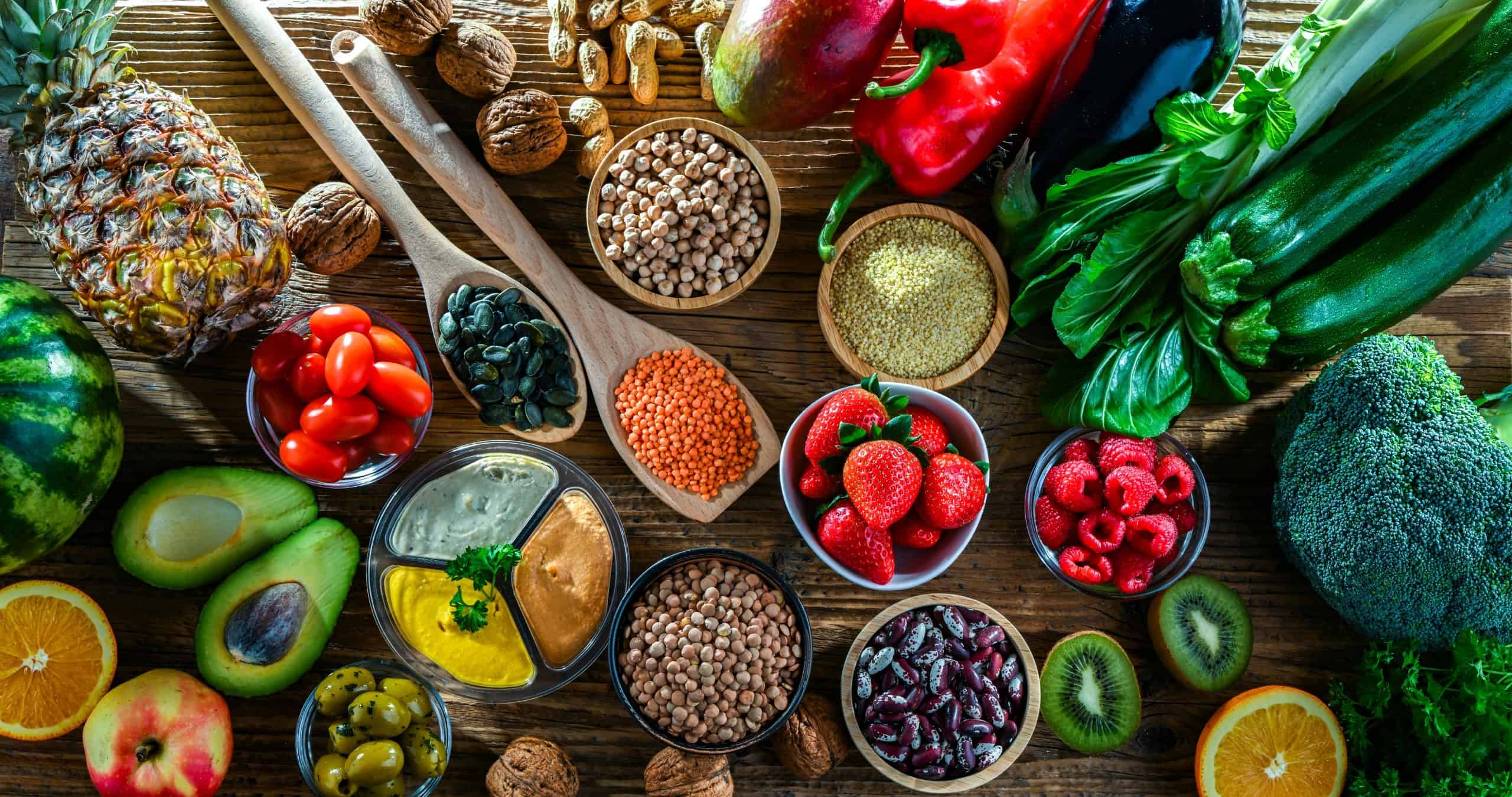
Bourdain built much of his television career around a willingness to try unfamiliar food, but he saw it as more than stunt eating. He repeatedly argued that accepting food offered by a host was part of being a respectful guest, an idea he sometimes called his "Grandma rule." He said he would try almost anything, especially when someone was proudly sharing a dish or tradition with him.
Fears and Phobias
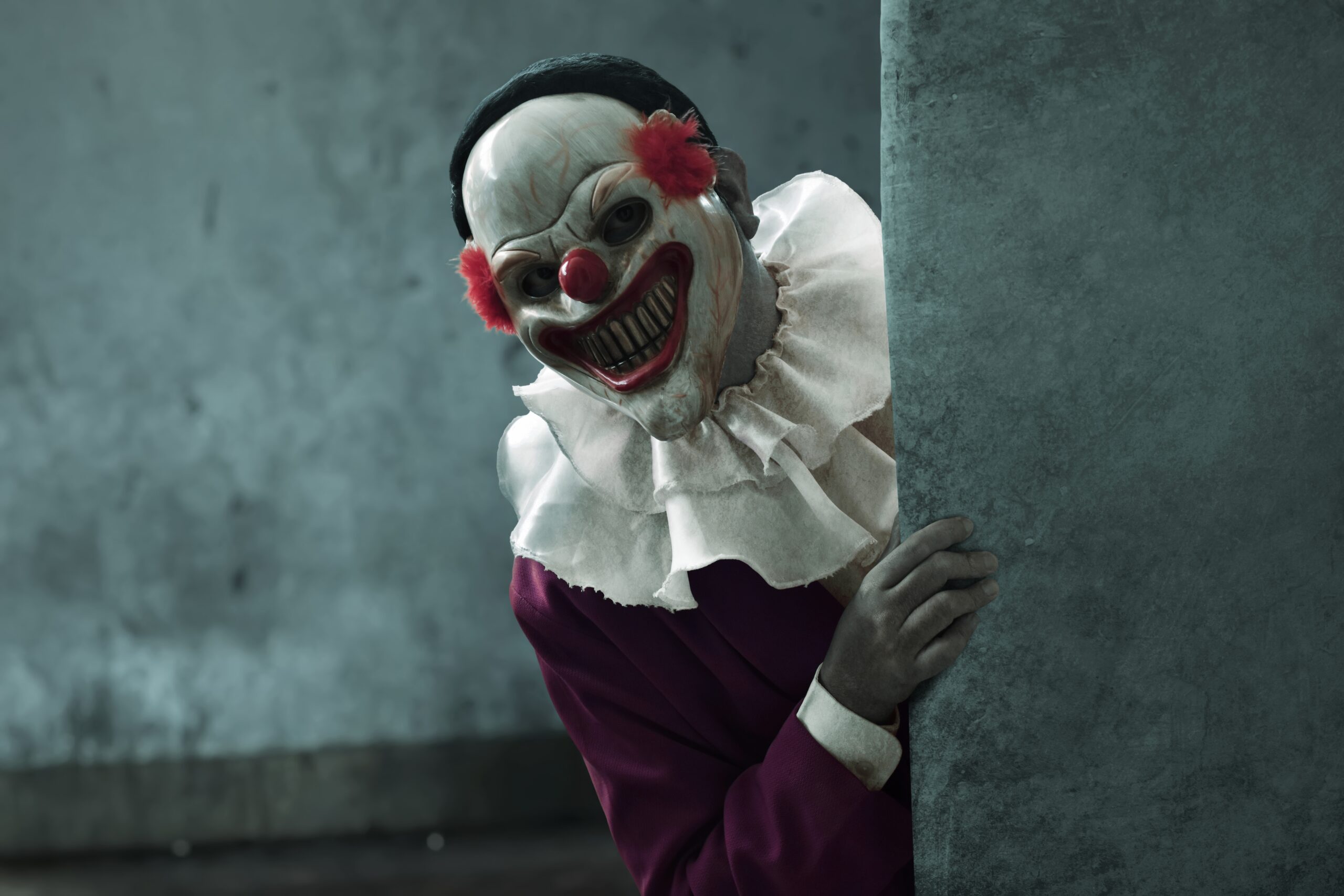
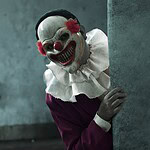
Bourdain was surprisingly open, and usually funny, about the things that unnerved him. In a 2016 list of his biggest fears, he included clowns, mimes, rats, karaoke, and even Switzerland, joking about his dread of alpine scenery, chalet architecture, and cheese with holes in it. His longtime producer Tom Vitale later recalled that several of Bourdain's seemingly comic phobias were quite real.
Martial Artist
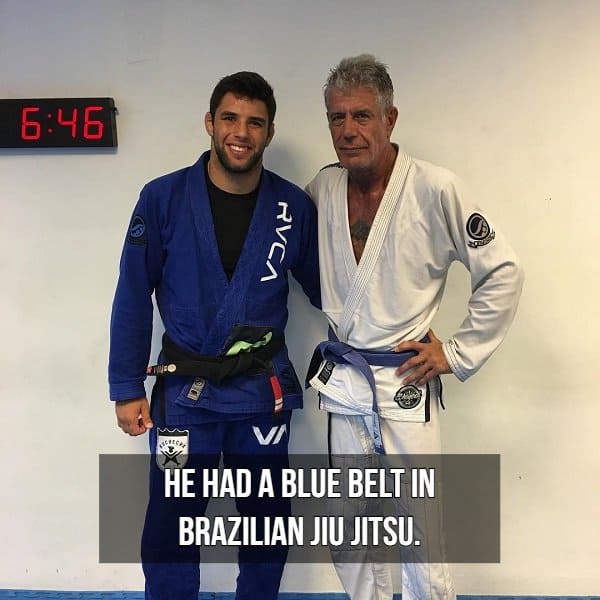
Bourdain became intensely devoted to Brazilian jiu-jitsu later in life after being introduced to the sport by his then-wife, Ottavia. He earned his blue belt in 2015 and described earning it as one of the hardest things he had ever done. In April 2016, at age 59, he competed for Renzo Gracie Academy and won his division at the IBJJF New York Spring International Open Championship. He became so committed to training that he sought out jiu-jitsu academies while traveling for his television work.
Favorite Eats
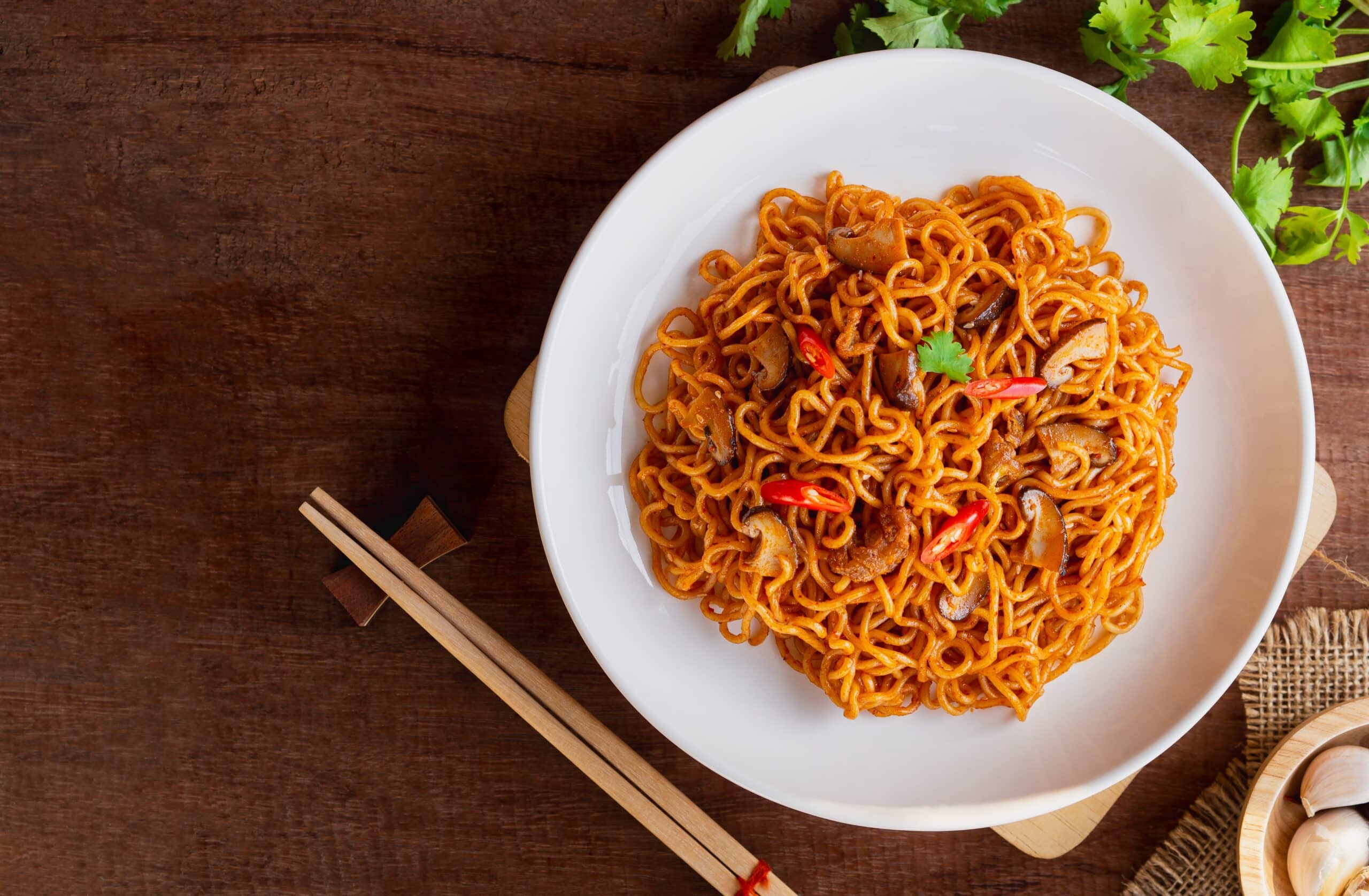
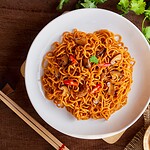
Bourdain never limited himself to one favorite dish. In interviews, he repeatedly mentioned spicy noodles, Vietnamese bún bò Huế, Kuching-style laksa from Borneo, Singaporean chicken rice, Sichuan mapo tofu, and a proper New York pastrami sandwich among the foods he craved. His tastes ranged from elaborate restaurant meals to simple street food, depending largely on where he was and who he was eating with.
Guilty Pleasures
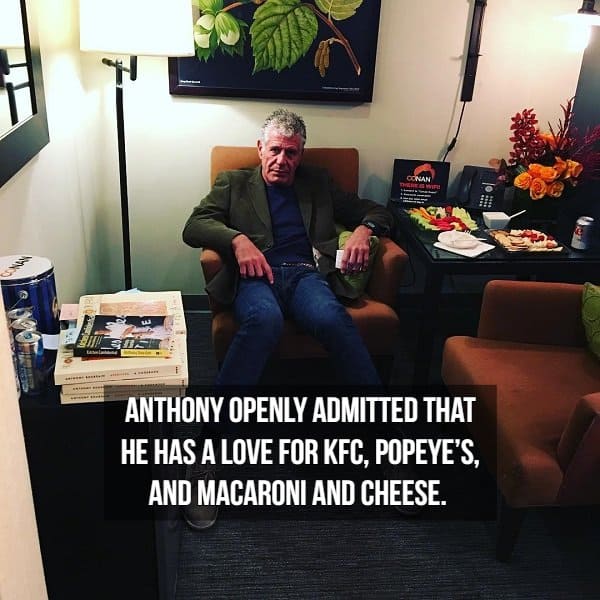
Even a chef famous for eating his way around the world had a weakness for decidedly unfancy comfort food. Bourdain openly admitted that fast-food macaroni and cheese was one of his guilty pleasures, specifically naming KFC and later Popeyes. His longtime producer Tom Vitale also recalled Bourdain's affection for Popeyes fried chicken and mac and cheese. Fine dining credentials apparently offered no protection against the occasional fast-food craving.
Award Winner
Bourdain's television work earned major recognition. The Television Academy credits him with 22 Primetime Emmy nominations and eight wins, including awards connected to Parts Unknown and two posthumous wins in 2019. The CNN series also received a Peabody Award for its first season in 2013, with the Peabody organization praising the program for going far beyond a conventional culinary travel show.
A Scary Situation
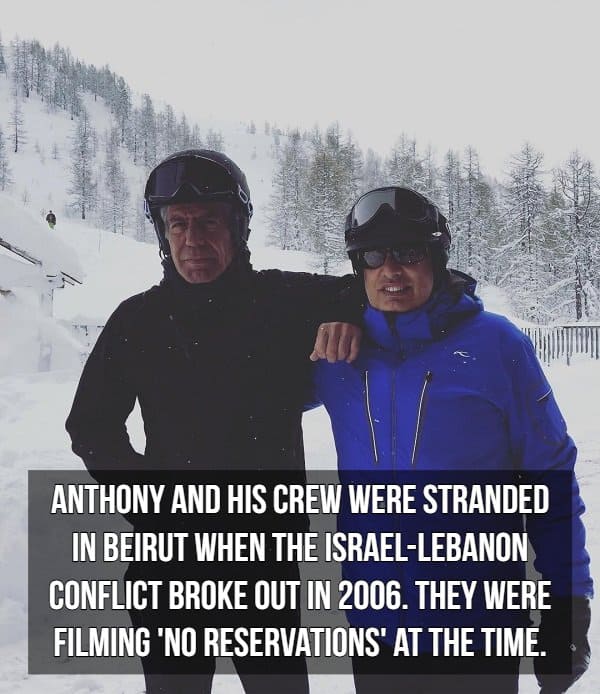
In July 2006, Bourdain and his No Reservations crew were filming in Beirut when war erupted between Israel and Hezbollah. The fighting began on July 12 after Hezbollah captured two Israeli soldiers in a cross-border raid, followed by extensive Israeli military operations in Lebanon and Hezbollah rocket attacks on Israel. Bourdain later said he spent more than a week waking and falling asleep to bombing before he and his crew were evacuated aboard the USS Nashville. The resulting Beirut episode aired on Aug. 21, 2006. A U.N.-brokered cessation of hostilities took effect on Aug. 14.
Animal Style or Regular?
For someone who ate at celebrated restaurants around the world, Bourdain had an unusually enthusiastic relationship with In-N-Out Burger. He called it his favorite restaurant in Los Angeles and said it was the only fast-food chain he actually liked. His preferred order included a Double-Double served Animal Style, and he was known to stop at an In-N-Out after landing at LAX and sometimes again before leaving town.
Least Favorite Foods
Bourdain's willingness to eat almost anything did not mean he enjoyed everything. Two dishes he singled out for particularly harsh reviews were hákarl, Iceland's fermented shark, and lightly grilled warthog rectum that he ate while filming in Namibia. He repeatedly described the fermented shark as one of the worst things he had tasted, while the warthog dish also ranked among his most unpleasant food experiences.
Childhood Ambitions
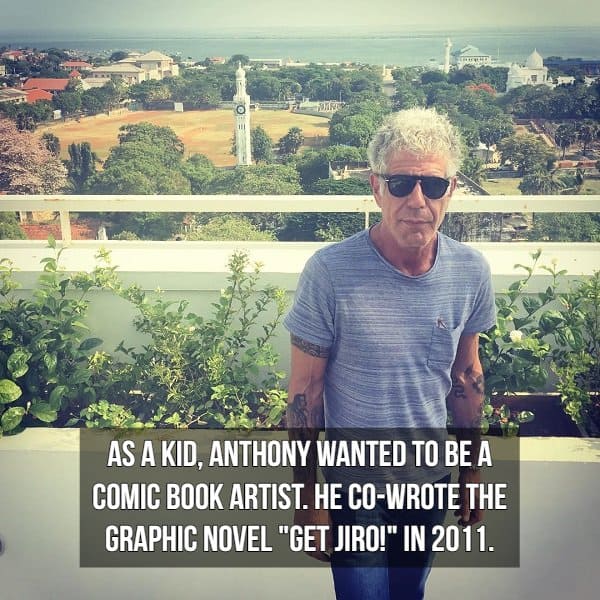
Bourdain loved comics long before he became famous for food. He later said that as a boy he wanted to become an underground comic-book artist, giving up on the idea around age 14 or 15 when he realized he lacked the dedication and drawing ability of the artists he admired. Decades later, he got another chance at that childhood dream. He co-wrote the graphic novel Get Jiro! with Joel Rose, with artwork by Langdon Foss, creating a violent satire set in a food-obsessed future Los Angeles.
Discovering His Passions
Bourdain traced a major change in his relationship with food to childhood trips to France. In Kitchen Confidential, he recalled eating his first oyster during a family stay near the Bassin d'Arcachon in southwestern France. The experience stuck with him for decades and became part of the origin story he told about discovering that food could be adventurous, emotional, and much more interesting than simply eating because you were hungry.
A Change for the Better
Bourdain's recovery from heroin addiction came long before he became a father. He said he got off heroin in the 1980s, while his daughter Ariane was born in 2007. Fatherhood nevertheless changed the way he thought about responsibility and risk. Bourdain said that when he was home in New York, he wanted to remain clear-headed and available in case his daughter needed him. He later described becoming a father as a profound change that shifted attention away from himself and gave him a new sense of responsibility.
Real World Experience
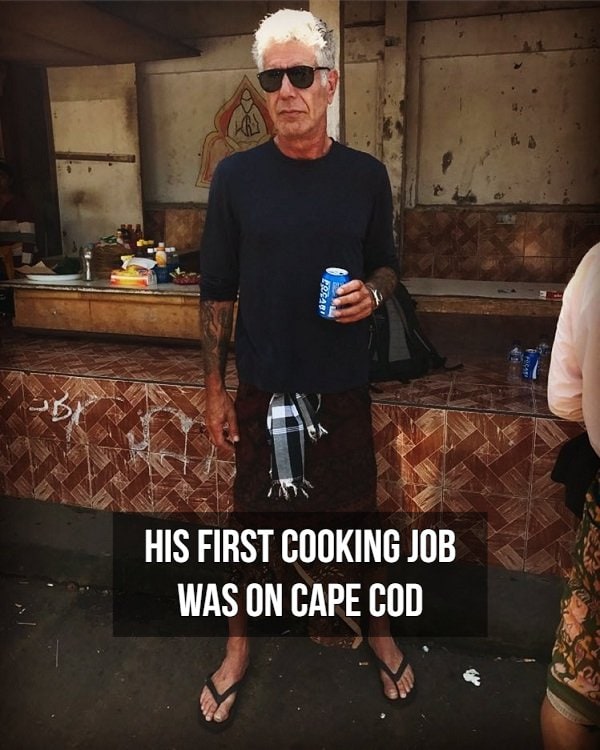
Bourdain's professional relationship with food began far from celebrity-chef television. While attending Vassar College, he took a summer job washing dishes at the Flagship restaurant in Provincetown, Massachusetts, on Cape Cod. By the end of the summer he had moved onto a cooking station, and the experience convinced him that he needed real culinary training. He later enrolled at the Culinary Institute of America and graduated in 1978 before spending more than two decades working in professional kitchens.
A Lucky Break
Bourdain's path to fame accelerated after The New Yorker published his essay "Don't Eat Before Reading This" in April 1999, giving readers a blunt behind-the-scenes look at restaurant kitchens. He expanded that idea into Kitchen Confidential: Adventures in the Culinary Underbelly, published by Bloomsbury in 2000. The book became a bestseller and transformed a working New York chef and aspiring writer into a nationally recognized voice in food culture, eventually opening the door to his television career.
World Renowned
Across his years making programs including A Cook's Tour, No Reservations, The Layover, and Parts Unknown, Bourdain traveled extensively around the globe and ultimately filmed on all seven continents. Antarctica completed the set: an episode of Parts Unknown devoted to the continent aired in June 2017. His programs ranged far beyond restaurant reviews, using food as an entry point into the culture, history, politics, and daily lives of the places he visited.
A Sad Farewell
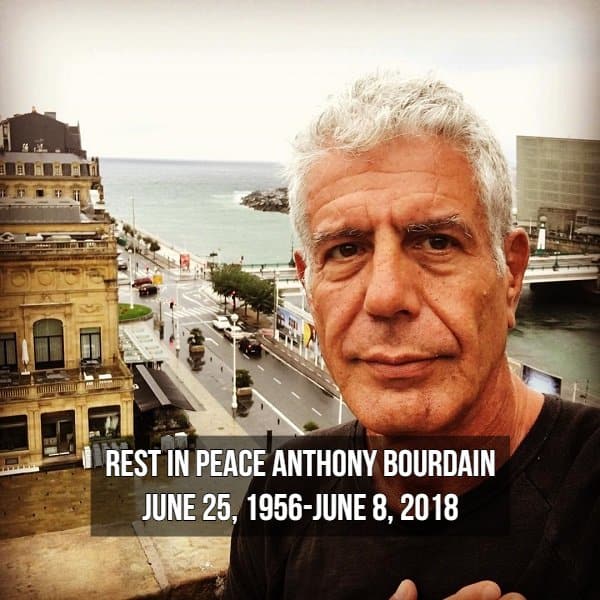
Anthony Bourdain died by suicide on June 8, 2018, at age 61 while in France working on an episode of Parts Unknown. His death prompted tributes from chefs, writers, travelers, viewers, and many of the people who had worked alongside him. He is remembered not simply as a chef or television host, but as a storyteller who encouraged audiences to approach unfamiliar places with curiosity, listen to the people who lived there, and recognize how much can be learned by sitting down and sharing a meal.