Andrew Clemente
Picofluidicist at English Wikipedia, CC0, via Wikimedia Commons
Justin Sullivan / Getty Images

Miguel AF/ Shutterstock
Roses D. Lenfer / Shutterstock.com

ljubaphoto / iStock via Getty Images

HalynaRom / Shutterstock.com

dejankrsmanovic / BY 2.0

monkeybusinessimages / Getty Images
AndromedaPhotographer / Shutterstock.com
Gv Image-1 / Shutterstock.com






10 Home Economics Skills Most Adults Have Forgotten
Home economics once gave students a crash course in the everyday skills they would need after leaving school. Lessons covered everything from cooking and laundry to sewing, cleaning, and stretching a grocery budget. Over time, many schools shifted their attention elsewhere, but the household problems those classes were designed to solve never went away.
Some of the lessons sound almost quaint today, yet they can still save money, prevent ruined clothes, and make everyday chores a little easier. From knowing what “fold in” means in a recipe to understanding the symbols on a clothing label, here are 10 old-school home economics skills that are still surprisingly useful.
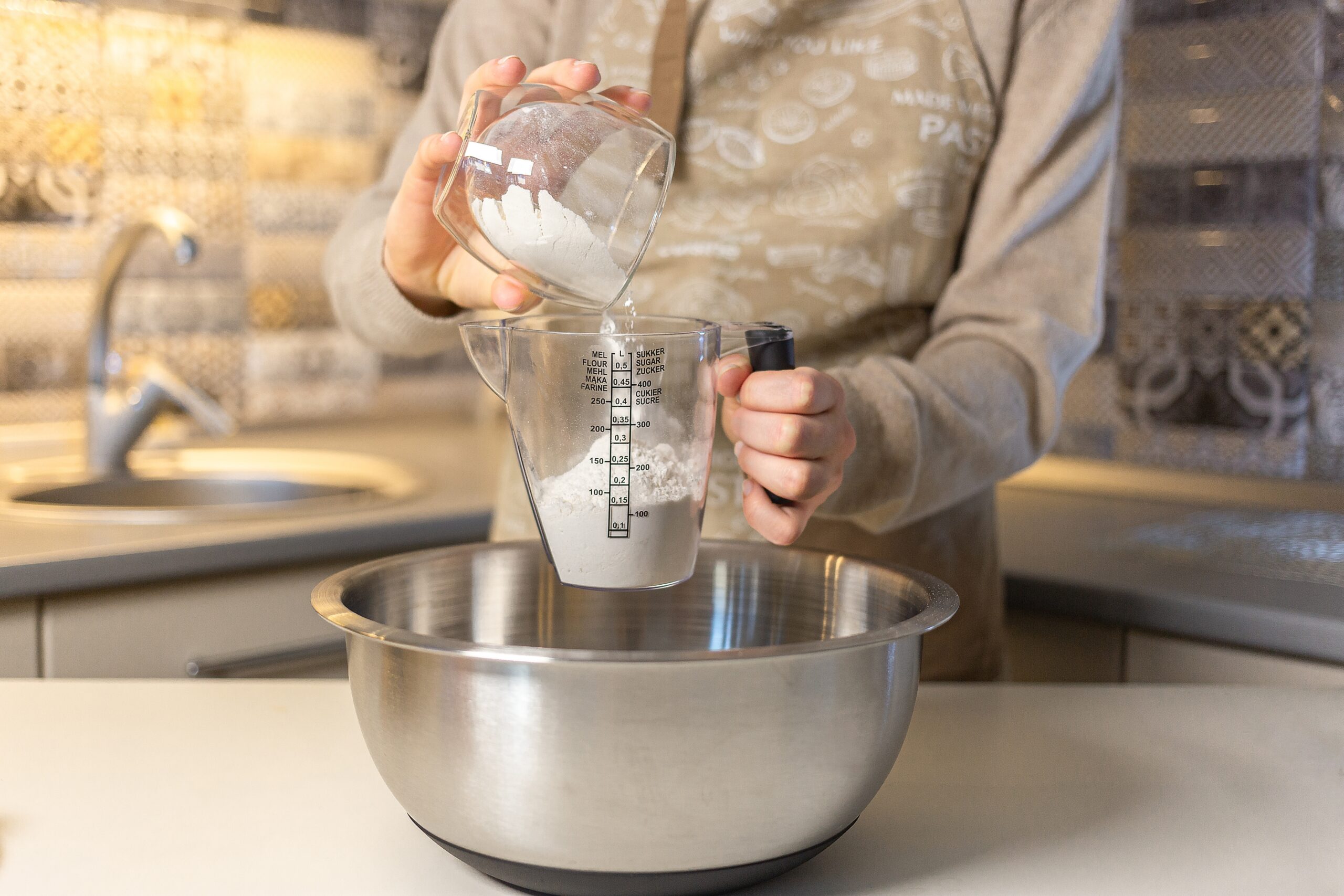
The Right Way to Measure Flour
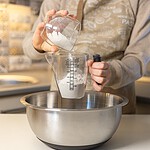
Dragging a measuring cup through a bag of flour seems harmless, but it can pack far more flour into the cup than a recipe calls for. That extra flour can leave cakes, cookies, and breads denser or drier than expected.
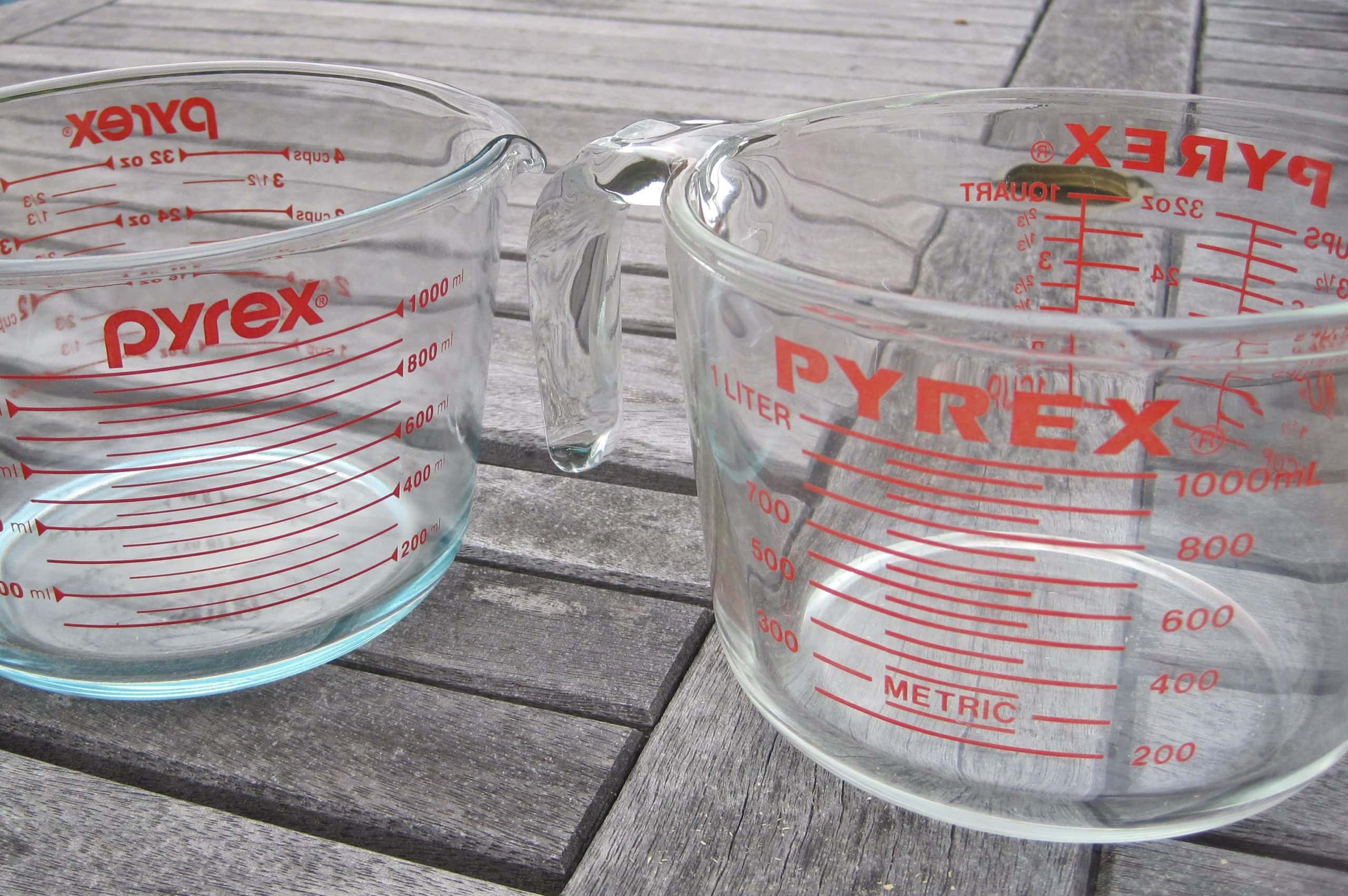
The traditional home economics method is to spoon flour loosely into a dry measuring cup and level the top with a straight edge. It is a small step, but baking depends much more heavily on precise measurements than most everyday cooking does. For even greater accuracy, many bakers now measure flour by weight with a kitchen scale.
What Those Laundry Symbols Actually Mean
The tiny symbols printed on clothing labels are essentially instructions for how to wash, dry, bleach, iron, or professionally clean an item. A washtub refers to washing, a square covers drying instructions, a triangle deals with bleach, an iron means exactly what it looks like, and a circle generally refers to professional cleaning.
Dots, lines, and crossed-out symbols provide additional instructions about temperature and method. A crossed-out symbol generally means to avoid that process altogether. Learning to read the label before tossing everything into the same load can prevent shrinking, stretching, fading, and heat damage.
How to Sew a Button Back On
A missing button used to be a minor repair rather than a reason to retire a shirt or coat. Sewing one back on is one of the simplest hand-sewing skills and requires little more than a needle, thread, and a few minutes.
After knotting the thread, bring the needle through the fabric and button holes several times in either a parallel or crossed pattern. Leaving a little space beneath the button gives thicker fabric room when it is fastened. Wrapping the thread around those stitches creates a small shank before the thread is secured underneath. Once you know the technique, it is an easy fix that can extend the life of clothing considerably.
What “Fold In” Means in a Recipe
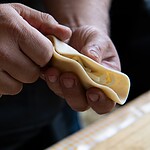
When a recipe tells you to “fold in” an ingredient, it does not mean stir everything together as quickly as possible. Folding is a gentler technique designed to combine ingredients without knocking out air that has already been incorporated into the mixture.
Using a spatula, cut down through the center of the mixture, scrape along the bottom of the bowl, and bring some of the batter up and over the top. Rotate the bowl and repeat until everything is combined. The technique is especially important when working with whipped egg whites or whipped cream in dishes such as soufflés and mousses.
Why You Should Clean From the Top Down
Vacuuming the floor first can feel productive because it makes an immediate difference. The problem is that cleaning shelves, ceiling fans, countertops, and furniture afterward sends dust and debris right back onto the floor.
The more efficient approach is to work from the highest surfaces downward. Start with ceiling fans, light fixtures, and tall shelves, then move to tables, counters, and furniture. Save sweeping, mopping, or vacuuming for the end. It keeps you from repeatedly cleaning the same area and turns what can feel like a collection of chores into a simple system.
What to Do With a Stain Before Washing
The first few minutes after a spill can make a big difference. Rubbing aggressively can spread a stain or work it deeper into the fibers, while heat can make certain stains, particularly protein-based stains such as blood or egg, much harder to remove.
A safer starting point is usually to blot rather than rub and check the garment's care instructions before treating it. Work from the outside of the stain toward the center so it does not spread. From there, treatment depends on what caused the stain and what the fabric can tolerate. Grease, food, wine, ink, and protein stains may all require different approaches, which is why treating a stain before it reaches the washer and dryer can be so important.
Which Clothes Should Stay Out of the Dryer
The dryer is convenient, but heat can be rough on certain materials. Wool may shrink or felt, some rayon garments can lose their shape, and repeated high heat can weaken the elastic fibers used in stretchy athletic clothing and swimwear. Delicate silks may also require special care.
The care label should always make the final call. When an item is delicate or the instructions warn against tumble drying, air drying is usually the safer option. It takes longer, but avoiding unnecessary heat can help clothes keep their size, shape, and elasticity much longer.
How to Build Meals Around a Grocery Budget
Old-school meal planning started before anyone made a shopping list. First came the budget, followed by an inventory of what was already in the refrigerator, freezer, and pantry. Only then did you decide what meals made sense for the week.
The trick is finding meals that share ingredients. A package of chicken, a few vegetables, rice, and tortillas can potentially become several different meals rather than ingredients bought for a single dinner and forgotten afterward. Planning this way can reduce both the grocery bill and the amount of food that gets thrown away. It is a basic budgeting skill that remains every bit as useful today.
What “Scant” Means in a Recipe
Older recipes sometimes use measurements that can leave modern cooks scratching their heads. A “scant” cup, tablespoon, or teaspoon simply means slightly less than a full measurement. It is not dramatically smaller, just a little shy of the stated amount.
The distinction can matter most in baking, where small changes in ingredients such as salt, baking soda, or liquid can affect the finished product. Other traditional recipe terms have equally specific meanings. A level spoonful is scraped flat, while a rounded or heaping spoonful rises above the edge. Knowing the vocabulary makes old cookbooks considerably easier to follow.
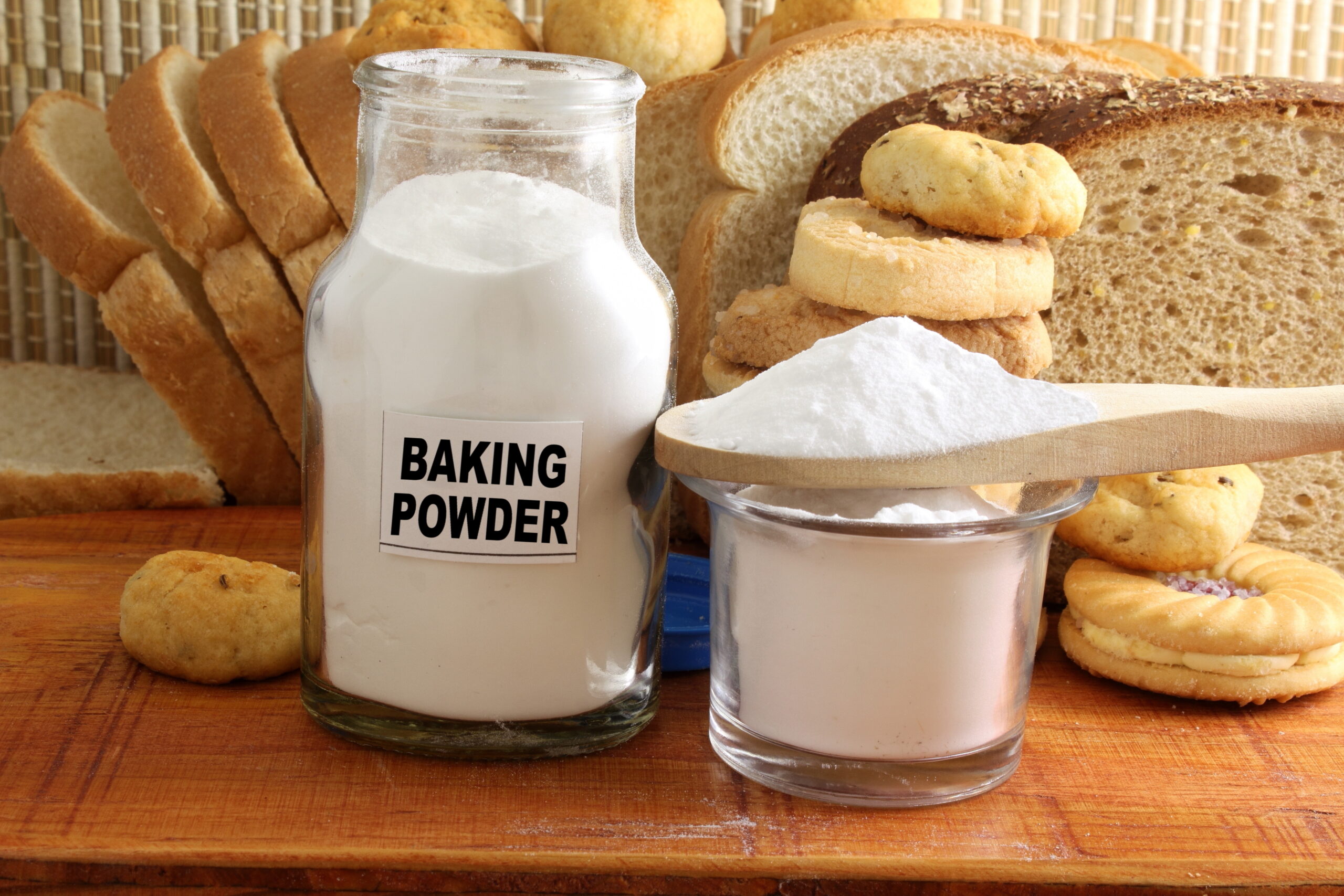
The Difference Between Baking Soda and Baking Powder
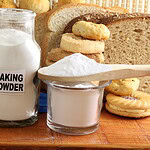
The boxes may sit next to each other in the pantry, but baking soda and baking powder do different jobs. Baking soda is sodium bicarbonate. It reacts with acidic ingredients in a recipe, such as buttermilk, lemon juice, or vinegar, producing carbon dioxide that helps baked goods rise.
Baking powder contains sodium bicarbonate along with an acid and other ingredients, so it does not rely on the recipe supplying all of the acid needed for the reaction. Some recipes use one and others use both, depending on the ingredients and the result the baker is trying to achieve. Swapping them without adjusting the recipe can change the rise, texture, browning, and flavor considerably.