OZLEM DURMAZ / iStock via Getty Images

Marco Verch Professional Photographer / Flickr
Olga Miltsova / Shutterstock.com
OZLEM DURMAZ / iStock via Getty Images
MustanqK / Shutterstock.com
vikif / Getty Images
bhofack2 / iStock via Getty Images
Serene Vannoy / Flickr
Catto32 / iStock via Getty Images
roygbivibgyor / Wikimedia Commons
Glane23 / Wikimedia Commons
Anastasia Turshina / iStock via Getty Images
jeffreyw / Wikimedia Commons
bhofack2 / iStock via Getty Images
nata_vkusidey / Getty Images
Lisovskaya / Getty Images
P Maxwell Photography / Shutterstock.com
AnSyvanych / Getty Images
Elena_Danileiko / iStock via Getty Images
bonchan / Shutterstock.com
Laurel F / Flickr
Malene Thyssen / Wikimedia Commons
bhofack2 / Getty Images
Bartosz Luczak / Getty Images
gjohnstonphoto / iStock via Getty Images
bhofack2 / Getty Images
dinnerseries / Flickr
DebbiSmirnoff / iStock via Getty Images
LauriPatterson / E+ via Getty Images
A Healthier Michigan / Flickr
katyenka / Getty Images


31 Foods Americans Ate During the Great Depression
When the Great Depression swept across America in the 1930s, putting food on the table became a daily struggle for millions of families. Jobs disappeared, banks failed, and household budgets were stretched to their limits. By 1933, unemployment had reached approximately 25%, leaving many Americans wondering where their next meal would come from.
But necessity has a way of inspiring creativity, especially in the kitchen. Families stretched small amounts of meat into multiple meals, turned inexpensive vegetables into filling soups, and found surprising uses for ingredients already sitting in the pantry. Some dishes might sound downright strange today, while others became comfort foods that Americans still enjoy nearly a century later.
From peanut butter-stuffed onions and Hoover Stew to familiar favorites like macaroni and cheese, these 31 foods offer a fascinating look at how Americans made ends meet during one of the country's most difficult economic periods.
Hoover Stew
Named after President Herbert Hoover, Hoover Stew became a symbol of the inexpensive meals associated with the Great Depression. The dish typically combined macaroni, sliced hot dogs, canned tomatoes, and corn into a filling, one-pot dinner. It was hardly fancy, but it made use of relatively inexpensive ingredients and could feed several people without requiring much preparation.
The beauty of Hoover Stew was its flexibility. Families could add whatever vegetables they had available, leave out the hot dogs when meat was too expensive, or increase the amount of pasta to stretch the meal further. Versions of the recipe remain popular today, although its name recalls the economic hardships experienced during Hoover's presidency.
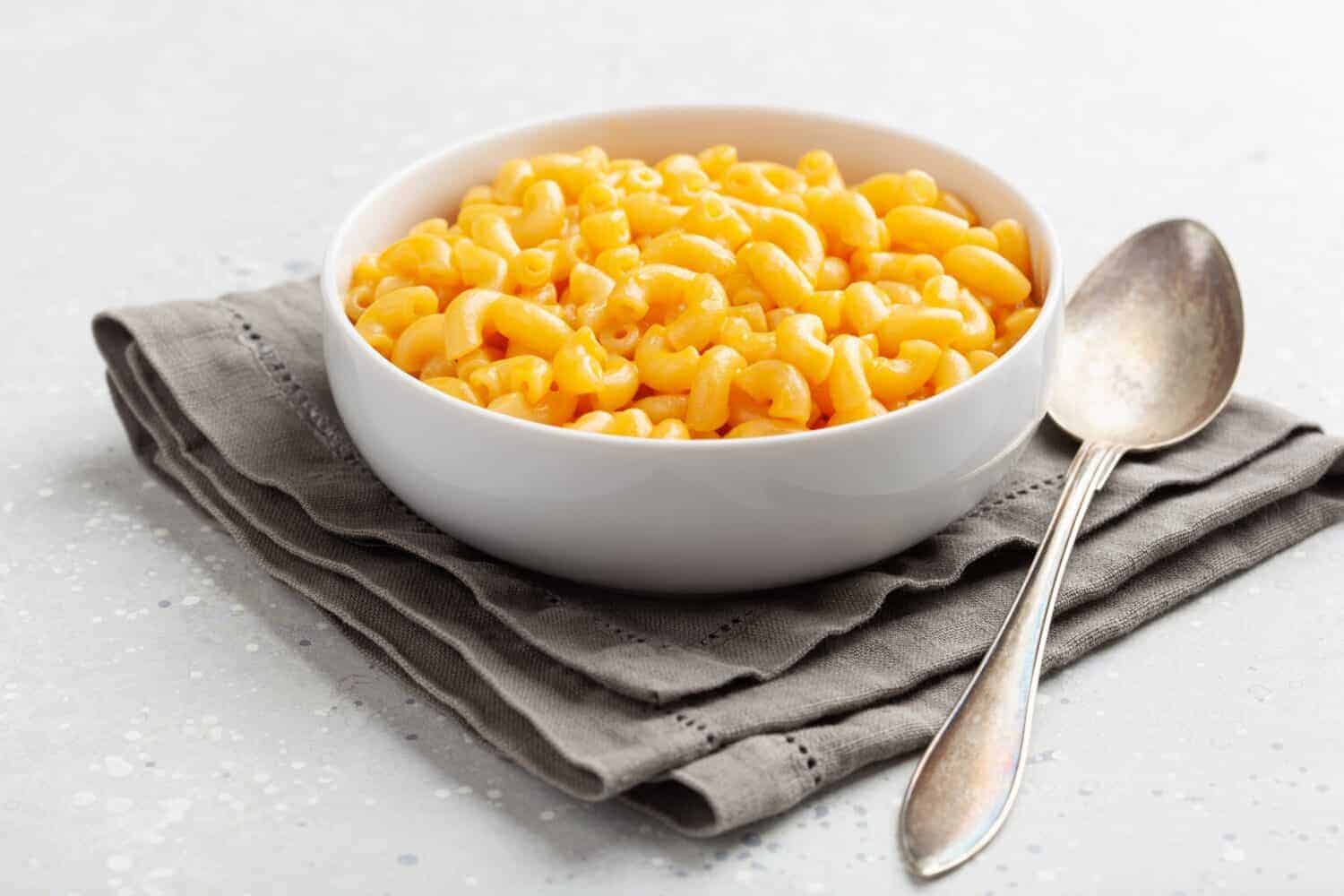
Kraft Macaroni and Cheese
One of America's most recognizable comfort foods owes part of its early popularity to the Great Depression. Kraft introduced its boxed macaroni and cheese in 1937, selling it for just 19 cents. Each box was advertised as providing four servings, making it an appealing option for families trying to keep grocery bills under control. It also offered something busy households appreciated: a hot meal that could be prepared quickly.
The product became even more popular during World War II, when meat rationing encouraged Americans to find inexpensive alternatives. Although homemade macaroni and cheese had existed long before the Depression, Kraft helped turn the dish into a convenient pantry staple. Nearly 90 years later, the familiar blue box remains a fixture in American grocery stores.
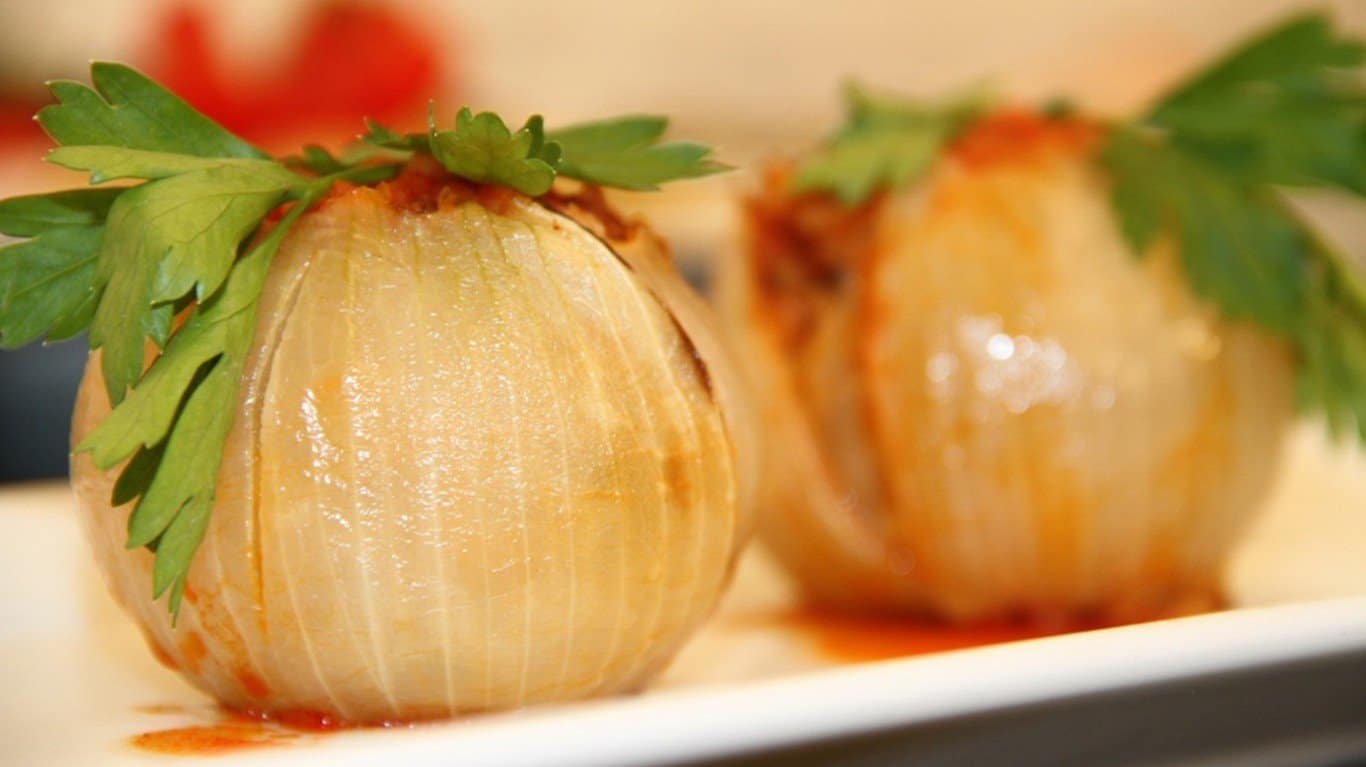
Peanut Butter-Stuffed Onions
Of all the unusual recipes associated with the Great Depression, peanut butter-stuffed onions might be one of the most surprising. Historical versions called for hollowing out an onion and filling it with a mixture of peanut butter, breadcrumbs, and seasonings before baking it. Some preparations included milk or a simple sauce to help soften the onion and bring the ingredients together.
The combination sounds peculiar today, but it reflected an important Depression-era approach to cooking: finding filling alternatives to expensive ingredients. Peanut butter supplied fat and protein, while onions and breadcrumbs added bulk. The dish appeared in period recipes, although that does not mean it was an everyday meal in every American household. It remains a memorable example of just how creative economical cooking could become.
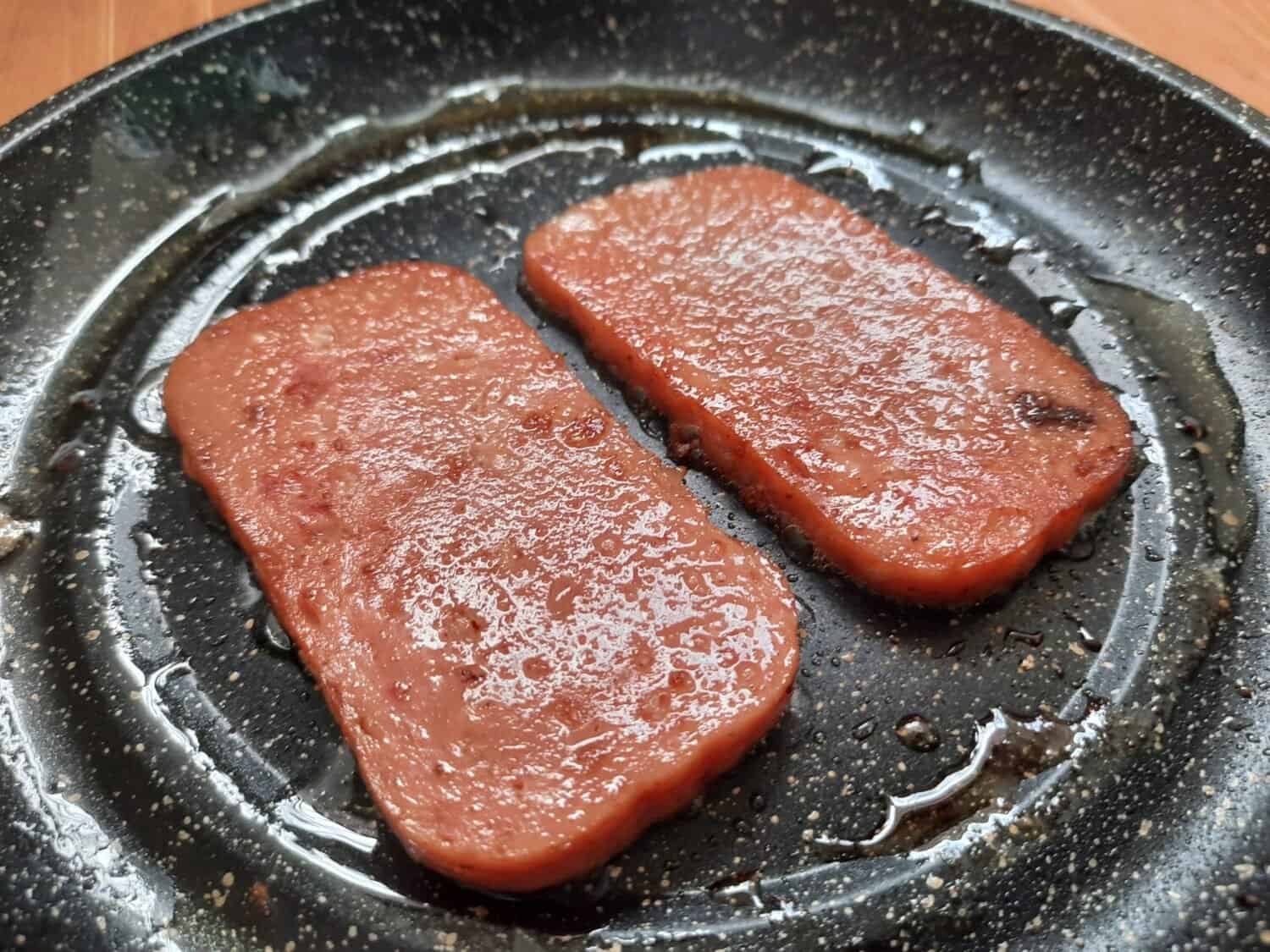
SPAM
SPAM might be closely associated with World War II, but the iconic canned meat actually arrived during the Great Depression. Hormel introduced the product on July 5, 1937, offering consumers a shelf-stable combination of pork and ham that could be stored without refrigeration until opened. For households seeking convenient sources of meat, canned products offered practical advantages over fresh cuts.
SPAM became especially significant during World War II, when enormous quantities were shipped overseas to feed military personnel. Back home, families discovered that it could be fried for breakfast, added to sandwiches, or incorporated into economical casseroles. While it was not necessarily cheaper than every fresh meat option, its long shelf life and convenience helped establish a culinary legacy that continues today.
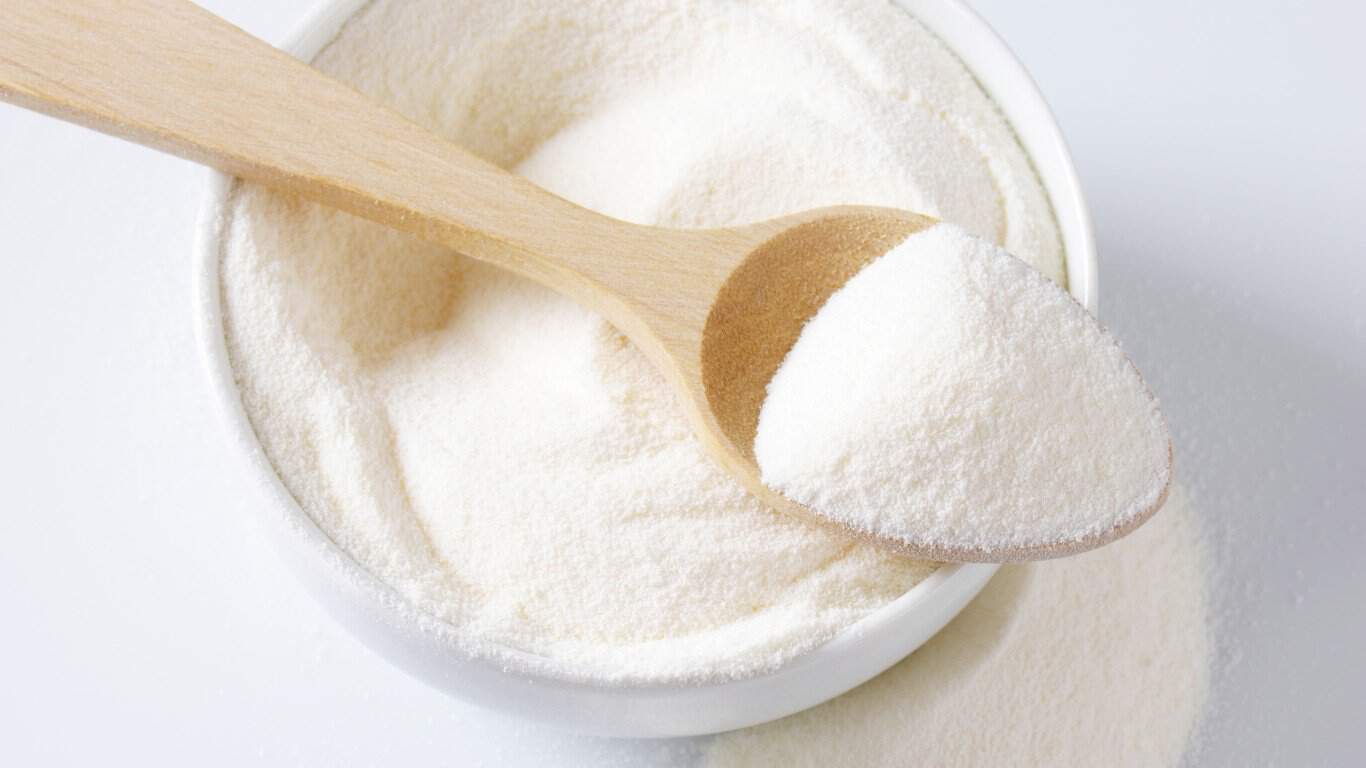
Milkorno
Milkorno might be unfamiliar to modern shoppers, but it was developed specifically to address the nutritional and financial challenges of the Great Depression. In 1933, researchers at Cornell University, led by home economist Flora Rose, developed a mixture of cornmeal and skim milk designed to provide affordable nourishment. It could be prepared as a hot cereal or incorporated into other economical recipes.
The product even reached the White House. First Lady Eleanor Roosevelt supported efforts to demonstrate inexpensive meal planning, and menus developed by Cornell home economists included Milkorno. Its appeal was rooted in practicality rather than luxury. Although the product eventually faded from everyday American kitchens, it provides a direct connection between Depression-era food science and efforts to help struggling families eat adequately on limited budgets.
Depression Cake
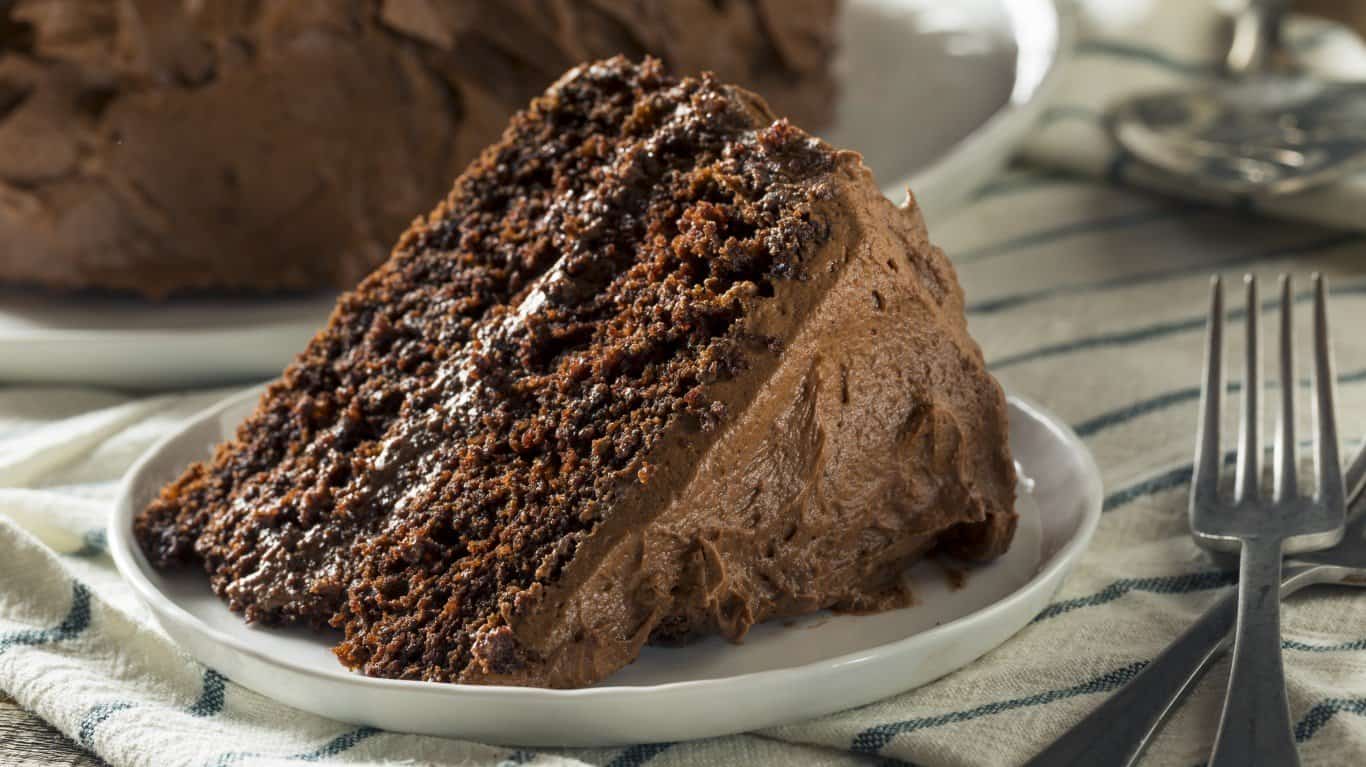
Even during periods of economic hardship, families still found ways to celebrate birthdays, holidays, and other special occasions. Depression cake, sometimes called wacky cake or crazy cake, became associated with recipes that avoided expensive ingredients such as eggs, butter, and milk. Different versions used cocoa, flour, sugar, water, oil, and baking soda, while others featured raisins and warming spices.
The defining feature was substitution rather than a single standardized recipe. Vinegar could react with baking soda to help a cake rise, while vegetable oil could replace butter. Similar economical cakes appeared in different periods, including World War II. These recipes demonstrated that a homemade dessert did not always require the ingredients normally associated with traditional baking.
Creamed Chipped Beef on Toast
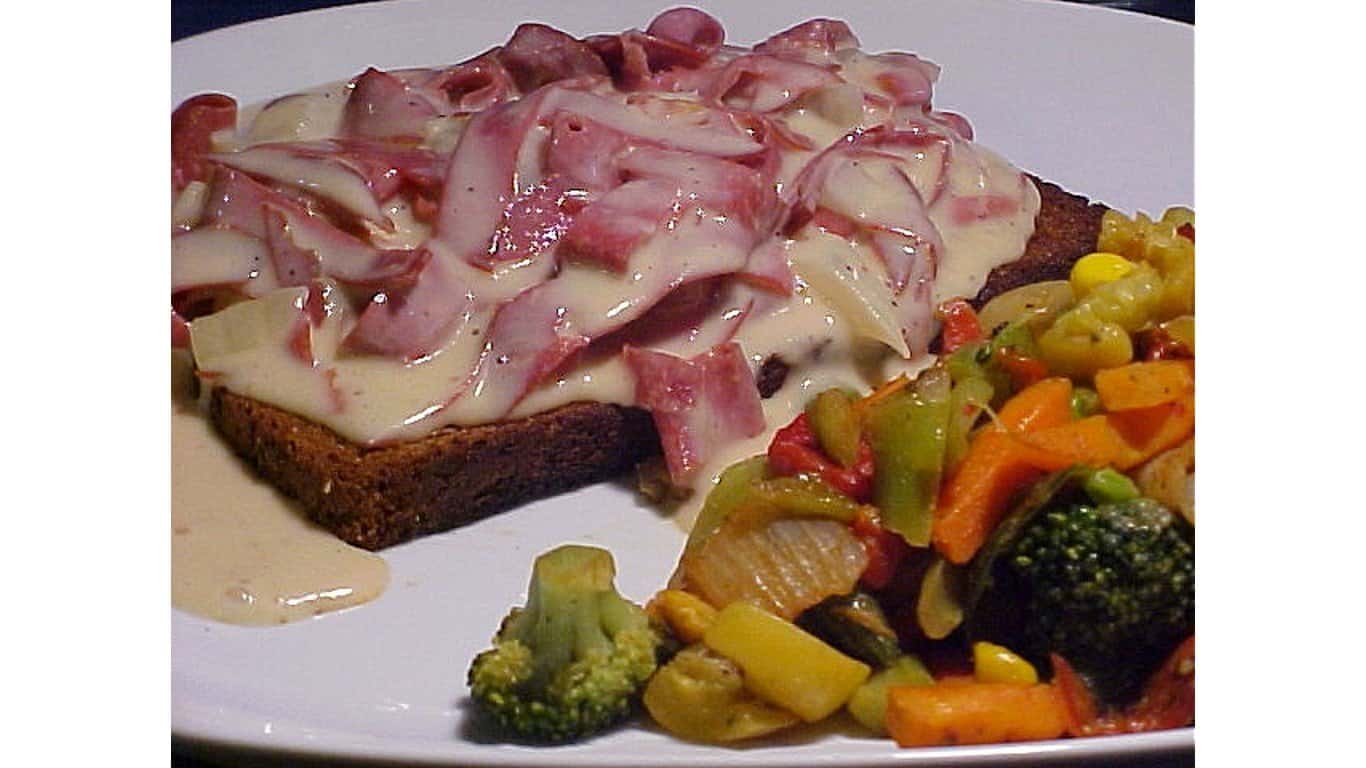
Creamed chipped beef on toast was a filling dish made by combining thinly sliced dried beef with a simple white gravy, usually prepared from flour, fat, and milk. The mixture was spooned over toast, creating a hot meal from ingredients that could be stored and used in relatively small amounts. The recipe was already established before the Great Depression and also became familiar in American military dining halls.
For cash-strapped households, one advantage was the ability to stretch a modest portion of beef across several servings. Toast provided the bulk, while the gravy made the dish feel more substantial. Its military association also gave rise to a colorful nickname, commonly shortened to SOS. Although its reputation varies, the dish remains a recognizable example of old-fashioned American comfort food.
Cabbage Soup
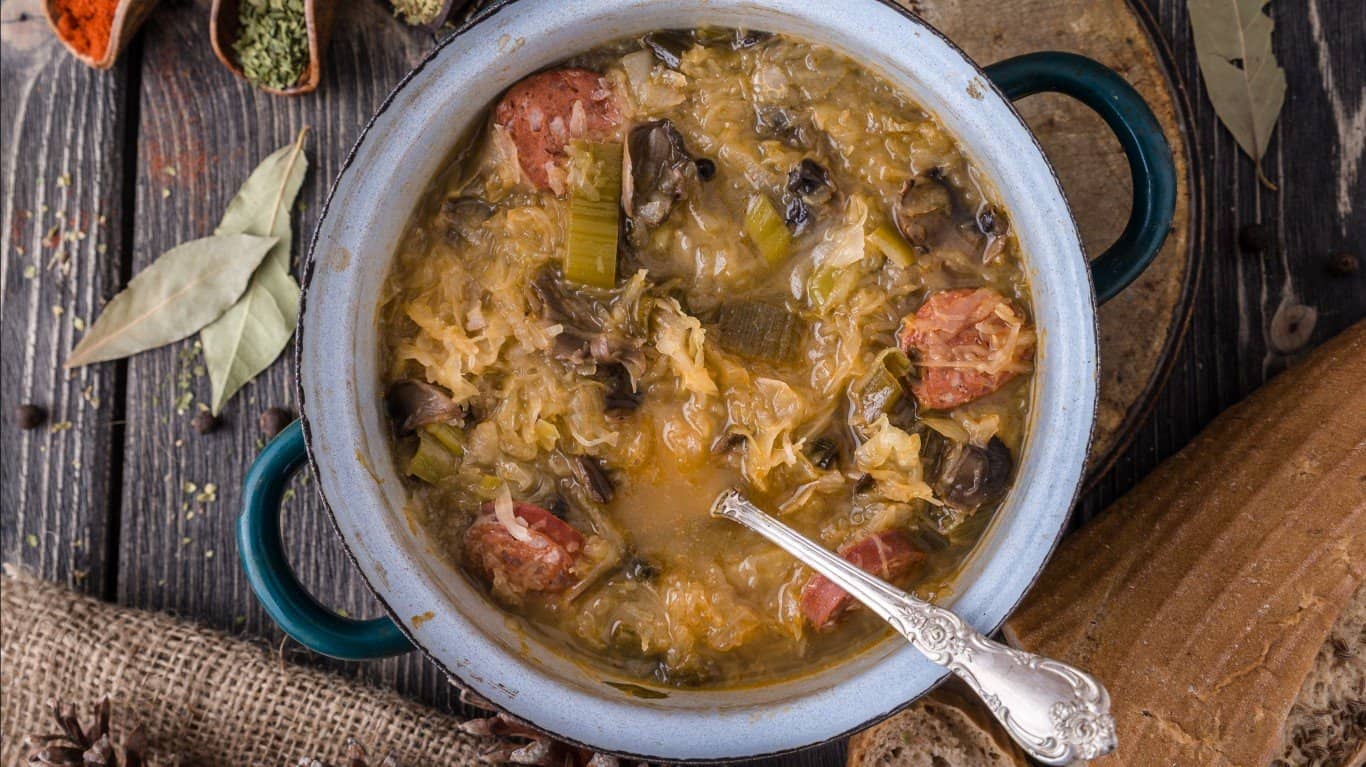
When money was scarce, a large pot of vegetable soup could help make a family's limited groceries last longer. Cabbage was particularly useful because an entire head could provide several servings, especially when combined with potatoes, onions, and broth. Some cooks added a little bacon or another inexpensive cut of meat for additional flavor, while others prepared entirely meatless versions.
Cabbage soup was hardly invented during the Great Depression. Variations had been staples of European and American home cooking for generations. However, its affordability, versatility, and ability to feed multiple people made it well suited to lean times. Leftover vegetables could be added before they spoiled, making the soup a practical way to reduce waste and stretch a household's food supply.
Peanut Butter Bread
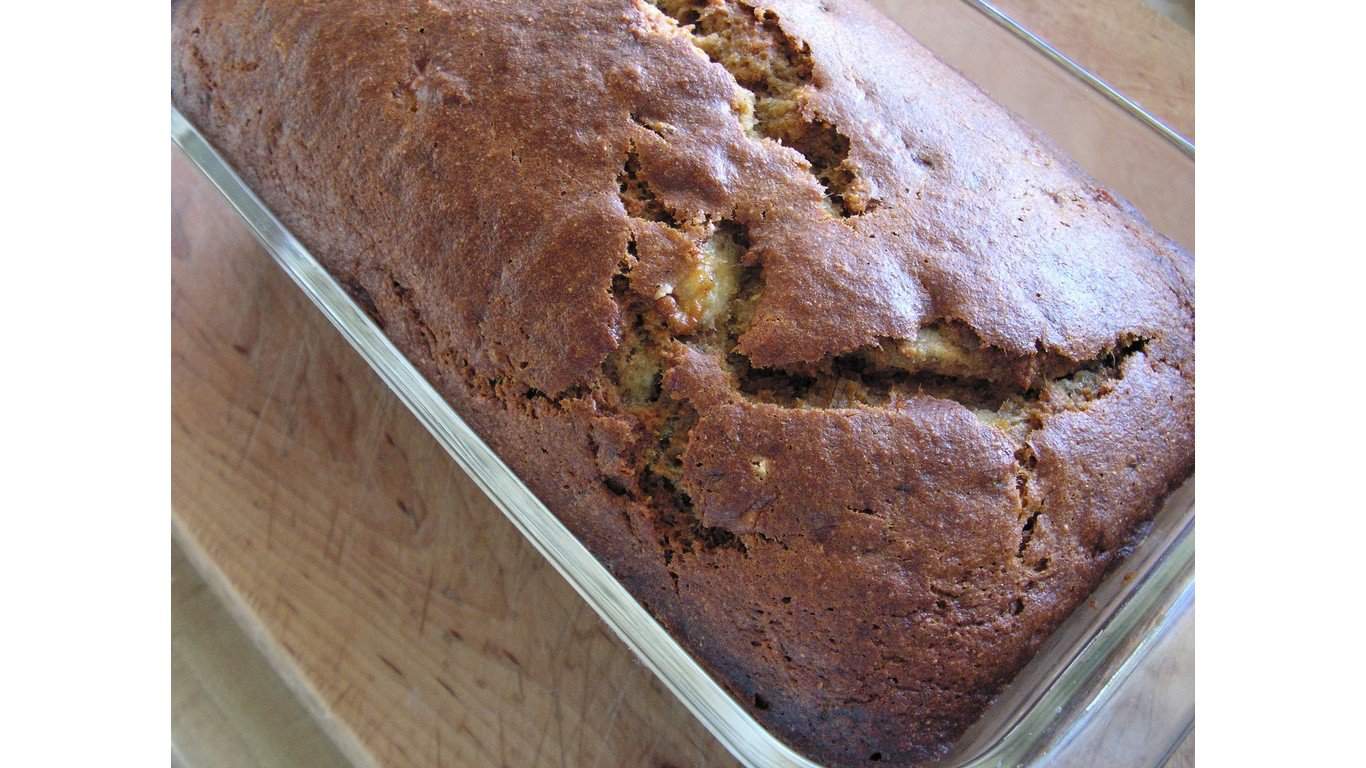
Peanut butter bread offered home bakers a practical way to make something filling without relying on large amounts of butter or eggs. Recipes varied, but many combined flour, peanut butter, milk, baking powder, and a little sugar. The peanut butter contributed both flavor and fat, helping produce a dense loaf that could be sliced for breakfast, snacks, or an inexpensive addition to meals.
Peanut butter had already gained popularity in the United States before the Great Depression, and recipes using it appeared in household cookbooks during the early twentieth century. The bread was not exclusively a Depression-era invention, but its relatively simple ingredients fit the period's emphasis on resourceful baking. Modern versions remain popular because they require comparatively little preparation and produce a distinctive nutty flavor.
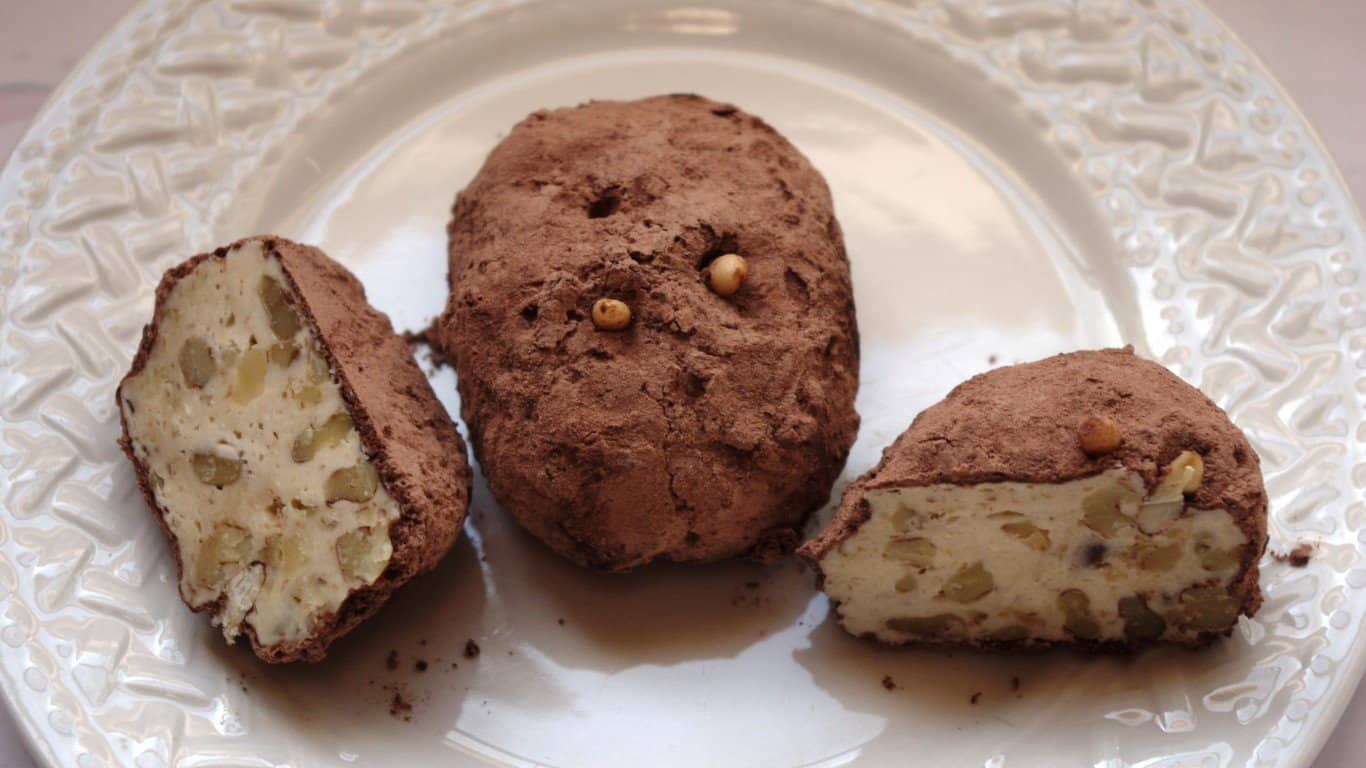
Potato Candy
Potatoes probably aren't the first ingredient that comes to mind when making candy, but they form the foundation of this traditional sweet treat. One familiar version combines a small amount of mashed potato with powdered sugar to create a soft dough. The mixture is rolled out, spread with peanut butter, and sliced into spirals that resemble miniature pinwheels.
Potato candy has roots that predate the Great Depression, and its precise origins are difficult to establish. Nevertheless, it became associated with economical homemade treats because it used familiar ingredients and required no specialized equipment. Despite the unusual addition of potato, the finished candy generally tastes more like a very sweet peanut butter confection than a vegetable. Variations remain part of family recipe collections across the country.
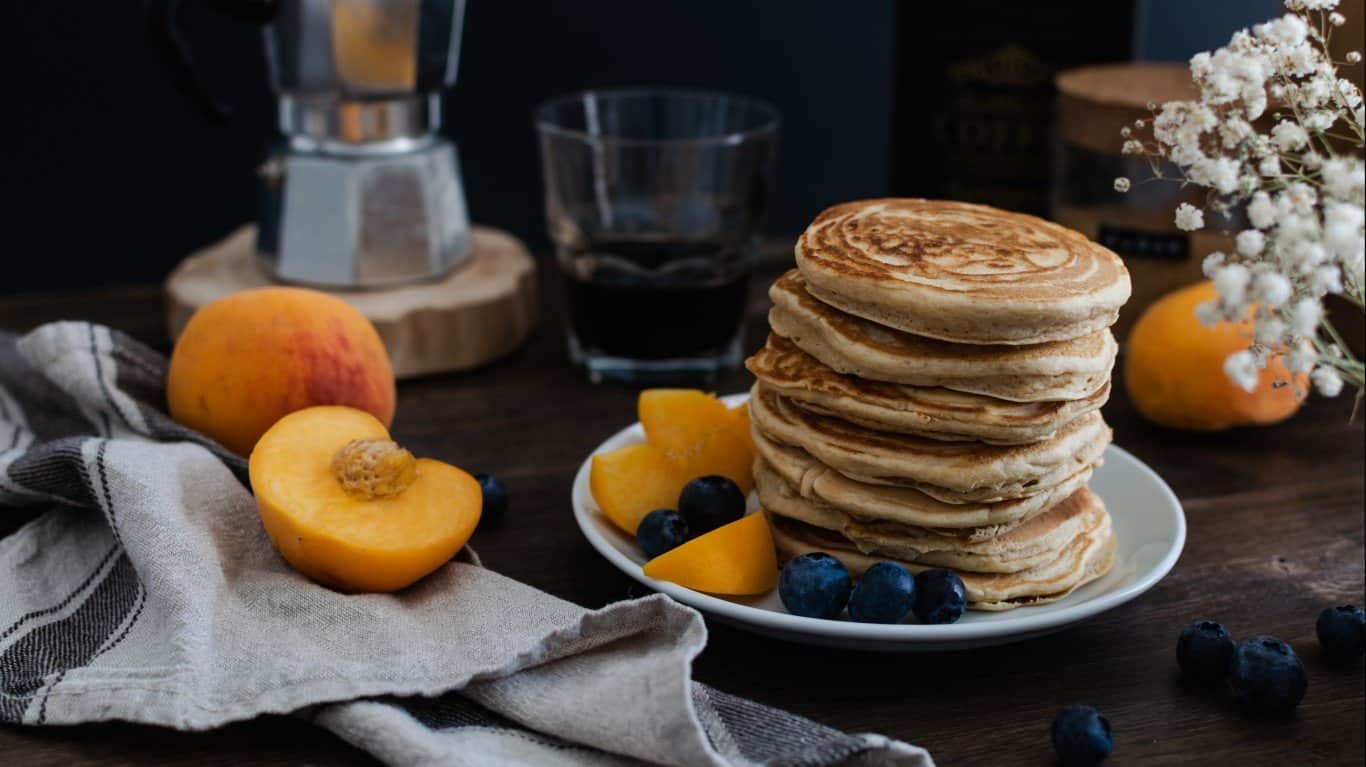
Split Pea Pancakes
Not every pancake needs to be sweet or served with syrup. Savory pancakes made from peas and other legumes offer a way to turn inexpensive dried ingredients into a substantial meal. Split peas can be soaked or cooked, mashed, and mixed with flour, seasonings, and a binder before being fried into small cakes. Variations can include onions, herbs, or a simple sauce.
Legumes were practical ingredients for households watching their grocery budgets because dried peas and beans could be stored for extended periods. Although the exact popularity of split pea pancakes during the Great Depression is difficult to establish, recipes of this type fit the broader tradition of stretching pantry staples into filling, meatless dishes. They also demonstrate how versatile an inexpensive bag of dried peas can be.
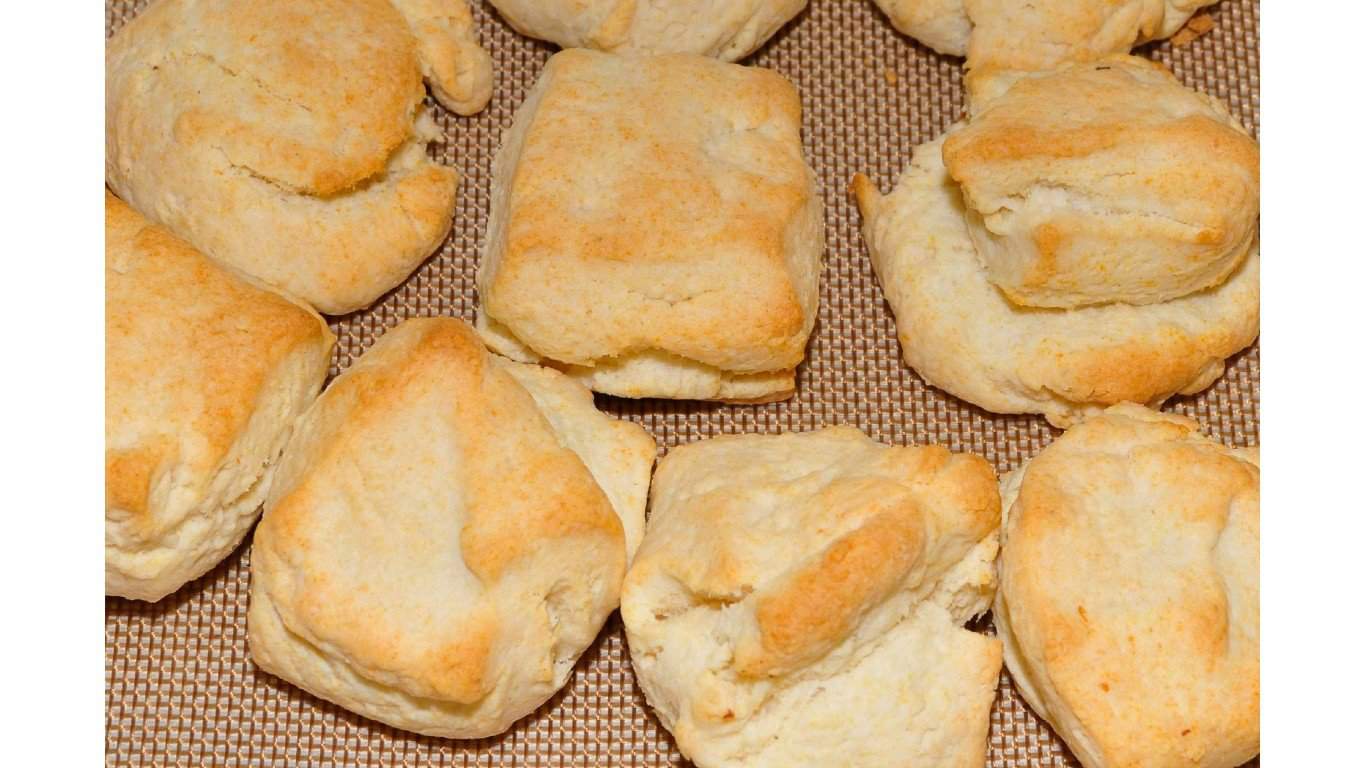
Bisquick
Bisquick arrived in American kitchens in 1931, just as the Great Depression was making household economies especially important. General Mills introduced the packaged baking mix as a convenient way to prepare biscuits without measuring and combining every dry ingredient separately. Home cooks soon discovered that the same mix could be used in pancakes, dumplings, and other simple dishes.
Convenience was an important selling point, particularly for households balancing work, childcare, and limited resources. A single package could support several types of meals, although making a baking mix from scratch could still cost less. Bisquick eventually became one of America's most recognizable pantry products and helped popularize the idea of versatile, ready-to-use baking mixes.
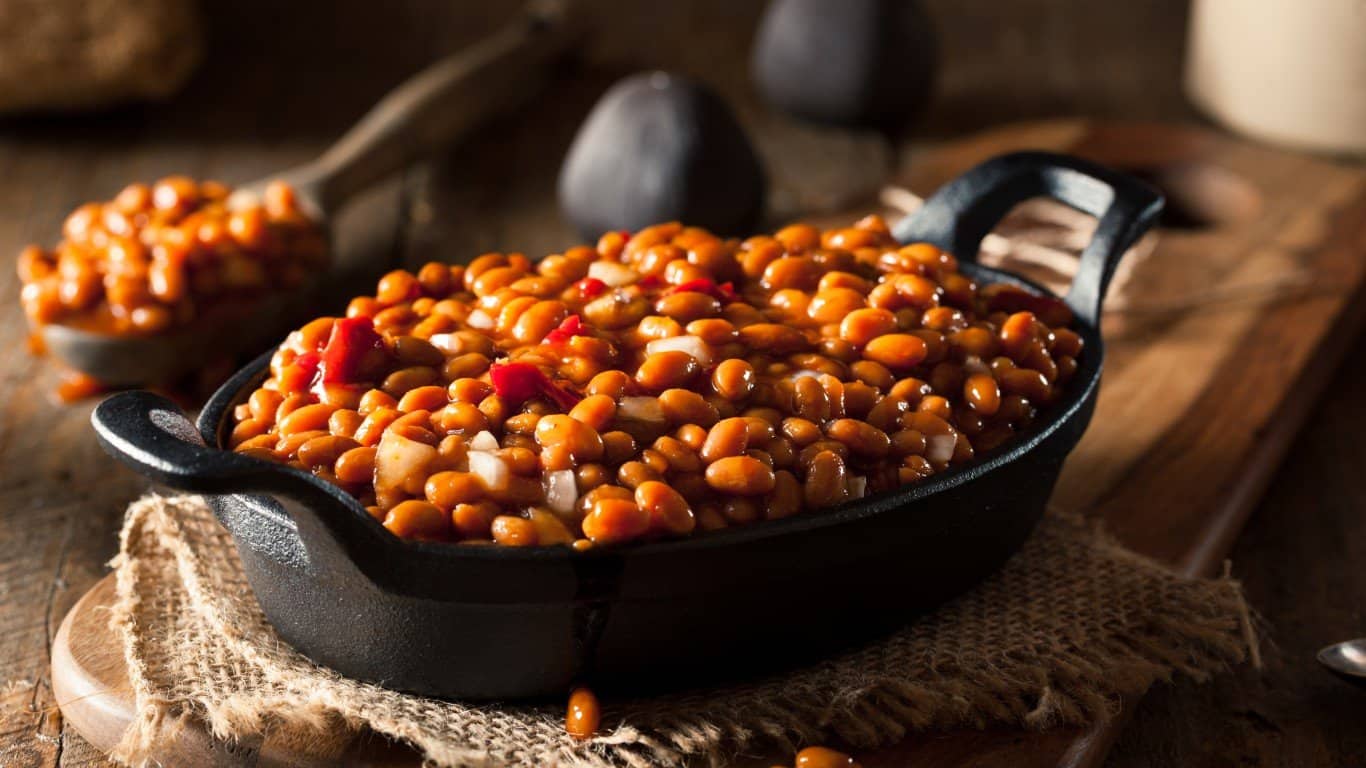
Baked Beans
Beans have long been valued as an inexpensive, filling source of protein, and that made them especially useful during the Great Depression. Baked beans could be prepared from dried navy beans simmered slowly with molasses, onions, and seasonings. When available, a small piece of salt pork or bacon added flavor without requiring a large quantity of meat.
The dish had deep roots in American cooking, particularly in New England, well before the economic collapse of the 1930s. Its importance during hard times came from the low cost and flexibility of the ingredients. A pot of beans could provide multiple servings, while leftovers could be reheated or served alongside bread. For many households, beans were not simply a side dish but an economical centerpiece of dinner.
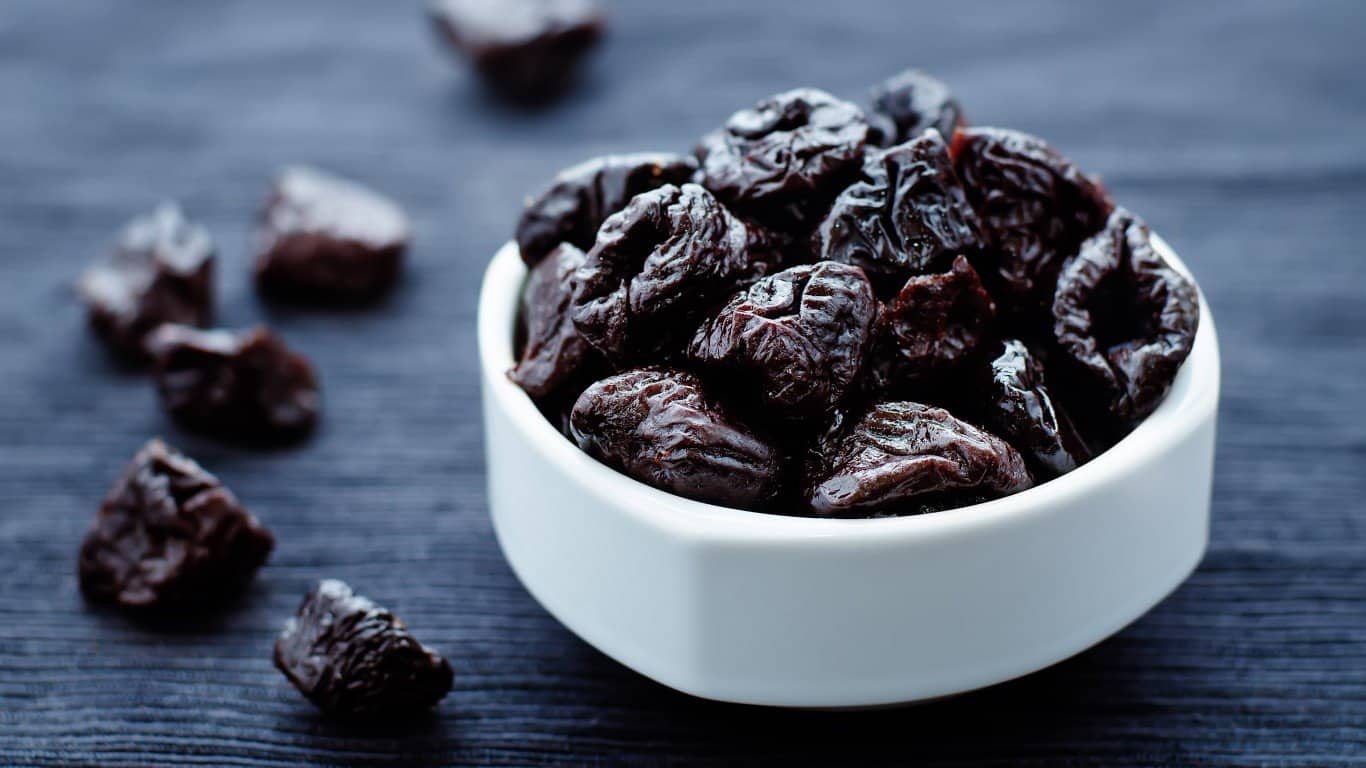
Prune Pudding
Prune pudding was an old-fashioned dessert that could be prepared from dried fruit rather than expensive fresh ingredients. Recipes often called for simmering prunes until tender, then thickening the mixture with cornstarch or another starch and adding sugar or spices to taste. The result was a soft fruit pudding that could be served warm or chilled.
Dried fruit was useful because it could be stored without spoiling as quickly as fresh produce, although its affordability varied by region and season. Prune desserts were already familiar before the Great Depression, but their shelf-stable ingredients made them compatible with economical cooking. While prune pudding is less common today, it reflects a period when a simple dessert made from preserved fruit could feel like a welcome treat.
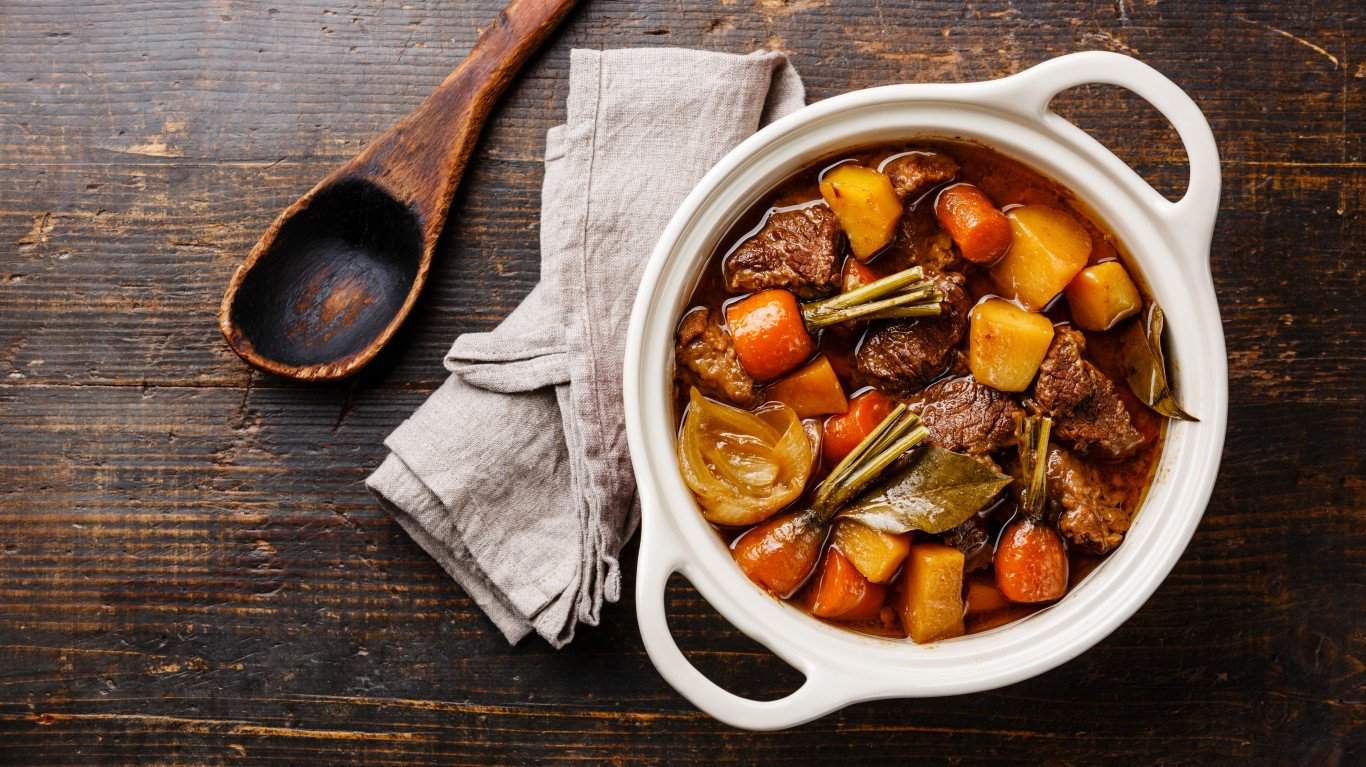
Mulligan Stew
Mulligan stew became associated with itinerant workers, makeshift camps, and people trying to survive on very little money. Unlike recipes with fixed ingredient lists, this dish was defined by improvisation. Potatoes, carrots, cabbage, onions, and whatever meat or other ingredients happened to be available could all go into a communal pot.
The term predates the Great Depression, but the stew became particularly evocative of the era's widespread unemployment and displacement. People traveling in search of work sometimes relied on inexpensive or shared meals, and a large pot of stew could combine small contributions into something more substantial. The recipe's appeal remains straightforward: almost anything suitable for simmering can be used to create a filling dinner.
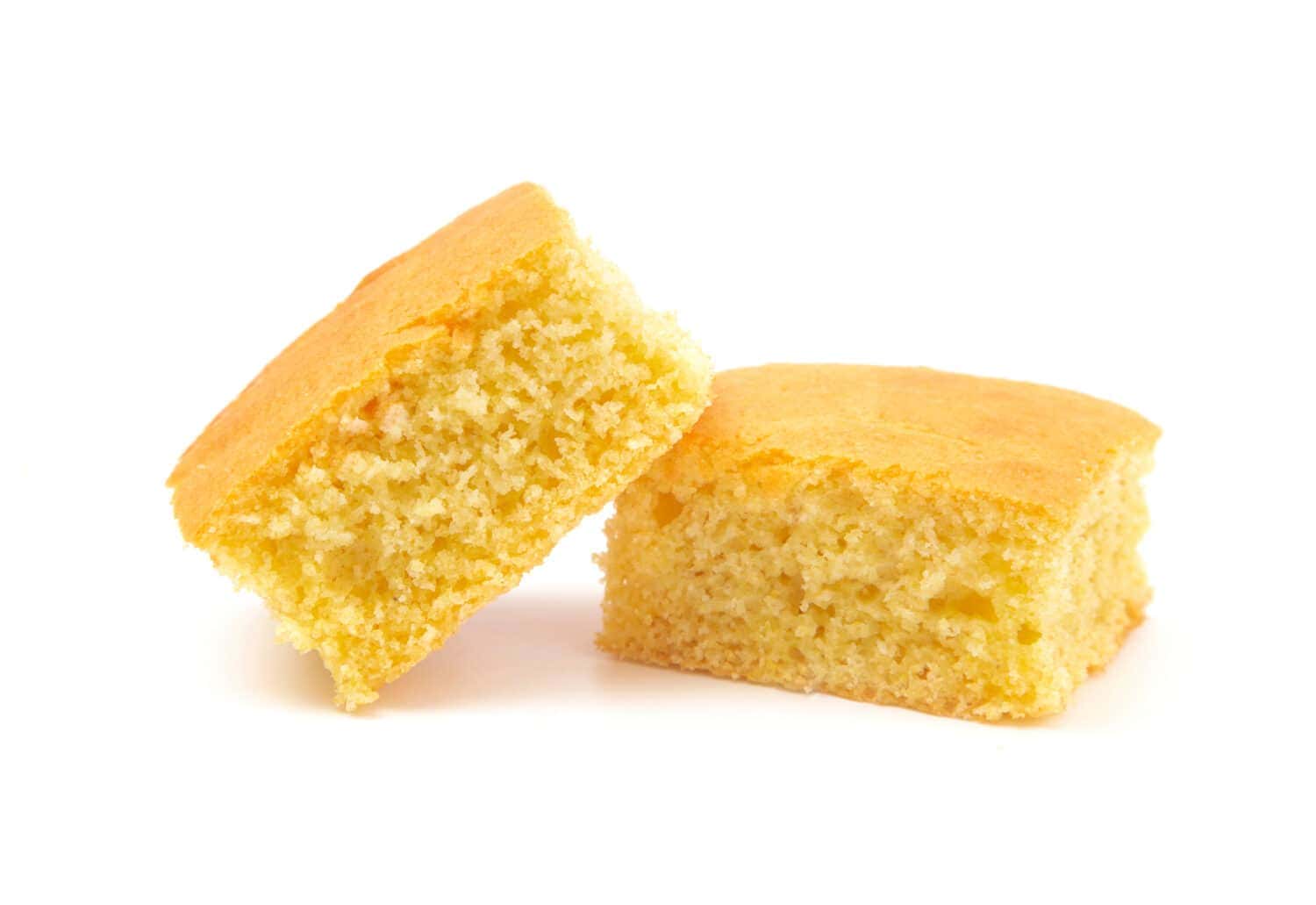
Cornbread
Cornbread had been a staple of American cooking for generations before the Great Depression, especially throughout the South. Its basic ingredients were often inexpensive and relatively easy to obtain. Traditional recipes varied, but simple versions could be made from cornmeal, water, salt, and fat, while richer preparations included eggs, milk, or buttermilk.
For families stretching limited food supplies, cornbread offered an affordable accompaniment to beans, vegetable soups, and other economical meals. It could also be eaten on its own or used to make use of leftover ingredients. Hot-water cornbread, prepared from a simple cornmeal mixture and typically fried, was another familiar variation. The popularity of cornbread has endured, making it one of the most recognizable dishes represented in Depression-era cooking.
Spaghetti and Carrot Casserole
When meat was too expensive, pasta and vegetables offered another way to prepare a filling family dinner. Spaghetti and carrot casserole combined cooked pasta with softened carrots and a basic white sauce before the ingredients were baked together. The result was a simple casserole that relied more on inexpensive starches and vegetables than on meat or costly cheeses.
Recipes like this illustrate the practical role of casseroles in economical home cooking. Pasta helped provide the bulk of the meal, while vegetables added flavor and variety. The white sauce brought everything together using common kitchen ingredients. Although the dish is often associated with Depression-era recipe collections, its exact prevalence in American households is uncertain. Its underlying approach, however, was unmistakably suited to families making limited groceries go further.
Meatless Loaf
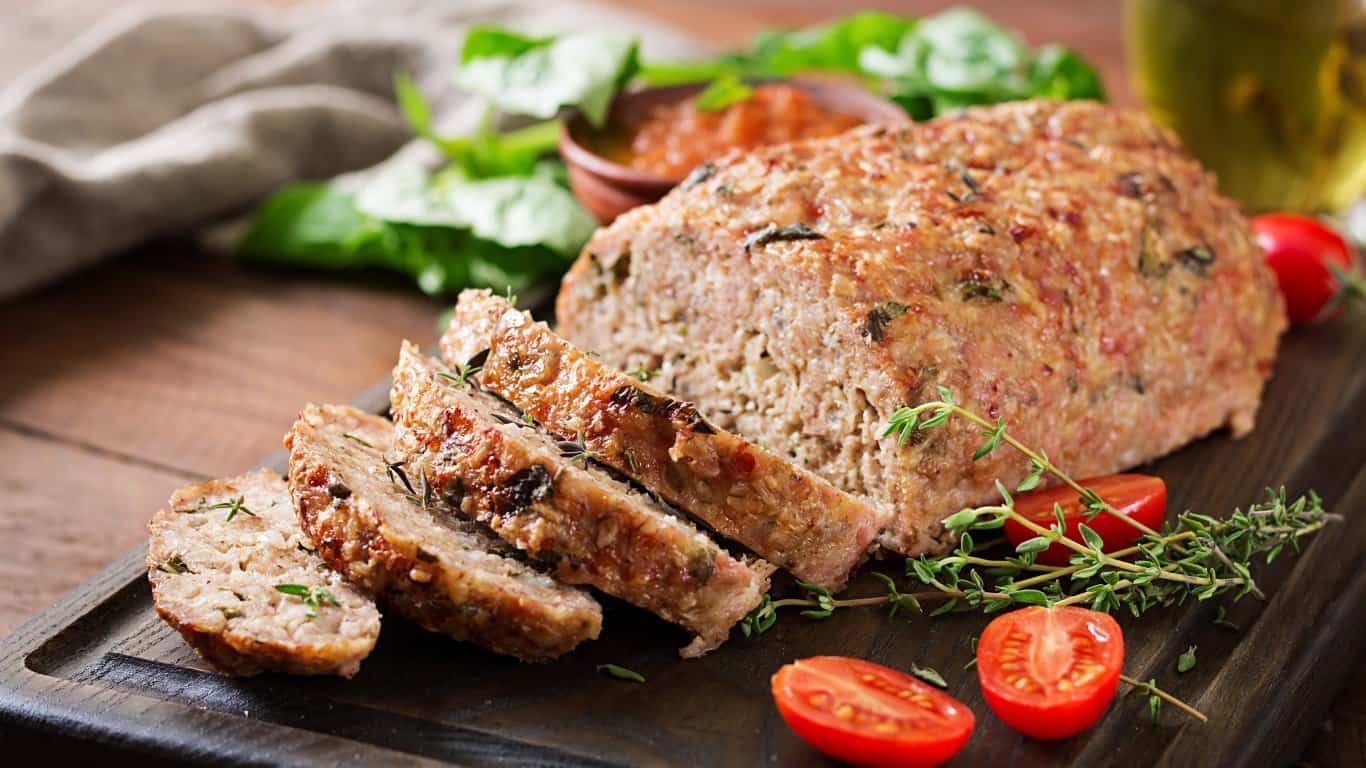
Meatloaf traditionally relies on ground meat, but resourceful home cooks developed alternatives using grains, legumes, nuts, and dairy products. One variation combined peanuts, cottage cheese, and oatmeal or rice to create a mixture that could be shaped into a loaf and baked. Other versions used leftover vegetables or cooked beans, depending on what was available.
Meatless loaves were not unique to the Great Depression, having also appeared in vegetarian and health-focused cookbooks. However, recipes that replaced or reduced meat became especially relevant when household budgets were tight. They offered a way to preserve the familiar structure of a main-course dinner while relying on ingredients that could be less expensive or easier to obtain. Similar vegetable and grain loaves remain popular today.
Potato Soup
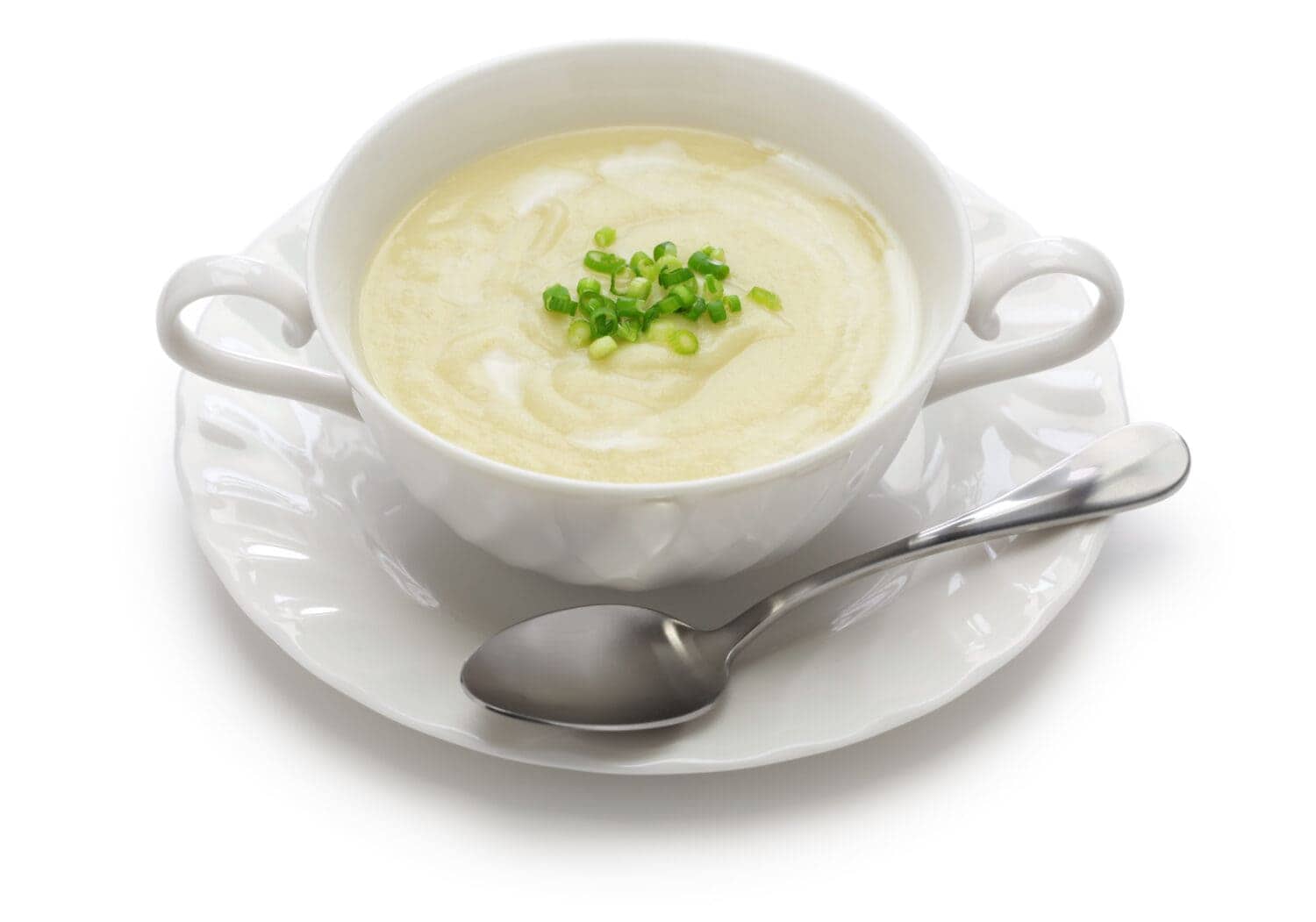
Potatoes were among the most versatile ingredients available to families trying to limit grocery spending. A basic potato soup could be prepared from potatoes, onions, water or broth, and seasonings. Households with milk, butter, or a little cream could make a richer version, while others kept the recipe simple and relied on the starch released by the potatoes to give the soup body.
Potato soup was particularly practical because a small number of inexpensive ingredients could produce several servings. Leftover vegetables or small pieces of meat could be added when available. Like many dishes associated with the Great Depression, potato soup existed long before the 1930s, but its simplicity made it valuable during difficult economic times. Versions of the recipe remain familiar comfort food today.
Dandelion Salad
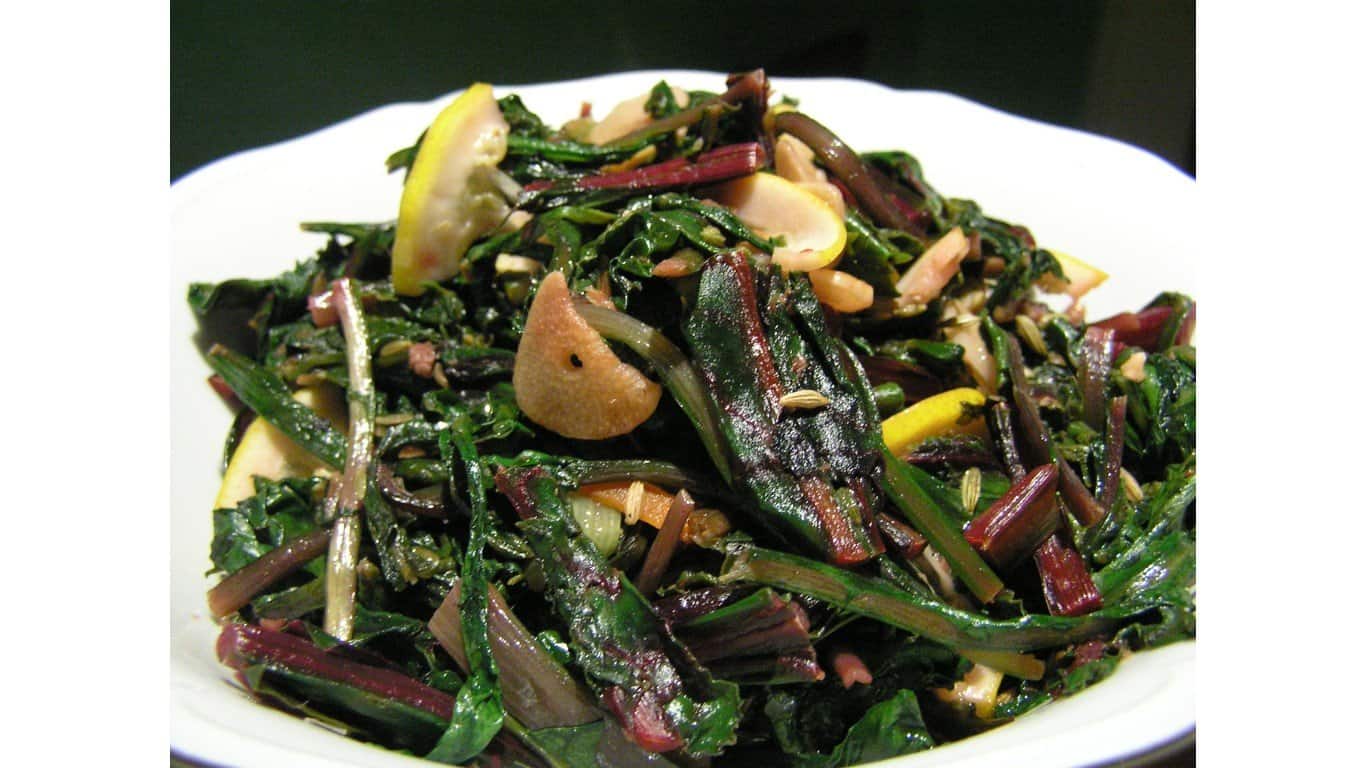
Foraging for edible plants was another way some families supplemented their meals during lean times. Dandelion greens, which grow in lawns and fields across much of the United States, have a long history as a food ingredient. Tender young leaves can be used in salads, while older greens are sometimes cooked to reduce their bitterness.
During the Great Depression, access to gardens and edible wild plants could help households obtain fresh greens without spending money at a store. Dandelion salads were not a new invention, especially among families familiar with European culinary traditions. Anyone preparing wild greens today should be certain of the plant's identification and avoid collecting from areas treated with pesticides, herbicides, or other contaminants.
Rice Pudding
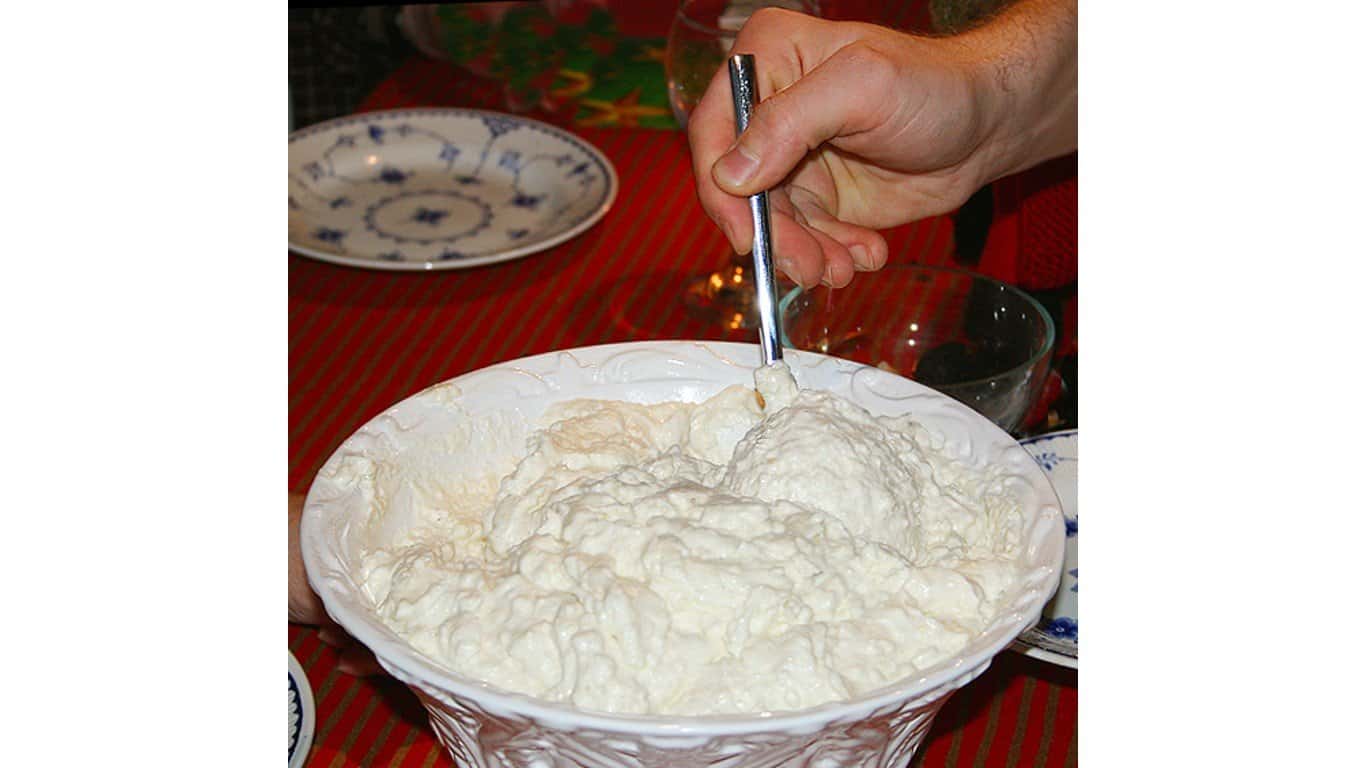
Rice pudding offered an economical way to turn a common pantry staple into dessert. Traditional recipes combined cooked rice with milk and sugar, sometimes adding eggs, raisins, cinnamon, or vanilla for extra flavor. The dish could be prepared on the stovetop or baked, and it was especially useful when leftover rice needed to be used rather than wasted.
Although rice pudding has a much longer history than the Great Depression, its straightforward ingredients fit naturally into the era's resourceful cooking practices. The richness of the finished dessert depended on what a family could afford, with some versions containing custard-like mixtures and others relying on little more than rice and sweetened liquid. Rice pudding remains popular in many cultures around the world.
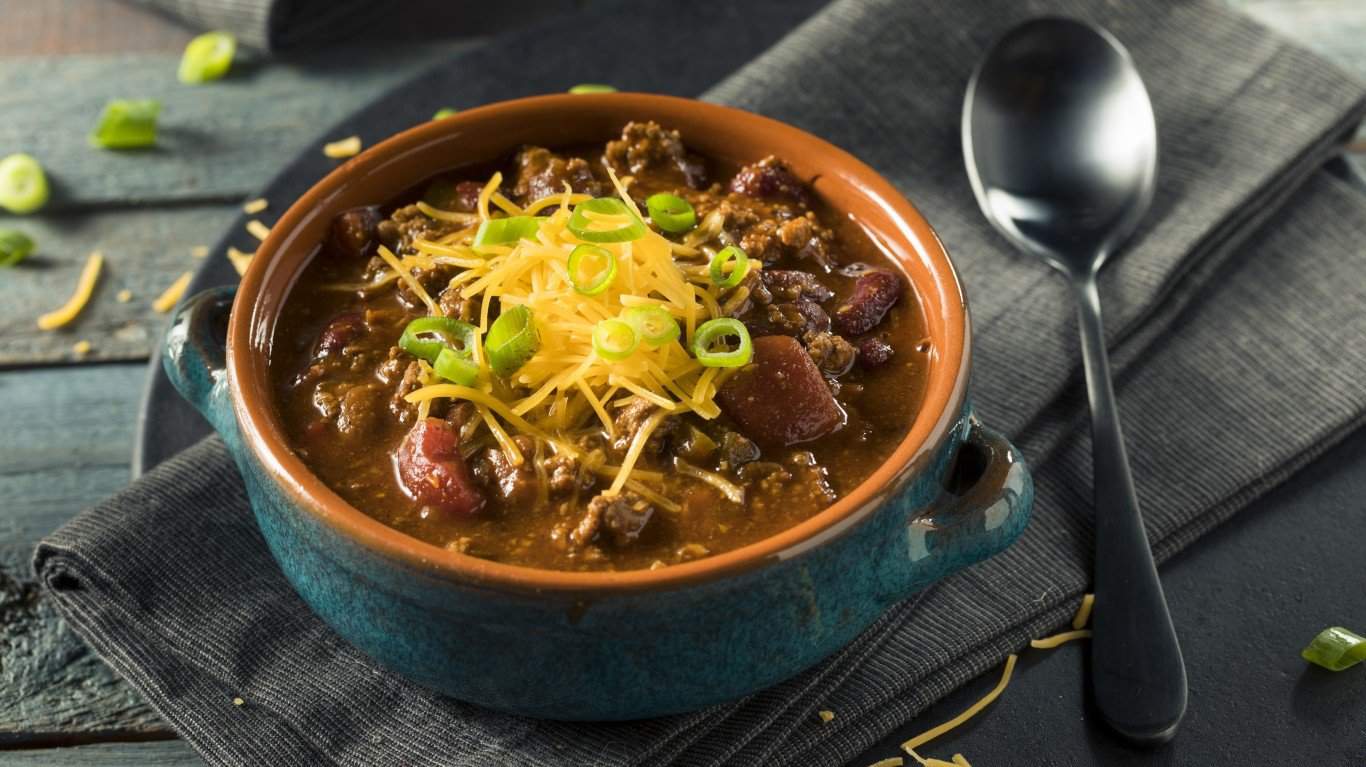
Chili
Chili was already a familiar American dish before the Great Depression, particularly in Texas and other parts of the Southwest. Its appeal during difficult economic times was easy to understand. A pot could be prepared with relatively inexpensive ingredients, while beans, when included, helped stretch smaller quantities of meat into additional servings.
Chili parlors also offered customers a hot, substantial meal without the expense of a formal restaurant dinner. Crackers were a familiar accompaniment and could make a serving feel more filling. Recipes varied considerably depending on region and household preferences, with some versions emphasizing beef and chili peppers and others incorporating beans, tomatoes, or additional vegetables. Chili's adaptability helped secure its lasting place in American comfort-food culture.
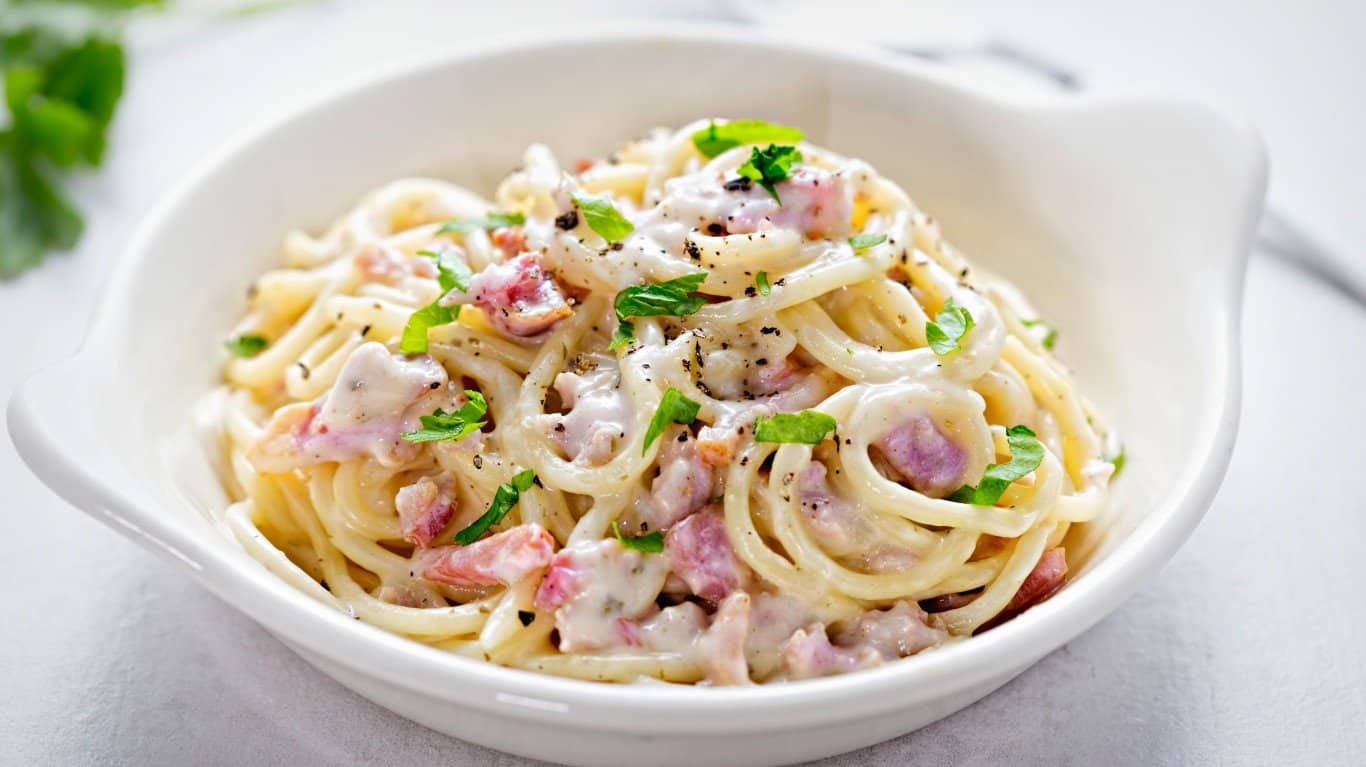
Spaghetti With Bacon
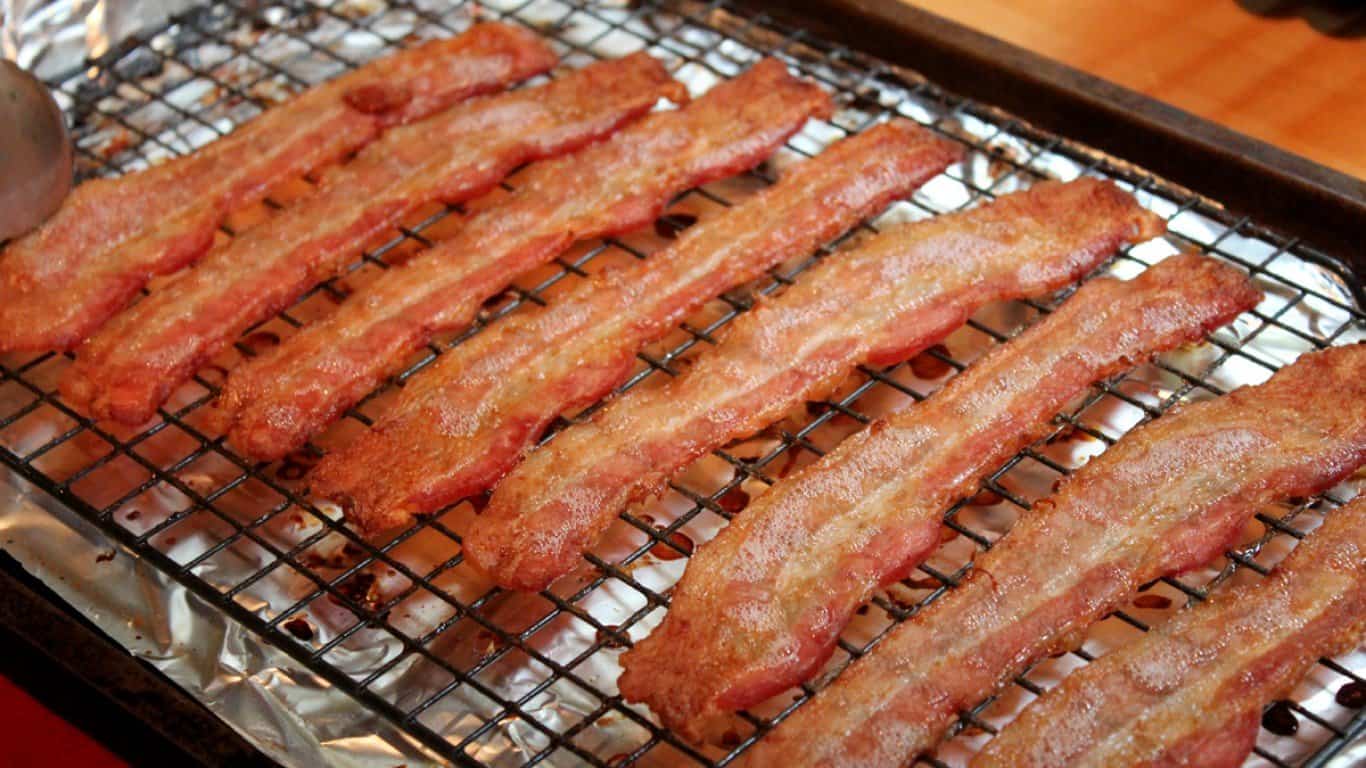
When a family could not afford enough meat for everyone, using a little bacon to flavor a larger serving of pasta offered a practical compromise. Spaghetti with bacon combined inexpensive noodles with small pieces of cured pork, often using some of the rendered fat to flavor the dish. Tomatoes, onions, or other available ingredients could be added to create a more substantial sauce.
The approach was simple: use a small amount of a flavorful ingredient to improve a much larger quantity of inexpensive food. Pasta had become increasingly familiar in American kitchens through immigrant culinary traditions, and it was well suited to economical meals. Although the precise recipe varied, dishes combining spaghetti and bacon reflected the broader practice of stretching limited meat supplies without eliminating them entirely.
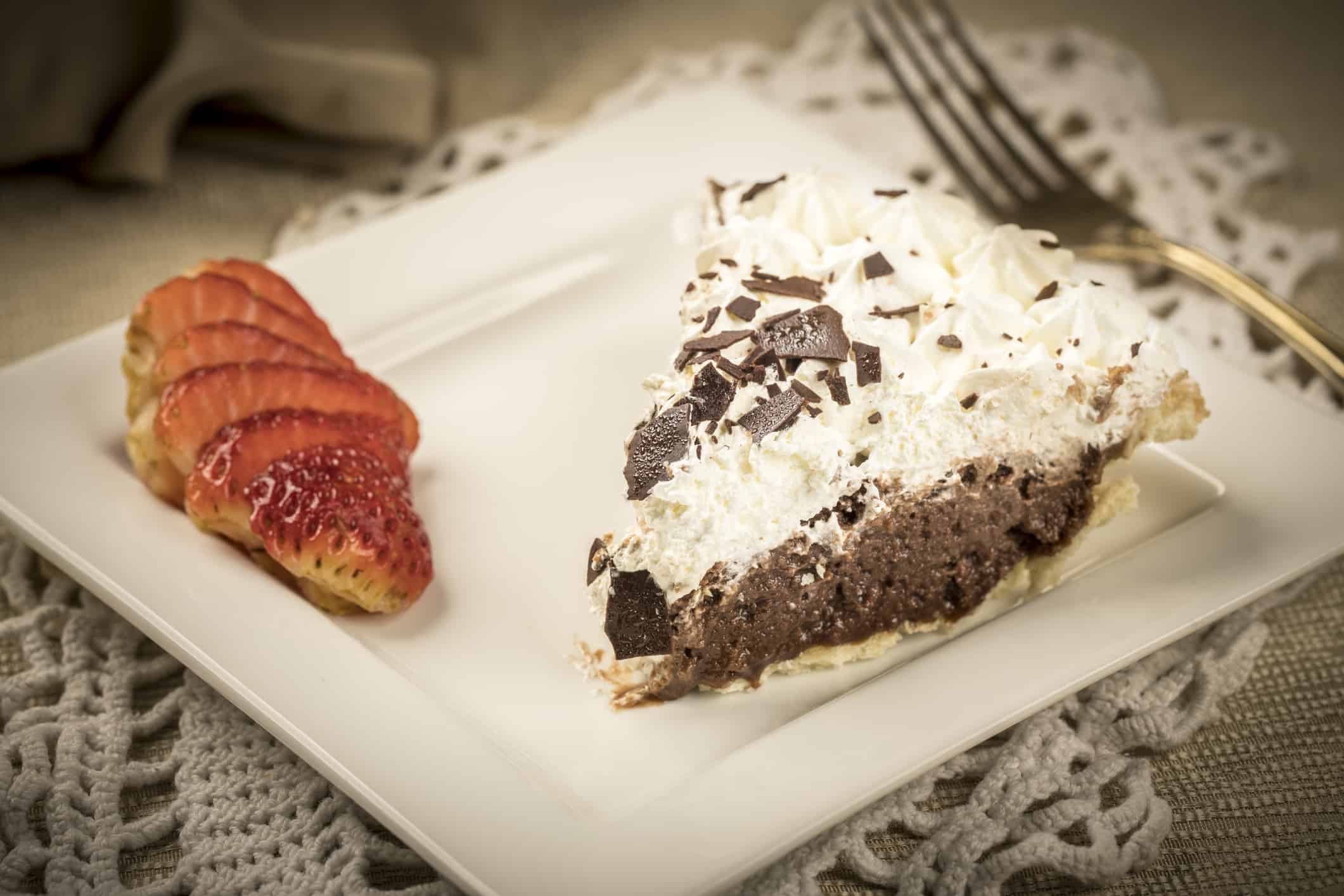
Chocolate Cream Pie
Chocolate desserts did not disappear during the Great Depression, although families often needed to be more careful about their ingredients. Economical chocolate pies could rely on cocoa powder rather than expensive baking chocolate, with sugar, starch, and milk or water used to create the filling. A basic pastry shell completed the dessert, although recipes differed considerably in richness and preparation.
Traditional chocolate cream pies commonly included dairy and sometimes eggs, making them more indulgent than some other Depression-era sweets. However, economical variations demonstrated how familiar desserts could be adapted to different household budgets. Using cocoa powder and a thickened filling made it possible to produce something that felt special without requiring large quantities of costly ingredients.
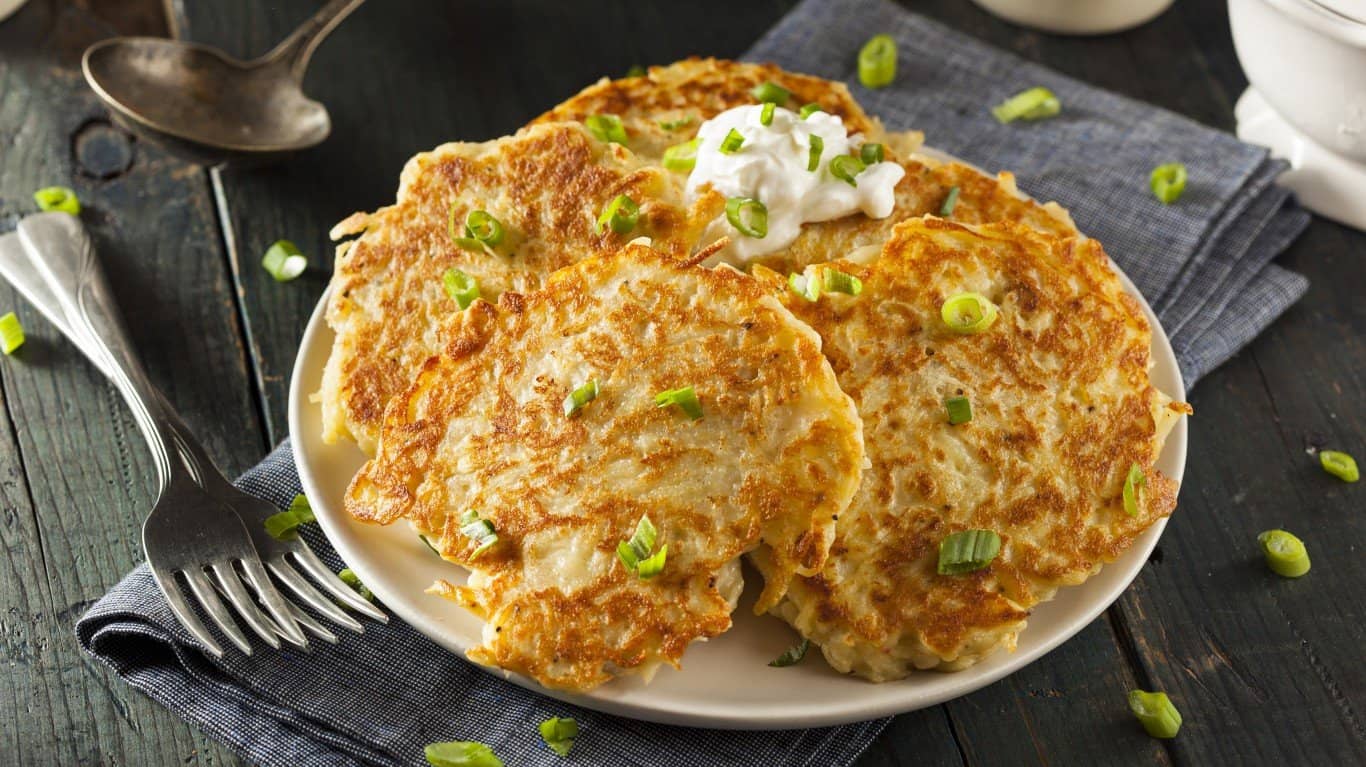
Potato Pancakes
Potato pancakes have long been prepared in European and American kitchens, and their appeal during the Great Depression came from their inexpensive primary ingredient. Grated or mashed potatoes could be combined with onion, flour, egg, or seasonings before being shaped into patties and fried. The exact recipe depended on regional traditions and which ingredients were available.
For households with leftover potatoes, pancakes offered a way to make yesterday's food feel like a different meal. Some versions were served with applesauce or sour cream, while simpler preparations required little more than salt and a cooking fat. Potato pancakes remain popular today, particularly in Central and Eastern European culinary traditions, and provide another reminder of how far a versatile vegetable can go.
Bacon Roll-Ups
Bacon roll-ups combined the appeal of meat with the practical need to make small portions go further. Recipes varied, but one version used cubes or pieces of stale bread moistened with egg and seasonings, then wrapped in bacon and cooked until the outside became crisp. The bread provided most of the bulk, while the bacon contributed flavor.
The dish illustrates an approach that was especially useful when household budgets were tight: making a small amount of meat feel like the centerpiece of a meal. Stale bread could be repurposed instead of thrown away, although eggs and bacon were not always affordable. Similar bacon-wrapped appetizers remain popular today, even if their association with economical Depression-era cooking is less familiar.
Split Pea Soup
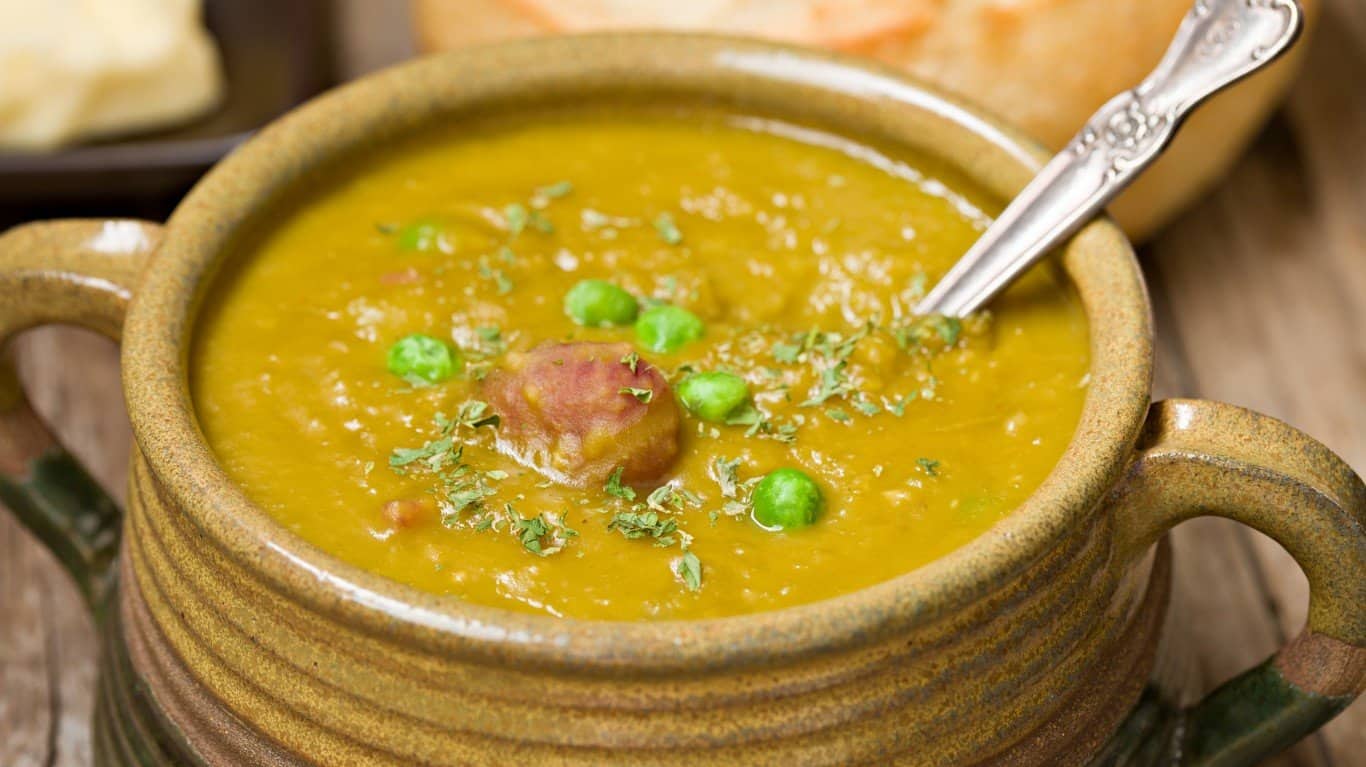
Dried split peas were useful pantry staples because they could be stored for extended periods and cooked into a filling meal. Split pea soup typically combined peas with water or broth, onions, and seasonings. Families with access to ham bones or other leftover meat could simmer them in the pot to add flavor, but meat was not necessary to produce a substantial soup.
The dish was already established long before the Great Depression and appeared in numerous culinary traditions. Its usefulness during hard times came from the relatively simple ingredients and the ability to prepare multiple servings in a single pot. Split peas soften as they cook, helping create a naturally thick texture without the need for cream or other expensive additions.
Onion Soup
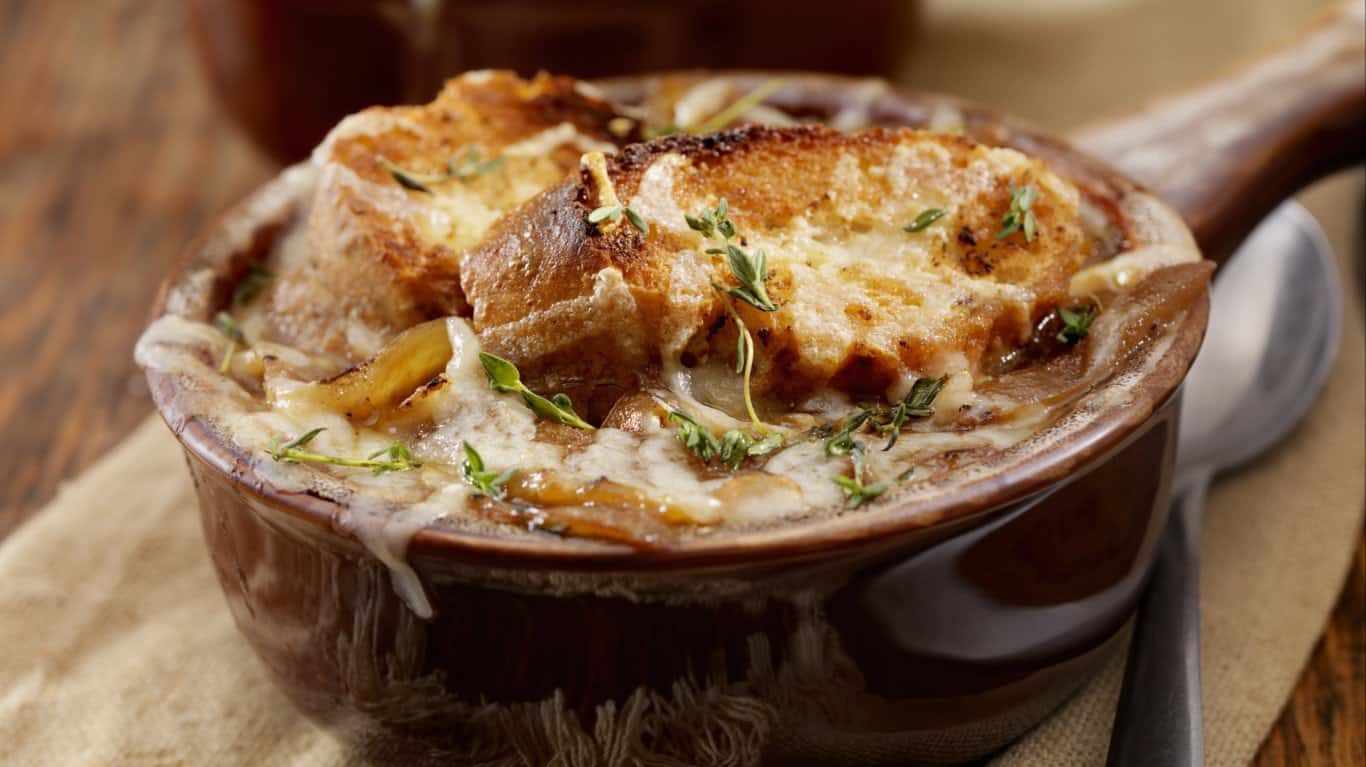
Onions were a familiar ingredient in inexpensive home cooking because they could add substantial flavor to otherwise simple dishes. Basic onion soups relied on slowly cooked onions, water or broth, and whatever additional vegetables or seasonings were available. Some preparations incorporated potatoes or green beans, while richer versions used milk or a little fat to produce a creamier texture.
Unlike restaurant-style French onion soup topped with bread and melted cheese, economical homemade versions could be quite plain. The goal was to create a warming meal from ingredients already on hand. Onion-based soups had existed for centuries, but their flexibility made them appropriate for lean household budgets. Adding leftover bread could make the dish more substantial without greatly increasing the cost.
Baked Apples
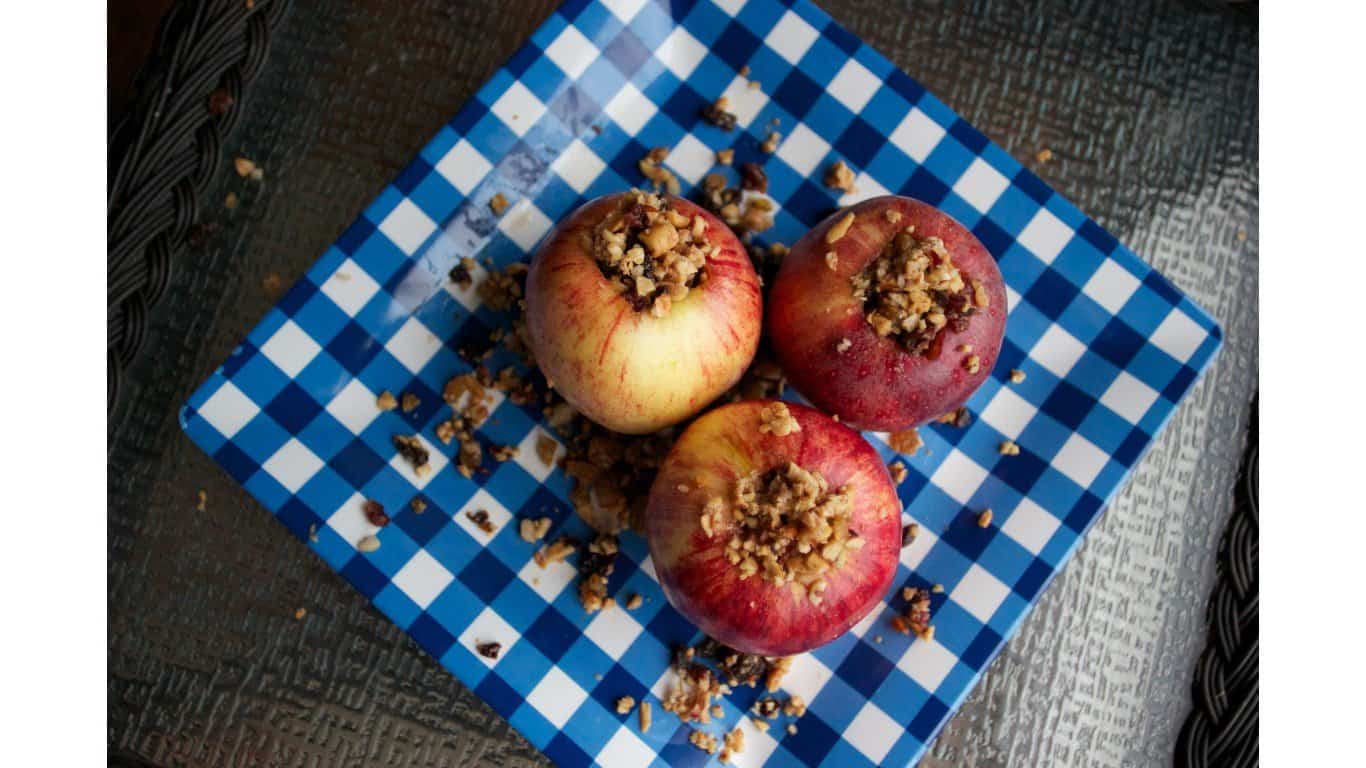
Baked apples offered a straightforward way to turn fresh fruit into a warm dessert. Traditional preparations called for removing the apple cores, adding a little sugar and cinnamon, and baking the fruit until tender. Some recipes included butter, raisins, or nuts, but the simplest versions needed few additional ingredients beyond the apples themselves.
The dish was well established before the Great Depression, and its affordability depended on local fruit prices and seasonal availability. Families with access to apple trees or inexpensive seasonal produce could enjoy it without purchasing elaborate dessert ingredients. Baked apples also provided a way to use fruit that was slightly past its prime but still suitable for cooking. The recipe remains a familiar autumn comfort food.
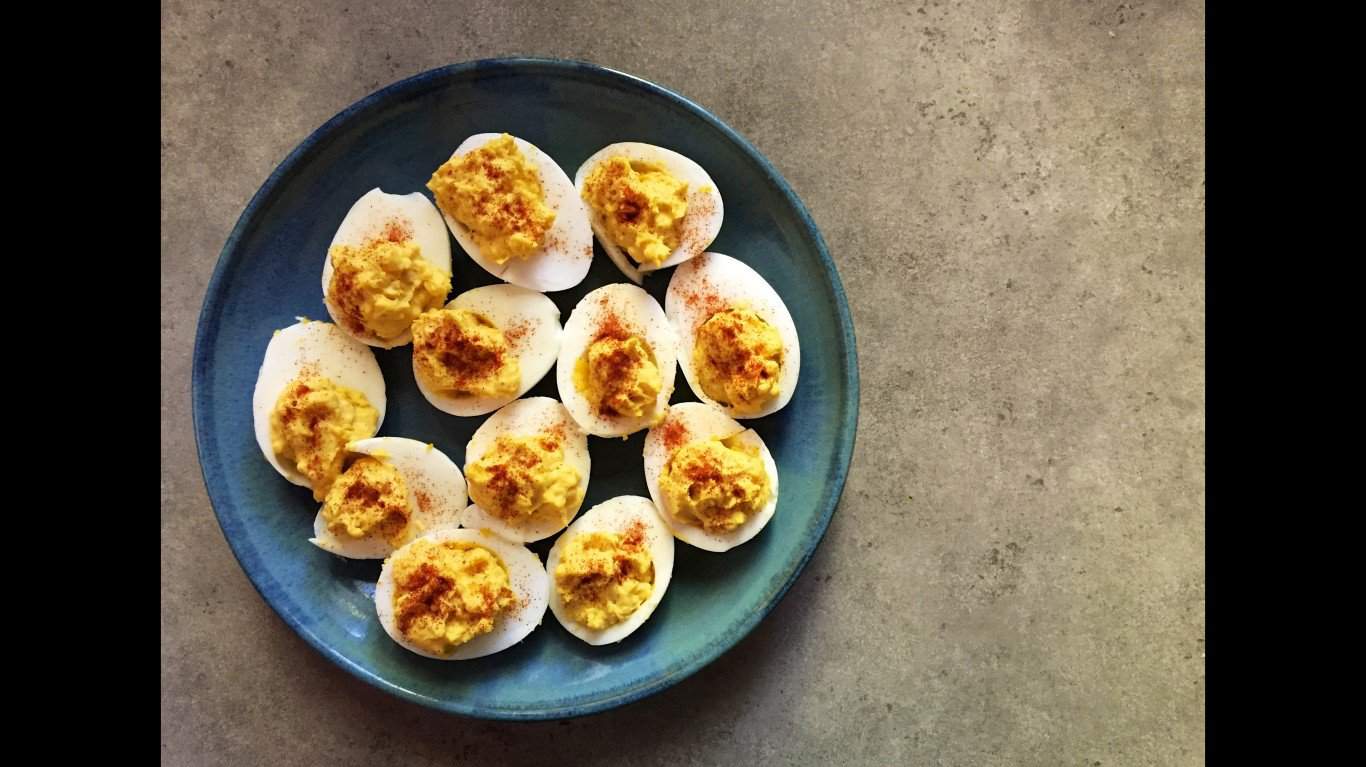
Deviled Eggs in Tomato Sauce
Deviled eggs are usually associated with appetizers and holiday gatherings, but recipes pairing stuffed eggs with tomato sauce offered a way to serve them as part of a more substantial meal. Hard-boiled eggs could be halved and filled with a seasoned yolk mixture before being combined with a tomato-based sauce. Versions of stuffed eggs have appeared in cookbooks for generations.
The dish appears in collections of economical recipes associated with the Depression era, although its popularity at the time is difficult to quantify. Eggs were not always cheap or readily available to every household, but families with backyard chickens or access to affordable eggs could use them in place of larger servings of meat. Served with bread or potatoes, the combination could become a complete dinner.