Liz Grogan / Shutterstock.com
Source: Martha Graham / Shutterstock.com
Source: AS Foodstudio / Shutterstock.com
Source: MSPhotographic / Shutterstock.com
Source: Liz Grogan / Shutterstock.com
Source: freeskyline / Shutterstock.com
Source: Fanfo / Shutterstock.com

Source: zoryanchik / Shutterstock.com
Source: Public Domain / Wikimedia Commons
Source: Arina P Habich / Shutterstock.com

Source: KOHUKU / Shutterstock.com
Source: Nick N A / Shutterstock.com
Source: Anna Puzatykh / Shutterstock.com

Source: beaulaz / Shutterstock.com


The world of the 1940s was vastly different from today. The world was involved in the Second World War and rationing had been introduced early in the decade. Staples, like meat, dairy, and sugar were restricted severely, often making meal preparation challenging. Even processed items, like canned fruits and vegetables, were limited, forcing households to comprise, making do with what they had, and developing new and interesting ways to cook the foods available to them.
The U.S. government issued a point system to each household, which along with money, was turned in to purchase certain goods. According to the Oregon Secretary of State, a family of four received 192 points for processed items like canned and frozen foods and 256 points for meats, fish, and dairy. Those points had to last the month. A can of tomatoes might cost 18 points. As a result, people had no choice but to stretch items to last as long as possible.
Per the Eisenhower Foundation, the typical one-week rationing for an adult American was the following:
- Butter: ½ Stick (400 calories)
- Bacon: 4 strips (140 calories)
- Sugar: 1 U.S. Cup (773) calories)
- Meat: 1.5 lbs. of ground beef (2,500 calories)
- Milk: Slightly less than a half-gallon. (800 calories)
- Cheese: 2 oz. (200 calories)
- Eggs: 1 fresh egg a week (78 calories)
- Candy: Equivalent of 3 chocolate bars (1,200 calories)
This is hard for most of us to comprehend for one week. But this is what they had to make do with, and not only did they do it, but they came up with some innovative snacks and meals as a result. Some of these recipes are still used today, albeit with the standard ingredients that the recipes intended. (In a move opposite of rationing, Applebee's restaurant will bring back all-you-can-eat popular menu items.) (Also read about "Vintage Foods From the '70s Worth Trying Now.")
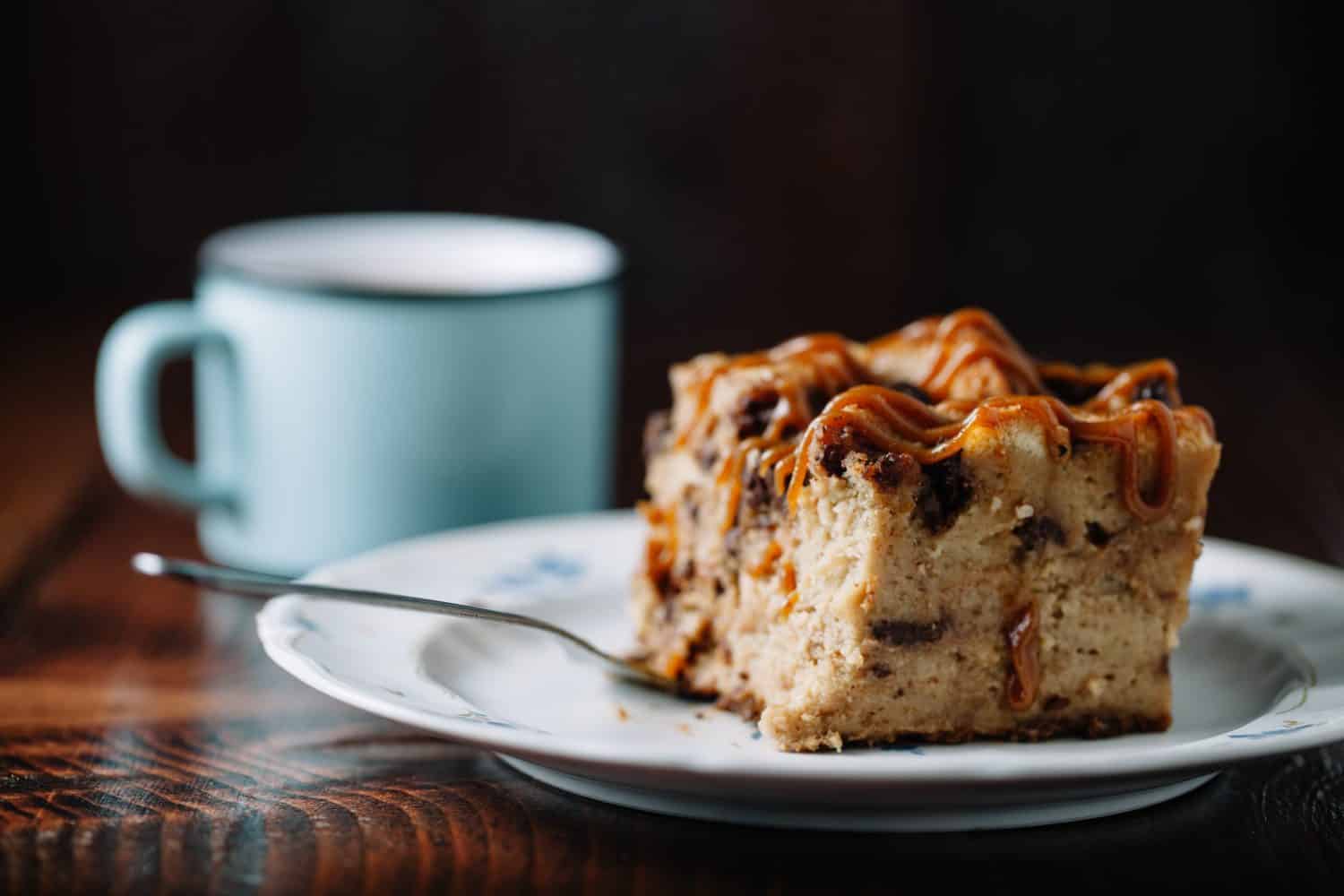
Bread Pudding
Bread pudding used up stale bread, which made it a good use of kitchen supplies when rationing. Make a custard of milk, eggs, and maple syrup or sugar. Pour that over the cubed stale bread, add some spices like cinnamon and ginger, and bake it until set.
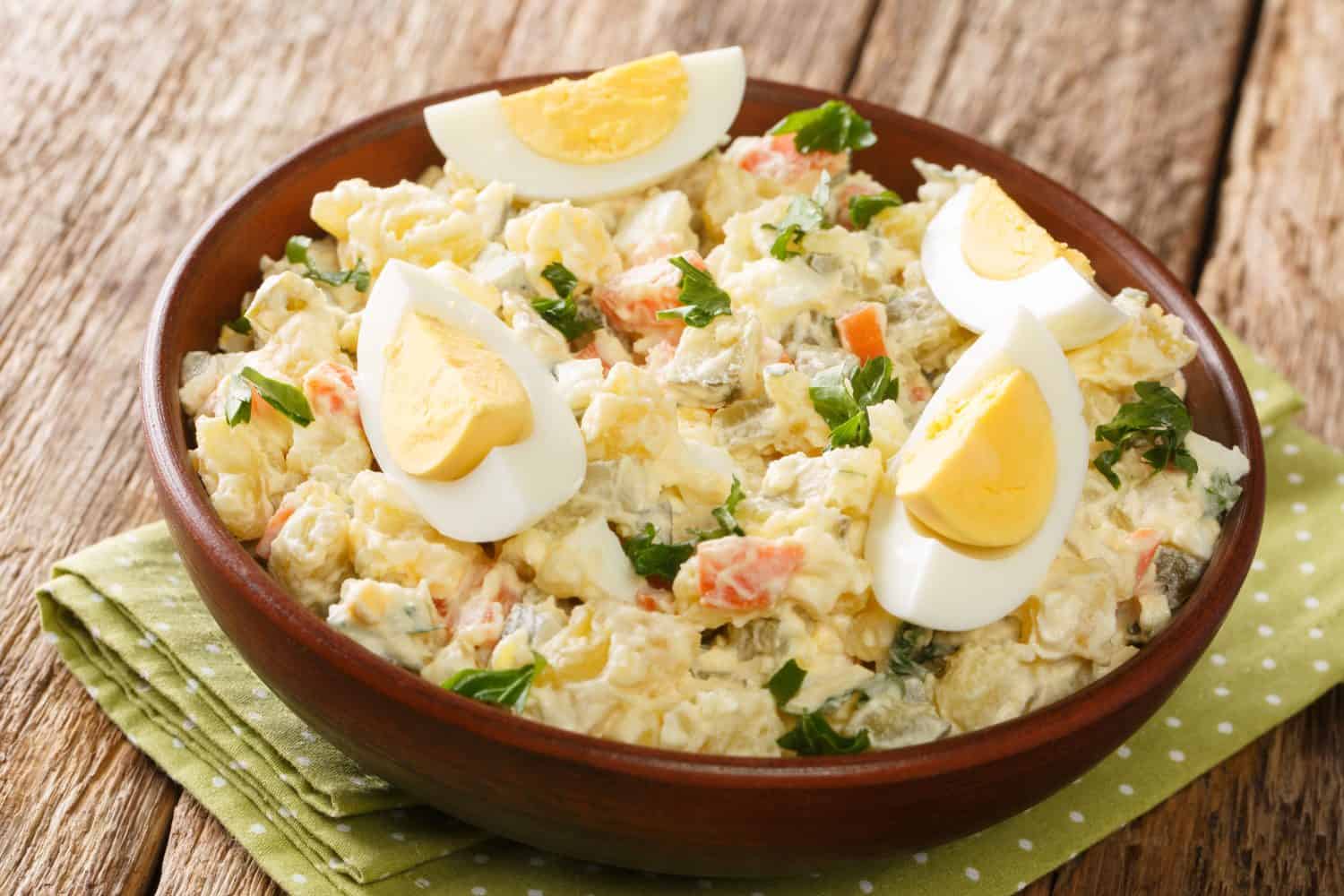
Chef's Potato Salad
Using up leftovers was important during rationing. This is where the Chef's Potato Salad came in. It used up leftovers like cooked hot dogs or Spam by incorporating them into a potato salad with cooked potatoes, onions, peas, diced cheese, celery, and hard-boiled eggs. The idea was to use up whatever you had and not follow a specific recipe.
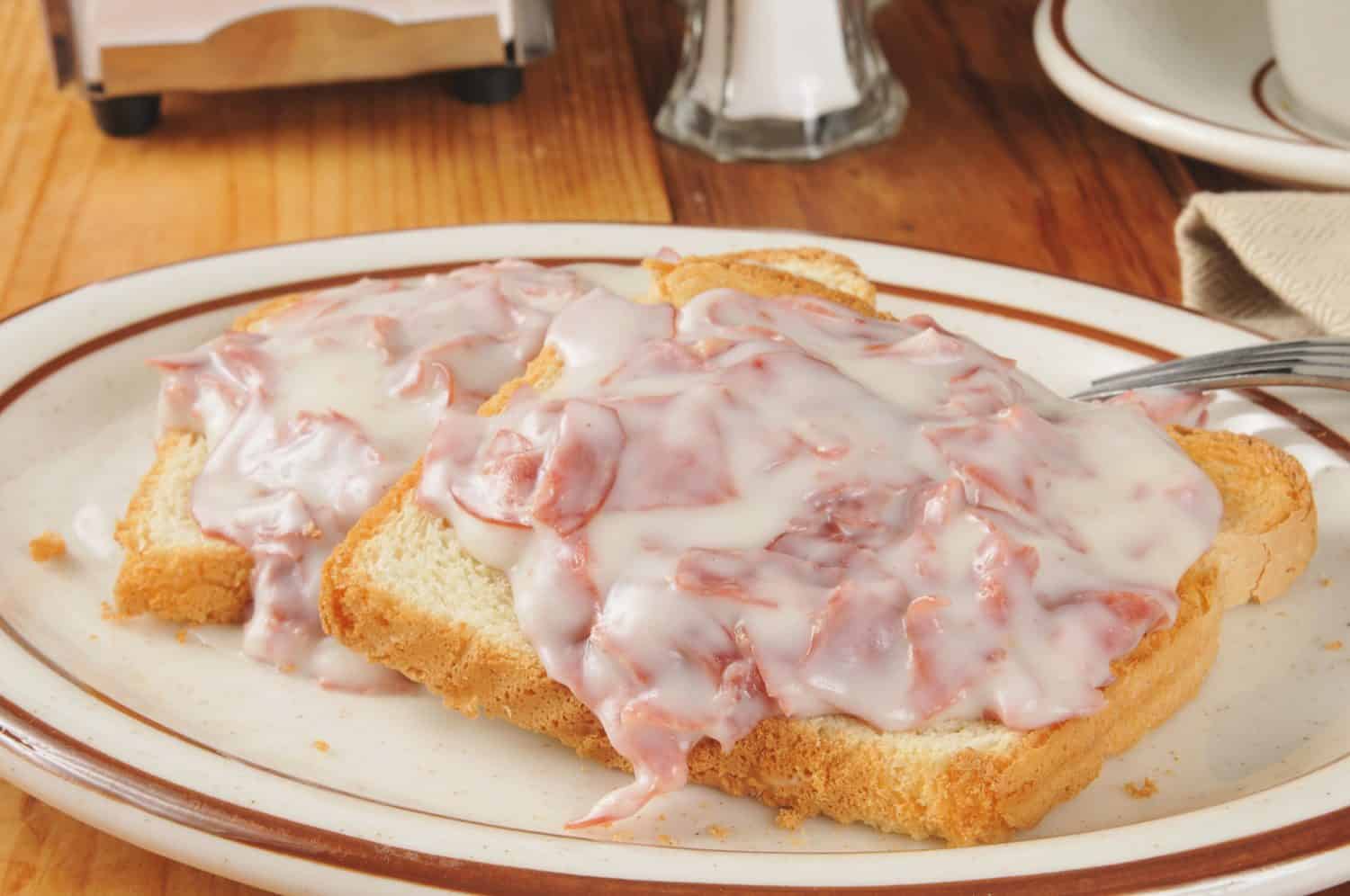
Creamed Chipped Beef on Toast
This meal was easy to make during rationing by using any leftover items and adding them together. Packaged dried beef was mixed into a milk and pepper gravy and served on slices of buttered toast. To make the gravy, make a roux from butter and flour, add in the milk and pepper, and stir in the beef as the gravy starts to thicken.
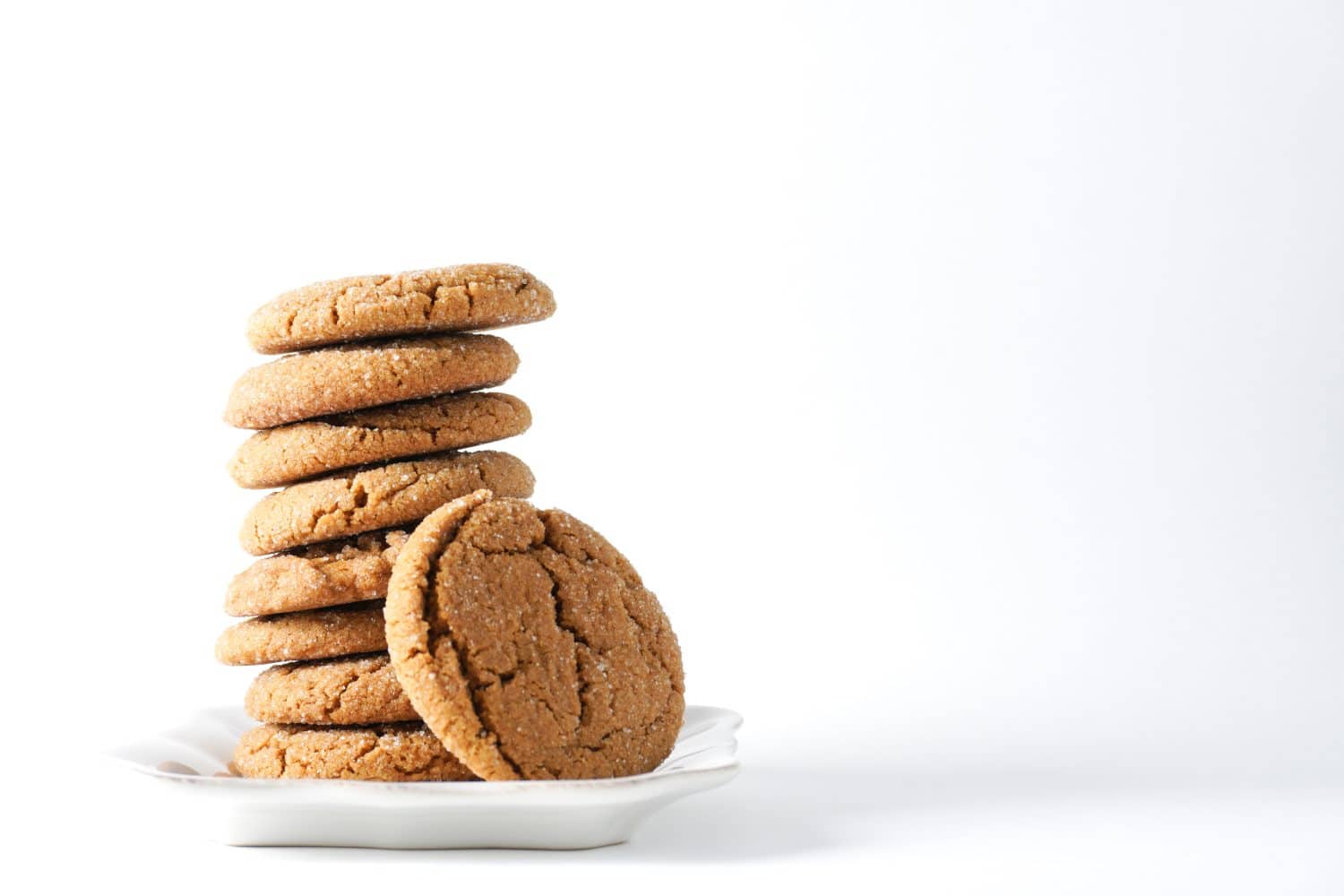
Ginger Molasses Cookies
These tasty cookies used little sugar and focused more on molasses. Sugar was an item rationed during the war – brown sugar included – and cooks and bakers alike used molasses as a substitute for the nearly impossible-to-find brown sugar, which traditional cookie recipes called for. The ration led to the new recipe ingredient switch of molasses and a new cookie tradition was born.
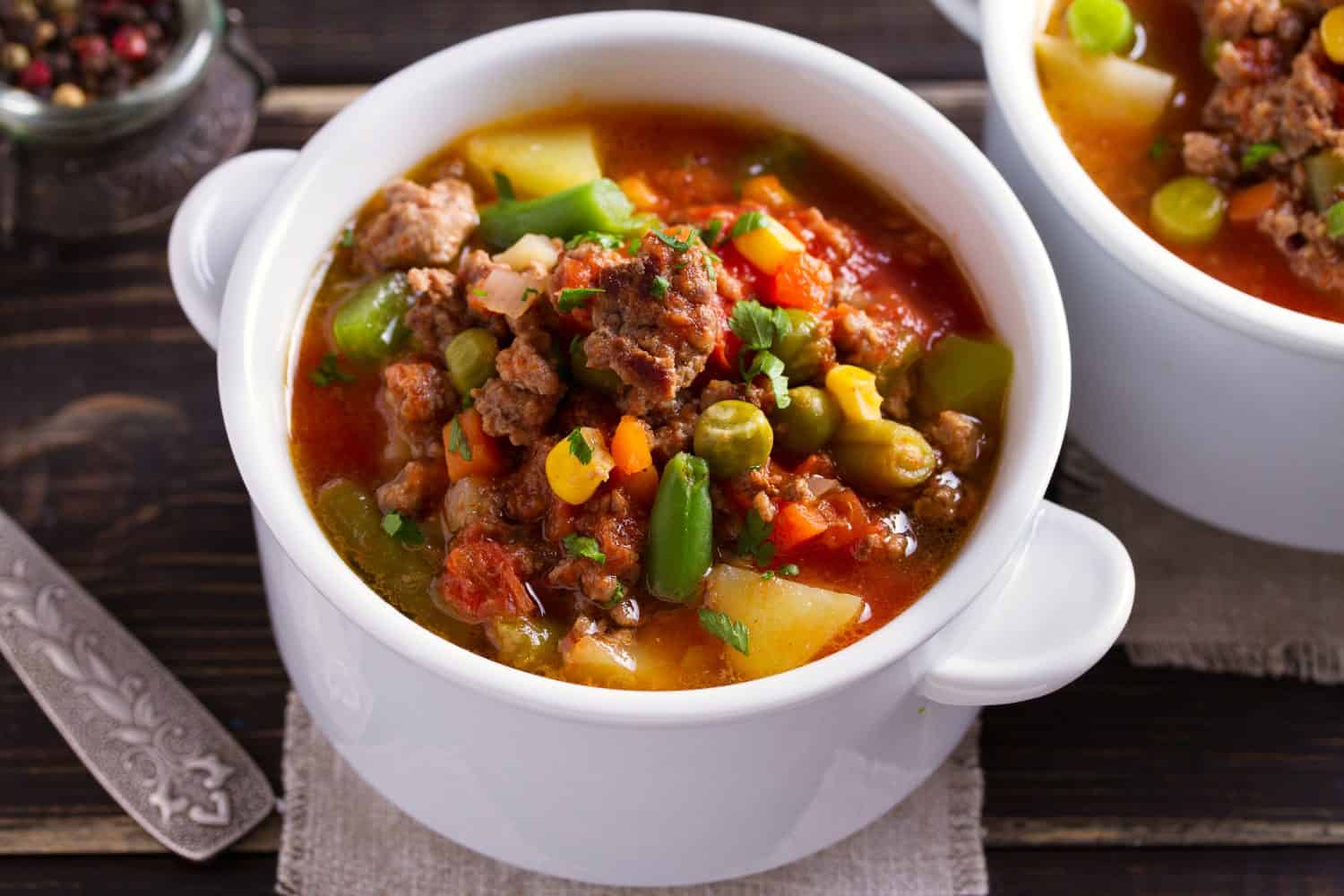
Hamburger Soup
This was a popular food in the 1940s because it didn't use up too many rationed foods. Mix sauteed ground beef, a variety of mixed vegetables like peas, carrots, onions, and corn, and a can of diced tomatoes. Use whatever stock you prefer. It's even easier to make in a slow cooker.
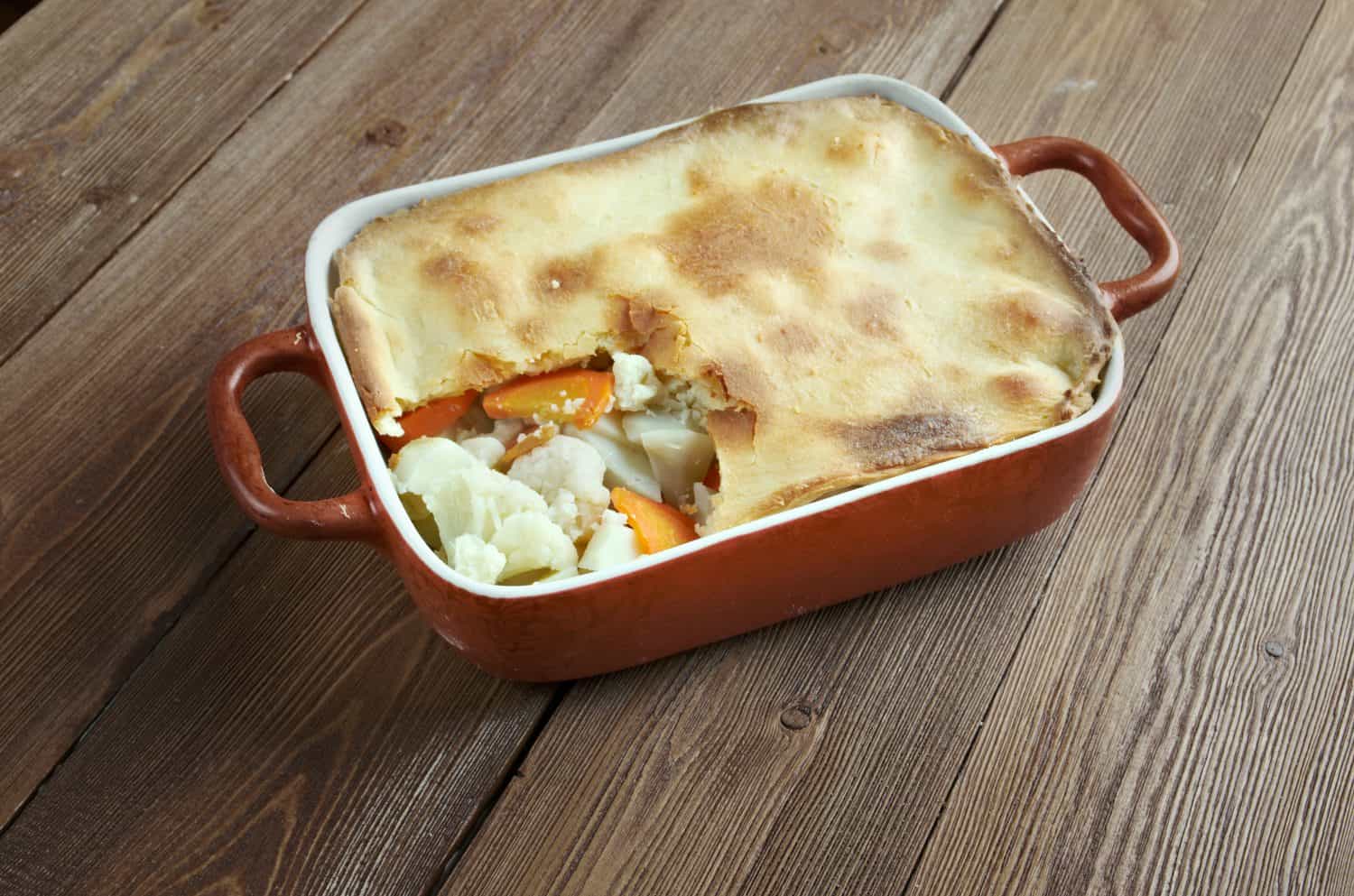
Lord Woolton Pie
The Lord Woolton pie was easy to make and didn't require meat, which was ideal for rationing. Instead, it was a pot pie made from potatoes, carrots, turnips, cauliflower, green onions, and oatmeal. The vegetables were browned in some kind of fat and mixed with Marmite or a vegetable bouillon cube. Uncooked whole oats were mixed in before the mixture was placed in a pie crust and baked.
Meat and Potato Patties
Making meat stretch to feed an entire family required thought. Many families added meat to mashed potatoes and made patties from that. Those patties were fried in butter, lard, or whatever oil was available.
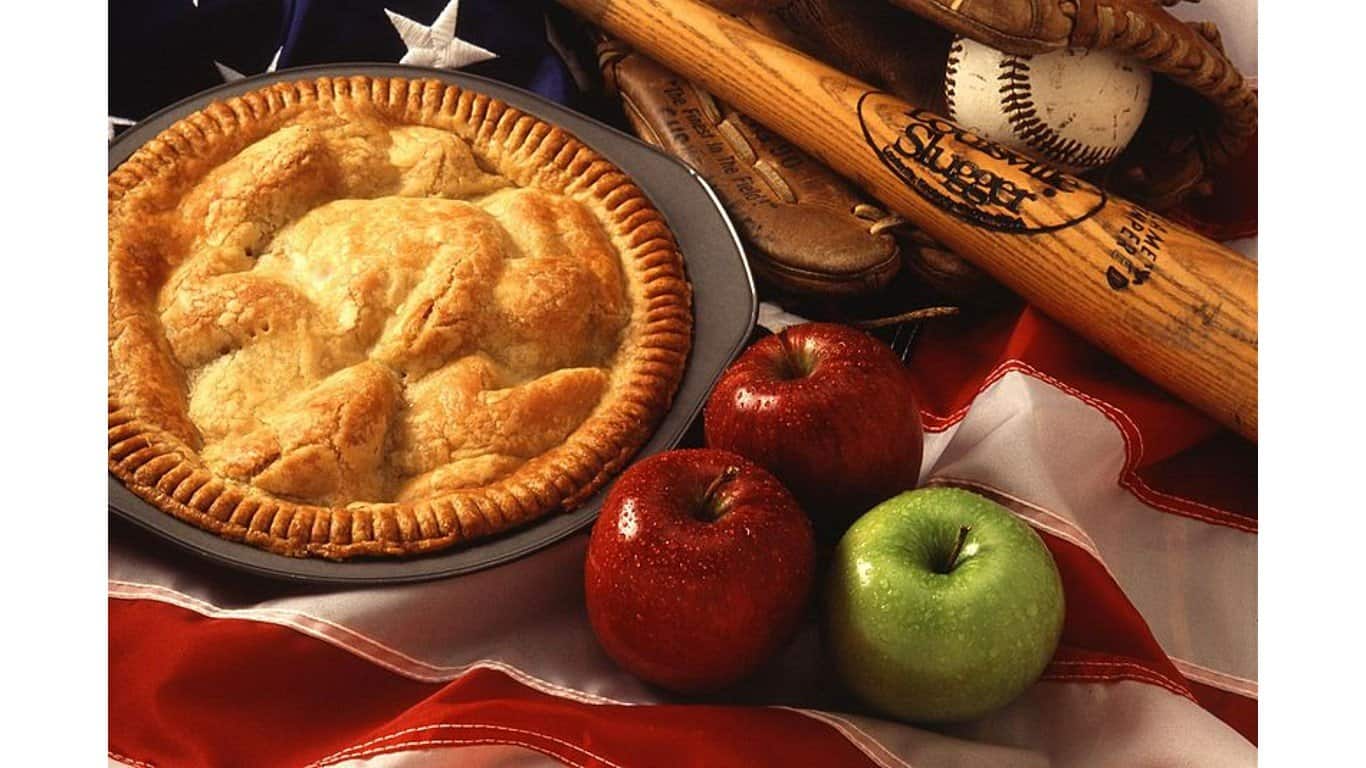
Mock Apple Pie
Mock apple pie came out before the 1940s, but the scarcity of fresh fruit in some areas made it a popular option for desserts in the 1940s. Instead of a pie made with fresh apples, Ritz crackers replaced the apples and relied on lemon zest, sugar, cinnamon, and butter to make it seem like an apple pie. West Virginia University has several mock apple pie recipes you can test out.
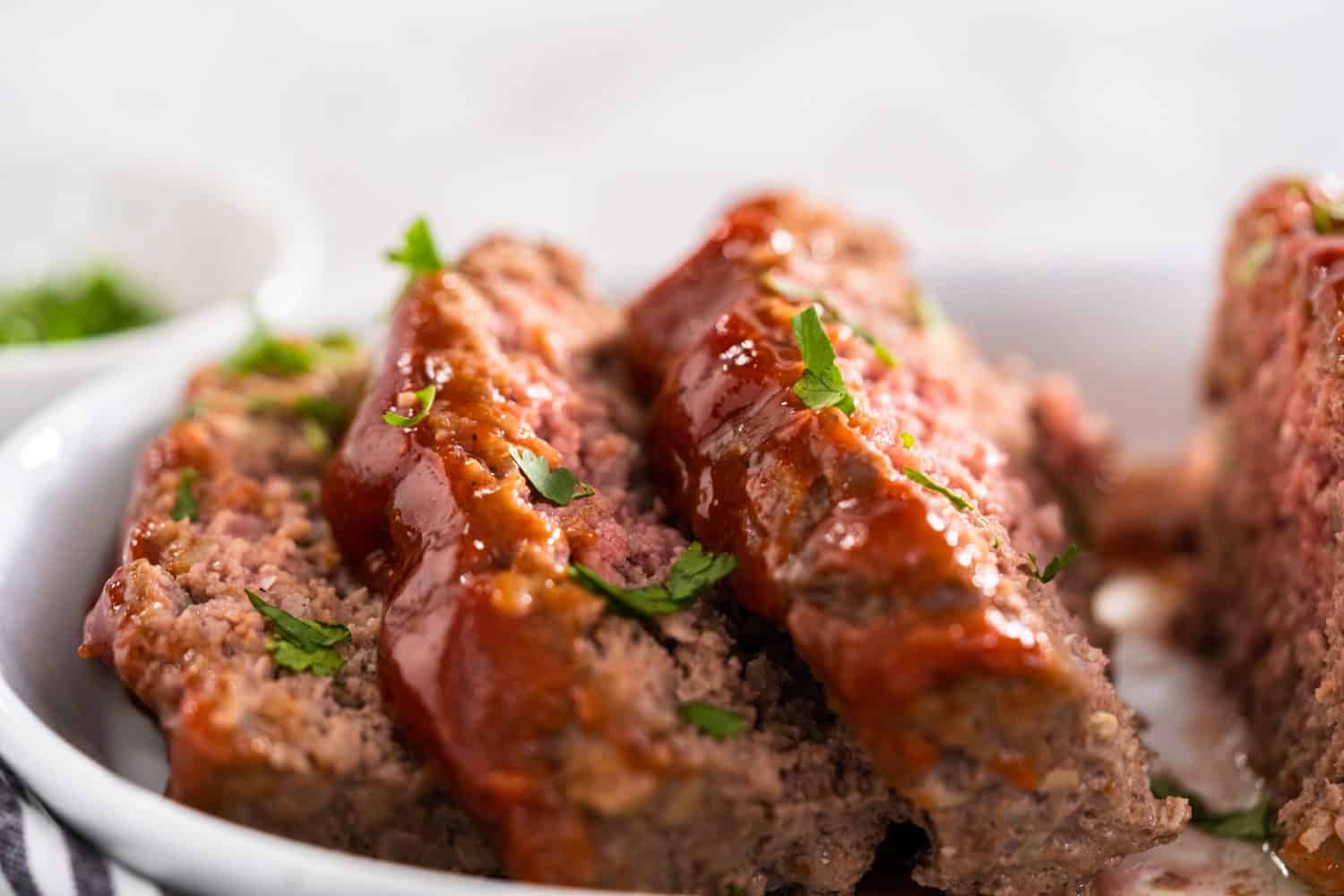
Oatmeal Meatloaf
Going back to stretching out recipes to make up for the rationing of meats, meatloaf was popular. It involved mixing ground beef with a hearty grain or cereal like oatmeal. The topping of ketchup and brown sugar added a tangy, sweet coating.
Spam and Eggs
Spam came out in the late 1930s, which makes it one of the more popular foods from the '40s, especially due to its shelf-life.
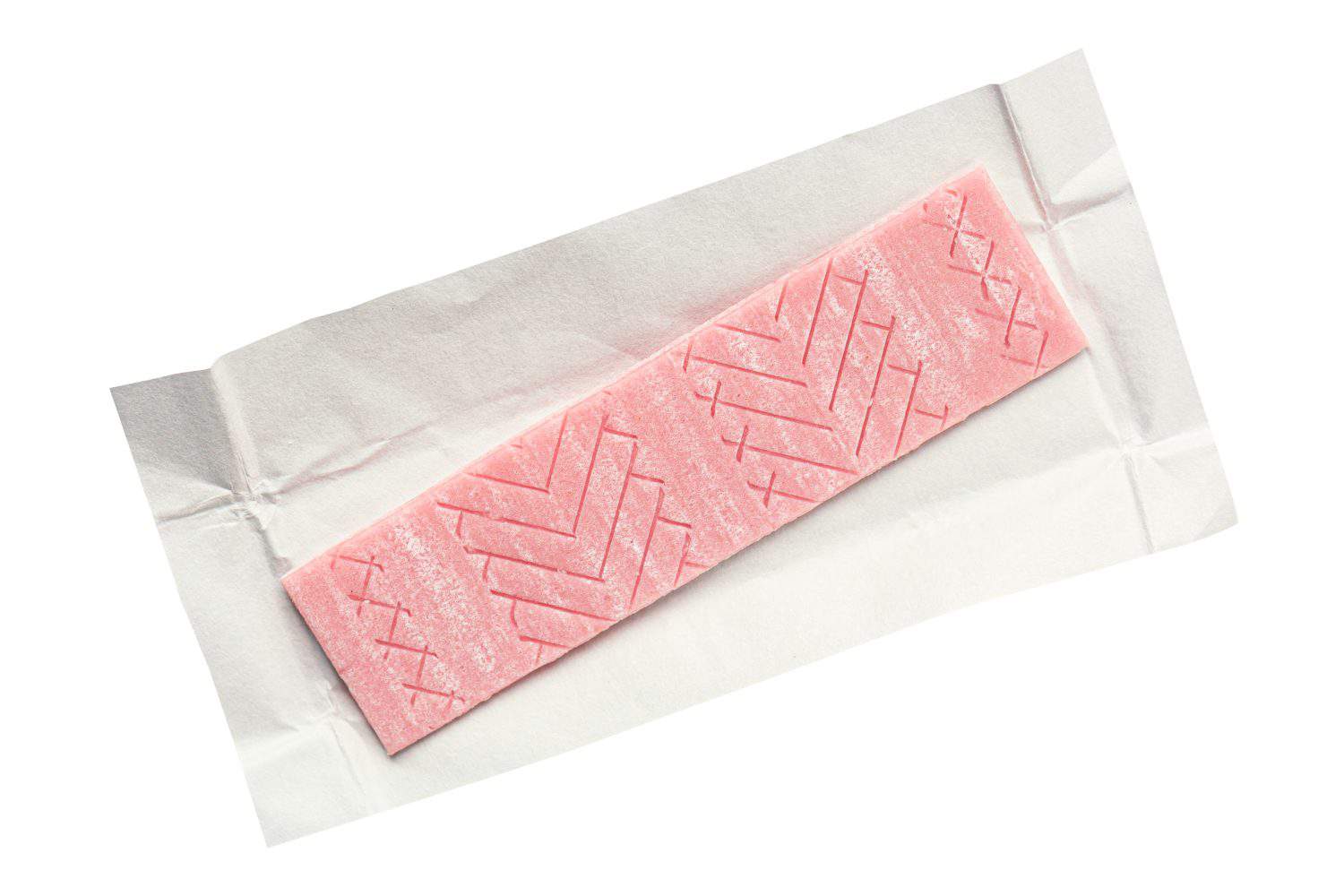
Teaberry Gum
Clark's Teaberry gum came out well before the '40s, but it was popular in that era. It was a pink, minty gum that came in sticks but was marketed as a "Mountain Tea Flavor." It's still available today online and in specialty candy stores.
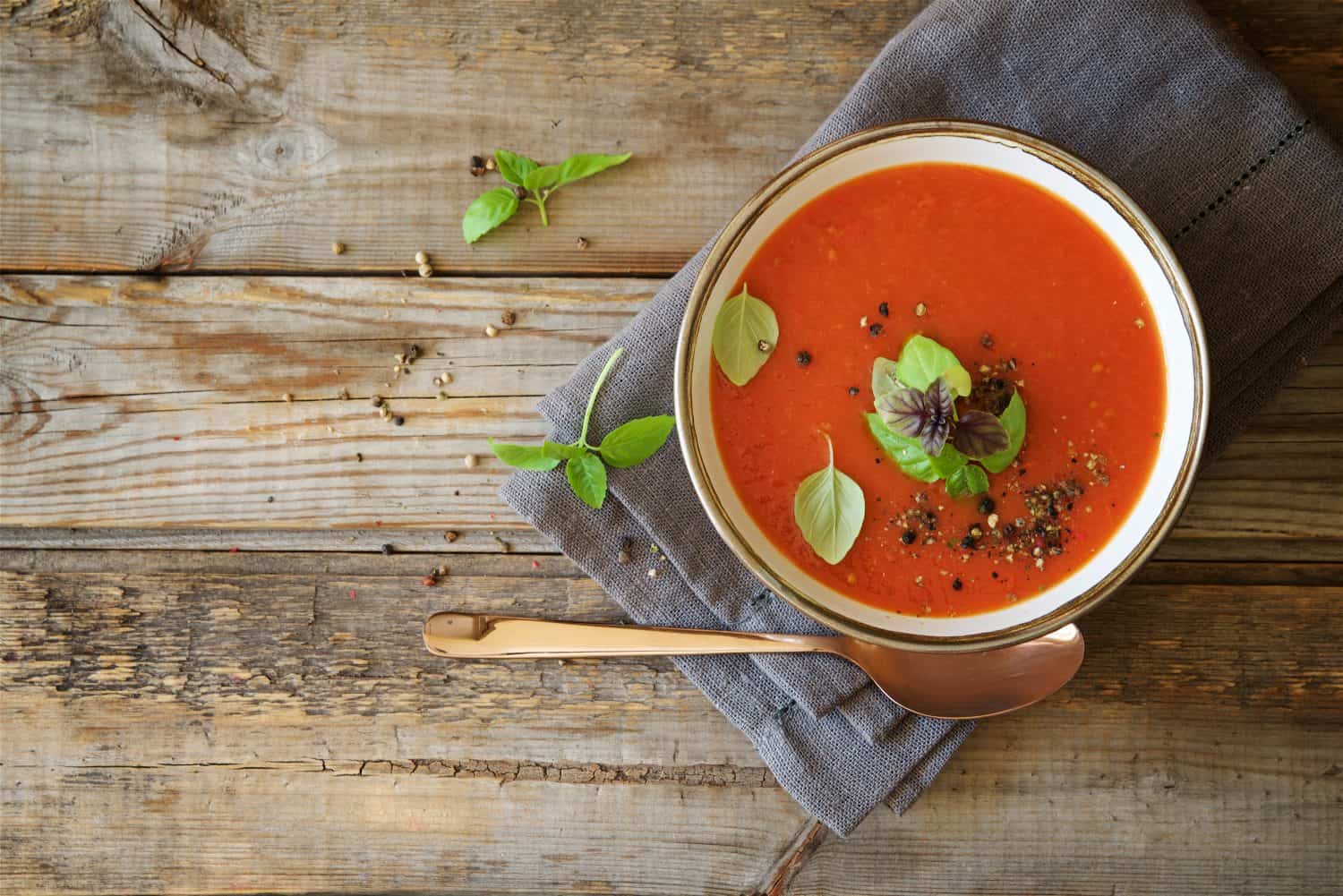
Tomato Soup
As there were no rations on fresh produce, and tomatoes were pretty easy to grow, homemade tomato soup was popular. It didn't take much more than tomatoes, water, maybe some milk, and herbs and spices to have a satisfying meal.
Welsh Rarebit
Note that this is "rarebit" and not rabbit like some mistakenly think. Make a roux of flour and butter, add milk until it's slightly thick, and add grated cheddar and salt and pepper to taste. Ladle the cheese sauce over bread and broil until golden. These are vintage foods from the '40s worth trying now. As you prepare them, complete the experience by playing music from the Legendary Music Icons of the 1940s.