
blurAZ / Shutterstock.com

Lokibaho / iStock via Getty Images

KOTOIMAGES / Shutterstock.com
Maya23K / iStock via Getty Images
goodmoments / Shutterstock.com

J.J. Gouin / Shutterstock.com
hanohiki / Shutterstock.com

Janine Lamontagne / Getty Images

Primestock Photography / Shutterstock.com

Koldunov Alexey / Shutterstock.com

PeopleImages.com - Yuri A / Shutterstock.com

Zagorulko Inka / Shutterstock.com
oksdigital / Shutterstock.com

Jason Finn / Shutterstock.com



13 Everyday Things in Your Home That Are More Dangerous Than They Look
Home is supposed to be the safe place. Most of the time, it is. But some of the most ordinary things we use every day can cause surprisingly serious injuries when something goes wrong.
The National Safety Council estimates that 30.2 million medically consulted injuries occurred in or around U.S. homes in 2024. Falls and poisonings account for much of the most serious harm. That does not mean you need to start looking suspiciously at your couch. It does mean that a wet bathroom floor, overloaded extension cord, neglected dryer vent, or badly placed rug deserves a little more respect than it usually gets. Here are 13 everyday things around the house that can be more dangerous than they look.
1. Bathtubs and Showers
A bathroom manages to combine water, hard surfaces, tight spaces, and several things you really do not want to hit your head on. Wet tubs and shower floors can lead to falls, especially for older adults and people with mobility problems. Hot water presents another hazard. The Consumer Product Safety Commission recommends setting household water heaters to 120 degrees Fahrenheit or lower to reduce the risk of scalding. For young children, drowning is also a concern even in bathtubs, which is why the CDC recommends constant, close adult supervision whenever children are in or around bath water.
2. Beds and Bunk Beds
Falling out of bed sounds almost cartoonish until it ends with a fracture or head injury. A national analysis estimated an average of more than 320,000 emergency-department visits a year for bed-related falls among older adults from 2014 through 2023. Bunk beds bring additional risks for children, including falls and entrapment. Federal rules require guardrails on both sides of the upper bunk and specify how large gaps around the mattress and rails may be. Adult portable bed rails are not an automatic solution either. The FDA warns that some people can become trapped between a rail and mattress, so anyone considering one for an older adult should make sure the product and setup are appropriate.
3. Candles
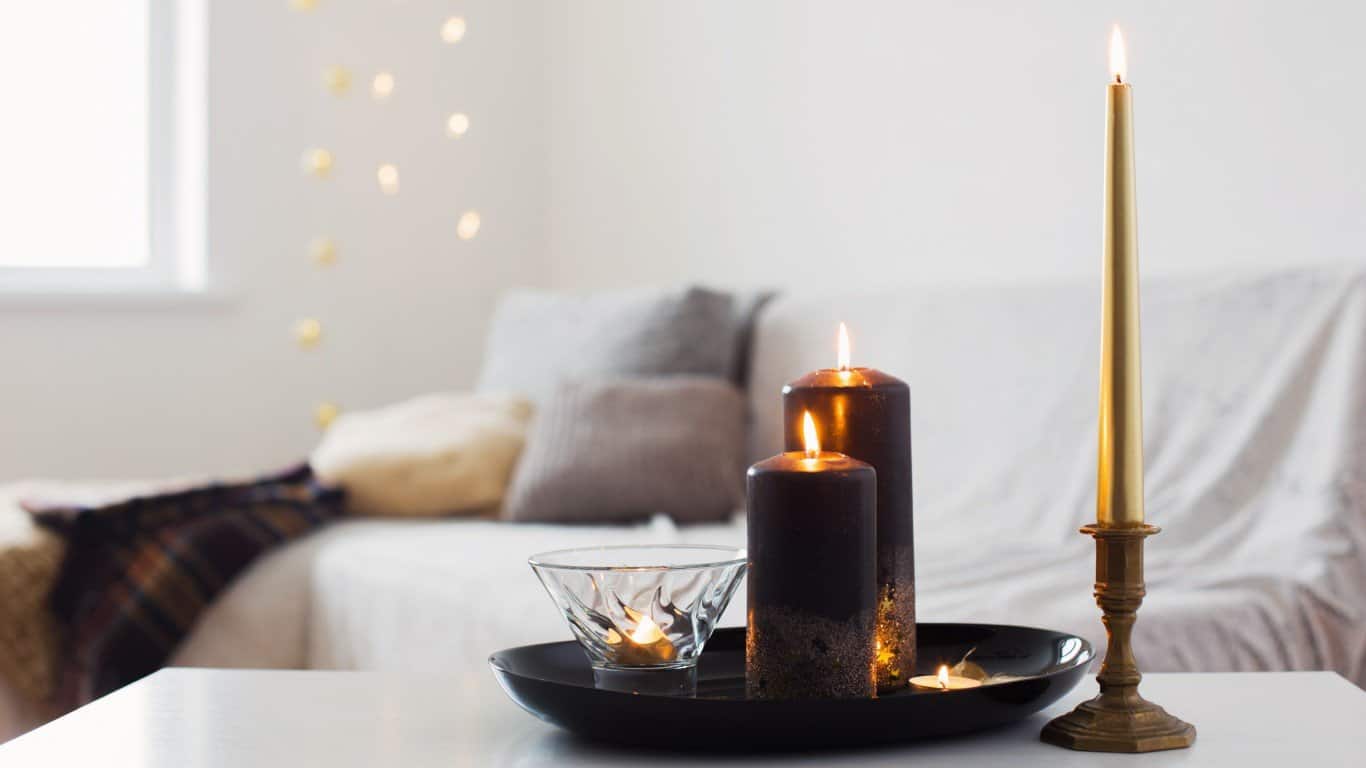
The smell may be relaxing. The open flame is less relaxing once it meets a curtain. The U.S. Fire Administration says an average of about 20 home candle fires are reported every day. The basic rules are simple: keep candles at least 12 inches from anything that can burn, use a stable holder, and put them out before leaving the room or going to sleep. Battery-operated candles are considerably less romantic if your definition of romance requires actual fire, but they also cannot set the living room ablaze.
4. Clothes Dryers
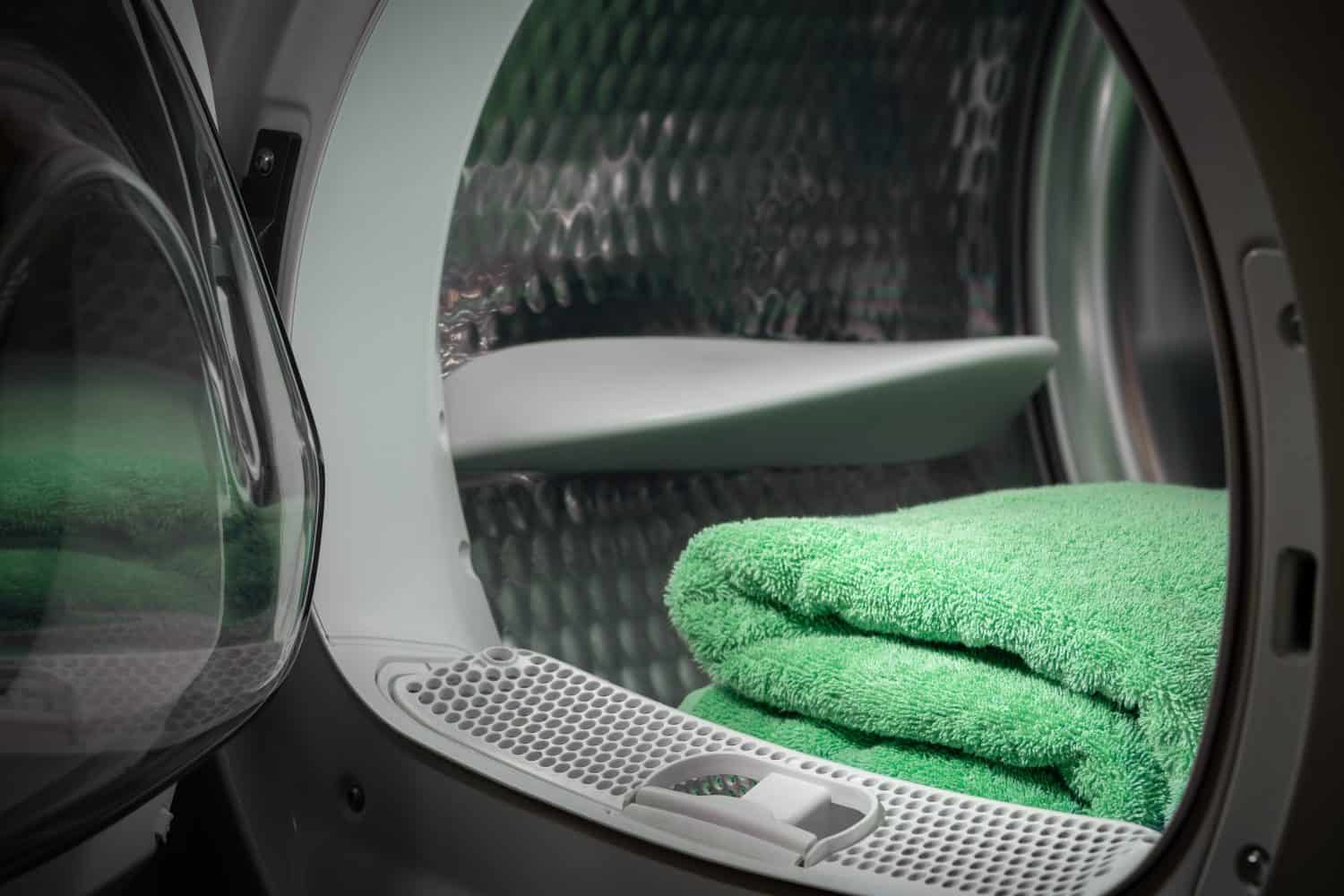
Your dryer is basically a machine whose job is to produce heat while surrounded by fabric fibers, so the lint filter is not decorative. According to the U.S. Fire Administration, failure to clean was the leading factor in 31% of home clothes-dryer fires from 2018 through 2020. Clean the lint filter before or after every load and periodically clean the vent ductwork. USFA also recommends plugging washers and dryers directly into wall outlets rather than using extension cords.
5. Extension Cords
Extension cords are meant to extend electricity temporarily, not quietly become permanent household wiring for the next 11 years. Damaged, overloaded, pinched, or improperly used cords can overheat, start fires, or cause electric shock. The U.S. Fire Administration recommends replacing worn or damaged cords, keeping them out from under rugs and carpets, and never using an extension cord with major appliances. If you constantly need a cord in the same place, the safer long-term answer is usually another properly installed outlet.
6. Floors
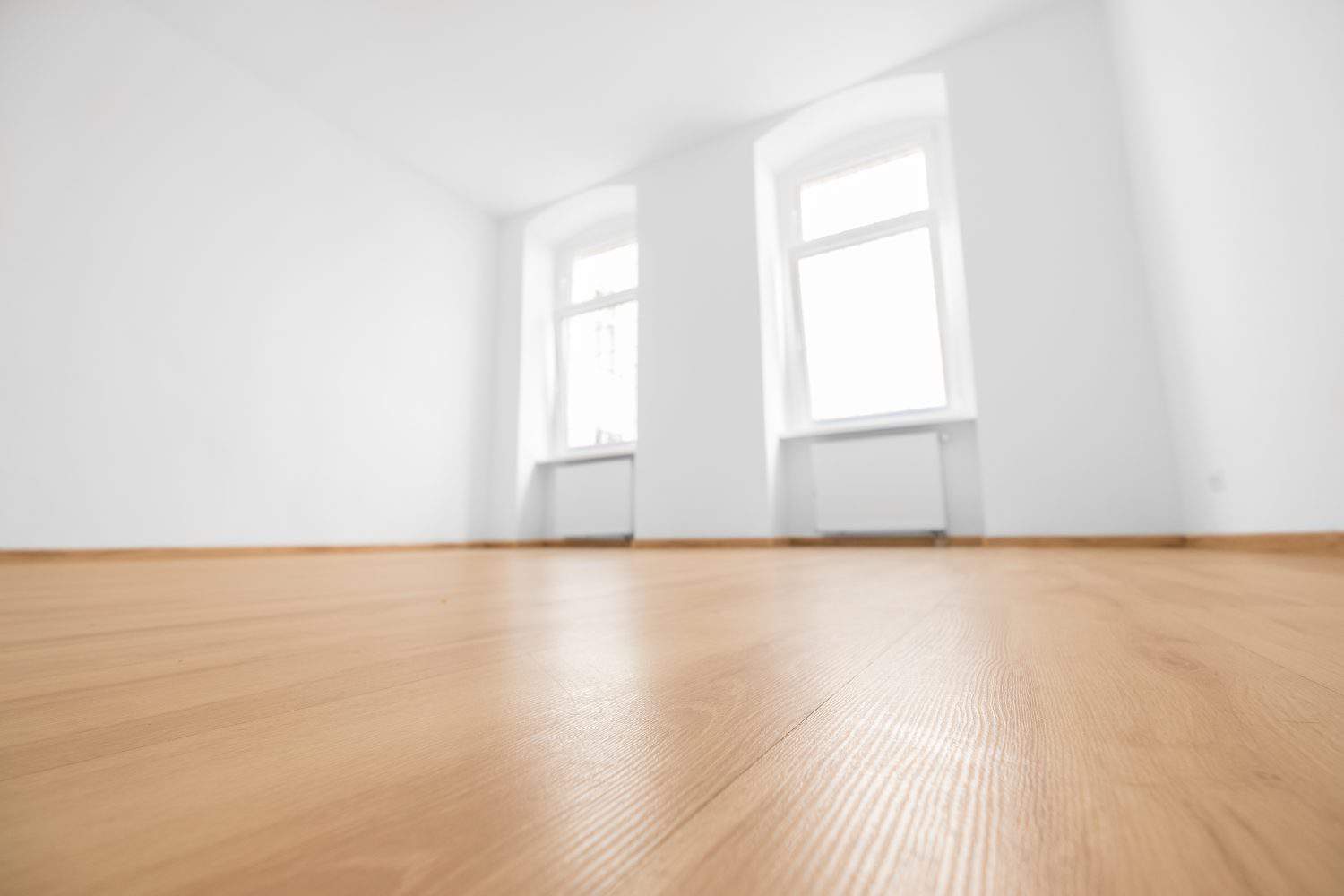
The floor does not have to be broken to hurt you. Water on tile, clutter in a walkway, loose carpeting, poor lighting, or slick footwear can turn an ordinary step into a fall. That becomes particularly important with age. The CDC recommends keeping floors and hallways clear, improving lighting, and wearing sturdy footwear with nonslip soles for people at increased fall risk. Hardwood and tile are not inherently dangerous, but water plus a smooth floor is an excellent reminder that gravity remains undefeated.
7. Household Cleaners
Household cleaners are safe when they are used the way the label tells you to use them. Problems start when people decide to become amateur chemists. Never mix bleach with ammonia. That combination can produce toxic chloramine gas, which can irritate the eyes and respiratory system and cause coughing, wheezing, or breathing problems. Bleach mixed with acids, including some toilet-bowl cleaners, can produce chlorine gas. The CDC's rule is simpler and easier to remember: never mix household bleach with other cleaners or disinfectants.
8. Medications
The medicine cabinet deserves the same attention as any other safety hazard. Prescription drugs can interact with other prescriptions, over-the-counter medications, alcohol, foods, and dietary supplements. Different OTC products can also contain the same active ingredient, making it possible to accidentally take more than intended. Read the label, follow the prescribed dose, and ask a doctor or pharmacist before combining medicines or supplements when you are unsure. And if children live in or visit the home, medications should be stored securely and out of reach.
9. Rugs
A little throw rug can cause a disproportionately large problem. Rugs can slide across smooth flooring, bunch up, or develop curled edges that catch a foot. The CDC specifically lists throw rugs as a home fall hazard and recommends removing them or securing them with double-sided tape. That advice matters most in homes with older adults or anyone with balance or mobility problems. If the rug insists on trying to kill you every time you walk through the hallway, its decorative value may not be worth the negotiation.
10. Sofas
The couch itself is not plotting against you. Falls around it are the real issue. Children jumping on furniture can fall onto hard flooring, tables, or other nearby objects. For older adults or people with mobility limitations, an extremely low or soft sofa can also make standing up more difficult and increase the chance of losing balance. Keeping surrounding walkways clear and choosing seating that is easy to get into and out of can make an ordinary living room considerably safer.
11. Contaminated Sourdough Starter
Your sourdough starter is not normally a kitchen hazard. A healthy starter is acidic enough to resist many unwanted microorganisms, and a gray or dark liquid layer on top can simply mean it needs feeding. Visible mold is another matter. Colorado State University Extension recommends throwing out a starter that shows mold, while King Arthur Baking specifically warns that pink or orange streaks or discoloration are signs that a starter should be discarded. Do not scrape off the questionable part and hope for the best. Flour and water are cheaper than food poisoning.
12. Stairs and Steps
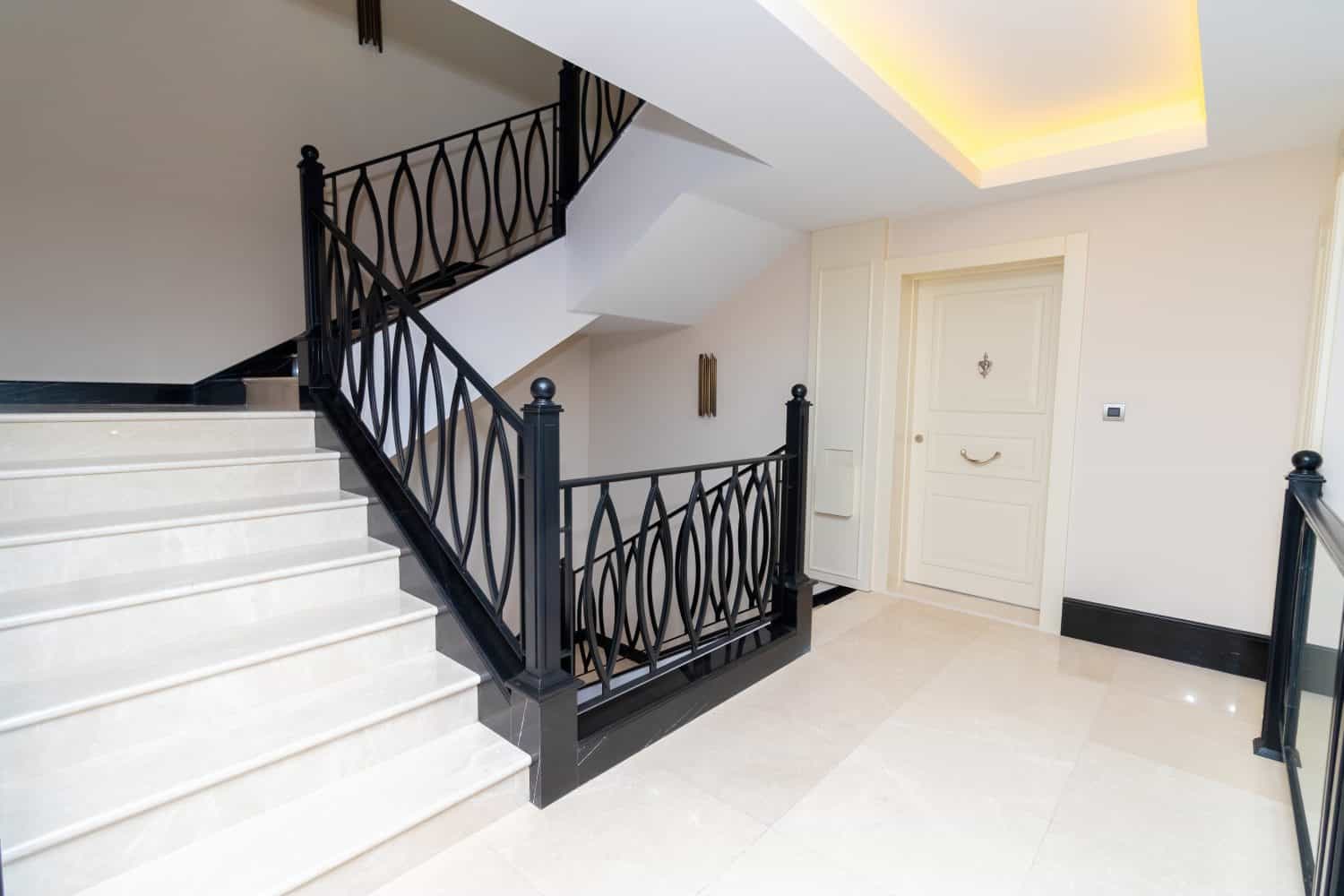
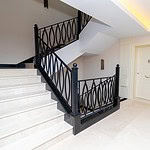
Stairs are one of the most firmly documented hazards on this list. A study using U.S. emergency-department data from 1990 through 2012 estimated nearly 24.8 million stair-related injuries over those 23 years, an average of about 1.08 million a year. Keeping steps free of clutter, providing good lighting, and installing secure handrails can reduce the risk. The CDC recommends handrails on both sides of staircases for older adults at increased risk of falling.
13. Toilets
Yes, even the toilet made the list, although the original statistic needs some context. A study of children ages 0 through 6 estimated 142,606 emergency-department visits for toilet-related injuries across the entire period from 2000 through 2019, not in a single year. Falls were a major concern, and toilets were involved in 95% of the cases studied. Bathrooms also pack several hard surfaces into a small space. For older adults, the CDC recommends properly installed grab bars next to the toilet and around the tub or shower to help reduce fall risk.