
Source: © Brett Monroe Garner 2019 / Moment via Getty Images

Source: PeopleImages.com - Yuri A / Shutterstock.com

Source: metamorworks / iStock via Getty Images

Source: Photoroyalty / Shutterstock.com
Source: photovs / Getty Images
Source: Tomas Pavelka / Shutterstock.com
Source: Stas_V / Getty Images
Source: Drew Angerer / Getty Images News via Getty Images
Source: CornelPutan / Shutterstock.com

Source: gorodenkoff / iStock via Getty Images

Source: Shawn Hamilton / Shutterstock.com

Source: Katcha_Natsarin / Shutterstock.com


Surprising Things That Can Kill a Human Within Seconds
We are all aware of what we should do to keep ourselves safe – wear our seatbelts, cross on the green, look both ways before we cross the street, and a slew of other preventative actions – but what about the things that we don't know about? Those things that we may have heard of in passing or perhaps not heard of at all that we may one day experience when it may be too late to take preventative measures.
We must understand the daily dangers we can face, from understanding the hazardous potential of regular household cleaners to learning about what lurks in the ocean. Knowing the sneaky dangers that exist in different aspects of your life is just as important as being aware of the obvious – weapons are dangerous but so is something as commonplace as dry ice. Discover surprising things that can kill in seconds to keep yourself and those around you safe.
To compile this list of surprising things that can kill in seconds, 24/7 Tempo reviewed several sources, including Reddit for personal experiences, and reputable sites like the U.S. Department of Labor, which warns of hazards for workers in the U.S. (Here's a look at 25 foods that can make you very, very sick.)
Box Jellyfish Sting
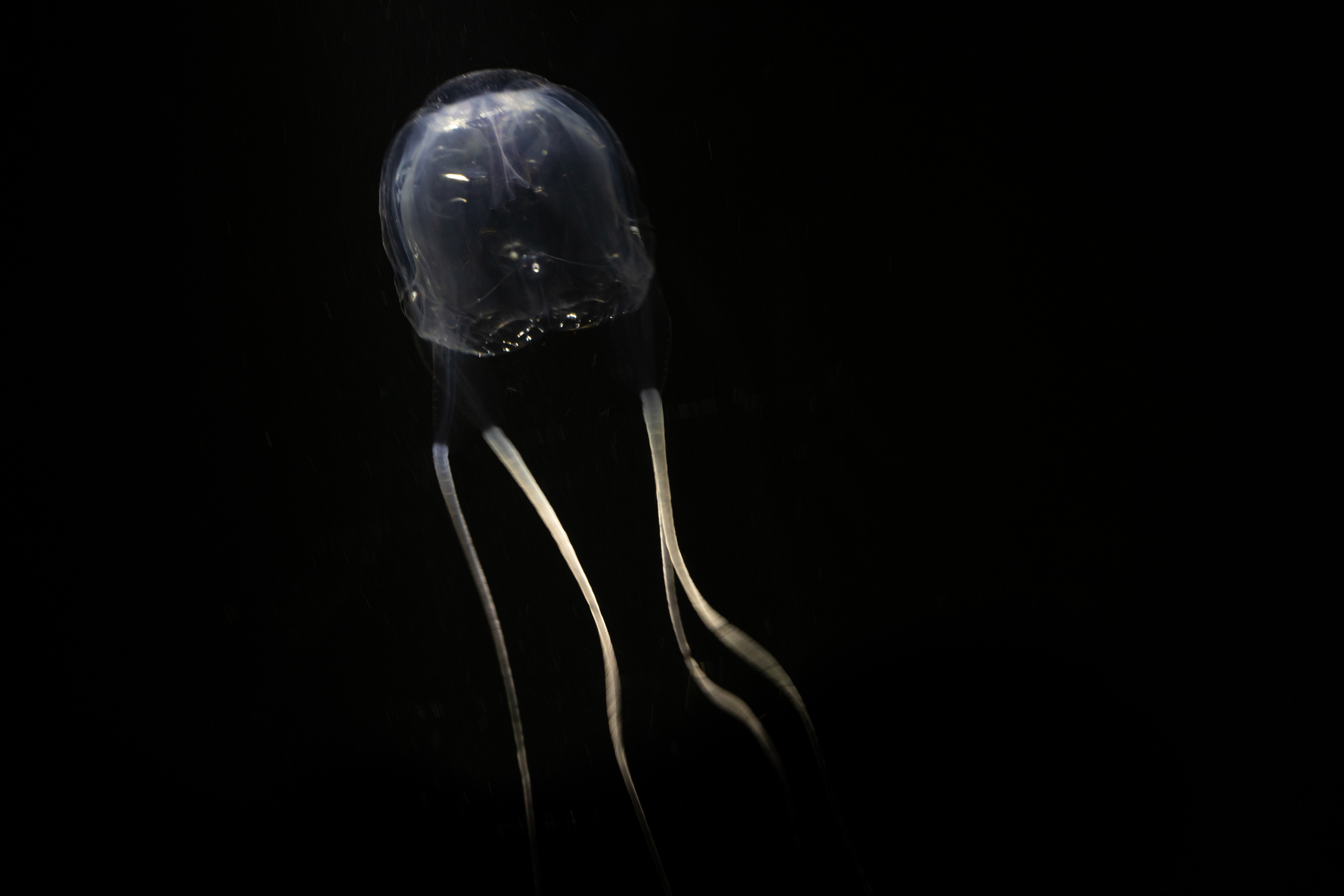
You're swimming in the ocean, basking in the sunlight when you feel something graze against your leg. It looks like a bag floating in the water—but it's not. It's a box jellyfish. These stunning underwater creatures are mesmerizing in the sparkling water, but their venom is so strong, it could send you into a cardiovascular collapse, leading to a quick death.
The venom acts so fast that you likely wouldn't make it back to shore. This is especially true if you have a smaller body mass. Always make sure to check the waters you're swimming in and assess the risks.
Confined Spaces
People who experience claustrophobia will only find their fears confirmed when they learn that confined spaces can kill you in seconds. It's not the lack of oxygen in these situations that acts that quickly, though that is the cause of death in many confined spaces cases. Sometimes, it's the hazardous gases present in the space, which have built up over time.
It's such a concerning situation that the U.S. Department of Labor identified these hazards and put together a performance-oriented standard for general industry workplaces.
Driving While Tired
You know not to drink and drive. But driving while sleepy is just as dangerous. It takes only a few seconds of closed eyes in a moving vehicle for a deadly crash to occur. Many people underestimate the power of sleepiness while driving, thinking they can make it to their destination. It's a grave mistake. Instead of driving while tired, take a nap to recoup your energy. Then, you can hit the road wide awake and fully alert.
Hitting Your Head
Accidents like falls happen every day. Usually, you can pick yourself right back up and be on your way. But if you happen to land wrong and hit your head, you could die within seconds. When blood pulls into the brain, the pressure is too much to handle. Unlike less severe head injuries that present with several symptoms like headaches or seizures, a strong enough trauma to the head could result in rapid death.
Live Wires
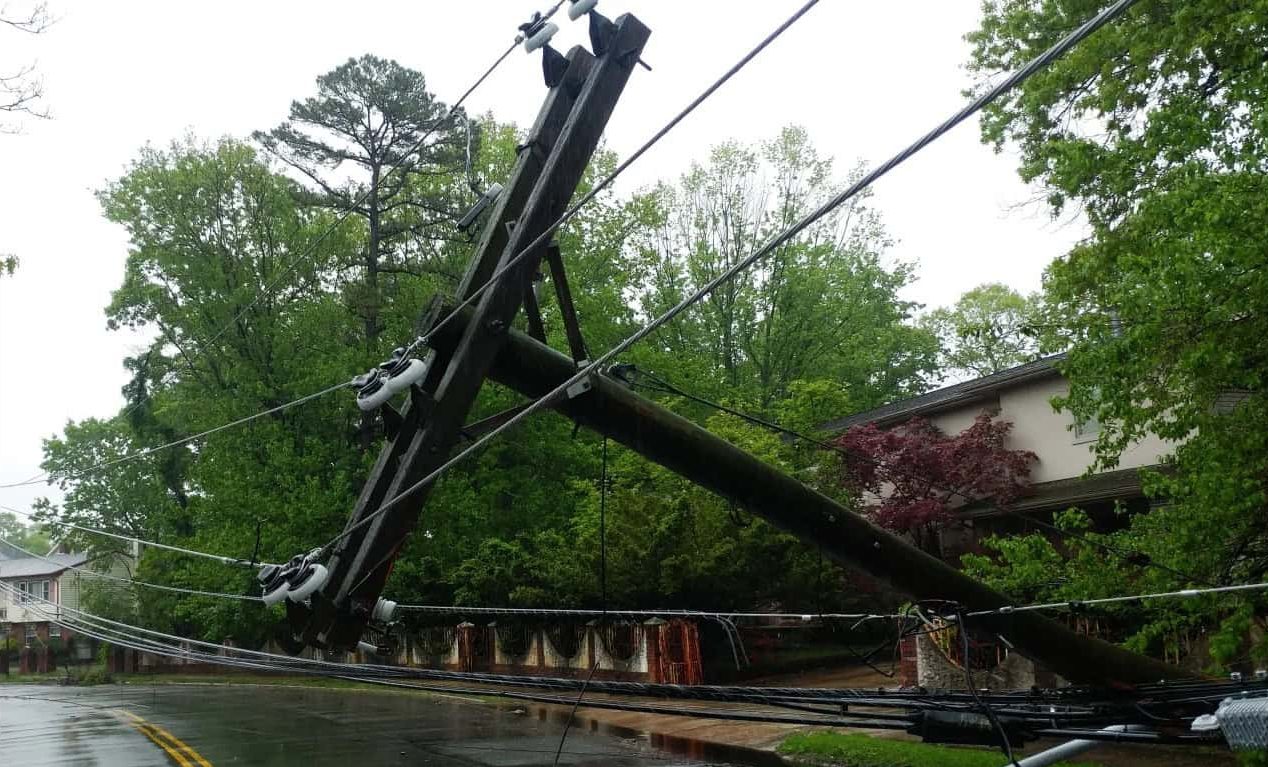
A live wire is charged and carries an electrical current. In the case of contact with a live wire with currents of at least 1-10 mA, your muscles start contracting without your control. This incapacitates you, preventing you from moving away from the source of danger. When the currents are higher at 100-200 mA, it takes only a single second for your heart to develop an arrhythmia, which leads to a fast death.
Anhydrous Ammonia
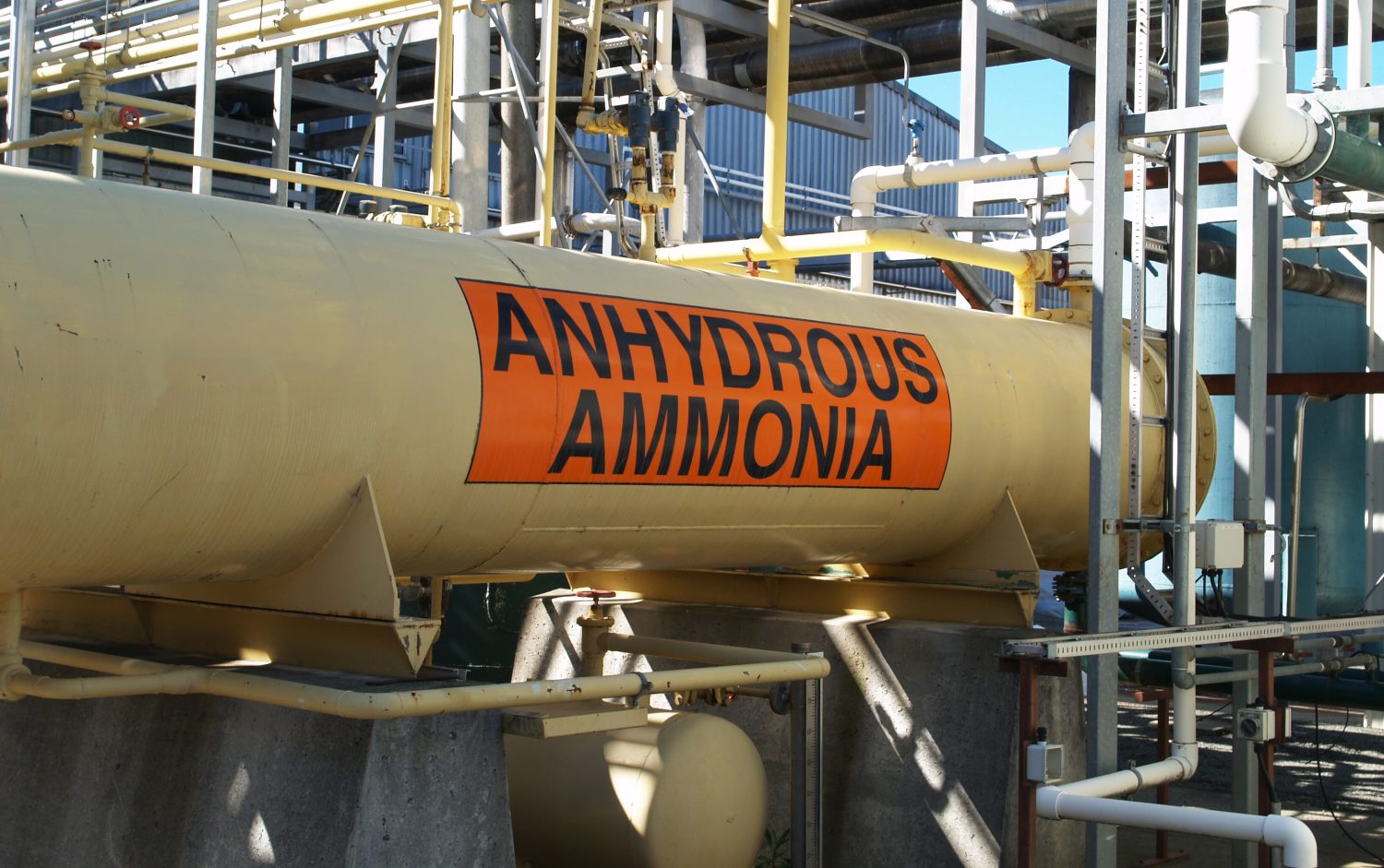
With anhydrous ammonia, it's the concentration that determines how fast you die. When the concentration is above 5000 ppm, you are headed right into respiratory arrest. Higher concentrations at 10000 ppm and the National Institutes of Health (NIH) confirms you can expect skin damage. Anhydrous ammonia is a nitrogen fertilizer that can be accidentally inhaled or ingested. At those higher concentrations, death is imminent.
Drug Interactions
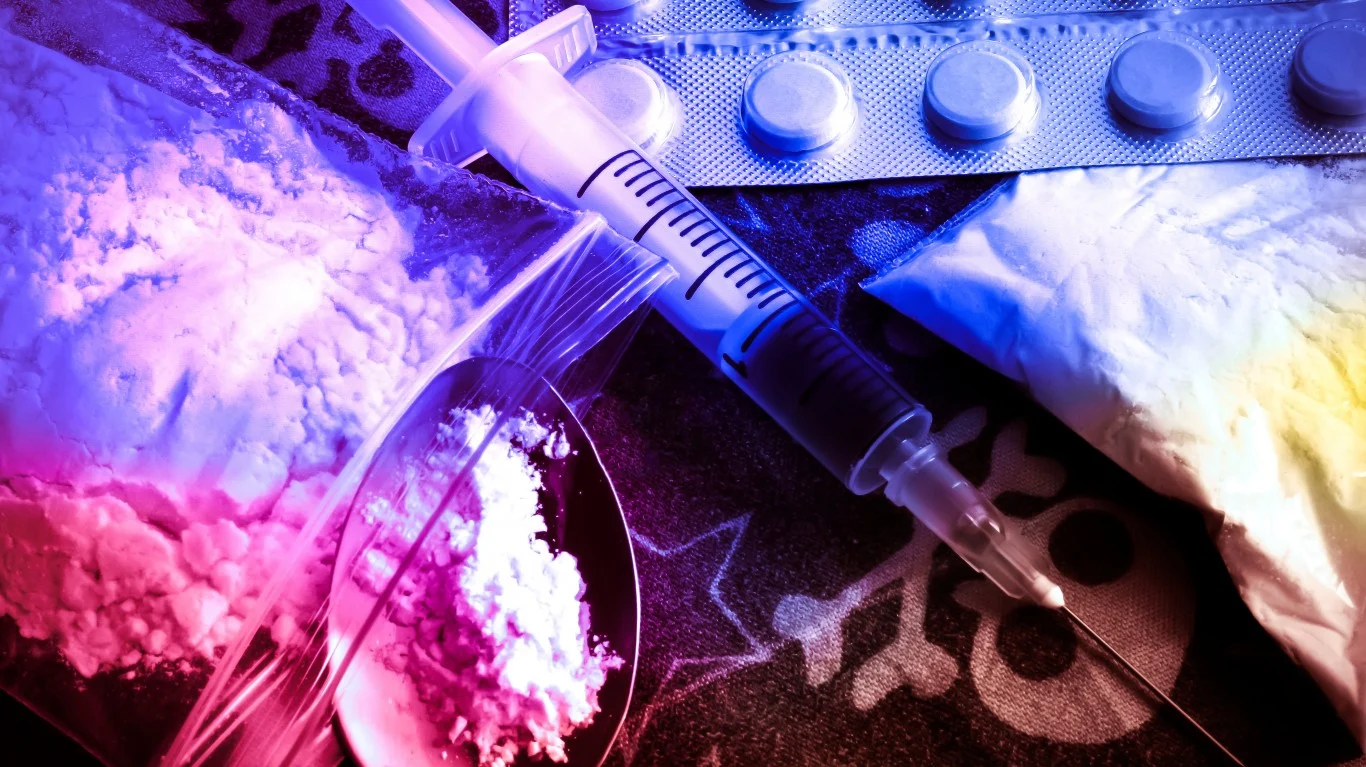
It's unbelievably common for people to mix their medications with alcoholic beverages, not thinking much of it. It takes seconds to pop an opiate or benzodiazepine after the first dose you've already forgotten about. These drug interactions are deadly. Whether you're taking legal prescriptions or dabbling with street drugs, mixing them can kill you.
While some interactions take longer to kill you, interactions like alcohol and heroin, or fentanyl could end your life in the blink of an eye.
Exposure to Fentanyl
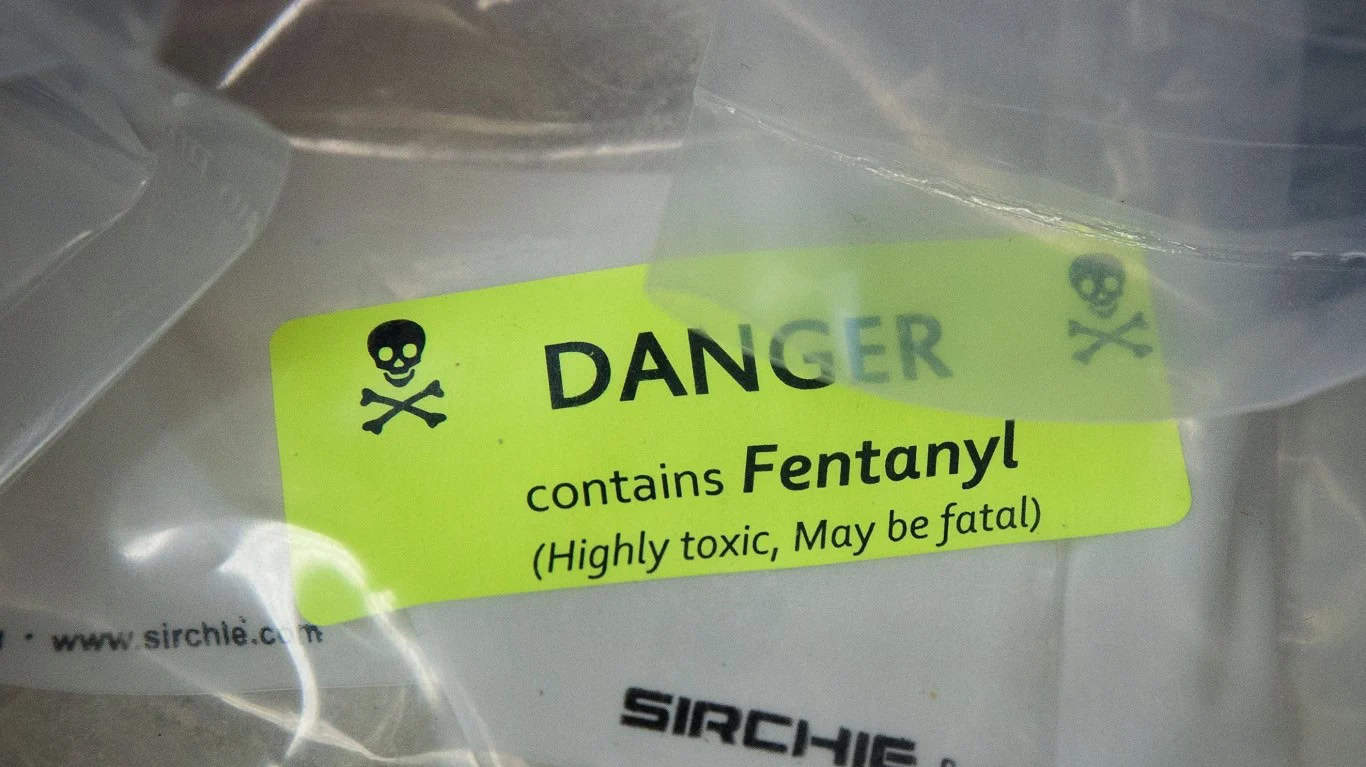
You don't need to purposely take fentanyl for it to kill you. Fentanyl comes in many forms and in hospitals, it's carefully regulated and administered as a pain killer. However, the NIH confirms that synthetic fentanyl is sold illegally in various ways, including as pills, nasal sprays, and even eye droppers.
Exposure to this deadly substance can cause a quick death. A police officer in San Diego was exposed to this deadly substance and overdosed within seconds in 2021. Thankfully, however, another deputy administered Narcan® and saved his life.
Dry Ice Without Ventilation
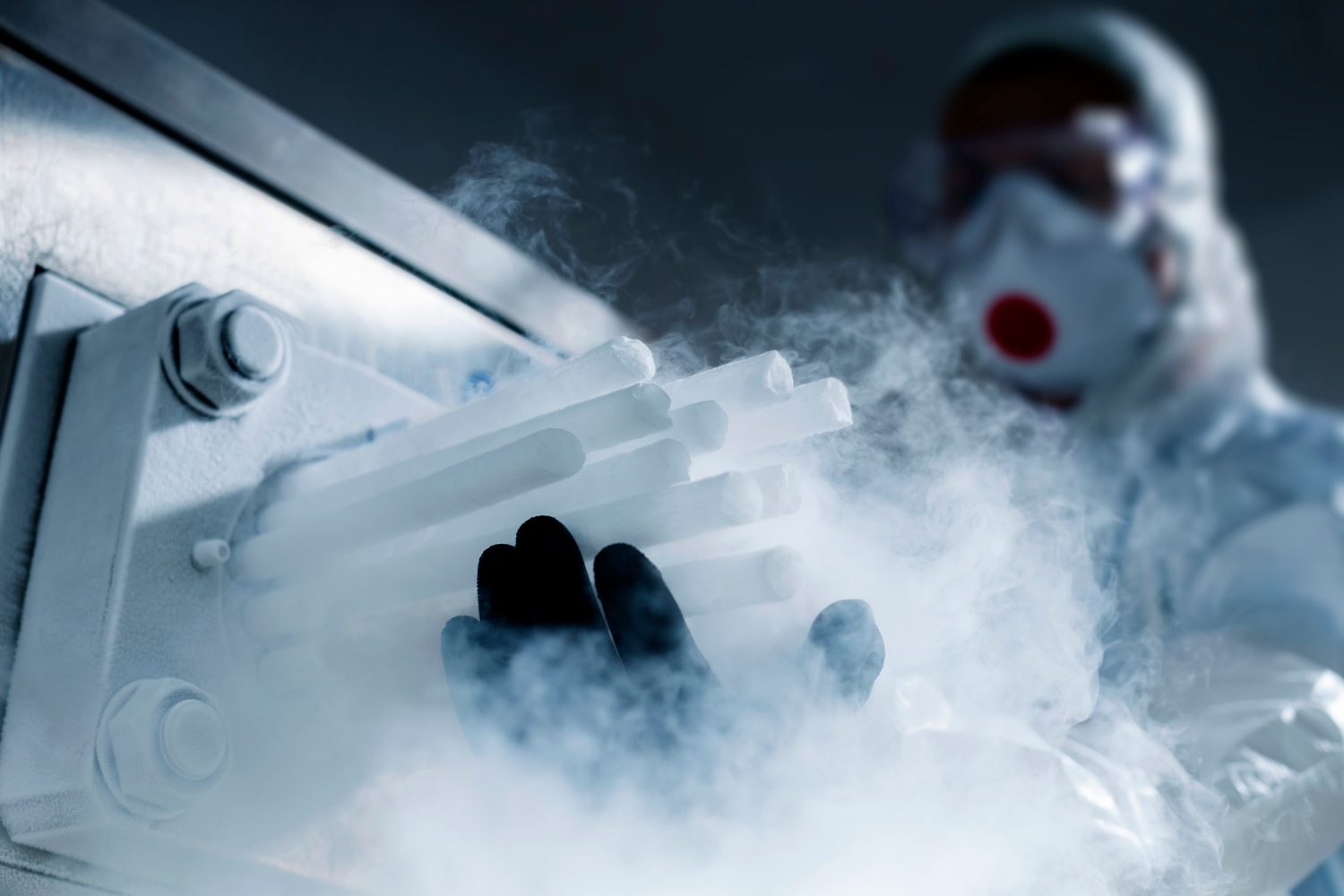
The uses for dry ice range from creating special effects to simply keeping perishables cold during shipping. It's great because it doesn't leave any liquid residue and is generally nontoxic. But if you use dry ice in a small space without adequate ventilation, it could render you unconscious and lead to death.
The New York State Department of Health explains that "as dry ice melts, it turns into carbon dioxide gas." Exposure to carbon dioxide is deadly.
Brain Aneurysm
It's rare, but a brain aneurysm has the potential to kill in under a minute if it ruptures. Brain aneurysms occur when a blood vessel in the brain bulges. When it leaks, it releases blood in the brain. In the case of a ruptured aneurysm, death is fast. The bleeding is called a subarachnoid hemorrhage and if severe enough, the brain is damaged, you lose consciousness, and die within seconds (sometimes minutes).
Some people are more susceptible to developing brain aneurysms but lifestyle changes may help with preventing the formation and rupture of a brain aneurysm.
Large Livestock
Animals this big don't need to be intentional about harming you. Even the sweetest, silliest love bug of a horse can crush you accidentally, leaving you lifeless within seconds. The same is true for cows and even pigs. If you work with livestock or visit a ranch, be mindful of this. Large animals are majestic and inspire awe—but they can also lead to an untimely and tragic death you never see coming.
Cleaning Chemicals
Every weekend you whip out your cleaning supplies, blast your favorite music or background TV show, and start to spruce up your space. You bust out the ammonia for your windows and mirrors and save the bleach for the grime in the bathroom. But these two chemicals together? Deadly. When combined, these cleaners release chloramine gas, which is toxic. If the concentration is high enough, it's lethal. (Here are 12 toxic materials lurking in your home.)