Andrew Clemente

Solphoto / Shutterstock.com
Jayne Fincher/Princess Diana Archive/Getty Images

Courtesy of JNCO Jeans

recollections.com

Wikipedia

New Africa / Shutterstock.com

Emma Benitez / BY 2.0

Dániel Bagó / BY-SA 2.0
Fæ / BY 2.0
A Train / BY-ND 2.0
Tim Evanson / BY-SA 2.0

The Wu's Photo Land / BY 2.0

Bekathwia / BY-SA 2.0

Tobyotter / BY 2.0





14 Wild Fashion Trends People Actually Wore
Fashion has always been willing to experiment, and sometimes the experiment gets a little out of hand. Over the past several centuries, people have worn everything from ankle-restricting skirts and disposable paper dresses to glowing eyelashes and jeans with enough fabric to qualify as carry-on luggage.
Some of these looks were rebellious. Others were technological, practical, or tied to larger cultural movements. A few deserve considerably more context than a cheap punchline. Still, all of them prove that when fashion decides to make a statement, subtlety is very much optional.
Here are 14 of the wildest fashion trends that people really wore, including a few that eventually found their way back into style.
Zoot Suits
Zoot suits were built to be noticed. The look featured long coats with broad shoulders and wide lapels paired with high-waisted, extremely roomy trousers that narrowed sharply at the ankles. The style emerged from Black jazz culture in the 1930s and spread among Black, Mexican American, Filipino, and other young men. In Los Angeles, it became especially associated with Mexican American pachucos. During World War II, the suits' heavy use of fabric drew criticism amid wartime rationing. In June 1943, racial tensions erupted into the Zoot Suit Riots, when servicemen and civilians attacked Latino and other minority youths in Los Angeles.
Shoulder Pads
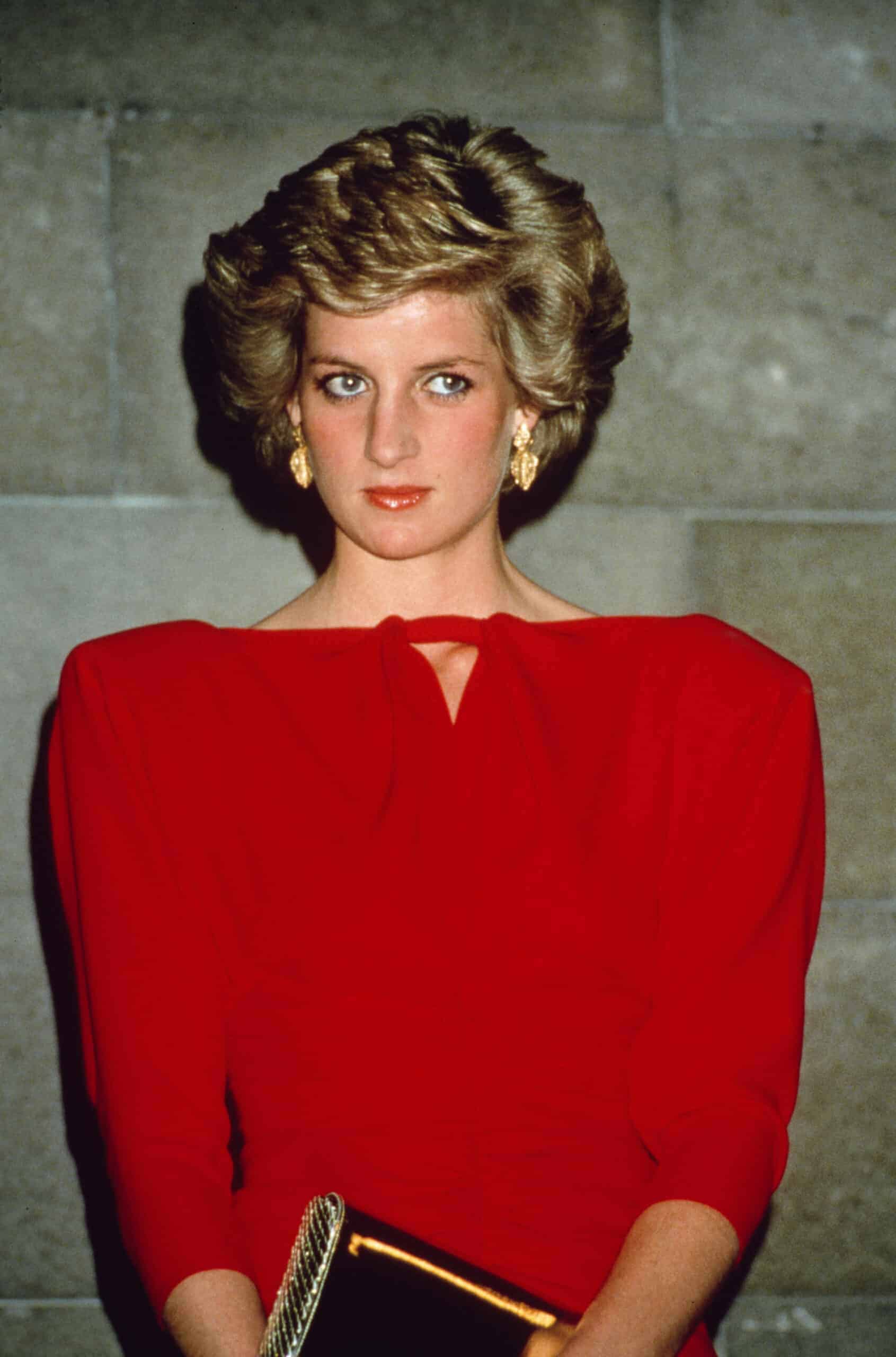
Shoulder pads existed long before the 1980s, but the decade decided that if a little padding was good, enough to nearly require a wider doorway was even better. Oversized shoulders became a signature of women's power dressing, particularly in suits and structured dresses. The exaggerated silhouette projected confidence and authority at a time when more women were establishing themselves in traditionally male-dominated professional spaces. Television, celebrity fashion, and designers including Thierry Mugler helped push the broad-shouldered look firmly into the mainstream.
JNCO Jeans
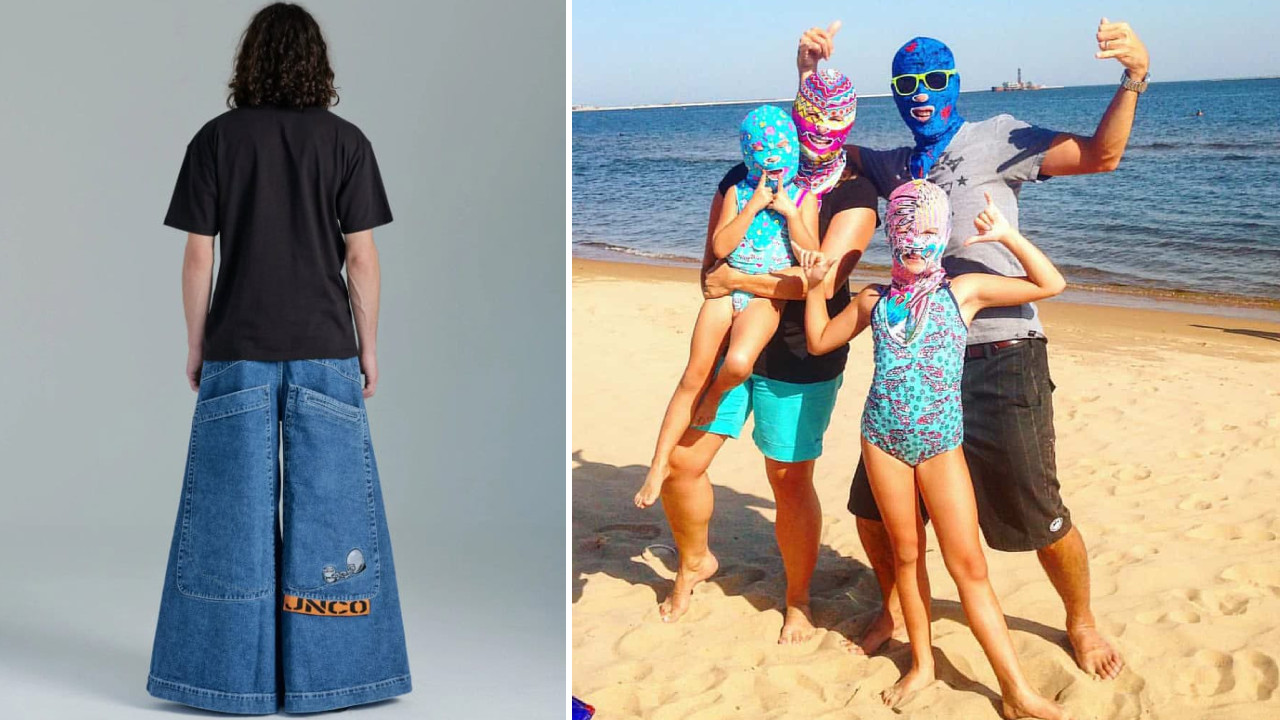
JNCO took the relaxed-fit jean and asked an important question: What if we just kept adding denim? The Los Angeles brand traces its roots to the 1980s, but its enormous wide-leg jeans became a defining piece of 1990s youth fashion. Skaters, ravers, BMX riders, graffiti artists, and other subcultures embraced JNCO's oversized silhouettes, giant pockets, and bold graphics. By the late 1990s, the look had escaped the underground and landed in malls across America. Slimmer jeans eventually pushed JNCO out of the spotlight, but nostalgia has since brought the brand and its giant leg openings roaring back.
Paper Dresses
For a brief moment in the 1960s, apparently even laundry felt optional. Disposable paper dresses became a genuine fad after the Scott Paper Company launched a promotional paper dress in 1966. The novelty caught on quickly, inspiring colorful printed dresses, promotional outfits, and even paper clothing sold by fashion boutiques. Despite the name, many were made from paper-like nonwoven materials rather than the stuff sitting in your printer. The craze burned brightly but briefly, largely fading by the end of the decade as consumers discovered the obvious drawback to disposable clothing: it was disposable.
Hobble Skirts
The hobble skirt earned its name honestly. Popular around 1910, the style narrowed dramatically below the knees or around the ankles, forcing the wearer to take unusually short steps. French designer Paul Poiret is closely associated with introducing the silhouette, which briefly became fashionable despite making something as basic as walking considerably more complicated. Contemporary cartoons and commentary regularly mocked the trend, and its restrictive shape ensured that it did not have much staying power. Looking fashionable is one thing. Turning every staircase into a strategic operation is another.
Platform Shoes
Platforms have ancient predecessors, but the modern fashion version took a major leap forward in the 1930s, when Italian designer Salvatore Ferragamo pioneered platform soles and wedge heels. Platforms enjoyed another burst of popularity in the 1940s before returning in spectacular fashion during the late 1960s and 1970s. That revival brought towering soles to glam rock stages, discos, and everyday wardrobes, with both men and women getting in on the extra altitude. They've returned several times since, proving that fashion's solution to an impractical shoe is sometimes simply to make it taller.
Bullet Bras
Few undergarments have ever announced their presence quite like the bullet bra. Pointed bras appeared in the 1940s and reached peak popularity during the 1950s, using concentric or spiral stitching to create a sharply conical shape. The style fit perfectly with the era's tight sweaters and highly structured silhouettes, while Hollywood stars helped turn the so-called "sweater girl" look into a cultural phenomenon. Softer, rounder bras eventually replaced the extreme shape in everyday fashion, although designers have periodically revived the cone-bra silhouette for the runway and stage.
Low-Rise Jeans
Low-rise jeans began creeping downward during the 1990s before becoming practically unavoidable in the early 2000s. Designers had already been experimenting with dramatically lowered waistlines, and celebrity culture pushed the look into overdrive. Pop stars and tabloid fixtures including Britney Spears and Paris Hilton helped make ultra-low denim one of the defining styles of the Y2K era. High-waisted jeans eventually staged a massive counterattack, but fashion never really throws anything away. By the 2020s, low-rise styles were already finding their way back onto runways, social media, and store racks.
Crinoline Cages
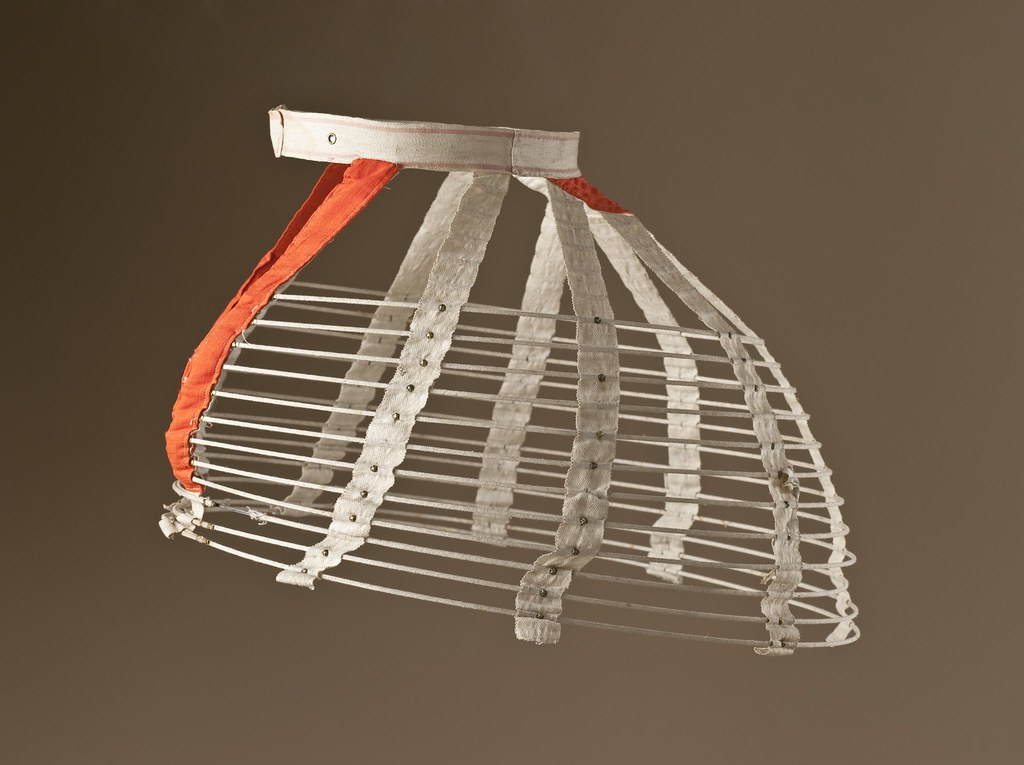
The enormous skirts of the mid-19th century required some serious engineering. Introduced in the 1850s, cage crinolines used hoops of materials including steel, cane, or whalebone to hold skirts away from the body. They were actually lighter and more practical than wearing layer after layer of heavy petticoats, and mass production made them affordable to a surprisingly broad range of women. There were still drawbacks. Oversized versions made narrow spaces difficult to navigate, and the combination of huge skirts, highly flammable fabric, and open fireplaces could be genuinely dangerous.
Clowncore
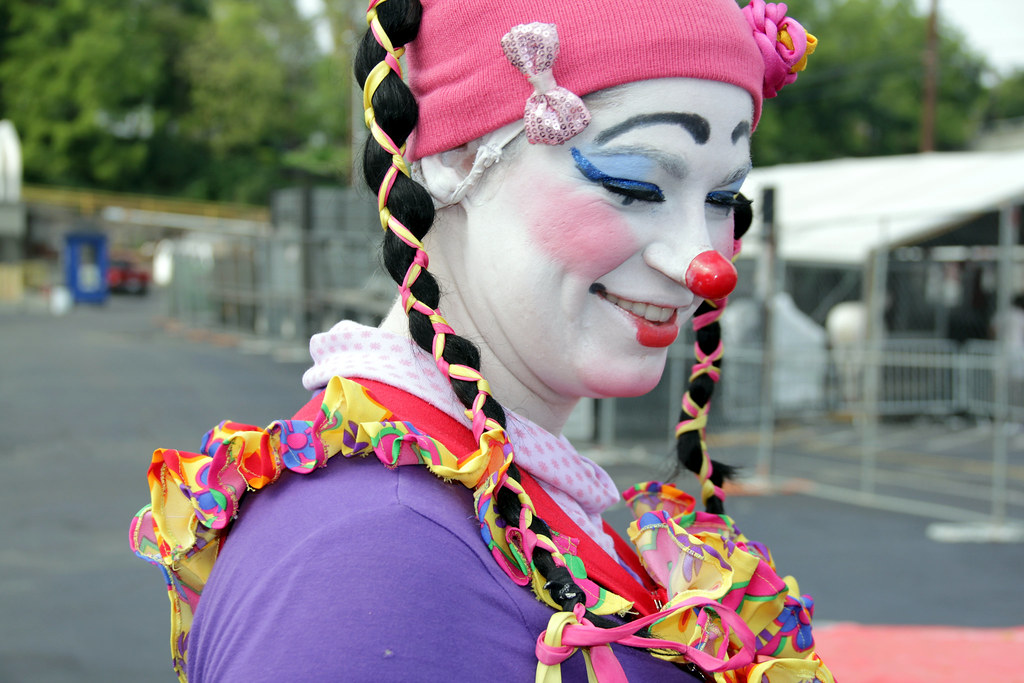
Clown-inspired fashion is much older than TikTok, but social media gave it a new name and a much bigger audience. Clowncore gained momentum around 2020, combining bright colors, clashing prints, oversized collars, ruffles, harlequin patterns, playful makeup, and intentionally exaggerated proportions. The aesthetic overlaps with maximalist, alternative, and gender-fluid fashion communities, while major designers have also borrowed from circus and clown imagery for decades. Is it subtle? Absolutely not. That is pretty much the entire point.
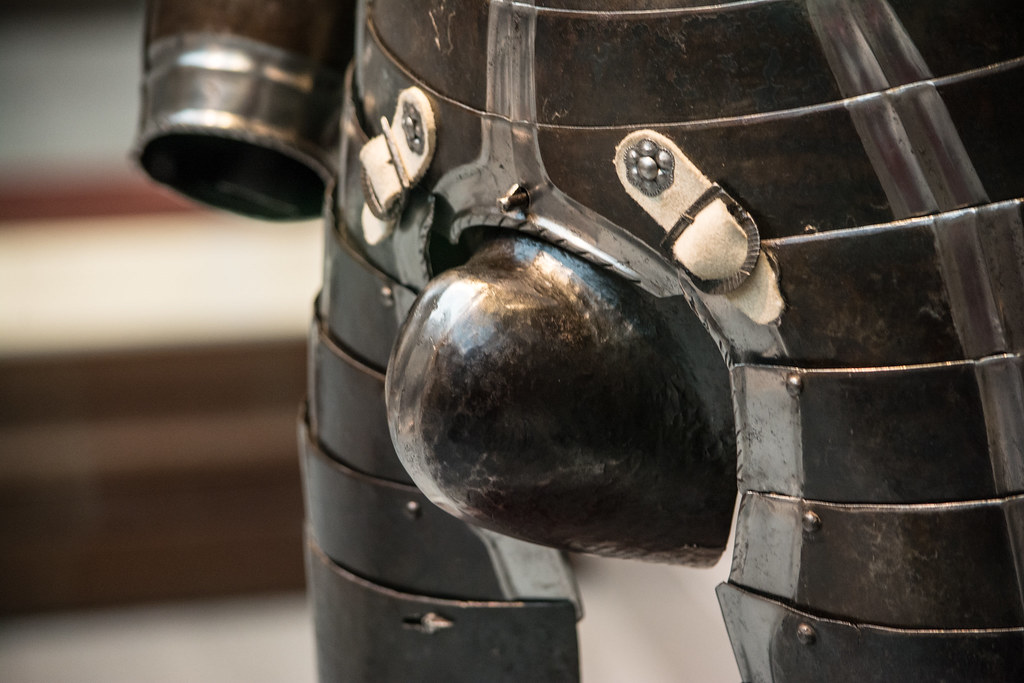
Codpieces
The codpiece began with a practical problem. As men's medieval garments became shorter, something was needed to cover the gap between the separate legs of their hose. By the 16th century, practicality had apparently lost control of the situation. Codpieces became padded, shaped, decorated, and deliberately prominent, turning into a conspicuous part of men's Renaissance fashion across several social classes. Henry VIII famously wore them, including on armor. By the middle of the century, some examples had become so exaggerated that the garment designed to cover the groin was doing a spectacular job of drawing attention directly to it.
Facekinis
The facekini looks like something designed for either a superhero or a very cautious bank robber, but its purpose is much more practical. Zhang Shifan developed the face-covering swimwear in Qingdao, China, in 2004. Made from stretchy swimsuit material with openings for the eyes, nose, and mouth, facekinis have been worn to reduce sun exposure and provide additional protection against jellyfish and other seaside irritants. They became closely associated with beaches around Qingdao and attracted international media attention during the 2010s, eventually inspiring increasingly elaborate colors, patterns, and designs.
LED Eyelashes
LED eyelashes were never exactly everyday fashion, but they became one of the stranger experiments to come out of the wearable-tech movement. Artist and designer Soomi Park created an influential LED Eyelash project that used sensors to make lights react to movement. By 2012, illuminated eyelashes were appearing around Maker Faire and other technology-focused events, and later products such as F.Lashes turned the concept into interactive false eyelashes with multiple lighting modes. They sit somewhere between cosmetics, jewelry, electronics, and a tiny rave attached to your eyelids.
Sagging Pants
Sagging means wearing pants low enough on the hips that some or much of the underwear underneath is visible. The look became strongly associated with hip-hop and youth culture during the late 1980s and 1990s before spreading well beyond music. You've probably heard that sagging definitively originated in American prisons because inmates were not allowed to wear belts, but fashion historians say the exact origin is much murkier than that familiar story suggests. What is clear is that sagging became controversial enough for schools, politicians, and some local governments to spend years trying to regulate it.