Vintage Fashion History Archive
George C. Beresford/Hulton Archive/Getty Images
London Stereoscopic Company/Hulton Archive/Getty Images
aul Thompson/FPG/Archive Photos/Getty Images
Chelsea Lauren/Getty Images
Hulton Archive/Getty Images
Hulton Archive/Getty Images
Leo Vals/Getty Images
Michael Ochs Archives/Getty Images
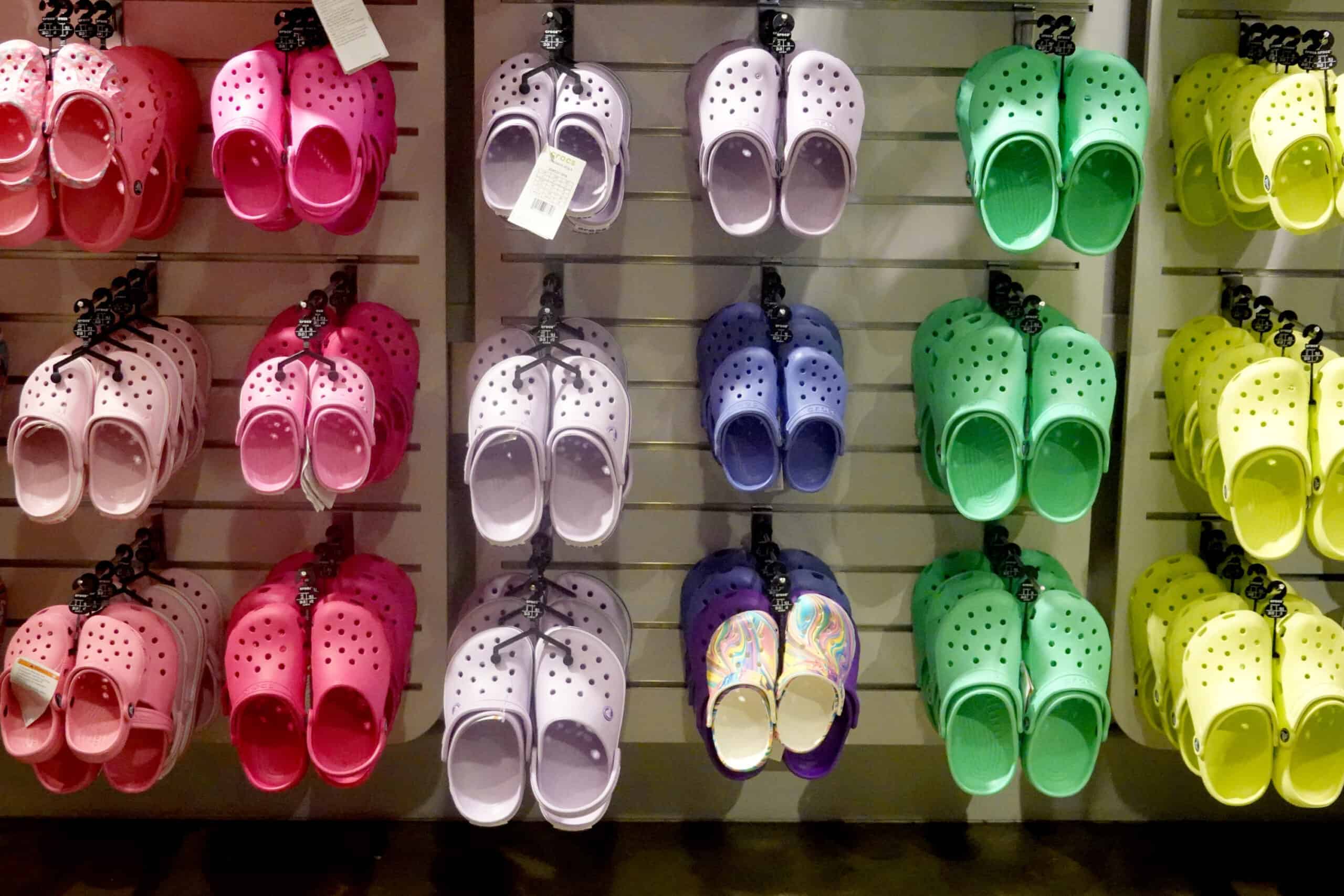
Photo by Scott Olson/Getty Images
Emma McIntyre/Getty Images
Aleksei Isachenko/Shutterstock

Kevin Winter / Getty Images Entertainment via Getty Images



12 Wild Fashion Trends That Defined Their Decades
Fashion has a funny habit of making one generation look at another and ask, “You actually wore that?” Then, about 20 years later, somebody puts the same thing on a runway, and suddenly it's fashionable again.
Some of the styles below genuinely look strange by modern standards. Others only seemed dead until designers and celebrities dragged them back out of the closet. Corsets, flared pants, exposed underwear and even dresses over jeans have all managed to find new audiences long after their original heyday.
That makes fashion history less of a straight line and more of a very crowded circle. From enormous Victorian skirts to Crocs and the infamous whale tail, these 12 trends helped define their eras, for better or worse.
S-Bend Corsets, Early 1900s
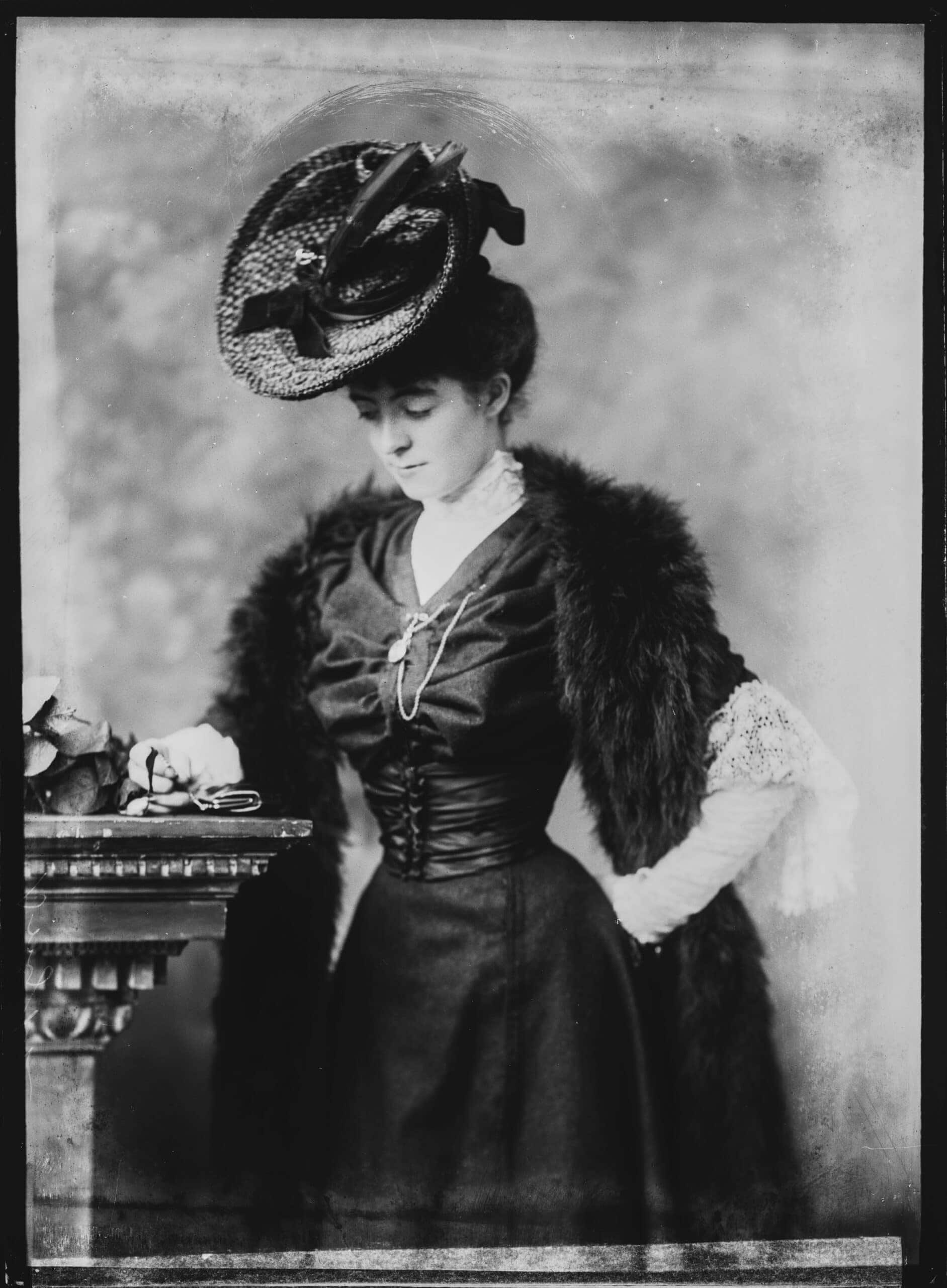
Corsets had already been around for centuries by 1900, but the turn of the 20th century produced one of their more distinctive forms. The straight-front corset helped create the fashionable S-curve silhouette, pushing the chest forward while shifting the hips backward. The result was an unmistakable shape that showed up throughout Edwardian fashion.
Historical corsetry has also accumulated some mythology. Tight corsets could certainly be uncomfortable and restrictive, but broad claims that women routinely had their ribs crushed by them go beyond what the evidence supports. Corsets also varied considerably in construction and how tightly they were worn. By the 1910s, fashion was already moving toward a straighter silhouette and less rigid undergarments.
Hoop Skirts, 1850s and 1860s
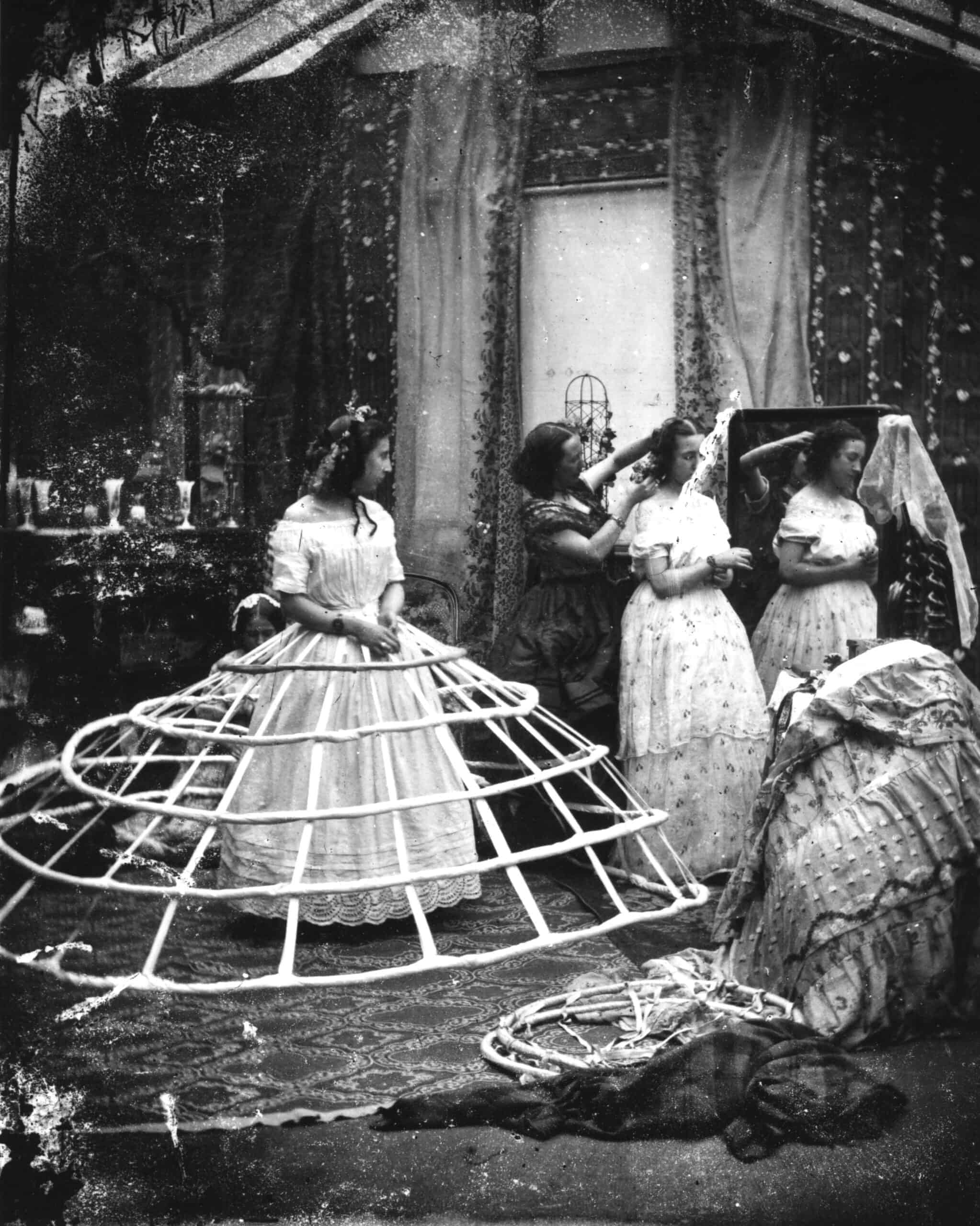
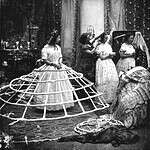
By the middle of the 19th century, fashionable skirts had become enormous, and creating that silhouette with layer after layer of heavy petticoats was not exactly convenient. The cage crinoline arrived in the 1850s as a lighter framework of steel hoops that could hold a skirt away from the body without requiring nearly as much fabric underneath.
There was a tradeoff. Some crinolines reached extraordinary widths, making doors, crowded rooms and sitting down much more complicated than they needed to be. They became so popular that contemporary observers joked about “crinoline mania.” They were ingenious pieces of fashion engineering. Practical is another question.
Boater Hats, 1890s Through the 1920s
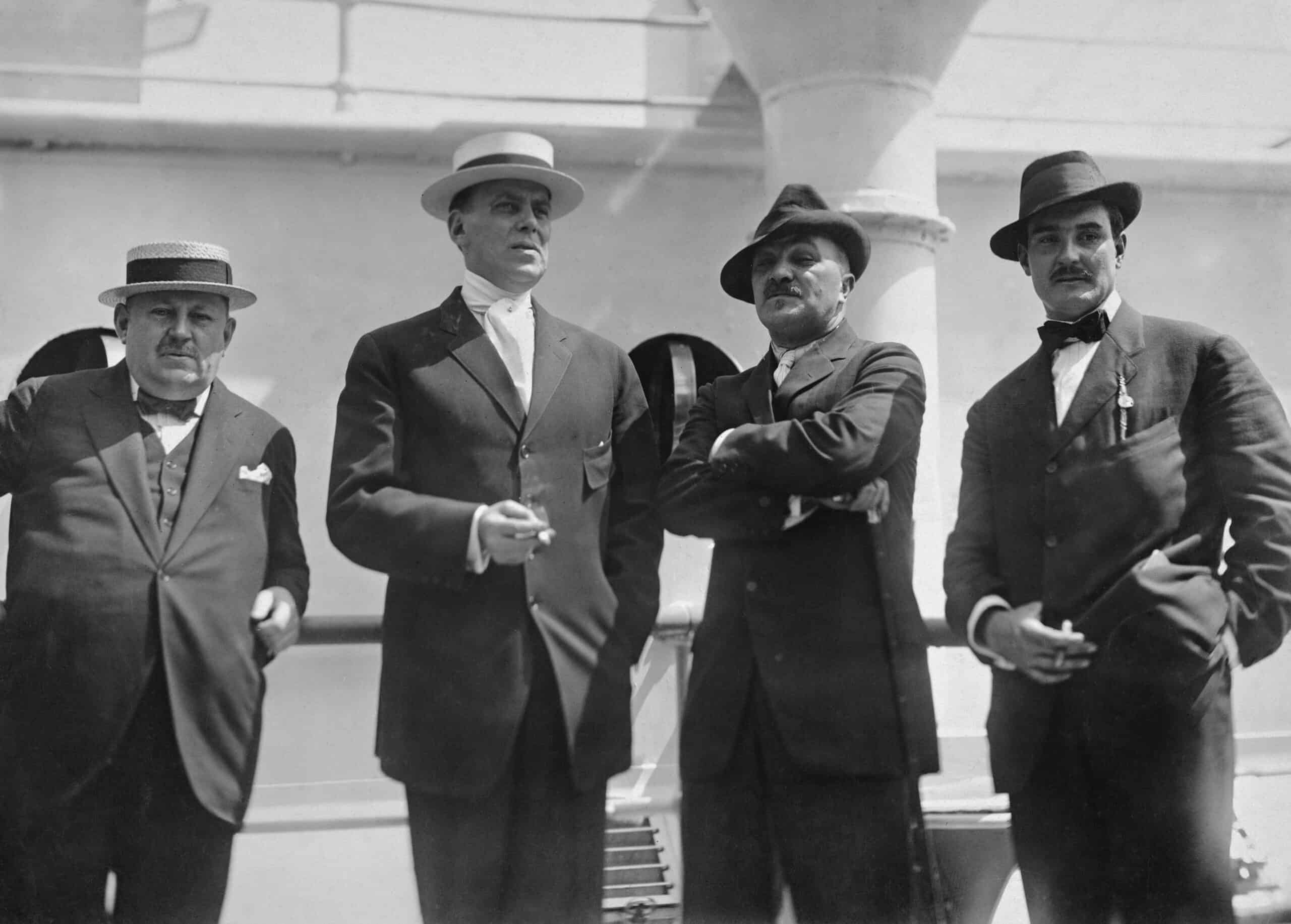
The straw boater became a familiar warm-weather hat well before the 1920s. The style grew out of British sporting and leisure wear and became popular with both men and women during the late 19th and early 20th centuries. Its flat crown, stiff brim and ribbon band made it especially recognizable.
Boaters remained fashionable into the 1920s and beyond, although they eventually became more closely associated with vintage summer clothing, barbershop quartets and very determined attempts to look like you're about to board a steamboat. They still appear today, just not with anything close to their old ubiquity.
Heeled Oxfords, 1920s and 1930s
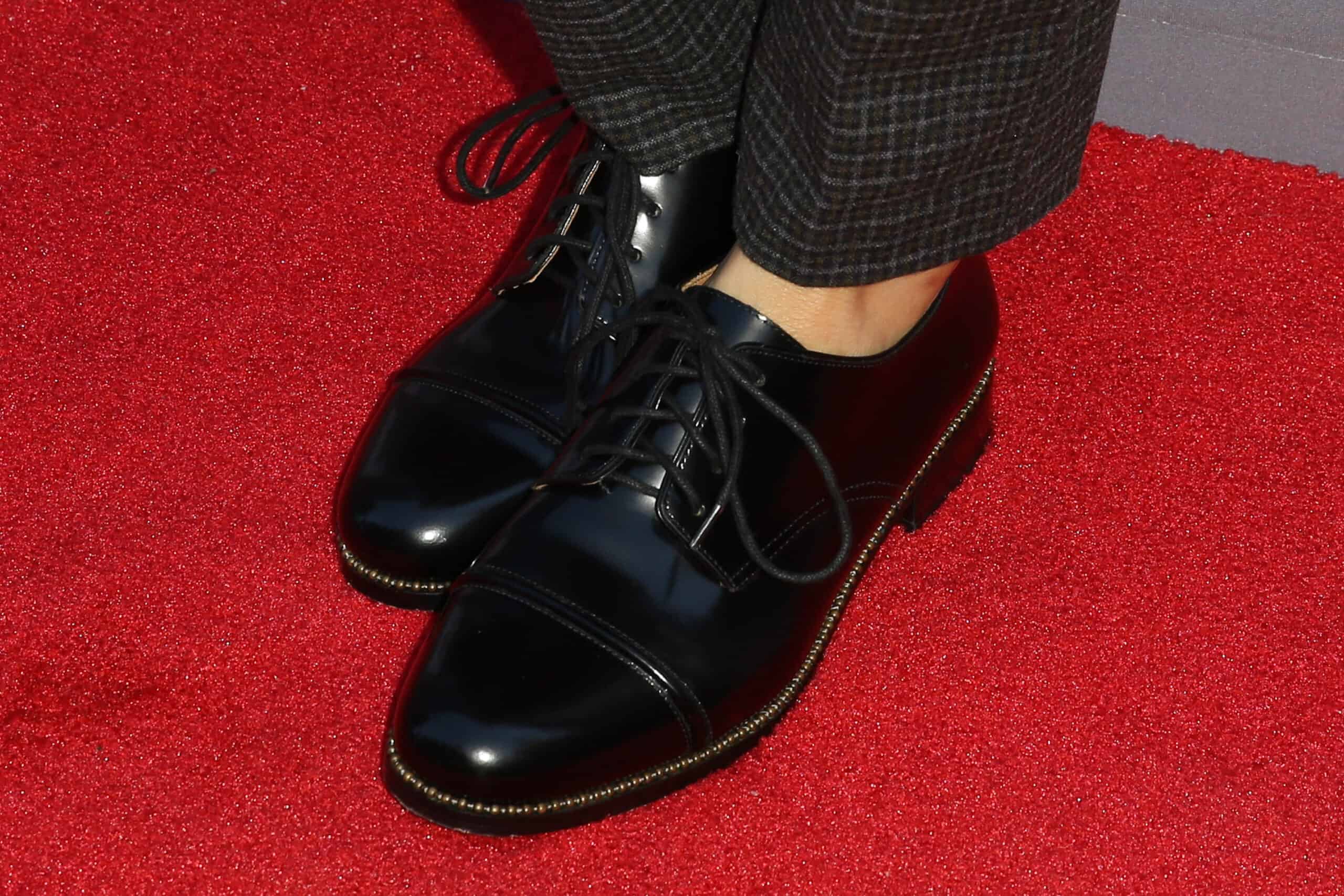
Oxford shoes began as men's footwear, but women had adopted the lace-up style by the early 20th century. Designers often gave women's versions higher heels and more delicate proportions, creating a shoe that borrowed from menswear without simply copying it.
Heeled oxfords appeared through the 1920s and 1930s in everything from tailored everyday outfits to dressier looks. They never disappeared completely, either. Modern designers still revisit the idea, although today's versions tend to lean deliberately vintage or menswear-inspired rather than looking like standard women's footwear.
Mini Bowler and Tilt Hats, 1940s
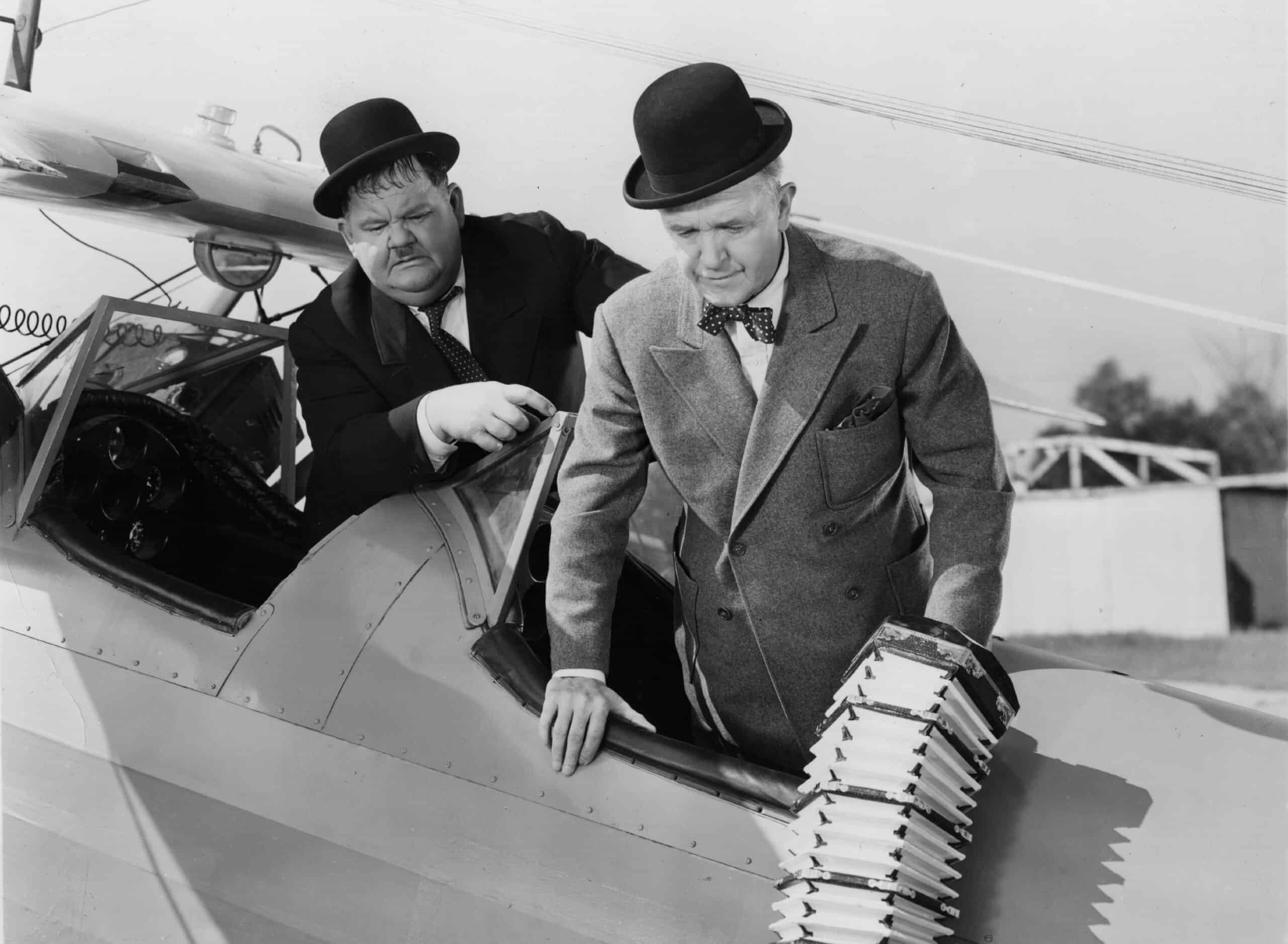
Women's millinery in the 1930s and 1940s produced some impressively tiny hats. Tilt hats and miniature bowler-inspired styles were often worn at an angle rather than pulled down over the head, with straps, elastic or other supports helping keep them in place.
These weren't really intended to shield anyone from the sun. They were accessories, sometimes dramatically decorated and sometimes barely large enough to qualify as hats. Plenty of vintage styles have returned to mainstream fashion. The tiny bowler perched sideways on someone's head is still waiting for its big comeback.
Bullet Bras, 1950s
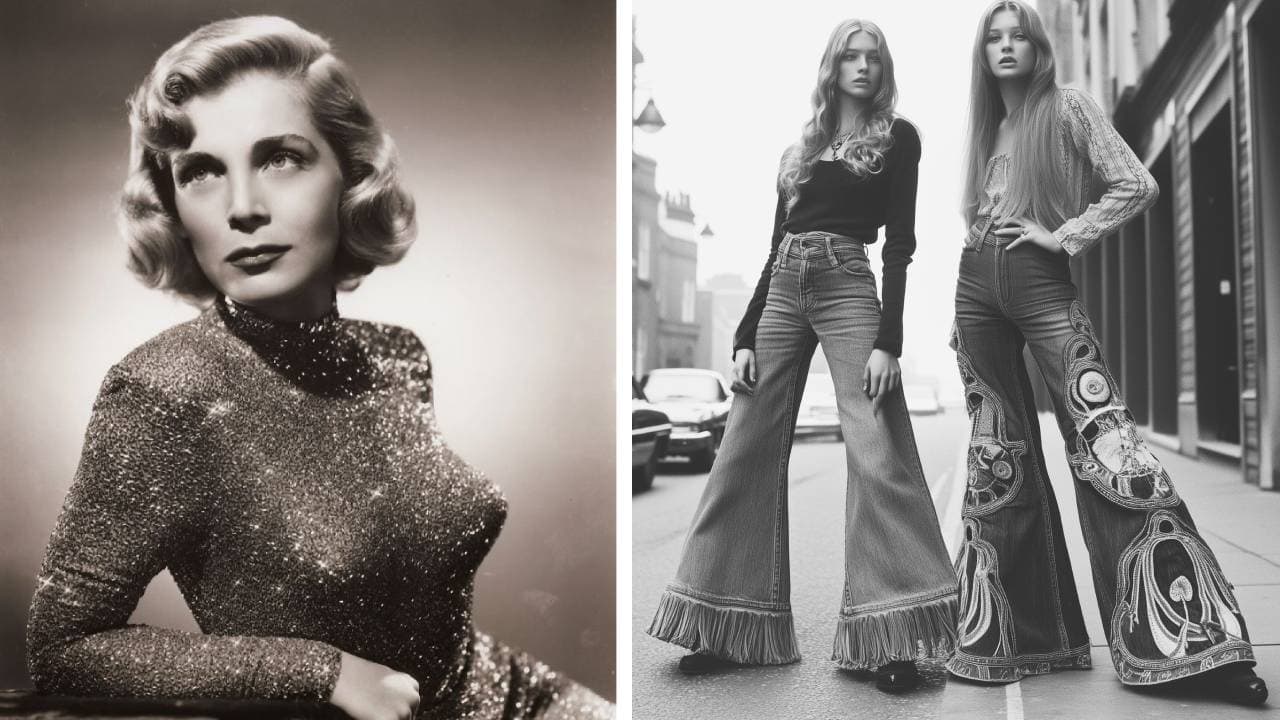
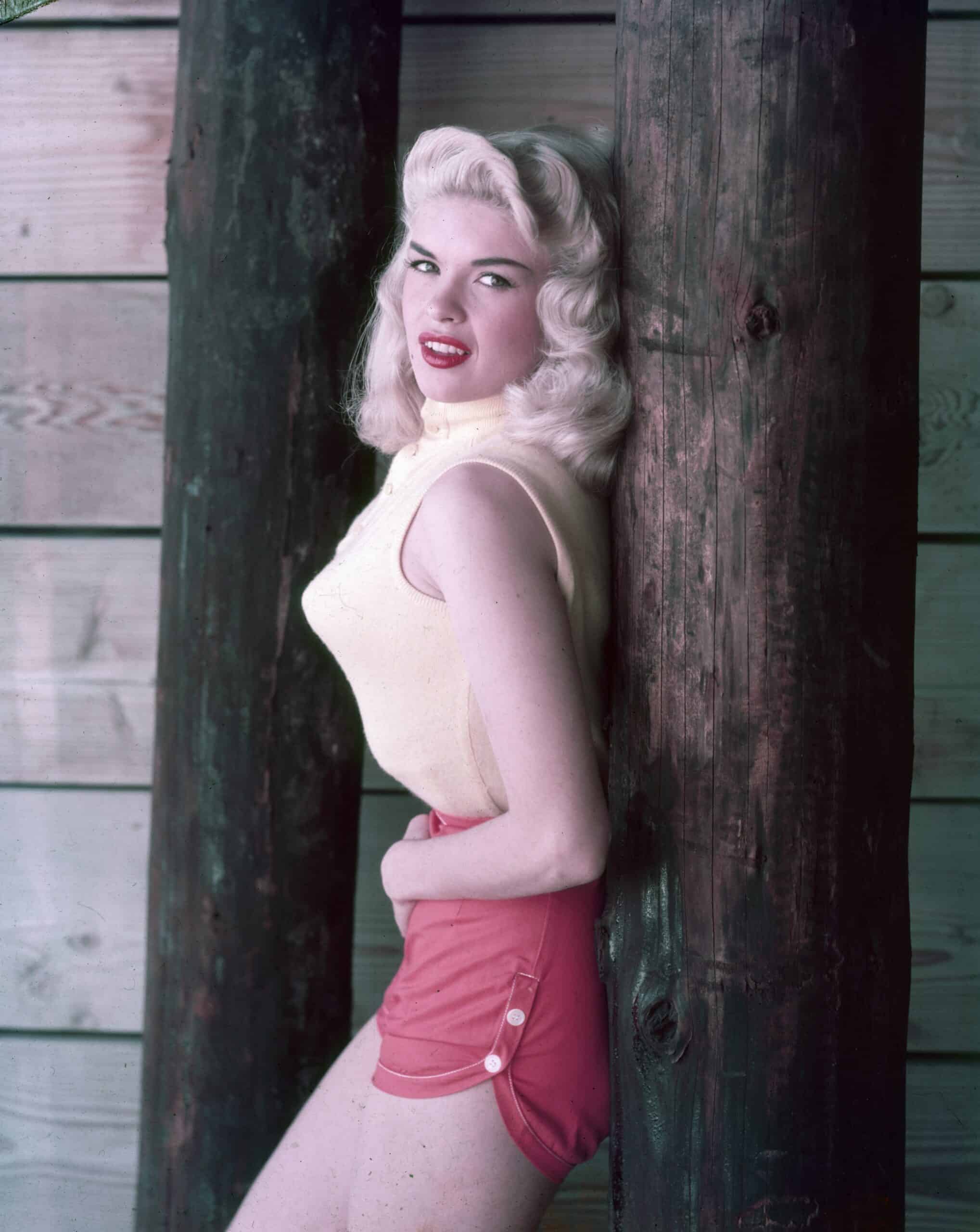
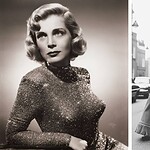
Pointed bras did not suddenly appear in the 1950s. Torpedo-shaped bras were already being worn during the 1940s, but the conical bullet bra became particularly associated with 1950s fashion. Hollywood stars including Marilyn Monroe, Lana Turner and Jayne Mansfield helped make the sharply defined silhouette part of the era's idealized look.
The shape eventually fell out of everyday fashion as softer and more rounded bras became dominant, but it never vanished from pop culture. Madonna famously revived exaggerated cone-shaped lingerie decades later, and designers were experimenting with bullet-bra silhouettes again on the Fall 2025 runways. Fashion really does refuse to throw anything away.
Paisley, 1960s
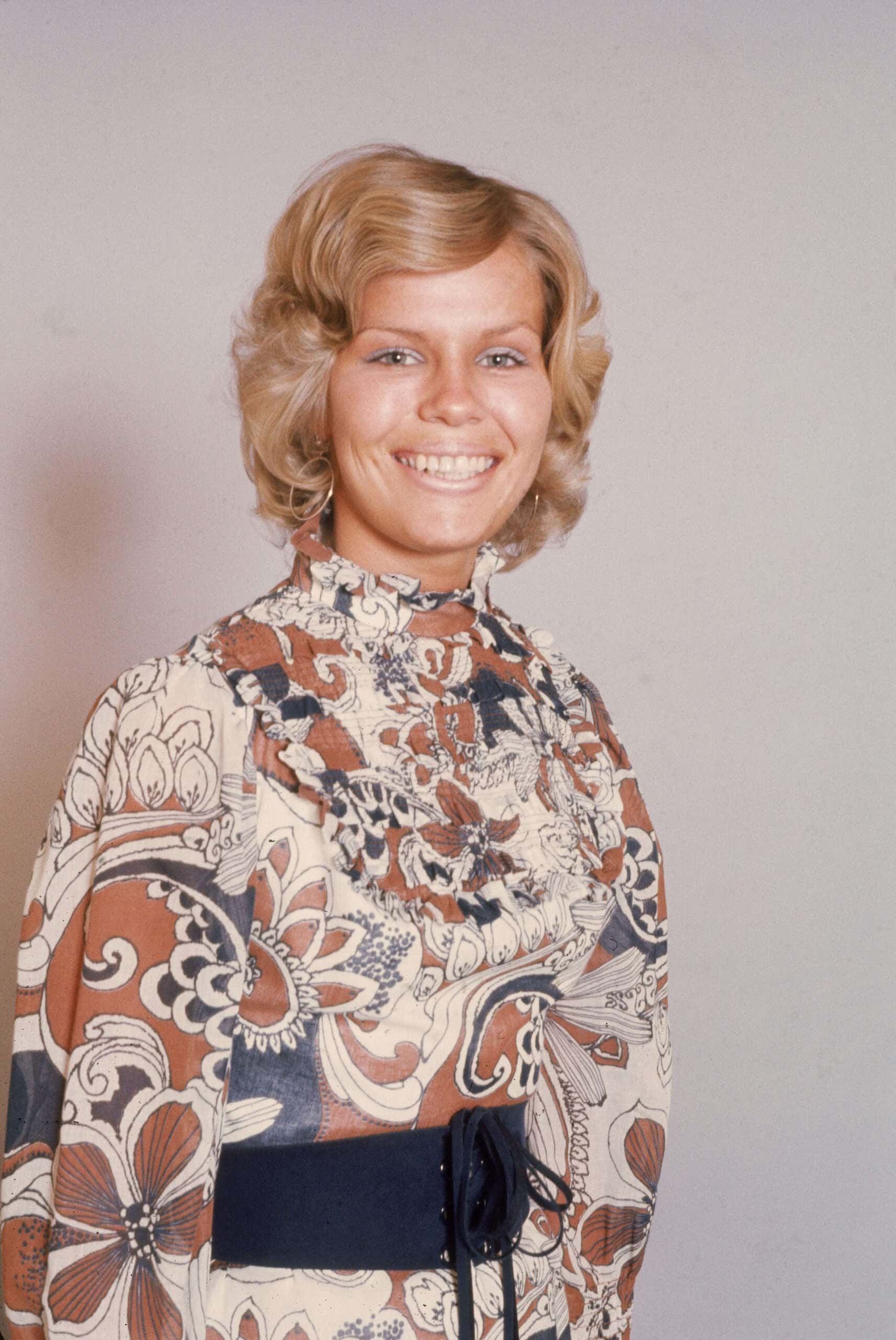
Paisley was ancient long before the 1960s discovered it. The teardrop-shaped motif has deep roots in Persian and South Asian textile traditions and later became closely associated with the Scottish town of Paisley, where large quantities of patterned shawls were produced in the 19th century.
The pattern found a new audience during the 1960s as Western fashion embraced bold colors, psychedelic prints and clothing influenced by South Asian design. Paisley shirts became part of the decade's increasingly flamboyant menswear and counterculture styles. Unlike plenty of trends on this list, paisley never really died. Wear enough of it at once, however, and you can still look like extremely expensive wallpaper.
Bell-Bottoms, Late 1960s and 1970s
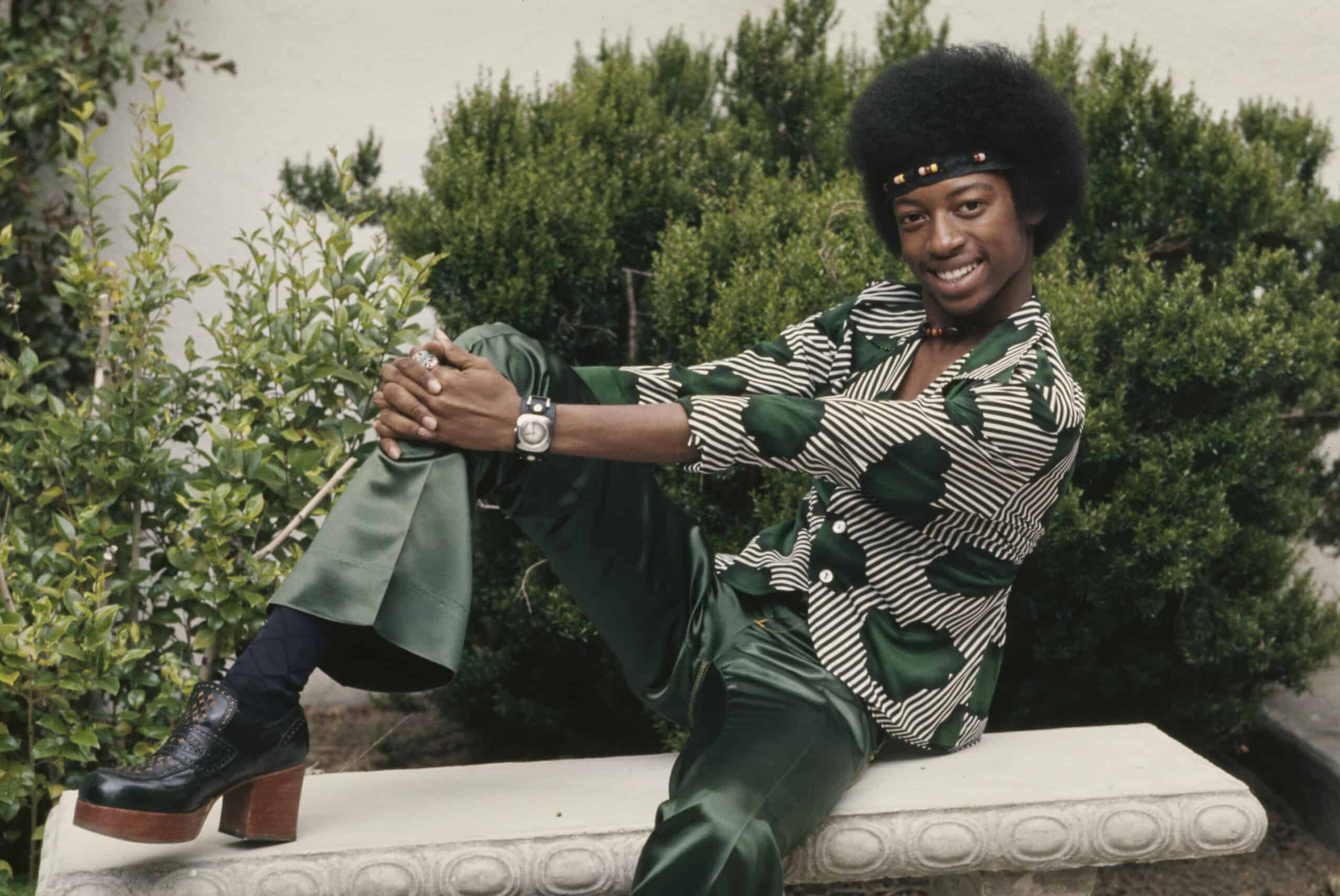
Bell-bottoms became fashionable during the late 1960s and turned into one of the defining silhouettes of the 1970s. Both men and women wore them, and the style crossed several subcultures rather than belonging only to hippies. Denim versions were everywhere, but flares also showed up in colorful polyester, suits and glam-rock wardrobes.
Anyone declaring them dead should probably check the calendar. Flared jeans have returned repeatedly, and celebrities and designers were still pushing dramatic bell-bottom silhouettes in the 2020s. Straight legs may come and go, skinny jeans may start arguments, but apparently there will always be room for pants that get wider as they approach your shoes.
Crocs, 2000s to Today
Crocs debuted in 2002, and almost immediately people seemed to divide into two camps: those who loved how comfortable they were and those who couldn't believe anyone voluntarily left the house wearing them. The foam clogs survived the argument.
Calling Crocs an outdated 2010s fad doesn't hold up anymore. Crocs-brand revenue reached about $3.33 billion in 2025, up from the previous year, and the company has spent years collaborating with celebrities, designers and major entertainment franchises. You are still free to call them ugly. The sales numbers suggest Crocs stopped caring a long time ago.
Parachute Pants, 1980s
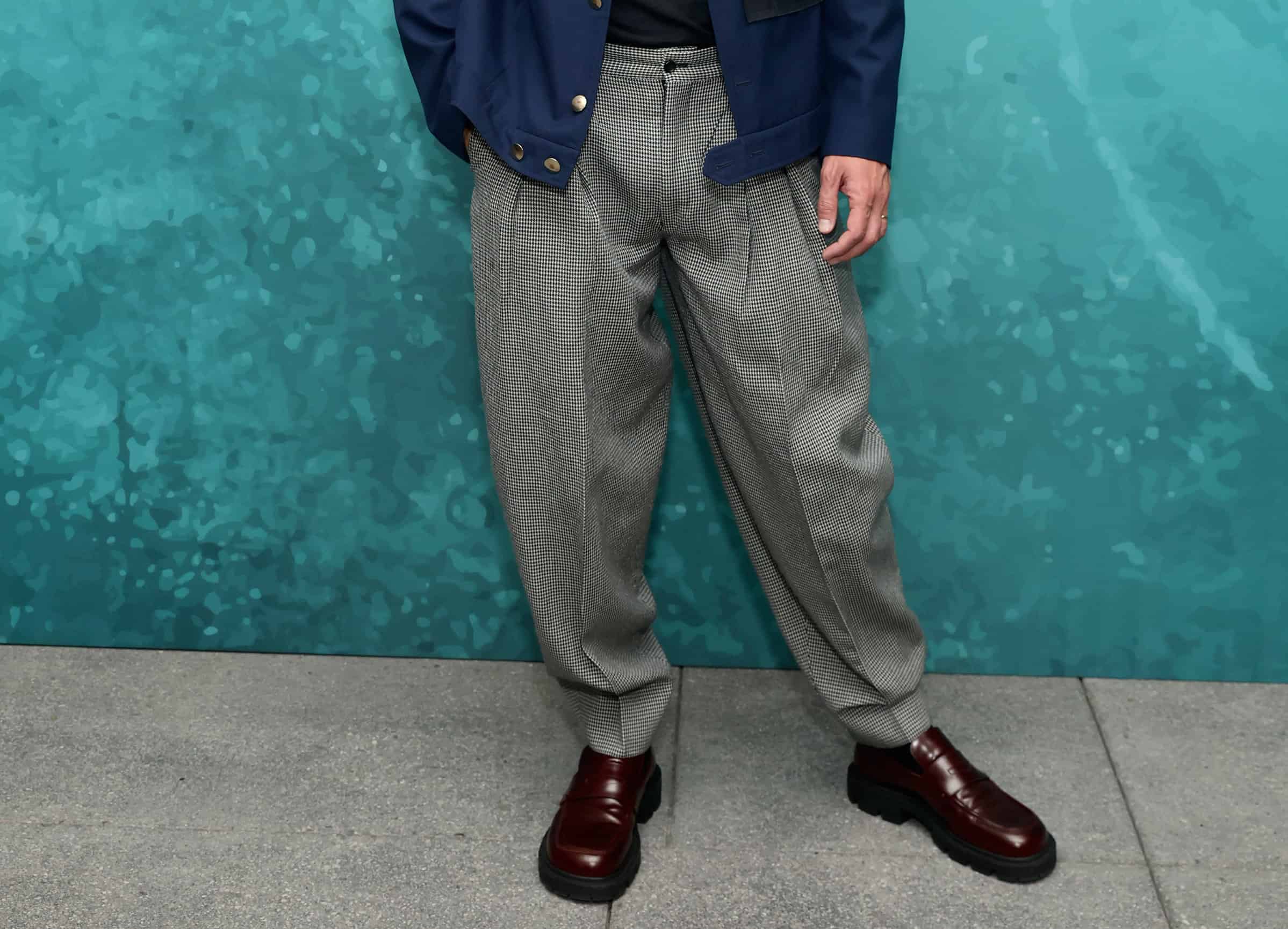
Parachute pants became a major 1980s fad, especially alongside the rise of breakdancing. The name originally referred largely to their lightweight synthetic material, often nylon or ripstop-style fabric. Early versions could actually be fairly fitted and covered in zippers, which makes the common description of all parachute pants as enormous baggy trousers a little misleading.
They also shouldn't automatically be confused with MC Hammer's famously loose harem-style pants from around the turn of the 1990s. Modern fashion has blurred those definitions considerably, and today's “parachute pants” are usually much baggier. They came roaring back again in the 2020s, with oversized versions showing up in celebrity streetwear and fashion coverage through 2024 and 2025.
Dresses Over Jeans, 2000s
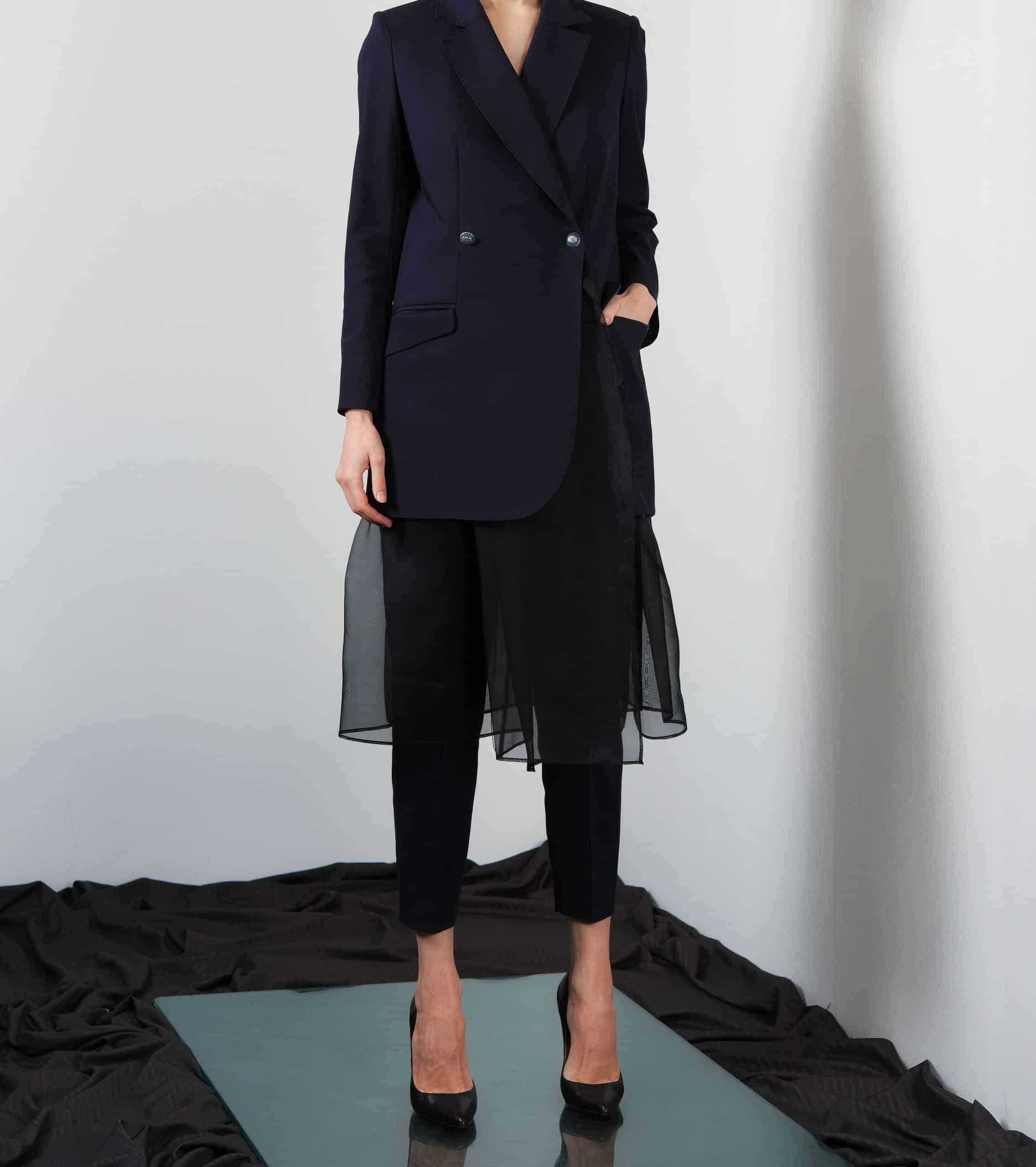
The early 2000s had a simple philosophy when it came to layering: why choose one outfit when you can apparently wear two at the same time? Dresses over jeans became a defining celebrity look of the era, appearing on young stars, red carpets and in practically every other piece of Y2K fashion photography.
For years, the combination became shorthand for everything people thought fashion had gotten wrong in the aughts. Naturally, that meant it had to come back. Designers and celebrities began revisiting dresses and skirts over pants in the late 2010s and 2020s, and Vogue declared the Y2K dress-over-pants look officially back again in late 2025. We apparently learned nothing.
The Whale Tail, 2000s and 2020s
Low-rise pants created some interesting logistical problems in the early 2000s. One of them became a fashion statement of its own. The “whale tail,” created when the straps of a thong rise above the waistband, was embraced by celebrities including Paris Hilton, Christina Aguilera, Halle Berry and others during the Y2K era.
It disappeared from mainstream fashion for a while, but nostalgia eventually did what nostalgia always does. The exposed-thong look resurfaced among celebrities and designers throughout the 2020s. Teyana Taylor wore a particularly obvious version in 2024, and the look was still turning up in runway and celebrity fashion in 2026. So much for leaving this one in the early 2000s.