
Axel Bueckert / Shutterstock

Junial Enterprises / Shutterstock.com

More Than Production / Shutterstock.com

Michael Ochs Archives / Michael Ochs Archives via Getty Images

Engin Ozber / iStock via Getty Images
Axel Bueckert / Shutterstock

vaaseenaa / iStock via Getty Images

CREATIVE WONDER / Shutterstock.com

Lik Studio / Shutterstock.com

iStock / Getty Images Plus

claudio.arnese / E+ via Getty Images

znakki / Shutterstock.com

Circle Creative Studio / iStock / Getty Images Plus

Victoria Fox / Shutterstock.com

Katya Havok / Shutterstock
AnnaTamila / Shutterstock.com

CarlosDavid.org / iStock via Getty Images

Evening Standard / Hulton Archive via Getty Images

MDV Edwards / Shutterstock.com

Ljupco Smokovski / Shutterstock.com

paulzhuk / Shutterstock.com

Maridav / Shutterstock.com

lechatnoir / Getty Images

MaxFrost / Shutterstock.com

South_agency / iStock via Getty Images
Nejron Photo / Shutterstock.com

Frederic Lewis / Archive Photos / Getty Images

Mumemories / iStock via Getty Images

Rose Marinelli / Shutterstock.com





28 Ways People Pushed Boundaries in the 1970s
The 1970s were a decade when people weren't particularly interested in following all the old rules. From the clothes they wore and the music they listened to, to their careers, relationships, and personal beliefs, Americans were challenging expectations that previous generations had largely taken for granted. And while we tend to remember the decade for disco, bell-bottoms, and some unforgettable hairstyles, there was a lot more going on beneath the surface.
The women's rights movement, growing environmental awareness, antiwar activism, and emerging punk culture all helped reshape American society. Some changes were genuinely controversial, while others simply represented younger generations finding their own identities. Interestingly, quite a few of the trends that raised eyebrows back then are now so ordinary that we barely give them a second thought.
Of course, not everything on this list was considered rebellious by everyone. A leather jacket might have been a bold statement in a conservative workplace but perfectly normal at a rock concert. Still, these 28 fashions, lifestyle choices, and cultural trends tell an interesting story about how people pushed boundaries during the 1970s, and how much our attitudes have changed since then.
Leather Jackets
Leather jackets were around long before the 1970s, but the decade helped cement their reputation as symbols of rebellion. They had already become associated with motorcycle culture and Hollywood troublemakers, thanks partly to Marlon Brando's appearance in the 1953 film "The Wild One." By the mid-to-late 1970s, however, punk rockers were giving the familiar jacket an entirely new identity. Bands like the Ramones embraced black leather, while fans began decorating their jackets with patches, buttons, chains, and other homemade additions. Wearing one wasn't necessarily controversial on its own, but pairing it with ripped clothing and an openly antiestablishment attitude could certainly turn heads, particularly among parents, teachers, and employers who preferred a more traditional appearance.
Long Hair on Men
Today, a man with shoulder-length hair probably isn't going to attract much attention. During the late 1960s and early 1970s, however, longer hairstyles could carry a very different message. The Beatles helped popularize longer hair among young men, while the growing hippie movement embraced it as a rejection of conventional grooming standards. In some schools and workplaces, men faced restrictions or criticism for allowing their hair to grow beyond what authorities considered acceptable. By the middle of the decade, long hair had become increasingly common, especially among musicians and younger Americans. Still, the idea that men should maintain neatly trimmed hairstyles remained strong in many conservative communities. For some young men, simply refusing to get a haircut became a surprisingly effective way to challenge expectations.
Short, Spiky Hairstyles
Interestingly enough, while some young men were using long hair to challenge traditional expectations, others eventually rebelled against the very styles that had come to represent the counterculture. As punk rock emerged during the mid-1970s, its followers began experimenting with short, jagged, and deliberately messy hairstyles. The polished appearance of mainstream pop stars and the flowing locks associated with hippies simply didn't fit the punk movement's confrontational attitude. Musicians and fans embraced uneven cuts, stiffened spikes, and increasingly unconventional styling methods. Not every short haircut was rebellious, of course. The difference was in how these hairstyles were worn and what they represented. For early punks, an intentionally rough appearance could be a statement against both mainstream fashion and the generation of rebels who came before them.
Ripped Jeans
It's hard to imagine ripped jeans causing much controversy today, especially considering how frequently they appear in clothing stores. But during the 1970s, deliberately wearing damaged clothing could send a message that went well beyond personal style. Denim had already become a staple of youth fashion, particularly among hippies and rock fans. As punk gained momentum later in the decade, some young people began intentionally tearing their jeans, adding safety pins, and modifying clothing to create a rougher appearance. It was a rejection of the idea that clothes needed to look new, polished, or expensive. While worn-out jeans weren't unusual among working people, deliberately destroying perfectly good clothing for fashion challenged conventional ideas about appearance, respectability, and consumer culture.
Unconventional Body Piercings
Although body piercing has existed in cultures around the world for centuries, mainstream American attitudes toward it were considerably more conservative during the 1970s. Pierced earlobes were already familiar, particularly among women, but multiple piercings and jewelry worn through other parts of the face or body were far less common. That began changing as alternative communities experimented with new forms of body modification. The emerging punk scene also embraced unconventional jewelry, sometimes incorporating safety pins and other unexpected accessories into its appearance. For someone working in a traditional office or attending a conservative school, a visible facial piercing could invite criticism or violate dress codes. What once seemed shocking to some Americans eventually became an increasingly familiar form of personal expression.
Vegetarianism
Choosing not to eat meat wasn't a new idea in the 1970s, but the decade helped introduce vegetarianism to a much wider American audience. As the counterculture movement questioned traditional habits, many young people began taking a closer look at the relationship between food, health, animals, and the environment. Vegetarian restaurants, natural-food stores, and food cooperatives became increasingly popular in certain communities, particularly those associated with hippie culture and alternative lifestyles. For families accustomed to building dinner around meat and potatoes, the decision to avoid animal products could seem unusual or unnecessarily restrictive. Still, vegetarianism wasn't simply about rebellion. Religious traditions, ethical beliefs, and personal health concerns had inspired meat-free diets long before the decade began. The 1970s helped bring those choices further into public view.
Brightly Dyed Hair
Hair coloring was hardly revolutionary by the 1970s, but there's a considerable difference between covering gray hair and deliberately turning your hair bright pink, green, or blue. As punk culture developed during the second half of the decade, unnatural hair colors became another way for young people to distinguish themselves from conventional society. Instead of trying to achieve a natural appearance, some punks embraced colors and styles that were impossible to ignore. The look complemented torn clothing, leather jackets, and the movement's deliberately confrontational attitude. These dramatic colors weren't especially common among the general population, and wearing them could be a problem in schools or workplaces with conservative grooming standards. Today, colorful hair is considerably more familiar, even if some professional environments still maintain restrictions.
Metal Studs and Chains
Metal studs, chains, and other heavy accessories became defining elements of punk fashion during the late 1970s. While earlier rock musicians had already experimented with leather and dramatic stage costumes, the punk movement took the idea further by incorporating hardware into everyday clothing. Jackets, belts, boots, and even shirts were customized with metal decorations that gave otherwise ordinary garments a confrontational appearance. Some accessories borrowed visual cues from motorcycle culture, while others reflected the movement's interest in challenging traditional ideas about fashion. The look wasn't designed to blend in, and that was precisely the point. Decades later, studded accessories remain closely associated with punk, heavy metal, and alternative fashion, although they're now widely available from mainstream retailers rather than exclusively through independent shops or homemade modifications.
Women Challenging Barriers in Higher Education
Women attending college was certainly nothing new in the 1970s. In fact, millions of American women were already enrolled in higher education by the beginning of the decade. What was changing, however, was their access to institutions, academic programs, and professional opportunities that had traditionally favored men. Yale College admitted its first female undergraduates in 1969, while other formerly all-male institutions gradually moved toward coeducation. Another major development came in 1972 with the passage of Title IX, which prohibited sex discrimination in federally funded educational programs, subject to certain statutory exceptions. These changes didn't mean that every obstacle disappeared overnight. Women continued facing unequal treatment and limited opportunities in some fields, but the decade marked an important period in the expansion of educational access and expectations.
Tattoos
Tattoos have a history stretching back thousands of years, but attitudes toward them in mainstream American society were often less accepting during the 1970s. In the United States, tattoos had long been associated with sailors, military personnel, and certain working-class or alternative communities. Although that reputation was never the complete story, visible tattoos could still carry negative stereotypes, particularly in professional environments. As rock musicians, artists, and members of emerging subcultures embraced body art, tattoos increasingly became a way to express personal identity and independence. For some young adults, getting tattooed was an intentional departure from their parents' expectations. Today, tattoos are far more visible across different occupations and age groups, although attitudes still vary depending on the setting and the design.
Choosing Not to Have Children
For much of the 20th century, marriage and parenthood were widely treated as expected milestones of adult life. During the 1970s, however, more people began openly questioning the idea that having children should be an automatic part of everyone's future. The growing women's movement, changing career opportunities, access to contraception, and concerns about population growth all contributed to new conversations about family planning. In 1972, advocates Ellen Peck and Shirley Radl founded the National Organization for Non-Parents to support people who voluntarily chose not to have children. That decision could still attract criticism from relatives or friends who viewed parenthood as a natural obligation. Although child-free living was hardly invented during the decade, the idea that it could be a legitimate personal choice began receiving greater public attention.
The Rainbow Pride Flag
The rainbow Pride flag is one of the most recognizable symbols in the world today, but it didn't make its debut until the closing years of the 1970s. In 1978, artist and activist Gilbert Baker worked with fellow volunteers to create the original rainbow flags for San Francisco's Gay Freedom Day celebration. The first design featured eight colored stripes, rather than the six most commonly seen today, with each color carrying its own symbolic meaning. The flag emerged during a period when LGBTQ+ activists were fighting discrimination and demanding greater visibility and legal protections. Publicly displaying support for gay rights could carry serious personal and professional consequences in many communities. What began as a powerful statement of visibility and solidarity eventually became an internationally recognized symbol of identity, community, and equality.
Bold, Vibrant Clothing
If there's one thing we associate with 1970s fashion, it's certainly not a shortage of color. Bright oranges, yellows, greens, and other eye-catching shades were everywhere, particularly in casual clothing and disco-inspired styles. By the middle of the decade, colorful outfits were hardly rebellious in themselves. However, the growing willingness to experiment with fashion reflected a broader shift away from rigid expectations about appearance. Men, in particular, embraced more colorful shirts, distinctive patterns, and flamboyant styles that challenged conservative ideas about masculine clothing. What looked perfectly normal on a dance floor might have seemed completely inappropriate in a traditional office. The decade helped expand the range of colors and styles that people felt comfortable wearing, even if some workplaces and formal settings remained resistant.
The Peace Symbol
It's interesting to think that a symbol representing peace could once be viewed as politically provocative. The familiar circular peace symbol was created in 1958 by British designer Gerald Holtom for the Campaign for Nuclear Disarmament. During the 1960s and early 1970s, it became strongly associated with protests against the Vietnam War and other antiwar movements. Young Americans displayed the symbol on clothing, buttons, posters, and jewelry as a way to express opposition to military conflict. Because the Vietnam War was deeply divisive, openly displaying the peace symbol could also signal political beliefs that others strongly disagreed with. By the end of the decade, the design had become much more familiar in popular culture. Today, it appears on everything from T-shirts to home decorations, often without any particular political message attached.
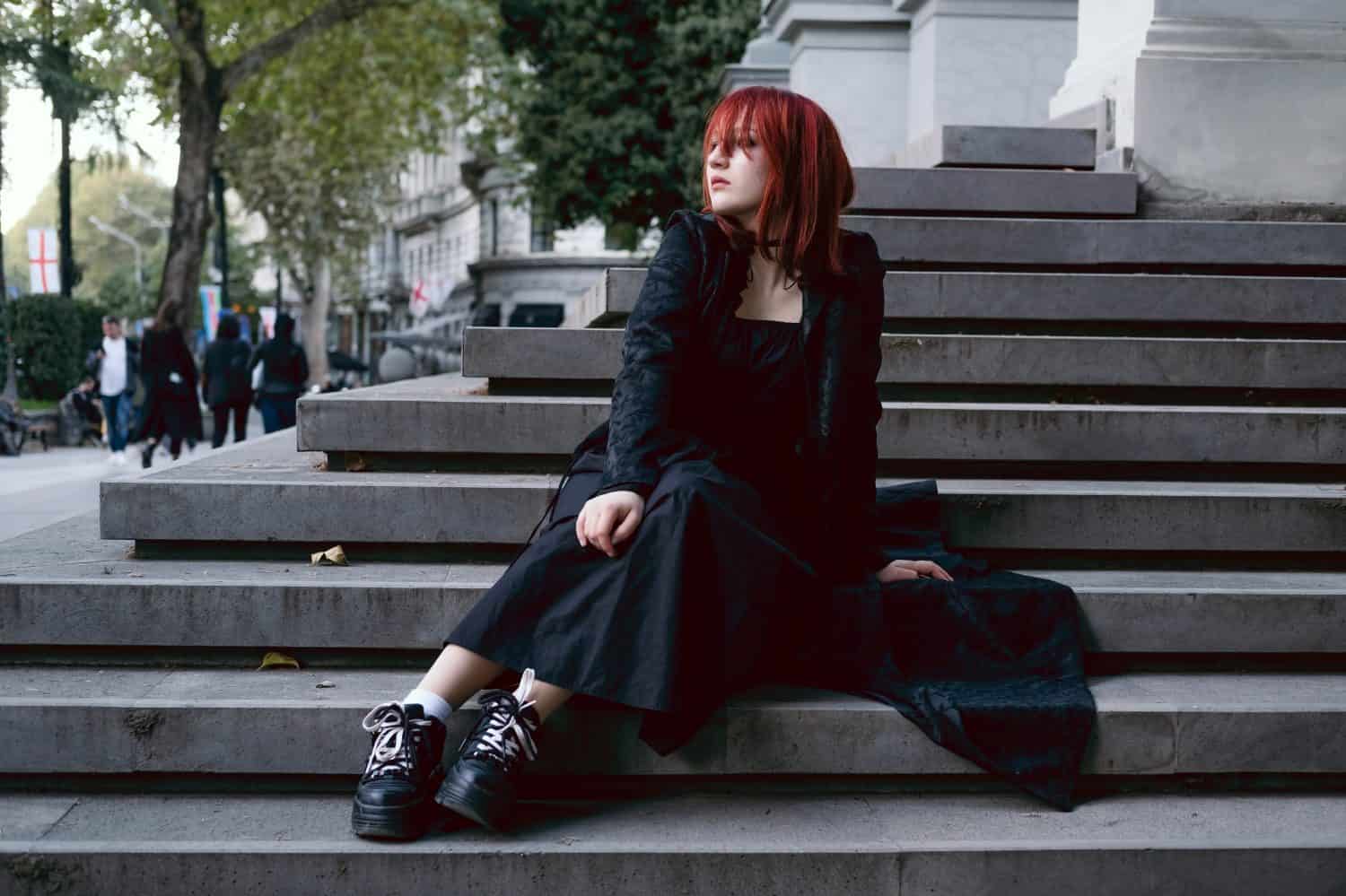
Dressing Entirely in Black
Black clothing was nothing unusual during the 1970s. After all, black suits, dresses, and formalwear had been around for generations. What began changing toward the end of the decade was how certain alternative communities used the color to establish a distinctive identity. Punk musicians and fans frequently embraced black leather, dark clothing, and dramatic accessories as part of their appearance. As post-punk music developed in the late 1970s and early 1980s, a darker aesthetic helped lay the foundations for what would become the goth subculture. Artists such as Siouxsie Sioux helped popularize striking looks that challenged conventional beauty standards. While wearing black wasn't inherently rebellious, deliberately adopting a dark, confrontational style could make someone stand out in environments where more traditional clothing was expected.
Oversized Statement Earrings
Jewelry became another opportunity for self-expression during the 1970s, with large hoop earrings, dangling designs, and dramatic statement pieces appearing throughout popular fashion. These accessories weren't necessarily rebellious, especially by the height of the disco era, when bold jewelry was an established part of the look. However, oversized earrings represented a noticeable departure from the more restrained styles that had often been associated with formal or conservative dress. They were also part of a broader cultural moment in which fashion drew inspiration from different communities, traditions, and artistic movements. Wearing large, flashy earrings to a nightclub might have been completely ordinary, but the same accessories could still attract disapproval in a conservative school or workplace. Their widespread popularity helped make expressive jewelry an accepted part of everyday fashion.
Embracing Natural Hair
During the 1960s and 1970s, the Afro became much more than a popular hairstyle. For many Black Americans, embracing natural hair was a powerful expression of cultural identity, self-acceptance, and pride. The Black Is Beautiful movement challenged traditional beauty standards that had long favored European features and hairstyles, encouraging people to celebrate their natural appearance instead. Activists, musicians, and entertainers helped bring the Afro into mainstream visibility, including Angela Davis, whose distinctive hairstyle became closely associated with the era's political activism. Singer and actress Marsha Hunt also helped popularize the look. Although natural hairstyles weren't inherently political, wearing an Afro could carry considerable cultural significance in a society where discrimination and pressure to conform remained widespread. The movement helped establish natural hair as a meaningful form of personal expression while challenging assumptions about beauty and professionalism.
Halter Tops
The 1970s brought significant changes to women's fashion, including a growing interest in clothing that was comfortable, expressive, and sometimes considerably more revealing than earlier generations considered appropriate. Halter tops became especially popular during the decade, appearing in everything from casual summer outfits to glamorous disco ensembles. Their distinctive design left the shoulders and much of the upper back exposed, making them particularly appealing for warm weather and nights on the dance floor. Although similar styles had existed for decades, the 1970s helped establish them as everyday fashion staples. For younger women, wearing a halter top could represent confidence and independence, particularly in communities where conservative dress standards remained common. By the height of the disco era, however, halter tops had become mainstream fashion rather than an inherently rebellious choice. Their popularity reflected a broader willingness to experiment with how women dressed and presented themselves.
DIY Fashion
Today, customizing clothes is often celebrated as a creative and environmentally conscious alternative to fast fashion. During the 1970s, however, deliberately altering clothing became an important part of the emerging punk movement's rejection of mainstream consumer culture. Rather than buying expensive outfits designed by major fashion labels, young people began ripping shirts, decorating jackets with safety pins, adding patches, and transforming secondhand clothing into something entirely their own. The British punk scene helped popularize this approach, with designers and musicians experimenting with deliberately provocative styles. Vivienne Westwood and Malcolm McLaren were particularly influential in shaping the movement's visual identity through their London clothing shop. Not everyone who made or altered their own clothes was rebelling, of course. Homemade clothing had existed for generations. What made punk's approach different was the intentional rejection of polished, conventional fashion and the belief that personal expression mattered more than following established rules.
Dungeons & Dragons
Long before "Dungeons & Dragons" became a familiar part of mainstream entertainment, the tabletop role-playing game was a relatively unusual hobby enjoyed by a growing community of fantasy enthusiasts. First published in 1974 by Gary Gygax and Dave Arneson, the game invited players to create fictional characters, explore imaginary worlds, and work together through adventures guided by a Dungeon Master. Unlike traditional board games, there wasn't always a predetermined winner or a fixed sequence of events. Much of the experience depended on creativity, imagination, and storytelling, which made the concept difficult for outsiders to understand.
Although the game's early popularity grew during the late 1970s, its most notorious controversies actually developed during the following decade. During the 1980s, some religious and parent groups incorrectly associated "Dungeons & Dragons" with occult practices and dangerous behavior, contributing to a broader moral panic. Those concerns were not supported by credible evidence linking the game to the alleged harms. Today, tabletop role-playing games have become widely recognized as creative social activities, with "Dungeons & Dragons" inspiring books, movies, television programs, and an enormous international fan community.
Talking Openly About Mental Health
Although psychotherapy and mental health treatment existed long before the 1970s, openly discussing emotional struggles could still carry significant social stigma. People experiencing depression, anxiety, or other mental health conditions were sometimes encouraged to keep their difficulties private, particularly in families or workplaces where psychological treatment was misunderstood. During the 1970s, however, changing attitudes toward personal growth, relationships, and emotional well-being helped bring some of these conversations further into public view. The decade also saw increasing interest in encounter groups, counseling, self-help programs, and alternative approaches to psychological wellness.
These developments were part of a much longer transformation in mental health care, rather than a sudden movement that began in the 1970s. For some people, acknowledging that they needed professional help or discussing their emotional experiences challenged expectations about toughness, independence, and privacy. Today, conversations about mental health are much more visible in schools, workplaces, and popular culture, although stigma and barriers to treatment certainly haven't disappeared. The growing willingness to discuss these subjects helped open the door to more public conversations about psychological well-being.
Shopping at Thrift Stores
Buying secondhand clothing is hardly a modern invention. Thrift stores, charity shops, and used-clothing markets had existed for generations before the 1970s, often providing affordable necessities for families on limited budgets. What changed during the counterculture era was the growing popularity of secondhand shopping as a deliberate lifestyle and fashion choice. Young people experimenting with hippie and alternative styles embraced vintage clothing, military surplus, and inexpensive garments that could be altered or combined into unconventional outfits. Shopping secondhand also appealed to people who wanted to distance themselves from mainstream consumer culture.
Rather than treating used clothing as something to be embarrassed about, some younger shoppers began celebrating its individuality and affordability. A vintage jacket or unusual patterned shirt could offer more personality than something purchased from a department store. Environmental concerns also contributed to interest in reusing products, although cost and personal style remained important motivations. Today, thrift shopping is a major part of fashion culture, with vintage boutiques, resale platforms, and secondhand marketplaces attracting shoppers across different generations and income levels. What once challenged certain assumptions about status and consumption has become an increasingly familiar shopping habit.
Bold Patterns and Prints
From psychedelic swirls and oversized florals to geometric patterns and paisley prints, the 1970s certainly weren't known for understated fashion. Bold designs had already gained popularity during the 1960s, but they remained prominent as disco, glam rock, and other cultural movements influenced everyday clothing. Shirts, dresses, pants, and accessories frequently featured eye-catching patterns that would have seemed out of place in more conservative wardrobes. The era's experimentation extended beyond women's fashion, too. Men embraced colorful printed shirts, wide collars, and styles that challenged traditional expectations about masculine appearance.
Of course, these patterns weren't universally rebellious. By the middle of the decade, many were available in ordinary department stores and were worn by people with little interest in counterculture movements. Still, their popularity reflected a growing acceptance of individuality and more adventurous personal style. The contrast between an elaborately patterned disco shirt and a traditional business suit could be striking, particularly in formal workplaces or conservative communities. Today, many of these once-distinctive designs are considered classic examples of retro fashion, regularly reappearing in modern clothing collections.
Combat Boots as Everyday Fashion
Combat boots were originally designed for military use, but by the 1970s, they were finding a new audience among young people who had little interest in joining the armed forces. Military surplus clothing had already become popular within parts of the counterculture, sometimes worn ironically by antiwar demonstrators. As punk rock developed later in the decade, heavy lace-up boots became an especially recognizable part of the movement's appearance. Their practical construction, relatively inexpensive availability through surplus outlets, and rugged look made them an appealing alternative to conventional footwear.
For punk fans, combining combat boots with torn jeans, leather jackets, and unconventional hairstyles helped create an intentionally confrontational style. However, it would be misleading to suggest that everyone wearing military boots was making an antiwar statement. Some simply liked their durability or appearance. The footwear eventually became closely associated with punk, goth, and alternative fashion, particularly during the 1980s and 1990s. Today, combat-inspired boots are sold by major fashion brands and are worn with everything from jeans to dresses, demonstrating how thoroughly an once-unconventional look can enter the mainstream.
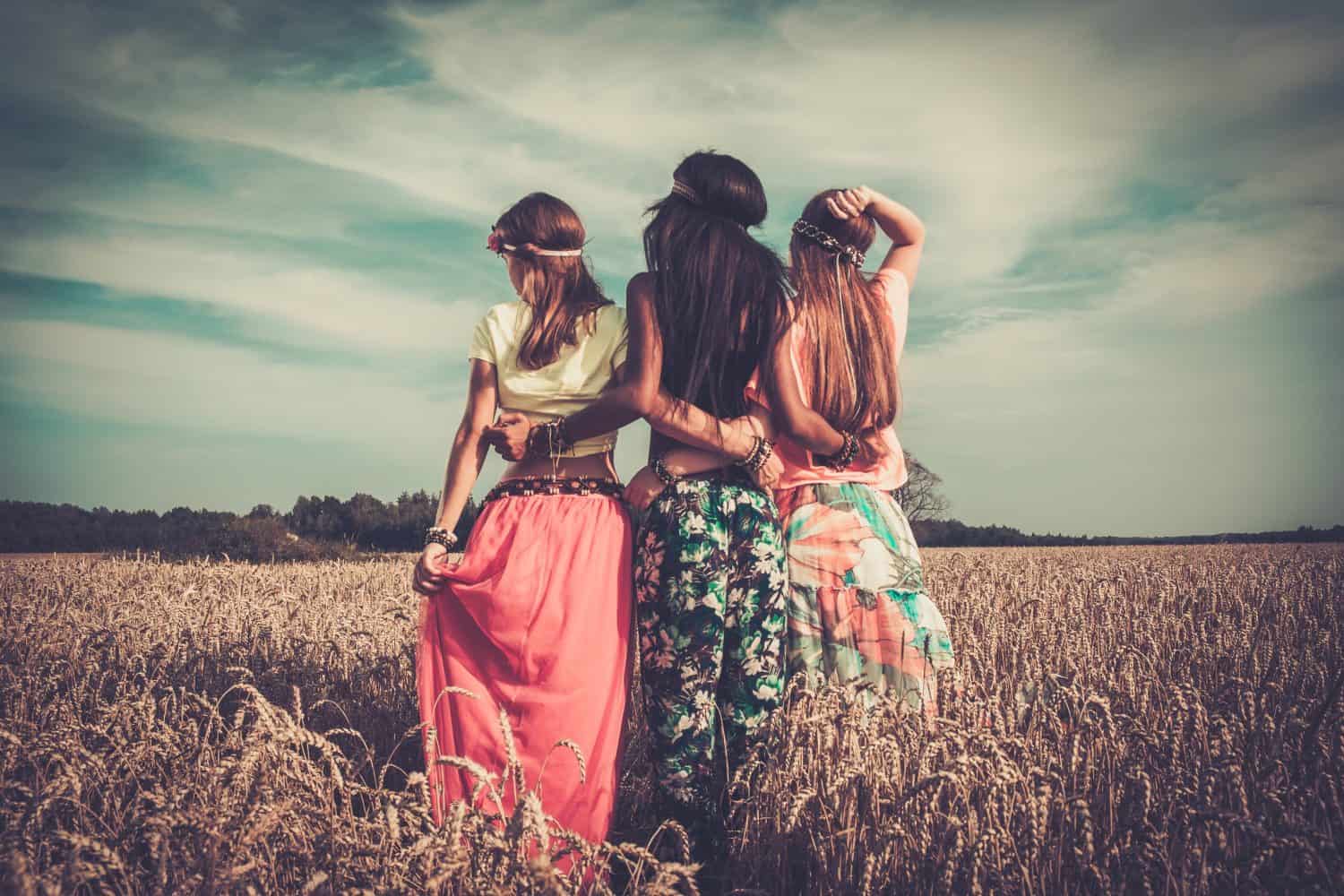
Long, Flowing Skirts
Not every fashion statement of the 1970s involved showing more skin or wearing something deliberately provocative. For some women, the growing popularity of long, flowing skirts offered a comfortable alternative to more structured clothing. Maxi skirts and dresses had gained attention during the late 1960s and became familiar elements of the following decade's fashion. They were particularly popular among people drawn to hippie-inspired styles, which favored loose fabrics, natural materials, and designs influenced by different cultural traditions. Combined with peasant blouses, sandals, or handmade accessories, these outfits reflected an informal approach to fashion.
Although long skirts themselves were hardly revolutionary, their association with the counterculture helped distinguish certain styles from the polished, coordinated outfits that had dominated more traditional wardrobes. The contrast was particularly noticeable when flowing skirts appeared alongside unconventional hairstyles, handmade jewelry, and other elements of hippie fashion. By the 1970s, maxi skirts were also popular with mainstream shoppers, proving that the boundary between alternative and conventional fashion could shift surprisingly quickly. Today, flowing skirts remain a familiar wardrobe staple, appreciated for both comfort and style rather than any particular rebellious meaning.
Miniskirts
Few fashion trends generated as much conversation about changing social expectations as the miniskirt. Although closely associated with the 1970s in some nostalgic collections, the style actually rose to prominence during the 1960s, when designers such as Mary Quant helped popularize dramatically shorter hemlines. By the beginning of the following decade, miniskirts were already familiar in youth fashion, but that didn't mean everyone approved. Some parents, educators, and employers considered short skirts inappropriate, particularly in environments where women's clothing was expected to remain conservative.
For many younger women, wearing a miniskirt represented personal freedom and the ability to make their own fashion choices. The style was also connected to broader changes in women's roles and expectations, although it would be an oversimplification to treat every miniskirt as a political statement. Interestingly, the 1970s embraced everything from extremely short skirts to floor-length maxi dresses, illustrating how varied women's fashion had become. Rather than following one rigid standard, shoppers increasingly had opportunities to experiment with different silhouettes and styles. Today, miniskirts remain a familiar part of fashion, even as debates about dress codes and appropriate clothing continue in certain settings.
Saying No to Cigarettes
It's difficult to imagine today just how common cigarette smoking once was in American public life. During the early 1970s, smoking was permitted in many offices, restaurants, airplanes, and other places where it would now be restricted or prohibited. Cigarette advertisements remained prominent in some media, and smoking was frequently portrayed as a normal part of adult social life. For nonsmokers, avoiding tobacco smoke could be considerably more difficult than it is today. However, it would be inaccurate to suggest that simply refusing a cigarette was universally considered rude or rebellious.
In reality, public attitudes toward smoking were already changing. The landmark 1964 U.S. Surgeon General's report had established a major connection between cigarette smoking and serious health risks, and television and radio cigarette advertising was prohibited beginning in 1971. Antismoking campaigns continued gaining momentum throughout the decade, while growing numbers of Americans began questioning the assumption that smoking should be accepted virtually everywhere. The gradual shift toward smoke-free environments would continue for decades. Looking back, the real cultural change wasn't necessarily turning down an offered cigarette, but increasingly challenging the expectation that everyone else should have to breathe the smoke.
Crop Tops and Knotted Shirts
Sometimes the simplest fashion changes can say quite a bit about shifting cultural attitudes. During the 1970s, crop tops and shirts tied at the waist became familiar elements of youthful casual clothing, particularly during the warmer months. Instead of purchasing a specially designed outfit, some people simply shortened an existing T-shirt or tied the bottom into a knot, creating a more relaxed and revealing look. The style appeared in casual summer fashion, athletic settings, and disco-inspired outfits, reflecting the decade's growing interest in comfort and personal expression.
Although midriff-baring clothing had appeared in earlier decades, the 1970s helped normalize these looks in new settings. For younger women, crop tops could represent confidence and independence, while more conservative observers sometimes considered them too revealing. Like many styles from the period, however, they eventually moved beyond their association with youth culture and became part of mainstream fashion. Today, crop tops and knotted shirts regularly appear in stores, on runways, and in everyday wardrobes, proving that many once-controversial fashion choices eventually become entirely ordinary. For more nostalgia, check out these fashion trends from the 1970s that should make a comeback.