50 Photos That Capture the Wild Style of the 1970s
The 1970s did not settle on one look. That was half the fun. Fashion moved from the lingering hippie influence of the late 1960s into bold prints, flowing dresses, velvet suits, exaggerated collars, glam-rock shine, and eventually the polished nightlife looks associated with disco.
Men's fashion became brighter and considerably less conservative, while women's wardrobes ranged from romantic maxi dresses and dramatic sleeves to tailored separates and increasingly glamorous evening wear. Some trends have aged better than others, but subtle was rarely the goal.
Many of these photos were taken in Britain, which remained an important center of youth, music, and fashion culture as styles from the late 1960s evolved throughout the following decade.
Here are 50 photos that capture the unforgettable style of the 1970s.
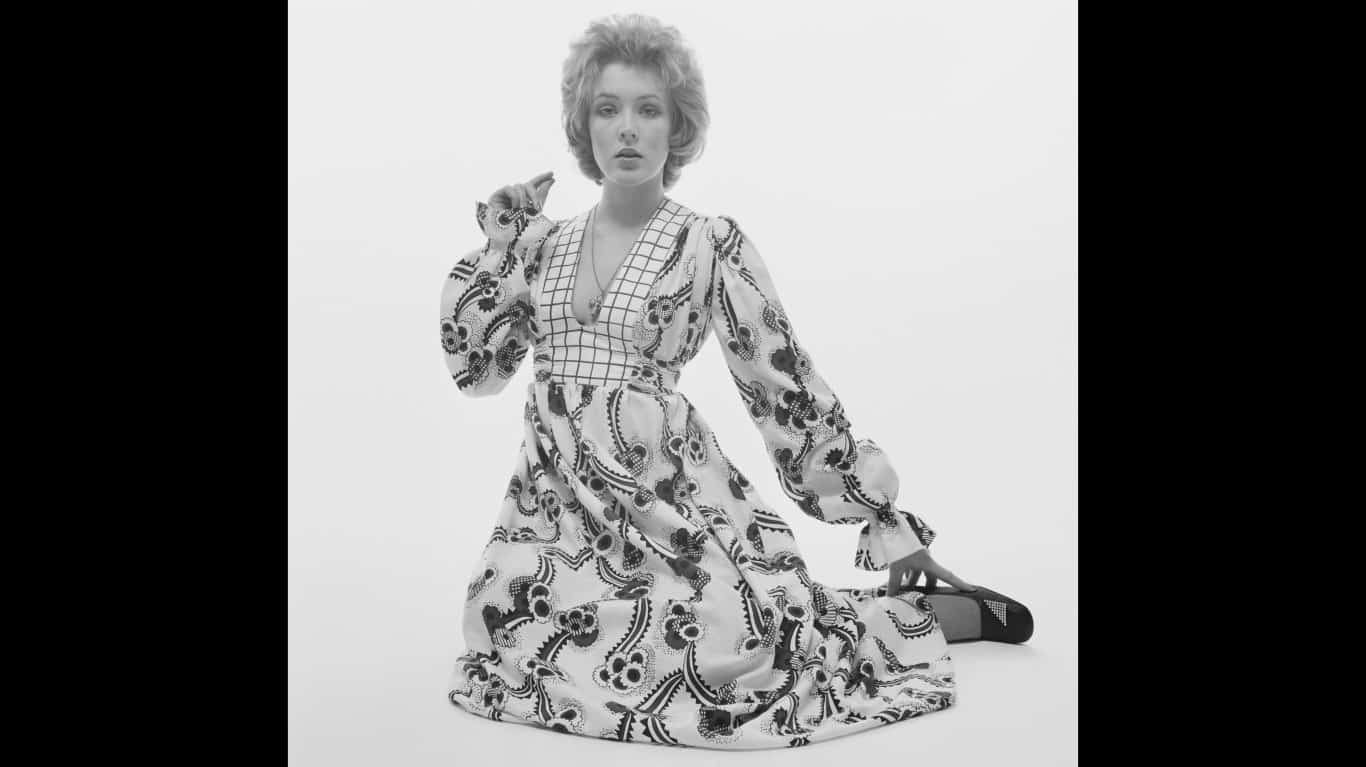
A Model Previews a Maxi Dress for 1970
Year: 1969. The floor-length maxi was already helping fashion move away from the mini-dominated look of the 1960s. Flowing silhouettes would remain a major part of women's style as the new decade began.
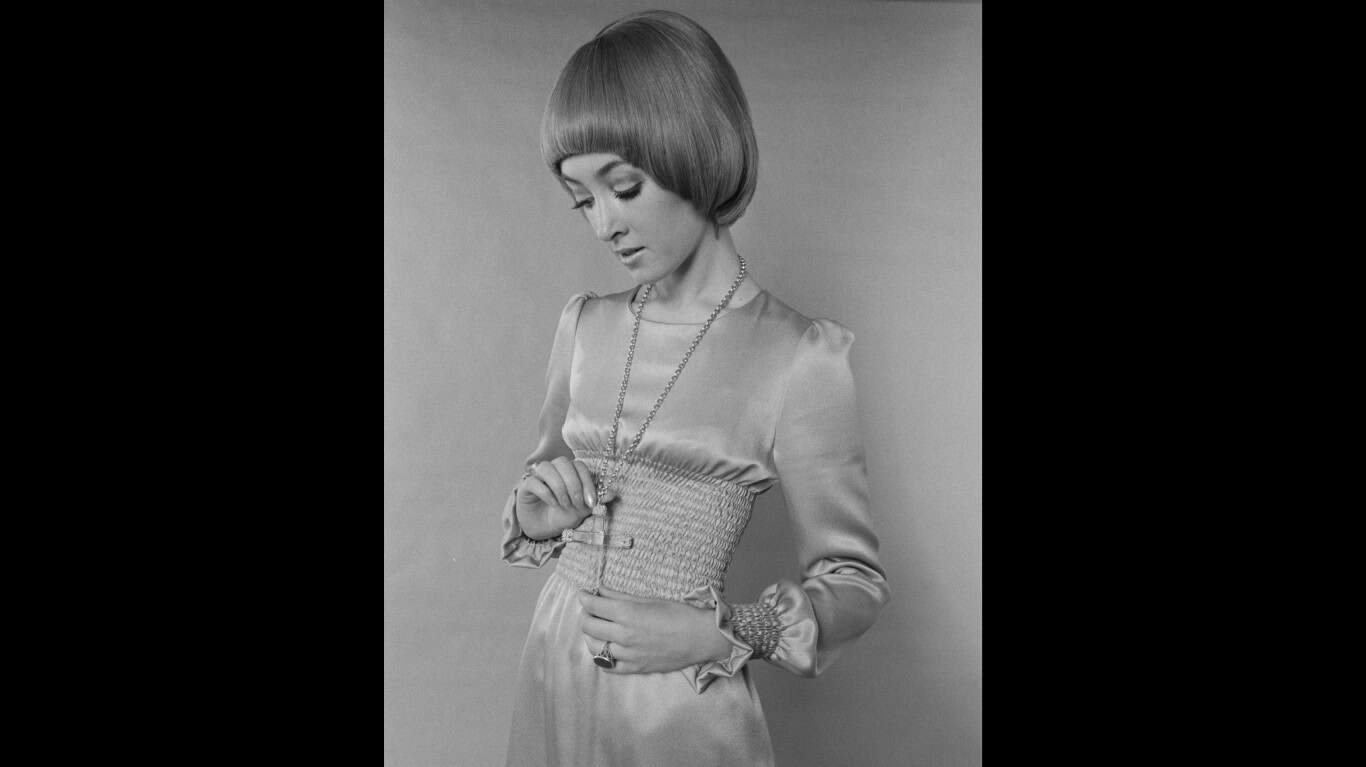
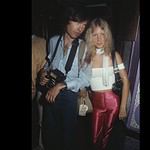
A Model Previews a Satin Dress for 1970
Year: 1969. Satin's smooth finish gave even relatively simple dresses a more glamorous look. Shiny fabrics would become increasingly visible in 1970s evening and nightlife fashion.
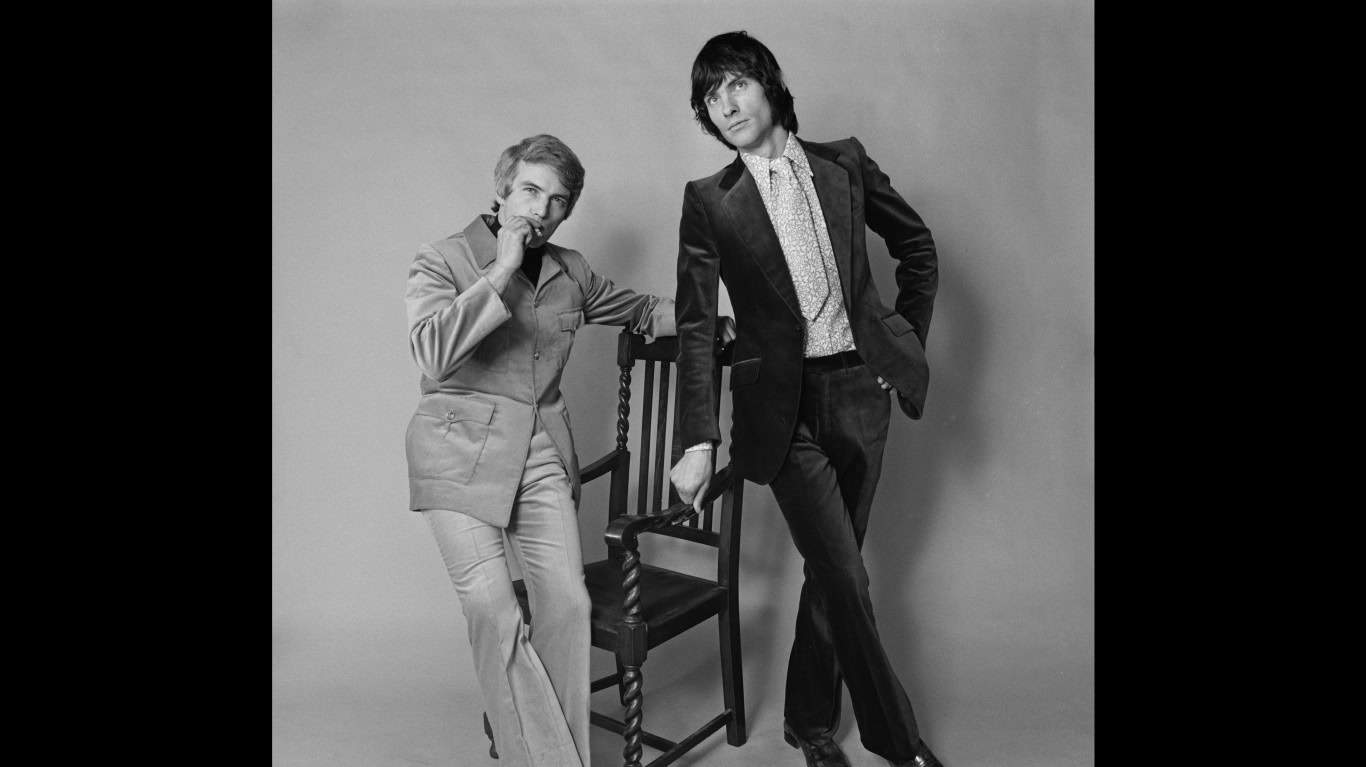
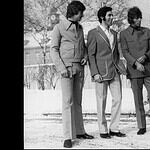
British Models Preview Velvet Suits for the 1970s
Year: 1969. Men's fashion was becoming noticeably less restrained by the end of the 1960s. Velvet, stronger colors, wider lapels, and more adventurous tailoring all carried into the early 1970s.
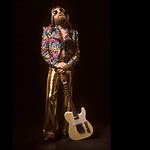
A Glam Rocker in a Shiny Jacket
Year: circa 1970. Rock fashion was about to get much louder. Metallic fabrics, theatrical jackets, makeup, platform shoes, and deliberately flashy styling became closely associated with the glam-rock scene of the early 1970s.
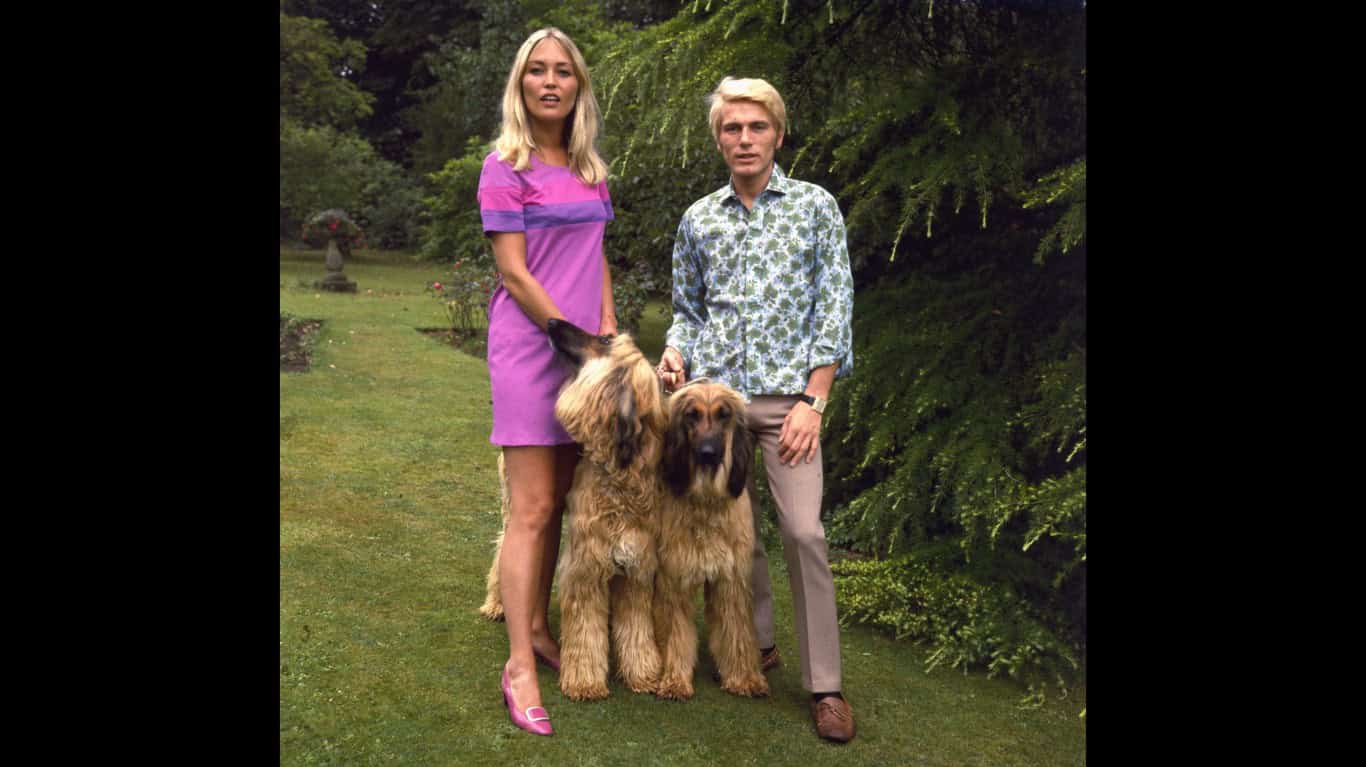
Adam Faith and His Wife
Year: circa 1970. English singer and actor Adam Faith and his wife capture the point where polished 1960s dressing was giving way to the looser shapes, stronger patterns, and more relaxed styling of the new decade.
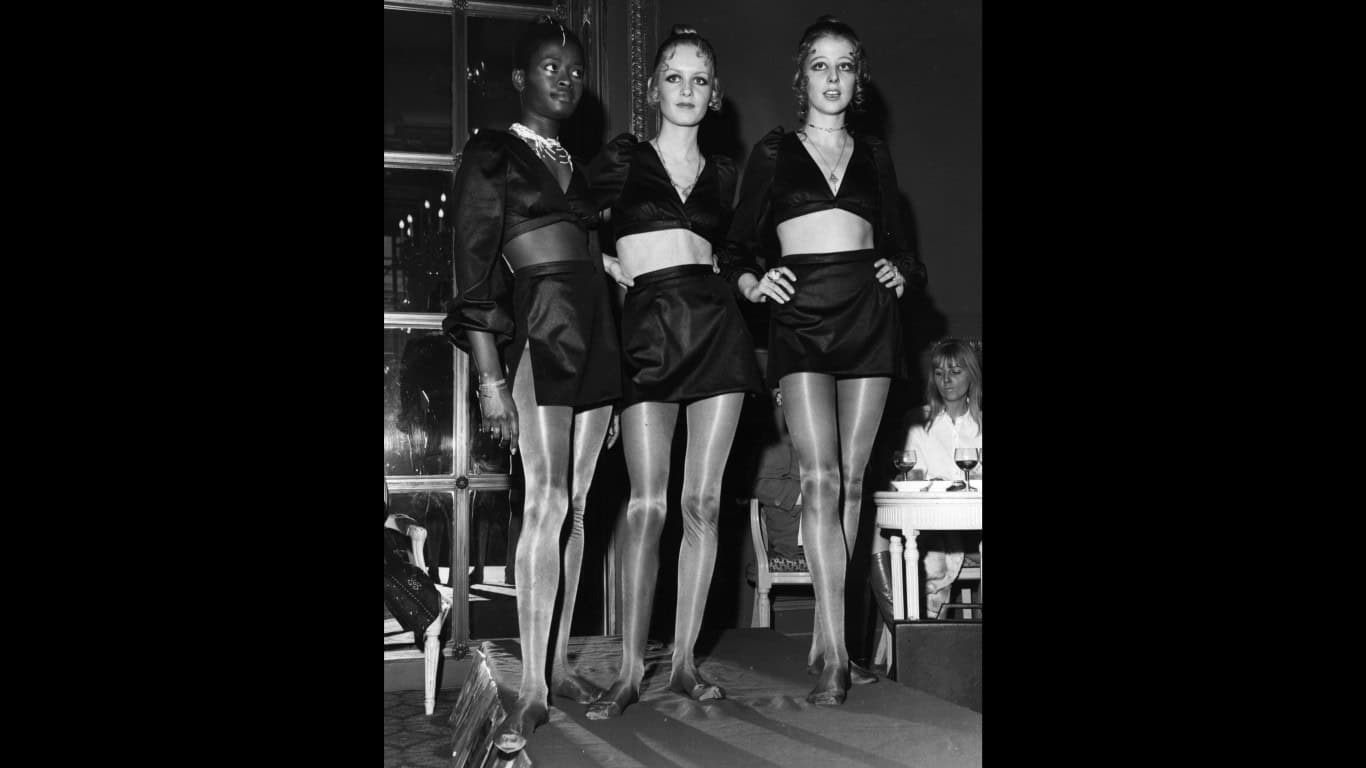
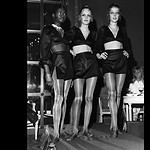
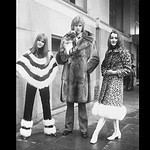
Twiggy and Two Other Models
Year: circa 1970. Twiggy had become one of the defining faces of 1960s fashion, but styles do not disappear because the calendar changes. Minis and other mod-era looks remained visible as 1970s fashion began branching in new directions.
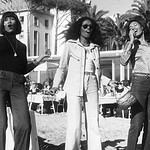
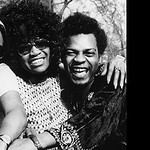
The Pointer Sisters at MIDEM in Cannes
Year: circa 1970. The Pointer Sisters were photographed in Cannes for MIDEM, the international music-industry gathering. Their coordinated looks show how matching outfits could still leave plenty of room for personality.
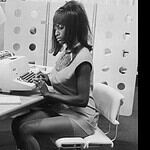
Model Lucienne Poses as a Glamorous Secretary
Year: 1970. Even office-inspired fashion received the full editorial treatment. The look combines a professional setting with the sharper silhouettes and stronger styling that were beginning to define the decade.
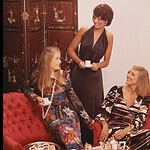
Three Women Having Tea
Year: 1970s. Not every memorable fashion photograph came from a runway. Everyday scenes like this show how the decade's prints, accessories, hairstyles, and layered looks translated into regular life.
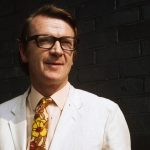
Sports Commentator John Bromley
Year: 1970. Men's clothing was shedding some of the conservative rules of previous decades. Brighter colors, prominent patterns, wider ties, and more expressive tailoring became increasingly difficult to miss.
Scottish Soccer Player Peter Marinello
Year: 1970. Peter Marinello shows the increasingly relaxed side of men's style. Younger men were mixing traditional pieces with longer hair, slimmer shirts, and bolder details that would soon become thoroughly associated with the 1970s.
An Yves Saint Laurent Shirt Dress
Year: 1970. This diaphanous Yves Saint Laurent shirt dress was photographed in February 1970. It is a good example of how designers could take the familiar structure of a button-front shirt and turn it into something lighter and far more dramatic.
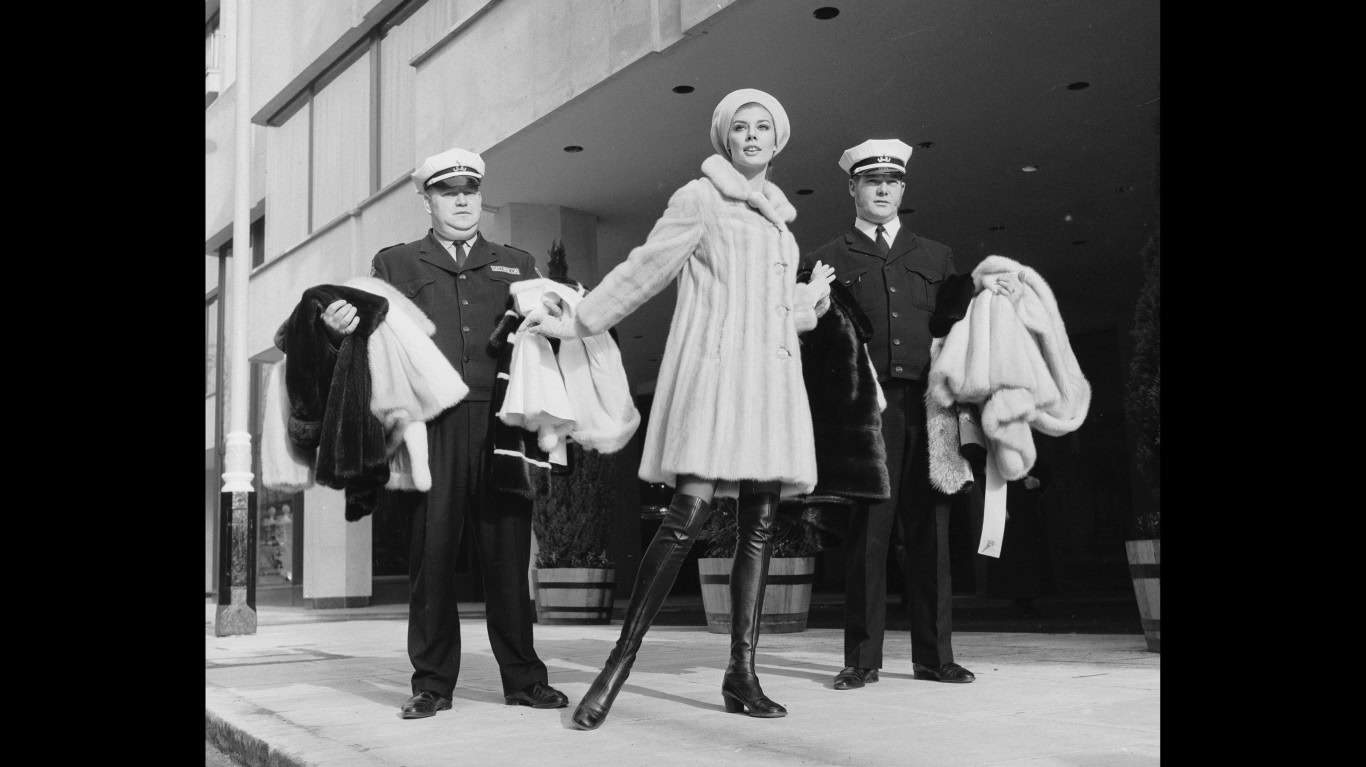
Model Pip Billington in a Mink Coat
Year: 1970. Fur remained highly visible in luxury fashion at the start of the decade. The oversized outerwear here also reflects the appetite for texture and dramatic proportions that ran through 1970s style.
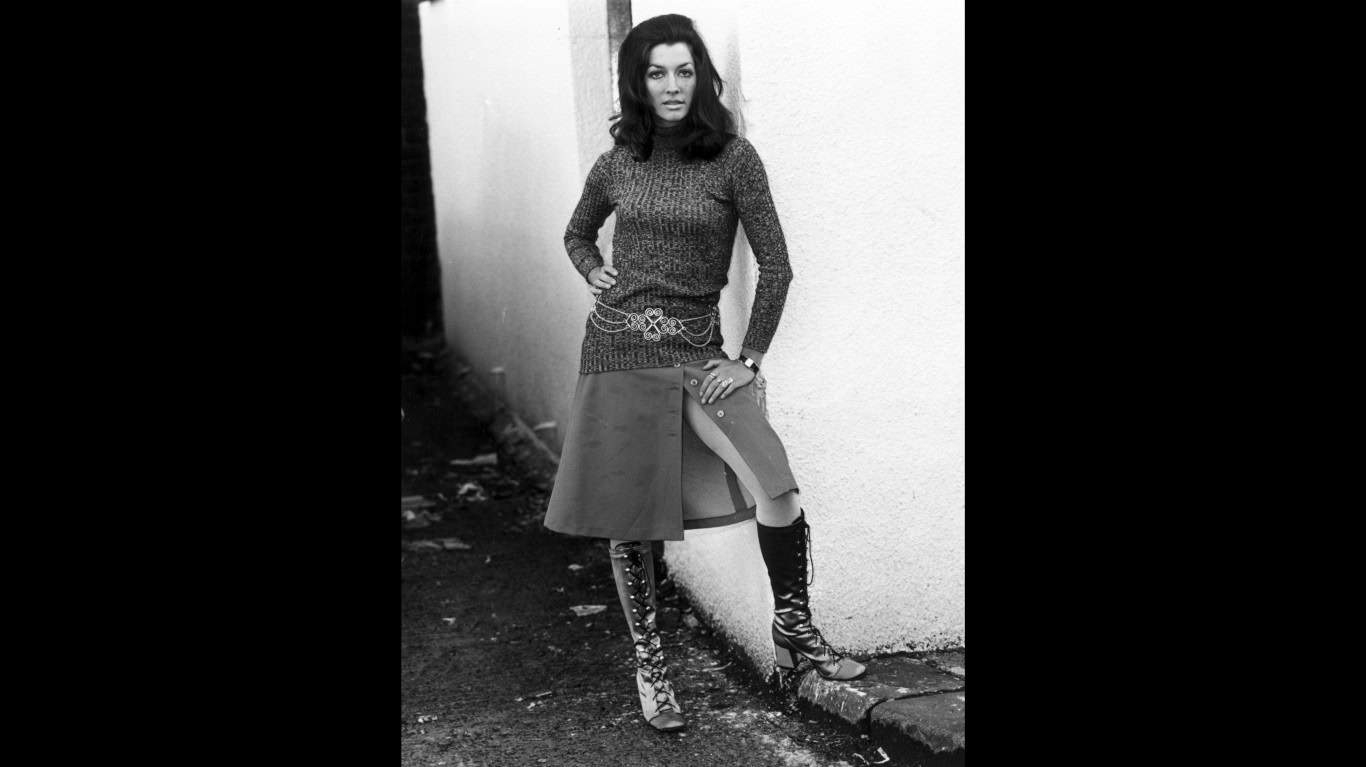
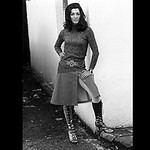
A Woman Models Early 1970s Fashion
Year: circa 1970. Early in the decade, fashion was still carrying plenty of 1960s DNA. That overlap produced an unusual mix of mod shapes, longer hemlines, stronger patterns, and increasingly relaxed silhouettes.
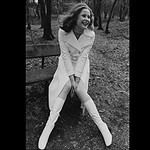
An English Model in a White Coat and Go-Go Boots
Year: 1970. Go-go boots are usually remembered as a signature of the 1960s, but trends rarely vanish overnight. Paired with a clean white coat, they carried neatly into the opening years of the 1970s.
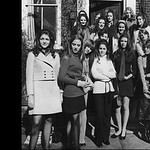
Teenage Debutantes at London's Berkeley Hotel
Year: 1970. The decade may be remembered for rebellion and experimentation, but traditional formalwear did not suddenly disappear. These teenage debutantes show another side of the fashion landscape at the start of the 1970s.
Models Wear Fur at the Berkeley Debutante Dress Show
Year: 1970. Fur was still routinely presented as luxury fashion in the early 1970s. Here, it appears in the very formal setting of London's Berkeley Debutante Dress Show.
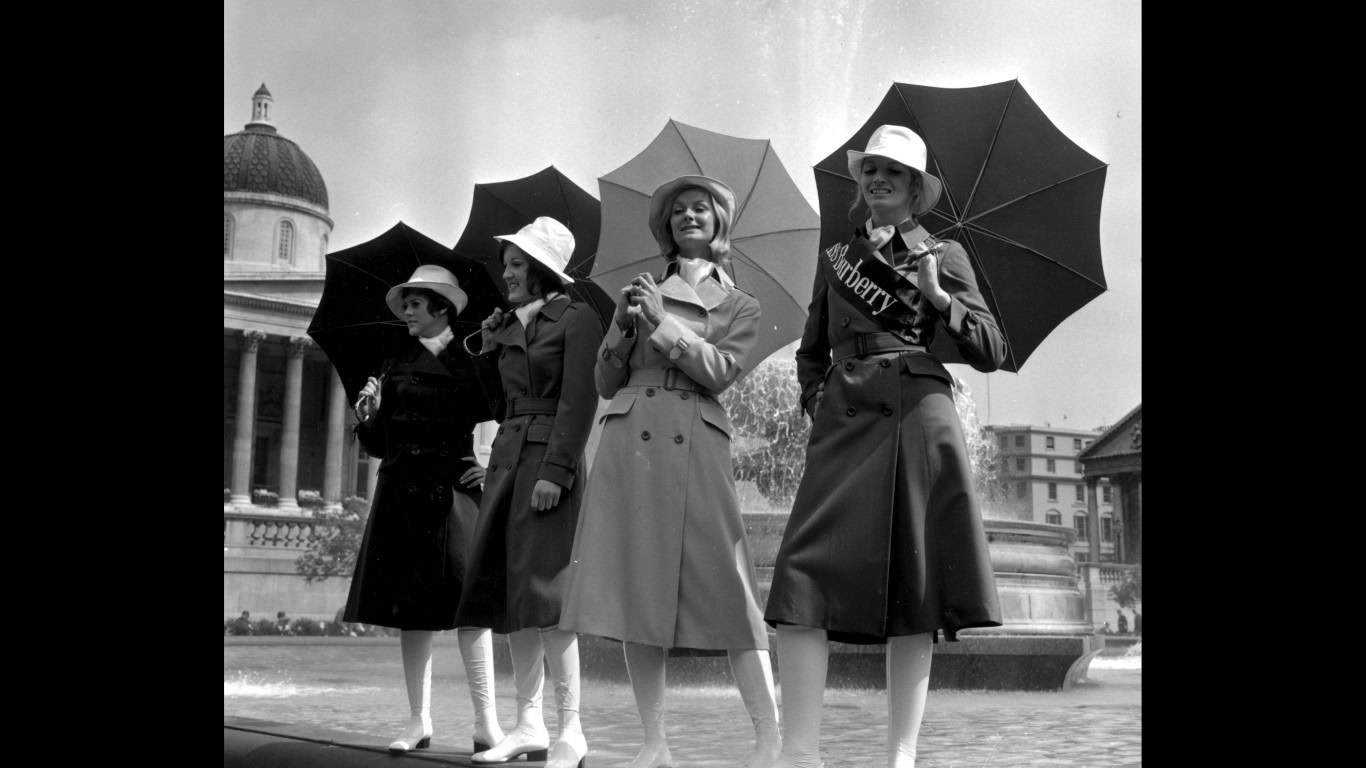
Burberry Coats in London's Trafalgar Square
Year: 1970. Not everything in 1970s fashion was psychedelic or flashy. Classic British outerwear remained firmly in the picture, proving that a trench coat could survive just about any trend happening around it.
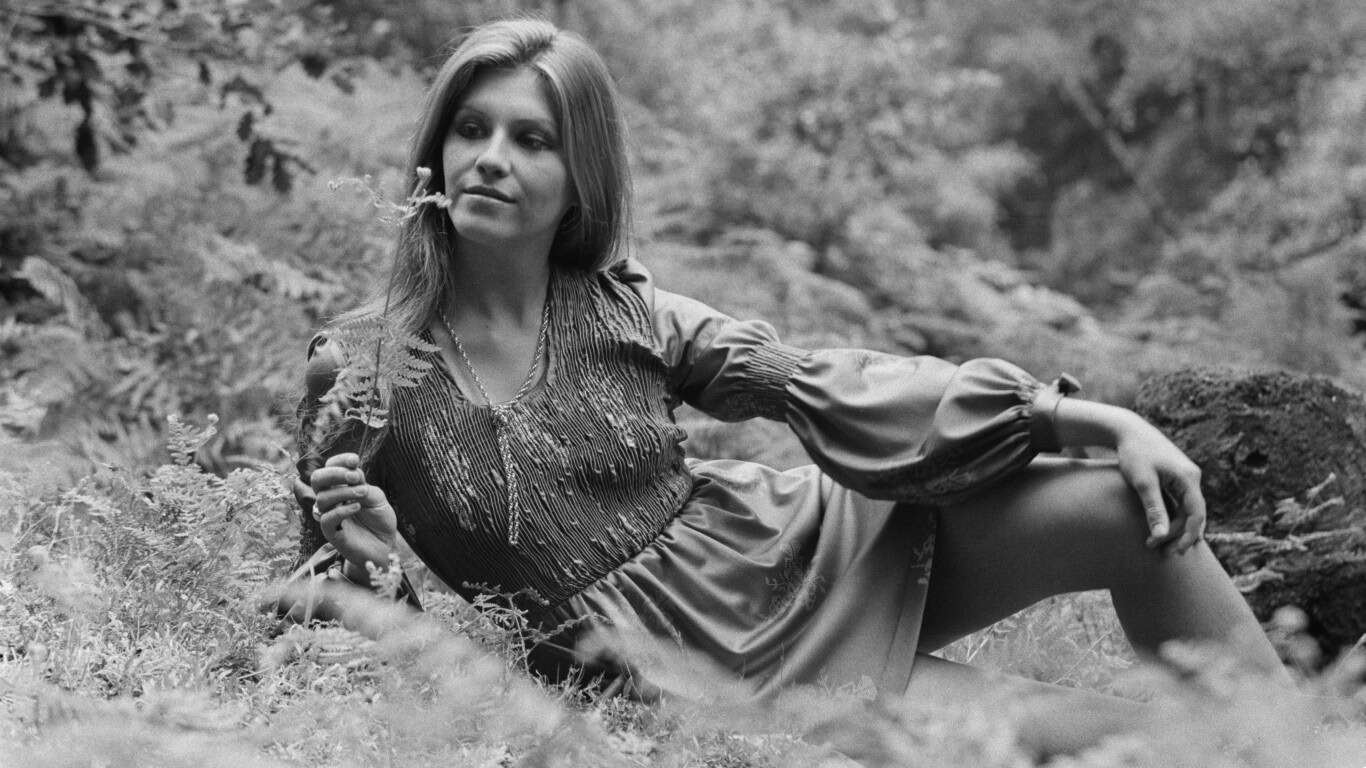
An English Model in a Pleated Dress With Bishop Sleeves
Year: 1970. Pleating and full bishop sleeves gave dresses movement without relying on complicated structure. Romantic and historical influences would surface repeatedly in women's fashion throughout the decade.
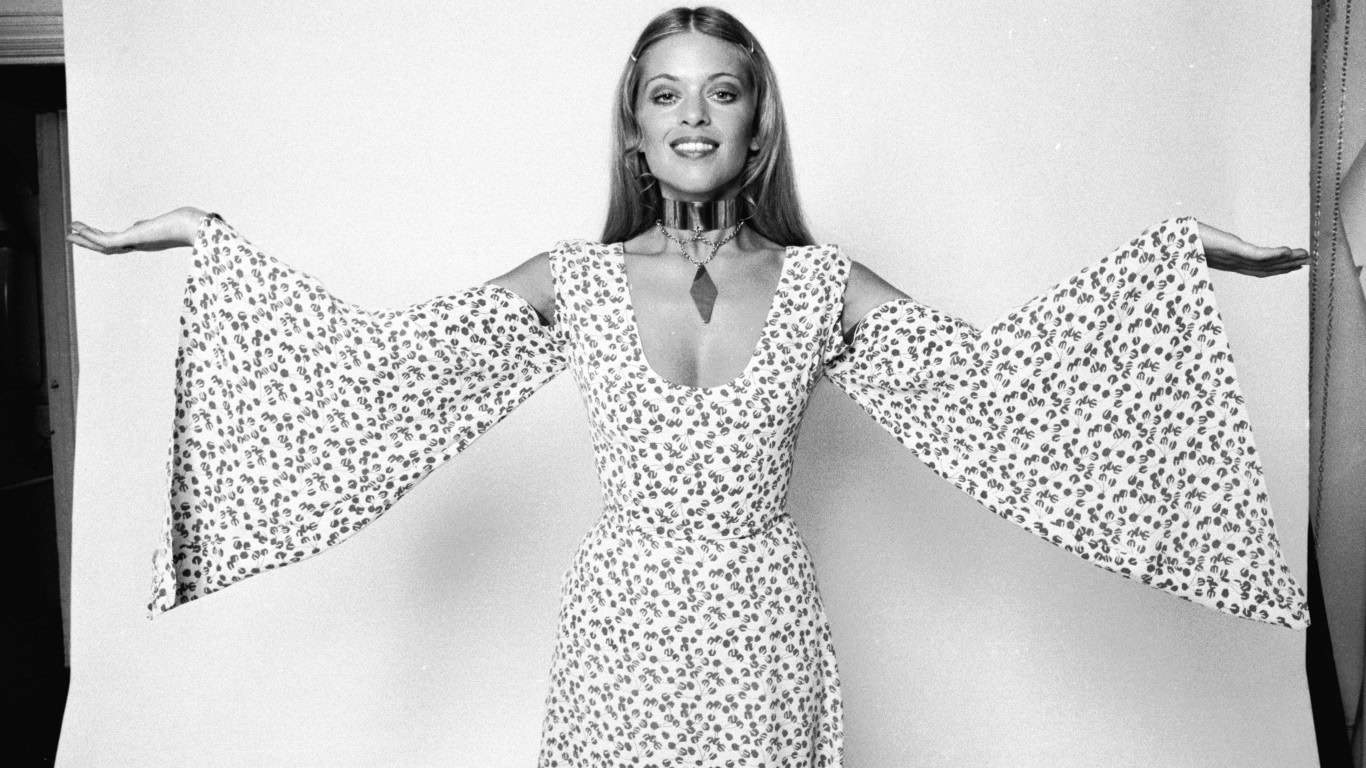
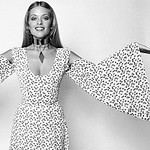
Edina Ronay in a Floral Dress
Year: 1970. Actress and model Edina Ronay was photographed in August 1970 wearing a floral dress with wide sleeves and cutaway shoulders. The bold floral pattern is about as early-'70s as it gets without adding a lava lamp.
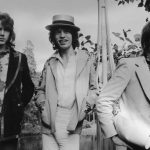
The Rolling Stones Pose in Paris
Year: 1970. Mick Taylor, Mick Jagger, and Charlie Watts show how musicians helped turn rock style into everyday fashion inspiration. Long hair, scarves, fitted jackets, and casual tailoring increasingly looked at home far beyond the stage.
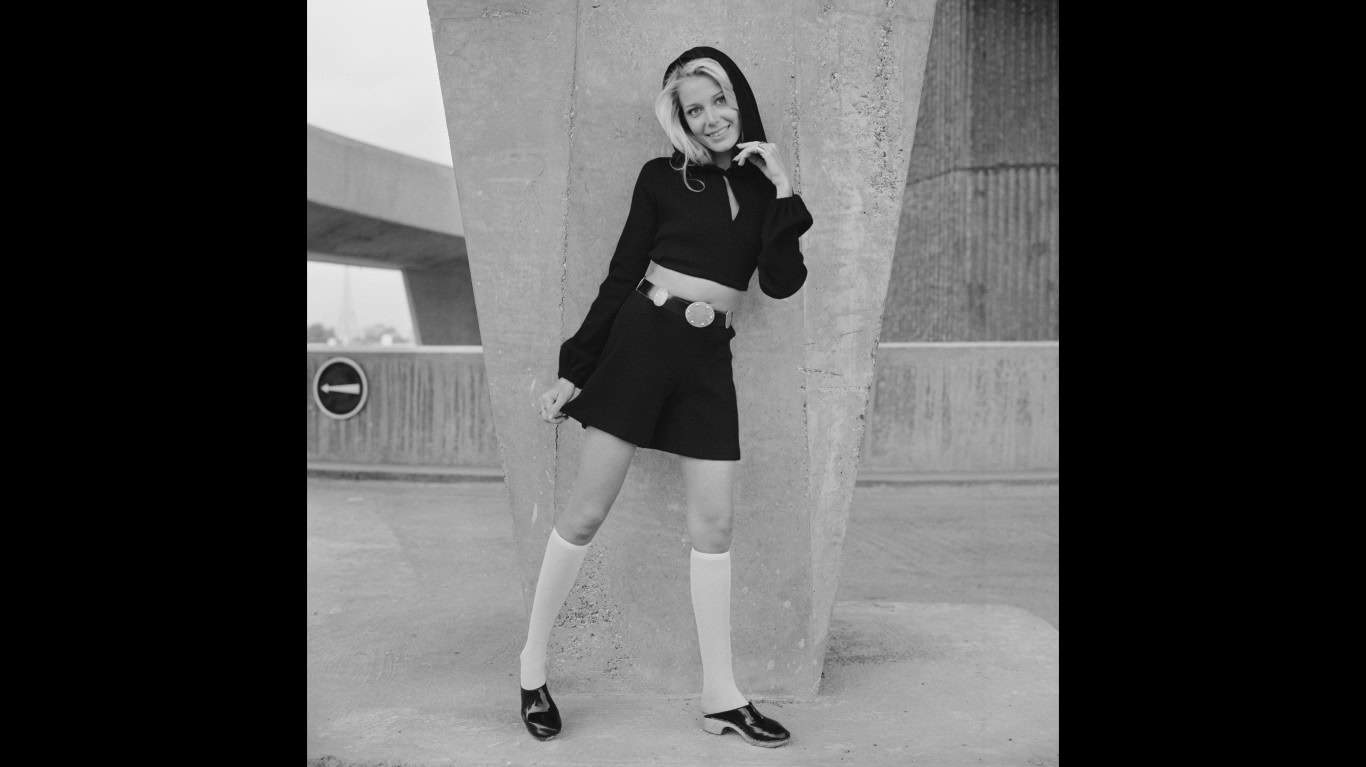
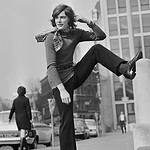
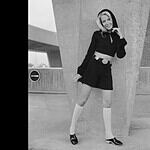
A London Model in Culottes and a Bolero Top
Year: 1970. Culottes delivered the visual sweep of a skirt with the practicality of trousers. Combined with a cropped bolero-style top, the outfit shows just how freely designers were experimenting with proportion.
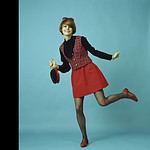
Actress Melita Clarke
Year: 1970. Clarke's look captures the playful transition between two decades. The clean lines of the late 1960s remained, but fashion was becoming more comfortable with bolder styling and less rigid rules.
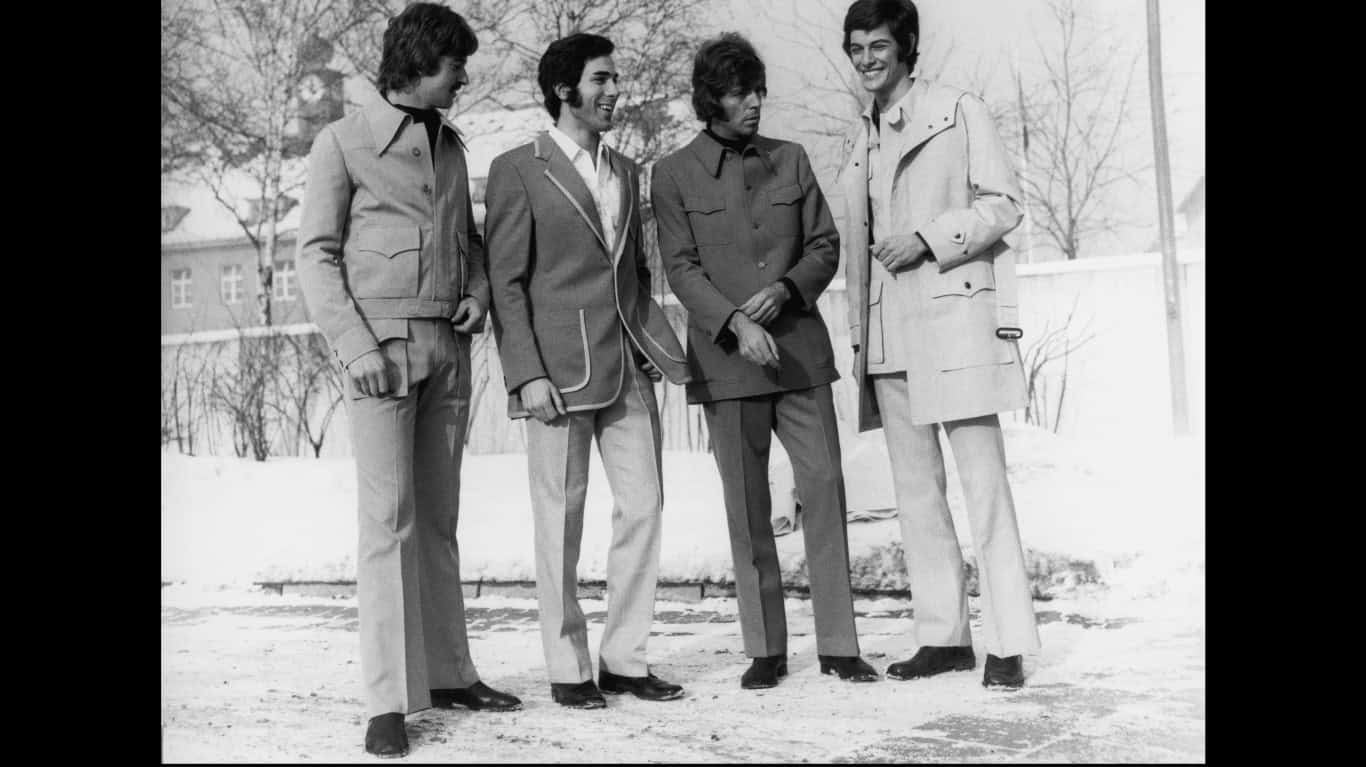
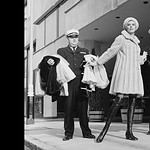
Uniforms for the 1972 Munich Olympics
Year: 1971. Staff clothing for the 1972 Munich Olympics was unveiled before the Games, with French designer André Courrèges involved in the uniforms worn by thousands of workers and officials. Even event staffing got a distinctly modern early-'70s makeover.
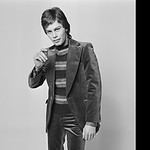
An English Model in a Velvet Suit
Year: 1971. Velvet brought texture and a little theatrical flair to men's tailoring. By this point, suits no longer had to look like something your bank manager would wear.
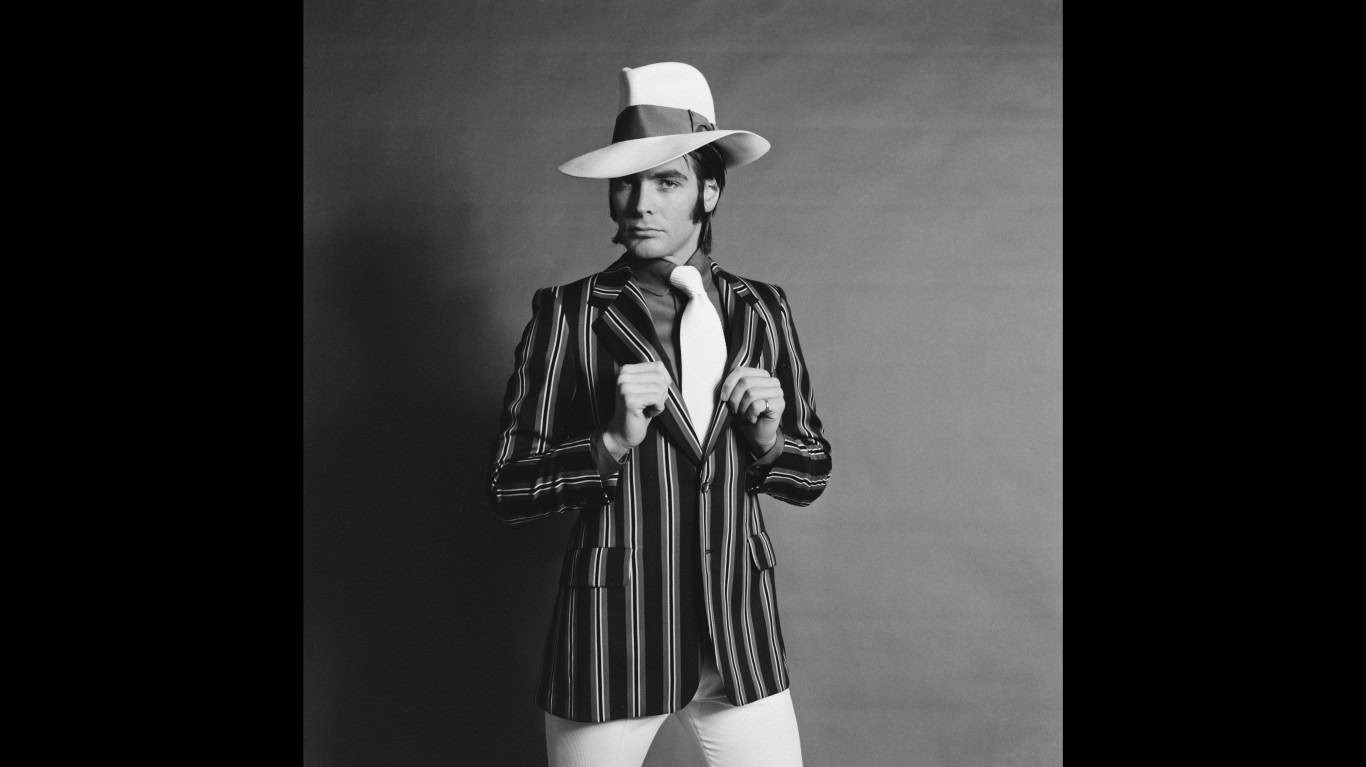
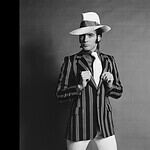
An English Model in a Striped Blazer and Fedora
Year: 1971. Stripes, dramatic lapels, and a fedora turn an otherwise familiar blazer-and-trousers combination into something unmistakably of its time. Men's fashion was embracing color and pattern with very little hesitation.
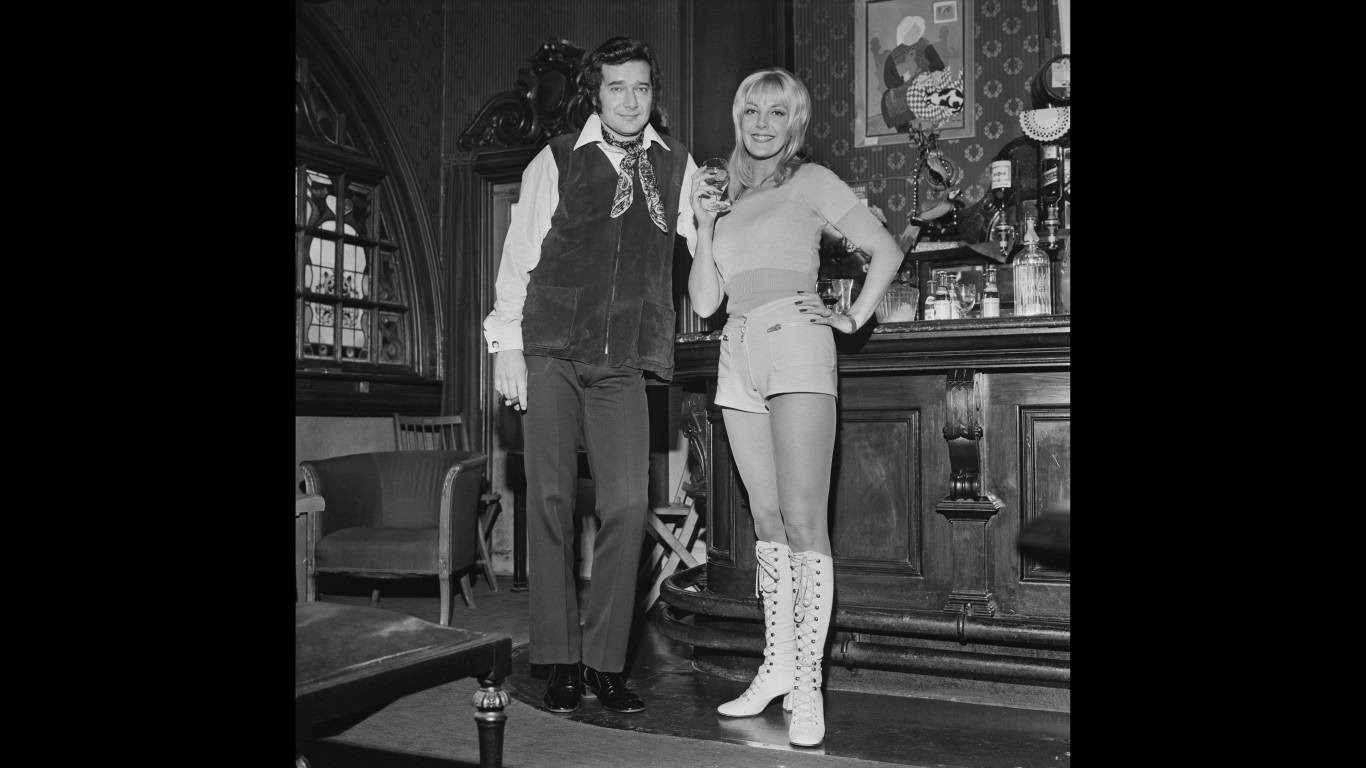
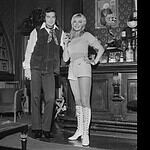
The Stars of "Born Yesterday" Pose in a Pub
Year: 1971. The cast's relaxed pub setting makes this feel more like a snapshot than a fashion shoot, which is precisely why it works. Everyday tailoring, dresses, hairstyles, and accessories tell the story of a decade just as well as a runway.
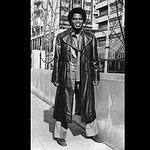
James Brown in a Leather Duster
Year: 1971. James Brown was not exactly known for disappearing into a crowd. The long leather coat gives him a dramatic silhouette while showing how musicians increasingly pushed men's fashion beyond conventional suits and jackets.
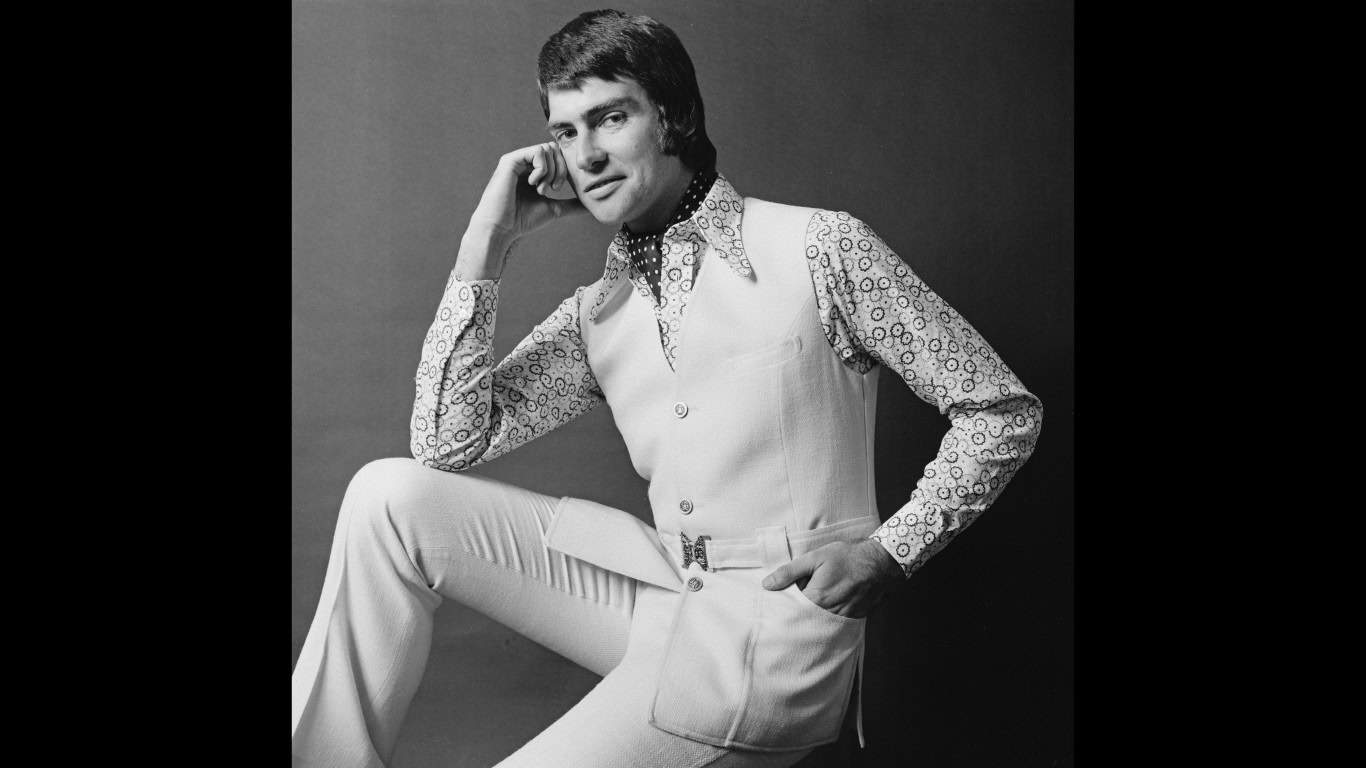
An English Model in a Jerkin and Patterned Shirt
Year: 1971. Sleeveless jerkins and waistcoats were part of the layered menswear vocabulary of the early 1970s. Here, the patterned shirt underneath makes sure nobody mistakes the outfit for something from a quieter decade.
Expectant Mothers Model Pregnancy Fashions
Year: 1971. Maternity clothing had to balance comfort with the same changing tastes seen elsewhere in women's fashion. Loose silhouettes made practical sense while still leaving room for the decade's patterns, trims, and playful details.
Underground Magazine Editors on Their Way to Court
Year: 1971. This was not a fashion shoot, which makes the clothing more revealing in its own way. Counterculture figures helped make longer hair, casual layers, and less conventional combinations part of the broader visual language of the period.
Feline-Fur Coats Modeled on a London Street
Year: 1971. Fur appeared frequently in luxury fashion imagery of the period, including varieties that would be deeply controversial today. The oversized coats also fit the decade's taste for clothing with plenty of visual presence.
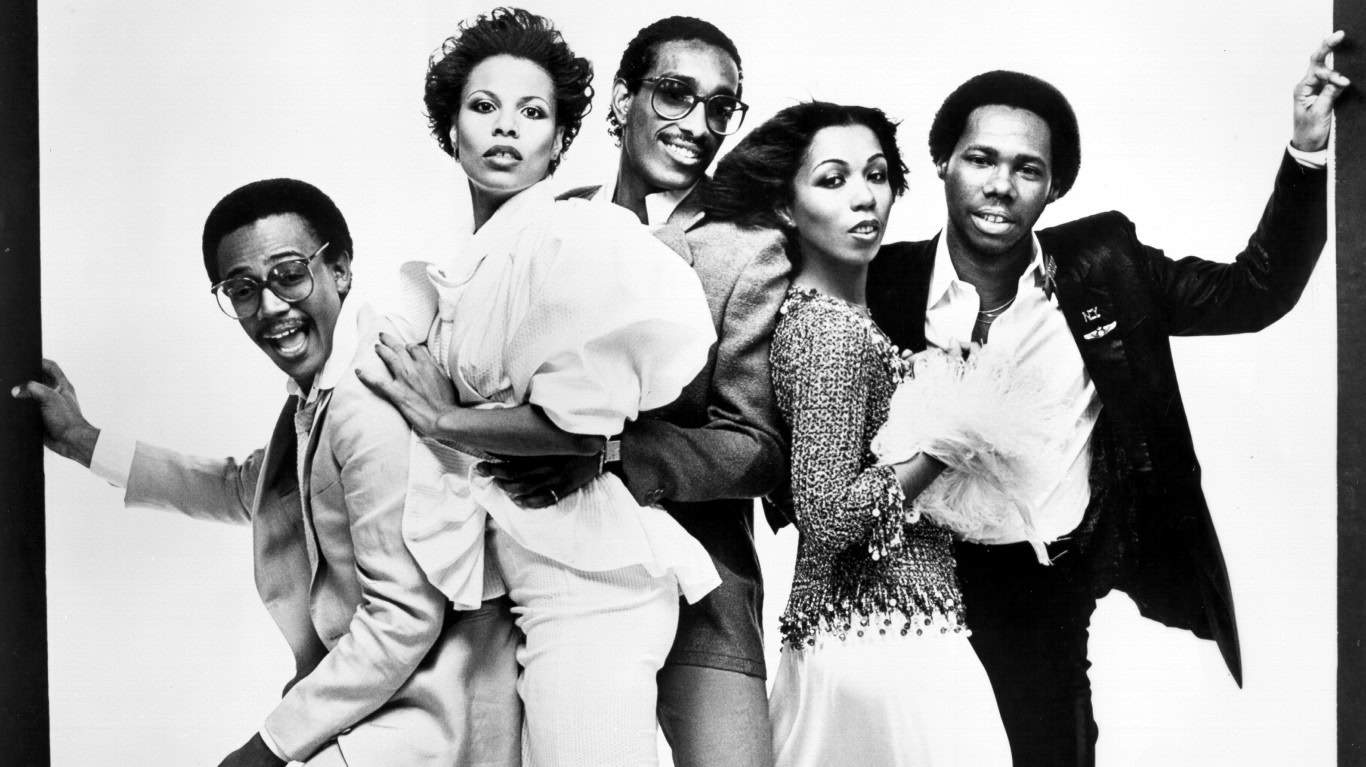
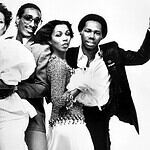
Chic Brings High Style to Disco
Year: late 1970s. Chic's polished image matched the sleek sound that helped define late-'70s disco. Nile Rodgers and Bernard Edwards formed the group known as Chic in 1976, making older archive dates sometimes attached to this image unreliable.
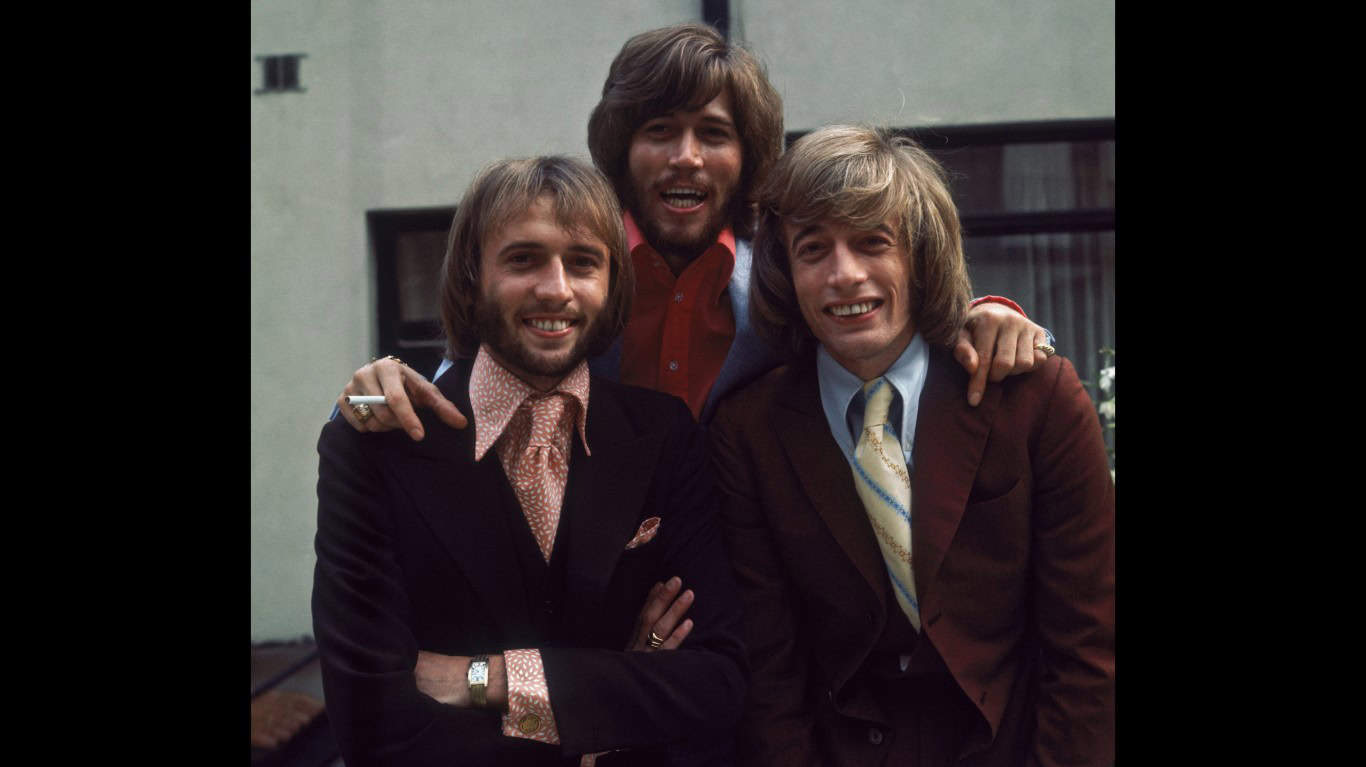
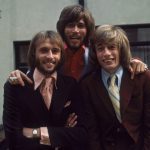
Maurice, Barry, and Robin Gibb of the Bee Gees
Year: circa 1973. Before their image became inseparable from the disco boom later in the decade, the Bee Gees were already working the long hair, fitted shirts, and relaxed tailoring that dominated early-'70s rock fashion.
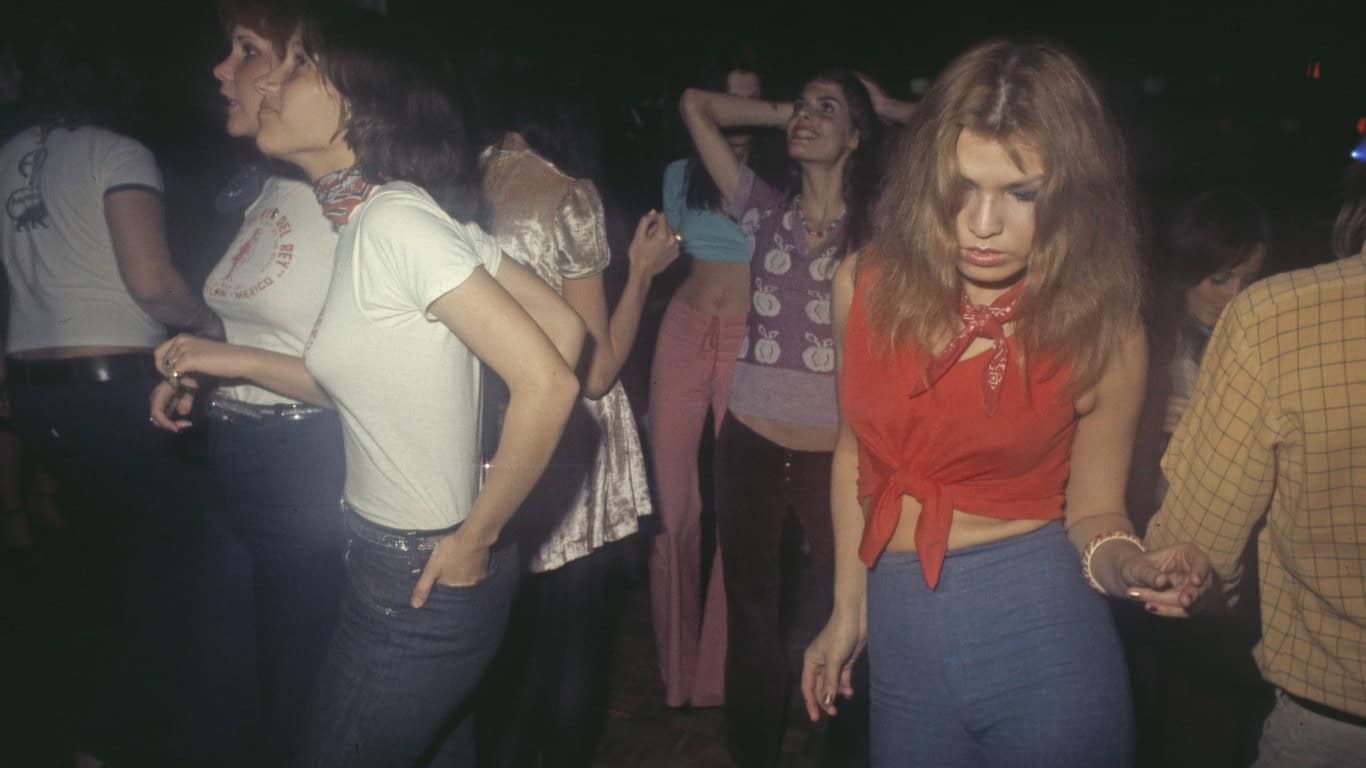
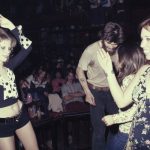
Dancers at Rodney Bingenheimer's English Disco
Year: 1973. Rodney Bingenheimer's Los Angeles club became closely associated with the local glam-rock scene. The crowd's clothes made the dance floor look almost like an extension of the stage.
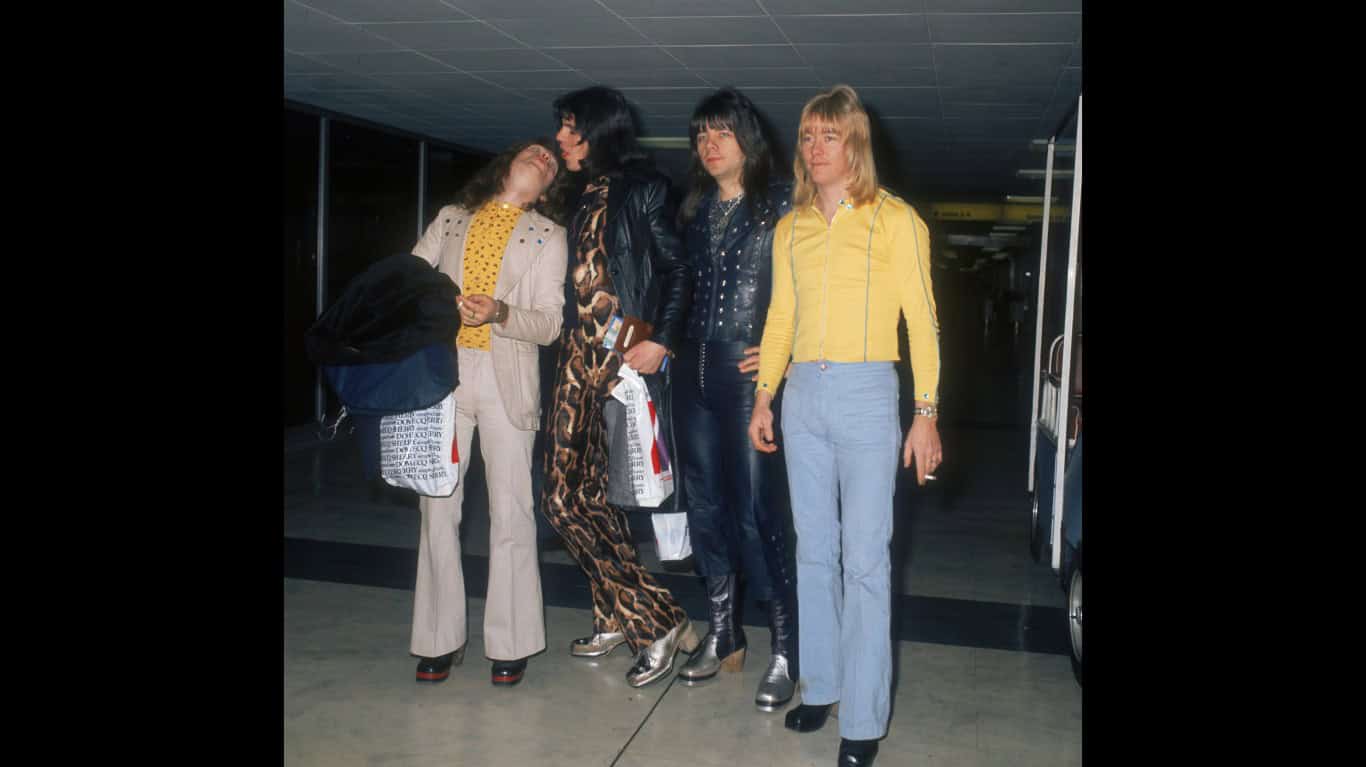
The Sweet at Heathrow Airport
Year: 1973. British glam-rock group The Sweet did not save the theatrics for the stage. Long hair, flashy fabrics, bold patterns, and fitted silhouettes were central to the visual identity of glam rock.
Street Style in Los Angeles
Year: 1973. Los Angeles had its own interpretation of 1970s style. Casual pieces mixed easily with dramatic hair, colorful clothing, and rock-inspired touches that would have looked far more rebellious only a few years earlier.
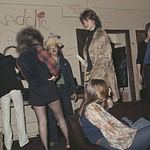
Hanging Out at Rodney Bingenheimer's English Disco
Year: circa 1973. At a club built around British glam-rock culture, dressing up was part of the experience. The result was an anything-but-subtle mixture of dramatic hair, fitted clothes, accessories, and plenty of attitude.
A Stylish Couple in Autumn Fashion
Year: 1974. By the middle of the decade, layered looks and earthy autumn tones sat comfortably alongside the brighter fashions for which the 1970s are remembered. Not everything had to look like a disco ball.
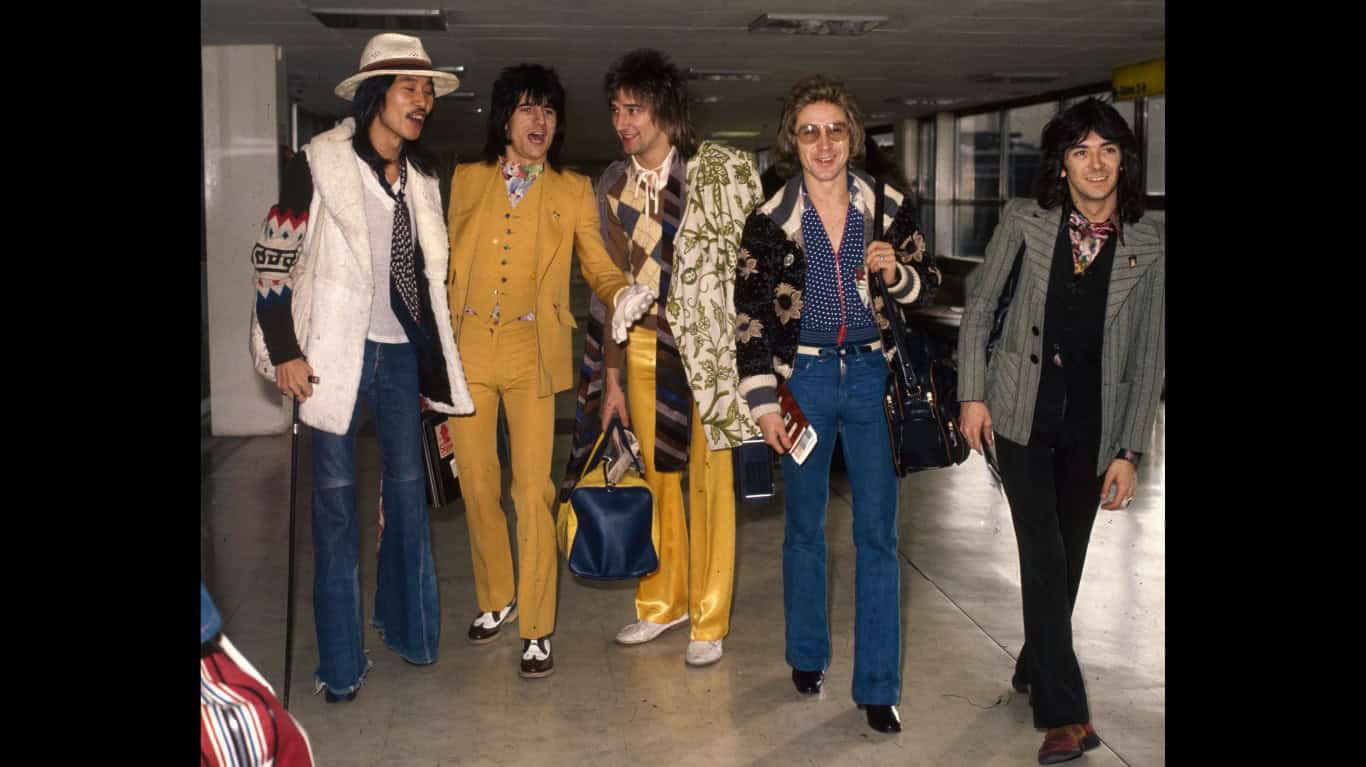
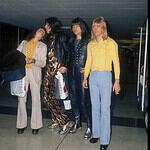
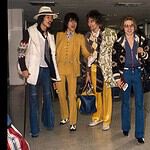
Rod Stewart and the Faces at Heathrow Airport
Year: 1974. Rod Stewart and the Faces were photographed at London Airport on Jan. 24, 1974, as the band prepared to leave on tour. Their scarves, denim, hats, long hair, and layered outfits turned airport clothing into a full rock-star uniform.
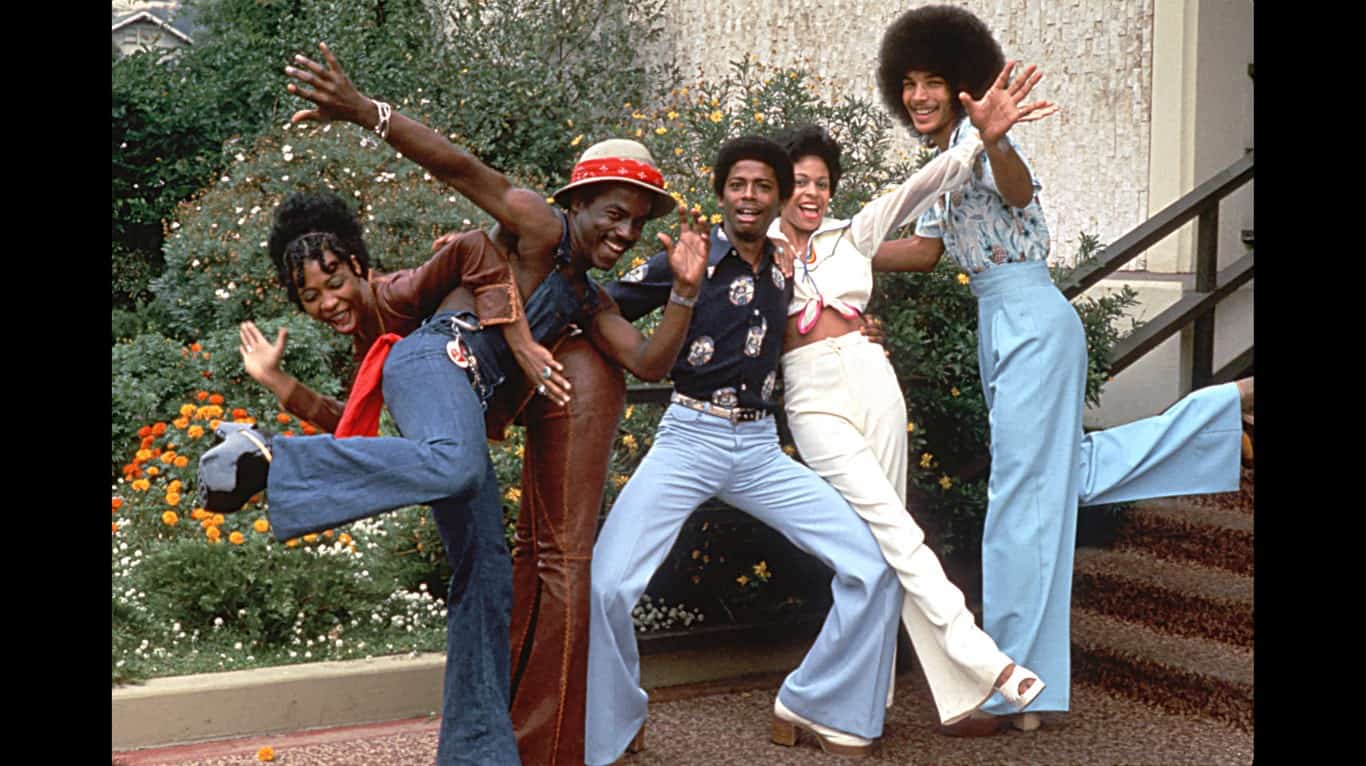
Limmie and the Family Cooking
Year: 1974. Coordinated stage outfits were hardly new, but groups in the 1970s had much more room to play with color, shape, and texture. Limmie and the Family Cooking made the matching look feel anything but uniform.
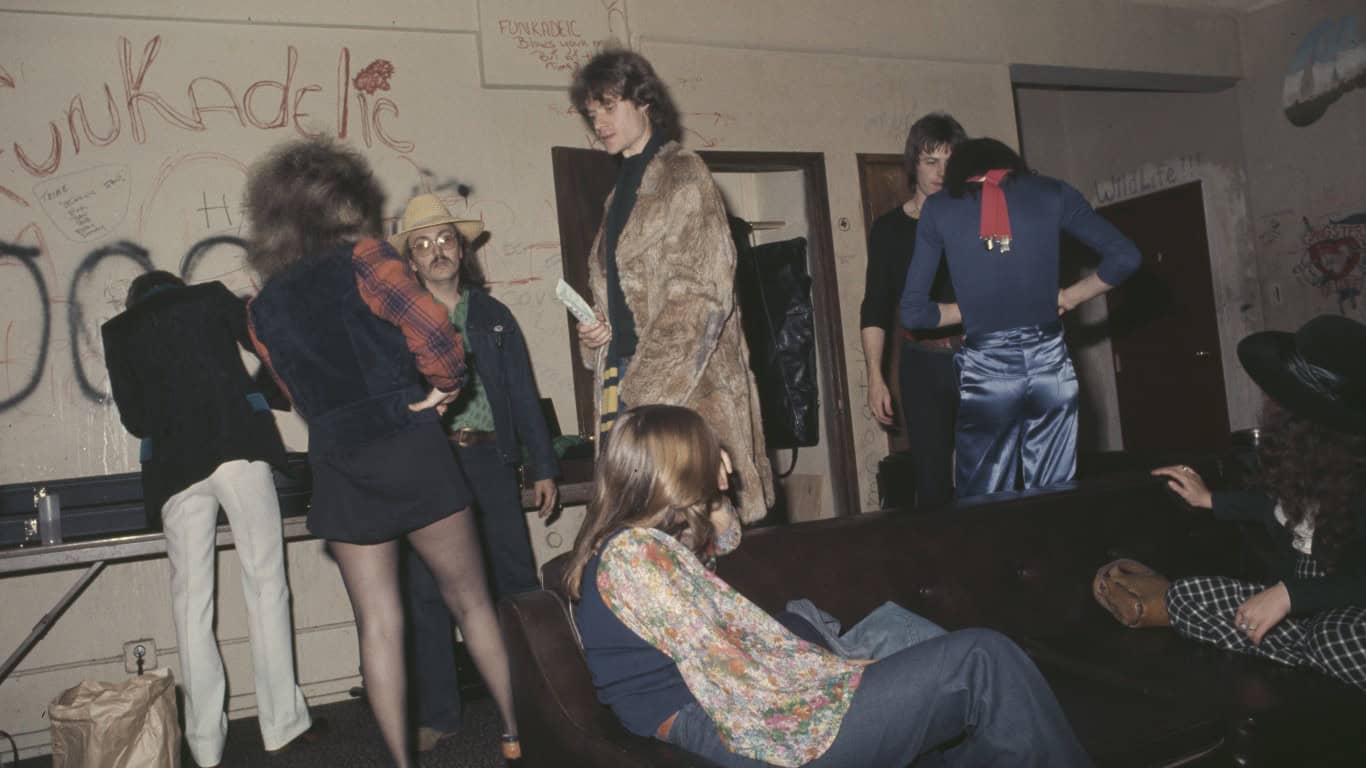
Backstage at the Whisky a Go Go
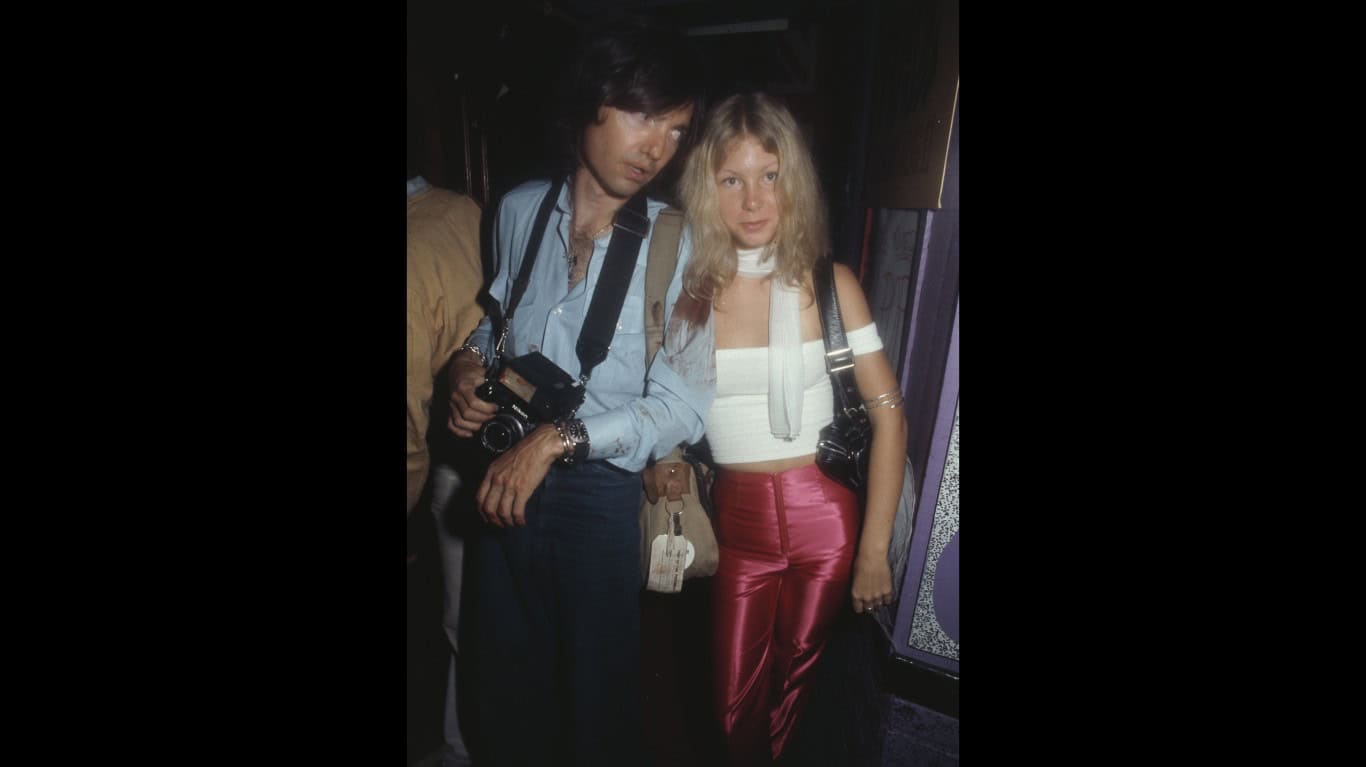
Year: circa 1975. New York Dolls members Sylvain Sylvain and Johnny Thunders appear backstage at the Whisky a Go Go surrounded by fans. Leather, dramatic accessories, and glam-rock styling make the backstage crowd nearly as visually interesting as the performers.
On the Dance Floor at the Whisky a Go Go
Year: 1975. Nightclubs were where many of the decade's louder looks made the most sense. On the dance floor, bold patterns, revealing cuts, boots, flowing fabrics, and dramatic hair could all coexist without anyone looking particularly out of place.
The Bay City Rollers
Year: circa 1975. Few bands embraced a recognizable group look quite like the Bay City Rollers. Their youthful styling, long hair, and famously prominent tartan helped turn the band's wardrobe into part of its identity.
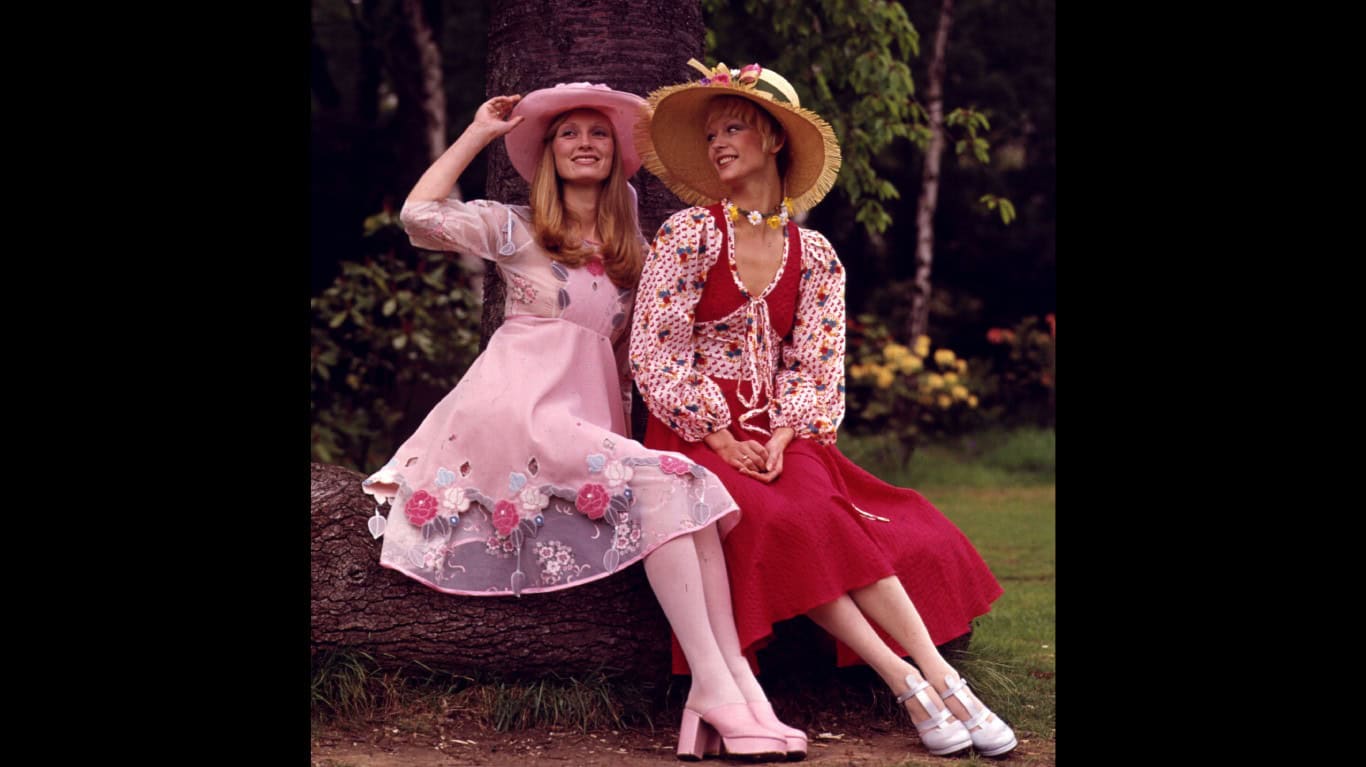
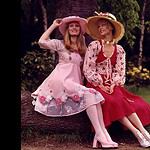
Models in Summer Dresses and Sun Hats
Year: 1975. Summer fashion could be considerably softer than the decade's glam and disco stereotypes suggest. Lightweight dresses and broad sun hats offered an easy, romantic alternative to the more structured looks of earlier years.
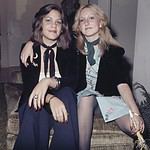
Two Women at a Party
Year: 1975. Party clothes are often the best time capsule because people are actually trying. By the middle of the decade, evening style had become more comfortable with shine, stronger silhouettes, statement accessories, and a little excess.
The Dells Show Off Coordinated Style
Year: 1975. R&B group The Dells show how coordinated clothing could create a visual identity without putting every member in exactly the same outfit. Sharp tailoring and complementary looks gave the group a unified appearance.
Dancing at the Whisky a Go Go
Year: 1975. Another Whisky a Go Go scene captures fashion where it was actually being worn rather than carefully posed. The outfits feel spontaneous, individual, and considerably messier than a department-store catalog, which is part of their charm.
Lori Mattix and Friends at the Whisky a Go Go
Year: circa 1975. Lori Mattix, second from right, was photographed with other clubgoers at the famed West Hollywood venue. Their very different outfits show how the mid-'70s rock scene could pull glam, bohemian, vintage-inspired, and straightforward street style into the same room.
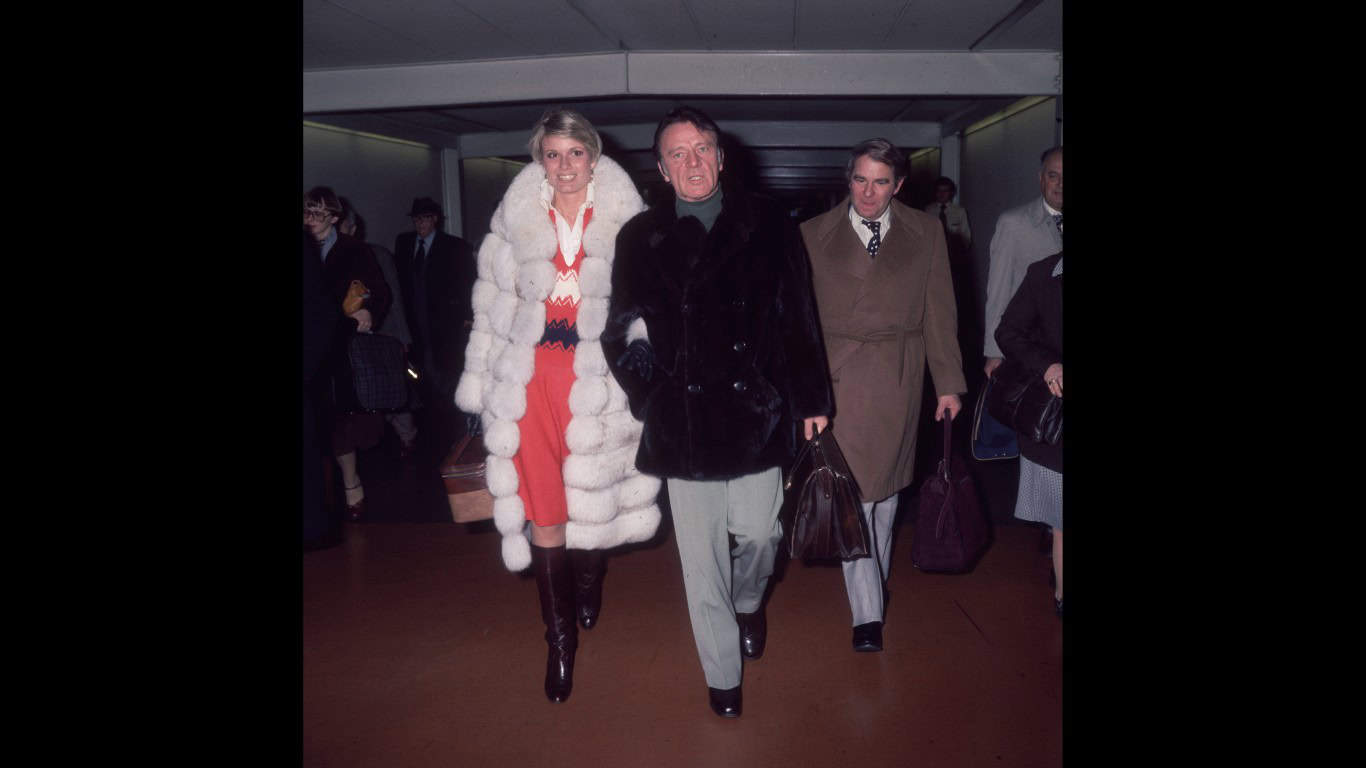
Richard Burton and Suzy Hunt at Heathrow Airport
Year: 1977. Richard Burton appears with his then-wife Suzy Hunt, the former Suzy Miller, whom he married in 1976. Their polished airport look shows how the decade's style had matured by its later years without completely abandoning its appetite for bold details.