Vintage TV Clips
Hulton Archive / Hulton Archive via Getty Images
Hulton Archive / Archive Photos via Getty Images
RB / Getty Images
RB / Redferns via Getty Images
Hulton Archive / Getty Images
Michael Ochs Archives / Getty Images
Evening Standard / Getty Images
Warner Bros. / Hulton Archive via Getty Images
Lawrence Lucier / Getty Images Entertainment via Getty Images
Vittorio Zunino Celotto / Getty Images
Keystone Features / Hulton Archive via Getty Images
Kevin Winter / Getty Images Entertainment via Getty Images
Cory Schwartz / Getty Images Entertainment via Getty Images
Michael Ochs Archives / Michael Ochs Archives via Getty Images
Vinnie Zuffante / Archive Photos via Getty Images
Michael Ochs Archives / Michael Ochs Archives via Getty Images
Fin Costello / Redferns via Getty Images
Fin Costello / Redferns via Getty Images
Codorado / Wikimedia Commons
David Redfern / Redferns via Getty Images
Michael Ochs Archives / Michael Ochs Archives via Getty Images
Michael Ochs Archives / Michael Ochs Archives via Getty Images
Mark Metcalfe / Getty Images Entertainment via Getty Images
Steve Morley / Redferns via Getty Images
Public Domain / Wikimedia Commons
Express / Hulton Archive via Getty Images
Michael Ochs Archives / Michael Ochs Archives via Getty Images
Public Domain / Wikimedia Commons
John Phillips / Getty Images Entertainment via Getty Images

Kevin Winter / Getty Images Entertainment via Getty Images
Michael Ochs Archives / Michael Ochs Archives via Getty Images
Historical Music Archive
Historical Music Archive
Historical Music Archive
Historical Music Archive


35 Musical Families That Helped Shape Music History
Some of music's most memorable groups have had something deeper than a record contract holding them together: family. Brothers and sisters have built careers across pop, rock, country, R&B, soul, funk, gospel, and even musical comedy, sometimes creating sounds that changed what came after them.
Of course, sharing DNA does not guarantee harmony once everyone leaves the recording booth. Plenty of these families had feuds, breakups, lineup changes, and long stretches when they barely worked together. None of that erased what they made. Their records, performances, and influence have lasted for decades.
To compile this list of legendary families that shaped music history, 24/7 Tempo reviewed artist biographies, music histories, chart information, and sources including the Internet Movie Database (IMDb), Djrobblog.com, and udiscovermusic. The list is not meant to include every family act ever recorded, but it highlights siblings and other close family groups whose music made a lasting impression.
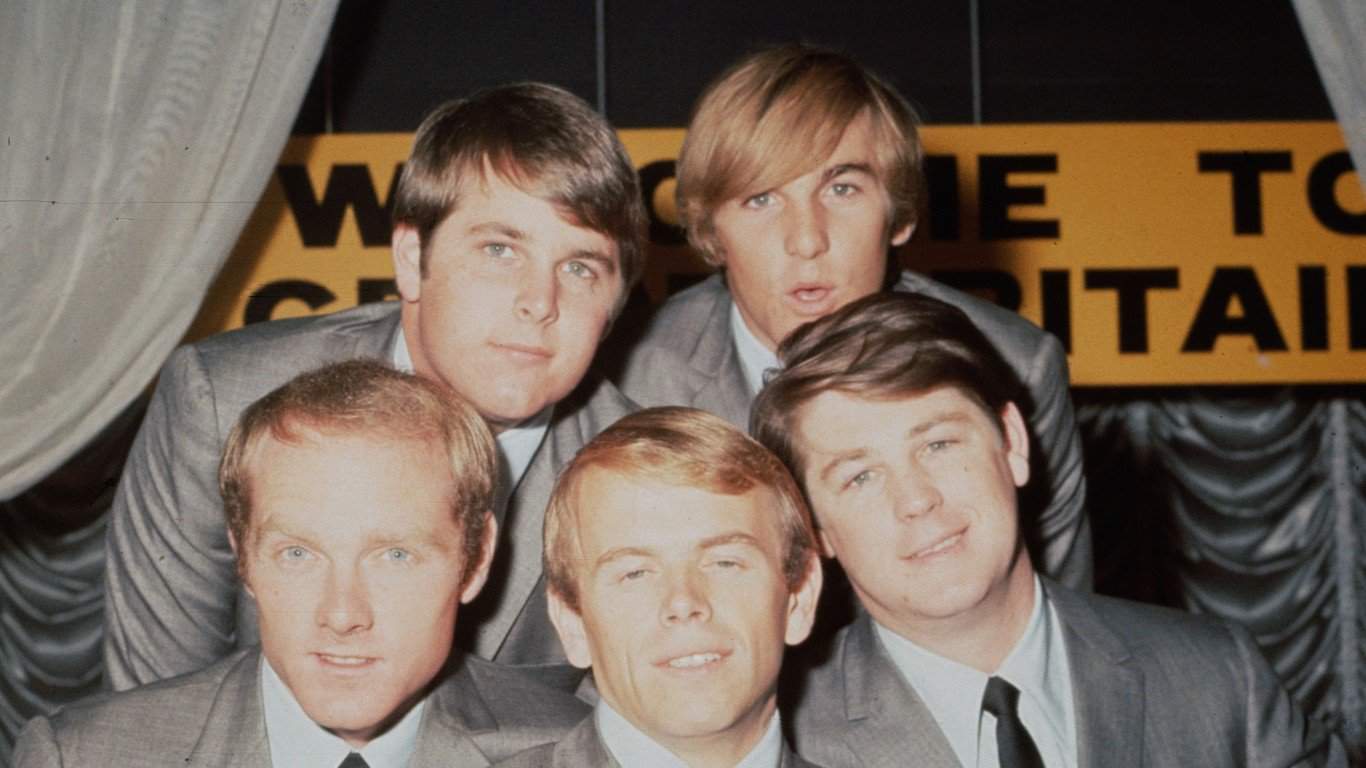
Brian, Dennis, and Carl Wilson
Their act: Brian, Dennis, and Carl Wilson were founding members of the Beach Boys, the band that helped turn Southern California surf culture into one of the defining sounds of early 1960s pop. Brian became the group's principal songwriter, arranger, and producer, while Carl developed into a major guitarist and vocalist and Dennis played drums and sang. Songs about surfing and cars made them stars, but records such as Pet Sounds pushed the group far beyond its original beach-party image and had a major influence on pop production and songwriting.
Active: 1961-present for the Beach Boys; the three Wilson brothers were founding members of the group's classic lineup.
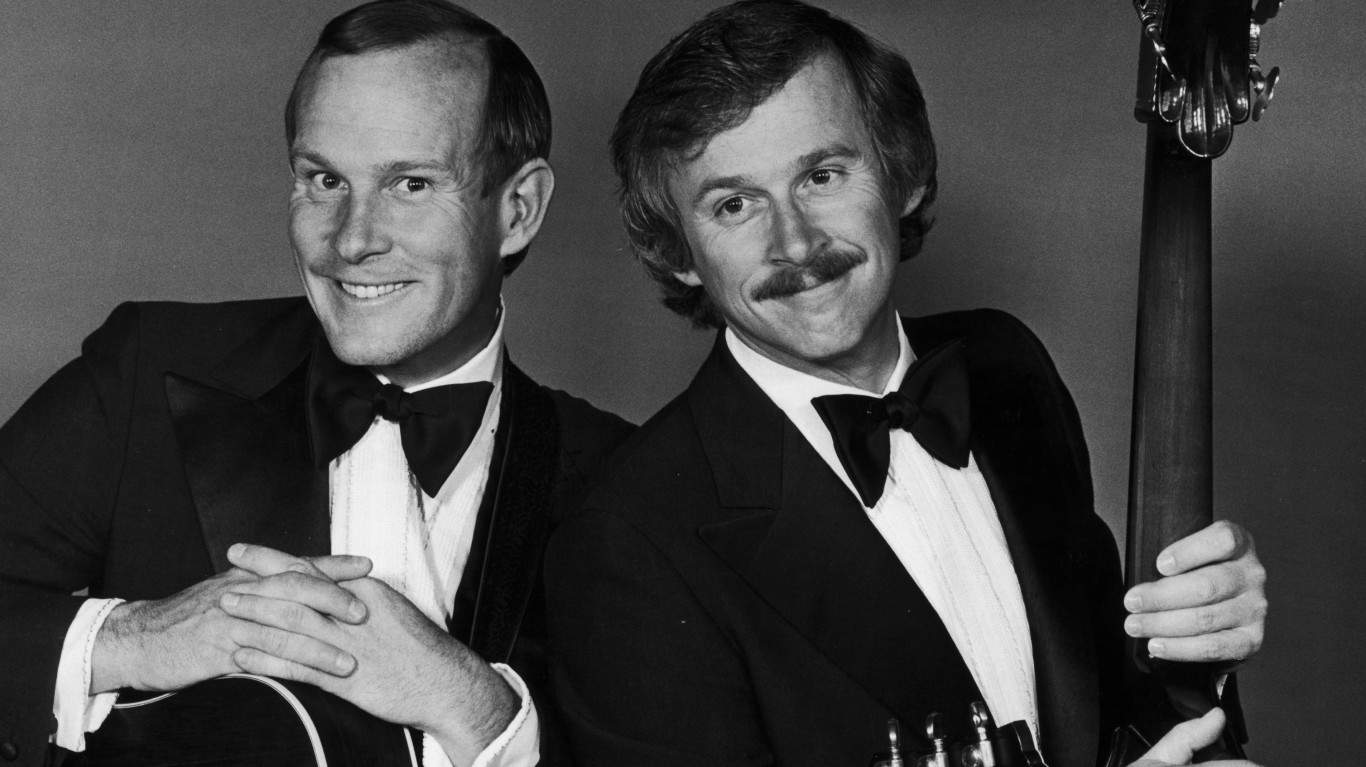
Tom and Dick Smothers
Their act: The Smothers Brothers mixed folk music with comedy, building their routine around Tom's guitar, Dick's upright bass, and the brothers' carefully rehearsed arguments. Their biggest cultural impact came through The Smothers Brothers Comedy Hour, which premiered on CBS in 1967 and used music and satire to tackle subjects including politics, the Vietnam War, and censorship. Their battles with CBS eventually became nearly as famous as the show itself, which was canceled in 1969. The brothers continued performing together for decades afterward.
Active: 1959-2023
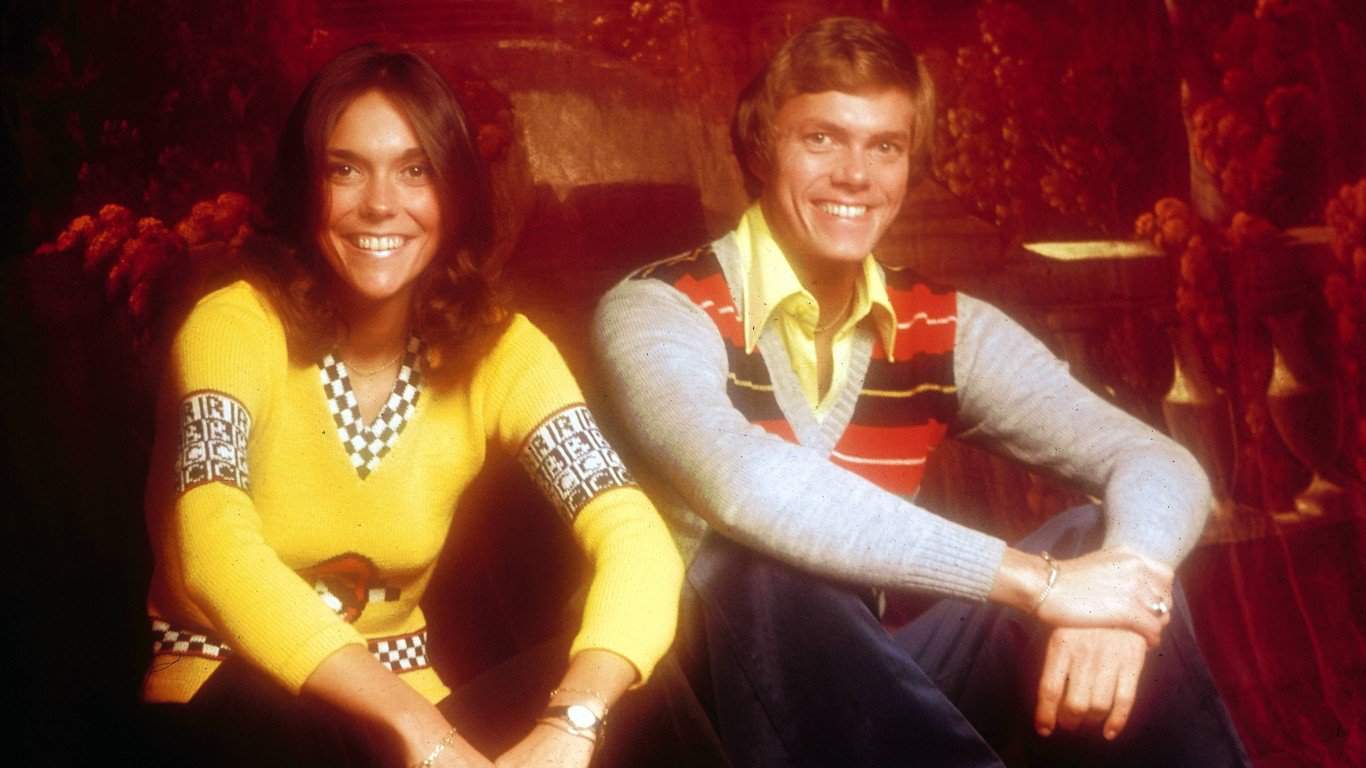
Karen and Richard Carpenter
Their act: Karen and Richard Carpenter began performing together before officially signing with A&M Records as Carpenters in 1969. Karen's rich contralto became one of the most recognizable voices of the 1970s, while Richard handled much of the arranging, production, keyboards, and harmony work. Songs including "(They Long to Be) Close to You," "We've Only Just Begun," "Rainy Days and Mondays," and "Superstar" made them one of the decade's dominant pop acts. Karen was also an accomplished drummer, something that sometimes gets lost behind that voice.
Active: 1965-1983; recording professionally as Carpenters from 1969
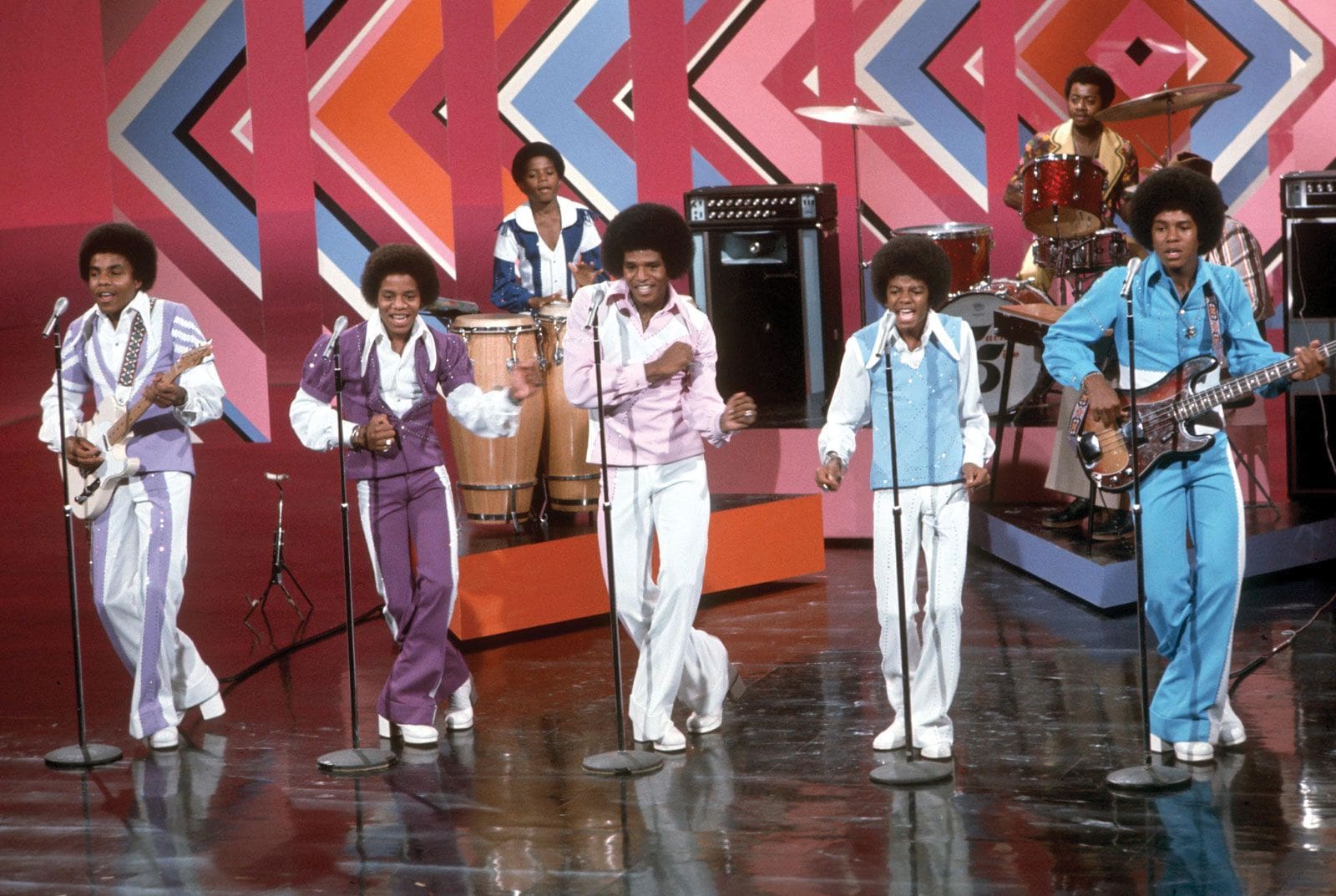
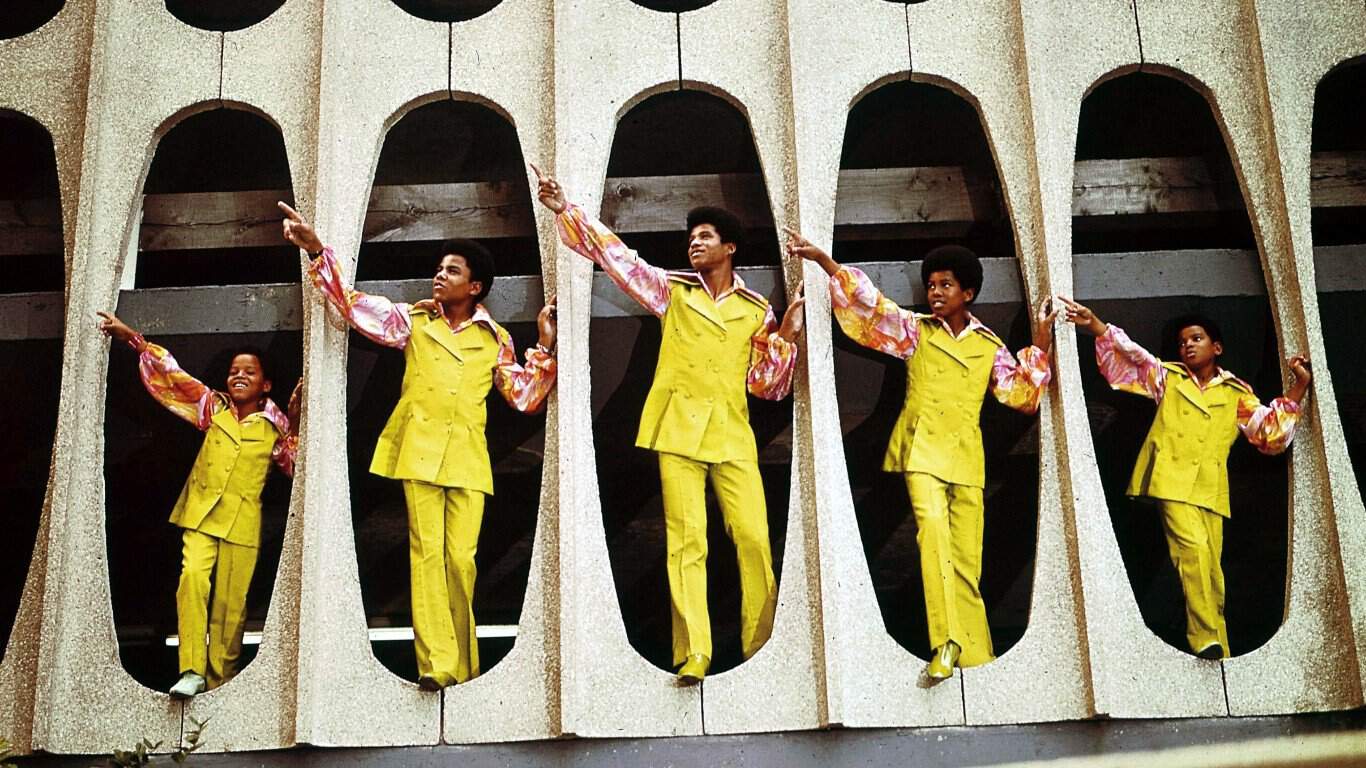
Jackie, Tito, Jermaine, Marlon, and Michael Jackson
Their act: Jackie, Tito, Jermaine, Marlon, and Michael Jackson became the classic lineup of the Jackson 5, one of Motown's biggest success stories. Their first four Motown singles, "I Want You Back," "ABC," "The Love You Save," and "I'll Be There," all reached No. 1 on the Billboard Hot 100. The group later left Motown and continued as the Jacksons, with younger brother Randy becoming part of the lineup after Jermaine initially stayed with Motown. The group also provided the launchpad for Michael Jackson's extraordinary solo career, but the Jackson 5 had already become a major act in its own right.
Active: 1965-1989 as the Jackson 5 and Jacksons, with later reunion performances and tours
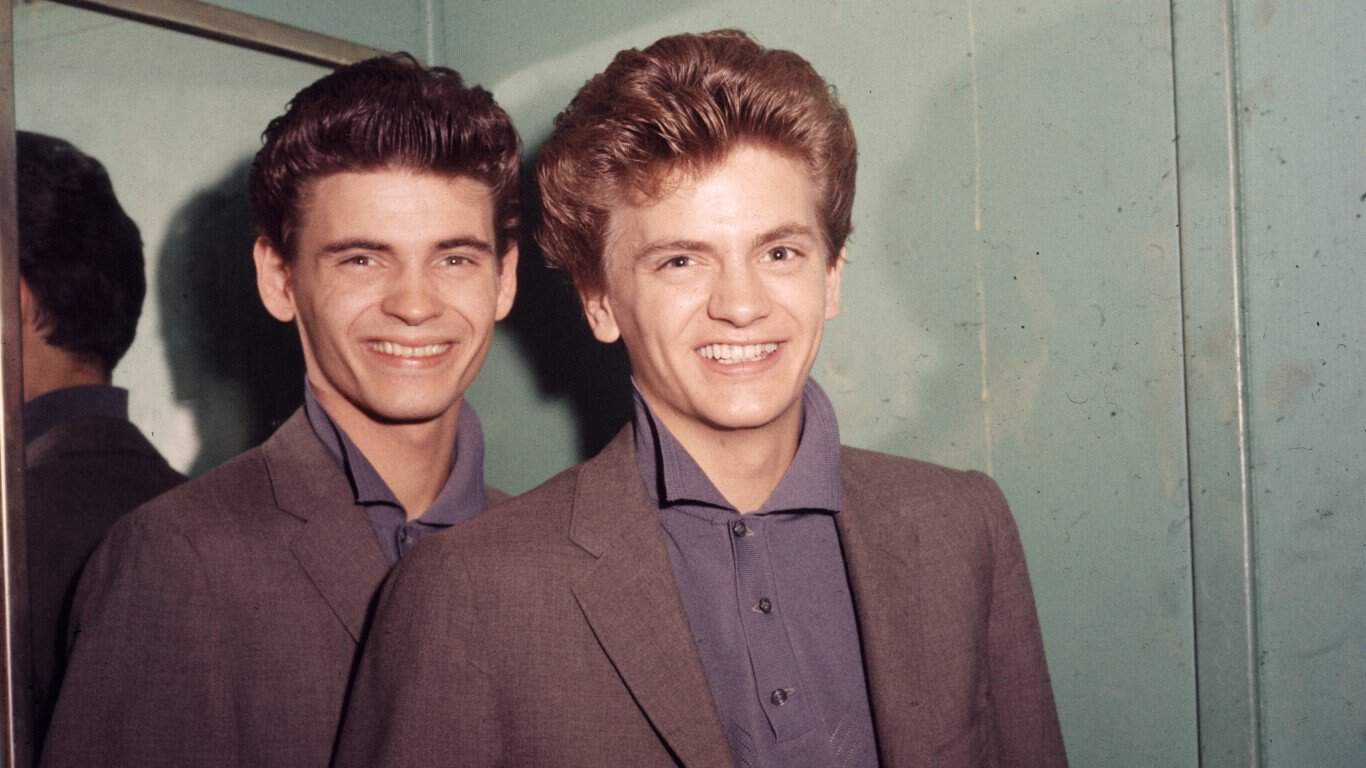
Don and Phil Everly
Their act: Don and Phil Everly turned sibling harmony into one of the foundation stones of early rock and roll. Their close, country-rooted vocals powered songs such as "Wake Up Little Susie," "All I Have to Do Is Dream," "Cathy's Clown," and "Bye Bye Love." The Everly Brothers helped bridge country, pop, and rock during the late 1950s and early 1960s, and their vocal style influenced everyone from the Beatles and Simon & Garfunkel to the Beach Boys. They split in 1973, reunited a decade later, and continued performing together for more than 20 additional years.
Active: 1957-1973; 1983-2005
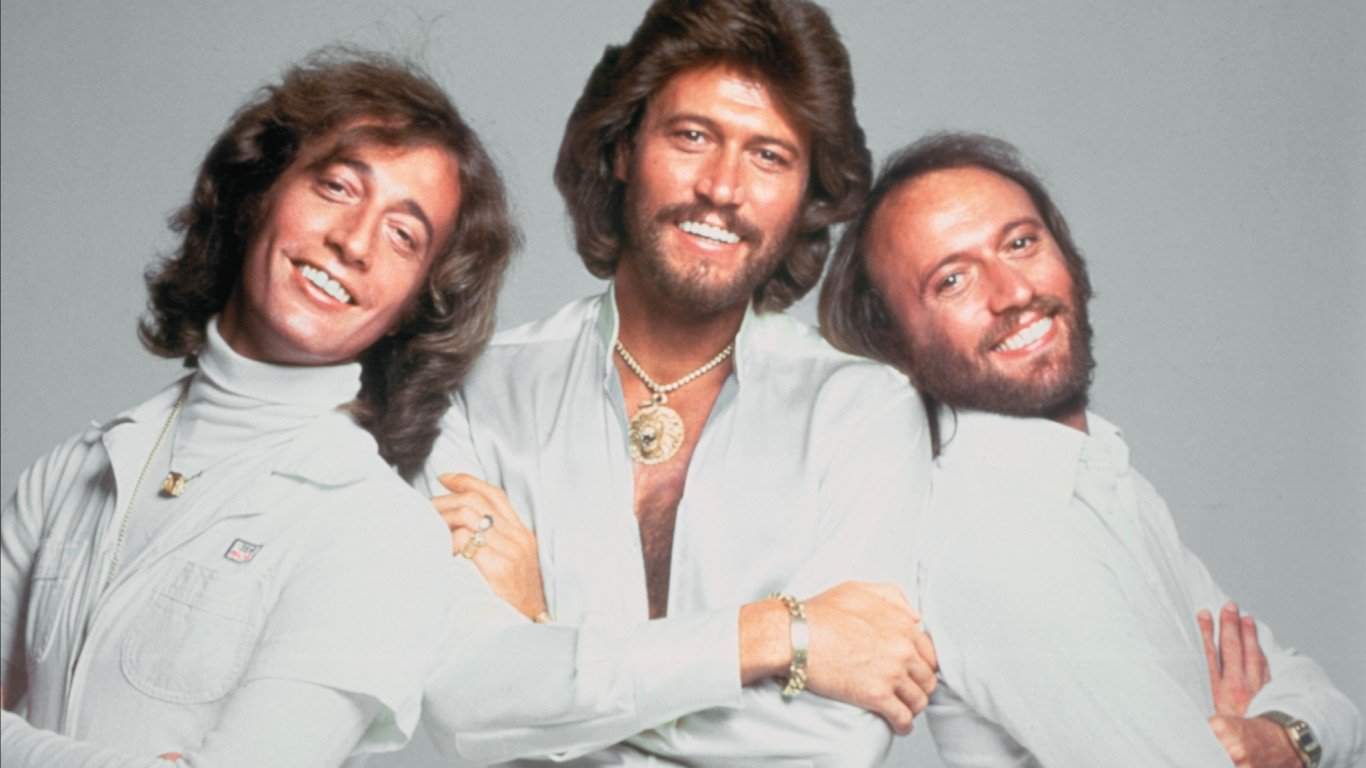
Barry, Robin, and Maurice Gibb
Their act: Barry Gibb and twins Robin and Maurice Gibb were the Bee Gees. The three brothers started singing together as children, found early success in Australia, and eventually became one of the biggest groups in pop history. Their career stretched from 1960s ballads through the disco explosion surrounding Saturday Night Fever, with the brothers writing hits for themselves and numerous other artists along the way. Their younger brother Andy Gibb also became a successful singer in the late 1970s, but he was a solo artist and was never a member of the Bee Gees.
Active: 1958-2003; 2009-2012
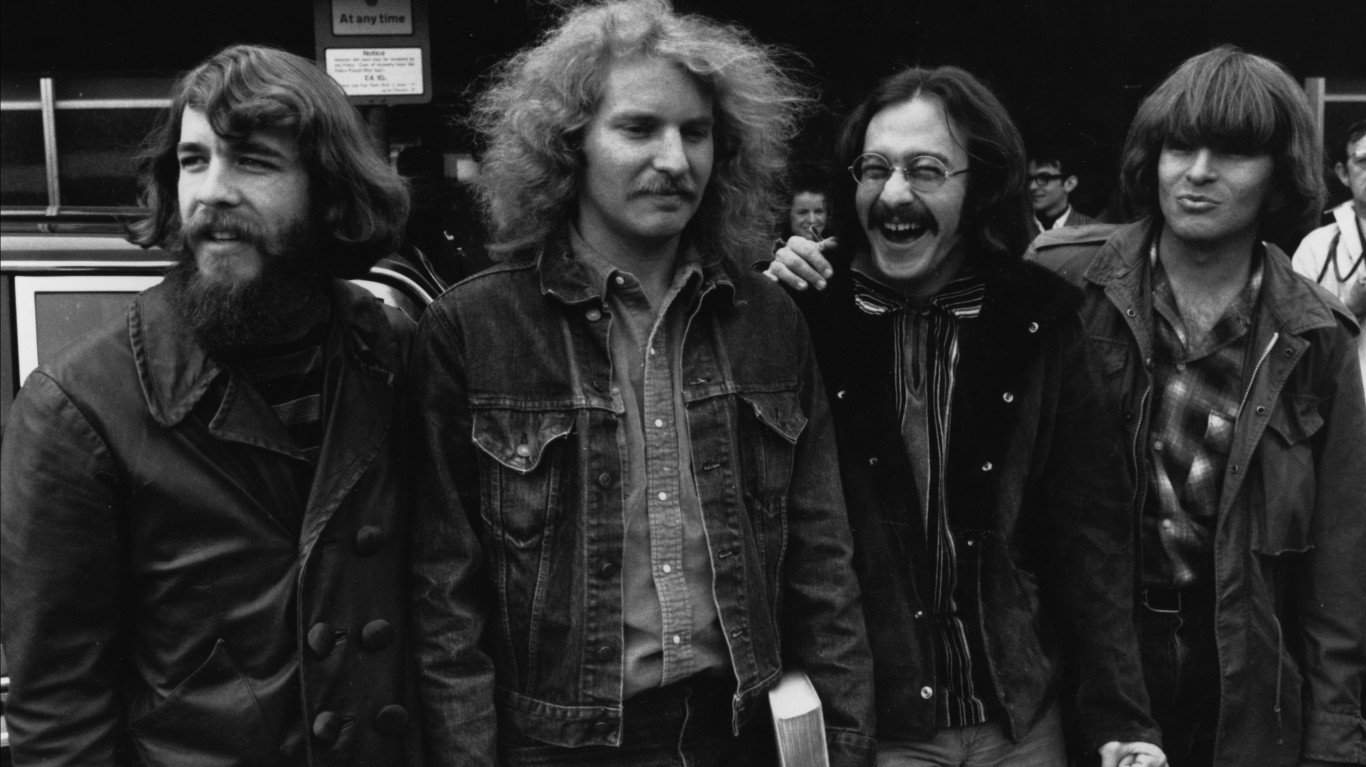
Tom and John Fogerty
Their act: John and Tom Fogerty were both part of Creedence Clearwater Revival, the California band that somehow made swampy Southern roots rock sound completely natural from the San Francisco Bay Area. John became CCR's lead singer, primary songwriter, and lead guitarist, while older brother Tom played rhythm guitar during the band's breakthrough years. Their run was remarkably concentrated, producing songs such as "Proud Mary," "Fortunate Son," "Bad Moon Rising," and "Have You Ever Seen the Rain?" in just a few years. Tom left the band in 1971, shortly before CCR itself broke apart.
Active: 1967-1972 for Creedence Clearwater Revival; Tom Fogerty left in 1971
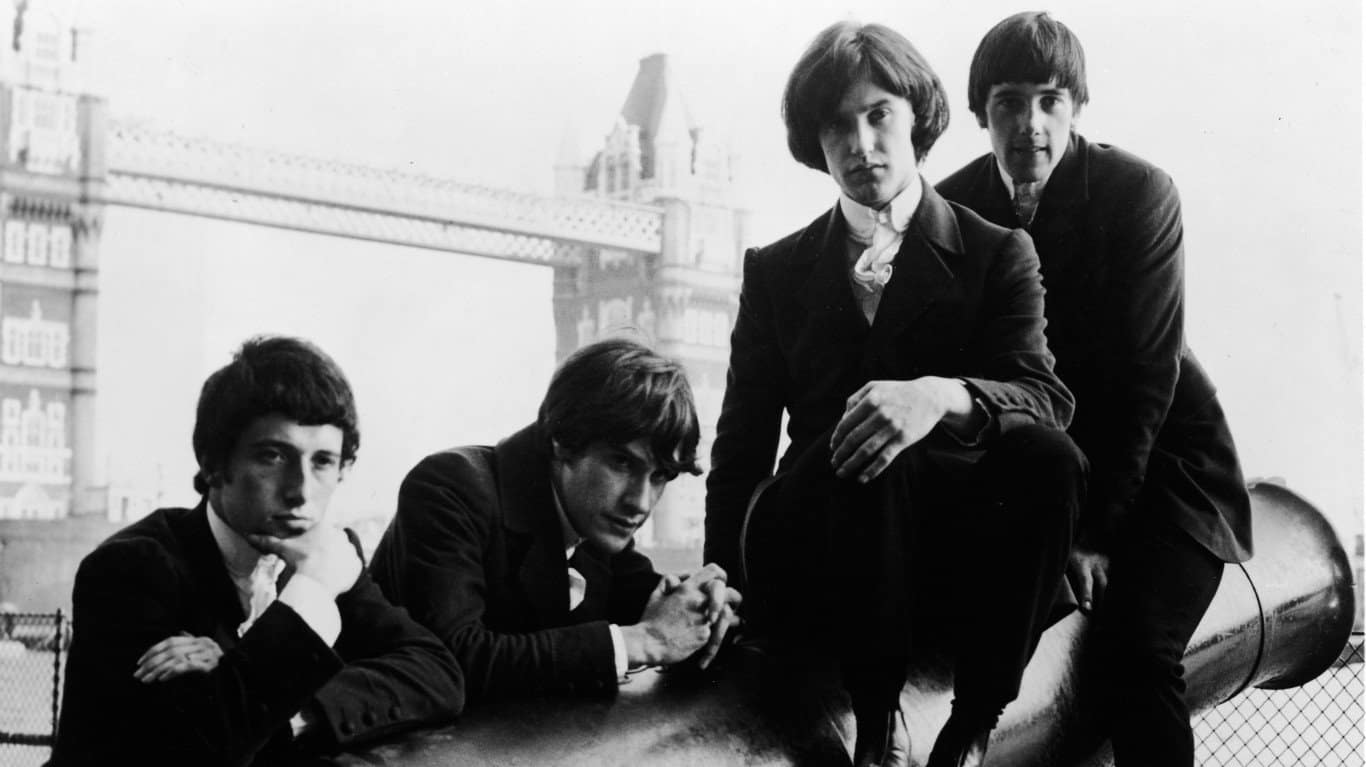
Dave and Ray Davies
Their act: Ray and Dave Davies supplied much of the creative spark behind the Kinks. Ray handled most of the songwriting and lead vocals, developing a distinctly British storytelling style, while Dave's aggressive guitar playing helped give early hits such as "You Really Got Me" their raw edge. The band moved easily from hard-driving rock into character studies, music-hall influences, and songs about everyday English life. The brothers' relationship could be famously combustible, but the creative tension lasted through more than three decades of Kinks music.
Active: 1963-1996
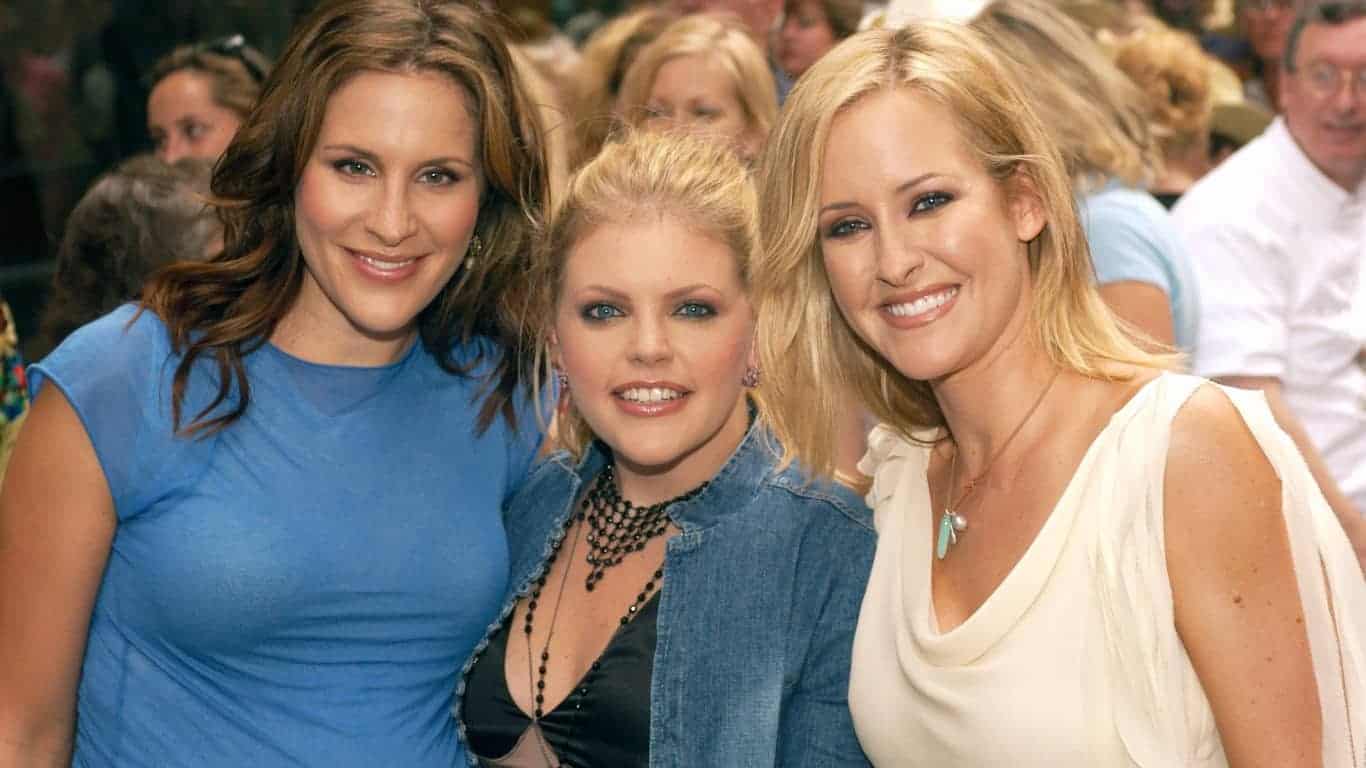
Martie Maguire and Emily Strayer
Their act: Sisters Martie Maguire and Emily Strayer, both born with the surname Erwin, helped found the group now known as the Chicks in Dallas in 1989. The original lineup also included Laura Lynch and Robin Lynn Macy and leaned heavily toward bluegrass. Natalie Maines joined in the mid-1990s, and the trio of Maines, Maguire, and Strayer went on to enormous mainstream success with albums such as Wide Open Spaces and Fly. The group changed its name from the Dixie Chicks to the Chicks in 2020.
Active: 1989-present
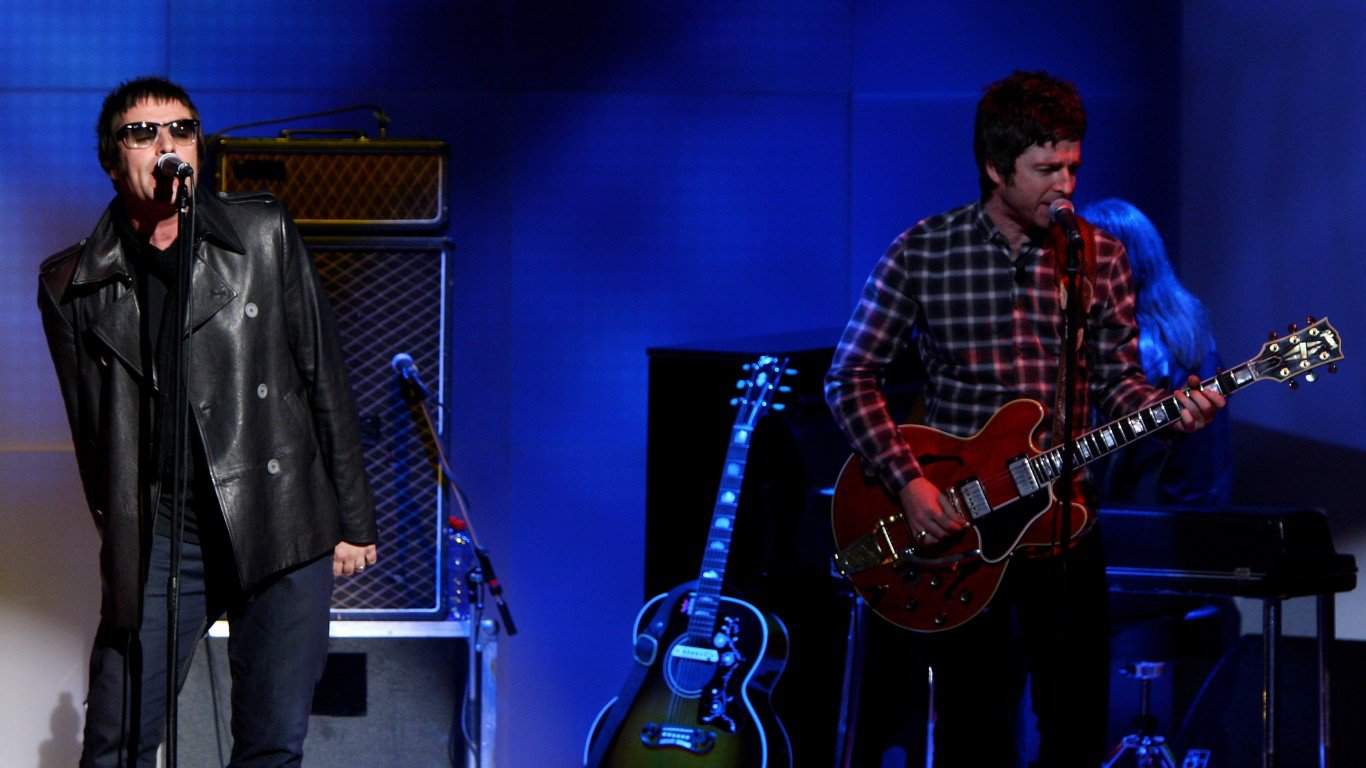
Liam and Noel Gallagher
Their act: Liam and Noel Gallagher became the faces of Oasis during the Britpop explosion of the 1990s. Liam supplied the instantly recognizable lead vocals, while Noel became the band's chief songwriter and lead guitarist, writing songs including "Wonderwall," "Don't Look Back in Anger," and "Champagne Supernova." Their sibling fights became almost as famous as their records and eventually helped bring the band to an end in 2009. After 15 years apart, the brothers announced the Oasis reunion in 2024 and returned to the stage together in 2025, with the revived band continuing into 2026.
Active: 1991-2009; 2024-present
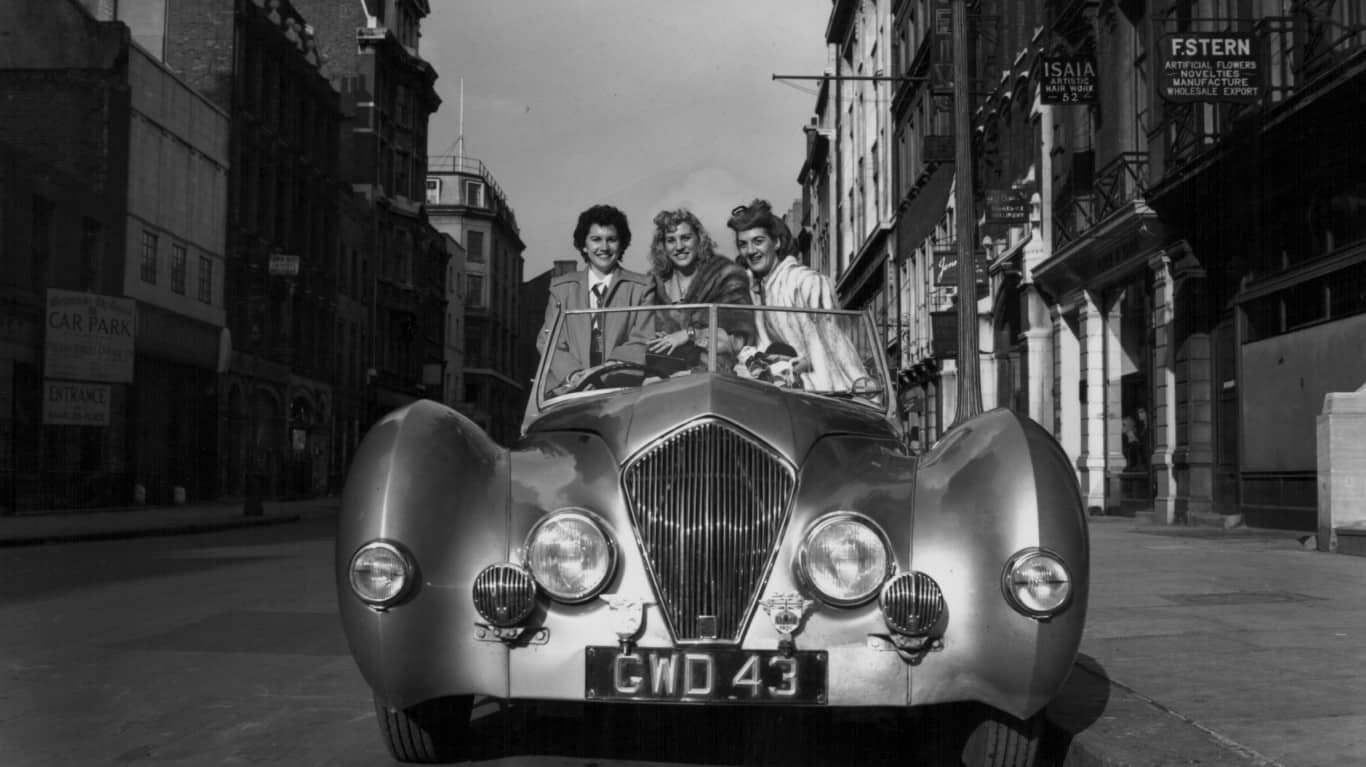
Maxene, LaVerne, and Patty Andrews
Their act: The Andrews Sisters were one of the defining close-harmony vocal groups of the swing era. LaVerne, Maxene, and Patty Andrews became major stars with songs such as "Bei Mir Bist Du Schön," "Boogie Woogie Bugle Boy," and "Don't Sit Under the Apple Tree." Their recordings, films, radio appearances, and wartime performances made them especially closely associated with the World War II generation. The sisters first broke up in the early 1950s, reunited in 1956, and performed together until LaVerne became ill in the 1960s.
Active: 1932-1953; 1956-1967 as the original trio
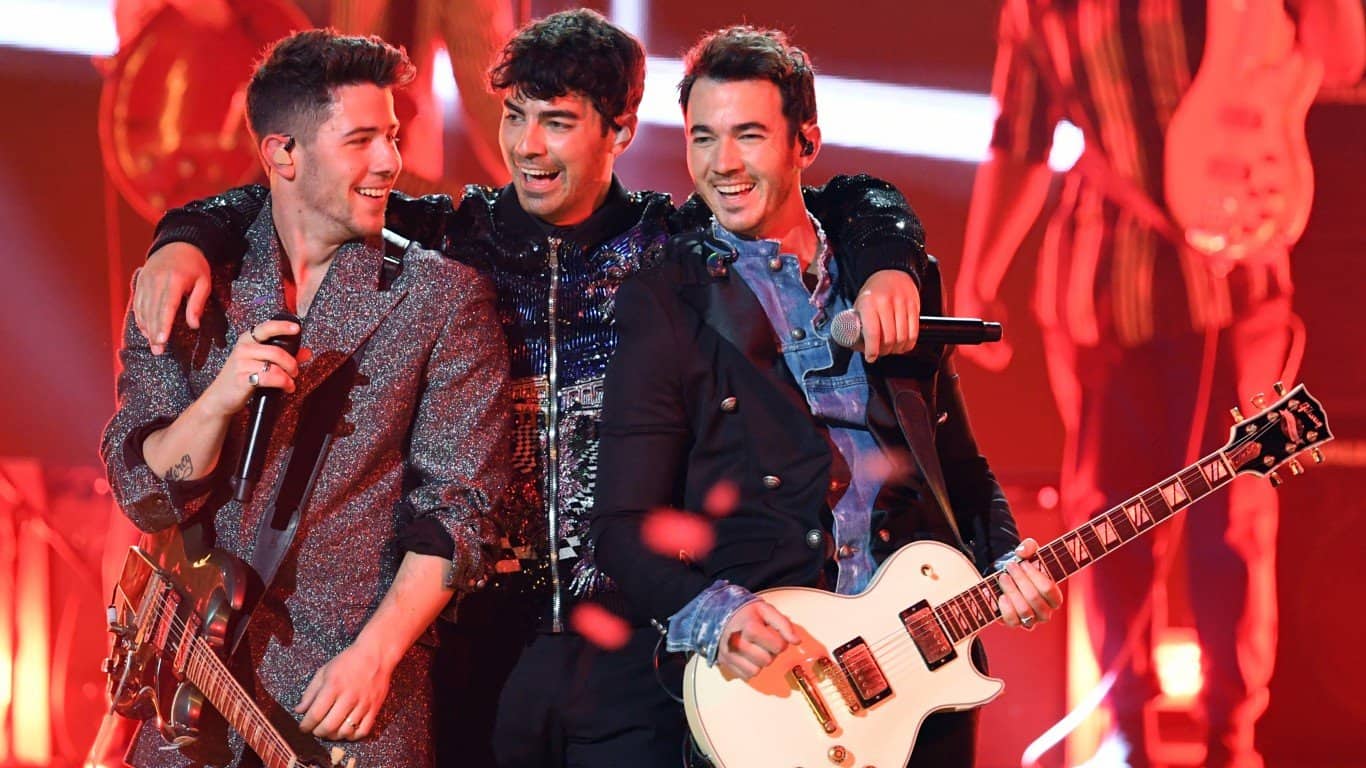
Kevin, Joe, and Nick Jonas
Their act: Kevin, Joe, and Nick Jonas became pop stars as the Jonas Brothers during the mid-2000s, with Disney Channel exposure helping turn the sibling trio into a full-scale teen phenomenon. Albums such as A Little Bit Longer and songs including "Burnin' Up" made them fixtures of late-2000s pop. The brothers split in 2013 and pursued individual careers before reuniting in 2019. Their comeback single "Sucker" became the group's first No. 1 hit on the Billboard Hot 100, giving the reunion considerably more staying power than a quick nostalgia lap.
Active: 2005-2013; 2019-present
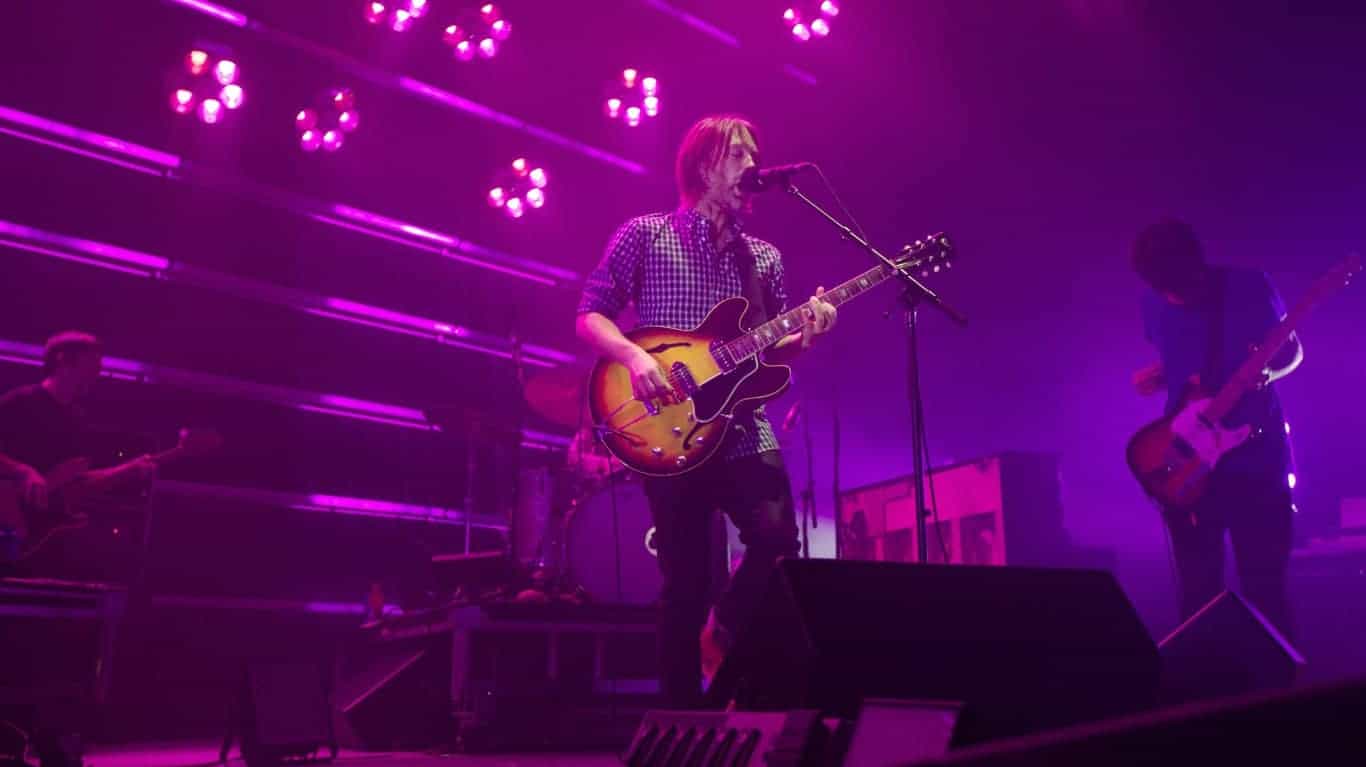
Colin and Jonny Greenwood
Their act: Colin and Jonny Greenwood are the sibling connection inside Radiohead. Colin plays bass, while younger brother Jonny became the band's famously restless multi-instrumentalist, working with guitar, keyboards, strings, electronics, and orchestral arrangements. The group began at school in Oxfordshire under the name On a Friday before becoming Radiohead in the early 1990s. From OK Computer to Kid A and beyond, the band repeatedly changed its sound instead of trying to remake the same successful record forever.
Active: 1985-present; formed as On a Friday and adopted the name Radiohead in 1991
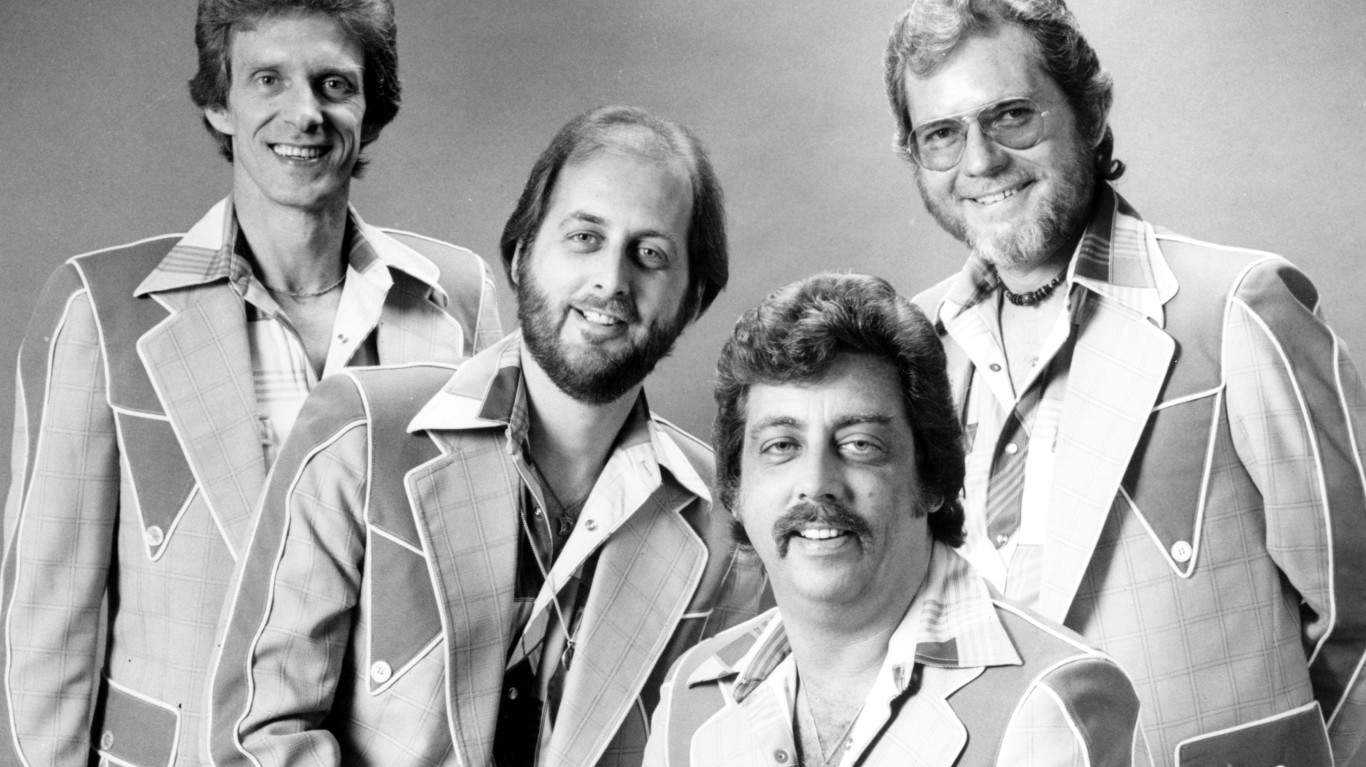
Don and Harold Reid
Their act: Harold and Don Reid were the actual brothers inside the Statler Brothers, a name that made the entire country-gospel quartet sound related even though they were not. Harold supplied the deep bass voice, while Don sang and wrote many of the group's songs. The act grew from Virginia gospel roots into one of country music's most enduring vocal groups, recording hits such as "Flowers on the Wall" and "Elizabeth." The Statlers retired from touring together in 2002 and were inducted into the Country Music Hall of Fame in 2008.
Active: 1955-2002
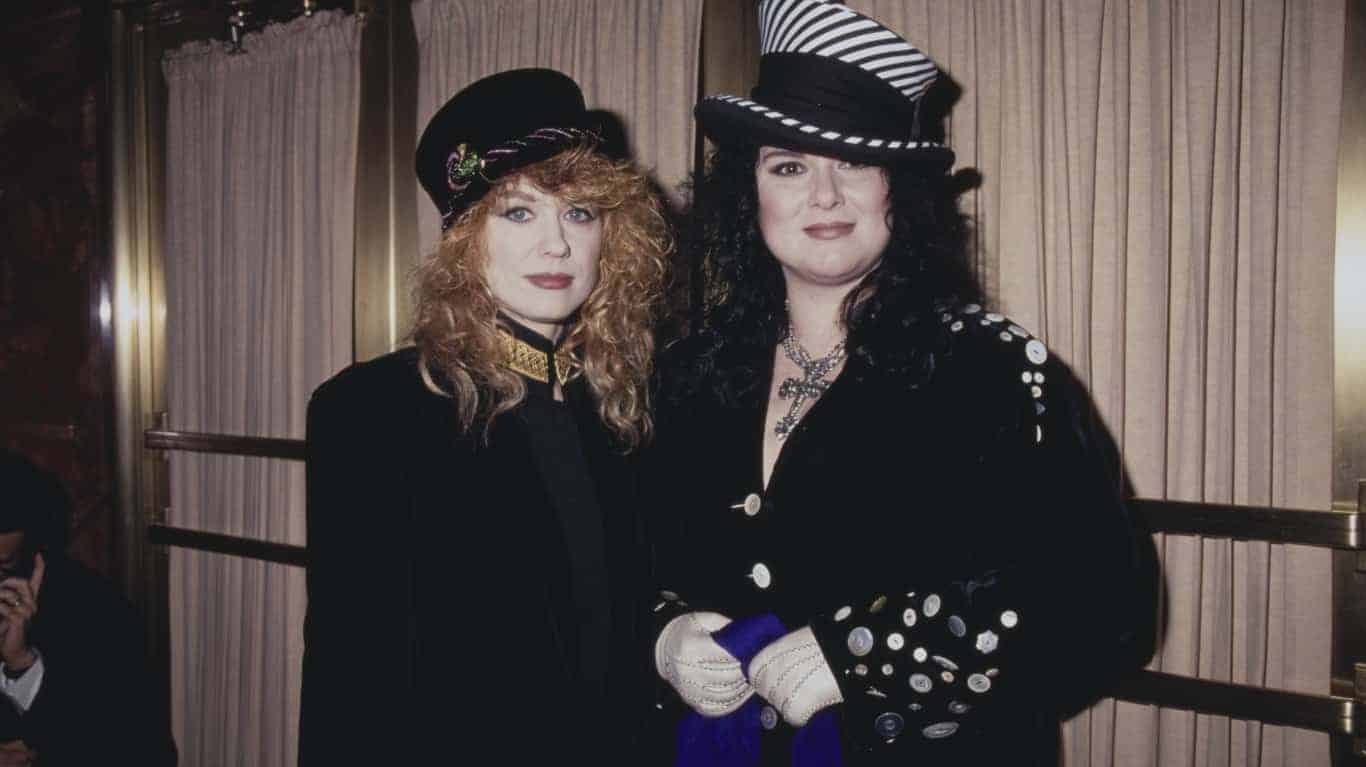
Ann and Nancy Wilson
Their act: Ann and Nancy Wilson became the unmistakable center of Heart during the 1970s. Ann's powerhouse lead vocals and Nancy's guitar work helped the band break through with songs such as "Magic Man," "Crazy on You," and "Barracuda." Heart later reinvented itself during the 1980s and reached another generation with songs including "These Dreams" and "Alone." The sisters have periodically pursued separate projects and Heart has gone through several breaks, but the Wilsons remain one of rock's longest-running sibling partnerships.
Active: 1973-1998; 2002-2016; 2019-present for Heart
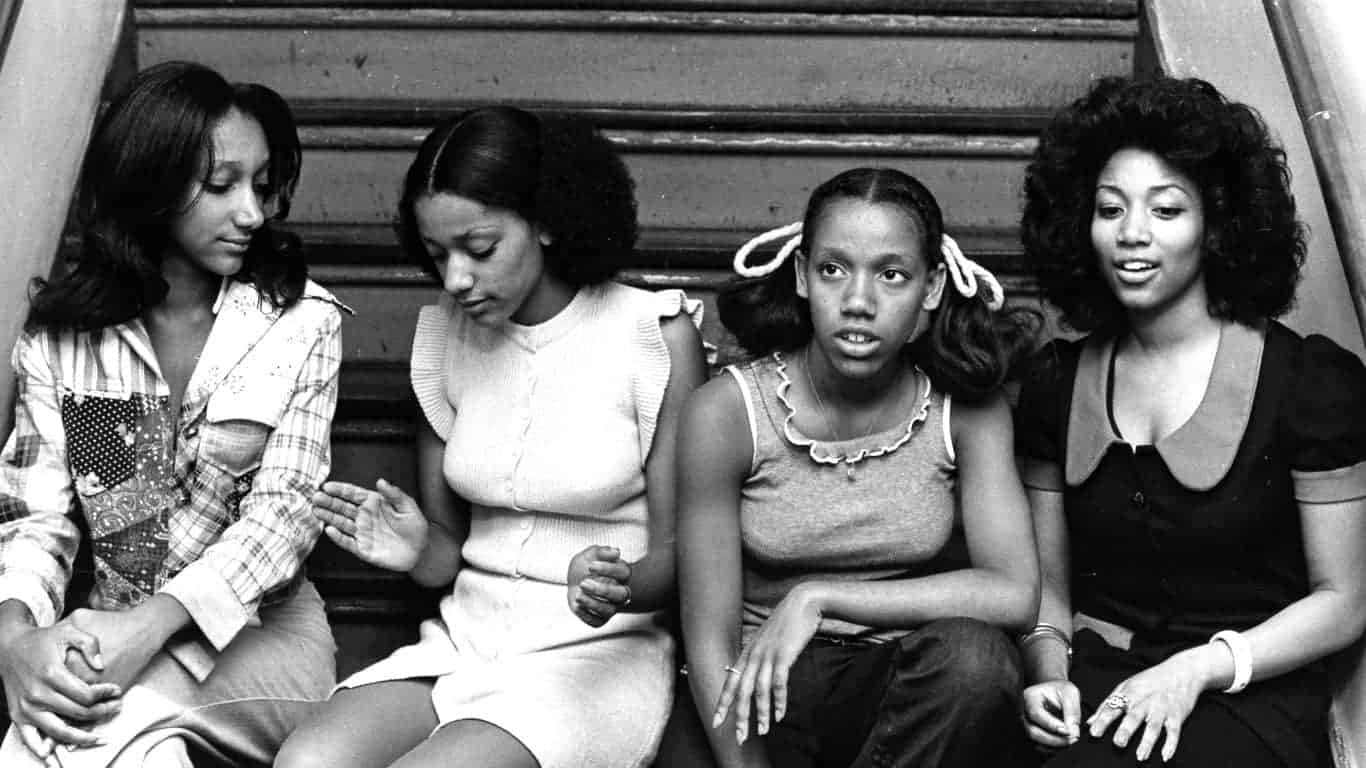
Joni, Kathy, Debbie, and Kim Sledge
Their act: Sisters Debbie, Joni, Kim, and Kathy Sledge formed Sister Sledge in Philadelphia and spent years performing before their biggest commercial breakthrough arrived. Producers and songwriters Nile Rodgers and Bernard Edwards gave the group its signature 1979 album We Are Family, which included the title track and "He's the Greatest Dancer." "We Are Family" became both a major hit and an almost too-perfect anthem for four sisters singing together. The lineup changed over the years, but the Sledge family name remained attached to the act.
Active: 1971-present, with lineup changes
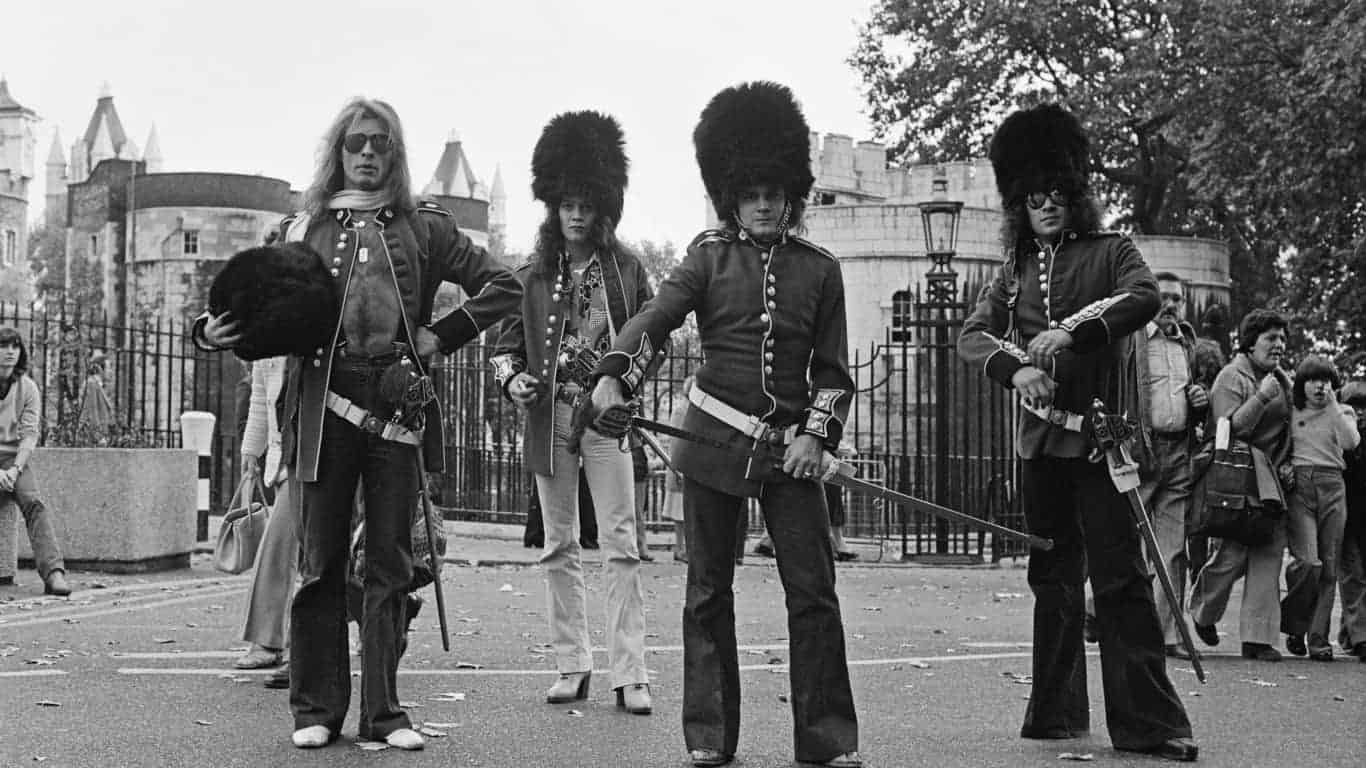
Eddie and Alex Van Halen
Their act: Eddie and Alex Van Halen were the instrumental engine behind Van Halen. Eddie's guitar playing changed the vocabulary of hard rock, while Alex's drumming gave the band's songs their muscular swing. The brothers built the group in Southern California before breaking nationally with their 1978 debut album, which included "Runnin' with the Devil" and Eddie's explosive instrumental "Eruption." Van Halen survived famous singer changes, reunions, and plenty of internal drama, but the brothers remained together until Eddie's death in 2020, after which the band ended.
Active: 1972-2020
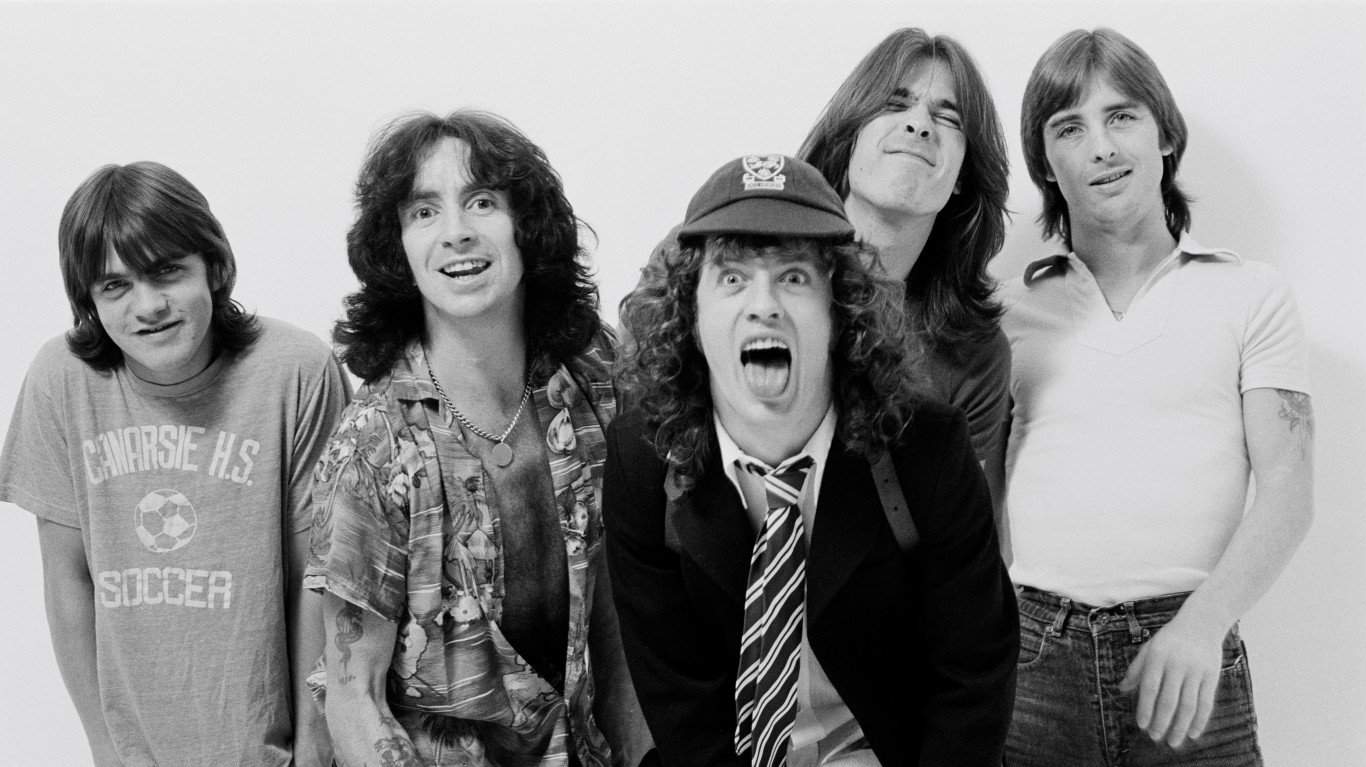
Angus and Malcolm Young
Their act: Scottish-born brothers Malcolm and Angus Young founded AC/DC in Sydney in 1973. Angus became the band's school-uniform-wearing lead guitarist and most recognizable figure, while Malcolm's rhythm guitar, songwriting, and sense of structure were central to the band's sound. Together they helped create a stripped-down form of hard rock built around huge riffs rather than studio clutter. Songs such as "Highway to Hell," "Back in Black," and "You Shook Me All Night Long" turned that formula into one of rock's most durable catalogs.
Active: 1973-present for AC/DC; Malcolm Young retired from the band in 2014
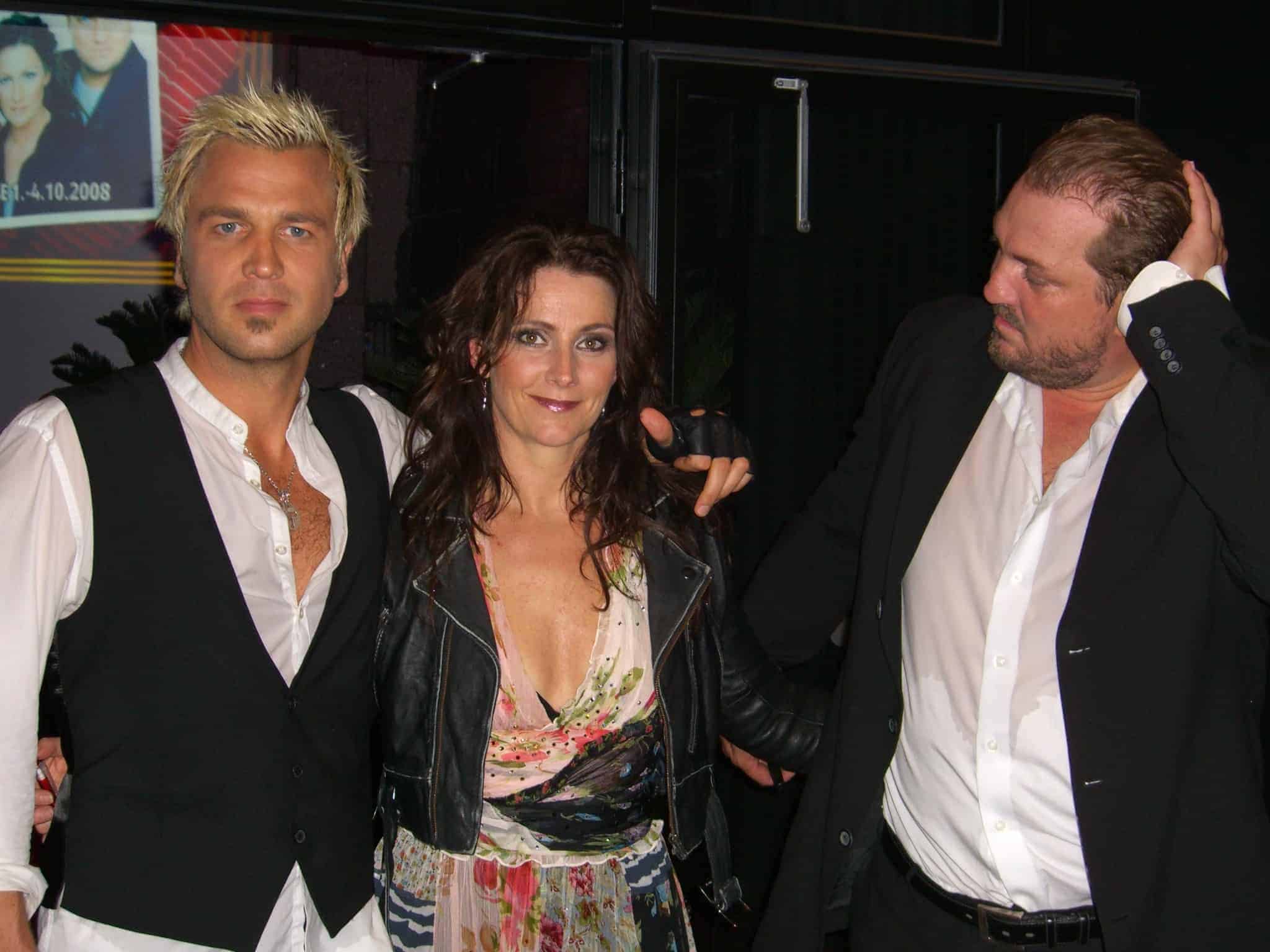
Jonas, Jenny, and Linn Berggren
Their act: Siblings Jonas, Linn, and Jenny Berggren joined Ulf Ekberg to form the classic lineup of Sweden's Ace of Base. The group emerged from an earlier project called Tech Noir and adopted the Ace of Base name in 1990. Their mix of pop hooks, dance production, and reggae-influenced rhythms produced international hits including "All That She Wants," "The Sign," and "Don't Turn Around." The original sibling-heavy lineup did not remain intact forever, but its early-1990s run turned Ace of Base into one of Sweden's biggest international pop exports.
Active: 1990-present, with major lineup changes and long periods of limited activity
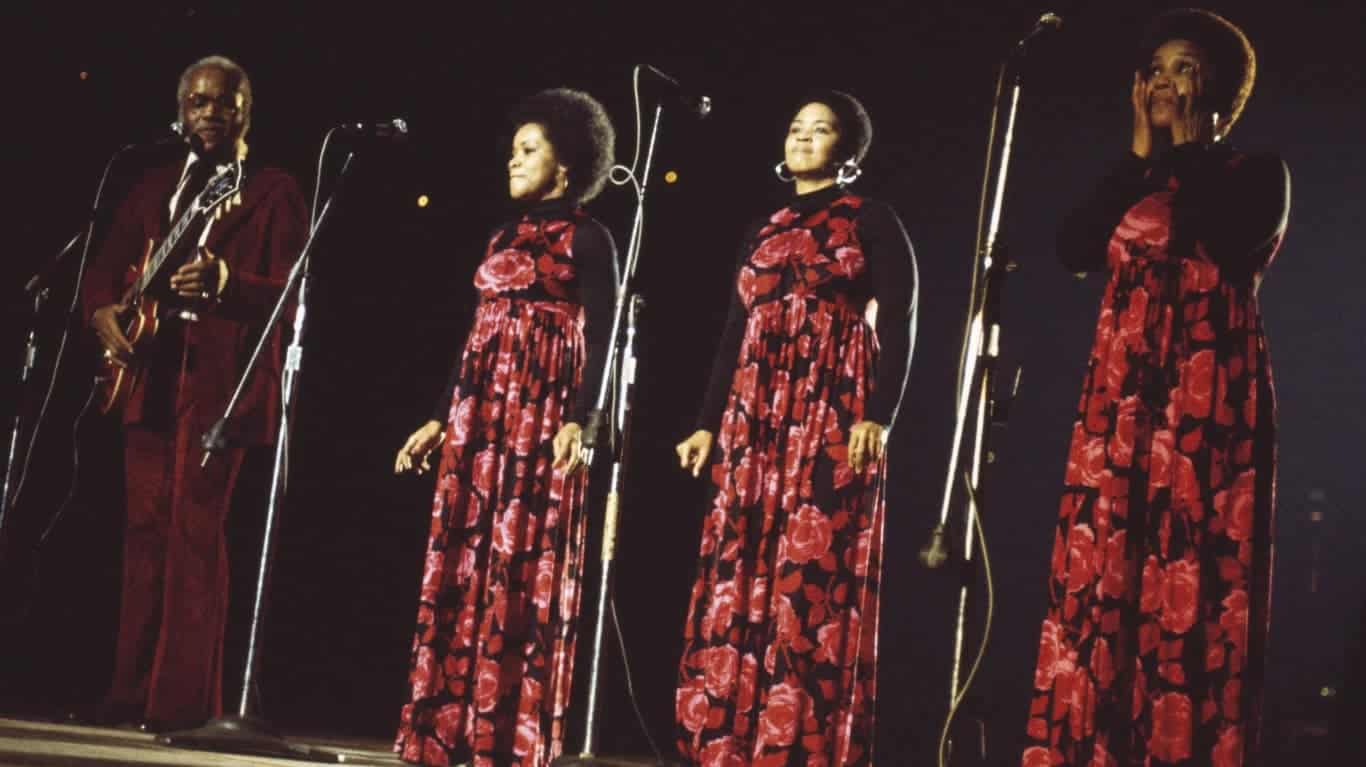
Roebuck "Pops," Cleotha, Pervis, Mavis, and Yvonne Staples
Their act: The Staple Singers were a true family group built around patriarch Roebuck "Pops" Staples and his children. The early lineup featured Pops, Cleotha, Pervis, and Mavis, with Yvonne later replacing Pervis. They began in gospel before moving into soul and message music, combining spirituality with songs about dignity and social change. Recordings such as "Respect Yourself" and "I'll Take You There" brought them into the pop mainstream without severing their gospel roots, making the Staples one of the most influential family groups in American soul music.
Active: 1951-1994; reunion appearances in 1999
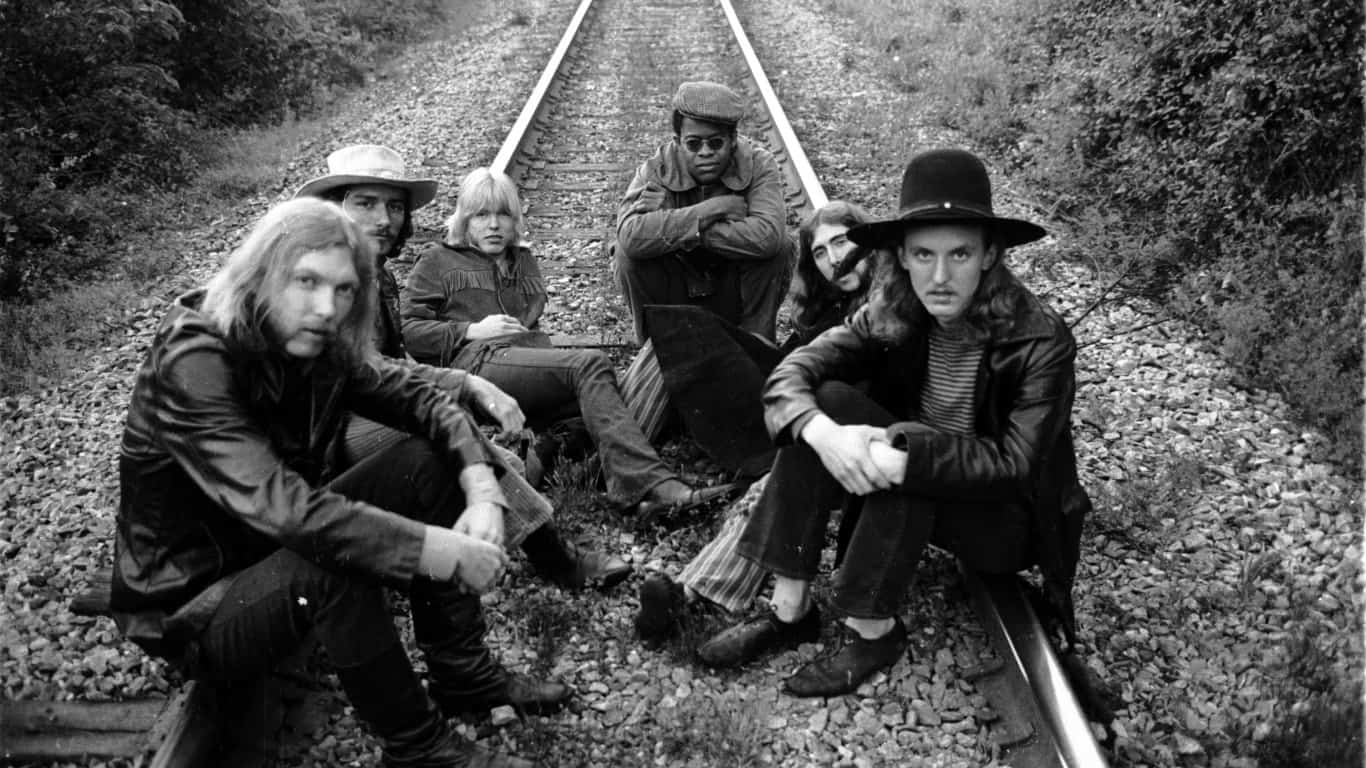
Duane and Gregg Allman
Their act: Duane and Gregg Allman were two of the founding members of the Allman Brothers Band, alongside Dickey Betts, Berry Oakley, Butch Trucks, and Jai Johanny "Jaimoe" Johanson. Duane's slide guitar and Gregg's vocals and keyboards helped create a sound that blended blues, rock, jazz, country, and extended improvisation. Duane died in a motorcycle crash in 1971, only a few years after the band formed, but Gregg and the surviving members kept the music going. The Allman Brothers Band eventually became one of the foundational acts of Southern rock and remained an active touring force until 2014.
Active: 1969-1976; 1978-1982; 1989-2014
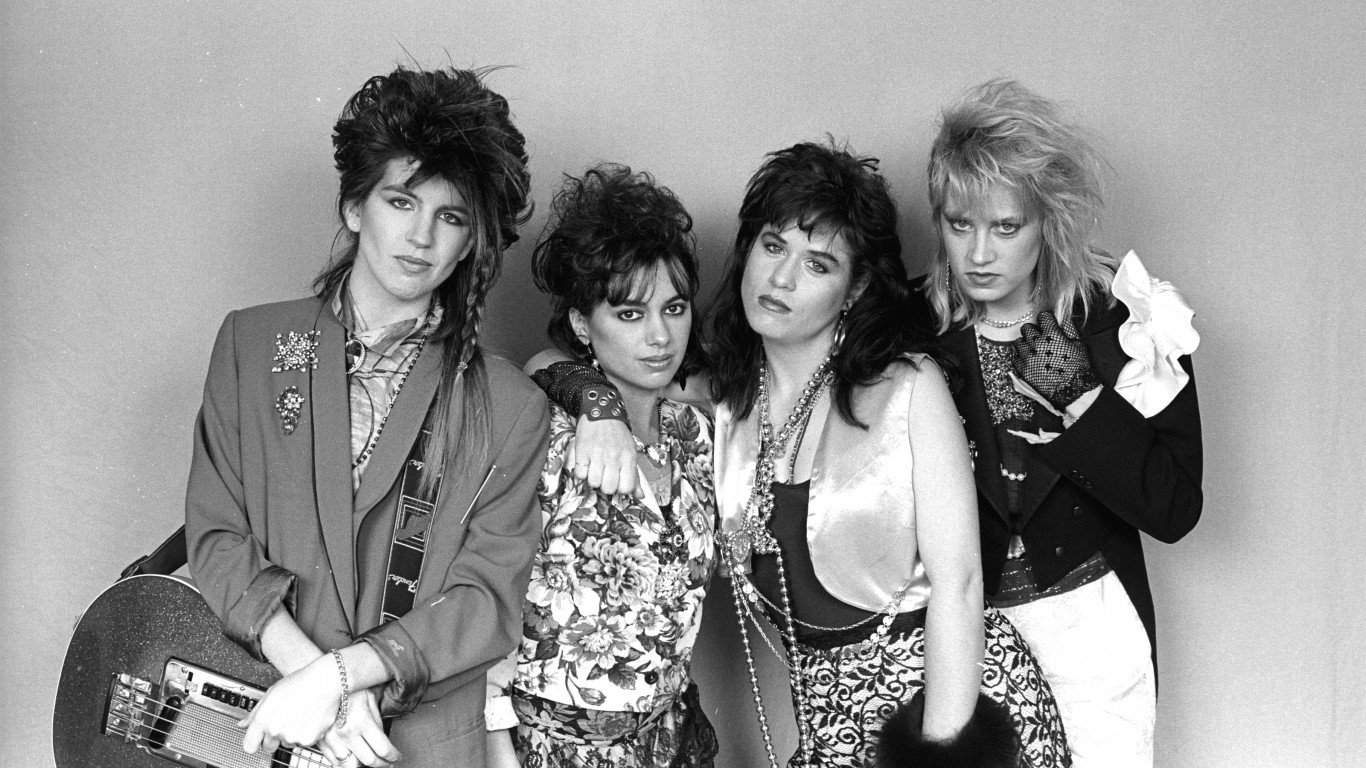
Vicki and Debbi Peterson
Their act: Sisters Vicki and Debbi Peterson helped found the Bangles in Los Angeles with Susanna Hoffs and bassist Annette Zilinskas. Originally called the Bangs, the band emerged from the city's early-1980s Paisley Underground scene before becoming mainstream pop stars. Vicki played guitar and sang, while Debbi handled drums, vocals, and occasional guitar. Hits such as "Manic Monday," "Walk Like an Egyptian," and "Eternal Flame" made the Bangles one of the defining American pop-rock groups of the 1980s. The band reunited around 2000 after more than a decade apart.
Active: 1981-1989; 2000-present
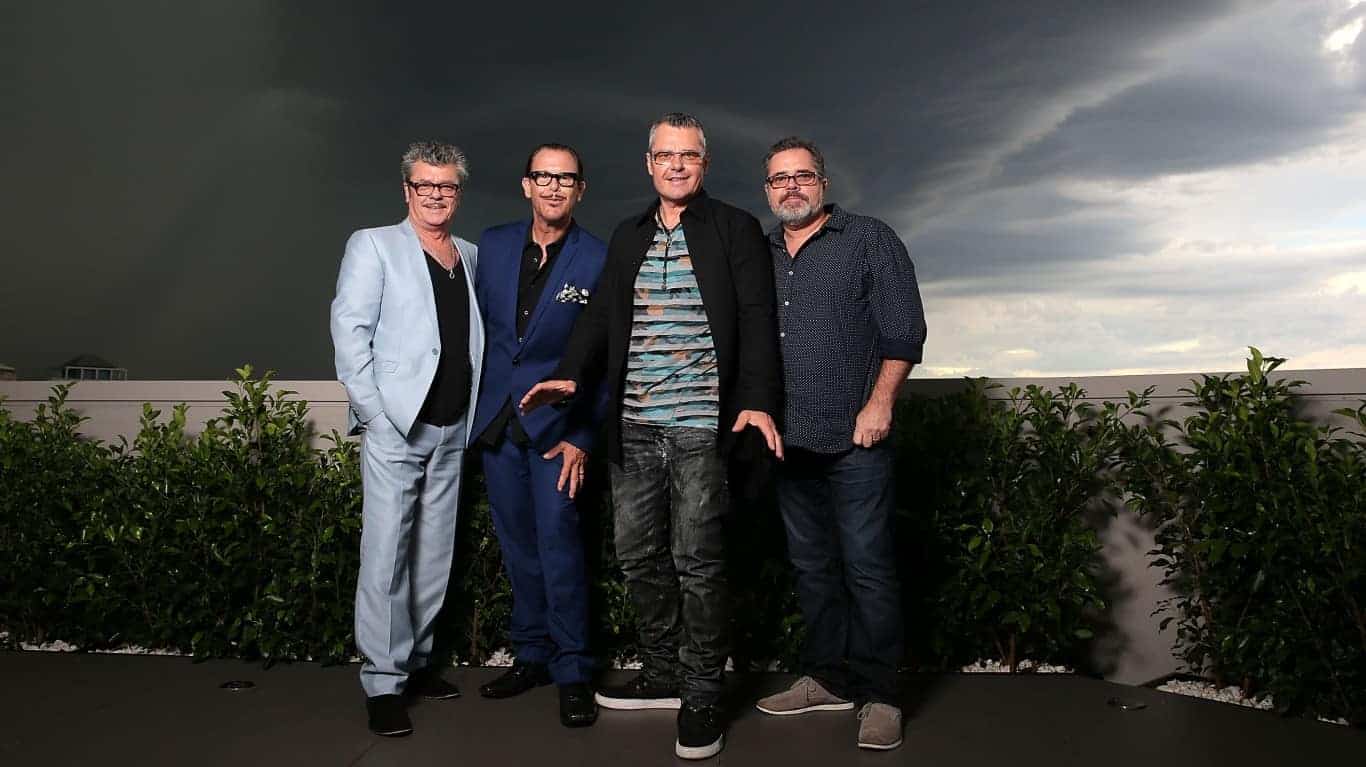
Andrew, Jon, and Tim Farriss
Their act: Brothers Andrew, Jon, and Tim Farriss formed the musical core of INXS alongside school friends Michael Hutchence, Kirk Pengilly, and Garry Gary Beers. The six musicians played their first show as the Farriss Brothers in 1977 before adopting the INXS name. Andrew became a major songwriter and keyboardist, Tim played guitar, and Jon handled drums. With Hutchence out front, the Australian band grew into an international arena act through albums including Kick and songs such as "Need You Tonight," "New Sensation," and "Never Tear Us Apart."
Active: 1977-2012
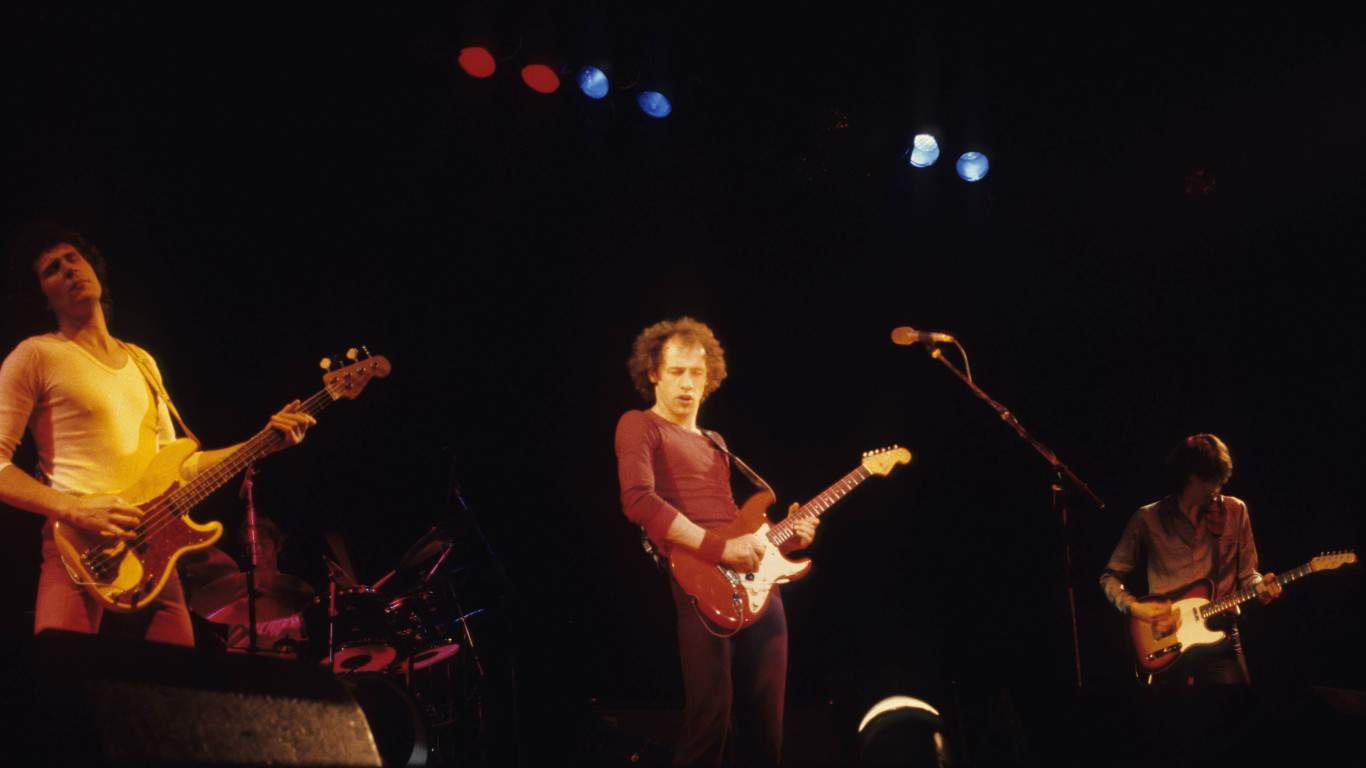
Mark and David Knopfler
Their act: Brothers Mark and David Knopfler helped form Dire Straits in London in 1977 with bassist John Illsley and drummer Pick Withers. Mark became the band's singer, principal songwriter, and distinctive fingerstyle lead guitarist, while David played rhythm guitar on the group's first two albums. "Sultans of Swing" introduced the band internationally, and Dire Straits eventually became one of the biggest rock acts of the 1980s. David left during work on Making Movies in 1980, years before the enormous success of Brothers in Arms.
Active: 1977-1988; 1990-1995 for Dire Straits
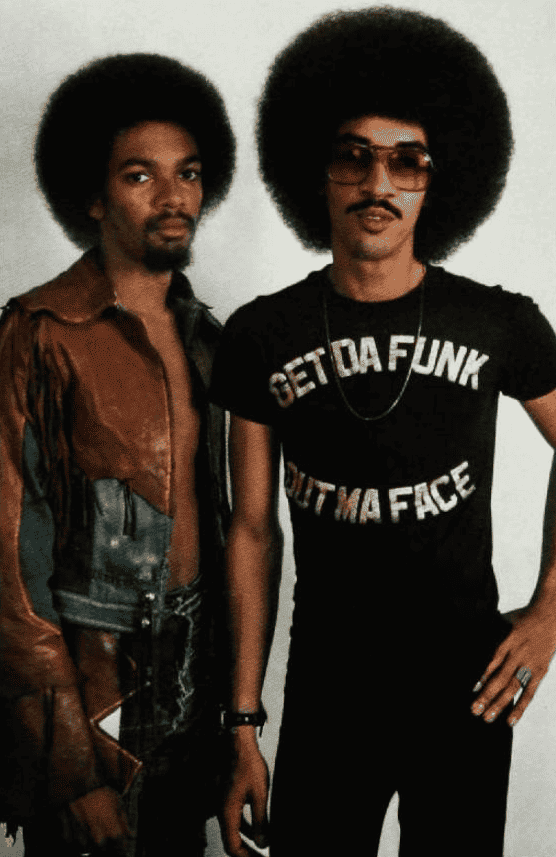
Louis and George Johnson
Their act: George and Louis Johnson became the Brothers Johnson after working as musicians and songwriters in Los Angeles and touring with Billy Preston. Their big break came through Quincy Jones, who worked with the brothers and produced their early albums for A&M Records. George was known for his guitar work, while Louis became one of funk's most recognizable bass players, earning the nickname "Thunder Thumbs." The duo scored major R&B hits with "I'll Be Good to You," "Strawberry Letter 23," and "Stomp!" and helped define the polished funk sound of the late 1970s.
Active: 1975-1982; 1984-2015
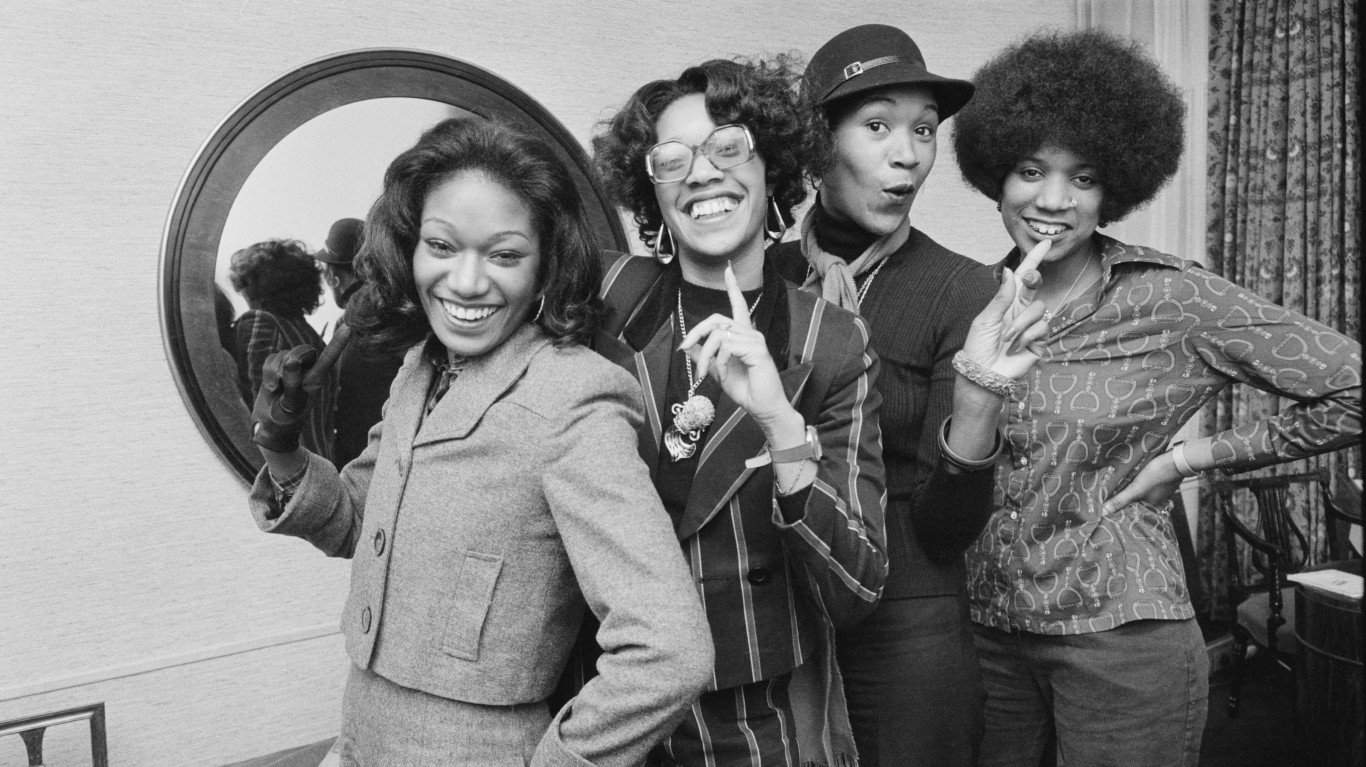
Ruth, Anita, Bonnie, and June Pointer
Their act: The Pointer Sisters grew out of a duo formed by Bonnie and June Pointer in the San Francisco Bay Area in 1969. Anita soon joined them, and Ruth completed the four-sister lineup in December 1972. Their music refused to stay in one lane, moving through jazz, R&B, country, funk, pop, and dance music. "Fairytale" earned them a Grammy in the country field, while later hits including "I'm So Excited," "Jump (For My Love)," "Automatic," and "Neutron Dance" made the trio-era Pointer Sisters major pop stars after Bonnie left the group.
Active: 1969-present; original four-sister lineup 1972-1977
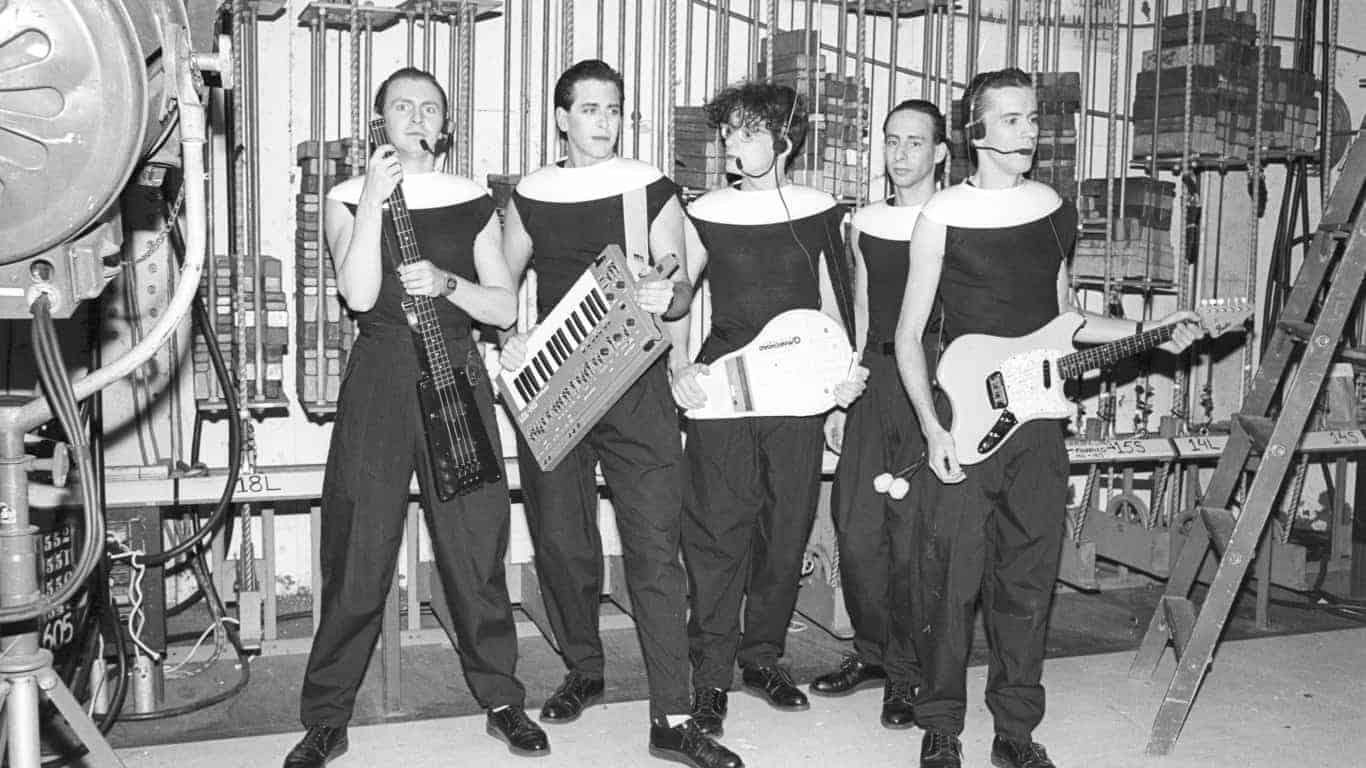
Mark and Bob Mothersbaugh; Gerald and Bob Casale
Their act: Devo's unusual chemistry included two sets of brothers: Mark and Bob Mothersbaugh and Gerald and Bob Casale. Emerging from Akron, Ohio, in the 1970s, the band mixed rock, electronics, performance art, satire, and its deliberately strange theory of "de-evolution." Mark Mothersbaugh and Gerald Casale became the group's most visible members, but the two sibling pairs were central to Devo's sound and stage identity. "Whip It" gave the band its biggest mainstream hit, while its visual style and use of synthesizers made Devo far more influential than one song suggests.
Active: 1973-1991; 1996-present
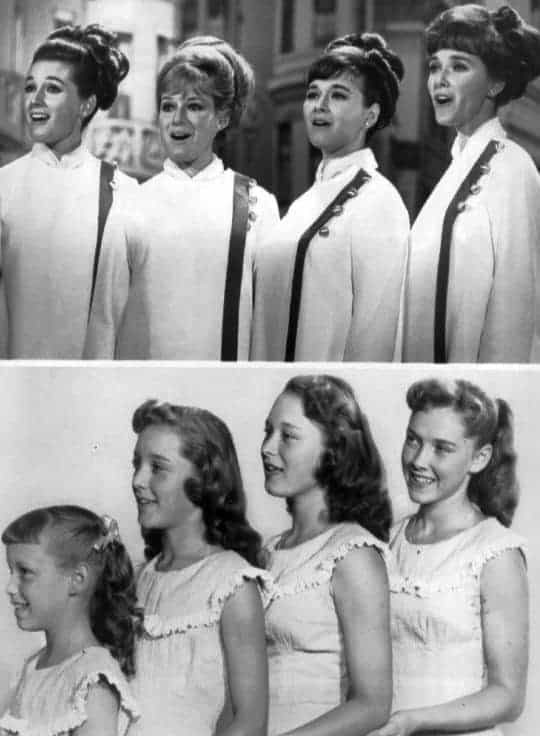
Dianne "Dee Dee," Peggy, Kathy, and Janet Lennon
Their act: Dianne "Dee Dee," Peggy, Kathy, and Janet Lennon became national television stars as the Lennon Sisters after appearing on The Lawrence Welk Show in 1955. Their polished sibling harmonies made them regulars on television and concert stages for decades. Peggy retired in 1999 and Dianne followed in 2001, after which younger sister Mimi joined Kathy and Janet in a three-sister lineup. The family act ultimately lasted far longer than the era of television variety shows that first made them famous.
Active: 1955-present, with lineup changes
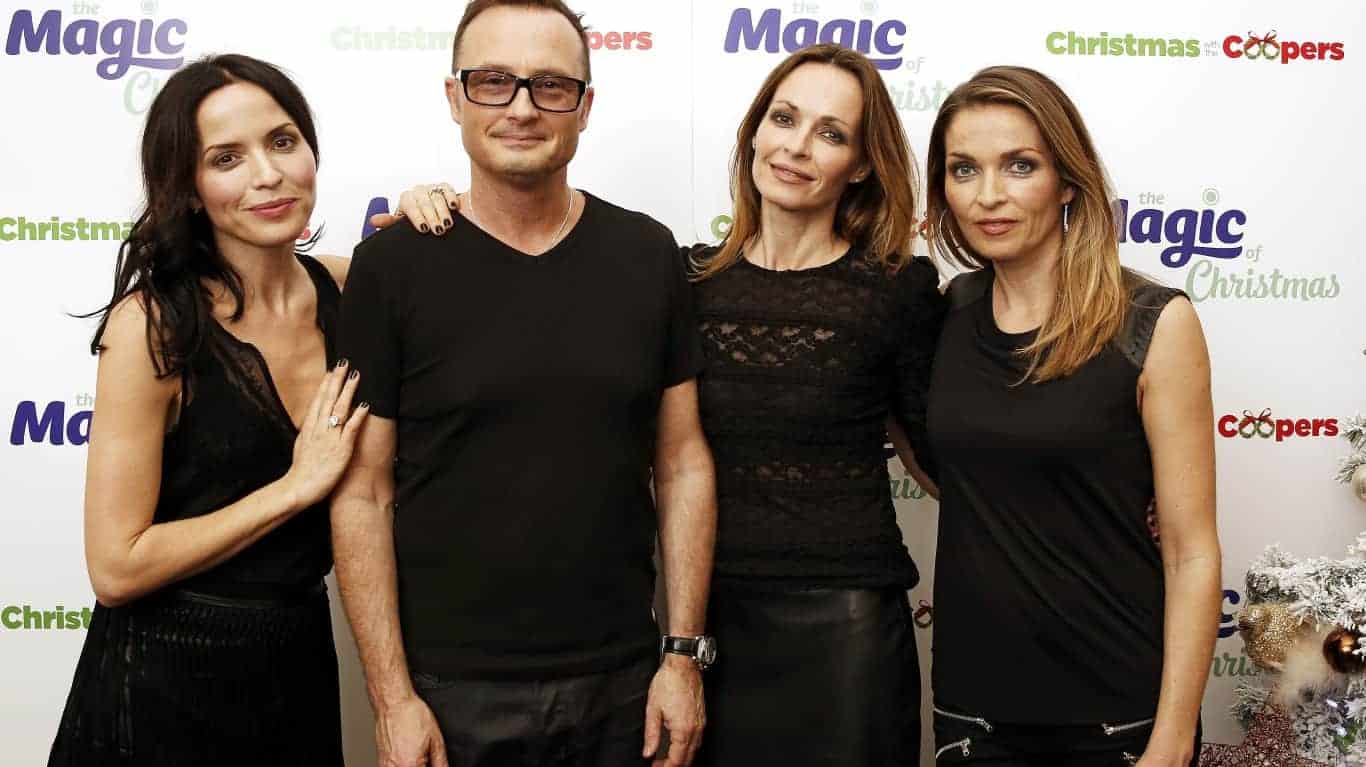
Andrea, Sharon, Caroline, and Jim Corr
Their act: The Corrs are four siblings from Dundalk, Ireland, who blended polished pop-rock with elements of traditional Irish music. Andrea Corr became the lead singer and played tin whistle, Sharon played violin, Caroline handled drums and percussion, and Jim played guitar and keyboards. Songs such as "Runaway," "What Can I Do," and "Breathless" helped turn the group into an international success, particularly in Europe and Australia. After stepping away in the mid-2000s, the siblings reunited in 2015 and resumed recording and performing.
Active: 1990-2006; 2015-present
Carnie and Wendy Wilson
Their act: Sisters Carnie and Wendy Wilson teamed with Chynna Phillips to create Wilson Phillips, a group whose family tree was practically a pop-history diagram. Carnie and Wendy are daughters of Beach Boys co-founder Brian Wilson, while Chynna is the daughter of John and Michelle Phillips of the Mamas & the Papas. The trio's 1990 debut produced enormous hits including "Hold On," "Release Me," and "You're in Love." Their harmonies carried clear echoes of the music they grew up around without simply recreating their parents' bands.
Active: 1989-1993; 2001; 2004-2006; 2010-present
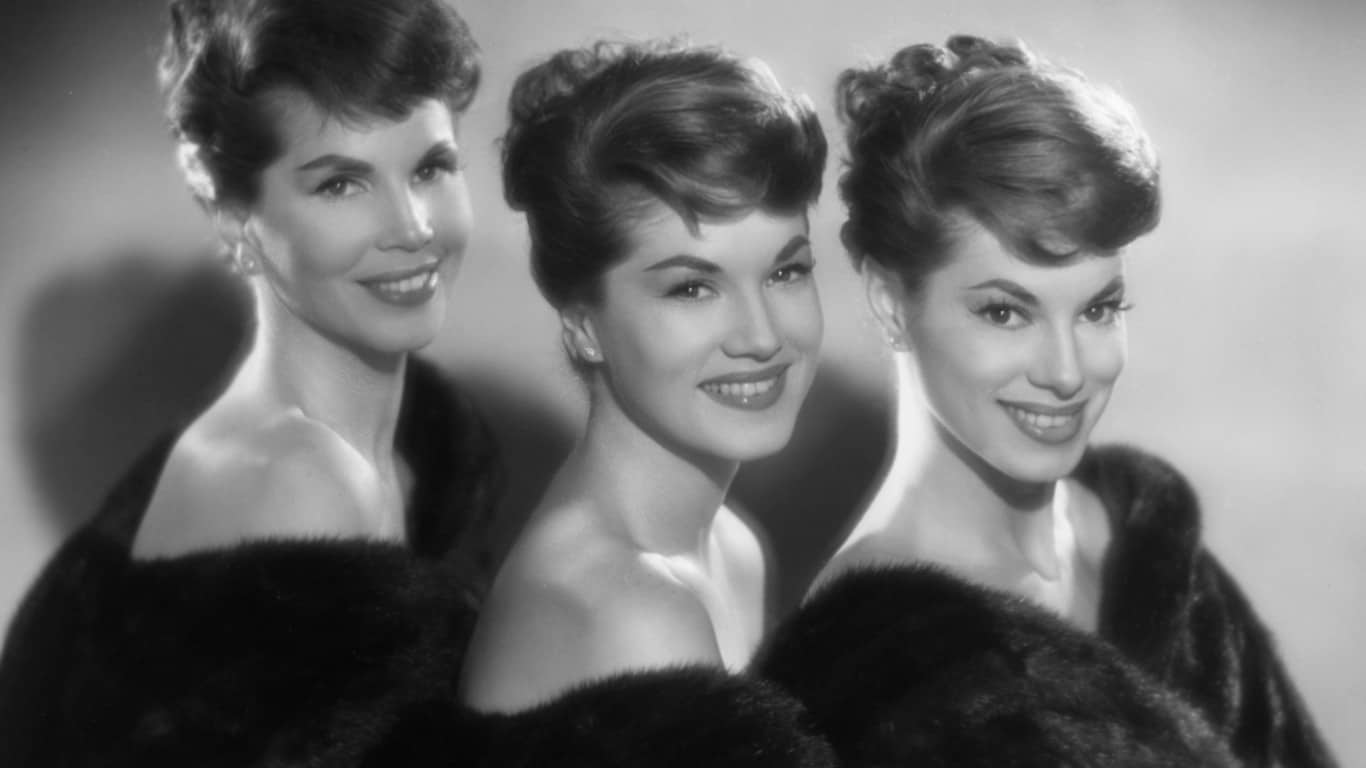
Phyllis, Christine, and Dorothy McGuire
Their act: Christine, Dorothy "Dottie," and Phyllis McGuire became one of the most successful traditional-pop sister acts of the 1950s. Their tightly blended harmonies and polished television appearances fit perfectly into the pre-rock pop world, and the trio scored major hits with songs including "Sincerely" and "Sugartime." They originally retired as a group in 1968 before reuniting in the 1980s for another long run of live performances. Their style belonged to a very different pop era, but their precision helped establish a template followed by generations of vocal groups.
Active: 1952-1968; 1986-2004
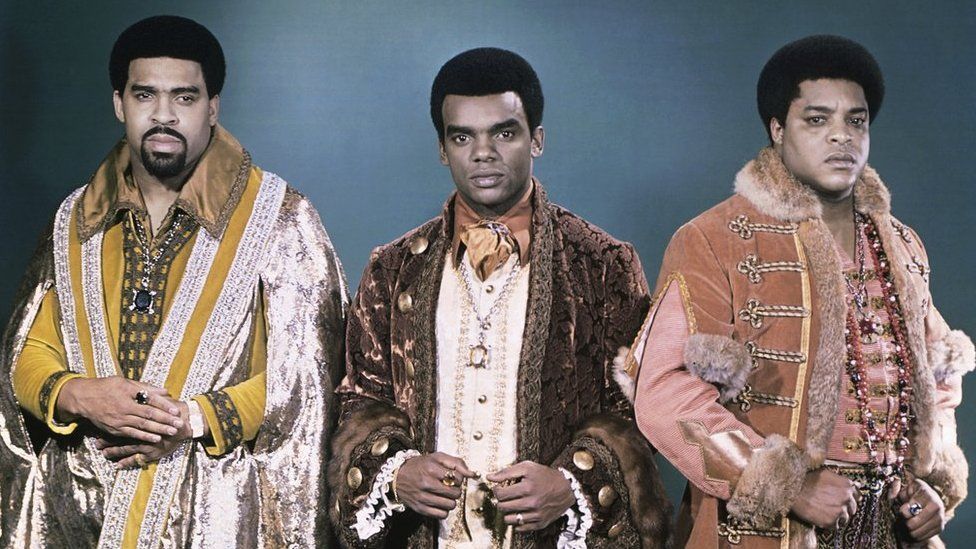
O'Kelly, Rudolph, Ronald, Ernie, and Marvin Isley
Their act: Few family groups reinvented themselves as often as the Isley Brothers. Older brothers O'Kelly, Rudolph, and Ronald Isley broke through with "Shout" and "Twist and Shout," then expanded the group with younger brothers Ernie and Marvin and their cousin Chris Jasper. That larger lineup pushed into funk and rock with songs including "It's Your Thing," "That Lady," and "Fight the Power," while the group's slow jams became just as influential. Their catalog spans doo-wop, soul, Motown, funk, rock, and quiet-storm R&B, with Ronald Isley carrying the name into yet another generation.
Active: 1954-present, with changing family lineups
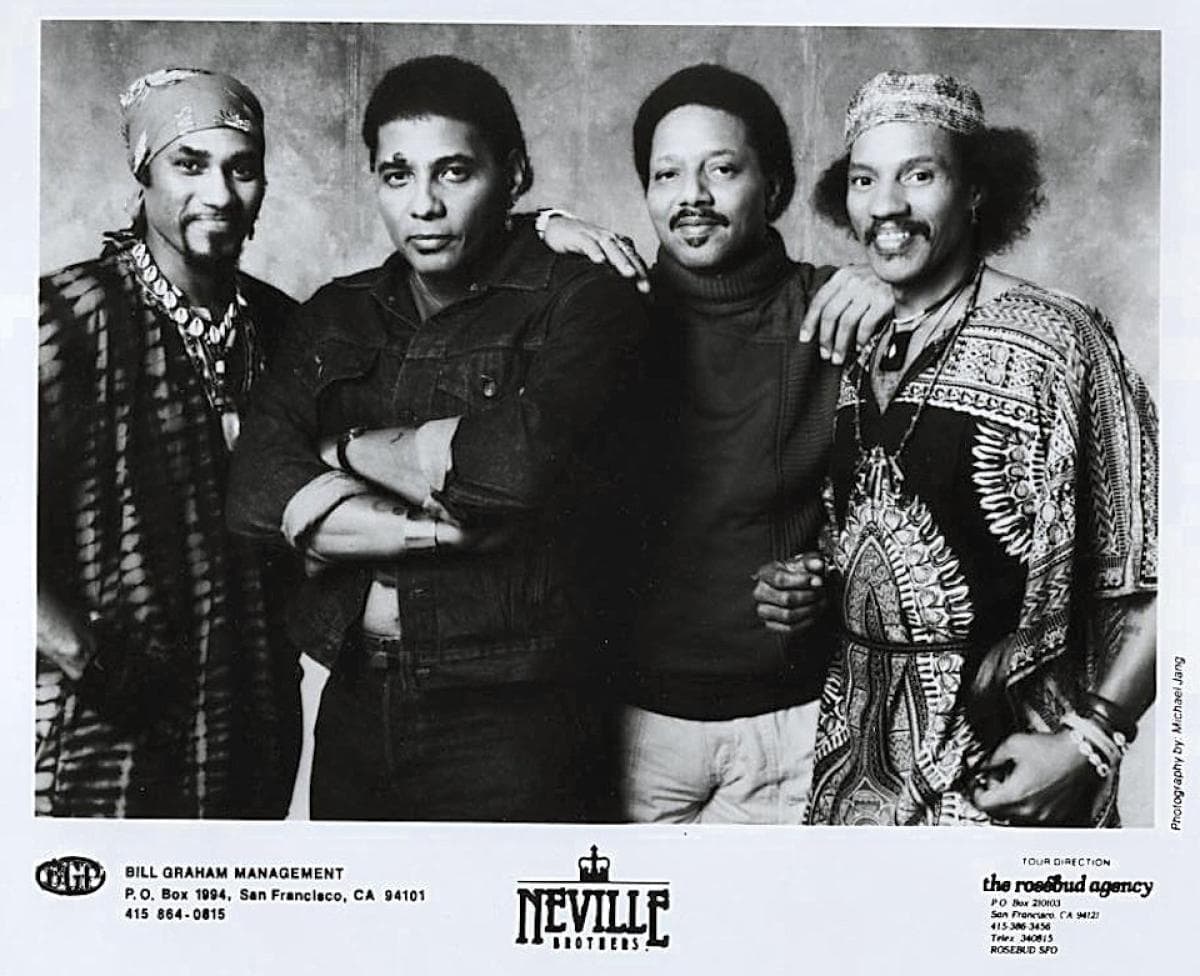
Art, Charles, Aaron, and Cyril Neville
Their act: Art, Charles, Aaron, and Cyril Neville brought several strands of New Orleans music together as the Neville Brothers. Each brother already had his own musical history before they formally came together in the late 1970s, and the resulting group mixed R&B, funk, gospel, soul, and Mardi Gras traditions. Albums such as Fiyo on the Bayou and Yellow Moon helped carry New Orleans music to a much wider audience. The brothers disbanded as a regular touring group in 2012 and returned for a farewell appearance at the New Orleans Jazz & Heritage Festival in 2015.
Active: 1977-2012; farewell reunion in 2015
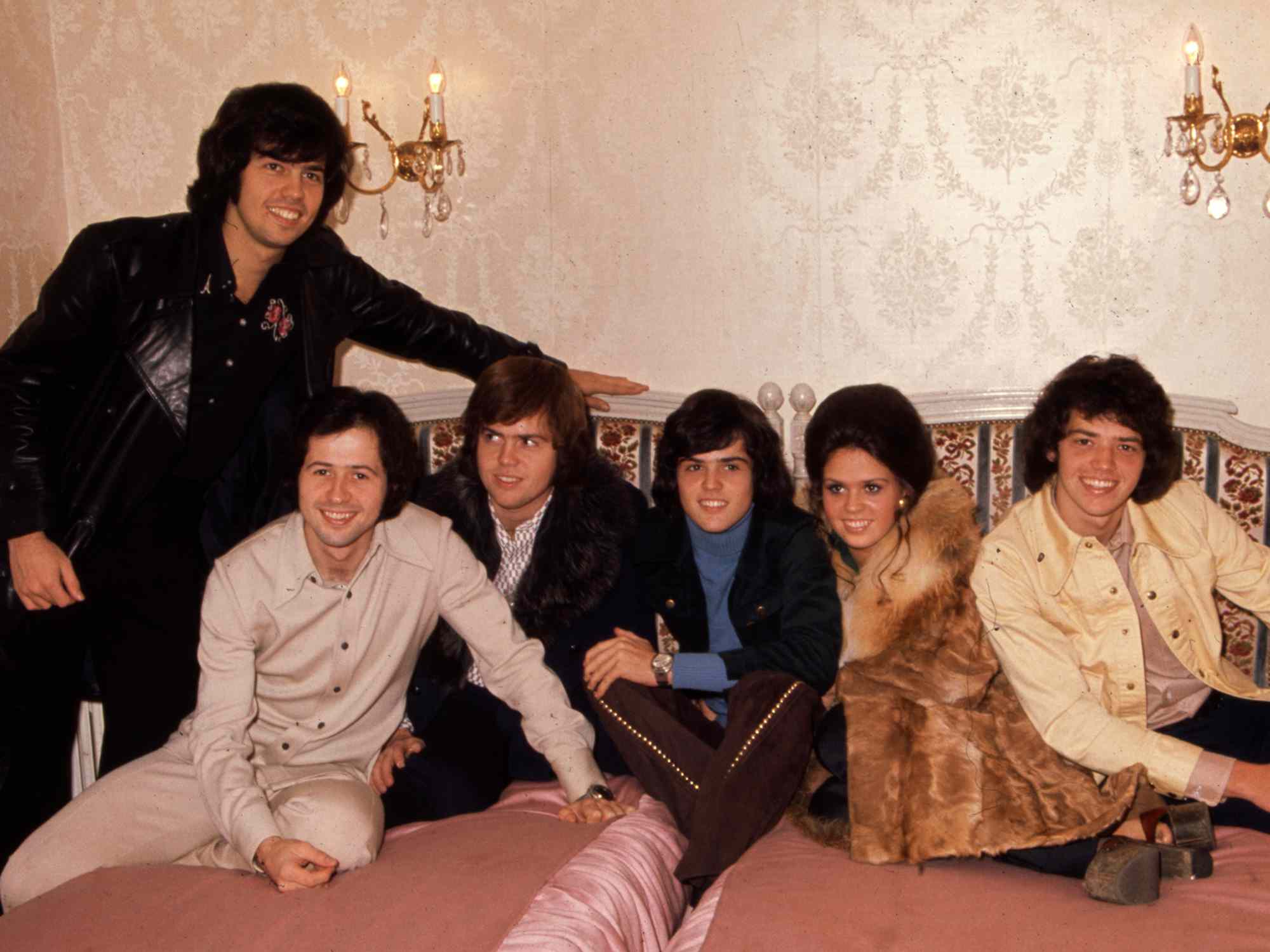
Alan, Wayne, Merrill, Jay, Donny, Jimmy, and Marie Osmond
Their act: The Osmond family's professional story began in 1958 when brothers Alan, Wayne, Merrill, and Jay started singing barbershop harmony around Ogden, Utah. Donny later joined his brothers and became the breakout teen idol of the group's early-1970s pop era, while Jimmy and sister Marie also built successful careers within the larger family entertainment machine. The Osmonds moved through barbershop music, bubblegum pop, rock, television, country, and solo careers, producing hits ranging from "One Bad Apple" to the unexpectedly heavy "Crazy Horses." Few musical families managed to stay visible across so many different corners of show business.
Active: 1958-2023 in various family configurations
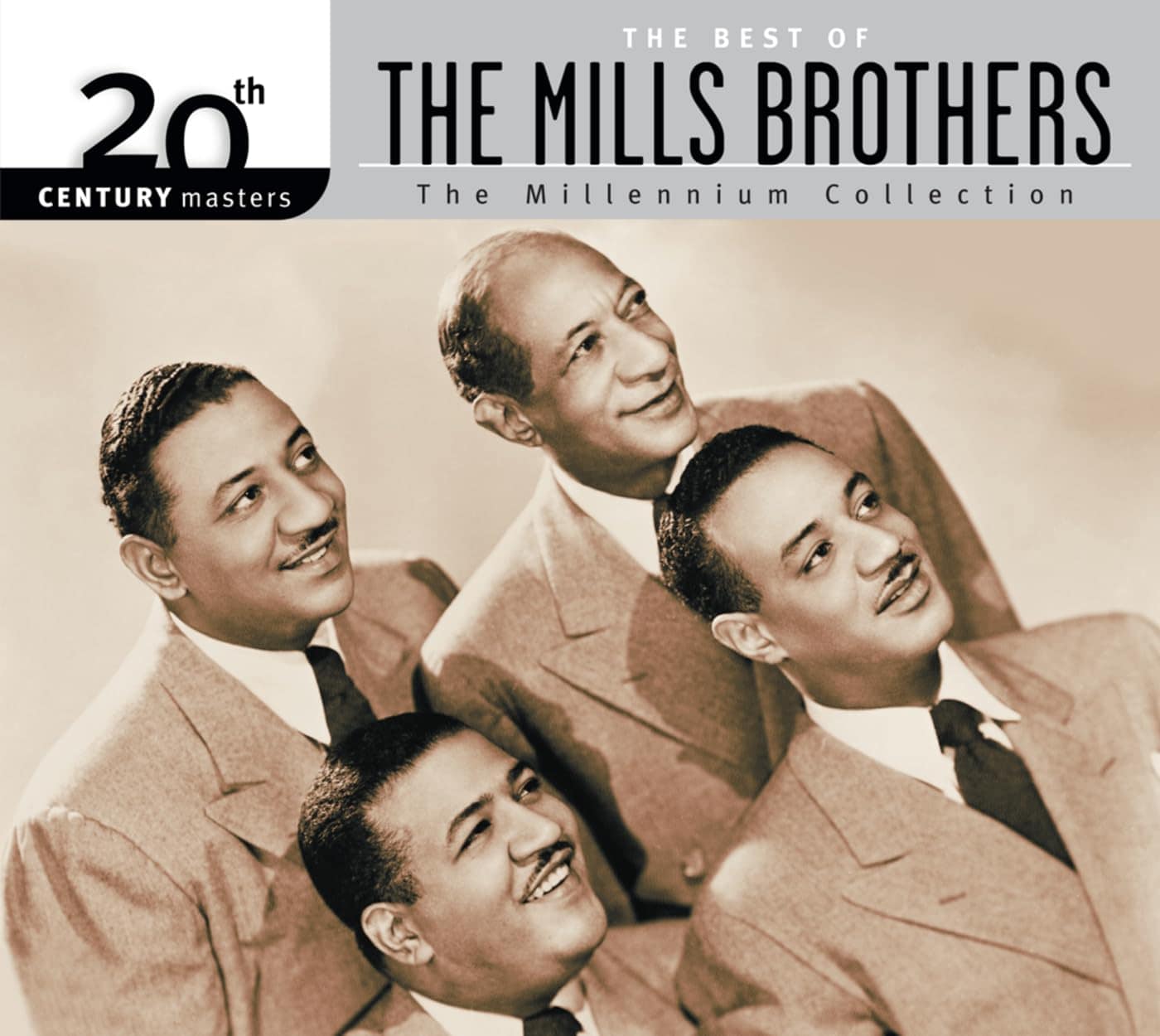
John Jr., Herbert, Harry, and Donald Mills
Their act: The Mills Brothers belong near the beginning of any serious history of family vocal groups. Brothers John Jr., Herbert, Harry, and Donald Mills built their reputation not only on close harmony but on an extraordinary ability to imitate instruments with their voices. Their sound could make a small vocal group seem like it had horns playing behind it, a novelty that became a genuine musical style rather than a gimmick. The group became major radio and recording stars and scored one of its biggest hits with "Paper Doll." After John Jr. died in 1936, the brothers' father, John Mills Sr., joined the act and helped keep the family group going.
Active: 1925-1982 for the original Mills family act and its later family configurations