Youtube / Vevo
John Lushenko / CC BY-SA 4.0
Bjorn Lusth / Public domain

Crazy4Metallica / Public Domain

Quintin Soloviev / CC BY-SA 4.0

PaulHamaker / CC BY-SA 4.0

Daniele Marcucci / CC BY 2.0
David Shankbone / CC BY 2.0
John / CC BY-SA 2.0

David Shankbone / CC BY 3.0







9 Hit Songs Once Named Among the Worst Ever
Everybody has at least one song they absolutely cannot stand. Maybe it has an annoyingly catchy chorus, lyrics that make no sense, or a melody that was played approximately 40,000 times on the radio. Of course, the funny thing about bad music is that somebody else probably loves the very song that makes you reach for the volume knob.
In 2004, Blender magazine published its list of the 50 worst songs ever, which also inspired a VH1 television special. The selections included some genuinely questionable recordings, but plenty of enormous hits as well. Apparently, selling millions of records and becoming part of pop culture does not guarantee that music critics will be particularly kind to you.
More than two decades later, some of those selections are still difficult to defend, while others have aged surprisingly well. These nine songs all appeared on Blender's infamous list, and a few of them probably deserve a second chance. Others? Well, let's just say that being nostalgic about a song doesn't necessarily mean it's good.
"We Built This City" by Starship (1985)
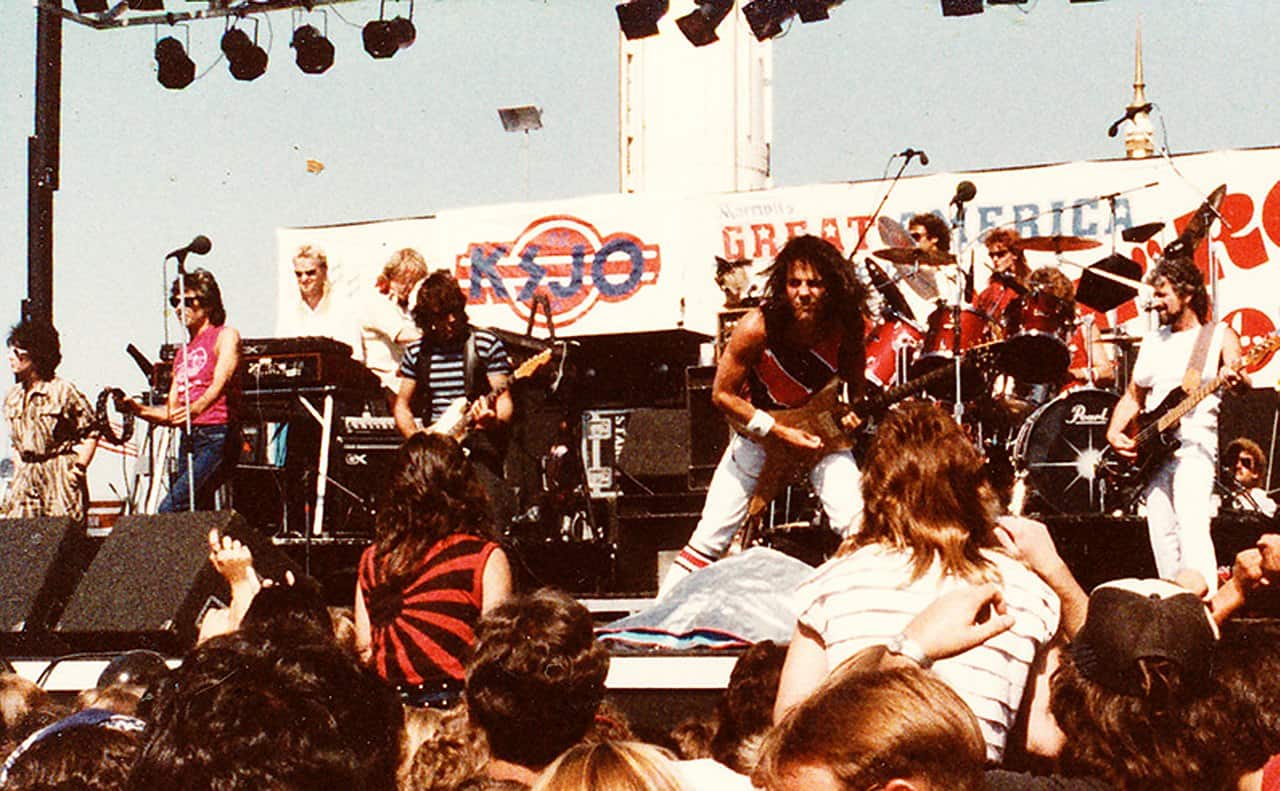
Of all the songs on this list, Starship's 1985 hit "We Built This City" might have the most impressive reputation for being terrible. Blender ranked it No. 1 on its list, and readers of Rolling Stone also voted it the worst song of the 1980s in a 2011 poll. That's a remarkable amount of criticism for a recording that reached No. 1 on the Billboard Hot 100. Evidently, quite a few people were buying the record even if nobody wanted to admit liking it later.
Part of the criticism stems from the band's history. Starship emerged from Jefferson Starship, which itself had roots in the groundbreaking 1960s psychedelic rock band Jefferson Airplane. By 1985, the music had evolved into polished, synthesizer-heavy pop that sounded considerably different from its counterculture origins. Critics particularly objected to a song celebrating rock music while sounding like the commercialized industry it appeared to criticize. Personally, I think there are far worse recordings from the decade, but I can understand why longtime Jefferson Airplane fans weren't exactly thrilled. Still, if the chorus comes on at a party, there's a decent chance somebody will start singing along.
"Achy Breaky Heart" by Billy Ray Cyrus (1992)
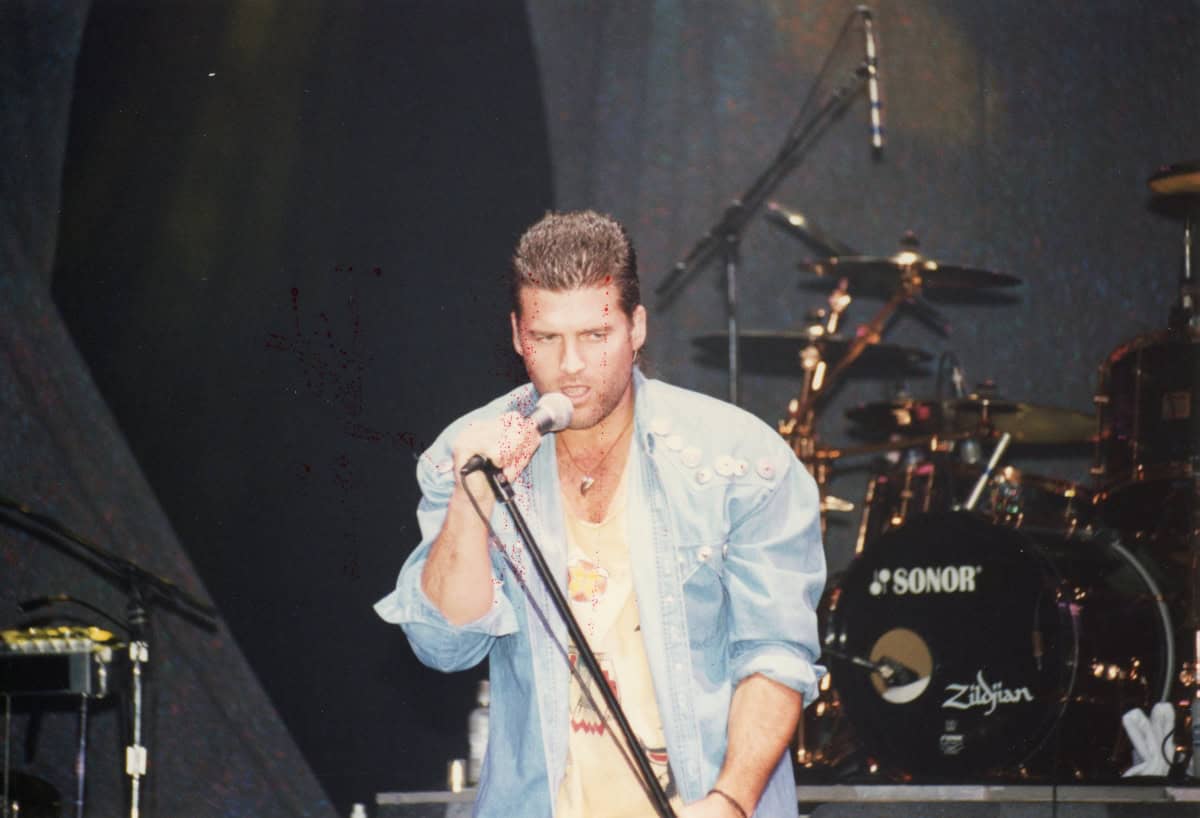
If you were anywhere near a country radio station in 1992, there's a good chance you heard "Achy Breaky Heart" more times than you ever wanted to. Billy Ray Cyrus turned the relentlessly catchy country single into a pop culture phenomenon, complete with line dancing, an unmistakable hairstyle, and a chorus that could become permanently lodged in your brain. The song topped Billboard's country singles chart, reached No. 4 on the Hot 100, and helped make Cyrus's debut album, Some Gave All, a massive commercial success. Blender was considerably less impressed, ranking the song No. 2 on its list.
There's certainly an argument that the song's repetitive lyrics and novelty appeal made it an easy target. It was everywhere, and even people who initially enjoyed it could probably have benefited from a few days without hearing it again. However, describing Cyrus as a one-hit wonder would be inaccurate. He enjoyed additional country hits, including "Could've Been Me," and later found another generation of listeners through his collaboration with Lil Nas X on the record-breaking 2019 hit "Old Town Road." As for "Achy Breaky Heart," I wouldn't necessarily call it a masterpiece, but if the goal was getting an entire country line dancing, it certainly accomplished the mission.
"Everybody Have Fun Tonight" by Wang Chung (1986)
There are some songs that practically announce what decade they came from within the first few seconds, and Wang Chung's "Everybody Have Fun Tonight" is one of them. Released in 1986, the upbeat synth-pop single climbed to No. 2 on the Billboard Hot 100 and became one of the group's signature hits. Its combination of pounding drums, bright synthesizers, and an endlessly repeated chorus captured the energetic, occasionally ridiculous spirit of 1980s pop music. Unfortunately for Wang Chung, Blender decided that the same qualities deserved the song a No. 3 ranking among the worst recordings ever.
I'll admit this one surprised me. Yes, the lyrics are repetitive, and the song's invitation to "Wang Chung" has never been particularly easy to explain. But isn't that part of the appeal? Nobody was expecting a profound philosophical statement from a dance-pop single designed to get people moving. There is something almost admirable about a band turning its own name into an instruction for having a good time. Music from this period could certainly be cheesy, but it was also unapologetically fun. Of all the songs that critics could have targeted, this seems like a particularly harmless offender. Besides, there are worse things than encouraging everybody to enjoy themselves for an evening.
"Rollin' (Air Raid Vehicle)" by Limp Bizkit (2000)
The late 1990s and early 2000s were an interesting time for rock music. Baggy clothes, backwards baseball caps, aggressive guitar riffs, and a healthy amount of adolescent frustration helped turn nu metal into a major commercial force. Limp Bizkit was one of the genre's most recognizable bands, and its 2000 single "Rollin' (Air Raid Vehicle)" became an anthem of that particular moment. The song appeared on the album Chocolate Starfish and the Hot Dog Flavored Water, reached No. 1 on the UK Singles Chart, and became closely associated with professional wrestling through its use as The Undertaker's entrance music. Blender ranked it No. 4 on its list.
Now, I can appreciate Limp Bizkit's place in music history without pretending everything the band recorded has aged gracefully. "Rollin'" relies heavily on an aggressive delivery, a repetitive hook, and the sort of swagger that made perfect sense to teenagers at the turn of the millennium. Listening to it decades later is a slightly different experience. Fred Durst certainly committed to the performance, and there's no denying the song's ability to get a crowd moving. Whether that makes it good music is another question entirely. It is one of those recordings that can immediately transport you back to a specific era, even if you aren't particularly eager to stay there.
"The Heart of Rock & Roll" by Huey Lewis and the News (1984)
I'm going to have to disagree with the critics on this one. Huey Lewis and the News produced some of the most enjoyable mainstream rock music of the 1980s, and "The Heart of Rock & Roll" seems like an especially strange choice for a list of terrible songs. Originally appearing on the band's hugely successful 1983 album Sports, the song was released as a single in 1984 and climbed to No. 6 on the Billboard Hot 100. It celebrates live music, American cities, and the idea that traditional rock and roll was still very much alive. Blender nevertheless placed it at No. 6 on its list.
Sure, the lyrics can be a little corny, and the song's relentlessly cheerful approach might not appeal to somebody looking for a darker or more complicated musical experience. But Huey Lewis and the News built their reputation on catchy hooks, tight musicianship, and an ability to make straightforward rock songs genuinely entertaining. There's nothing wrong with that. The band also delivered memorable hits such as "The Power of Love," "I Want a New Drug," and "If This Is It." I would argue that "The Heart of Rock & Roll" fits comfortably alongside them. If this represents some of the worst music the 1980s had to offer, the decade was doing pretty well.
"Don't Worry, Be Happy" by Bobby McFerrin (1988)
Few songs from the 1980s are as instantly recognizable as Bobby McFerrin's "Don't Worry, Be Happy." Released in 1988, the cheerful recording became the first entirely a cappella song to reach No. 1 on the Billboard Hot 100. McFerrin created its musical sounds using his voice rather than conventional instruments, producing a remarkably distinctive recording. The song also won three Grammy Awards, including Record of the Year and Song of the Year. Those are impressive accomplishments for something Blender would eventually rank as the seventh-worst song of all time. Apparently, the critics and the Recording Academy were operating under very different definitions of good music.
The criticism is fairly easy to understand. The song's relentlessly optimistic message can feel a little simplistic, particularly when life is presenting problems that cannot be solved by whistling and smiling. Its popularity also meant that listeners heard it constantly in movies, advertisements, and other settings. But dismissing the recording entirely overlooks McFerrin's remarkable vocal abilities and the technical creativity behind the performance. In fact, the Library of Congress selected "Don't Worry, Be Happy" for the National Recording Registry in 2024, recognizing its cultural and historical significance. That doesn't mean everyone has to enjoy listening to it, but it's difficult to argue that the song hasn't earned a lasting place in American music history.
"Party All the Time" by Eddie Murphy (1985)
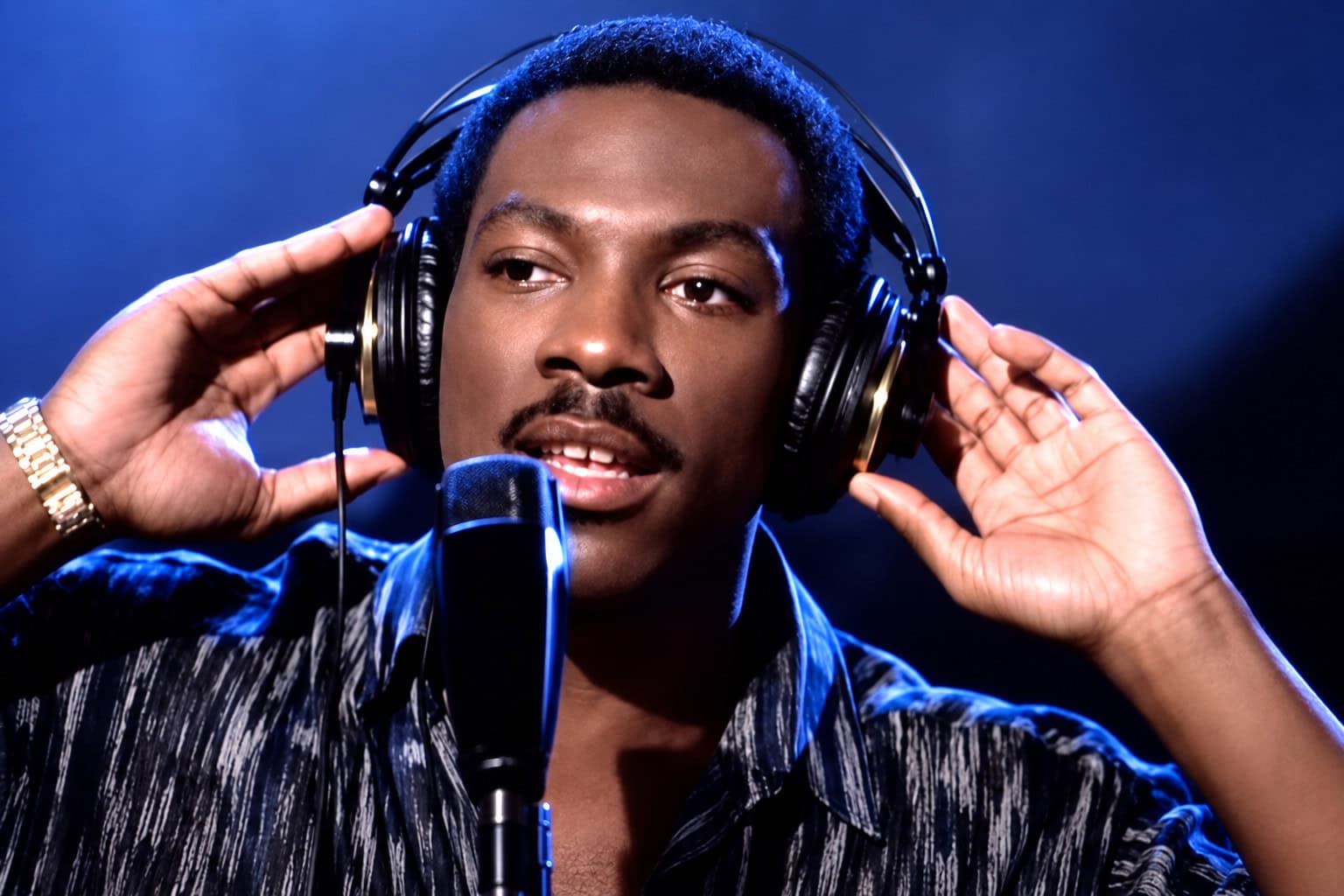
In the mid-1980s, Eddie Murphy was already one of the biggest names in comedy, thanks to Saturday Night Live, his stand-up performances, and films such as Beverly Hills Cop. Apparently, conquering comedy and Hollywood wasn't enough, because Murphy also decided to pursue a recording career. The result was "Party All the Time," a 1985 single produced by funk legend Rick James. To the surprise of anyone who remembers Murphy primarily as a comedian, the song was an enormous commercial success, reaching No. 2 on the Billboard Hot 100. Blender was considerably less enthusiastic, ranking it No. 8 among the worst songs ever.
There is something wonderfully strange about watching one of America's funniest entertainers deliver such a sincere pop performance. The song has an unmistakably 1980s production style, with electronic instrumentation, a polished dance beat, and a chorus that repeats its central idea until the listener has absolutely no chance of forgetting it. Rick James's involvement certainly gave the recording professional credibility, but that doesn't necessarily make Murphy's performance a timeless musical achievement. Still, the song has developed a certain nostalgic charm, and the fact that it nearly topped the charts proves audiences were willing to embrace Murphy in a very different role. Whether they were buying a great song or simply enjoying the novelty is open to debate.
"I'll Be There for You" by The Rembrandts (1995)
Even people who never watched Friends probably recognize its theme song. "I'll Be There for You," performed by The Rembrandts, became one of the most memorable television themes of the 1990s. Originally created as a short opening for the NBC sitcom, the song generated enough interest that an expanded version was recorded and released to radio. It reached No. 17 on the Billboard Hot 100 and spent eight weeks atop the magazine's radio airplay chart. Considering how closely the recording became associated with one of television's most successful sitcoms, its appearance at No. 15 on Blender's worst-songs list might seem a little harsh.
I'll admit that Friends was never particularly high on my personal list of favorite television shows, but that doesn't mean its theme song deserves this kind of criticism. The Rembrandts delivered an upbeat, guitar-driven pop recording with catchy harmonies and a hook that practically demands audience participation. The downside was that the song became so closely associated with the show that it overshadowed much of the band's other work. The group's members later expressed mixed feelings about becoming known primarily for the television theme. Nevertheless, the recording succeeded at something many theme songs never accomplish: becoming a recognizable pop hit that listeners could enjoy independently of the program. That's hardly a musical crime.
"We Didn't Start the Fire" by Billy Joel (1989)
I'll go ahead and defend Billy Joel here, even if the man himself might not completely agree with me. Released in 1989, "We Didn't Start the Fire" became a No. 1 hit on the Billboard Hot 100 and remains one of the most recognizable recordings in Joel's extensive catalog. Rather than following a conventional narrative, the song rapidly references historical figures, political developments, entertainment milestones, and cultural events spanning the years from 1949 through 1989. It is an unusual approach to songwriting, but one that helped introduce countless listeners to names and events they might otherwise never have encountered. Blender ranked it No. 41 on its list of the worst songs ever.
Here's where things get interesting. In a 2021 interview, Joel acknowledged that he wasn't particularly fond of the song's melody, even though he remained proud of the lyrics. He explained that writing the words before the music, rather than following his usual approach, contributed to a tune he found repetitive and annoying. That's a pretty remarkable admission from the person who wrote it. Personally, I think the song's historical concept more than compensates for its musical limitations. Is it one of Joel's greatest compositions? That's certainly debatable, especially considering the strength of his catalog. But calling it one of the worst songs ever recorded seems excessive. If nothing else, it has probably inspired more people to look up historical events than the average pop single ever will.