
Lisa Maree Williams / Getty Images Entertainment via Getty Images

Gareth Cattermole / Getty Images Entertainment via Getty Images
MGM, Public domain, via Wikimedia Commons

Michael Ochs Archives / Michael Ochs Archives via Getty Images

Michael Ochs Archives / Michael Ochs Archives via Getty Images
Michael Ochs Archives / Michael Ochs Archives via Getty Images

Keystone / Hulton Archive via Getty Images
Michael Ochs Archives / Michael Ochs Archives via Getty Images

2019 Getty Images / Getty Images Entertainment via Getty Images
Warner Bros. / Hulton Archive via Getty Images
Fin Costello / Redferns / Getty Images

Michael Ochs Archives / Michael Ochs Archives via Getty Images
Frederick M. Brown / Getty Images

Michael Ochs Archives / Michael Ochs Archives via Getty Images

John Pratt / Hulton Archive via Getty Images
Pelo magazine #1, Public domain, via Wikimedia Commons

Shutterstock ID: 681809980, Photographer: Brian Goodman

Davizro / Getty Images

https://www.flickr.com/photos/thecomeupshow/14198855963/in/photolist-nCGRcr-nACFdX-nAG2rC-nAG1Rj-nAVEwg-nCGMAi-nCGPEt-njr42q-nCGKUT-nAVKbW-njqT6T-njqSQc-njr5ob-nAG1jC-nACGsR-nAVJU3-nAG5pb-nAVM2j-nACHii, CC BY 2.0
Morgan Williams, CC BY 2.0

Lisa Maree Williams / Getty Images Entertainment via Getty Images

Frazer Harrison / Getty Images

Harry Benson / Getty Images

Brian Ach / Getty Images

Tino Jacobs from Belgium / BY 2.0

Bryan Bedder / Getty Images Entertainment via Getty Images




















25 Famous Songs That Faced Censorship or Bans
Some of the most recognizable songs in music history weren't always welcome on the radio. Over the decades, broadcasters have refused to play certain records because of their lyrics, political messages, religious references, or subjects that were considered inappropriate at the time. Others required edited versions before stations would put them on the air. And sometimes, the controversy had less to do with the song itself than with its accompanying music video.
What's particularly interesting is how much the standards have changed. Songs that once caused outrage are now considered classics, while others sparked debates about censorship, artistic freedom, and who gets to decide what audiences can hear. Not every controversy resulted in an outright ban, either. Some restrictions were temporary, applied only to certain stations, or involved television rather than radio.
From the Beatles and Billie Holiday to Lady Gaga and Jason Aldean, here are 25 songs that encountered broadcast restrictions, censorship disputes, or pressure to change their content, along with what actually happened.
"Brown Eyed Girl" (1967) — Van Morrison
Van Morrison's "Brown Eyed Girl" sounds innocent enough by today's standards, but some radio stations considered its lyrics too suggestive when it arrived in 1967. The objection centered on a reference to making love outdoors, prompting the creation of an edited version that replaced the offending line with words repeated from an earlier verse. There's also a longstanding story that Morrison originally called the song "Brown Skinned Girl" and changed the title because of concerns about interracial relationships. Morrison acknowledged the earlier title but described the change as something that happened during the recording process, rather than a deliberate attempt to satisfy radio programmers. The documented censorship issue involved the suggestive lyric, not an interracial marriage. Despite the controversy, "Brown Eyed Girl" became Morrison's first major American solo hit and remains one of the most familiar songs of the 1960s.
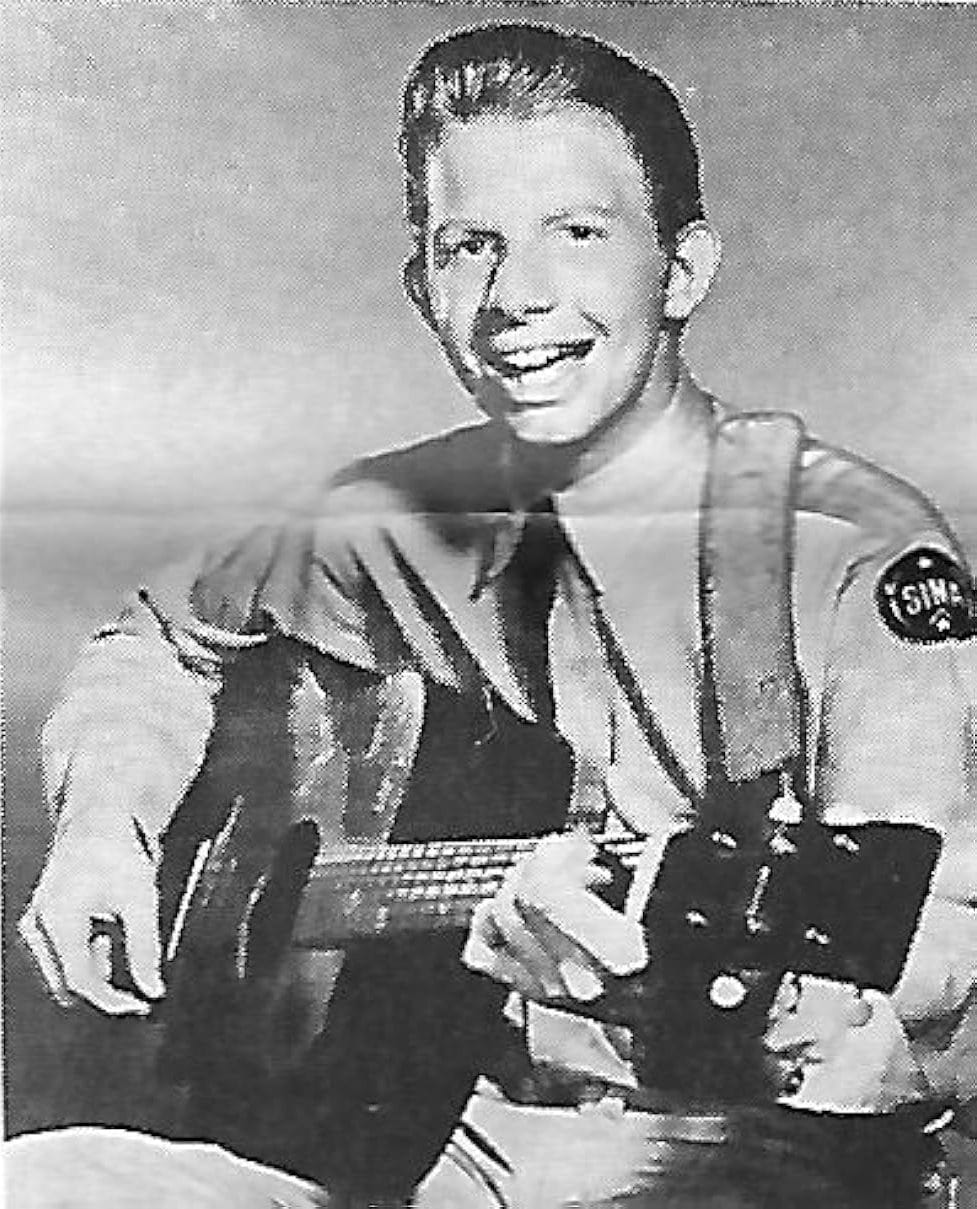
"I Saw Mommy Kissing Santa Claus" (1952) — Jimmy Boyd
Jimmy Boyd was just 13 years old when his recording of "I Saw Mommy Kissing Santa Claus" became a Christmas sensation in 1952. Surprisingly, some broadcasters objected to the playful idea of a child witnessing his mother kissing Santa Claus. One documented example involved WSAZ in Huntington, West Virginia, which temporarily banned the song over concerns that it depicted inappropriate parental behavior and disrespected Christmas traditions. The station reversed its decision after public objections. A more famous story claims that Boston's Catholic leadership condemned the song and forced a local ban, but a 2023 investigation by the Boston Globe found no archival evidence supporting that account. The Christmas classic therefore has a genuine censorship history, just not necessarily the one most frequently repeated. Boyd's recording became a massive hit, and the song has since been covered by numerous artists.
"Street Fighting Man" (1968) — The Rolling Stones
The Rolling Stones released "Street Fighting Man" during one of the most turbulent periods in modern American history. In 1968, protests against the Vietnam War, civil unrest, and confrontations between demonstrators and police dominated the headlines. The song's aggressive sound and politically charged imagery made some radio programmers nervous, particularly after violent clashes surrounding the Democratic National Convention in Chicago. Several stations reportedly declined to play the record because they feared its message could encourage further unrest. Mick Jagger and Keith Richards had been influenced by the protest movements they witnessed in Europe and the United States, but the song wasn't simply an instruction to riot. It reflected the frustration and political tensions of the era. Although it received less commercial success than some of the band's other singles, "Street Fighting Man" eventually became an enduring part of the Rolling Stones' catalog.
"Will You Love Me Tomorrow" (1960) — The Shirelles
The Shirelles made music history with "Will You Love Me Tomorrow," but the song's subject matter raised eyebrows when it was released in 1960. Written by Carole King and Gerry Goffin, the recording explores a young woman's uncertainty about whether a romantic partner will still love her after a moment of intimacy. Nothing about the lyrics would be considered especially explicit today, but the suggestion of premarital sex was enough for some conservative radio stations to refuse to play it. Lead singer Shirley Owens later recalled that certain broadcasters considered the song too sexually suggestive for their audiences. Those objections didn't prevent its success. In 1961, "Will You Love Me Tomorrow" became the first Billboard Hot 100 number-one single by an all-Black female group. The recording helped establish the Shirelles as pioneers of the girl-group sound and remains a defining early-1960s pop classic.
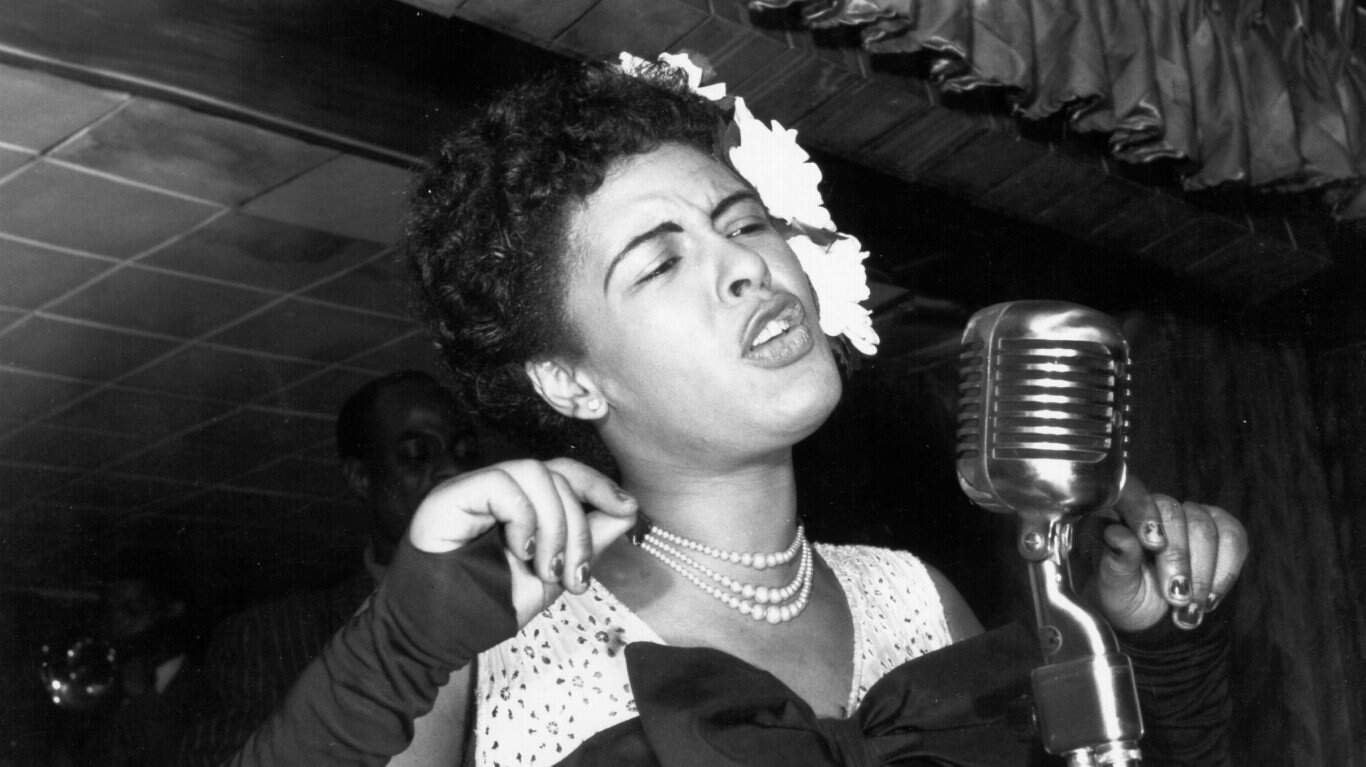
"Strange Fruit" (1939) — Billie Holiday
Billie Holiday's "Strange Fruit" stands apart from most songs on this list because its controversy involved confronting racial violence rather than sex, profanity, or drugs. Written by Abel Meeropol, the song uses disturbing imagery to condemn the lynching of Black Americans. Holiday began performing it at New York's Cafe Society nightclub before recording it in 1939. Her regular record label, Columbia, declined to release the song, reportedly fearing the reaction from Southern retailers and radio affiliates. Holiday instead recorded it for the smaller Commodore label. Some Southern radio stations refused to play the record, but the song still became one of her most important and commercially successful recordings. Its significance extends well beyond music censorship. "Strange Fruit" remains a landmark protest song and a powerful reminder of how artists have used music to confront injustice, even when doing so threatened their careers.
"Physical" (1981) — Olivia Newton-John
Olivia Newton-John's "Physical" became one of the biggest pop hits of the 1980s, but not everyone appreciated its not-so-subtle romantic suggestions. In November 1981, contemporary news reports documented radio stations in Utah refusing to play the single because of its suggestive lyrics. KFMY-FM in Provo removed the song from its playlist after listener complaints, while KSL-AM in Salt Lake City declined to add it. The controversy reflected the more conservative standards of certain local markets rather than a nationwide prohibition. Newton-John's accompanying music video, built around a humorous fitness-club setting, helped give the song an entirely different visual identity. The restrictions ultimately made little difference to its commercial performance. "Physical" spent 10 consecutive weeks at number one on the Billboard Hot 100 and became one of Newton-John's signature recordings, demonstrating that local radio objections didn't necessarily prevent a massive national hit.
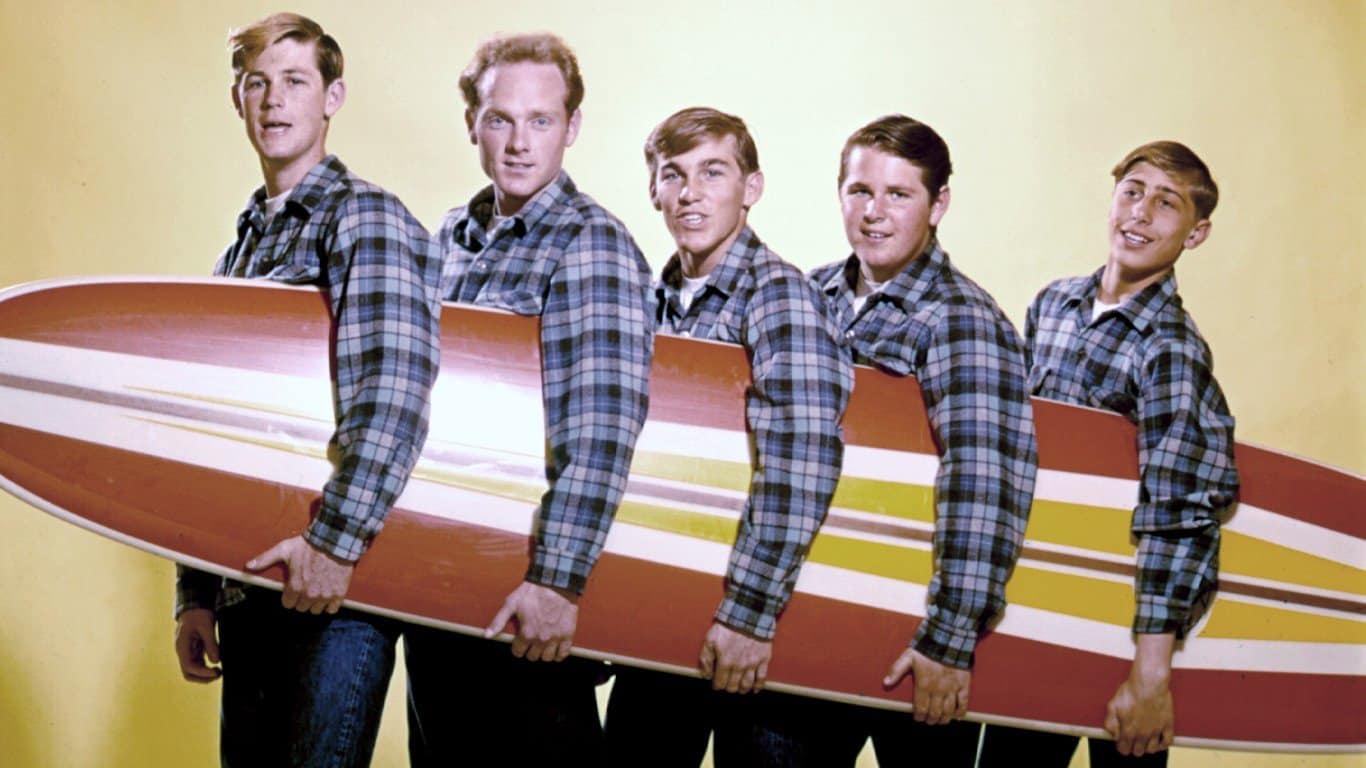
"God Only Knows" (1966) — The Beach Boys
It's difficult to imagine the Beach Boys' "God Only Knows" being considered controversial today. The 1966 recording, featured on the landmark album "Pet Sounds," is widely regarded as one of Brian Wilson's greatest compositions. However, its title caused concern among some broadcasters at the time because invoking God's name in a secular love song was considered inappropriate by certain conservative audiences. According to a BBC retrospective on the song, some American radio stations, particularly in parts of the South, refused to play it. Wilson himself had worried that the religious reference could create problems with airplay. Unlike songs that faced objections over profanity or explicit content, "God Only Knows" encountered resistance simply because of its title and subject matter. The restrictions were limited, and the song went on to become one of the band's most critically acclaimed recordings.
"The Pill" (1975) — Loretta Lynn
Loretta Lynn wasn't afraid to challenge expectations, and her 1975 single "The Pill" became one of the boldest examples of that approach. The song tells the story of a married woman celebrating the freedom offered by birth control after years of pregnancy and raising children. For conservative country radio audiences in the 1970s, that was a provocative subject. Approximately 60 stations reportedly refused to play the record, and Lynn's label had delayed its release for several years after she recorded it. The controversy didn't prevent the song from reaching the country charts or becoming one of Lynn's most recognizable recordings. What makes "The Pill" particularly significant is that Lynn was addressing women's reproductive choices in a genre where the subject was rarely discussed so openly. Her official website continues to acknowledge the radio bans, making this one of the better-documented examples of country music censorship.
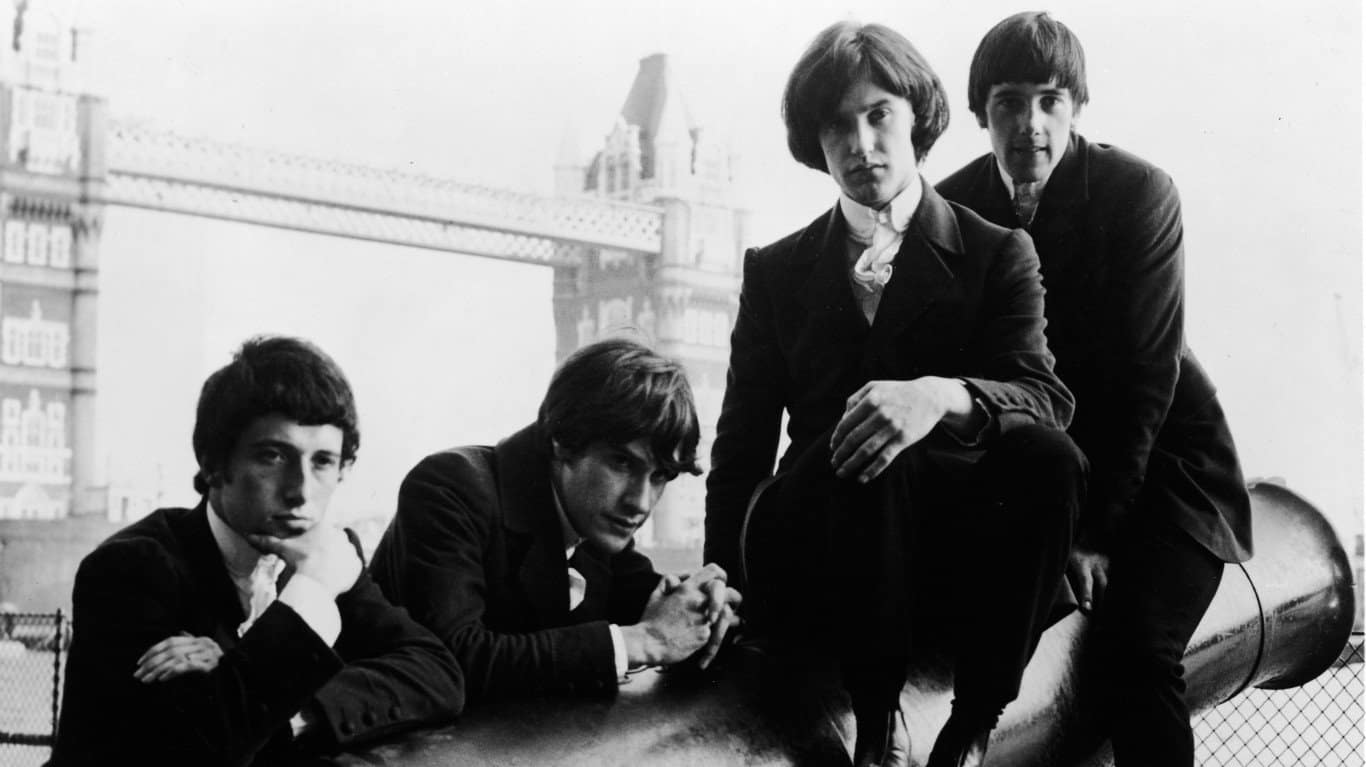
"Lola" (1970) — The Kinks
The Kinks' 1970 hit "Lola" is remembered for its story of a romantic encounter involving a gender-nonconforming character, but that wasn't what caused problems with the BBC. Instead, the broadcaster objected to the song's original reference to Coca-Cola. At the time, BBC radio rules prohibited certain commercial brand mentions, even when they appeared in ordinary song lyrics. Frontman Ray Davies reportedly traveled back to London while the band was touring so he could re-record the offending words, replacing the brand name with a generic reference to cherry cola. The altered version satisfied the broadcaster's requirements and allowed the record to receive BBC airplay. Interestingly, the song's gender-related themes didn't trigger the same official objection. "Lola" became one of the Kinks' biggest international hits, making its censorship story a particularly memorable example of how broadcasting rules once extended to seemingly harmless product references.
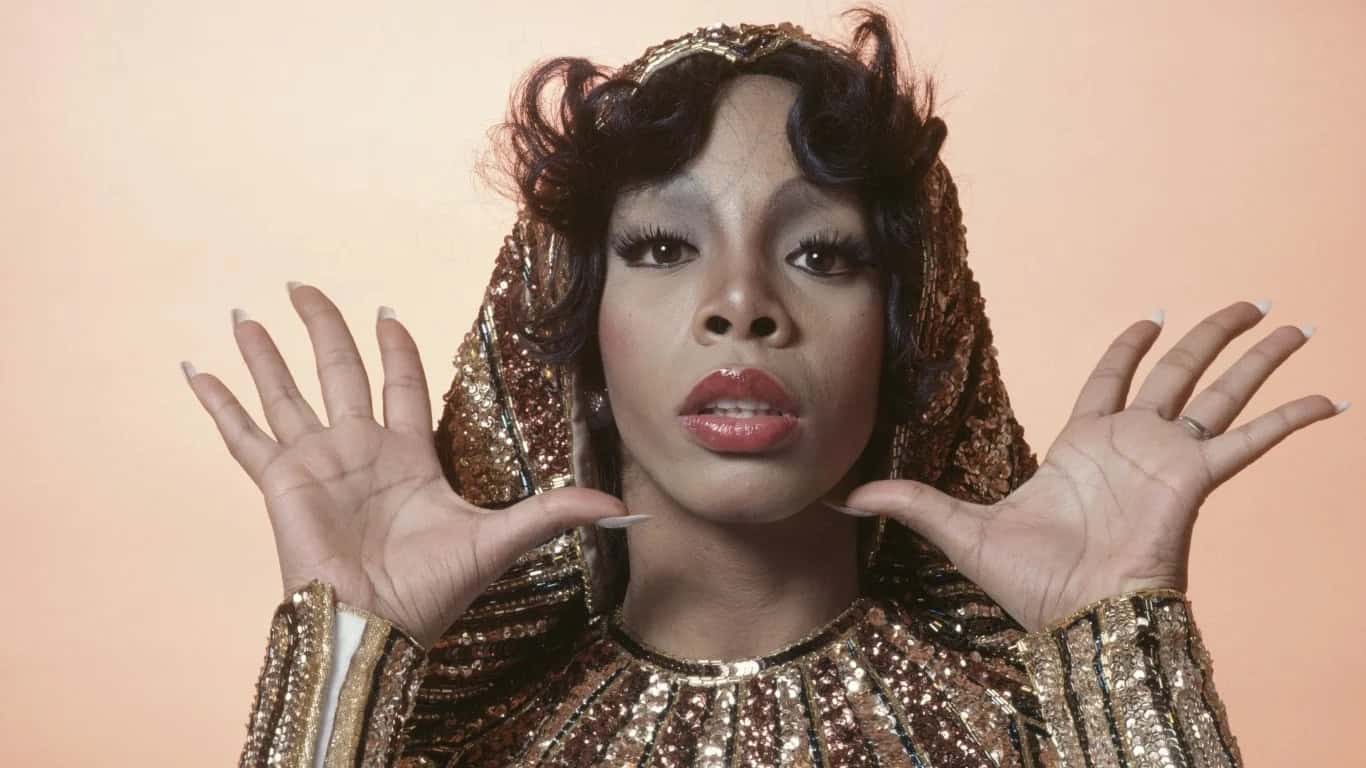
"Love to Love You Baby" (1975) — Donna Summer
Donna Summer's "Love to Love You Baby" helped introduce disco to a worldwide audience, but its sensual vocal performance was considered too provocative by some broadcasters. Released in 1975 and produced by Giorgio Moroder and Pete Bellotte, the recording featured breathy vocals and simulated sounds of sexual pleasure. The extended album version ran for more than 16 minutes, while shorter edits were created for commercial release. BBC radio restricted its airplay, and other stations were reluctant to broadcast the song because of its explicitly sensual presentation. Those restrictions didn't prevent Summer from becoming an international sensation. The single reached number two on the Billboard Hot 100 and helped establish her reputation as one of disco's defining performers. The controversy also reflected changing public attitudes toward sexuality in popular music, particularly as disco became a major commercial force during the 1970s.
"Walk Like an Egyptian" (1986) — The Bangles
Few songs seem less threatening than the Bangles' cheerful 1986 hit "Walk Like an Egyptian," but it became an unlikely casualty of wartime broadcasting sensitivities. During the Persian Gulf War in January 1991, the BBC circulated an advisory identifying 67 songs that programmers might want to avoid because their titles or lyrics could be considered inappropriate during the conflict. "Walk Like an Egyptian" appeared on that list, despite Egypt's participation in the coalition opposing Iraq. The advisory wasn't a permanent ban, and individual broadcasting decisions varied, but it became one of the most frequently cited examples of an unusual wartime music restriction. The song also appeared in discussions surrounding post-September 11 radio playlists in the United States. Originally a number-one American hit, "Walk Like an Egyptian" remains a favorite of 1980s nostalgia playlists and an illustration of how context can change the way broadcasters evaluate otherwise lighthearted music.
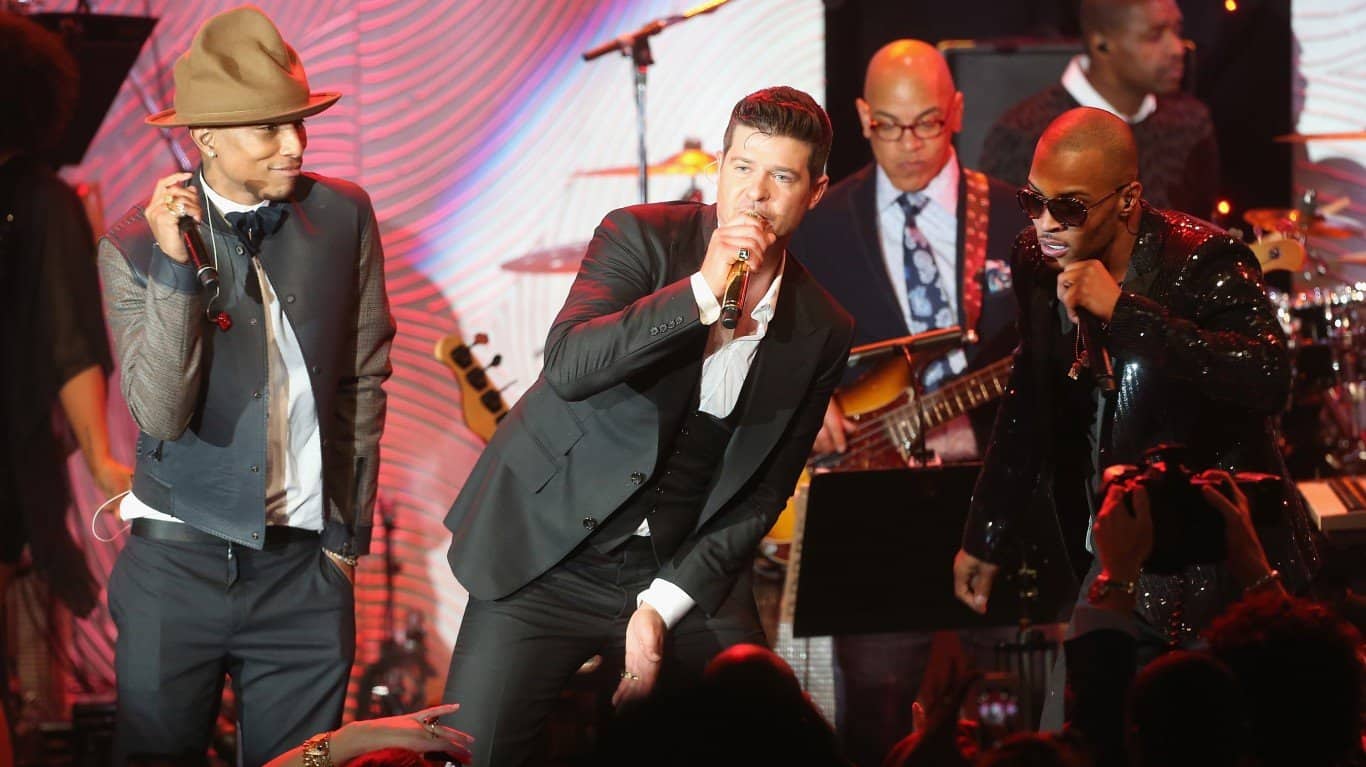
"Blurred Lines" (2013) — Robin Thicke
Robin Thicke's 2013 hit "Blurred Lines," featuring Pharrell Williams and T.I., sparked considerable controversy over its sexual themes and the way critics believed its lyrics portrayed consent. The accompanying unrated music video also generated objections because it featured topless models alongside fully clothed male performers. However, describing the song as broadly banned from radio would be misleading. It was one of the year's biggest radio hits, reaching an enormous audience across multiple formats. The most clearly documented restrictions came from several British university student unions, which removed the song from their bars, events, and other campus playlists. Some video platforms also restricted the more explicit version of its promotional video. The record ultimately became a worldwide commercial success, even as debates about its message continued. Its censorship history is better understood as a collection of campus and video restrictions rather than a widespread radio prohibition.
"God Save the Queen" (1977) — Sex Pistols
The Sex Pistols released "God Save the Queen" in May 1977, just as Britain was preparing to celebrate Queen Elizabeth II's Silver Jubilee. The band's aggressive punk sound and openly critical portrayal of the monarchy immediately generated controversy. On May 31, 1977, the BBC banned the single from radio airplay, describing its content as offensive and inappropriate. Some commercial stations and major retailers also refused to play or stock the record. Rather than disappearing, "God Save the Queen" became one of the most talked-about releases of the year and reached number two on the official UK singles chart. Its position fueled longstanding allegations that the chart had been manipulated, although those claims remain disputed. The song remains one of punk rock's defining recordings and a particularly clear example of a broadcaster imposing an outright ban because of political and cultural objections.
"A Day in the Life" (1967) — The Beatles
The Beatles frequently challenged musical conventions, but their groundbreaking 1967 album "Sgt. Pepper's Lonely Hearts Club Band" also attracted attention from BBC censors. The song that actually received a documented BBC ban was "A Day in the Life," the album's ambitious closing track. Broadcasters interpreted certain lyrics as references to drug use, even though the song drew inspiration from newspaper stories, everyday experiences, and the songwriting partnership between John Lennon and Paul McCartney. The BBC initially refused to broadcast it because of those concerns. Interestingly, the popular claim that "Lucy in the Sky with Diamonds" was also officially banned by the BBC is disputed by historical research. The Beatles' own website confirms the restriction on "A Day in the Life." Despite the ban, the recording became one of the group's most critically celebrated achievements and remains an important example of the experimental direction popular music took during the late 1960s.
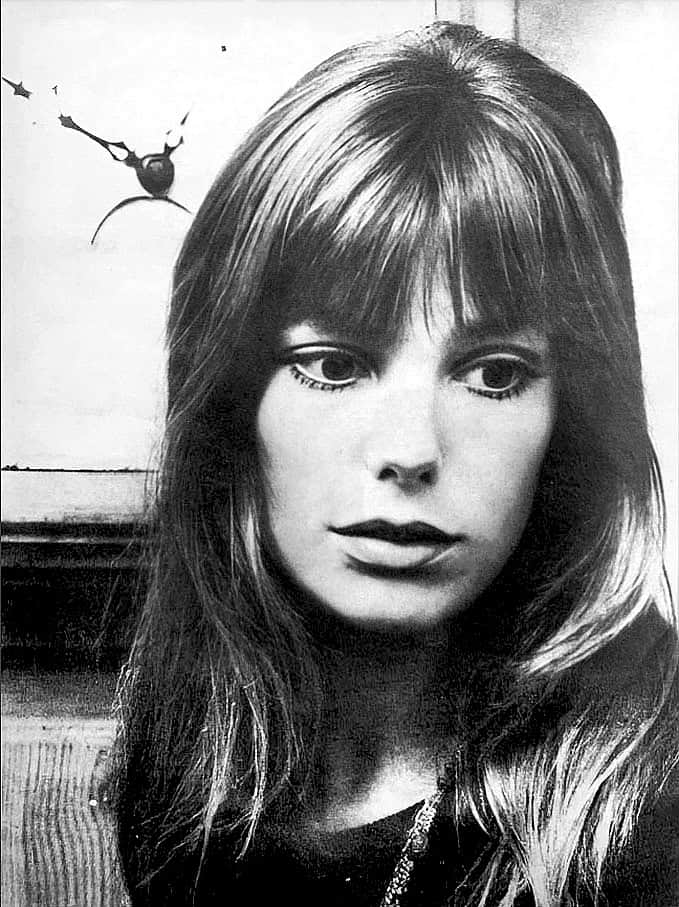
"Je t'aime... moi non plus" (1969) — Jane Birkin and Serge Gainsbourg
Jane Birkin and Serge Gainsbourg caused an international sensation with their 1969 recording of "Je t'aime... moi non plus." The French-language duet featured sensual vocals and simulated sounds of intimacy that many broadcasters considered inappropriate. The BBC refused to air the recording, and it encountered restrictions in several other countries, including Italy and Spain. Its original British record label also stopped distributing the single before another company took over its release. Despite those obstacles, the song reached number one on the UK singles chart in October 1969, becoming the first foreign-language recording to accomplish that feat. The controversy wasn't limited to ordinary radio censorship, either, with religious and political figures publicly objecting to its content. More than five decades later, "Je t'aime... moi non plus" remains one of the best-known examples of a song achieving major commercial success despite extensive broadcasting restrictions.
"F**k It (I Don't Want You Back)" (2003) — Eamon
Eamon's 2003 breakup hit "F**k It (I Don't Want You Back)" presented an unusual challenge for radio programmers. The song combined a traditional R&B-style melody with a chorus containing repeated profanity, making the original recording unsuitable for many mainstream broadcast formats. Rather than imposing a universal ban, stations largely relied on a heavily edited version that removed or obscured the offending language. In fact, the edited single received substantial American radio airplay before becoming a major international success in 2004. The record reached number one on the UK singles chart and demonstrated how broadcasters could accommodate controversial music through alternate edits. Contemporary reporting described the unusual amount of editing required to make the recording suitable for commercial radio. Its story is therefore more accurately one of extensive lyrical censorship than a song that disappeared from the airwaves altogether.
"Timothy" (1970) — The Buoys
The Buoys' "Timothy" might be one of the strangest songs ever to become a mainstream pop hit. Written by Rupert Holmes and originally released in 1970, the recording tells the story of three men trapped in a mine after a cave-in. When rescuers eventually reach the survivors, only two men remain, and the lyrics strongly imply that the missing man, Timothy, was eaten by his companions. Holmes later acknowledged that he deliberately wanted to write something provocative enough to generate controversy and attract attention to the band. As listeners and radio programmers began recognizing the song's dark subject matter, some stations refused to continue playing it. The controversy did little to stop its success, with "Timothy" eventually reaching number 17 on the Billboard Hot 100 in 1971. It remains an unusual example of a pop song whose disturbing story was central to both its notoriety and commercial appeal.
"Why" (2004) — Jadakiss
Jadakiss attracted national attention in 2004 with "Why," a politically charged hip-hop single that raised questions about American society, government, and popular culture. One particularly controversial lyric suggested that President George W. Bush was responsible for the September 11 terrorist attacks, a claim unsupported by evidence. Some broadcasters removed that line from the version they played, while MTV also aired an edited music video. However, the record wasn't subject to a universal radio ban. Contemporary reporting noted that major New York hip-hop stations continued playing the unedited version despite the controversy. Jadakiss later explained that he was questioning political issues rather than asserting that Bush had personally orchestrated the attacks. The incident illustrates how broadcasters sometimes respond to controversial political statements by editing individual lyrics instead of refusing an entire recording. "Why" became one of Jadakiss's most recognizable solo singles.
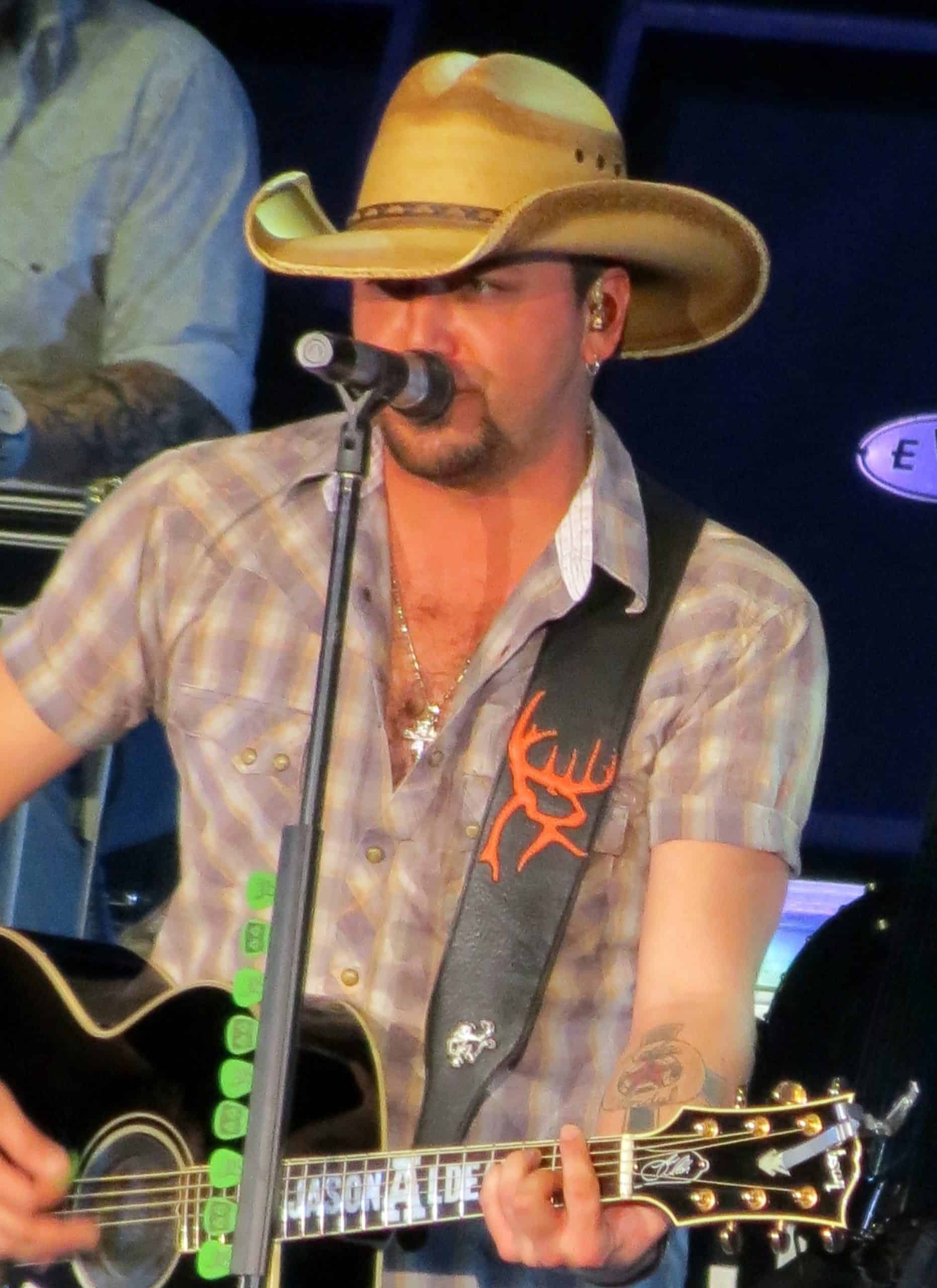
"Try That in a Small Town" (2023) — Jason Aldean
Jason Aldean's 2023 single "Try That in a Small Town" became the center of a major national controversy after its music video was released in July. Critics argued that the song's lyrics and accompanying footage promoted vigilante violence and portrayed protests in a racially inflammatory way. The video also showed Aldean performing outside the Maury County Courthouse in Columbia, Tennessee, where a Black teenager had been lynched in 1927. Aldean rejected accusations that the song promoted racism or violence. On July 17, 2023, Country Music Television removed the video from rotation, although the network did not publicly explain its decision in detail. Importantly, this was a television programming decision, not a nationwide ban on radio airplay. The song continued receiving substantial radio exposure and ultimately reached number one on the Billboard Hot 100. The controversy demonstrates the distinction between restricting a music video and banning the underlying recording.
"Tonight's the Night (Gonna Be Alright)" (1976) — Rod Stewart
Rod Stewart's "Tonight's the Night (Gonna Be Alright)" became one of the biggest hits of 1976, but its intimate subject matter initially made some radio stations uncomfortable. The song describes a romantic encounter in unusually direct terms for a mainstream pop single of its era. Its closing section also features Stewart's then-partner Britt Ekland speaking softly in French, adding to the recording's sensual presentation. Some broadcasters reportedly refused to play the single because of its lyrics, although the restrictions were far from universal. Stewart later acknowledged the objections and joked that the resulting controversy hadn't done the song any harm. He had a point. "Tonight's the Night" spent eight consecutive weeks at number one on the Billboard Hot 100, carrying its chart success into early 1977. Today, it's remembered as one of Stewart's most successful recordings rather than for the stations that initially declined to play it.
"This Note's for You" (1988) — Neil Young
Neil Young took aim at corporate advertising and celebrity endorsements with his 1988 song "This Note's for You," but the accompanying music video created an entirely different controversy. Directed by Julien Temple, the video mocked commercial campaigns and famous musicians who appeared in advertisements, including references to major soft drink and beer brands. MTV initially refused to broadcast the clip, citing its rules against displaying or mentioning commercial products. That decision seemed particularly ironic because Young's song criticized the influence of corporate sponsorship on music. The restriction wasn't a conventional radio ban, and MTV eventually reversed its decision. In another twist, the previously rejected video went on to win Video of the Year at the 1989 MTV Video Music Awards. The incident became one of the most memorable examples of a broadcaster's advertising policies colliding with an artist's criticism of commercial influence.
"Imagine" (1971) — John Lennon
John Lennon's "Imagine" is one of the world's best-known songs about peace and human unity, which makes its appearance in discussions of radio censorship particularly surprising. Following the September 11, 2001, terrorist attacks, a list of songs considered potentially inappropriate for airplay circulated among stations owned by Clear Channel Communications. "Imagine" appeared on the list alongside recordings referencing violence, airplanes, war, and other subjects thought to be sensitive during the national crisis. However, the company publicly denied imposing an official ban and stated that individual stations were responsible for their own programming decisions. Some broadcasters continued playing "Imagine," while others adjusted their playlists. The controversy therefore involved an advisory list and station-level decisions rather than a verified nationwide prohibition. It remains a striking example of how even songs associated with peace can become entangled in debates about broadcasting sensitivities during periods of national tragedy.
"Only the Good Die Young" (1977) — Billy Joel
Billy Joel released "Only the Good Die Young" on his 1977 album "The Stranger," with the recording becoming a hit single the following year. The song's playful discussion of romantic relationships, Catholic upbringing, and premarital sex sparked criticism from some religious listeners. Several radio stations refused to play it, particularly in areas where complaints about its religious references became prominent. Joel has repeatedly confirmed that the song faced bans, including in Boston, and has suggested that the controversy may actually have helped its commercial success. Once listeners heard that the record was being restricted, some became more curious about what it contained. Rather than disappearing, "Only the Good Die Young" became one of Joel's signature songs. It's an example of how an attempt to suppress a recording can sometimes increase public interest and generate more attention than the song might otherwise have received.
"Cop Killer" (1992) — Body Count
Body Count's 1992 song "Cop Killer" became a major national controversy over its violent lyrics and criticism of police brutality. Fronted by rapper and actor Ice-T, the heavy metal group faced condemnation from police organizations, politicians, and other public figures who argued that the recording encouraged violence against law enforcement officers. Ice-T defended the song as a protest against police misconduct and described it as a fictional expression of anger. Although some critics demanded that radio stations avoid the recording, the primary controversy centered on the album's commercial distribution rather than an established widespread radio ban. In July 1992, Ice-T announced that he would remove "Cop Killer" from future editions of Body Count's debut album. Warner Bros. subsequently agreed to withdraw existing copies and release a revised version. The incident became an important debate about artistic expression, corporate pressure, and the limits of controversial political speech in popular music.
"LoveGame" (2009) — Lady Gaga
Lady Gaga's "LoveGame" became another international dance-pop hit in 2009, but its accompanying music video caused problems with television broadcasters in several markets. The video featured provocative choreography, sexual imagery, and lyrics that some networks considered inappropriate for younger viewers. In Australia, Network Ten's "Video Hits" declined to air the clip in its family-friendly programming slots because it couldn't be adequately edited to meet the show's content standards. MTV Arabia also refused to broadcast the video, citing concerns about its sexual content and suitability for regional audiences. Other television outlets aired edited versions or continued showing the original. These restrictions involved the promotional video rather than a comprehensive radio ban on the song itself. Despite the controversy, "LoveGame" became a major international success and helped establish Gaga as one of the most recognizable pop performers of her generation.